
7 Days in Umbria 2026: The Ultimate Off-the-Beaten-Path Cultural Road Trip
Umbria delivers what overtouristed Tuscany promises but rarely provides: medieval hill towns where locals still outnumber visitors, family-run agriturismi serving produce from their own gardens, and winding country roads that lead to Romanesque churches frescoed by Renaissance masters. This seven-day road trip navigates the “Green Heart of Italy” through destinations where cultural authenticity remains intact, from Assisi’s spiritual pilgrimage sites to Orvieto’s underground Etruscan tunnels, Spoleto’s Roman theaters, and medieval gems like Spello and Gubbio that appear on few international itineraries.
Key Takeaways: Essential Planning Facts for Umbria 2026
- Budget Reality Check: Seven days exploring Umbria costs €595-840 per person for budget travelers staying in hostels and B&Bs, €980-1,365 for mid-range comfort in agriturismi with excellent regional dining, and €1,435-2,065 for luxury stays in converted manor houses with guided cultural experiences, all assuming two people sharing accommodation and car rental costs.
- Transportation Strategy: Renting a car proves essential for accessing Umbria’s hill towns and countryside treasures, with compact vehicles costing €175-300 for seven days plus €70-100 in fuel, while relying solely on public transportation severely limits access to the region’s most authentic destinations and agriturismo accommodations located in rural areas.
- Seasonal Timing 2026: April through June and September through October deliver ideal conditions with mild temperatures, blooming landscapes or autumn colors, minimal crowds at major sites, and full agriturismo availability, while July and August bring heat, higher prices, and tourist congestion particularly in Assisi and Orvieto.
- Accommodation Philosophy: Staying in agriturismi (working farms offering lodging) scattered throughout the countryside provides authentic cultural immersion with home-cooked regional meals, wine tastings of estate production, and morning views across olive groves and vineyards, with rates from €94-164 per night competing favorably with generic hotels while delivering far superior experiences.
- Hidden Costs Reality: Factor in parking fees €2-5 daily in historic centers with restricted traffic zones (ZTL), toll road charges €15-25 for the week if using highways, and wine purchases €12-30 per bottle at vineyard visits, as these seemingly minor expenses add €50-80 to weekly budgets when exploring multiple destinations.
- Free Cultural Wealth: Assisi’s Basilica di San Francesco, Perugia’s Fontana Maggiore, Spello’s church frescoes, and countless medieval town centers offer world-class art and architecture without admission fees, allowing budget-conscious travelers to experience Umbria’s Renaissance and medieval heritage while spending primarily on meals, accommodation, and transportation rather than entrance tickets.
People Also Ask About Planning 7 Days in Umbria 2026
How much does a 7-day road trip in Umbria cost per person in 2026?
A week exploring Umbria costs €595-840 per person for budget travelers, €980-1,365 for mid-range comfort, and €1,435-2,065 for luxury experiences, all assuming two people sharing accommodation and splitting car rental expenses. Budget travelers stay in hostels and budget B&Bs for €75-95 per night, eat primarily at trattorias and prepare some meals themselves, and visit mainly free attractions, while mid-range travelers choose agriturismi for €120-160 per night, dine at quality regional restaurants, and include paid cultural experiences like guided tours. Luxury travelers select converted manor houses and historic properties for €180-250 per night, book private guided experiences, and enjoy multiple-course meals at acclaimed restaurants. Car rental adds €88-250 per person depending on vehicle category, fuel costs €35-60 per person for the week, and daily expenses for meals and attractions range from €30-45 for budget travelers to €85-125 for luxury experiences.
Is renting a car necessary for exploring Umbria in 2026?
Renting a car proves essential for experiencing authentic Umbria beyond the handful of towns with train stations, as public transportation reaches only major centers like Perugia, Assisi, Spoleto, and Orvieto while leaving spectacular hill towns like Spello, Montefalco, Bevagna, Todi, and Gubbio accessible only by infrequent buses that severely limit flexible exploration. Rural agriturismi, countryside vineyards, hidden Romanesque churches, and scenic viewpoints along back roads remain completely inaccessible without personal transportation. A compact car costs €175-300 for seven days, fuel adds €70-100, and the freedom to explore spontaneously, carry luggage comfortably, stop at roadside olive oil producers, and follow winding country roads through landscapes impossible to experience from train windows justifies the expense for anyone seeking cultural depth beyond tourist-center surface experiences.
What’s the best base town for a 7-day Umbria road trip in 2026?
Establishing a single base proves less effective than changing accommodations strategically across the week, with three nights in the Assisi-Spello area providing access to eastern Umbria’s Franciscan sites and Perugia, two nights in the Orvieto-Todi region covering western attractions, and two nights in the Spoleto-Montefalco zone addressing southern destinations. This approach minimizes daily driving time, allows evening exploration of different historic centers, and provides variety in agriturismo experiences rather than repetitive commutes from a central hub. Single-base advocates might choose Spello or Montefalco for central positioning, but the strategy wastes time on redundant driving and misses the opportunity to experience diverse accommodation styles, from valley-floor agriturismi with vineyard views to hilltop properties overlooking medieval town profiles.
Which Umbrian hill towns deserve priority visits in a 7-day itinerary for 2026?
Assisi commands two full days for the Basilica di San Francesco’s Giotto frescoes, the medieval town center, and surrounding Franciscan sites, while Orvieto merits a full day for its Gothic cathedral, underground Etruscan tunnels, and clifftop setting. Spoleto earns a full day for Roman ruins, the Ponte delle Torri medieval bridge, and cathedral frescoes, with Spello, Montefalco, Bevagna, Todi, and Gubbio each deserving half-day to full-day visits depending on interests. Perugia functions primarily as a logistics hub and brief cultural stop rather than a destination requiring extended time, while tiny gems like Trevi offer rewarding hour-long explorations when traveling between major destinations. The itinerary balances internationally recognized sites with lesser-known treasures, ensuring both comprehensive cultural coverage and authentic local encounters beyond standard tourist circuits.
Extended multi-day tours – 5+ days
Featured Umbria Multi-Day Tour Packages
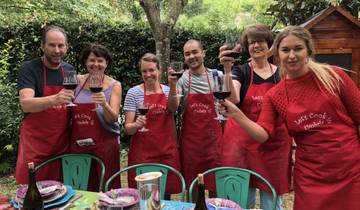
5 days
5 Days Italian Cookery Getaway in Umbria
- ✓ Comprehensive Umbria tour
- ✓ Expert local guides included
- ✓ All accommodation arranged
- ✓ Transportation provided

7 days
Authentic Umbria
- ✓ Comprehensive Umbria tour
- ✓ Expert local guides included
- ✓ All accommodation arranged
- ✓ Transportation provided

5 days
Italy: Authentic Puglia by E-Bike 🚴 – White Villages & Southern Flavors – 5 DAYS
- ✓ Comprehensive Umbria tour
- ✓ Expert local guides included
- ✓ All accommodation arranged
- ✓ Transportation provided
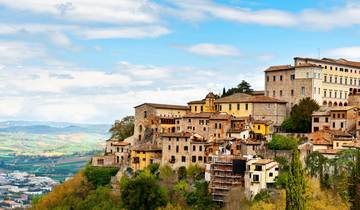
8 days
Hilltowns of Umbria, Self-Drive
- ✓ Comprehensive Umbria tour
- ✓ Expert local guides included
- ✓ All accommodation arranged
- ✓ Transportation provided
Multi-day tour packages powered by TourRadar. Prices and availability subject to change.
Introduction: Umbria’s Enduring Appeal for Cultural Road Trips
Tuscany’s international fame paradoxically diminishes the experiences it offers modern travelers, as vine-covered hills now support more rental villas than working farms, and medieval town piazzas overflow with tour groups following umbrella-wielding guides through identical itineraries. Umbria, by contrast, remains authentically Italian in ways its western neighbor abandoned decades ago. Here, hill towns still function as communities where residents shop at morning markets, argue politics in local dialect over espresso, and maintain agricultural traditions spanning centuries. The region’s cultural wealth rivals Tuscany’s—Giotto, Perugino, Pinturicchio, and other Renaissance masters left masterworks throughout Umbria—yet visitor numbers remain manageable, prices stay reasonable, and local interactions feel genuine rather than performative.
This seven-day road trip itinerary navigates Umbria’s essential cultural destinations while prioritizing authenticity over tourism industry conveniences. The route connects UNESCO World Heritage sites in Assisi and Spoleto with under-visited gems like Spello’s church frescoes and Bevagna’s Roman mosaics, balances iconic attractions with spontaneous discoveries along country roads, and emphasizes agriturismo stays that immerse travelers in working agricultural landscapes. Unlike Tuscany’s Via Chiantigiana wine trail or Florence-Siena circuits where visitor infrastructure dominates, Umbria’s roads still primarily serve local residents moving between towns for work, family gatherings, and daily life. Travelers willing to navigate narrow medieval streets, accept that restaurants close on irregular schedules, and embrace Italian meal pacing discover rewards unavailable in more tourism-dependent regions.
The itinerary assumes April through October 2026 travel when weather cooperates and attractions maintain full hours, requires intermediate comfort with manual transmission vehicles and limited parking, and prioritizes cultural depth over superficial highlights. Seven days allows thorough exploration of Umbria’s major destinations plus strategic sampling of lesser-known towns, though the region deserves extended visits for travelers captivated by medieval art, agricultural traditions, and the slower pace that characterizes central Italian life away from international tourist circuits. Budget considerations, accommodation strategies, and practical logistics receive detailed attention throughout this guide, ensuring cultural aspirations align with financial realities and logistical constraints.
Day 1: Arrival in Perugia and Settling into Umbria 2026
International travelers typically arrive through Rome’s Fiumicino Airport or Florence’s Peretola Airport, with both requiring approximately 90-minute drives to reach central Umbria. Pick up rental cars at airport locations rather than city centers to avoid urban driving challenges and restricted traffic zones that plague Italian historic districts. Compact manual transmission vehicles cost €25-43 per day, while automatic transmission adds €10-15 daily premium. Review insurance options carefully—comprehensive coverage through rental companies costs €15-25 daily but eliminates deductible exposure and complication if incidents occur, while credit card coverage saves money but requires navigating Italian bureaucracy if claims become necessary.
Drive directly to Perugia following highway signs for Umbria and E45 if arriving from Rome, or SR71 and E45 from Florence. Perugia functions better as a brief introduction to Umbrian culture rather than extended destination, with parking in designated lots outside the historic center (€2-3 hourly) and escalator access through medieval foundations reaching Piazza Italia. The Fontana Maggiore medieval fountain occupies Piazza IV Novembre at the city’s heart, surrounded by the cathedral and Palazzo dei Priori. Walk through the Rocca Paolina underground fortress ruins that preserve medieval neighborhoods beneath Renaissance fortifications, explore the Corso Vannucci pedestrian street, and perhaps visit the Galleria Nazionale dell’Umbria if time and energy permit after travel.
Afternoon priorities shift to reaching accommodation in the Assisi-Spello area, where staying in countryside agriturismi rather than town-center hotels provides superior value and authentic experiences. Properties offering rooms with breakfast range €94-164 per night, often including swimming pools, sunset terraces overlooking valley landscapes, and evening meals featuring estate-grown produce and house wine. Check in, unpack thoroughly rather than living from suitcases throughout the week, and prepare for the following morning’s early start at Assisi’s Basilica before tour groups arrive.
Evening dining in nearby villages like Spello or Santa Maria degli Angeli offers trattorias serving traditional Umbrian cuisine—handmade pasta with black truffle, grilled meats, porchetta, local cheeses—at €20-35 per person for complete meals with house wine. Many agriturismi offer on-site dining that eliminates driving after wine consumption and showcases ingredients from their own land, though experiencing various local restaurants provides broader cultural sampling. Sleep early to maximize the following day’s Assisi exploration before midday crowds arrive.
Day 1 Estimated Costs Per Person (Two Sharing)
Car rental partial day €13-22, fuel €5-8, Perugia parking €3-5, light lunch €10-15, agriturismo accommodation €47-82 (room divided by two), dinner €20-35. Total approximately €98-167 per person.
Day 2: Assisi’s Spiritual and Artistic Heritage 2026
Arrive at Assisi’s Basilica di San Francesco when doors open at 8:30 AM to experience Giotto’s fresco cycles in relative tranquility before tour buses disgorge groups at 10 AM. The basilica comprises two churches—the solemn lower basilica contains Cimabue frescoes and Saint Francis’s tomb in the crypt, while the lighter upper church displays Giotto’s 28-panel Life of Saint Francis cycle that revolutionized Western painting through emotional naturalism and architectural perspective. Entry remains free though photography prohibits, and modest dress requirements (covered shoulders and knees) apply strictly. Audio guides cost €7 and provide valuable context for understanding the artistic and spiritual significance of individual scenes.
The lower basilica rewards careful examination of side chapels frescoed by Simone Martini and Pietro Lorenzetti, while the crypt’s simplicity contrasts dramatically with the artistic wealth above. The upper church’s light-filled Gothic space and Giotto’s narrative mastery demand 90 minutes minimum for thoughtful viewing. Exit through the convent’s treasure museum (same free admission) displaying liturgical objects, illuminated manuscripts, and Perugino paintings, then explore Assisi’s medieval streets ascending toward the Rocca Maggiore fortress.
Late morning continues to the Basilica di Santa Chiara housing Saint Clare’s body and the San Damiano crucifix that spoke to Francis, followed by lunch at family-run trattorias in side streets away from Piazza del Comune—expect €12-18 for pasta courses, €15-22 for grilled meats, and €10-15 for salads. Afternoon hours explore the Roman Temple of Minerva converted to Christian church, the medieval Piazza del Comune, and either the Rocca Maggiore fortress (€6 admission, spectacular valley views) or the peaceful San Damiano monastery 1.5 kilometers downhill where Clare lived and Francis received his calling.
Return to agriturismo accommodation mid-afternoon for pool time, relaxation, and perhaps wine tasting if the property produces its own vintages. Evening might return to Assisi for sunset views from the fortress or Basilica approaches, or explore neighboring Spello’s exceptional church frescoes and flower-lined medieval lanes. Dinner either at agriturismo or local restaurant costs €20-35 per person.
Day 2 Estimated Costs Per Person (Two Sharing)
Fuel €7-10, Assisi parking €5, audio guide €7 (optional), fortress admission €6 (optional), lunch €15-25, dinner €20-35, gelato/coffee €5-8. Total approximately €52-91 per person plus accommodation already paid.
Day 3: Spello, Montefalco, and Bevagna Wine Country 2026
Dedicate morning hours to Spello, arguably Umbria’s most beautiful small town yet virtually unknown to international tourism. Park below the historic center (free or €1-2) and climb through narrow streets lined with flower boxes, potted geraniums, and ancient stone facades to reach the Church of Santa Maria Maggiore. The Baglioni Chapel contains Pinturicchio’s fresco masterwork depicting the Annunciation, Nativity, and Christ Among the Doctors with such luminous color and precise detail that the painter’s technical mastery becomes immediately apparent even to non-art-historians. Entry costs €3.50 and photography permits, making detailed study possible.
Continue uphill to the Roman Porta Venere gate and surrounding walls offering valley panoramas, then explore the town’s medieval lanes where residents hang laundry from windows, chat with neighbors from doorways, and maintain daily routines largely unaffected by the handful of visitors exploring the streets. Coffee breaks at small bars cost €1.30 for espresso, €2.50 for cappuccino. Late morning drives to Montefalco, the “Balcony of Umbria” perched 472 meters above the Spoleto valley with circular medieval walls and commanding 360-degree views.
Montefalco’s Museo di San Francesco contains Benozzo Gozzoli’s fresco cycle depicting Saint Francis’s life in vibrant Renaissance style, with admission €5. The town’s compact center rewards an hour’s wandering through quiet piazzas, medieval palaces, and viewpoint terraces before lunch at family-run trattorias serving local Sagrantino wine with handmade pasta and grilled meats—€15-25 per person for complete meals. Afternoon descends to valley-floor Bevagna, a perfectly preserved Roman and medieval town where the Piazza Silvestri contains Romanesque churches San Silvestro and San Michele, a Roman temple foundation, and medieval palaces arranged around fountain-centered space that time forgot.
Bevagna’s authentic character stems from its position off main tourist routes—locals conduct daily business, shops sell necessities rather than souvenirs, and the few restaurants cater primarily to regional Italian visitors. Walk the Roman mosaic floor remnants, explore the medieval quarters, and sample Sagrantino wines at enotecas where vineyard representatives pour tastings for €5-10. Return to agriturismo accommodation late afternoon, perhaps stopping at roadside olive oil producers where tastings and purchases provide authentic agricultural encounters. Evening dinner either on-site or at recommended local restaurants.
Day 3 Estimated Costs Per Person (Two Sharing)
Fuel €8-12, parking €2-4, Spello church €3.50, Montefalco museum €5, wine tasting €5-10, lunch €15-25, dinner €20-35, coffee/snacks €5-8. Total approximately €63-99 per person.
Day 4: Spoleto’s Layered History and Evening in Todi 2026
Check out from Assisi-area accommodation and drive southeast to Spoleto, approximately 45 minutes on scenic back roads or 35 minutes via highway. Spoleto rewards full-day exploration of its remarkably well-preserved Roman, medieval, and Renaissance monuments layered throughout the hillside town. Park in designated areas below the historic center (€1-2 hourly) and ride escalators through medieval foundations to reach the upper town, or park free in lower zones and walk uphill through residential neighborhoods.
Begin at the Roman Theater, still used for summer performances during Spoleto Festival dei Due Mondi, with €8 admission including the archaeological museum displaying Roman sculptures and Umbrian antiquities. The theater’s cavea seats carved from hillside bedrock demonstrate Roman engineering sophistication, while the adjacent museum explains the site’s evolution from 1st-century construction through medieval abandonment and 20th-century restoration. Walk uphill through medieval streets to the Duomo di Spoleto, free entry, where Filippo Lippi’s apse frescoes depicting the Virgin’s life rank among Renaissance painting’s masterworks. The Romanesque facade incorporates a Byzantine-style mosaic, while the interior preserves medieval floor patterns and baroque chapels.
Continue to the Rocca Albornoziana fortress dominating Spoleto’s skyline, then walk across the Ponte delle Torri, a stunning 230-meter medieval bridge spanning the gorge at 80 meters height with ten Gothic arches supporting the walkway connecting the fortress to Monteluco hillside. The bridge functions as aqueduct and defensive structure, providing spectacular valley views and photographic opportunities. Cross to the opposite side, explore the San Pietro church if time permits, then return to town for lunch at trattorias serving Umbrian specialties—expect €15-28 per person.
Afternoon explores Sant’Eufemia Romanesque church within the archbishop’s palace (€6 admission includes palace museum), Via dell’Arringo medieval street, and Piazza del Mercato before departing for Todi, 45 minutes northwest. Todi occupies a spectacular hilltop position with Piazza del Popolo ranked among Italy’s most beautiful medieval squares, surrounded by Palazzo del Popolo, Palazzo del Capitano, and the cathedral. Arrive late afternoon, check into accommodation in Todi or surrounding countryside (€100-140 per night for mid-range options), and spend evening exploring the square, cathedral, and San Fortunato church before dinner at local restaurants.
Day 4 Estimated Costs Per Person (Two Sharing)
Fuel €10-15, Spoleto parking €5-8, Roman theater €8, fortress €7 (optional), lunch €15-28, accommodation €50-70 (room divided by two), dinner €25-40, coffee/gelato €5-8. Total approximately €125-176 per person.
Day 5: Orvieto’s Gothic Cathedral and Underground City 2026
Drive 30 minutes from Todi to Orvieto, one of Umbria’s most dramatically situated cities perched atop a 60-meter volcanic rock plateau with sheer cliffs surrounding the historic center. Park in designated lots at the cliff base (€1-2 hourly) and ride the funicular to the upper town (€1.30 each way), or drive up the winding road to limited parking in Piazza Cahen. The Duomo di Orvieto dominates the skyline with its striped marble facade, golden mosaics, and Gothic rose window representing Italian Gothic architecture’s pinnacle achievement.
Cathedral admission costs €8 in 2026 and includes access to the Chapel of San Brizio with Luca Signorelli’s fresco masterwork depicting the Last Judgment, the Emilio Greco Museum, and the cathedral crypt. Check the official website for current rates as pricing may vary. The facade’s mosaics glitter in morning sunlight, while the interior’s striped columns and vaulted ceilings create rhythmic visual patterns leading to Signorelli’s chapel where his anatomical precision and dramatic compositions influenced Michelangelo’s Sistine Chapel work decades later. Allow 90 minutes minimum for thorough cathedral exploration.
Mid-morning books the Orvieto Underground tour (€7, 45 minutes, English departures at set times) exploring the 1,200+ caves, tunnels, and chambers carved through the soft tufa rock beneath the city streets over 2,500 years from Etruscan times through the 20th century. These spaces functioned as wine cellars, olive presses, ceramic workshops, pigeon coops, and wartime refuges, preserving tangible evidence of daily life across centuries. The tour descends into the rock, passes through medieval cisterns, and explains the engineering that allowed an isolated clifftop city to thrive despite limited surface water access.
Lunch at Orvieto’s trattorias costs €18-30 per person, with the town’s Orvieto Classico white wine pairing excellently with local dishes. Afternoon explores the Palazzo del Popolo medieval town hall, Pozzo di San Patrizio (Saint Patrick’s Well, €5 admission) where double-helix staircases descend 53 meters to water level, and Via del Duomo’s artisan shops. The well’s Renaissance engineering allowed pack animals to descend and ascend without meeting, ensuring water supply during sieges. Late afternoon either returns to Todi accommodation or checks into new lodging in the Orvieto area for evening flexibility.
Evening dining in Orvieto or Todi offers trattorias and upscale restaurants spanning €25-50 per person, with sunset views from clifftop panoramas providing memorable endings to days exploring Umbria’s cultural riches. Orvieto’s car-free historic center makes evening strolls particularly pleasant, with gelaterias, wine bars, and illuminated cathedral facade creating atmospheric conclusions to full cultural days.
Day 5 Estimated Costs Per Person (Two Sharing)
Fuel €8-12, parking €5-8, funicular €2.60 (round trip), cathedral €8, underground tour €7, Pozzo well €5, lunch €18-30, dinner €25-50, gelato/wine €8-12. Total approximately €87-128 per person.
Day 6: Gubbio’s Medieval Grandeur and Mountain Setting 2026
Check out and drive northeast to Gubbio, approximately 75 minutes from the Orvieto-Todi area through scenic countryside and small villages. Gubbio represents medieval Umbria’s architectural and cultural achievement at its finest, with the town spreading up Monte Ingino’s steep slopes in terraced levels connected by narrow streets, stone stairways, and unexpected piazzas. The Palazzo dei Consoli dominates Piazza Grande with its Gothic mass and 98-meter bell tower, housing the Museo Civico displaying the Eugubine Tablets—seven bronze plaques inscribed with ancient Umbrian text providing crucial evidence of pre-Roman languages and religious practices.
Museum admission costs €7 and includes access to the palazzo’s halls, archaeological collections, and spectacular valley views from upper levels. The building itself demonstrates medieval engineering ambition, with massive arches supporting the piazza’s cantilevered platform 200 meters above the lower town. Walk through the historic center’s medieval lanes where stone facades preserve centuries of architectural evolution, artisan workshops still produce traditional ceramics, and residents maintain daily routines largely unchanged by tourism despite the town’s remarkable preservation.
The Duomo di Gubbio free entry preserves Gothic architecture and Renaissance artworks, while the Palazzo Ducale (€5 admission) shows how Urbino’s dukes brought Renaissance refinement to medieval Gubbio through courtyard arcades and studiolo decoration. For spectacular views and mild adventure, ride the funivia (cable car, €7 round trip) to the Basilica di Sant’Ubaldo atop Monte Ingino at 827 meters elevation. The open-air cable car dangles passengers in small cages providing thrilling ascents and commanding panoramas across northern Umbria’s mountains and valleys.
Lunch at Gubbio’s restaurants costs €18-28 per person, with the town’s specialty dishes including wild boar, truffles, and grilled meats accompanied by regional wines. Afternoon might explore the Roman theater ruins below the town (free access), wander the medieval quarters documenting architectural evolution from 13th to 16th centuries, or simply absorb the atmosphere in Piazza Grande where locals gather for conversation and commerce. Late afternoon drives to Perugia area for final night’s accommodation, approximately 40 minutes on scenic mountain roads, with lodging options ranging from airport-area business hotels to countryside agriturismi.
Day 6 Estimated Costs Per Person (Two Sharing)
Fuel €12-18, parking €5-8, Palazzo dei Consoli €7, Palazzo Ducale €5, cable car €7, lunch €18-28, accommodation €45-75 (room divided by two), dinner €22-38, coffee/snacks €5-8. Total approximately €126-187 per person.
Day 7: Final Exploration and Departure Logistics 2026
Final morning hours depend on departure flight timing and airport location. Perugia offers the Galleria Nazionale dell’Umbria (€10 admission, closed Mondays) displaying Umbrian Renaissance painting by Perugino, Pinturicchio, and earlier masters in chronological sequence showing the region’s artistic evolution, worth visiting for travelers with morning flights departing after 2 PM. The collection demonstrates how Umbrian painters developed distinctive styles balancing spiritual serenity with technical innovation, bridging late medieval traditions and High Renaissance achievements.
Alternatively, explore local food markets purchasing Umbrian specialties for home—truffle products, pecorino cheeses, lentils from Castelluccio, dried porcini mushrooms, and ceramic pottery make practical and culturally meaningful souvenirs. Coffee bars provide final espresso experiences (€1-1.50), and perhaps breakfast pastries before driving to airports. Return rental cars at airport locations at least two hours before international flights, allowing time for refueling at nearby gas stations (required for full-to-full rental agreements), vehicle inspection, and shuttle transfers between car return and terminal buildings.
Budget travelers completing the week spending €595-840 per person accessed Umbria’s essential cultural sites while maintaining tight expense control through budget accommodation, trattoria dining, and free or low-cost attractions. Mid-range travelers at €980-1,365 per person experienced comfortable agriturismo stays, quality restaurant meals, and comprehensive cultural programming including guided tours and wine tastings. Luxury travelers investing €1,435-2,065 per person enjoyed converted manor houses, private cultural experiences, and exceptional regional cuisine while supporting the agricultural traditions and artistic preservation that make Umbria worth visiting.
Day 7 Estimated Costs Per Person (Two Sharing)
Fuel €8-12 (including refueling), parking €5, breakfast €8-15, museum €10 (optional), coffee/snacks €5-8, lunch €15-25 (if time permits). Total approximately €36-75 per person.
Accommodation Strategies for Umbrian Road Trips 2026
Choosing between town-center hotels and countryside agriturismi fundamentally shapes Umbrian travel experiences, with agriturismi offering superior value, authentic cultural immersion, and memorable settings despite requiring rental cars and accepting rural locations. Agriturismi function as working farms offering guest accommodation in converted farmhouses or purpose-built structures on agricultural properties producing wine, olive oil, vegetables, meats, and dairy products. Staying at these properties provides direct contact with agricultural traditions, meals featuring estate-grown ingredients, wine tastings of property production, and morning views across landscapes that inspired Renaissance painters.
Mid-range agriturismi cost €94-164 per night for double rooms with breakfast, often including swimming pools, terraces, and optional dinners featuring multi-course meals with house wine for €25-35 per person. Properties range from simple farmhouse conversions with rustic authenticity to sophisticated operations offering spa services, cooking classes, and vineyard tours. Research individual properties carefully—some target families with extensive grounds and activities, others appeal to couples seeking romantic seclusion, and a few serve primarily Italian weekenders from Rome and Florence rather than international tourists. Reading recent reviews reveals operational philosophies, meal quality, and host personalities.
Town-center hotels provide walking access to historic districts and evening restaurant/bar scenes but often occupy characterless modern buildings with small rooms and limited amenities at prices comparable to superior agriturismi. Budget travelers find hostels in Perugia and Assisi offering dormitory beds €25-35 and private rooms €75-95, plus budget hotels and B&Bs throughout the region at €75-115 per night. Luxury travelers access converted monasteries, Renaissance palaces, and manor house properties charging €180-350 per night with historical architecture, refined service, and exceptional locations.
Strategic base selection minimizes driving time—three nights near Assisi/Spello covers eastern Umbria, two nights in Orvieto/Todi handles western destinations, and two nights near Spoleto/Montefalco addresses southern attractions. This mobility strategy outperforms single-base approaches requiring repetitive daily drives from central hubs. Book accommodation directly through property websites when possible to avoid booking platform commissions, ensure direct communication with hosts, and sometimes negotiate better rates for multi-night stays.
Dining and Wine Culture in Umbria 2026
Umbrian cuisine emphasizes local agricultural products—black truffles from Norcia and Spoleto, lentils from Castelluccio, pecorino cheeses, wild boar, handmade pastas, grilled meats, and olive oil from hillside groves producing peppery, assertive flavors distinct from Tuscan counterparts. Restaurant meals cost €12-20 per person for lunch at simple trattorias serving pasta and secondi with house wine, €20-35 for dinner at mid-range establishments offering multiple courses and quality regional wines, and €40-75 for upscale dining featuring innovative interpretations of traditional dishes paired with prestigious local vintages.
Traditional Umbrian meals follow Italian structure—antipasto, primo (pasta or soup), secondo (meat or fish) with contorno (vegetable sides), and dolce (dessert), though few modern diners consume all courses at single sittings except during special occasions. Ordering pasta as primo and meat as secondo with shared salad and house wine produces satisfying meals at €18-30 per person. Fixed-price menus (menu fisso) sometimes offer good value at €25-40 for multiple courses, though quality varies and restrictions often apply.
Umbrian wines deserve serious attention—Montefalco Sagrantino produces powerful reds from indigenous grapes cultivated only in small zones around Montefalco, while Orvieto Classico creates crisp whites from hillside vineyards surrounding the dramatic clifftop city. Torgiano Rosso Riserva earns DOCG status for structured reds, and numerous smaller appellations produce distinctive expressions of Sangiovese, Grechetto, and other varietals. Wine shop tastings cost €5-15 for sampling multiple wines, while direct purchases at vineyard cellar doors range €12-30 per bottle for quality wines that would cost double or triple at export markets.
Agriturismo dinners provide exceptional value at €25-35 per person for multi-course meals featuring property-grown vegetables, house-raised meats, and estate wines in convivial settings where hosts often join tables for conversation. These meals reveal agricultural realities—what grows when, how weather affects harvests, why certain dishes use particular ingredients—creating cultural education impossible in anonymous restaurants. Market visits, cooking classes offered by some agriturismi, and olive oil mill tours during November-December harvest season deepen understanding of foodways sustaining rural Umbria.
Essential Road Trip Logistics for Umbria 2026
Rental car selection balances cost against comfort and practicality—compact manual transmission vehicles (Fiat 500, Ford Fiesta equivalents) cost €175-300 weekly with adequate power for hillside roads but cramped space for two travelers plus luggage, while mid-size vehicles (Volkswagen Golf, Ford Focus equivalents) at €250-350 weekly provide better highway performance and trunk capacity worth the modest price increase. Automatic transmission adds €10-15 daily premium and reduces available vehicle selection, though drivers unfamiliar with manual shifting should accept the cost rather than struggle with gear changes on steep Umbrian inclines.
Insurance complications plague Italian rentals—rental companies offer full coverage (Super CDW) at €15-25 daily eliminating deductibles and paperwork hassles if incidents occur, while credit card coverage saves money but requires policyholders to pay repair costs upfront then file claims with card companies, a process involving Italian bureaucracy and potential out-of-pocket exposure. Reviewing credit card coverage terms before travel clarifies whether rental car insurance actually applies in Italy and what documentation claims require. Many experienced travelers accept rental company coverage for peace of mind during vacation rather than navigating foreign insurance claims.
Limited Traffic Zones (ZTL) restrict vehicle access to historic centers in Perugia, Assisi, Orvieto, Spoleto, and most hill towns, with automated cameras photographing license plates and sending traffic violation tickets to rental companies who forward them to renters months after trips conclude. Fines range €80-200 plus rental company processing fees. Designated parking areas outside ZTL boundaries cost €1-3 hourly with free or cheap parking often available in residential zones slightly farther from historic centers. Research each destination’s ZTL boundaries and parking options before arrival to avoid expensive confusion.
Fuel costs approximately €70-100 weekly for typical Umbrian itineraries covering 700-1,000 kilometers through mix of highway and country road driving. Self-service stations (servizio fai da te) charge €0.10-0.15 per liter less than full-service options, though many close evenings and Sundays requiring use of automated payment systems accepting credit cards. Highway tolls add €15-25 weekly if using autostrade, while free alternative roads take longer but pass through more scenic countryside. Navigation via smartphone apps (Google Maps, Waze) functions reliably in Umbria with occasional signal loss in remote valleys.
Budget Breakdown by Travel Style 2026
Budget Travel: €595-840 Per Person for 7 Days
Budget travelers minimize costs through strategic choices without sacrificing Umbria’s essential cultural experiences. Accommodation in hostels where available (Perugia, Assisi) or budget B&Bs and agriturismi at €75-95 per night provides clean, comfortable lodging with breakfast, while sharing rooms between two travelers halves individual accommodation expense to €38-48 per person nightly. Meals emphasize lunch as the main restaurant meal when prices run lower, with dinner consisting of supermarket picnic items, pizza slices, or light trattoria fare keeping daily food costs at €25-35 per person.
Transportation costs split between two travelers—compact car rental €175-300 weekly equals €88-150 per person, fuel €70-100 weekly equals €35-50 per person, for total transportation approximately €123-200 per person over seven days. Cultural activities focus on free churches, basilicas, and town centers, with selective paid admissions to essential sites like Orvieto Cathedral (€8), Spoleto Roman Theater (€8), and Montefalco museum (€5) totaling €35-70 for the week. Wine tastings at shops rather than vineyards, gelato instead of restaurant desserts, and coffee at bars rather than cafes further reduce expenses while maintaining authentic Italian experiences.
Daily budget breakdown shows accommodation €38-48, meals €25-35, attractions €5-10, transportation €18-29, for total €86-122 per person daily. Seven-day totals reach €595-840 per person for travelers comfortable with budget lodging, simple meals, and selective rather than comprehensive cultural programming. This approach accesses Umbria’s Renaissance masterworks, medieval hill towns, and agricultural landscapes while maintaining strict expense discipline through strategic spending prioritization.
Mid-Range Comfort: €980-1,365 Per Person for 7 Days
Mid-range travelers balance cost consciousness with comfort preferences, choosing quality agriturismi at €120-160 per night providing superior settings, better meals, and memorable properties worth the premium over basic budget options. Sharing rooms reduces individual accommodation costs to €60-80 per person nightly, with properties offering swimming pools, valley views, wine cellars, and optional dinners creating experiences justifying their rates. Meals include quality restaurant lunches and dinners at €40-55 daily per person, with house wines, local specialties, and desserts that would stress budget-tier spending limits.
Transportation costs remain similar to budget tier when splitting compact car rental and fuel—approximately €18-25 per person daily for better vehicle categories and more generous fuel budgets allowing spontaneous detours and exploration. Cultural activities embrace paid admissions, guided tours, and wine tastings costing €15-25 daily per person, accessing deeper cultural understanding through expert interpretation and comprehensive site access. Cooking classes, olive oil mill visits, and special dining experiences add occasional higher costs creating memorable learning opportunities.
Daily budget breakdown shows accommodation €60-80, meals €40-55, attractions and activities €15-25, transportation €18-25, for total €133-185 per person daily. Seven-day totals reach €930-1,295 per person, with the upper range reflecting upgraded vehicle rental, premium agriturismi, and comprehensive cultural programming rather than selective basics. This spending level provides comfortable, culturally rich Umbrian experiences balancing quality and cost without either extreme luxury or budget austerity.
Luxury Experience: €1,435-2,065 Per Person for 7 Days
Luxury travelers prioritize exceptional accommodation, private cultural experiences, and refined dining that showcases regional cuisine at highest levels. Historic manor houses, converted monasteries, and design-forward agriturismi charging €180-250 per night deliver architecture, service, and settings justifying premium rates, with individual costs at €90-125 per person nightly when sharing rooms. Properties offer spa services, private terraces, antique furnishings, and architectural significance creating memorable stays independent of daytime cultural exploration.
Dining emphasizes acclaimed restaurants, multi-course tasting menus, and prestigious wine selections totaling €60-85 per person daily. Private guided tours replace self-guided exploration, with expert art historians, sommeliers, and local specialists providing interpretation impossible through audio guides or independent study. Premium car rental (automatic transmission, larger vehicles) plus generous fuel budgets for spontaneous routing cost €25-36 per person daily. Cultural activities include private vineyard tours with winemakers, exclusive access to private art collections, cooking classes with acclaimed chefs, and other specialized experiences at €25-40 daily per person.
Daily budget breakdown shows accommodation €90-125, meals €60-85, premium transportation €25-36, exclusive activities €25-40, for total €200-286 per person daily. Seven-day totals reach €1,400-2,000 per person for comprehensive luxury experiencing Umbria’s cultural wealth through privileged access, expert guidance, and refined comfort. This investment supports skilled guides, traditional winemakers, heritage property restoration, and culinary masters preserving the agricultural and artistic traditions making Umbria culturally significant.
Seasonal Considerations and Best Times for Umbria 2026
April through June delivers ideal Umbrian travel conditions with mild temperatures (15-25°C), blooming landscapes transforming hillsides into flowering gardens, agricultural activity visible throughout countryside, and manageable visitor numbers even at major sites. Spring timing accesses Easter processions in Assisi and throughout the region, early-season agriturismo availability before summer peaks, and fresh seasonal ingredients—asparagus, artichokes, spring lamb—appearing on restaurant menus. Rainfall remains possible particularly in April, though brief afternoon showers rarely disrupt travel plans significantly.
Summer July and August brings heat (28-35°C), tourist crowds particularly in Assisi and Orvieto, higher accommodation rates, and occasionally uncomfortable conditions for active exploration during midday hours. However, summer offers Spoleto Festival dei Due Mondi (late June-mid July) with world-class performing arts, guaranteed sunshine for outdoor activities, extended attraction hours, and vibrant evening life in historic town centers. Many Italians vacation in August, causing some restaurants and shops to close while simultaneously increasing visitor numbers at major destinations. Countryside agriturismi with swimming pools provide welcome afternoon relief from heat, while early morning and evening exploration avoids the most intense conditions.
September and October rival spring as optimal visiting months, with harvest season transforming countryside as grape picking, olive pressing, and agricultural festivals celebrate annual cycles. Temperatures moderate to comfortable 18-26°C ranges, autumn colors begin appearing in late October, and post-summer crowd reduction makes popular sites more accessible while maintaining full operational schedules. Fall timing allows participation in vendemmia (grape harvest) at vineyards, observation of olive oil production during October-November, and attendance at truffle festivals celebrating Umbria’s prized black truffles. Restaurant menus shift to autumn ingredients—porcini mushrooms, chestnuts, game meats—reflecting seasonal availability.
November through March represents off-season with reduced hours at attractions, some agriturismo closures, cool temperatures (5-15°C), and higher rainfall making countryside exploration less pleasant. However, winter travelers encounter minimal crowds, lower accommodation rates (sometimes 30-40% below peak season), and authentic experiences in towns functioning primarily for residents rather than tourists. Christmas markets, New Year celebrations, and occasional snow transforming hill towns into winter scenes provide off-season attractions. Travelers comfortable with cooler conditions, limited operational hours, and some closed facilities access Umbria’s cultural wealth while experiencing the region’s authentic seasonal rhythms.
Alternative Itinerary Variations for Different Interests 2026
The standard seven-day itinerary balances essential destinations with lesser-known discoveries, but specific interests justify alternative routing. Art-focused travelers might dedicate additional time to Perugia’s Galleria Nazionale dell’Umbria, Deruta’s ceramic museum and workshops, and Città di Castello’s Pinacoteca displaying Renaissance works, while reducing time in non-art destinations like Bevagna or mountain excursions to Gubbio. Wine enthusiasts could base themselves in the Montefalco-Torgiano corridor with daily vineyard visits, cellar tours, and tastings replacing general sightseeing, though this specialization sacrifices architectural and historical breadth.
Religious pilgrims extend Assisi stays to visit all Franciscan sites—San Damiano, Eremo delle Carceri, Santa Maria degli Angeli’s Porziuncola chapel—while adding Cascia’s Saint Rita sanctuary and Norcia’s Saint Benedict basilica to create spiritually focused itineraries. Active travelers might emphasize hiking the Piano Grande near Castelluccio, cycling the Tiber valley paths, and exploring Monti Sibillini mountain trails, accepting that outdoor priorities reduce time for urban cultural sites. Family travelers with children benefit from accommodation at agriturismi offering farm animals, swimming pools, and space for kids to roam, balancing adult cultural interests with child-appropriate activities.
Extending beyond seven days allows deeper regional exploration—Valnerina’s mountain villages, Trasimeno lakeside resorts, Terni’s Marmore waterfalls, and numerous smaller hill towns reward additional time without duplicating the essential first-week itinerary. Conversely, travelers with only four or five days might concentrate on Assisi, Spello, Montefalco, and Orvieto as the absolute highlights, accepting that comprehensive coverage requires longer visits. Umbria deserves whatever time travelers allocate, from weekend escapes to month-long immersions in agricultural rhythms and artistic heritage.
Practical Planning Details and Final Preparations 2026
Book accommodation and rental cars three to six months ahead for spring and fall travel, with summer requiring even earlier reservations during July-August peak season. Many agriturismi operate at small scale with limited rooms, making advance booking essential rather than optional. Rental car reservations lock in prices and ensure vehicle availability, particularly for automatic transmission which remains less common in European fleets. Review cancellation policies carefully as some agriturismi charge significant penalties for late cancellations while others allow free cancellation within specified periods.
Credit cards with no foreign transaction fees save 3% on all purchases, while notifying card companies of Italian travel prevents fraud blocks that shut down cards when unexpected foreign charges appear. ATMs provide better exchange rates than airport currency exchanges, with withdrawal fees minimized by taking larger amounts less frequently. Most restaurants, shops, and attractions accept cards, though small trattorias and rural agriturismi sometimes operate cash-only requiring adequate Euro reserves. Tipping remains minimal in Italy—rounding up restaurant bills or leaving a few euros suffices, with the coperto (cover charge) and servizio (service charge) already included in stated prices.
Packing priorities emphasize comfortable walking shoes essential for cobblestone streets and hillside towns, modest clothing for church visits (covered shoulders and knees required at major basilicas), layers for variable spring and fall temperatures, and sun protection for summer conditions. Photography equipment benefits from wide-angle lenses for architectural spaces and telephoto capabilities for distant landscape details, though smartphones produce adequate images for most travelers. Rain gear remains advisable during April-May and October-November when brief showers occur unpredictably.
Language considerations recognize that English functions in major tourist areas though Italian dominates in smaller towns and rural properties. Basic Italian phrases—greetings, please/thank you, restaurant vocabulary—facilitate interactions and demonstrate respect for local culture. Many agriturismo hosts speak limited English, making translation apps (Google Translate) valuable for complex communications. However, warmth and gestures bridge most gaps, with Italian hospitality extending to travelers attempting even rudimentary Italian communication.
Hidden Costs and Money-Saving Strategies 2026
Budget planning often overlooks smaller expenses that accumulate significantly over week-long trips. Parking fees averaging €3-5 daily in historic towns total €20-35 weekly, while coffee breaks (€1.50-2.50 per espresso), gelato purchases (€3-5), and afternoon aperitivo drinks (€5-8) add €10-15 daily to untracked spending. Wine purchases at vineyards tempt travelers with €15-30 bottles that stack into substantial costs when multiple properties prove irresistible. Highway tolls, restaurant coperto charges (€1.50-3 per person), and museum admission increments combine into hundreds of euros beyond core accommodation, dining, and transportation budgets.
Money-saving strategies include limiting coffee to breakfast and post-lunch rather than every passing opportunity, choosing water over wine at lunch to reduce meal costs and maintain afternoon energy, and picnicking periodically using market purchases of local cheeses, cured meats, bread, and produce. Visiting free churches and walking historic centers costs nothing while providing substantial cultural experiences, making selective rather than comprehensive paid admissions viable for budget travelers. Booking agriturismo dinners rather than driving to restaurants saves fuel costs while often delivering superior meals at lower prices than comparable restaurant experiences.
Shopping for Umbrian products requires discrimination between genuine artisan work and tourist trinkets—ceramics from Deruta or Gubbio carry artistic merit and functional value if produced by skilled craftspeople rather than imported mass production. Truffle products vary wildly in quality, with fresh truffles seasonal and expensive while preserved preparations often contain minimal truffle content masking inferior ingredients with artificial flavoring. Asking vendors about production methods, sourcing, and ingredients reveals authenticity levels, with transparent answers indicating legitimate operations worth supporting.
Package deals combining accommodation with guided tours or cooking classes sometimes offer value, though independent booking often allows better property selection and scheduling flexibility. Off-season travel dramatically reduces costs—40% lower accommodation rates, minimal crowds creating superior experiences at popular sites, and authentic atmosphere as towns return to serving residents rather than tourists. However, reduced hours, some closures, and weather compromises require balancing financial savings against convenience and comfort factors.
Frequently Asked Questions About 7 Days in Umbria 2026
Can I explore Umbria effectively without renting a car in 2026?
Public transportation reaches major towns with train stations—Perugia, Assisi, Spoleto, and Orvieto connect to national rail networks with frequent service—but accessing the region’s most authentic destinations requires personal vehicles. Hill towns like Spello, Montefalco, Bevagna, Todi, and Gubbio have limited or no train access, with buses operating on schedules designed for local students and workers rather than tourist convenience. Rural agriturismi, countryside vineyards, hillside viewpoints, and back-road villages remain completely inaccessible without cars. Travelers adamantly opposed to driving might base in single locations with train access and book organized day tours, though this approach severely limits spontaneous exploration and authentic cultural encounters while increasing costs through tour fees. The investment in car rental (€25-43 daily split between two travelers) unlocks experiences impossible via public transportation, making rental cars near-essential rather than optional luxury.
Which towns deserve overnight stays versus day trip visits in Umbria 2026?
Assisi merits two nights minimum for comprehensive Basilica exploration, surrounding Franciscan sites, and evening atmosphere after day-trippers depart, while Orvieto, Spoleto, and Todi each justify single-night stays for thorough cultural coverage plus morning and evening exploration when historic centers belong primarily to residents. Spello, Montefalco, Bevagna, and Gubbio function excellently as half-day or full-day visits without requiring overnight accommodation, though staying in countryside agriturismi near these towns provides agricultural immersion worth experiencing independent of town visits themselves. The strategic approach establishes three bases—Assisi area for eastern Umbria, Orvieto or Todi for western destinations, and Spoleto vicinity for southern attractions—changing accommodation every two or three nights rather than maintaining single headquarters requiring repetitive daily commutes. This mobility reduces driving time, provides variety in agriturismo experiences, and allows evening town exploration in different historic centers throughout the week.
How much should I budget for wine and food purchases in Umbria 2026?
Wine purchases at vineyards, olive oil at agriturismi, truffle products from specialty shops, and artisan ceramics tempt travelers throughout Umbria, with reasonable budgets allocating €100-200 for quality products genuinely worth transporting home. Individual wine bottles cost €12-30 at vineyard cellar doors with prestigious labels reaching €40-80, while extra virgin olive oil ranges €15-25 per liter for quality production. Truffle products span €8-15 for small jars of preserved preparations, though fresh truffles available seasonally command €80-150 per 100 grams depending on variety and quality. Ceramic plates, bowls, and decorative items from Deruta workshops cost €15-80 for functional pieces with artistic merit. Luggage weight limits constrain purchases unless shipping arrangements become necessary, with careful packing in checked bags protecting bottles and ceramics during travel. Travelers shipping purchases home should compare costs against excess baggage fees—shipping often costs more while avoiding weight-based airline charges but requiring customs paperwork and delivery coordination. Budget discipline prevents impulse purchases accumulating into hundreds of euros exceeding original intentions.
Is seven days sufficient time for comprehensive Umbria exploration in 2026?
Seven days allows thorough coverage of Umbria’s essential cultural destinations—Assisi, Spoleto, Orvieto, Spello, Montefalco, Gubbio—plus strategic sampling of lesser-known towns and countryside experiences without rushing frantically between locations. However, the region rewards extended visits for travelers captivated by Renaissance art, medieval architecture, agricultural traditions, and slower-paced cultural immersion. Two weeks permit deeper exploration of individual destinations, participation in cooking classes and harvest activities, hiking mountain trails, visiting additional hill towns, and developing relationships with agriturismo hosts that enrich understanding beyond surface tourism. Conversely, travelers with only four or five days should concentrate on Assisi, one or two additional major destinations, and perhaps a single countryside agriturismo experience rather than attempting comprehensive coverage impossible in limited time. Quality of engagement matters more than quantity of sites checked off lists, making seven days adequate for meaningful Umbrian experiences while leaving room for future return visits.
What’s the best strategy for visiting Assisi’s Basilica without crowds in 2026?
Arrive when doors open at 8:30 AM to experience the Basilica di San Francesco before tour buses disgorge groups around 10 AM, providing 90 minutes of relative tranquility for viewing Giotto’s frescoes and exploring both upper and lower churches. Midday through mid-afternoon brings peak crowding when multiple tour groups occupy limited space simultaneously, while late afternoon after 4 PM sees crowds thin as day-trippers depart though fatigue may compromise viewing quality. Staying overnight in Assisi or nearby Spello enables early morning visits impossible for day-trippers arriving from distant bases, with the added benefit of experiencing the town’s evening atmosphere after tourist departure. Monday through Thursday generally see lighter crowds than Friday through Sunday, while avoiding Italian school holidays (check national calendars) and major Catholic feast days reduces congestion. The basilica’s spiritual significance and artistic treasures justify strategic planning to ensure contemplative viewing rather than fighting crowds for sight lines, making early morning visits the single most effective crowd-avoidance strategy.
Should I pre-book restaurants and attractions in Umbria for 2026 travel?
Most Umbrian attractions operate walk-up admission without advance booking requirements—Orvieto Cathedral, Spoleto Roman Theater, town museums, and churches welcome visitors throughout opening hours with tickets purchased on-site. However, specific experiences benefit from advance reservation including Orvieto Underground tours (limited group sizes and set departure times), agriturismo dinners (some properties require 24-hour notice for meal preparation), acclaimed restaurants during peak season (popular establishments fill quickly on weekends), and specialized activities like cooking classes or private vineyard tours. The flexibility of unreserved touring allows spontaneous schedule adjustments based on weather, energy levels, and unexpected discoveries, while strategic advance booking for specific high-priority experiences ensures access to time-sensitive opportunities. Checking attraction websites before travel clarifies current booking policies, as some sites introduced timed-entry systems during pandemic recovery that may continue or be discontinued. The balanced approach maintains flexibility while securing essential reservations for cannot-miss experiences.
How do Umbrian agriturismi compare to traditional hotels for 2026 stays?
Agriturismi offer superior cultural immersion, better value for money, and more memorable settings than equivalent-priced town-center hotels, though they require rental cars and acceptance of rural locations away from historic centers. Properties charging €94-164 per night typically provide swimming pools, valley or hillside views, breakfast featuring house-made jams and cakes, and optional dinners showcasing estate ingredients, while comparable hotels deliver smaller rooms, minimal amenities, and characterless modern construction. The agriturismo experience connects travelers to agricultural landscapes, wine production, olive cultivation, and seasonal rhythms impossible in urban hotels, with hosts often sharing knowledge about local traditions, recommending off-beaten-path destinations, and facilitating authentic encounters with regional culture. However, agriturismi located kilometers from towns require evening driving after wine consumption unless staying on-site for dinner, while hotels offer walking access to restaurants and evening activities. The choice depends on priorities—cultural depth and memorable settings favor agriturismi, while urban convenience and proximity to nightlife support hotel selection. Most experienced Umbria travelers strongly prefer agriturismi for their combination of value, authenticity, and exceptional settings worth the modest inconvenience of rural locations.
What Italian language skills prove most useful for Umbrian travel in 2026?
Basic courtesy phrases—greetings (buongiorno, buonasera, ciao), please/thank you (per favore, grazie), and apologies (scusi, mi dispiace)—facilitate all interactions and demonstrate respect for local culture regardless of subsequent English use. Restaurant vocabulary including menu terms (antipasto, primo, secondo, contorno), common dishes (pasta, carne, pesce, insalata), and ordering phrases (vorrei, per me, il conto) enables navigation of menus and confident ordering even at establishments lacking English translations. Numbers for understanding prices, directions (destra, sinistra, dritto), and common questions (dov’è, quanto costa, a che ora) round out essential vocabulary covering most tourist situations. However, Umbria’s position off major international tourist circuits means English proficiency varies significantly—Assisi and Orvieto staff generally speak functional English, while smaller towns and rural agriturismi may operate in Italian only. Translation apps (Google Translate, especially camera translation for menus and signs) bridge gaps effectively, though attempting Italian phrases before defaulting to apps shows respect and often prompts locals to try their English or work collaboratively toward mutual understanding. The combination of basic Italian effort plus technology backup handles virtually all communication needs while enriching cultural experiences through language engagement.
Can families with children enjoy Umbrian road trips effectively in 2026?
Umbria accommodates family travel successfully when parents accept adjustments to adult-focused cultural touring and select child-appropriate agriturismi offering swimming pools, farm animals, and space for kids to roam safely. Long church visits examining Renaissance frescoes challenge children’s patience, suggesting mixed itineraries balancing brief cultural stops with outdoor activities like Orvieto’s underground tunnels, Gubbio’s cable car, Spoleto’s medieval bridge walking, and countryside picnics. Agriturismi appeal to families through animals (chickens, rabbits, sometimes horses or donkeys), pools occupying afternoon hours, and outdoor spaces where children explore without disturbing other guests, while hosts accustomed to Italian family weekenders welcome children as normal rather than disruptive presences. Restaurant meals require patience as Italian service pacing assumes leisurely dining unsuited to restless young children, though agriturismi dinners often prove more flexible for family timing needs. The relaxed exploration pace mandatory with children actually enhances experiences by preventing rushed checklist tourism, allowing spontaneous stops at playgrounds or gelaterias, and creating memories centered on family time in beautiful settings rather than forced cultural marching through monuments. Selecting family-friendly agriturismi, limiting daily cultural ambitions, building in pool time and outdoor activities, and accepting that traveling with children differs fundamentally from adult-only touring creates successful Umbrian family experiences.
How does Umbria compare to Tuscany for cultural road trips in 2026?
Umbria delivers comparable or superior artistic and architectural wealth with dramatically fewer crowds, lower prices, and more authentic Italian character than tourism-saturated Tuscany, though it requires greater acceptance of Italian-language dominance, less-developed tourist infrastructure, and reduced international name recognition. The regions share Renaissance artistic heritage—Umbrian painters including Perugino and Pinturicchio taught in the same workshops as Tuscan masters—medieval hill towns with similar architectural evolution, and agricultural landscapes producing wine, olive oil, and traditional foods. However, Tuscany’s decades of international tourism development created English-speaking service staffs, smoothly functioning tourist infrastructure, and name recognition commanding premium prices, while Umbria retains rough edges, operates primarily in Italian, and rewards travelers comfortable with authentic rather than tourism-optimized experiences. Restaurant meals cost 20-30% less in Umbria for comparable quality, accommodation rates run lower at equivalent comfort levels, and attractions like Assisi’s Basilica and Orvieto’s Cathedral rival Florence’s Duomo and Siena’s Campo for artistic and architectural significance. Travelers seeking cultural depth, authentic local encounters, and value-conscious touring find Umbria superior to Tuscany, while those prioritizing convenience, English fluency, and international infrastructure prefer Tuscany’s mature tourism industry despite higher costs and heavier crowds.