
30 Free Things to Do in Florence: Budget Travel Guide
The thirty free experiences ahead span multiple categories: Renaissance architecture and urban design, church art and religious spaces, public gardens and natural areas, viewpoints and panoramas, markets and neighborhood life, seasonal events and cultural festivals. These activities combine to create comprehensive Florence experiences without single admission charges. Budget travelers discover that Florence’s essence—its artistic achievements, architectural splendor, and authentic character—remains freely accessible to curious visitors willing to explore beyond ticketed attractions.
Key Takeaways
- Florence offers 30+ extraordinary free experiences including churches housing masterpiece frescoes by Giotto, Masaccio, and Ghirlandaio accessible without admission fees during regular hours
- Public viewpoints from Piazzale Michelangelo, Rose Gardens, and riverfront promenades provide the city’s most spectacular panoramas with zero cost for sunrise through sunset visits
- Renaissance architecture throughout historic streets creates an open-air museum where Brunelleschi’s Duomo exterior, Giotto’s Campanile facade, and countless palazzo courtyards reward free exploration
- Seven major churches open daily without charge, containing artwork equivalent to paid museums including Masaccio’s Holy Trinity, Ghirlandaio’s chapel frescoes, and Brunelleschi’s architectural masterpieces
- Public gardens, markets, and neighborhood piazzas showcase authentic Florence life completely free, from Sant’Ambrogio market’s local vendors to Santo Spirito square’s evening gatherings
- Strategic timing maximizes free experiences: first Sundays provide free museum access, early mornings offer crowd-free exploration, and seasonal festivals create additional free cultural events
Introduction: Florence Without Spending
Florence rewards budget travelers with extraordinary free experiences rivaling anything behind admission gates. The city’s greatest architectural achievements—Brunelleschi’s Duomo, Giotto’s Campanile, the Baptistery’s bronze doors—dominate public spaces visible to everyone. Major churches contain masterpiece frescoes and paintings accessible without charge during worship hours. Public gardens offer panoramic views, botanical collections, and peaceful retreats without entry fees. Neighborhood markets, riverside walks, and hillside overlooks reveal authentic Florence completely free.
This abundance of free cultural riches reflects Florence’s historical character as a republic where public spaces mattered deeply to civic identity. The Medici commissioned extraordinary artworks for churches accessible to all citizens rather than restricting beauty to private collections. Guilds competed through increasingly spectacular public monuments benefiting the entire community. This legacy means modern visitors access world-class art, architecture, and urban beauty without depleting travel budgets.
People Also Ask About Free Florence Experiences
Can you visit Florence for free?
Florence offers extensive free experiences including seven major churches containing important artworks, public gardens with panoramic views, Renaissance architecture throughout historic streets, neighborhood markets showcasing local life, and riverside walks with bridge views. The Duomo exterior, Baptistery bronze doors, Signoria square sculptures, and Ponte Vecchio bridge cost nothing to admire. Free museum days occur first Sunday of each month October through March. Combining these resources creates rich Florence visits without admission charges, though patience for church hours, seasonal timing, and willingness to explore beyond famous museums enables comprehensive cultural engagement without spending. Budget travelers discover Florence’s greatest treasures remain accessible regardless of financial means.
What are the best free churches to visit in Florence?
Santa Maria Novella contains Masaccio’s revolutionary Holy Trinity fresco, Ghirlandaio’s Tornabuoni Chapel frescoes, and Brunelleschi’s wooden Crucifix. Santa Croce (free exterior and cloisters, church requires ticket) houses Giotto frescoes and famous tombs. Santo Spirito showcases Brunelleschi’s perfect Renaissance architecture. Orsanmichele displays guild-commissioned sculptures by Donatello, Ghiberti, and Verrocchio. San Miniato al Monte offers Romanesque architecture and hilltop views. Santa Trinita features Ghirlandaio’s Sassetti Chapel frescoes. San Lorenzo’s exterior demonstrates Brunelleschi’s design though interior requires tickets. These churches open free during worship hours, with artwork equivalent to paid museums accessible to respectful visitors observing church etiquette and liturgical schedules.
Are there free viewpoints in Florence?
Piazzale Michelangelo provides Florence’s most famous panorama without cost—the Duomo, Palazzo Vecchio, and Arno River spread before visitors from this elevated square. Rose Gardens below Piazzale offer superior views with fewer crowds and seasonal blooms. San Miniato al Monte’s terrace adds even higher elevation. Ponte Santa Trinita provides perfect Ponte Vecchio views framed by Arno River and surrounding hills. Lungarno riverside walks offer continuous bridge and cityscape views. Forte Belvedere’s exterior areas (when open) deliver dramatic panoramas. These viewpoints cost nothing, operate sunrise to sunset, and provide photographic opportunities matching or exceeding paid tower climbs. Strategic timing for golden hour light and seasonal weather creates optimal free viewing experiences.
How can I see Florence art without museum tickets?
Church art accessible without admission includes Masaccio’s Holy Trinity (Santa Maria Novella), Ghirlandaio’s chapel frescoes (Santa Maria Novella and Santa Trinita), Giotto’s frescoes (Santa Croce cloisters when accessible), Brunelleschi’s architecture (Santo Spirito, San Lorenzo exterior), Donatello sculptures (Orsanmichele exterior niches), and Renaissance altarpieces throughout parish churches. Public spaces display replica sculptures including Michelangelo’s David (Piazza Signoria) and Loggia dei Lanzi’s Perseus and Rape of the Sabines. Baptistery exterior shows Ghiberti’s bronze door panels. First Sunday museum access October-March adds Uffizi, Accademia, and Palazzo Pitti without charges. These free art encounters rival paid collections in quality while requiring flexibility for church schedules and willingness to seek artwork in sacred rather than museum contexts.
Extended multi-day tours – 5+ days
Featured Florence Multi-Day Tour Packages
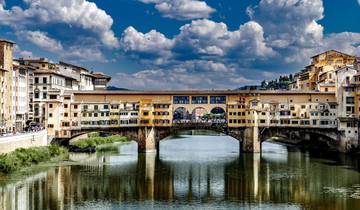
5 days
5 Day Florence Including Chianti Region,Pisa and Cinque Terre
- ✓ Comprehensive Florence tour
- ✓ Expert local guides included
- ✓ All accommodation arranged
- ✓ Transportation provided

4 days
The Best of Tuscany: Florence, Chianti & Cinque Terre Escape | 4 Days
- ✓ Comprehensive Florence tour
- ✓ Expert local guides included
- ✓ All accommodation arranged
- ✓ Transportation provided
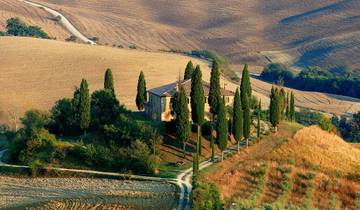
7 days
Tuscany Absolute
- ✓ Comprehensive Florence tour
- ✓ Expert local guides included
- ✓ All accommodation arranged
- ✓ Transportation provided

2 days
2-Day Private Florence Spa & Wellness: Classic Heritage & Natural Cave Experience
- ✓ Comprehensive Florence tour
- ✓ Expert local guides included
- ✓ All accommodation arranged
- ✓ Transportation provided
Multi-day tour packages powered by TourRadar. Prices and availability subject to change.
Free Church Art and Sacred Spaces
1. Santa Maria Novella: Masterpiece Frescoes and Brunelleschi
Florence’s Dominican mother church opens free during worship hours, providing access to extraordinary Renaissance art rivaling the Uffizi’s collections. Masaccio’s Holy Trinity fresco revolutionized perspective techniques in 1427, creating perfect mathematical illusion of three-dimensional space on a flat wall—every art student studies this work’s perspective construction. The fresco’s placement in the left nave allows prolonged viewing from benches designed for contemplation.
Ghirlandaio’s frescoes covering the Tornabuoni Chapel walls depict scenes from the lives of the Virgin Mary and John the Baptist against contemporary Florence settings. These works function as visual documentation of 15th-century Florentine life, showing clothing styles, architectural details, and social customs with documentary precision. The chapel’s location behind the high altar requires walking through the church to access, but no admission fees apply during free hours.
Brunelleschi’s wooden Crucifix hangs in the Gondi Chapel, created in response to Donatello’s Santa Croce version. Renaissance sources describe how Donatello admitted Brunelleschi’s “Christ” surpassed his “peasant,” acknowledging his friend’s superior artistic achievement. The church’s facade demonstrates early Renaissance proportions and Classical revival decorative schemes influencing Florence architecture for centuries. Free access periods vary but include early morning and late afternoon hours when churches welcome worshippers—respectful visitors attend without disrupting religious functions.
2. Santo Spirito: Brunelleschi’s Perfect Proportions
Brunelleschi’s last architectural project demonstrates Renaissance spatial theory in its purest form—perfect mathematical proportions creating harmonious spaces that inspire contemplation. The church interior uses module-based design where every dimension relates mathematically to a fundamental unit, creating visual harmony through geometric relationships. The colonnade rhythms, nave proportions, and side chapel arrangements exemplify Renaissance architectural philosophy.
Forty side chapels ring the interior, each containing altarpieces and artwork mostly accessible during free visiting hours. The simple white plaster walls and gray pietra serena architectural elements create neutral backgrounds emphasizing spatial clarity over decorative complexity. This restrained aesthetic influenced countless later churches throughout Tuscany and beyond, establishing templates for sacred Renaissance space.
The church’s Oltrarno location places it outside main tourist circuits despite architectural significance equal to more famous churches. Local residents attend regular services, creating authentic parish atmosphere where religious function remains primary and tourism secondary. Visitors explore freely during open hours, photographing the architectural details and experiencing how Renaissance space theory created environments designed to lift spirits through mathematical perfection rather than decorative excess.
3. Orsanmichele: Outdoor Sculpture Museum
This extraordinary church—originally a grain market converted to religious use—displays Florence’s most important public sculpture collection on its exterior walls. Each major guild commissioned statues of patron saints from leading sculptors, creating competitive showcase where artistic quality demonstrated guild prestige. Donatello’s St. Mark and St. George, Ghiberti’s St. John the Baptist, Verrocchio’s Doubting Thomas, and other masterworks occupy exterior niches visible free 24 hours daily.
The sculptures revolutionized Renaissance art through unprecedented naturalism, psychological intensity, and technical virtuosity. Donatello’s St. Mark exhibits contrapposto (weight shift) creating lifelike stance never achieved in Gothic sculpture. His St. George radiates alert watchfulness through facial expression and body tension—the first sculpture communicating complex internal psychology rather than simple symbolic presence. These innovations influenced every sculptor who followed.
Walking around the building examining each niche creates free sculpture tour rivaling museum collections. Most niches now contain bronze copies protecting marble originals relocated to museums, but the copies maintain visual impact in their intended architectural settings. The building’s interior opens free during worship hours, revealing Orcagna’s elaborate Gothic tabernacle and continuing the extraordinary art experience begun outside. The combination of accessible location, 24-hour exterior viewing, and major artistic importance makes Orsanmichele essential for budget Florence visits.
4. San Miniato al Monte: Romanesque Jewel with Panoramas
Florence’s finest Romanesque church crowns a hill above Piazzale Michelangelo, combining architectural splendor with spectacular views—both accessible free. The facade’s geometric marble patterns in green and white exemplify Florentine Romanesque style, influencing the Baptistery and other local churches. The interior mosaic above the apse dates to 1297, depicting Christ between Mary and St. Minias with glittering gold backgrounds characteristic of Byzantine-influenced Tuscan art.
The raised choir area with its elaborate marble screen creates dramatic spatial organization highlighting the approach to the altar. The crypt beneath houses St. Minias’s remains in ancient vaulting supported by recovered Roman columns—visible reminders of Florence’s pre-medieval past. Side chapels contain Renaissance frescoes and altarpieces, while the sacristy features frescoes by Spinello Aretino depicting St. Benedict’s life.
The church terrace provides even higher elevation than Piazzale Michelangelo below, adding dramatic perspective to Florence panoramas. The adjacent Benedictine monastery continues functioning, with monks chanting Gregorian vespers daily at 5:30 PM—free concerts of medieval sacred music in perfect acoustic settings. The climb from riverside Florence reaches this hilltop through cypress-lined paths and ancient fortifications, creating scenic approach equal to the destination itself. Sunset visits combine optimal light for photography with vespers performances for complete multisensory experiences.
5. Santa Trinita: Ghirlandaio’s Renaissance Florence
This church’s Sassetti Chapel contains Ghirlandaio frescoes depicting St. Francis’s life set in contemporary Florence, transforming religious narrative into documentary evidence of 15th-century city life. The frescoes show Piazza Signoria with Palazzo Vecchio exactly as it appeared in 1485, Santa Trinita bridge before its current form, and numerous portraits of prominent Florentines including members of the Medici family. These scenes function as historical photographs, preserving visual details lost to later renovations and wars.
The chapel’s altarpiece, also by Ghirlandaio, depicts the Adoration of the Shepherds with remarkable naturalistic detail in landscape, architecture, and figure treatment. The work’s integration with surrounding frescoes creates unified decorative scheme demonstrating Renaissance chapel design at its highest achievement. The Sassetti family tomb monuments flank the altar, designed by Giuliano da Sangallo in elegant Renaissance style.
The church itself exhibits Gothic-Renaissance transitional architecture, with pointed arches and ribbed vaults suggesting Gothic origins overlaid with Renaissance decorative elements. Several other chapels contain important paintings including works by Lorenzo Monaco and Neri di Bicci. The church opens free during worship hours, welcoming visitors who respect its continuing religious function. The relatively few tourists visiting Santa Trinita despite its artistic importance creates peaceful viewing conditions impossible at more famous locations.
6. San Lorenzo Exterior and Piazza
While San Lorenzo’s interior requires admission, the exterior and surrounding piazza offer free architectural study and neighborhood atmosphere. Brunelleschi designed the church though his plans were never fully executed—the facade remains unfinished rough brick, revealing construction methods hidden by marble facades elsewhere. This “incompleteness” paradoxically enhances educational value, showing underlying structure concealed in finished buildings.
The piazza hosts the daily San Lorenzo market where vendors sell leather goods, souvenirs, and local products. While primarily tourist-oriented, the market demonstrates Florence’s commercial continuity—this piazza served as marketplace for centuries, maintaining economic function despite changing customer base. Observing market operations, vendor interactions, and crowd dynamics reveals contemporary Florence’s tourism-dependent economy.
The nearby Medici Chapels’ exterior demonstrates Michelangelo’s architectural contributions, while the adjacent streets contain artisan shops maintaining traditional crafts. The neighborhood combines Renaissance monuments with working-class residential character, creating authentic urban texture often missing in more gentrified historic districts. Walking these streets costs nothing while providing cultural education about how Florence’s layers accumulate across centuries of continuous occupation and adaptation.
7. Santissima Annunziata: Renaissance Symmetry and Local Devotion
This church faces one of Florence’s most harmonious Renaissance squares—Piazza Santissima Annunziata—designed with perfect bilateral symmetry creating formal elegance unmatched elsewhere in the city. The church’s arcade entry contains Andrea del Sarto and Pontormo frescoes accessible free during visiting hours. The interior houses a miracle-working Annunciation image that draws continuous devotion from Florentine faithful, creating authentic religious atmosphere where tourism remains secondary to prayer.
The church’s architectural significance lies in its unified Renaissance design executed according to comprehensive plans rather than accumulated over centuries. Michelozzo’s cloister demonstrates early Renaissance spatial clarity, while the church interior shows how mathematical proportions create visual harmony. The side chapels contain numerous altarpieces and devotional paintings reflecting centuries of religious patronage.
The square outside, flanked by Brunelleschi’s Ospedale degli Innocenti (Foundling Hospital) and matching arcade, represents Renaissance urban planning’s highest achievement—complete architectural environments designed as unified compositions. The Innocenti’s exterior terrace with della Robbia tondi (circular reliefs) depicting swaddled infants creates one of Florence’s most photographed facades, completely visible free from public space. Early morning and late afternoon light enhance the square’s proportions and architectural details, creating optimal free viewing conditions.
Free Architecture and Urban Spaces
8. Duomo Exterior and Piazza: Brunelleschi’s Masterpiece
Florence’s cathedral exterior provides free architectural education rivaling any museum. Brunelleschi’s dome revolutionized European architecture through its unprecedented scale and ingenious double-shell construction supporting weight through geometric genius rather than external buttressing. Circling the building reveals the dome’s perfect proportions from all angles, while the lantern crowning the summit demonstrates how Classical vocabulary adapted to Christian purposes.
The facade’s 19th-century Gothic Revival design integrates multicolored marble patterns referencing Tuscan Romanesque traditions. While modern rather than medieval, the facade demonstrates how 19th-century Italy imagined its Gothic past. The bronze doors contain Renaissance relief sculptures worth extended examination. The overall building complex—cathedral, campanile, and baptistery—creates unified composition dominating Florence’s skyline and defining the city’s visual identity.
The surrounding piazza functions as civic center where tourists and locals intermingle, creating Florence’s most animated public space. The square offers multiple viewpoint angles for photographing the cathedral complex, with morning light illuminating the facade while afternoon emphasizes the dome’s western exposure. Sunset transforms the marble surfaces to warm gold against darkening skies. These free viewing opportunities, available 24 hours daily, provide Florence’s most iconic imagery without admission charges.
9. Baptistery Exterior: Ghiberti’s Gates of Paradise
The Baptistery’s octagonal Romanesque form in green and white marble established architectural template influencing Florentine buildings for centuries. The exterior displays three sets of bronze doors spanning Renaissance sculpture’s development. Lorenzo Ghiberti’s east doors—dubbed “Gates of Paradise” by Michelangelo—demonstrate relief sculpture’s highest achievement through perspective, narrative clarity, and technical virtuosity. Ten panels depict Old Testament scenes with unprecedented spatial depth and compositional sophistication.
The south doors by Andrea Pisano (1330) show earlier Gothic style, while Ghiberti’s north doors (1403-1424) mark his competition victory launching Renaissance sculpture. Comparing these three door sets traces sculpture’s evolution from Gothic to full Renaissance styles. The current exterior doors are copies protecting originals inside the cathedral museum, but they maintain visual impact in their intended architectural setting.
The building’s Romanesque marble patterns—geometric designs in white and dark green creating optical illusions of depth—influenced countless Tuscan churches. The roof’s pyramidal form topped by lantern demonstrates how medieval builders adapted Classical forms to Christian symbolism. Circling the octagonal structure examining each face’s decorative scheme creates free architectural masterclass. The doors remain visible 24 hours, though daylight hours provide necessary illumination for appreciating sculptural details.
10. Giotto’s Campanile Exterior: Sculptural Program
The cathedral’s bell tower designed by Giotto demonstrates Gothic vertical emphasis softened by Tuscan Romanesque horizontal divisions. The exterior displays extensive sculptural program depicting human activities, liberal arts, sacraments, and virtues in hexagonal and lozenge-shaped reliefs. These sculptures by Andrea Pisano and Luca della Robbia trace humanity’s development from original sin through artistic and intellectual achievements to spiritual redemption.
The current exterior sculptures are copies, with originals preserved in the cathedral museum, but viewing them in architectural context reveals their intended narrative flow and decorative integration. The tower’s proportions—square plan rising in clearly defined stages—demonstrate mathematical harmony characteristic of Florentine Gothic style. The multicolored marble patterns coordinate with the cathedral and baptistery, creating unified visual ensemble.
Photographing the campanile from various angles reveals how its proportions change perspective—from nearby it soars dramatically skyward, while distance reveals its relationship to the dome and overall cathedral complex. Morning light illuminates the east face while afternoon emphasizes western exposure, creating different photographic opportunities throughout the day. The tower’s visibility from throughout Florence makes it constant orientation landmark, while close examination reveals sculptural and architectural details impossible to see from distance.
11. Piazza della Signoria: Outdoor Sculpture Gallery
Florence’s civic center contains free sculpture collection rivaling museum holdings. Michelangelo’s David (replica) stands in its original location outside Palazzo Vecchio, allowing appreciation of the statue’s intended civic symbolism as guardian of Florentine liberty. The Loggia dei Lanzi shelters Cellini’s Perseus and Giambologna’s Rape of the Sabines—Renaissance and Mannerist masterworks demonstrating sculpture’s technical and expressive evolution.
The Neptune Fountain by Ammannati demonstrates mid-16th-century taste for monumental public fountains, though Florentines historically criticized the work’s aesthetic quality. Donatello’s Judith and Holofernes (copy) stands near the palazzo entrance, depicting the biblical heroine decapitating the Assyrian general—political symbolism celebrating virtuous violence against tyranny. These sculptures function as political propaganda, artistic achievements, and civic ornaments simultaneously.
The square’s architectural setting—Palazzo Vecchio’s fortress-like mass, the Uffizi’s long wings, and surrounding historic palaces—creates formal space designed for political assembly, public executions, and civic celebrations. The square continues hosting contemporary events maintaining traditions dating to medieval republic. Visiting different times reveals how use patterns change—morning attracts casual visitors, afternoon brings organized tours, evening transforms the square into social gathering space. These free observations provide insights into urban space function impossible to gain from museum visits.
12. Palazzo Strozzi Courtyard: Renaissance Architecture
This massive Renaissance palace allows free access to its magnificent courtyard—perfect example of Florentine palazzo design demonstrating how wealthy families created semi-public spaces balancing display and privacy. The courtyard’s Classical proportions, rusticated stonework, and elegant arcades exemplify High Renaissance architectural ideals. The space functions as outdoor room, with carefully calculated proportions creating harmonious atmosphere.
The palace hosts rotating contemporary art exhibitions in upper floors (ticketed), but the courtyard and ground-floor exhibition spaces remain free, often displaying installations by major contemporary artists. This juxtaposition of Renaissance architecture and modern art creates dialogue across centuries, demonstrating how historic spaces adapt to contemporary cultural functions. The building’s exterior demonstrates Renaissance palace facades—rusticated lower floors suggesting strength, refined upper floors indicating wealth and culture.
The palazzo’s location between main tourist routes and quieter streets provides convenient access during Florence wandering. The courtyard offers retreat from summer heat, peaceful space for rest, and free architectural experience. Photography captures both architectural details and temporary installations, while people-watching reveals how contemporary Florentines use historic spaces. The combination of free access, cultural programming, and architectural significance makes Palazzo Strozzi essential for budget cultural engagement.
13. Medieval Street Architecture: Via Tornabuoni and Borgo degli Albizi
Florence’s medieval street network preserves urban patterns predating modern planning, with narrow streets, sudden squares, and dense building masses creating intimate scale and surprising discoveries. Via Tornabuoni, Florence’s luxury shopping street, displays Renaissance palace facades including Palazzo Strozzi, Palazzo Bartolini Salimbeni, and Palazzo Antinori. These buildings demonstrate architectural evolution from fortress-like medieval structures to elegant Renaissance designs emphasizing beauty over defense.
Borgo degli Albizi, running from Duomo toward Santa Croce, contains numerous medieval towers and palaces showing Florence’s layered architectural history. The street’s slight curve follows ancient Roman roads, while building heights and setbacks reveal medieval property patterns. Tower houses—medieval defensive residences combining fortification and domesticity—punctuate the streetscape, with several preserved examples showing original proportions and stonework.
Walking these streets with attention to architectural details reveals construction techniques, defensive features, later modifications, and stylistic evolution. Stone benches flanking palace doorways, coat of arms marking family residences, Gothic windows in Renaissance facades, and shops occupying ground floors of ancient buildings demonstrate continuous adaptation maintaining historic structures through changing uses. This free architectural education requires only curiosity and willingness to observe buildings beyond casual glancing.
Free Gardens, Parks, and Natural Spaces
14. Giardino delle Rose: Hillside Rose Gardens
Terraced gardens below Piazzale Michelangelo contain 350+ rose varieties blooming spectacularly May through June, creating free floral display rivaling any paid garden. The gardens open year-round without admission, though peak bloom justifies specific timing for May-June visits. Meandering paths wind through collections arranged by color and species, while benches positioned for views create perfect spots combining roses, sculpture, and Florence panoramas.
The Japanese garden section, donated by twin city Kyoto, contains traditional elements including stone lanterns, water features, and carefully pruned pines. April cherry blossoms peak in this section, extending the garden’s seasonal interest beyond rose season. Sculptures by contemporary Belgian artist Jean-Michel Folon scattered throughout create surprising modern interventions in traditional garden setting.
Morning visits before 9 AM provide optimal light, fewer crowds, and fresh fragrances before day’s heat intensifies scents. The hillside location offers cooler temperatures than riverside Florence, making summer afternoon visits pleasant retreats. The combination of free admission, spectacular views, seasonal blooms, and sculpture creates experiences worth building Florence visits around. Photography opportunities peak during golden hour when rose colors intensify and city views glow.
15. Parco delle Cascine: Florence’s Largest Park
This extensive riverside park west of city center provides Florence’s primary green space—miles of paths under ancient trees along the Arno River. The park originated as Medici hunting reserve, later converted to public park maintaining its formal alley plantings and water features. The space serves primarily local residents rather than tourists, creating authentic glimpses of Florentine recreation patterns.
The park hosts weekly Tuesday morning market—Florence’s largest—where vendors sell everything from clothing to plants to household goods at prices targeting local rather than tourist budgets. The market operates year-round regardless of weather, creating authentic commercial experience. Beyond market days, the park offers peaceful walking, picnicking spots under shade trees, and views across the Arno to surrounding hills.
The park’s scale and local orientation create very different atmosphere from central Florence’s tourist-dominated spaces. Families picnic, joggers train, children play, and elderly residents sit on benches reading—normal urban park activities uncommon in Florence’s touristy core. These observations of authentic daily life provide cultural insights museums cannot teach. The park’s free access and low visitor awareness among tourists create ideal budget experiences for those willing to venture beyond obvious attractions.
16. Orto Botanico: University Botanical Garden
The Botanical Garden established 1545 for medicinal plant studies continues operating under University of Florence administration, providing free admission to collections spanning Mediterranean climates worldwide. The compact space displays remarkable plant diversity organized by families and geographic origins. Greenhouses shelter tropical and succulent collections while outdoor beds demonstrate evolutionary relationships through comparative plantings.
The garden preserves original Renaissance layout principles while expanding collections to include conservation specimens of endangered species. Ancient trees planted centuries ago shade paths where visitors read, sketch, or simply rest surrounded by botanical diversity. The medicinal plant sections preserve species used in Renaissance pharmacy, connecting modern botany to historical medical practices.
The garden receives minimal tourist traffic despite central location, creating quiet contemplative atmosphere. Spring visits reveal peak blooming, while autumn colors transform deciduous collections. The educational mission creates serious inquiry atmosphere rather than entertainment focus, attracting botanists, artists, and contemplative visitors. Early morning hours before 10 AM offer optimal solitude for photography and peaceful enjoyment of this hidden free resource.
17. Bardini and Boboli Garden Exteriors
While these major gardens require admission, their exterior walls, gates, and surrounding streets offer free glimpses of their landscapes. The hillside paths ascending to garden entrances provide scenic walks with partial views over walls into garden areas. The approach to Bardini Gardens passes through Oltrarno neighborhoods revealing authentic residential Florence, while the climb to Boboli traverses areas with spectacular city views.
The free exterior areas serve as hiking routes popular with locals seeking exercise and views without garden admission. The paths connect various viewpoints including Rose Gardens and Piazzale Michelangelo, creating free hillside circuits combining views, exercise, and neighborhood exploration. Spring weather makes these walks particularly pleasant, with wildflowers blooming along paths and comfortable temperatures for uphill climbing.
The strategy of exploring garden perimeters rather than paying admission suits budget travelers willing to exchange complete access for partial free experiences. The exterior paths often provide superior exercise, better views, and more authentic neighborhood contact than the gardens’ interior tourist routes. This approach demonstrates how creative budget travel creates satisfying experiences through alternative strategies rather than simply avoiding paid attractions.
Free Viewpoints and Panoramas
18. Piazzale Michelangelo: The Classic Panorama
Florence’s most famous viewpoint offers complete free access sunrise to sunset. The elevated square provides panoramic views encompassing the Duomo, Palazzo Vecchio, Santa Croce, the Arno River, and surrounding Tuscan hills. Bronze replica of Michelangelo’s David centers the square, though the view rather than sculpture draws crowds. The panorama’s comprehensiveness and accessibility explain its popularity despite tourist crowds.
Strategic timing manages crowding: sunrise attracts photographers and early risers, mid-morning through afternoon brings tour buses, early evening draws romantic couples and sunset watchers. Midday in summer creates harsh light and maximum crowds, making morning and evening optimal. Winter visits find fewer people and dramatic light conditions, though shorter days limit viewing times.
The piazzale functions beyond viewpoint—it’s social gathering space where Florentine teens congregate, street performers entertain, vendors sell drinks, and tourists rest after climbing from river level. These social observations reveal how viewpoints serve multiple functions beyond photography. The free access, convenient location, and spectacular views make Piazzale Michelangelo essential despite crowds, while timing strategies maximize enjoyment and photography opportunities.
19. Ponte Santa Trinita: Bridge Views of Ponte Vecchio
The next bridge upstream from Ponte Vecchio provides the classic photograph angle of Florence’s most famous bridge—stone arches spanning the Arno with medieval buildings and distant hills creating perfect composition. The view appears in countless paintings, photographs, and promotional materials representing Florence visually. The public bridge operates 24 hours free, allowing unlimited return visits optimizing for light conditions.
The bridge itself represents Renaissance engineering and aesthetic achievement—elegant elliptical arches designed by Ammannati based on mathematical models. The four Seasons statues at corners add sculptural interest. The bridge’s destruction during World War II and careful reconstruction using original stones and methods demonstrates Florence’s commitment to preserving architectural heritage. Walking the bridge combines viewpoint functions with architectural experience.
Photography strategies include morning for eastern light on Ponte Vecchio, late afternoon for western exposure, and blue hour after sunset for city lights reflecting in the river. The view changes dramatically with seasonal water levels, weather conditions, and light quality. The bridge’s accessibility—no admission, no hours, just open public infrastructure—epitomizes how Florence’s most iconic scenes remain freely available rather than commercialized behind admission gates.
20. Lungarno Walks: Riverside Promenades
Continuous riverside paths along both Arno banks provide free walking routes with changing views of bridges, riverside palaces, and distant hills. The north bank Lungarno passes major buildings including Uffizi, Palazzo Corsini, and numerous historic palaces demonstrating Renaissance domestic architecture. The south bank offers views across river to these buildings while passing through quieter residential neighborhoods.
The riverside walks function as linear park where Florentines jog, walk dogs, and enjoy the city’s rare open space. The continuous paths allow long walks exploring Florence’s relationship with its river—bridges connecting districts, floods marking historical high water levels, and riverside activities from medieval mills to modern restaurants. These observations of urban geography and history require no admission.
Different times create varying experiences: morning joggers and commuters, afternoon tourists and students, evening promenaders and romantic couples. The paths remain active late into night, with restaurants and bars creating lively atmosphere along certain stretches. Free access 24 hours enables repeated visits discovering how light, weather, and social patterns transform identical physical space into continuously varying experiences. Budget travelers find these walks provide exercise, sightseeing, and cultural observation simultaneously.
21. Forte Belvedere Exterior (When Open)
This hilltop fortress above Boboli Gardens occasionally opens for contemporary art exhibitions, with exterior areas sometimes accessible free while interior galleries require tickets. When open, the fortress walls provide dramatic Florence panoramas from elevated vantage point. The structure itself represents Renaissance military architecture—star-shaped plan optimizing defensive geometry while the palazzo at its center demonstrates how military and residential functions combined.
The fortress grounds offer views across Florence from higher elevation than other accessible viewpoints, revealing the city’s full extent from dense medieval core to suburban sprawl. The perspective emphasizes Florence’s valley setting surrounded by Tuscan hills—geographic situation that influenced the city’s development and continues shaping its character. The fortress’s limited opening schedule and uncertain hours require flexible planning and sometimes wasted trips, but the payoff justifies persistence.
Even when the fortress proper closes, approaching paths through Oltrarno neighborhoods and partial views through gates provide atmospheric walks and glimpses of views above. The surrounding area contains quiet streets, gardens, and historic buildings worth exploring regardless of fortress access. This unpredictability represents trade-offs budget travelers accept—sometimes access succeeds, sometimes not, but the attempt costs nothing except time and uphill walking.
Free Markets and Neighborhood Experiences
22. Sant’Ambrogio Market: Authentic Local Shopping
Florence’s primary neighborhood market operates Monday-Saturday mornings, providing authentic commercial experiences impossible at tourist-focused venues. Indoor vendors sell meat, fish, cheese, and prepared foods while outdoor stands overflow with seasonal produce, flowers, and household goods. The market serves Florentine residents doing daily shopping, creating authentic glimpses of local life and food culture.
Vendors recognize regular customers, conducting transactions in rapid Italian mixing business with social exchange. Observing these interactions reveals shopping as community ritual beyond simple commerce. The market’s pricing targets local rather than tourist budgets, demonstrating actual cost of living rather than inflated tourist prices. Seasonal produce rotates through the year, showing how traditional Mediterranean diet reflects agricultural calendars.
The market requires no admission and welcomes browsers alongside shoppers. The surrounding neighborhood contains small shops, cafes, and churches worth exploring, creating opportunities for half-day visits combining market observations with neighborhood wandering. Several food stalls inside serve excellent inexpensive meals, though these require some spending. Even window-shopping and people-watching cost nothing while providing cultural education about authentic Florence beyond tourist zones.
23. Santo Spirito Square: Oltrarno Evening Life
This neighborhood square functions as living room for Florence’s Oltrarno district, hosting daily life largely untouched by tourism. Local residents gather at outdoor cafes, children play on worn pavement, elderly neighbors sit on benches watching familiar faces. The square’s church, designed by Brunelleschi, creates impressive architectural backdrop for ordinary activities—extraordinary setting for normal life.
Evening transforms the square into social gathering space where residents drink wine, socialize, and enjoy mild weather. The atmosphere remains authentically local despite proximity to tourist zones—conversations flow in Italian, faces appear repeatedly, and interactions follow neighborhood rather than tourist patterns. Observing these dynamics provides insights into actual Florentine life impossible to gain from museums or guided tours.
Sitting on church steps or square benches costs nothing while offering prime people-watching and cultural observation. Morning markets on second and third Sundays add antiques, crafts, and local products to the square’s regular activities. The free accessibility and authentic character make Santo Spirito essential for understanding how contemporary Florentines actually use their historic city for daily life rather than tourist consumption.
24. Saturday Morning Neighborhood Explorations
Saturday mornings reveal Florence’s residential character through neighborhood markets, local cafes filled with regulars, and parish churches hosting community activities. Beyond Sant’Ambrogio, smaller neighborhood markets operate in various districts—Santo Spirito, San Frediano, and others—each serving local residents with produce, household goods, and regional products. These markets receive minimal tourist attention, creating authentic commercial experiences.
Neighborhood cafes and bakeries serve locals doing weekend errands, creating opportunities for observing authentic Florence beyond tourist performance. The morning timing catches neighborhoods before afternoon siesta closures and evening tourist activities, when daily rhythms feel most authentic. Walking residential streets reveals how ordinary Florentines live in Renaissance surroundings—laundry drying from windows, neighbors chatting across streets, children playing in small squares.
This exploration requires no planning beyond Saturday morning timing and willingness to wander streets without obvious attractions. The free experience provides cultural education about contemporary Florence more valuable than historical museums—understanding how living city functions rather than how it functioned centuries ago. Budget travelers find these neighborhood explorations both cost-free and culturally rich, demonstrating how the most valuable travel experiences often cost nothing.
Free Festivals and Seasonal Events
25. Scoppio del Carro: Easter Explosion Festival
Easter Sunday brings Florence’s most spectacular free event—an ancient cart loaded with fireworks explodes in Duomo square following morning Mass. The ceremony dates to the First Crusade, when a Florentine knight brought holy fire from Jerusalem, establishing tradition maintained for nearly a millennium. A mechanical dove “flies” along wire from the altar through the cathedral doors to ignite the cart, symbolizing the Holy Spirit descending at Pentecost.
Thousands crowd the piazza watching the explosion, which theoretically predicts the coming year’s fortune—successful ignition promises good harvests and civic prosperity. The event combines religious ceremony, civic ritual, and popular festival in ways characteristic of Florence’s traditional culture. The morning timing requires early arrival for viewing positions, but admission costs nothing and the spectacle rewards the effort.
26. Festa della Rificolona: September Lantern Festival
September 7th evening celebrates the Virgin Mary’s nativity with traditional paper lantern procession through historic streets to Santissima Annunziata square. Participants carry handmade colorful lanterns while crowds line streets watching the parade. The festival preserves medieval tradition when country families walked to Florence for the feast, carrying lanterns to light their way. Modern celebrations maintain the custom through paper lantern craft workshops and evening processions.
The festival’s authenticity lies in continuing local participation—Florence families make lanterns, children join processions, and neighborhoods maintain distinct parade traditions. Tourism adds numbers but doesn’t dominate the experience. The free event requires no tickets or reservations, just showing up at the right time and place. The combination of historical continuity, community participation, and visual spectacle creates memorable cultural experiences.
27. Calcio Storico: Historical Football Tournament
June brings Florence’s most violent sport—calcio storico fiorentino—medieval football matches between neighborhood teams fighting for district pride. The brutal contest mixes rugby, wrestling, and martial arts, with minimal rules and maximum aggression. The games occur in Santa Croce square, transforming the piazza into sand-covered arena surrounded by temporary stands. While main arena seating requires tickets, surrounding areas allow free views of this extraordinary sporting tradition.
The tournament’s four teams represent historic quarters—blues (Santa Croce), reds (Santa Maria Novella), greens (San Giovanni), whites (Santo Spirito)—creating neighborhood rivalries dating to medieval times. Players wear Renaissance costumes, officials follow 16th-century rules, and the entire spectacle re-creates historical Florence more authentically than any museum reconstruction. The neighborhood pride and competitive intensity demonstrate how historical traditions maintain genuine meaning for contemporary Florentines.
28. First Sunday Free Museum Access
Every first Sunday October through March, Italy’s state museums open free to all visitors. In Florence, this includes the Uffizi, Accademia, Bargello, Palazzo Pitti, and numerous smaller museums. The free access creates opportunities for budget travelers to visit major collections without admission charges, though the policy also generates enormous crowds and long lines. Strategic planning maximizes this opportunity while managing the downsides.
Success requires early arrival—lines form before opening and grow throughout morning. The Uffizi and Accademia attract heaviest crowding, making smaller museums better choices for shorter waits. Alternatively, arriving late afternoon finds shorter lines and quieter galleries as day visitors depart. The free Sundays remove financial barriers to Florence’s greatest art, though they create logistical challenges requiring patience and flexible expectations. Budget travelers willing to invest time rather than money find these monthly opportunities invaluable for accessing otherwise expensive attractions.
Strategic Free Florence Planning
29. Self-Guided Walking Tours
Florence’s compact historic center enables comprehensive self-guided exploration combining multiple free sites into themed walking routes. A Renaissance architecture walk links cathedral, baptistery, Palazzo Strozzi, Santo Spirito, and Santissima Annunziata, demonstrating architectural evolution. A sculpture walk includes Piazza Signoria, Orsanmichele, baptistery doors, and various church exteriors. A viewpoint circuit climbs from Ponte Vecchio through hillside paths to Piazzale Michelangelo and San Miniato.
These self-guided routes cost nothing beyond time and energy, while providing cultural education rivaling expensive guided tours. Advance research using guidebooks or online resources identifies sites and organizes efficient routing. The self-pacing allows extended time at personally interesting locations while skipping others, creating customized experiences impossible with group tours. Photography opportunities arise naturally along these routes, documenting both major sights and atmospheric street scenes.
30. Timing Strategies for Free Experiences
Maximizing free Florence requires strategic timing across multiple scales. First Sunday museum access October-March removes admission barriers. Early morning church visits before 9 AM find empty spaces with perfect lighting. Weekday explorations avoid weekend crowds. Shoulder season visits (April-May, September-October) combine pleasant weather with manageable tourist levels. Evening neighborhood wandering reveals authentic local life after day tourists depart.
Seasonal timing affects gardens (spring blooms), viewpoints (autumn clarity), and festivals (distributed throughout the year). Weather patterns influence outdoor activity comfort—summer heat makes morning and evening optimal for walking, while winter’s shorter days compress visiting hours. These timing considerations cost nothing to implement while dramatically improving free experience quality. Budget travelers willing to plan around optimal timing rather than arbitrary vacation schedules discover Florence at its best without spending on admission fees.
Practical Free Florence Strategies
Understanding Church Visiting Hours
Churches operate on religious schedules rather than tourist convenience, opening free during worship hours while restricting access during services or closing for afternoon siestas. Standard patterns include morning opening 7-9 AM for early Mass, midday closure 12-3 PM, afternoon reopening 3-6 PM, and evening closure by 7 PM. These schedules vary by church and season, requiring flexibility and willingness to adjust plans.
Respectful behavior enables free church access: dress appropriately with covered shoulders and knees, speak quietly, avoid photography during services, and observe areas closed to visitors. Many churches welcome respectful attendance at Mass even for non-Catholics interested in liturgical music and religious ceremony. The combination of free access and world-class art makes churches Florence’s most valuable budget resources, though navigating their schedules and norms requires cultural sensitivity beyond what museums demand.
Free Information Resources
Tourist information offices throughout Florence provide free maps, event calendars, and practical advice. The main office near Santa Maria Novella station offers comprehensive resources. Free walking tour maps available at most hotels outline routes connecting major sights. Online resources including city tourism websites, museum pages, and cultural calendars provide event information and current schedules. Local English-language publications often available free in hotels and cafes cover current exhibitions and events.
These information resources enable independent planning without tour operator dependence. The investment of research time rather than tour fees creates comparable knowledge while maintaining schedule flexibility. Budget travelers find information gathering itself becomes part of the travel experience—learning about Florence through various sources creates deeper engagement than passive tour consumption. The key involves seeking multiple sources and cross-referencing information, as free resources sometimes contain errors or outdated details.
Photography Without Spending
Florence’s photographic riches reward camera-equipped visitors with unlimited free opportunities. The city’s architecture, art, gardens, and street life create endless compositions from iconic views to intimate details. Churches permitting photography provide Renaissance art access without museum admission. Public squares and streets function as outdoor studios where light, weather, and human activity create constantly changing scenes.
Technical strategies maximize results: early morning and late afternoon provide golden light, overcast days create even illumination for street photography, sunset generates dramatic skylines, and blue hour adds city lights to compositions. The free nature of photography means unlimited return visits optimizing for conditions—unlike paid attractions where single visits must suffice, free locations allow multiple attempts perfecting desired images. Budget travelers find photography both documents their visit and provides creative outlet costing nothing beyond initial camera investment.
FAQ: Free Florence Experiences
Can you enjoy Florence on a very tight budget?
Florence provides extensive free experiences enabling rich visits without spending on attractions. Churches containing masterpiece art open free during worship hours. Public gardens, viewpoints, and riverside walks cost nothing. Renaissance architecture throughout historic streets creates open-air museum. Neighborhood markets and squares reveal authentic local life. First Sunday free museum access October-March adds major collections. Budget travelers combining these resources with inexpensive accommodation and food discover comprehensive Florence experiences without major expenditures. The city’s greatest treasures—art, architecture, urban beauty—remain accessible regardless of budget through strategic planning and willingness to explore beyond obvious paid attractions.
Are Florence’s free churches really worth visiting?
Free churches contain artwork equivalent or superior to many paid museums. Santa Maria Novella houses Masaccio’s Holy Trinity and Ghirlandaio’s Tornabuoni Chapel frescoes. Santo Spirito showcases Brunelleschi’s architecture. Orsanmichele displays major Renaissance sculptures. San Miniato offers Romanesque splendor with panoramic views. These spaces provide authentic contexts for religious art—works occupying their intended settings rather than museum walls. The churches’ continuing religious function adds spiritual dimension absent from secular museums. Art history students recognize these churches as essential for understanding Renaissance development. Budget travelers find church visits both culturally rich and completely free.
What free activities work well with children in Florence?
Children enjoy Florence’s free gardens including Rose Gardens and Parco delle Cascine providing space for active play. Piazza della Signoria’s outdoor sculptures create open-air museum with room to move around. Sant’Ambrogio market offers sensory experiences through colors, smells, and tastes. Riverside walks allow extended wandering without destination pressure. Climbing to Piazzale Michelangelo creates adventure with rewarding views. These free activities provide child-friendly alternatives to museum marathons while teaching about Italian culture, Renaissance art, and urban life. Success requires adjusting expectations—Florence rewards curious observation rather than theme park excitement, teaching children to appreciate beauty, history, and cultural difference without entertainment-focused stimulation.
How do free Florence experiences compare to paid attractions?
Free experiences often provide superior value through less crowding, flexible timing, and authentic contexts. Churches containing major art welcome contemplative viewing impossible in packed museums. Viewpoints accessible anytime allow optimal light conditions. Gardens and neighborhood spaces reveal authentic Florence untainted by commercialization. However, paid museums provide comprehensive collections, climate control, detailed information, and guaranteed access. The optimal approach combines both—major museums justify admission through their holdings while free sites add breadth and authentic character. Budget travelers substituting free sites entirely miss certain masterworks but experience Florence more authentically through direct neighborhood engagement rather than prescribed museum routes.
What’s the best free day itinerary in Florence?
An excellent free day begins early at San Miniato for sunrise views and morning vespers, descends through Rose Gardens to Piazzale Michelangelo, continues through Oltrarno neighborhoods to Santo Spirito church and square, crosses Ponte Vecchio for Lungarno riverside walk, explores Piazza Signoria and Orsanmichele, visits Santa Maria Novella church, wanders medieval streets observing palazzo architecture, and concludes with sunset from Ponte Santa Trinita. This route combines churches, viewpoints, gardens, architecture, and neighborhood life entirely free while covering Florence’s major areas. The itinerary requires good weather, comfortable shoes, and full day commitment, but costs zero admission while providing comprehensive cultural engagement.
Are there free guided tours in Florence?
Free walking tours operate on tips-expected basis—guides provide tours without fixed prices but expect gratuities reflecting service quality. These tours cover major sights with historical commentary, offering structured introduction to Florence for budget travelers. However, group sizes often exceed twenty people, limiting interaction and creating crowd management challenges. Quality varies dramatically by guide. The “free” designation proves somewhat misleading since social pressure generates tipping expectations comparable to paid tour costs. Independent exploration using guidebooks or online resources provides equivalent information without group constraints or tip pressure, though guided tours offer social aspects and guaranteed historical context some travelers prefer.
When is Florence least crowded for free exploration?
Early mornings before 9 AM, weekdays versus weekends, winter months (November-February excluding holidays), and late afternoons after tour groups depart provide reduced crowding. Churches open early for morning Mass, creating peaceful viewing before tourist influx. Neighborhood markets and squares show authentic character during non-peak hours. Winter’s shorter days and occasional rain discourage casual visitors while serious travelers enjoy nearly empty streets and museums. These timing strategies cost nothing to implement while dramatically improving experience quality. Budget travelers with flexible schedules maximize free resources by avoiding peak times when crowds diminish enjoyment of otherwise excellent free attractions.
Can I see Renaissance art without paying museum admission?
Substantial Renaissance art remains accessible free in churches throughout Florence. Masaccio, Ghirlandaio, Brunelleschi, Giotto, and numerous other masters created works for religious contexts still occupying their original settings. These church installations often surpass museum paintings in scale, integration with architecture, and preservation of intended viewing conditions. However, certain masterworks require museum visits—Botticelli’s Birth of Venus, Michelangelo’s David (though replica stands free in Signoria), and Uffizi’s comprehensive collections exist only in paid venues. Budget travelers see substantial Renaissance art free while missing certain icons, creating trade-offs between comprehensive coverage requiring admission fees versus free but selective encounters emphasizing religious art in sacred spaces.
What free apps or resources help navigate Florence?
Google Maps provides offline navigation, site locations, and basic information without data charges when downloaded in advance. City tourism websites offer free downloadable maps and event calendars. Many churches and museums provide free apps with detailed information about holdings and history. Social media platforms share current conditions, crowd levels, and photography inspiration. Free walking tour companies post route maps and historical information online. Wikipedia provides comprehensive articles about major sites and artists. These digital resources enable sophisticated independent planning and navigation without paid app purchases or guidebook investments. Budget travelers find technology removes traditional information barriers, making self-guided exploration increasingly viable and rewarding.
Maximizing Free Florence Experiences
Florence’s free cultural resources rival those of any European city. The combination of accessible church art, public Renaissance architecture, dramatic viewpoints, beautiful gardens, and authentic neighborhood life creates comprehensive experiences without admission charges. Budget travelers discover that Florence’s essence—its artistic achievements, architectural splendor, urban beauty, and living culture—remains freely accessible through strategic planning and cultural curiosity.
Success requires adapting expectations and approaches. Free experiences demand flexibility around church schedules, seasonal timing, and weather conditions. They reward early rising, extended walking, and willingness to explore beyond obvious attractions. The compensation comes through authentic encounters, peaceful viewing conditions, and direct engagement with Florence’s living character rather than commercialized tourist simulations. These free discoveries often prove more memorable than expensive attractions precisely because they require effort, curiosity, and cultural sensitivity to access.
The thirty free activities outlined represent starting points rather than exhaustive lists. Florence contains countless additional discoveries for those willing to wander, observe, and engage with curiosity. Every church potentially houses significant art, every street reveals architectural history, every neighborhood demonstrates authentic Florentine life. The city rewards those who invest time rather than money, offering its treasures freely to visitors approaching with respect, curiosity, and appreciation for the extraordinary civilization these spaces represent. Budget travel in Florence becomes not compromise but opportunity—experiencing the city through free resources often creates deeper engagement than passive consumption of ticketed attractions ever provides.