
3 Days in San Diego 2026: Complete Itinerary Guide
San Diego rewards perfect planning with perfect experiences—three days delivers the zoo, coastal splendor, historic vessels, and neighborhood character without exhausting yourself or your budget. This itinerary balances iconic attractions like Balboa Park and La Jolla Cove with strategic timing, realistic costs, and insider routing that maximizes each day from sunrise to sunset.
Key Takeaways: 3 Days in San Diego 2026
- Perfect Trip Length: Three days covers San Diego’s essential highlights—Balboa Park and the Zoo, La Jolla’s coastal beauty, USS Midway Museum, Coronado Beach, and Gaslamp Quarter dining—without rushing through neighborhoods or missing major experiences.
- Daily Budget Planning 2026: Budget travelers spend $115-150 per person daily (hostel, transit, free beaches), mid-range visitors invest $240-335 per person daily (hotel, attractions, dining), luxury travelers enjoy $450-600+ per person daily (premium accommodations, tours, upscale restaurants)—all assuming two sharing hotel costs.
- Neighborhood Strategy: Downtown location simplifies logistics—walking distance to Gaslamp Quarter and USS Midway, trolley access to Old Town, rideshare to La Jolla ($25-35) and Coronado ($15-20)—avoiding rental car expenses while maintaining flexibility.
- Attraction Pass Economics 2026: San Diego CityPASS ($149-169) covering Zoo, USS Midway, and two additional attractions saves 40-47% versus gate prices for visitors hitting four major sites—breaking even after three attractions with significant time savings at ticket windows.
- Strategic Timing: Early mornings at Balboa Park (9 AM Zoo opening) and La Jolla Cove (seal activity peaks before noon) avoid crowds and capture best wildlife viewing, while late afternoons at Coronado Beach deliver spectacular sunsets and comfortable temperatures.
- Transportation Reality: MTS Trolley ($2.50 per ride with two-hour transfers) handles downtown, Old Town, and beach connections efficiently—rideshare necessary only for La Jolla and specific coastal destinations where public transit proves time-inefficient.
People Also Ask About 3 Days in San Diego 2026
Is 3 days enough time to visit San Diego in 2026?
Three days provides sufficient time to experience San Diego’s essential highlights without surface-level rushing. This duration covers Balboa Park and the world-famous San Diego Zoo (full day), coastal exploration including La Jolla Cove and Coronado Beach (full day), plus downtown attractions like USS Midway Museum and Gaslamp Quarter dining (partial days). The itinerary balances iconic experiences—zoo animals, seal colonies, historic aircraft carrier, beach sunsets—with neighborhood character and realistic pacing that accommodates meals, travel time, and breathing room between activities. Visitors complete their three days having seen the attractions that define San Diego’s reputation while experiencing the lifestyle that makes locals never want to leave.
How much does a 3-day San Diego trip cost in 2026?
Three-day San Diego trips range $345-450 per person for budget travelers (hostel dormitories, public transit, free beaches, affordable dining), $720-1,005 per person for mid-range comfort (hotel two sharing, attraction passes, sit-down restaurants, occasional rideshare), and $1,350-1,800+ per person for luxury experiences (upscale hotels, private tours, fine dining, premium locations). Budget tier stays in hostels ($25-35 per night per bed), uses MTS transit exclusively ($2.50 per ride), focuses on free attractions like beaches and Balboa Park gardens, and dines at taco shops ($8-15 per meal). Mid-range tier books downtown hotels ($140-200 per night, divided by two for $70-100 per person), purchases CityPASS for attractions ($149-169), mixes casual and sit-down dining ($60-90 daily), and uses rideshare for La Jolla access ($25-35 each way). Luxury tier selects waterfront properties ($400-600+ per night, $200-300+ per person sharing), arranges private kayak tours and guided experiences ($100-200 per person), dines at George’s at the Cove and Hotel del Coronado ($150-250+ per person daily), and prioritizes convenience over cost throughout.
What’s the best area to stay in San Diego for 3 days in 2026?
Downtown San Diego (Gaslamp Quarter, Marina District, Little Italy) delivers optimal positioning for three-day itineraries—walking access to USS Midway Museum, Seaport Village, and evening dining eliminates daily transportation decisions while MTS Trolley connections reach Old Town (15 minutes) and beach communities efficiently. Downtown hotels range $140-200 nightly for mid-range properties like Hampton Inn Gaslamp or Wyndham Bayside, $250-400 for upscale options including Manchester Grand Hyatt or Pendry San Diego, with strategic location offsetting slightly higher rates compared to Mission Valley or Point Loma alternatives. This central positioning reduces daily rideshare expenses (La Jolla trips $25-35, Coronado $15-20 versus $40-50+ from outlying areas) while maintaining evening walkability to restaurants and nightlife that peripheral locations cannot match. Alternative La Jolla positioning favors coastal focus but complicates downtown access and eliminates walkable dinner options beyond the immediate village area.
Can you do San Diego without a rental car in 2026?
San Diego proves entirely manageable without rental cars through strategic combination of MTS Trolley, rideshare, and walking—downtown, Old Town, and Mission Beach connect via trolley ($2.50 per ride with two-hour transfers on PRONTO card), while La Jolla and Coronado require rideshare ($25-35 and $15-20 respectively from downtown) for time-efficient access. Three-day car-free budgets allocate $40-70 total for public transit (12-15 rides covering airport, attractions, neighborhoods) plus $80-120 for strategic rideshare (La Jolla roundtrip day, Coronado sunset visit, late-night restaurant return)—total $120-190 versus rental car costs exceeding $200-280 (three-day rental $120-180, parking $16-65 daily at hotels and attractions, gas $25-40). Trolley limitations include indirect La Jolla routing (90+ minutes each way with transfers versus 25-minute rideshare) and weekend schedule reductions, while rideshare provides door-to-door convenience eliminating parking searches at crowded beach destinations and Balboa Park during peak hours.
Extended multi-day tours – 5+ days
Featured Usa West Coast Multi-Day Tour Packages
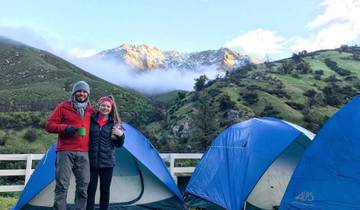
3 days
Yosemite Escape Camping – 3 Days
- ✓ Comprehensive Usa West Coast tour
- ✓ Expert local guides included
- ✓ All accommodation arranged
- ✓ Transportation provided
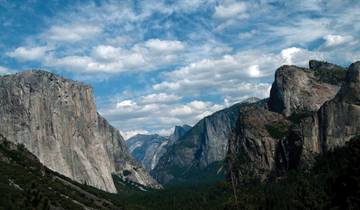
7 days
California National Park Discovery
- ✓ Comprehensive Usa West Coast tour
- ✓ Expert local guides included
- ✓ All accommodation arranged
- ✓ Transportation provided
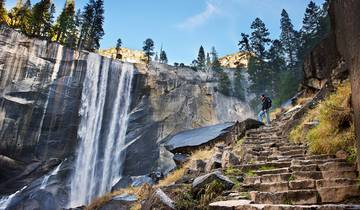
6 days
Hiking in Yosemite National Park
- ✓ Comprehensive Usa West Coast tour
- ✓ Expert local guides included
- ✓ All accommodation arranged
- ✓ Transportation provided

3 days
Yosemite Escape Lodging – 3 Days
- ✓ Comprehensive Usa West Coast tour
- ✓ Expert local guides included
- ✓ All accommodation arranged
- ✓ Transportation provided
Multi-day tour packages powered by TourRadar. Prices and availability subject to change.
Introduction: Planning Your Perfect 3 Days in San Diego 2026
San Diego earns its “America’s Finest City” reputation through an almost unfair combination of advantages—year-round 70-degree weather, 70 miles of Pacific coastline, the world’s most famous zoo, craft beer innovation that rivals Portland, and Mexican food so authentic it makes Los Angeles jealous. Three days transforms this geographic blessing into personal experience: watching 100-pound sea lions bark territorial warnings at La Jolla Cove while tourist families photograph from safe distances, climbing aboard a genuine aircraft carrier where veterans volunteer as docents sharing stories that history books cannot capture, discovering that Balboa Park contains not just the San Diego Zoo but seventeen museums and gardens spanning 1,200 acres of Spanish Colonial architecture.
The city’s greatest advantage for short visits lies in its compact arrangement of world-class experiences—Balboa Park to La Jolla Cove measures just 12 miles, downtown to Coronado spans 2.5 miles across the bay, and the Gaslamp Quarter’s 16-block historic district delivers three centuries of architecture within comfortable walking radius. This geographic efficiency means three days never feels rushed: mornings begin watching zoo gorillas in their canyon habitat, afternoons transition to snorkeling among bright orange Garibaldi fish in protected marine reserves, evenings conclude with craft IPAs and fish tacos in neighborhoods where locals actually live. Unlike sprawling Los Angeles or beach-focused Santa Barbara, San Diego concentrates diversity within manageable distances—Victorian mansions and Craftsman bungalows coexist with mid-century modern and contemporary glass towers, while microclimates shift from coastal fog to inland sunshine within 20-minute drives.
The 2026 planning landscape brings both advantages and considerations. CityPASS pricing holds steady at $149-169 covering four major attractions (Zoo, USS Midway, Safari Park or Sea World, plus one additional selection), delivering 40-47% savings versus individual gate prices for visitors targeting three or more included sites. Hotel rates follow seasonal patterns—summer peaks ($250-400 for mid-range downtown properties) contrast with winter values ($140-220 same properties), while shoulder seasons of April-May and September-October balance comfortable weather with moderate pricing. The San Diego Zoo’s new panda exhibit continues drawing crowds requiring early arrival (gates open 9 AM) for optimal viewing before weekend lines extend beyond 60-minute waits, while La Jolla parking challenges intensify during summer weekends when street spots fill by 10 AM and paid lots reach capacity before noon.
This itinerary structures three days through tested routing that maximizes experiences while minimizing backtracking and decision fatigue. Day One tackles Balboa Park and the Zoo when energy peaks and crowds thin during early hours, Day Two explores coastal San Diego from La Jolla’s seal colonies through Coronado’s white sand beaches, Day Three combines maritime history at USS Midway with downtown neighborhood discoveries and sunset planning. Each day balances marquee attractions with free experiences, structured activities with flexible exploration time, and tourist highlights with authentic local character. The result delivers the San Diego experience that residents recognize as genuine—not the sanitized theme park version, but the actual city where perfect weather enables outdoor lifestyle, diverse neighborhoods maintain distinct identities, and the Pacific Ocean remains the constant backdrop to daily life.
Understanding San Diego’s Geography and Neighborhoods 2026
San Diego sprawls across 372 square miles of varied terrain from Pacific beaches to inland valleys, but three-day itineraries concentrate within a 15-mile coastal corridor spanning downtown to La Jolla. Downtown San Diego anchors the urban core with Gaslamp Quarter’s Victorian architecture, Marina District waterfront, and Little Italy’s restaurants forming distinct sub-neighborhoods within walking distance—USS Midway Museum, Seaport Village, and Petco Park baseball stadium cluster within this central zone. The Embarcadero waterfront path connects these downtown areas along San Diego Bay, offering two-mile walking routes past cruise ship terminals, the Maritime Museum’s historic vessels, and harbor seal viewing areas near the USS Midway pier.
North of downtown, the landscape shifts dramatically. Balboa Park occupies 1,200 acres of elevated mesa terrain three miles northeast of the Gaslamp Quarter, accessible via quick rideshare ($10-15) or MTS Trolley connections requiring one transfer and 25-30 minutes travel time. The park’s Spanish Colonial buildings house seventeen museums ranging from natural history to automotive excellence, while the San Diego Zoo sprawls across 100 acres of canyon habitat within the park’s northern boundary. La Jolla sits 12 miles north along the coast, a prosperous village where Mediterranean Revival mansions cascade down hillsides toward dramatic sandstone cliffs protecting small coves and beaches—this area demands either rideshare ($25-35 from downtown) or rental car, as public transit routes consume 90+ minutes with multiple transfers.
West across San Diego Bay, Coronado Island (technically a peninsula connected by bridge and Silver Strand sandspit) delivers a completely different character. This compact community of 24,000 residents maintains small-town atmosphere despite hosting the legendary Hotel del Coronado and some of Southern California’s most expensive real estate—Coronado Beach stretches 1.5 miles of wide white sand sparkling with mica fragments that create the beach’s signature shimmer. Access from downtown requires either scenic Coronado Ferry ($7 one-way, 15 minutes, pedestrian and bicycle only) or bridge crossing via rideshare ($15-20) and rental car, with the ferry delivering superior experience through harbor views and avoiding parking challenges at beach destinations.
The neighborhoods between these anchor points each maintain distinct identities worth understanding even if three-day itineraries cannot explore them all. Old Town preserves San Diego’s birthplace with adobe structures dating to the 1820s, Mexican restaurants, and mariachi performances—MTS Trolley reaches here in 15 minutes from downtown, making it accessible for lunch diversions or evening explorations. Mission Beach and Pacific Beach occupy the coastal strip between La Jolla and downtown, offering boardwalk atmosphere, beach volleyball courts, and casual dining that contrasts with La Jolla’s upscale village character. Point Loma peninsula forms San Diego Bay’s western boundary, home to Cabrillo National Monument’s lighthouse and tide pools plus Sunset Cliffs Natural Park where sandstone formations create dramatic Pacific sunset backdrops.
This geographic diversity explains why three-day itineraries require strategic planning rather than spontaneous wandering. Downtown to La Jolla spans 12 miles but consumes 40-60 minutes via surface streets navigating beach communities, while Coronado to Balboa Park measures 8 miles yet requires crossing the bay bridge and navigating downtown traffic. Understanding these distances and travel times prevents the common mistake of scheduling Balboa Park morning, La Jolla lunch, Coronado afternoon, downtown dinner—a routing disaster consuming three hours in vehicles versus two hours experiencing destinations. Successful three-day itineraries cluster geographically: full Balboa Park day, full coastal La Jolla-Coronado day, full downtown-harbor day, with strategic neighborhood additions (Old Town lunch, Sunset Cliffs detour) inserted where routing allows natural flow rather than forcing backtracking.
Day 1: Balboa Park and San Diego Zoo 2026
Morning: Early Zoo Access and Panda Viewing (9:00 AM – 1:00 PM)
Arrive at Balboa Park by 8:45 AM for San Diego Zoo’s 9:00 AM opening—early entry delivers cooler temperatures when animals display peak activity, thinner crowds at popular exhibits including the giant panda habitat, and optimal photography lighting before harsh midday sun creates challenging shadows. The zoo’s 100 acres sprawl across canyon terrain with elevation changes exceeding 200 feet from entrance to northern boundary, making strategic routing essential for comfortable exploration rather than exhausting climbs. Purchase tickets online in advance ($71 adults, $61 children ages 3-11 with discount codes, free under 3) to bypass ticket windows and proceed directly through turnstiles—CityPASS holders ($149-169) enter immediately using mobile pass without separate ticket purchase.
Begin at the northern Panda Ridge habitat before crowds arrive—this exhibit requires complimentary timed tickets on weekends (scan QR code at entrance, select available slot, join timed line at designated hour), while weekdays accommodate walk-up viewing with 15-30 minute waits during peak mid-morning periods. The habitat showcases giant pandas Yun Chuan and Xin Bao in naturalistic environment replicating their native bamboo forests, with viewing areas designed for close observation of feeding, climbing, and social behaviors. Allocate 30-45 minutes here including line time and observation, then proceed to adjacent Africa Rocks complex featuring six distinct habitats ranging from Ethiopian Highlands to Madagascar Forest—penguin colonies at Penguin Beach prove particularly engaging during morning feeding sessions around 10:30 AM.
Navigate the zoo using the included Guided Bus Tour for efficient overview and elevation management—double-decker buses follow figure-eight route with narrated commentary highlighting animals and conservation programs, consuming 35-40 minutes for complete circuit. Board at main entrance station, ride to northern Tiger Trail area (third stop), then walk downhill through exhibits rather than climbing uphill against canyon terrain. The Skyfari Aerial Tram provides alternative transportation crossing the zoo’s canyon from entrance area to Polar Bear Plunge, offering aerial views and quick repositioning though 10-15 minute waits common during mid-morning periods. These included transportation options (bus tour, aerial tram) justify the zoo’s premium pricing by eliminating the exhausting full-park walks that smaller zoos require.
Dedicate late morning hours (10:30 AM-12:30 PM) to focused animal viewing at signature exhibits. Tiger Trail showcases Malayan and Sumatran tigers in forested habitat with underwater viewing windows revealing swimming behaviors, while Gorilla Forest features Western lowland gorillas navigating multi-level climbing structures and social dynamics observable from both ground-level and elevated viewing areas. The Discovery Outpost section provides hands-on experiences including animal encounters with meerkats and porcupines (times vary, check schedule upon entry), plus keeper talks offering behind-scenes insights into animal care and behavior. Lunch options within the zoo include Albert’s Restaurant (sit-down, $18-28 entrees, canyon views), Treetops Cafe (quick service, $12-18), or bring outside food to designated picnic areas near the entrance—though note that glass containers and alcohol are prohibited throughout the park.
Afternoon: Balboa Park Museums and Gardens (1:30 PM – 5:00 PM)
Exit the zoo by 1:00 PM to explore Balboa Park’s museum and garden offerings before evening plans—the park’s 1,200 acres contain seventeen museums, multiple gardens, and Spanish Colonial architecture dating to the 1915 Panama-California Exposition, all accessible without additional transportation from zoo exit. The park’s layout follows El Prado promenade as central spine, with museums flanking both sides and gardens occupying spaces between major buildings. Pick up free park map at visitors center (House of Hospitality on El Prado) to navigate efficiently, or download official Balboa Park app for self-guided tours and current exhibition information.
Select one or two museums matching personal interests rather than attempting comprehensive coverage—each museum warrants 60-90 minutes for satisfying exploration without rushing through galleries. The San Diego Museum of Art ($20 adults, $15 students/seniors/military, free ages 17 and under) houses European masters including El Greco and Zurbarán plus Asian and American collections spanning 5,000 years, while the Fleet Science Center ($22 adults, $18 children 3-12) offers hands-on exhibits and IMAX theater experiences appealing to families with younger children. The Museum of Us (formerly Museum of Man, $20 adults, $15 students/seniors) explores human cultures through anthropological lens including controversial examination of the park’s own exhibition history, and the San Diego Air & Space Museum ($20.50 adults, $9.50 children 3-11) displays over 60 aircraft from Wright Brothers era through modern jets in rotating exhibition format.
Budget travelers maximize free experiences abundant throughout Balboa Park. The Botanical Building houses 2,100 plants in historic lath structure fronted by lily pond and reflection pool creating iconic photo opportunity—admission remains free year-round with self-guided exploration of tropical collections and seasonal displays. The Timken Museum of Art offers free admission to European masters collection including works by Rembrandt and Rubens, proving that “free” does not mean “lesser quality” when comparing against larger institutions charging $20+ entry. The Spanish Village Art Center maintains working artist studios in brightly painted buildings where visitors watch potters, painters, jewelers, and glassblowers creating pieces for sale, with free admission and informal conversations revealing creative processes behind finished works.
Wander through formal gardens positioned between museums—the Alcazar Garden replicates Seville’s original with geometric tile work and fountains, the Japanese Friendship Garden ($14 adults, $10 seniors/students/military, $8 children 3-12) creates authentic Japanese landscape design including koi pond and tea pavilion, and the Desert Garden displays 1,300 drought-tolerant plants demonstrating water-wise landscaping principles. These garden spaces provide rest between museum visits and photo opportunities showcasing the park’s architectural and landscape design excellence. Time afternoon explorations to conclude by 5:00 PM as most museums close at this hour, then either return to hotel for rest before dinner or proceed directly to evening activities in nearby neighborhoods.
Evening: Gaslamp Quarter Dining and Architecture (6:00 PM – 9:00 PM)
The Gaslamp Quarter’s 16-block National Historic District lies 2.5 miles southwest of Balboa Park, accessible via quick rideshare ($12-18) or MTS Trolley Blue Line (board at Park & Market station, ride to Gaslamp Quarter or Convention Center stops, $2.50, 10 minutes). This downtown neighborhood preserves San Diego’s late 1800s Victorian architecture now housing restaurants, bars, galleries, and boutiques within buildings where gambling halls, brothels, and saloons once operated during the city’s rough frontier period. Fifth Avenue forms the main corridor with cross streets between Broadway and Harbor Drive containing the densest concentration of dining and entertainment—evening strolls reveal architectural details including wrought iron balconies, ornate cornices, and gas lamp-style street lighting that gives the district its name.
Dinner options span every cuisine and budget level. Searsucker ($28-42 entrees, modern American, craft cocktails) occupies historic building with upstairs-downstairs design creating distinct atmospheres, while The Oceanaire Seafood Room ($32-58 entrees, classic seafood tower presentations, 1940s supper club ambiance) attracts special occasion diners seeking refined experience. Budget-conscious visitors find excellent value at Basic Urban Kitchen and Bar ($14-24 entrees, Italian-influenced comfort food, Happy Hour 3-6 PM daily with $8-12 small plates) or Cafe 21 ($16-28 entrees, farm-to-table California cuisine, excellent brunch if visiting following morning). Make reservations for popular spots especially Friday-Saturday evenings when walk-in waits extend 60-90 minutes during 7-9 PM peak dining hours.
Post-dinner evening exploration reveals the Gaslamp Quarter’s dual character—family-friendly early evening atmosphere (live music at Croce’s Restaurant & Jazz Bar, rooftop lounges at Altitude Sky Lounge, comedy shows at American Comedy Company) transitions toward adult nightlife after 10 PM when dance clubs and late-night bars dominate the scene. The neighborhood’s compact 16-block footprint makes bar-hopping and venue exploration entirely walkable, though solo travelers and small groups should maintain awareness of surroundings especially after midnight when crowds thin and street activity shifts character. Return to downtown hotel accommodations via walking (most downtown hotels within 5-10 minute radius) or late-night rideshare ($8-15) depending on precise hotel location and comfort level with nighttime urban walking.
Day 2: Coastal San Diego – La Jolla and Coronado 2026
Morning: La Jolla Cove and Coastal Exploration (8:00 AM – 12:30 PM)
Depart downtown by 8:00 AM via rideshare to La Jolla Cove ($25-35, 25 minutes)—early arrival secures street parking on Coast Boulevard (free but time-limited 1-2 hours, check signage carefully) and captures peak seal and sea lion activity before crowds arrive and animals retreat to less disturbed areas. La Jolla Cove ranks as California’s premier coastal attraction through combination of protected marine reserve (San Diego-La Jolla Underwater Park Ecological Reserve spanning 6,000 acres), dramatic sandstone cliffs, California sea lions and harbor seals hauled out on beaches, and village atmosphere within walking distance. The cove itself occupies small inlet where calm waters protected by natural breakwaters create ideal snorkeling and diving conditions year-round, with visibility reaching 30 feet on optimal days revealing bright orange Garibaldi fish (California’s state fish), kelp bass, leopard sharks, and diverse invertebrate species.
Begin at Ellen Browning Scripps Park clifftop area overlooking the cove—this grassy park provides picnic tables, restrooms, and elevated viewing platform perfect for photographing seals on rocks below and kayakers navigating between cliff formations. Walk north along Coast Boulevard toward Children’s Pool (0.3 miles, 10 minutes) where harbor seals congregate on protected beach separated from human access by rope barrier—this viewing opportunity allows close observation (30-50 feet distance) of seal behaviors including nursing pups during pupping season (December-May), territorial disputes, and basking sessions during sunny mornings. Continue to La Jolla Shores Beach (1.2 miles north, 25-minute walk or quick rideshare $8-12) for wide sandy beach popular with families, surfers, and kayak launch point for La Jolla sea cave tours.
Snorkeling at La Jolla Cove requires rental equipment from nearby shops—Everyday California (2158 Avenida de la Playa, full wetsuit and snorkel gear $35-45 for 4 hours, reservations recommended summer weekends) and La Jolla Kayak (2199 Avenida de la Playa, similar pricing) provide quality equipment with sizing guidance and local conditions briefing. Water temperatures range from upper 50s°F (winter) to upper 60s°F-low 70s°F (late summer/early fall), making wetsuit necessary for comfortable extended swimming—locals brave 58-degree February water, but visitors typically prefer June-October warmth. The ecological reserve prohibits fishing, shell collecting, and disturbance of marine life, with substantial fines enforced for violations including touching or feeding seals and sea lions despite their apparent friendliness and curiosity around snorkelers.
La Jolla village exploration fills remaining morning hours with upscale browsing and dining options. Prospect Street forms the main commercial corridor lined with art galleries, jewelry stores, clothing boutiques, and restaurants ranging from casual cafes to fine dining destinations—this compact village (0.4 miles end to end) remains entirely walkable with Mediterranean architecture and ocean views creating pleasant strolling atmosphere. Brunch or lunch options include The Cottage La Jolla ($14-22 entrees, breakfast all day, garden patio seating, expect 30-45 minute waits weekends), Duke’s La Jolla ($16-28 entrees, Hawaiian-influenced seafood, oceanfront dining at Fenton’s), or Puesto La Jolla ($14-24 entrees, elevated tacos and Mexican cuisine, rooftop bar). Budget alternatives include taco shops and casual cafes on side streets one block off Prospect where prices drop 30-40% from oceanview restaurant pricing.
Afternoon: Coronado Island and Beach Time (2:00 PM – 6:00 PM)
Arrange rideshare from La Jolla to Coronado ($35-45, 30-35 minutes) or return to downtown first then take Coronado Ferry ($7 one-way from Broadway Pier, 15 minutes, scenic harbor crossing, bicycles allowed) for more economical and atmospheric transit option. Coronado Island—technically a peninsula connected to mainland by Silver Strand sandspit and Coronado Bridge—maintains small-town character despite hosting some of San Diego County’s most expensive real estate and the legendary Hotel del Coronado. The island’s compact 7.7 square miles contain pristine beaches, tree-lined residential streets, and Orange Avenue’s village shopping district, all accessible via complimentary Coronado Shuttle (free hop-on hop-off service connecting ferry landing, Hotel del Coronado, beaches, and shopping areas, operates 10 AM-10 PM daily).
Coronado Beach consistently ranks among America’s top beaches through combination of wide white sand (400+ feet at low tide), gentle waves suitable for families with young children, mica-sparkle sand creating signature shimmer, and Hotel del Coronado’s Victorian architecture providing iconic backdrop. The beach stretches 1.5 miles from Hotel del Coronado north to Naval Air Station North Island, with lifeguard towers stationed every few hundred yards providing safety oversight and beach condition information. Afternoon timing captures comfortable temperatures (70-75°F typical spring-fall) with decreasing winds that often blow mornings along the coast, while beach fire rings allow evening gatherings with permits obtained from lifeguard towers ($50 deposit returned upon proper extinguishing and cleanup).
Hotel del Coronado warrants exploration even without overnight stay—this National Historic Landmark opened in 1888 as the largest resort hotel outside New York City, hosting presidents, celebrities, and serving as filming location for Some Like It Hot with Marilyn Monroe. The distinctive red-roofed Victorian architecture with white clapboard exteriors creates instantly recognizable silhouette, while interior features including original birdcage elevator and Crown Room with sugar pine ceiling demonstrate period craftsmanship. Public areas remain accessible for walking tours photographing architecture and ocean views, though resort restaurants and lounges expect patronage for extended stays—Babcock & Story Bar ($14-22 cocktails, historic ambiance, live piano music evenings) offers afternoon drinks with window seats overlooking the Pacific, while beach-level Deli offerings provide casual lunch or snack options at lower price points.
Orange Avenue village shopping and dining occupies the blocks between Ferry Landing and Hotel del Coronado, featuring local boutiques, galleries, ice cream shops, and casual restaurants in walkable corridor. Noteworthy stops include Bay Books (independent bookstore with local author section and San Diego history titles), Coronado Surfing Academy (surf lessons $80-100 per person for 2-hour group instruction, board and wetsuit included), and numerous cafes offering outdoor seating for people-watching along tree-shaded sidewalks. Late afternoon hours (4-6 PM) bring optimal beach photography lighting as sun lowers toward horizon, creating golden-hour conditions for hotel architecture and beach portrait shots, with sunset timing varying seasonally from 5:30 PM (winter) to 8:00 PM (summer). Return to downtown via Ferry Landing ($7 one-way, scenic twilight harbor crossing) or rideshare ($15-20, bridge route provides aerial San Diego Bay views unavailable from ferry perspective).
Evening: Little Italy Dining and Neighborhood Stroll (7:00 PM – 9:30 PM)
Little Italy occupies 48 square blocks northwest of downtown core, accessible via 15-minute walk from Gaslamp Quarter hotels or quick rideshare ($8-12) depending on precise hotel location. This neighborhood evolved from 1920s fishing community when Italian immigrant families established tuna fishing industry, with contemporary revival beginning 1990s transformation from declining industrial area into dining and arts district while maintaining Italian cultural identity through annual Festa events and family-owned restaurants. India Street and Date Street form primary corridors lined with restaurants, wine bars, gelato shops, and boutiques within compact walkable area measuring 0.6 miles end to end.
Dinner reservations prove essential at popular establishments especially Friday-Saturday evenings—Buon Appetito ($22-38 entrees, Northern Italian cuisine, intimate 20-table setting, make reservations 7-10 days advance for weekend prime times), Bencotto ($18-32 entrees, handmade pasta, Pugliese specialties, full bar with Italian wines and aperitivos), or Barbusa ($16-28 entrees, Sicilian-influenced, wood-fired pizzas, extensive wine program). Budget travelers find excellent value at Filippi’s Pizza Grotto ($14-22 large pizzas, family-style Italian-American, red-checkered tablecloths, reliably crowded indicating local approval) or Civico 1845 ($16-26 entrees, Milan-style dishes, outdoor patio, generous portions). Post-dinner gelato from Pappalecco ($5-8 per serving, authentic Italian preparation, seasonal fruit flavors) or Chocolat Cremerie provides traditional Italian dessert course while strolling neighborhood streets observing evening activity.
Saturday morning visitors should time Little Italy exploration for the neighborhood’s weekly Mercato farmers market (8 AM-2 PM, Date Street between India and Columbia, 200+ vendors, artisan foods, live music, cafe seating)—this market draws 15,000+ weekly attendees and represents one of San Diego’s premier farmer’s market experiences, though Saturday market timing conflicts with optimal Balboa Park Zoo hours when crowds remain thinner. The neighborhood’s compact scale and evening pedestrian activity make post-dinner walks pleasant year-round, with street life peaking during comfortable weather months (April-October) when outdoor dining tables extend onto sidewalks and live music drifts from wine bars. Return to downtown hotel via walking (10-15 minutes from most downtown accommodations) or late-evening rideshare ($8-12) for visitors preferring vehicular transport after dinner and drinks.
Day 3: Downtown San Diego and USS Midway Museum 2026
Morning: USS Midway Museum and Maritime History (9:00 AM – 12:30 PM)
USS Midway Museum opens daily at 10:00 AM (last entry 4:00 PM), but arrive 9:45 AM to secure early entry avoiding mid-morning tour group arrivals that congest flight deck and hangar spaces by 11:00 AM. The museum occupies USS Midway (CV-41), America’s longest-serving aircraft carrier of the 20th century (1945-1992), permanently moored at Navy Pier along the downtown waterfront. Purchase tickets online in advance ($36 adults, $26 children ages 6-12, $31 students/seniors with valid ID, free active duty military and children under 6) to bypass ticket booth and proceed directly to entrance gangway—CityPASS holders ($149-169) enter using mobile pass without separate ticket purchase, saving $36 per person versus gate price while gaining access to three additional major attractions.
The self-guided audio tour (included with admission, available in English, Spanish, Chinese, French, German, and Japanese) provides narrated experiences from over 60 former Midway crew members and officers sharing personal stories about aircraft carrier operations, combat deployments, and daily life aboard the floating city housing 4,500 sailors. The tour route begins on hangar deck featuring 30+ restored aircraft ranging from F-4 Phantom fighters to SH-3 Sea King helicopters, then ascends to flight deck where visitors explore island superstructure (bridge, captain’s quarters, flight control), climb into cockpits of selected aircraft (F-14 Tomcat, A-6 Intruder), and experience flight simulators ($8-10 additional charge, motion-based, 3-5 minute duration). Additional areas accessible via audio tour include engine room, galley, crew berthing spaces, ready rooms where pilots received mission briefings, and the brig where naval regulations violators served confinement.
Volunteer docents (many former Midway crew members wearing yellow “Midway Experience” shirts) station themselves throughout the ship offering informal conversations about specific systems and personal experiences—these interactions provide depth beyond audio tour narration, with veterans enthusiastically answering questions about carrier operations, aircraft maintenance, and combat deployment experiences during Vietnam War through Desert Storm periods. The flight deck proves particularly engaging during morning hours when docents conduct informal talks about aircraft carrier operations including catapult launches, arrested landings, and deck crew choreography coordinating simultaneous aircraft movements in confined spaces. Allow 3-4 hours for comprehensive exploration—attempting to see everything in 90 minutes results in surface-level experience missing the details that make carrier operations comprehensible to civilian visitors.
Exit USS Midway by 12:30 PM for lunch at nearby Embarcadero waterfront restaurants within walking distance. The Fish Market ($18-32 entrees, fresh seafood, harbor views, upstairs Top of the Market offers fine dining $38-62 entrees), Carnitas’ Snack Shack ($12-18 entrees, elevated Mexican comfort food, craft beer selection), or Portside Pier food hall (multiple vendors $10-20 per meal, indoor-outdoor seating, bay views) provide varied options matching different budgets and dining preferences. Budget travelers pack lunch or purchase from nearby convenience stores then picnic at Embarcadero Marina Park South (free waterfront park with benches and bay views located 0.2 miles south of USS Midway) saving $15-25 per person versus sit-down restaurant meals.
Afternoon: Seaport Village and Waterfront Exploration (1:30 PM – 4:00 PM)
Seaport Village shopping and dining complex occupies 14 waterfront acres immediately south of USS Midway, featuring 70+ shops, galleries, and restaurants in pedestrian village setting designed to evoke late 1800s California harbor town aesthetic—though locals generally dismiss this as tourist-focused development lacking authentic neighborhood character, first-time visitors appreciate centralized browsing without vehicular traffic and consistent bay views from pathways connecting various buildings. The complex proves most valuable as casual afternoon destination between structured morning and evening activities, offering air-conditioned browsing during hot summer afternoons and outdoor dining options with harbor views year-round.
Shopping ranges from souvenir kitsch (t-shirts, refrigerator magnets, shot glasses) to legitimate crafts and specialty goods—Kite Flite (kites and wind sculptures), The Shell Company (seashells and marine collectibles), and San Diego Art Glass showcase locally-made products worth browsing even without purchase intentions. The complex’s 1890 Looff Carousel ($3 per ride, hand-carved wooden horses, operational daily weather permitting) provides photo opportunity and brief entertainment for families with young children, while waterfront pathway extends south connecting to Embarcadero Marina Park’s grassy areas suitable for rest breaks between walking segments. Dining options within Seaport Village lean touristy with corresponding prices—comparable meals cost 20-30% less at restaurants three blocks inland from waterfront locations charging premium for bay views.
Alternative afternoon exploration follows Embarcadero waterfront north toward Maritime Museum of San Diego (1.2 miles from Seaport Village, 25-minute walk along Harbor Drive or quick rideshare $8-10). This museum complex operates historic vessels including Star of India (1863 iron-hulled sailing ship, world’s oldest active sailing vessel), HMS Surprise (replica 18th-century Royal Navy frigate featured in Master and Commander film), and USS Dolphin (research submarine). General admission ($20 adults, $15 seniors/students/military, $10 children 3-12) includes boarding multiple vessels and exploring below-deck areas revealing period navigation equipment, crew quarters, and cargo holds—the experience appeals particularly to visitors fascinated by maritime history and tall ship construction, though general interest travelers may find USS Midway more engaging for comparable time investment.
The Embarcadero waterfront path continues north past Maritime Museum toward Little Italy’s harbor edge, passing the County Administration Center’s 1930s WPA architecture and Waterfront Park’s interactive fountains and grassy lawns. This walking route (2.5 miles total from Seaport Village to Little Italy) provides exercise, harbor views, and urban park spaces without admission costs, making it appealing alternative to structured museum visits especially for visitors who spent morning hours aboard USS Midway and prefer outdoor afternoon activities. The path remains flat and entirely wheelchair accessible with frequent benches and restroom facilities at Waterfront Park and various marina complexes along the route.
Late Afternoon and Evening Options 2026
Three-day itineraries conclude with flexible afternoon and evening hours allowing personalization based on energy levels, interests, and departure timing. Visitors departing early Day 4 morning typically return to hotels by 4:00 PM for packing and rest, while those remaining through Day 4 or catching late evening flights extend final day activities through dinner and beyond. Optional late afternoon and evening experiences include:
Sunset Cliffs Natural Park (30-minute rideshare from downtown $22-30, free admission) provides dramatic Pacific sunset viewing from sandstone cliffs rising 30-50 feet above crashing waves—this 68-acre natural area along Point Loma’s western shore offers short walking paths along clifftop with multiple viewing points, tide pools accessible during low tide periods (check tide tables before visiting), and informal gatherings where locals bring beverages and snacks to watch sunset together. The cliffs face directly west providing unobstructed ocean horizon views, with sunset timing varying seasonally from 5:30 PM (winter) to 8:00 PM (summer). Return downtown via rideshare after dark ($25-35, no practical public transit option) or combine with dinner at nearby Ocean Beach neighborhood’s casual restaurants and bars before returning.
Old Town San Diego State Historic Park preserves the city’s Mexican and early American period (1821-1872) with adobe buildings, working artisans, mariachi music, and numerous Mexican restaurants creating cultural immersion experience—this park remains free admission with self-guided walking tours through historic structures including La Casa de Estudillo (furnished period home), Seeley Stables (transportation museum), and working blacksmith and woodworking shops demonstrating 19th-century crafts. Access via MTS Trolley Green Line from downtown (15 minutes, $2.50) makes this budget-friendly evening option, with dining at Casa de Reyes ($16-26 entrees, courtyard setting, live mariachi), Cafe Coyote ($14-24 entrees, tortilla-making visible from dining room), or Old Town Mexican Cafe ($12-22 entrees, famous for homemade tortillas and generous margaritas) providing authentic Mexican cuisine in historic setting.
Craft brewery tours showcase San Diego’s reputation as America’s craft beer capital with over 150 breweries county-wide producing innovative IPAs, barrel-aged stouts, and experimental styles—guided tours via operators like Brewery Tours of San Diego ($89-119 per person, 3-4 breweries, transportation included, 4-hour duration) eliminate designated driver concerns while providing brewery access and tasting experiences. Self-guided options concentrate in North Park neighborhood (4 miles northeast of downtown, $18-25 rideshare from downtown hotels) where Modern Times, Toronado, and multiple other breweries cluster within walkable 0.8-mile radius. Most San Diego breweries maintain food truck partnerships or allow outside food, with typical tasting flights costing $8-15 for four 5-ounce samples providing economical sampling versus full pints at $7-9 each.
Where to Stay in San Diego for 3 Days 2026
Downtown Positioning: Optimal for Multi-Day Itineraries
Downtown San Diego delivers superior positioning for three-day itineraries through combination of central location, walking access to evening dining and entertainment, and efficient connections to major attractions via MTS Trolley and rideshare. Hotels in Gaslamp Quarter, Marina District, and Little Italy neighborhoods place visitors within 10-minute walk of USS Midway Museum, Embarcadero waterfront, and dozens of restaurants ranging from taco shops to fine dining establishments—this walkability eliminates daily transportation decisions for evening meals and allows spontaneous neighborhood exploration impossible from peripheral locations. MTS Trolley Blue Line and Green Line converge at multiple downtown stations providing $2.50 access to Old Town (15 minutes), beach communities (30-45 minutes with transfers), and airport connections via free Flyer shuttle from Old Town Transit Center.
Mid-range downtown hotels balance location benefits with reasonable nightly rates. Hampton Inn San Diego-Downtown ($160-220 per night, free breakfast, rooftop pool, walking distance to Gaslamp Quarter and Little Italy), Wyndham San Diego Bayside ($140-200 per night, bay views, airport shuttle, Marina District location adjacent USS Midway), and Holiday Inn Express San Diego Downtown ($150-210 per night, free breakfast, Seaport Village proximity, parking $25 daily) provide reliable accommodations with brand consistency, modern amenities, and strategic positioning justifying rates 30-40% above outlying areas. These properties typically include free Wi-Fi, fitness centers, and business facilities, with parking charges ($22-50 daily depending on property) representing significant additional expense for visitors bringing vehicles versus flying into San Diego International Airport and using public transit throughout stay.
Upscale downtown options elevate experience through superior locations, design, dining, and service. The Pendry San Diego ($380-550 per night, Gaslamp Quarter, multiple restaurants and rooftop pool, contemporary design) attracts style-conscious travelers willing to invest in accommodations as destination rather than merely lodging, while Manchester Grand Hyatt San Diego ($280-420 per night, harbor views, convention center proximity, 40-floor towers) provides reliable upscale experience with bay-facing rooms and multiple dining venues. Hotel Republic San Diego, Autograph Collection ($250-380 per night, boutique property, historic building conversion, downtown core location) offers character and design focus that chain hotels cannot match despite comparable pricing to luxury chains. These properties justify premium rates through evening rooftop bars, in-house dining eliminating dinner transportation decisions, and prestige addresses creating memorable stays beyond functional lodging.
Budget travelers find limited downtown options—hostel dormitories ($30-45 per night per bed, shared bathrooms, communal kitchens) at properties like USA Hostels San Diego (500 West Broadway, Gaslamp Quarter edge, social atmosphere, organized activities) or more basic motels in areas bordering downtown proper where rates drop to $80-120 per night though sacrificing walkability and neighborhood character. The budget calculus weighs accommodation savings versus increased transportation costs—staying in Mission Valley ($90-140 per night mid-range hotels) saves $50-80 nightly but adds $30-50 daily rideshare expenses accessing downtown dining and La Jolla coastal areas, while peripheral Point Loma or Ocean Beach locations ($100-160 per night) position closer to beaches but complicate downtown evening access requiring vehicular transport.
Alternative Neighborhood Positioning 2026
La Jolla hotel positioning favors coastal focus over downtown convenience—properties here range from boutique inns to full-service resorts with rates reflecting prime real estate and ocean proximity. La Valencia Hotel ($450-650+ per night, historic pink building, clifftop location overlooking cove, Mediterranean Revival architecture) represents the neighborhood’s flagship property attracting anniversary trips and special occasions, while Grande Colonial La Jolla ($300-480 per night, village center location, European-style boutique, complimentary beach equipment) balances upscale amenities with walkable village positioning. Budget options essentially don’t exist in La Jolla proper—nearest economical lodging sits 3-4 miles inland in University City area ($110-160 per night mid-range chains) requiring vehicular access to coastal attractions and village dining.
Mission Bay and Pacific Beach hotels target beach-focused itineraries with waterfront positioning but limited downtown access. Catamaran Resort Hotel and Spa ($240-380 per night, Mission Bay waterfront, Polynesian theme, water sports equipment rentals) and Paradise Point Resort ($280-420 per night, 44-acre island setting, bike paths, multiple pools) provide resort atmosphere with recreational focus appealing to families and active travelers. These properties work best for visitors prioritizing beach time and water activities over downtown museums and urban dining, though distances to Balboa Park (30-40 minute rideshare $28-35) and La Jolla (20 minutes, $20-28) remain manageable for day trips from Mission Bay base.
Coronado Island accommodations epitomize San Diego’s resort lifestyle through oceanfront positioning and small-island character. Hotel del Coronado ($480-750+ per night, historic Victorian landmark, beachfront location, multiple dining venues, full resort amenities) delivers iconic San Diego experience commanding premium rates justified by National Historic Landmark status, architectural splendor, and beach-door location. Coronado Island Marriott Resort & Spa ($320-480 per night, bay views, resort pools, spa services) provides upscale brand alternative with slightly lower rates and modern amenities, while smaller properties including 1906 Lodge ($280-420 per night, Craftsman-style, walking distance to village and beach) offer boutique character impossible at larger resorts. Coronado positioning excels for visitors seeking beach resort atmosphere willing to accept ferry commute (15 minutes, $7 each way) or rideshare expenses ($15-20 each way) for downtown evening dining and attractions.
Transportation Guide for 3 Days in San Diego 2026
MTS Public Transit: Trolley and Bus Network
San Diego Metropolitan Transit System operates integrated trolley and bus network connecting downtown, airport, beaches, and major attractions at budget-friendly pricing—$2.50 per ride on PRONTO card or contactless payment provides unlimited transfers for two hours, making multi-leg journeys economical compared to rideshare alternatives. The system includes three trolley lines (Blue, Orange, Green) converging downtown plus extensive bus routes serving neighborhoods beyond rail coverage. PRONTO mobile app (free download, load funds via credit card) or physical PRONTO card ($2 one-time purchase fee at trolley station vending machines) provide best value through fare capping—riders automatically earn Day Pass ($6) after three trips in single day or Month Pass ($72) after twelve days of use within calendar month, preventing overpayment while maintaining pay-as-you-go flexibility.
Trolley service proves most useful for specific routes. Blue Line connects downtown to the Mexican border (San Ysidro) passing through Chula Vista, while also serving Santa Fe Depot (Amtrak station) useful for visitors arriving by rail. Green Line reaches Old Town State Historic Park (15 minutes from downtown, ideal for lunch diversions or evening Mexican dinner), Mission Valley shopping areas, and San Diego State University, though beach access requires bus transfers consuming 45-60 minutes total travel time. Orange Line primarily serves downtown convention district and extends south to Chula Vista, with limited utility for typical three-day tourist itineraries. Trolleys operate 5 AM-midnight weekdays with reduced schedules weekends (first trains around 5-6 AM, last trains 11 PM-midnight depending on line), and experience crowding during commute hours (7-9 AM, 4-6 PM) when business travelers fill cars.
Bus routes extend where trolley lines cannot reach—Route 30 connects downtown to Old Town then continues to Point Loma and Ocean Beach (45-60 minutes total, scenic but slow compared to rideshare alternatives), while Route 150 provides express service from downtown to UTC/La Jolla area (60-75 minutes, requires additional local bus for final mile to La Jolla Cove). These bus options work for budget travelers accepting longer travel times, though most visitors find $25-35 rideshare to La Jolla preferable to 90+ minute each-way bus journey with transfer requirements. The free Airport Flyer shuttle connects Old Town Transit Center to San Diego International Airport (SAN) in 10-15 minutes, providing economical airport access via Blue or Green Line trolley to Old Town ($2.50) then free shuttle versus $15-20 rideshare directly from airport to downtown hotels.
Rideshare and Taxi Services 2026
Uber and Lyft operate extensively throughout San Diego with reliable availability, surge pricing during peak periods (Friday-Saturday evenings, special events, airport runs during flight arrival waves), and pricing competitive to traditional taxis for most routes. Typical rideshare costs from downtown hotels include: La Jolla Cove $25-35 (25 minutes), Coronado $15-20 (10-15 minutes via bridge), Balboa Park $10-15 (8-10 minutes), Airport $15-20 (10 minutes), Sunset Cliffs $22-30 (20 minutes). These estimates assume standard UberX or Lyft service without surge pricing—premium service levels (Uber Comfort, Lyft Lux) and surge periods can increase costs 40-80%, while shared ride options (UberPool when available) reduce expenses 20-30% through accepting longer routes accommodating additional passengers.
Three-day rideshare budgets vary dramatically by itinerary specifics. Conservative strategy using rideshare only when public transit proves impractical (La Jolla day trip, Coronado sunset visit, airport transfers, late-night restaurant returns) totals $100-150 for three days assuming two roundtrip La Jolla visits ($50-70), Coronado access ($15-20), airport roundtrip ($30-40), and miscellaneous shorter trips ($15-30). Aggressive rideshare users preferring convenience over economy easily spend $180-250 for three days through consistent use avoiding walking and public transit—this strategy makes sense for visitors prioritizing time efficiency, traveling with mobility limitations, or splitting costs among three-four travelers reducing per-person expenses to competitive levels with public transit.
Traditional taxis maintain presence at airport, major hotels, and cruise ship terminal, though ride-hailing apps have captured majority of on-demand transportation market through superior convenience and transparent pricing. Taxi advantages include immediate availability at designated stands without app dependence and cash payment acceptance for travelers without smartphones or preferring not to provide payment card information to apps, while disadvantages include higher base fares, meter uncertainty, and reduced vehicle availability outside downtown core and airport locations. Yellow Cab and San Diego Cab represent major taxi companies with dispatch phone numbers, though wait times for phone-dispatched pickups often exceed 15-20 minutes versus 3-8 minute typical rideshare arrival.
Rental Car Considerations 2026
Rental cars provide maximum flexibility for exploring San Diego County beyond primary tourist corridor, enabling day trips to Julian (60 miles inland, mountain scenery, apple pie), Anza-Borrego Desert State Park (90 miles east, spring wildflowers), and Temecula Valley wineries (60 miles north, wine tasting region), though three-day downtown-focused itineraries rarely justify rental costs and complications versus public transit and rideshare combinations. Economy cars rent $45-65 daily during non-peak periods (late fall through early spring excluding holidays) and $60-90 daily during summer peak season, with total three-day costs reaching $135-270 before adding parking expenses ($16-65 daily at hotels and major attractions like Balboa Park, USS Midway, La Jolla village lots) and fuel ($25-40 for typical three-day driving covering 80-120 miles).
Parking challenges influence rental car value proposition significantly. Downtown hotels charge $22-50 daily for overnight parking (valet rates higher than self-parking), while Balboa Park parking costs $16 per vehicle per day and La Jolla street parking remains free but severely limited with 1-2 hour time restrictions requiring frequent vehicle movement or expensive lot parking ($3-5 per hour, $20-30 daily maximum at private lots near Prospect Street). These parking costs add $60-120 to three-day rental car expenses, pushing total vehicle costs to $220-430 (rental + parking + fuel) versus $120-190 for public transit and rideshare combination—the $100-240 difference funds multiple nice dinners or attraction admissions making car-free strategy financially rational for visitors comfortable with public transit navigation.
Rental cars prove most valuable for visitors extending beyond standard three-day itinerary to include regional day trips, families with young children requiring car seat transportation, or groups of four-six travelers where per-person rideshare costs become prohibitive. The breakeven calculation shifts when splitting rental car expenses—six travelers sharing $70 daily rental plus $40 parking equals $18 per person daily, competitive with individual public transit and rideshare expenses while providing superior convenience and luggage capacity. Solo travelers and couples find public transit-rideshare combination delivers better value while eliminating parking search frustrations and driving stress in unfamiliar city.
Dining Guide for 3 Days in San Diego 2026
Budget Dining: Taco Shops and Casual Meals ($8-15 per meal)
San Diego’s taco shop culture provides authentic Mexican food at prices that shame most American cities—these casual counter-service establishments (locals call them “taco shops” rather than “taquerias”) serve California burritos (carne asada, french fries, cheese, guacamole, sour cream in massive flour tortilla), rolled tacos (taquitos), and fresh-made tortillas throughout San Diego with particularly strong concentration in beach communities and working-class neighborhoods. Las Cuatro Milpas (1857 Logan Avenue, cash only, closes 3 PM daily, expect lines but worth waiting, $8-12 per meal) represents the gold standard with family recipes dating to 1933, while Lolita’s Mexican Food (multiple locations including Pacific Beach and Chula Vista, $9-14 per meal, generous portions) provides reliable quality at beach-accessible spots.
Vietnamese and Filipino cuisines offer additional budget options reflecting San Diego’s Asian immigrant communities. Convoy Street corridor (Kearny Mesa neighborhood, 7 miles north of downtown) concentrates over 100 Asian restaurants including Phuong Trang (authentic Vietnamese, banh mi sandwiches $6-8, pho bowls $10-14), Tajima Ramen (Japanese, ramen bowls $13-16, multiple locations including downtown), and various Korean barbecue and Chinese dim sum establishments. Filipino breakfast (longganisa sausage, garlic fried rice, eggs) costs $10-14 at Proud Mary’s (Filipino fusion, East Village location) or more traditional preparations at Seafood City food court (National City, Filipino supermarket with multiple vendor stalls, $8-12 meals).
Chain restaurants provide predictability for visitors preferring familiar brands—In-N-Out Burger (locations throughout San Diego, burgers $4-6, fries $2-3, California institution), Chipotle Mexican Grill (burrito bowls $10-13, multiple downtown locations), and Rubio’s Coastal Grill (fish tacos $4-5 each, local San Diego chain founded 1983, beach-casual atmosphere) deliver consistent quality at budget pricing. Grocery stores including Whole Foods (downtown Little Italy location, prepared foods $9-14 per pound, seating area), Ralph’s (multiple locations, deli sandwiches $7-10), and local markets enable picnic meals in Balboa Park or beach settings saving additional 30-40% versus restaurant dining while accommodating specific dietary preferences.
Mid-Range Dining: Sit-Down Restaurants ($16-32 per entree)
San Diego’s mid-range dining scene balances quality ingredients, skilled preparation, and neighborhood atmosphere without luxury pricing or pretense. Coasterra (880 Harbor Island Drive, $20-36 entrees, elevated Mexican with bay views, happy hour 3-6 PM weekdays offers $9-14 small plates) delivers special-occasion ambiance at accessible pricing, while The Crack Shack (multiple locations including Little Italy and Encinitas, $14-22 entrees, fried chicken specialists, outdoor seating, craft beer selection) represents the farm-to-table casual trend executed successfully. Carnitas’ Snack Shack (mentioned previously, locations in Embarcadero and North Park, $12-18 entrees, pork-focused menu, locally-sourced ingredients) consistently earns local dining awards while maintaining approachable pricing.
Italian cuisine thrives in Little Italy’s concentrated restaurant district. Bencotto (750 W Fir Street, $18-32 entrees, handmade pasta daily, Pugliese regional specialties, extensive Italian wine list) and Buon Appetito (1609 India Street, $22-38 entrees, Northern Italian, intimate setting, reservations essential) represent the neighborhood’s authentic Italian offerings, while Prepkitchen Little Italy (1660 India Street, $18-28 entrees, modern American with Italian influences, full bar) attracts younger professional crowd. These restaurants demonstrate that mid-range pricing ($40-60 per person including drinks and tip) delivers memorable dining experiences rivaling luxury establishments charging $80-120 per person for comparable food quality.
Seafood dining capitalizes on San Diego’s coastal location and proximity to Baja California fishing grounds. The Fish Market (750 N Harbor Drive, $18-32 entrees for downstairs casual dining, $38-62 upstairs Top of the Market fine dining, harbor views from both levels, daily fresh catch selections) provides options matching different budgets within same building, while Point Loma Seafoods (2805 Emerson Street, $14-24 meals, counter service, outdoor seating overlooking marina, local institution since 1963) delivers quality without formal atmosphere or elevated pricing. Sushi restaurants including Sushi Ota (4529 Mission Bay Drive, $80-120 omakase, $22-38 a la carte, traditional preparation, chef’s choice highly recommended) and Harumama Noodles & Buns (multiple locations, $14-20 bowls, ramen and bao specialists) demonstrate Asian cuisine’s range from budget-friendly to splurge-worthy within mid-range category.
Upscale Dining: Special Occasion Restaurants ($38-65+ per entree)
San Diego’s fine dining scene earns Michelin recognition and James Beard nominations without reaching San Francisco or Los Angeles price extremes. Addison (5200 Grand Del Mar Way, $335 prix fixe, Michelin three-star since 2022, San Diego’s only three-star restaurant, reservations required weeks in advance, formal atmosphere) represents the pinnacle requiring significant splurge budget, while George’s at the Cove (1250 Prospect Street, La Jolla, $30-55 entrees main dining room, $18-32 Ocean Terrace level, Pacific views, California cuisine, local ingredient focus) delivers memorable experience at more accessible pricing with tiered dining areas matching different budgets and formality levels.
Neighborhood fine dining options avoid resort hotel pricing while maintaining quality standards. Cucina Urbana (505 Laurel Street, Bankers Hill, $24-38 entrees, Italian-influenced, wine program focus, neighborhood regulars mix with special occasion diners) and Bertrand at Mister A’s (2550 Fifth Avenue, 12th floor penthouse, $38-65 entrees, French-influenced American, panoramic city and bay views, jacket suggested but not required) demonstrate that upscale dining exists beyond coastal tourist zones. Market Restaurant + Bar (3702 Via de la Valle, Del Mar, $32-58 entrees, farm-to-table, seasonal menu changes, beverage program emphasizes local craft beer and California wines) showcases San Diego’s culinary evolution from fish tacos and carne asada into sophisticated regional cuisine.
Hotel restaurant programs increasingly attract dining destination crowds beyond overnight guests. Ironside Fish & Oyster (Little Italy, $28-52 entrees, raw bar focus, nautical atmosphere, cocktail program) operates independently but maintains hotel collaboration, while The Marine Room (2000 Spindrift Drive, La Jolla Shores, $45-75 entrees, high tide waves crash against dining room windows, seafood focus, romantic setting) has evolved from hotel restaurant to destination worthy of special celebration despite premium pricing. These establishments prove that San Diego dining competes nationally while maintaining relaxed California atmosphere that never demands formal dress codes or pretentious service attitudes common in other major cities’ fine dining scenes.
Money-Saving Strategies for San Diego 2026
Attraction Pass Economics
San Diego CityPASS ($149-169 depending on selections) includes admission to four major attractions—San Diego Zoo or Safari Park, SeaWorld or LEGOLAND, USS Midway Museum, plus choice of additional attraction (Fleet Science Center, Natural History Museum, Safari Park if Zoo already selected)—saving 40-47% versus individual gate prices for visitors planning three or more included sites. The pass works best for first-time visitors hitting major attractions, families with children interested in multiple theme park experiences, and travelers willing to structure itineraries around included options rather than comprehensive exploration. Breaking even requires three attractions (Zoo $71, USS Midway $36, one museum $20+ totals $127+ versus $149-169 pass cost), with fourth attraction delivering pure savings.
Go City All-Inclusive Pass offers different value proposition through broader attraction selection (45+ included sites) with daily pricing model—1-day $129, 2-day $199, 3-day $249, 5-day $319 (sample adult pricing, children’s passes cost less). This pass includes the same major attractions as CityPASS plus harbor cruises, trolley tours, bike rentals, and specialty museums, making it potentially stronger value for active travelers planning 4+ attractions daily. The math favors Go City for visitors maximizing daily attractions (5+ activities in single day becomes possible combining quick museum visits with harbor cruise and beach bike rental), while CityPASS wins for slower-paced itineraries focusing on 2-3 major full-day attractions over multiple days.
Free experiences eliminate admission costs while delivering authentic San Diego character. Balboa Park gardens (Botanical Building, Desert Garden, Alcazar Garden) remain free year-round with world-class plant collections, the Timken Museum of Art provides free admission to European masters, and beaches throughout San Diego County charge nothing for access (though parking often costs $10-20 at popular locations). La Jolla Cove seal watching, Sunset Cliffs sunset viewing, and Old Town State Historic Park exploration cost zero dollars while providing experiences that define San Diego’s appeal more accurately than paid attractions. Balancing free and paid experiences—Balboa Park gardens plus paid Zoo admission, free La Jolla Cove wildlife viewing plus paid kayak tour—maximizes value while maintaining budget control.
Seasonal Pricing Patterns 2026
San Diego hotel rates follow pronounced seasonal cycles—summer peak (June-August) commands $250-400 nightly for mid-range downtown properties, while winter valley (January-February excluding Presidents’ Day weekend and holidays) drops to $140-220 same properties, representing 40-50% swings between peak and off-peak. Shoulder seasons of April-May and September-October deliver sweet spot combining comfortable weather (70-75°F days, minimal June Gloom fog) with moderate hotel rates ($180-280 mid-range downtown) and thinner crowds at major attractions. The weather differential between seasons proves minimal in San Diego—winter averages 65°F days with occasional rain, summer averages 75°F days with marine layer mornings, making off-season travel highly attractive for budget-conscious visitors accepting slight weather variability.
Attraction pricing remains relatively stable year-round—the San Diego Zoo charges same admission regardless of season, USS Midway maintains consistent rates, and most museums avoid seasonal pricing. The savings derive from reduced hotel costs, cheaper airfare during off-peak periods (January-February, November excluding Thanksgiving), and decreased parking competition at beaches and Balboa Park where free street parking becomes realistic during winter months. Winter visitors sacrifice beach swimming comfort (ocean temperatures 57-60°F require wetsuits) but maintain access to all other San Diego experiences at significantly reduced total trip costs.
Weekly patterns create tactical opportunities—Sunday through Thursday hotel rates run $30-60 lower than Friday-Saturday at same properties, while restaurants offer happy hour specials (typically 3-6 PM weekdays, some locations include weekends) with 30-50% discounts on appetizers and drinks. Planning three-day itineraries Sunday-Tuesday arrival versus Friday-Sunday arrival saves $90-180 on two-night hotel stays alone, with additional savings from weekday attraction crowds (shorter lines, easier parking) and restaurant availability (no weekend reservation battles). The weather shows no material difference between weekdays and weekends, making weekday visits purely advantageous for visitors with flexible schedules.
Transportation Cost Management
Car-free strategies maximize public transit while accepting limited rideshare necessity. MTS PRONTO card or app enables $2.50 per ride with two-hour transfer windows, fare capping at $6 daily maximum (three rides), and $72 monthly maximum (twelve days) preventing overpayment—a three-day visit using transit for airport access, downtown movements, Old Town trips, and beach connections totals $30-50 versus $180-250 for rental car including parking fees. The rideshare compromise accepts that La Jolla and certain coastal destinations prove impractical via public transit (90+ minute bus journeys with transfers versus 25-minute rideshare), budgeting $80-120 for strategic rideshare while maintaining transit as primary transportation mode.
Walking eliminates costs while providing neighborhood immersion impossible from vehicles. Downtown San Diego measures 1.2 miles Gaslamp Quarter to Little Italy, entirely walkable in 20-25 minutes along flat terrain with interesting architecture and street life throughout. The Embarcadero waterfront path extends 2.5 miles from Seaport Village to Maritime Museum and beyond, accessible without vehicles or transit costs. Coronado Island from ferry landing to Hotel del Coronado spans 1.8 miles (35-minute walk) with free Coronado Shuttle providing hop-on hop-off service eliminating even this modest walking if preferred. These walking routes deliver superior San Diego experience compared to vehicular transit—observing neighborhood transitions, discovering unexpected cafes or shops, and exercising between meals improves trip quality while saving money.
Airport transportation leverages free Airport Flyer shuttle from San Diego International Airport (SAN) to Old Town Transit Center, connecting to MTS Trolley Blue or Green Lines reaching downtown for total $2.50 versus $15-20 rideshare from airport. This 25-30 minute journey (10-minute shuttle, 15-minute trolley) proves entirely practical for travelers with standard luggage, though rideshare makes sense for late-night arrivals after 11 PM when trolley service thins, early morning departures before 6 AM when service hasn’t started, or groups of three-four travelers splitting rideshare costs to competitive levels with individual transit fares. The free shuttle eliminates the common traveler mistake of paying $15-20 rideshare when $2.50 achieves identical destination with minimal time penalty.
What to Pack for San Diego 2026
Clothing and Layering Strategy
San Diego’s mild climate encourages packing light with layering strategy accommodating morning coastal fog, midday sunshine, and evening temperature drops. Year-round essentials include lightweight jacket or sweater for morning beach visits and evening restaurant air conditioning, comfortable walking shoes providing support for Balboa Park hills and urban sidewalk miles, and sun protection including hat and sunglasses for outdoor attraction hours and beach time. Summer visits (June-September) require minimal cold-weather gear beyond light sweater for overly air-conditioned museums and restaurants, while winter trips (December-February) benefit from medium-weight jacket for evening hours when temperatures drop to 50s-low 60s°F.
Beach activities demand specific items—swimsuit remains useful year-round though ocean swimming comfort varies dramatically (winter 57-60°F requires wetsuit, summer 68-72°F allows comfortable swimming without thermal protection), sandals or water shoes for beach walking and tide pool exploration, and beach towel if hotel doesn’t provide or staying in accommodation without towel service. La Jolla snorkeling requires wetsuit even during summer for comfortable extended water time—rental shops provide full wetsuit and equipment packages ($35-45 for 4 hours) eliminating need to pack bulky items, though travelers planning multiple snorkel days might justify bringing personal equipment to avoid repeated rental fees.
Evening dining creates limited formality requirements—San Diego restaurants maintain casual atmosphere even at upscale establishments, with “smart casual” representing appropriate attire (nice jeans or slacks, collared shirt or blouse, closed-toe shoes) for fine dining venues. The Addison Michelin three-star experience suggests jacket and tie for men though doesn’t enforce strict dress code, while most other upscale restaurants accept neat casual wear without requiring formal business attire. Beach community restaurants including La Jolla and Coronado prove even more relaxed, accepting clean beachwear (covered shoulders, shoes required) during daytime hours with slight upgrade to casual pants and shirts for evening dining.
Essential Items and Electronics
Smartphones serve multiple functions beyond communication—PRONTO mobile app eliminates need for physical transit card, mobile CityPASS or attraction tickets provide paperless entry avoiding ticket booth lines, and rideshare apps enable on-demand transportation throughout the city. Portable phone charger proves essential for full-day attractions when GPS navigation, photography, and mobile ticket scanning drain battery before return to hotel—10,000-20,000 mAh capacity provides 2-3 full phone charges, sufficient for multi-day trips without daily recharging. Camera equipment ranges from smartphone-only for casual photographers to DSLR systems for enthusiasts—San Diego’s consistent good weather and dramatic coastal scenery reward quality photography equipment, though smartphone cameras increasingly produce results satisfying most travelers’ needs.
Reusable water bottle reduces beverage costs while maintaining hydration during walking-intensive days—San Diego tap water meets all safety standards with flavor comparable to bottled alternatives, and refill stations exist throughout Balboa Park, beaches, and major attractions. The city’s dry climate and year-round sun exposure make dehydration risks real, particularly during summer months when visitors underestimate water needs while exploring outdoor attractions. Bringing personal water bottle versus buying bottled water saves $15-25 over three days while reducing plastic waste.
Daypack or small backpack carries daily essentials during attraction visits—light jacket for temperature changes, snacks for energy between meals, water bottle for hydration, sunscreen for sun protection, and purchased souvenirs or items acquired throughout the day. Security considerations make anti-theft features valuable—hidden pockets for passports and credit cards, slash-resistant materials, and locking zippers provide peace of mind in crowded tourist areas though San Diego’s property crime rates remain moderate compared to larger California cities. Leave valuables in hotel safe rather than carrying throughout the day, bringing only items necessary for planned activities and reasonable emergency funds.
Best Time to Visit San Diego for 3 Days 2026
Weather Patterns and Seasonal Considerations
San Diego’s Mediterranean climate delivers remarkably consistent weather year-round—average high temperatures range from 65°F (winter) to 75°F (summer) with minimal precipitation (10 inches annually, concentrated November-March), creating tourism viability every month without weather-dependent cancellations common in seasonal destinations. The coastal influence moderates temperature extremes that inland areas experience, with marine layer fog (locally called “June Gloom”) affecting mornings May-July but burning off by noon in most areas. This consistency means “best time” depends more on crowd levels, hotel pricing, and specific activity preferences than weather avoidance like tropical destinations requiring dry season travel or northern cities escaping winter cold.
Spring months (April-May) balance optimal weather conditions with moderate crowds and reasonable pricing. April temperatures average 68°F days with minimal rain, blooming spring flowers in Balboa Park gardens, and ocean temperatures climbing toward comfortable swimming range (62-65°F, still requiring wetsuit for extended snorkeling but manageable for brief swimming). Hotel rates remain 20-30% below summer peaks while avoiding winter’s occasional rainy days, and attraction crowds stay manageable without summer family vacation influx or spring break college student surges. The Carlsbad Flower Fields north of San Diego bloom March-May with 50 acres of ranunculus creating spectacular display, adding seasonal attraction to standard itinerary possibilities.
Fall months (September-October) deliver similar advantages to spring—comfortable temperatures (70-75°F), minimal rain, reduced crowds post-Labor Day as families return to school schedules, and hotel rates 25-35% below summer peaks. Ocean temperatures peak during fall (68-72°F) providing best swimming comfort of the year, while September specifically offers warmest ocean conditions with clearest weather as June Gloom marine layer fully dissipates. October brings occasional Santa Ana wind events (hot dry winds from desert pushing temperatures to 85-90°F, lasting 2-4 days when they occur) creating fire danger in backcountry areas but excellent beach weather in coastal zones.
Summer Peak Season Realities
Summer months (June-August) bring highest crowds, premium hotel rates, and marine layer mornings that contradict San Diego’s “always sunny” reputation. June Gloom affects coastal areas with morning fog and overcast skies often persisting until noon or early afternoon, particularly along the coast from La Jolla through Coronado—this phenomenon disappoints visitors expecting constant sunshine, though inland areas including Balboa Park usually clear earlier than immediate coastal zones. July and August deliver more consistent sunshine but also peak crowds at San Diego Zoo (weekend waits for popular exhibits extend 45-60 minutes), parking challenges at La Jolla Cove (street spots fill by 9 AM weekends, paid lots reach capacity by 11 AM), and hotel rates reaching annual highs ($250-400 mid-range downtown properties, $450-750 upscale options).
Summer advantages include warmest ocean temperatures (68-72°F late August/early September), longest daylight hours (sunset around 8 PM late June versus 5:30 PM winter), and most consistent warm weather eliminating any jacket needs beyond air-conditioned spaces. Families with school-age children find summer necessary for avoiding absences, and many travelers prefer guaranteed warm weather despite higher costs and larger crowds. The calculus favors summer for visitors prioritizing beach swimming, unable to travel shoulder seasons due to work/school schedules, or willing to pay premium for peak-season convenience.
Winter Off-Season Opportunities
Winter months (December-February) deliver significant savings and thin crowds at cost of occasional rain and cooler temperatures. January represents the statistical low point with 2 inches average precipitation (still minimal by most standards) and 65°F average high temperatures—entirely pleasant for walking tours, museum visits, and outdoor dining, though ocean swimming becomes uncomfortable (57-60°F) without wetsuit and beach activities shift from swimming to walking and photography. Hotel rates drop 40-50% from summer peaks ($140-220 mid-range downtown versus $250-400 summer), attraction lines essentially disappear (walk-up panda viewing without timed tickets, La Jolla Cove parking readily available even weekend afternoons), and restaurant reservations prove easier to secure on short notice.
Winter visitors sacrifice beach swimming but maintain access to all other San Diego experiences—whale watching season (December-April) brings gray whales migrating along the coast visible from Point Loma and Cabrillo National Monument, Balboa Park gardens remain attractive year-round, and attractions operate normal hours without seasonal closures. The savings and reduced crowds make winter highly attractive for visitors prioritizing cultural attractions and city experiences over beach activities, with mild temperatures allowing comfortable outdoor exploration that East Coast and Midwest winter visitors find remarkable compared to home climate. February specifically offers better weather than January (less rain, slightly warmer) while maintaining off-season pricing until Presidents’ Day weekend when rates spike briefly then decline again through March.
Sample 3-Day San Diego Budget Breakdowns 2026
Budget Tier: Hostel and Public Transit ($345-450 per person for 3 days)
Accommodation: USA Hostels San Diego dormitory bed $25-35 per night, two nights total $50-70. Transportation: Airport Flyer plus MTS Trolley from airport $2.50, daily transit passes through fare capping $6 per day times two full days $12, La Jolla rideshare roundtrip $50-60 (split with another traveler if possible reduces to $25-30), Coronado Ferry $7 each way $14, miscellaneous transit $10-15, transportation total $90-115. Food: Taco shop breakfasts $8-10, taco shop or Vietnamese lunch $9-14, budget dinner $12-18, daily food total $29-42 times three days $87-126. Attractions: Balboa Park gardens and Timken Museum free, La Jolla Cove free, Coronado Beach free, USS Midway Museum $36, one additional museum $20, attractions total $56. Miscellaneous: Water, snacks, coffee $15-20 daily times three days $45-60. Grand total approximately $328-527 per person, targeting mid-point $345-450 range through strategic choices (hostel rather than budget hotel, free attractions emphasis, taco shop dining, public transit maximization, limited paid attraction selection).
Mid-Range Tier: Hotel and Balanced Experiences ($720-1,005 per person for 3 days)
Accommodation: Downtown mid-range hotel $160-220 per night divided by two sharing $80-110 per person, two nights total $160-220. Transportation: Airport rideshare roundtrip $30-40, La Jolla rideshare roundtrip $50-70, Coronado rideshare roundtrip $30-40, downtown walking (free), MTS Trolley Old Town visit $2.50, transportation total $115-155. Food: Breakfast at hotel (free if included) or cafe $12-18, lunch $16-24, dinner $28-42, drinks and coffee $8-15, daily food total $64-99 times three days $192-297. Attractions: San Diego CityPASS $149-169 covering Zoo, USS Midway, two additional attractions, parking at Balboa Park $16, attractions total $165-185. Miscellaneous: Souvenirs $30-50, drinks and snacks $10-15 daily times three days $30-45, tips 15-20% on meals add $30-50, miscellaneous total $90-145. Grand total approximately $722-1,002 per person.
Luxury Tier: Upscale Hotels and Premium Experiences ($1,350-1,800+ per person for 3 days)
Accommodation: Pendry San Diego or Manchester Grand Hyatt $380-550 per night divided by two sharing $190-275 per person, two nights total $380-550. Transportation: Private car service airport roundtrip $80-120, rideshare to all destinations with premium service levels $120-160, transportation total $200-280. Food: Upscale breakfast $20-32, lunch at quality restaurants $32-48, fine dining dinner $65-95, drinks and appetizers $25-40, daily food total $142-215 times three days $426-645. Attractions: San Diego CityPASS $149-169, private kayak tour La Jolla $100-150, guided beer tour $89-119, attractions total $338-438. Miscellaneous: Upscale souvenirs and shopping $80-120, premium experiences (spa services, special events) $100-200, tips 20% on meals add $85-130, miscellaneous total $265-450. Grand total approximately $1,409-2,363 per person, with $1,350-1,800 representing comfortable luxury without extreme splurging on $335 Addison prix fixe or similar top-tier experiences.
Frequently Asked Questions About 3 Days in San Diego 2026
Should I rent a car for 3 days in San Diego in 2026?
Most three-day downtown-focused itineraries avoid rental car necessity through strategic MTS Trolley use ($2.50 per ride) combined with selective rideshare for La Jolla ($25-35) and Coronado ($15-20) where public transit proves time-inefficient. Rental cars total $220-430 for three days including vehicle rental ($135-270), parking at hotels and attractions ($60-120), and fuel ($25-40), while public transit and rideshare combination costs $120-190 delivering comparable destination access with eliminated parking frustrations. Rental cars prove valuable for visitors planning regional day trips beyond primary San Diego corridor (Julian, Anza-Borrego, Temecula), families with young children requiring car seat transportation, or groups of four-six travelers splitting costs reducing per-person rental expenses to competitive levels with individual transit fares. The decision weighs convenience preferences against financial savings and parking complications.
What are the must-see attractions for a first-time 3-day San Diego visit in 2026?
First-time three-day itineraries prioritize Balboa Park and San Diego Zoo (full day capturing world-famous zoo plus park gardens and museums), La Jolla Cove (half day for seal watching, coastal beauty, village browsing), USS Midway Museum (3-4 hours exploring historic aircraft carrier), and Coronado Beach with Hotel del Coronado (afternoon capturing white sand beach and Victorian architecture). These four experiences deliver the San Diego highlights that define the city’s reputation—wildlife conservation, dramatic coastal scenery, military heritage, and resort lifestyle—while remaining achievable within three-day timeframe without exhausting rushing. Additional worthwhile inclusions matching available time include Old Town State Historic Park (Mexican heritage and adobe architecture), Sunset Cliffs (Pacific sunset viewing), Gaslamp Quarter (Victorian architecture and dining), and craft brewery visits (San Diego’s signature beverage culture). The priorities balance iconic attractions, free experiences, and neighborhood character rather than attempting comprehensive coverage impossible within limited timeframe.
How much money should I budget per day in San Diego in 2026?
Daily San Diego budgets range $115-150 per person for budget travelers (hostel dormitories $25-35, public transit exclusively $6 daily pass, free beach and park activities, taco shop dining $29-42, one paid attraction $15-25), $240-335 per person for mid-range comfort (hotel two sharing $80-110, balanced transit and rideshare $35-55, mix of free and paid attractions $50-65, sit-down restaurant dining $64-99), and $450-600+ per person for luxury experiences (upscale hotel two sharing $190-275, rideshare convenience $60-90, premium attractions and tours $100-150, fine dining $142-215). These estimates assume two people sharing hotel costs—solo travelers add $70-250 nightly for unshared accommodations shifting budget categories upward substantially. Three-day trip totals multiply daily averages by three then add transportation (airport transfers, La Jolla and Coronado access beyond daily budgets), producing total trip costs of $345-450 budget, $720-1,005 mid-range, $1,350-1,800+ luxury per person for complete three-day San Diego experience.
Is San Diego safe for tourists in 2026?
San Diego maintains reputation as safe major city with property crime rates (theft, burglary, vehicle break-ins) representing primary tourist concerns rather than violent crime risks. Downtown areas including Gaslamp Quarter, Little Italy, and Embarcadero waterfront experience heavy foot traffic and police presence creating safe environment for evening walking and dining, though standard urban precautions apply—avoid displaying expensive jewelry or electronics conspicuously, secure bags and valuables when seated at outdoor cafes or beaches, lock vehicles and remove visible items from parked cars. Certain downtown areas east of Gaslamp Quarter and portions of Market Street experience homeless population concentrations creating visual discomfort without necessarily indicating danger, though solo travelers especially women may prefer rideshare versus walking through these areas late evening. La Jolla, Coronado, and Balboa Park maintain particularly safe reputations with minimal crime concerns, while beach communities vary—Pacific Beach nightlife areas experience occasional alcohol-fueled incidents, though family beach hours remain entirely safe. Overall San Diego ranks as safer destination than Los Angeles, San Francisco, or most major American cities of comparable size.
Can you visit San Diego Zoo and Balboa Park museums in one day in 2026?
A single day accommodates San Diego Zoo plus one Balboa Park museum for energetic visitors willing to maintain brisk pace, though attempting Zoo plus multiple museums results in surface-level rushing missing the experiences that justify these attractions’ reputations. The Zoo warrants minimum 4-5 hours for satisfying exploration including signature exhibits (pandas, gorillas, tigers, Africa Rocks), Guided Bus Tour orientation, and meal break—arriving at 9 AM opening allows Zoo exit by 1:30-2 PM with museum visit 2-4:30 PM before 5 PM museum closures. Select one museum matching personal interests rather than attempting several—San Diego Museum of Art, Fleet Science Center, Museum of Us, or Natural History Museum each deserve 90-120 minutes for quality engagement. The alternative splits experiences across two days (Zoo-only day with full park garden exploration, separate museum day visiting 2-3 institutions at leisurely pace), providing superior depth though consuming additional calendar time. Families with young children find Zoo alone filling full day without energy remaining for museum concentration, while couples or adult travelers manage combined itinerary successfully through strategic timing and realistic expectations.
What’s the best neighborhood to stay in San Diego for first-time visitors in 2026?
Downtown San Diego (Gaslamp Quarter, Marina District, Little Italy) delivers optimal first-time visitor positioning through central location, walking access to USS Midway and waterfront dining, and efficient MTS Trolley connections to Old Town and beach communities—this positioning eliminates daily transportation decisions for evening meals while maintaining reasonable access to all major three-day itinerary destinations. Mid-range downtown hotels ($160-220 nightly) cost 20-30% more than peripheral Mission Valley or Point Loma alternatives but offset higher rates through eliminated rideshare expenses (downtown evening dining walkable versus $15-25 each way from outlying areas) and superior convenience avoiding daily commutes to central attractions. La Jolla alternative favors coastal focus and upscale atmosphere but complicates downtown evening access and concentrates expenses in single expensive neighborhood without budget dining options, while Mission Bay and Pacific Beach positioning appeals to beach-centered trips sacrificing downtown cultural attractions and urban dining variety. First-timers benefit from downtown’s diverse neighborhood character (Gaslamp history, Little Italy dining, Marina waterfront) and flexible positioning enabling itinerary adjustments without major transportation replanning.
How do I get from San Diego Airport to downtown hotels in 2026?
San Diego International Airport (SAN) sits just 3 miles from downtown with multiple transportation options. The most economical approach combines free Airport Flyer shuttle to Old Town Transit Center (10-15 minutes, departs every 10-15 minutes 5 AM-midnight) with MTS Trolley Blue or Green Line to downtown (15 minutes, $2.50, arrives at multiple downtown stations matching specific hotel locations)—total cost $2.50, total time 25-30 minutes including brief waiting periods, entirely practical for travelers with standard luggage though challenging for those with multiple heavy bags or mobility limitations. Rideshare (Uber/Lyft) costs $15-20 for 10-minute direct trip to downtown hotels, justifiable for late-night arrivals after 11 PM when trolley service thins, early morning departures before 6 AM when service hasn’t started, or groups of three-four travelers splitting costs to competitive levels with individual transit fares. Traditional taxis maintain presence at airport Terminal 1 and Terminal 2 curbside areas with metered fares typically $20-28 to downtown including tip, slightly higher than rideshare though providing immediate availability without app dependence. Rental car pickup requires shuttle from terminals to consolidated rental facility (all major companies operate from same location) adding 15-20 minutes to departure process, appropriate only for travelers planning significant driving during San Diego stay rather than downtown-focused itineraries.
What should I pack for San Diego weather in 2026?
San Diego’s mild year-round climate allows light packing with layering strategy—bring lightweight jacket or sweater for morning coastal fog and evening temperature drops (essential year-round, temperature fluctuations 15-20 degrees from morning to afternoon common along coast), comfortable walking shoes providing support for Balboa Park hills and urban sidewalk miles (anticipate 8,000-15,000 daily steps during full attraction days), and sun protection including hat, sunglasses, and reef-safe sunscreen for outdoor exposure throughout itineraries. Summer visits (June-September) require minimal cold-weather gear beyond light sweater for restaurant air conditioning, while winter trips (December-February) benefit from medium-weight jacket for evening hours when temperatures drop to 50s-low 60s°F. Swimsuit remains useful year-round though ocean swimming comfort varies dramatically (winter 57-60°F requires wetsuit for extended time, summer 68-72°F allows comfortable swimming without thermal protection)—La Jolla snorkeling rental shops provide wetsuit and equipment packages ($35-45 for 4 hours) eliminating need to pack bulky items. Evening dining maintains casual standards even at upscale establishments with smart casual (nice jeans or slacks, collared shirt or blouse, closed-toe shoes) appropriate for fine dining venues, while most restaurants accept neat casual wear without formal business attire requirements. Reusable water bottle, small daypack for carrying layers and purchases, and portable phone charger complete essential packing list for comfortable San Diego exploration.
Are there free things to do in San Diego in 2026?
San Diego offers abundant free experiences delivering authentic character without admission costs. Balboa Park’s gardens (Botanical Building with lily pond, Alcazar Garden geometric tile work, Desert Garden drought-tolerant plants) remain free year-round with world-class collections, while Timken Museum of Art provides free admission to European masters including Rembrandt and Rubens. La Jolla Cove seal and sea lion watching costs nothing beyond transportation to the area, with coastal walking trails extending north to Children’s Pool and south toward La Jolla Shores Beach providing dramatic ocean views and wildlife observation. Sunset Cliffs Natural Park offers free Pacific sunset viewing from sandstone formations, Coronado Beach provides white sand and mica shimmer without entrance fees, and Old Town State Historic Park preserves San Diego’s Mexican heritage through adobe buildings and working artisans accessible without charges. The Gaslamp Quarter’s Victorian architecture creates free walking tour revealing San Diego’s frontier history, while Embarcadero waterfront path delivers 2.5-mile harbor views connecting downtown to Maritime Museum and beyond. These free experiences can easily fill 1-2 full days of three-day itinerary while maintaining quality and providing the coastal beauty and cultural depth that define San Diego’s appeal—strategic combination with 1-2 paid attractions (Zoo, USS Midway) creates balanced itinerary maximizing experiences while controlling budget.
What’s the parking situation at San Diego attractions in 2026?
Parking availability and costs vary significantly across major San Diego attractions. Balboa Park charges $16 per vehicle per day at multiple parking lots throughout the park, with free street parking along Park Boulevard and surrounding residential streets when available (typically early morning weekdays, scarce weekends and summer periods). La Jolla Cove offers limited free street parking on Coast Boulevard with 1-2 hour time limits strictly enforced, paid lots charging $3-5 per hour or $20-30 daily maximum near Prospect Street and the Cove, and residential permit parking restrictions on side streets—arriving before 9 AM weekdays or 8 AM weekends increases free street parking success, otherwise budget $20-30 for full day paid lot parking. USS Midway Museum has no dedicated parking with visitors using Navy Pier paid lots ($10-20 daily) or downtown street metered parking ($2-3 per hour, time limited), though downtown hotel guests often walk to Midway from nearby accommodations. Coronado Beach provides free parking along Ocean Boulevard near Hotel del Coronado (limited spaces filling early summer weekends) plus paid city lots at $2 per hour or $10-15 daily. These parking costs and availability challenges explain why many three-day visitors avoid rental cars, using rideshare for specific coastal destinations (La Jolla, Coronado) where parking frustrations exceed $25-35 rideshare costs.
Can I do a day trip from San Diego to Tijuana, Mexico in 2026?
Tijuana day trips from San Diego remain feasible and popular, though border crossing procedures, safety considerations, and time consumption require realistic planning. The San Ysidro border crossing (world’s busiest land border) sits 17 miles south of downtown San Diego, accessible via MTS Trolley Blue Line ($2.50, 45 minutes from downtown to San Ysidro terminus)—pedestrian border crossing takes 10-60 minutes southbound into Mexico depending on time and day (mornings and mid-week faster, afternoons and weekends slower), with return northbound into U.S. requiring 30-120+ minutes waiting in pedestrian or vehicle lines especially weekend afternoons and evenings. Tijuana offers Avenida Revolucion tourist district (shopping, dining, bars), Zona Rio modern commercial district, and cultural attractions including Centro Cultural Tijuana, with legitimate day trip appeal for visitors seeking international experience and Mexican cultural immersion unavailable in San Diego despite city’s Mexican heritage. Safety concerns focus on tourist district hustlers and aggressive vendors rather than violent crime against tourists maintaining awareness and avoiding excessive alcohol consumption, though U.S. State Department maintains Level 2 advisory (Exercise Increased Caution) for Baja California including Tijuana due to crime. The practical question centers on whether 3-4 hours of Tijuana exploration (accounting for 2-4 hours total border crossing time) justifies full day consumption when San Diego itself offers three days of quality experiences—first-time San Diego visitors typically maximize San Diego attractions while return visitors explore Tijuana addition.