
3-Day Amazon Jungle Adventure from Manaus 2026: Lodge & Wildlife
Key Takeaways
- Budget Range: 3-day Amazon lodge packages range $450-1,200 per person in 2026, with all-inclusive options providing the best value for wildlife immersion experiences.
- Optimal Timing: Dry season (June-November 2026) offers easier wildlife spotting and trail access, while wet season (December-May 2026) provides better river exploration and flooded forest experiences.
- Advance Booking: Reserve lodge accommodations 2-3 months ahead for 2026 travel, as quality jungle lodges fill quickly during peak season (July-October).
- Wildlife Reality: Expect to see pink river dolphins, caimans, monkeys, and tropical birds consistently, while jaguar and sloth sightings require patience and luck even with expert guides.
- Physical Requirements: Most 3-day programs accommodate moderate fitness levels with jungle walks of 2-4 hours, though some lodges offer easier or more challenging options for 2026.
- Transportation Investment: Manaus to lodge transfers involve 1-3 hours by boat, with most quality lodges located 50-100 kilometers from the city along the Rio Negro tributaries.
Planning Your 3-Day Amazon Jungle Experience from Manaus in 2026
The Amazon rainforest represents Earth’s most biodiverse ecosystem, and Manaus serves as the primary gateway for travelers seeking authentic jungle immersion experiences in 2026. Three-day lodge adventures strike the perfect balance between meaningful wildlife encounters and manageable time investment, allowing visitors to penetrate deep enough into the rainforest to escape tourism pressure while maintaining comfortable logistics and reasonable costs.
Unlike day trips from Manaus that barely scratch the surface of Amazon biodiversity, 3-day adventures position you in the heart of functioning ecosystems where wildlife behaves naturally and the forest reveals its complex interconnected systems. The additional time allows for multiple exploration strategies including daytime jungle walks, nocturnal wildlife spotting, piranha fishing, indigenous community visits, and river expeditions, creating a comprehensive understanding of Amazon ecology that single-day excursions cannot provide.
The 2026 season brings improved lodge infrastructure with enhanced sustainability practices, better guide training in wildlife interpretation, and expanded program options catering to different interests from hardcore birding to cultural immersion. Manaus airport connectivity has increased with new international routes making Amazon adventures more accessible, while lodge competition keeps pricing reasonable despite rising global travel costs. The challenge lies in selecting the right lodge and program from dozens of operators, understanding realistic wildlife expectations, and timing your visit to maximize both species diversity and weather cooperation.
This comprehensive guide provides actionable 2026 planning information for booking, costs, logistics, packing, and itinerary expectations, helping you navigate the complexity of Amazon jungle adventure options and create an informed, successful rainforest experience. Whether you prioritize wildlife photography, indigenous cultural exchange, or pure jungle immersion, understanding the nuances of 3-day programs ensures your Amazon adventure delivers on expectations while respecting both budget constraints and the fragile ecosystem you’re visiting.
People Also Ask About 3-Day Amazon Jungle Adventures 2026
How much does a 3-day Amazon jungle tour from Manaus cost in 2026?
Three-day Amazon jungle lodge packages from Manaus range $450-750 for budget lodges, $800-1,000 for mid-range comfortable lodges, and $1,100-1,500 for premium eco-lodges in 2026. Check lodge websites for current official rates as pricing may vary by season and booking channel. These costs typically include accommodation, all meals, guided activities, park fees, and boat transfers from Manaus, making them all-inclusive packages where your only additional expenses involve tips, drinks, and optional activities. Budget options use basic dormitory accommodation with shared facilities, mid-range lodges offer private rooms with mosquito netting and private bathrooms, while premium lodges feature superior construction, better guide-to-guest ratios, and more extensive activity programs including specialized wildlife tracking.
What is the best time to visit the Amazon jungle in 2026?
The dry season from June through November 2026 offers the best overall Amazon jungle experience for first-time visitors, with easier trail access, better wildlife spotting conditions, and reduced mosquito populations. September and October represent peak conditions when receding water levels concentrate wildlife around remaining water sources and expose river beaches for camping and wildlife observation. However, the wet season from December through May 2026 provides unique opportunities including flooded forest exploration by canoe, better river dolphin encounters, and spectacular thunderstorms, though trails become muddy and some lodges limit access. Wildlife remains active year-round in the Amazon with different species more visible in different seasons, so timing depends on your priorities between comfortable hiking conditions versus unique aquatic environments.
Is 3 days enough time in the Amazon rainforest?
Three days provides sufficient time for meaningful Amazon jungle immersion with multiple wildlife encounters, diverse activity types, and genuine understanding of rainforest ecology. This duration allows you to reach quality lodges located 50-100 kilometers from Manaus where wildlife pressure is minimal, spend two full days exploring different forest zones and river systems, and return to Manaus without excessive travel time eating into your broader Brazil itinerary. While longer stays of 5-7 days increase rare species encounter probability and allow for deeper jungle penetration, three days hits the sweet spot for most travelers balancing time investment with wildlife diversity and cost efficiency. You will see substantial wildlife including primates, river dolphins, caimans, and hundreds of bird species, though jaguar and other apex predator sightings remain rare even with additional days.
What wildlife will I see on a 3-day Amazon jungle tour in 2026?
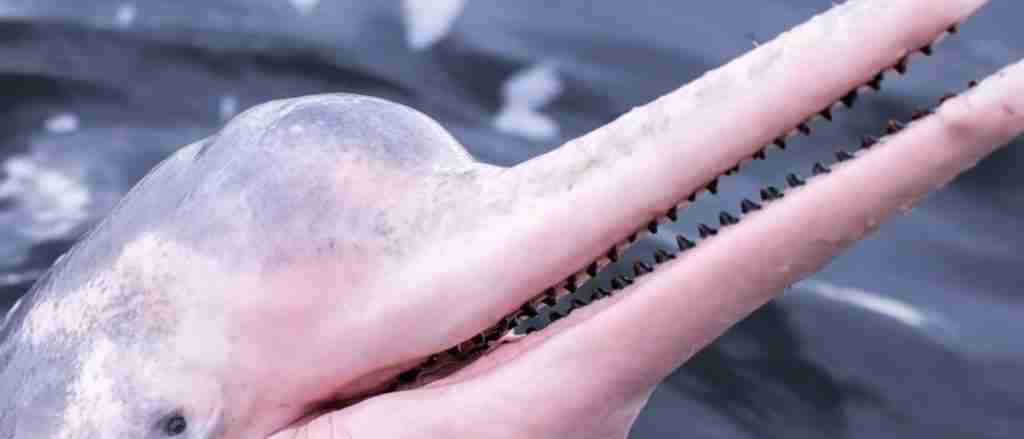
Expect consistent sightings of howler monkeys, capuchin monkeys, pink river dolphins, black caimans, hoatzins, macaws, toucans, kingfishers, and various heron species during your 3-day Amazon adventure in 2026. Most lodges guarantee pink dolphin encounters during boat excursions and nocturnal caiman spotting during night safaris. More elusive species like sloths, poison dart frogs, giant river otters, and squirrel monkeys require patience and luck even with expert guides, while tapirs and jaguars remain extremely rare with sighting probability under 5% even on longer expeditions. Your wildlife experience depends heavily on guide expertise, lodge location relative to hunting pressure, seasonal water levels affecting species distribution, and your own observation skills and patience during jungle walks and boat excursions.
Extended multi-day tours – 5+ days
Featured Manaus Multi-Day Tour Packages
3 days
Manaus 3-Day Discovery Tour
- ✓ Comprehensive Manaus experience
- ✓ Expert local guides included
- ✓ All accommodation included
- ✓ Transportation provided

5 days
Manaus 5-Day Highlights Experience
- ✓ Comprehensive Manaus experience
- ✓ Expert local guides included
- ✓ All accommodation included
- ✓ Transportation provided

7 days
Manaus 7-Day Cultural Journey
- ✓ Comprehensive Manaus experience
- ✓ Expert local guides included
- ✓ All accommodation included
- ✓ Transportation provided
10 days
Manaus 10-Day Complete Adventure
- ✓ Comprehensive Manaus experience
- ✓ Expert local guides included
- ✓ All accommodation included
- ✓ Transportation provided
Multi-day tour packages powered by TourRadar. Prices and availability subject to change.
Essential Planning Information for 2026 Amazon Adventures
Current Costs and Pricing Breakdown 2026
Amazon jungle lodge packages from Manaus operate on all-inclusive pricing models that bundle accommodation, meals, activities, and transfers into single package rates. Budget lodges charge $450-550 for 3-day/2-night packages, mid-range lodges $700-900, and premium eco-lodges $1,100-1,500 per person in 2026. These prices include round-trip boat transfers from Manaus, all meals, guided activities, park entrance fees, and basic equipment like rubber boots and rain ponchos. Check individual lodge websites for current official rates as pricing varies by season and booking channel.
Additional costs to budget include Manaus accommodation before and after your jungle adventure ($40-80 per night for budget hotels, $90-150 for mid-range), airport transfers in Manaus ($25-35 for taxis, $8-12 for shared shuttles), meals in Manaus ($15-25 per day for budget dining, $35-50 for comfortable restaurants), guide tips ($20-30 per guest for 3-day trips), optional activities like canopy walkways or extended piranha fishing ($30-60 per activity), and alcoholic beverages at lodges ($5-8 for beer, $8-12 for cocktails).
International flights to Manaus from major South American cities range $200-400 round-trip (São Paulo, Lima, Bogotá), while North American connections cost $600-900 (Miami, Houston, Panama City). Brazilian domestic flights from Rio or São Paulo to Manaus run $150-250 one-way. Total trip costs including flights, lodging, jungle package, and meals typically range $1,200-1,800 for budget travelers, $2,000-2,800 for mid-range comfort, and $3,500-5,000 for premium experiences in 2026.
Physical Requirements and Accessibility 2026
Most 3-day Amazon lodge programs require moderate fitness levels with jungle walks of 2-4 hours at slow pace over uneven terrain, boat transfers involving climbing in and out of vessels, and basic balance for canoe expeditions. The Amazon environment challenges visitors with heat (28-32°C/82-90°F), humidity (80-95%), frequent rain, muddy trails, and steep riverbanks, though lodges provide regular rest breaks and adapt programs to guest capabilities. Individuals with mobility limitations should communicate needs clearly during booking, as some lodges offer easier programs with shorter walks and more boat-based activities.
The Amazon environment presents health considerations including malaria risk (prophylaxis recommended), yellow fever vaccination requirements (mandatory for Brazil entry from certain countries), dengue fever presence, parasitic infections from untreated water, and various insect-borne diseases. Comprehensive travel insurance covering medical evacuation is essential, as nearest hospital facilities are 2-4 hours away by boat and road. Most lodges maintain first aid capabilities and radio communication for emergencies, but serious medical situations require evacuation to Manaus.
Booking Lead Times and Availability 2026
Quality Amazon lodges book solid 2-3 months ahead for peak dry season (July-October 2026), with the most popular eco-lodges often full 4-5 months in advance. Shoulder season periods (June, November 2026) offer better last-minute availability with bookings possible 3-6 weeks ahead, while wet season (December-May 2026) provides most flexibility with quality lodges often available 2-3 weeks in advance. Budget lodges maintain better availability even during peak season, though this often reflects lower quality guides and more crowded group sizes.
Direct booking through lodge websites typically offers the best rates for 2026, though local tour operators in Manaus provide competitive packages and easier last-minute availability. International booking platforms charge 10-15% premiums but offer better payment options and cancellation flexibility. Group bookings of 4+ guests often receive 10-20% discounts, while solo travelers typically pay 30-50% single supplements at mid-range and premium lodges. Advance booking ensures better guide assignments, preferred accommodation units, and optimal departure times for wildlife activity.
Understanding 3-Day Amazon Lodge Experiences in 2026
Program Structure and Daily Rhythm
Three-day Amazon programs follow established rhythms designed to maximize wildlife encounters while accommodating human comfort limits in tropical heat. Day one typically involves midday or afternoon departure from Manaus with 1.5-3 hour boat transfer to the lodge, settling into accommodation, brief orientation walk around lodge grounds, sunset wildlife spotting from boats, and nocturnal caiman safari by spotlight. This first afternoon provides gentle introduction to rainforest environments while traveling during cooler evening hours minimizes heat stress.
Day two represents your most productive wildlife day with dawn departure around 5:30-6:00 AM for morning bird activity and primate feeding, return to lodge for breakfast, mid-morning jungle walk covering 3-5 kilometers through terra firme forest, lunch and siesta during peak afternoon heat (1:00-3:00 PM), afternoon activity like piranha fishing or indigenous community visit, sunset boat expedition for dolphins and riverside wildlife, and evening jungle walk or cultural presentation. This full-day schedule runs 12-14 hours with substantial rest periods, covering maximum ecological diversity while working around animal activity patterns and human energy levels.
Day three involves early morning departure for final wildlife observation, breakfast at lodge or packed for boat journey, return transfer to Manaus arriving late morning or early afternoon, providing time for afternoon Manaus sightseeing or evening flight connections. This condensed final day maximizes your time in the forest while ensuring reasonable return logistics. Total time at the lodge spans roughly 48 hours from arrival to departure, with approximately 30-35 hours of actual forest time when excluding sleep, meals, and travel periods.
Activity Types and Expectations
Jungle walks form the core of Amazon lodge programs, with trails covering terra firme (high ground forest), várzea (seasonally flooded forest when water permits), and igapó (permanently flooded forest accessible by canoe during high water). These walks move slowly at 1-2 kilometers per hour with frequent stops for wildlife observation, plant identification, and ecological interpretation. Guides use silent hand signals for approaching animals, avoiding loud conversations that alert wildlife, while teaching forest reading skills like identifying animal tracks, scratch marks, and scat.
Boat activities include river expeditions searching for pink dolphins in tributary confluences, nighttime caiman safaris using spotlights to catch eye reflections, fishing for piranhas using basic pole and meat bait techniques (catch-and-release standard practice), and flooded forest canoeing when water levels permit. These water-based programs provide relief from jungle heat while accessing different wildlife communities including aquatic birds, river mammals, and reptiles. Most lodges supply life jackets, though many local guides don’t wear them themselves, and swimming in the rivers remains generally safe despite piranha presence.
Cultural activities include visits to caboclo communities (mixed indigenous-European river dwellers), rubber tapper homesteads explaining historical extractive economy, and indigenous tribe encounters where permitted and culturally appropriate. These human elements provide context for Amazon conservation challenges, traditional ecological knowledge, and current pressures on rainforest communities. Quality lodges manage cultural exchanges respectfully, ensuring communities benefit financially and culturally from tourism rather than facing exploitation or cultural erosion.
Wildlife Encounter Reality Check
Amazon wildlife viewing differs fundamentally from African savanna safaris where animals occupy open landscapes and habituate to vehicle presence. Dense rainforest vegetation obscures most animals until you’re within 10-50 meters, species remain inherently wary of humans due to historical hunting pressure, and biodiversity disperses across vertical forest strata from ground level to 40-meter canopy. This means encountering dozens of species daily while rarely seeing individuals for more than brief glimpses before they melt back into vegetation.
Primate encounters typically occur at 20-40 meter distances in mid-canopy, with viewing periods of 5-15 minutes as troops move through territory. Pink river dolphins surface for 3-5 seconds before diving, requiring patience and camera readiness for quality photographs. Bird species flash through vegetation giving brief views, rewarding birders who study field guides beforehand and recognize calls. Caiman spotting by spotlight offers best photography opportunities as animals remain relatively still when illuminated, though approach closer than 5 meters triggers rapid escape into water.
Rare species like jaguars, giant river otters, and tapirs require extraordinary luck even with expert guides in prime territory. Lodges honestly advertising these sightings as probable rather than possible are misrepresenting reality. However, indirect evidence of large predators including tracks, scat, scratch marks, and prey remains appear frequently during walks, allowing guides to explain apex predator ecology even without direct encounters. The accumulated experience of dozens of common species creates profound understanding of rainforest complexity even when charismatic megafauna remain elusive.
Choosing Your Amazon Lodge for 2026
Location Considerations: Distance from Manaus
Amazon lodges cluster in three distance zones from Manaus, each offering different balances between accessibility and wildlife quality. Near lodges (30-50 kilometers, 1-1.5 hours transfer) provide easiest logistics with shorter boat rides and flexible scheduling, appealing to travelers with limited time or concerns about remote locations. However, these areas experience heavier tourist traffic, wildlife shows more wariness of humans, and forest disturbance from proximity to city logging and development pressures. Near lodges work well for first rainforest experiences or travelers combining Amazon visits with limited time budgets.
Mid-distance lodges (50-100 kilometers, 1.5-3 hours transfer) offer the best balance for most 3-day programs, reaching areas where wildlife pressure decreases substantially while maintaining manageable transfer times. These lodges access less disturbed forest with better primate density, more consistent bird activity, and healthier predator populations. The 2-3 hour boat journey itself becomes wildlife viewing opportunity with river dolphins, kingfishers, and caimans visible during transfers. Most quality eco-lodges operate in this zone, providing optimal wildlife encounters without excessive travel investment.
Remote lodges (100-150+ kilometers, 3-5 hours transfer) penetrate deepest into primary rainforest with minimal human impact and maximum wildlife diversity, but the extensive transfer time consumes substantial portions of 3-day itineraries. These locations suit serious wildlife photographers, birders targeting rare species, or travelers investing 5-7 days for deep jungle immersion. The logistics become more complex with limited communication, extended evacuation times for medical emergencies, and higher costs reflecting transportation investment. Unless you’re prioritizing rare species encounters over comfort and efficiency, mid-distance lodges deliver better value for typical 3-day programs in 2026.
Accommodation Standards and Comfort Levels
Amazon lodge accommodation spans wide quality spectrum from basic dormitory hammocks with shared bathrooms to sophisticated private bungalows with ensuite facilities and screened windows. Budget lodges ($450-550 for 3 days) typically provide simple rooms with 4-8 beds, shared bathrooms requiring walks along covered boardwalks, and basic amenities like mosquito netting and overhead fans. These facilities are clean and functional but require tolerance for communal living and rustic conditions including occasional wildlife intrusions (harmless insects, geckos, bats).
Mid-range lodges ($700-900 for 3 days) offer private rooms with 2-4 beds, ensuite bathrooms with cold water showers (hot water rare in jungle due to heat), screened windows providing natural ventilation, and better common areas for relaxation between activities. These lodges invest in superior construction using sustainable materials, better meal quality with more varied menus, and enhanced social spaces for wildlife observation and evening programs. The comfort increment substantially improves rest quality and overall experience without reaching luxury price points.
Premium eco-lodges ($1,100-1,500 for 3 days) feature individual bungalows with superior location for wildlife observation, private decks overlooking forest canopy or rivers, hot water showers, higher thread count bedding, and architectural integration with forest environment. These properties emphasize sustainability through solar power, rainwater collection, composting toilets, and forest regeneration programs. Premium pricing supports enhanced guide expertise with smaller group sizes (4-6 guests per guide vs. 8-12 at budget options), specialized activities like canopy walkways or night camping, and superior food service approaching fine dining standards despite jungle location.
Guide Quality and Group Size
Guide expertise represents the single most important factor determining Amazon experience quality, as even spectacular locations deliver mediocre results with poorly trained guides while expert naturalists create extraordinary experiences in average forest. Top-tier guides combine indigenous tracking knowledge with formal ecology training, fluent English or other international languages, understanding of visitor interests and limitations, and genuine passion for rainforest conservation rather than mechanical tour delivery.
Group sizes dramatically affect both wildlife encounter quality and educational depth. Budget lodges often run groups of 8-12 guests per guide, creating logistical challenges on narrow trails, substantial noise that alerts wildlife, and limited personal attention for questions and learning. Mid-range operations maintain 6-8 guests per guide, providing better balance between economic efficiency and quality experience. Premium lodges cap groups at 4-6 guests, allowing quiet movement, better wildlife positioning for all participants, and extensive personalized interpretation.
Evaluate lodge guide quality through customer reviews focusing on specific wildlife encounters, guide knowledge demonstrations, and ability to adapt programs to guest interests. Red flags include lodges promising guaranteed sightings of rare species (jaguar, tapir, anaconda), using guides without formal training or English capability, or failing to provide information about guide credentials and group sizes. Quality lodges proudly feature their guide team with bios, training details, and specializations, while budget operators often avoid specifics suggesting lower expertise levels and higher staff turnover.
Sample 3-Day Amazon Itinerary and Costs 2026
Day 1: Manaus to Lodge and Evening Wildlife Introduction
Your Amazon adventure begins with morning hotel checkout in Manaus followed by 10:00-11:00 AM lodge shuttle pickup from central hotels or direct meeting at dock. Most lodges coordinate multiple guest pickups requiring 30-60 minutes driving through Manaus to the Ceasa port or similar departure points on Rio Negro tributaries. The boat transfer itself becomes your first wildlife encounter as vessels navigate tributary channels revealing kingfishers, herons, caimans basking on riverbanks, and occasional river dolphin pods feeding in channel confluences.
Arrival at lodge typically occurs between 1:00-3:00 PM, allowing time for room assignment, lodge orientation explaining facilities and safety protocols, and brief rest period escaping peak afternoon heat. Early afternoon walks remain optional at most lodges due to minimal wildlife activity during hottest hours, though bird activity near lodge grounds rewards casual observation from hammocks or common areas. Lunch service varies by lodge with some providing meals on arrival, others offering snacks before dinner.
Evening activities begin around 4:30-5:00 PM with sunset boat expedition specifically targeting pink river dolphin sightings at tributary confluences where multiple water bodies meet. These locations concentrate fish populations, attracting dolphins that surface regularly for feeding, providing excellent photography opportunities during golden hour light. The boat continues into dusk for nocturnal caiman safari using spotlights to catch red eye reflections along riverbanks, approaching within 3-5 meters of black caimans up to 2 meters long.
Return to lodge around 7:30-8:00 PM for dinner featuring regional cuisine including fish like tambaqui or pirarucu, rice, beans, salads, and tropical fruits. Evening programs typically include guide presentations on rainforest ecology, indigenous culture, or conservation challenges, followed by optional night walk around lodge grounds spotting insects, frogs, and nocturnal mammals like night monkeys or kinkajous. Most guests retire around 9:30-10:00 PM in preparation for pre-dawn departure day two.
Day 1 costs (if not included in package): Manaus hotel breakfast €8-12, taxi to dock €25-35, lunch at lodge (included), dinner at lodge (included), drinks €5-15. Total day cost: €38-62 per person (lodge package: €150-500 depending on tier).
Day 2: Full-Day Forest Immersion and Maximum Wildlife
Wake-up calls sound at 5:00-5:30 AM for dawn departure before breakfast, capitalizing on peak wildlife activity during cool morning hours. Early morning boat expeditions target bird activity along river edges where hundreds of species feed in overhanging vegetation, while primate troops move through canopy searching for fruit and insects. This 1.5-2 hour morning excursion produces the highest wildlife species count of your entire trip, with expert guides positioning boats silently near active feeding areas.
Return to lodge around 7:30-8:00 AM for breakfast featuring eggs, fresh fruit, tapioca pancakes, tropical juices, and Brazilian coffee. Post-breakfast rest period of 30-45 minutes allows digestion before the morning jungle walk departing around 9:00-9:30 AM. This 3-4 hour trek penetrates terra firme forest along established trails, with guides explaining medicinal plants, demonstrating rubber tapping techniques at historic trees, identifying animal tracks and signs, and spotting wildlife including poison dart frogs, sloths (if lucky), monkeys, and countless bird species.
Lunch service around 12:30-1:00 PM is followed by mandatory siesta period when human and wildlife activity both minimize during peak heat (32-35°C/90-95°F). This 2-3 hour rest period allows exhausted guests to nap in hammocks, while others review photos, read, or observe lodge grounds where butterflies, hummingbirds, and other species remain active. Some lodges offer optional activities like swimming in safe river channels during siesta, though most guests appreciate the forced rest after morning exertion.
Afternoon programs resume around 3:30-4:00 PM with activities like piranha fishing using basic poles and fresh meat bait (chicken or fish), indigenous community visits observing traditional activities like cassava processing or craft production, or extended jungle walks exploring different forest zones. Piranha fishing typically produces modest results with 3-8 fish per hour shared across the group, which lodge cooks prepare for dinner as appetizers. The cultural component varies by lodge with some maintaining close community partnerships providing authentic experiences, while others offer more touristic demonstrations.
Second sunset boat expedition departs around 5:30-6:00 PM targeting pink dolphins again and exploring different tributary channels than day one. Guides position boats at locations where dolphins feed reliably, improving encounter quality and photography opportunities as you learn their behavioral patterns. As daylight fades, spotlight scanning reveals different caiman individuals, night herons, and occasionally fishing bats swooping to capture small fish. Return to lodge around 8:00 PM for dinner followed by optional activities like night jungle walk, stargazing from river (minimal light pollution), or guide presentations on specific conservation topics.
Day 2 costs (if not included in package): All meals included in lodge package, optional activities (extended fishing €30-40, community visit donations €10-20), drinks €8-20, snacks €5-10. Total day cost: €10-50 per person for extras (lodge package already covers base activities).
Day 3: Dawn Departure and Return to Civilization
Final wake-up occurs at 5:00-5:30 AM for last opportunity observing peak wildlife activity, with most lodges offering choice between final boat expedition or short jungle walk depending on guest preference. Boat options work better for photography with better light conditions and stable platforms, while walks provide final forest immersion for those prioritizing authentic jungle experience over wildlife quantity. This condensed 1-1.5 hour activity maximizes remaining forest time while ensuring adequate preparation for departure.
Breakfast service around 7:00-7:30 AM features expanded offerings giving guests energy for boat transfer, with some lodges providing packed snacks for the journey back to Manaus. Departure from lodge occurs between 8:00-9:00 AM depending on distance to Manaus and arrival time preferences. The return journey retraces day one transfer route with different wildlife opportunities as morning light reveals species missed during afternoon arrival, including basking caimans, active kingfisher hunting, and dolphin pods in main river channels.
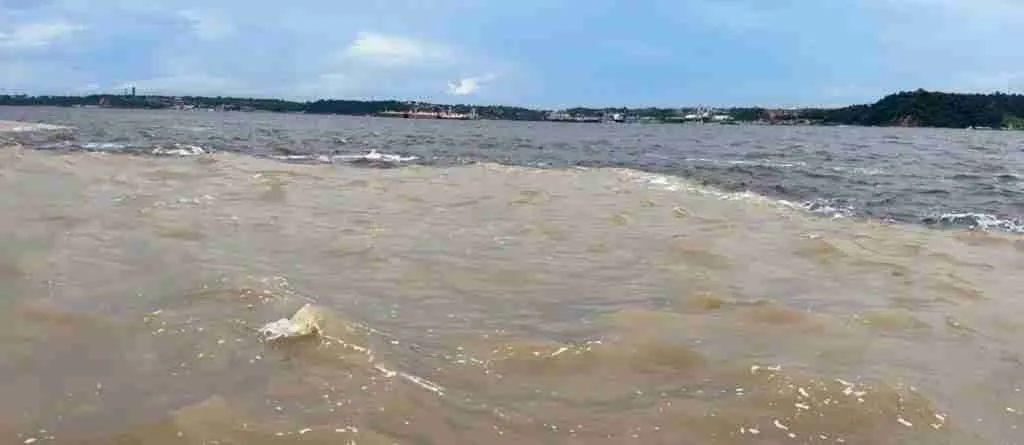
Arrival in Manaus typically occurs between 10:00 AM and 12:00 PM, allowing time for afternoon hotel check-in, city sightseeing including Teatro Amazonas or Meeting of the Waters, or catching evening domestic flights to next Brazilian destinations. Most international flights depart Manaus evenings or following morning, requiring overnight stay. Budget one full post-jungle day for rest and cleaning gear before continuing travels, as the accumulated heat, humidity, and exertion typically leave guests requiring recovery time.
Day 3 costs (if not included in package): Lodge breakfast (included), packed snacks (included), boat transfer (included), Manaus hotel from €40-150, lunch in Manaus €15-30, taxi from dock to hotel €25-35, dinner in Manaus €20-40. Total day cost: €100-255 for post-jungle Manaus portion.
Total 3-Day Budget Summary
Complete 3-day Amazon jungle adventure total costs: Budget tier €650-850 (basic lodge €450-550 + extras €200-300), Mid-range tier €1,000-1,300 (comfortable lodge €750-900 + extras €250-400), Premium tier €1,400-1,900 (eco-lodge €1,200-1,500 + extras €200-400). These figures include lodge package, Manaus accommodation before/after, all meals, transfers, and reasonable extras like drinks and tips, but exclude flights to Manaus.
Wildlife Spotting Expectations and Photography in 2026
Guaranteed vs. Probable Encounters
Certain Amazon species appear so reliably during 3-day programs that lodges effectively guarantee encounters without overpromising. Pink river dolphins surface consistently at tributary confluences where lodges target expeditions, with 95%+ encounter rate across all seasons and conditions. Black caimans appear during every nighttime spotlight safari as they inhabit riverbanks throughout lodge territories and eyeshine reveals them easily. Howler monkey troops vocalize at dawn and dusk, with their distinctive roaring calls audible 2-3 kilometers away guiding searches even when visual encounters prove difficult through dense vegetation.
Highly probable encounters include capuchin monkey troops (80% sighting rate), squirrel monkeys (70% in appropriate habitat), various macaw species flying overhead or feeding in canopy (85%), hoatzins perched near water (90%), three-toed sloths moving slowly through mid-canopy (40-50%), and poison dart frogs hopping through leaf litter (60%). These sightings require alert observation and guide expertise but occur frequently enough that most guests encounter multiple individuals. Guide skill, seasonal timing, and guest patience influence success rates substantially, with experienced naturalists locating species that average visitors would miss entirely.
Possible but uncertain encounters include giant river otters (20% sighting rate, highly endangered with limited population), anacondas (15% rate, secretive and well-camouflaged), tapirs (10% rate, nocturnal and shy), margays or ocelots (5% rate, nocturnal small cats), and jaguars (under 2% rate, apex predators with enormous territories). Lodges advertising these species as guaranteed or even probable are either misrepresenting reality or operating in extraordinary locations with habituated individuals. Realistic expectations prevent disappointment while allowing genuine excitement when rare encounters occur.
Photography Considerations and Equipment
Amazon photography challenges even experienced wildlife shooters with dense vegetation limiting sight lines, low light under forest canopy requiring fast lenses, unpredictable wildlife movement demanding quick reactions, and humidity/rain threatening electronic equipment. Successful Amazon photography prioritizes reliability over ultimate image quality, with weather-sealed cameras and lenses outperforming flagship equipment that fails in moisture. Bringing camera rain covers, silica gel packets, and waterproof bags proves more important than expensive telephotos.
Lens selection for Amazon wildlife should emphasize versatility over reach, with 24-200mm or 24-300mm zoom ranges covering more situations than ultra-telephoto primes. Wildlife encounters occur at 10-50 meter ranges where 400mm+ lenses prove excessive, while tight jungle quarters reward wider perspectives capturing environmental context. A 70-200mm f/4 or similar provides adequate reach for most species while maintaining manageable size for jungle walking. Fast primes like 35mm f/1.8 handle low-light forest floor work, while 100-400mm zooms suit open river photography of dolphins and distant birds.
Technical settings for Amazon photography require pushing ISO to 1600-6400 for forest walking with shutter speeds maintaining 1/250s minimum for primate movement, accepting higher noise over motion blur. River photography in bright sun allows lower ISOs (400-800) with faster shutters (1/1000s+) freezing dolphin surfacing and bird flight. Shoot RAW format for maximum shadow/highlight recovery in challenging mixed light, and bring extra batteries as tropical humidity drains power faster than temperate conditions. Most importantly, balance photography obsession against direct wildlife observation, as excessive camera focus prevents full sensory immersion in rainforest environments.
Best Species by Season
Dry season (June-November 2026) concentrates wildlife around shrinking water sources, improving encounter rates for species like caimans, river dolphins, and water birds. Receding rivers expose beaches and mudflats where caimans bask openly, providing better photography than wet season when they remain hidden in flooded forest. Primate activity increases during dry season when fruit production peaks in many tree species, creating large feeding aggregations visible from greater distances. Trail accessibility improves dramatically with firm footing and minimal flooding, allowing access to deeper forest zones.
Wet season (December-May 2026) floods extensive forest areas creating unique flooded forest ecosystems accessible only by canoe, revealing species like Jesus Christ lizards running across water surfaces and arboreal species forced into unusual behaviors. River dolphins follow fish into flooded forests during peak water (March-April), providing closer encounter opportunities in confined channels. Amphibian breeding activity explodes during wet season with dozens of frog species vocalizing and displaying, rewarding herpers and macro photographers. Migratory bird species arrive during wet season including various warblers, vireos, and shorebirds, adding diversity to resident tropical species.
The meeting point between seasons offers optimal wildlife diversity with residual flooding maintaining aquatic access while dropping water levels begin concentrating terrestrial species. September-October represents this transition sweet spot for 2026, combining dry season trail access with wet season species diversity and reduced tourist crowds compared to peak June-August period. The intense May-June and November-December transition periods bring dramatic thunderstorms and unpredictable weather but spectacular cloud formations and lighting conditions favored by landscape photographers.
What to Pack for 2026 Amazon Jungle Adventures
Essential Clothing and Footwear
Amazon packing prioritizes moisture management and protection over fashion or comfort, with synthetic quick-dry fabrics outperforming cotton that stays damp and heavy in 80-95% humidity. Pack 3-4 lightweight long-sleeve shirts and long pants in neutral colors (beige, olive, light gray) providing sun protection, insect barriers, and plant scratch prevention while moving through vegetation. Long sleeves and pants remain essential despite heat, as exposed skin suffers intense sun damage on rivers and constant insect attention in forest. Avoid black or dark blue clothing that attracts mosquitos and absorbs heat.
Footwear requires two distinct systems: rubber boots for jungle walks (provided by lodges, eliminating need to pack) and river sandals or lightweight trail shoes for boat activities and lodge grounds. Quality sandals with ankle support and drainage like Teva, Chaco, or Keen serve double duty for boat expeditions and post-walk comfort, while ultra-lightweight trail runners dry faster than traditional hiking boots if you prefer footwear on boats. Most guests wear provided rubber boots for morning walks then switch to sandals for afternoon river activities, with spare dry socks essential for comfort.
Additional clothing essentials include 4-5 pairs of synthetic hiking socks (not cotton), 2 pairs of synthetic or wool hiking pants with zip-off legs offering versatility, 1-2 lightweight long-sleeve sun shirts with UV protection and ventilation, quick-dry underwear (6-8 pairs as humid conditions prevent overnight drying), wide-brimmed hat with chin strap preventing loss during boat travel, lightweight rain jacket (more for sun and wind than rain as forest canopy blocks most precipitation), and 1-2 light fleece or synthetic insulation layers for air-conditioned boat transfers and Manaus hotels.
Critical Gear and Accessories
Insect protection equipment ranks as the single most important category for Amazon comfort, with high-DEET repellent (30-50% concentration) applied multiple times daily proving more effective than natural alternatives. Pack 2-3 bottles of repellent as humidity and sweat wash away applications requiring frequent reapplication every 2-3 hours. Permethrin treatment for clothing and sleeping bag liners provides additional passive protection, reducing mosquito and tick approaches before they contact skin. Lodges provide mosquito netting over beds, but bringing personal bed net adds security for light sleepers concerned about gaps.
Sun protection beyond clothing includes 50+ SPF reef-safe sunscreen (some lodges prohibit chemical sunscreens near water to protect aquatic ecosystems), after-sun aloe gel for inevitable burns despite protection efforts, lip balm with SPF protection as intense equatorial sun cracks lips quickly, and sunglasses with polarized lenses reducing water glare during boat expeditions. Consider neck gaiters or buffs providing adjustable sun protection without hat tan lines, plus cooling when soaked with water during peak afternoon heat.
Hydration equipment should include 2-liter water capacity through combination of 1-liter wide-mouth bottles (easier to fill from lodge water stations) and 2-3 liter hydration bladder if your daypack accommodates one. Amazon heat and humidity generate 3-5 liters daily sweat loss requiring constant fluid replacement, with lodges providing unlimited safe drinking water but limited bottles during extended activities. Bring electrolyte powder packets or tablets preventing cramping from salt loss through sweating. Most lodges prohibit single-use plastic bottles, making reusable capacity essential.
Technology and Documentation
Electronic equipment protection from moisture represents the greatest Amazon challenge, with camera bodies, phones, and tablets succumbing to humidity even without direct water exposure. Bring multiple heavy-duty plastic bags or dry bags in various sizes protecting electronics when not in use, plus silica gel packets absorbing ambient moisture in camera bags and luggage. Some photographers bring pelican-style hard cases for ultimate protection, though weight and bulk make these impractical for most travelers. Consider leaving laptops in Manaus hotels rather than exposing expensive equipment to jungle conditions if not essential for work.
Battery management requires bringing 3-4x your normal capacity as humidity drains power faster than temperate conditions and charging opportunities exist only at lodges during generator hours (typically 6:00 PM-10:00 PM in remote locations). Invest in high-capacity USB power banks (20,000+ mAh) keeping phones and tablets operational during day activities, with solar charging options providing backup at remote lodges with limited electricity. Most lodges cannot charge specialized camera batteries, requiring bringing sufficient spares for your entire trip plus some reserve.
Documentation and planning materials include copies of passport, travel insurance, yellow fever vaccination certificate (required for Brazil entry from certain countries), lodge confirmation details with emergency contacts, medical information card with allergies and conditions, credit cards plus $200-300 cash in Brazilian reais for tips and extras, and comprehensive first aid kit with personal medications. Many lodges lack internet access, so download offline maps, field guides, and entertainment before departure. Consider waterproof paper notebooks for wildlife lists and observations rather than relying on electronic devices risking moisture damage.
Booking and Pricing Strategies for 2026
Direct vs. Agent Booking
Direct booking through individual lodge websites typically offers the best rates for 2026 Amazon adventures, as lodges avoid paying 15-20% commissions to tour operators and online travel agencies. Most quality eco-lodges maintain professional English-language websites with clear pricing, detailed itinerary information, comprehensive FAQs, and secure payment processing through international credit cards or PayPal. Direct contact allows you to negotiate specific needs like dietary restrictions, physical limitations, special interest focuses (birding, photography, cultural), and exact departure times coordinating with flight schedules.
Tour operators in Manaus and international agencies provide value through packaging multiple Brazil destinations, handling complex logistics across regions, and offering last-minute availability when direct booking fills up. Operators maintain relationships with multiple lodges allowing flexibility when your first choice is unavailable, plus they handle payment in your currency avoiding international transaction fees and exchange rate uncertainties. However, operators typically add 10-20% to lodge rates and may book you into lodges with which they have commission agreements rather than those best suited to your interests and budget.
For travelers booking Amazon as part of broader Brazil itineraries including Rio, Iguaçu Falls, Pantanal, or other destinations, tour operators simplify logistics by coordinating connections, managing domestic flights, and creating coherent multi-region programs. For Amazon-focused trips or experienced travelers comfortable with independent booking, direct lodge contact provides better value and more control over specific details like guide assignments and room selection. Compare both options by requesting detailed quotes from 2-3 lodges directly plus similar packages from 1-2 operators, evaluating total costs including transfer logistics and payment methods.
Understanding Package Inclusions
Amazon lodge packages advertise “all-inclusive” pricing, but specific inclusions vary by operator requiring careful examination before booking. Standard inclusions at all quality lodges cover accommodation, all meals (breakfast, lunch, dinner, snacks), guided activities listed in standard itinerary, boat transfers from/to Manaus docks, basic safety equipment like life jackets and rubber boots, and park entrance fees if applicable. These core elements allow direct comparison across lodges by evaluating package base rates.
Optional extras charged additionally at most lodges include alcoholic beverages ($5-12 per drink), specialized activities beyond standard programming like extended piranha fishing expeditions ($30-50), canopy walkways requiring separate facilities ($40-60), premium private guides for photographers or serious birders ($100-150 per day), hotel-to-dock transfers in Manaus ($25-35 per person), and guide tips ($20-40 per guest for 3-day trips). Budget an additional $100-200 per person for these extras at mid-range lodges, $150-300 at premium properties where wine lists and specialized activities increase spending opportunities.
Clarify policies on single supplements (30-50% typical for solo travelers at mid/premium lodges), child rates (usually 25-40% discount for ages 4-12), group discounts (10-20% for parties of 4-6+ guests), and cancellation terms (typically 30 days for partial refund, 60 days for full refund minus deposit). Peak season surcharges may apply during July-October 2026 at popular lodges, while shoulder season promotions sometimes offer 15-25% discounts for June, November, and December bookings. Always request itemized quotations showing exactly what’s included versus available as optional add-ons before committing.
Payment Methods and Currency
Most established Amazon lodges accept international credit cards (Visa, Mastercard) for booking deposits and final payments, though 3-5% processing fees often apply due to Brazilian banking regulations and international transaction costs. PayPal serves as alternative for travelers preferring buyer protection and avoiding sharing credit card details, though lodges may pass along PayPal’s 4-6% merchant fees. Bank transfers prove most economical when booking from abroad as they avoid percentage fees, but require longer processing times and lock in exchange rates weeks before travel when currency fluctuations may work against you.
Cash payments in Brazilian reais sometimes receive 5-10% discounts as lodges avoid credit card processing fees and immediate liquidity improves cash flow for small operators. However, carrying large cash amounts through Brazilian airports and cities poses security risks, while exchange rates at airports and exchange offices typically disadvantage travelers by 3-8% compared to credit card rates. If paying cash, draw reais from ATMs in Manaus rather than exchanging dollars, as ATM rates approach credit card rates while currency exchange offices charge significant margins.
Budget expected exchange rates conservatively when planning 2026 Amazon adventures, as Brazilian real fluctuations against dollar/euro can shift costs substantially between booking and travel. Set aside 10-15% contingency for unfavorable rate movements if paying balance on arrival rather than at booking. Consider booking deposits to lock rates then monitoring exchange developments before final payment, paying balance early if real weakens or waiting until arrival if it strengthens. Travel insurance with cancel-for-any-reason riders provides protection against extreme currency movements making trips financially unviable.
Best Time for Amazon Jungle Trips in 2026
Dry Season Advantages: June-November 2026
The Amazon dry season runs June through November with lowest rainfall (100-150mm per month versus 250-400mm during wet season), allowing easier trail access and more predictable daily schedules. Lower water levels expose riverbanks and beaches where caimans bask openly, while concentrated water sources force wildlife into smaller areas improving encounter probability. Trails remain mostly firm with mud minimized, reducing physical exertion and allowing deeper forest penetration on foot. September and October represent peak dry conditions in 2026 with rivers at annual minimum levels, creating optimal land-based wildlife viewing.
Dry season brings cooler temperatures relative to wet season, with afternoon highs reaching 31-33°C (88-91°F) versus 33-35°C (91-95°F) during wetter months, plus nighttime temperatures dropping to 22-24°C (72-75°F) providing better sleeping conditions. Reduced humidity (75-85% versus 90-95% wet season) makes heat more tolerable during midday activity, though differences remain subtle as the Amazon maintains tropical conditions year-round. Fewer mosquitos emerge during dry season with standing water limited, though biting insects never disappear completely and repellent remains essential.
Peak dry season (July-October 2026) attracts maximum tourist traffic increasing lodge occupancy and group sizes, while raising prices 20-30% compared to wet season at popular properties. Wildlife becomes more habituated to human presence around busy lodges during peak season, sometimes improving close encounter opportunities but potentially reducing authentic wildness. Early dry season (June 2026) and late dry season (November 2026) offer transition benefits with fewer crowds, moderate prices, and excellent conditions as water levels shift, though weather predictability decreases slightly during these shoulder periods.
Wet Season Opportunities: December-May 2026
Amazon wet season flooding from December through May creates unique flooded forest ecosystems called várzea and igapó, accessible only by canoe and impossible to experience during dry season. Water levels rise 8-12 meters in tributary channels, submerging forest floor vegetation and allowing boat access deep into primary forest where wildlife concentrates in canopy and emergent trees. River dolphins follow prey into flooded forests providing intimate encounters in channels just 5-10 meters wide, contrasting with distant open-water sightings during dry season.
Wet season amphibian breeding activity explodes with dozens of frog species vocalizing, displaying, and defending territories around ephemeral pools created by flooding. Poison dart frog activity peaks with males carrying tadpoles to water bodies and competing for territories, creating photography opportunities for macro specialists. Aquatic bird diversity increases with migrants utilizing expanded water habitat, while flowering cycles in certain tree species attract unique pollinators including hummingbirds and nectar-feeding bats. The wet season rainforest shows different character emphasizing aquatic adaptations and species interactions.
Wet season pricing drops 20-40% at many lodges seeking to fill capacity during lower demand periods, making this prime season for budget travelers willing to accept occasional rain and muddy conditions. Group sizes shrink with fewer bookings allowing more personalized attention from guides and better wildlife encounter experiences without competing groups. Dramatic afternoon thunderstorms create spectacular cloud formations and lighting conditions rewarding landscape photographers, though rain reduces wildlife activity during storms requiring patience and flexibility in scheduling activities.
Transition Period Sweet Spots
The transition between seasons offers advantages of both dry and wet conditions with unique wildlife opportunities and fewer tourists. May-June 2026 transition features receding floods exposing mudflats where caimans gather and wading birds concentrate, while flooded forest areas remain accessible by canoe through June. Wet season species like breeding amphibians overlap with dry season primate feeding aggregations during May-June, creating maximum diversity. Vegetation freshness peaks during this transition with new growth responding to first rains, producing vibrant green colors favored by photographers.
November-December 2026 transition brings first heavy rains beginning to flood forests while trails remain mostly accessible through November. Early flooded forest access by canoe begins in December before peak flooding, allowing experiencing both terrestrial and aquatic forest zones within single trips. Wildlife movement patterns shift during these transitions creating unusual encounters as species respond to changing water levels and food availability. Lodge pricing remains at shoulder season discounts (10-20% below peak rates) while weather improves from wet season’s daily downpours to transition’s intermittent storms.
For travelers prioritizing wildlife diversity over comfort and predictability, transition periods deliver maximum species encounters combining residents from both seasons. However, these periods bring highest weather unpredictability with daily forecasts unreliable, requiring flexible scheduling and acceptance that some planned activities may be cancelled or modified due to sudden storms. Pack comprehensive rain gear and moisture protection for electronics during transition visits, plus prepare mentally for adaptive daily programming rather than rigid schedules.
Transportation from Manaus to Amazon Lodges 2026
Getting to Manaus
Manaus Eduardo Gomes International Airport (MAO) serves as the primary gateway for Amazon jungle adventures, with domestic connections from São Paulo, Rio de Janeiro, Brasília, Cuiabá, and Belém ranging $150-300 one-way depending on booking advance and season. International flights connect directly from Miami (American Airlines), Panama City (Copa Airlines), and Bogotá (Avianca, LATAM), with round-trip fares from North America typically $600-900 booked 2-3 months ahead for 2026 travel. European travelers connect through São Paulo or Lima on LATAM, TAP, or European carriers, with total journey times from major European cities reaching 18-24 hours including connections.
Alternative Amazon access points include Belém for eastern Amazon experiences (Marajó Island, lower Amazon River), Porto Velho for southern Amazon and Rondônia destinations, or Iquitos, Peru for different ecological zones and indigenous cultures, but Manaus offers the most developed lodge infrastructure and easiest logistics for first-time Amazon visitors. The city’s strategic location at the confluence of Rio Negro and Rio Solimões, plus century of tourism development, creates comprehensive support systems for jungle adventures that other gateways lack.
Budget 1-2 days in Manaus before jungle departure for flight connection buffers, yellow fever vaccination if needed (administered at airport or city health posts, required to wait 10 days before entry to some destinations), gear shopping (insect repellent, basic equipment, forgotten essentials), and acclimatization to equatorial heat and humidity. Post-jungle recovery day allows cleaning mud-caked equipment, processing photographs, and comfortable rest before onward travel, as most guests finish 3-day programs physically exhausted requiring mental break before continuing adventures.
Lodge Transfer Logistics
Lodge boat transfers from Manaus depart from various docks depending on lodge location, with most using Ceasa port on Rio Negro for lodges upstream, Marina do Davi for Rio Solimões destinations, or smaller neighborhood docks for nearby lodges. Many lodges provide complimentary hotel pickup from central Manaus properties, consolidating multiple guests into vans for 30-60 minute drives to departure points. Confirm exact meeting locations, times, and whether hotel pickup is included during booking, as some budget operators require guests to find their own way to docks using taxis ($25-35 from city center).
Boat transfers involve motorized canoes or small launches carrying 6-20 passengers with bench seating, basic sun covers, and life jacket storage. Journey durations range 1-1.5 hours for near lodges (30-50km), 1.5-3 hours for mid-distance properties (50-100km), or 3-5 hours for remote locations (100-150km+), with actual times varying by season (water levels affect speed), weather (storms require slower navigation), and boat power (larger engines cut 20-30% from journey times). These transfers themselves become wildlife viewing opportunities with guides spotting river dolphins, kingfishers, and caimans during journeys.
Bring small day bag with essentials for boat transfers including water bottle, snacks, sun protection (hat, sunglasses, sunscreen), camera with moisture protection, rain jacket (afternoon storms common), and light fleece for wind chill at boat speed. Main luggage travels separately on boats or lodge vehicles, though keeping valuables and electronics with you in waterproof bags prevents loss or water damage. Boat seating provides minimal cushioning with benches or simple chairs, while engine noise prevents conversation, so bring entertainment like books, loaded music players, or simply enjoy river scenery during what becomes meditative journey into increasingly remote forest.
Alternative Access Options
Some premium lodges offer speedboat transfers cutting journey times by 30-40% using high-powered boats reaching 40-50 km/hour versus standard 25-30 km/hour, though increased wake and engine noise reduce wildlife spotting opportunities during transfers. These faster options suit guests minimizing travel time or connecting with tight flight schedules, available at additional cost ($50-100 per person) at lodges offering dual transfer modes. Charter helicopter transfers serve several ultra-luxury lodges reaching remote locations in 20-40 minutes that require 3-5 hours by boat, costing $300-500 per person but maximizing forest time for those prioritizing activity hours over authentic river approach.
Multi-lodge itineraries combine different properties along same river systems, using lodge-to-lodge transfers eliminating returns to Manaus between jungle segments. These programs typically run 5-7 days visiting 2-3 lodges in progression, experiencing varying distances from Manaus and different ecological zones while minimizing redundant transfer time. Multi-lodge programs cost 10-15% less than booking individual properties separately, though they lock you into fixed schedules with reduced flexibility for weather or interest changes. This approach suits travelers investing longer time in the Amazon seeking maximum diversity and deeper understanding of ecological variations across the vast basin.
River cruise alternatives depart Manaus for 3-7 day expeditions aboard small vessels (20-40 passengers), combining hotel-like amenities with daily excursions by zodiac or kayak into tributaries and flooded forests. Cruises cost $300-600 per day (double occupancy) including all meals, drinks, and activities, but typically access less pristine forest than remote lodges while providing superior comfort and amenities. The cruise format suits older travelers or those prioritizing comfort over authentic jungle immersion, though wildlife encounters generally remain inferior to lodge-based programs that maintain permanent presence in quality territories allowing guides to develop intimate knowledge of local species movements and behaviors.
Frequently Asked Questions About Amazon Jungle Adventures 2026
Is it safe to visit the Amazon rainforest in 2026?
Amazon jungle adventures through established lodges are very safe with minimal injury or illness rates when following guide instructions and basic precautions. Lodges maintain first aid capabilities, radio communication for emergencies, and established evacuation protocols to Manaus hospitals 2-4 hours away. The primary health concerns involve mosquito-borne illnesses like malaria and dengue fever (preventable through prophylaxis and repellent), gastrointestinal issues from poor hydration (prevented by drinking 3-4 liters daily), and minor injuries from slips or plant scratches (minimized through proper footwear and long sleeves). Dangerous wildlife like venomous snakes, jaguars, and electric eels pose statistically negligible risks when following guide protocols and avoiding nighttime wandering alone.
Do I need malaria pills for Amazon visits?
Malaria prophylaxis is strongly recommended but not mandatory for Amazon rainforest visits around Manaus, as the region carries moderate malaria risk particularly during wet season. Consult your doctor about appropriate medications (Malarone, doxycycline, or Lariam) beginning 1-2 days before travel and continuing 7-28 days after return depending on medication type. However, many travelers choose to skip prophylaxis and rely instead on comprehensive insect repellent with 30-50% DEET, permethrin-treated clothing, and sleeping under mosquito netting. Malaria risk around Manaus remains substantially lower than in more remote Amazon regions like western Brazilian Amazon or Peru, with most lodges reporting zero guest cases annually.
What vaccinations are required for the Amazon?
Yellow fever vaccination is mandatory for Brazil entry from certain countries and strongly recommended for all Amazon travelers, required at least 10 days before entering rainforest regions for full immunity development. Routine vaccinations including hepatitis A and B, typhoid, and tetanus should be current, while rabies vaccination proves unnecessary unless you’re planning extensive rural village contact or lengthy trips. Hepatitis A transmits through contaminated food and water making vaccination important for travelers eating outside established lodges, while typhoid prevention helps though most lodge food safety standards minimize risk. Consult travel medicine specialists 6-8 weeks before departure for personalized recommendations based on your specific itinerary and medical history.
Can children visit the Amazon rainforest?
Most Amazon lodges welcome children ages 6+ with modified programs adapting to shorter attention spans and reduced stamina, though minimum age policies vary by lodge with some accepting younger children and others maintaining 10+ or 12+ requirements. Family-friendly lodges reduce walk distances, increase water activities that children enjoy, incorporate hands-on experiences like rubber tapping demonstrations, and provide simpler meal options. However, consider whether your specific children can handle heat, humidity, insects, basic accommodation, and structured activities before booking, as the Amazon environment challenges even adaptable kids. Teen travelers typically thrive in jungle environments finding the adventure aspect exciting, while younger children under 8 require careful evaluation of temperament and adaptability.
How physically demanding are Amazon jungle walks?
Standard Amazon jungle walks cover 3-5 kilometers over 2-4 hours at slow pace with frequent stops for wildlife observation and interpretation, involving uneven terrain, tree roots, muddy sections, modest elevation changes, and high heat and humidity. Most moderately fit individuals complete these walks without difficulty, though the accumulated effect of heat, humidity, and unfamiliar conditions fatigues visitors more than similar distance hikes in temperate climates. Lodges offer varying difficulty options with easier programs emphasizing boat activities and shorter walks, while adventure-focused properties provide longer treks and more challenging terrain. Communicate fitness levels and limitations clearly during booking, as guides adapt programs to guest capabilities rather than maintaining rigid schedules.
What’s the difference between budget and luxury Amazon lodges?
Budget lodges ($450-550 for 3 days) provide basic accommodation with shared facilities, larger group sizes (8-12 guests per guide), and adequate but simple meals and activities. Luxury lodges ($1,100-1,500 for 3 days) offer private rooms with ensuite bathrooms, smaller groups (4-6 guests per guide), superior food quality approaching fine dining, specialized activities, better wildlife territory access, and enhanced sustainability practices. The mid-range category ($700-900) provides the best value with comfortable private accommodation, quality guides, and comprehensive activities without luxury price premiums. Wildlife encounter quality depends more on guide expertise and lodge location than accommodation comfort, though luxury properties typically attract and retain the best naturalist guides through better compensation and working conditions.
Should I book my Amazon tour before arriving in Manaus?
Advance booking 2-3 months ahead is strongly recommended for 2026 Amazon adventures, particularly during peak season (July-October) when quality lodges fill completely. Advance reservations secure better accommodation assignments, preferred guides, optimal departure times coordinating with flights, and peace of mind allowing you to plan the rest of your Brazil itinerary around confirmed Amazon dates. Last-minute booking in Manaus provides flexibility and sometimes discounted rates from tour operators selling remaining inventory, but limits lodge selection to properties with availability (often lower-quality options), forces acceptance of inconvenient departure times, and creates stress during what should be vacation. The modest effort of advance research and booking delivers substantially better experiences than hoping for acceptable last-minute options.
Can I see jaguars on a 3-day Amazon tour?
Jaguar sightings remain extremely rare on 3-day Amazon tours around Manaus, with probability under 2% even at remote lodges in prime habitat. Jaguars maintain huge territories (50-100+ square kilometers per individual), remain predominantly nocturnal, and avoid human presence making encounters extraordinary luck rather than reasonable expectations. The Pantanal in southern Brazil offers substantially better jaguar viewing with specialized lodges reporting 60-80% sighting rates on multi-day programs due to different ecology and habituated populations along river corridors. Realistic Amazon expectations involve seeing jaguar tracks, scat, and scratch marks with guides explaining their ecology, while actual encounters represent once-in-lifetime experiences requiring being in the right place at the right time with no guarantees despite best efforts.
How do I choose between different Amazon lodges?
Prioritize guide quality over accommodation luxury when selecting Amazon lodges, as expert naturalists create extraordinary experiences in modest facilities while poor guides disappoint even in premium lodges. Research lodge locations relative to Manaus (50-100km mid-distance provides best balance), read recent guest reviews focusing on specific wildlife encounters and guide expertise rather than room comfort, confirm group sizes (6 or fewer optimal), and verify activity inclusions versus optional extras. Request detailed daily itineraries showing activity timing and duration, ask about guide credentials and language capabilities, and clarify cancellation policies before committing. Contact multiple lodges directly comparing total costs and specific offerings rather than choosing based solely on advertised rates, as package inclusions vary substantially affecting final expenses.
What happens if weather cancels my Amazon activities?
Amazon weather rarely cancels activities completely as tropical rain typically falls in brief afternoon storms rather than all-day systems, with guides adapting schedules around weather patterns. Morning activities almost always proceed as planned, afternoon programs may shift timing by 1-2 hours waiting for storms to pass, and evening activities continue unless lightning presents safety concerns. Quality lodges maintain alternative programs for extended rain including indoor presentations, craft demonstrations, and covered wildlife observation platforms. Rain gear, attitude flexibility, and understanding that rainforest weather brings rain create best experiences, as attempting to avoid all precipitation proves impossible in an ecosystem receiving 2,000-3,000mm annual rainfall.