
15 Best Day Trips from Florence: 2026 Tuscany Hidden Gems
This guide prioritizes destinations accessible by public transportation, with detailed logistics for train connections, bus transfers, and timing strategies. Each destination includes specific costs, recommended duration, and optimal visit strategies to help travelers maximize their Tuscan exploration while maintaining Florence as their comfortable base.
Key Takeaways
- Train Access: Regional trains connect Florence to Pisa (€9.30, 1 hour), Siena (€9.80, 1.5 hours), and Lucca (€8.50, 1.5 hours) with departures every 30-60 minutes
- Cinque Terre Strategy: Combined day trip costs €40-50 including train tickets and Cinque Terre Card, requires early departure (7-8 AM) for optimal experience
- Chianti Wine Region: Rental cars start at €45-65 per day making self-drive tours more economical than organized wine tours at €80-150 per person
- San Gimignano Access: Bus connections from Poggibonsi station cost €6 round-trip, total journey takes 2 hours from Florence with strategic timing
- Medieval Towns Circuit: Cortona, Montepulciano, and Pienza create perfect southern Tuscany loop accessible by car or organized tours at €70-90
- UNESCO Concentration: Tuscany region contains 7 UNESCO World Heritage sites within day-trip distance, creating unmatched cultural density in Europe
Introduction: Tuscany’s UNESCO Treasures Within Reach
Florence serves as the perfect base for exploring Tuscany’s remarkable concentration of UNESCO World Heritage sites, medieval hill towns, and Renaissance masterpieces. The region’s efficient rail network and strategic road connections place 15 extraordinary destinations within 1-2 hours of the city center, each offering distinct cultural experiences from Siena’s Gothic architecture to Cinque Terre’s coastal villages.
The 2026 travel season brings enhanced train frequencies on popular routes, with Trenitalia operating regional connections every 30-60 minutes to major destinations like Pisa, Lucca, and Siena. New digital ticketing systems streamline the booking process, while improved coordination between rail and bus services opens access to previously challenging destinations like San Gimignano and Montepulciano.
Strategic planning transforms day trips into comprehensive cultural experiences. Morning departures from Florence Santa Maria Novella station maximize time at destinations, while advance ticket purchases (available 60 days ahead) secure optimal train times. The combination of UNESCO sites, wine regions, coastal landscapes, and medieval architecture creates diverse itinerary options suitable for art enthusiasts, food lovers, outdoor adventurers, and history buffs.
People Also Ask About Florence Day Trips
What is the best day trip from Florence by train?
Siena represents the best train day trip from Florence, combining UNESCO World Heritage architecture, authentic Tuscan atmosphere, and convenient rail connections. Regional trains depart Florence Santa Maria Novella every hour, reaching Siena in 90 minutes for €9.80 each way. The compact medieval center concentrates major attractions within walking distance of the station, allowing visitors to experience Piazza del Campo, the Gothic cathedral, and historic contrade neighborhoods in a single day without rushing.
The journey offers scenic views of Chianti vineyards and rolling Tuscan hills, while Siena’s preserved medieval character provides dramatic contrast to Florence’s Renaissance grandeur. Visitors can explore the cathedral complex, climb Torre del Mangia for panoramic views, wander atmospheric alleyways, and experience authentic local dining without tourist crowds that dominate Florence. The late afternoon return to Florence allows time for sunset views from Piazza del Campo before the 90-minute journey back.
Can you visit Cinque Terre from Florence in one day?
Yes, Cinque Terre works as a long but rewarding day trip from Florence with proper planning and early departure. Direct trains from Florence Santa Maria Novella to La Spezia Centrale run every 1-2 hours, taking 2.5 hours and costing €15-20 each way. From La Spezia, regional trains connect all five villages every 15-30 minutes with the Cinque Terre Card (€18.20 for unlimited train travel between villages plus hiking trails).
Success requires departing Florence by 7-8 AM to arrive in Cinque Terre by 10 AM, providing 6-7 hours to explore before the return journey. This allows time to visit 3-4 villages, hike one coastal trail segment, enjoy seafood lunch overlooking the Mediterranean, and experience the unique atmosphere of these UNESCO-protected fishing villages. The total day costs €50-65 including train tickets, Cinque Terre Card, and meals, returning to Florence by 8-9 PM.
Which Tuscan hill towns are accessible without a car?
San Gimignano, Montepulciano, and Cortona offer excellent accessibility via public transportation from Florence. San Gimignano requires a train to Poggibonsi (€7.80, 1 hour) followed by a 25-minute bus (€3 each way) that coordinates with train arrivals. The total journey takes 2 hours but rewards with perfectly preserved medieval towers and authentic Tuscan atmosphere away from Florence’s crowds.
Montepulciano and Cortona both connect via train to nearby stations with coordinated bus services. Chiusi station serves Montepulciano (30-minute bus), while Camucia-Cortona station provides direct access to Cortona (15-minute bus to historic center). These destinations combine stunning Renaissance architecture, wine tasting opportunities, and spectacular valley views. The public transport option costs €15-20 round-trip versus €70-90 for organized tours, though tours eliminate transfer coordination and visit multiple towns in one day.
How much does a Chianti wine tour cost from Florence?
Organized Chianti wine tours from Florence range €80-150 per person for full-day experiences including transportation, 2-3 winery visits with tastings, lunch, and guide services. Check tour operator websites for current rates and availability. Small-group tours (8-12 people) cost €100-130 and provide intimate experiences with boutique wineries, while larger bus tours at €80-95 visit more commercial operations with less personalized attention.
Self-drive options offer greater flexibility and cost advantages for groups. Rental cars start at €45-65 per day, making DIY tours economical for 3-4 people. Many Chianti wineries welcome walk-in visitors (€15-25 per tasting) or accept advance reservations for guided cellar tours (€30-45). The independent approach allows customized itineraries, spontaneous stops in medieval villages like Greve or Castellina, and flexibility in timing while maintaining total costs below organized tour rates.
Extended multi-day tours – 5+ days
Featured Florence Multi-Day Tour Packages
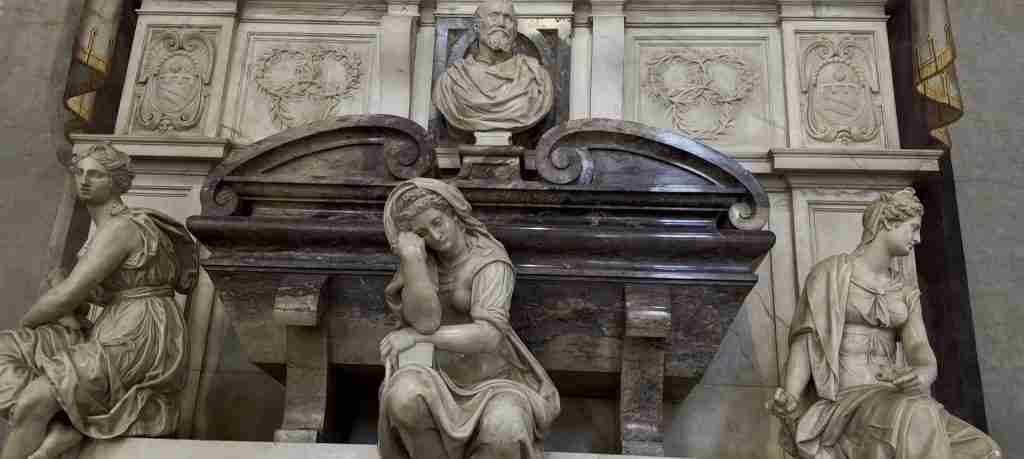
3 days
Florence 3-Day Discovery Tour
- ✓ Comprehensive Florence experience
- ✓ Expert local guides included
- ✓ All accommodation included
- ✓ Transportation provided
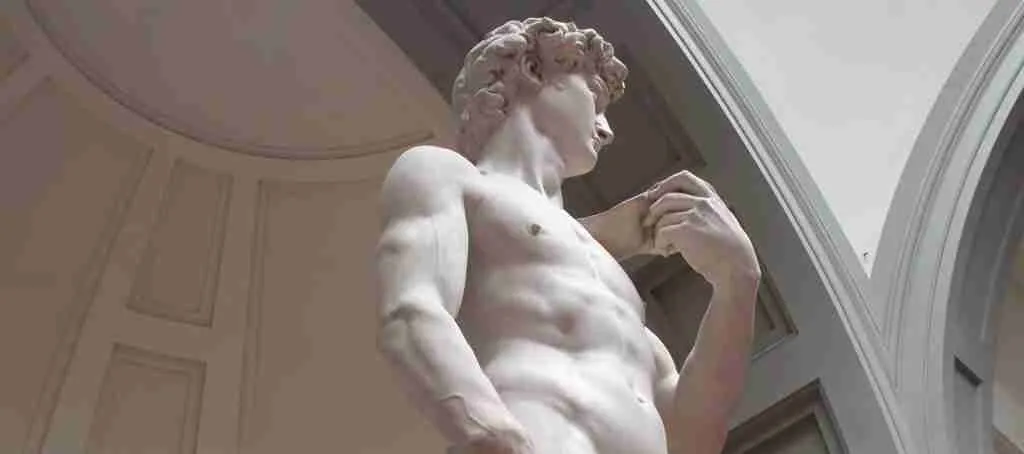
5 days
Florence 5-Day Highlights Experience
- ✓ Comprehensive Florence experience
- ✓ Expert local guides included
- ✓ All accommodation included
- ✓ Transportation provided

7 days
Florence 7-Day Cultural Journey
- ✓ Comprehensive Florence experience
- ✓ Expert local guides included
- ✓ All accommodation included
- ✓ Transportation provided
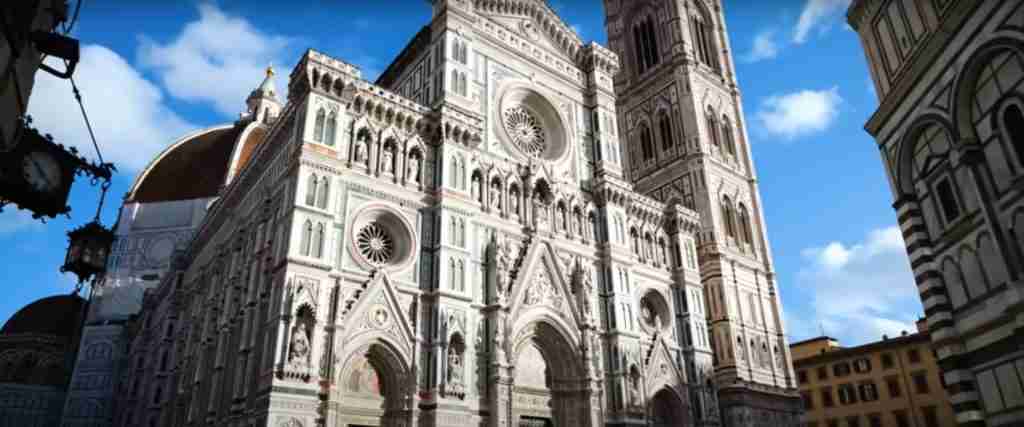
10 days
Florence 10-Day Complete Adventure
- ✓ Comprehensive Florence experience
- ✓ Expert local guides included
- ✓ All accommodation included
- ✓ Transportation provided
Multi-day tour packages powered by TourRadar. Prices and availability subject to change.
1. Siena: Medieval Gothic Masterpiece (90 Minutes by Train)
Siena stands as Tuscany’s most accessible and rewarding day trip from Florence, preserving one of Europe’s finest medieval Gothic centers within a compact, walkable historic core. The UNESCO World Heritage site showcases 13th-14th century urban planning at its peak, with the shell-shaped Piazza del Campo serving as the magnificent heart of the city. Regional trains depart Florence Santa Maria Novella every hour for the 90-minute journey through Chianti countryside, arriving at Siena station just 2 kilometers from the historic center.
The train ticket costs €9.80 each way, with departures beginning at 6:30 AM and continuing until 9 PM. Purchase tickets at station machines, tobacco shops, or the Trenitalia app to avoid queues. From Siena station, city bus lines 3, 8, 10, and 17 run every 10-15 minutes to Piazza del Sale at the edge of the historic center (€1.50 per ride, exact change required). The 10-minute bus journey climbs the hill to deposit visitors at the perfect starting point for exploration.
Begin at Piazza del Campo, Italy’s most stunning medieval square and twice-yearly site of the Palio horse race. The square’s unique shell shape creates natural amphitheater seating on its brick-paved slope, while Gothic palaces line the perimeter in harmonious terracotta tones. Torre del Mangia, the 102-meter bell tower, dominates the square’s lower edge—climb 400 steps (€10 entry) for spectacular panoramic views across Siena’s rooftops and the Tuscan countryside beyond. The climb takes 20-30 minutes with narrow medieval stairs, but rewards with unobstructed 360-degree vistas.
Siena Cathedral represents Gothic architecture at its most ambitious, combining black-and-white marble stripes, intricate facade sculptures, and one of Italy’s most elaborate interiors. The cathedral complex entry costs €6 for the basic ticket or €13 for the combined ticket including the library, baptistery, and crypt (check operaduomo.siena.it for current official rates). The Piccolomini Library dazzles with Pinturicchio frescoes covering every surface in vibrant Renaissance colors, while the cathedral floor reveals remarkable marble inlay scenes unveiled only August-October each year.
The cathedral museum holds Duccio’s Maestà, a revolutionary 14th-century altarpiece that transformed Italian painting, displayed in a dedicated room allowing close examination of its intricate details. Budget 90-120 minutes for the complete cathedral complex experience, arriving early morning or late afternoon to avoid midday tour groups. The adjacent baptistery descends below street level, revealing additional frescoes and the ornate baptismal font decorated by Renaissance masters including Donatello and Ghiberti.
Wander Siena’s medieval contrade (neighborhoods), each maintaining distinct identity through symbols, colors, and centuries-old rivalries expressed during the Palio. The 17 contrade feature their own fountains, museums, and churches, creating neighborhood pride unmatched in modern Italian cities. Via di Città and Via Banchi di Sopra form the main shopping streets, lined with traditional shops selling Tuscan ceramics, leather goods, and local food products at more reasonable prices than Florence.
Lunch at traditional Sienese trattorias offers authentic Tuscan cuisine without Florence’s tourist premiums. Pici pasta (thick hand-rolled strands) served with simple garlic-tomato sauce or wild boar ragù represents local specialty, while ribollita (vegetable-bread soup) and bistecca alla fiorentina appear on every menu. Expect €12-18 for pasta dishes, €20-28 for main courses, and €3-5 for glasses of house Chianti. Restaurants near Piazza del Campo charge premium rates—walk 2-3 blocks in any direction for better value and more locals.
The Pinacoteca Nazionale displays Siena’s remarkable painting tradition across 38 rooms in a 15th-century palace. The collection traces Sienese Gothic and early Renaissance art from the 13th-17th centuries, showcasing works by Duccio, Simone Martini, and the Lorenzetti brothers. Entry costs €4 (combined tickets available with other city museums for €13), providing excellent value for art enthusiasts. The chronological arrangement demonstrates how Sienese painters maintained Gothic elegance while Florence embraced Renaissance realism.
Evening timing allows sunset views from the Facciatone (the unfinished cathedral facade extension) or returning to Piazza del Campo as golden light illuminates the Torre del Mangia and surrounding palaces. The last convenient trains to Florence depart around 8-9 PM, allowing a full day of exploration. A 6-hour visit provides adequate time for major sites, lunch, and atmospheric wandering, while 8 hours enables more leisurely exploration including museum visits and longer meals.
Essential Information: Train €9.80 each way, city bus €1.50, cathedral complex €13, Torre del Mangia €10, Pinacoteca €4. Total day cost €50-70 including meals. Optimal visit: 8 AM departure from Florence, 6-7 PM return. Best days: Tuesday-Saturday when all sites open regular hours. Avoid second Sunday in July and August 16 when Palio races bring massive crowds and hotel booking requirements.
2. Pisa: Beyond the Leaning Tower (1 Hour by Train)
Pisa delivers far more than its iconic tilting campanile, revealing a complete medieval maritime republic with Romanesque architecture, university atmosphere, and Arno riverfront charm. The Piazza dei Miracoli (Square of Miracles) concentrates four UNESCO World Heritage monuments in stunning white marble harmony, while the historic center offers authentic Italian city life away from tourist crowds clustering around the famous tower. Regional trains run every 30 minutes from Florence to Pisa Centrale, completing the 80-kilometer journey in 55-65 minutes.
The train ticket costs €9.30 each way on regional services, with faster Intercity trains charging €13-15 but saving only 10-15 minutes. Book through Trenitalia’s app or station machines—no reservations required on regional trains, providing maximum flexibility. From Pisa Centrale station, walk 20-25 minutes through city streets to reach the Leaning Tower, or take the LAM Rossa bus (€1.50, every 10 minutes) for the 10-minute ride to Piazza dei Miracoli.
The Leaning Tower stands 56 meters tall with its famous 3.97-degree tilt, the result of inadequate foundation on Pisa’s soft clay soil. Climbing the 251 spiral steps costs €20 and requires advance booking at opapisa.it—same-day tickets sell out by mid-morning during peak season. The 30-minute timed entry includes safety briefing and ascent to the bell chamber, where intentional lean becomes dramatically apparent and views span across Pisa’s rooftops to the Apuan Alps beyond.
Reserve tower tickets 2-4 weeks ahead for spring-summer visits, or purchase them upon arrival during fall-winter when demand lessens. Check the official website for current rates and availability. The tower visit provides unique perspective and photo opportunities, though many visitors find equal satisfaction photographing the tower from ground level in Piazza dei Miracoli’s expansive lawn area—no ticket required for these classic perspectives.
The Cathedral and Baptistery complete the Piazza dei Miracoli ensemble, both masterpieces of Pisan Romanesque architecture in gleaming white Carrara marble. Cathedral entry costs €5 (free with any other ticket purchase), revealing a vast five-aisle interior with Byzantine mosaics, marble columns recycled from Roman buildings, and Galileo’s legendary lamp chandelier. The magnificent bronze doors show detailed biblical scenes in relief, while the pulpit by Giovanni Pisano ranks among Gothic sculpture’s finest achievements.
The Baptistery combines Romanesque lower levels with Gothic upper sections, creating unique architectural hybrid. Entry costs €7, worthwhile for remarkable acoustics demonstrated by staff every 30 minutes with harmonic voice demonstrations that resonate for 30+ seconds. The octagonal interior features another Giovanni Pisano pulpit and a massive baptismal font, while stairs ascend to the gallery level offering close views of the dome’s interior decoration and windows overlooking Piazza dei Miracoli.
The Camposanto (monumental cemetery) lines the piazza’s northern edge, originally filled with soil brought from Golgotha during the Crusades. Entry €7 reveals a peaceful cloister surrounding a grass courtyard, with walls displaying fresco fragments (many damaged in World War II) and elaborate tombs of Pisan nobility. The combination ticket (€10) includes cathedral, baptistery, Camposanto, and museum, providing comprehensive access to the entire architectural complex.
Walk 15 minutes from the tower area to discover Pisa’s authentic historic center along the Arno River. Piazza dei Cavalieri showcases Renaissance civic architecture, with the Palazzo della Carovana featuring elaborate sgraffito facade decoration. The University of Pisa, founded 1343, fills surrounding buildings with student energy and numerous cafes, bookshops, and affordable restaurants. This area offers genuine Italian city experience far removed from souvenir stands clustering around the Leaning Tower.
Borgo Stretto, the main shopping street, leads through medieval arcades lined with local boutiques, cheese shops, and traditional bakeries. Stop at historic caffes for espresso (€1-1.50) and observe daily Pisan life largely unaffected by tourism concentrated several blocks away. The produce market near Piazza delle Vettovaglie operates mornings, offering opportunity to sample local pecorino cheese, fresh bread, and seasonal fruit.
Lunch options range from simple pizza al taglio (€3-5 per slice) near the university to traditional trattorias serving Pisan specialties like baccalà (salt cod), cecina (chickpea flatbread), and pappardelle al cinghiale (pasta with wild boar). Restaurants in the tower area charge premium prices—walk toward Borgo Stretto or the university area for better value and quality. Expect €10-15 for lunch including drink in authentic local establishments.
The afternoon allows time for leisurely Arno riverfront walks, comparing Pisa’s more modest palaces to Florence’s Renaissance grandeur. The Church of Santa Maria della Spina sits directly on the river, a miniature Gothic jewel decorated with intricate marble tracery and statuary. Entry €2 reveals a small but perfectly preserved interior showcasing 14th-century Pisan craftsmanship.
Time visits to avoid midday heat and crowds at the Leaning Tower—early morning (8-9 AM) or late afternoon (4-5 PM) provide better lighting for photographs and fewer tourists competing for perspective shots. A complete Pisa day trip requires 5-6 hours including travel, tower climb, cathedral complex visits, and city exploration, or 3-4 hours for tower photos and brief monument visits. The last trains to Florence run until 11 PM, allowing evening departure after dinner if desired.
Essential Information: Train €9.30 each way, Leaning Tower €20 (advance booking required), combined monument ticket €10, city bus €1.50. Total day cost €45-65 including meals. Optimal visit: 9 AM departure from Florence, 4-5 PM return. Best days: weekdays when crowds lighten. Book tower tickets at opapisa.it 2-4 weeks ahead. Photography tip: afternoon light illuminates tower’s west face for best photos.
3. San Gimignano: Medieval Manhattan (2 Hours by Train + Bus)
San Gimignano rises from Tuscan hills with 14 surviving medieval towers creating the dramatic skyline that earned the nickname “Medieval Manhattan.” The UNESCO World Heritage town preserves extraordinary 13th-14th century character, with tower houses built by rival families competing for height and prestige. The compact historic center concentrates within ancient walls, making it perfectly walkable despite hilltop location. Access requires coordination of train and bus connections, but rewards with authentic medieval atmosphere and stunning countryside views.
Take the train from Florence Santa Maria Novella to Poggibonsi (€7.80, 1 hour, departures every 1-2 hours). From Poggibonsi station, bus 130 connects directly to San Gimignano (€3 each way, 25 minutes, schedules coordinate with train arrivals). Purchase bus tickets at the station bar before boarding—no ticket sales on buses. The bus winds through Chianti vineyards and olive groves before climbing to San Gimignano’s medieval gates, depositing visitors at Porta San Giovanni at the historic center’s southern entrance.
Return buses to Poggibonsi depart every 1-2 hours with the last service around 7-8 PM—verify current schedules at sienamobilita.it before travel. The total journey from Florence takes 2 hours each way, requiring 5-6 hours minimum for a meaningful visit. The coordination effort pays off with dramatic tower views, excellent Vernaccia wine, and medieval streets unchanged for 700 years.
Enter through Porta San Giovanni and walk Via San Giovanni into the heart of town. The street climbs gradually upward, lined with wine shops, ceramics boutiques, and gelato shops (San Gimignano hosts the World Gelato Championship with exceptional artisanal gelato). The main square, Piazza della Cisterna, features a 13th-century well surrounded by medieval buildings and outdoor cafe tables—arrive by late morning to secure prime people-watching positions.
Piazza del Duomo, the adjacent ceremonial square, concentrates the town’s major monuments. The Collegiata (cathedral) interior dazzles with complete fresco cycles covering every wall surface in vibrant medieval colors. Entry costs €5, worthwhile for Ghirlandaio’s Santa Fina chapel and Bartolo di Fredi’s Old Testament scenes. The 14th-century frescoes show remarkable preservation, including rare depictions of medieval daily life alongside biblical narratives.
Torre Grossa, at 54 meters the tallest surviving tower, opens for climbs providing panoramic views across San Gimignano’s tower clusters and the Tuscan countryside stretching to distant hills. Entry costs €9 for the combined ticket including tower, museum, and gallery. The 218-step climb navigates narrow medieval stairs, emerging onto an open platform where the full glory of San Gimignano’s unique skyline becomes apparent—multiple towers rising above terracotta roofs with vineyard-covered hills in every direction.
The Civic Museum (included with tower ticket) displays Sienese school paintings in a 13th-century palace, with highlight being Lippo Memmi’s Maestà fresco in the council chamber. Medieval and Renaissance art fills multiple rooms showcasing works rarely seen outside specialized museums, providing context for understanding San Gimignano’s artistic patronage during its prosperous wool-trading era.
Walk the medieval walls for complete circuit views (free access) revealing different perspectives of towers and countryside. The northwestern section provides photogenic angles of multiple towers grouped together, best photographed in late afternoon when western light illuminates the stone facades. The walk takes 30-45 minutes for the complete circuit, passing through residential areas where local life continues in medieval buildings.
Vernaccia di San Gimignano, Italy’s first DOC white wine, deserves dedicated tasting time. Wine bars throughout the center offer tastings (€5-10) or glasses (€4-6) of this crisp, minerally white wine produced from grapes grown in surrounding hills. Many shops provide free samples with no purchase pressure—a legitimate way to understand why Vernaccia earned mention in Dante’s Divine Comedy and Renaissance banquets.
Lunch at traditional restaurants features pappardelle al cinghiale (wide pasta with wild boar), ribollita, and local pecorino cheese. Expect €12-18 for pasta, €18-25 for mains, and €3-5 for house wine by the glass. Restaurants in main squares charge premium prices for views—side street trattorias offer better value with identical quality. Afternoon dining (2-3 PM) often provides quieter atmosphere after day-trippers depart.
Late afternoon visits (3-5 PM) encounter fewer crowds as tour buses depart and golden hour light illuminates towers beautifully. This timing allows photography without crowds blocking tower views and provides peaceful atmosphere for wandering medieval lanes. The last practical return to Florence via Poggibonsi train station requires catching the 6-7 PM bus, arriving Florence by 9 PM.
Budget full day for San Gimignano to justify the 4-hour round-trip travel time. The journey rewards with one of Tuscany’s most authentic medieval experiences, combining stunning architecture, excellent wine, and hilltop views. Morning departure (8-9 AM from Florence) maximizes on-site time, allowing 5-6 hours for thorough exploration including tower climb, museum visits, lunch, and leisurely wandering.
Essential Information: Train to Poggibonsi €7.80 each way, bus to San Gimignano €3 each way, Torre Grossa combined ticket €9, Collegiata €5. Total day cost €50-70 including meals. Optimal visit: 8:30 AM departure from Florence, 7 PM return. Check bus schedules at sienamobilita.it before travel. Best photography: late afternoon when towers illuminate in golden light and crowds thin. Book advance tickets unnecessary—sites rarely sell out.
4. Lucca: Perfectly Preserved Renaissance City Walls (1.5 Hours by Train)
Lucca stands as Tuscany’s most underrated gem, encircled by remarkably intact Renaissance city walls that now serve as a tree-lined elevated park perfect for cycling or walking. The historic center maintains authentic Tuscan character with minimal tourism pressure, revealing Romanesque churches, medieval towers, elegant piazzas, and narrow streets following Roman city grid patterns. Regional trains from Florence reach Lucca in 80-90 minutes, making it an ideal day trip for travelers seeking genuine Italian city experience beyond overcrowded Florence.
Trains depart Florence Santa Maria Novella every 1-2 hours for Lucca, costing €8.50 for the 80-kilometer journey through Tuscan plains. The route passes through Prato and Pistoia, arriving at Lucca station just outside the city walls. Walk 10 minutes through Porta San Pietro or Porta Santa Maria to enter the historic center, or rent a bicycle at the station (€15-20 per day) to explore the wall-top path immediately.
The city walls, built 1544-1645, stretch 4.2 kilometers in a complete circuit around the historic center, topped with a wide pedestrian and bicycle path shaded by double rows of plane trees. Walking the entire circuit takes 75-90 minutes at leisurely pace, while cycling completes it in 20-30 minutes. Multiple access ramps at city gates allow beginning the circuit at any point, with slight elevation providing views over Lucca’s rooftops toward the Apuan Alps.
Bicycle rental shops cluster near major gates and in the historic center, charging €15-20 per day or €5-10 for 2-4 hour periods. The wall-top path accommodates comfortable cycling with minimal pedestrian conflicts, making it the preferred method for experiencing the complete circuit. Stop at bastions (defensive projections) for picnic tables, shade, and children’s playgrounds—locals use the walls as their city park.
San Michele in Foro occupies the site of ancient Roman forum, its elaborate Romanesque facade rising four tiers with intricate decorative columns and crowned by a winged Archangel Michael sculpture. Entry free, revealing a relatively simple interior that emphasizes the facade’s external glory. The church sits in Piazza San Michele, Lucca’s social heart, surrounded by cafes and palaces where locals gather for morning espresso and evening aperitivi.
Lucca Cathedral (Duomo San Martino) showcases exceptional Romanesque-Gothic architecture with an asymmetric facade accommodating a pre-existing bell tower. Inside, the Volto Santo (Holy Face) crucifix draws pilgrims to a revered 11th-century sculpture believed to be miraculous. Entry to the cathedral costs €3, while the attached museum and baptistery complex costs €9 for combined ticket. The cathedral’s peaceful cloister provides respite from street activity.
Climb Torre Guinigi, Lucca’s most distinctive landmark with seven oak trees growing from its top creating a rooftop garden 44 meters above street level. The €5 entry includes 230-step climb up narrow medieval stairs, emerging among the oak trees with 360-degree views across Lucca’s terracotta roofs, distant mountains, and surrounding Tuscan countryside. The unique trees-on-tower combination creates memorable photo opportunities and breezy respite from summer heat.
Piazza dell’Anfiteatro preserves the exact oval shape of Lucca’s Roman amphitheater, with medieval buildings constructed directly on ancient foundations creating a continuous oval of facades around the central pedestrian square. Cafes line the perimeter offering outdoor seating in this atmospheric space, though prices reflect the prime location. Enter through one of four archways marking original amphitheater access points—the unusual oval shape becomes immediately apparent.
San Frediano, Lucca’s third major church, features a striking Byzantine-style mosaic facade glittering in gold and colored tiles. Inside, a massive 12th-century baptismal font and Jacopo della Quercia’s marble chapel of Sant’Agostino showcase artistic treasures rarely found outside Florence. Entry costs €3, worthwhile for the exceptional Romanesque architecture and the chance to experience a major church without crowds.
Via Fillungo, the main shopping street, winds through the historic center lined with traditional shops, boutiques, and historic caffes. Lucca maintains working-city character with locals shopping for daily needs alongside visitors browsing for Tuscan specialties. The street follows Roman-era alignment, crossing the ancient forum area at Piazza San Michele and continuing to the walls.
Lunch at traditional trattorias offers Lucchese specialties including tordelli (meat-filled pasta), farro soup (ancient grain), and buccellato (sweet anise bread). Prices remain reasonable compared to Florence: €10-15 for pasta, €15-22 for mains, €15-25 for full lunch including wine. Restaurants near Piazza dell’Anfiteatro charge premium rates—walk two blocks in any direction for better value with equal quality.
Afternoon options include visiting Palazzo Pfanner’s baroque garden (€6), exploring antique shops along Via del Battistero, or simply wandering atmospheric back streets discovering hidden churches and quiet piazzas. The relaxed pace allows authentic Italian city experience, shopping at local food markets, observing daily life, and enjoying cafe culture without intense tourism pressure found in Florence.
Giacomo Puccini, Italy’s beloved opera composer, was born in Lucca—his birthplace museum (€7) displays original scores, personal effects, and the piano where he composed early works. Opera enthusiasts find this pilgrimage worthwhile, while the annual Puccini Festival in nearby Torre del Lago (July-August) presents his operas in an atmospheric lakeside setting.
Evening timing allows experiencing Lucca’s aperitivo culture, when locals gather in piazzas for pre-dinner drinks and snacks. The 6-7 PM aperitivo hour fills cafes and wine bars with animated conversation, providing insight into authentic Italian social customs. Last trains to Florence depart around 9:30-10 PM, allowing time for dinner if desired, though day visits typically satisfy most travelers.
A 6-8 hour visit provides comprehensive Lucca experience including wall circuit, major churches, tower climb, lunch, and wandering. The compact historic center concentrates attractions within easy walking distance, eliminating transportation between sites. Lucca rewards slower exploration—this city invites lingering in cafes, browsing shops, and absorbing relaxed Tuscan atmosphere rather than rushing between monument check-boxes.
Essential Information: Train €8.50 each way, Torre Guinigi €5, bicycle rental €15-20 per day, church entries €3-9. Total day cost €45-65 including meals. Optimal visit: 9 AM departure from Florence, 6 PM return. Best days: weekdays when locals dominate and tourism pressure lightens. Rent bicycle at station for wall circuit—walking complete circuit takes 75-90 minutes. Market day Saturday morning at Piazza San Michele for local food shopping.
5. Cinque Terre: Coastal Villages UNESCO Site (2.5 Hours by Train)
Cinque Terre stretches along the Italian Riviera coast as five impossibly picturesque fishing villages clinging to steep cliffs above the Mediterranean Sea. The UNESCO World Heritage site preserves centuries-old terraced vineyards, pastel-colored houses, and footpaths connecting the villages through dramatic coastal landscapes. While requiring early departure and long day, the unique coastal beauty and swimming opportunities create memorable contrast to Florence’s inland urban environment. Direct trains from Florence reach La Spezia in 2.5 hours, where frequent regional trains connect all five Cinque Terre villages.
The journey requires strategic planning to maximize on-site time. Take the earliest practical train from Florence Santa Maria Novella to La Spezia Centrale—services depart between 6:30-8:30 AM, taking 2.5-3 hours and costing €15-20 on regional trains (€22-28 on faster Intercity services saving 20-30 minutes). Book tickets via Trenitalia app allowing flexible departure options based on morning readiness.
From La Spezia Centrale station, purchase the Cinque Terre Card (€18.20 per day) including unlimited train travel between all five villages plus access to hiking trails, WiFi, and shuttle buses. Check cinque terre.eu.com for current official rates and services. The card validates at machines in La Spezia station and remains active until midnight, allowing maximum flexibility for village hopping throughout the day.
Regional trains (Regionale Veloce) connect La Spezia to all five Cinque Terre villages, departing every 15-30 minutes. Journey times: La Spezia to Riomaggiore 8 minutes, Manarola 13 minutes, Corniglia 18 minutes, Vernazza 23 minutes, Monterosso 28 minutes. The complete north-south traverse takes 40 minutes, making it practical to visit 3-4 villages in a day while allowing time for meals, swimming, and hiking trail segments.
Monterosso, the northernmost village, offers the only significant beach in Cinque Terre—a sandy stretch perfect for swimming and sunbathing. The old town preserves medieval character with steep alleyways climbing from the beach, while the newer town provides beach facilities, restaurants, and shops. Start or finish here to combine cultural exploration with beach relaxation, particularly valuable on hot summer days. The beach charges €10-15 for umbrella and chair rentals, or spread towels on free public sections.
Vernazza ranks as Cinque Terre’s most photogenic village, with a small harbor surrounded by colorful houses and a tiny beach area. The main piazza opens directly onto the harbor, creating the classic Cinque Terre scene reproduced in countless photographs. Climb to the medieval Doria castle ruins (€2) for elevated views across the village and coast. Multiple restaurants line the harbor offering seafood lunches with waterfront views—expect €15-20 for pasta, €20-30 for fresh fish, plus premium pricing for prime harbor locations.
Corniglia sits atop a 100-meter promontory, the only Cinque Terre village without direct sea access. Reach it via 382 steps (the Lardarina stairway) from the train station or shuttle bus (included with Cinque Terre Card). The elevated position provides spectacular panoramic views and fewer crowds than the waterfront villages. Small bars and restaurants offer shaded terraces overlooking terraced vineyards and distant sea views—ideal for afternoon drinks and respite from coastal heat.
Manarola tumbles down cliffsides to a tiny rocky harbor, with pastel houses stacked vertically creating dramatic architectural composition. The village produces excellent Sciacchetrà dessert wine from steep terraced vineyards visible climbing hillsides above town. Short walks along the harbor provide perfect photography opportunities, particularly at sunset when western light illuminates the colorful facades. Swimming possible from flat rocks at the harbor, though wave action requires attention.
Riomaggiore, the southernmost village, features a vertical main street (Via Colombo) climbing from the harbor through tunnel-like covered sections lined with restaurants and shops. The harbor area offers swimming access from concrete platforms and rocks, while upper streets provide quieter residential neighborhoods for exploration away from day-tripper crowds. The village produces wine from surrounding terraced vineyards, available for tasting at local wine bars.
The hiking trails connecting villages range from easy coastal walks to challenging mountain paths. The famous Via dell’Amore (Lovers’ Walk) between Riomaggiore and Manarola remains closed following landslide damage. The Vernazza-Monterosso trail (2 hours, moderate difficulty) provides the most accessible coastal hiking with spectacular Mediterranean views. Other trails climb steeply inland through terraced vineyards and olive groves, requiring good fitness and appropriate footwear.
Trail conditions vary with weather and maintenance—check current status and difficulty ratings at visitor centers or cinque terre.eu.com before attempting hikes. The midday heat (June-August) makes hiking uncomfortable; plan trail walks for morning (before 11 AM) or late afternoon (after 4 PM) when temperatures moderate and light becomes photogenic. Bring water, sun protection, and proper shoes for any trail hiking.
Swimming opportunities vary by village. Monterosso offers the easiest beach access with sandy bottom and gradual depth. Vernazza and Riomaggiore provide swimming from rocky areas and small beaches requiring careful entry. Manarola features concrete and rock platforms for jumping into deep water. All villages have public bathroom and shower facilities (€1) for post-swim cleanup. Pack swimsuit and towel for hot days—the Mediterranean provides refreshing relief from summer heat.
Lunch timing proves crucial with limited seating at popular harbor restaurants. Arrive 12-12:30 PM to secure waterfront tables before 1 PM lunch rush when day-trippers overwhelm capacity. Alternatively, eat at 2:30-3 PM after crowds disperse. Seafood specialties include anchovies (the regional specialty), pasta with pesto (originated nearby), and fresh-caught fish. Budget €40-60 per person for full lunch with wine at harbor restaurants, or €15-25 for simpler focaccia sandwiches and pizza slices from bakeries.
The Cinque Terre Card includes shuttle bus access in Manarola and Riomaggiore connecting train stations to village centers, WiFi throughout the villages, and cultural activities. The card represents excellent value for train-only use, though hiking trail access adds minimal value if trails remain closed or weather prevents hiking. Purchase at La Spezia station or any Cinque Terre village station.
Return journey to Florence requires catching trains from La Spezia by 6-7 PM to arrive Florence by 9-10 PM. The last regional train from Monterosso to La Spezia departs around 10 PM, but this results in very late Florence arrival unsuitable for most schedules. Plan to leave Cinque Terre by 6 PM, allowing relaxed train connections and avoiding evening rush crowds on La Spezia-Florence services.
Weather significantly impacts Cinque Terre experiences—rain makes trails dangerous and photography disappointing, while extreme heat reduces hiking appeal. Check forecasts before committing to the long journey, and have a backup plan (perhaps Lucca or Pisa) if conditions look unfavorable. Sea conditions affect swimming access; rough waves close small beaches and make rocky entries dangerous.
The long travel time (5 hours round-trip) requires early start and late return, making this the most demanding Florence day trip. However, the unique coastal landscape, colorful villages, and Mediterranean atmosphere create experiences unavailable anywhere else in Tuscany. Best suited for travelers seeking variety from inland cultural sites and willing to dedicate a full day including pre-dawn departure and evening return.
Essential Information: Train Florence-La Spezia €15-20 each way, Cinque Terre Card €18.20, meals €40-60, total day cost €90-120. Optimal visit: 7 AM departure from Florence, 6 PM departure from La Spezia. Best season: May-June or September for moderate temperatures and thinner crowds. Check cinque terre.eu.com for current trail status before visiting. Pack swimsuit, towel, sun protection, water, and proper shoes for hiking. Book accommodation in Cinque Terre for overnight stay if available to allow two-day exploration at relaxed pace.
6. Chianti Wine Region: Self-Drive or Organized Tours
The Chianti Classico wine region stretches between Florence and Siena, rolling hills covered in geometric vineyard rows interrupted by cypress avenues, medieval castles, and stone farmhouses. The DOCG production zone creates some of Italy’s finest red wines from Sangiovese grapes cultivated in optimal terroir. While not accessible via efficient public transportation, the region rewards exploration via rental car or organized wine tours, offering opportunities to visit boutique wineries, historic villages, and scenic viewpoints that define Tuscan countryside imagery.
Car rental from Florence starts at €45-65 per day for compact manual transmission vehicles, €60-85 for automatic (check rental agency websites for current rates and availability). Reserve vehicles 1-2 weeks ahead during peak season when availability tightens and rates increase. International driving permit required for non-EU licenses, though US licenses accepted at most agencies with passport. Insurance coverage adds €15-25 per day unless existing credit card or travel insurance provides coverage—verify before declining agency offerings.
The SR222 (Chiantigiana) forms the scenic spine of Chianti Classico, winding 70 kilometers from Florence to Siena through the heart of production territory. The two-lane road climbs and descends rolling hills, passing through key wine towns including Greve, Panzano, Castellina, and Radda. Allow 2-3 hours for the complete drive without stops, 5-8 hours when including winery visits, village exploration, and lunch. GPS navigation essential for finding rural wineries on unmarked country roads.
Self-drive itineraries offer maximum flexibility for spontaneous stops at roadside panoramic viewpoints, small village explorations, and adapting to weather or mood. The approach works best for 2-4 people sharing driving and costs, preferably with at least one non-drinking designated driver or alternating daily drivers. Italian wine tourism culture accommodates tasting without purchase pressure, though buying a bottle or two shows appreciation for winery hospitality.
Organized wine tours from Florence eliminate driving concerns, provide expert guide commentary, guarantee winery access, and allow everyone to taste without driving limitations. Tours range €80-150 per person for full-day experiences including transportation, 2-3 winery visits with tastings, lunch (usually 3-4 courses with wine pairings), and sometimes additional stops at medieval towns. Check tour operator websites for current rates, exact itineraries, and group sizes before booking.
Small-group tours (8-12 people) in minivans cost €100-130 and visit boutique family wineries with personalized attention and authentic interactions with winemakers. The intimate format allows questions, customized explanations, and flexibility in timing. These premium tours often include exclusive access to private cellars, barrel tastings of unreleased vintages, and meetings with proprietors unavailable on larger tours.
Larger bus tours (20-40 people) at €80-95 visit more commercial wineries equipped for group tourism with professional tasting rooms and standardized presentations. The format provides good value and professional organization, though less personalized interaction and more regimented schedules. Tours typically depart Florence 9 AM, return 5-6 PM, visiting 2 wineries plus brief stops in Greve or another Chianti town.
Greve in Chianti serves as the unofficial capital of the region, with a triangular central piazza surrounded by porticoes housing wine shops, restaurants, and the historic Falorni butcher shop famous for Tuscan salumi. The town makes an ideal base for Chianti exploration, offering good lunch options, numerous wine shops for comparing vintages and producers, and the Saturday morning market (one of Tuscany’s best for local products). Multiple wineries within 5-10 minutes provide easy access without extensive rural driving.
Castle wineries (Castello di Brolio, Castello di Ama, Castello di Volpaia) combine wine production with medieval architecture and commanding hilltop positions. These historic estates produce premium Chianti Classico from vineyards surrounding castle properties, often offering guided tours of ancient cellars, historical exhibits, and panoramic terrace tastings. Entry costs €15-30 for basic tastings, €30-50 for guided cellar tours with premium wine flights. Advance reservations recommended, particularly May-September weekends.
Boutique wineries welcome visitors by appointment, providing intimate tasting experiences directly with owners or winemakers. Contact wineries 1-2 weeks ahead via email (English widely understood in tourism-facing businesses), stating group size, preferred dates, and level of interest. Many small producers charge €15-25 per person for cellar tours and tastings, waiving fees with purchase of bottles. These interactions provide deepest insight into Chianti production philosophy and family winemaking traditions.
Wine tasting etiquette in Chianti follows relaxed Tuscan customs: arrive on time for appointments, taste thoughtfully without feeling pressure to purchase (though buying 1-2 bottles shows appreciation), ask questions about vineyard practices and winemaking philosophy, and accept offered food pairings (bread, olive oil, cheese, salumi). Most wineries ship internationally for larger purchases, though customs regulations and shipping costs vary by destination country.
Panzano in Chianti, perched on a hilltop midway between Florence and Siena, features the legendary Dario Cecchini butcher shop where the charismatic proprietor recites Dante while preparing Tuscan beef dishes. The town makes excellent lunch stop, with several restaurants serving bistecca alla fiorentina, the massive T-bone steak grilled over wood fire that defines Tuscan dining. Expect €45-60 per kilo (steaks typically 1-1.5 kilos, serving 2-3 people), plus sides and wine.
Castellina in Chianti and Radda in Chianti, further south along SR222, offer additional medieval character with intact defensive walls, underground tunnels (in Castellina), and spectacular hilltop positions. Both towns feature wine shops, local restaurants, and access to surrounding wineries. The more remote location results in fewer day-trippers than Greve, providing quieter atmosphere for lunch or afternoon exploration.
Badia a Passignano, a Benedictine abbey producing wine since medieval times, combines religious architecture with wine tourism. The abbey church (free entry) displays Renaissance art, while the adjacent Antinori-owned winery offers premium tastings and Michelin-starred restaurant experiences in converted abbey buildings. The setting provides unique combination of spiritual and epicurean pleasures characteristic of Italian culture.
Timing Chianti visits requires considering harvest season (September-October) when wineries operate at full capacity making tourism challenging, versus spring (April-May) and fall (October-November) when vineyards display vibrant colors and moderate temperatures enhance touring. Summer (June-August) brings heat requiring afternoon breaks and potential crowd pressure at popular wineries. Winter (December-March) offers empty roads and intimate winery attention, though shorter days and potential weather limit touring hours.
Lunch in Chianti represents significant expense but essential cultural experience. Traditional trattorias serve multi-course Tuscan meals starting with antipasti (cured meats, crostini), primi (pasta or soup), secondi (grilled meats), and dolci (desserts), accompanied by house Chianti. Expect €30-45 per person for complete lunch with wine at authentic rural restaurants, €45-65 at restaurants with view terraces or reputations. Reservations essential weekends and peak season—tables fill by 1 PM.
Alternative lunch options include picnics assembled from local products (bread, cheese, salumi, fruit) purchased at Greve market or village shops. Many wineries permit picnicking on their grounds with purchased bottles, creating memorable meals overlooking vineyard rows. Budget €15-25 per person for quality picnic provisions plus wine.
Photography opportunities abound in Chianti: geometric vineyard rows, cypress-lined driveways leading to stone farmhouses, hilltop villages silhouetted against morning mist, castle ruins surrounded by vines. Autumn brings golden light and red-orange foliage, spring features green vine leaves and wildflowers, summer provides dramatic contrast between dark cypresses and bright blue skies. The region rewards slow exploration with frequent stops for photos and vista appreciation.
The complete Chianti experience requires full day: depart Florence 9 AM, return 6-7 PM, allowing time for 2-3 winery visits, village exploration, substantial lunch, and scenic drives. Half-day tours (4-5 hours) provide introduction to region with single winery visit and Greve stop, suitable for travelers with limited time or interest in extended wine touring.
Essential Information: Car rental €45-65 per day (share costs for groups), organized tours €80-150 per person, winery tastings €15-30, lunches €30-65 per person. Total self-drive cost €100-150 per person (assuming 3-person group), organized tours €80-150 all-inclusive. Optimal visit: 9 AM departure from Florence, 6 PM return. Best seasons: April-May or September-November for optimal weather and vineyard colors. Advance winery reservations recommended May-October. Designated driver required for self-drive tours. International driving permit needed for non-EU visitors renting cars.
7. Cortona: Hilltop Etruscan Town (2 Hours by Train)
Cortona rises dramatically from the Valdichiana valley, a medieval hilltop town perched at 600 meters elevation with Etruscan foundations dating to the 8th century BC. The UNESCO association recognizes surrounding Etruscan sites, while the town itself preserves Renaissance palaces, ancient walls, and steep stone streets climbing to panoramic viewpoints. Frances Mayes’ “Under the Tuscan Sun” brought international attention to Cortona, though the town maintains authentic character despite modest tourism increases. The journey from Florence requires train to Camucia-Cortona station followed by bus up the hill.
Take the train from Florence Santa Maria Novella to Camucia-Cortona station (€12-15, 90-110 minutes depending on service). Trains depart every 1-2 hours, requiring potential connections in Arezzo or Terontola. Check schedules at Trenitalia before travel as direct services run limited frequencies. From Camucia-Cortona station, LFI bus line A climbs to Piazza Garibaldi in Cortona’s historic center (€2, 15 minutes, departures coordinate with major train arrivals).
The bus winds up steep switchbacks through olive groves and residential areas, arriving at Piazza Garibaldi where panoramic views already reveal Valdichiana valley stretching toward Lake Trasimeno. Return buses depart every 1-2 hours—verify schedules at the bus stop or fsbusitalia.it to ensure catching desired return train connections. The coordination requirements make Cortona more challenging than Siena or Lucca, though the spectacular hilltop setting rewards the effort.
Via Nazionale, the gently sloping main street, crosses the historic center from Piazza Garibaldi to Piazza della Repubblica, lined with shops, cafes, and palaces. The street follows medieval course, relatively level compared to steep side alleys that climb or descend dramatically from the main axis. Renaissance palaces display elegant facades, while ground-floor shops sell local ceramics, leather goods, and food products at reasonable prices reflecting local economy rather than mass tourism.
Piazza della Repubblica, the town’s heart, features the Palazzo Comunale (town hall) with an external staircase leading to medieval council chambers. The adjacent Piazza Signorelli holds the MAEC (Museum of the Etruscan Academy and City of Cortona), the region’s premier Etruscan collection. Entry €10 displays remarkable bronze Etruscan chandelier (5th century BC), painted vases, funerary objects, and Roman artifacts excavated from surrounding sites. The museum provides essential context for understanding Cortona’s ancient origins and importance in pre-Roman Italy.
The Diocesan Museum (€5) opposite the cathedral preserves Fra Angelico masterpieces including the “Annunciation” and “Madonna Enthroned,” painted during the artist’s sojourn in Cortona. The small collection punches above its weight with works by Luca Signorelli (Cortona’s native Renaissance master), Pietro Lorenzetti, and other Tuscan painters. The museum occupies a former church, with Renaissance frescoes complementing the painting gallery.
Cortona Cathedral (Duomo), rebuilt in Renaissance style over medieval foundations, occupies the town’s highest point with views across the Valdichiana. Entry free reveals a relatively austere interior emphasizing architectural harmony over decorative excess. The adjacent cloisters and bishop’s palace add to the religious complex, though most visitors come for the terrace views rather than artistic contents.
Walk to Santa Maria delle Grazie al Calcinaio, located outside town walls 2 kilometers downhill toward the valley. This Renaissance church represents architectural perfection in its geometric proportions and harmonious design, built 1485-1513 by Francesco di Giorgio Martini. The walk descends through olive groves on a country lane (30-40 minutes each way), though the steep return climb requires good fitness. Entry free allows appreciation of pure Renaissance spatial concepts in an elegant but understated church interior.
Climb to Fortezza Medicea (Medici Fortress) at Cortona’s summit for 360-degree panoramic views across Valdichiana toward Lake Trasimeno (Italy’s fourth-largest lake) and distant mountain ranges. The 16th-century fortress sits atop Etruscan and medieval defensive works, with partial walls accessible for exploring. Entry free, though the steep climb through residential neighborhoods requires 20-30 minutes from Piazza della Repubblica. The elevation and views reward the effort, particularly at sunset when golden light illuminates the valley below.
Etruscan sites surround Cortona in the countryside, including the Melone I and II burial mounds (free access) visible from roads outside town. These mysterious circular earth mounds (tumuli) mark aristocratic Etruscan tombs from 6th-7th centuries BC. While the interiors remain closed, the external structures and countryside location provide atmospheric connection to Cortona’s ancient past. Serious Etruscan enthusiasts should visit with rental car to access multiple scattered sites.
Lunch in Cortona offers excellent value compared to Florence, with traditional trattorias serving Valdichiana beef (the region produces Chianina cattle for bistecca alla fiorentina), pappardelle with wild boar ragù, and ribollita. Expect €10-15 for pasta, €18-25 for mains, €20-30 for complete meal with house wine. Restaurants along Via Nazionale provide good quality and reasonable pricing, while spots with valley views charge modest premiums. Reserve for lunch 1-2 PM on weekends when local families dine out.
The afternoon allows leisurely exploration of narrow side streets climbing steeply upward from Via Nazionale, revealing neighborhood life, hidden piazzas, and residential perspectives on hilltop town living. The steep gradients make Cortona challenging for mobility-limited visitors, though the main Via Nazionale remains relatively accessible with gentle slope. Every uphill effort rewards with increasingly spectacular valley views.
Shopping in Cortona focuses on local crafts and food products: handmade ceramics featuring traditional Tuscan patterns, leather bags and accessories, local honey and olive oil, truffle products from nearby forests. Prices reflect local economy rather than tourist premiums—negotiate gently at small shops or market stalls (Saturday mornings in Piazza Signorelli) where flexibility in pricing remains common.
Frances Mayes fans can visit Villa Bramasole (her “Under the Tuscan Sun” house) located in countryside outside town, though the private residence welcomes viewing only from the exterior along the road. The book’s impact on Cortona tourism created modest English-language book tours and increased international visitors, though the town maintains Italian character with most businesses serving local needs rather than focusing exclusively on tourism.
Evening timing allows aperitivo culture observation in Piazza della Repubblica, where locals gather 6-7 PM for pre-dinner drinks and snacks. The casual social hour provides window into authentic Italian small-town life, with animated conversation, football discussions, and aperitivo buffets at cafe bars. Cortona’s elevated position creates pleasant evening breezes even in summer heat.
A 5-6 hour visit provides adequate time for museum visits, town exploration, lunch, and fortress climb, while 7-8 hours allows more leisurely pace including the walk to Calcinaio church. The compact historic center concentrates attractions within small area despite challenging topography. Cortona rewards slow exploration and multiple rest stops in cafes appreciating valley views.
Essential Information: Train to Camucia-Cortona €12-15 each way, bus to Cortona €2 each way, MAEC museum €10, Diocesan Museum €5. Total day cost €50-70 including meals. Optimal visit: 8:30 AM departure from Florence, 5-6 PM return. Best days: weekdays when fewer crowds and authentic local life visible. Saturday morning for market in Piazza Signorelli. Wear comfortable walking shoes for steep streets and potential fortress climb. Check train schedules carefully as frequency limited and connections sometimes required at Arezzo or Terontola.
8-15: Additional Day Trip Options from Florence
8. Montepulciano: Renaissance Wine Town (2 Hours by Bus)
Montepulciano crowns a 600-meter hilltop in southern Tuscany, producing Vino Nobile di Montepulciano DOCG from Sangiovese grapes grown in surrounding vineyards. The Renaissance town features elegant palaces, wine cellars carved into medieval foundations, and spectacular valley views toward Val d’Orcia and Val di Chiana. Access requires bus from Chiusi train station (€4-5 each way, 30 minutes) with coordinated schedules requiring careful planning.
9. Pienza: UNESCO Val d’Orcia Jewel (2.5 Hours by Bus)
Pienza represents the Renaissance ideal city, rebuilt in the 15th century by Pope Pius II as a model urban design. The UNESCO World Heritage site preserves perfect Renaissance proportions in Piazza Pio II, surrounded by harmonious palaces and the cathedral. The town produces exceptional pecorino cheese aged in local caves. Reach via bus from Buonconvento station on the Siena line (€5-6 each way, 40 minutes) or combine with Montepulciano in organized Val d’Orcia tours (€90-120 from Florence).
10. Volterra: Alabaster and Etruscan Heritage (2 Hours by Bus)
Volterra rises dramatically on a volcanic plateau, preserving Etruscan walls, Roman theater ruins, and medieval towers. The town specializes in alabaster crafts, with workshops demonstrating traditional carving techniques. The Etruscan Museum houses remarkable funerary urns and bronze sculptures. Access via bus from Colle di Val d’Elsa station (€5 each way, 40 minutes, limited frequency) or rental car through scenic countryside.
11. Arezzo: Piero della Francesca Frescoes (1 Hour by Train)
Arezzo preserves one of Renaissance art’s greatest treasures in San Francesco church: Piero della Francesca’s “Legend of the True Cross” fresco cycle. The provincial capital combines the masterpiece with Vasari’s house-museum, monthly antique market (first Sunday), and authentic Tuscan atmosphere. Trains from Florence reach Arezzo in 60-75 minutes (€8-12), with the historic center a 15-minute walk uphill from the station.
12. Pistoia: Overlooked Medieval City (40 Minutes by Train)
Pistoia maintains authentic Tuscan character 25 minutes northwest of Florence by regional train (€4.50 each way). The medieval center features Romanesque cathedral, distinctive striped Baptistery, and excellent small museums. Wednesday and Saturday markets fill Piazza del Duomo with local produce and goods. The town receives minimal tourism despite easy accessibility, providing genuine Italian city experience. Combined visits with Lucca work well given the route alignment.
13. Fiesole: Florence’s Ancient Hilltop Suburb (30 Minutes by Bus)
Fiesole predates Florence as an Etruscan settlement, sitting 8 kilometers northeast on a 300-meter hilltop with commanding city views. The Roman theater and baths complex (€10) hosts summer concerts and theater performances. The small town provides peaceful escape from Florence crowds with upscale restaurants, elegant villas, and cooling breezes. Frequent ATAF bus 7 connects from Florence’s Piazza San Marco (€1.50, 30 minutes), creating an easy half-day excursion or sunset destination.
14. Bolgheri and Etruscan Coast (2 Hours by Train + Bus)
Bolgheri produces Super Tuscan wines (Sassicaia, Ornellaia) from Bordeaux grape varieties, creating a prestigious alternative to Chianti. The coastal Maremma region features beach access, Etruscan archaeological sites, and the famous cypress-lined approach to Bolgheri village. Reach via train to Donoratico station (€10-12, 90 minutes) then bus to Bolgheri (€3, 20 minutes). Car rental strongly recommended for winery visits and coastal exploration.
15. Ravenna: Byzantine Mosaics UNESCO Masterpieces (2.5 Hours by Train)
Ravenna lies outside Tuscany in Emilia-Romagna, preserving the Western world’s finest Byzantine mosaics in eight UNESCO World Heritage monuments. The 5th-6th century churches glitter with gold-background mosaics depicting religious scenes in stunning detail and vibrant colors. Take the train from Florence to Ravenna (€15-20, 2-2.5 hours) for a full-day art pilgrimage. Combined tickets (€12-15) provide access to multiple basilicas including San Vitale and Galla Placidia. The coastal location allows beach combination visits during summer.
Strategic Planning for Multiple Day Trips
Creating a balanced Florence-based vacation requires strategic distribution of day trips across available days, considering travel times, difficulty levels, and weather dependency. Alternating challenging long-distance excursions (Cinque Terre, southern Tuscany) with easier nearby destinations (Pisa, Fiesole) prevents exhaustion while maximizing Tuscany exploration. Leave buffer days in Florence for museum visits, unexpected discoveries, or simply wandering without agenda.
The ideal Florence stay incorporates 2-3 day trips in a week-long visit: one major destination requiring early departure and full day commitment (Cinque Terre, Chianti wine tour, southern Tuscany circuit), one or two moderate half-day or relaxed full-day trips (Siena, Lucca, Pisa), and remaining time for Florence’s unmatched art, architecture, and food scene. This pattern prevents trip fatigue while providing diverse Tuscan experiences.
Weather considerations impact day trip decisions. Save Cinque Terre and outdoor wine tours for clear, warm days when coastal views and vineyard landscapes appear at their best. Reserve Siena, Pisa, or Arezzo for cloudy or hot weather when indoor museums and covered arcades provide comfortable alternatives. Check 3-5 day forecasts before finalizing day trip schedules, maintaining flexibility to adjust based on conditions.
Advance booking requirements vary by destination. Cinque Terre needs no reservations beyond train tickets purchased day-of-travel. Pisa’s Leaning Tower requires 2-4 week advance booking for peak season climbs. Chianti wineries appreciate 1-2 week notice for cellar tours. Organized tours from Florence book 1-2 weeks ahead during high season (May-September), though last-minute availability exists during shoulder seasons.
Transportation costs add significantly to Florence stay expenses. Budget €20-40 per day for train tickets to major destinations, €15-30 for bus-combination trips to hill towns, €80-150 for organized tours, or €45-65 daily for rental cars (share costs with travel companions). Florence’s central location and Tuscany’s excellent rail network create unmatched day-trip opportunities, justifying the transportation investment for travelers seeking comprehensive regional exploration.
Create personal priority rankings considering individual interests: art enthusiasts prioritize Siena (Gothic architecture, medieval painting) and Arezzo (Piero frescoes), wine lovers focus on Chianti and Montepulciano, nature seekers choose Cinque Terre, while comprehensive travelers sample multiple destinations spanning coastal, hilltown, and vineyard experiences. No single “best” day trip exists—optimal choices depend on weather, interests, and desired pace.
Group travel dynamics influence day trip selection. Families with children favor Lucca (wall-top cycling, relaxed atmosphere) over steep hilltop towns like Cortona. Wine enthusiasts embrace Chianti tours while art devotees choose Siena’s museums. Solo travelers appreciate efficient train-accessible destinations over car-required wine regions. Match trip selections to group composition and shared interests for maximum satisfaction.
The UNESCO concentration in Tuscany creates rare opportunity to visit multiple World Heritage sites from a single base. Florence itself forms the core site, supplemented by day trips to Pisa (Piazza dei Miracoli), Siena (medieval center), San Gimignano (towers), Pienza (Renaissance planning), Val d’Orcia (cultural landscape), and Cinque Terre (coastal villages). This density of UNESCO recognition reflects Tuscany’s extraordinary historical and cultural significance—nowhere else concentrates such heritage in compact accessible area.
Peak season (June-August) brings crowds, heat, and premium pricing to popular destinations but guarantees optimal weather and maximum opening hours. Shoulder seasons (April-May, September-October) offer ideal conditions: moderate temperatures, thinner crowds, colorful landscapes (spring wildflowers, autumn foliage), and lower accommodation rates. Winter (November-March) provides empty sites and intimate experiences, though shortened hours, potential rain, and cold temperatures limit some activities. Plan day trip timing according to seasonal priorities and weather tolerance.
Planning Your 2026 Tuscan Adventures
The diversity of day trips from Florence creates opportunities for customized Tuscan exploration matching any interest, energy level, or travel style. From accessible train destinations like Pisa and Siena to challenging multi-transfer journeys reaching Cinque Terre and remote hill towns, the region rewards strategic planning with unforgettable experiences spanning coastal landscapes, medieval architecture, Renaissance art, world-class wine, and authentic Italian culture.
Success in Tuscan day-tripping requires balancing ambition with realism about travel times, coordination requirements, and energy levels. The most memorable trips often result from thorough planning combined with flexibility to adjust based on weather, unexpected discoveries, or simply feeling tired. Book advance tickets for popular attractions, verify current transportation schedules, pack appropriately for changing elevations and microclimates, and maintain realistic expectations about accomplishing moderate rather than exhaustive destination coverage.
The experiences gained exploring Tuscany’s UNESCO treasures, tasting Chianti wines overlooking vineyard landscapes, swimming in Mediterranean waters beneath pastel villages, or simply wandering medieval streets largely unchanged for centuries create the lasting memories that transform Florence from city visit into comprehensive regional exploration. The day trip opportunities surrounding Florence justify extended stays, allowing deep engagement with Tuscany’s remarkable cultural and natural heritage while returning each evening to comfortable Florence accommodation.
Frequently Asked Questions: Florence Day Trips
Can you visit both Siena and San Gimignano in one day from Florence?
Yes, but the combination creates a rushed experience better split across two days. The combined journey requires train to Poggibonsi (1 hour), bus to San Gimignano (25 minutes), return bus and continuing train to Siena (90 minutes total), then final train back to Florence (90 minutes). Total transit time exceeds 5 hours, leaving minimal time for actual site visits. Better approach: visit one destination per day, or book an organized tour (€90-110) that handles logistics and provides strategic timing for brief visits to both towns. Solo travelers with limited time might accept the rushed combination, while those with 2-3 days prefer dedicating full days to each destination.
Which is better, Pisa or Lucca?
Choose based on priorities: Pisa for iconic UNESCO architecture and quick photo opportunities (3-4 hours sufficient), Lucca for authentic Tuscan city atmosphere and leisurely exploration (6-8 hours recommended). Pisa delivers world-famous monuments in concentrated area perfect for efficient morning visit before afternoon Florence return. Lucca rewards full-day immersion in bicycle-friendly Renaissance city with less dramatic architecture but richer cultural experience. Combined visits work well: train to Lucca in morning (stop at Pisa on return), though this creates 10-hour day. Both accessible, affordable, and worthwhile—select based on available time and whether you prioritize monuments or atmosphere.
Do I need to book Florence day trips in advance?
Advance booking requirements vary by destination and season. Pisa Leaning Tower requires 2-4 week advance reservations for peak season climbs (book at opapisa.it). Cinque Terre needs no advance reservations, though early train departure from Florence recommends buying tickets night before via Trenitalia app. Chianti winery tours appreciate 1-2 week notice for cellar visits. Organized day tours from Florence (Tuscany villages, wine regions) book 1-2 weeks ahead during high season, with last-minute availability in shoulder seasons. Siena, Lucca, and most hilltop towns require no advance bookings—simply show up. General rule: independent train trips need minimal planning, specific attractions (tower climbs, winery visits) require advance booking, organized tours book 1-2 weeks ahead.
What’s the most scenic drive from Florence for photography?
The SR222 Chiantigiana from Florence through Chianti to Siena creates Tuscany’s most photographically rewarding drive, with cypress-lined curves, geometric vineyard rows, hilltop castles, and stone farmhouses defining classic Tuscan imagery. The 70-kilometer route passes through Greve, Panzano, Castellina, and Radda, climbing and descending rolling hills with photographic opportunities every few kilometers. Allow 5-8 hours for complete journey with multiple stops for photos, winery visits, and lunch. Alternative: Val d’Orcia southeast of Siena (requires car from Siena or Florence) features the iconic landscapes with winding dirt roads, lone farmhouses, and spring wildflower fields that appear in Tuscan tourism marketing. Both routes demand early morning or late afternoon light for optimal photography, with rental car essential for freedom to stop at will.
Can I visit Cinque Terre without hiking?
Absolutely. The regional train system connecting all five villages allows complete Cinque Terre exploration without hiking any trails. Train frequencies (every 15-30 minutes) enable village-hopping throughout the day, spending 1-2 hours in each location exploring harbors, swimming, dining, and photographing. The villages themselves feature steep internal streets and stairs, though main areas remain accessible without trail hiking. Many visitors combine train touring with short harbor-area walks and swimming rather than challenging coastal trails. The Cinque Terre Card (€18.20) includes unlimited train travel between villages regardless of hiking plans. Popular coastal trails remain closed following landslide damage, making train-based touring the primary access method. Focus on village atmosphere, seafood dining, and Mediterranean swimming rather than expecting extensive trail hiking.
Which Tuscan hill towns have the best sunset views?
Cortona delivers spectacular sunset views from Fortezza Medicea, with golden light illuminating Val di Chiana and Lake Trasimeno. San Gimignano provides dramatic tower silhouettes against sunset skies from the wall walk circuit, particularly the northwestern sections. Montepulciano’s main square terraces overlook Val d’Orcia and Val di Chiana, creating layered valley views extending to distant mountains. Volterra’s western bastions face sunset over coastal plains toward the Mediterranean. For practical sunset viewing from Florence base, Fiesole (30 minutes by bus) offers the easiest access with elevated Florence views and outdoor restaurant seating. Timing proves crucial—arrive at viewpoints 60-90 minutes before sunset to secure positions and observe gradual light changes. Summer sunsets (8:30-9 PM) allow evening returns to Florence, while winter sunsets (5-6 PM) result in dinner at destination before return journey.
Is it worth renting a car for Tuscany day trips?
Car rental value depends on destinations and group size. Essential for: Chianti wine region (maximum flexibility, multiple wineries), Val d’Orcia (connecting scattered hilltop towns), remote destinations like Volterra or coastal Maremma. Not necessary for: Pisa, Lucca, Siena, Arezzo, Fiesole (excellent train access). Borderline cases: San Gimignano, Montepulciano, Cortona (public transport works but requires coordination). Cost analysis: rental €45-65 per day plus fuel €10-15, shared among 3-4 people equals €18-25 per person. Compare to train costs €15-30 per person round-trip to major destinations, but significantly more for multiple hill towns. The car enables spontaneous stops, photography flexibility, and visiting 2-3 destinations per day impossible via public transport. Trade-offs: driving stress, parking challenges in medieval centers (park outside walls), wine tasting limitations (designated driver required). Rent car for 1-2 days of wine touring and hill town circuits, use trains for straightforward city destinations.
What’s the cheapest way to see Tuscany from Florence?
Regional trains provide the most economical Tuscany exploration: Pisa €9.30, Lucca €8.50, Siena €9.80, Arezzo €8-12 round-trip. Combine with packed lunches (bread, cheese, fruit from Florence markets for €8-12) and free attractions (walking historic centers, churches, wall circuits, sunset viewpoints) for €20-30 all-day adventures. Fiesole bus (€1.50) creates the absolute cheapest excursion with panoramic views and Roman ruins (€10). Skip organized tours (€80-150) and rental cars (€45-65 plus fuel), instead embracing slower-paced public transport accessing major destinations. Purchase Trenitalia regional tickets on app or station machines day-of-travel—no reservations required allows maximum flexibility. Free activities: photographing Pisa’s tower without climbing (€20 saved), walking Lucca’s walls rather than renting bicycles (€15-20 saved), exploring Siena’s neighborhoods beyond paid museums. Budget €40-50 per person for comprehensive day trip including train, modest meals, and selective paid attractions.
How many day trips should I plan from Florence?
Balance day trip ambitions with Florence itself, which demands 3-4 full days for major museums, churches, markets, and neighborhoods. For typical week-long Florence stay, plan 2-3 day trips maximum: one long challenging excursion (Cinque Terre, Chianti wine region, southern Tuscany), one or two moderate half-day or relaxed full-day trips (Siena, Pisa, Lucca, Fiesole). This creates rhythm alternating intense sightseeing days with relaxed exploration, prevents exhaustion, allows spontaneous Florence discoveries, and provides buffer for weather adjustments. Short 3-4 day Florence visits justify 1-2 day trips only—prioritize Florence’s unmatched art concentration over dispersed regional touring. Extended 10-14 day stays support 4-6 day trips while maintaining adequate Florence time. Remember: every day trip involves 2-5 hours transit reducing actual exploration time. Quality focused visits to fewer destinations provide more satisfying experiences than rushed surveys of maximum locations.