
10 Free Things to Do in Quebec City 2026: Budget Travel Guide
This guide identifies the 10 best free experiences in Quebec City for 2026, focusing on activities that deliver authentic cultural immersion, historical education, and memorable moments without requiring ticket purchases. The selection balances year-round accessible attractions with seasonal opportunities, providing budget travelers with comprehensive options regardless of visit timing. Each free activity connects to Quebec City’s UNESCO World Heritage significance while offering practical value for visitors managing travel expenses.
Key Takeaways
- Quebec City offers exceptional free experiences in 2026 including complete walking tours of the UNESCO World Heritage district, access to historic fortifications, and year-round festivals
- The Old Quebec walking circuit provides 2-3 hours of self-guided exploration through cobblestone streets, European-style squares, and 17th-century architecture at zero cost
- Terrasse Dufferin and Parc des Champs-de-Bataille deliver spectacular St. Lawrence River views and 400 years of military history completely free
- Strategic timing around major 2026 festivals (Winter Carnival, New France Festival, Summer Festival) adds cultural immersion without ticket costs
- Free experiences combined with budget-friendly paid attractions create comprehensive Quebec City visits for $50-80 per day excluding accommodation
- Public spaces remain accessible year-round with seasonal highlights from winter ice sculptures to summer street performances throughout 2026
Introduction: Experiencing Quebec City Without Breaking the Budget in 2026
Quebec City stands as North America’s most European destination and Canada’s only UNESCO World Heritage city, with the Historic District of Old Québec designated in 1985 for its exceptional preservation of 17th and 18th-century French colonial architecture. The fortified city offers remarkable value for budget travelers in 2026, with numerous high-quality free experiences that capture the essence of French-Canadian culture, military history, and architectural heritage.
The concentration of free attractions within Old Quebec’s compact 135-acre UNESCO zone creates an ideal environment for budget exploration. Visitors walk through four centuries of North American history along cobblestone streets, past stone fortifications, and through public squares that rival European capitals, all without admission fees. The city’s commitment to public access means that many of its most iconic viewpoints, historic sites, and cultural spaces remain open to all visitors throughout 2026.
Strategic use of these free experiences allows travelers to reduce daily costs significantly while maintaining quality experiences. A well-planned Quebec City visit in 2026 combines these complimentary attractions with selective paid experiences, creating comprehensive trips for $50-80 per day excluding accommodation. The free activities serve as foundational experiences that establish historical context and cultural understanding, enhancing appreciation for paid attractions when visitors choose to add them.
People Also Ask About Free Things to Do in Quebec City 2026
What are the best free things to do in Quebec City in 2026?
The best free experiences in Quebec City for 2026 include walking the complete Old Quebec UNESCO circuit (2-3 hours), exploring Terrasse Dufferin’s 425-meter boardwalk with St. Lawrence River views, discovering Parc des Champs-de-Bataille’s 108 hectares of historic battlegrounds, and wandering the Quartier Petit-Champlain’s cobblestone streets with European ambiance. Additional top free activities include viewing the Château Frontenac exterior architecture, accessing the fortification walls’ exterior walkways, exploring Place Royale where Samuel de Champlain founded the city in 1608, and timing visits with major festivals like Winter Carnival (February), New France Festival (August), or Summer Festival (July).
These activities provide comprehensive cultural immersion covering French colonial architecture, military fortifications, river geography, and living history without admission costs. The concentration of free attractions within Old Quebec’s compact area allows visitors to experience multiple highlights in single days, maximizing value. Strategic planning around free festival periods adds cultural programming, live performances, and special events at no additional cost throughout 2026.
Can you visit Old Quebec for free in 2026?
Yes, the entire Old Quebec UNESCO World Heritage district remains completely accessible for free exploration in 2026. Visitors walk all cobblestone streets, historic squares, and public spaces without admission fees, covering the Upper Town (Haute-Ville) and Lower Town (Basse-Ville) neighborhoods that form the core of the designated heritage zone. The outdoor architecture, fortification walls’ exterior, street life, and European ambiance provide full cultural immersion at zero cost.
While specific buildings like museums and the Citadel require admission fees, the essential character of Old Quebec emerges through free street-level exploration. Visitors experience 17th-century stone buildings, French colonial urban planning, defensive architecture, and the unique topography that made Quebec a strategic military position. The free access extends to iconic viewpoints like Terrasse Dufferin, public squares including Place Royale and Place d’Armes, and the atmospheric Quartier Petit-Champlain with its boutique-lined lanes.
Are there free walking tours in Quebec City in 2026?
Quebec City offers exceptional self-guided walking opportunities in 2026 rather than organized free tours. The compact UNESCO district measures approximately 1.5 kilometers end-to-end, making self-directed exploration highly practical. Visitors follow natural circuits connecting major landmarks: Upper Town fortifications to Terrasse Dufferin to funicular viewpoint, then descending to Lower Town’s Quartier Petit-Champlain and Place Royale before returning via stairs or funicular (CAD $4).
Tourist information centers provide free printed walking maps showing suggested routes, historic points of interest, and architectural highlights. Digital resources including Quebec City Tourism’s official website and mobile apps offer downloadable maps and audio information for self-paced tours. The clear street signage throughout Old Quebec, combined with the district’s walkable scale and logical layout, makes independent exploration accessible without guided tour expenses. Most visitors complete comprehensive self-guided circuits in 2-3 hours, with flexibility to extend time at personally interesting locations.
What free festivals happen in Quebec City in 2026?
Quebec City hosts major free festivals throughout 2026 that significantly enhance visitor experiences without ticket costs. The Quebec Winter Carnival (Carnaval de Québec) runs for two weeks in February with free outdoor activities including ice sculpture displays, snow slides in Place d’Youville, street performances, and the iconic Bonhomme Carnaval mascot appearances. While some ticketed events exist, substantial free programming provides cultural immersion during the world’s largest winter festival.
The New France Festival (Fêtes de la Nouvelle-France) occurs in early August, transforming Old Quebec into a living history experience with period costumes, historical reenactments, artisan demonstrations, traditional music, and street theater, all accessible for free. The Quebec City Summer Festival (Festival d’été de Québec) in July offers free outdoor concerts on multiple stages, though headline acts require tickets. Additional free festival opportunities include Canada Day celebrations (July 1), National Patriots’ Day events (late May), and Saint-Jean-Baptiste Day festivities (June 24) featuring parades, performances, and cultural activities throughout the historic district.
Extended multi-day tours – 5+ days
Featured Quebec City Multi-Day Tour Packages
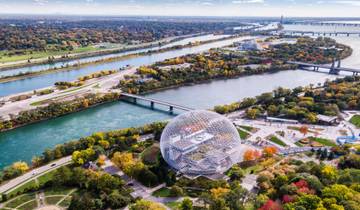
4 days
Montreal to Quebec Canadian Discovery – 4 days
- ✓ Comprehensive Quebec City tour
- ✓ Expert local guides included
- ✓ All accommodation arranged
- ✓ Transportation provided
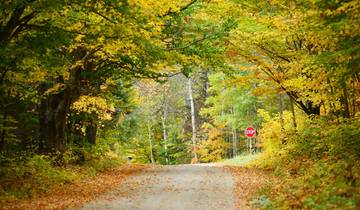
7 days
Essential East Coast (5 destinations)
- ✓ Comprehensive Quebec City tour
- ✓ Expert local guides included
- ✓ All accommodation arranged
- ✓ Transportation provided
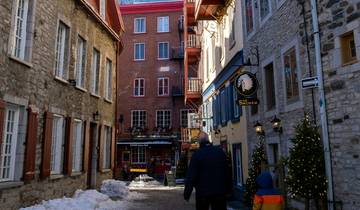
7 days
Christmas Markets of Montreal and Quebec City (2026)
- ✓ Comprehensive Quebec City tour
- ✓ Expert local guides included
- ✓ All accommodation arranged
- ✓ Transportation provided
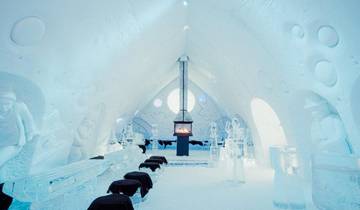
7 days
Quebec Winter Getaway: Montreal, Quebec City & Hôtel de Glace
- ✓ Comprehensive Quebec City tour
- ✓ Expert local guides included
- ✓ All accommodation arranged
- ✓ Transportation provided
Multi-day tour packages powered by TourRadar. Prices and availability subject to change.
Essential Planning Information for Free Quebec City Experiences 2026
Understanding Quebec City’s Free Attraction Landscape in 2026
Quebec City’s free attractions divide into three primary categories that shape budget travel planning for 2026. Permanent free attractions include the historic streets, fortification exteriors, public squares, and viewpoints that remain accessible year-round regardless of season or weather conditions. These foundational experiences form the core of any Quebec City budget visit and require only comfortable walking shoes and weather-appropriate clothing.
Seasonal free opportunities enhance visits during specific periods in 2026. Winter brings ice sculpture displays, outdoor skating on Place d’Youville, and snow-based activities in public spaces. Summer expands outdoor festival programming, extended daylight hours for evening walks (sunset around 8:30-9:00 PM June-July), and optimal weather for extended outdoor exploration. Fall offers striking foliage displays in Parc des Champs-de-Bataille and along the fortification promenades, while spring provides fewer crowds and pleasant temperatures for walking tours.
Event-based free experiences require advance planning around festival calendars and special programming. Major festivals like Winter Carnival (typically mid-February), New France Festival (early August), and Summer Festival (early-mid July) occur on fixed annual schedules published by early 2026. Visitors planning around these events access substantially more free cultural programming, entertainment, and special activities. The Quebec City Tourism website maintains comprehensive event calendars updated throughout 2026 for optimal trip timing.
Weather Considerations for Outdoor Free Activities in 2026
Weather significantly impacts the quality and accessibility of free outdoor experiences throughout 2026. Summer months (June-August) provide optimal conditions with temperatures averaging 20-25°C (68-77°F), minimal precipitation, and extended daylight hours maximizing walking time. The warm season allows comfortable multi-hour explorations of fortification walks, riverside promenades, and park spaces without weather-related limitations.
Winter conditions (December-March) require substantial cold-weather preparation but offer unique free experiences unavailable other seasons. Temperatures range from -5°C to -15°C (23°F to 5°F) with wind chill factors reducing perceived temperatures further. Proper winter gear including insulated jackets, warm boots, gloves, and hats becomes essential for enjoying outdoor free activities. However, winter uniquely showcases ice sculptures, snow-covered fortifications, and Winter Carnival programming that transform the city’s appearance and cultural offerings.
Shoulder seasons (April-May and September-November) balance moderate weather with reduced crowds and comfortable walking conditions. Spring temperatures climb from 5-15°C (41-59°F) while fall ranges from 15-5°C (59-41°F) with spectacular foliage displays in late September through mid-October. These periods offer excellent value for budget travelers as hotels lower rates while free attractions remain fully accessible. Rain occurs more frequently during shoulder seasons, making waterproof layers advisable for extended outdoor activities.
Time Allocation for Free Quebec City Experiences in 2026
Comprehensive exploration of Quebec City’s major free attractions requires 2-3 full days of walking and discovery. A well-paced first day covers the Old Quebec UNESCO circuit including Upper Town fortifications, Terrasse Dufferin, funicular area viewpoints, Lower Town’s Quartier Petit-Champlain, and Place Royale, totaling 3-4 hours of walking with photo stops. Second-day exploration focuses on Parc des Champs-de-Bataille’s extensive grounds, additional fortification segments, and secondary neighborhoods beyond the core tourist zone.
Individual free attractions require varying time commitments. Terrasse Dufferin provides meaningful experiences in 30-45 minutes for a focused walk and photography session, while thorough exploration with extended river viewing and people-watching extends to 1-2 hours. Parc des Champs-de-Bataille deserves 2-3 hours for comprehensive grounds coverage including historic monuments, museum exteriors, and the full battlefield area. Quartier Petit-Champlain and Place Royale combine well as a 1.5-2 hour exploration unit, while fortification walks vary from 30-minute segments to 2-3 hour complete circuits.
Festival periods compress multiple free experiences into shorter timeframes through concentrated programming. Winter Carnival allows visitors to experience 6-8 different free activities within single afternoons as ice sculptures, performances, and special programming occur simultaneously across multiple Old Quebec locations. New France Festival similarly delivers 4-5 hours of diverse free entertainment, historical reenactments, and cultural demonstrations during peak afternoon periods. Strategic festival timing maximizes free experience value per available vacation day.
The 10 Best Free Things to Do in Quebec City 2026
1. Walk the Complete Old Quebec UNESCO Circuit
The Old Quebec walking circuit delivers the single most valuable free experience in Quebec City, providing comprehensive exposure to the UNESCO World Heritage district’s architectural, historical, and cultural significance. The self-guided route covers approximately 3-4 kilometers through Upper Town (Haute-Ville) and Lower Town (Basse-Ville), connecting all major free viewpoints, historic squares, and architectural landmarks within the 135-acre designated heritage zone. The walking circuit requires 2-3 hours at a moderate pace with photography stops, extending to 4-5 hours for thorough exploration with extended breaks.
The Upper Town segment begins at the fortification gates along Rue Saint-Louis or Rue Saint-Jean, immediately immersing visitors in 17th-century stone architecture and European-style cobblestone streets. The defensive walls built between 1608-1871 form North America’s only remaining fortified city north of Mexico, visible along multiple vantage points throughout the upper circuit. Visitors walk past the Château Frontenac’s impressive exterior, through Place d’Armes with its 1916 fountain and central square ambiance, and along Rue du Trésor where local artists display work in an open-air gallery format.
The Lower Town descent occurs via either the Breakneck Steps (Escalier Casse-Cou) built in 1635 with 59 steep stairs dropping from Upper to Lower Town, or the adjacent funicular offering assisted descent for CAD $4. The Lower Town section features the Quartier Petit-Champlain’s narrow cobblestone lanes lined with 17th-century stone buildings converted to boutiques and restaurants, creating Quebec City’s most photographed street scenes. Place Royale marks Samuel de Champlain’s 1608 settlement location with the reconstructed Notre-Dame-des-Victoires church and the historic square where French colonial commerce centered.
The complete circuit incorporates multiple architectural styles spanning four centuries. French colonial architecture (1608-1759) appears in Lower Town stone buildings with steep roofs and small windows designed for harsh winters. British colonial influences (1759-1867) show in Upper Town Georgian-style buildings and military structures. Victorian architecture (1867-1914) emerges in the Château Frontenac’s 1893 construction and surrounding hotel buildings. The architectural progression visible during the free walking circuit provides comprehensive education in North American colonial history and urban development without museum admission costs.
2. Explore Terrasse Dufferin’s Boardwalk and River Views
Terrasse Dufferin provides Quebec City’s premier free viewpoint experience, featuring a 425-meter wooden boardwalk elevated above the St. Lawrence River with panoramic views spanning the river, Lévis city on the opposite shore, Île d’Orléans downstream, and the Laurentian Mountains forming the northern horizon. The boardwalk built in 1879 and named after Governor General Lord Dufferin connects directly to the Château Frontenac’s base, offering both architectural appreciation of the castle-like hotel and natural landscape views that explain Quebec City’s strategic military importance throughout colonial history.
The boardwalk elevation approximately 60 meters above river level creates dramatic cliff-edge perspectives impossible from ground-level viewpoints. Visitors see the St. Lawrence River’s substantial width at Quebec City (approximately 1 kilometer across at this point) and understand how the river served as the primary transportation corridor for French colonial expansion into North America’s interior. The river’s tidal influence remains visible as water levels fluctuate by 4-6 meters between high and low tide, creating changing shoreline landscapes throughout each day.
Multiple viewing platforms along Terrasse Dufferin’s length offer varied perspectives and photograph angles. The western end near the funicular provides closer Château Frontenac views with the hotel’s towers and turrets filling frame backgrounds. The central sections emphasize river panoramas with Île d’Orléans visible downstream and the Quebec Bridge’s red steel spans appearing in distance. The eastern terminus near the Citadel walls delivers the most expansive mountain views with the Laurentian range creating dramatic northern backdrops during clear weather conditions.
Seasonal experiences on Terrasse Dufferin vary substantially throughout 2026. Summer brings extended evening use with sunset views around 8:30-9:00 PM during June-July peak season, accompanied by street performers, musicians, and portrait artists creating lively boardwalk atmosphere. Winter transforms the space with ice sculptures, snow-covered landscapes, and the iconic toboggan slides (Les Glissades de la Terrasse) operating adjacent to the boardwalk from December through March. The slides require tickets (CAD $4 per ride) but remain visible and photographable for free, adding visual interest to winter visits. Spring and fall deliver moderate crowds, comfortable temperatures for extended walking, and optimal photography lighting during golden hour periods.
3. Discover Parc des Champs-de-Bataille (Battlefields Park)
Parc des Champs-de-Bataille delivers Quebec City’s most extensive free natural space combined with profound military history, covering 108 hectares (267 acres) on the historic Plains of Abraham where the 1759 battle between French and British forces determined North American colonial control. The park operates as free-access public space throughout 2026, offering walking paths, historic monuments, gardens, and viewpoints that transform military history into accessible outdoor recreation. Comprehensive park exploration requires 2-3 hours covering major monuments, walking circuits, and landscape features.
The Plains of Abraham battlefield section forms the park’s historic core, marking the site where British General James Wolfe’s forces defeated French General Montcalm’s army on September 13, 1759, in a 20-minute battle that reshaped continental history. Free-standing monuments throughout the battlefield commemorate key participants including monuments to both Wolfe and Montcalm, rare historical recognition of opposing commanders at conflict sites. Interpretive panels installed along walking paths provide battle context, troop positions, and historical significance without requiring museum admission or guided tour costs.
The Jeanne d’Arc Garden (Jardin Jeanne-d’Arc) offers formal garden spaces with geometric plantings, seasonal flowers, and the Joan of Arc equestrian statue donated by anonymous American benefactors in 1938. The garden provides peaceful walking environments distinct from battlefield spaces, with benches for rest breaks and well-maintained paths suitable for all mobility levels. Summer displays feature thousands of annual flowers in color-coordinated beds, while spring brings tulip displays and fall offers perennial blooms extending through September. The garden remains accessible year-round though winter reduces visual interest to snow-covered landscapes and evergreen specimens.
Walking paths throughout Parc des Champs-de-Bataille connect to broader trail networks extending beyond the core battlefield area. The paved Abraham Path forms a 2.4-kilometer loop connecting major monuments and historic sites with interpretive signage at intervals. Additional trails branch into wooded sections offering shaded walking during summer heat and leaf-peeping opportunities during fall foliage season (late September-mid October). Winter maintenance keeps main paths clear for walking, though secondary trails may accumulate snow requiring appropriate footwear. The park serves local residents for recreation, creating authentic community atmosphere beyond tourist-focused areas.
4. Wander the Quartier Petit-Champlain’s Historic Streets
Quartier Petit-Champlain delivers Quebec City’s most concentrated European atmosphere through narrow cobblestone lanes lined with 17th and 18th-century stone buildings converted to boutiques, galleries, and restaurants. The neighborhood remains completely free to explore, offering architectural photography opportunities, street life observation, and cultural immersion rivaling European destinations at zero admission cost. The compact district measures approximately 200 meters along Rue du Petit-Champlain with intersecting lanes, allowing thorough exploration in 45-60 minutes or extended 2-3 hour experiences including window shopping and cafe breaks.
Rue du Petit-Champlain claims status as North America’s oldest commercial street, maintaining continuous retail activity since the 1680s when French colonial artisans and merchants established workshops along the narrow lane at the cliff base below Upper Town. The street’s signature buildings feature 3-4 story stone construction with steep roofs, small multi-pane windows, and ground-floor commercial spaces accessed directly from cobblestone walkways. The architectural preservation required for UNESCO World Heritage designation maintains authentic colonial character despite modern commercial uses, creating seamless historical ambiance unavailable in most North American cities.
The Breakneck Steps (Escalier Casse-Cou) connect Quartier Petit-Champlain to Upper Town via Quebec City’s oldest stairway built in 1635. The 59-step staircase drops approximately 30 meters through a narrow passage between stone buildings, creating dramatic ascent/descent experiences and excellent photography opportunities looking up toward Upper Town fortifications or down toward Lower Town rooflines. The steep grade and irregular stone steps explain the “breakneck” designation, requiring careful navigation particularly during winter ice conditions, though handrails installed for safety maintain accessibility.
The Fresque des Québécois mural located at the corner of Rue Notre-Dame and Côte de la Montagne provides free public art viewing covering a building facade with trompe-l’oeil scenes depicting 400 years of Quebec City history. The 420-square-meter mural created in 1999 and updated in 2008 incorporates 15 historical figures including Samuel de Champlain, multiple architectural periods, and seasonal variations showing the same scenes in winter and summer conditions. The mural serves as popular photography location and cultural education opportunity, with detail-rich imagery rewarding close inspection and multiple viewing angles.
5. View the Château Frontenac’s Exterior Architecture
The Château Frontenac stands as Quebec City’s most iconic structure and one of the world’s most photographed hotels, offering exceptional free experiences through exterior viewing, architectural appreciation, and historical context without requiring hotel guest status or interior access fees. The castle-style building completed in 1893 and expanded multiple times through 1993 dominates the Quebec City skyline with its copper-topped towers, chateau-style architecture, and strategic position on Cape Diamond overlooking the St. Lawrence River. Comprehensive exterior viewing and photography requires 30-45 minutes covering multiple vantage points around the building’s perimeter.
The building’s Châteauesque architectural style designed by American architect Bruce Price combines French Renaissance chateau elements with Scottish Baronial features, creating a distinctive hybrid recognizable worldwide. The copper roof’s green patina, multiple turrets and towers, red brick and limestone exterior, and vertical emphasis exemplify the grand railway hotel tradition of late 19th-century Canada. The Château Frontenac served Canadian Pacific Railway’s luxury hotel network strategy, attracting wealthy travelers to remote destinations through spectacular accommodation experiences, a model influencing tourist development throughout Canada.
Multiple viewing locations around the Château Frontenac provide varied perspectives and photography angles. Terrasse Dufferin directly adjacent to the building’s north facade offers closest approaches with tower details and architectural ornament visible. Place d’Armes fronting the building’s main entrance delivers classic postcard views with the forecourt, main tower, and architectural symmetry. Lower Town viewpoints from Quartier Petit-Champlain and the funicular area show the Château Frontenac’s dramatic cliff-top position with the full building rising above surrounding structures. The ferry terminal in Lévis across the St. Lawrence River provides distance perspectives showing the hotel’s dominance of the Quebec City skyline within its historic urban context.
The Château Frontenac’s public spaces remain accessible for brief visits without hotel stays or restaurant reservations, though extended loitering faces staff management. The grand lobby features coffered ceilings, historical photographs, and period decoration reflecting the building’s 130-year history. Visitors enter respectfully for 10-15 minute looks around ground floor spaces, public corridors, and historical displays without spending requirements. The building hosts 611 guest rooms across 18 floors with rates starting $400-600 per night in 2026, making exterior appreciation and brief lobby visits practical alternatives to full hotel experiences for budget-conscious travelers.
6. Explore Place Royale and Notre-Dame-des-Victoires
Place Royale marks the birthplace of French civilization in North America where Samuel de Champlain established the first permanent settlement in 1608, now preserved as Quebec City’s oldest public square and free-access historic site. The cobblestone plaza surrounded by restored 17th and 18th-century buildings captures French colonial urban planning principles while serving as active public space for contemporary visitors. The square measures approximately 50 by 40 meters with the Notre-Dame-des-Victoires church dominating one side and period commercial buildings forming the remaining perimeter. Comprehensive exploration including church interior visits requires 30-45 minutes with additional time for surrounding Lower Town discovery.
The historical significance of Place Royale extends beyond the initial 1608 settlement to encompass the center of French colonial commerce, administration, and daily life for 150 years until British conquest in 1759. The square served as marketplace for fur traders, meeting point for colonial administration, and social center for New France’s capital city. Archaeological excavations conducted during 1970s restoration uncovered foundations of original structures, artifacts of daily life, and evidence of continuous occupation spanning four centuries, providing physical connection to colonial history visible through interpretive displays around the square’s perimeter.
Notre-Dame-des-Victoires church built 1687-1723 offers free interior access during daylight hours (check current schedules for 2026 as hours vary seasonally). The church represents Quebec’s oldest stone church with remarkably preserved baroque interior including gilded altar, religious paintings, and ex-voto ships suspended from the ceiling commemorating maritime prayers answered. The church’s name celebrates French colonial victories over British naval attacks in 1690 and 1711, reflecting the military tensions underlying French Canada’s colonial period. The interior creates intimate worship space distinct from grand European cathedrals, reflecting colonial resource limitations and French-Canadian religious traditions.
The trompe-l’oeil fresco covering the building at 19 Place Royale creates another free public art experience depicting five centuries of Quebec history through facade paintings. The 180-square-meter mural shows the square’s evolution from indigenous gathering place through French colonial settlement to contemporary cultural heritage site. The artistic technique creates three-dimensional illusions making painted windows, doors, and figures appear architecturally real from specific viewing angles. The mural serves as popular photography subject and historical education tool, with details rewarding close examination and historical knowledge enhancing appreciation.
7. Walk the Fortification Walls’ Exterior Circuits
Quebec City’s fortification walls built between 1608-1871 form the only remaining fortified city walls north of Mexico in North America, designated as National Historic Site and integral component of the UNESCO World Heritage inscription. The 4.6-kilometer defensive perimeter includes walls, gates, bastions, and military structures accessible through both interior walkways (admission charged) and exterior circuits following the walls’ base and perimeter (completely free). Free fortification exploration along exterior paths delivers comprehensive military architecture appreciation, defensive strategy understanding, and historical context without admission fees.
The most accessible free fortification segment extends along Rue des Remparts connecting Saint-Louis Gate to Citadel fortifications, offering approximately 1 kilometer of wall-side walking with multiple gates, defensive features, and architectural details visible from public sidewalks. The stone walls rise 8-10 meters from ground level with bastions projecting at intervals, demonstrating the sophisticated military engineering required for 17th-18th century defensive architecture. Visitors walk alongside walls touching centuries-old stone construction while observing how the fortifications adapted Quebec City’s natural topography including cliff edges and elevated positions for maximum defensive advantage.
Multiple city gates punctuate the fortification circuit including Saint-Louis Gate, Saint-Jean Gate, Kent Gate, and Prescott Gate, each accessible for exterior viewing and photography without fees. Saint-Louis Gate rebuilt 1878 in romantic medieval style demonstrates Victorian-era historicism rather than authentic colonial design, but delivers iconic gateway imagery featured on countless Quebec City photographs. Saint-Jean Gate serves as primary pedestrian entrance to Old Quebec from the Saint-Jean-Baptiste neighborhood, with constant foot traffic creating vibrant urban scenes. Kent Gate and Prescott Gate offer quieter appreciation of defensive gate architecture and stone construction techniques spanning different construction periods.
Interpretive panels installed along exterior fortification circuits provide historical context, military strategy explanations, and construction chronology without requiring guided tours or audio guide rentals. The panels incorporate historical images, architectural diagrams, and bilingual text (French and English) making complex military history accessible to general visitors. Strategic panel locations at significant fortification features including bastions, gate complexes, and historical siege sites connect physical structures to historical events, enhancing appreciation of Quebec City’s unique status as fortified North American city. The free interpretive information combined with physical wall access creates comprehensive military history education rivaling paid museum experiences.
8. Attend Winter Carnival Free Activities (February 2026)
Quebec Winter Carnival (Carnaval de Québec) ranks as the world’s largest winter festival, running for two weeks in February 2026 (specific dates typically announced by May 2025) with extensive free programming throughout Old Quebec and surrounding neighborhoods. While the carnival sells access passes (CAD $20-25 for full festival access), substantial free activities remain available to non-passholders including outdoor ice sculpture displays, street performances, Bonhomme Carnaval mascot appearances, and public space programming. Strategic participation in free carnival activities delivers authentic Quebec winter culture experiences without ticket purchases.
Ice sculpture displays concentrate in multiple Old Quebec locations including Place d’Youville, Place de l’Assemblée-Nationale, and throughout Quartier Petit-Champlain, with professional and amateur sculptors creating elaborate ice artworks viewable 24 hours daily throughout the carnival period. The sculptures range from small decorative pieces to massive multi-ton creations featuring Quebec cultural themes, historical scenes, and artistic abstractions. Night illumination transforms ice sculptures into glowing artworks with colored lighting highlighting translucent ice properties. Photography opportunities expand during blue hour (30-60 minutes after sunset) and evening hours when colored lights create magical atmospheres.
Free outdoor activities in public spaces include snow slides in Place d’Youville accessible without festival passes, street performances featuring musicians, dancers, and variety acts throughout Old Quebec, and the iconic Bonhomme Carnaval mascot appearing for photo opportunities at scheduled times (check daily programming). The festival transforms Quebec City into participatory winter celebration with locals and visitors interacting in public spaces, creating communal atmosphere distinct from typical tourist experiences. Free activities concentrate during afternoon and early evening periods (1:00-8:00 PM) with peak animation occurring 3:00-6:00 PM.
Strategic carnival timing enhances Quebec City visits substantially even for travelers focusing primarily on free experiences. The festival period brings enhanced animation, special decorations throughout Old Quebec, increased street life, and celebratory atmosphere transforming standard winter visits into memorable cultural immersion. Visitors allocate 2-3 hours daily to free carnival activities while maintaining core Old Quebec exploration, creating balanced itineraries combining permanent free attractions with temporary festival programming. The carnival occurs during Quebec City’s coldest period (average temperatures -8°C to -15°C / 18°F to 5°F) requiring substantial cold-weather preparation for outdoor activity enjoyment.
9. Experience New France Festival Free Programming (August 2026)
The New France Festival (Fêtes de la Nouvelle-France) transforms Old Quebec into a living history experience for five days in early August 2026, recreating 17th and 18th-century French colonial life through period costumes, historical reenactments, artisan demonstrations, traditional music, and street theater. The festival maintains free admission to all programming, offering exceptional cultural value for budget travelers visiting during prime summer season. Comprehensive festival participation requires 4-5 hours daily with programming running noon-10:00 PM, concentrating in Place Royale, Place de la FAO, and throughout Old Quebec streets.
Historical reenactments bring French colonial period to life through costumed interpreters demonstrating daily activities including cooking techniques, craft production, military drills, and period entertainment. The authenticity extends to historically accurate clothing, tools, and methods recreating colonial life conditions. Visitors interact with interpreters asking questions about colonial history, daily life challenges, and cultural practices, creating educational experiences surpassing standard museum displays. The living history format appeals particularly to families with children who engage more effectively with interactive demonstrations than static historical presentations.
Artisan demonstrations showcase traditional crafts including blacksmithing, woodworking, textile production, and food preparation using historical techniques. The craftspeople explain their work while producing period-accurate items, connecting contemporary visitors to pre-industrial production methods. The demonstrations occupy multiple Old Quebec locations creating circuit opportunities where visitors move between demonstration sites experiencing varied craft traditions. Evening programming adds traditional music concerts, folk dancing, and period theatrical performances in outdoor venues including Place Royale and along Terrasse Dufferin.
The festival’s free nature provides remarkable cultural value during Quebec City’s peak tourism season when hotel rates reach annual highs and paid attractions experience maximum crowds. Visitors timing trips to coincide with New France Festival access comprehensive cultural programming offsetting higher accommodation costs through free entertainment value. The festival attracts substantial local participation creating authentic cultural exchange between visitors and Quebecois residents celebrating shared heritage. Festival dates for 2026 publish on the official Fêtes de la Nouvelle-France website by January 2026, allowing advance trip planning around the early August timeframe.
10. Discover Free Viewpoints: Promenade des Gouverneurs and Beyond
Quebec City’s dramatic topography creates multiple free viewpoints delivering spectacular St. Lawrence River panoramas, historic cityscape appreciation, and landscape photography opportunities without admission charges. The Promenade des Gouverneurs provides the most comprehensive free viewpoint experience, featuring a wooden stairway and elevated boardwalk connecting Terrasse Dufferin to Parc des Champs-de-Bataille along the cliff face between Upper Town and river level. The 310-step climb (or descent depending on approach direction) rises 60 meters with multiple viewing platforms offering progressively elevated perspectives across the river, city, and surrounding landscape.
The promenade construction completed in 1960 follows the cliff face below the Citadel fortifications, creating dramatic positions suspended between military architecture above and river views below. The route requires moderate physical fitness for the stair climbing, though the gradual grade and frequent rest platforms make the experience accessible to most visitors. The elevated boardwalk segments provide unique perspectives unavailable from ground-level or building-based viewpoints, creating intimate relationship with the cliff topography that shaped Quebec City’s military significance. Photography opportunities expand throughout the route with changing angles, elevations, and compositional possibilities.
Additional free viewpoints throughout Quebec City include Parc Montmorency overlooking the St. Lawrence River and Lower Town from Upper Town positions near Rue Port-Dauphin, the Cap Blanc neighborhood promenade at river level below the Citadel offering upward perspectives of cliff-face fortifications, and Lévis ferry terminal across the river delivering the most comprehensive Quebec City skyline views showing the full historic district profile. The Lévis ferry operates as public transportation (CAD $4.05 per crossing) rather than tourist attraction but serves as affordable viewpoint access for budget travelers seeking distance perspectives.
The Parc de l’Esplanade at the fortifications’ northern edge provides free elevated views across the Saint-Roch neighborhood and northern suburbs with the Laurentian Mountains forming dramatic backdrops during clear weather. The park includes fortification interpretation center (admission charged) but exterior grounds and viewpoints remain freely accessible year-round. Multiple park benches allow extended viewing sessions particularly effective during evening golden hour when low sun illuminates the Laurentians while the foreground cityscape moves into shadow, creating compelling photography lighting conditions.
Combining Free and Paid Experiences for Maximum Value in 2026
Strategic Approach to Balancing Free and Paid Attractions
Optimal Quebec City budget travel strategies in 2026 combine comprehensive free experiences with selective paid attractions, creating balanced itineraries delivering cultural depth without excessive spending. The free attractions establish foundational understanding of Quebec City’s history, architecture, and cultural heritage while paid experiences add specialized knowledge, interior access, and guided expertise enhancing overall visit quality. A three-day Quebec City visit effectively balances 60-70% free activities with 30-40% paid experiences, maintaining daily costs around $50-80 per person excluding accommodation.
The free Old Quebec walking circuit completed on day one establishes geographical orientation and historical context, making subsequent paid museum visits and guided tours more meaningful through established knowledge framework. Visitors who explore Place Royale and Quartier Petit-Champlain freely before purchasing Museum of Civilization tickets (CAD $21 for adults in 2026, check official website for current rates) better appreciate the museum’s artifact collections and historical narratives. Similarly, free exterior fortification walks enhance paid Citadel tours (CAD $21 for adults in 2026) by providing comparative understanding of defensive architecture visible from multiple perspectives.
Budget allocation strategies prioritize paid experiences offering unique value unavailable through free alternatives. The Citadel guided tour provides exclusive access to active military installation including regimental museum, governor general’s residence, and daily changing of the guard ceremony. The Musée de la Civilisation offers artifact collections and interactive exhibits impossible to replicate through street-level exploration. The Observatoire de la Capitale viewing deck (CAD $17 for adults in 2026) delivers 360-degree panoramas and 221-meter elevation unavailable from free viewpoints. These paid experiences complement rather than duplicate free attractions, justifying selective spending.
Sample Budget-Balanced Itineraries for 2026
A comprehensive three-day Quebec City budget itinerary for 2026 balances free and paid experiences while maintaining daily costs excluding accommodation around $50-80 per person. Day one focuses primarily on free activities establishing orientation: morning Old Quebec walking circuit (3 hours, free), lunch at budget restaurant (CAD $15-20), afternoon Terrasse Dufferin and Château Frontenac exterior viewing (1 hour, free), Quartier Petit-Champlain exploration (1.5 hours, free), and evening Place Royale and Lower Town walking (1 hour, free). Total day cost: CAD $15-20 per person plus meals.
Day two adds selective paid attractions: morning Citadel guided tour (2 hours, CAD $21), lunch in Upper Town (CAD $18-25), afternoon Parc des Champs-de-Bataille free exploration (2 hours, free), followed by Musée de la Civilisation visit (2 hours, CAD $21). Evening options include free fortification wall walks or paid dinner in atmospheric Old Quebec restaurant (CAD $40-60). Total day cost: CAD $60-90 per person including paid attractions and meals. The day balances significant paid cultural experiences with substantial free outdoor time maintaining cost management.
Day three emphasizes neighborhood exploration and remaining free experiences: morning Promenade des Gouverneurs walk (1.5 hours, free), lunch in Saint-Roch neighborhood (CAD $12-18 for more budget-friendly options outside Old Quebec), afternoon Saint-Jean-Baptiste neighborhood walking tour (1.5 hours, free), and remaining time for shopping, additional viewpoint visits, or festival participation if timing coincides with events. Total day cost: CAD $12-25 per person focusing on free exploration. The three-day pattern demonstrates how strategic free/paid balance creates comprehensive Quebec City experiences while controlling costs.
Festival-Focused Budget Strategies
Festival timing significantly enhances free experience value while requiring strategic planning around higher accommodation costs during peak event periods. Winter Carnival timing (mid-February 2026) combines extensive free festival programming with off-season hotel rates, creating optimal budget conditions. Visitors access substantial free activities including ice sculpture displays, street performances, public space programming while paying 30-40% less for accommodation compared to summer peak rates. The winter season requires cold-weather clothing investments but reduces overall trip costs through accommodation savings and free entertainment access.
New France Festival timing (early August 2026) presents different budget calculations with peak summer accommodation rates (CAD $180-280 per night for mid-range hotels) offset by 15-20 hours of free cultural programming spanning the five-day festival. Budget travelers evaluate whether 5 days of festival access at peak hotel rates provides better value than non-festival timing with lower accommodation costs. The calculation favors festival timing when visitors prioritize cultural immersion and can book accommodation 3-4 months ahead securing moderate rates before peak-season price increases.
Quebec City Summer Festival (early-mid July 2026) offers hybrid value with substantial free outdoor concerts on multiple stages while headline acts require tickets (CAD $40-120 depending on performance). Budget-focused visitors access free programming while avoiding ticketed performances, combining festival atmosphere with cost management. The festival creates enhanced street life and cultural animation throughout Old Quebec even for non-ticket holders, adding value to standard sightseeing activities. Strategic attendance at 2-3 free concerts daily while maintaining core historical site exploration balances festival participation with budget constraints.
Practical Tips for Maximizing Free Experiences in 2026
Walking Strategies and Physical Preparation
Quebec City’s compact UNESCO district rewards pedestrian exploration but requires physical preparation for the substantial elevation changes, cobblestone surfaces, and extended walking distances. Daily free activity programs typically involve 8-12 kilometers of walking including multiple stair climbs totaling 300-500 vertical meters when incorporating Upper/Lower Town transitions, Promenade des Gouverneurs, and Parc des Champs-de-Bataille exploration. Comfortable, broken-in walking shoes with good arch support become essential equipment preventing foot pain and blisters that limit exploration capability.
The cobblestone streets throughout Old Quebec present particular challenges requiring shoe selection consideration. Smooth leather soles slip on worn cobblestones particularly during rain or winter ice conditions. Rubber-soled athletic shoes or hiking shoes provide superior traction and comfort for extended cobblestone walking. Women traveling with limited luggage consider packable flat shoes with rubber soles rather than heels or fashion footwear unsuitable for historic street surfaces. Winter visitors require insulated waterproof boots with aggressive tread for snow and ice conditions on steep grades and outdoor stairs.
Pacing strategies extend free exploration time and prevent fatigue-shortened days. The natural rhythm alternates 45-60 minute walking segments with 15-20 minute rest breaks, allowing 5-6 hours of daily exploration without excessive tiredness. Free rest locations include park benches throughout Parc des Champs-de-Bataille, Terrasse Dufferin seating areas, and Place d’Armes central square spaces. Strategic rest timing coincides with major viewpoint visits where extended sitting provides both recovery time and landscape appreciation. Visitors arriving from lower elevations experience more fatigue on Quebec City’s hills initially, with stamina improving over multi-day visits as bodies adapt.
Photography Optimization for Free Attractions
Quebec City’s concentrated visual appeal creates exceptional photography opportunities throughout free attractions, with optimal results requiring timing and technique consideration. Golden hour photography (first hour after sunrise and final hour before sunset) delivers soft warm lighting ideal for architectural photography, stone building textures, and landscape views. Summer golden hour occurs approximately 6:00-7:00 AM and 8:00-9:00 PM, requiring early wake times or evening sessions for optimal light quality. Winter golden hour compresses to 7:30-8:30 AM and 3:30-4:30 PM providing more convenient timing for typical travel schedules.
Seasonal photography considerations substantially impact visual outcomes. Summer provides maximum flexibility with extended daylight hours allowing multiple shooting sessions and diverse lighting conditions throughout single days. Fall delivers spectacular foliage colors in Parc des Champs-de-Bataille and along fortification promenades, with peak foliage typically occurring late September through mid-October. Winter offers unique snow-covered landscapes and ice formations transforming familiar scenes, though reduced daylight hours (8:30 AM-4:30 PM in December-January) limit shooting windows. Spring provides moderate crowds and pleasant weather though fewer distinctive seasonal markers compared to fall foliage or winter snow.
Technical photography considerations for Quebec City’s architectural subjects include wide-angle lenses (24-35mm full-frame equivalent) for narrow street compositions in Quartier Petit-Champlain, telephoto lenses (70-200mm) for isolating Château Frontenac architectural details from distance, and polarizing filters for St. Lawrence River reflections and sky contrast. Smartphone cameras handle most general photography needs, though dedicated cameras provide superior low-light performance for evening blue hour shots and greater compositional control through interchangeable lenses. Tripods benefit evening/night photography but prove cumbersome during extensive daily walking and face restrictions at crowded locations.
Weather Adaptation Strategies
Quebec City’s substantial seasonal weather variations require adaptation strategies maximizing free outdoor experience enjoyment throughout 2026. Summer heat (occasionally reaching 28-32°C / 82-90°F during July-August heat waves) necessitates sun protection including hats, sunscreen, and light breathable clothing for extended outdoor walking. Hydration becomes critical during multi-hour Old Quebec circuits with water bottle carrying (refill at public fountains or purchase bottles CAD $2-3 at convenience stores) preventing dehydration. Afternoon heat peaks create timing opportunities for indoor breaks at free-access churches, hotel lobbies, or budget restaurant refreshments.
Winter cold demands comprehensive clothing systems for safe comfortable outdoor exploration during freezing temperatures with wind chill. The layering approach combines moisture-wicking base layers, insulating mid-layers (fleece or down), and windproof waterproof outer shells protecting against Quebec’s penetrating winter winds. Extremity protection including insulated gloves, warm hats covering ears, and thick socks in waterproof boots prevents cold injury during extended outdoor exposure. Chemical hand warmers (CAD $2-3 per pair at pharmacies) provide supplemental heating for photography sessions or extended viewpoint sessions. Winter visitors time outdoor activities during warmest periods (noon-3:00 PM) while using colder morning/evening hours for indoor museum visits or accommodation rest periods.
Rain adaptation preserves outdoor free experiences during precipitation periods common in spring and fall. Lightweight waterproof jackets pack easily allowing spontaneous weather response without baggage burden. Umbrella use proves challenging during windy conditions common along Terrasse Dufferin and exposed fortification walks, making hooded rain jackets more practical. Rain creates photography opportunities with wet cobblestone reflections, dramatic cloud formations, and reduced crowds at popular locations. Light rain shouldn’t curtail outdoor plans given Quebec City’s walkable scale allowing quick retreats to covered areas, though heavy downpours justify temporary shelter in churches, the Château Frontenac lobby, or indoor museum visits shifting itinerary order rather than eliminating outdoor time.
Free Experiences by Season: Optimizing Timing in 2026
Winter Free Experiences (December 2025 – March 2026)
Winter transforms Quebec City into a snow-covered wonderland with unique free experiences unavailable other seasons, though successful winter visits require substantial cold-weather preparation and timing strategies. The Winter Carnival period (mid-February 2026) provides peak winter value combining free festival programming with established snow conditions and relatively moderate winter temperatures (averaging -8°C to -12°C / 18°F to 10°F during carnival weeks). The ice sculpture displays, snow slides in public spaces, and festive atmosphere create magical winter experiences justifying cold-weather challenges.
Free winter activities beyond carnival periods include snow-covered fortification walks creating fairy-tale atmospheres, Terrasse Dufferin winter promenades with dramatic ice formations along the St. Lawrence River shoreline, and Parc des Champs-de-Bataille cross-country ski trails free for trail access (equipment rental extra). The reduced tourist crowds during non-carnival winter weeks provide intimate Old Quebec experiences with photo opportunities at major landmarks without crowd management challenges. Winter evening lighting transforms the historic district particularly during December holiday decorations (extending through early January) when building illuminations and festive displays add visual interest to standard viewpoints.
Winter timing considerations balance carnival access with extreme cold periods. January represents Quebec City’s coldest month (average temperatures -12°C to -20°C / 10°F to -4°F with wind chill reaching -25°C to -30°C / -13°F to -22°F during cold snaps) challenging outdoor activity comfort. December and March offer moderate winter conditions (averaging -5°C to -12°C / 23°F to 10°F) with December adding holiday atmosphere and March providing strengthening sunlight increasing warmth during midday periods. February combines carnival programming with deep winter conditions requiring visitors to evaluate cold tolerance against festival value.
Spring Free Experiences (April – May 2026)
Spring delivers moderate weather balancing comfortable outdoor temperatures with reduced crowds and lower accommodation costs, creating optimal conditions for budget travelers prioritizing free experiences over festival programming. April temperatures gradually warm from 2-10°C (36-50°F) early month to 8-18°C (46-64°F) late month, though variable weather brings occasional cold snaps, rain showers, and wind. May provides consistently pleasant conditions averaging 12-20°C (54-68°F) ideal for extended outdoor walking without heat stress or cold discomfort.
Spring free activities emphasize renewed outdoor accessibility after winter’s end. Parc des Champs-de-Bataille emerges from snow cover revealing grass lawns, garden spaces preparing for summer displays, and tree flowering including magnolias blooming late May. The fortification promenades and Terrasse Dufferin allow comfortable multi-hour sessions without winter layering or summer heat management. Spring bird migration brings increased wildlife activity along the St. Lawrence River with waterfowl and songbirds adding natural history interest to viewpoint sessions and park walks.
The shoulder season timing provides 30-40% lower accommodation costs compared to summer peak while maintaining full access to permanent free attractions. The reduced tourist crowds create more intimate experiences at major viewpoints including Terrasse Dufferin and Place Royale where summer congestion limits photography freedom and requires patience for clear shots. Spring’s moderate weather suits extended walking days covering 10-15 kilometers including complete fortification circuits, Parc des Champs-de-Bataille thorough exploration, and multiple neighborhood discoveries in single days without weather-related limitations.
Summer Free Experiences (June – August 2026)
Summer represents Quebec City’s peak season with optimal weather, maximum daylight hours, and extensive cultural programming balanced against higher accommodation costs and substantial crowds at popular free attractions. June through August temperatures average 18-25°C (64-77°F) with occasional heat waves reaching 28-32°C (82-90°F) during July-August peaks. The extended daylight provides 15-16 hours between sunrise and sunset during June-July allowing comprehensive daily itineraries incorporating morning walking circuits, afternoon paid attractions or rest periods, and evening viewpoint sessions extending until 9:00-9:30 PM sunset times.
Summer free experiences expand through outdoor festival programming including Quebec City Summer Festival (early-mid July) with free outdoor concerts, Canada Day celebrations (July 1), Saint-Jean-Baptiste Day festivities (June 24), and New France Festival (early August). The festival density provides nearly continuous free cultural programming from late June through early August, adding substantial value despite peak-season accommodation costs. Street performers, outdoor art displays, and public space animation throughout Old Quebec create vibrant atmosphere enhancing standard sightseeing activities.
Summer crowd management becomes necessary at major free attractions with Terrasse Dufferin experiencing congestion during midday periods (11:00 AM – 3:00 PM) and early evening viewpoint popularity (7:00-9:00 PM around sunset). Strategic timing shifts major viewpoint visits to early morning (7:00-9:00 AM) when crowds remain minimal and soft morning light creates excellent photography conditions. The Quebec City UNESCO district’s compact scale allows flexible itinerary adjustments responding to crowd conditions, moving between outdoor walking, viewpoint visits, and quieter neighborhood exploration maintaining enjoyable experiences despite summer visitor volume.
Fall Free Experiences (September – November 2026)
Fall delivers Quebec City’s most dramatic natural beauty through foliage displays while maintaining comfortable temperatures and moderate crowds, creating ideal conditions for photography-focused free experiences. The fall color peak typically occurs late September through mid-October with exact timing varying by seasonal weather patterns in 2026. Parc des Champs-de-Bataille becomes the premier free fall destination with maple trees displaying brilliant reds, yellows, and oranges against the St. Lawrence River backdrop and historic monuments.
September represents optimal fall timing combining moderate temperatures averaging 13-22°C (55-72°F), reduced summer crowds, and early foliage color development. The month provides summer-like daylight hours (sunrise around 6:30 AM, sunset around 7:00 PM early September) allowing flexible scheduling for golden hour photography at dawn and dusk. October delivers peak foliage intensity with cooler temperatures averaging 7-15°C (45-59°F) requiring light jackets but remaining comfortable for extended outdoor walking. November transitions toward winter with temperatures dropping to 0-8°C (32-46°F) and occasional early snow, though early November can provide pleasant conditions with lower accommodation costs before winter season begins.
Fall photography opportunities emphasize foliage color in park settings, autumn light quality creating warm tones enhancing stone architecture, and reduced atmospheric haze improving distant Laurentian Mountain visibility from elevated viewpoints. The Promenade des Gouverneurs becomes particularly rewarding during fall with elevated positions providing foliage overview perspectives impossible from ground level. Free fall experiences maintain full accessibility without weather concerns through late October, with November requiring weather monitoring and flexible planning responding to early winter conditions.
Safety and Practical Considerations for Free Activities 2026
Personal Safety in Public Spaces
Quebec City maintains excellent public safety records with low violent crime rates making free public space exploration safe for solo travelers, families, and all visitor demographics throughout 2026. The heavy foot traffic in Old Quebec during tourist season (May-October) provides natural security through crowd presence, while winter and shoulder seasons bring quieter but still well-monitored public spaces. Basic urban safety practices including awareness of surroundings, securing valuables in front pockets or body-worn bags, and avoiding distracted phone use in crowded areas prevent opportunistic theft situations.
The steep stairs, uneven cobblestones, and elevation changes throughout Old Quebec present injury risks requiring attention particularly during adverse conditions. The Breakneck Steps justify their name with steep irregular stone treads becoming slippery during rain or ice conditions. Handrails installed along most stairways provide stability but visitors navigate carefully maintaining three points of contact during descents. Winter ice creates significant slip hazards on cobblestones and stairs despite municipal sanding efforts, with proper winter boots featuring aggressive tread patterns providing essential traction. Walking poles (hiking style) offer additional stability for visitors concerned about balance on uneven surfaces or during winter conditions.
The fortification walls and elevated viewpoints include safety barriers meeting current standards but visitors exercise caution along cliff-edge positions particularly with children. Terrasse Dufferin’s elevated boardwalk and Promenade des Gouverneurs feature railings preventing accidental falls though sections allow approach to edges for photography. Parents maintain close supervision of children along elevated walkways, cliff-edge viewpoints, and near the St. Lawrence River where tidal currents create dangerous water conditions. The urban environment eliminates wildlife safety concerns common in natural parks, though winter conditions bring their own environmental challenges requiring proper preparation.
Accessibility Considerations for Free Attractions
Quebec City’s historic character creates accessibility challenges for visitors with mobility limitations, though free experiences include both challenging terrain and accessible alternatives. The cobblestone streets throughout Old Quebec present particular difficulties for wheelchair users, walkers, and visitors with balance challenges. The uneven stone surfaces, gaps between cobblestones, and historic street grades create obstacles impossible to fully mitigate while preserving heritage character. However, major routes through Old Quebec including Rue Saint-Louis and parts of Terrasse Dufferin maintain smoother surfaces allowing limited wheelchair access with assistance.
The dramatic elevation changes between Upper and Lower Town eliminate accessible walking connections, though the funicular provides mechanized transport for CAD $4 per ride with wheelchair access (operators provide assistance). The elevator system offers alternative to Breakneck Steps and other stairway connections though the paid nature removes this option from free experience category. Visitors with mobility limitations focus free explorations on single elevation levels: either Upper Town fortifications, Terrasse Dufferin, and Château Frontenac area maintaining relatively level terrain, or Lower Town’s Quartier Petit-Champlain and Place Royale similarly level once accessed via funicular.
Parc des Champs-de-Bataille provides the most accessible free experience with paved paths throughout major sections, level terrain across the Plains of Abraham, and smooth surfaces suitable for wheelchairs, walkers, and strollers. The park’s 108-hectare scale allows comprehensive exploration without elevation change challenges, while multiple parking areas provide proximity access for visitors unable to walk extended distances. The Abraham Path forms an accessible circuit connecting major monuments and features without significant grade changes or rough surfaces. Public restroom facilities in the park maintain accessibility standards with designated accessible stalls.
Digital Resources and Information Access
Free digital resources enhance Quebec City exploration through maps, historical information, and practical planning tools accessible via smartphones and pre-trip research. The Quebec City Tourism official website (quebecregion.com) provides downloadable PDF maps showing free attractions, suggested walking routes, and points of interest throughout Old Quebec and surrounding neighborhoods. The website includes historical context for major sites, practical visitor information, and event calendars for 2026 festival timing. The bilingual content (French and English) serves international visitors though some specialized information appears only in French requiring translation app use.
Mobile apps enhance on-site exploration with GPS-enabled maps showing real-time position relative to free attractions and suggested routes. Google Maps provides comprehensive coverage of Old Quebec including walking paths, stairs, and elevation indicators helping visitors plan routes considering physical capabilities. Offline map downloads (available through Google Maps settings) eliminate cellular data requirements during exploration, important for international travelers managing roaming costs or using WiFi-only devices. Many Old Quebec businesses, tourist information centers, and public spaces offer free WiFi access allowing periodic connectivity for map checks or information searches without continuous data use.
Tourist information centers located at 12 Rue Sainte-Anne in Upper Town and at Place Royale in Lower Town provide free printed materials, expert advice, and current information about free activities and festival programming throughout 2026. The centers operate daily during tourist season (May-October) with reduced hours during winter months, staffed by bilingual personnel providing personalized recommendations based on visitor interests, timeframes, and budget levels. The free services include accommodation assistance, restaurant recommendations, and answers to specific logistical questions enhancing overall visit planning beyond information available through digital resources.
FAQ About Free Things to Do in Quebec City 2026
Is Quebec City expensive to visit in 2026?
Quebec City presents moderate costs for Canadian tourism with accommodation representing the primary expense at CAD $120-180 per night for mid-range hotels in 2026 (check booking platforms for current rates). However, the concentration of free experiences throughout the UNESCO World Heritage district allows significant cost reduction through free walking tours, viewpoints, historic site access, and festival programming. Budget-conscious travelers maintain daily costs around CAD $50-80 per person excluding accommodation by emphasizing free attractions with selective paid experiences adding specialized value. The city proves more affordable than Montreal or Toronto while offering comparable cultural depth and unique UNESCO heritage status.
How many days do you need in Quebec City in 2026?
Three full days provides optimal timing for comprehensive free experience exploration plus selective paid attractions, covering the Old Quebec walking circuit, Terrasse Dufferin, Parc des Champs-de-Bataille, fortification walks, and major neighborhoods while maintaining comfortable pacing without rushed schedules. Two-day visits allow coverage of primary free attractions with limited neighborhood exploration and minimal paid experiences. Four-five day stays accommodate extensive free walking, day trip opportunities (Montmorency Falls, Île d’Orléans), and thorough museum/paid attraction coverage while maintaining relaxed daily pacing suitable for photography, extended viewpoint sessions, and spontaneous discoveries.
What is the best free viewpoint in Quebec City in 2026?
Terrasse Dufferin delivers the premier free viewpoint experience combining 425-meter boardwalk length, 60-meter elevation above the St. Lawrence River, Château Frontenac proximity, and comprehensive panoramas including river, mountains, and cityscape. The boardwalk’s multiple viewing platforms provide varied perspectives and photograph angles while remaining accessible without physical challenges beyond basic walking. Alternative free viewpoints include Promenade des Gouverneurs for cliff-face positions and elevated perspectives (requiring stair climbing fitness), Parc Montmorency for Upper Town city views, and Lévis ferry terminal across the river for complete Quebec City skyline panoramas (ferry costs CAD $4.05 but delivers exceptional value as transportation plus viewpoint access).
Can you walk everywhere in Old Quebec for free in 2026?
Yes, all streets, squares, and outdoor spaces throughout Old Quebec remain completely accessible for free exploration without admission fees or access restrictions in 2026. The cobblestone streets, historic squares including Place Royale and Place d’Armes, fortification exteriors, and public viewpoints including Terrasse Dufferin maintain unrestricted pedestrian access year-round. Specific building interiors including museums, the Citadel, and certain historic structures require admission fees, but the essential character of Old Quebec’s UNESCO World Heritage district emerges through free street-level walking. The compact district scale allows comprehensive coverage of all major free areas within 3-4 hours of walking with additional time for photography and extended viewpoint sessions.
Are Quebec City parks free to enter in 2026?
Yes, all Quebec City public parks maintain free admission throughout 2026 including Parc des Champs-de-Bataille (Plains of Abraham), Parc Montmorency, Parc de l’Esplanade, and waterfront parks along the St. Lawrence River. The parks provide walking paths, viewpoints, historic monuments, gardens, and recreational spaces without entrance fees or access restrictions. Parc des Champs-de-Bataille offers the most extensive free park experience with 108 hectares of historic battlegrounds, walking paths, monuments, and gardens open dawn to dusk year-round. Specific buildings within parks including museums or interpretation centers may charge admission but exterior grounds, paths, and viewpoints remain freely accessible.
What free activities work well with kids in Quebec City in 2026?
Family-friendly free activities include Parc des Champs-de-Bataille’s open spaces ideal for play and picnics, Terrasse Dufferin’s wide boardwalk allowing children to move freely while parents enjoy views, ice sculpture viewing during Winter Carnival without requiring festival passes, and Lower Town cobblestone street exploration in Quartier Petit-Champlain’s atmospheric lanes. The funicular operation between Upper and Lower Town provides inexpensive experience (CAD $4) children find exciting combining practical transportation with novelty elevator ride. Place Royale’s trompe-l’oeil murals engage children through “find the details” games while parents appreciate architectural context. Winter Carnival period offers snow slides and outdoor activities particularly appealing to children though cold-weather preparation becomes essential.
Can you photograph everything for free in Quebec City in 2026?
Yes, all exterior public spaces, streets, buildings, viewpoints, and parks allow free photography for personal use without restrictions or permits in 2026. The UNESCO World Heritage district, fortification walls, Château Frontenac exterior, churches from outside, historic squares, and all public viewpoints permit photography without fees. Interior photography in churches typically requires respectful discretion (no flash, no ceremony disruption) but remains permissible in most cases. Paid attractions like museums may restrict photography depending on specific policies requiring verification before visits. Commercial photography for professional publication may require permissions or permits but casual travel photography including social media sharing faces no restrictions in public spaces. Drone photography requires Transport Canada registration and adherence to urban flight restrictions.
Are there free bathrooms in Quebec City in 2026?
Public restroom access in Quebec City presents challenges requiring strategic planning during extended free exploration days. Parc des Champs-de-Bataille maintains free public restrooms open during park operating hours (typically dawn to dusk) providing reliable facilities during park visits. The tourism information centers offer restroom access during operating hours. Churches including Notre-Dame-des-Victoires typically allow respectful restroom use when open for visits. Alternative strategies include purchasing inexpensive beverages at cafes (CAD $3-5) providing restroom access as paying customers, or visiting large hotels including the Château Frontenac’s public lobby areas where ground floor restrooms exist though technically for guests.
Is Quebec City safe for solo travelers exploring free attractions in 2026?
Yes, Quebec City maintains excellent safety records making solo travel safe throughout the UNESCO district and public spaces for all demographics in 2026. The heavy foot traffic during tourist season provides natural security while winter and shoulder seasons bring quieter but well-monitored areas. Standard urban precautions including awareness, securing valuables, and avoiding isolated areas late night prove sufficient for safe solo exploration. The compact district scale keeps solo travelers in proximity to other visitors, shops, and services throughout free attraction exploration. Women traveling alone report comfortable experiences in Quebec City with minimal harassment and professional responses from service providers. Solo travelers benefit from free walking opportunities allowing self-paced exploration without coordination challenges inherent in group travel.
What happens if it rains during free outdoor activities in 2026?
Light rain shouldn’t curtail Quebec City free experiences as the compact district allows quick movement between outdoor and covered areas. Churches including Notre-Dame-des-Victoires provide free indoor shelter during showers, the Château Frontenac lobby offers public access for brief periods, and covered walkways along some streets including sections of Rue Saint-Jean provide rain protection while maintaining outdoor exploration. Rain creates photography opportunities with wet cobblestone reflections and dramatic cloud formations while reducing crowds at popular viewpoints. Heavy rain or thunderstorms justify temporary indoor shifts including free church visits, tourist information center map reviews, or budget restaurant coffee breaks (CAD $3-5) allowing weather passes before resuming outdoor activities. Spring and fall bring more frequent precipitation requiring waterproof jacket inclusion in packing lists though rain rarely persists full days limiting outdoor opportunities completely.
Conclusion: Maximizing Quebec City Value Through Strategic Free Experiences
Quebec City’s exceptional concentration of free experiences within the UNESCO World Heritage district creates unique opportunities for budget travelers to achieve authentic cultural immersion without substantial admission expenses throughout 2026. The combination of accessible historic streets, dramatic viewpoints, military fortifications, public parks, and seasonal festivals provides comprehensive destination experiences matching paid attractions in many competing destinations. Strategic emphasis on free activities allows travelers to reduce daily costs from typical CAD $150-200 per person to CAD $50-80 per person excluding accommodation while maintaining or enhancing overall experience quality.
The success of free-focused Quebec City visits depends on thorough planning incorporating optimal timing around festivals, weather preparation for seasonal conditions, physical readiness for substantial walking and elevation changes, and strategic selection of selective paid experiences complementing free attractions. Visitors who complete comprehensive free exploration establish knowledge frameworks making subsequent paid museum visits or guided tours more meaningful through established context. The investment in cold-weather gear for Winter Carnival timing or planning around New France Festival dates in August delivers substantial return through enhanced free programming justifying the planning effort.
Quebec City’s unique status as fortified North American city and UNESCO World Heritage site creates cultural value exceeding simple budget calculations. The free walking experiences through 17th-century streets, along defensive fortifications built across three centuries, and past military monuments marking pivotal historical moments provide educational depth and cultural authenticity often requiring significant admission costs at other destinations. The 2026 travel landscape rewards destinations like Quebec City offering substantive free experiences as travelers increasingly seek value optimization without sacrificing authentic cultural engagement. The city’s commitment to public space accessibility and festival programming maintains this advantage for budget-conscious visitors seeking meaningful travel experiences within managed financial constraints.