
10 Free Things to Do in Paris 2026: Budget Travel Guide
Key Takeaways
- Paris museums offer free admission on first Sundays of each month, providing access to world-class collections without cost
- Notre-Dame Cathedral exterior, Sacré-Cœur Basilica interior, and major monuments remain free to visit in 2026
- Seven public parks and gardens provide free relaxation spaces across Paris neighborhoods
- Walking through historic districts costs nothing and reveals Paris’s architectural heritage
- Free Sunday concerts and street performances offer cultural entertainment throughout the year
- Strategic timing allows budget travelers to experience premium Paris attractions at zero cost
Introduction: Experiencing Paris Without Breaking Your Budget in 2026
Paris carries a reputation as one of Europe’s most expensive cities, yet the French capital offers remarkable free experiences that rival its paid attractions. In 2026, budget-conscious travelers can explore world-renowned museums, historic monuments, beautiful gardens, and cultural performances without spending a single euro. Understanding when and where to find these complimentary opportunities transforms Paris from an expensive destination into an accessible cultural experience.
The secret lies in strategic planning around free admission days, permanent no-cost attractions, and public spaces that showcase Paris’s artistic and architectural heritage. Many visitors spend hundreds of euros on tickets and tours without realizing that similar experiences exist free of charge. This guide reveals ten substantial free activities that provide authentic Paris experiences while protecting your travel budget for dining, accommodation, and other necessities.
From the artistic treasures of the Louvre on first Sunday mornings to sunset views from Sacré-Cœur without admission fees, Paris rewards travelers who research free opportunities. The city’s commitment to cultural accessibility means that economic constraints need not limit your engagement with Parisian heritage, art, and daily life. These ten free activities form the foundation of a rich Paris visit that demonstrates how budget travel and cultural immersion can coexist successfully.
People Also Ask About Free Paris Activities in 2026
What museums in Paris are free in 2026?
The Louvre, Musée d’Orsay, Centre Pompidou, Musée Rodin, and Musée Picasso offer free admission on the first Sunday of every month from January through March and from November through December. During April through October, only the Louvre and Musée d’Orsay maintain first-Sunday free admission. All national museums provide free access to visitors under 26 who are EU residents, though international visitors under 26 pay standard rates except on first Sundays. Permanent collections in city-operated museums including Musée Carnavalet (Paris history) and Musée d’Art Moderne remain free year-round regardless of date or visitor age.
Is Notre-Dame Cathedral free to visit in 2026?
Notre-Dame Cathedral reopened to visitors in late 2024 after extensive restoration following the 2019 fire. Entry to the cathedral interior is free, though advance online reservations through the official Paris Diocese website became mandatory to manage visitor flow and protect the newly restored spaces. Reservations open 14-30 days before your intended visit date. The exterior, including the famous western façade and flying buttresses, remains accessible without reservations. Tower access, which provides rooftop views across Paris, costs €15 for adults in 2026 (check the official Monuments Nationaux website for current pricing).
Can you visit Sacré-Cœur Basilica for free in 2026?
The Sacré-Cœur Basilica interior remains completely free to enter during opening hours from 6:00 AM to 10:30 PM daily. The basilica welcomes visitors for both religious observance and architectural appreciation at no charge. The panoramic terrace in front of the basilica, offering sweeping views across Paris, is also free and accessible 24 hours daily. However, access to the basilica dome costs €8 for adults in 2026 (check official website for current rates). The dome climb involves 300 steps and provides even more elevated views, but the free ground-level terrace already delivers exceptional panoramas.
What are the best free viewpoints in Paris in 2026?
Sacré-Cœur’s exterior terrace provides the most famous free panoramic view from Montmartre’s elevated position. Parc de Belleville offers equally impressive eastern Paris views from its hillside location without the Montmartre crowds. The Pont des Arts pedestrian bridge delivers classic Seine views framing Île de la Cité. Square du Vert-Galant at the western tip of Île de la Cité sits at water level with unique perspectives on both riverbanks. Galeries Lafayette’s rooftop terrace (free with no purchase required) provides 360-degree views including the Paris Opera and Eiffel Tower. These five viewpoints cost nothing and require no advance booking.
Extended multi-day tours – 5+ days
Featured Paris Multi-Day Tour Packages
3 days
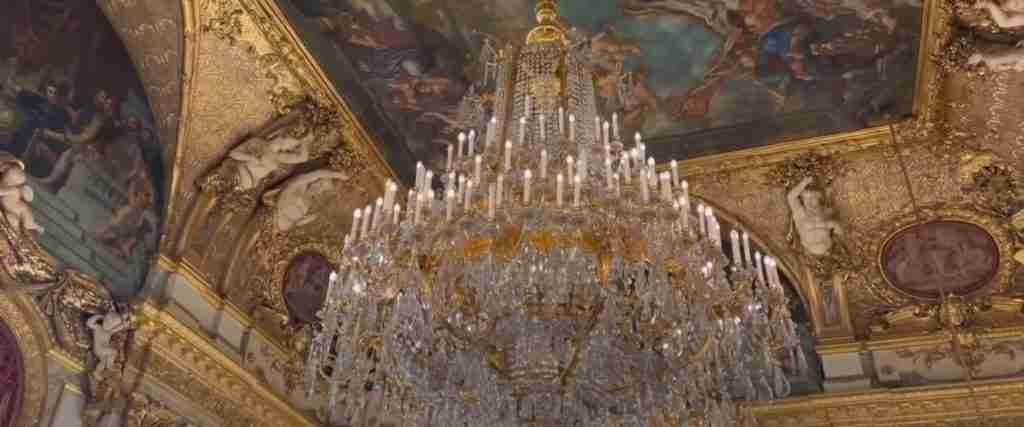
Paris 3-Day Discovery Tour
- ✓ Comprehensive Paris experience
- ✓ Expert local guides included
- ✓ All accommodation included
- ✓ Transportation provided
5 days
Paris 5-Day Highlights Experience
- ✓ Comprehensive Paris experience
- ✓ Expert local guides included
- ✓ All accommodation included
- ✓ Transportation provided
7 days
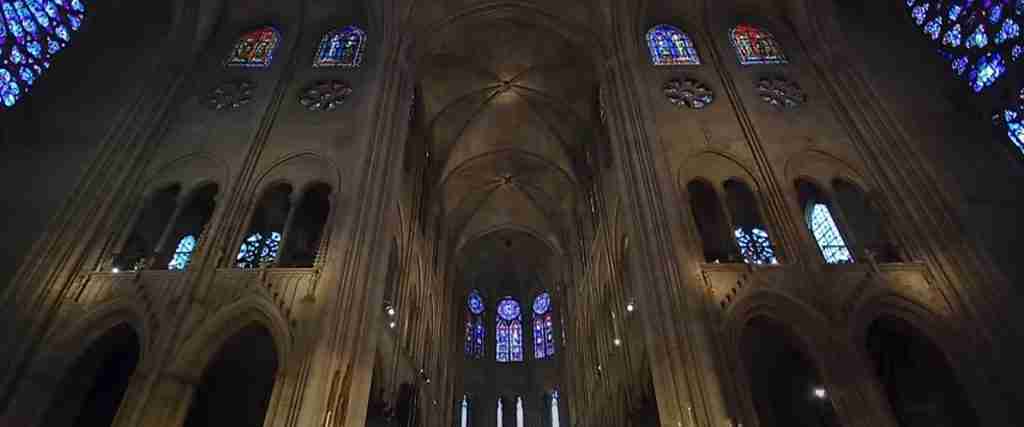
Paris 7-Day Cultural Journey
- ✓ Comprehensive Paris experience
- ✓ Expert local guides included
- ✓ All accommodation included
- ✓ Transportation provided
10 days
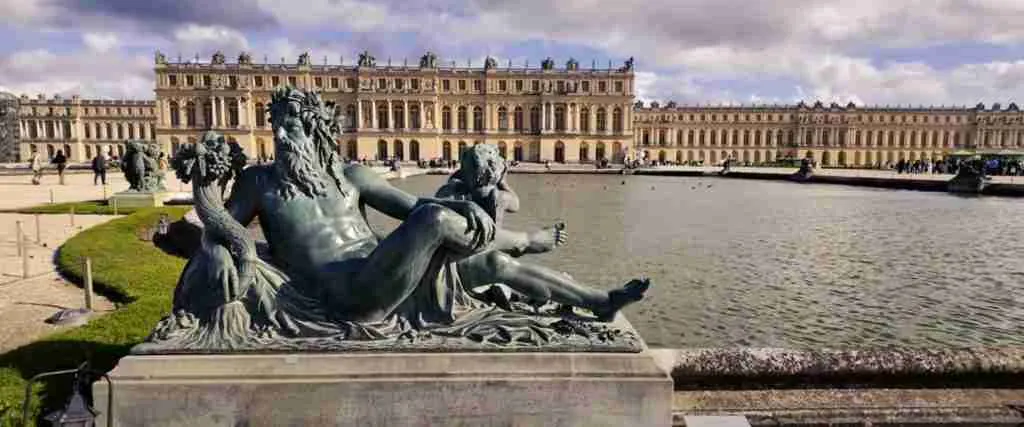
Paris 10-Day Complete Adventure
- ✓ Comprehensive Paris experience
- ✓ Expert local guides included
- ✓ All accommodation included
- ✓ Transportation provided
Multi-day tour packages powered by TourRadar. Prices and availability subject to change.
Planning Your Free Paris Activities for 2026
Maximizing free experiences in Paris requires strategic calendar planning around museum admission schedules, seasonal weather patterns, and daily opening hours. The most valuable free opportunity—first Sunday museum admission—occurs only six times during the high season (April-October) when the Louvre and Musée d’Orsay participate, but twelve times during shoulder and winter months when all major national museums join. Travelers visiting between November and March access significantly more free cultural institutions.
Summer months from June through August bring extended daylight hours until 9:30-10:00 PM, allowing longer time in parks and for walking tours without rushing before dark. However, these months also concentrate the highest tourist numbers at free attractions, particularly Sacré-Cœur, Notre-Dame, and Luxembourg Gardens. Spring (April-May) and autumn (September-October) balance pleasant weather with manageable crowds, though free museum opportunities decrease to only Louvre and Musée d’Orsay first Sundays.
Daily timing significantly impacts your free activity experience. Major museums offering first-Sunday free admission open between 9:00-9:30 AM, and lines form before opening time as budget travelers and locals compete for entry. Arriving 30-45 minutes before opening secures reasonable queue positions. Parks and monuments without admission fees face their largest crowds from 11:00 AM through 4:00 PM. Early morning visits (7:00-9:00 AM) or late afternoon timing (after 5:00 PM) provides quieter experiences at Sacré-Cœur, Notre-Dame exterior, and public gardens.
Weather considerations affect outdoor free activities more than paid indoor attractions. Paris experiences rain approximately 170 days annually, distributed fairly evenly across months. Checking the three-day forecast helps you schedule outdoor walks and park visits during clear periods while reserving rainy days for free first-Sunday museum visits. Winter temperatures from December through February range 3-8°C (37-46°F), making extended outdoor activities less comfortable despite lower crowds. Spring and autumn temperatures of 10-18°C (50-64°F) provide ideal conditions for walking historic neighborhoods and enjoying park spaces.
1. First Sunday Free Museum Access 2026
The first Sunday of every month transforms Paris’s museum landscape into a budget traveler’s paradise. During November through March, all national museums including the Louvre, Musée d’Orsay, Centre Pompidou, Musée Rodin, Musée Picasso, Musée de l’Orangerie, and Musée du Quai Branly waive admission fees. Standard tickets to these institutions cost €17-22 for adults in 2026 (check individual museum websites for current official rates), making first-Sunday visits worth €34-88 in savings if you visit multiple museums in one day. April through October limits first-Sunday free admission to only the Louvre and Musée d’Orsay, though the value remains substantial.
The Louvre operates its standard 9:00 AM to 6:00 PM schedule on first Sundays, with lines beginning to form by 8:15 AM at the Pyramid entrance and Carrousel entrance. The Carrousel entrance beneath the shopping mall typically moves faster than the famous glass pyramid. Security screening and bag checks add 15-30 minutes to your entry time regardless of queue length. Once inside, focus your free visit on either the Denon Wing (Mona Lisa, Italian Renaissance, French Neoclassical painting) or Sully Wing (ancient Egypt, Greek antiquities, decorative arts) rather than attempting comprehensive coverage. A targeted three-hour visit to one wing provides deeper appreciation than rushing through all wings superficially.
Musée d’Orsay opens at 9:30 AM on first Sundays, with entrance lines typically shorter than the Louvre but still requiring 45-60 minutes during peak season. The museum’s manageable size allows comprehensive touring in 2-3 hours. Prioritize the fifth floor Impressionist galleries (Monet, Renoir, Degas) early in your visit when crowds remain thinner, then work downward through Post-Impressionist collections and ground-floor sculpture. The museum’s café offers expensive refreshments, so bring water and snacks since re-entry is not permitted on free days.
Centre Pompidou (modern art) follows a 11:00 AM to 9:00 PM schedule on first Sundays when participating (November-March only). Later opening time and evening hours spread crowds more evenly than morning-only museums. The permanent collection on floors 4 and 5 showcases 20th and 21st-century art movements from Fauvism through Contemporary. The exterior escalator provides free views across Paris rooftops whether you enter the museum or not. Budget travelers can combine Pompidou with evening walks through the Marais neighborhood immediately surrounding the museum.
Musée Rodin offers a different first-Sunday experience with both indoor galleries and outdoor sculpture garden included in free admission. The museum closes at 5:45 PM year-round, making it suitable for afternoon visits after morning Louvre or Orsay tours. The sculpture garden displays The Thinker, The Gates of Hell, and Burghers of Calais among rose gardens and landscaped grounds. Even travelers uninterested in museum galleries appreciate the garden’s peaceful atmosphere. Visit midday (12:00-2:00 PM) when most tourists focus on major museums, leaving Rodin relatively quiet.
2. Notre-Dame Cathedral Exterior & Île de la Cité Exploration 2026
Notre-Dame Cathedral stands as Paris’s most visited monument, welcoming 12-14 million visitors annually to its exterior and free interior spaces. Following the 2019 fire and subsequent restoration, the cathedral reopened in late 2024 with renewed medieval splendor. Interior access requires free advance reservations through the Paris Diocese website, with slots releasing 14-30 days ahead. The exterior remains accessible without reservations, providing architectural appreciation of the western façade’s rose window, Gallery of Kings, and gargoyle details from the parvis (square) in front.
The exterior viewing experience deserves 30-45 minutes to examine architectural details often missed in quick photos. The western façade’s Portal of the Last Judgment (center door) displays intricate medieval sculpture depicting salvation and damnation. The Gallery of Kings features 28 stone monarchs representing Judean kings, though French revolutionaries mistakenly destroyed the originals thinking they represented French royalty (current statues are 19th-century replacements). The northern and southern rose windows visible from outside showcase Gothic stained glass engineering from the 13th century. Walk completely around the cathedral to view the flying buttresses supporting the nave walls—engineering innovations that allowed medieval builders to create thin walls with large windows.
Île de la Cité, the island containing Notre-Dame, offers several additional free attractions within a compact area. Sainte-Chapelle’s exterior (paid entry to interior) displays Rayonnant Gothic architecture from 1248 next to the Palais de Justice. Square Jean XXIII behind Notre-Dame provides garden seating with eastern apse views and flying buttress perspectives. The Pont Saint-Louis footbridge connecting Île de la Cité to Île Saint-Louis often features street musicians and provides beautiful Seine views in both directions.
Île Saint-Louis, immediately east across the footbridge, preserves 17th-century residential architecture along Rue Saint-Louis en l’Île. The island’s main street lined with independent shops, restaurants, and the famous Berthillon ice cream parlor (expensive but iconic) runs the island’s length. Simply walking the perimeter quais takes 15-20 minutes and costs nothing while delivering classic Paris riverside views. Evening visits (7:00-9:00 PM in summer) provide magical lighting as the setting sun illuminates building façades and creates reflections on the Seine.
3. Sacré-Cœur Basilica & Montmartre Wandering 2026
Sacré-Cœur Basilica crowns Montmartre’s hilltop with Romano-Byzantine white domes visible across Paris. The basilica interior opens daily from 6:00 AM to 10:30 PM with completely free admission, making it accessible for early morning contemplation or sunset visits. The interior’s vast mosaic Christ in Majesty covering the choir vault represents one of the world’s largest mosaics at 480 square meters. Romanesque-Byzantine architectural elements including rounded arches, massive columns, and decorative mosaics contrast sharply with Gothic architecture dominating Paris churches elsewhere. Visitors should observe silence and modest dress codes as Sacré-Cœur functions as an active place of worship with ongoing prayer and services.
The exterior terrace in front of Sacré-Cœur provides Paris’s most famous free panoramic viewpoint. From this elevated position 130 meters above sea level, views extend across central Paris landmarks including the Eiffel Tower, Panthéon, Notre-Dame, and the modern towers of La Défense business district. The terrace remains accessible 24 hours daily, though security presence increases after 10:30 PM when the basilica closes. Sunrise visits (approximately 6:00-7:00 AM depending on season) offer the terrace with minimal crowds and soft morning light. Sunset timing (check seasonal sunset times) attracts larger crowds but delivers spectacular golden hour views as Paris lights illuminate below.
Reaching Sacré-Cœur requires either climbing 270 steps from the base of Montmartre or riding the funicular railway included in standard metro tickets (no additional charge). The funicular operates 6:00 AM to 12:45 AM daily, avoiding the steep stair climb while using the same €2.10 metro ticket already in your possession. Walking up the steps costs nothing but demands moderate fitness and takes 10-15 minutes depending on pace. The steps provide photo opportunities of the basilica growing closer with each level.
Montmartre neighborhood surrounding Sacré-Cœur preserves village atmosphere within Paris city limits. Place du Tertre, two blocks from the basilica, features outdoor portrait artists and café terraces (expensive for dining but free to observe). Rue de l’Abreuvoir and Rue Cortot wind through residential streets with ivy-covered buildings, hidden gardens, and the last Montmartre vineyard (Clos Montmartre). The Wall of Love (Le Mur des Je t’aime) on Place des Abbesses displays “I love you” in 250 languages on blue tiles. These streets cost nothing to explore and reveal authentic Parisian neighborhood character away from tourist-focused zones.
Budget travelers should allocate 2-3 hours for combined Sacré-Cœur interior, terrace views, and Montmartre wandering. Morning visits (8:00-11:00 AM) provide the quietest experience before coach tours arrive. Late afternoon through sunset (5:00-8:00 PM in summer) delivers the most atmospheric lighting but brings largest crowds. Avoid midday (12:00-3:00 PM) when tour groups concentrate most heavily. Street performance and portrait artists work Place du Tertre throughout the day—observation is free, but declining purchase offers requires polite firmness as artists actively solicit tourists.
4. Luxembourg Gardens & Jardin des Tuileries: Free Park Experiences 2026
Luxembourg Gardens span 25 hectares in the 6th arrondissement, offering Paris’s premier free outdoor space. The gardens surround Luxembourg Palace (French Senate building, not open to public) with formal French gardens, English-style lawns, orchards, and themed areas. Entry remains free during opening hours from 7:30 AM to sunset (varies seasonally from 4:30 PM in winter to 9:30 PM in summer). The gardens welcome joggers, readers, families, and tourists equally, maintaining a democratic public space philosophy central to Parisian park culture.
The central fountain area with green metal chairs provides the garden’s heart where visitors arrange seating in sun or shade throughout the day. Children sail wooden boats in the fountain for a small rental fee (€5), though watching others sail boats costs nothing. The Medici Fountain at the garden’s eastern end creates a romantic grotto with Italian Renaissance design and peaceful water features perfect for quiet contemplation. Statue collections scattered throughout include monuments to French queens, artists, and historical figures providing free outdoor sculpture appreciation.
Jardin des Tuileries stretches 25 hectares between the Louvre and Place de la Concorde, creating Paris’s most central public garden space. Originally designed by André Le Nôtre for Louis XIV, the gardens maintain formal French garden principles with linear tree-lined pathways, manicured lawns, and geometric design. Free admission from 7:00 AM to 9:00-11:00 PM (seasonal variation) allows access to sculptures by Maillol, Rodin, and contemporary artists permanently installed throughout the space. The garden provides logical connection between Louvre (potentially visited on first-Sunday free days) and the Place de la Concorde obelisk and Champs-Élysées beyond.
Both gardens offer practical value beyond aesthetic enjoyment. Free public restrooms (generally well-maintained) and drinking water fountains reduce daily expenses that accumulate through café stops. Shaded areas during hot summer days provide cooling without café charges. WiFi coverage in some garden sections allows working remotely or checking maps without using mobile data. The gardens function as living rooms for budget-conscious travelers, providing comfortable spaces to rest between activities, eat packed lunches, or simply observe Parisian life.
Seasonal experiences enhance garden visits at no additional cost. Spring months (April-May) feature blooming flowers, particularly tulips in Tuileries and cherry blossoms near Luxembourg. Summer months (June-August) bring outdoor concerts and theater performances, many free or nominally priced. Autumn (September-October) delivers changing leaf colors and the Luxembourg harvest when garden-grown apples and pears are sold at low prices. Winter (December-February) sees fewer crowds and frost-touched landscapes with particular beauty after light snow.
5. Permanent Free Museums: Carnavalet & Modern Art 2026
Musée Carnavalet chronicles Paris history from Roman Lutetia through modern times with completely free admission year-round regardless of visitor age or residency. The museum occupies two historic hôtels particuliers (mansion houses) in the Marais connected by garden courtyards. Reopened in 2021 after extensive renovation, the museum presents Paris evolution through paintings, sculptures, furniture, decorative arts, and historical objects in chronological room sequences from basement Roman archeology through 20th-century photography.
The museum’s scale requires 2-3 hours for comprehensive touring. Notable collections include entire historical room interiors transported from demolished Paris buildings, recreating aristocratic apartments from various periods. The museum possesses the only original Bastille stones displayed publicly (from the prison’s 1789 destruction), Revolutionary period objects including guillotine models and propaganda, and Belle Époque artistic representations of late 19th-century Paris life. Photography enthusiasts appreciate extensive holdings documenting Paris urban transformation under Baron Haussmann’s 19th-century renovation.
Musée d’Art Moderne de la Ville de Paris maintains permanent free admission in its east wing at Palais de Tokyo overlooking the Seine. The collection emphasizes French modern art from Fauvism through contemporary movements with particular strengths in École de Paris artists including Delaunay, Modigliani, and Soutine. Matisse’s monumental La Danse de Paris fresco remains a highlight occupying an entire wall. The museum’s compact size allows thorough viewing in 90 minutes, making it manageable as part of a larger walking itinerary through the 16th arrondissement.
The contemporary art wing (Palais de Tokyo) charges admission for temporary exhibitions, but the shared building provides architectural interest with Art Deco details from the 1937 International Exposition. The exterior terrace between both museum sections offers free Seine views and Eiffel Tower perspectives. Budget travelers should visit during weekday mornings (10:00 AM-12:00 PM Tuesday-Sunday, closed Monday) when school groups have not yet arrived and galleries remain quiet. Combining both free museums requires a full day but delivers substantial cultural exposure at zero cost.
Victor Hugo’s House (Maison de Victor Hugo) on Place des Vosges provides another permanent free museum option. The author’s apartment from 1832-1848 displays period rooms, manuscripts, and personal objects. The museum occupies a corner of Place des Vosges, Paris’s oldest planned square (1612) worth exploring for its intact Renaissance architecture. The square’s arcaded walkways shelter independent galleries and shops while the central park (free access) provides seating under mature trees. Hugo’s House requires only 45-60 minutes for complete touring, making it an easy addition to Marais neighborhood exploration that includes the nearby Carnavalet museum.
6. Historic Walking Routes: Marais to Latin Quarter 2026
Walking Paris’s historic neighborhoods costs nothing beyond shoe leather while revealing authentic urban character impossible to experience from tour buses or metro rides. The Marais district (3rd and 4th arrondissements) preserves medieval street patterns with narrow lanes, historic mansions, contemporary galleries, and diverse communities. Starting from Metro Saint-Paul station, Rue des Rosiers (historic Jewish quarter) features falafel shops, bakeries, and Hebrew bookstores alongside contemporary fashion boutiques—observing cultural layers costs nothing though purchasing snacks requires budgeting separately.
Rue des Francs-Bourgeois connects the Marais through elegant hôtels particuliers (many now museums or government buildings) to Place des Vosges. This Renaissance square from 1612 displays perfect symmetry with 36 pavilions surrounding a central park. The arcade galleries beneath the buildings shelter art galleries, upscale shops, and cafés with high prices—window shopping costs nothing while purchasing requires significant budgets. Walking the square’s perimeter examining architecture and watching children play in the central park provides authentic Paris experience without entry fees.
Crossing Pont Marie from the Marais leads to Île de la Cité, then Pont Saint-Michel to the Left Bank and Latin Quarter. The Latin Quarter (5th arrondissement) centers on Boulevard Saint-Michel with the Sorbonne University, Panthéon (exterior free, interior paid), and medieval streets climbing toward Montagne Sainte-Geneviève. Rue Mouffetard, running from Place de la Contrescarpe downhill, maintains a traditional market street with food vendors, cafés, and local shops. Walking the street observing displays and neighborhood life costs nothing—shopping at market stalls offers reasonable prices for picnic supplies.
Shakespeare and Company bookstore (not a museum, operating bookstore) on the Seine across from Notre-Dame welcomes browsers without purchase pressure. The store’s legend as expatriate literary gathering place and current incarnation maintaining reading library upstairs creates unique atmosphere. Sitting in the reading area examining books costs nothing, though purchasing books supports independent bookselling. The Seine quais (riverbank walkways) from Shakespeare and Company westward toward the Louvre provide pedestrian paths with book stall vendors (bouquinistes), street performers, and classic Paris views across the river.
This combined walking route from Marais to Latin Quarter covers approximately 4 kilometers over 2-3 hours at relaxed pace with observation stops. The route costs nothing except potential purchases (completely optional) and connects multiple free attractions into a single touring day. Walking reveals street-level details, neighborhood transitions, and daily Parisian life that paid tours mention only briefly from bus windows. Budget travelers should time walks for morning or late afternoon (avoiding midday heat in summer) and carry water bottles to avoid expensive café stops.
7. Sunset Views from Pont Alexandre III & Seine Riverbanks 2026
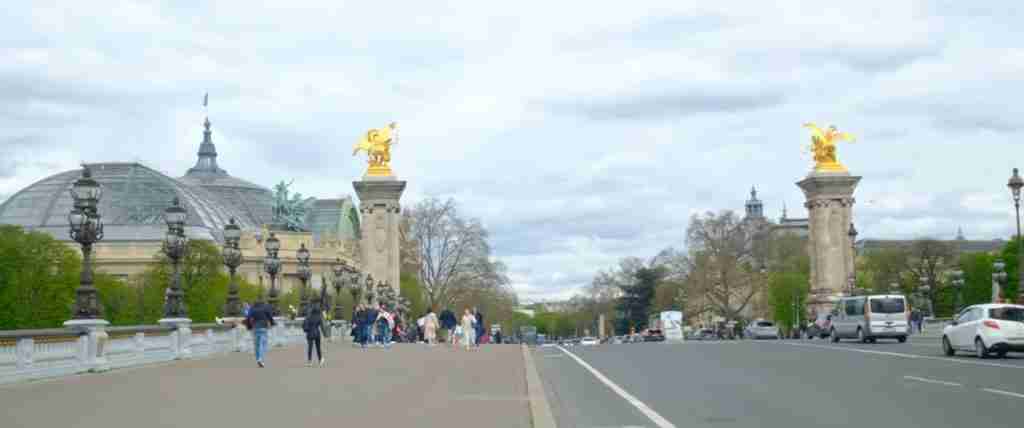
Pont Alexandre III represents Belle Époque Paris at its most ornate, connecting the Champs-Élysées area with Les Invalides across the Seine with no admission charges for pedestrians. The bridge from 1900 displays Art Nouveau metalwork, gilt bronze sculptures, and ornate lampposts created for the 1900 Universal Exposition. The bridge’s single-span design without river supports provides unobstructed Seine views upstream toward Île de la Cité and downstream toward the Eiffel Tower. Walking the bridge’s full length takes only 5 minutes, but stopping to appreciate decorative details and photograph from different angles easily extends to 20-30 minutes.
Sunset timing transforms Pont Alexandre III from decorative structure to photographic highlight. Golden hour light (approximately 60-90 minutes before sunset) illuminates the gilt sculptures, creating dramatic shadows and warm color tones. The western orientation toward Les Invalides dome provides excellent sunset photography compositions with the dome silhouetted against colorful sky. Summer months (June-August) feature sunset times around 9:00-9:30 PM, allowing extended daylight for other activities before sunset visits. Winter sunsets (4:30-5:30 PM December-January) occur earlier but create deeper color saturation in colder atmospheric conditions.
The Seine riverbanks (Voies Georges Pompidou on the Right Bank, Quai d’Orsay on the Left Bank) function as pedestrian paths and urban beach spaces in summer. The Right Bank expressway closes to vehicle traffic every Sunday year-round and daily during summer Paris Plages (beach) events when sand, deck chairs, and activity areas transform the roadway into temporary beach spaces. These free urban beach installations run from mid-July through mid-August, providing family entertainment, beach volleyball courts, reading areas, and cooling mist stations without charges. Regular Sunday closures create car-free cycling and walking routes along the Seine throughout the year.
Evening Seine walks combine practical transit with entertainment and views. The riverbanks connect multiple neighborhoods, allowing walking from Île de la Cité to Eiffel Tower (approximately 4 kilometers, 50-60 minutes) entirely along the water without traffic navigation. Street performers, musicians, and dancers concentrate along the river especially Friday and Saturday evenings in summer. Tour boats navigating the Seine provide moving light and activity though riding the boats costs €15-20 per person (observing from the bank costs nothing). Sunset timing particularly between May and August creates magic hour conditions that justify special timing efforts.
Budget travelers should note that while Pont Alexandre III and riverbank walking remain completely free, nearby attractions carry admission charges. Les Invalides complex (Napoleon’s tomb, military museums) costs €15 for adults in 2026 (check official website for current rates). The Eiffel Tower summit costs €35.30 for elevator access in 2026 (check official website for current official rates). However, appreciating these monuments from outside delivers substantial experience without interior access charges. The Eiffel Tower’s structural design and lighting (hourly sparkle shows after dark) provide photography subjects from riverbank viewpoints at no cost.
8. Free Sunday Concerts & Street Performance Scene 2026
Paris churches host free classical music concerts, organ recitals, and choral performances particularly on Sunday afternoons and early evenings. Notre-Dame Cathedral suspended its famous organ concerts during restoration but plans resumption in 2026—check the cathedral website for updated concert schedules. Saint-Sulpice Church near Luxembourg Gardens continues regular Sunday afternoon organ concerts at 3:30 PM featuring its historic Cavaillé-Coll organ. Sainte-Chapelle occasionally hosts evening concerts (these charge admission, but the schedule is posted outside for planning). American Church in Paris (Quai d’Orsay) offers free Sunday concerts at 5:00 PM September through June featuring chamber music, vocal performances, and student recitals.
Church concerts maintain religious setting protocols even for musical rather than liturgical events. Arrive 15-20 minutes before concert start times as seating fills quickly for popular performances. Silence during performances follows concert hall expectations. Photography during performances is generally prohibited. Some churches request (but do not require) donations in exit collection boxes—the concerts remain legally free, but €2-5 voluntary contributions help maintain church music programs. Concerts typically last 45-60 minutes, fitting easily into afternoon itineraries before dinner planning.
Street performance in Paris peaks during tourist season (May-September) with performers concentrating at major gathering points. The Trocadéro plaza across from the Eiffel Tower hosts dancers, acrobats, and musicians performing for crowds waiting for the tower’s hourly light shows. Place Georges Pompidou in front of Centre Pompidou features performance artists, musicians, and portrait artists throughout the day. Montmartre’s Place du Tertre and the stairs below Sacré-Cœur attract musicians and artists. These performances operate on voluntary tip basis—watching remains free, though tossing coins in hats encourages street culture continuation.
Pont Saint-Louis connecting the two Seine islands hosts classical string ensembles and chamber groups performing Friday through Sunday afternoons in good weather. The bridge’s pedestrian-only design and excellent acoustics under the arched span create natural performance space. Musicians vary but maintain high quality levels, with conservatory students and professional musicians using the location for practice income. Stopping for 10-15 minutes to listen costs nothing, though €1-2 contributions acknowledge performers’ skill. The location allows combining Notre-Dame visits with musical interludes just 100 meters away.
Festival season from June through August brings free outdoor concerts to Paris parks and public spaces. Fête de la Musique on June 21 (summer solstice) creates city-wide music festival with free concerts in every neighborhood, official stages in major parks, and impromptu performances on street corners. Paris Plages program along Seine riverbanks includes free evening concerts and dance performances. Many summer events require no advance registration—simply arriving at published times secures spots. Festival schedules appear on the Paris city website (paris.fr) approximately 3-4 weeks before events, allowing advance planning around specific dates.
9. Père Lachaise Cemetery: Historic Sculpture & Famous Graves 2026
Père Lachaise Cemetery spans 44 hectares in the 20th arrondissement as Paris’s largest cemetery and an outdoor museum of funerary art. Entry remains free during opening hours from 8:00 AM to 6:00 PM (5:30 PM in winter). The cemetery functions simultaneously as active burial ground and historic site where famous figures from literature, music, art, and history rest in elaborate tombs. Visiting requires respectful behavior appropriate for sacred space while appreciating artistic and historical significance of monuments and sculptures.
The cemetery’s most visited grave belongs to Jim Morrison (The Doors) with constant stream of rock music fans leaving tributes. Oscar Wilde’s tomb features lipstick kisses from admirers (now discouraged and protected by glass barrier). Édith Piaf, Frédéric Chopin, Honoré de Balzac, Marcel Proust, Gertrude Stein, and Molière attract literary and cultural pilgrims. Maps available free at entrance gates mark notable graves, though smartphone apps provide GPS-guided navigation to specific tombs. The cemetery rewards wandering without agenda, discovering elaborate family monuments, art nouveau mausoleums, and peaceful tree-shaded pathways between crowded tourist graves.
The cemetery’s sculpture collection rivals outdoor museums with 19th and early 20th-century funerary art demonstrating changing aesthetic movements. Romantic period tombs feature weeping angels, broken columns symbolizing interrupted lives, and classical urns. Art Nouveau monuments display flowing lines, natural motifs, and bronze figures. Art Deco designs bring geometric patterns and modern materials. Walking the main avenues and smaller paths reveals artistic evolution through funerary sculpture without museum admission charges. Photography is permitted throughout the cemetery for personal use.
Practical visit planning should allocate 2-3 hours for thorough cemetery exploration. The hilly terrain with cobblestone paths requires comfortable walking shoes and reasonable fitness levels. Bring water bottles as limited facilities exist within the grounds. The cemetery covers such extensive area that exhaustive touring of all sections proves impractical—focus on either famous graves near the main entrance or quieter sections along the eastern walls with older monuments. Spring visits (April-May) showcase flowering trees and manageable weather. Summer mornings before 10:00 AM avoid midday heat and tourist crowds around Morrison’s grave. Autumn colors (October-November) create atmospheric conditions particularly photogenic in late afternoon light.
10. Galeries Lafayette Rooftop Terrace: 360° Paris Views 2026
Galeries Lafayette department store on Boulevard Haussmann offers a free rooftop terrace with 360-degree panoramic views across Paris including the Opéra Garnier and Eiffel Tower. The terrace requires no purchase and no advance booking—simply enter the main store, take elevators to the top floor (7th floor), and follow rooftop access signs. The terrace opens 10:00 AM to 7:30 PM Monday through Saturday and 11:00 AM to 7:00 PM Sunday, aligned with store hours. This remains one of central Paris’s best free elevated viewpoints given its location among Haussmann-era buildings.
The terrace provides more intimate scale than Eiffel Tower or Montparnasse Tower observation decks (both expensive paid attractions). The lower elevation shows street-level Paris detail and rooftop landscape while still capturing major monuments in middle distance. The Opéra Garnier’s green copper dome sits just blocks away with clear views of its Second Empire architecture. The Eiffel Tower appears approximately 2 kilometers westward, close enough for good photos but far enough to show its relationship to surrounding neighborhoods. Sacré-Cœur’s white domes crown Montmartre to the north.
The rooftop location within an active department store allows combining free viewpoint with shopping district exploration. Galeries Lafayette’s interior displays Art Nouveau glass dome above the main atrium, worth viewing even without purchases. The Opéra district surrounding the store features Haussmann-era architecture with uniform building heights, balanced proportions, and cream stone façades defining classic Paris urban design. Walking from Galeries Lafayette to Opéra Garnier (exterior free, interior tickets €15 in 2026) takes 5 minutes through this preserved architectural district.
Timing recommendations for rooftop visits prioritize late afternoon light approximately 2-3 hours before sunset during May through August. Morning visits deliver clear atmospheric conditions before air heats and haze develops. Midday visits (12:00-2:00 PM) face strong overhead light less flattering for photography. Sunset timing creates challenges given store closing at 7:30 PM, before actual sunset during summer months. The rooftop access may close 15-20 minutes before store closing, requiring earlier arrival. Weekday visits find smaller crowds than Saturday shopping peak. Sunday morning opening after 11:00 AM provides quietest terrace conditions given shorter Sunday shopping hours.
Budget Strategies for Maximizing Free Paris Activities in 2026
Strategic planning around free activities creates foundation for ultra-low-budget Paris visits. A hypothetical seven-day Paris trip could include: two first-Sunday museum days (worth €34-88 saved), three full-day walking itineraries (transport costs only), one Père Lachaise afternoon, one park relaxation day, and one backup day for weather-dependent activities. This framework provides comprehensive Paris cultural exposure while spending almost nothing on admission fees. Even budget travelers allowing some paid attractions benefit from understanding free options that achieve similar experiences at zero cost.
Combining free activities with budget meal planning creates multiplier effects for savings. Picnic supplies from supermarkets (Franprix, Monoprix chains) cost €8-15 per person daily versus €25-45 for restaurant meals. Parks offer free picnic spaces with better atmosphere than hostel common rooms. Morning bakery visits for croissants (€1.20-1.80) and afternoon cheese shops for supplies keep food costs minimal while maintaining quality French products. Drinking fountain water (safe throughout Paris) eliminates bottle purchase expenses that accumulate to €15-25 weekly.
Transportation strategy significantly impacts Paris budgets even for free activity itineraries. Central Paris arrondissements (1st through 10th) feature compact geography allowing walking between most free attractions. The 2-3 kilometer distance from Louvre to Luxembourg Gardens takes 30-40 minutes walking versus €2.10 each way by metro. Daily walking of 8-12 kilometers visiting free sites saves €6-10 in transport costs compared to taking metro between every attraction. Budget travelers with mobility limitations can purchase weekly Navigo pass (€30.75 for zones 1-2 in 2026) providing unlimited metro, bus, and RER usage—this makes economic sense only if taking 15+ metro trips during seven days.
Accommodation choices affect how easily travelers can access free activities. Hostels in the 11th arrondissement (Bastille, République) position guests within walking distance of the Marais, Île de la Cité, and Latin Quarter free walking routes. The 18th arrondissement near Montmartre provides cheap accommodation but positions travelers on Paris’s northern edge, requiring transport to reach central free attractions. Airbnb apartments in residential neighborhoods cost more than hostel beds but allow grocery shopping and meal preparation, potentially saving €40-80 weekly versus restaurant dining. The cheapest option—Couchsurfing with Paris residents—delivers free accommodation plus local knowledge about free activities unknown to most tourists.
Sample Free Activity Day Itineraries for 2026
First Sunday Museum Marathon
8:00 AM – Arrive at Louvre Carrousel entrance, 30-minute queue expected. 8:30 AM – Enter Louvre, head directly to Denon Wing for Italian Renaissance and French painting. 11:30 AM – Exit Louvre, cross Jardin des Tuileries to Place de la Concorde (30-minute walk). 12:00 PM – Picnic lunch in Tuileries with supermarket supplies purchased previous day (cost €8-12 per person). 1:00 PM – Walk along Seine to Musée d’Orsay (15 minutes). 1:30 PM – Enter Musée d’Orsay (expect 45-minute queue), tour Impressionist collections. 4:30 PM – Exit Orsay, walk across Pont Royal to Right Bank. 5:00 PM – Metro to Rambuteau station (€2.10), walk to Centre Pompidou. 5:30 PM – Enter Centre Pompidou modern art collection. 7:30 PM – Exit Pompidou, dinner in Marais with budget options. Total day cost: Metro €2.10, food €20-30, museum admission €0 (normally €54 if paid).
Classic Paris Walking Day
9:00 AM – Start at Notre-Dame Cathedral, examine exterior and enter interior (free reservation made 14 days prior). 10:30 AM – Walk Île de la Cité and Île Saint-Louis perimeter (30 minutes). 11:00 AM – Cross Pont Marie to Marais, walk to Place des Vosges. 12:00 PM – Picnic lunch in Place des Vosges park (€8-12 per person). 1:00 PM – Musée Carnavalet Paris history (free admission, 2 hours). 3:00 PM – Walk through Marais to Pont Alexandre III (30 minutes). 3:30 PM – Explore Pont Alexandre III details and photograph. 4:00 PM – Walk along Left Bank to Eiffel Tower (45 minutes). 5:00 PM – View Eiffel Tower from Trocadéro (free), wait for hourly sparkle show. 6:00 PM – Metro back to accommodation (€2.10). Total day cost: Metro €2.10, food €10-15, all attractions €0.
Parks and Panoramas Day
8:00 AM – Metro to Anvers station (€2.10), walk up to Sacré-Cœur. 8:30 AM – Visit Sacré-Cœur interior and terrace (free). 9:30 AM – Wander Montmartre streets exploring village atmosphere. 11:00 AM – Metro to Luxembourg (€2.10). 11:30 AM – Luxembourg Gardens exploration and relaxation. 1:00 PM – Picnic lunch in gardens (€8-12 per person). 2:30 PM – Walk to Père Lachaise Cemetery via metro (€2.10). 3:00 PM – Père Lachaise exploration (2 hours). 5:00 PM – Metro to Chaussée d’Antin (€2.10). 5:30 PM – Galeries Lafayette rooftop terrace sunset views. 6:30 PM – Walk Opera district back to accommodation. Total day cost: Metro €8.40, food €10-15, all attractions €0.
Essential Planning Information for Free Activities 2026
First-Sunday museum admission operates only on the first Sunday of each month—verify specific dates for your travel period as first Sundays occasionally coincide with other holidays affecting museum schedules. January 1, May 1, and December 25 see most Paris museums closed regardless of first-Sunday policy. Museums maintain standard security screening including bag searches and metal detectors even on free days. Large backpacks and suitcases are prohibited—use hotel storage or train station lockers before museum visits. Coat checks at museums remain free even on first Sundays but expect longer wait times on busy free days.
Weather contingency planning proves essential for outdoor-focused free activities. Paris averages 170 rainy days annually with precipitation distributed relatively evenly across months. Check three-day forecasts and prioritize indoor free museums (Carnavalet, Modern Art) during rainy periods while saving parks and walking tours for clear weather. The Paris city website (paris.fr) and various weather apps provide reliable forecasts. Summer afternoon thunderstorms develop quickly particularly June through August—carry compact rain jackets during these months even if morning appears clear. Winter temperatures rarely reach freezing but rain combined with 3-7°C temperatures (37-44°F) creates cold conditions requiring proper clothing layers.
Tourist information offices provide free maps and current event schedules at several locations including Paris Gare du Nord railway station and near Hôtel de Ville. The Paris Convention and Visitors Bureau website (parisinfo.com) maintains updated information on current free events, temporary exhibitions, and seasonal activities. The city’s official culture website (quefaire.paris.fr) lists free concerts, performances, and cultural events with advance schedules. Checking these resources at trip start provides current information beyond what guidebooks contain.
Safety considerations for budget travelers focusing on free activities center on pickpocket awareness rather than violent crime. Paris maintains low violent crime rates but high pickpocket incidents in tourist areas. Metro trains during rush hours (8:00-9:30 AM, 5:00-7:00 PM) see frequent pickpocket activity. Crowds waiting in lines at Louvre and Orsay on first Sundays create pickpocket opportunities—keep wallets and phones in front pockets, keep bags zipped and in front of body. The Sacré-Cœur terrace and surrounding Montmartre areas experience frequent petition scammers and friendship bracelet sellers who become aggressive if engaged—politely decline and keep walking.
FAQs About Free Paris Activities
Can you really see Paris on a €0 daily budget?
Achieving completely free daily spending requires advance trip preparation and acceptance of limitations. Free museum days, park access, walking tours, and monument exteriors provide substantial cultural exposure at zero cost. However, accommodation (€20-80 per night for hostels, higher for hotels), food (minimum €8-15 daily with supermarket shopping), and transportation (€2.10 per metro ride or €30.75 weekly pass) create unavoidable costs. A realistic ultra-low-budget Paris day costs €15-25 per person including hostel accommodation, picnic meals, and walking between attractions with occasional metro use. True €0 days become possible only through Couchsurfing accommodation, picnic supplies purchased on previous days, and walking exclusively between free sites.
Are Paris parks actually clean and safe?
Major Paris parks including Luxembourg Gardens, Jardin des Tuileries, and Parc de Belleville maintain excellent cleanliness with regular maintenance, gardening staff, and security presence. Public restrooms in these parks meet acceptable hygiene standards particularly in high-traffic areas. Safety concerns remain minimal during daylight hours (7:00 AM-8:00 PM depending on season). Exercise normal urban caution regarding belongings while using parks for extended periods. Smaller neighborhood parks and squares show more variable maintenance levels. Evening hours after park closing times see limited security presence and increased risk of petty theft. Avoid Paris parks after 10:00 PM regardless of season. The reputation of Paris parks suffering from cleanliness and safety problems reflects outdated perceptions not matching current reality in major tourist-frequented spaces.
Do you need to tip at free concerts and performances?
Free church concerts do not require tips or donations, though voluntary contributions in exit collection boxes help sustain music programs. The suggested amounts of €2-5 provide reasonable contribution without obligation. Street performers operate on voluntary tip basis with no minimum expectations—watching remains completely free, though tossing €1-2 encourages continued street culture. Festival events and city-sponsored free concerts involve no tipping as they receive municipal funding. The general principle: institutionally sponsored free events (church concerts, city festivals) need no tips, while individual performer efforts (street musicians, artists) appreciate but don’t require voluntary contributions.
Can you enter Notre-Dame Cathedral without advance reservation in 2026?
Notre-Dame Cathedral requires advance online reservations for interior access through the Paris Diocese official website. The reservation system releases slots 14-30 days before visit dates. Walk-up entry without reservations is not permitted. The reservation requirement protects newly restored spaces from overcrowding and allows capacity management. Reservations remain free—no payment is required, only advance planning. The exterior parvis (square), surrounding streets, and exterior architectural viewing require no reservations and remain accessible 24 hours. Travelers unable to secure interior reservations still achieve substantial Notre-Dame experience through careful exterior examination of the western façade, rose windows, and flying buttresses visible from outside.
Which free activities work best for families with children?
Luxembourg Gardens provides Paris’s best free family space with large playground areas, toy sailboat pond, and open lawns for children to run. Parc de Belleville includes playground equipment and hillside space for energetic children. Jardin des Tuileries features carousel (€3-4, optional) and playground areas. First-Sunday free museum visits pose challenges with young children given long queue waits and crowded gallery spaces—consider splitting family groups if some children won’t tolerate museum touring while others enjoy it. Pont Alexandre III and Seine riverbanks allow walking without requiring children to stay quiet like museums demand. Père Lachaise Cemetery offers outdoor exploration with scavenger hunt potential finding famous graves, though younger children may find cemetery setting uncomfortable. Montmartre village streets and Sacré-Cœur terrace work well for families, allowing children to move freely while parents enjoy views and architecture.
What’s the best single free activity if you only have half a day?
The combined Notre-Dame Cathedral plus Île de la Cité and Île Saint-Louis exploration delivers maximum Paris architectural and cultural experience in 3-4 hours. This activity requires advance interior reservation but costs nothing, showcases Gothic architectural masterpiece, includes Seine island wandering, and positions visitors centrally for extending exploration into Latin Quarter or Marais. Alternative for visitors unable to secure Notre-Dame reservations: Sacré-Cœur Basilica plus Montmartre wandering provides similar time investment with guaranteed free admission to religious monument plus village neighborhood character. Both options combine major landmark with authentic neighborhood exploration at zero admission cost.
Can you swim in Paris pools for free?
Paris municipal swimming pools (piscines municipales) charge admission ranging €3-4 per person in 2026 for public swim sessions. No permanent free swimming access exists in Paris pools. However, the temporary Paris Plages summer beach installations along the Seine (mid-July through mid-August) include free wading pools, misting areas, and water play zones without admission charges. These temporary installations target families and provide cooling during summer heat without pool costs. The floating river pools (Piscine Josephine Baker on the Seine) charge regular admission rates year-round. Budget travelers seeking swimming should plan visits during Paris Plages summer dates or accept €3-4 municipal pool charges as reasonable entertainment cost.
How do you find out about current free events?
The Paris city cultural website (quefaire.paris.fr) maintains comprehensive free event listings including concerts, festivals, exhibitions, and performances with searchable calendar and category filters. The site updates regularly with events scheduled 2-8 weeks ahead. Tourist information offices at major train stations distribute free print guides to current cultural events including museum exhibitions and outdoor festivals. Time Out Paris (English edition available) covers free events in its weekly event listings. Following social media accounts for major Paris museums, parks, and cultural centers provides event notifications. The annual Nuit Blanche (first Saturday in October) and Fête de la Musique (June 21) represent Paris’s largest free cultural events with city-wide programming—these dates remain fixed annually, allowing long-term planning.
Conclusion: Free Paris Experiences Worth the Journey
Paris rewards strategic budget travelers with cultural experiences rivaling those costing hundreds of euros in admission fees. The ten free activities detailed here—first-Sunday museum access, Notre-Dame and Île de la Cité exploration, Sacré-Cœur and Montmartre, Luxembourg Gardens and Tuileries, permanent free museums, historic walking routes, Seine riverbank sunsets, free concerts, Père Lachaise Cemetery, and Galeries Lafayette rooftop views—provide comprehensive Paris immersion spanning art, architecture, history, music, and urban culture. These activities cost nothing beyond transportation to reach them and occasional food purchases during extended outings.
The common perception of Paris as prohibitively expensive destination dissolves when travelers prioritize free cultural access over paid tours and attractions. A seven-day Paris visit built around free activities and budget accommodation delivers authentic cultural experiences while spending €150-250 total per person (approximately €20-35 daily) compared to typical tourist budgets of €1000-1500 per person weekly. The savings don’t require sacrificing experience quality—free access to the Louvre, Musée d’Orsay, Carnavalet, and permanent collections compares favorably to paid provincial museums in smaller cities charging €10-15 admission.
Success with free Paris activities requires advance planning around first-Sunday dates, realistic walking capabilities to cover distances between sites, and flexibility when weather affects outdoor plans. Travelers visiting during November through March access the most generous first-Sunday museum schedule when all national museums participate. Summer visitors trade reduced free museum options for extended daylight hours and outdoor festival events compensating with different free experiences. Understanding seasonal trade-offs helps select optimal visit timing based on personal priorities between maximum free museum access versus pleasant weather for walking and parks.
Beyond the immediate budget savings, free activities deliver unexpected benefits that paid attractions cannot match. Walking historic neighborhoods at your own pace reveals street-level details that bus tours mention only briefly. Park visits allow observing daily Parisian life as locals use these spaces for exercise, socializing, and relaxation. Free museum days create diverse visitor demographics mixing tourists with local families and students, providing more authentic atmosphere than exclusively tourist crowds at paid times. Street performances and free concerts demonstrate Paris’s continued commitment to publicly accessible culture rather than restricting art to paying audiences.
The final consideration transcends budget calculations: free Paris experiences prove that cultural enrichment, authentic urban exploration, and memorable travel need not correlate with high expenditures. Budget constraints become assets forcing deeper engagement with free resources most tourists overlook while rushing between expensive paid attractions. Paris reveals itself more generously to budget travelers walking its streets, sitting in its parks, and waiting in first-Sunday museum lines than to those riding tour buses between tickets costing €20-40 each. The best Paris experiences—watching sunset from Pont Alexandre III, wandering Montmartre lanes, contemplating Monet in the Musée d’Orsay—cost absolutely nothing while delivering memories worth far more than their zero-euro price tag suggests.
Frequently Asked Questions
What are the best months to take advantage of free Paris museum days?
November through March offers maximum free museum access with all major national museums (Louvre, Orsay, Pompidou, Rodin, Picasso, Orangerie, Quai Branly) participating in first-Sunday free admission. April through October limits free days to only Louvre and Musée d’Orsay. Budget travelers prioritizing museum visits should schedule Paris trips during shoulder and winter months when six monthly first-Sunday opportunities exist versus summer’s more restricted schedule.
Do free Paris activities require advance reservations?
Notre-Dame Cathedral interior access requires advance reservation 14-30 days through the official Paris Diocese website. All other activities listed require no advance booking—simply arrive during opening hours. First-Sunday free museums operate first-come-first-served without reservations. Churches hosting free concerts recommend arriving 15-20 minutes early for seating but accept walk-up attendance. Parks, monuments, walking routes, and viewpoints need no advance planning beyond checking opening hours on official websites.
Can you see the Eiffel Tower illumination for free?
The Eiffel Tower’s nighttime illumination and hourly sparkle shows (five-minute light displays occurring on the hour after dark) remain completely free from any ground viewpoint. The Trocadéro plaza directly across from the tower provides the best free viewing position. Champ de Mars park behind the tower offers close-up illumination views. Seine riverbanks deliver middle-distance perspectives. The light shows occur every evening from sunset until 1:00 AM (last show). Viewing the tower from ground level costs nothing—only climbing the tower requires paid tickets.
Are audio guides available for free activities?
Most free activities provide no audio guide services. First-Sunday museum visits include audio guides at no extra cost (normally €5) when available, though supply may be limited on busy free days. Churches hosting free concerts provide no audio guides as events are performances rather than museum tours. Self-guided walking tours using smartphone apps (Rick Steves Audio Europe, Paris Audio Tours) provide free audio commentary for neighborhood walks. The Rick Steves app includes free audio tours for the Louvre, Orsay, and Père Lachaise Cemetery usable during first-Sunday free museum days.
What should you bring for a full day of free Paris activities?
Carry refillable water bottle (Paris drinking fountains safe throughout city), packable rain jacket regardless of morning weather, comfortable walking shoes with adequate support for 8-12 kilometers daily, small backpack for carrying supplies and purchases, portable battery charger for smartphone navigation and photography, sunscreen and sunglasses for summer months, and light snacks for energy between meals. Supermarket picnic supplies purchased the previous evening allow budget lunch in parks without expensive café stops. Bring one full set of charging cables as free activities keep you away from accommodation 8-10 hours.
Can you combine free and paid activities efficiently in one day?
Strategic daily planning allows mixing free and paid experiences. Example itinerary: Morning first-Sunday free Louvre visit, afternoon paid Sainte-Chapelle stained glass (€13 in 2026), evening free Seine riverside walk to Eiffel Tower viewing. Another option: Morning paid Versailles visit (€20.50 palace in 2026), afternoon return to Paris for free Carnavalet museum and Marais walking. Combining approaches maximizes value by not wasting paid attraction time on experiences available free elsewhere. However, avoid diluting free museum time with rushed schedules—first-Sunday free access justifies full-day museum focus without paid interruptions.
Do Paris free activities accommodate visitors with mobility limitations?
Major museums including Louvre, Orsay, Pompidou, Carnavalet, and Modern Art Museum provide elevator access, ramps, and wheelchair-accessible routes throughout buildings. Notre-Dame Cathedral offers ground-level access without steps (tower climbing requires mobility). Sacré-Cœur provides funicular railway access (included in metro tickets) avoiding the 270-step climb. Luxembourg Gardens and Tuileries Gardens feature paved pathways suitable for wheelchairs throughout. Père Lachaise Cemetery’s hilly terrain and cobblestone paths pose challenges—accessible sections exist near main entrances but full cemetery exploration proves difficult. The Galeries Lafayette rooftop terrace provides elevator access from ground level. Free activities generally offer better accessibility than many paid attractions involving tower climbs or historic buildings without elevator retrofits.
How early should you arrive for first-Sunday free museum access?
Arriving 30-45 minutes before official opening time secures reasonable queue positions at major museums. The Louvre opens 9:00 AM on Sundays—arriving at 8:15-8:30 AM typically means 30-60 minute waits. Later arrival at 9:30-10:00 AM extends waiting to 90-120 minutes during peak season. Musée d’Orsay opens 9:30 AM—arriving at 8:45-9:00 AM provides manageable queues. Centre Pompidou’s later opening at 11:00 AM distributes crowds more evenly, with afternoon arrival (1:00-3:00 PM) often showing shorter lines than opening time. November through March generally offers shorter free-day queues than April through October given colder weather and fewer tourists overall. Weekday museum visits (paid admission) show significantly shorter waits than first-Sunday free days.
What’s the most valuable free Paris experience most tourists miss?
Musée Carnavalet remains Paris’s most underappreciated free attraction, offering comprehensive city history from Roman foundations through modern times in beautifully renovated mansion settings. Most tourists prioritize paid major museums while overlooking this permanent free option. The museum requires no first-Sunday timing strategy, shows minimal crowds even during peak season, and delivers educational content rivaling any paid Paris history museum. Combined with free Marais neighborhood walking and Place des Vosges exploration immediately outside, Carnavalet anchors a full afternoon of premium cultural experiences at zero cost. Tourists who allocate full days to paid Louvre and Orsay visits could substitute Carnavalet for similar educational value without admission charges.
Can you survive a week in Paris visiting only free attractions?
A comprehensive seven-day Paris itinerary built exclusively around free activities provides authentic cultural immersion without admission charges. Sample week: Day 1—Notre-Dame and Île de la Cité exploration; Day 2—First Sunday Louvre and Orsay museums; Day 3—Sacré-Cœur and Montmartre; Day 4—Carnavalet museum and Marais walking; Day 5—Luxembourg Gardens, Latin Quarter, and Panthéon exterior; Day 6—Père Lachaise Cemetery and Parc de Belleville; Day 7—Seine riverbanks, Pont Alexandre III, Galeries Lafayette rooftop. This schedule covers major Paris cultural elements without repeating activities or paying admission fees. However, some premium experiences (Sainte-Chapelle stained glass, Versailles Palace, Eiffel Tower climb) justify their costs and cannot be fully appreciated from free exteriors—budget travelers should consider allocating €40-60 weekly for selective paid additions to otherwise free itineraries.