
10 Free Things to Do in Luxor 2026: Budget Travel Guide
Key Takeaways
- East Bank corniche promenade offers 3 km of Nile-side walking with temple views, sunset perspectives, and Egyptian social life observation without entry fees or transportation costs
- Luxor souq exploration provides authentic cultural immersion through maze-like market streets where observing traditional commerce, artisan workshops, and daily life requires zero spending
- West Bank village walks through agricultural communities reveal traditional mud-brick architecture, farming practices, and local life continuing ancient patterns accessible via 5-10 EGP ferry crossing
- Nile sunset viewing from multiple free vantage points including corniche benches, public ferry crossings, and waterfront areas creates memorable experiences without tour costs
- Exterior monument appreciation at Karnak Temple walls, Luxor Temple facades, and Medinet Habu outer structures enables architectural study and photography without entry ticket purchases
- Budget-conscious travelers combining free activities with selective paid monument entries reduce daily costs to 150-300 EGP while maintaining rich cultural experiences
Understanding Free Activities in Luxor for 2026
Luxor’s status as open-air museum creates the misconception that meaningful experiences require constant ticket purchasing. The reality proves more nuanced as the city offers substantial free activities providing cultural immersion, historical context, and authentic Egyptian experiences. These cost-free options enable budget travelers to extend visits, supplement paid monument entries with complementary activities, and experience Luxor beyond its famous archaeological sites.
The distinction between “free” and “no-hassle free” matters in Egyptian tourism contexts. Truly free activities involve public spaces accessible without payment or persistent vendor pressure. Some ostensibly free activities attract aggressive tipping expectations or vendor harassment reducing enjoyment despite zero official costs. The activities listed here emphasize genuinely accessible experiences where minimal interaction with commercial tourism infrastructure enables peaceful enjoyment.
Strategic combination of free and paid activities creates balanced Luxor experiences. Morning monument visits requiring entry fees pair with afternoon free activities when heat reduces outdoor comfort and crowds intensify at paid sites. Free activities fill transit days, recovery days from travel fatigue, or budget extension days when accommodation costs continue but activity spending pauses. This mixed approach maintains varied experiences while controlling expenses.
Cultural sensitivity enhances free activity experiences as many occur in local Egyptian contexts rather than tourist infrastructure. Modest dress, respectful behavior, and basic Arabic greetings facilitate positive interactions. Photography requires discretion particularly in residential areas where locals may object to appearing in tourists’ images. These free activities provide windows into Egyptian daily life unavailable in ticketed monument contexts.
People Also Ask About Free Activities in Luxor for 2026
Can travelers genuinely enjoy Luxor without spending on monument entries in 2026?
Meaningful Luxor experiences occur without monument entry tickets though the city’s archaeological significance means missing interior sites eliminates major attractions. Free activities provide cultural context, Egyptian daily life observation, and landscape appreciation complementing rather than replacing monument visits. Budget travelers allocating 300-500 EGP for selective key monument entries while filling remaining time with free activities achieve satisfying experiences balancing cultural depth with fiscal constraints. The free activities listed here provide 2-3 full days of engaging experiences before repetition sets in.
Are “free” walking tours actually free in Luxor during 2026?
Self-proclaimed “free” walking tours operate on tip-based models where guides work for gratuities rather than fixed fees. These tours aren’t truly free as social pressure and guide expectations create 100-200 EGP tip obligations per person. Guides provide valuable historical context and navigate vendor interactions though the uncertain cost structure proves less transparent than fixed-price tours. Genuinely free self-guided walks using downloaded information or guidebooks avoid these obligations while sacrificing expert commentary and logistical management.
What free activities work best during Luxor’s extreme summer heat in 2026?
Summer months (June-September) with temperatures exceeding 40°C limit free outdoor activities to early morning (6-8 AM) and evening (5-8 PM) when temperatures moderate to barely tolerable levels. Morning corniche walks, dawn village explorations, and early market visits precede dangerous midday heat. Evening Nile-side activities, sunset viewing, and night market wandering resume after temperature drops. The limited comfortable outdoor hours restrict free activity options as midday requires air-conditioned refuge unavailable without commercial transactions. Winter visitors (November-February) enjoy full-day free activity access with comfortable temperatures enabling extended outdoor exploration.
How do travelers avoid harassment while enjoying free activities in Luxor in 2026?
Vendor and guide harassment concentrates at monument entrances, tourist hotels, and established tourist routes. Free activities in local Egyptian contexts (neighborhood markets, residential areas, agricultural villages) attract less aggressive commercial attention as vendors recognize actual tourists versus potential customers. Walking confidently with purpose rather than obvious tourist wandering reduces approach frequency. Sunglasses, modest dress, and minimal expensive equipment display reduce conspicuous tourist signals. Firm repeated “la shukran” (no thank you) without engagement discourages persistent approaches. Accepting some interaction as inevitable rather than personal affront maintains emotional equilibrium during free activity exploration.
Extended multi-day tours – 5+ days
Featured Luxor Multi-Day Tour Packages
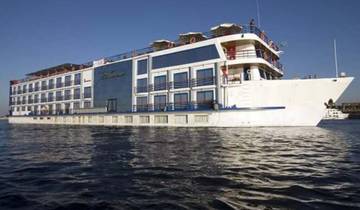
5 days
Luxor: 5-Day Nile Cruise to Aswan with Balloon Ride
- ✓ Comprehensive Luxor tour
- ✓ Expert local guides included
- ✓ All accommodation arranged
- ✓ Transportation provided
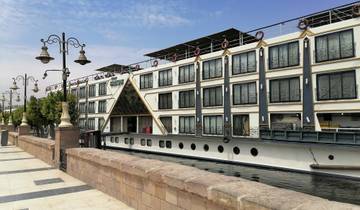
3 days
Amazing 3-Days 2-Nights Nile Cruise Aswan to Luxor with Edfu and Kom Ombo Tours
- ✓ Comprehensive Luxor tour
- ✓ Expert local guides included
- ✓ All accommodation arranged
- ✓ Transportation provided
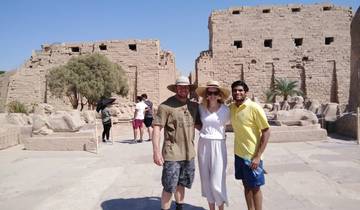
5 days
5 Days 4 Nights Cruise from Luxor to Aswan
- ✓ Comprehensive Luxor tour
- ✓ Expert local guides included
- ✓ All accommodation arranged
- ✓ Transportation provided
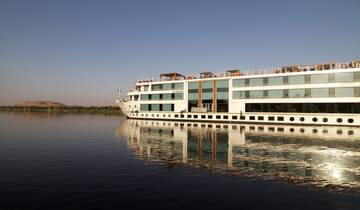
5 days
Private: 5-Days Luxury Nile Cruise Luxor To Aswan with sightseeing
- ✓ Comprehensive Luxor tour
- ✓ Expert local guides included
- ✓ All accommodation arranged
- ✓ Transportation provided
Multi-day tour packages powered by TourRadar. Prices and availability subject to change.
Free Activity #1: East Bank Corniche Promenade for 2026
The Nile corniche stretches 3 kilometers along Luxor’s East Bank waterfront providing the city’s premier free activity. The wide paved promenade runs from Luxor Temple north past hotels, restaurants, and gardens with continuous Nile views and West Bank mountain backdrop. No entry fees or transportation costs apply for hotel guests walking from East Bank accommodations. The corniche functions as social hub where Egyptian families, tourists, and vendors create vibrant evening atmosphere.
Optimal timing varies by season with winter evenings (November-February) bringing comfortable 15-20°C temperatures and maximum crowds. Summer evenings (June-September) remain uncomfortably warm until after 6 PM when temperatures drop to merely hot rather than dangerous. The promenade achieves peak activity 5-8 PM when Egyptian families emerge for evening strolls. Early morning (6-8 AM) provides quieter experiences with joggers, fishermen, and morning market activity replacing evening crowds.
Specific viewpoints along the corniche offer distinct perspectives. The section opposite Luxor Temple provides direct monument views with illuminated temple visible from waterfront benches. The northern stretch past Winter Palace Hotel features mature trees creating shaded rest areas. The southern section approaching Luxor Temple shows traditional wooden feluccas moored at the waterfront. Multiple cafes line the route where purchasing single drinks (20-30 EGP tea or coffee) enables extended sitting with Nile views – minimal cost for substantial relaxation time.
Photography opportunities include sunset reflections on the Nile, felucca sail silhouettes, West Bank mountain views, and street life scenes. The golden hour (hour before sunset) provides optimal natural lighting for landscape and architectural photography. Night photography captures illuminated temples and waterfront ambiance though tripods attract security attention. Respectful candid street photography documents Egyptian social interactions though always obtain permission before photographing individuals directly.
Free Activity #2: Luxor Souq Market Exploration for 2026
The traditional souq behind Luxor Temple presents labyrinthine covered streets where local Egyptians shop for produce, spices, household goods, and clothing. The tourist sections near temple entrances give way to authentic local markets deeper in the complex. Zero cost enables hours of cultural observation as traditional commerce continues patterns dating centuries. The market operates daily 8 AM – 8 PM with reduced hours during Ramadan and Friday afternoon prayer closures.
Navigation requires accepting inevitable disorientation as narrow winding lanes lack clear signage and similar shop groupings create confusing patterns. The general structure flows from tourist goods near temple areas through clothing and household goods to produce and meat sections deepest in the complex. The tourist-local boundary becomes apparent as Arabic signage replaces English and vendor attention shifts from aggressive pursuit to indifferent acknowledgment. Penetrating deeper into local sections reveals authentic Egyptian market culture unavailable in tourist areas.
Specific market areas offer distinct experiences. The spice section features aromatic corridors with burlap sacks displaying cumin, coriander, turmeric, hibiscus, and countless regional spices. The gold souq concentrates jewelry shops where elaborate displays showcase traditional Egyptian gold work. The textile section shows stacks of Egyptian cotton fabrics and traditional garments. The produce area brings seasonal fruit and vegetable abundance with vendors arranging colorful displays. These specialized zones demonstrate traditional market organization patterns.
Cultural observation opportunities include watching shopkeepers sipping tea while awaiting customers, observing local women shopping with children, noting social greetings and haggling rituals, and experiencing sensory overload from combined aromas, colors, and sounds. Bringing small bills (20-50 EGP) enables optional purchases of juice (10-15 EGP), snacks (5-10 EGP), or small items without feeling obligated to buy. The market provides ethnographic education unavailable in sterile museum contexts.
Free Activity #3: West Bank Village Walking for 2026
Agricultural villages on Luxor’s West Bank preserve traditional Upper Egyptian lifestyles with mud-brick architecture, Nile irrigation agriculture, and rural social patterns continuing ancient practices. Walking through villages including Qurna, El Gezira, and smaller farming settlements costs nothing beyond the 5-10 EGP public ferry crossing. The villages occupy the narrow Nile floodplain between monuments and desert escarpment providing authentic Egyptian rural experience.
The public ferry from downtown Luxor lands opposite Television Street on West Bank where village walking begins immediately. Head inland from ferry landing through El Gezira village where traditional houses cluster along narrow lanes. The mud-brick construction maintains ancient building techniques using Nile silt mixed with straw and dried in sun. Flat roofs serve as outdoor living spaces with stored crops and domestic activities visible. The architecture demonstrates sustainable building practices adapted to local climate and materials.
Agricultural observations include irrigation channels distributing Nile water to small family plots, traditional crops including wheat, corn, sugarcane, and vegetables growing in rich alluvial soil, date palm groves providing shade and fruit, and farmers using donkeys and water buffalo for agricultural labor. The seasonal agricultural cycle creates varying visual experiences with green winter wheat fields, golden harvest stubble, and summer sugarcane towering over irrigation channels. This working agricultural landscape continues patterns established in pharaonic times.
Social interaction opportunities arise as village walks attract curious local attention. Children often approach practicing English and seeking photographs. Older residents sitting in doorways may offer tea invitations – accepting demonstrates cultural respect though creates obligations for extended visiting. Women washing clothes in irrigation channels, men tending animals, and extended families gathered for meals provide glimpses into Egyptian rural family life. These encounters require cultural sensitivity respecting photography boundaries and social customs.
Free Activity #4: Nile Sunset Viewing from Multiple Vantage Points for 2026
Sunset viewing provides daily free entertainment with multiple accessible locations offering distinct perspectives. The Nile’s north-south orientation creates side-lit rather than direct sunset views as sun descends behind West Bank mountains. The dramatic silhouettes, reflected light on water, and changing sky colors create memorable daily spectacles requiring zero expenditure. Sunset timing varies seasonally with winter sunsets around 5 PM and summer around 6:30 PM.
The corniche benches provide comfortable sunset viewing with unobstructed westward Nile views. Arrive 30-40 minutes before sunset securing prime bench positions as Egyptian families and tourists gather. The gradually changing light creates progressive photography opportunities from golden hour warmth through sunset drama to blue hour tranquility. Feluccas crossing the Nile provide moving foreground elements enhancing compositional interest. This accessible option requires no planning beyond timing arrival.
The public ferry crossing itself offers dynamic sunset perspectives from mid-river. The 5-10 EGP crossing cost seems minimal relative to the unique viewpoint advantage. Time the crossing to occur during actual sunset (not 30 minutes early or late) for optimal light. The moving platform creates varied compositional opportunities as perspectives shift during 10-minute crossing. The working ferry context with local passengers adds authentic atmosphere compared to tourist sunset cruises costing 20x more.
West Bank viewpoints including the road toward Valley of the Queens provide elevated perspectives looking eastward across the Nile toward Luxor Temple and Karnak with mountains behind. The reverse angle sunset creates different aesthetic with front-lit East Bank monuments against colorful western sky. Bicycle rental (50-80 EGP daily) enables reaching these viewpoints though the rental cost technically violates “free” designation – the viewpoints themselves remain free once accessed.
Free Activity #5: Exterior Monument Architecture Study for 2026
Major monuments’ exterior walls and approaches provide substantial architectural appreciation without entry ticket purchases. Karnak Temple’s massive enclosure walls, Luxor Temple’s imposing facade, and Medinet Habu’s fortified entrance enable detailed architectural study from public streets and approaches. While interior access requires tickets, the exterior architecture demonstrates construction techniques, decorative elements, and spatial organization principles.
Karnak Temple’s approach from parking areas passes massive enclosure walls constructed from mud brick showing ancient building techniques. The weathered walls reveal brick courses and construction patterns used in 2000+ year old structures. The First Pylon’s facade towers 40+ meters providing overwhelming scale impression without courtyard entry. The exterior relief carvings though weathered show compositional organization and scale. Photography from public areas captures the monument’s imposing presence and architectural massing.
Luxor Temple’s columned facade visible from corniche provides free architectural appreciation. The obelisk and colossal seated statues of Ramesses II establish the temple’s grandeur from street level. The illuminated evening facade creates dramatic photography opportunities with artificial lighting revealing architectural details. The public square surrounding the temple enables 360-degree exterior study noting how the monument integrates with surrounding urban fabric. These observations contextualize interior visits when budget permits.
Medinet Habu’s exterior fortified walls demonstrate military architectural features uncommon in other Egyptian temples. The massive gateway with defensive towers shows architectural innovation beyond purely religious functions. Walking around the exterior perimeter reveals the complex’s huge scale and elaborate outer decoration. The exterior study provides architectural education supplementing guidebook descriptions and preparing for eventual interior visits when budget allows ticket purchases.
Free Activity #6: Public Transportation Cultural Experience for 2026
The public ferry and local microbuses provide authentic Egyptian transportation experiences doubling as cultural activities. The ferry crossing costs 5-10 EGP connecting East and West Banks with continuous service 6 AM to sunset. The working ferry primarily serves local Egyptians commuting to agricultural work, shopping, and family visits. Sharing this transportation context provides cultural immersion unavailable in tourist-focused services.
The ferry boarding process requires identifying the public landing (not private hotel docks) near downtown Luxor. The basic wooden boats accommodate 15-20 passengers on bench seating. No tickets exist – simply board and pay the captain 5-10 EGP during crossing. The other passengers include farmers transporting produce, women with shopping bags, children heading to school, and occasional budget tourists. The 10-minute crossing provides Nile river perspective with West Bank mountains and East Bank cityscape views.
Microbus local transport costs 2-5 EGP per ride connecting East Bank neighborhoods. These converted passenger vans operate informal routes following demand rather than fixed schedules. Riders signal stops by verbal request or tapping ceiling. The experience provides authentic Egyptian transport encounters with close-quarters seating, enthusiastic driver assistants collecting fares, and local conversations. Navigation requires Arabic language skills or careful observation though wrong buses simply provide unexpected neighborhood tours for minimal cost.
The cultural value exceeds transportation utility as these experiences reveal Egyptian daily life rhythms. Observing local passengers’ social interactions, clothing choices, conversation topics, and behavioral norms provides sociological insights. The minimal cost makes experimentation viable – spending 20-30 EGP on multiple ferry crossings or microbus rides throughout a day creates varied neighborhood experiences while remaining essentially free entertainment.
Free Activity #7: Egyptian Coffeehouse Cultural Observation for 2026
Traditional coffeehouses (ahwa) serve as male social spaces where Egyptian men gather for conversation, shisha smoking, tea drinking, and game playing. While ordering minimum tea (5-10 EGP) technically violates pure “free” designation, the minimal cost enables hours of cultural observation. The coffeehouses provide accessible windows into Egyptian male social culture unavailable in tourist contexts or monument sites.
Traditional establishments feature outdoor seating with small tables and chairs facing streets enabling people-watching alongside interior atmosphere observation. The clientele ranges from elderly men spending entire days to young adults gathering between work shifts. Activities include domino games, backgammon, watching television (usually Egyptian soap operas or football matches), and extended conversations over multiple tea refills. The unhurried atmosphere contrasts with Western coffee shop efficiency emphasizing social connection over rapid consumption.
Cultural protocols require understanding before sitting. Women generally avoid traditional coffeehouses as male-dominated spaces though tourist women receive grudging acceptance. Choose establishments with some foreign presence indicated by English menus or tourist customers. Order tea or coffee immediately upon sitting as sitting without ordering seems rude. Bringing book or journal provides occupation justifying extended sitting without constant consumption. The minimal spending enables afternoon shade refuge during peak heat hours.
Observation opportunities include noting social greeting rituals with extensive handshaking and cheek kissing, watching shisha preparation and smoking techniques, observing game strategies and good-natured competition, and experiencing Egyptian hospitality as curious locals initiate conversations. Photography requires extreme discretion as photographing Egyptian men in social contexts often generates anger. The experience provides male cultural perspective complementing other Luxor activities.
Free Activity #8: Sunrise Viewing and Morning Light Photography for 2026
Sunrise viewing requires early rising though rewards early risers with spectacular light and empty streets. The eastern sunrise over desert hills illuminates monuments with warm direct light creating optimal photography conditions. The pre-tourist-bus quiet enables peaceful exploration before crowds arrive. Winter sunrise around 6:30 AM proves more accessible than summer’s 5 AM sunrise requiring extreme early rising.
The corniche provides eastward sunrise perspectives as light appears over West Bank mountains (counterintuitively, standing on East Bank looking west shows sunrise as sun rises behind viewer illuminating western mountains). The progressive illumination creates changing color temperature from cool pre-dawn blue through warm sunrise gold to harsh midday white. The hour after sunrise provides optimal monument photography light with low angle revealing architectural details through shadow and highlight contrast.
West Bank viewpoints including roads near Hatshepsut Temple offer direct eastward sunrise perspectives. The desert hills silhouette against brightening sky before sun emerges creating dramatic composition opportunities. The challenge involves reaching viewpoints before sunrise without private transport – early hotel departure with bicycle rental or arranged taxi enables access. The agricultural landscape awakens with farmers beginning irrigation and animal care visible in soft morning light.
Photography benefits from sunrise’s superior light quality compared to sunset. The cool morning air creates stable atmospheric conditions preventing heat shimmer distorting distant views. Dust levels remain minimal before daily activity raises particles. The warm directional light reveals surface textures and architectural relief details. Monument photography enthusiasts consider sunrise mandatory despite early wake requirements. These free photography opportunities rival paid hot air balloon flights for landscape beauty at fraction of cost.
Free Activity #9: Temple-Adjacent Gardens and Public Spaces for 2026
Public gardens and squares around temples provide free rest areas with monument views and shade refuges during hot hours. These spaces enable recovery between paid monument visits while maintaining cultural engagement. The gardens demonstrate Egyptian landscape traditions combining decorative plants with functional shade provision. Zero entry costs permit extended relaxation without obligating further spending.
The public square surrounding Luxor Temple features benches and limited shade trees with direct temple facade views. The illuminated evening temple creates dramatic backdrop for evening gathering. Vendors sell snacks and drinks at standard Egyptian prices (10-30 EGP) versus tourist restaurant markups. The square functions as community space where locals and tourists mix watching street performers, carriage horses, and passing crowds. Evening activity peaks 6-9 PM when temperatures moderate and families emerge.
The Karnak approach area includes palm-shaded sections along the sphinx-lined avenue connecting Luxor Temple to Karnak. While the full avenue renovation project continues with fluctuating access, completed sections provide pleasant walking with partial monument views. The public access without entry fees enables architectural appreciation from exterior perspectives. The 2.7 kilometer sphinx avenue creates substantial walking distance for exercise combined with cultural context.
Small neighborhood parks scattered throughout East Bank residential areas provide local Egyptian park culture observation. These modest spaces feature children’s playgrounds, simple gardens, and bench seating where families gather in late afternoons. The parks reveal Egyptian family dynamics, parenting styles, and social interactions in non-tourist contexts. Finding these parks requires wandering residential streets though the cultural reward justifies exploration effort.
Free Activity #10: West Bank Cemetery and Village Culture Study for 2026
West Bank includes expansive Islamic cemetery areas where traditional burial practices continue ancient tomb traditions. Walking through cemetery areas provides cultural education about Egyptian death customs, religious architecture, and community memorialization practices. The cemeteries occupy dramatic locations between monuments and mountains creating contemplative landscapes. Respectful visitation observing appropriate protocols enables this unusual free activity.
The cemetery areas feature distinctive architectural elements including small domed tomb structures, simple stone markers, and occasional elaborate family tombs demonstrating wealth disparities visible in death memorialization. The Islamic burial traditions emphasizing simple graves with stone markers showing name and Quranic verses contrast with ancient Egyptian elaborate tomb complexes visible nearby. This continuity and change in burial practices spanning 3000+ years provides historical perspective on cultural evolution.
Cultural sensitivity proves essential as cemeteries function as sacred spaces for grieving families. Conservative dress and quiet respectful behavior remain mandatory. Avoid photographing individual graves or mourning families. Visit during non-active times (not Friday afternoons when funerals cluster) reducing intrusion on private grief. The educational value comes from observing architectural features and landscape organization rather than voyeuristic grave examination.
The cemetery locations provide landscape perspectives with views across agricultural land toward Nile and monuments. The dramatic desert escarpment backdrop creates powerful visual contexts. Walking between cemetery areas through village lanes combines multiple free activities into extended West Bank explorations. The unusual activity appeals to travelers interested in cultural anthropology beyond conventional tourist attractions.
Combining Free Activities Into Full-Day 2026 Itineraries
Strategic free activity combinations create satisfying full-day experiences without entry ticket costs. A West Bank day begins with 6:30 AM sunrise viewing and photography followed by village walking through agricultural areas observing morning farm activities. Mid-morning ferry return to East Bank (5-10 EGP) proceeds to coffeehouse refuge during peak heat hours with minimal tea spending (5-10 EGP). Late afternoon corniche walk transitions to sunset viewing and evening market exploration. Total spending: 20-30 EGP for transportation and tea versus 300-500+ EGP for equivalent monument entry day.
An East Bank exploration day starts with early morning Karnak exterior study and approach avenue walking. Return to hotel for breakfast and midday rest avoiding heat. Late afternoon souq market immersion exploring both tourist and local sections observing commercial activities and artisan workshops. Evening begins with corniche promenade sunset viewing followed by Luxor Temple exterior illuminated photography and public square people-watching. Night market sections provide evening activity concluding full day with zero to minimal spending.
A cultural immersion day emphasizes Egyptian daily life observation rather than monument visiting. Morning public ferry crossing to West Bank enables village walking with agricultural landscape exploration. Midday return via ferry proceeds to local restaurant lunch (Egyptian food at 50-100 EGP maintains budget while adding cultural food experience). Afternoon coffeehouse sitting provides heat refuge and social observation. Evening corniche activity and neighborhood park visiting reveals Egyptian family life. The focus shifts from ancient history to contemporary culture creating balanced understanding.
Recovery days between intensive monument visiting integrate free activities maintaining engagement while controlling spending and physical demands. Light morning activity like sunrise viewing provides early productivity without strenuous walking. Extended midday hotel rest includes pool time if available. Gentle evening activity focusing on corniche walking and sunset viewing rebuilds energy while maintaining vacation momentum. These recovery days prevent exhaustion while extending overall trip duration through budget management.
Budget Impact: Free Activities Strategy for 2026
Integrating free activities enables significant budget extension. Travelers allocating 300-500 EGP daily for monument entries can reduce spending to 150-300 EGP on alternate days mixing free activities with selective paid entries. A week-long visit alternating monument days with free activity days reduces total entry costs from 2,100-3,500 EGP to 1,200-2,000 EGP – savings of 900-1,500 EGP ($30-50) enabling trip extension or upgraded accommodation.
The strategy proves particularly effective for extended stays where daily monument visiting leads to archaeological fatigue and budget depletion. Two weeks incorporating 5-6 full monument days alternating with mixed days combining morning monument visits with afternoon free activities maintains varied experiences while controlling costs. The free activities provide cultural context enhancing monument visit appreciation rather than serving as mere cost-cutting measures.
Solo travelers benefit most from free activity strategies as per-person costs concentrate on single individual versus couples or groups sharing accommodation and transport. The free activities eliminate one of travel’s major expense categories (attractions/activities) while maintaining engagement. Solo travelers comfortable with independent exploration and cultural observation find these activities particularly rewarding as they enable flexible spontaneous scheduling impossible with group tours.
Long-term budget travelers using Luxor as extended base find free activities enable sustainable multi-week stays. Daily costs drop to 600-800 EGP (accommodation 300-500 EGP, food 200-250 EGP, minimal transport 50-100 EGP, occasional monument entry) versus 1,500-2,000 EGP for full daily monument visiting. The extended stays enable deeper cultural understanding and authentic local relationships unavailable through rushed conventional tourism.
FAQ About Free Activities in Luxor for 2026
Can travelers stay entertained in Luxor using only free activities for 2026?
Sustained entertainment requires combining free activities with selective paid entries as the free options provide 3-4 days of varied experiences before repetition becomes apparent. The listed free activities enable budget travelers to extend visits, recover between intensive monument days, or supplement paid visits with complementary cultural experiences. Visitors expecting exclusively free activity week-long stays will experience diminishing returns as options exhaust. The optimal strategy integrates both free and paid activities creating balanced sustainable visiting patterns.
Do free activities provide equivalent cultural value to paid monument entries in 2026?
Free activities offer different rather than equivalent value focusing on contemporary Egyptian culture and landscape appreciation versus ancient historical monument engagement. The monument interiors provide irreplaceable archaeological and artistic experiences justifying their costs. The free activities supplement monument visits with cultural context about modern Egyptian life, agricultural traditions, and social customs. Travelers choosing exclusively free activities miss Luxor’s primary attractions though gain authentic cultural insights unavailable in tourist-focused monument contexts. Both types of activities contribute to comprehensive understanding.
Are women safe participating in free activities alone in Luxor during 2026?
Solo female travelers face persistent harassment though violent crime remains rare. The free activities in public spaces including corniche, markets, and ferry crossings prove safer than isolated areas. Conservative dress, confident demeanor, and firm boundary-setting reduce though don’t eliminate attention. Village walking requires greater caution as rural areas involve less tourist exposure and potentially more conservative attitudes. Joining other travelers for free activities provides safety buffer while maintaining budget benefits. Women traveling together face significantly less harassment than solo female travelers.
What time commitment do these free activities require in 2026?
Individual free activities range from 30-minute sunset viewing to 3-4 hour village walking expeditions. The corniche promenade accommodates 20-minute brief walks or 2-hour extended strolls. Market exploration consumes 1-3 hours depending on interest depth. Combining multiple activities into full-day itineraries requires 6-8 hours total time including rest breaks. The flexible nature allows adapting to energy levels, heat conditions, and personal interests. Most activities enable spontaneous initiation without advance planning or reservations.
Do these free activities work during Ramadan in 2026?
Ramadan (March 1-29, 2026) affects some free activities while enhancing others. Daytime market activity reduces as shops close for fasting observance. Coffeehouse culture shifts dramatically as establishments close during daylight. Corniche activity and sunset viewing intensify as Egyptians celebrate iftar (fast-breaking) creating festive evening atmosphere. Village activities proceed normally as agricultural rhythms continue regardless of religious observance. The evening cultural observations during Ramadan provide unique experiences unavailable during non-Ramadan periods though daytime options reduce.
How do travelers balance free activities with seeing Luxor’s famous monuments in 2026?
Optimal balance allocates morning hours (6-11 AM) to paid monument entries when temperatures remain tolerable and energy peaks. Afternoon heat forces rest regardless of activity type. Late afternoon and evening (4-8 PM) suits free activities providing cultural engagement without additional spending. Alternating full monument days with mixed days combining morning paid entry with afternoon free activities prevents budget exhaustion while maintaining varied experiences. Three-day minimum stays enable 2 full monument days plus 1 mixed day. Week-long visits comfortably accommodate 4-5 monument days alternating with free activity days.
What unexpected costs might arise during supposedly free activities in 2026?
Hidden costs include aggressive tipping expectations from unofficial “guides” appearing during village walks or market exploration. Parking fees (10-20 EGP) apply to bicycle-equipped areas. Minimal purchases (tea, snacks) enable extended sitting in cafes and rest areas. Photography permits rarely enforced for casual shooting occasionally draw guard requests for small fees (20-50 EGP). Ferry crossings while cheap (5-10 EGP) accumulate costs with multiple daily crossings. These minor expenses rarely exceed 50-100 EGP daily though technically violate pure “free” activity definitions. Budget padding prevents stress over minimal spending enabling full activity enjoyment.
Can families with children enjoy these free activities in Luxor during 2026?
Several free activities suit families while others prove challenging with young children. Corniche walking provides safe flat surfaces with engaging boat watching and ice cream vendors (minimal cost). Market exploration fascinates children through sensory stimulation though crowded conditions require close supervision. Village walking may bore children lacking interest in agricultural observations. Sunset viewing and public squares provide family-friendly environments. Coffeehouse culture excludes children from traditional male spaces. Ferry crossings excite children as boat adventures. The activities requiring minimal expense (ice cream, snacks) enable family participation while maintaining budget consciousness.
How do free activities compare to organized free walking tours in Luxor for 2026?
Organized “free” walking tours operate on tip-based models where guides expect 100-200 EGP per person – significantly higher than truly free self-guided activities. The tours provide historical context, local insights, and navigation assistance valuable for first-time visitors. Self-guided free activities offer flexibility, spontaneity, and genuine zero cost though sacrifice expert commentary. Visitors comfortable with independent exploration using guidebooks or downloaded information achieve equivalent experiences at lower cost. Those preferring structured guidance with historical education find organized tours justify tip expectations despite “free” misleading labeling.
What safety precautions apply to free activities in Luxor for 2026?
Basic safety protocols include carrying minimal valuables during market and village exploration, maintaining awareness in crowded areas preventing pickpocketing, avoiding isolated areas particularly at night, drinking adequate water during outdoor activities, and informing hotel staff about planned routes. Village walking requires sun protection and proper footwear as medical facilities prove distant from rural areas. Ferry crossings lack safety equipment requiring swimming ability or acceptance of minor risk. Photography equipment attracts theft attention requiring vigilance in crowded markets. Mobile phones enable emergency communication though signal reliability varies in rural West Bank areas. These standard precautions enable safe free activity enjoyment throughout Luxor.