
10 Free Things to Do in Bari 2026: Budget Travel Guide
Key Takeaways
- Free Historic Exploration: Bari Vecchia (Old Town) offers unlimited free wandering through medieval streets, Byzantine churches, and authentic neighborhoods with zero admission costs
- Coastal Access: Multiple free beaches including Pane e Pomodoro and Torre Quetta provide Mediterranean swimming and sunbathing without beach club fees
- Cultural Immersion: Basilica di San Nicola, street food markets, and pasta-making demonstrations visible from public streets cost nothing to experience
- Waterfront Promenade: The 5km Lungomare Nazario Sauro offers free sunset views, people-watching, and Mediterranean atmosphere perfect for budget travelers
- Local Markets: Morning fish markets and street vendors in Bari Vecchia provide authentic cultural experiences and photo opportunities at no charge
- Strategic Timing: Free activities concentrate in morning hours (7-11 AM for markets) and evening hours (6-9 PM for passeggiata) maximizing budget-friendly experiences in 2026
Introduction: Experiencing Bari Without Breaking the Bank in 2026
Bari, the vibrant capital of Puglia in southern Italy, delivers extraordinary Mediterranean experiences without requiring substantial budget allocation. The city’s 2026 tourism landscape balances paid attractions with abundant free activities, allowing budget-conscious travelers to experience authentic Apulian culture, stunning coastal views, and historic architecture without admission fees. This guide identifies the 10 best free activities in Bari for 2026, from wandering medieval streets to swimming at public beaches, ensuring comprehensive city exploration while maintaining zero-cost principles.
Budget travelers in 2026 discover that Bari’s best experiences often cost nothing: watching pasta-making grandmothers in Bari Vecchia’s streets, swimming at Pane e Pomodoro beach, exploring Byzantine churches, and joining the evening passeggiata along the waterfront. These free activities provide deeper cultural immersion than many paid tours, connecting visitors directly with local daily life, culinary traditions, and Mediterranean coastal culture that define Bari’s character.
People Also Ask About Free Things in Bari 2026
What are the best free activities in Bari in 2026?
The best free activities in Bari in 2026 include wandering Bari Vecchia’s medieval streets, swimming at Pane e Pomodoro beach, visiting Basilica di San Nicola, walking the Lungomare waterfront promenade, watching pasta-making demonstrations in Via Arco Basso, exploring Piazza del Ferrarese, and joining evening passeggiata. These activities provide comprehensive Bari experiences covering history, culture, beaches, and local life without any admission costs.
Can you visit Bari on a zero-budget in 2026?
You can explore substantial portions of Bari on a zero-budget in 2026, though accommodation and meals require spending. All major historic sites in Bari Vecchia allow free street-level exploration, beaches charge no admission, and cultural experiences like pasta-making observation and market visits cost nothing. Budget travelers spend only on accommodation (€30-50 dorm beds), basic meals (€15-25 daily if strategic), and optional paid attractions like castle entry (€10).
Is Bari Vecchia free to explore in 2026?
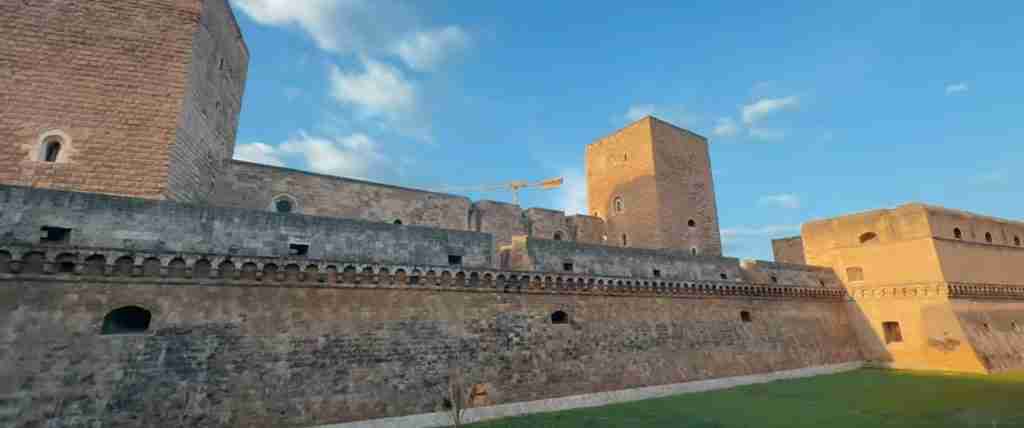
Bari Vecchia is completely free to explore in 2026 as a public historic neighborhood with no admission fees, entry gates, or restricted access zones. The entire medieval district opens 24/7 for wandering, though individual sites like Castello Normanno-Svevo charge admission (€10 in 2026). Street-level exploration of alleys, churches (except during services), markets, and local life costs nothing, making Bari Vecchia ideal for budget travelers.
What beaches in Bari are free in 2026?
All public beaches in Bari are free in 2026 including Pane e Pomodoro (the main city beach), Torre Quetta, and waterfront sections along the Lungomare. While private beach clubs (lidos) charge €15-25 daily for chair and umbrella rental, substantial beach areas remain free-access public zones where visitors bring their own towels and swim without fees. Peak summer crowds (July-August) fill free sections by mid-morning.
Extended multi-day tours – 5+ days
Featured Bari Multi-Day Tour Packages
3 days
Bari 3-Day Discovery Tour
- ✓ Comprehensive Bari experience
- ✓ Expert local guides included
- ✓ All accommodation included
- ✓ Transportation provided

5 days
Bari 5-Day Highlights Experience
- ✓ Comprehensive Bari experience
- ✓ Expert local guides included
- ✓ All accommodation included
- ✓ Transportation provided

7 days
Bari 7-Day Cultural Journey
- ✓ Comprehensive Bari experience
- ✓ Expert local guides included
- ✓ All accommodation included
- ✓ Transportation provided

10 days
Bari 10-Day Complete Adventure
- ✓ Comprehensive Bari experience
- ✓ Expert local guides included
- ✓ All accommodation included
- ✓ Transportation provided
Multi-day tour packages powered by TourRadar. Prices and availability subject to change.
Essential Planning Information for Free Activities 2026
Understanding Bari’s Free vs. Paid Activity Landscape in 2026
Bari’s tourism structure in 2026 divides clearly between free public spaces and paid attractions. All historic streets, churches during non-service hours, public beaches, waterfront promenades, and markets operate as free-access zones requiring zero spending. Paid attractions in 2026 include Castello Normanno-Svevo (€10 admission), Teatro Petruzzelli tours (€8-12), guided tours (€15-45), and museum collections. Budget travelers maximize free exploration while selectively adding paid experiences based on specific interests.
The optimal Bari budget strategy combines extensive free activities (70-80% of time) with selective paid enhancements (20-30% of time). This approach delivers comprehensive city understanding while controlling costs: free Bari Vecchia wandering supplemented by paid castle visit; free beach time supplemented by paid seafood lunch; free market observation supplemented by paid food tour. Most travelers achieve rich 2-3 day Bari experiences spending only €20-40 on admissions and activities beyond accommodation and meals.
Timing Strategies for Free Activities in 2026
Free activity timing in Bari 2026 follows Mediterranean daily rhythms maximizing experiences while avoiding crowds. Morning hours (7-11 AM) deliver optimal market experiences, cooler beach temperatures, and empty historic streets before tour groups arrive. Afternoon hours (2-5 PM) see reduced activity as locals observe siesta, making this period ideal for solitary beach visits or quiet Old Town exploration. Evening hours (6-9 PM) offer the best passeggiata atmosphere, cooler temperatures for walking, and vibrant piazza life.
Seasonal timing influences free activity quality significantly in 2026. Spring (April-May) and fall (September-October) provide comfortable temperatures for extensive walking, smaller crowds at beaches and historic sites, and pleasant evening passeggiata conditions. Summer (June-August) delivers peak beach weather but requires earlier morning timing (before 10 AM) to secure free beach space and cooler exploration conditions. Winter (November-March) eliminates beach activities but offers uncrowded historic site exploration and authentic local atmosphere as tourism diminishes.
Free Activity #1: Wandering Bari Vecchia’s Medieval Streets
Why This Is Free and What You Experience
Bari Vecchia (Old Town) operates as a living historic neighborhood rather than a ticketed attraction zone, allowing unlimited free exploration through medieval streets, Byzantine architecture, and local daily life. The entire district spanning approximately 30 hectares between the cathedral and waterfront remains accessible 24/7 without admission fees, entry gates, or restricted zones. Visitors wander freely through winding alleys, discover churches, observe local customs, and experience authentic Apulian street life without spending anything.
Free Bari Vecchia exploration delivers encounters with pasta-making grandmothers (le signore) working in doorways, fish vendors selling morning catches, residents chatting in dialect, children playing in piazzas, and neighborhood cats lounging on medieval walls. The maze-like street network encourages getting intentionally lost, discovering hidden courtyards, photographing laundry-lined balconies, and stumbling upon neighborhood bars serving espresso for €1. This unstructured wandering provides deeper cultural understanding than any paid tour, connecting visitors directly with the rhythms, traditions, and social fabric of Apulian daily life.
Strategic Routes for Maximum Free Experience
The optimal free Bari Vecchia route begins at Piazza del Ferrarese, enters the historic district through Arco Basso, follows Via Arco Basso (watching pasta-making demonstrations), reaches Piazza Mercantile, continues to the cathedral, descends to Basilica di San Nicola, explores the residential northern section, and exits via Strada Palazzo di Città back to the waterfront. This 2-3 hour walking loop covers all major free sites, passes through authentic residential zones, and requires zero spending while delivering comprehensive Old Town understanding.
Early morning timing (8-10 AM) maximizes free Bari Vecchia experiences, capturing market activity, pasta-making demonstrations, and local life before tourist crowds arrive. Late afternoon (4-6 PM) offers alternative timing with golden-hour photography light, residents returning from siesta, and preparations for evening activity. Multiple shorter visits across different times provide broader understanding than single extended tours, revealing how neighborhood character transforms from morning market bustle through afternoon quiet to evening social gatherings.
Free Activity #2: Swimming at Pane e Pomodoro Beach
Accessing Bari’s Main Public Beach Without Fees
Pane e Pomodoro beach, located 2km south of Bari Vecchia along the Lungomare, operates as Bari’s primary free-access public beach with no admission charges, parking fees (street parking available), or mandatory services. The beach stretches approximately 800 meters with substantial free-access zones between private beach clubs (lidos), allowing budget travelers to swim, sunbathe, and enjoy Mediterranean coast experiences without spending. Visitors bring their own towels, beach umbrellas, and supplies, enjoying the same water and sand as paid beach club sections.
Peak season beach strategy (June-September 2026) requires arriving before 10 AM to secure good free-access positions, as popular spots fill rapidly with locals and tourists. Bring essential supplies including beach towel, umbrella (for sun protection), water bottles (refill at public fountains), and snacks (purchase at nearby supermarkets for €5-8 daily budget). Beach facilities include public showers (free), changing areas (free), and restrooms (free), eliminating any mandatory spending for basic beach day infrastructure.
Beach Alternatives and Coastal Free Access
Beyond Pane e Pomodoro, free beach access in 2026 includes Torre Quetta (smaller beach north of Bari Vecchia), waterfront swimming zones along the Lungomare, and rocky coastal areas popular with locals for diving and swimming. These alternatives offer quieter experiences, fewer crowds, and more authentic local beach culture compared to the more tourist-oriented Pane e Pomodoro. Torre Quetta particularly appeals to budget travelers seeking calmer water, small pebble beach sections, and neighborhood atmosphere without tourist infrastructure.
Strategic beach timing combines morning swimming sessions (8-11 AM) with late afternoon beach visits (5-7 PM) avoiding peak sun intensity and crowd density. This split-day approach allows morning beach experiences followed by afternoon historic exploration (when beaches are too hot and crowded), then returning for sunset beach sessions offering spectacular coastal views, comfortable temperatures, and romantic atmosphere without the midday heat or crowds. Evening beach visits (after 7 PM) provide swimming in warm water, stunning sunsets, and virtually empty beaches as day-trippers depart.
Free Activity #3: Visiting Basilica di San Nicola
Free Access to Bari’s Most Important Church
Basilica di San Nicola, the 11th-century Romanesque church housing Saint Nicholas relics (the historical figure behind Santa Claus), offers free admission during visiting hours (daily 7 AM-1 PM and 4-7:30 PM in 2026). The basilica operates as an active religious site rather than a museum, allowing respectful visitors to explore Byzantine architecture, venerate Saint Nicholas tomb, view medieval crypts, and experience Orthodox and Catholic pilgrimage traditions without admission fees or mandatory donations.
Free basilica exploration includes the main nave with its Norman-Romanesque architecture, the crypt containing Saint Nicholas relics (attracting Orthodox pilgrims from Russia and Greece), medieval floor mosaics, baroque ceiling decorations, and the ciborium (12th-century marble canopy). Photography restrictions apply inside, but the architectural experience, religious atmosphere, and historical significance deliver profound cultural encounters without spending. Visiting during Orthodox services (some Sundays) provides extraordinary experiences of Byzantine chanting, incense ceremonies, and international pilgrimage culture.
Combining with Bari Vecchia Church Circuit
San Nicola anchors a free church circuit in Bari Vecchia including Cattedrale di San Sabino (free admission during visiting hours), Chiesa di San Marco (Byzantine church), Chiesa del Gesù (baroque interior), and smaller neighborhood chapels scattered through medieval streets. This self-guided sacred architecture tour delivers comprehensive understanding of Bari’s religious heritage, architectural evolution from Byzantine through baroque periods, and continuing role of faith in Apulian culture, all without admission fees.
Optimal timing for free church visits falls between 8-11 AM (morning opening hours before midday closing) or 4-7 PM (afternoon reopening through evening). Avoiding service times (typically Sunday mornings and some weekday evenings) ensures access for sightseeing rather than worship, though attending a mass provides authentic religious experience and deeper cultural understanding at no cost. Dress codes require covered shoulders and knees; carrying a light scarf or shawl ensures admission even in summer heat.
Free Activity #4: Walking the Lungomare Waterfront Promenade
Bari’s 5km Mediterranean Walking Route
Lungomare Nazario Sauro, Bari’s waterfront promenade extending 5km from the ferry terminal south past Pane e Pomodoro beach, operates as a completely free public space offering Mediterranean views, sea breezes, people-watching, and exercise opportunities without any costs. The wide pedestrian promenade separates from vehicle traffic, providing safe, pleasant walking conditions with continuous sea views, benches for resting, access to beaches, and connections to city neighborhoods.
Free Lungomare activities include morning jogging or power-walking (popular 6-9 AM with locals), afternoon leisurely strolls (4-6 PM), evening passeggiata participation (7-9 PM), sunset watching (varies seasonally), and impromptu conversations with friendly Barese residents using the promenade as a neighborhood social space. The route passes fishing boats, swimmers, beach volleyball games, outdoor exercise areas (free public gym equipment), and various architectural landmarks, delivering comprehensive coastal city experience without spending.
Sunset Strategy and Evening Atmosphere
Evening Lungomare walks (7-9 PM in summer 2026, 5-7 PM in winter 2026) capture Bari’s passeggiata culture at its peak, when thousands of residents promenade along the waterfront for socializing, exercise, and Mediterranean living celebration. This free cultural immersion reveals authentic local customs, family dynamics, romantic courtship traditions, and neighborhood social structures as Barese society displays itself along the seafront. Joining the passeggiata costs nothing but delivers insights into southern Italian culture that no paid tour can replicate.
Sunset timing varies seasonally: summer sunsets (8:30-9 PM June-August) create extended evening atmosphere with lingering twilight; shoulder season sunsets (7-7:30 PM April-May, September-October) offer comfortable temperatures and spectacular coastal colors; winter sunsets (5-5:30 PM November-March) deliver dramatic early evening light and smaller crowds. Positioning yourself on northern waterfront sections provides westward sunset views over the Adriatic, while southern sections capture city skyline silhouettes against sunset sky.
Free Activity #5: Watching Pasta-Making in Via Arco Basso
Free Observation of Bari’s Culinary Traditions
Via Arco Basso in Bari Vecchia hosts daily pasta-making demonstrations by local grandmothers (le signore delle orecchiette) working in doorways and street-side tables, creating traditional orecchiette pasta by hand using techniques passed through generations. These demonstrations occur naturally as part of daily food preparation rather than staged tourist shows, allowing free observation of authentic culinary craftsmanship without admission fees or mandatory purchases. Photography is welcomed (ask permission first), conversations develop spontaneously, and the experience delivers genuine cultural exchange.
Optimal viewing times concentrate in morning hours (9 AM-12 PM) when signore prepare fresh pasta for lunch service and family meals. The pasta-making process involves flour and water dough rolled into ropes, cut into small pieces, and shaped with thumb pressure creating the characteristic “little ears” form. Watching skilled practitioners transform simple ingredients into hundreds of perfect orecchiette pieces through repetitive hand motions provides mesmerizing meditation on craft, tradition, and the cultural importance of handmade food in Apulian society.
Understanding Purchase Dynamics
While observation remains free, many signore sell fresh pasta directly from their doorway stations at €5-8 per kilogram (approximately 6-8 portions). Purchasing is optional but appreciated, supporting local artisans while providing travelers with exceptional fresh pasta to prepare at vacation rentals or take home as gifts. The transaction itself becomes a cultural interaction, with pasta-makers explaining cooking instructions in Italian-English mix, sharing family stories, and creating memorable personal connections that transcend the commercial exchange.
For pure free experience without purchase pressure, observing from slight distance (5-10 meters) allows appreciation of the craft while signaling no buying intention. Most pasta-makers accept this respectfully, as their primary motivation involves food preparation for family and regular customers rather than tourist sales. Offering a smile, “posso guardare?” (may I watch?), and “grazie” creates positive interaction acknowledging their work while maintaining free observation boundaries.
Free Activity #6: Exploring Piazza del Ferrarese
Bari’s Social Living Room at Zero Cost
Piazza del Ferrarese, located at the junction between Bari Vecchia and the modern city, operates as the city’s primary public gathering space offering free people-watching, architectural viewing, and social atmosphere immersion. The rectangular piazza surrounded by cafes and restaurants (no purchase obligation to occupy public piazza space) fills with locals and tourists throughout the day, creating dynamic social theater ranging from morning coffee culture through afternoon aperitivo gatherings to late evening socializing.
Free piazza activities include sitting on public benches observing daily life patterns, photographing the archaeological remains beneath glass floor panels (visible from above at no charge), watching street performers and musicians (tips optional), attending occasional free events and concerts (check local schedules), and joining pickup conversations with friendly locals using the piazza as a neighborhood meeting point. The space functions as Bari’s outdoor living room, inviting participation in community life without spending requirements.
Strategic Timing for Maximum Free Entertainment
Morning piazza visits (8-10 AM) capture locals conducting daily routines, reading newspapers at cafes (order €1 espresso at bar if sitting inside, but piazza benches remain free), and the calm before tourist arrivals. Afternoon aperitivo hours (6-8 PM) transform the piazza into social hub with hundreds of residents gathering for drinks, conversations, and people-watching, creating vibrant Mediterranean atmosphere that travelers can join simply by occupying public space. Late evening hours (9 PM-midnight) maintain energy with younger crowds, street musicians, and romantic couples, though solo travelers should assess comfort levels with nighttime atmosphere.
Combining piazza observation with purchased aperitivo (€5-8 for spritz with snacks at surrounding bars) enhances experience while supporting local economy, but pure free observation from public benches delivers 80% of the cultural value without spending. Bringing your own snacks and water allows extended piazza sessions observing neighborhood social dynamics, architectural details, and authentic Barese life rhythms across different hours.
Free Activity #7: Visiting the Morning Fish Market
Authentic Market Culture Without Purchase Obligation
Bari’s daily fish market operating along the waterfront near Piazza del Ferrarese (approximately 6-11 AM) provides free access to authentic Apulian food culture, fishing industry traditions, and Mediterranean commerce. The market consists of fishing boats selling directly from docks, independent fish vendors with street displays, and animated negotiations between vendors and local chefs, housewives, and restaurant buyers. Visitors wander freely through market sections, photograph displays (with vendor permission), observe commerce dynamics, and absorb the sights, sounds, and smells of traditional Mediterranean fishing culture.
Market visits deliver educational experiences about Adriatic seafood varieties (octopus, sea urchins, red prawns, small fish species), sustainable fishing practices (many boats use traditional methods), and the social networks connecting fishermen, vendors, and buyers through decades-long relationships. The animated vendor calls, price negotiations in dialect, expert fish filleting demonstrations, and neighborhood market gossip create immersive cultural theater requiring no admission fees or purchase obligations to observe and appreciate.
Combining Free Observation with Optional Purchases
While market observation remains free, purchasing fresh seafood (€8-15 per kilogram depending on species) supports local fishing economy and provides exceptional ingredients for travelers with accommodation cooking facilities. Many vendors offer small tasting samples (especially of anchovies or small fish), creating opportunities to try Adriatic specialties without major purchases. Even minimal purchases like a single octopus (€3-5) or portion of prawns (€5-8) generate vendor appreciation while delivering authentic ingredients for preparing simple Apulian seafood meals.
Photography etiquette requires asking permission (“posso fare una foto?”) before capturing vendor portraits or specific displays, though general market atmosphere photos generally receive acceptance. Many vendors enjoy interacting with curious travelers, explaining fish varieties, demonstrating cleaning techniques, and sharing fishing stories when market activity slows, creating genuine cultural exchanges that enrich the free market visit beyond simple observation.
Free Activity #8: Discovering Hidden Courtyards and Architecture
Bari Vecchia’s Secret Architectural Treasures
Beyond major monuments, Bari Vecchia conceals hundreds of hidden courtyards, architectural details, and medieval structures accessible for free exploration by observant wanderers. These discoveries include marble doorways with Byzantine carvings, internal courtyards glimpsed through open gates (respect private property boundaries), medieval wells in piazzas, external staircases typical of Apulian architecture, window details displaying Arabic and Norman influences, and palazzo facades revealing centuries of architectural layering from medieval foundations through baroque renovations.
Successful architectural treasure hunting requires slow wandering, looking upward beyond ground level, peeking through open doorways (without trespassing), and following curiosity down narrow alleys that appear to lead nowhere. Many of Bari Vecchia’s most beautiful architectural elements hide in plain sight – carved corbels, decorative brackets, worn stone inscriptions, repurposed Roman columns – waiting for attentive observers to discover them without guidebooks or paid tours pointing them out.
Photography Opportunities and Respectful Exploration
Free architectural photography in Bari Vecchia captures extraordinary details ranging from macro shots of weathered stone textures to wide-angle compositions of narrow alleys creating geometric patterns. Morning light (8-10 AM) illuminates eastern-facing facades and courtyards, while late afternoon light (4-6 PM) enhances western exposures and creates dramatic shadows in narrow streets. Respecting resident privacy requires avoiding photographing people without permission and not entering private courtyards despite open gates.
Combining architectural exploration with resident interactions often reveals local knowledge about building histories, hidden sites, and neighborhood stories that transform generic wandering into meaningful cultural education. A simple “questo edificio è molto bello” (this building is very beautiful) often initiates conversations with residents proud of their neighborhood’s heritage, willing to share information about palazzo histories, architectural details, or even invite visitors to see hidden courtyards not typically accessible to tourists – all completely free through genuine human connection.
Free Activity #9: Joining the Evening Passeggiata
Participating in Italy’s Social Walking Tradition
The passeggiata, Italy’s traditional evening social walk, manifests powerfully in Bari through thousands of residents promenading along Corso Cavour, Via Sparano, and the Lungomare between 7-9 PM (summer timing) or 6-8 PM (winter timing). Participating costs nothing – simply walk, observe, and gradually absorb the social rhythms of this quintessential Italian custom blending exercise, socializing, people-watching, window shopping, and community display. The passeggiata operates as living theater where Barese society presents itself publicly, maintaining traditions that modern life threatens but southern Italian cities preserve.
Free passeggiata participation delivers insights into Italian social structures, family dynamics, courtship rituals, fashion culture, age-group distinctions, and the importance of bella figura (making good appearance). Different routes attract different demographics: Corso Cavour draws families with children, couples, and older residents; Via Sparano attracts younger crowds and window shoppers; the Lungomare pulls exercise-focused walkers and romantic couples. Choosing routes based on personal interests allows tailored free cultural immersion while maintaining the flexibility to change routes mid-walk.
Maximizing Free Social and Cultural Understanding
Successful passeggiata participation requires embracing Italian walking pace (slower than typical tourist movement), dressing reasonably well (passeggiata involves social display), and projecting openness to spontaneous conversations. Solo travelers often receive friendly engagement from curious locals interested in visitor impressions of Bari, creating opportunities for language practice, cultural exchange, and genuine connections without any cost beyond time investment.
Observing passeggiata social patterns reveals Italian cultural priorities: the importance of family togetherness (multi-generational groups walking together), community over privacy (greeting neighbors and friends encountered during walks), physical appearance standards (attention to clothing and grooming even for simple evening walks), and the value placed on unhurried social time versus productivity-focused modern life. These observations provide deeper Italy understanding than any paid cultural tour, delivering authentic anthropological insights through simple free participation in daily custom.
Free Activity #10: Exploring the Modern City and Contrasts
Free Walking Tour of New Bari Districts
Beyond Bari Vecchia, the modern city (Bari Nuova) constructed in the early 20th century offers free exploration of Italian urban planning, liberty-style architecture, grand boulevards, and contemporary city life contrasting dramatically with medieval quarters. Walking routes through Corso Cavour (main shopping boulevard), Via Sparano (pedestrian shopping street), Piazza Umberto I (neoclassical civic plaza), and Quartiere Murattiano (grid-pattern modern district) reveal how Bari evolved from medieval port into modern regional capital, all accessible for free walking and observation.
Free modern city highlights include Teatro Petruzzelli exterior (spectacular belle époque theater, interior tours cost €8-12 but facade viewing is free), liberty-style palazzo facades along major streets, Piazza Umberto I with its monumental buildings, street markets in various neighborhoods, and the dramatic architectural contrast where medieval Bari Vecchia meets geometrically-planned Bari Nuova. This contrast between organic medieval growth and planned modern development illustrates Italian urban history, providing architectural and planning education through simple observation.
Budget Shopping and Window Browsing
Via Sparano and surrounding streets create Bari’s primary shopping district where window browsing remains free entertainment showcasing Italian fashion, design, and retail culture. The pedestrian street hosts international brands, local boutiques, bookstores (with free browsing), food shops displaying Apulian specialties, and occasional street performers. While purchasing remains optional, the shopping district provides free people-watching, architectural viewing (many shops occupy historic buildings), and exposure to Italian commercial culture and design aesthetics.
Market exploration in modern city neighborhoods delivers free cultural experiences similar to Bari Vecchia but with different character: the covered market (Mercato Santa Scolastica) offers free browsing through produce, cheese, meat, and specialty stalls; neighborhood morning markets in residential areas show authentic local shopping patterns; and Via Sparano’s street vendors (selling everything from flowers to cheap accessories) create vibrant commercial atmosphere. Simply wandering, observing, and occasionally conversing with vendors provides rich cultural immersion at zero cost.
Maximizing Your Free Bari Experience in 2026
Strategic Route Planning for Zero-Budget Days
Combining free activities creates comprehensive Bari experiences requiring zero spending beyond basic sustenance. A strategic free day begins with morning fish market visit (7-9 AM), continues through Bari Vecchia wandering including Basilica di San Nicola and pasta-making observation (9 AM-12 PM), transitions to beach time at Pane e Pomodoro (1-4 PM with packed lunch from supermarket), resumes with Lungomare walk and modern city exploration (4-6 PM), and concludes with evening passeggiata and piazza people-watching (7-9 PM). This route delivers 12-14 hours of rich experiences without admission fees, guided tours, or mandatory purchases.
Multi-day free strategies involve rotating through different free activity combinations preventing repetition while deepening understanding: Day 1 focuses on Bari Vecchia and churches; Day 2 emphasizes beach and waterfront; Day 3 explores modern city and markets; Day 4 combines favorites from previous days. This approach maintains zero spending on activities while building comprehensive city knowledge through varied experiences rather than exhaustive single-day attempts.
When to Supplement Free Activities with Paid Experiences
Strategic budget allocation identifies when paid enhancements significantly improve experiences: Castello Normanno-Svevo admission (€10) adds medieval fortress perspective complementing free Bari Vecchia exploration; guided food tours (€45-65) deepen culinary understanding beyond free market observation; and evening theater or concert tickets (€15-35) access cultural productions unavailable through free observation. The optimal approach combines 70-80% free exploration building foundational understanding with 20-30% selective paid enhancements addressing specific interests or adding depth to favorite free discoveries.
Most travelers find that extensive free activity engagement over 2-3 days generates organic interest in specific paid experiences: after free Basilica visit, some travelers want paid guided tours explaining theological and artistic details; after free pasta observation, some seek paid cooking classes for hands-on experience; after free beach days, some add paid boat excursions. This organic progression from free exploration to informed selective spending creates optimal value, avoiding wasteful advance bookings for experiences that might not resonate while ensuring budget allocation for genuinely desired enhancements.
Practical Considerations for Free Activities in 2026
Supporting Local Economy While Maintaining Free Focus
Budget travelers maintaining primarily free activity focus can support Bari’s local economy through minimal strategic spending: purchasing morning espresso at neighborhood bars (€1-1.50), buying fresh pasta from signore in Bari Vecchia (€5-8), patronizing supermarkets and bakeries for picnic supplies rather than chain stores, and leaving small tips for street musicians and performers (€1-2 when particularly enjoyed). These micro-expenditures total €10-20 daily while demonstrating respect for local culture and sustainable tourism principles even within strict budget constraints.
Respectful free activity engagement requires understanding boundaries between public access and private property, observation and intrusion, cultural participation and exploitation. Photographing pasta-makers after asking permission, sitting quietly during basilica visits, speaking softly in residential Bari Vecchia streets, and treating free beaches responsibly all demonstrate ethical budget travel distinguished from entitled cheapness. Budget constraints don’t excuse poor behavior; thoughtful free-activity travelers often generate more local goodwill than disrespectful high spenders.
Seasonal Variations in Free Activity Quality
Free activity experiences vary significantly across 2026 seasons influencing optimal visit timing. Summer (June-August) maximizes beach opportunities and evening atmosphere but creates crowds at free sites and beach sections; spring (April-May) and fall (September-October) deliver comfortable exploration weather, smaller crowds, and pleasant beach conditions; winter (November-March) eliminates beach activities but offers authentic local atmosphere without tourist crowds. Budget travelers with flexible timing should target shoulder seasons for optimal free activity conditions balancing weather, crowds, and local authenticity.
Seasonal timing also affects daily activity schedules: summer heat requires morning and evening activity concentration with afternoon beach or siesta breaks; spring and fall allow comfortable all-day exploration; winter permits midday walking but limits evening outdoor activities to shorter periods. Adapting free activity timing to seasonal conditions maximizes comfort and experience quality without requiring additional spending for climate control or timed admissions.
Money-Saving Strategies Beyond Free Activities
Accommodation Budget Integration
Accommodation selection significantly impacts overall budget even when activities remain free. Hostel dorm beds in Bari cost €30-50 nightly in 2026 (check Hostelworld for current rates), budget hotels range €60-90 for private rooms, and vacation rental apartments start around €50-70 nightly. Strategic accommodation choices multiply free activity value: vacation rentals enable picnic preparation from market purchases (saving €30-50 daily on restaurant meals); hostels in Bari Vecchia eliminate transportation costs to free activities; and locations near Lungomare facilitate free beach access without bus fares.
Food Budget Strategies Complementing Free Activities
Food represents the primary unavoidable expense beyond accommodation, but strategic approaches minimize costs while maintaining quality: morning market purchases provide lunch ingredients (€8-12 for excellent picnic supplies); supermarket shopping (Conad, Despar) stocks breakfast and snacks (€15-20 for 3 days supplies); occasional restaurant meals at local trattorias (€15-25 for full lunch including wine) balance budget with authentic dining experiences. Combining free activities with DIY meals reduces daily costs to €25-35 for food while maintaining excellent quality through fresh local ingredients.
Strategic splurging opportunities identify when restaurant spending delivers exceptional value complementing free exploration: after morning fish market visit, buying fresh seafood and having restaurants prepare it (€15-20 including cooking fee); trying street food specialties (focaccia barese €3-5, panzerotti €3-4, gelato €2.50-4); and joining aperitivo at local bars (€5-8 includes drink and snack buffet) supporting establishment while experiencing social custom. These selective expenditures enhance overall experience without undermining budget discipline maintained through predominantly free activities.
Planning Your 2026 Free Bari Experience
Sample Zero-Budget Day Itinerary
Morning (7 AM-12 PM): Fish market observation (7-8 AM), breakfast at budget cafe (€3-5 for coffee and cornetto), Bari Vecchia wandering including Via Arco Basso pasta-making observation and Basilica di San Nicola visit (8:30-11:30 AM), supermarket picnic supplies purchase for lunch (€8-10).
Afternoon (12 PM-6 PM): Pane e Pomodoro beach time with packed lunch (12-4 PM), Lungomare walk returning toward city (4-5 PM), modern city exploration and window shopping Via Sparano (5-6 PM).
Evening (6 PM-10 PM): Piazza del Ferrarese people-watching and aperitivo observation (6-7 PM), passeggiata participation along Corso Cavour and Lungomare (7-8:30 PM), evening gelato (€3) while watching sunset, return to accommodation (9-10 PM).
Total day cost: €14-18 (breakfast €3-5, picnic supplies €8-10, gelato €3) achieving comprehensive Bari experience on minimal budget through strategic free activity combination.
Multi-Day Free Activity Sequencing
Day 1 – Historic Immersion: Focus entirely on Bari Vecchia free exploration: extensive Old Town wandering, multiple church visits, pasta-making observation, hidden courtyard discovery, fish market observation. This concentrated historic district exposure builds foundational Bari understanding.
Day 2 – Coastal Experience: Emphasize beach and waterfront free activities: morning beach arrival securing good free-access position, extended swimming and sunbathing, afternoon Lungomare walk, sunset observation, evening beach return. This beach-focused day captures Bari’s Mediterranean coastal character.
Day 3 – Modern City and Integration: Explore modern Bari contrasts: morning market visits in new city neighborhoods, Via Sparano shopping district browsing, Piazza Umberto observation, afternoon combining favorite free activities from previous days, evening passeggiata participation synthesizing historic and modern Bari understanding.
Frequently Asked Questions About Free Bari Activities
Are there any completely free museums in Bari in 2026?
Bari offers limited free museum access in 2026 as most museums charge admission fees. However, Basilica di San Nicola and Cattedrale di San Sabino function as free historic sites with museum-quality architecture, art, and historical significance. Some municipal buildings occasionally host free temporary exhibitions (check local cultural calendars), and EU citizens under 18 or over 65 may receive free entry to certain state museums, though Bari has relatively few state-operated museums compared to other Italian cities. The optimal free cultural strategy focuses on churches, architecture, street life, and markets rather than traditional museums.
Can you see the old ladies making pasta for free or do you need to buy?
You can watch pasta-making in Via Arco Basso completely free without purchase obligation, though buying fresh pasta (€5-8 per kg) is appreciated and supports local artisans. Simply ask “posso guardare?” (may I watch?) and maintain respectful distance allowing signore to continue work without interference. Most pasta-makers accept observers as part of daily street life, understanding that tourists find the craft fascinating even when not purchasing. Photography requires permission but usually receives approval when requested politely. The experience delivers authentic cultural observation whether or not you ultimately buy pasta.
Is Bari Vecchia safe to walk alone, especially for solo female travelers?
Bari Vecchia is generally safe for solo walking including for female travelers during daylight hours and early evening (until 9-10 PM), though maintaining normal travel awareness remains important. The dense medieval layout, narrow alleys, and residential nature create some isolated areas where solo travelers should exercise caution, particularly after dark. Stick to more populated streets and piazzas in evening hours, avoid poorly-lit isolated alleys late at night, and join the passeggiata crowds for natural safety in numbers. Theft opportunism (pickpocketing, bag snatching) represents the primary concern rather than violent crime; secure valuables and maintain awareness of surroundings. Thousands of tourists explore Bari Vecchia safely daily, but basic urban precautions apply.
What’s the best free activity in Bari for families with young children?
Pane e Pomodoro beach provides the best free family activity in Bari for 2026, offering safe swimming, sand play, public facilities including showers and restrooms, and space for children to run and play without admission costs. The beach has gentle entry into the water suitable for young swimmers, lifeguard presence during summer season, and family-friendly atmosphere with many local families using the same free beach sections. Bring beach toys, snacks, and sun protection for full-day enjoyment at zero cost beyond transportation and refreshments. Alternative family-friendly free activities include Piazza del Ferrarese where children can safely run around while parents observe from benches, and morning fish market visits which many children find fascinating.
Are there free walking tours in Bari in 2026?
Bari offers some “free” walking tours operating on tip-based models in 2026, though these aren’t truly free as guides expect tips (€10-20 per person considered appropriate). These tours provide structured historic information and ensure visitors see major sites, but the same exploration can be accomplished independently using guidebook information or online resources at zero cost. The value proposition depends on personal preferences: some travelers value guide expertise and group social aspects justifying tips; others prefer independent exploration maintaining complete budget control. For truly free alternatives, download free walking tour apps, use Google Maps with saved points of interest, or simply wander following curiosity without structured routes.
Can you swim at beaches in Bari outside summer season?
Swimming at Bari beaches remains possible outside peak summer season (June-August), with shoulder seasons (May and September-October) offering comfortable water temperatures (20-24°C), uncrowded beach conditions, and pleasant weather for beach activities. Early season (April-May) and late season (October-November) water becomes cooler (16-20°C) but remains swimmable for hardy swimmers, particularly on warm sunny days. Winter swimming (November-March) attracts only polar bear swimmers due to cold water (12-16°C), though walking on empty winter beaches provides different atmospheric appeal. All public beach access remains free year-round, though lifeguard services, beach facilities, and nearby cafes may operate reduced hours or close entirely outside June-September.
What free activities work best in bad weather?
Bad weather free activities in Bari concentrate on covered or sheltered options: extended church visits (Basilica di San Nicola, cathedral, multiple Bari Vecchia churches), covered market sections (Mercato Santa Scolastica), shopping arcade window browsing, cafe-hopping trying different neighborhood bars (€1-2 espresso provides shelter for 15-20 minutes), and using Bari Vecchia’s covered passages and arcades. The historic district’s dense urban fabric creates natural weather protection with buildings providing shelter between exposed streets. Afternoon siesta timing (2-4 PM) works well for returning to accommodation during worst weather, then resuming free activities when conditions improve. Museums become tempting paid options during extended poor weather, with Castello Normanno-Svevo (€10 admission) providing hours of covered sightseeing.
How much money should I budget per day if doing only free activities?
Budget travelers focusing exclusively on free activities in Bari still require €40-70 daily in 2026 covering unavoidable expenses: accommodation (€30-50 for dorm bed or budget hotel), food (€20-30 eating strategically with market purchases, supermarket meals, and occasional cheap restaurant options), and local transportation (€0-5 if walking everywhere). Adding occasional small indulgences (morning espresso, gelato, beach shower) brings comfortable free-activity-focused budget to €50-80 daily per person. Solo travelers pay higher per-person costs for accommodation; couples or small groups sharing rooms reduce per-person daily budgets to €40-60 range while maintaining same free activity focus.
What’s the best way to combine free Bari activities with paid experiences on a budget?
The optimal budget strategy allocates 70-80% of time to free activities building foundational city understanding, then selectively adds 20-30% paid enhancements to deepen specific interests. After extensive free Bari Vecchia exploration, add single Castello admission (€10) for fortress perspective; after free beach time, add one seafood restaurant meal (€25-35) for authentic culinary experience; after free market observation, add food tour (€45-65) for guided tastings and deeper knowledge. This approach ensures free activities form the experience core while paid additions enhance rather than replace budget-friendly exploration. Total activity spending stays €20-40 over 2-3 day visit when free activities dominate the itinerary.
Is it possible to experience authentic Bari culture through only free activities?
Yes, free activities provide deeper authentic Bari cultural experiences than many paid tours by connecting travelers directly with daily local life, neighborhood rhythms, and unmediated traditions. Watching pasta-making signore, participating in passeggiata, visiting fish markets, observing neighborhood social dynamics, and wandering residential Bari Vecchia streets reveal authentic culture that staged paid experiences cannot replicate. Free activities require more visitor initiative, language attempt efforts, and cultural sensitivity than passive paid tours, but these requirements enhance rather than diminish authentic understanding. The most genuine cultural insights often emerge from unstructured free wandering and spontaneous local interactions rather than any organized (and therefore inevitably somewhat artificial) paid programming.