10 Free Things to Do in Albufeira 2026: Budget-Friendly Activities Guide
Albufeira delivers exceptional Mediterranean experiences without requiring constant spending, from pristine beaches accessible year-round to historic architecture and dramatic clifftop trails. This guide identifies the most rewarding free activities across Portugal’s most popular Algarve resort town, helping travelers maximize their 2026 visit while minimizing costs.
Key Takeaways: Free Activities in Albufeira 2026
- Beach Access is Universal: All Albufeira beaches remain free to access in 2026, including Praia dos Pescadores, Praia da Oura, Praia do Túnel, and clifftop coves, with sunbeds and umbrellas available for rent (€8-15 daily) but not required for beach enjoyment.
- Historic Core Exploration: The Old Town (Centro Histórico) offers free walking access through whitewashed streets, Moorish-influenced architecture, Igreja de São Sebastião church, and the iconic Arco da Vila archway with no admission charges for exploration.
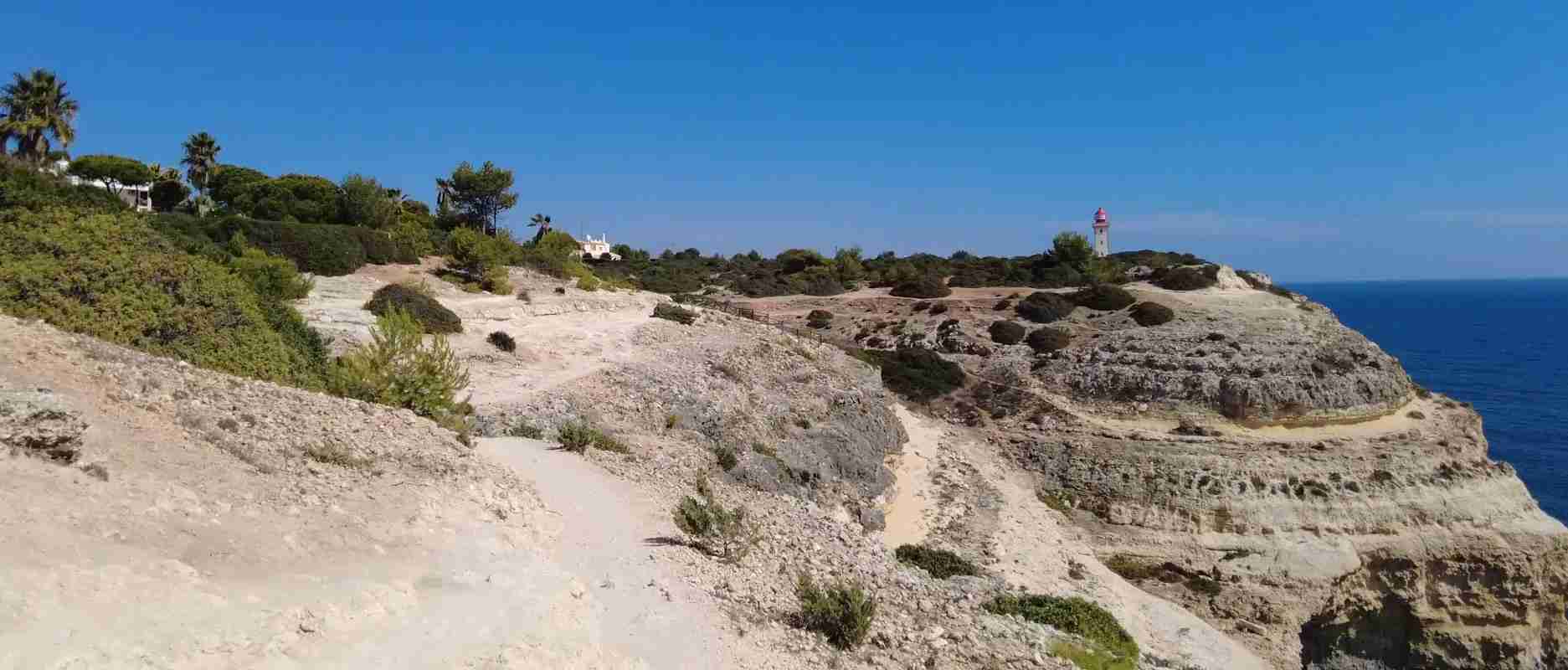
- Coastal Hiking Network: The clifftop trail system connecting beaches from Praia da Coelha west to Praia da Galé east provides 8+ kilometers of free scenic hiking with Atlantic views, rock formations, and secluded cove discoveries accessible year-round.
- Sunset Viewing Locations: Multiple free sunset viewpoints include the clifftop areas near Praia do Peneco, the western end of Praia dos Pescadores, and elevated points throughout the Old Town, offering unobstructed Atlantic horizon views during summer’s 9 PM sunsets and winter’s 6 PM displays.
- Cultural Event Calendar 2026: Summer programming includes free concerts at Praça dos Pescadores, the annual Festa da Orada (sea bream festival) with traditional music and dance performances, and municipal beach activities coordinated by Albufeira’s tourism office throughout July and August.
- Marina and Market Access: Marina de Albufeira allows free walking access along the waterfront promenade with yacht viewing, while the municipal market (Mercado Municipal) opens Tuesday through Saturday mornings for browsing fresh produce, fish, and regional products without purchase obligations.
People Also Ask About Albufeira Free Activities 2026
Is Albufeira expensive to visit in 2026?
Albufeira accommodates budget-conscious travelers effectively in 2026 despite its resort town status, with free beach access, no-cost Old Town exploration, and complimentary coastal hiking trails forming the foundation of an economical visit. Daily costs range €35-55 per person for budget travelers utilizing hostels (€18-28 per bed), self-catered meals (€15-25 daily), and public buses (€2-5 daily), while mid-range visitors spending on restaurants and tours invest €85-135 per person daily. The abundance of free natural attractions and historic sites means travelers can enjoy Albufeira’s primary draws without significant expenditure beyond accommodation and meals.
What are the best free beaches in Albufeira for 2026?
Praia dos Pescadores (Fisherman’s Beach) offers the most comprehensive free beach experience in 2026, combining easy Old Town access via tunnel, expansive sand area, lifeguard coverage May through September, and natural wave protection from surrounding cliffs. Praia da Oura provides a livelier atmosphere with beach volleyball courts, proximity to nightlife, and consistent Atlantic surf, while Praia da Falésia east of town delivers 6 kilometers of uninterrupted golden sand backed by striking red-orange cliffs with minimal commercial development. All Albufeira beaches maintain free public access with no entrance fees, though sunbed and umbrella rentals (€8-15 per set) and beachfront restaurants operate commercially.
Can you walk everywhere in Albufeira, or do you need to pay for transport in 2026?
The Old Town, Fisherman’s Beach, Marina, and central beaches lie within comfortable walking distance (10-20 minutes between major points) requiring no paid transport for visitors staying centrally in 2026. The Albufeira area extends across 8+ kilometers from western beaches to eastern Praia da Oura and Praia da Falésia, making bus transport useful for reaching outlying areas at €1.55 per single journey or €4 for a three-day pass on Giro municipal buses. Walking connects all central attractions free of charge, while budget-conscious visitors can explore the full coastline using a combination of walking for nearby sites and infrequent bus trips for distant beaches, keeping daily transport costs at €0-5 depending on itinerary choices.
What free activities work best for families with children visiting Albufeira in 2026?
Praia dos Pescadores provides the optimal free family beach environment in 2026 with gentle waves, lifeguard supervision, shallow water zones, and the Túnel da Praia tunnel walk-through adventure children find fascinating. The Old Town’s traffic-free streets accommodate safe exploration with kids, ice cream shops and playgrounds integrated throughout, while the clifftop trails offer family-friendly hiking with dramatic ocean views and natural tide pool discoveries during low tide. Marina de Albufeira’s waterfront promenade works well for stroller access with ducks and boats to observe, and summer evening programming at municipal beaches includes free children’s entertainment organized by Albufeira’s tourism department on select July and August dates published at visitalbufeira.pt each May.
Extended multi-day tours – 5+ days
Featured Algarve Multi-Day Tour Packages
4 days
Algarve Discovery Tour
- ✓ Booking needs min. 2 travelers

8 days
Walking in Portugal – Remote Coastal Trails
- ✓ Comprehensive Algarve tour
- ✓ Expert local guides included
- ✓ All accommodation arranged
- ✓ Transportation provided
7 days
Costa Vicentina: Natural Park self-guided bike tour
- ✓ Comprehensive Algarve tour
- ✓ Expert local guides included
- ✓ All accommodation arranged
- ✓ Transportation provided
7 days
Algarve – a holiday full of wine
- ✓ Comprehensive Algarve tour
- ✓ Expert local guides included
- ✓ All accommodation arranged
- ✓ Transportation provided
Multi-day tour packages powered by TourRadar. Prices and availability subject to change.
Introduction: Maximizing Free Experiences in Albufeira 2026
Albufeira’s transformation from fishing village to Portugal’s most visited beach resort has not diminished the availability of free activities that showcase the Algarve’s natural beauty, cultural heritage, and Mediterranean lifestyle. The municipality maintains universal beach access, preserved historic architecture in the Old Town, and an extensive network of coastal trails that together create a framework for enriching visits requiring minimal financial investment beyond accommodation and meals.
Understanding which experiences deliver the greatest value without cost allows travelers to allocate their 2026 budgets toward selective paid activities, quality dining, or extended stays rather than feeling obligated to purchase tickets for every attraction. Albufeira’s geographic advantages—including 25 beaches within the municipal boundaries, year-round sunshine averaging 300 days annually, and compact walkable dimensions connecting major sites within 2 kilometers—mean that free activities are not compromised alternatives but often represent the destination’s finest offerings.
This guide details ten free activities that span Albufeira’s range of experiences from natural landscapes to cultural immersion, providing practical 2026 information on access, timing, and how to maximize each opportunity. The focus remains on substantive activities that occupy meaningful time rather than brief photo opportunities, ensuring that travelers can construct full days or multi-day itineraries around free experiences supplemented by strategic paid additions when desired.
Seasonal considerations influence the free activity experience significantly, with summer months (June through September) delivering peak beach conditions, extended daylight hours for sunset viewing, and the full calendar of free cultural events, while shoulder seasons (April-May and October) offer equally accessible beaches with reduced crowds and spring wildflowers or autumn light enhancing coastal hikes. Winter visits (November through March) maintain beach and hiking access with the understanding that swimming conditions suit only determined individuals, though the absence of tourists transforms Albufeira’s free attractions into peaceful experiences shared primarily with local residents.
Free Activity #1: Praia dos Pescadores Beach Exploration 2026
Praia dos Pescadores (Fisherman’s Beach) serves as Albufeira’s original shoreline where colorful fishing boats still launch daily, offering the most historically significant and easily accessible free beach experience in the destination. The beach extends approximately 400 meters along the central coastline directly below the Old Town, connected by the iconic tunnel (covered separately in Activity #5) and by traditional staircases that descend from multiple access points throughout the historic center.
The beach’s east-to-west orientation provides natural protection from prevailing winds, creating calmer water conditions than more exposed Atlantic beaches and making Pescadores particularly suitable for families, casual swimmers, and visitors seeking relaxed wave conditions. Lifeguard coverage operates daily from 10 AM to 6 PM throughout the official beach season (mid-May through September 30, 2026), with rescue equipment and first aid stations positioned at two locations along the beach’s length.
Golden sand quality remains consistently high despite heavy summer usage, with municipal cleaning crews working overnight to remove debris and maintain pristine conditions by dawn each day. The beach’s width varies from 30 meters during high tide to 80+ meters at low tide, providing ample space for towel placement even during peak August afternoons when visitor numbers reach maximum density. Tidal patterns follow Atlantic cycles with twice-daily shifts between high and low water, creating tide pool opportunities at the beach’s rocky eastern end during outgoing tides.
Free amenities include public showers (cold water) at three locations, changing facilities near the tunnel entrance, and public restrooms accessible free of charge throughout operating hours (8 AM to 8 PM summer, reduced winter hours). The beach’s natural advantages include cliff shelter providing afternoon shade along the eastern section, making it possible to escape intense summer sun without renting umbrellas, and relatively short walking distances between water and facilities averaging 40-60 meters at mid-tide.
Commercial elements coexist with free access harmoniously, with sunbed and umbrella rental available (€8-15 per set, depending on season and location) but not required, beachfront restaurants operating with table service but allowing public passage along the beach front, and water sports vendors offering jet ski and parasailing experiences (paid activities) without obstructing beach access or creating safety concerns for non-participating visitors.
The working fishing boat section concentrated at the beach’s western end provides cultural interest unique among Albufeira beaches, with traditional wooden boats painted in vibrant blues, reds, and yellows hauled onto sand each morning after overnight fishing expeditions. Watching fishermen unload catches between 8-10 AM offers authentic glimpses of Albufeira’s pre-tourism economy, with fish sorted, iced, and transported to market while tourists photograph the colorful scene. This activity costs nothing and represents one of Albufeira’s most genuine cultural experiences still occurring daily in 2026.
Optimal visiting times for Praia dos Pescadores vary by objective: arriving before 10 AM secures prime sand positions before crowds, visiting during fishing boat returns (8-10 AM) maximizes cultural interest, enjoying afternoon hours after 4 PM combines beach access with reduced sun intensity and perfect light for photography, while sunset visits after 7 PM transform the beach into a peaceful twilight setting with locals replacing tourists as primary occupants.
Free Activity #2: Old Town Walking Tour 2026
Albufeira’s Centro Histórico (Old Town) preserves the destination’s pre-resort character through whitewashed architecture, narrow cobblestone streets, and strategically positioned churches and civic buildings that date from reconstruction following the 1755 earthquake that destroyed most of the original Moorish settlement. Exploring this compact historic core costs nothing while providing cultural context that illuminates Albufeira’s transformation from isolated fishing community to international tourism destination.
The Old Town occupies the elevated area directly above Praia dos Pescadores, roughly bounded by Rua 5 de Outubro to the west, Travessa da Igreja Velha to the east, and extending inland approximately 300 meters from the clifftop edge. This tight geographic concentration makes comprehensive exploration possible within 90 minutes at a leisurely pace, though travelers seeking detailed photography or extended café stops naturally extend this timeframe to half-day experiences.
Begin at Largo Engenheiro Duarte Pacheco, the main square forming the Old Town’s social center and location of the iconic Arco da Vila archway that frames ocean views. This square underwent pedestrianization in 2019, eliminating vehicle traffic and creating an open space where locals gather evenings and weekends. The archway itself—Albufeira’s most photographed architectural element—dates from 18th-century reconstruction efforts and provides a natural framing device for sunset photography when positioned to capture the arch silhouette against western sky colors.
Igreja de São Sebastião represents Albufeira’s most historically significant religious building, located along Travessa da Igreja on the Old Town’s eastern edge. This 18th-century church replaced an earlier structure destroyed in the 1755 earthquake, displaying typical Algarve religious architecture with simple whitewashed exterior, blue-accented trim, and modest bell tower. The church opens for free visits Monday through Saturday 9 AM to 1 PM and 3 PM to 5 PM, Sunday 9 AM to 12 PM, allowing interior access to view gilded altarpieces and azulejo tile panels depicting religious scenes. Religious services occurring at various times do not prohibit respectful visitor entry outside of mass times.
Street wandering through the Old Town’s pedestrian lanes reveals architectural details including traditional chimney designs specific to the Algarve region, colorful azulejo tiles decorating building facades, wrought-iron balconies with potted geraniums, and occasional Moorish-influenced arches and doorways surviving from pre-earthquake construction. Rua Candido dos Reis serves as the Old Town’s main commercial street, lined with shops, restaurants, and bars, while parallel and perpendicular lanes maintain more residential character with local families living above ground-floor businesses.
Multiple miradouros (viewpoints) positioned along the clifftop edge provide free panoramic perspectives of the Atlantic, neighboring beaches, and coastal development extending east toward Olhos de Água and west toward Galé. These viewpoints feature safety railings and small seating areas, making them ideal for rest stops during Old Town exploration and sunset watching as evening approaches. The most accessible viewpoints include the area near Igreja Matriz de Albufeira, the western end of Rua Candido dos Reis where it meets the clifftop path, and several small terrace spaces along the cliff walk connecting to beach access staircases.
Free cultural elements include seasonal art displays in municipal buildings (schedule varies, check visitalbufeira.pt for 2026 exhibition dates), street musician performances occurring spontaneously throughout summer evenings in pedestrian zones, and architectural photography opportunities limited only by photographer skill and timing preferences. The Old Town’s compact dimensions and complete walkability require no paid transport, with all significant sites reachable on foot from any accommodation located within the central area.
Navigation proves straightforward despite winding streets, as the Atlantic coastline provides constant orientation reference—walking toward ocean views always leads to clifftop areas and beach access points, while walking inland (uphill from the water) leads to modern Albufeira’s commercial districts. Street signs appear consistently in Portuguese with occasional English translations in heavily touristed areas, though the small geography makes getting seriously lost essentially impossible for visitors possessing basic directional awareness.
Free Activity #3: Clifftop Sunset Viewing Locations 2026
Sunset watching in Albufeira requires no ticket purchase while delivering natural spectacle that varies nightly based on cloud conditions, atmospheric moisture, and seasonal sun trajectories. Multiple clifftop locations provide unobstructed western horizon views, with sunset times ranging from 6:00 PM in December to 9:10 PM in June, creating year-round opportunities to experience this daily transition without cost.
The clifftop area adjacent to Praia do Peneco access offers the most developed sunset viewing infrastructure, with paved walkways, safety railings, and bench seating facing west toward the open Atlantic. This location attracts both tourists and local residents, creating a social sunset ritual where strangers share the experience while positioned along the cliff edge. The advantage of this site includes proximity to Old Town restaurants and bars for post-sunset dining, flat accessible walking surfaces suitable for mobility-limited visitors, and protection from northern winds by buildings behind the viewpoint.
The western end of Praia dos Pescadores beach itself serves as an alternative sunset viewing location for those preferring beach environments to clifftop perspectives. Position yourself on the sand facing west toward the beach’s terminus where cliffs meet water, arriving 30 minutes before sunset time to secure favorable placement before the best vantage points fill. This setting combines sunset viewing with the sensory elements of beach environment—sound of waves, sand underfoot, and the option to wade in shallow water while watching the sun descend—creating a more immersive experience than static clifftop observation.
The coastal trail system connecting Albufeira’s beaches (detailed fully in Activity #7) includes numerous informal sunset viewpoints accessible via short walks from central areas. Points along the trail between Praia dos Pescadores and Praia da Coelha provide increasingly secluded sunset locations for travelers willing to walk 15-20 minutes west from the Old Town. These natural rock outcrop viewpoints lack developed infrastructure but reward visitors with uncrowded sunset experiences often shared with only a handful of other hikers who venture beyond the easily accessible central viewpoints.
Timing considerations impact sunset quality significantly, with the “golden hour” beginning 60 minutes before actual sunset providing optimal photography light and the most dramatic color transitions. Cloud conditions prove impossible to predict but generally enhance rather than diminish sunset displays, with partial cloud cover producing the most vibrant color shows as sunlight interacts with atmospheric water vapor. Clear-sky sunsets appear less colorful but deliver sharp-edged solar disk descents with the possibility of green flash phenomena at the moment of final disappearance on rare occasions with perfect atmospheric conditions.
Seasonal sunset angles create different visual experiences throughout 2026: summer sunsets (June-August) descend over open water at gentle angles producing extended twilight periods, winter sunsets (December-February) drop more steeply toward the horizon with abbreviated color displays, and equinox sunsets (late March and late September) offer balanced intermediate experiences with moderate descent angles and duration. The consistent western orientation of Albufeira’s coastline means all seasons provide unobstructed sunset viewing unlike east-facing or north-facing coastal destinations where terrain blocks sun paths.
Post-sunset twilight extends the experience for 20-30 additional minutes as colors shift from orange-red through purple-pink into deep blue, with Venus often visible as the first evening star in western sky during months when planetary orbits align favorably (check astronomy resources for 2026 Venus visibility dates). This extended twilight period rewards those who remain after the sun’s disappearance, as many sunset viewers depart immediately after the disk sinks below the horizon and miss the atmospheric color evolution that follows.
Photography at sunset locations requires no special equipment, with smartphone cameras capturing acceptable images when positioned to avoid lens flare from direct solar intensity in the minutes before sunset. Serious photographers benefit from slightly elevated positions allowing foreground compositional elements (people silhouettes, beach features, cliff formations) to contrast against the lit western sky. The proliferation of sunset photography across social media platforms has made unique composition increasingly challenging, though patient photographers focusing on less-crowded viewpoints and incorporating human-scale foreground elements produce distinctive images despite the universally photographed subject matter.
Free Activity #4: Praia da Oura Beach Access 2026
Praia da Oura serves as Albufeira’s liveliest beach zone, positioned 3 kilometers east of the Old Town and connected to the infamous “Strip” nightlife area that defines Albufeira’s party reputation. Despite its developed surroundings and commercial character, beach access remains entirely free in 2026, with the combination of wider sand area, consistent surf, and energetic atmosphere creating an alternative beach experience to the more protected central locations.
The beach extends approximately 800 meters along an east-facing curve, providing exposure to Atlantic swells that create more dynamic wave conditions than Praia dos Pescadores. This orientation suits body boarders and surfers during periods of Atlantic storm systems generating swell, typically occurring October through March when mid-period waves ranging 1-2 meters break consistently along the beach length. Summer months (June-September) produce gentler conditions averaging 0.5-1 meter swells, though afternoon sea breezes generate local chop that maintains texture and movement absent from completely protected beaches.
Beach width varies from 40 meters at high tide to 100+ meters during low tide, with golden sand quality matching Albufeira’s other beaches but showing slightly darker coloration from the presence of more mineral content in the sand composition. Municipal cleaning maintains the beach effectively despite heavy summer usage, with mechanical raking equipment operating dawn hours to remove debris and smooth sand surfaces before daily visitors arrive.
Free amenities include public showers positioned at three locations along the beach access promenade, changing cabins available first-come first-served at the western beach access point, and public restroom facilities accessible without charge throughout daylight hours. Lifeguard coverage operates daily 10 AM to 6 PM during official beach season (mid-May through September 30, 2026), with rescue equipment including inflatable rescue tubes and rescue boards positioned at two stations along the beach front.
The commercial boardwalk running parallel to the beach includes restaurants, bars, and shops operating year-round with variable hours (extended summer schedules 9 AM to midnight or later, reduced winter hours 10 AM to 6 PM), but does not require purchases for beach access or boardwalk walking. Beach chair and umbrella rental operates seasonally (€10-15 per set depending on position and season), while water sports vendors offer jet ski rentals, parasailing, banana boat rides, and kayak rentals (all paid activities with prices €15-60 depending on activity duration) without restricting beach access for non-participating visitors.
The beach’s distinctive character includes a younger demographic skewed toward 18-35 age groups drawn by proximity to nightlife venues, music playing from beachfront bars creating constant soundtrack during summer afternoons, and beach volleyball courts set up in designated zones allowing free participation on first-come basis. This energetic atmosphere contrasts with family-oriented Praia dos Pescadores, making Praia da Oura the preferred free beach destination for visitors seeking social environment and activity-focused beach days rather than quiet relaxation.
Access to Praia da Oura from central Albufeira requires either 35-45 minute walking (3 kilometers along coastal road or via trail connections), local bus transportation (Giro lines 2 or 5, €1.55 single journey, departures every 30 minutes during summer season), or rental vehicles (parking available along Avenida da Praia da Oura and parallel streets, metered spaces €0.60-1 per hour). Budget-conscious visitors walk from central areas in morning, spend full beach day at Oura, and return by bus during late afternoon, combining free beach access with minimal transport investment of €1.55 for single return journey.
Optimal timing for Praia da Oura visits depends on sought atmosphere: arriving before 11 AM secures prime sand positioning before peak crowds, afternoon sessions from 2-5 PM coincide with most active beach volleyball and social interaction, and late afternoon arrivals after 5 PM avoid peak sun intensity while maintaining sufficient beach time before sunset around 7-9 PM depending on season. Evening beach access remains possible after official lifeguard hours end, with boardwalk lighting providing visibility and security through late hours, though swimming outside lifeguard coverage carries additional risk requiring appropriate judgment.
Free Activity #5: Túnel da Praia dos Pescadores Walk-Through 2026
The pedestrian tunnel connecting Albufeira’s Old Town square (Largo Engenheiro Duarte Pacheco) to Praia dos Pescadores represents one of the destination’s most distinctive access features, transforming what would otherwise require steep staircase descent into a gently sloping enclosed passageway that accommodates mobility-limited visitors, strollers, and beach equipment transport. Walking through this tunnel costs nothing while providing a unique atmospheric experience as visitors transition from urban streetscape to beach environment.
The tunnel measures approximately 80 meters in length with interior dimensions of 3 meters width and 2.5 meters height, carved through solid rock forming the cliff between town and beach. Ceiling-mounted lighting operates continuously providing adequate visibility throughout the passage length, while the gentle downward slope eliminates stairs entirely, making this Albufeira’s only fully wheelchair-accessible beach entry point. The tunnel’s rock walls show natural stone texture preserved during construction, with minimal decorative treatment beyond painted white surfaces that brighten the enclosed space and reflect artificial lighting effectively.
Temperature inside the tunnel remains notably cooler than exterior conditions year-round, with the rock mass maintaining relatively constant temperature around 18-20°C (64-68°F) regardless of outside summer heat reaching 30°C+ (86°F+). This cooling effect makes the tunnel walk particularly pleasant during midday summer hours when direct sun creates intense heat, offering a brief climate-controlled transition between town and beach environments. Winter months see little temperature differential, though the tunnel provides wind protection during periods of strong Atlantic breezes that make exposed clifftop walking uncomfortable.
The tunnel’s acoustic properties create unique sound environment, with footsteps and conversation echoing off rock surfaces while muffling exterior noise from both town and beach. Children particularly enjoy the echoic qualities, often experimenting with shouts and songs to hear the reverberating effects. The gradual transition from full daylight at the town entrance through the lit tunnel interior to emerge facing the bright beach scene creates a cinematic reveal effect that numerous visitors photograph upon exit, with the framed beach view through the tunnel mouth appearing on countless social media posts annually.
Historical context adds depth to the tunnel experience: prior to its 1987 construction, beach access required navigating steep staircases carved into cliff faces, limiting visitor mobility and restricting beach usage to those capable of significant stair climbing. The tunnel’s addition democratized beach access while simultaneously creating an iconic architectural element that distinguishes Albufeira from other Algarve beach towns. The project required two years of careful excavation through unstable coastal rock formations, with engineers implementing steel reinforcement throughout to prevent collapse risks from the porous limestone geology.
Alternative access routes coexist with the tunnel, including several staircase options positioned at various points along the clifftop edge. These staircases remain functional and offer faster descent for physically fit visitors, requiring approximately 2-3 minutes to navigate multiple flights totaling 100+ steps from top to beach level. The tunnel route requires 5-7 minutes at casual walking pace, making it slower but accessible to broader visitor categories including those with mobility limitations, families with strollers, and visitors carrying awkward beach equipment.
Practical considerations for tunnel use include slightly narrowed passage during peak summer hours when two-way foot traffic creates congestion, making passage slower between 11 AM and 3 PM on July and August afternoons. Early morning (before 10 AM) and evening (after 5 PM) tunnel walks encounter minimal traffic, allowing appreciation of the space’s architectural and acoustic qualities without crowd pressure. The tunnel remains open 24 hours year-round with consistent lighting, though beach access outside daylight hours serves primarily evening beach walkers and local residents rather than active beach users.
Photography inside the tunnel proves challenging due to limited natural light and long tunnel length preventing effective composition, though the view framed by the beach-side tunnel mouth creates compelling images particularly during golden hour when angled sunlight illuminates the beach scene against darker tunnel interior. Visitors positioning themselves inside the tunnel shooting toward beach emerge with silhouetted figures against bright background, while those shooting into the tunnel from beach capture the dark opening with lit interior visible in middle distance.
Free Activity #6: Marina de Albufeira Waterfront Walk 2026
Marina de Albufeira, constructed in the late 1990s and continuously expanded through subsequent decades, offers free walking access along its waterfront promenade system where visitors observe luxury yachts, traditional fishing boats, and maritime activity without purchasing boat tours or dining in waterfront restaurants. The marina complex occupies the natural harbor area west of central Albufeira, approximately 2 kilometers from the Old Town and accessible via coastal walking paths or local bus service.
The promenade extends roughly 800 meters along the inner marina basin, with paved walkways maintained by the municipal marina authority allowing unobstructed passage regardless of season or time of day. Dozens of berths accommodate vessels ranging from 8-meter sailing yachts to 25+ meter motor yachts, with the constantly changing boat population providing visual interest as vessels depart for sea excursions or arrive from Atlantic passages. Boat watching requires no specialized knowledge to appreciate, though serious maritime enthusiasts identify yacht manufacturers, estimate vessel values, and discuss technical specifications visible from the promenade.
The marina’s architecture follows Mediterranean resort style with whitewashed buildings, terracotta tile roofs, and extensive use of azulejo tile decorative elements mimicking traditional Portuguese aesthetic while accommodating modern marina functionality. Ground-floor commercial spaces house restaurants, bars, tour operators, and specialty shops, while upper levels contain private offices and luxury apartments. Despite the upscale commercial character, the promenade remains public space with no barriers restricting access or requiring purchases for walking privileges.
Benches positioned at intervals along the promenade provide rest stops facing the water, with each bench strategically placed to maximize harbor views and morning sun exposure during winter months when warm seating proves valuable. These benches see heaviest usage during evening hours when locals and tourists gather to watch sunset light change across the water surface and observe marina’s transition from daytime maritime activity to nighttime dining scene. The benches function as informal social spaces where strangers converse about boats, travel experiences, and Albufeira observations, creating spontaneous cultural exchanges requiring no advance planning or organization.
Marina wildlife includes resident duck populations that inhabit the harbor area year-round, dozens of gulls and terns utilizing marina structures as roosting sites, and occasional visiting herons stalking fish in shallow basin areas. Children particularly enjoy observing ducks, with families often bringing bread (though marina management discourages feeding to prevent dependency and water quality issues from uneaten food decomposition). The protected harbor water shows remarkable clarity compared to open ocean conditions, with fish schools visible beneath the surface around boat hulls and marina infrastructure supporting marine life diversity despite the human-modified environment.
Free activities beyond simple walking include morning observation of fishing boat departures (typically 6-8 AM as boats head to Atlantic fishing grounds), afternoon returns when catch is unloaded directly to marina-side fish markets (3-5 PM depending on vessel and fishing location), and evening people-watching as restaurant diners fill waterfront tables creating lively atmosphere contrasting with daytime’s quieter maritime character. Photography opportunities span nautical detail shots of boat equipment, wide-angle harbor views incorporating architectural and vessel elements, and human-interest scenes of maritime workers, boat crews, and family groups feeding ducks.
Access to the marina from central Albufeira requires 25-30 minute walking via coastal path or inland route through residential neighborhoods, local bus service (Giro line 3, €1.55 single journey, departures every 30-45 minutes during peak season), or rental vehicle (parking available at marina complex with variable pricing €0.60-1 per hour in metered spaces, free parking possible in adjacent residential streets). Budget-conscious visitors combine marina visits with other western Albufeira activities (Praia da Coelha beach, coastal trail hiking) to justify transport costs when not walking.
Optimal visit timing varies by interest: early morning (7-9 AM) captures working maritime atmosphere with fishing boat activity, midday (11 AM-2 PM) provides maximum sunlight for photography but encounters heat during summer months, late afternoon (4-6 PM) combines pleasant temperatures with pre-sunset light quality, and evening visits (7-9 PM) access the social dining atmosphere and twilight harbor reflections. The marina remains accessible 24 hours with lighting and security, though nighttime visits after 10 PM offer little activity beyond moored boats and occasional boat owners working aboard their vessels.
Free Activity #7: Coastal Cliff Hiking Trails 2026
The clifftop trail system connecting Albufeira’s beaches creates one of Portugal’s most accessible coastal hiking experiences, with well-maintained paths following the shoreline for 8+ kilometers between Praia da Coelha west of central Albufeira to Praia da Galé and Praia dos Salgados east of town. Walking any segment of this trail network costs nothing while providing Atlantic views, geological features, secluded cove discoveries, and physical exercise superior to beach lounging for active visitors.
Trail construction varies from paved sections near major beach access points to natural rock and packed earth surfaces along undeveloped coastline, with the entire network navigable in standard athletic footwear (trail runners, walking sandals, tennis shoes). Technical hiking boots prove unnecessary given the moderate terrain, though closed-toe footwear with decent grip suits the occasionally uneven rock surfaces better than flip-flops or minimalist sandals. The trail system experiences minimal elevation change, typically following contours 10-30 meters above water level with occasional modest ascents and descents where cliff faces recede and advance relative to the water line.
The western section from Praia dos Pescadores to Praia da Coelha (approximately 3 kilometers one-way, 45-60 minutes hiking time) passes through mixed development with luxury villas on landward side and Atlantic cliffs on seaward edge. Strategic viewing points along this segment overlook small beaches and coves inaccessible by road, including Praia do Alemão and Praia do Ninho de Andorinha reached only via steep informal trails descending from the main clifftop path. These secluded beaches attract minimal visitors due to access difficulty, offering near-private beach experiences for hikers willing to scramble down the cliff paths and accept the requirement to climb back up when departing.
The central section connecting Praia dos Pescadores east to Praia da Oura (approximately 3 kilometers, 45 minutes) incorporates developed boardwalk sections near major beaches with natural trail segments along less-developed stretches. This route provides convenient connection between central Albufeira and eastern beaches, offering the option to walk outbound, spend several hours at destination beach, and return via bus (€1.55) to avoid repeating the same trail section. The trail’s elevation relative to water remains consistently around 15-20 meters, creating unobstructed views without the exposure risks of trails following cliff edges hundreds of meters above sea level common in other Algarve sections.
The eastern continuation from Praia da Oura through Praia da Falésia toward Vilamoura (5+ kilometers total) transitions into increasingly dramatic geology, with the famous Falésia cliffs displaying striking red-orange coloring from iron oxide content in the sandstone and clay formations. This section requires more time commitment (2+ hours one-way) and sees lighter traffic than central sections, rewarding hikers with photographic opportunities featuring the distinctive cliff coloring against Atlantic blue-green water and golden beach sand. The trail eventually connects into the Vilamoura marina system, creating the possibility of through-hikes covering 12+ kilometers total from western Albufeira beaches to Vilamoura, though most visitors select shorter out-and-back routes based on available time and fitness levels.
Trail safety considerations include paying attention to cliff edges where erosion creates potentially unstable footing near the immediate edge (stay 2-3 meters back from the absolute cliff line), awareness of mountain bike traffic sharing some trail sections requiring pedestrians to allow passing, and understanding that some portions cross private property where developers permit public passage without guarantee of permanence. Sun exposure proves significant during summer hiking, with minimal shade along most trail segments requiring sun protection (hat, sunscreen, sunglasses) and adequate water supply (1 liter per 2 hours hiking time minimum during warm months).
Seasonal considerations impact trail experience substantially: spring (March-May) displays wildflowers along landward edges with optimal temperatures 18-24°C (64-75°F) for sustained hiking, summer (June-September) delivers best ocean swimming access at route beaches but requires early morning or late afternoon hiking to avoid midday heat, autumn (October-November) offers similar conditions to spring with addition of dramatic Atlantic storm weather creating spectacular wave action visible from cliff paths, and winter (December-February) maintains trail access with understanding that strong Atlantic winds make exposed sections uncomfortable during storm systems and swimming proves impractical at accessed beaches.
Wildlife observations along trails include numerous seabird species utilizing cliff faces as nesting sites (March-June breeding season produces maximum activity), rabbits in undeveloped scrubland sections, and diverse wildflowers March through May including native Portuguese species and introduced Mediterranean varieties. Serious birders identify gulls, terns, cormorants, and occasional raptors hunting along the coastline, though casual hikers enjoy the constant aerial activity without taxonomic knowledge.
Navigation proves straightforward as the trail follows the coastline by definition, making getting lost impossible—walking with ocean on the right leads back toward central Albufeira from eastern sections, while walking with ocean on the left returns from western trails. The compact geography and constant ocean reference eliminate any real disorientation risk even for visitors with poor navigational skills. Trail maps available at tourist information offices or downloaded from visitalbufeira.pt show access points and approximate distances, though GPS devices or smartphone mapping applications prove unnecessary for basic trail navigation.
Free Activity #8: Igreja de São Sebastião Church Visits 2026
Igreja de São Sebastião, positioned along Travessa da Igreja near the eastern edge of Albufeira’s Old Town, represents the destination’s most historically significant religious building and offers free admission during published opening hours throughout 2026. This 18th-century church replaced an earlier structure destroyed in the catastrophic 1755 Lisbon earthquake that devastated coastal Portugal, displaying architectural elements characteristic of post-earthquake reconstruction with emphasis on structural stability and simplified decoration.
The church exterior presents typical Algarve religious architecture with whitewashed walls, blue-accented trim, modest bell tower, and minimal ornamentation beyond simple geometric patterns around doorways and windows. The facade’s restraint contrasts with more elaborate churches in larger Portuguese cities, reflecting Albufeira’s historical status as a modest fishing community without significant wealth for architectural elaboration. The bell tower rises approximately 15 meters above ground level, containing three bronze bells cast in the late 18th century that still ring for religious services and mark significant liturgical moments.
Interior access reveals single-nave layout measuring roughly 25 meters length by 12 meters width, with side chapels dedicated to various saints positioned in shallow alcoves along both longitudinal walls. The main altar displays gilded woodwork (talha dourada) featuring intricate carvings of religious symbols, angels, and botanical motifs in the Portuguese Baroque style preserved from the reconstruction period. Gold leaf application covering the carved surfaces creates striking visual impact when afternoon sunlight enters through western windows, illuminating the altar’s elaborate detail against the church’s otherwise modest interior decoration.
Azulejo tile panels decorating the walls represent significant artistic elements, depicting scenes from Christ’s passion, various saints’ lives, and biblical narratives in the blue-and-white glazed ceramic tradition characteristic of Portuguese religious art. These tile installations date primarily from the 18th and early 19th centuries, with some panels showing restoration work from recent decades where original tiles sustained damage or loss. The craftsmanship visible in the hand-painted tiles rewards close inspection, revealing individual artistic variations and period-specific stylistic approaches to religious iconography.
Opening hours accommodate tourist visits Monday through Saturday 9 AM to 1 PM and 3 PM to 5 PM, with Sunday hours restricted to 9 AM to 12 PM when religious services take priority over tourist access. These schedules remain consistent year-round in 2026 with occasional closure on religious holidays (check specific dates at visitalbufeira.pt or inquire at tourist information offices). Entry remains free at all times, with voluntary donation boxes positioned near the entrance for visitors wishing to contribute toward church maintenance without any pressure or expectation for mandatory payment.
Appropriate visitor behavior includes modest dress (covered shoulders and knees preferred, though enforcement proves minimal outside active service times), silent or whispered conversation maintaining respectful atmosphere, photography permitted without flash but restricted during religious services, and general awareness that this functions as active worship space for local Catholic community rather than purely tourist attraction. The relatively small size and quiet atmosphere create contemplative environment contrasting with the beach party reputation often associated with Albufeira.
Religious services occur several times weekly with Sunday morning mass at 10 AM drawing the largest congregation primarily of local Portuguese residents. Visitors are welcome to observe services provided they understand the event follows Catholic liturgy in Portuguese language and requires sitting through 45-60 minute duration showing respect for worshippers even if not participating in the religious rituals. Service attendance offers cultural insight into Portuguese Catholic traditions maintained across generations despite dramatic secular transformation of surrounding tourism economy.
The church’s position within the Old Town makes it easily incorporated into broader walking exploration (covered in Activity #2), typically requiring 10-15 minutes for basic interior viewing or up to 30 minutes for visitors studying architectural details and artistic elements methodically. Combined with nearby civic buildings and residential architecture, the church anchors understanding of Albufeira’s pre-tourism character and cultural continuity despite surface changes brought by international resort development.
Free Activity #9: Municipal Market Exploration 2026
Mercado Municipal de Albufeira operates Tuesday through Saturday mornings providing free browsing access to the authentic commercial hub where local residents purchase fresh produce, fish, meat, cheese, and regional products in traditional market atmosphere unchanged by tourism despite Albufeira’s resort transformation. While purchasing products requires payment, entering the market, observing vendors, photographing displays (with courtesy to vendors), and experiencing daily Portuguese commerce costs nothing while delivering cultural immersion superior to curated tourist attractions.
The market building occupies a modern structure on Rua Bernardino de Sousa in the new town area west of the Old Town, approximately 1 kilometer inland from Praia dos Pescadores and accessible via 15-minute walk from central accommodations or local bus service (Giro lines stopping at Mercado station). The facility’s contemporary architecture completed in 2003 replaced the previous open-air market with climate-controlled interior spaces maintaining traditional market character while meeting modern health and safety standards for food sales.
Operating hours run Tuesday through Saturday 7 AM to 2 PM with peak activity 8-11 AM when local shoppers arrive early for freshest selections and vendors display complete inventories. Arrival before 9 AM captures the market’s most authentic atmosphere before tourist visitors arrive in significant numbers, with morning light providing optimal photography conditions and vendors most willing to engage in conversation when not managing heavy customer traffic. Later arrival after 11 AM encounters reduced product selections as popular items sell out but avoids the morning crowd density.
Fish section vendors display catches reflecting Albufeira’s continued fishing industry, with daily offerings varying by season and weather conditions affecting boat operations. Common species include sea bass, bream, sardines, octopus, squid, and various shellfish, all presented on ice with price markers showing per-kilogram rates typically ranging €5-25 depending on species and market conditions. Vendors tolerate photograph taking provided it doesn’t interfere with customer service, with some welcoming tourist interest as informal promotion for their stalls. The fish section’s visual impact—colorful species arranged artfully, skilled cleaning demonstrations, and constant ice replenishment—makes it the market’s most photogenic area.
Produce vendors occupy extensive floor space selling fruit, vegetables, nuts, and dried goods sourced from regional agriculture. Seasonal variation determines available products with summer months (June-September) offering peak tomato, pepper, melon, peach, and berry selections, spring (March-May) delivering strawberries, asparagus, and early stone fruit, autumn (October-November) presenting citrus, grapes, and root vegetables, and winter (December-February) focusing on hardy greens, cabbage varieties, and citrus at peak quality. Pricing generally undercuts supermarket rates by 20-40% for equivalent quality, with vendors expecting negotiation for large purchases but maintaining fixed pricing for tourists buying small quantities.
Specialty sections include cheese vendors selling regional Portuguese varieties (Queijo da Serra, Azeitão, São Jorge) alongside Spanish imports and European selections, butcher stalls offering beef, pork, chicken, and Portuguese specialties including presunto (cured ham) and chouriço (smoked sausage), and prepared food vendors selling rotisserie chicken, traditional pastries, and ready-to-eat items catering to local lunch shoppers. The prepared food section provides the most affordable meal option in central Albufeira, with whole rotisserie chicken costing €6-8 and combination plates with side dishes available €4-7, making it budget-conscious alternative to restaurants for visitors with accommodation kitchens.
Cultural immersion elements include observing vendor-customer interactions conducted entirely in Portuguese with haggling over price and quality, noting the demographic skew toward older Portuguese residents maintaining traditional market shopping patterns while younger generations shift toward supermarkets, and witnessing the social function of markets as community gathering spaces where neighbors encounter each other and exchange news along with commercial transactions. These authentic elements provide insight into Portuguese daily life largely invisible in tourist-focused areas of Albufeira.
Practical considerations for market visits include bringing reusable bags if planning purchases (vendors provide minimal packaging), carrying cash as most stalls don’t accept cards, avoiding heavy tourist dress (beachwear, revealing clothing) in favor of modest casual wear respecting the local commercial environment, and understanding basic Portuguese courtesy phrases (bom dia, obrigado/obrigada, por favor) enhances vendor interactions though English suffices for transactions in this international destination.
Free Activity #10: Seasonal Festivals and Free Cultural Events 2026
Albufeira’s municipal government and local cultural organizations program free events throughout the summer season (May through September 2026) creating opportunities to experience Portuguese culture, traditional music, dance performances, and community celebrations without ticket purchases. While event calendars remain subject to annual revision, several established festivals and programming patterns repeat with sufficient consistency that visitors planning summer trips can anticipate free cultural offerings supplementing beach and outdoor activities.
Festa da Orada (Sea Bream Festival) represents Albufeira’s most significant cultural event, typically scheduled for the third weekend in August celebrating the town’s fishing heritage and the sea bream species particularly associated with local waters. The festival centers on Praça dos Pescadores near the Old Town, with free admission to all outdoor programming including traditional music performances, folk dance demonstrations, children’s activities, and cultural exhibitions. Food vendors sell grilled fish and regional specialties at commercial rates (grilled sea bream €8-12, other dishes €5-10), making dining optional rather than required for festival participation. The event draws large crowds with 10,000+ attendees over the weekend, transforming the usually tourist-dominated Old Town area into a Portuguese cultural celebration where locals significantly outnumber foreign visitors.
Summer concert series programming operates weekly throughout July and August 2026 with free performances scheduled at various outdoor venues including Praça dos Pescadores, Marina de Albufeira waterfront, and municipal beach areas near lifeguard stations. Musical genres span traditional Portuguese fado, contemporary pop, classical ensembles, and international cover bands, with performance quality ranging from amateur local groups to professional regional artists depending on specific date and venue. Concerts typically schedule for 9-10 PM start times allowing beach day completion and dinner before events, running 60-90 minutes through late evening hours. Seating proves informal with attendees bringing beach chairs or sitting on provided benches and plaza surfaces, creating relaxed atmosphere without rigid concert hall protocols.
Municipal beach activities coordinate free programming during peak summer season including beach volleyball tournaments open to public participation, sand sculpture demonstrations where professional artists create temporary artworks on major beaches, children’s entertainment (puppet shows, face painting, games) organized through the municipal recreation department on select weekday mornings, and water safety demonstrations by lifeguard services teaching ocean rescue techniques and drowning prevention. These activities target primarily Portuguese families rather than international tourists, though participation welcomes all visitors willing to navigate potential language barriers when instructions occur in Portuguese.
Religious festivals maintain traditional Portuguese Catholic calendar observances including feast days for various saints marked by church services, processions through Old Town streets, and associated community celebrations. While religious components hold primary significance for practicing Catholics, the processions and community gatherings welcome respectful observation from tourists interested in cultural traditions. Major dates include São João (June 24), with evening celebrations featuring bonfires and traditional music, and various August saint day observances coinciding with peak summer population. Specific 2026 dates and programming details publish on the official tourism website visitalbufeira.pt typically by early May each year.
Spontaneous cultural elements supplement organized events, including street musician performances occurring unpredictably in pedestrian zones throughout the Old Town on summer evenings, informal dance gatherings in public squares when music attracts participants, and occasional cultural exhibitions in municipal buildings featuring local artists, historical photographs, or thematic displays relating to Albufeira’s heritage. These unscheduled opportunities require visitors to simply explore the Old Town during evening hours and discover whatever activities emerge organically rather than consulting event calendars for predetermined programming.
Accessing event information before and during 2026 visits requires checking multiple sources: the official tourism website (visitalbufeira.pt) posts event calendars typically 4-6 weeks in advance, the municipal tourism office near Largo Engenheiro Duarte Pacheco distributes printed monthly event listings during operating hours (9 AM-7 PM daily summer season), and social media accounts (@visitalgarve on Instagram, Visit Algarve Facebook page) share event updates and schedule changes. Tourist accommodation front desks often maintain event information folders and can answer questions about scheduled activities, particularly for established annual festivals with confirmed dates.
Budget impact of free cultural events proves significant for visitors managing limited funds, as evening entertainment represents a major expense category in destinations lacking free alternatives. A typical summer evening in Albufeira without free events might require €40-80 per person for bar entry, club cover charges, or paid entertainment venues, while utilizing free concerts and festivals reduces evening costs to zero beyond voluntary food and beverage purchases at surrounding commercial establishments. This differential allows budget travelers to extend their Albufeira stays by several additional days using savings from free evening entertainment options replacing paid alternatives.
Practical Planning: Maximizing Free Activities Across Multi-Day Visits 2026
Constructing comprehensive Albufeira itineraries centered on free activities requires understanding how the ten featured experiences combine efficiently across different trip durations, weather conditions, and personal interests. A strategic three-day visit might allocate Day 1 to Praia dos Pescadores beach morning, tunnel walk experience, and Old Town exploration afternoon culminating in clifftop sunset viewing; Day 2 to coastal hiking west toward Praia da Coelha morning, marina visit midday, and Praia da Oura beach afternoon; and Day 3 to Igreja de São Sebastião church visit morning, municipal market exploration, and flexible afternoon for repeating favorite beach or hiking segments discovered earlier in the visit.
Extended five-to-seven-day visits incorporate repetition of preferred activities while adding depth through systematic exploration of full trail networks, visits to multiple beaches comparing their distinct characters, and timing visits to align with weekly market schedules (Tuesday-Saturday mornings) and potential free cultural events (check current 2026 schedules for specific dates). Longer stays allow weather flexibility, enabling visitors to shift beach days when conditions prove optimal while reserving hiking and cultural activities for cloudier periods when beach appeal diminishes but walking remains pleasant.
Weather contingencies prove crucial for maximizing free activity enjoyment, with rainy days (relatively infrequent during summer but possible during shoulder seasons) redirecting plans toward covered market visits, extended Old Town architectural exploration with frequent café stops, and church visits without beach or hiking components. Windy days maintain beach access while potentially creating uncomfortable conditions for extended sun exposure, making them ideal for longer coastal hikes where movement generates warmth and wind protection comes from cliff formations. Extreme heat days (temperatures exceeding 35°C/95°F occurring occasionally July-August) suggest morning-only beach and hiking activities with midday retreat to air-conditioned accommodation before resuming outdoor exploration during cooler evening hours after 6 PM.
Pairing free activities with strategic paid additions enhances overall experience when budget permits selective spending. Examples include combining free Praia dos Pescadores beach access with paid parasailing experience (€60-80 for 10-minute flight providing aerial perspectives), following coastal hiking segments with lunch at clifftop restaurants (€15-25 per person for full meal with views), or scheduling free Old Town exploration alongside paid wine tasting experiences (€15-30 per person at several venues offering Portuguese wine education). This hybrid approach prioritizes free activities as the itinerary foundation while allowing budget allocation toward experiences that genuinely justify costs rather than feeling obligated to purchase every suggested tour or attraction.
Transportation strategy affects free activity accessibility significantly, with visitors staying in central Old Town or nearby reaching all featured activities via walking (Activity #1-3, #5, #8-9 within immediate walking radius, #6-7 requiring 20-40 minute walks, #4 requiring 35-45 minute walk or €1.55 bus fare). Accommodations positioned further from center (Praia da Oura area, eastern Albufeira, or western locations) shift the transportation calculus toward renting vehicles (€30-50 daily for economy cars, parking €5-10 daily typical) or relying on bus service (€1.55 single journey, €4 for three-day pass, schedules available at girobus.pt). The economic break-even between walking and bus use arrives around two trips daily, making the three-day pass valuable for visitors planning multiple daily movements between central town and eastern beaches or marina areas.
Physical fitness requirements vary across featured activities, with beach access and Old Town walking suitable for all mobility levels, coastal hiking demanding moderate fitness for longer segments (4+ kilometers round trip), and church visits requiring ability to climb modest stairs but not significant sustained exertion. Visitors with mobility limitations focus on central beach access (particularly via the barrier-free tunnel to Praia dos Pescadores), Old Town areas served by the flat main streets rather than steep side lanes, and marina promenade walking on level surfaces. The abundance of accessible options means limited mobility need not eliminate free activity participation, though full trail system exploration proves challenging without reasonable fitness levels supporting 1-2 hour walking periods.
Money-Saving Strategies: Combining Free Activities with Essential Paid Expenses 2026
Maximizing Albufeira’s free attractions delivers significant value when combined with strategic spending on essential travel components that cannot be eliminated. Accommodation represents the largest unavoidable expense, with budget options including hostel dormitories (€18-28 per bed in central locations) and budget hotels (€55-85 per double room), allowing couples to secure adequate accommodation €28-43 per person nightly while investing saved funds toward quality dining experiences or selective paid activities rather than basic shelter costs.
Food costs accept reduction through multiple strategies that complement free activity participation: purchasing breakfast supplies and lunch ingredients at the municipal market (covered in Activity #9) rather than dining at cafés and restaurants saves €10-15 daily per person, with simple meals assembled from market cheese, bread, fruit, and prepared items consumed at free beach locations or during coastal hikes. This market-based provisioning maintains meal quality while transferring spending from restaurant markup to direct producer prices. Evening dining represents appropriate splurge allocation, with €15-25 per person securing excellent Portuguese cuisine at local restaurants serving residents rather than tourist-focused venues charging premium prices for equivalent quality.
Transportation costs minimize through accommodation selection near central activities and commitment to walking as primary movement method. Visitors accepting 20-40 minute walking distances between accommodation and various free activities eliminate bus costs entirely, saving €3-6 daily per person compared to those using buses for every journey. The walking itself delivers additional value as orientation exercise familiarizing visitors with Albufeira’s layout and creating serendipitous discoveries of small beaches, viewpoints, and neighborhood characteristics missed when moving via vehicle or bus.
Beverage costs accumulate quickly at beach bars and restaurants charging €3-5 for soft drinks, €5-8 for beer, and €4-6 for coffee, with daily beverage spending easily reaching €15-25 per person for those purchasing every drink commercially. Carrying water bottles refilled at accommodation or public fountains eliminates the largest beverage expense, while selective purchases of coffee from less-touristy cafés (€1-1.50 versus €3-4 at beach bars) and occasional beer from supermarkets (€1-2 versus €5-8 at bars) reduces beverage costs by 60-70% without eliminating pleasant consumption entirely.
Beach equipment rental—primarily sunbeds and umbrellas at €8-15 per set daily—accepts elimination for budget-conscious visitors willing to bring or purchase basic beach towels (€10-15 at local shops) and position themselves in naturally shaded areas near cliffs during peak sun hours. The investment in one €12 beach towel usable throughout a week-long visit replaces €56-105 in umbrella rentals (€8-15 daily for seven days), with the willingness to shift beach position following shade patterns or accept full sun exposure during cooler morning and late afternoon hours when shade proves less essential.
The economic impact of prioritizing free activities becomes clear through comparison budgets: a hypothetical four-day Albufeira visit using free activities extensively might allocate €28 daily per person for hostel accommodation, €5 for breakfast supplies, €8 for market-sourced lunch components, €20 for restaurant dinner, €3 for transport (occasional bus usage), and €3 for miscellaneous (coffee, ice cream), totaling €67 per person daily or €268 for four days. The identical visit relying on paid activities (boat tours €40-60, water parks €30-45, jeep safaris €50-70, dolphin watching €45-65) with proportionally reduced dining quality to maintain similar total budget would invest €40-60 daily in activities leaving only €7-27 for food beyond accommodation and transport costs, degrading meal quality significantly while experiencing activities of debatable superiority to Albufeira’s free coastal and cultural offerings.
Seasonal Considerations: Free Activity Quality Across 2026’s Calendar
Summer season (June through September 2026) delivers optimal conditions for beach-focused free activities, with consistent sunshine, warm Atlantic water temperatures (20-23°C/68-73°F), extended daylight supporting beach days lasting 8 AM to 8 PM, and full programming of free cultural events and festivals occurring primarily during these peak months. Trade-offs include maximum crowds at beaches requiring early arrival (before 10 AM) for premium sand positioning, higher accommodation costs pressuring budgets (mid-range hotels reaching €150-250 nightly in August versus €70-110 in May), and intense midday heat (30-35°C/86-95°F typical) making coastal hiking less comfortable except during morning and evening hours. Summer represents the season when Albufeira’s free activities face greatest competition from paid commercial offerings as tour operators, boat excursions, and entertainment venues operate at maximum capacity.
Shoulder seasons (April-May and October 2026) provide compelling alternatives combining reduced crowds, lower accommodation costs, and maintained access to free activities with minor compromises on swimming conditions and event programming. Spring months deliver wildflower blooms along coastal hiking trails, ideal hiking temperatures (18-24°C/64-75°F), and Atlantic water temperatures (17-19°C/63-66°F) suitable for swimming though noticeably cooler than summer peaks. Autumn maintains warm air temperatures (22-26°C/72-79°F) with ocean temperatures gradually declining through October but remaining swimmable (19-20°C/66-68°F) for visitors acclimated to cooler water. Free cultural events reduce in frequency compared to summer peaks, though municipal programming continues at lower intensity and the annual Festa da Orada in August may still occur in early September depending on specific 2026 scheduling.
Winter visits (November through March 2026) fundamentally alter the free activity experience, with beach access maintained but swimming appeal limited to hardy individuals tolerant of 15-17°C (59-63°F) water temperatures, and with hiking emerging as the preferred outdoor activity given pleasant walking temperatures (14-18°C/57-64°F) without summer’s intense heat. Coastal storms deliver dramatic wave displays visible from cliff trails, creating spectacular photography opportunities while simultaneously making some trail sections uncomfortable during strong wind periods. The tourist population reduction transforms free activities from crowded shared experiences to peaceful solitary pursuits, with beaches often completely empty midweek and Old Town exploration occurring without navigating tourist congestion. Winter accommodation costs drop to annual lows (budget hotels €35-55 nightly, mid-range properties €70-100), making extended stays affordable for visitors prioritizing quiet contemplation and coastal hiking over swimming and beach culture.
Sunrise and sunset timing variations across 2026’s calendar affect daily activity scheduling, with summer sunrise around 6:30 AM and sunset 9:10 PM allowing beach arrival early and departure late, while winter sunrise after 7:30 AM and sunset before 6 PM compress usable daylight into shortened window requiring more efficient activity sequencing. The extended summer daylight supports ambitious itineraries combining morning beach sessions, midday breaks, afternoon hiking, and evening sunset viewing all within a single day, while winter’s abbreviated daylight necessitates choosing between morning hiking or afternoon beach time without realistic possibility of accomplishing both plus Old Town exploration in a single day.
Frequently Asked Questions: Free Activities in Albufeira 2026
Do any Albufeira beaches charge entrance fees or require paid parking in 2026?
All Albufeira beaches maintain free public access with no entrance fees, admission charges, or mandatory paid facilities required for beach use in 2026. Beach parking situations vary by location, with Praia dos Pescadores accessible via walking from Old Town eliminating parking concerns, Praia da Oura and Praia da Falésia offering street parking at metered rates (€0.60-1 per hour, variable by season), and some western beaches like Praia da Galé providing free parking in designated areas 200-400 meters from beach access points. Sunbed and umbrella rentals operate commercially at most beaches (€8-15 per set daily) but remain optional, with visitors free to use personal towels and beach equipment throughout all municipal beaches without restriction.
Can you visit Albufeira’s Old Town and churches completely free, or are there hidden costs?
Complete Old Town exploration including churches, historic streets, viewpoints, and architectural observation remains entirely free in 2026, with Igreja de São Sebastião maintaining no admission charge during published opening hours (Monday-Saturday 9 AM-1 PM and 3-5 PM, Sunday 9 AM-12 PM). Voluntary donation boxes appear in churches but carry no pressure or expectation for contributions from tourists. The only potential costs arise from commercial establishments (restaurants, cafés, shops) operating in the Old Town, which visitors freely decline without affecting access to streets, plazas, and historic sites. Budget-conscious visitors exploring for 2-3 hours invest zero euros while gaining cultural insight equivalent to paid museum experiences in other destinations.
How much money should I budget daily in Albufeira if focusing primarily on free activities?
Daily budgets for 2026 visits emphasizing free activities range €35-55 per person for budget travelers, €70-95 for mid-range comfort, and €120-180 for luxury standards, with these figures covering accommodation, meals, transport, and incidental costs while dedicating zero spending to activity admission or tour fees. Budget travelers allocating €18-28 for hostel accommodation, €5 breakfast supplies, €8 market-sourced lunch, €20 restaurant dinner, €3 occasional bus transport, and €3 miscellaneous (coffee, snacks) total €57-65 daily per person. Mid-range visitors using hotels (€55-85 per double room = €28-43 per person), quality restaurant meals (€25-35 daily combined), and selective paid additions (€10-15 occasional treats) reach €80-105 daily. Luxury travelers maintaining upscale accommodation (€140-220 per couple = €70-110 per person) and fine dining (€45-65 daily) while still utilizing free activities invest €120-185 daily per person. These budgets demonstrate that free activity focus allows spending concentration on comfort and dining quality rather than diffusing limited funds across expensive tours and attractions.
Are the coastal hiking trails safe for solo travelers and families with children in 2026?
The clifftop trail network remains generally safe for solo travelers and families provided visitors exercise normal outdoor awareness regarding cliff edges, trail surface conditions, and personal fitness limitations. Trails experience regular foot traffic during daylight hours creating implicit safety through other hikers’ presence, while the compact geography and constant ocean reference eliminate serious disorientation risk. Families with children should supervise young kids near cliff edges where erosion creates potentially unstable footing 1-2 meters from absolute edges, avoid trail sections during wet conditions when rock and packed earth surfaces become slippery, and choose shorter segments (1-2 kilometers round trip) matching children’s endurance levels rather than attempting full 8+ kilometer through-hikes. Solo travelers hiking in daylight conditions encounter minimal safety concerns beyond standard outdoor risks (twisted ankles, sun exposure, dehydration), with mobile phone coverage consistent along most trail segments allowing emergency communication if needed. Night hiking proves inadvisable given unlit conditions and increased fall risks on uneven terrain.
What free activities work well during rainy or cloudy days in Albufeira?
Rain days (occurring primarily October through March, rare during summer months) redirect free activities toward covered market visits during morning operating hours (Tuesday-Saturday 7 AM-2 PM), extended Old Town architectural exploration with frequent café stops providing shelter and warm beverages, church visits offering indoor cultural experiences lasting 15-30 minutes, and mall walking at Algarve Shopping Center (located 3 kilometers north of center, accessible via bus) providing climate-controlled indoor alternative. Cloudy but dry conditions maintain full access to coastal hiking where overcast skies create comfortable temperatures and dramatic lighting for photography, beach walking along waterlines without swimming, and marina promenades where yacht watching continues regardless of cloud cover. The relatively low rainfall frequency in Albufeira (averaging 25-30 rainy days annually, concentrated November-February) means most visitors experience uninterrupted access to outdoor free activities throughout their stays.
Can budget travelers survive a week in Albufeira using only free activities, or is that unrealistic?
A week-long Albufeira visit emphasizing free activities proves entirely realistic for budget-conscious travelers willing to prioritize natural attractions and cultural immersion over commercial tours and paid entertainment, with daily costs maintained at €35-55 per person through hostel accommodation, self-catered breakfast and lunch, one restaurant dinner daily, and walking-based transportation. A sample week might allocate: Day 1-2 to Praia dos Pescadores beach exploration, tunnel experience, and Old Town discovery; Day 3-4 to coastal hiking segments east and west from center with beach stops; Day 5 to Praia da Oura beach and marina visit; Day 6 to church visits, market exploration, and repeating favorite beaches; Day 7 to flexible activities revisiting preferred locations discovered earlier. Total week cost approximately €245-385 per person covering accommodation (€126-196 for seven nights), food (€91-140 for seven days), transport (€0-21 for occasional buses), and miscellaneous (€21-28 for coffee, ice cream, supplies). This represents 50-70% cost reduction compared to tour-heavy itineraries spending €450-650 weekly per person while maintaining equivalent or superior destination experience for travelers who enjoy independent exploration over packaged activities.
What’s the best time of day to visit each free attraction to avoid crowds in summer 2026?
Summer crowd avoidance timing varies by activity: Praia dos Pescadores beach accepts morning visits before 10 AM or late afternoon arrivals after 5 PM to secure good sand positions outside peak hours; Old Town exploration succeeds early morning before 9 AM when shops remain closed but streets are accessible and photogenic without tourist masses, or after 7 PM when day visitors depart; coastal hiking trails experience lightest traffic before 9 AM during summer when temperatures remain moderate and most visitors haven’t commenced daily activities; marina visits avoid crowds during midday hours (1-4 PM) when most tourists occupy beaches; municipal market requires early arrival (7-8:30 AM) before tourist groups arrive around 9 AM; church visits find minimal fellow visitors during late morning (11 AM-12:30 PM) after morning mass attendees depart and before afternoon tourists arrive. Sunset viewing proves inherently crowded during summer regardless of timing as the event itself attracts maximum attendance, though less-accessible clifftop trail viewpoints maintain lighter presence than the developed clifftop areas near Old Town. Accept that some summer crowd exposure remains inevitable at popular free activities during July-August peak season, with the alternative of shoulder season visits (May or October) dramatically reducing crowds across all activities.
Are there any free water sports or beach activities available, or must everything water-based be paid?
Swimming, body boarding, and ocean wading remain completely free activities at all Albufeira beaches with visitors bringing their own basic equipment (swim gear, body boards purchased for €15-30 at local shops if traveling without). Beach volleyball courts at select beaches including Praia da Oura allow free participation on first-come basis when not occupied by organized groups. Rock pooling during low tide at beach margins creates free tide pool exploration opportunities particularly engaging for children, with small fish, crabs, sea anemones, and various shellfish visible in shallow pools accessible without special equipment. Organized water sports including jet skiing (€50-70 for 15-30 minutes), parasailing (€60-80 for 10 minutes), banana boat rides (€15-20 per person), kayak rentals (€15-25 per hour), and stand-up paddleboard rentals (€15-20 per hour) operate commercially at major beaches but represent optional paid additions rather than mandatory elements of beach days. Budget-conscious visitors enjoy comprehensive beach experiences through swimming, body boarding, volleyball, and tide pooling while investing zero euros beyond initial equipment purchase for items not brought from home.
How do transportation costs affect the viability of reaching all free activities from budget accommodation?
Transportation economics favor accommodation selection in central Old Town or within 1 kilometer of Praia dos Pescadores, from which Activities #1-3, #5, and #8-9 reach via walking (0-15 minutes), Activities #6-7 require moderate walks (20-40 minutes), and Activity #4 (Praia da Oura) demands either 35-45 minute walking or €1.55 bus fare each direction. Budget accommodations in central location typically cost €18-28 per hostel bed or €55-85 per double hotel room, while identical budget accommodation positioned in Praia da Oura area or western locations costs similar rates but necessitates daily bus usage (€3-5 daily per person for multiple trips) or longer walking times to reach central free activities. The cost differential suggests paying slightly higher accommodation rates for central location (€3-8 daily premium) eliminates transport costs entirely while saving 1-2 hours daily in walking time versus peripheral budget lodging requiring constant bus transport. For visitors staying 5-7 days, the central location premium pays for itself through transport savings and time efficiency while extending walking-accessible free activity options significantly.
Can you combine free activities with occasional paid experiences effectively, or does mixing create budgeting problems?
Strategic integration of selective paid experiences with predominantly free activity itineraries creates balanced visits offering the best elements of both approaches without budget strain, provided travelers establish clear spending limits before arrival and resist pressure to purchase every suggested tour or activity. Effective hybrid strategies include utilizing free beach and hiking activities for 70-80% of time while budgeting €40-60 per person for one or two paid highlights (boat cave tours €35-45, water park entry €30-45, parasailing €60-80, dolphin watching €45-65) selected based on genuine interest rather than fear of missing out. This approach maintains daily average costs near free-activity-only budgets (€35-55 per person daily) across multi-day visits while allowing memorable paid experiences that complement rather than replace free offerings. The key involves treating paid activities as special additions rather than expected defaults, maintaining discipline to decline unnecessary purchases, and recognizing that Albufeira’s finest attractions—beaches, coastal trails, historic architecture, and sunset views—cost nothing while commercial tours often fail to deliver value justifying their pricing.