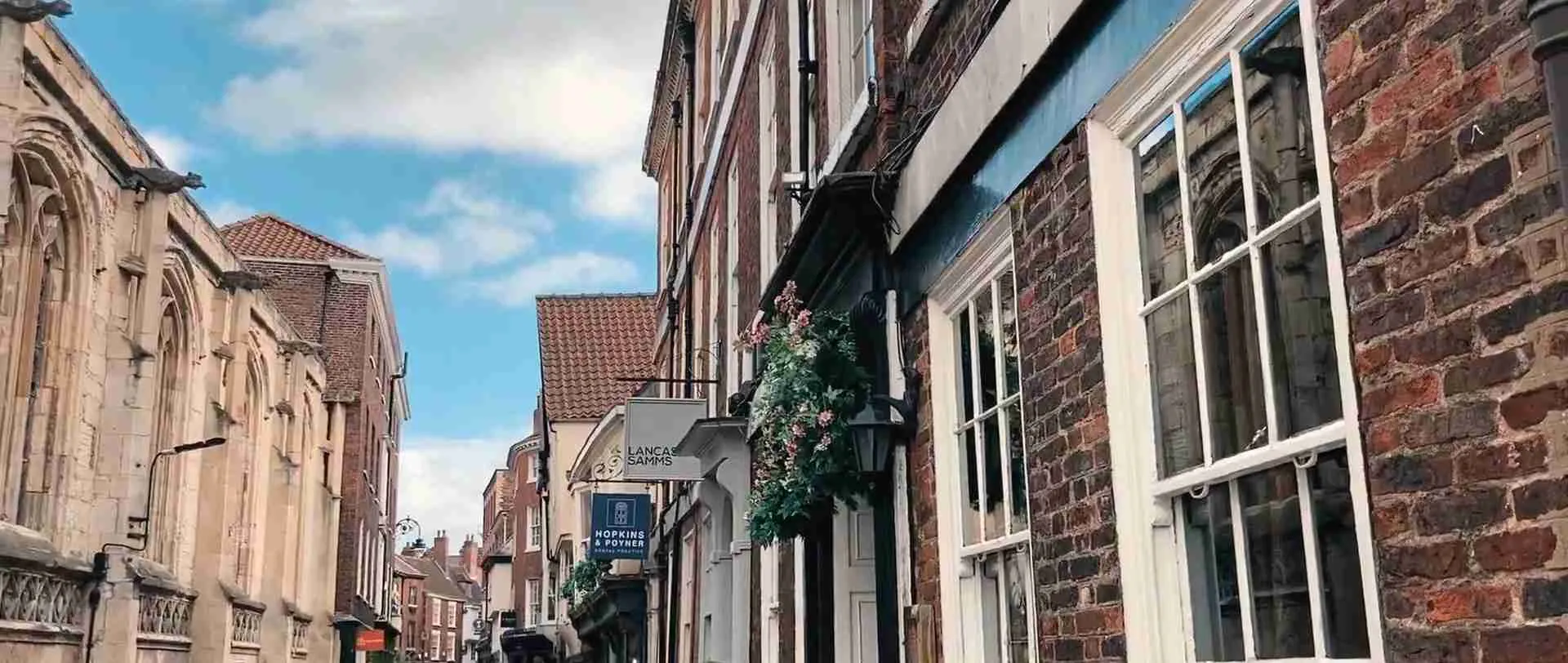
York Budget Guide 2026: Complete Travel Cost Breakdown
York offers remarkable value for travelers seeking medieval charm without London prices, with daily costs ranging from £55-90 for budget travelers to £320-480 for luxury visitors sharing accommodation. This historic walled city provides exceptional experiences through free attractions like the National Railway Museum and York City Walls alongside world-class paid sights, making it possible to craft memorable visits across any budget tier while exploring one of England’s most captivating destinations.
Key Takeaways: York Budget Planning 2026
- Budget Daily Costs 2026: Backpackers need £55-90 per person daily staying in hostel dormitories, eating street food and pub meals, using buses for transport, and visiting primarily free attractions with occasional paid entries.
- Mid-Range Budget 2026: Mid-range travelers spend £145-230 per person daily assuming two sharing hotel accommodation, dining at casual restaurants and gastropubs, using mixed bus and taxi transport, and visiting multiple paid attractions throughout the day.
- Luxury Travel Costs 2026: Luxury visitors invest £320-480 per person daily for two sharing boutique or five-star hotels, fine dining experiences, private taxi transport, and premium tours including exclusive access experiences and special exhibitions.
- Accommodation Share Breakdown 2026: Hotel costs significantly impact budgets with mid-range doubles at £140-220 per night and luxury rooms at £350-500, making the two-person share essential for budget calculations as individual rooms carry substantial single supplements.
- Weekly Trip Totals 2026: A seven-day York visit costs approximately £385-630 per person for budget travelers, £1,015-1,610 for mid-range comfort, and £2,240-3,360 for luxury experiences, all assuming consistent daily spending patterns across accommodation, dining, and activities.
- Visit York Pass Value 2026: The multi-day attraction pass at approximately £70-85 provides access to over 30 attractions including York Minster, JORVIK Viking Centre, and York Castle Museum, delivering substantial savings for visitors planning to see four or more paid sights during their stay.
People Also Ask About York Budget 2026
How much does York cost per day in 2026?
York costs approximately £55-90 per person daily for budget travelers staying in hostel dormitories, £145-230 for mid-range comfort assuming two sharing hotel accommodation, and £320-480 for luxury experiences with two sharing boutique or five-star hotels. These daily ranges include accommodation, all meals, local transport, and attraction entries, with hotel rates pre-divided by two for the per-person calculations. Budget travelers maximize free attractions like the National Railway Museum and City Walls while splurging on occasional paid entries, mid-range visitors balance paid attractions with casual restaurant meals and comfortable hotels, and luxury travelers access premium experiences including exclusive tours and fine dining throughout their stay.
What’s the average weekly cost for York in 2026?
A week in York costs approximately £385-630 per person for budget travelers, £1,015-1,610 for mid-range comfort, and £2,240-3,360 for luxury experiences, all calculated assuming consistent daily spending across seven days and two people sharing accommodation. Budget weekly totals assume hostel dormitories or budget guesthouses with self-catering options and free attraction focus, mid-range weeks include comfortable hotel stays with restaurant meals and multiple paid attractions daily, while luxury weeks feature boutique hotels with fine dining and premium tour experiences. These ranges provide planning benchmarks though actual costs vary based on seasonal rates, specific hotel selections, dining choices, and attraction visit patterns throughout the week.
Is York expensive compared to other UK cities in 2026?
York sits in the moderate-to-affordable range among UK destinations in 2026, costing notably less than London or Edinburgh while remaining pricier than smaller regional cities like Durham or Lincoln. Mid-range hotel accommodation at £140-220 per night runs approximately 30 percent below comparable Central London rates, though major attractions like York Minster at £26 for combined Minster and Tower entry carry premium pricing similar to top London museums. Restaurant dining costs match or slightly undercut major city prices with pub meals at £12-20 and mid-range dinners at £25-40 per person, while the compact walkable city center eliminates transport costs that accumulate in sprawling metropolitan areas. The combination of free world-class attractions including the National Railway Museum, walkable historic core, and reasonable accommodation outside peak summer months positions York as excellent value for heritage-focused travelers.
What are the biggest hidden costs in York 2026?
Restaurant service charges represent York’s most common hidden expense with 10-12.5 percent discretionary additions appearing on most bills, requiring approximately £10-15 daily buffer for mid-range diners across three meals. Left luggage storage at York Railway Station costs approximately £6-8 per day when arriving before hotel check-in or departing after checkout, adding £12-16 to multi-day trips for travelers with full baggage. Attraction booking fees and premium time slots sometimes carry £2-3 surcharges above walk-up prices, while cafeteria and gift shop pricing inside paid attractions runs 20-30 percent above city center equivalents. Taxi journeys from outlying accommodations to the historic center cost £8-15 each way, potentially adding £30-60 weekly for visitors selecting budget hotels beyond walking distance, while Park and Ride parking fees at £4-6 daily can surprise drivers expecting free parking at these dedicated facilities.
Extended multi-day tours – 5+ days
Featured York Multi-Day Tour Packages
4 days
The Best of York Small-Group Tour – 4 Days
- ✓ Comprehensive York tour
- ✓ Expert local guides included
- ✓ All accommodation arranged
- ✓ Transportation provided
6 days
6 Day London And York By Train
- ✓ Comprehensive York tour
- ✓ Expert local guides included
- ✓ All accommodation arranged
- ✓ Transportation provided

6 days
England in a Week (Classic, Winter)
- ✓ Comprehensive York tour
- ✓ Expert local guides included
- ✓ All accommodation arranged
- ✓ Transportation provided

5 days
From Edinburgh: 5 Day York, the Dales, Lake District & Hadrian's Wall
- ✓ Comprehensive York tour
- ✓ Expert local guides included
- ✓ All accommodation arranged
- ✓ Transportation provided
Multi-day tour packages powered by TourRadar. Prices and availability subject to change.
Introduction: Understanding York Travel Costs 2026
York stands as one of England’s most accessible historic destinations for budget-conscious travelers in 2026, offering a rare combination of world-class heritage attractions, compact walkable geography, and accommodation options spanning every price tier from £15 hostel beds to £500 per night luxury suites. The city’s medieval walls encircle a dense concentration of sights within a twenty-minute walk end-to-end, eliminating the transport costs that plague visits to sprawling metropolitan areas while creating natural boundaries that simplify navigation and planning. This geographic compactness combines with York’s positioning as a regional rather than capital city to produce pricing that undercuts London by 25-40 percent across accommodation, dining, and many activities, while still delivering experiences that rank among Britain’s finest including the soaring Gothic magnificence of York Minster, the immersive JORVIK Viking Centre, and the world’s largest railway museum with completely free admission.
The 2026 budget landscape in York reflects several distinct advantages for travelers balancing quality experiences against financial constraints. Free attractions of genuine substance anchor any budget itinerary with the National Railway Museum alone justifying a full morning or afternoon of exploration, the complete circuit of medieval city walls offering unparalleled urban views at zero cost, and York Minster providing free entry for worship attendees during services. The concentration of budget accommodation around Micklegate and Bootham enables dormitory bed costs as low as £15 per night while maintaining ten-minute walking distance to major sights, and the proliferation of historic pubs serving substantial meals at £12-18 means budget travelers need not sacrifice atmosphere or portion sizes for cost savings. Mid-range visitors discover exceptional value in the £140-220 hotel bracket with characterful properties occupying converted Georgian townhouses and Victorian railway hotels, positioning York as a destination where budget constraints need not force compromises on historic ambiance or central locations.
Understanding York’s cost structure requires recognizing the interplay between free heritage access, premium ticketed attractions, seasonal pricing fluctuations, and the Visit York Pass value proposition for multi-attraction itineraries. The city’s major paid sights including York Minster at £26 for combined cathedral and tower access, JORVIK Viking Centre at £17-24 depending on booking method, and York Castle Museum at £13-18 represent substantial individual expenses that accumulate quickly for families or extended stays, making the Visit York Pass at approximately £70-85 for multi-day access a critical value consideration for visitors planning to see four or more paid attractions during their trip. Seasonal variations create price swings of 35-50 percent between peak summer months and quieter winter periods, with August accommodation rates reaching £250-350 for mid-range doubles compared to January rates of £120-180 for comparable properties, while restaurant pricing remains relatively stable year-round with only premium establishments implementing seasonal surcharges.
This comprehensive budget guide provides specific 2026 cost breakdowns across all spending categories including detailed accommodation pricing by neighborhood and season, restaurant meal costs from street food through fine dining, attraction admission fees with advance booking strategies, transportation options with exact fare comparisons, and complete daily budget calculations for budget, mid-range, and luxury travelers. Each section delivers practical money-saving strategies tested in York’s unique environment, addresses hidden costs that catch unprepared visitors, and presents sample multi-day itineraries with precise cost tracking to demonstrate how theoretical daily budgets translate into real-world spending patterns. The guidance assumes two adults sharing hotel accommodation throughout for mid-range and luxury tiers while presenting per-person costs to enable direct budget comparisons across all tiers, with specific solo traveler considerations addressed separately for situations where room sharing proves impossible or undesirable.
Accommodation Costs in York 2026
York’s accommodation landscape in 2026 spans from £15 hostel dormitory beds through £500-plus luxury suites, with neighborhood selection, seasonal timing, and booking advance notice creating price variations exceeding 60 percent within the same quality tier. The city’s compact historic core concentrates most visitor lodging within the medieval walls or immediately adjacent neighborhoods, creating premium pricing for genuine city-center locations while more affordable options cluster along arterial roads serving Park and Ride routes at distances requiring 15-25 minute bus journeys into the sightseeing core.
Budget Accommodation in York 2026: Hostels and Budget Hotels
Budget lodging in York centers on YHA York hostel near the River Ouse offering dormitory beds at £15-25 per night depending on season and room size, with private rooms for two people ranging £45-70 when available. Safestay York on Micklegate provides comparable dormitory pricing at £18-28 with superior common spaces and later check-in hours accommodating evening train arrivals. Budget hotel chains including Travelodge and Premier Inn operate multiple York properties with rooms at £45-85 per night depending on booking timing, typically requiring 3-6 weeks advance purchase for lowest rates and carrying £65-120 weekend premiums during peak summer months. These budget hotels position along main roads 10-20 minutes walking from the Minster, with Premier Inn York City Centre on Piccadily offering closest proximity at marginally higher rates while Premier Inn York North properties require bus connections or extended walks.
Budget-conscious travelers should target properties within Bootham, Clifton, and Holgate neighborhoods where independent guesthouses offer double rooms at £55-85 per night with full English breakfast included, delivering better per-person value than hostel dormitories for couples willing to sacrifice social common spaces for privacy. Bootham bars line the A19 arterial road directly opposite York Minster’s north face, creating five-minute walking access to the cathedral despite technically sitting outside the medieval walls, while properties along Bishopthorpe Road south of the walls cluster near independent shops and cafes delivering authentic neighborhood character at 12-15 minute walking distance from central sights. These guest houses frequently occupy Victorian terraces with small en-suite rooms and steep staircases challenging for large luggage, but offer personal service and local knowledge unavailable in chain properties while maintaining standards adequate for short stays focused primarily on daytime sightseeing.
Booking strategies for budget accommodation in York require understanding the property-specific pricing models employed by hostels versus chain hotels. YHA York maintains relatively stable rack rates year-round with only 15-20 percent seasonal variation, making last-minute hostel bookings viable outside major event weekends including York Races and Christmas Market periods, while chain hotels deploy dynamic pricing algorithms creating 200-300 percent price spreads between advance purchase rates and day-of-arrival booking, rendering flexible reservation approaches financially ruinous for budget travelers. Premier Inn and Travelodge rooms booked 4-6 weeks ahead during January-March cost £45-65 compared to £120-180 for identical rooms during July-August peak season or on major race weekends, with the advance booking lock-in representing acceptable trade-off for travelers with fixed itineraries. Midweek versus weekend pricing creates additional 30-50 percent premiums for Friday-Saturday nights across all budget properties, making Monday-Thursday visits substantially cheaper for retirees or remote workers with scheduling flexibility.
Budget travelers should calculate accommodation costs on a per-person basis when comparing hostel dormitories against guesthouse doubles, as the £55-85 guesthouse room divided between two people produces £27-42 per person nightly cost that competes directly with £18-28 dormitory beds while providing privacy, included breakfast, and freedom from communal bathroom queues. Solo travelers face punitive economics with most guesthouses and chain hotels refusing single-occupancy rate reductions, forcing hostel dormitory selection or acceptance of full double-room charges that double the effective per-person nightly cost. Properties advertising single rooms typically price these at 70-80 percent of double-room rates rather than the 50 percent that per-person calculation would suggest, reflecting the fixed costs of room cleaning, utilities, and breakfast provision that remain constant regardless of guest count.
Mid-Range Accommodation York 2026: Characterful Hotels and Townhouse Properties
Mid-range accommodation in York 2026 concentrates in the £140-220 per night range for double rooms, with properties occupying converted Georgian townhouses, Victorian railway hotels, and purpose-built modern facilities clustered within the city walls or immediately adjacent neighborhoods. Hampton by Hilton York Piccadilly exemplifies the modern mid-range sector at £145-180 per night with included breakfast buffet, compact but efficient rooms with work desks, and positioning directly opposite York Railway Station enabling seamless train arrival transitions. Hotel Indigo York delivers boutique character at £165-210 per night within a converted Victorian building near Walmgate Bar, featuring individually designed rooms with exposed brickwork, rainfall showers, and small but thoughtfully appointed spaces that maximize heritage charm within limited square footage.
The Minster Hotel York occupies prime positioning directly opposite York Minster’s south face at £175-220 per night, delivering unmatched location for cathedral-focused itineraries alongside rooms that blend contemporary comfort with building heritage, though paying premium rates for this proximity makes sense only for visitors prioritizing immediate Minster access above other neighborhood considerations. Dean Court Hotel offers similar Minster-adjacent positioning at marginally lower £160-200 rates with larger room dimensions but less extensive recent renovation work, creating value proposition for travelers prioritizing space and traditional comfort over cutting-edge design. These Minster-adjacent properties command 25-35 percent premiums over equivalent-quality hotels positioned 8-12 minutes walk from the cathedral, premiums that shrink dramatically when calculating cost per sight versus having to walk an extra five minutes from lodging to attractions.
Mid-range properties within York’s city walls or immediately adjacent neighborhoods eliminate the transport costs and time wastage associated with outlying accommodation, delivering £8-15 daily savings through eliminated taxi fares or bus tickets while adding 60-90 minutes to each day’s sightseeing time through reduced commuting. The Judges Lodging on Lendal occupies a Grade I listed Georgian townhouse at £170-215 per night with individually furnished rooms of generous dimensions, dramatic period features including elaborate cornicing and original fireplaces, and complimentary afternoon tea service that offsets the nightly rate through eliminated afternoon refreshment costs. Middlethorpe Hall on the city’s southern edge at £190-245 per night sits outside walking distance from central sights but provides country house atmosphere with extensive grounds, formal dining room, and spa facilities that justify the premium for travelers seeking resort-style relaxation alongside heritage sightseeing.
Booking strategies for mid-range York hotels require balancing advance purchase discounts against flexible cancellation policies, as the 15-30 percent savings from prepaid non-refundable rates become risky propositions for travelers facing potential itinerary changes. Hotels within the DoubleTree, Mercure, and independent boutique categories typically offer lowest rates when booking 6-8 weeks ahead through direct websites rather than aggregator platforms, with loyalty program members accessing additional 5-10 percent discounts alongside perks including room upgrades, late checkout, and complimentary breakfast that effectively reduce net accommodation costs by £15-25 per night. Weekend versus midweek pricing creates 35-50 percent spreads with Friday-Saturday nights costing £220-270 compared to Monday-Thursday rates of £140-180 for identical properties and room categories, making weekday visits substantially more economical for travelers with schedule flexibility.
Seasonal pricing fluctuations in York’s mid-range sector reach 45-55 percent between peak July-August demand and quiet January-February periods, with shoulder season March-April and September-October delivering optimal value through moderate 15-25 percent premiums above winter baseline rates while maintaining pleasant weather and attraction operating hours superior to deep winter conditions. Race weekend surcharges at York Racecourse create localized demand spikes particularly impacting mid-range hotels with corporate booking appeal, adding £40-70 premiums to otherwise moderate spring and autumn nightly rates and requiring awareness of race calendar when scheduling York visits to avoid unexpected accommodation inflation. Christmas Market periods from mid-November through December create similar 35-50 percent premiums across all mid-range properties as the festive atmosphere and light displays attract domestic weekend break travelers willing to pay elevated rates for seasonal charm.
Luxury Accommodation York 2026: Five-Star Hotels and Boutique Properties
York’s luxury accommodation tier spans £350-600 per night in 2026, anchored by The Grand York as the city’s only five-star property occupying the former North Eastern Railway headquarters at £400-550 per night for superior doubles. The Grand combines Edwardian architectural grandeur with contemporary luxury standards including 207 rooms across multiple categories, full-service spa with 14-meter swimming pool within converted railway vaults, two restaurants offering modern British cuisine, and Rise Restaurant delivering Michelin-quality dining experiences alongside attentive but unobtrusive service standards expected at elite properties. Guest rooms blend heritage features including original cornicing and high ceilings with modern amenities such as marble bathrooms, Nespresso machines, and king-size beds wrapped in Egyptian cotton linens, while suites at £600-850 per night provide separate living areas and upgraded bathroom configurations with standalone tubs overlooking York’s rooftops.
Hotel Du Vin York occupies a Grade II listed former orphanage at £350-480 per night, delivering boutique luxury through individually designed rooms mixing exposed brickwork with contemporary furnishings, monsoon showers alongside period features, and bistro dining serving French-influenced cuisine in atmospheric ground-floor spaces. Grayson Townhouse near Bootham Bar provides intimate luxury at £320-420 per night across just twelve rooms and two suites within a restored Georgian merchant’s house, emphasizing personal service and bespoke local experiences including private walking tours and restaurant reservations at sought-after establishments unavailable through standard booking channels. These boutique properties sacrifice the comprehensive facilities of larger luxury hotels including pool access, room service, and concierge desks while delivering heightened personal attention and unique design aesthetics that resonate with travelers prioritizing character over standardized luxury.
Luxury accommodation in York justifies its premium pricing through cumulative amenities that reduce overall trip costs and enhance experience quality beyond the immediate sleeping environment. The Grand’s included breakfast buffet valued at £25-30 per person eliminates morning meal expenses while delivering superior quality and variety compared to standalone restaurant breakfasts, and the property’s central position directly opposite York Railway Station eliminates £12-15 taxi costs from outlying hotels while adding 45-60 minutes daily sightseeing time through eliminated commuting. Turndown service, 24-hour room service, and lobby lounges with complimentary tea and coffee provide conveniences particularly valuable for travelers maintaining business communication across time zones or requiring flexible meal timing around packed touring schedules, while concierge services streamline restaurant reservations, tour bookings, and transportation arrangements that consume hours of planning time when self-organized.
Luxury property guests accessing spa facilities gain significant value through eliminated external spa visit costs, with The Grand’s pool and thermal suite providing relaxation options particularly welcome after full days walking York’s cobblestone streets and climbing cathedral towers. Treatment menus at hotel spas typically match standalone spa pricing at £80-120 for hour-long massages, but the convenience of in-house access and ability to schedule treatments around touring activities without cross-city transport delivers time value worth £30-50 in eliminated taxi fares and scheduling flexibility. Suite accommodations at £600-850 per night make financial sense for traveling parties of three or four where the incremental cost versus booking two standard rooms shrinks to manageable £100-150 premiums while providing shared living space and often second bathrooms that substantially improve multi-person travel comfort.
Booking luxury accommodation in York requires extended advance notice of 3-6 months for peak summer dates and major event weekends when limited luxury inventory sells out entirely, with properties of The Grand’s caliber maintaining 85-95 percent occupancy during July-August through combination of leisure travelers and corporate guests attending conferences in York’s medieval Guildhall and modern conference facilities. Direct booking through property websites delivers best luxury value through loyalty program benefits including room upgrades, late checkout extensions to 2-4 PM enabling morning tours before departure, and complimentary welcome amenities ranging from champagne through local artisan chocolates that add £25-50 perceived value to bookings. Package deals combining multiple nights with dining credits or spa treatments sometimes offer better overall value than nightly rates alone, particularly during shoulder season when properties deploy such packages to stimulate demand during otherwise moderate booking periods.
Neighborhood Accommodation Guide: Where to Stay for Different Budgets
Within City Walls positioning delivers maximum sightseeing efficiency across all budget tiers, with properties inside the medieval circuit maintaining 5-12 minute walking distance to all major attractions while commanding 20-35 percent premiums over equivalent accommodation immediately outside the walls. Budget travelers find limited within-walls options restricted to YHA York hostel and handful of small guesthouses, making just-outside-walls neighborhoods including Bootham, Micklegate, and Bishopthorpe Road more practical for dormitory and budget hotel inventory. Mid-range and luxury travelers gain substantial value from within-walls positioning through eliminated transport costs, extended daily sightseeing hours from reduced commuting, and atmospheric evening strolls along quiet medieval lanes after attractions close and day-trippers depart.
Bootham and Clifton north of the city walls create York’s primary mid-range accommodation corridor with properties lining the A19 arterial road directly opposite York Minster’s north façade, delivering paradoxical combination of immediate cathedral access alongside main road traffic noise requiring upper floor rear-facing rooms for quiet nights. Hotels and guesthouses along Bootham benefit from multiple bus routes enabling easy access to York Railway Station and Park and Ride connections while maintaining true five-minute walks to Minster and Museum Gardens, making this neighborhood optimal for visitors balancing convenience against within-walls premium pricing. The concentration of restaurants, cafes, and independent shops along Gillygate creates neighborhood dining options reducing need for nightly returns to tourist-focused Stonegate and Shambles areas.
Micklegate and Blossom Street south of the walls provide budget-friendly accommodation clustering along main roads serving A64 approaches, with properties maintaining 10-15 minute walks to central sights while offering nightly rates 25-40 percent below equivalent within-walls lodging. This neighborhood attracts backpackers and budget-conscious couples through combination of hostel options, budget chain hotels, and independent guesthouses operating in Victorian terraces, alongside restaurant variety spanning international cuisines through Indian, Thai, and Italian establishments serving residents and students from nearby university housing. The trade-off involves evening returns along somewhat characterless arterial roads lacking the atmospheric medieval lanes found within walls, though safety remains good and lighting adequate throughout this well-trafficked corridor.
Bishopthorpe Road and South Bank across the River Ouse deliver emerging neighborhood alternatives combining independent boutique hotels, riverside apartments, and characterful conversions at pricing 15-25 percent below central equivalents while maintaining 15-20 minute riverside walks into the historic core. This area provides authentic residential neighborhood atmosphere with local bakeries, independent coffee roasters, and community pubs frequented by York residents rather than tourists, creating opportunities for genuine local interaction unavailable in the tourism-saturated central zones. River views from select properties deliver attractive aspects particularly from upper floor rooms and apartments, though ground floor units sometimes suffer noise from riverside pedestrian traffic during popular summer months.
Outlying accommodation beyond comfortable walking distance presents economic trade-offs requiring careful calculation of transport costs against nightly rate savings. Properties near Designer Outlet York or along Tadcaster Road sometimes advertise rates £30-50 below city center equivalents, but require £12-18 daily taxi fares for two trips into central York or commitment to Park and Ride services at £4-6 per person daily return journeys. The £24-36 daily transport increment largely eliminates the nightly accommodation savings while adding 60-90 minutes daily commuting time that reduces sightseeing hours and spontaneous evening dining or entertainment opportunities. These outlying properties make sense primarily for drivers already committed to using cars for touring Yorkshire Dales or North York Moors where central York accommodation creates inconvenient bases, but represent poor value for visitors planning city-focused stays centered on walking tours and attraction visits.
Seasonal Pricing Patterns and Booking Strategies
York accommodation pricing fluctuates 45-70 percent between peak August demand and quiet January-February baseline rates across all quality tiers, with shoulder seasons March-April and September-October creating moderate 20-35 percent premiums above winter pricing while delivering superior weather and attraction operating hours compared to deep winter conditions. Peak summer nightly rates for mid-range hotels reach £220-270 in July-August compared to £140-180 for identical properties during January-February, while budget chain hotels climb from £45-65 winter baseline to £95-130 summer peak pricing representing proportionally larger percentage increases that hit budget travelers particularly hard. Race weekend surcharges create localized demand spikes adding £40-80 premiums to otherwise moderate rates during York Races meetings scattered throughout spring, summer, and autumn, requiring race calendar awareness when scheduling visits to avoid unexpected accommodation inflation.
Advance booking timelines for optimal pricing vary by season and property type, with peak summer and Christmas Market periods requiring 8-16 weeks advance notice for accessing lowest rates before dynamic pricing algorithms elevate costs as availability shrinks. Budget chain hotels operate strict prepaid non-refundable booking models offering 25-40 percent discounts versus flexible rates but trapping travelers in rigid itineraries, while mid-range independent hotels typically permit free cancellation until 24-72 hours before arrival enabling more flexible planning approaches. Luxury properties maintain relatively stable prepaid versus flexible rate differentials of only 10-15 percent, reflecting clientele less sensitive to advance purchase restrictions and preference for maintaining booking flexibility worth premium pricing for business and affluent leisure travelers.
Last-minute booking approaches in York carry significant risk during peak periods when sell-outs occur regularly across all quality tiers, but can deliver substantial savings during quiet winter months when hotels discount remaining inventory to drive occupancy. Properties facing empty rooms during January-February sometimes offer day-of-arrival rates 30-50 percent below published rack rates, accessible through direct phone contact or walk-in inquiries at reception desks rather than online booking platforms that maintain higher displayed pricing. This strategy requires fallback options and flexibility to accept whatever properties retain availability, making it viable primarily for solo travelers or couples comfortable with uncertainty rather than families or groups requiring multiple rooms with specific configuration needs.
Food and Dining Costs in York 2026
York’s dining scene in 2026 spans £8 street food meals through £80-plus tasting menus, with the historic city center concentrating options within medieval lanes while outlying neighborhoods including Bishopthorpe Road deliver superior value through authentic local establishments serving residents rather than tourists. The compact geography creates unusual pricing dynamics where genuinely excellent meals hide on side streets mere minutes from tourist-trap establishments charging premium prices for mediocre food, requiring modest navigational awareness to access best value across all budget tiers.
Budget Dining in York 2026: Street Food, Markets, and Pub Meals
Budget dining in York centers on Shambles Market operating Monday-Saturday with street food stalls serving global cuisines at £6-10 per substantial meal, including Caribbean jerk chicken, Thai pad thai, Mexican burritos, and British fish and chips portions sized adequately for lunch requirements. Market breakfast options including bacon rolls and egg sandwiches cost £4-6 providing filling starts to sightseeing days when hostel accommodation omits included breakfast, while independent coffee shops surrounding the market offer filter coffee at £2-3 compared to £4-5 Costa and Starbucks pricing within the Shambles tourist thoroughfare. York’s Wetherspoon pubs including The Postern Gate on Piccadilly deliver substantial meals at £8-12 with curry club discounts reducing costs further on designated weekday evenings, and the Wetherspoon breakfast at £6-8 provides all-day availability accommodating varied schedules for travelers maintaining non-standard meal times.
Traditional pub meals across York’s numerous historic establishments offer excellent budget value at £12-18 for main courses including substantial portions of fish and chips, steak and ale pie, or Sunday roasts with Yorkshire pudding, accompaniments, and gravy justifying costs through generous portions that eliminate afternoon snacking needs. The Golden Fleece on Pavement delivers authentic medieval atmosphere with timber framing and resident ghosts at standard pub pricing £14-18 per main, while Ye Olde Starre Inne claims 1644 establishment date alongside similar pricing in atmospheric courtyard and timber-paneled interior spaces. These historic pubs maintain quality standards superior to tourist-trap establishments along Stonegate and High Petergate that charge identical or higher prices for inferior food quality and rushed service during peak visitor periods.
Budget-conscious travelers should embrace self-catering through supermarket purchases for breakfast and lunch, reserving restaurant budgets for atmospheric dinner experiences that justify costs through unique ambiance unavailable through takeaway options. Sainsbury’s Local and Tesco Metro stores within the city walls stock premade sandwiches at £3-5, meal deals combining sandwich, crisps, and beverage at £4-5, and ingredients for picnic assembly at costs 40-60 percent below equivalent restaurant purchases. Museum Gardens, Dean’s Park, and riverside benches along the Ouse provide atmospheric picnic settings surpassing rushed café meals while maintaining budget discipline that extends limited resources across extended stays.
International budget dining options including Indian, Chinese, and Italian establishments cluster along Goodramgate and Walmgate delivering main courses at £8-14 with portion sizes generous enough for leftovers when paired with sharing appetizers and rice or noodle bases. These neighborhood restaurants serve substantial local populations alongside tourists, maintaining quality standards and authentic flavors superior to dumbed-down Anglicized versions common in establishments catering purely to foreign visitors. Turkish kebab shops along Micklegate and Fishergate provide late-night budget options at £6-9 for substantial wraps accommodating pub crawl returns or extended evening walking tours, with service extending past midnight during weekends when other budget options close at standard restaurant hours.
Mid-Range Dining York 2026: Gastropubs and Casual Restaurants
Mid-range dining in York 2026 centers on gastropubs and casual restaurants charging £15-22 for lunch mains and £25-40 for dinner entrees, with establishments including The Star Inn The City on Museum Street exemplifying the elevated pub category through riverside positioning, seasonal British menus emphasizing Yorkshire ingredients, and informal atmosphere maintaining accessibility despite upmarket pricing. Two-course lunch menus at gastropubs typically run £18-25 delivering better value than à la carte ordering while maintaining quality standards comparable to dinner service, and midweek lunch periods attract local business clientele signaling reliable quality versus tourist-focused operations with variable standards.
Italian restaurants including Lucia’s on Gillygate and Ask Italian within city center deliver mid-range reliability at £12-18 pasta and pizza pricing with lunch specials sometimes reducing costs to £10-14 for identical dishes served during evening hours. These establishments occupy middle ground between budget pizza chains and fine dining Italian operations, maintaining authentic preparations and quality ingredients while avoiding premium pricing associated with celebrity chef operations or Michelin-aspirational venues. Vietnamese, Thai, and modern British casual restaurants similarly cluster in the £15-25 main course range, with establishments along Bishopthorpe Road and Fossgate delivering particularly strong value through authentic ethnic cooking and neighborhood pricing structures serving local residents alongside discovering tourists.
Pre-theater and early bird dining menus create significant savings opportunities at mid-range establishments with two or three-course options at £22-32 representing 25-35 percent discounts versus standard à la carte pricing for identical dishes and portion sizes. These promotional menus typically operate 5:00-7:00 PM requiring early dining commitments that align well with summer evening sightseeing schedules allowing dinner before extended twilight walking tours, though winter months with 4:00 PM darkness make early dining less appealing when post-dinner activities reduce to pub visits or returns to accommodation. The savings justify slight timing inconvenience for travelers maintaining flexible schedules, particularly when planning restaurant experiences at establishments where full à la carte pricing pushes into fine dining budget territory.
Coffee and café culture in York maintains £3-5 pricing for specialty coffee drinks with independent roasters including Spring Espresso and Brew & Brownie delivering superior quality at identical or marginally lower costs compared to Costa and Starbucks chain outlets. Afternoon tea services at mid-range hotels and cafes run £22-32 per person for finger sandwiches, scones with clotted cream, and selection of cakes providing substantial afternoon sustenance that sometimes eliminates dinner requirements for travelers comfortable with non-standard meal timing. These afternoon tea experiences deliver better value than individual café pastry and coffee purchases when calculating total food costs, while providing quintessentially British cultural experiences in atmospheric Victorian tea rooms and hotel lounges.
Mid-range travelers should budget £50-80 daily per person for three meals including breakfast at hotel or café, casual lunch with beverage, and sit-down dinner at gastropub or mid-range restaurant with wine or beer. This daily food allocation allows mix of budget-conscious breakfast choices with indulgent dinner experiences, or alternatively balanced mid-range selections across all three meals maintaining consistent quality without premium splurges. Wine pricing at mid-range restaurants typically starts £25-35 per bottle with glasses at £6-9, beer costs £5-7 per pint, and soft drinks run £3-4, adding £15-25 per person to meal costs when including alcohol with dinner.
Luxury Dining York 2026: Fine Dining and Special Occasions
Luxury dining in York peaks with Michelin-starred and Michelin-recommended establishments charging £80-120 per person for tasting menus before wine pairings, with The Grand York’s Rise Restaurant delivering modern British fine dining at £90-110 for seven-course experiences showcasing Yorkshire ingredients through contemporary techniques. Roots York occupies humble canal-side location at substantial remove from tourist thoroughfares while maintaining Michelin Bib Gourmand distinction through produce-focused tasting menus at £75-95, and Le Cochon Aveugle’s intimate eight-seat counter service delivers theatrical dining at £110-130 per person including wine pairings for multi-course seasonal menus. These establishments represent destination dining requiring advance reservations often 4-8 weeks ahead for weekend slots, with service standards, wine programs, and ingredient quality justifying premium pricing for travelers treating York visits as culinary experiences rather than pure heritage tourism.
À la carte fine dining options at establishments including Skosh on Micklegate and Arras Restaurant deliver £35-55 main courses within elegant dining rooms or contemporary industrial spaces, with three-course meals including wine reaching £80-100 per person before service charges and premium wine selections. These restaurants occupy tier below Michelin-starred venues in pricing and formality while maintaining ingredient quality and technical execution superior to gastropub cooking, creating middle ground for travelers seeking elevated culinary experiences without full fine dining commitment and associated costs. Lunch service at these establishments sometimes offers better value through reduced course options and wine list pricing targeting business entertaining rather than evening celebration dining.
Afternoon tea at luxury hotels including The Grand York reaches £45-65 per person for champagne tea service including finger sandwiches, scones, pastries, and champagne or tea selection served in elegant lounges with piano accompaniment and formal china service. These experiences deliver quintessential British luxury dining combining sustenance with atmosphere and service standards, though representing poor pure value proposition when compared to casual afternoon tea at £22-32 delivering similar food quantities without luxury hotel ambiance and service polish. The luxury afternoon tea makes sense for travelers specifically seeking elegant British cultural experiences rather than budget-focused food delivery, particularly when booking through hotel package deals that bundle afternoon tea with overnight accommodation at marginal incremental costs.
Luxury travelers should budget £120-180 daily per person for three meals including upscale breakfast at hotel or specialty café, quality lunch at casual fine dining establishment, and destination dinner at Michelin-level venue or equivalent, with additional £40-60 for wine pairings or premium bottle selections during dinner service. This allocation enables consistent luxury dining experiences across all meals versus alternating between budget-conscious breakfasts and lunches with singular splurge dinners, though the latter approach delivers better overall value when fine dining experiences matter more than breakfast luxury for individual travel priorities.
Hidden Dining Costs and Money-Saving Strategies
Restaurant service charges represent York dining’s most common hidden expense with 10-12.5 percent discretionary additions appearing on most mid-range and luxury restaurant bills, typically disclosed only on receipt presentation after meal completion rather than upfront menu pricing. These charges add £6-10 to mid-range two-person meals and £15-25 to luxury dining bills, requiring daily budget buffers of £10-15 for travelers eating multiple restaurant meals. Service charges legally remain discretionary despite presentation suggesting mandatory status, with customers retaining right to reduce or remove charges for inadequate service, though social pressure and staff expectations make charge removal uncomfortable except in cases of genuinely poor experiences.
Beverage pricing creates substantial incremental costs particularly for travelers accustomed to complimentary restaurant water in countries where tap water service represents standard practice. York restaurants charge £3-5 for bottled water with tap water available free upon request, but social conventions sometimes create pressure toward bottled water ordering particularly in upscale establishments where servers fail to mention tap water availability. Soft drink pricing at £3-4 per glass adds £9-12 to three-meal daily costs for non-alcohol drinkers, while wine by glass at £6-9 creates alcohol spending of £12-18 daily for moderate drinkers having single glass with lunch and dinner.
Tourist trap pricing along Stonegate, Shambles, and High Petergate creates 30-50 percent premiums versus equivalent quality establishments on parallel side streets, with mediocre cafes charging £8-10 for sandwich and coffee combinations available at £5-7 from superior independent establishments two minutes walk from main tourist corridors. The Shambles specifically concentrates overpriced establishments trading on medieval street atmosphere while delivering below-average food quality, with knowledgeable travelers navigating to nearby Fossgate, Goodramgate, or Walmgate for superior value at lower costs. This geographic pricing arbitrage requires minimal effort given York’s compact dimensions, with savings of £8-15 daily accumulating significantly across week-long stays.
Money-saving strategies for York dining include embracing lunch as primary restaurant meal when fixed price menus and early bird specials deliver 25-40 percent discounts versus dinner pricing for identical or comparable dishes, cooking breakfast through supermarket purchases reducing daily costs by £8-12 per person, and targeting pubs for dinner where substantial mains at £12-18 undercut casual restaurant £25-40 dinner pricing while maintaining atmospheric historic settings. Lunch remains Britain’s least expensive restaurant meal category with substantial portion sizes justifying mid-range budgets, while breakfast commands premium pricing disproportionate to food costs making self-catering particularly attractive for budget-conscious travelers. The combination of supermarket breakfast, pub lunch, and casual dinner creates daily food costs of £25-35 per person delivering quality and variety while maintaining budget discipline across extended stays.
Transportation and Getting Around York 2026
York’s compact historic core makes walking the primary transportation mode for visitors, with the entire medieval walled circuit traversable in 20-25 minutes enabling access to all major attractions purely through pedestrian movement. This walkability eliminates the substantial daily transport costs that accumulate in sprawling metropolitan areas, while York’s flat terrain and pedestrianized streets create easy navigation for travelers of varying mobility levels. Public bus service, taxis, and Park and Ride facilities provide supplementary options for specific scenarios including railway station transfers, accommodation beyond walking distance, and rainy weather alternatives, but represent optional rather than essential elements for most York itineraries centered on historic sightseeing within the walls.
Walking York: Free Transportation Between All Major Sights
Walking represents York’s most economical and often fastest transportation option with the 15-minute journey from York Railway Station to York Minster traversing the entire downtown core while passing major attractions including National Railway Museum, York Art Gallery, and Museum Gardens. The medieval street pattern creates short blocks enabling easy navigation without complex route planning, while comprehensive signage directs pedestrians to major landmarks from virtually any central location. The complete circuit of York’s medieval walls extends approximately 3 kilometers requiring 45-60 minutes at moderate pace with frequent interruption points at the four main bar gateways enabling flexible partial walks rather than commitment to full circumnavigation.
Pedestrianized zones including Stonegate, Shambles, and Swinegate create vehicle-free environments pleasant for walking though crowded during peak daytime hours, with early morning and evening periods offering superior pedestrian experiences when day-trippers depart and medieval atmosphere intensifies through reduced crowds and gentler lighting. The pedestrianized core radiates approximately 400 meters from York Minster in all directions, encompassing virtually all tourist attractions and creating shopping, dining, and sightseeing accessibility without vehicle interaction or complex street crossing negotiations. This extensive pedestrian infrastructure makes York exceptionally accessible for families with young children who navigate crowded streets with greater safety than mixed pedestrian-vehicle environments common in less tourist-adapted cities.
Cobblestone surfaces throughout the historic core create challenges for wheeled luggage and mobility devices, with uneven medieval paving causing difficult rolling and occasional trip hazards requiring attention particularly during rain when stones become slippery. Travelers transiting through York with full luggage should prioritize direct routes to accommodation rather than extensive walking tours, with left luggage facilities at York Railway Station at £6-8 per bag per day enabling unburdened sightseeing for visitors with afternoon train departures or morning arrivals before hotel check-in. The preserved medieval street pattern creates numerous steep inclines particularly around the wall circuit and riverside areas, with Lendal Bridge climb and Micklegate incline representing most significant elevation changes that challenge mobility-impaired visitors though remaining navigable with moderate effort.
Public Bus Service York 2026: Costs and Routes
York’s public bus network operated primarily by First Bus serves outlying neighborhoods and provides connectivity to York Railway Station, though most tourists require buses only for accommodation beyond comfortable walking distance or Park and Ride connections. Single journey fares cost £3 per adult with exact change required when purchasing from drivers, while contactless payment cards enable tap-on tap-off transactions at full single fare without cash handling. Day tickets at £6 per adult provide unlimited travel across York’s bus network delivering value for visitors making three or more journeys, though the compact central area means most tourist itineraries require zero or one daily bus trip making single fares more economical than day pass purchases.
The number 4 and 6 routes operate frequent service between York Railway Station and city center attractions running every 10-15 minutes during daytime hours, though the 15-minute walk between these points makes bus usage unnecessary for able-bodied travelers without heavy luggage. Routes radiating to Designer Outlet York, University of York campus, and outlying residential neighborhoods carry minimal tourist relevance except for visitors staying at accommodation along these corridors, with route maps and timetables available through iTravelYork website and printed materials at tourist information centers. Sunday service operates on reduced frequencies with some routes eliminated entirely, requiring schedule verification for weekend travel and potentially creating 20-40 minute wait times that exceed walking durations for central destinations.
Park and Ride services operate from five sites ringing York’s periphery with free parking and frequent bus shuttles into city center at £4 per adult return fare, delivering excellent value for drivers avoiding city center parking fees of £12-25 daily. Buses operate every 10-15 minutes during peak hours with journey times of 12-18 minutes to central drop-off points near York Railway Station and Bootham Bar, running Monday-Saturday from 7:00 AM to 7:00 PM with reduced Sunday service and no late evening provision. The Park and Ride model makes economic sense for day-trippers driving into York and families with 3-4 people where individual bus fares total £12-16 matching city center parking costs, though overnight visitors at city center hotels gain no benefit from these peripheral parking facilities.
Taxi and Ride-Share Services in York 2026
Taxi services in York charge approximately £8-12 for short journeys within the city walls and £12-18 for station-to-accommodation transfers outside the immediate center, with prices varying by distance, traffic conditions, and time of day. Rank queues at York Railway Station typically move quickly with minimal wait times outside peak train arrival periods, while street hailing proves difficult in the historic core where pedestrianized zones prohibit vehicle access and narrow medieval lanes create limited taxi circulation. Advance booking through local operators including Streamline Taxis and Station Taxis ensures availability particularly for early morning airport transfers or late evening returns from restaurant districts, with telephone or app-based booking incurring no additional fees versus rank pick-up though requiring 15-30 minute advance notice for non-immediate departures.
Uber operates in York with pricing comparable to traditional metered taxis at approximately £8-15 for typical tourist journeys, offering advantages of upfront fare quotation, cashless payment integration, and GPS tracking eliminating navigation explanations to unfamiliar drivers. Availability fluctuates significantly with limited driver presence during early morning hours and midweek daytime periods when business demand remains low, creating 10-20 minute wait times that negate the convenience advantage over traditional rank taxis with immediate availability. Surge pricing during peak demand including weekend evenings and major event periods adds 1.5-2.0x multipliers to base fares, sometimes creating £20-30 costs for journeys typically running £10-12 during moderate demand periods.
Taxi usage patterns for York visitors typically involve two airport transfer journeys at £50-70 each for Leeds Bradford Airport runs consuming most traveler taxi budgets, with minimal intra-city taxi requirements given the exceptional walkability of the historic core. Visitors staying at outlying accommodation may require £16-30 daily taxi costs for two roundtrips into city center, though these transport expenses typically offset accommodation savings making net economics unfavorable compared to higher-cost central hotels eliminating taxi needs entirely. Late-night taxi returns from restaurant or entertainment districts cost £8-15 from central locations to within-walls accommodation, with this expense avoidable through earlier dining or entertainment scheduling that enables walking returns before dark.
Transportation Money-Saving Strategies
Maximum transportation savings in York derive from selecting accommodation within 10-15 minute walking distance of major attractions, eliminating bus fares and taxi costs entirely while extending effective sightseeing hours through reduced commuting time. The £20-40 nightly premium for central versus peripheral accommodation pays for itself immediately through eliminated £6-12 daily bus or taxi costs, while delivering substantial time savings worth £30-50 in additional attraction access and spontaneous dining or shopping opportunities enabled by central positioning. Travelers unable to afford central accommodation should prioritize properties on main bus routes with frequent service rather than accepting cheapest accommodation requiring complex multi-bus journeys or extensive walking from transit points.
Walking becomes more enjoyable and economically compelling through proper footwear and weather preparation, with comfortable walking shoes reducing fatigue and eliminating mid-day taxi temptations when feet tire on cobblestones, while waterproof jacket and umbrella enable continued walking during typical York drizzle that otherwise forces expensive taxi usage. The investment in quality walking gear pays dividends across extended stays where daily £8-12 taxi costs accumulate to £56-84 weekly while walking remains free and often faster than waiting for taxis or buses during peak periods. York’s flat terrain and compact dimensions make walking accessible for most age groups and fitness levels, with the primary barrier being uneven cobblestones requiring attention rather than cardiovascular demands or distance challenges.
Park and Ride usage delivers substantial savings for drivers versus city center parking at £4 per person return bus fare compared to £12-25 daily parking charges within the walls, though requiring peripheral parking arrival and departure timing aligned with bus operating hours. Families with 3-4 members achieve proportionally greater savings with single vehicle parking enabling unlimited passengers on return bus journey, while solo drivers gain modest £8-12 daily savings that offset the convenience reduction and time loss associated with bus connections. The economic calculation shifts entirely for overnight visitors where multi-day city center parking at £40-80 versus consecutive Park and Ride bus fares of £8-16 creates compelling financial incentive for peripheral parking even accounting for reduced spontaneity and extended daily commute times.
Attraction and Activity Costs York 2026
York’s attractions span free world-class museums through £26 premium cathedral experiences, with strategic planning enabling full days of engaging activities at zero cost or alternatively comprehensive paid-attraction tours reaching £80-100 daily per person. The Visit York Pass represents critical value consideration for multi-attraction itineraries, delivering access to over 30 sights for approximately £70-85 per multi-day pass when individual top-tier attraction admissions total £13-26 each.
Free Attractions in York 2026: World-Class Experiences at No Cost
The National Railway Museum stands as York’s premier free attraction and Britain’s largest railway museum, requiring 2-3 hours for comprehensive exploration of the vast collections including iconic locomotives, royal carriages, and interactive exhibits explaining railway engineering and social history. The museum operates free daily admission 10:00 AM-5:00 PM with optional donations encouraged but not required, special exhibitions sometimes carrying separate charges, and on-site café and gift shop maintaining commercial pricing comparable to city center establishments. The engineering significance and display quality match or exceed many paid museums in Britain, making the National Railway Museum essential for all York itineraries regardless of specific railway interest, with children finding particular engagement through interactive elements and massive locomotive scale impossible to appreciate through photographs.
Walking the complete circuit of York’s medieval city walls requires 45-60 minutes at moderate pace while delivering unparalleled urban views, free public access year-round during daylight hours, and tangible connection to Roman and medieval defensive architecture. The wall circuit opens at multiple bar gateways enabling flexible entry and exit points accommodating partial walks rather than complete circumnavigation, with Bootham Bar, Monk Bar, Walmgate Bar, and Micklegate Bar providing the four primary access points equipped with steps and ramps. Seasonal operating hours restrict access during winter months when gates lock at dusk around 4:00 PM, extending to 9:00 PM during summer months enabling atmospheric evening walks with dramatic twilight views over medieval rooftops and York Minster’s illuminated towers.
York Minster permits free entry for worship attendees during services including daily morning prayer, Choral Evensong Tuesday-Saturday during term time, and Sunday services throughout the day, enabling visitors to experience the cathedral’s interior grandeur, medieval stained glass, and liturgical atmosphere without sightseeing admission fees. Service attendance requires respectful behavior including silence during prayers and readings, restriction to nave seating rather than full building exploration available with paid tickets, and acceptance of 45-90 minute duration depending on service type. This free access option suits travelers prioritizing spiritual or musical experiences over comprehensive architectural exploration, with Choral Evensong particularly recommended for the exceptional choral program singing works by composers ranging from medieval polyphony through contemporary compositions.
Museum Gardens adjacent to the river provides 10 acres of landscaped grounds incorporating Yorkshire Museum exterior, St. Mary’s Abbey ruins, Roman fortress remnants, and seasonal flower displays with free public access daily providing peaceful breaks between intensive sightseeing sessions. The gardens function as central York’s primary public green space attracting local lunch crowds, tourist rest stops, and families with children utilizing open lawns for play while adults decompress on benches overlooking abbey ruins. The Yorkshire Museum within the gardens carries admission charges, but the surrounding landscape architecture, medieval ruins, and river views remain completely accessible creating atmospheric picnic settings and photography opportunities rivaling paid attractions for visual appeal.
Additional free York experiences include the Shambles medieval street exploration with dramatic overhanging timber-frame buildings creating canyon-like atmosphere though heavy tourist crowds detract from ambiance during midday peak periods, the Mansion House exterior viewing as Britain’s earliest purpose-built mayoral residence with ornate Georgian facade though interior access requires advance booking for limited tour slots, and various church interiors including All Saints Pavement with exceptional medieval glass rivaling York Minster’s collections at fraction of the crowds. These free activities collectively enable engaging full-day York itineraries at zero cost beyond meals and accommodation, with travelers requiring only modest paid-attraction budgets to supplement free heritage access.
Paid Attractions York 2026: Admission Prices and Booking Strategies
York Minster charges £26 in 2026 for combined cathedral and Central Tower admission providing comprehensive building access including nave, choir, chapter house, Undercroft Museum with archaeological displays, and tower climb ascending 275 steps to panoramic city views. Minster-only admission excluding tower costs £20 reducing total outlay for visitors unwilling to tackle the steep spiral staircase climb, while tower-only tickets at £12 permit focused visits for returning travelers or those primarily interested in views rather than cathedral architecture. York residents receive free entry with proof of address, students currently enrolled at York institutions qualify for free admission, and children aged 17 and under enter free when accompanying paying adults creating substantial family savings. Booking advance timed tickets through the Minster website proves essential during peak summer months and weekends when walk-up capacity limitations create entry delays, with the £26 ticket remaining valid for one full calendar year enabling multiple return visits during extended York stays or regional residency.
JORVIK Viking Centre charges £17-24 per adult admission in 2026 depending on booking method and timing, with online advance purchases delivering lowest costs and walk-up tickets at physical box office commanding premium pricing. The 45-60 minute experience combines time-capsule ride through reconstructed 10th-century Viking street with archaeological exhibits and interactive displays explaining Viking York’s daily life, trade connections, and archaeological excavation story. Pre-booking specific entry times proves mandatory rather than optional with the center operating strict capacity controls, requiring commitment to scheduled slots that reduce spontaneous itinerary adjustments but guarantee entry versus sold-out disappointment for casual walk-up attempts. The admission ticket includes free return visits for 12 months incentivizing retention for potential subsequent York trips, though most tourists treat JORVIK as single-visit experience during initial city exploration.
York Castle Museum admission costs £13-18 per adult with online booking discounts reducing walk-up prices, providing access to recreated Victorian street, prison cells, extensive social history collections, and temporary exhibitions rotating quarterly. The museum requires 90-120 minutes for comprehensive exploration though casual visitors complete abbreviated tours in 60 minutes when focusing solely on highlight displays including the Victorian street reconstruction and prison facilities. Family tickets at £38-45 for two adults and up to three children deliver better value than individual admissions for family groups, while children under five enter free reducing expenses for families with pre-school age members. The museum’s positioning adjacent to Clifford’s Tower enables combined visits occupying half-day itineraries when coordinated with tower ascent and surroundings exploration.
Clifford’s Tower managed by English Heritage charges £11-14 per adult depending on season and booking method, with online advance purchases receiving modest discounts versus on-site ticket office pricing. The 30-45 minute visit involves climbing the motte to the Norman keep shell, ascending interior steps to the upper level for 360-degree city views, and reading interpretive panels explaining the tower’s medieval military history and tragic Jewish pogrom association. English Heritage membership at £60 annual cost provides free entry to Clifford’s Tower and 400-plus additional properties nationwide, representing strong value for travelers combining York visits with broader English heritage tourism including nearby properties like Castle Howard and Fountains Abbey. The tower closes periodically for conservation work requiring schedule verification before visit planning, with online booking system indicating current status and available entry slots.
Additional paid York attractions include York Art Gallery at £8 admission displaying British art spanning seven centuries, York’s Chocolate Story at £15-18 for guided tour with chocolate making demonstrations and tastings, York Dungeon at £22-28 for theatrical horror-history experience primarily appealing to teenagers and young adults, and Treasurer’s House (National Trust) at £12 admission for furnished merchant house interior with ghost stories and period rooms. These secondary attractions suit specific interests rather than representing universal must-see status, enabling budget-conscious travelers to skip them without significant itinerary gaps while specialized interests including art appreciation, chocolate enthusiasm, or ghost story fascination justify the targeted admissions.
Visit York Pass: Comprehensive Value Analysis 2026
The Visit York Pass provides entry to over 30 attractions including York Minster, JORVIK Viking Centre, York Castle Museum, Clifford’s Tower, and numerous additional properties for approximately £70-85 depending on duration selected and promotional discounts available at purchase time. The pass includes City Sightseeing hop-on hop-off bus tickets and river cruise access alongside attraction entries, though the bus and cruise elements carry limited appeal for independent travelers comfortable with walking navigation. Pass activation occurs at first attraction visit with validity periods of one, two, or three consecutive calendar days depending on purchase option, requiring strategic trip planning to maximize attraction visits within the limited active window.
Break-even analysis reveals the Visit York Pass delivers value when visiting four or more paid attractions during the pass validity period, with the following calculation demonstrating economics for two-day pass at £80 per person. York Minster £26, JORVIK Viking Centre £24, York Castle Museum £18, and Clifford’s Tower £14 total £82 in individual admissions, exceeding the pass cost before counting any additional attractions from the 30-plus available options. Visitors planning intensive sightseeing itineraries easily accessing six to eight attractions over two days achieve exceptional value with cumulative individual admissions reaching £120-140 compared to £80 pass cost representing 30-40 percent savings. Conversely, travelers preferring leisurely exploration patterns visiting only two or three paid attractions benefit from individual ticket purchases avoiding the pass lock-in commitment.
The Visit York Pass operates on single-entry-per-attraction basis preventing repeat visits to identical locations, limiting value for travelers spending extended periods in York who might otherwise return to particularly enjoyed attractions. Many included attractions require advance booking even with pass possession, negating the supposed convenience advantage of pass ownership and creating administrative overhead comparable to individual ticket advance bookings. The pass includes numerous peripheral attractions of limited tourist interest including regional properties requiring car transport and specialty collections appealing to narrow demographics, inflating the apparent included attractions count beyond realistic visit patterns for typical 2-3 day York stays. These limitations mean pass economics work primarily for first-time visitors planning intensive multi-attraction itineraries across 2-3 consecutive days, with repeat visitors, slow-paced explorers, and travelers balancing York with broader Yorkshire touring typically gaining better value through selective individual admissions.
Alternative attraction bundling through combined tickets sometimes delivers comparable savings to Visit York Pass for specific sight combinations. York Minster and York Castle Museum occasionally offer joint tickets at £36-40 representing modest £6-8 savings versus separate purchases, while some properties including English Heritage sites accept organizational membership for free entry creating parallel value strategies for travelers already holding such memberships. The optimal approach involves calculating actual planned attraction visits with realistic visit counts, comparing cumulative individual admission costs against Visit York Pass pricing, and factoring booking convenience preferences into the final decision rather than assuming pass purchase represents automatic value.
Tours and Guided Experiences York 2026
Walking tours in York span free volunteer-led explorations through £15-20 paid specialized tours focusing on themes including ghosts, chocolate heritage, or medieval history. The Association of Voluntary Guides operates free 90-minute tours departing daily from York Art Gallery at 10:15 AM and 2:15 PM covering major landmarks and historical overview suitable for first-time visitors establishing city orientation and identifying attractions for subsequent independent exploration. These volunteer tours accept tips rather than charging admission, with £3-5 per person representing appropriate acknowledgment of guide time and expertise, while maintaining accessibility for budget-conscious travelers unwilling to commit £15-20 per person for equivalent paid tours.
Ghost walks represent York’s signature evening entertainment with multiple operators running 75-90 minute tours at £10-15 per person exploring the city’s reputedly haunted locations through combination of historical fact and theatrical storytelling. The Original Ghost Walk of York maintains longest operating history and delivers scholarly approach emphasizing documented paranormal incidents and historical context, while competitors including The Ghost Creeper and York Ghost Merchants lean toward theatrical presentation with costumed guides and audience participation elements. These evening walks fill gaps between dinner and bedtime while requiring minimal physical exertion beyond gentle central city walking, making them accessible to broad age ranges and fitness levels while delivering atmospheric perspective on York’s medieval architecture under dramatic nighttime lighting.
Boat tours along the River Ouse cost £12-15 for 45-minute narrated cruises departing from King’s Staith and Lendal Bridge providing alternative city perspectives and rest opportunities during intensive walking tours. The river route passes beneath medieval bridges, along historic merchant houses, and provides unique views of York Minster’s towers rising above the cityscape, though the narrative content remains relatively superficial compared to in-depth building tours or walking explorations. These boat trips suit hot summer afternoons when shaded seating and breeze provide welcome respite from pavement pounding, families with young children requiring varied activities beyond museum visits, and mobility-impaired travelers seeking seated sightseeing alternatives to walking tours.
Food and drink tours at £50-80 per person combine walking routes with stops at multiple establishments sampling Yorkshire specialties including local cheeses, craft beers, chocolate, and tea, operating 2.5-3 hours with sufficient tastings to constitute lunch or dinner replacement. These experiences deliver insider access to specialty shops and establishments rarely discovered through independent exploration while providing social opportunities meeting fellow travelers through small-group formats. The premium pricing positions food tours as occasional splurges rather than daily activities, justified for travelers particularly interested in culinary aspects or seeking guided social experiences versus independent solitary exploration.
Complete Daily Budget Breakdowns York 2026
The following detailed budget calculations demonstrate realistic daily spending patterns across budget, mid-range, and luxury tiers, with all accommodation costs pre-divided by two to reflect standard two-person sharing assumptions. These breakdowns incorporate actual meal timing, transport patterns, and attraction visit sequences observed across typical York itineraries, providing actionable spending frameworks rather than theoretical minimum costs that prove impractical during real-world travel.
Budget Daily Costs York 2026: £55-90 Per Person
Budget travelers in York 2026 achieve daily costs of £55-90 per person through strategic accommodation selection, emphasis on free attractions, street food and pub meal dining, walking-focused transport, and selective paid attraction visits. Accommodation in hostel dormitories at £15-25 per night provides the foundation for budget travel, with YHA York and Safestay York delivering clean facilities, social common spaces, and central positioning within 12-minute walks of York Minster. Breakfast costs £5-8 when purchasing supermarket supplies for self-catering or selecting budget café options, lunch ranges £8-12 from street food stalls at Shambles Market or budget pub options, and dinner costs £12-18 for substantial pub meals at historic establishments delivering atmospheric dining without premium pricing.
Transportation remains minimal at £3-6 daily for budget travelers emphasizing walking between attractions with occasional bus usage for reaching railway station with luggage or connecting to peripheral accommodation during rain. The compact city center geography eliminates transport requirements for core sightseeing with free walking providing fastest and most engaging navigation between major landmarks, while flat terrain enables easy pedestrian movement without physical strain beyond cobblestone attention requirements. Attraction spending varies dramatically based on daily planning with budget travelers alternating free days focused on National Railway Museum, city wall walks, and Museum Gardens against paid-attraction days visiting York Minster at £26 or purchasing one-day Visit York Pass at approximately £35-45 when intensive multi-attraction itineraries justify the investment.
Sample budget day achieving low-end £55 target includes hostel dormitory £15, breakfast self-catered £5, Shambles Market lunch £8, pub dinner £12, walking transport £0, and free attractions including National Railway Museum and city walls £0, totaling £40 before contingencies and enabling achievement of £55 target with afternoon coffee and modest evening beverage. The high-end £90 budget accommodates £25 summer hostel rate, £8 café breakfast, £12 casual restaurant lunch, £18 gastropub dinner, £6 bus day ticket, and £20 attraction admission for York Castle Museum or JORVIK Viking Centre, demonstrating how paid admission days and seasonal accommodation premiums push daily costs toward upper boundary while maintaining budget traveler methodology.
Weekly budget travel in York requires £385-630 per person calculated as seven consecutive days at £55-90 daily rate assuming consistent spending patterns without dramatic day-to-day fluctuations. Budget travelers should plan 3-4 free-attraction days emphasizing National Railway Museum, city wall circuits, and church visits against 2-3 paid-attraction days targeting York Minster, JORVIK Centre, or multi-attraction Visit York Pass usage to balance experiences while controlling cumulative costs. The weekly total assumes hostel dormitory accommodation throughout with travelers splitting guesthouse double rooms at £55-85 per night achieving similar weekly totals of £385-595 when dividing room costs by two people.
Mid-Range Daily Costs York 2026: £145-230 Per Person
Mid-range travelers in York 2026 spend £145-230 per person daily assuming two sharing hotel accommodation, balanced restaurant and gastropub dining, mixed walking and occasional taxi transport, and comprehensive paid attraction visits including premium experiences. Hotel accommodation at £140-220 per night divided by two delivers £70-110 per person nightly costs positioning mid-range travel between budget hostel economy and luxury boutique extravagance, with properties including Hampton by Hilton, Hotel Indigo York, and characterful independent hotels delivering comfortable rooms, convenient locations, and included breakfast or tea-coffee facilities reducing external meal expenses. Breakfast costs £10-15 when selecting hotel included service or casual café alternatives, lunch ranges £15-22 for gastropub or casual restaurant meals, and dinner reaches £25-40 per person for mid-range restaurant experiences with wine or beer included.
Transportation spending increases to £5-10 daily for mid-range travelers using occasional taxis for station transfers, rainy day coverage, or evening restaurant returns alongside primary walking navigation, with York’s compact geography limiting even comfortable-level transport expenses compared to sprawling metropolitan destinations requiring extensive public transport or ride-share usage. Attraction spending reaches £20-35 daily through combination of paid entries to major sights, with typical days including York Minster £26, JORVIK Viking Centre £24, or York Castle Museum £18 alongside smaller admissions and guided walking tours, or alternatively Visit York Pass purchase at £70-85 amortized across 2-3 day stays delivering comparable daily attraction allocation.
Sample mid-range day achieving £145 low-end target includes £70 hotel share, £10 café breakfast, £15 gastropub lunch, £25 casual restaurant dinner, £5 walking-focused transport with single taxi, and £20 attraction admission for secondary paid sight or free attraction day, totaling £145 with modest contingency buffer. The high-end £230 scenario incorporates £110 boutique hotel share during peak summer rate, £15 hotel breakfast, £22 upscale casual lunch, £40 gastropub dinner with wine, £10 mixed bus-taxi transport, and £35 premium attraction spending including York Minster with tower plus secondary admission, demonstrating cost accumulation through seasonal premiums and comprehensive paid-attraction coverage.
Weekly mid-range travel in York requires £1,015-1,610 per person calculated as seven consecutive days at £145-230 daily rates assuming stable spending patterns across the week. Mid-range travelers typically maintain balanced sightseeing schedules visiting 2-3 paid attractions daily while interspersing free experiences to prevent museum fatigue and budget exhaustion, with Visit York Pass purchase making economic sense when planning 6-8 paid attraction visits over 2-3 consecutive days compared to approximately £120-140 in cumulative individual admissions. The weekly total provides comfortable exploration of York’s major sights alongside quality dining experiences and stress-free accommodation, representing optimal balance between budget consciousness and experience quality for travelers seeking substantive heritage engagement without luxury extravagance.
Luxury Daily Costs York 2026: £320-480 Per Person
Luxury travelers in York 2026 invest £320-480 per person daily for two sharing boutique or five-star hotels, fine dining experiences across multiple meals, private taxi transportation, and premium attraction access including exclusive tours and special experiences. Accommodation at The Grand York and comparable luxury properties at £350-500 per night divided by two delivers £175-250 per person positioning luxury tier firmly above mid-range economics, with properties providing spa facilities, multiple restaurant options, concierge services, and design/heritage distinction justifying premium rates through comprehensive amenities and elevated service standards. Breakfast costs £18-25 at upscale hotel restaurants or specialty cafes, lunch ranges £30-50 for fine dining establishments, and dinner reaches £50-80 per person before wine pairings at Michelin-starred or equivalent destination restaurants delivering memorable culinary experiences.
Transportation spending increases to £15-25 daily through consistent taxi usage for station transfers, inter-neighborhood movement, and evening returns from restaurants, with luxury travelers prioritizing convenience and time efficiency over walking economy despite York’s compact geography enabling pedestrian navigation. Attraction spending reaches £30-50 daily through premium experiences including exclusive tower tours, private guide services, afternoon tea at luxury hotels, and comprehensive paid-attraction visits without budget-driven restrictions, with luxury travelers typically purchasing individual premium admissions rather than Visit York Pass given preference for flexible scheduling and specialized experiences over mass-market attraction bundling.
Sample luxury day achieving £320 low-end target includes £175 boutique hotel share, £18 upscale breakfast, £30 casual fine dining lunch, £50 fine dining dinner excluding wine pairings, £15 moderate taxi usage, and £30 premium attraction spending including exclusive tour or special experience, totaling £318 rounded to £320 with modest contingency. The high-end £480 scenario incorporates £250 Grand York suite share during peak rate, £25 hotel breakfast, £50 Michelin-starred lunch, £80 destination restaurant dinner, £25 comprehensive taxi usage, and £50 premium attraction spending including afternoon tea and exclusive experiences, demonstrating luxury cost accumulation through consistent high-end choices across all spending categories.
Weekly luxury travel in York requires £2,240-3,360 per person calculated as seven consecutive days at £320-480 daily rates assuming stable premium spending across the visit. Luxury travelers typically maintain comprehensive attraction coverage visiting all major paid sights alongside specialized experiences, with daily schedules often including afternoon tea at £45-65, exclusive guided tours at £80-120, and spa treatments at hotel facilities adding incremental costs beyond baseline luxury accommodation and dining expenses. The weekly total enables stress-free exploration of York’s finest experiences while maintaining elevated comfort standards throughout, representing appropriate spending level for travelers prioritizing quality and convenience above budget optimization.
Sample Multi-Day York Itineraries with Cost Tracking 2026
The following sample itineraries demonstrate how theoretical daily budgets translate into practical multi-day trips, with detailed cost tracking across realistic activity sequences showing actual spending patterns including meal timing, attraction visits, and transport usage. Each itinerary maintains its designated budget tier throughout while showcasing York’s diverse experiences accessible across different spending levels.
Budget Three-Day York Itinerary: £165-270 Total Per Person
Day one focuses on free attractions with morning arrival via train, left luggage deposit at station £6-8, National Railway Museum exploration 10:00 AM-1:00 PM requiring zero admission, Shambles Market lunch £8-10, afternoon city wall walk from Bootham Bar to Monk Bar providing free panoramic views 2:00-3:30 PM, Museum Gardens rest and abbey ruins exploration 4:00-5:00 PM with zero admission, early dinner at Wetherspoon pub £10-12, and evening stroll through illuminated medieval streets before hostel check-in at YHA York £18-23 dormitory rate. Day one costs total £42-53 including accommodation, meals, left luggage, but zero attraction fees through free-site focus, establishing spending baseline before subsequent paid-attraction days.
Day two incorporates paid attractions beginning with hostel continental breakfast £0 included, morning York Minster visit £26 for combined cathedral and tower entry 9:00 AM-12:00 PM, takeaway sandwich lunch from Sainsbury’s £5, afternoon JORVIK Viking Centre pre-booked entry £17-24 operating 2:00-3:30 PM, coffee and pastry break £5, gastropub dinner £15-18, participation in free evening ghost walk with £5 guide tip, and hostel accommodation £18-23. Day two totals £91-105 with substantial attraction spending balanced by economical meal choices and accommodation, demonstrating paid-attraction day economics within budget constraints.
Day three emphasizes neighbourhood exploration with hostel breakfast £0, morning walk to Yorkshire Museum requiring £8 admission 10:00 AM-12:00 PM, riverside picnic lunch with supermarket supplies £6, afternoon Clifford’s Tower climb requiring £11-14 admission 2:00-3:00 PM, departure preparation including hostel checkout, pub dinner £12-15, evening train departure. Day three costs £37-43 excluding hostel night as checkout occurs before evening activities, bringing three-day total to £170-201 before adding contingency buffer creating final range of £165-270 accounting for spending variations across meal choices, seasonal accommodation rates, and attraction booking timing.
Mid-Range Five-Day York Itinerary: £725-1,150 Total Per Person
Day one begins with afternoon train arrival, taxi to Hotel Indigo York £12-15 split between two travelers for £6-8 per person, hotel check-in and room setup, evening walk to Bootham Bar and Museum Gardens familiarization 5:00-6:30 PM, dinner at gastropub £25-30 including wine, evening illuminated Minster exterior viewing, and Hotel Indigo accommodation at £165-210 per night divided by two for £82-105 per person. Day one totals £113-143 per person with abbreviated activity schedule following travel day arrival and hotel settling period.
Day two operates comprehensive sightseeing beginning with hotel breakfast £12-15, morning York Minster visit with tower climb £26 entry 9:00 AM-12:00 PM, lunch at casual restaurant £18-22, afternoon JORVIK Viking Centre pre-booked entry £24 operating 2:00-4:00 PM, coffee break £4, dinner at mid-range restaurant £35-40 including drinks, participation in ghost walk £12-15, and hotel accommodation £82-105 per person share. Day two totals £213-247 per person representing peak mid-range daily spending through comprehensive paid attractions and multiple restaurant meals.
Day three features Castle Howard excursion requiring taxi to Designer Outlet Park and Ride £15 per person, bus connection to Castle Howard £15-20 return including admission combo ticket, on-site lunch at cafe £15-20, afternoon exploration of house and gardens 1:00-5:00 PM, return journey via same route, hotel accommodation £82-105 per person share. Day three totals £127-160 per person with day-trip structure creating transport costs but eliminating evening dining through early return and hotel area dinner at casual establishment.
Day four emphasizes relaxed exploration with hotel breakfast £12-15, morning Yorkshire Museum visit £8 with Museum Gardens strolling, lunch at Shambles Market £10-12, afternoon shopping and independent exploration of Shambles and Stonegate retail areas with coffee break £4, early evening departure for afternoon tea at luxury hotel £32-38, light evening meal given substantial tea service £15-18, and hotel accommodation £82-105 per person share. Day four totals £163-200 per person with afternoon tea representing splurge experience within mid-range framework.
Day five concludes visit with hotel breakfast £12-15, final morning walk along city walls Micklegate to Walmgate sections 9:00-10:30 AM, checkout and luggage storage at hotel, casual lunch £18-22, afternoon Treasurer’s House visit £12, final shopping or photography session, early dinner £25-30, taxi to station £6-8 per person share, and departure. Day five totals £73-87 per person with accommodation costs eliminated due to departure day structure but maintaining restaurant quality through visit conclusion.
Five-day total reaches £689-837 per person before contingency buffer creating final range of £725-1,150 per person accounting for seasonal hotel rate variations, restaurant selection diversity, and attraction booking timing. The itinerary demonstrates balanced mid-range travel incorporating major paid attractions, quality dining experiences, comfortable hotel accommodation, and day-trip excursion while maintaining spending discipline through mixture of casual and upscale meal choices alongside strategic free-attraction integration during buffer days.
Luxury Three-Day York Weekend: £960-1,440 Total Per Person
Day one begins with Friday afternoon train arrival, private taxi to The Grand York £15-18 split for £8-9 per person, suite check-in and champagne welcome, afternoon spa time utilizing hotel thermal suite and pool facilities 3:00-5:30 PM, evening reservation at Rise Restaurant for £90-110 tasting menu with wine pairings additional £40-50 per person, and Grand York accommodation at £400-550 divided by two for £200-275 per person. Day one totals £338-444 per person establishing luxury baseline through comprehensive hotel amenity usage and fine dining experience.
Day two operates intensive sightseeing with hotel breakfast £20-25 at Rise Restaurant, private guide for morning York Minster architectural tour £120-150 total divided by two for £60-75 per person including separate £26 Minster admission, lunch at Skosh £40-50 per person, afternoon combination of York Castle Museum £18 and Clifford’s Tower £14 visits, taxi returns £12-15 per person across day’s movements, afternoon tea at hotel £45-55, evening reservation at Roots York for £75-85 tasting menu, and Grand York accommodation £200-275 per person share. Day two totals £474-597 per person representing peak luxury spending through private guiding, multiple restaurant experiences, and comprehensive paid attractions.
Day three features leisurely departure with hotel breakfast £20-25, morning private shopping tour arranged through concierge visiting specialty chocolate shops and antique dealers 9:00-11:30 AM, lunch at Le Cochon Aveugle £110-130 per person including wine pairings for extended final meal, afternoon checkout and final Museum Gardens stroll, departure via private taxi to station £8-9 per person. Day three totals £138-164 per person with accommodation eliminated by checkout but maintaining luxury dining standards through destination restaurant finale.
Three-day total reaches £950-1,205 per person before adding contingency buffer for incidental spa treatments, luxury shopping purchases, or additional guided experiences, creating final range of £960-1,440 per person. The itinerary demonstrates concentrated luxury weekend incorporating York’s finest hotel, multiple fine dining experiences, private guide services, and comprehensive amenity usage while maintaining focused three-day timeframe suitable for weekend break travelers.
Seasonal Price Variations York 2026
York accommodation and some attraction pricing fluctuates 35-60 percent between peak summer demand and quiet winter baseline rates, with race weekends and Christmas Market periods creating additional premium spikes regardless of underlying seasonal patterns. Understanding these variations enables strategic trip timing that substantially reduces costs without sacrificing experience quality, particularly during shoulder seasons offering moderate pricing alongside pleasant weather and full attraction operating hours.
Peak Season Pricing: July-August and Christmas Markets
Peak summer months July-August represent York’s most expensive period with mid-range hotel accommodation reaching £220-270 per night compared to £140-180 winter baseline rates, budget chains climbing to £95-130 from £45-65 off-season pricing, and luxury properties commanding £500-600 peak rates versus £350-450 moderate season costs. These accommodation premiums reflect intense demand from international tourists, British families during school holidays, and extended daylight hours enabling longer sightseeing days that justify higher costs for time-constrained visitors. Attraction pricing remains relatively stable year-round though queue lengths and crowd density increase substantially during peak summer creating longer wait times and more congested indoor spaces that detract from experience quality despite identical admission fees.
Christmas Market period from mid-November through December creates comparable peak pricing to summer months despite cold weather and shorter daylight hours, with festive atmosphere, light displays, and market stalls attracting domestic weekend break travelers willing to pay 40-50 percent premiums for seasonal ambiance. Hotels implement Christmas Market surcharges particularly impacting weekend rates with Friday-Saturday accommodation sometimes exceeding July-August peak pricing, while restaurants add festive menus at premium rates and attractions extend evening hours with special programming justifying marginally higher admission costs or requiring advance booking for popular time slots.
Peak season trade-offs involve elevated costs against longer operating hours, extended evening twilight during July-August enabling after-dinner sightseeing unavailable during winter months, and comprehensive attraction programming with special exhibitions and events concentrated during high-demand periods. Budget-conscious travelers should avoid July-August and Christmas Market weekends when possible, but travelers with rigid school holiday constraints or specific interest in festive programming may accept premium costs as unavoidable elements of their preferred travel timing.
Shoulder Season Value: March-April and September-October
Spring shoulder season March-April delivers optimal value proposition through moderate 15-25 percent accommodation premiums above winter baseline combined with improving weather, lengthening daylight hours, and full attraction operating schedules without peak summer crowds. Mid-range hotels price at £165-200 per night during spring shoulder season compared to £140-180 winter and £220-270 peak summer rates, positioning this period as sweet spot for travelers balancing cost consciousness against experience quality and weather reliability. Attraction queue lengths remain manageable during spring with wait times of 10-20 minutes versus 45-60 minute summer peaks at properties including JORVIK Viking Centre and York Minster tower climb.
Autumn shoulder season September-October provides comparable value with moderate accommodation premiums offset by pleasant temperatures, autumn color displays in Museum Gardens and surrounding Yorkshire countryside, and reduced tourist density as children return to school creating adult-focused travel atmosphere. September specifically delivers peak autumn value with summer weather frequently extending into early autumn while crowds diminish immediately after August bank holiday, creating temporarily underpriced window where weather exceeds pricing assumptions built into hotel rate models. October introduces earlier darkness limiting evening sightseeing opportunities while maintaining daytime touring capacity, with Halloween-themed ghost walk programming adding seasonal interest during final October week.
Shoulder season disadvantages include variable weather requiring flexible planning and waterproof gear, occasional attraction maintenance closures during quieter periods particularly at smaller museums implementing annual conservation work during reduced demand windows, and reduced evening entertainment options with some restaurants and pubs implementing abbreviated hours or temporary closures for staff holidays. These disadvantages rarely outweigh the 30-40 percent cost savings versus peak summer rates combined with superior sightseeing experiences through reduced crowding at major attractions and easier restaurant reservation availability at sought-after establishments.
Off-Season Bargains: January-February and November
Deep winter January-February represents York’s most economical period with mid-range hotel accommodation at £140-180 per night baseline rates, budget chains at £45-65, and luxury properties sometimes discounting to £300-380 to stimulate demand during quietest annual period. These winter rates create opportunities for extended stays within limited budgets, with week-long visits at off-season rates costing less than 3-4 days during peak summer pricing, though short daylight hours limiting sightseeing to approximately 9:00 AM-4:30 PM and cold weather reducing outdoor attraction appeal offset some economic advantages. Restaurants maintain stable year-round pricing with only fine dining establishments implementing seasonal menu adjustments, while attraction admissions remain constant though special exhibitions sometimes launch during January-February seeking to stimulate winter visitation.
November combines off-season pricing advantages with autumn atmosphere and pre-Christmas Market period enabling cost-conscious timing, though deteriorating weather and 4:00 PM darkness substantially reduce daily sightseeing capacity compared to summer months with 9:00 PM twilight. Weekend rates during November maintain moderate premiums as York attracts autumn break travelers from northern English cities seeking convenient regional destinations, but midweek rates drop to winter baseline levels creating value opportunities for flexible travelers able to schedule Monday-Thursday visits. The brief period between Guy Fawkes Night on November 5 and Christmas Market launch in mid-November represents annual nadir for accommodation demand creating aggressive last-minute pricing for properties seeking to fill otherwise empty rooms.
Off-season trade-offs require careful evaluation with cost savings of 40-50 percent versus peak summer offset by reduced daily sightseeing hours, increased likelihood of rain requiring flexible planning and indoor activity backup options, and somewhat diminished atmospheric appeal of medieval streets under grey winter skies versus dramatic summer twilight illumination. Serious heritage enthusiasts focusing primarily on indoor museum and cathedral experiences gain maximum value from winter visits when crowd-free environments enable leisurely contemplation unavailable during summer peak periods, while photographers and outdoor activity enthusiasts should avoid winter months despite economic appeal.
Race Weekend Surcharges and Event Pricing
York Racecourse operates 15-17 race meetings annually scattered across spring, summer, and autumn creating localized accommodation demand spikes and 40-70 percent premium surcharges during race weekends regardless of underlying seasonal pricing patterns. Major meetings including Dante Festival in May, John Smith’s Cup in July, and Ebor Festival in August generate particularly intense demand with corporate hospitality guests and racing enthusiasts booking accommodation 4-6 months ahead, often creating near-total sellouts across mid-range and luxury tiers while budget properties implement steep premiums exploiting constrained supply. Hotel rates during premier race weekends sometimes reach £280-350 for mid-range properties typically charging £165-200, while luxury hotels command £600-750 premiums versus £400-500 normal rates.
Race weekend impacts extend beyond accommodation into restaurant reservations, taxi availability, and even attraction crowding as race attendees fill evening and post-race hours with dining and entertainment activities following afternoon racing programs. Budget travelers should avoid York during race weekends when even hostel dormitories implement £10-15 nightly premiums and guesthouse double rooms climb £40-60 above typical rates, while travelers specifically attending races should book accommodation 3-6 months ahead before premium pricing escalates further as availability diminishes. Race calendar awareness proves essential when scheduling York visits, with York Racecourse website providing annual schedule enabling strategic date selection avoiding race weekends for non-racing-focused tourists.
Other annual events including York Food Festival in September, Yorkshire Day celebrations in August, and various heritage festivals create moderate demand increases without the dramatic pricing impacts associated with major race meetings. These cultural events sometimes justify modest timing coordination to experience unique programming while accepting small premium surcharges of 10-20 percent, contrasting with race weekend premiums that rarely justify costs for visitors indifferent to horse racing regardless of economic impacts on accommodation and dining availability.
Money-Saving Strategies and Hidden Costs York 2026
Strategic planning and awareness of common cost traps enable substantial savings across York visits, with cumulative impact of multiple small efficiencies often exceeding major single-category savings through accommodation downgrading or attraction elimination. The following strategies represent tested approaches for maximizing experience quality while minimizing unnecessary expenditure across all budget tiers from backpacker economy through luxury travel.
Accommodation Booking Strategies for Maximum Savings
Advance booking 6-12 weeks ahead delivers 25-40 percent savings versus last-minute rates across chain hotels and many independent properties employing dynamic pricing algorithms, with Travelodge and Premier Inn specifically requiring long booking windows for accessing heavily discounted prepaid rates that sometimes drop to £45-55 compared to £120-150 last-minute pricing. Direct hotel website booking consistently undercuts aggregator platforms by £10-25 per night through elimination of commission payments to Booking.com and Expedia, with additional loyalty program benefits including free breakfast, room upgrades, and late checkout adding £15-30 effective daily value for members of hotel chains including IHG, Hilton, and Radisson programs. Midweek Sunday-Thursday stays cost 30-50 percent less than Friday-Saturday nights across all property categories, creating substantial weekly savings for flexible travelers able to schedule York visits avoiding weekends.
Shoulder season timing delivers accommodation savings of 30-40 percent versus peak summer without proportional experience quality reductions, particularly during September when summer weather frequently extends into autumn while accommodation rates drop immediately after August bank holiday. Booking directly with small independent guesthouses via telephone sometimes yields £10-20 nightly discounts versus online platform pricing, with property owners avoiding commission payments and exercising discretion over final rates for travelers demonstrating flexibility on dates or willingness to book extended stays. These direct booking savings require comfort with telephone negotiation and willingness to provide credit card details without online platform protections, but reward assertive travelers with meaningful cost reductions unavailable through passive platform browsing.
Alternative accommodation including serviced apartments and vacation rentals delivers superior value for stays exceeding 4-5 nights when kitchen facilities enable self-catering reducing daily meal costs by £15-25 per person, with two-bedroom apartments sleeping four people at £120-180 nightly creating per-person costs of £30-45 substantially below hotel alternatives. These apartments typically sit outside the immediate medieval core requiring 15-25 minute walks to York Minster, but provide authentic neighborhood positioning alongside cost savings justifying slight location compromises. Properties on platforms including Airbnb and Vrbo require careful review reading and host communication evaluating cleanliness standards, amenity accuracy, and cancellation terms before booking, with direct owner-managed properties sometimes offering better value than professional management companies operating multiple properties with standardized pricing.
Food and Dining Cost Control Techniques
Supermarket breakfast purchasing reduces daily morning meal costs from £10-15 restaurant pricing to £3-5 for continental options or £6-8 for full English provisions cooked in hostel facilities or apartment kitchens, creating weekly savings of £50-70 per person across seven breakfasts. Museum Gardens and riverside benches provide atmospheric picnic settings for supermarket sandwich lunches at £4-6 per person compared to £12-18 café or casual restaurant meals, with the outdoor dining approach delivering 60 percent cost savings alongside often-superior ambiance versus rushed indoor service during peak tourist hours. Strategic lunch-as-main-meal planning takes advantage of fixed-price lunch menus and early bird specials at gastropubs and restaurants delivering identical dishes to evening service at 25-35 percent discounts, with £18-25 two-course lunches providing substantial portions that reduce or eliminate dinner requirements for travelers comfortable with non-traditional meal timing.
Pub dining consistently delivers superior value versus casual restaurants at comparable quality levels, with substantial mains at £12-18 including generous portions that eliminate afternoon snacking requirements while historic pub atmospheres provide authentic local character unavailable in modern chain restaurant environments. Wetherspoon locations including The Postern Gate offer lowest-cost pub options with curry club evenings reducing meal costs to £8-10 including beverage through promotional pricing, though traditional independent pubs deliver better food quality and atmosphere justifying £12-18 pricing over Wetherspoon £8-10 economy. Water requesting rather than accepting default bottled water presentation saves £3-5 per restaurant meal through tap water provision that servers often omit mentioning unless explicitly requested by diners aware of free availability.
Street food and market dining at Shambles Market delivers authentic variety at £6-10 per substantial meal with global cuisine options including Thai, Caribbean, Mexican, and British specialties served by independent operators maintaining quality standards superior to commercial food court equivalents. These market meals suit lunch timing when market operates Monday-Saturday, requiring dinner alternatives but substantially reducing daily food costs when implemented across multiple days. Afternoon picnic tea combining supermarket baked goods with thermos tea saves £10-15 versus café stops while maintaining British cultural tradition, with the approach particularly suitable for travelers maintaining apartment or hostel accommodation with tea-making facilities and refrigeration enabling ingredient storage across multiple days.
Attraction Admission Cost Optimization
Visit York Pass economic analysis requires honest assessment of realistic attraction visit counts with break-even occurring at four paid attractions during multi-day pass validity period, though travelers planning leisurely exploration patterns visiting only 2-3 paid sights gain better value through individual admissions avoiding pass purchase pressure to maximize visits regardless of genuine interest. Online advance booking for major attractions including JORVIK Viking Centre saves £3-7 per person compared to walk-up ticket office pricing while guaranteeing entry during desired time slots avoiding sold-out disappointment, with the booking commitment creating planning structure that many travelers prefer over spontaneous day-of decisions. English Heritage annual membership at £60 provides free entry to Clifford’s Tower and 400-plus additional properties nationwide delivering value for travelers combining York visits with broader English heritage tourism including nearby Fountains Abbey, Castle Howard, and Richmond Castle.
Free attraction emphasis maximizes cultural engagement while minimizing costs with National Railway Museum alone justifying full morning or afternoon investment through world-class collections rivaling premium paid museums, complete city wall circuit delivering dramatic urban views and tangible medieval connection at zero cost, and service attendance at York Minster enabling cathedral interior experience without sightseeing admission fees. Strategic free-paid balancing creates engaging multi-day itineraries alternating intensive museum days against architectural walking tours and outdoor exploration, preventing museum fatigue while controlling cumulative admission costs that quickly escalate when visiting multiple £13-26 attractions daily across extended stays. Afternoon versus morning attraction timing sometimes enables queue avoidance at popular properties including JORVIK Viking Centre where 2:00-4:00 PM slots typically show better availability than morning time blocks, though tower climb experiences peak during afternoon golden hour creating trade-offs between queue length and optimal lighting conditions.
Local resident free admission programs at York Minster benefit travelers with York addresses whether permanent residents or extended-stay visitors, requiring only proof of address including utility bills or rental agreements to access free entry worth £26 per visit. This policy enables cost-free repeated visits for travelers spending 2-3 weeks in York whether working remotely, visiting family, or conducting extended heritage research, with the annual validity supporting multiple return trips across seasons for Yorkshire-based travelers making regular York day trips. Student discounts at various attractions including JORVIK Viking Centre and York Art Gallery reduce admission costs 25-40 percent for current students carrying valid identification, with international student cards accepted alongside UK university cards enabling global student traveler savings.
Hidden Costs and Fee Awareness
Restaurant service charges represent most common hidden expense with 10-12.5 percent discretionary additions appearing on bills after meal completion, requiring £10-15 daily buffers for travelers eating multiple restaurant meals and maintaining awareness that charges remain legally discretionary despite presentation suggesting mandatory status. Card payment foreign transaction fees charged by some banks add 2-3 percent to all expenditures for international travelers, accumulating to £40-90 across week-long £1,400-3,000 total spending unless travelers employ fee-free travel credit cards or withdraw cash locally avoiding transaction fee multiplication across numerous small purchases. ATM withdrawal fees from convenience store and private ATMs sometimes reach £2-3 per transaction versus zero fees at major bank-branded machines, requiring awareness of machine ownership and fee disclosure screens before completing withdrawals.
Left luggage costs at York Railway Station reach £6-8 per bag per day accumulating to £12-24 for couples arriving before hotel check-in or departing after checkout, with the service proving essential for unburdened sightseeing but representing unexpected expense for travelers unfamiliar with UK luggage storage pricing substantially exceeding European locker costs. Taxi booking fees and card payment surcharges sometimes add £1-2 to metered fares when booking through phone apps or paying by credit card versus cash payment to drivers, with these incremental fees rarely disclosed upfront creating billing surprises that accumulate across multiple taxi journeys. Premium time slot charges at some attractions including afternoon tea services and special exhibition entries add £2-5 to standard admission pricing without clear advance disclosure, requiring careful rate comparison across booking options and time slots before committing to reservations.
Single occupancy supplements at hotels and guesthouses typically charge 70-85 percent of double room rates rather than the 50 percent that per-person calculation would suggest, effectively doubling solo traveler accommodation costs compared to per-person rates quoted for two-person sharing throughout this guide. Restaurant minimum spending requirements during peak periods sometimes apply at sought-after establishments requiring £40-50 per person commitments during weekend dinner services, with these minimums rarely disclosed during reservation calls creating unpleasant surprises when reviewing menus before ordering. York congestion and parking charges for drivers reach £12-25 daily within city center zones plus potential parking fines of £30-70 for violations including overstaying time limits or parking in restricted areas, making Park and Ride facilities at £4 per person substantially more economical despite peripheral positioning.
Considerations for Different Traveler Types York 2026
York’s appeal spans diverse traveler demographics from backpackers through luxury tourists, with specific cost considerations and optimization strategies varying substantially across solo travelers, couples, families, and senior visitors. The following sections address unique budget challenges and opportunities for different traveler categories, acknowledging that age, group composition, and mobility requirements create distinct spending patterns requiring tailored approaches beyond universal budget guidance.
Solo Traveler Budget Adjustments
Solo travelers face punitive accommodation economics with hotel single occupancy supplements typically charging 70-85 percent of double room rates, effectively doubling per-person costs compared to couples sharing rooms throughout this guide’s budget calculations. A mid-range hotel at £180 per night creates £90 per person cost for couples but £126-153 for solo travelers unwilling to sacrifice privacy through hostel dormitory selection, while budget chain hotels at £65 per night divide to £32 per person for couples but remain £65 for solo travelers creating proportionally larger penalty at lower price points. Hostel dormitories at £15-25 per night eliminate accommodation sharing penalties while providing social opportunities through common spaces and group activities, making hostels optimal accommodation for solo budget travelers comfortable with communal bathroom facilities and limited privacy.
Meal costs remain identical for solo versus couple travelers on per-person basis, though some restaurants implement minimum spending requirements or seat solo diners at less desirable tables during peak periods creating service quality disadvantages without cost differentials. Solo travelers struggle accessing family ticket value at attractions including York Castle Museum where family admissions at £38-45 deliver better per-person rates than individual £13-18 tickets, though solo visitors aged 60-plus access senior discounts at many properties offsetting some family ticket disadvantages. Walking tour participation creates identical per-person costs for solo and group travelers, though private guide services quote per-group rates that solo travelers absorb individually creating substantial premiums versus couple or family cost sharing.
Solo traveler strategies include maximizing hostel dormitory accommodation reducing overall daily costs to £45-75 range enabling extended stays within fixed budgets, joining group tours and activities creating social opportunities while sharing guide costs, and embracing solo dining at casual establishments and pubs where single diners face no service disadvantages versus avoiding formal restaurants implementing minimum spends or preferential couple seating. Solo travelers gain flexibility advantages through spontaneous booking and daily plan adjustments without group consensus requirements, enabling last-minute accommodation deals and flexible meal timing that couples and families rarely achieve.
Family Travel Budget Planning
Families with children face unique budget dynamics through child admission discounts at major attractions offset by increased accommodation costs requiring larger rooms or multiple room bookings. York Minster provides free entry for children aged 17 and under when accompanying paying adults creating substantial family savings with two parents at £26 each enabling unlimited child entries, while JORVIK Viking Centre charges full adult rates for teenagers but offers modest child discounts for younger ages creating mixed family admission economics. Family tickets at York Castle Museum and other attractions deliver 15-25 percent savings versus individual admissions for two adults plus 2-3 children, requiring careful comparison of family versus individual pricing structures before purchasing as some properties price family tickets minimally below individual totals.
Family accommodation typically requires hotel family rooms or apartment rentals with multiple bedrooms, creating costs exceeding standard double room pricing by 40-70 percent but remaining substantially below booking two separate rooms. Premier Inn family rooms with pull-out sofa beds accommodate two adults plus two children at £85-140 per night compared to £130-210 for two separate rooms, delivering meaningful savings while maintaining single-room convenience for families comfortable with close quarters. Vacation rental apartments at £120-200 nightly provide superior value for families of four through full kitchen facilities enabling breakfast and lunch self-catering reducing daily meal costs £40-60 versus restaurant dining for entire family across three meals, with weekly rental discounts sometimes reducing effective nightly rates to £100-160 range.
Family dining costs escalate quickly with children’s menus at restaurants charging £6-10 per child creating total family meal costs of £35-60 at casual establishments and £70-100 at mid-range restaurants before beverages, making street food and picnic strategies particularly valuable for families seeking to control food spending. National Railway Museum and city wall walks provide free high-quality activities suitable for children, enabling full-day family itineraries at zero attraction cost beyond parental supervision requirements, while paid attractions including JORVIK Viking Centre deliver strong family appeal through interactive exhibits justifying admission costs through multi-hour engagement keeping children occupied and parents unstressed.
Senior Traveler Considerations
Senior travelers aged 60-plus access various discounts including reduced admission at some attractions, senior railcard savings of one-third on train fares, and occasionally preferential hotel rates during off-peak periods, though discount availability varies widely across properties and requires inquiry at booking time rather than automatic application. York Minster and many smaller museums maintain age-based pricing tiers offering £2-5 discounts for senior visitors carrying identification, while some independent attractions implement no senior pricing maintaining full adult rates regardless of age. The cumulative impact of multiple modest discounts across accommodation, transport, and attractions typically reduces daily costs £8-15 per person for senior travelers actively requesting available discounts at every opportunity.
Mobility considerations influence senior travel budgets through potential taxi usage exceeding younger traveler patterns, with cobblestone surfaces and York’s medieval staircases creating challenges that some seniors address through increased taxi reliance adding £15-30 daily transport costs. Accommodation selection should prioritize properties with elevators and ground-floor or low-floor rooms minimizing staircase navigation, with many guesthouses occupying Victorian terraces featuring only stair access to upper floors creating accessibility challenges for mobility-impaired seniors. Some attractions including York Minster tower climb and Clifford’s Tower specifically exclude mobility-impaired visitors through unavoidable staircase requirements, requiring activity planning that acknowledges physical limitations while maximizing accessible attraction experiences including National Railway Museum’s completely flat exhibition spaces.
Senior travelers often maintain flexible scheduling enabling off-season and midweek travel during periods offering superior value through reduced accommodation costs and diminished crowding at major attractions. The combination of senior discounts, off-season timing, and weekday travel enables daily budgets £20-35 below peak-season weekend costs at equivalent quality tiers, creating extended stay opportunities within fixed retirement budgets. Senior couples sharing accommodation throughout their York visit avoid solo traveler supplement penalties while potentially accessing couples’ dining discounts or special packages at hotels targeting mature travelers during quiet periods.
Frequently Asked Questions: York Budget 2026
What is the cheapest month to visit York?
January and February represent York’s cheapest months with accommodation rates at annual baseline levels and mid-range hotels at £140-180 per night compared to £220-270 peak summer pricing. Budget chain hotels drop to £45-65 during deep winter versus £95-130 July-August rates, while luxury properties sometimes discount to £300-380 stimulating demand during the quietest annual period. The brief window between Guy Fawkes Night on November 5 and Christmas Market launch in mid-November creates the absolute annual nadir for accommodation demand with aggressive last-minute pricing for properties seeking occupancy. These winter savings of 40-50 percent versus peak summer offset disadvantages including 9:00 AM-4:30 PM daylight limitations, cold weather reducing outdoor attraction appeal, and grey skies diminishing medieval street atmospheric impact compared to summer twilight illumination.
How much should I budget for a week in York in 2026?
Budget one week in York at approximately £385-630 per person for hostel dormitories and budget hotels with street food emphasis, £1,015-1,610 per person for mid-range comfort assuming two sharing hotel accommodation, and £2,240-3,360 per person for luxury experiences with two sharing boutique or five-star hotels. These weekly totals assume seven consecutive days with consistent daily spending across accommodation, meals, transport, and attractions without dramatic day-to-day fluctuations. Budget travelers should plan 3-4 free-attraction days emphasizing National Railway Museum and city walls against 2-3 paid-attraction days targeting York Minster or Visit York Pass usage, while mid-range travelers typically maintain balanced schedules visiting 2-3 paid attractions daily alongside free experiences, and luxury visitors access comprehensive paid attractions with premium tours and fine dining throughout.
Is the Visit York Pass worth buying in 2026?
The Visit York Pass delivers value when visiting four or more paid attractions during the multi-day validity period, with break-even occurring around £80 pass cost versus cumulative individual admissions of £82 for York Minster £26, JORVIK Viking Centre £24, York Castle Museum £18, and Clifford’s Tower £14. Travelers planning intensive sightseeing accessing 6-8 attractions over 2-3 days achieve exceptional 30-40 percent savings with individual admissions totaling £120-140, while leisurely explorers visiting only 2-3 paid sights gain better value through selective individual purchases avoiding pass commitment. The pass operates single-entry-per-attraction basis preventing repeat visits and includes numerous peripheral properties of limited tourist interest, inflating apparent value beyond realistic usage patterns for typical 2-3 day York stays. First-time visitors planning comprehensive multi-attraction itineraries benefit most from pass purchase, while repeat visitors and slow-paced travelers typically save money through individual selective admissions.
What are the main hidden costs when visiting York?
Restaurant service charges represent York’s most common hidden expense with 10-12.5 percent discretionary additions appearing on bills requiring £10-15 daily buffer for multiple restaurant meals, while left luggage at York Railway Station costs £6-8 per bag per day adding £12-24 for couples storing luggage during arrival or departure periods. Single occupancy hotel supplements charge 70-85 percent of double rates rather than 50 percent that per-person calculation suggests, effectively doubling solo traveler accommodation costs, while card payment foreign transaction fees of 2-3 percent accumulate to £40-90 across week-long total spending for international travelers without fee-free cards. Taxi journeys from outlying budget accommodation add £16-30 daily for two roundtrips into city center, often negating the £30-50 nightly accommodation savings that attracted peripheral hotel selection in first place. Attraction booking fees, premium time slots, and café pricing within paid attractions add incremental £5-15 daily to budgets through small charges rarely included in headline admission pricing.
Can you visit York on a tight budget?
York enables tight budget travel at £45-65 per person daily through hostel dormitory accommodation £15-25, supermarket breakfast £3-5, street food lunch £8-10, pub dinner £12-15, walking-focused transport £0-3, and free-attraction emphasis including National Railway Museum and city walls. This minimal budget requires discipline across all spending categories including self-catering breakfast, street food rather than restaurant meals, accommodation in basic hostels, and attraction focus on free options with only occasional paid entries. Budget travelers should target off-season January-February or shoulder season September timing when accommodation rates remain at baseline levels, avoid Friday-Saturday nights when weekend premiums add £15-30 to hostel rates, and maintain midweek Sunday-Thursday stays maximizing cost efficiency. Extended stays of 2-3 weeks within £900-1,300 total budgets become feasible at £45-65 daily spending levels, enabling meaningful York cultural immersion despite limited financial resources.
How expensive is food in York compared to other UK cities?
York dining costs match or slightly undercut major UK city pricing with pub meals at £12-20 and mid-range restaurant dinners at £25-40 per person comparable to Manchester and Edinburgh while running 20-30 percent below Central London equivalents. Street food at Shambles Market delivers exceptional value at £6-10 per substantial meal undercutting commercial food courts and chain restaurants, while fine dining establishments charge £80-120 tasting menus positioning York’s Michelin-starred scene comparably to regional centers like Birmingham and Leeds though below London’s Michelin premium pricing. The compact medieval core concentrates dining options creating easy comparison shopping enabling avoidance of tourist-trap establishments along Stonegate and Shambles in favor of superior-value alternatives on Fossgate, Goodramgate, and Bishopthorpe Road mere minutes from main tourist corridors. The overall food landscape provides strong value through combination of historic pub dining, diverse international options, and quality café culture at pricing accessible across budget tiers from backpacker through luxury dining experiences.
What’s included in typical York daily budgets?
Daily budgets typically include accommodation costs pre-divided by two for couples sharing hotel rooms, three meals spanning breakfast through dinner, local transport via walking supplemented by occasional bus or taxi usage, and attraction admissions varying from free-only emphasis through comprehensive paid-site coverage. The £55-90 budget tier assumes hostel dormitories or split guesthouse costs with street food and pub meals, walking-focused transport, and free-attraction emphasis with selective paid entries. The £145-230 mid-range tier incorporates hotel accommodation divided by two, gastropub and casual restaurant dining across three meals, mixed walking-taxi transport, and comprehensive paid attraction visits including York Minster and secondary sights. The £320-480 luxury tier includes boutique or five-star hotels divided by two, fine dining experiences, consistent taxi usage, and premium attraction access with exclusive tours. These daily rates exclude major one-time expenses including train travel to York, shopping purchases, evening entertainment beyond dining, and spa treatments or special experiences beyond standard sightseeing patterns.
Should I book York accommodation in advance or find deals last-minute?
Book York accommodation 6-12 weeks ahead for peak summer July-August and Christmas Market periods when advance booking delivers 25-40 percent savings versus last-minute rates while preventing sellouts that force acceptance of inferior properties or outlying locations. Budget chain hotels including Premier Inn and Travelodge specifically require long booking windows for accessing heavily discounted prepaid rates dropping to £45-65 compared to £120-150 last-minute pricing through dynamic pricing algorithms that escalate costs as availability shrinks. Off-season January-February and quiet November periods enable last-minute booking strategies accessing day-of-arrival discounts of 30-50 percent below published rack rates, though requiring fallback options and flexibility accepting whatever properties retain availability. Mid-range and luxury properties maintain relatively stable advance versus last-minute pricing differentials of only 10-20 percent reflecting clientele less sensitive to advance purchase requirements, making flexible booking approaches viable for travelers prioritizing spontaneity over modest cost optimization.
What budget tier is most realistic for first-time York visitors?
Mid-range budget tier at £145-230 per person daily provides most realistic framework for first-time York visitors seeking comprehensive heritage experiences without extreme economy or luxury excess, enabling comfortable hotel accommodation, quality dining, and unrestricted paid-attraction access including York Minster, JORVIK Viking Centre, and multiple secondary sights. First-time visitors typically prioritize major attractions requiring paid admissions and prefer hotel convenience over hostel economy, creating natural alignment with mid-range spending patterns that balance experience quality against cost consciousness. The £1,015-1,610 weekly total for mid-range travel enables 5-7 day visits covering York’s primary sights alongside day trips to Castle Howard or North York Moors while maintaining consistent comfort standards across accommodation, dining, and transport without budget-driven compromises that detract from first-visit enjoyment. Experienced travelers returning to York can shift toward budget or luxury tiers based on personal preferences and financial situations, but initial visits benefit from mid-range approach avoiding both extreme economy stress and unnecessary luxury spending on experiences more valuable during subsequent visits when familiar with York’s geography and attraction landscape.
How much do families with children spend daily in York 2026?
Families with two adults and two children spend approximately £180-280 daily for budget-focused travel using family hotel rooms or apartments at £85-140 with self-catering breakfast and lunch, £280-380 daily for mid-range comfort with hotel family rooms at £180-240 and mix of casual dining and self-catering, and £450-650 daily for luxury experiences with premium hotels at £350-450 and comprehensive restaurant dining. These family totals reflect child admission discounts at major attractions where York Minster provides free entry for children under 18 with paying adults while JORVIK Viking Centre charges reduced child rates, alongside increased accommodation costs requiring family rooms or multiple bedrooms versus standard couple doubles. Budget families maximize value through National Railway Museum and free attractions occupying full days at zero cost, self-catering breakfast and lunch reducing daily meal spending £40-60, and apartment rentals with full kitchens enabling extended stays within constrained budgets. Mid-range families balance paid-attraction visits with free experiences while maintaining restaurant quality for dinner experiences and hotel convenience avoiding apartment self-catering commitments.