Planning a visit to the iconic Machu Picchu requires thoughtful preparation to fully embrace its magic. This ancient wonder, nestled in Peru’s Andes Mountains, combines breathtaking landscapes with 15th-century Inca engineering. Whether it’s your first trip or a return adventure, understanding logistics enhances both comfort and cultural appreciation.
This guide simplifies critical details for travelers. Learn how to secure tickets for specific entry time slots, choose between hiking trails or scenic train routes, and select accommodations balancing convenience with authenticity. Discover why mornings often provide clearer views and fewer crowds during peak seasons.
Beyond practical advice, the article explores Machu Picchu’s historical context – from its spiritual significance to its rediscovery in 1911. Readers gain insights into respecting sacred sites while capturing Instagram-worthy moments. Packing lists, altitude adjustment strategies, and local etiquette ensure a seamless experience.
Key Takeaways
- Book tickets months in advance due to daily visitor limits
- April-October offers optimal weather for exploring ruins
- Combine train travel with short hikes for varied perspectives
- Pack layers – temperatures shift rapidly at 7,970 feet
- Hire accredited guides for deeper historical insights
- Contact us for a comfortable and personalized itinerary (Free Service)
Preparing for Your Journey to Machu Picchu
A trip to Machu Picchu blends ancient heritage with demanding terrain, requiring thoughtful preparation. Balancing cultural awareness with physical readiness transforms a simple visit into a meaningful exploration of Inca ingenuity.
Understanding the Historical and Cultural Context
Designated a UNESCO World Heritage Site in 1983, the citadel served as a royal estate and spiritual hub for Inca rulers. Nestled in the Sacred Valley, its terraced slopes and ceremonial structures reflect advanced engineering aligned with celestial events. The nearby town of Aguas Calientes acts as the primary gateway, offering museums that contextualize the ruins before visitors ascend to the site.
Acclimatization and Physical Preparation
Altitude sickness affects many travelers at 7,970 feet. Spend 2–3 days in Cusco (11,152 feet) to adjust before attempting the Inca Trail. Regular cardio workouts and stair-climbing sessions build stamina for steep paths. Consider these seasonal factors:
| Season | Weather | Trekking Conditions |
|---|---|---|
| Dry (April–Oct) | Sunny days, cool nights | Busy trails; book permits early |
| Rainy (Nov–Mar) | Frequent showers | Slippery stones; fewer crowds |
Guided trekking tours provide historical insights while managing logistics. Pack lightweight rain gear regardless of season – microclimates shift rapidly. Mental preparation matters: respect sacred spaces by avoiding restricted areas and loud noises.


What do I need to know before going to Machu Picchu?
Navigating entry requirements for Machu Picchu demands strategic planning. Limited daily visitors and timed entry slots make advance reservations non-negotiable. Understanding ticket tiers and transportation logistics ensures travelers maximize their time at the UNESCO site.
Ticket Options, Permits, and Advance Booking
Three primary passes grant access: Machu Picchu Only, Machu Picchu + Huayna Picchu, and Machu Picchu + Mountain. Each requires booking months ahead through the official government portal or accredited agencies. Peak season (June–August) sells out fastest, with permits for popular hikes like the Inca Trail needing 6–8 months’ notice.
Trains from Cusco or Ollantaytambo to Aguas Calientes operate multiple time slots daily. The final leg involves buses ascending Hiram Bingham Highway – tickets sell separately and fill quickly. Missed connections risk forfeiting entry, so allow buffer time between transport segments.
Important Regulations and Prohibitions
Strict preservation rules govern the ruins. Large bags, tripods, drones, and food beyond snacks are prohibited. Bathrooms exist only at the entrance, so plan accordingly. Visitors receive 4-hour entry windows and cannot reenter after exiting.
Hiring certified guides enhances visits through storytelling while ensuring compliance. Independent explorers must still follow marked paths and respect quiet zones. Rangers enforce penalties for trespassing or disruptive behavior, protecting this sacred landscape for future generations.
Best Time and Seasonal Insights for Visiting Machu Picchu
Timing your exploration of Machu Picchu dramatically shapes the experience. Weather patterns and crowd levels fluctuate throughout the year, making seasonal awareness crucial for optimizing photography, hiking, and cultural immersion.
Dry Season versus Rainy Season Considerations
The dry season (April–October) delivers reliable sunshine and crisp visibility – ideal for panoramic photography. However, midday crowds peak as over 5,000 daily visitors traverse the citadel. Early mornings remain the best time for solitude and golden-hour shots.
| Season | Advantages | Challenges |
|---|---|---|
| Dry | Stable trails, clear skies | Higher prices, timed entry slots |
| Rainy | Lush greenery, fewer tourists | Slippery paths, partial fog cover |
November–March brings daily showers, transforming the landscape into an emerald paradise. While rain gear becomes essential, mist-shrouded ruins create ethereal photo opportunities. Some trails close temporarily during heavy downpours.
Benefits of Visiting During the Shoulder Season
March–April and September–October strike a balance between manageable crowds and pleasant weather. These transitional months offer:
- Warmer temperatures than peak dry season
- 50% fewer visitors compared to June–August
- Wildflowers blooming across Andean slopes
Photographers favor May’s soft light and October’s crisp air for capturing intricate stonework. Tour operators often offer discounted packages during these windows, though advance bookings remain advisable.
Navigating Transportation: Trains, Buses, and Hiking Paths

Reaching Machu Picchu involves strategic choices between modern convenience and immersive exploration. Each route offers distinct advantages, from panoramic train rides to sweat-equity hikes revealing hidden vistas.
Traveling from Cusco to Aguas Calientes
Most visitors begin their trip in Cusco, where three train services connect to Aguas Calientes. PeruRail’s Expedition offers budget-friendly comfort, while the Vistadome features glass-dome ceilings for unobstructed mountain views. Luxury seekers opt for Belmond Hiram Bingham’s gourmet meals and live music.
| Service | Features | Travel Time |
|---|---|---|
| Expedition | Affordable, snacks included | 3.5 hours |
| Vistadome | Panoramic windows, cultural shows | 3.5 hours |
| Hiram Bingham | Luxury dining, observatory car | 3.5 hours |
Book tickets 3–4 months ahead for peak season (June–August). Adventurers can hike Machu Picchu via alternative trails like the 2-day route from Hidroelectrica, blending rail and walking paths.
Getting from Aguas Calientes to Machu Picchu
The final ascent from Aguas Calientes offers two options. Buses depart every 15 minutes, winding up Hiram Bingham Highway in 30 minutes. Early birds secure 5:30 AM rides for sunrise views.
Hikers tackle the steep stone staircase – a 1.5–2 hour climb through cloud forest. Guides recommend starting before dawn with headlamps to avoid midday heat. “The morning mist makes every step feel sacred,” shares frequent trekker Marco Ríos.
Whichever way you choose, confirm return schedules and carry layered clothing. Buses stop running at 5:30 PM, and descending trails become slippery after rain. Prioritize hydration and stay on marked paths to preserve both safety and ancient structures.
Exploring Machu Picchu: Iconic Attractions and Hidden Gems
The ancient citadel reveals architectural marvels at every turn, blending spiritual symbolism with precision-cut stone masonry. Visitors often describe their first glimpse of the ruins as transformative – a collision of human achievement and natural grandeur.
Highlights such as the Intihuatana Stone and Royal Tomb
The Intihuatana Stone, a ritual sundial, demonstrates Inca astronomical mastery. Guides explain how priests used this sacred artifact to predict solstices. Nearby, the Royal Tomb’s trapezoidal niches hint at ceremonial practices, though no human remains were found here.
Lesser-known treasures include the Temple of the Condor, where natural rock formations mimic wings in flight. The Industrial Sector’s dry-stone walls showcase construction techniques that withstand earthquakes. Early arrivals often find these areas blissfully crowd-free.
The Thrill of Climbing Huayna Picchu
Conquering Huayna Picchu Mountain rewards hikers with 360-degree views of the Machu Picchu complex. The steep 45-minute climb involves narrow stairs and exposed drops. Only 400 daily permits are issued for this adventure.
| Feature | Huayna Picchu | Machu Picchu Mountain |
|---|---|---|
| Height | 8,835 ft | 10,111 ft |
| Hike Difficulty | Moderate | Challenging |
| Key Attraction | Moon Temple | Sun Gate vistas |
For safer exploration, wear grippy shoes and start before 10 AM. The adjacent Inca Bridge trail offers heart-pounding cliffside walks with no safety rails – ideal for adrenaline seekers craving unique photo angles.
Accommodation and Dining in Aguas Calientes
Nestled at the base of Machu Picchu, the town of Aguas Calientes serves as the ultimate launchpad for exploring the ancient citadel. Staying overnight here unlocks sunrise access to the ruins – a privilege worth prioritizing to experience mist-shrouded terraces before crowds arrive.
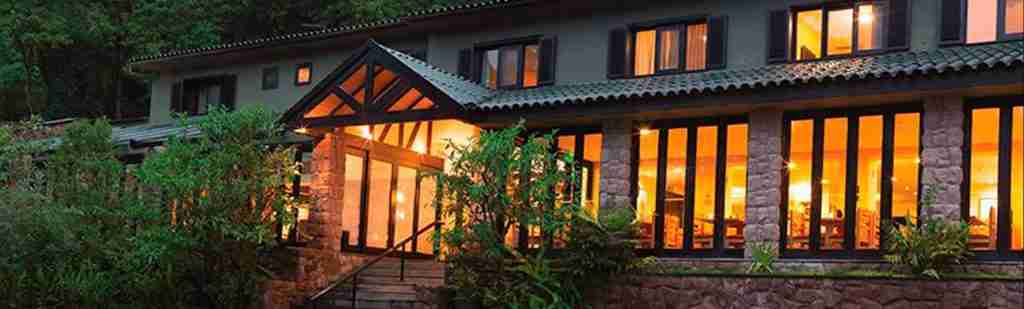
Where to Stay for Early Access to Machu Picchu
Luxury seekers gravitate toward Machu Picchu Sanctuary Lodge, the only hotel adjacent to the citadel’s entrance. Its stone fireplaces and Andean-inspired suites let guests stroll to sunrise viewings in 10 minutes. Mid-range options like Inkaterra Machu Picchu Pueblo Hotel blend rainforest ambiance with thermal pools, while Sumaq Hotel impresses with gourmet tasting menus.
Budget travelers find value in Casa Andina Standard or Rupa Wasi Lodge, both offering:
- 5 AM wake-up calls for first bus departures
- Packed breakfasts for early explorers
- Walking distance to Aguas Calientes train station
| Lodging Type | Walking Time to Buses | Unique Perk |
|---|---|---|
| Luxury | 2-10 mins | Private guided sunrise tours |
| Mid-Range | 5-15 mins | Spa services post-hike |
| Budget | 10-20 mins | Local craft beer tastings |
The town’s restaurants showcase Peru’s culinary diversity. Tupana Wasi serves alpaca steak with rocoto pepper sauces, while Mapacho Craft Beer pairs IPAs with river trout ceviche. For quick bites before dawn departures, Boulangerie de Paris opens at 4:30 AM with fresh empanadas.
“Booking a hotel near the bus station shaves 30 minutes off morning routines,” advises travel blogger Elena Torres. Most properties arrange packed lunches and reusable water bottles – essential for full-day explorations of Machu Picchu’s wonders.
Practical Tips for a Smooth Machu Picchu Adventure
Transform your journey to this Andean marvel into a stress-free experience with strategic preparation. Smart packing and health management elevate both safety and enjoyment amidst Machu Picchu’s rugged terrain.
Packing Essentials and Must-Have Gear
Weather shifts rapidly in the Inca Trail region. Layer clothing using moisture-wicking base layers and windproof jackets. Trekking poles prove invaluable for steep descents, while waterproof boots prevent slips on ancient stone paths.
| Category | Essential Items | Pro Tips |
|---|---|---|
| Clothing | Convertible pants, UV-blocking hat | Use merino wool for odor control |
| Gear | Headlamp, reusable water bottle | Carry electrolyte tablets |
| Health | Altitude pills, blister pads | Apply SPF 50+ hourly |
Managing Altitude, Health, and Safety
Acclimatize 48 hours in Cusco before attempting high-elevation hikes. Guides recommend chewing coca leaves or drinking mate de coca tea to ease symptoms. Stay hydrated – dehydration worsens altitude sickness.
Book tours with certified operators who carry oxygen tanks. Monitor your group for headaches or nausea – early detection prevents emergencies. “Never rush ascents. Let your body set the pace,” advises Andean Travel Medic Dr. Rosa Quispe.
Carry photocopies of passports and Machu Picchu tickets in waterproof bags. Download offline maps – cellular service vanishes beyond Aguas Calientes. These precautions ensure your trip remains focused on wonder rather than logistics.
Conclusion
Exploring Machu Picchu’s ancient wonders demands thoughtful preparation and respect for its cultural legacy. Securing tickets months in advance ensures access during your preferred time slot, while choosing between scenic train routes or adventurous hikes shapes your journey through the Sacred Valley.
Visitors who arrive machu picchu early capture misty sunrise views and avoid crowds. Pairing Huayna Picchu climbs with guided tours unlocks hidden histories of the citadel. Remember: acclimatization in Cusco, layered clothing, and hydration are non-negotiable for high-altitude exploration.
Whether you take machu via luxury rail or rugged trails, prioritizing accredited guides enriches every step. Respect preservation rules by staying on marked paths and minimizing environmental impact. The best time visit balances weather, visibility, and manageable visitor numbers.
Let this guide inspire your way to experience one of humanity’s greatest achievements. For personalized itineraries or deeper insights into Aguas Calientes Machu logistics, consult trusted travel experts. Your adventure awaits – plan wisely, tread lightly, and let the Andes work their magic.
