
West Midlands Budget Guide 2026: Ultimate Travel Cost Breakdown
England’s second metropolitan powerhouse delivers world-class cultural depth at prices that sit well below London, Edinburgh, or even Manchester. The West Midlands — anchored by Birmingham and extending to Coventry, Wolverhampton, and the historic Black Country — offers one of Britain’s most diverse itineraries across museums, food scenes, and heritage attractions. This guide provides a fully verified 2026 cost breakdown, from day-ticket transport fares and attraction prices to realistic daily totals across every traveler tier, built on checked figures from official sources.
Key Takeaways
- Budget travelers need approximately £50–85 per person daily (two sharing a budget hotel), covering an nBus day ticket, a mix of free galleries and one paid attraction, breakfast through dinner including the legendary Balti Triangle, and mid-week accommodation at chains like Travelodge or ibis budget.
- Mid-range visitors spend roughly £105–170 per person daily (two sharing a mid-range hotel such as Premier Inn or Holiday Inn Express), with sit-down restaurants, major paid attractions like the Black Country Living Museum or Cadbury World, and integrated bus-and-Metro travel.
- Luxury travelers invest £215–350 per person daily (two sharing a four- or five-star property), with fine dining, premium attraction experiences, and private transport.
- The region’s transport costs are among the most competitive in England: the nBus day ticket covers unlimited bus travel across the entire county for £5.50, while the nNetwork daytripper adds trains and trams for £8.90 off-peak — unlocking Cadbury World, the Black Country Living Museum, Coventry, and Wolverhampton from a single pass.
- The free attraction portfolio is exceptional: Birmingham Museum & Art Gallery (substantially reopened since 2024), the Barber Institute of Fine Arts, the Herbert Art Gallery in Coventry, and the region’s canal network all cost nothing to enter — cutting daily spend significantly for independently minded visitors.
- Pre-booking attraction tickets typically saves 10–25%: Cadbury World’s standard online ticket is £21 versus the £28 full price, and the Black Country Living Museum charges £27.95 advance versus £30.95 on the day. The Black Country Living Museum also gives every standard day ticket holder an annual pass for twelve months of free return visits.
People Also Ask About West Midlands Budget 2026
How much does a trip to the West Midlands cost per day in 2026?
Daily costs in 2026 depend on accommodation tier, dining choices, and attraction spend. Budget travelers (two sharing a budget hotel) need approximately £50–85 per person per day, covering accommodation, an nBus day ticket, a mix of free museums and one paid attraction, and meals including a balti curry dinner in the Ladypool Road area. Mid-range visitors staying at a Premier Inn or equivalent and eating at proper sit-down restaurants spend £105–170 per person daily (two sharing). Luxury travelers staying at the Hyatt Regency or Hotel du Vin, dining at Michelin-level restaurants, and using private transport between venues should plan on £215–350 per person daily (two sharing). All figures include accommodation as a per-person share. Solo travelers, who carry the full room cost undivided, should add approximately £25–65 per day to the two-sharing totals depending on property tier.
What is the cheapest way to travel around the West Midlands in 2026?
The nBus adult day ticket at £5.50 is the single best-value transit option for visitors, giving unlimited travel on all National Express West Midlands buses and partner operators within the nBus zone for one full day — with no cap on journeys. For visitors also using the West Midlands Metro tram, which connects Birmingham city centre to Wolverhampton via Centenary Square and the Jewellery Quarter, the nBus + Metro day ticket at £9.30 adds unrestricted tram travel on zones 1 to 4. Visitors planning to combine buses, trams, and suburban trains should use the nNetwork daytripper at £8.90 (valid after 9:30am on weekdays, all day at weekends), covering all three modes within zones 1 to 5 — including direct trains to Cadbury World in Bournville, the University of Birmingham station for the Barber Institute, and Coventry. A five-day nBus bundle on the mTicket app costs £26, reducing the effective daily bus rate to £5.20.
Are there free things to do in the West Midlands in 2026?
The West Midlands is unusually generous with free cultural assets. Birmingham Museum & Art Gallery — a Grade II* listed Victorian landmark that underwent a phased reopening from October 2024 — offers free admission to permanent galleries including the Pre-Raphaelite Galleries, Staffordshire Hoard Gallery, Birmingham History Galleries, Round Room, and Industrial Gallery. The Barber Institute of Fine Arts at the University of Birmingham holds an internationally significant collection of Old Masters and Impressionists at no charge. The Herbert Art Gallery and Museum in Coventry is free, as is the Museum of the Jewellery Quarter in Birmingham. Beyond museums, the city’s canal network (Gas Street Basin, Brindleyplace, the Old Turn Junction), the Bournville model village, Centenary Square, the Library of Birmingham, and the Cathedral quarter in Coventry all cost nothing to explore. Thinktank Birmingham Science Museum additionally offers free student admission every Wednesday through Friday on presentation of valid ID.
How much should I budget for accommodation in the West Midlands in 2026?
Budget accommodation — Travelodge, ibis budget, Premier Inn economy tier — runs £45–70 per room per night in Birmingham city centre on weekday non-peak dates, falling to £35–55 in Coventry or Wolverhampton. Mid-range hotels, including Premier Inn standard, Holiday Inn Express, ibis Styles, and Novotel, typically cost £80–130 per room per night in Birmingham, with higher rates at weekends, during school holidays, and around major NEC events. Luxury four- and five-star properties including the Hyatt Regency Birmingham, Hotel du Vin, and the Grand Hotel Birmingham range from £130–220 per room per night. School-holiday and peak summer rates typically run 20–40% above standard figures; booking four to eight weeks ahead at mid-range properties routinely secures the lower end of the range.
Extended multi-day tours – 5+ days
Featured Birmingham Multi-Day Tour Packages

6 days
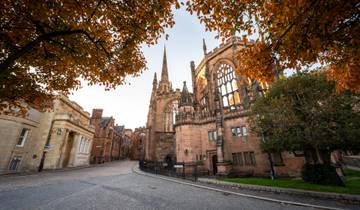
England in a Week (Classic, Winter)
- ✓ Comprehensive Birmingham tour
- ✓ Expert local guides included
- ✓ All accommodation arranged
- ✓ Transportation provided
7 days
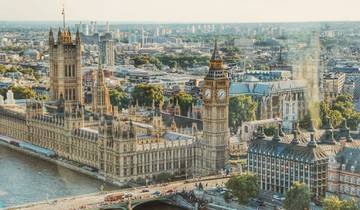
Touring Southern England with London (14 destinations)
- ✓ Comprehensive Birmingham tour
- ✓ Expert local guides included
- ✓ All accommodation arranged
- ✓ Transportation provided

4 days
Touring Southern England (14 destinations)
- ✓ Comprehensive Birmingham tour
- ✓ Expert local guides included
- ✓ All accommodation arranged
- ✓ Transportation provided
4 days
Journey Through Historic England's Heart – 4 days
- ✓ Comprehensive Birmingham tour
- ✓ Expert local guides included
- ✓ All accommodation arranged
- ✓ Transportation provided
Multi-day tour packages powered by TourRadar. Prices and availability subject to change.
What Makes the West Midlands Exceptional Value in 2026
The West Midlands metropolitan county covers seven boroughs — Birmingham, Coventry, Wolverhampton, Dudley, Sandwell, Walsall, and Solihull — forming the UK’s second-largest urban agglomeration with a combined population of around 2.9 million people. That concentration of population means the region supports a mature, competitive hospitality economy: hotel rates, restaurant prices, and attraction admission fees that would accompany equivalent cultural assets in the South East are kept in check by genuine local demand and a dense, affordable supply chain.
The comparison with London is direct and material. A mid-range hotel double room in central Birmingham costs roughly 45–60% of an equivalent property in central London during standard periods. Restaurant prices at comparable quality levels run 25–35% lower. Public transport is significantly cheaper: while a single contactless journey on the London Underground costs £3–5.25 depending on zones, the nBus single in Birmingham costs a flat £3, and an all-day pass covering buses and trams across the entire metropolitan county costs £9.30. These structural advantages make the West Midlands one of the strongest-value destinations for a cultural city break anywhere in Britain.
The culinary landscape adds further value. Birmingham has developed one of England’s most impressive fine dining scenes outside London, with multiple Michelin-starred restaurants — Purnell’s, Adam’s, and Opheem among them — reflecting a culinary reputation that has attracted serious food writing attention over the past decade. Yet the same city also sustains the Balti Triangle, a network of streets south of the city centre where a full restaurant-quality curry dinner for two, eaten in the traditional pressed-steel balti dish and accompanied by drinks from an adjacent off-licence, consistently costs under £30 total. This coexistence of Michelin dining and authentic BYOB curry houses within the same city is rare, and it gives every budget tier a compelling food argument.
Heritage depth is equally impressive and disproportionately free. Birmingham Museum & Art Gallery’s phased reopening since October 2024 has restored access to galleries holding one of the world’s finest Pre-Raphaelite collections — works by Burne-Jones, Rossetti, and Millais that would command premium admission at a private institution anywhere in Europe. The Black Country, a distinct cultural zone centred on Dudley and Sandwell, preserves the visual and industrial memory of Victorian England at the Black Country Living Museum, rated by VisitEngland as its Large Visitor Attraction of the Year for 2025. Coventry offers something altogether different: its medieval Cathedral stands alongside the preserved ruins of its predecessor, bombed in 1940, in a juxtaposition that draws visitors from across Europe at no admission charge.
Transport connectivity reinforces the value proposition. From Birmingham New Street station, London Euston is reachable in approximately 80–85 minutes by Avanti West Coast express; Manchester Piccadilly in around 80 minutes. Within the region, the nNetwork integrated pass covers trains, buses, and the Metro tram for under £12 per day, opening a travel radius that takes in every major attraction from Cadbury World in Bournville to the Black Country Living Museum in Dudley and the historic walled city of Coventry to the east. For visitors whose interests span more than one part of the region, the West Midlands is among the most efficiently navigable metropolitan areas in England on a single day pass.
Accommodation Costs in the West Midlands 2026
Budget Hotels and Hostels in 2026
Birmingham’s budget accommodation market is anchored by the major chains, with multiple Travelodge, Premier Inn, and ibis budget properties distributed across the city centre and inner suburbs. A standard double room at Travelodge Birmingham Central (Bull Ring or Moor Street location) or ibis budget Birmingham Centre costs £45–70 per night on weekday non-peak dates, falling to the low-to-mid £40s during January and February. Premier Inn properties at the economy end of their range — Birmingham City Centre Exchange Square and Birmingham City Centre New Street Station being the most centrally positioned — offer the same weekday bracket with the chain’s standard “Good Night Guarantee” and reliable breakfasts available separately for approximately £10–12 per person.
For visitors on genuinely tight budgets, a handful of independent hostels operate in and around Digbeth, the creative district immediately south of Moor Street station. Dormitory beds start at £18–28 per person per night; private rooms in the same properties run £45–65, making them competitive with the cheapest chain hotels on a per-person basis while placing visitors in the heart of Birmingham’s most creatively engaged and food-rich neighbourhood. The trade-off is fewer services and shared bathrooms at the dormitory level.
Outside Birmingham, the accommodation market becomes markedly more affordable. A budget chain hotel in central Coventry or central Wolverhampton typically costs £35–60 per room on standard weekday dates. Coventry in particular is useful for visitors prioritising heritage — the Cathedral complex, the Herbert Art Gallery, and the city’s postwar architecture of architectural significance — with direct, frequent train connections to Birmingham New Street in approximately 18–25 minutes. Solihull, close to Birmingham Airport and Birmingham International station, offers a further cluster of budget and mid-range properties useful for visitors arriving or departing by air.
Mid-Range Hotels in the West Midlands 2026
The mid-range hotel sector is substantial in Birmingham, with strong representation from Holiday Inn Express (Broad Street), ibis Styles (Birmingham Centre), Novotel (Broad Street), and Clayton Hotel (John Bright Street). These properties charge approximately £80–130 per room per night for a standard double in the city centre during non-peak periods, with weekend rates edging toward the upper portion of that range and genuine flexibility on Tuesday-to-Thursday stays. All include modern, comfortable rooms and reliable Wi-Fi; dining is typically available on-site or within short walking distance.
Hampton by Hilton at Broad Street and Birmingham Airport sit at the upper end of the mid-range bracket, typically running £100–145 per room per night in the city centre. The Staying Cool at the Rotunda — a boutique serviced apartment operation housed in Birmingham’s most recognisable brutalist tower block overlooking the Bullring — offers self-catering one-bedroom apartments from approximately £110–160 per night that suit multi-night stays or visitors who prefer kitchen facilities, with the practical effect of reducing per-person food costs when meals are occasionally prepared in.
Booking timing matters significantly at this tier. Mid-range Birmingham hotels on flat mid-week dates outside school holidays can fall to £65–85 per room. The same properties during Birmingham Pride (late May or June), Crufts at the NEC (March), or August school holidays can reach £150–200. Booking six to eight weeks in advance for popular dates typically locks in the lower third of the mid-range bracket; last-minute booking on those same dates carries a substantial premium.
Luxury Hotels and Premium Properties in 2026
Birmingham’s luxury hotel sector is led by the Hyatt Regency on Bridge Street, which offers canal-side views, a full-service spa, and the Aria restaurant. Standard room rates run approximately £130–200 per night outside peak periods, rising toward £200–280 during major events and the summer school holiday peak. Hotel du Vin, set within a converted Victorian eye hospital in the Jewellery Quarter, commands a similar range with a boutique character distinctive to the neighbourhood and a well-regarded bistro with a strong wine list. The Grand Hotel Birmingham on Colmore Row, restored to its full Edwardian grandeur and reopened in 2021, anchors the category at approximately £150–220 per room per night.
For visitors whose itinerary centres on the NEC — Europe’s largest indoor exhibition centre — the Genting Hotel at Resorts World Birmingham (adjacent to the NEC complex and Birmingham Airport) commands £160–250 per night and removes the need for any city-centre transit on event days. Suite and club-floor upgrades at all the city’s luxury properties typically add £80–150 to the base nightly rate.
Alternative Accommodation Options in 2026
Serviced apartments and short-let properties in Birmingham city centre, the Jewellery Quarter, and Edgbaston offer a cost-effective alternative for stays of three nights or more. A well-appointed one-bedroom apartment in the Jewellery Quarter or Digbeth typically lists at £80–130 per night and accommodates two people comfortably, with kitchen facilities that eliminate the need to eat out for every meal and self-service laundry that reduces luggage requirements. The Mailbox district and Brindleyplace both have serviced apartment concentrations with strong transport links to the rest of the region. For groups of three or more, a serviced apartment on a per-head basis can undercut mid-range hotel pricing by 20–35%.
Food and Dining Costs Across the West Midlands 2026
Budget Dining and Street Food in 2026
Birmingham runs one of England’s most accessible street food scenes. The Bullring Indoor Market, a short walk from Birmingham New Street, offers fresh produce, bread, and hot prepared food at prices driven by local competition rather than tourism. A hot lunch from a market trader costs approximately £4–7. Independent cafés in Digbeth and the Jewellery Quarter keep a main-course lunch well within the £6–10 bracket. Supermarkets including Tesco Metro and Sainsbury’s Local in the city centre offer meal-deal packages (sandwich, snack, and drink) at approximately £4–5, and their hot food counters are a reliable option for budget breakfasts and lunches.
Pub meals across the West Midlands outside the immediate city-centre premium zone remain genuinely affordable. A main course at a traditional pub in the Jewellery Quarter, Harborne, Kings Heath, or the Black Country typically costs £9–14. Digbeth Dining Club — a longstanding weekly street food gathering that runs Thursday through Saturday evenings and rotates a programme of independent traders — offers dishes across a range of cuisines for £8–12, with craft beers and soft drinks at transparent market prices, in a covered outdoor setting that has attracted strong regional food press coverage.
Coffee culture in Birmingham is well developed, with a concentration of independent specialty cafés in the Jewellery Quarter, Digbeth, and Moseley. An espresso or flat white from an independent costs £3–5; chain café pricing from Costa, Pret, or Caffè Nero is in the same range. Budget travelers who carry a reusable cup benefit from discounts of £0.25–0.50 at many independent and chain venues.
The Balti Triangle: Birmingham’s Legendary Budget Dining Scene in 2026
No budget guide to the West Midlands is complete without a thorough account of the Balti Triangle. This triangular network of streets south of Birmingham city centre — centred on Ladypool Road, Stoney Lane, and Stratford Road in the Sparkbrook and Sparkhill districts — developed in the late 1970s and 1980s as Birmingham’s Pakistani and Kashmiri communities established curry houses specialising in the balti technique. The balti is cooked over high heat in the pressed-steel dish from which the style takes its name, and is served in that same dish, arriving at the table still sizzling — a method that both retains heat and concentrates flavour distinctively differently from bulk-cooked curries served from pots.
What remains distinctive about the Balti Triangle in 2026, beyond the food itself, is the economics. Many of the surviving establishments — including Shabab’s on Ladypool Road and Al Frash on Stoney Lane, both among the most long-established houses in the area — operate on a bring-your-own-alcohol basis, with off-licences immediately adjacent or within a short walk. This keeps the total bill for a dinner meaningfully lower than an equivalent-quality meal at a licensed restaurant elsewhere in the city. A generous balti curry with naan bread at a traditional house costs approximately £10–18 per person for food; with BYOB drinks factored in, the evening’s entire spend rarely exceeds £20–25 per person — representing one of the best food-to-cost ratios available at any English city restaurant.
Getting there from the city centre is straightforward: buses including the 2, 2A, and 2B services on Moseley Road and Stoney Lane depart from Birmingham city centre, and a rideshare or taxi costs approximately £6–10. The traditional houses are typically unlicensed, cash-preferred, and take diners on a first-come-first-served basis, with queuing common on Friday and Saturday evenings at the most popular establishments. The Triangle has evolved over recent years — some original houses have closed, and Somali and East African restaurants have joined the mix on the same streets — but the core balti houses remain active and retain their character. For any visitor to Birmingham on any budget, a Balti Triangle dinner is among the most authentically local and cost-efficient experiences available in the region.
Mid-Range Restaurants and Dining Hubs in 2026
Birmingham’s mid-range dining landscape is concentrated in several distinct zones. Brindleyplace, the canal-side development west of the city centre, holds a well-established mix of independent and group restaurants across canal-adjacent terraces — expect to pay £14–22 for a main course and £35–55 for a full dinner with drinks per person. The Mailbox on the canal in Edgbaston offers a similar cluster at broadly comparable prices, with the added draw of canal-side outdoor dining in good weather. Both areas are within walking distance of Birmingham New Street and the Grand Central shopping complex.
The inner-suburb neighbourhoods south and southwest of the city centre — Moseley, Balsall Heath, and Kings Heath — host a particularly strong independent restaurant scene catering to local residents rather than visitors, with prices reflecting local rather than tourist economics. A two-course dinner with wine at a well-regarded Moseley restaurant typically runs £30–45 per person. These areas are served by frequent bus routes from the city centre (routes 1, 35, 45, and others) and are worthwhile for visitors staying multiple nights who want to eat somewhere that feels genuinely local.
In Coventry, the city centre restaurant scene around Broadgate and the Cathedral Quarter offers comparable quality to Birmingham at roughly 10–15% lower prices. The Fargo Village creative quarter to the east of the centre, an independent retail and food hub in a converted Coventry factory, adds a Digbeth-style alternative with street food and independent eating at budget-to-mid-range prices.
Fine Dining and Michelin-Starred Experiences in 2026
Birmingham’s fine dining sector is genuinely distinguished. Purnell’s on Cornwall Street, Adam’s on Waterloo Street, and Opheem in the city centre all hold or have held Michelin-starred status and represent the city’s culinary ambition at its clearest. A tasting menu at these establishments typically runs £80–120 per person for food alone; matched wine pairings add £60–100. Lunch services at starred restaurants offer better value, with condensed menus at approximately £45–70 per person. All three require advance reservations — often several weeks ahead for Friday or Saturday evenings. The total cost of a dinner for two at Birmingham’s highest tier, including food, wine, and service, routinely reaches £250–350 per couple.
West Midlands Transport Costs 2026
Getting to the West Midlands in 2026
By rail, Birmingham New Street connects to London Euston via Avanti West Coast in approximately 80–85 minutes, with advance fares on fast services starting from £15–30 each way when booked several weeks ahead, rising to £80–150 or more for walk-on full-flexibility tickets. West Midlands Trains serves London Euston from Birmingham on a slower schedule with often more competitive flexible pricing. Chiltern Railways operates an alternative London route from Birmingham Moor Street to London Marylebone, with journey times around two hours and frequent competitive advance fares. Manchester Piccadilly is reachable from Birmingham New Street in approximately 80 minutes on Cross Country services.
National Express coaches from London Victoria to Birmingham Digbeth coach station offer the most affordable intercity link, with advance fares from approximately £5–15 each way and a journey time of two and a half to three hours depending on traffic conditions. Megabus serves the same corridor at comparable prices. Birmingham Airport handles direct European and some long-haul routes; the AirRail Link connects the terminal to Birmingham International station in seven minutes, with onward trains to Birmingham New Street in approximately ten minutes on a standard rail ticket.
Bus Travel with the nBus Network in 2026
National Express West Midlands operates the core urban bus network in partnership with other operators under the nBus scheme, covering the entire metropolitan county. Verified 2026 fares from the official National Express West Midlands website are as follows: a single adult journey costs £3; an adult day ticket giving unlimited nBus zone travel costs £5.50; a five-day bundle via the mTicket app costs £26 (£5.20 effective per day); and a ten-day bundle costs £44 (£4.40 per day). A weekly nBus pass costs £20, making regular travel highly competitive for stays of seven nights or longer.
Group travel is efficiently served: the nBus Group ticket at £9.70 covers up to five adults or two adults and up to four children for an entire day of unlimited bus travel — more cost-effective than individual day tickets for any party of two or more adults. Children aged five to eighteen pay £1.50 per single journey and £2.80 for an all-day pass; children aged four and under travel free when accompanied by a fare-paying adult. The exact-fare system means drivers cannot give change when paying by cash; the mTicket app and contactless bank card payment both avoid this constraint. National Express buses in the West Midlands additionally offer Tap and Cap contactless fare capping, which automatically caps daily spending at the equivalent of the day ticket price for customers using the same card for every journey.
Metro, Train, and Integrated Travel in 2026
The West Midlands Metro is a street-level tram system running between Birmingham city centre — stopping at Centenary Square, Birmingham New Street, Corporation Street, Bull Street, and the Jewellery Quarter, among other points — and Wolverhampton city centre, a journey of approximately 30–40 minutes end to end. Zone 1 single fares cost £2.50; Zone 1-2 singles cost £3.50. Metro fares increased by up to 10% from early 2026 following approval by the West Midlands Combined Authority, bringing them into closer alignment with bus and rail pricing across the region. For most visitors using the Metro alongside buses, the nBus + Metro day ticket at £9.30 offers the best-value integrated solution, covering unlimited travel on both networks for the full day.
The nNetwork integrated day passes cover buses, Metro trams, and local trains within zones 1 to 5. The standard nNetwork zones 1-5 all-day ticket costs £11.10 and is valid at any time; the nNetwork daytripper at £8.90 is valid from 9:30am Monday to Friday and all day at weekends and public holidays. A family daytripper at £15.10 covers up to two adults and up to four children on the same off-peak terms. These passes are significant for visitors: the zone 1-5 rail network covers Cadbury World (Bournville station, five minutes from Birmingham New Street), the University of Birmingham (for the Barber Institute, twelve minutes from New Street), Coventry (approximately 20 minutes), Wolverhampton (approximately 35 minutes on local services), and Birmingham International for the airport, all on the same day ticket.
The Swift card — the West Midlands’ stored-value smart card, equivalent in concept to London’s Oyster — loads day passes, week passes, and PAYG credit and applies automatic fare capping on National Express buses. A Swift card with PAYG credit also covers West Midlands Metro tram fares. For short stays of one or two days, contactless bank card or the mTicket app is fully effective without the need to purchase a physical Swift card. From June 2025, all Swift card ticket machines issue cards without a photo, simplifying the process for visitors.
Taxis, Ridesharing, and Car Hire in 2026
Uber operates across Birmingham and the wider West Midlands, with typical city-centre short journeys costing £5–12. A ride from central Birmingham to the Balti Triangle on Ladypool Road costs approximately £6–10 each way. Licensed black cab fares follow metered rates and run slightly higher. For airport transfers, the train from Birmingham New Street to Birmingham International (for the airport) takes approximately ten minutes and costs a few pounds on a Swift PAYG card or contactless — generally faster and cheaper than any taxi or rideshare. Car hire is available from Birmingham Airport and several city-centre locations, with compact car daily rates starting at approximately £35–55 including basic insurance. Visitors driving into Birmingham city centre should be aware of the Clean Air Zone charge (see Hidden Costs section).
Attraction and Activity Costs in the West Midlands 2026
Free Attractions That Cost Nothing in 2026
Birmingham Museum & Art Gallery, housed in its Grade II* listed Victorian building on Chamberlain Square since 1885, offers free admission to its permanent galleries. Following the phased reopening that began in October 2024 — with the Industrial Gallery, Round Room, and several historic spaces opening first — and the launch of the newly refurbished Birmingham History Galleries in May 2025, the museum is now substantially open, with approximately 70% of its original gallery space accessible to the public. Current open permanent galleries include the Pre-Raphaelite Galleries (holding one of the world’s most important Pre-Raphaelite collections, including major works by Edward Burne-Jones, Dante Gabriel Rossetti, John Everett Millais, William Holman Hunt, and William Morris), the Staffordshire Hoard Gallery, the Birmingham History Galleries — ‘Birmingham: Its People, Its History’ spanning over 850 square metres — the Round Room, the Industrial Gallery, the Bridge Gallery, and the new Wild City family gallery. Temporary exhibitions may carry separate admission charges. Active exhibitions as of mid-2026 include a major retrospective celebrating rock legend Ozzy Osbourne (on display until 27 September 2026, Tuesday to Sunday, 10am to 5pm). Check birminghammuseums.org.uk for the current programme and any ticketed exhibition prices before visiting.
The Barber Institute of Fine Arts, set within the neo-Byzantine building on the University of Birmingham campus in Edgbaston, is free to enter and holds an extraordinary collection whose breadth and quality would command premium admission at a commercial venue anywhere in Europe. Works by Bellini, Rubens, Murillo, Poussin, Gainsborough, Reynolds, Turner, Degas, Manet, Monet, and Van Gogh represent the range of a collection assembled with exceptional discernment across the twentieth century. The Barber is reachable by train from Birmingham New Street to University station in approximately twelve minutes, or by bus on several routes serving the Edgbaston corridor.
The Museum of the Jewellery Quarter on Vyse Street — another Birmingham Museums Trust venue — preserves the Smith and Pepper jewellery factory exactly as it appeared when it closed in 1981, giving visitors an immersive experience of a working Victorian-to-Edwardian Birmingham trade. The surrounding Jewellery Quarter, one of Europe’s finest concentrations of active working jewellers and Georgian-to-Victorian commercial streetscapes, is entirely free to explore on foot. Check birminghammuseums.org.uk for current Museum of the Jewellery Quarter admission prices and opening hours.
Coventry’s Herbert Art Gallery and Museum on Jordan Well offers free entry to its art, social history, and natural history collections, and is the natural companion to a visit to Coventry Cathedral and the preserved ruins of its medieval predecessor immediately adjacent. Cathedral entry is free with a voluntary donation suggested; the juxtaposition of the ruins of the medieval Cathedral bombed on the night of 14 November 1940 with Basil Spence’s postwar replacement — consecrated in 1962 and holding Graham Sutherland’s enormous tapestry of Christ in Glory — is one of England’s most powerful architectural experiences, and costs nothing to witness.
For outdoor free time, Birmingham’s canal network provides a uniquely urban walking experience through Gas Street Basin, Brindleyplace, and the Old Turn Junction — the meeting point of the Worcester and Birmingham Canal, the Birmingham Canal, and several arms — at no cost. Bournville, the model village built by George Cadbury from the 1895s to house workers from his chocolate factory, is a freely walkable heritage landscape of Arts and Crafts houses, planned green spaces, and Cadbury’s original village green. The Library of Birmingham at Centenary Square, one of Europe’s largest public library buildings at the time of its opening, gives free access to its public floors, reading rooms, the Shakespeare Memorial Room, and the rooftop terrace with views across the city.
Paid Attractions: Cadbury World, the Black Country Living Museum, and Beyond in 2026
Cadbury World in Bournville is the region’s most visited paid attraction, drawing more than 600,000 visitors annually to its self-guided tour of Cadbury chocolate history, brand story, and interactive experiences — including the Cadbury Chocolate Quest ride, the 4D Chocolate Adventure cinema experience, and the Have A Go chocolate-crafting session where visitors pipe and temper chocolate. Tickets must be pre-booked before visiting; walk-in is not available. As of summer 2026, a standard adult ticket costs from £21 when booked online (a seasonal VAT-saving promotion reduced the rate from the standard £24 online price; the full gift-voucher equivalent is £28 per adult). A family-of-four ticket starts at £75.25 online during the same promotional period (standard family price £86). Student tickets cost £10.50 during term-time, Monday to Friday, with valid student ID required. The Adult and Toddler ticket — covering one adult and one child aged five and under — is available from £16.63 during term-time weekdays. Cadbury World is reached from Birmingham New Street by train to Bournville station (five minutes) or by bus 11A from the outer circle. Check cadburyworld.co.uk for current pricing and availability before booking.
The Black Country Living Museum in Dudley is an open-air museum of international standing, recreating a complete Victorian-era Black Country industrial settlement along the Dudley Canal with working shops, period homes, a pub, a chip shop serving traditional recipes, a canal arm with boat trips, and fully costumed and in-character interpreters. The museum was crowned VisitEngland’s Large Visitor Attraction of the Year for 2025 and also marks a wider cultural moment in 2026, which is the centenary of the British General Strike — an event of deep local significance in the Black Country. Advance tickets cost £27.95 for adults (aged 16 and over), £15.50 for young visitors (aged 3 to 15), and are free for children under three. On-the-day prices are £30.95 for adults and £17.25 for young visitors. Family bundles start at £63 online for a small family (one adult and up to three young people) or £74 for a medium family (two adults and two young people). A meaningful benefit: every standard day ticket includes an UnChained Annual Pass providing unlimited free return visits for twelve months — making the initial admission price effectively an annual membership. Bus travellers arriving on a National Express West Midlands service can claim 25% off admission by presenting their bus ticket at the admissions desk. Group bookings of fifteen or more receive a group rate of £21 per adult, with free coach parking and a free organiser ticket. Check bclm.com for current rates and booking.
Thinktank Birmingham Science Museum at Millennium Point offers four floors of more than 200 hands-on exhibits covering natural history, engineering, the human body, Birmingham’s industrial past, and contemporary science, along with a 4K Planetarium (the only one in the West Midlands) and an outdoor Science Garden. The museum is open Wednesday to Sunday during term time (Monday to Sunday during Birmingham school holidays), 10am to 5pm with last admission at 4pm. Adult admission ranges from £18.95 during term time to £21.95 during Birmingham school holidays; child (aged 3 to 15) tickets run £9.95 to £12.95 accordingly; concession tickets (NUS students or benefits recipients) are £14.95–17.95; family tickets (up to four individuals with at least one child) cost £45.95 during term time and £54.95 during school holidays. A £3 per-person ticket is available after 4pm for the last admission hour — a genuinely useful option for visitors passing Millennium Point in the late afternoon. Students with valid ID enter free on Wednesdays through Fridays during term time. Adding a Planetarium show costs £3.95 per person per show in addition to admission; at peak times, Planetarium tickets can sell out, so pre-booking the show alongside admission is advisable. Check birminghammuseums.org.uk/thinktank for current pricing.
Warwick Castle, operated by Merlin Entertainments, sits just outside the West Midlands county boundary in Warwickshire — approximately 45 minutes from Birmingham New Street by train via Coventry and Leamington Spa — and is among the most popular day excursions from the region. Admission prices vary significantly by season and by whether tickets are booked in advance; check the official Warwick Castle website for current rates. Multi-attraction combination tickets pairing Cadbury World with Warwick Castle or with the National SEA LIFE Centre Birmingham are available through the Cadbury World website at savings of up to 25–30% versus buying separate admission at each venue. The National Motorcycle Museum near Solihull, close to the NEC and Birmingham Airport, is an option for visitors with specific interest in British motorcycle manufacturing history; check nmm.co.uk for current pricing and opening hours.
Complete Daily Budget Breakdowns for 2026
Budget Travelers: £50–85 Per Person Daily in 2026
Budget travelers in the West Midlands in 2026 benefit from the region’s combination of cheap transit, an outstanding free museum portfolio, and the Balti Triangle’s exceptional value. The following breakdown assumes two people sharing a budget hotel room for a full day in Birmingham or the wider metropolitan area.
Hotel (Travelodge, ibis budget, or Premier Inn economy double at £45–70 per room per night) divided between two occupants: £22–35 per person per night. Grab-and-go breakfast from a supermarket or market trader: £3–6. Lunch from the Bullring Market, a Digbeth café, or a pub meal: £6–10. Dinner at a Balti Triangle balti house (food only, BYOB): £10–18. Transport: nBus day ticket at £5.50, providing unlimited travel across the county for the day. Attractions: free galleries (Birmingham Museum & Art Gallery, Barber Institute, or Bournville Village walk) plus one paid option such as Thinktank after 4pm (£3): £5–12.
Budget travelers need approximately £50–85 per person daily (two sharing a budget hotel), with the lower end achievable on a mid-week stay booked in advance, a day concentrated on free galleries and market food, and a balti dinner in the Ladypool Road area.
Mid-Range Travelers: £105–170 Per Person Daily in 2026
Mid-range visitors enjoy the full range of the region’s paid attractions without restraint, eating at proper sit-down restaurants and using integrated bus-and-Metro travel across the county. Hotel (Premier Inn, Holiday Inn Express, or ibis Styles double at £80–130 per room) divided between two occupants: £40–65 per person per night. A café or hotel breakfast: £6–12. A sit-down lunch in the Jewellery Quarter, Brindleyplace, or on the canal: £12–18. Dinner at a mid-range restaurant with drinks: £25–40 per person. Transport on the nBus + Metro day ticket or nNetwork daytripper: £9–11. Paid attraction (Black Country Living Museum advance adult £27.95, or Cadbury World online £21): £15–25.
Mid-range travelers spend approximately £105–170 per person daily (two sharing a mid-range hotel), comfortably covering a full attraction visit, restaurant dining across all three meals, and complete integrated public transport across the metropolitan area.
Luxury Travelers: £215–350 Per Person Daily in 2026
Luxury visitors experience the West Midlands at its most generous: Michelin-level dining, premium hotel properties on the Birmingham canal or in the Jewellery Quarter, and private transport between venues. Hotel (Hyatt Regency, Hotel du Vin, or Grand Hotel Birmingham at £130–220 per room) divided between two occupants: £65–110 per person per night. Breakfast at the hotel or a specialty café: £15–25. Lunch at a quality restaurant in Brindleyplace or the Mailbox: £25–40 per person. Dinner at a Michelin-starred or Michelin-recommended restaurant (food only): £65–100 per person. Transport by taxi or rideshare between venues throughout the day: £20–35. Premium attraction admission plus optional extras (afternoon tea at Cadbury World at £29.95, or full Black Country Living Museum admission with boat trip): £25–40.
Luxury travelers invest approximately £215–350 per person daily (two sharing a luxury hotel), with the upper end of the range reflecting peak weekends, summer school holidays, and wine pairings at the evening meal.
Sample West Midlands Itineraries with Day-by-Day Costs 2026
3-Day Budget Birmingham Break 2026
Day 1 — Free Birmingham and a Balti Night. Start at Birmingham Museum & Art Gallery (free) and spend the morning in the Pre-Raphaelite Galleries and the Birmingham History Galleries. Walk north to the Jewellery Quarter via the Museum of the Jewellery Quarter. Lunch at a Jewellery Quarter independent café, approximately £7–9 per person. Afternoon: walk the canal towpath from Gas Street Basin through Brindleyplace and along the Old Turn Junction (free). Evening: nBus to Ladypool Road for a Balti Triangle dinner, approximately £12–16 for food per person plus BYOB drinks. Transport: nBus day ticket £5.50. Day cost per person for food and transport: approximately £26–33 (excluding accommodation).
Day 2 — Cadbury World and Bournville. Train from Birmingham New Street to Bournville (five minutes, included in nNetwork daytripper £8.90). Pre-booked Cadbury World ticket: £21 per adult online (summer rate; check current price at cadburyworld.co.uk). Explore Bournville village and the Cadbury model settlement on foot after the attraction (free). Return to Birmingham. Dinner at a mid-Digbeth or Jewellery Quarter café-bar: approximately £14–18 per person. Day cost per person for transport, attraction, and meals: approximately £45–50 (excluding accommodation).
Day 3 — Thinktank and Digbeth. Morning at Thinktank Birmingham Science Museum: £18.95 adult (term-time weekday rate). Add a Planetarium show: £3.95. Afternoon: explore Digbeth’s street art, independent studios, and the Custard Factory (free). Evening at Digbeth Dining Club if in session (check schedule): approximately £10–14 for dinner. Transport: nBus day ticket £5.50. Day cost per person: approximately £38–42 (excluding accommodation).
Three nights in a budget hotel run £135–210 per couple (£67–105 per person) across the stay. Adding daily costs for transport, attractions, and all meals across the three days brings the total to approximately £180–230 per person — within the £150–255 per-person range for a fully inclusive budget three-day West Midlands break.
5-Day Mid-Range West Midlands Circuit 2026
Day 1 — Arrival and Birmingham City Centre. Check into mid-range Birmingham city centre hotel (£80–130 per room). Evening walk around the Bullring, Grand Central, and Victoria Square. Dinner at a Brindleyplace or Broad Street restaurant: approximately £30–40 per person. Day costs (dining and transport only): approximately £35–45 per person.
Day 2 — Black Country Living Museum. Full day at the Black Country Living Museum in Dudley. Travel by nBus + Metro day ticket (£9.30) or dedicated bus service to Dudley. Advance adult admission: £27.95. Lunch at the museum’s period pub: approximately £10–14. Return to Birmingham. Dinner: approximately £25–38 per person. Day cost per person for transport, admission, and meals: approximately £72–89.
Day 3 — Cadbury World and the Barber Institute. nNetwork daytripper £8.90. Cadbury World online: £21 per adult. Afternoon train to University station for the Barber Institute of Fine Arts (free). Return to Birmingham for dinner: approximately £28–40 per person. Day cost per person: approximately £58–70.
Day 4 — Coventry Day Trip. nNetwork daytripper £8.90 (covers the return train to Coventry). Morning at Coventry Cathedral and the medieval ruins (voluntary donation suggested). Herbert Art Gallery and Museum (free). Lunch in Coventry city centre: approximately £10–15. Return to Birmingham. Day cost per person: approximately £22–30 (excluding Birmingham dinner).
Day 5 — Birmingham Museum, Library, and Departure. Morning at Birmingham Museum & Art Gallery permanent galleries (free). Coffee at the Edwardian Tearoom in the museum: approximately £5–8 per person. Library of Birmingham terrace and Shakespeare Memorial Room (free). Light lunch before departure: approximately £8–12. Transport: nBus day ticket £5.50. Day cost per person: approximately £20–26.
Five nights in a mid-range Birmingham hotel run £400–650 per couple (£200–325 per person) across the stay. Adding transport, attraction admissions, and all meals across the five days brings the total to approximately £410–585 per person — within the £525–850 range for a fully inclusive mid-range five-day West Midlands circuit.
Seasonal Price Variations in the West Midlands 2026
The West Midlands travel market follows the standard English pattern of school holiday peaks, event-driven spikes, and genuine off-season troughs. Because Birmingham’s hospitality economy serves substantial business and domestic leisure demand year-round, the seasonal swings are less extreme than in purely tourist-dependent destinations — but they are real and directly affect the budget ranges in this guide.
Peak Season (late July to early September): Birmingham school holidays align broadly with the national summer peak, and hotel prices in this window typically run 25–40% above the standard weekday rate. A mid-range double that costs £90 per room on a quiet Tuesday in May can reach £150–170 on a Saturday in August. At Thinktank, adult admission rises from the term-time level of £18.95 to the school holiday rate of £21.95, and the family ticket from £45.95 to £54.95. Cadbury World experiences significantly higher visitor volumes in summer, making advance booking several weeks ahead advisable. Weekend rates at all tiers during August represent the year’s pricing ceiling; mid-week dates within the summer holiday period are consistently 15–25% lower.
Shoulder Seasons (April to June, September to October): These months offer the most favourable balance of manageable visitor volumes, moderate hotel pricing, and reasonable weather. Easter represents a defined spike — approximately two weeks of school-holiday attraction pricing and busier museums — but the surrounding weeks are less pressured. The late May half-term brings a brief peak. September, once schools are back, is arguably the single best month to visit the West Midlands for budget purposes: warm weather, low visitor volumes at attractions, and hotel prices settling back toward the £80–110 mid-range bracket per room.
Off-Peak (November to March, excluding Christmas and New Year): January and February are the region’s lowest-cost travel months. Budget chain hotels in Birmingham city centre frequently fall below £50 per room mid-week; mid-range properties can be found at £65–85. Attractions remain open with adjusted hours, and the free museums benefit from lower visitor volumes that permit unhurried engagement with collections. Thinktank reverts to term-time pricing throughout this period, and the Black Country Living Museum’s outdoor recreated settlement has a particular atmospheric quality in autumn and winter conditions that summer visitors miss entirely.
Birmingham Christmas Market: The Frankfurt Christmas Market in Birmingham, one of the largest in Europe, occupies Victoria Square and surrounding streets from mid-November through late December and draws very large crowds. Hotel rates in central Birmingham during market weeks spike noticeably — weekend prices at budget chain properties can exceed £120–160 per room, and mid-range properties push past £170–200. If your visit coincides with the market dates, booking two to three months ahead is advisable. If you can avoid weekend visits during the market, mid-week rates remain somewhat more moderate.
Event-Driven Spikes: The NEC is one of Europe’s busiest exhibition venues and regularly fills the entire regional hotel stock during major shows. Crufts (March), Motorcycle Live (November/December), and large consumer exhibitions can push hotel availability to near-zero across Birmingham, Solihull, and Coventry simultaneously. Birmingham Pride (typically late May or early June) drives city-centre weekend hotel prices to among their annual peaks outside summer. Checking the NEC, Arena Birmingham, and Utilita Arena event calendars before finalising accommodation bookings — particularly for any visit between February and June — is strongly advisable for both availability and pricing reasons.
Money-Saving Strategies for West Midlands Travel in 2026
Pre-book attraction tickets directly through official websites. The most consistent and reliable cost reduction available in the West Midlands is advance online booking for paid attractions, done through the attraction’s own website rather than a third-party platform. Cadbury World’s standard ticket drops from £28 to £21 online — saving £7 per person, which for a couple amounts to £14 with no reduction in experience. The Black Country Living Museum charges £27.95 advance versus £30.95 on the day. Third-party platforms often add a booking fee of £1–2 per ticket on top of the face price, which the attraction’s own site avoids entirely. Thinktank Birmingham Science Museum does not apply a formal online discount on admission itself, but pre-booking a Planetarium show slot alongside admission guarantees access at peak times when shows can sell out on the day.
Use the BCLM’s National Express bus discount. Visitors arriving at the Black Country Living Museum by National Express West Midlands bus can claim 25% off admission by presenting their bus ticket at the admissions desk. Applied to the £27.95 advance adult rate, that is a saving of approximately £7 per person — enough to cover the cost of the bus journey and then some. This is one of the few cases in English heritage tourism where using public transport directly reduces attraction cost rather than simply being a neutral alternative to driving.
Target Thinktank’s student days and the after-4pm rate. Students with valid photo ID receive free admission to Thinktank on Wednesdays through Fridays during term time — one of the most generous student concessions offered by any major attraction in England. The £3 per person entry rate after 4pm (valid to closing at 5pm with last admission at 4:30pm) gives non-students an hour of access for a small fraction of the standard price, genuinely useful for late-afternoon visitors whose itinerary brings them to Millennium Point in the second half of the day.
Upgrade to multi-day nBus bundles for stays of four or more nights. At £26 for five day tickets on the mTicket app (£5.20 per day versus £5.50 for an individual day ticket), the five-day bundle saves modestly on short stays. The ten-day bundle at £44 (£4.40 per day effective) reduces the daily bus cost by 20% against individual day ticket pricing — meaningful over a longer stay. The nNetwork daytripper at £8.90 replaces three separate tickets (bus, Metro, and local train) with one, making it the highest per-day value for visitors travelling to multiple sites across the region.
Use the nBus Group ticket for any party of two or more adults. Two individual nBus day tickets cost £11; the nBus Group ticket at £9.70 covers both for less, saving £1.30 for a couple and increasing proportionally for larger parties. The group ticket covers up to five adults or two adults and up to four children — applicable to nearly every family or group configuration, and available on the bus using cash, contactless, or Swift PAYG.
Eat in the Balti Triangle. For visitors for whom food is the largest controllable variable in daily spend, a deliberate trip to the Balti Triangle for dinner is the most cost-effective restaurant experience available in any English city. A generous curry with naan and BYOB drinks for two people in a traditional Ladypool Road or Stoney Lane house consistently totals £30–45 for the entire evening — significantly less than the equivalent dining quality at a licensed restaurant anywhere else in Birmingham.
Plan visits for May or September. Late April, May (outside the half-term week), and September after schools return represent the West Midlands’ optimal value windows: reasonable weather, significantly lower hotel rates than summer, term-time attraction pricing where applicable, and reduced queuing at all major sites. A mid-range double room that costs £140–170 on a summer weekend can fall to £85–100 on a September mid-week date with the same advance booking.
Treat the BCLM Annual Pass as permanent value. Every full-price day ticket at the Black Country Living Museum includes an UnChained Annual Pass providing unlimited free return visits for twelve months from purchase. For any visitor who lives within reasonable distance of the West Midlands, or who plans to return within a year, the initial admission is effectively a full annual membership — making the £27.95 advance price represent considerably more value than a single visit suggests.
Hidden Costs and Unexpected Fees to Budget For in 2026
Birmingham Clean Air Zone charges. Birmingham operates a Class D Clean Air Zone covering the city centre and inner ring road area. The charge applies to non-compliant private vehicles driving within the zone: petrol cars registered before 2006 and older diesel vehicles that do not meet Euro 6 emission standards are typically subject to a daily charge. Most modern petrol cars (post-2006), hybrid vehicles, and electric vehicles are exempt. The majority of hire cars — which are typically recent-model petrol vehicles — fall within the exempt category, but visitors planning to drive a hire car or their own vehicle into central Birmingham should confirm their specific vehicle’s CAZ status with the hire company or against the official Birmingham City Council CAZ checker before arriving. Visitors arriving by coach, rail, Metro, bus, or from Birmingham Airport by the AirRail Link train are unaffected. Full charge rates and the vehicle compliance checker are available at brumbreathes.co.uk.
City-centre parking costs. On-street parking in Birmingham city centre is metered and limited; off-street multi-storey parking at NCP and Q-Park facilities near Broad Street, the Bullring, and New Street typically costs £5–12 for three to four hours during the day and £8–15 for an evening stay. Park and Ride facilities on the outer Metro corridors and train lines offer considerably cheaper parking with efficient transit into the centre — the combination of a £2–4 outer car park and a Metro or train ticket for the remainder of the journey routinely undercuts city-centre parking by half. The Black Country Living Museum offers free coach parking for groups; individual car parking at the museum site is available at a per-visit charge — check the current rate at bclm.com when booking.
Restaurant service charges. An increasing proportion of Birmingham’s mid-range and all of its premium restaurants add a discretionary service charge of 10–12.5% to the bill. At fine dining establishments, this is standard practice and guests are typically reminded on the menu. At casual restaurants, it is increasingly common and the charge may appear as a small-print addition rather than a prominent menu notice. The charge is technically optional, but in practice asking to have it removed involves a direct conversation with staff. Budgeting for service at the upper end of dinner cost estimates — adding approximately £3–8 per person to a restaurant dinner bill — is the practical approach. The Balti Triangle’s traditional unlicensed houses add no service charge, making the all-in bill more predictable.
Third-party booking fees for attractions. Several booking aggregators and tourism platforms sell tickets for West Midlands attractions with a per-ticket convenience fee of £1–2 above the face price. Booking directly through cadburyworld.co.uk, bclm.com, and birminghammuseums.org.uk/thinktank avoids these fees in every case. For Warwick Castle and National SEA LIFE Centre Birmingham, booking through the Merlin Entertainments website (the direct operator) similarly avoids aggregator mark-ups.
Luggage storage in Birmingham. Birmingham New Street station has left-luggage facilities operated by Radical Storage and similar third-party concierge providers, typically charging £6–10 per bag per day. There is no traditional Network Rail left-luggage counter at the station. Visitors checking out of their hotel early on a last day should ask the hotel to store luggage — most mid-range and above properties will do so free of charge for departing guests — or factor the storage cost into the day’s budget.
Tipping and gratuities. Tipping in the West Midlands follows the general English convention: 10–15% at table-service restaurants where no service charge has been automatically applied; rounding up or adding £1–2 for taxi and rideshare drivers; no tip expected at cafés and bars with counter service. Budgeting approximately £3–8 per person for tips at a sit-down restaurant dinner is prudent. At the Balti Triangle’s traditional houses, tipping is appreciated but practices vary and a modest cash tip is more common than a percentage.
West Midlands Budget by Traveler Type in 2026
Solo Travelers in 2026
Solo travel in the West Midlands involves the single largest structural cost increase compared to the shared-room figures used throughout this guide: the solo accommodation supplement. Without a travel companion to split the room, a budget hotel room that represents £22–35 per person when shared becomes the full £45–70 per person for a solo traveler — nearly doubling the accommodation component. Solo travelers budgeting strictly should prioritise hostel dormitory beds at £18–28 per person per night in Digbeth, which brings accommodation costs close to or below the two-sharing budget hotel figure. Private rooms in the same hostels at £45–65 per night are competitive with chain hotels.
Outside accommodation, solo travel in the West Midlands carries no meaningful additional cost. The nBus day ticket, free galleries, and restaurant dining are all equally accessible and priced identically for a single traveler. Solo visitors should budget approximately £75–120 per person per day on a mid-range solo basis (undivided room cost plus meals, transport, and one attraction daily), against the £105–170 two-sharing figure. The saving by choosing a hostel bed rather than a private room reduces effective solo daily costs by £25–45, bringing them close to the shared mid-range baseline. The Balti Triangle is particularly well-suited to solo dining: individual baltis are sized for one person, the atmosphere is welcoming, and solo evening meals here reliably deliver one of the region’s best food experiences at the region’s lowest restaurant prices.
Couples Visiting in 2026
Couples benefit from the shared-room efficiencies built into every budget tier in this guide and represent the most direct-value visitor profile for the West Midlands. Mid-week, non-school-holiday periods consistently deliver the best combination of hotel availability and moderate pricing; booking a mid-range double four to six weeks ahead of a Tuesday-to-Thursday stay typically reaches the lower half of the bracket. On transport, the nBus Group ticket at £9.70 covers two adults for the full day at a saving of £1.30 over two separate day tickets — modest but cumulative across a multi-day stay. Couples using the nNetwork daytripper each buy an £8.90 pass and together cover all train, bus, and Metro travel across the region for the day, making day trips to Coventry, Bournville, or the University of Birmingham area highly cost-effective.
Families with Children in 2026
Families are especially well served by the West Midlands’ combination of affordable family transit and strong family ticketing at paid attractions. Children aged four and under travel free on all nBus services when accompanied by a fare-paying adult; children aged five to eighteen pay £2.80 for an unlimited all-day bus pass. The nNetwork family daytripper at £15.10 covers up to two adults and up to four children for all-day off-peak travel by bus, Metro, and train across the region — a genuinely exceptional-value family transit pass that makes day trips to Cadbury World, the BCLM, Coventry, and Wolverhampton cost-effective from a Birmingham base.
At attractions, family ticketing delivers significant reductions over individual admissions. Cadbury World’s online family-of-four ticket starts at £75.25 (summer 2026 promotional rate) versus four separate online adults at £21 each. Thinktank’s family ticket at £45.95 during term time covers two adults and two children considerably more cheaply than four individual admissions. The BCLM’s medium family bundle (two adults and two young visitors) is £74 online, with the UnChained Annual Pass included for every ticket — providing a full year of family return visits. Children under three enter free at both BCLM and Thinktank. For families prioritising the free portfolio, Birmingham Museum & Art Gallery’s Wild City family gallery, the Barber Institute (accessible by family train journey), Bournville Village, and the Library of Birmingham provide a complete cultural programme at no admission cost, with the family daytripper covering all travel.
Groups and Large Parties in 2026
Groups visiting the West Midlands should investigate organised group rates before booking individually. The Black Country Living Museum offers its group rate of £21 per adult for parties of fifteen or more, with free coach parking and a complimentary organiser ticket — making it one of the most group-friendly heritage attractions in the English Midlands. Thinktank’s group rate for parties of ten or more falls to £14 per adult and £5 per child, a substantial reduction from standard pricing. The nBus Group ticket at £9.70 per day covers up to five adults or two adults and four children in a single transaction; larger groups will need multiple group tickets but remain considerably cheaper than individual day passes at scale.
Neighborhood and Area Comparison Guide for 2026
Birmingham City Centre in 2026
Birmingham city centre — the area bounded broadly by the ring road and the canal network, taking in the Bullring and Grand Central shopping complexes, Victoria Square, Chamberlain Square, Centenary Square, Brindleyplace, the Mailbox, and Broad Street — is the region’s densest concentration of hotels, restaurants, museums, and cultural venues. Virtually everything is walkable within twenty minutes from Birmingham New Street station, making it the most efficient base for visitors planning a wide programme across multiple attractions. Hotel prices here carry a central premium: budget hotels start at £50–70 per room on weekday non-peak dates; mid-range properties at £85–130. The sheer density of options means that last-minute bookings on slow mid-week dates occasionally find genuine value, while advance booking is essential for weekends, events, or school holiday periods. Three major rail termini (New Street, Moor Street, Snow Hill) plus Metro and extensive bus routes make the city centre the region’s most transport-connected hub.
Jewellery Quarter in 2026
The Jewellery Quarter — a fifteen-minute walk north-west of New Street station, or a single West Midlands Metro stop from the city centre — is Birmingham’s most atmospheric neighbourhood for staying and eating. Georgian-to-Victorian terraced streets, working jewellery workshops, boutique restaurants and cafés, and the Museum of the Jewellery Quarter give it a texture distinct from the commercial intensity of the centre. Hotel prices in the Quarter run approximately 10–20% below equivalent city-centre properties, and the neighbourhood’s own Metro stop (Jewellery Quarter station) connects to the city centre in under ten minutes and to Wolverhampton in approximately 30. For visitors whose primary interests are the Barber Institute (one further Metro stop, University station), the Museum of the Jewellery Quarter itself, and independent dining and nightlife rather than major shopping complexes, staying here represents one of the West Midlands’ best value-meets-character combinations.
Digbeth and Southside in 2026
Digbeth, immediately south of Moor Street station and the Bullring shopping complex, is Birmingham’s most creatively engaged district — home to independent studios and galleries, street art on a significant scale, the Custard Factory arts and events complex, and the street food ecosystem of Digbeth Dining Club and its associated venues. Accommodation options are fewer than in the city centre proper, but several design-led hotels and serviced apartments are establishing themselves in the area. Pricing tends to run at or below city-centre budget hotel levels, with creative-economy character as the distinctive draw. Digbeth’s geographic position puts the Balti Triangle — a further fifteen to twenty-five minutes south by bus or on foot — within realistic reach as an evening destination, making the combination of the two districts a natural pairing for budget visitors interested in food culture.
Coventry in 2026
Coventry, connected to Birmingham by frequent West Midlands Railway services from Birmingham New Street in approximately 18–25 minutes, offers a meaningful alternative to a Birmingham base. Staying in Coventry and day-tripping to Birmingham reduces accommodation costs by 15–25% without sacrificing significant access, since the train connection is fast and both cities’ attractions are covered by the same nNetwork daytripper pass. Coventry’s own heritage has genuine substance: the Cathedral and ruins, the Herbert Art Gallery and Museum (free), the Belgrade Theatre (one of England’s most respected regional theatres), and the city’s postwar rebuilding — a significant episode in twentieth-century British urban planning — reward engaged exploration. The Fargo Village food and creative quarter east of the centre offers budget-to-mid-range eating in a distinctive setting. Coventry is additionally useful as a base for visitors planning onward travel toward Stratford-upon-Avon, the Cotswolds, or London.
Wolverhampton and the Black Country in 2026
Wolverhampton, the Black Country’s principal centre, offers the West Midlands’ most affordable hotel market. Budget chain rooms routinely reach £35–55 per night mid-week outside peak periods; mid-range properties start at £60–85. Connected to Birmingham by the West Midlands Metro (the full end-to-end journey of approximately 30–40 minutes operates at frequent intervals throughout the day), Wolverhampton functions effectively as a low-cost base for the full regional itinerary while delivering significantly lower accommodation spend than Birmingham city centre. The Black Country Living Museum in Dudley — the area’s defining visitor attraction — is a short bus or taxi journey from Wolverhampton city centre, making it a natural anchor for stays in the wider Black Country. Visitors whose primary purpose is the BCLM, with day trips into Birmingham for the Museum & Art Gallery, Cadbury World, or Thinktank, will find the Black Country’s combination of budget lodging and heritage depth among the region’s most cost-efficient choices.
Frequently Asked Questions
How much does a week-long West Midlands trip cost per person in 2026?
A seven-night West Midlands stay costs approximately £350–595 per person for budget travelers (two sharing a budget hotel, mix of free and paid attractions daily, balti or market food for most meals). Mid-range visitors staying seven nights at a Premier Inn-tier property and visiting major paid attractions should budget £735–1,190 per person. Luxury visitors staying at four-to-five-star properties with fine dining throughout should plan on £1,505–2,450 per person for the week. All figures include accommodation as a per-person share from a two-person room, all meals, daily public transport, and a mix of free and paid attractions. Solo travelers add the full undivided room cost and should increase these figures by approximately £50–80 per day across all tiers.
Is Birmingham cheaper to visit than London in 2026?
Yes, substantially and across all spending categories. A mid-range hotel double in central Birmingham costs approximately 45–60% of an equivalent property in central London during normal periods. Restaurant prices at comparable quality levels run 25–35% lower. Public transport is dramatically more affordable: an all-day bus and Metro pass across the entire West Midlands county costs £9.30, versus £15.50 for a daily Travelcard covering Zones 1 and 2 in London. Both cities offer free major museums — Birmingham Museum & Art Gallery and the Barber Institute are free, as are London’s national museums — so the attraction landscape is broadly comparable in cost. For most visitor profiles, a comparable day’s activity in Birmingham consistently costs 35–50% less than in London, with the gap widest in accommodation and narrowest in fine dining, where both cities’ top-end venues reach comparable price levels.
What is the single best transport pass for visitors to the West Midlands in 2026?
The answer depends on how you plan to travel. For visitors staying primarily in Birmingham city centre and using buses for most journeys, the nBus day ticket at £5.50 is the best single-day value. For visitors also using the West Midlands Metro tram — for example, to reach the Jewellery Quarter or to travel toward Wolverhampton — the nBus + Metro day ticket at £9.30 is the right choice. For visitors planning day trips that involve suburban trains (Cadbury World at Bournville, the Barber Institute at University station, Coventry, Wolverhampton by rail), the nNetwork daytripper at £8.90 off-peak covers all three modes — bus, tram, and local train — on a single ticket and typically saves £4–8 over buying separate rail tickets on top of a bus pass. Multi-day visitors staying four or more nights should consider the five-day nBus bundle at £26 on the mTicket app for all-bus journeys.
How much does it cost to visit Cadbury World in 2026?
As of summer 2026, a standard adult ticket at Cadbury World costs from £21 when booked online in advance (a seasonal promotional rate reduced from the standard £24 online price; the full walk-up equivalent reflected in the gift voucher price is £28). A family-of-four ticket starts at £75.25 online during the same summer promotion (standard family price £86). Student tickets cost £10.50 (term-time, Monday to Friday, with valid student ID at the admissions desk). The Adult and Toddler ticket — one adult and one child aged five and under — is available from £16.63 during term-time weekdays. Tickets must be pre-booked before visiting; no walk-in purchase is available on the day. The attraction is reached by train from Birmingham New Street to Bournville (five minutes) or by bus 11A. Always check cadburyworld.co.uk for current pricing before booking, as seasonal promotions and standard rates differ.
What free visitor passes or memberships are worth buying in the West Midlands in 2026?
Several membership and pass schemes offer genuine value for the right visitor profile. Birmingham Museums Trust membership gives free entry to all Trust venues — Thinktank, Birmingham Museum & Art Gallery, Aston Hall, Blakesley Hall, the Museum of the Jewellery Quarter, Sarehole Mill, Soho House, and Weoley Castle — for twelve months, alongside shop and café discounts, priority booking for events, and exclusive access opportunities. The Black Country Living Museum’s UnChained Annual Pass is included with every standard day ticket at no extra cost, providing unlimited free return visits for twelve months and effectively turning a single admission into a full annual membership for anyone planning to return within the year or able to pass the pass to a family member. For families or individuals visiting multiple Merlin Entertainments attractions (Cadbury World, Warwick Castle, Alton Towers, and many others), a Merlin Annual Pass beginning from around £139 per person reduces per-attraction costs significantly and may pay for itself within two or three visits.
What is the cheapest time of year to visit the West Midlands in 2026?
January and February, outside the February school half-term week, are definitively the cheapest months to visit the West Midlands. Midweek hotel rates at budget chains in Birmingham city centre routinely fall below £45–55 per room; mid-range properties are frequently available at £65–85. Visitor volumes at all major attractions are at their annual low, meaning Thinktank, the Black Country Living Museum, and Birmingham Museum & Art Gallery can be enjoyed without competition for space or queuing. Thinktank reverts to lower term-time pricing. The trade-off is shorter daylight hours and the possibility of cold or wet weather — though the region’s predominantly indoor heritage attractions are unaffected by conditions. Late September and October represent the best shoulder-season value: pleasant autumn weather, schools back in session, term-time attraction pricing, and hotel rates in the £75–110 per room range.
How much do restaurants cost in Birmingham in 2026?
Birmingham’s restaurant spectrum is wide. At the budget end, a full curry dinner at a Balti Triangle house costs £10–18 per person for food alone, with total spend rarely exceeding £20–25 per person including BYOB drinks. Pub meals in Birmingham’s inner suburbs run £9–14 for a main course. Street food at Digbeth Dining Club costs approximately £8–12 per dish. Moving to casual sit-down restaurants in Brindleyplace or the Jewellery Quarter, a main course costs £14–22 and a full dinner with drinks runs £35–55 per person. At Birmingham’s fine dining and Michelin-starred restaurants — Purnell’s, Adam’s, Opheem — a tasting menu for food alone is typically £80–120 per person, with matching wine pairings adding £60–100. Service charges of 10–12.5% are increasingly standard at mid-range and above. Budget an additional £3–8 per person per restaurant dinner for tips or service where not already included.
Are there day trip options from Birmingham that are worth the extra transport cost in 2026?
Several day trips from Birmingham offer strong value when combined with an nNetwork daytripper pass. Coventry (18–25 minutes by train) delivers the Cathedral and ruins, the Herbert Art Gallery, and the Fargo Village food quarter — all accessible within a single day pass at no additional transport cost beyond the £8.90 daytripper. Stratford-upon-Avon (approximately 45 minutes by train from Moor Street) requires a separate rail ticket beyond the nNetwork zones but offers Shakespeare’s Birthplace, the Royal Shakespeare Company, and the River Avon; the train cost adds approximately £8–12 return from Birmingham. Warwick (35–45 minutes by train toward Coventry) gives access to Warwick Castle — a premium Merlin attraction — at the cost of a rail supplement. The nNetwork daytripper Plus at £12 extends the network to include Warwick, Kenilworth, Leamington Spa, Stratford-upon-Avon, Lichfield, and Kidderminster, making multi-destination days considerably more cost-efficient.
What are the most commonly overlooked hidden costs when visiting the West Midlands in 2026?
Four costs regularly catch visitors off-guard. The Birmingham Clean Air Zone charge applies to non-compliant vehicles in the city centre: most hire cars are exempt, but confirming the specific vehicle’s status with the hire company before arriving avoids an unexpected daily charge. City-centre car parking costs £5–15 for a standard visit; using Park and Ride facilities on the outer Metro or rail corridors reduces this substantially and is typically faster than driving to the centre during peak hours. Restaurant service charges of 10–12.5% are increasingly added automatically across mid-range and premium venues, turning a meal that looks affordable on the printed menu into a noticeably higher bill at payment. Booking third-party ticketing platforms for attractions such as Cadbury World or Thinktank rather than the official attraction websites adds £1–2 per ticket in convenience fees — avoided entirely by booking directly through each attraction’s own site.
How does the West Midlands compare to other English city break destinations for value in 2026?
The West Midlands sits among England’s strongest city break value propositions in 2026. Budget daily spend (£50–85 per person, two sharing) is broadly comparable to visits to Leeds, Sheffield, or Nottingham, and materially below Bristol, Bath, York, Edinburgh, or London. The free attraction portfolio — particularly Birmingham Museum & Art Gallery’s Pre-Raphaelite collection and the Barber Institute — is unusually strong for a regional city and reduces discretionary spend considerably against destinations where most major museums charge admission. The Balti Triangle dining offer has no direct equivalent in any other English city: authentic, restaurant-quality curry at BYOB prices represents a food experience and a budget advantage unique to Birmingham. For mid-range and luxury travelers, the combination of competitive hotel rates and a fully developed fine dining scene — Michelin-starred restaurants alongside all other tiers — gives the West Midlands a range of experience that matches or exceeds most English city destinations at lower overall cost.
Tags: