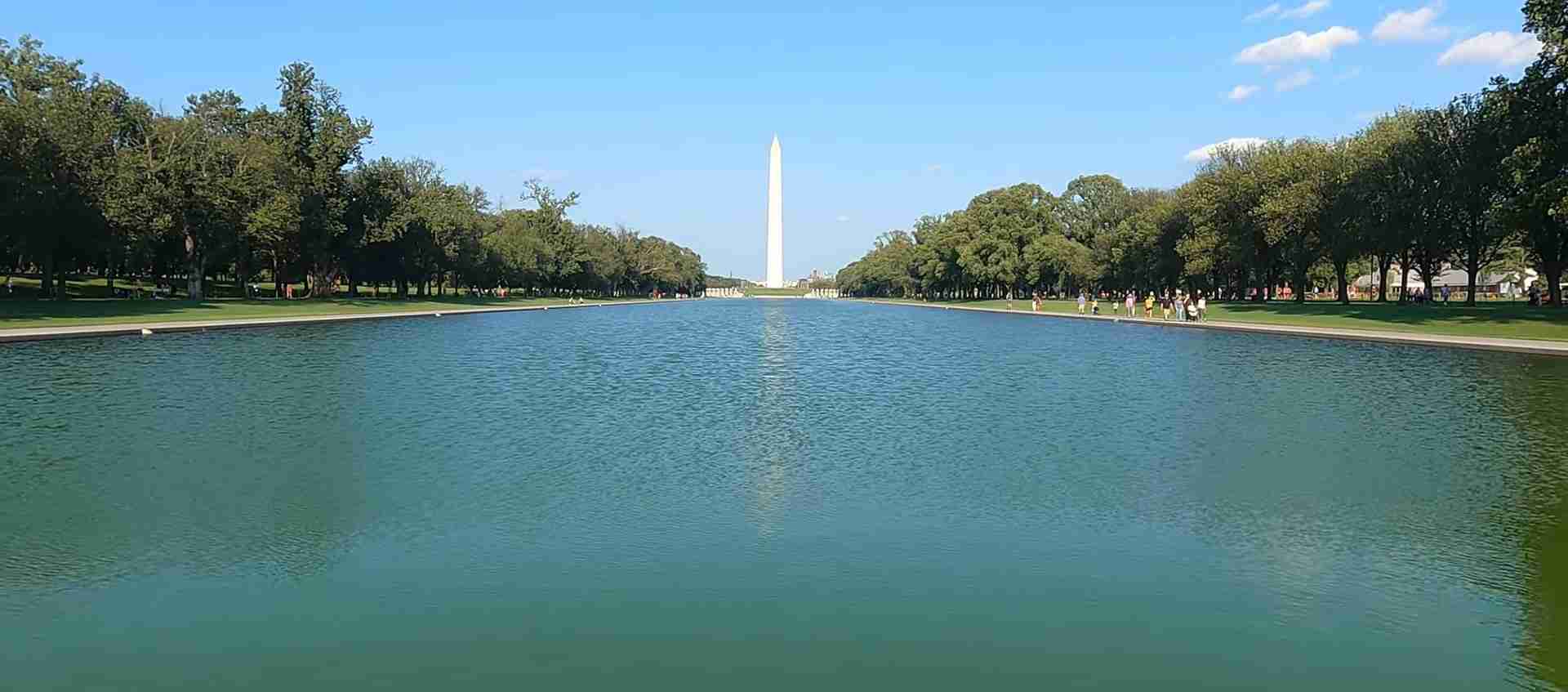
Washington DC Travel Tips 2026: Essential Planning Guide
Washington DC transforms first-time visitors into seasoned travelers through its unique combination of free world-class museums, efficient public transportation, and walkable monuments. Unlike most major American cities, DC offers extraordinary cultural experiences without the typical financial burden, while its compact layout and Metro system make navigation remarkably straightforward. This guide provides practical strategies for maximizing your 2026 visit through insider knowledge on transportation, accommodation timing, museum access, and neighborhood selection.
Key Takeaways
- Free Museum Access 2026: All 17 Smithsonian museums offer completely free admission year-round, though the National Museum of African American History and Culture and National Air and Space Museum require free timed-entry passes reserved up to 30 days in advance, making early planning essential for peak season visits.
- Metro Transportation Value 2026: Washington Metro provides the most cost-effective transportation at $2.25 per bus ride and $2.25-$6.75 per rail trip depending on distance and time, with weekend and late-night fares capped at $2.25-$2.50, eliminating the need for expensive rental cars or ride-sharing services in the city core.
- Accommodation Timing Strategy 2026: Hotel rates fluctuate dramatically by season, with summer peak rates reaching $200-$350 per night for mid-range properties versus winter off-season rates of $120-$180 per night for comparable accommodations, representing potential savings of 40-50% for flexible travelers.
- Walking Distance Advantage 2026: The National Mall’s museums, monuments, and memorials cluster within a compact 2-mile corridor, allowing dedicated visitors to explore 5-7 major attractions daily on foot without transportation costs, though comfortable walking shoes become non-negotiable equipment.
- Neighborhood Selection Impact 2026: Staying near Metro Center, Dupont Circle, or Capitol Hill stations provides direct rail access to attractions while offering authentic DC neighborhood experiences with local restaurants, lower accommodation costs than Downtown properties, and genuine cultural immersion beyond tourist corridors.
- Security Screening Reality 2026: All Smithsonian museums and government buildings conduct bag checks and metal detector screening, with peak wait times reaching 20-45 minutes during summer weekends and holidays, making light packing and early morning arrivals strategic decisions that multiply daily sightseeing capacity.
People Also Ask About Washington DC Travel 2026
How much does a day in Washington DC cost in 2026?
Daily costs in Washington DC range significantly by travel style, from budget-conscious travelers spending $60-100 per person to mid-range visitors investing $170-250 per person to luxury travelers exceeding $335-570 per person. Budget travelers stay in hostels at $25-45 per person in dormitories, eat inexpensive meals at $8-15 per restaurant visit, and rely exclusively on free attractions and walking. Mid-range visitors book hotels at $150-200 per night (hotel $75-100 per person when two share), dine at casual restaurants at $18-35 per meal, and supplement free museums with paid tours or special exhibitions at $25-65 per experience. Luxury travelers select premium hotels at $250-400+ per night (hotel $125-200 per person when two share), enjoy upscale dining at $45-85 per meal, and add private guided experiences at $150-350 per person. The remarkable advantage of Washington DC remains the abundance of completely free world-class attractions, allowing even budget travelers to access the same Smithsonian museums, monuments, memorials, and government buildings as luxury visitors.
Do you need a car to visit Washington DC in 2026?
A car actively disadvantages visitors in Washington DC’s urban core, where parking costs $25-80 per night at hotels, street parking proves nearly impossible near attractions, and traffic congestion extends typical 10-minute trips to 30-45 minutes during rush hours. The Washington Metro system provides comprehensive coverage of all major tourist destinations, with six color-coded lines connecting hotels, museums, monuments, and neighborhoods for $2.25-$6.75 per trip depending on distance and time. Most visitors find the combination of Metro rail, Metrobus at $2.25 per ride, and walking covers all practical transportation needs within the city. The compact 2-mile National Mall corridor contains the majority of top attractions within walking distance of each other, while the Metro Yellow and Green lines deliver visitors directly to the Pentagon, Arlington Cemetery, and National Harbor. Cars become valuable only for day trips to Mount Vernon, Annapolis, or Shenandoah National Park, where rental cars picked up for single-day excursions then returned eliminate multi-day parking fees.
What is the best month to visit Washington DC in 2026?
April and October represent Washington DC’s optimal visiting months in 2026, combining comfortable weather with manageable crowds and reasonable hotel rates. April brings the famous Cherry Blossom Festival typically peaking around April 1-10, with temperatures ranging 50-70°F (10-21°C), though hotel rates increase 25-40% during the 2-week bloom period and advance reservations become essential. October offers similarly pleasant temperatures of 55-70°F (13-21°C), brilliant fall foliage particularly along the Potomac, and post-summer hotel rate reductions of 20-30% compared to peak season. May and September provide excellent alternatives with warm weather, lower accommodation costs, and fewer tour groups than summer months. Summer months June through August deliver the highest temperatures of 75-90°F (24-32°C), maximum humidity, largest crowds at popular museums, and peak hotel rates but also extended daylight hours until 8:30 PM and full access to outdoor concerts and festivals. Winter months December through February offer the lowest hotel rates at 30-50% below summer peaks, minimal crowds at indoor museums, and opportunities to experience holiday decorations, though outdoor monument visits become less comfortable in temperatures of 30-50°F (-1 to 10°C).
Are Smithsonian museums really free in 2026?
All 17 Smithsonian Institution museums in Washington DC offer completely free general admission in 2026, with no entrance fees, no suggested donations, and no hidden charges for permanent collection galleries. This authentically free access extends to the National Museum of Natural History with the Hope Diamond, National Air and Space Museum with historic spacecraft, National Museum of American History with the Star-Spangled Banner, National Gallery of Art with masterpiece paintings, and all other Smithsonian locations. However, two popular museums require free timed-entry passes: the National Museum of African American History and Culture requires advance passes reserved online up to 30 days before your visit, with same-day passes released at 8:15 AM daily in limited quantities; the National Air and Space Museum also requires free timed passes during peak periods. Additional costs apply only to special features beyond standard museum access, including IMAX theater films at $9-15 per ticket, planetarium shows at similar rates, and occasional ticketed special exhibitions, but the vast majority of museum content remains entirely free. The National Zoo, also part of the Smithsonian, maintains free admission year-round. This government-funded model ensures equal access regardless of economic status, distinguishing DC from cities where major museums charge $25-30 admission fees.
Extended multi-day tours – 5+ days
Featured Eastern Usa Multi-Day Tour Packages
4 days
American Gateway – 4 Days
- ✓ Comprehensive Eastern Usa tour
- ✓ Expert local guides included
- ✓ All accommodation arranged
- ✓ Transportation provided
9 days
Celebrating America's 250th Anniversary (Boston, MA to Washington, D.C.)
- ✓ Comprehensive Eastern Usa tour
- ✓ Expert local guides included
- ✓ All accommodation arranged
- ✓ Transportation provided
4 days
Niagara Falls, Washington DC, Philadelphia & Amish Country 4D/3N (from New York)
- ✓ Comprehensive Eastern Usa tour
- ✓ Expert local guides included
- ✓ All accommodation arranged
- ✓ Transportation provided
10 days
Fall Colours of New England
- ✓ Comprehensive Eastern Usa tour
- ✓ Expert local guides included
- ✓ All accommodation arranged
- ✓ Transportation provided
Multi-day tour packages powered by TourRadar. Prices and availability subject to change.
Introduction
Washington DC operates on fundamentally different principles than other major American tourist destinations, a distinction that transforms both trip planning and daily experiences. The nation’s capital built its cultural infrastructure on the democratic premise that access to knowledge, history, and art should never depend on ability to pay, resulting in the world’s largest collection of free museums alongside iconic monuments and memorials open 24 hours without admission charges. This extraordinary accessibility combines with a compact geographic footprint where the National Mall’s 2-mile corridor contains more significant attractions than many cities offer across entire metropolitan areas, and a comprehensive Metro rail system connects neighborhoods and attractions without the expensive rental cars that burden visits to sprawling cities.
Yet navigating this accessibility requires specific knowledge that separates efficient, rewarding visits from frustrated, exhausting days. The same free admission that attracts millions creates security screening bottlenecks at popular museums, turning 10-minute entry expectations into 45-minute waits without strategic timing. The Metro system’s distance-based fares and peak/off-peak pricing structure rewards understanding but penalizes uninformed riders. Accommodation costs fluctuate so dramatically by season and neighborhood that identical hotel rooms cost $140 in February and $340 in April, while location choices either position visitors at the center of efficient exploration or strand them in hour-long commutes.
The 2026 visiting landscape introduces both opportunities and challenges that demand current planning information. Post-pandemic museum operations now incorporate timed-entry systems at the most popular institutions, requiring advance reservations that sell out weeks before high-demand dates. Metro service patterns have evolved with new routes and updated fare structures that differ from pre-2020 information found in older guidebooks. Neighborhood revitalization projects particularly around The Wharf and Navy Yard have created hotel clusters in areas that didn’t appear on tourist maps five years ago, offering both value and authentic DC experiences beyond traditional tourist corridors.
This guide addresses the practical realities of experiencing Washington DC in 2026 through strategic decision-making across seven essential planning domains: understanding the true cost structure where free attractions coexist with expensive hotels; mastering the Metro system for maximum mobility and minimum expense; timing museum visits to avoid crowds while securing necessary advance passes; selecting accommodation locations that balance cost, convenience, and neighborhood character; navigating security protocols that affect every attraction entry; developing realistic daily itineraries that account for walking distances and physical demands; and recognizing seasonal patterns that influence everything from hotel rates to monument accessibility.
Success in Washington DC comes not from elaborate planning or extensive budgets but from understanding its unique operational logic. The visitor who arrives with comfortable walking shoes, advance museum passes, a loaded Metro card, and knowledge of early morning timing advantages will experience exponentially more than the unprepared traveler with expensive hotels and vague intentions. The city rewards informed independence while punishing assumptions carried from other destinations, making practical knowledge the most valuable resource you can bring to the capital.
Understanding Washington DC’s Free Access Model 2026
Washington DC’s cultural landscape operates on an access model unprecedented among major world capitals, where 17 Smithsonian Institution museums plus the National Gallery of Art and dozens of monuments offer free admission funded by Congressional appropriation rather than visitor fees. This system derives from James Smithson’s 1826 bequest specifically intended “for the increase and diffusion of knowledge” without economic barriers, establishing a principle that government has maintained for nearly two centuries. The practical impact transforms trip budgeting, as a family of four accessing the same museums in New York or Chicago would spend $300-$400 on admission fees alone, while in Washington those identical experiences cost nothing.
However, “free admission” requires precise understanding of what falls within that category versus additional costs. General admission to permanent collection galleries remains entirely free at all Smithsonian museums, the National Gallery of Art, and the National Archives, with no suggested donation requests or hidden fees. Timed-entry passes required at the National Museum of African American History and Culture and periodically at the National Air and Space Museum carry zero cost but demand advance planning, as passes release 30 days before visit dates and popular time slots fill within hours. Special exhibitions integrated into regular museum spaces remain free in most cases, though occasionally a blockbuster temporary exhibition may require separate ticketing at $15-25 per person.
Costs do apply to enhanced experiences beyond standard museum access. IMAX films at the Air and Space Museum and Natural History Museum cost $9-15 per ticket depending on show selection. Planetarium programs carry similar fees. Museum dining at cafés and restaurants operates at standard commercial pricing, ranging from $8-12 for café sandwiches to $15-25 for restaurant meals. Gift shops sell merchandise at retail prices. Audio guides when available typically cost $5-8 per device. These supplemental fees remain entirely optional, as the core museum experience requires zero expenditure.
The monument and memorial landscape extends free access even further, with 24-hour open access to the Lincoln Memorial, Jefferson Memorial, Martin Luther King Jr. Memorial, Franklin Delano Roosevelt Memorial, Korean War Veterans Memorial, Vietnam Veterans Memorial, and World War II Memorial. The Washington Monument requires free timed-entry tickets available online or at the monument kiosk, though these tickets cost nothing. The U.S. Capitol offers free guided tours through advance reservation on the official website. The Supreme Court welcomes visitors free of charge. The Library of Congress provides free access to its magnificent Great Hall and reading rooms. The White House maintains free tour access for U.S. citizens through congressional office requests submitted 21-90 days in advance, though international visitors cannot access interior tours.
This comprehensive free access creates the unusual situation where attraction costs effectively disappear from Washington DC budgets, shifting financial focus entirely to accommodation, dining, and transportation. A visitor could theoretically spend a week experiencing world-class museums and monuments without paying a single admission fee, assuming advance planning secures necessary free passes. The system democratizes cultural access while fundamentally altering trip economics compared to destinations where $150-200 daily admission costs represent major budget lines.
Metro System Mastery for 2026 Travel
The Washington Metropolitan Area Transit Authority operates the second-busiest heavy rail rapid transit system in the United States, with six color-coded lines serving 98 stations across DC, Maryland, and Virginia in a network designed specifically to connect major tourist destinations. Understanding Metro operations, fare structures, and strategic usage patterns determines both daily transportation costs and movement efficiency across the city. Visitors who master the system gain mobility independence while spending $10-20 daily on unlimited transportation, while those who default to ride-sharing services waste $60-100 daily on equivalent trips.
Metro rail fares operate on a distance-based variable pricing system that charges more for longer trips and peak travel times. Base fares range from $2.25 for short trips to $6.75 for maximum-distance rides during weekday peak hours (opening to 9:30 AM and 3:00 PM to 7:00 PM). Off-peak hours including weekdays from 9:30 AM to 3:00 PM and after 7:00 PM reduce maximum fares to approximately $3.85 for typical tourist trips. Weekends and federal holidays offer the best value with flat reduced fares of $2.25 to $2.50 regardless of distance traveled, making Saturday and Sunday optimal days for exploring distant neighborhoods or suburbs. Children under age 5 ride free when accompanied by a paying passenger, with two children permitted per adult.
Metrobus supplements rail service with routes covering areas the Metro doesn’t reach, operating at a flat $2.25 per ride for regular routes and $4.80 for express routes. The critical advantage of using a SmarTrip card or contactless payment card becomes apparent in bus-to-rail transfers: passengers using SmarTrip receive free Metrobus-to-Metrobus transfers within 2 hours and $2.25 discounts on Metrobus-to-Metrorail or Metrorail-to-Metrobus transfers within the same period. Cash riders forfeit these transfer benefits and pay full fares for each segment.
Payment methods in 2026 include traditional SmarTrip cards purchased for $2 at Metro stations and loaded with value at vending machines, or the newer contactless payment option where riders tap credit or debit cards directly at faregates and fareboxes. SmarTrip cards offer advantages for frequent riders through reload capabilities and transfer discounts, while contactless payment provides convenience for short visits without card purchase. The SmarTrip mobile app allows iPhone and Android users to create virtual cards stored in Apple Wallet or Google Pay, eliminating physical card requirements entirely.
Pass options become cost-effective for intensive Metro use over multiple days. The 1-Day Unlimited Pass costs $14 and provides unlimited Metrorail trips covering fares up to $6 (higher fares deduct the difference from stored value). The 3-Day Pass at $29 and 7-Day Short Trip Pass at $38 extend this unlimited access across longer periods. Monthly passes priced by fare level ($108 for up to $4.50 fares, $270 for up to $6 fares) serve longer stays or local residents but rarely make sense for typical tourist visits. For most 3-5 day trips, simply loading a SmarTrip card with $40-50 covers all transportation needs without pass complexity.
Strategic Metro usage patterns maximize efficiency while minimizing costs. Morning museum visits from 9:30 AM onward allow off-peak Metro rates while avoiding peak-hour crowds. Evening returns after 7:00 PM similarly reduce fares. Weekend visits eliminate time-of-day fare variations entirely. Routing trips through major transfer stations (Metro Center, L’Enfant Plaza, Gallery Place-Chinatown) often proves faster than direct but longer routes, as frequent train service on major lines beats waiting for less-frequent service on minor lines. The Red Line serves the most hotels and tourist areas, running from Union Station through Metro Center to Dupont Circle and beyond with 3-6 minute peak headways.
Operating hours vary by day: Monday-Thursday from 5:00 AM until midnight, Friday from 5:00 AM until 2:00 AM for late-night entertainment districts, Saturday from 6:00 AM until 2:00 AM, and Sunday from 6:00 AM until midnight. These hours accommodate most tourist schedules, though late-night monument visits extending past midnight require alternative transportation or final Metro trips timed before service ends. Single-tracking and maintenance work occasionally affect weekend service, with current alerts available through the WMATA website and mobile app showing real-time delays and alternative routes.
Public Transportation Costs and Strategies 2026
Transportation costs in Washington DC vary from minimal for Metro-dependent visitors to substantial for those defaulting to ride-sharing services, with strategic choices determining whether daily mobility expenses total $8 or $80. The Metro system provides comprehensive coverage of tourist destinations at fixed, predictable costs, while supplemental options including Capital Bikeshare, DC Circulator buses, and strategic walking routes offer both savings and authentic neighborhood experiences. Understanding when to use each mode creates efficiency and economy simultaneously.
Daily Metro costs for typical tourist itineraries range $8-18 per person depending on trip frequency and distance. A basic pattern of hotel to National Mall morning, movement between 2-3 museums mid-day, and return to hotel evening generates 4-6 Metro segments costing $12-18 at off-peak fares or $15-25 during peak hours. Weekend travel reduces this to $9-15 for the same itinerary through flat reduced fares. Visitors staying near Metro Center or L’Enfant Plaza stations minimize costs through walking to National Mall attractions, eliminating 2-4 daily trips worth $5-10. The practical ceiling for Metro-only transportation costs sits around $20 daily per person even with extensive system use, as most tourist movements occur within zones where maximum fares don’t apply.
Capital Bikeshare operates 600+ stations across DC with 24-hour access through credit card payments at kiosks or through the mobile app. Single rides cost $2 for 30 minutes, with additional time billed at $2 per 30 minutes. Day passes at $8 provide unlimited 30-minute rides within 24 hours, ideal for monument-hopping along the National Mall or Georgetown exploration where stations appear every 2-3 blocks. The critical constraint requires returning bikes to stations within 30 minutes to avoid overage fees, making this system perfect for short point-to-point trips but impractical for day-long possession. Most tourist routes from Dupont Circle to Georgetown to the Mall contain sufficient stations to complete trips within the time limit.
The DC Circulator operates six bus routes connecting major tourist areas at $1 per ride, including the National Mall route running from Union Station to the Kennedy Center and the Georgetown-Union Station route. These specialized tourist-oriented buses run every 10 minutes during peak hours with easily identifiable red vehicles, simplified routing, and convenient stops near attractions. For $1 versus Metro’s $2.25, the Circulator represents exceptional value for routes it serves, particularly the National Mall line that stops at every major museum and monument. However, coverage remains limited to six specific routes versus Metro’s comprehensive network.
Walking strategies reduce transportation costs to zero while providing intimate neighborhood experiences and exercise. The 2-mile National Mall corridor from the Capitol to the Lincoln Memorial contains 11 Smithsonian museums, 6 major monuments, and the Washington Monument, all accessible through continuous sidewalks with benches every 200-300 feet. Dedicated visitors comfortably walk this corridor in 45-60 minutes without stops, or spend entire days moving between attractions on foot. Georgetown’s M Street and Wisconsin Avenue shopping and dining districts extend 1.5 miles, walkable in 25 minutes. Capitol Hill’s Eastern Market neighborhood sits just 15 minutes walking from the Capitol building. Downtown hotels position guests within 20-30 minute walks of most major attractions.
Ride-sharing services (Uber, Lyft) cost $12-25 for typical tourist trips like hotel to Smithsonian or Georgetown to Capitol Hill, with surge pricing during rush hours and special events increasing costs 50-200%. A full day of ride-sharing transportation easily reaches $60-100 per person through 4-6 trips, versus $12-18 for identical Metro routing. The only scenarios where ride-sharing makes financial sense involve late-night returns after Metro closure, groups of 3-4 where per-person costs equal Metro fares, or mobility-limited travelers for whom Metro’s stairs and walking create barriers. Most tourists dramatically overpay through ride-sharing habits from home cities where public transit proves less reliable than Washington’s Metro.
Taxi services maintain fixed rates from Reagan National Airport to Downtown DC at approximately $20-25, competitive with Metro plus luggage convenience. Within the city, metered taxis cost slightly more than ride-sharing for equivalent trips. The iconic DC taxi system has largely been supplanted by ride-sharing apps, though taxis remain available at major hotels and stations.
Accommodation Planning Strategies 2026
Hotel selection in Washington DC involves balancing three competing priorities: proximity to Metro stations and attractions, neighborhood character and dining options, and nightly rates that fluctuate 150-200% between seasons. Strategic accommodation choices position visitors for efficient daily exploration while avoiding both the premium costs of obvious downtown locations and the false economy of distant suburban properties that consume hours in daily commuting. Understanding DC’s neighborhood geography and hotel rate patterns reveals opportunities for both savings and superior experiences.
Seasonal rate variations create dramatic price differences for identical properties across the calendar year. Peak season from late March through June commands highest rates, with cherry blossom weeks (late March to early April) representing the absolute maximum where mid-range hotels charge $250-350 per night for rooms that cost $140-180 in February. Summer months July-August maintain elevated rates at $200-280 per night for equivalent properties. Fall shoulder season September-October delivers moderate pricing at $160-220 per night with comfortable weather and manageable crowds. Winter months November-February offer lowest rates at $120-180 per night for the same mid-range accommodations, representing potential savings of $80-170 nightly compared to peak periods. Business travel patterns create additional fluctuations where weekday rates exceed weekend rates by $30-60 per night in business-oriented hotels, while leisure-focused properties show opposite patterns.
Downtown and Penn Quarter hotels maximize convenience through walking distance to the National Mall, Metro Center station, and concentration of restaurants, but command premium rates averaging $220-380 per night in mid-range category during peak season. These properties deliver 15-20 minute walks to Smithsonian museums and instant Metro access to any destination. The convenience premium makes sense for short 2-3 day visits where time efficiency outweighs cost concerns, or for mobility-limited travelers minimizing walking distances. For longer stays or budget-conscious visitors, the premium rarely justifies when Metro accessibility from other neighborhoods delivers equivalent access with 10-15 additional minutes.
Dupont Circle offers excellent value-to-convenience ratios with mid-range hotels at $160-240 per night, direct Red Line Metro access to Union Station and Metro Center, and authentic neighborhood dining far superior to tourist-oriented Downtown options. The neighborhood combines historic architecture, independent bookstores, international restaurants, and genuine DC residential character while maintaining 20-minute Metro rides to National Mall attractions. Weekend farmers markets, street festivals, and local coffee shops provide cultural immersion beyond monument tourism.
Capitol Hill hotels near Eastern Market or Capitol South Metro stations position visitors at the political heart of DC with mid-range rates of $150-220 per night, immediate access to the Capitol, Library of Congress, and Supreme Court, plus neighborhood restaurants and the historic Eastern Market food halls. The Orange, Blue, and Silver Lines connect to Smithsonian museums in 10 minutes. This area attracts visitors interested in government buildings and authentic DC neighborhood experiences more than monument-focused itineraries.
Foggy Bottom and West End hotels near George Washington University serve the State Department neighborhood with mid-range properties at $170-250 per night, Blue/Orange/Silver Line Metro access, and proximity to Kennedy Center performing arts. The location works well for visitors combining museums with theater or concerts, though it requires Metro dependence for National Mall access.
Georgetown lacks Metro rail service entirely, requiring bus connections or 25-minute walks to Foggy Bottom station. This beautiful historic neighborhood offers waterfront dining, upscale shopping, and picturesque architecture with hotel rates of $200-320 per night, but the transportation inconvenience creates daily friction for museum-focused itineraries. Georgetown suits visitors prioritizing neighborhood ambiance and dining experiences over attraction efficiency.
Navy Yard and Waterfront represent DC’s newest hotel cluster with properties at $140-200 per night near Nationals Park baseball stadium and The Wharf development. Green Line Metro access connects to L’Enfant Plaza transfer station in 5 minutes. This emerging area offers modern hotels, riverfront restaurants, and competitive rates but lacks the historical character of traditional neighborhoods. The location works well for baseball fans and visitors seeking contemporary rather than historic DC experiences.
Hotel categories span predictable ranges across these neighborhoods. Budget options including hostels cost $25-55 per person in dormitory beds, basic chain hotels $90-140 per night for private rooms, mid-range properties $150-250 per night with standard amenities, upscale hotels $250-400 per night offering location and service, and luxury properties exceed $400-650 per night for prestige addresses and concierge services. Within mid-range category, properties 2-3 Metro stops from Metro Center typically cost $30-60 less per night than equivalent hotels at Metro Center itself, while offering identical travel times through more frequent train service at major stations.
Booking timing significantly affects rates. Reservations made 60-90 days before travel secure standard pricing, while last-minute bookings within 14 days sometimes access unsold inventory at discounts but risk limited availability during peak seasons. Hotel loyalty programs and package deals bundling multiple nights occasionally deliver 15-20% savings. Chain properties in DC maintain comparable rates to independent hotels, eliminating the usual independent vs. chain price advantage seen in other cities.
Museum Visit Planning and Timed Entry Systems 2026
Washington DC’s most popular museums now operate timed-entry reservation systems that fundamentally change visit planning from spontaneous walk-up access to scheduled appointments requiring advance booking. Understanding which museums require passes, how to obtain them, and strategic timing for both reserved and walk-up museums separates visitors who complete planned itineraries from those who spend vacation days standing in sold-out entry lines. The timed-entry systems exist to manage crowd flow and improve visitor experiences, but they demand planning discipline that catches unprepared travelers.
The National Museum of African American History and Culture (NMAAHC) operates the most restrictive entry system, requiring free timed passes for all visitors regardless of age year-round. Passes release online exactly 30 days before visit dates at 8:00 AM Eastern time through the official Smithsonian website, with popular time slots (10:00 AM-2:00 PM) filling within minutes during peak season. Same-day passes release at 8:15 AM daily in limited quantities, typically exhausting within 15-30 minutes on weekends and holidays. The museum recommends arriving 15 minutes before reserved entry time, with passes granting access from designated time until 4:00 PM closing. Groups larger than 9 require separate group reservations. Military personnel and first responders receive walk-up access with valid ID plus up to 4 guests without passes, though this exception doesn’t guarantee entry at capacity.
The National Air and Space Museum on the National Mall implements timed-entry passes during peak season (typically March-August) and occasionally during special exhibitions. Unlike NMAAHC’s year-round requirement, Air and Space switches between pass-required and walk-up access based on visitor projections, requiring travelers to check the official website 1-2 weeks before planned visits. When passes are required, they follow similar 30-day advance release patterns with same-day passes available in limited quantities. The Steven F. Udvar-Hazy Center annex near Dulles Airport maintains open walk-up access without timed passes year-round.
All other Smithsonian museums maintain traditional walk-up access without timed passes or reservations: Natural History Museum, American History Museum, National Gallery of Art (separate from Smithsonian but same free access model), Hirshhorn Museum, National Museum of the American Indian, Freer and Sackler Asian Art Museums, National Portrait Gallery, American Art Museum, National Postal Museum, and others welcome visitors throughout operating hours without advance planning. This doesn’t mean no waits exist—Natural History and American History experience 15-30 minute security screening lines on summer weekends—but visitors can arrive at will without sold-out concerns.
Strategic timing minimizes both timed-pass competition and general admission waits. Weekday mornings before 10:00 AM offer shortest security lines at all museums and easiest same-day pass availability at NMAAHC. Saturday and Sunday mornings before 10:30 AM provide reasonable waits, while weekend afternoons 12:00-3:00 PM create peak congestion. Late afternoon entries after 3:30 PM avoid crowds but limit exploration time before 5:30 PM closings. Federal holidays create unpredictable crowds—some like President’s Day bring substantial visitors, while others like Veterans Day remain manageable—making holiday visits riskier without timed passes confirmed.
Museum tour duration planning prevents overscheduling that forces rushed visits. The National Museum of African American History and Culture requires minimum 3 hours for surface coverage, 4-5 hours for thorough exploration of its comprehensive historical galleries spanning three underground levels. Natural History Museum demands 2-3 hours covering highlights including the Hope Diamond, dinosaur halls, ocean life, and mammals. Air and Space Museum needs 2-3 hours for spacecraft, aircraft, and interactive exhibits. American History Museum requires 2-3 hours examining the Star-Spangled Banner, First Ladies gowns, and cultural history. The National Gallery of Art splits across two buildings requiring 3-4 hours for representative coverage of European masters and American collections.
Multiple-museum days become realistic only through selective rather than comprehensive approaches. Attempting 3-4 museums daily results in 45-60 minute sampling per museum that misses signature exhibits and creates physical exhaustion. More effective patterns focus on 1-2 museums with 2-3 hours each, supplemented by monument walks or neighborhood dining. The National Mall’s museum concentration enables easy pivots when one museum proves more engaging than anticipated—if Natural History captivates beyond planned time, American History sits 300 feet away for future days rather than forced same-day completion.
Special exhibition schedules occasionally modify standard access. Major traveling exhibitions sometimes require separate timed tickets even at museums normally offering walk-up access, with these special passes costing $15-25 per person. Exhibition schedules appear on individual museum websites 2-3 months before opening, allowing trip planning around specific interests. Photography policies vary by museum and gallery—most Smithsonian locations permit non-flash photography for personal use in permanent galleries while restricting cameras in special exhibitions or individual works. Tripods, selfie sticks, and video recording face near-universal prohibition.
Security Screening and Entry Procedures 2026
Every Smithsonian museum, government building, and many monuments implement security screening procedures that add 10-45 minutes to entry times depending on location, day, and hour. Understanding screening requirements, prohibited items, and peak congestion patterns prevents both entry denials and wasted time standing in preventable lines. These security measures serve legitimate safety purposes but demand visitor adaptation through strategic packing and timing choices that few guidebooks explain.
Standard screening procedures at all Smithsonian museums require passing through metal detectors while all bags undergo X-ray scanning. Visitors queue in single-file lines leading to detector portals, empty pockets of metal objects into provided bins, remove jackets, and walk through detectors. Bags larger than purses or small backpacks receive hand inspection in addition to X-ray scanning, with security personnel unzipping compartments and examining contents. This process flows smoothly during off-peak hours, processing visitors in 30-90 seconds per person. During peak periods—summer weekends, holiday weeks, cherry blossom season—the same screening creates 20-45 minute waits as hundreds queue for limited screening stations.
Prohibited items include weapons of any kind, pepper spray, pocket knives regardless of blade length, tools, aerosol sprays, large umbrellas, selfie sticks, tripods, monopods, and any item security deems potentially dangerous. Clear exceptions exist for medical necessities, infant formula and baby food, and disability accommodations. The Smithsonian maintains no bag storage or check facilities—items denied entry must be returned to vehicles or hotels, creating significant disruption for travelers discovering prohibitions at entry. Reviewing the official prohibited items list before packing prevents these preventable complications.
Efficient security passage strategies begin with minimal packing. Large backpacks and multiple bags exponentially slow screening versus single small bags or purses. Wearing slip-on shoes rather than laced boots accelerates metal detector passage. Placing phones, keys, and metal items in bags before queuing rather than emptying pockets at the detector maintains line flow. Travelers carrying prohibited items unknowingly should arrive early enough to return items to hotels before museum opening times expire.
Peak congestion periods at major museums create the longest waits. The National Museum of Natural History experiences maximum lines from 11:00 AM-2:00 PM on weekends March-August, with waits reaching 30-45 minutes. American History Museum shows similar patterns. Air and Space Museum (when open without timed passes) creates longest waits 10:00 AM-1:00 PM weekends. These same museums process entry in 5-10 minutes weekday mornings before 10:00 AM or late afternoons after 3:30 PM. The National Museum of African American History and Culture’s timed-entry system creates predictable arrival patterns where everyone with 10:00 AM passes arrives 9:45-10:15 AM, generating 15-25 minute screening waits even with advance passes.
U.S. Capitol security maintains stricter procedures than museums, requiring airport-style screening with shoes off, laptops removed from bags, and comprehensive pat-downs for random selection. Capitol screening alone consumes 20-30 minutes even with tour reservations confirmed. The White House tour (requiring congressional advance reservation for U.S. citizens) implements similarly rigorous screening. These government building procedures demand extra time allocation beyond typical museum entry.
Accessibility accommodations exist for visitors unable to pass through standard metal detectors or stand in long queues. Wheelchair users and visitors with medical devices receive alternative screening through hand-held metal detector wands and visual inspection. Visitors with disabilities should notify security upon arrival to access these accommodations rather than attempting standard screening lines. Most museums maintain separate accessible entrances with shorter waits and elevator access.
Photography restrictions inside museums after security entry vary by location and gallery. Most Smithsonian museums permit non-flash photography in permanent collection galleries for personal use, prohibit photography in special exhibitions or of specific sensitive objects, and universally ban tripods, selfie sticks, commercial photography without permits, and any video recording. Security staff actively enforce these rules, requesting deletion of prohibited photos and warning of possible ejection for repeated violations. The National Archives absolutely prohibits all photography of the Constitution, Declaration of Independence, and Bill of Rights regardless of flash status.
Walking Distances and Physical Demands 2026
Washington DC’s compact tourist geography creates both opportunity and challenge through concentrated attractions within walkable distances that accumulate into substantial daily mileage totals. The National Mall’s iconic 2-mile expanse from the Capitol to Lincoln Memorial appears manageable on maps, yet visitors exploring museums, monuments, and memorials throughout the corridor easily walk 6-10 miles daily when accounting for museum interior distances, monument approaches, and navigation adjustments. Understanding these physical demands shapes realistic itineraries, footwear choices, and strategies for managing exertion across multi-day visits.
The National Mall itself measures 1.9 miles from the Capitol steps to the Lincoln Memorial via the central pathway, requiring 35-45 minutes walking at tourist pace with photo stops. However, this linear measurement understates actual distances experienced. The Washington Monument sits 0.3 miles south of the central path, creating 0.6-mile round-trip detours. The Martin Luther King Jr. Memorial adds 0.4 miles beyond Lincoln Memorial. The Jefferson Memorial requires 0.7-mile walks from the central Mall corridor. Museum interiors contribute additional mileage—the Natural History Museum’s three floors span 325,000 square feet requiring 1-1.5 miles of walking to see major exhibits. Air and Space Museum covers similar interior distances across two levels. A “simple” day visiting Capitol, Washington Monument, three Smithsonian museums, and Lincoln Memorial totals 7-9 miles of actual walking.
Terrain varies significantly across the Mall landscape, from flat paved paths between museums to gradual slopes approaching monuments, uneven brick walkways in older sections, and marble stairs at memorial sites. The Lincoln Memorial requires climbing 58 steps from ground level to the memorial chamber, manageable for most visitors but challenging for those with mobility limitations. The Capitol dome tours involve 365 steps despite elevator access to upper levels. Museum interiors feature extensive standing on hard marble or terrazzo floors that fatigue feet and legs differently than outdoor walking on softer surfaces.
Strategic rest and recovery patterns prevent mid-afternoon exhaustion that derails evening plans. Museum visits provide natural rest opportunities through sitting in theater presentations, exhibition films, or gallery benches that appear every 50-100 feet in major Smithsonian locations. Outdoor monument visits offer fewer rest options, with benches scattered irregularly and long distances between shaded areas during summer heat. Breaking 6-8 hour walking days into morning museum segment, midday hotel return for 90-minute rest, and afternoon monument segment maintains energy better than continuous dawn-to-dusk exploration.
Footwear choices directly impact daily comfort and exploration capacity. Comfortable, broken-in walking shoes with substantial cushioning transform day experiences versus fashion shoes or new footwear causing blisters after 2-3 hours. Athletic shoes, hiking boots, or dedicated walking shoes provide necessary support. Sandals and dress shoes create problems after 4-5 hours on hard museum floors and pavement. Breaking in new shoes 2-3 weeks before travel prevents vacation-ruining blisters that force curtailed itineraries.
Weather conditions compound physical demands through temperature extremes and precipitation. Summer months June-August deliver 85-95°F (29-35°C) temperatures with 60-80% humidity, creating exhausting conditions for outdoor walking and monument visits. Winter temperatures of 30-45°F (-1 to 7°C) require warm clothing that becomes burdensome in heated museum interiors lacking convenient coat storage. Spring and fall shoulder seasons provide optimal comfort at 55-75°F (13-24°C), though April and October rainfall averages 8-11 days monthly create periodic wet conditions requiring rain gear and waterproof shoes.
Hydration and nutrition strategies prevent energy crashes that plague unprepared visitors. DC’s limited free water fountain access compared to European cities requires carrying water bottles that Smithsonian museums permit through security. Museum cafés sell water at $3-4 per bottle, accumulating into $15-20 daily costs for families. Most museums now maintain water bottle filling stations near restrooms. Snack breaks every 2-3 hours maintain blood sugar and energy, whether through packed energy bars or museum café purchases.
Alternative mobility options reduce walking demands for visitors with physical limitations or multi-generational groups including young children or seniors. DC Circulator buses connect National Mall museums and monuments for $1 per ride, covering the Capitol-to-Kennedy Center corridor with stops every 4-5 blocks. Tourmobile and Old Town Trolley hop-on/hop-off services at $45-55 per person daily provide narrated transportation between major sites with unlimited boarding. Electric scooter rentals through Lime and Bird apps offer personal mobility at $1 plus $0.33 per minute, practical for monument-to-monument trips. Wheelchair and electric scooter rentals from medical supply companies serve visitors with mobility challenges, though navigating crowds and monuments creates accessibility complications beyond simple distance concerns.
Free Attractions Strategy and Maximizing Value 2026
Washington DC’s extraordinary concentration of free world-class attractions creates unprecedented value opportunities that few destinations approach, where committed visitors can experience $500-700 worth of equivalent museum admissions, monument access, and cultural programs without spending a dollar on tickets. Maximizing this free access model requires strategic selection among 60+ free museums and monuments, understanding which experiences deliver the highest value per hour invested, and recognizing when paid upgrades genuinely enhance experiences versus marketing traps extracting money for minimal added value.
The Smithsonian’s 17 free museums vary dramatically in visit value and time requirements. Tier-one must-see institutions that justify 3-4 hour visits include the National Museum of African American History and Culture for comprehensive civil rights and cultural history unmatched anywhere globally, National Air and Space Museum for actual Apollo spacecraft and aviation history, National Museum of Natural History for the Hope Diamond and dinosaur halls rivaling any natural history museum worldwide, and National Gallery of Art for European and American masterworks including the only Leonardo da Vinci painting in the Americas. These four institutions alone would cost $100-120 admission if located in New York or London, yet remain entirely free in DC.
Tier-two excellent museums worth 2-3 hours each include the National Museum of American History for the Star-Spangled Banner and comprehensive cultural artifacts, National Portrait Gallery for historical and contemporary portraiture in a stunning historic building, Hirshhorn Museum for modern and contemporary art in a distinctive circular structure, National Museum of the American Indian for indigenous perspectives and culture, and Freer and Sackler Asian Art Museums for world-class Asian collections. These secondary tier still exceed most regional museums in scope and quality while maintaining free access.
Monument and memorial access provides extraordinary free experiences that tourist destinations worldwide charge substantial fees to approach. The Lincoln Memorial offers 24-hour free access to one of America’s most recognizable structures with sweeping Potomac views. The Vietnam Veterans Memorial, Korean War Veterans Memorial, Martin Luther King Jr. Memorial, Franklin Delano Roosevelt Memorial, and World War II Memorial create comprehensive free outdoor experiences requiring 2-3 hours to visit thoughtfully. The Washington Monument provides free timed-entry tickets for elevator rides to the observation level, offering 360-degree city views that paid observation decks in other cities charge $25-35 to access.
Free guided tours and programs enhance museum experiences without additional costs. The Smithsonian museums offer free docent-led tours typically at 11:00 AM and 1:00 PM daily, providing expert interpretation that paid audio guides approximate but rarely match. The National Gallery of Art maintains free highlight tours covering masterworks across both buildings. The U.S. Capitol provides free guided tours revealing the building’s art and architecture beyond self-guided visits. These free programs deliver value equivalent to $15-25 paid tour upgrades while requiring only advance scheduling.
Paid upgrade options exist but rarely justify costs when free alternatives provide comparable experiences. IMAX films at Air and Space and Natural History museums cost $9-15 per person, essentially commercial movies available elsewhere versus museum-specific content. Audio guides at $5-8 per device duplicate information available through free tour apps or museum docent programs. Special exhibition tickets at $15-25 occasionally access genuinely unique content unavailable elsewhere—major retrospectives of famous artists, traveling international collections—but most special exhibitions integrate into free permanent galleries or offer marginal value additions over standard museums.
Free cultural programs throughout the week include the National Gallery of Art’s free Sunday afternoon concerts featuring classical musicians in the West Garden Court, attracting audiences who pay $50-80 for equivalent performances at Kennedy Center. The Library of Congress offers free lunchtime concerts, lectures, and author presentations in its historic Great Hall. The Kennedy Center Millennium Stage presents free performances daily at 6:00 PM featuring music, dance, and theater accessible without tickets or reservations.
Seasonal free events expand cultural access even further. The National Cherry Blossom Festival in late March to early April provides free outdoor activities, cultural performances, and celebrations along the Tidal Basin where paid events in other cities charge $50-100 family admission. Fourth of July celebrations on the National Mall include free concerts, fireworks, and patriotic programs. The Smithsonian Folklife Festival in late June offers free outdoor cultural demonstrations, crafts, music, and food samples. Memorial Day and Veterans Day ceremonies at Arlington National Cemetery and various memorials provide meaningful free experiences.
The strategic calculation involves recognizing that visitors who maximize free museum and monument access while avoiding unnecessary paid upgrades can experience DC’s signature attractions for essentially zero admission costs, redirecting savings toward enhanced accommodations, superior dining, or longer stays. A family of four saving $300-400 on museum admissions versus comparable cities can upgrade from budget to mid-range hotels or extend 3-day trips to 5 days while maintaining equivalent total costs.
Dining Strategies and Food Costs 2026
Food expenses represent the most variable component of Washington DC daily budgets, ranging from $25-40 per person in budget scenarios to $100-150 per person for upscale dining, with strategic choices determining whether meals enhance or diminish travel experiences. DC’s dining landscape combines expensive tourist-trap restaurants near monuments with exceptional neighborhood ethnic restaurants, food halls offering quality at moderate prices, and museum cafés spanning the full cost-benefit spectrum. Understanding these options and making informed selections prevents both overpaying for mediocre meals and missing outstanding culinary experiences.
Budget dining strategies focusing on $25-40 daily per person prioritize ethnic restaurants in immigrant neighborhoods, fast-casual chains, and strategic museum café visits. Ethiopian restaurants along U Street corridor serve large shareable platters at $12-18 per person. Salvadoran pupusa shops in Mount Pleasant offer authentic meals at $8-12 per person. Vietnamese pho restaurants in Arlington provide substantial bowls at $10-14. Food trucks near museums and government buildings deliver quality meals at $10-15. Museum cafés vary dramatically—Air and Space Museum’s cafeteria offers reasonable sandwiches and salads at $9-13, while American History Museum’s café charges premium prices for basic items.
Mid-range dining at $60-80 daily per person accesses better neighborhood restaurants, Penn Quarter bistros, and Capitol Hill gastropubs. Georgetown waterfront restaurants serve seafood and international cuisine at $18-35 per entrée. Eastern Market area farm-to-table restaurants provide quality dinners at $22-38 per person. The Wharf development offers modern restaurants with Potomac views at similar price points. Weekend brunch at Dupont Circle restaurants delivers substantial meals at $18-28 per person including beverages. These mid-range options provide authentic DC dining experiences far superior to tourist-oriented restaurants at comparable prices.
Upscale dining experiences at $100-150 per person feature Michelin-starred restaurants, celebrity chef establishments, and fine dining rooms serving innovative cuisine. Georgetown’s fine dining restaurants command $65-95 per entrée before beverages. Downtown steakhouses charge $55-85 for premium cuts. The Wharf’s highest-end establishments combine waterfront views with sophisticated menus at $75-120 per person with wine. These splurge options justify costs through exceptional food, service, and ambiance but appear throughout the week rather than requiring reservations months in advance as in New York or San Francisco.
Food halls provide exceptional value-to-quality ratios combining diverse vendors under single roofs. Union Market in NoMa showcases 40+ local food vendors, artisan producers, and restaurants offering global cuisines at $10-18 per meal with communal seating and weekend entertainment. Eastern Market’s historic food stalls sell prepared foods, fresh produce, and international specialties at reasonable prices in a vibrant neighborhood setting. The Wharf’s waterfront food vendors serve seafood, international cuisine, and desserts at $12-20 per person with outdoor dining overlooking the Potomac.
Museum dining requires careful selection as quality and value vary dramatically by location. The National Gallery of Art’s Cascade Café serves above-average museum fare at $12-18 for substantial meals in a pleasant setting under the waterfall feature. Natural History Museum’s cafeteria offers basic options at $10-15 but institutional quality. The National Museum of the American Indian’s Mitsitam Café provides excellent indigenous-inspired cuisine at $14-20 per person, recognized as DC’s best museum dining. Portrait Gallery and American Art Museum share a courtyard café serving light fare at $10-16. These museum cafés justify costs through convenience but rarely approach neighborhood restaurant quality at equivalent prices.
Grocery stores and markets enable substantial savings through picnic supplies for National Mall dining. Whole Foods near Foggy Bottom offers sandwich bars, salad bars, and prepared foods at $8-12 per person. Giant Food and Safeway supermarkets provide conventional groceries at standard prices. CVS and Walgreens drugstores sell basic snacks and drinks. Eastern Market’s weekend outdoor farmers market sells fresh produce, cheese, bread, and prepared foods ideal for picnic assembly. The National Mall permits outdoor dining on grass areas near monuments and museums, though trash disposal requires carrying waste to designated bins.
Coffee culture in DC supports quality independent cafés throughout residential neighborhoods. Dupont Circle, Georgetown, and Capitol Hill feature local roasters and specialty cafés charging $4-6 for excellent espresso drinks and $3-5 for drip coffee. Museum café coffee remains mediocre at similar prices. Chain options including Starbucks and Peet’s Coffee maintain standard pricing. Morning coffee budgets add $5-8 daily per person for quality beverages beyond hotel breakfast coffee.
Alcohol costs vary by venue and significantly impact dining totals. Restaurant wine lists charge $10-18 per glass, $40-80 per bottle. Craft beer costs $7-10 per pint. Cocktails at trendy bars command $12-16. Happy hour specials at many Penn Quarter and Capitol Hill restaurants offer 50% discounts on drinks and appetizers 4:00-7:00 PM weekdays. These discounts enable affordable splurge experiences when strategically timed.
Budget Planning by Travel Style 2026
Daily per-person costs in Washington DC vary dramatically by accommodation category, dining choices, and activity selections, with three distinct budget tiers serving different traveler priorities and expectations. Understanding realistic daily totals within each category enables accurate trip planning while recognizing that DC’s exceptional free attractions make budget travel unusually rewarding compared to cities where museum admissions alone consume $50-80 daily. These budget frameworks assume two travelers sharing accommodation costs, as solo travelers face substantially higher hotel expenses without shared rooms.
Budget travel at $60-100 per person daily prioritizes hostels or budget hotels, inexpensive dining, and free attractions with Metro transportation. Accommodation costs $25-45 per person for hostel dormitory beds in properties near Metro stations, offering basic shared facilities and common kitchens for meal preparation. Meals total $25-40 daily through ethnic restaurants at $8-12 per meal, food trucks at $10-15, and grocery store prepared foods at $8-12, with morning coffee at cafés adding $4-5. Transportation via Metro costs $8-15 daily through strategic off-peak travel and walking when practical. Activities remain entirely free through Smithsonian museums, monuments, and free programs, eliminating the $30-60 daily attraction costs that plague budget travelers in most major cities. This $60-100 daily range enables week-long DC trips at $420-700 total per person including accommodation, meals, transport, and world-class cultural experiences.
Mid-range travel at $170-250 per person daily balances comfort with value through chain hotels, quality restaurants, and occasional paid tours. Accommodation costs $75-100 per person (hotels $150-200 per night, two sharing) in properties near Metro stations with private bathrooms and standard amenities. Meals total $60-80 daily through breakfast at hotel or café at $10-15, lunch at casual restaurants or museum cafés at $15-22, and dinner at neighborhood restaurants at $25-35, with coffee and snacks adding $10-15. Transportation remains $10-18 daily via Metro and occasional taxis. Activities cost $25-45 daily through mostly free museums supplemented by occasional paid special exhibitions at $15-25, IMAX films at $9-15, or guided walking tours at $20-30. This mid-range approach provides comfortable, efficient DC experiences without luxury pricing, ideal for 4-5 day trips totaling $680-1,250 per person.
Luxury travel at $335-570+ per person daily prioritizes location, service, and enhanced experiences through upscale hotels, fine dining, and private tours. Accommodation costs $125-200 per person (hotels $250-400+ per night, two sharing) in Downtown or Georgetown properties offering superior locations, concierge services, and premium amenities. Meals total $100-150 daily through breakfast at upscale hotel restaurants or specialty cafés at $18-28, lunch at quality restaurants at $25-40, and dinner at fine dining establishments at $45-75, with premium coffee and wine adding $20-35. Transportation costs $20-40 daily through ride-sharing services, taxis, and Metro as backup. Activities cost $80-150 daily through free museums supplemented by private guided tours at $150-250, VIP museum experiences, and tickets to Kennedy Center performances at $60-120. This luxury approach enables effortless, refined DC experiences with minimal planning stress, suited to shorter 2-3 day trips where time value exceeds cost concerns.
Multi-day trip totals demonstrate how duration affects different budget tiers differently. A 3-day budget trip totals $180-300 per person, a 3-day mid-range trip costs $510-750 per person, and a 3-day luxury trip reaches $1,005-1,710 per person. These totals scale linearly with additional days, though longer stays enable cost efficiencies through weekly hotel rates, established dining patterns, and reduced daily activity intensity. Five-day mid-range trips total $850-1,250 per person, representing better value per day than rapid 2-3 day itineraries requiring continuous high-intensity sightseeing.
Seasonal variations affect budget tiers unequally. Budget travelers experience minimal seasonal impact as hostel rates remain relatively stable year-round, though winter heating costs slightly increase dormitory bed prices. Mid-range travelers face dramatic fluctuations where summer peak season hotels cost $200-280 per night versus winter off-season at $120-180, creating 40-50% daily budget swings that make winter trips substantially more economical. Luxury travelers experience similar percentage fluctuations at higher absolute costs, where cherry blossom season hotels reach $400-550 per night versus winter rates of $250-350 for equivalent properties, representing savings of $70-230 per night for off-season travel.
Hidden costs that affect all budget tiers include hotel resort fees of $25-45 per night at many chain properties, parking charges of $25-80 per night for travelers arriving by car, baggage fees for checked luggage on flights, and tipping expectations averaging 18-20% on restaurant bills and $2-5 per bag for hotel porters. These supplemental costs add $30-80 daily per room depending on services used, potentially increasing total trip budgets 15-25% beyond base calculations when overlooked.
Seasonal Weather and Optimal Visit Timing 2026
Washington DC experiences four distinct seasons with dramatic variations in temperature, precipitation, crowds, and hotel rates that combine to make certain months dramatically superior to others for tourist visits. Understanding these seasonal patterns enables strategic planning that maximizes weather comfort while minimizing costs and crowds, or alternatively allows flexible travelers to access peak experiences during optimal conditions worth paying seasonal premiums. The conventional wisdom favoring spring cherry blossom season often proves less optimal than shoulder season alternatives for many visitor priorities.
Spring months March through May deliver warming temperatures from 45-60°F (7-16°C) in early March to 65-80°F (18-27°C) by late May, with the famous cherry blossoms typically peaking in the first two weeks of April. This scenic beauty comes with substantial tradeoffs: hotel rates increase 30-50% during cherry blossom weeks, crowds swell to maximum annual levels creating 45-minute museum entry waits, and unpredictable bloom timing means reservations made months in advance may miss or follow peak blossoms by a week. March often brings chilly rain with 10-12 wet days monthly, while April averages 8-10 rainy days. May offers consistently pleasant weather with 10-11 rainy days and comfortable temperatures ideal for outdoor monument visits and extended walking. The spring season creates tourist congestion that transforms normally efficient museums into crowded experiences requiring strategic timing and patience.
Summer months June through August provide longest daylight hours extending to 8:30 PM by late June, enabling extended evening monument visits and outdoor dining, but deliver uncomfortable heat and humidity with daytime temperatures of 80-95°F (27-35°C) and humidity levels of 60-80% creating exhausting conditions for outdoor walking. Summer represents peak family travel season during school vacations, generating maximum crowds at museums and monuments throughout July-August while hotel rates remain elevated at 20-30% above spring peaks. Afternoon thunderstorms occur 8-12 days monthly, typically developing 3:00-6:00 PM and creating temporary but intense rainfall that disrupts outdoor activities. The combination of heat, humidity, crowds, and high costs makes summer the least optimal period for flexible travelers, though families with school-age children face limited alternatives.
Fall months September through November deliver outstanding visiting conditions that knowledgeable travelers prioritize over spring’s cherry blossoms. September maintains summer warmth at 70-80°F (21-27°C) with reduced humidity, children returning to school creating dramatically smaller museum crowds, and hotel rates declining 15-25% from summer peaks. October provides ideal conditions with temperatures of 55-70°F (13-21°C), spectacular fall foliage along the Potomac and in Rock Creek Park, comfortable walking weather for monument visits, and hotel rates 35-40% below spring cherry blossom weeks. November brings cooler temperatures of 45-60°F (7-16°C) requiring layers but delivering the lowest crowds of the year, hotel rates declining to winter levels 30-40% below summer, and holiday season preparation beginning with early decorations and events. Fall precipitation remains moderate at 7-9 rainy days monthly, significantly drier than spring’s 10-12 wet days.
Winter months December through February offer the lowest hotel rates of the year at 35-50% below peak season, minimal museum crowds creating walk-up access without waits, and opportunities to experience DC’s holiday decorations and winter programs. December features holiday lighting, National Christmas Tree ceremonies, and festive atmosphere with temperatures of 35-50°F (2-10°C) requiring warm clothing but remaining manageable for prepared visitors. January-February deliver coldest conditions at 30-45°F (-1 to 7°C) with occasional snow averaging 5-8 inches annually, though government operations continue and museums remain open except December 25. Indoor museum exploration becomes more appealing than outdoor monument visits during winter, though determined visitors equipped with proper clothing find monuments remarkably beautiful in snow. The critical advantage involves extraordinary value where mid-range hotels costing $250 per night in April charge $140-180 in February for identical rooms, enabling budget-conscious travelers to upgrade accommodation categories while maintaining overall costs.
Special event timing creates both opportunities and challenges throughout the year. Independence Day July 4 provides free National Mall concerts and spectacular fireworks but generates maximum crowds requiring hours-early arrival for decent viewing positions and hotel reservations months in advance at premium rates. Inauguration Day every four years in late January creates unprecedented crowds, hotel shortages, and security disruptions affecting the entire city. Marathon weekends including the Marine Corps Marathon in late October generate pleasant spectator opportunities but create traffic disruptions and hotel availability challenges. Smithsonian Folklife Festival in late June offers exceptional free cultural programming worth planning around despite summer heat.
Weekend vs Weekday Visit Patterns 2026
The distinction between weekend and weekday experiences in Washington DC extends far beyond simple crowd differences, affecting Metro costs, hotel rates, museum congestion, restaurant availability, and the fundamental character of daily itineraries. Strategic travelers recognize these patterns and plan arrival days, departure days, and activity sequences to exploit weekday advantages while avoiding weekend disadvantages, potentially saving $80-150 on multi-day trips while experiencing superior touring conditions.
Weekend museum crowds peak Saturday-Sunday with visitor volumes 40-60% higher than Tuesday-Thursday, creating security screening waits of 20-45 minutes versus 5-15 minutes on weekdays. Popular museums including Natural History, American History, and Air and Space reach capacity levels where guards limit entry during peak afternoon hours 12:00-3:00 PM on summer weekends, forcing 15-30 minute outdoor waits even after security screening. Exhibition galleries designed for comfortable viewing at 50-75 visitors become congested with 150-200 people on busy Saturdays, degrading experiences through noise, crowding, and inability to approach popular displays. Weekday mornings before 11:00 AM offer dramatically superior museum experiences with 60-70% fewer visitors, allowing leisurely examination of exhibits, unobstructed photography, and opportunities to engage docents without competing crowds.
Metro rail costs drop substantially on weekends through flat reduced fare structures. Weekend and federal holiday rates cap most tourist trips at $2.25-$2.50 regardless of distance, compared to weekday peak rates reaching $6.75 for equivalent routes. A typical 3-day weekend trip generates Metro costs of $25-35 per person versus $40-55 for identical weekday routing, representing $15-20 savings through timing alone. Weekend Metro service operates reduced frequencies on some lines with longer wait times, though Red, Blue, Orange, and Silver lines serving major tourist areas maintain adequate 10-12 minute headways.
Hotel rates follow business travel patterns where weekday rates at Downtown and Penn Quarter business hotels exceed weekend rates by $30-80 per night, while leisure-oriented properties show opposite patterns with weekend premiums of $20-40 per night. Strategic booking targets properties serving business travelers for Friday-Saturday stays accessing weekday rates plus weekend Metro savings, or books leisure properties Sunday-Thursday for lower weekly rates. Some hotels offer weekend package deals including breakfast or parking worth $30-50 daily value, converting apparent rate similarities into genuine savings.
Restaurant availability and reservations ease substantially on weekends when business lunch crowds disappear and popular dinner restaurants maintain more available tables than weekday evenings. Weekend brunch culture dominates DC dining from 9:00 AM-2:00 PM Saturday-Sunday, with neighborhood restaurants offering substantial meals at $18-28 per person including beverages, representing excellent value compared to equivalent dinner pricing. However, some acclaimed restaurants close Sunday-Monday or Monday-Tuesday, requiring advance research to avoid disappointment at targeted establishments.
Government building tours including the U.S. Capitol, Library of Congress, and Supreme Court operate Monday-Friday only, closing weekends and federal holidays. Visitors planning these institutional tours must incorporate weekday scheduling, while pure museum and monument itineraries function equally on weekends with crowd differences representing the primary variation. Federal holidays create unpredictable patterns where some holidays (Memorial Day, Independence Day) generate massive crowds while others (Presidents Day, Veterans Day) produce moderate visitation with Monday closures at some attractions.
Optimal weekly patterns for 4-5 day trips arrive Thursday-Friday, experience lighter weekend museum crowds through early morning strategies, capture weekend reduced Metro fares, enjoy weekend brunch culture, then complete weekday government building tours Monday-Tuesday before departure. This pattern exploits weekend transportation savings while accessing weekday museum touring advantages through strategic day-of-week matching to activity types. Alternative 3-day weekend trips arriving Friday afternoon and departing Monday morning maximize weekend Metro savings and hotel weekend rates at business properties while accepting higher museum crowds as necessary tradeoffs for schedule constraints.
Neighborhood Dining and Local Experiences 2026
Authentic Washington DC experiences exist far beyond the National Mall tourist corridor, concentrated in residential neighborhoods offering superior dining, cultural events, and local atmosphere at lower costs than Downtown restaurants. These neighborhoods serve as both evening destinations for hotel-based tourists and potential accommodation locations providing genuine DC immersion. Understanding neighborhood characters, dining strengths, and access logistics enables visitors to experience the city locals inhabit rather than the sanitized tourist version, creating more memorable trips while spending less on superior meals.
Georgetown’s historic waterfront neighborhood combines 18th-century architecture, upscale shopping along M Street and Wisconsin Avenue, and diverse dining from casual cafés to fine restaurants. The waterfront harbors seafood restaurants offering Potomac views with entrées at $22-38 for quality meals, while interior streets feature Italian trattorias, French bistros, and international cuisines at $18-32 per person. Weekend crowds transform Georgetown into congested tourist territory, while weekday evenings maintain neighborhood character with locals dining at established favorites. The critical limitation remains Metro access—Georgetown lacks rail service, requiring 25-minute walks to Foggy Bottom station or DC Circulator bus connections, making dinner here require transportation planning unlike Metro-adjacent neighborhoods.
Dupont Circle radiates international dining from its namesake traffic circle, with Massachusetts Avenue, Connecticut Avenue, and P Street hosting Ethiopian, Thai, Mediterranean, and modern American restaurants at $15-28 per person for quality meals. The neighborhood attracts diplomatic community and international residents, ensuring authentic ethnic cuisines rather than Americanized adaptations. Sunday farmers market features local produce, artisan foods, and prepared foods ideal for picnic supplies. Weekend street festivals and summer outdoor dining create vibrant atmosphere. Red Line Metro access at Dupont Circle station positions the neighborhood 15 minutes from most hotels, enabling easy dinner destinations.
Adams Morgan’s 18th Street corridor concentrates diverse dining including excellent Ethiopian restaurants serving shared platters at $12-18 per person, Latin American cuisines, Middle Eastern restaurants, and late-night options remaining open past midnight. The neighborhood serves younger crowds and embassy staff, creating energetic evening atmosphere particularly Thursday-Saturday. Sunday brunch culture dominates morning hours with substantial meals at $16-26 per person. Metro access requires walking 10 minutes to Woodley Park station or taking buses from Columbia Heights station, making this neighborhood suit evening destinations rather than daily base locations.
U Street Corridor combines jazz history, modern restaurants, and entertainment venues along U Street NW between 9th and 18th Streets. Ethiopian restaurants cluster near 9th Street serving authentic meals at $12-18 per person, while modern American bistros, craft cocktail bars, and international restaurants spread along the corridor at $18-32 per person. The historic jazz clubs including Bohemian Caverns and U Street Music Hall host live performances Thursday-Saturday. Green and Yellow Line Metro access at U Street/African-American Civil War Memorial/Cardozo station enables easy access, though the neighborhood’s linear 1-mile corridor requires walking between restaurant clusters.
Capitol Hill’s Eastern Market area provides authentic neighborhood dining around the historic market building at 7th Street and North Carolina Avenue SE. Weekend outdoor farmers market attracts locals purchasing fresh produce, cheese, bread, and prepared foods, while surrounding restaurants serve farm-to-table cuisine, casual American fare, and international options at $18-32 per person. The neighborhood maintains residential character with lower tourist presence than Downtown, enabling relaxed dining experiences. Blue, Orange, and Silver Line Metro access at Eastern Market station positions restaurants 5 minutes walking from the station.
The Wharf waterfront development along Maine Avenue SW represents DC’s newest dining and entertainment district with modern restaurants, seafood vendors, waterfront views, and recreational boat access. Restaurants range from casual seafood shacks at $15-22 per person to upscale establishments at $35-55 per person, with outdoor seating maximizing Potomac views spring through fall. Free outdoor concerts and festivals occur weekends throughout summer. Green Line Metro access at Waterfront station sits 8 minutes walking from the main Wharf area, while water taxis connect to Georgetown and Old Town Alexandria for $10-12 per person.
H Street NE Corridor attracts locals through its eclectic restaurant scene featuring global cuisines, craft breweries, and entertainment venues along H Street from 3rd to 15th Streets NE. Thai, Vietnamese, Caribbean, and modern American restaurants offer quality meals at $14-26 per person in a neighborhood undergoing rapid revitalization. The vintage streetcar provides free transportation along the corridor, while Red Line Metro access at Union Station requires 15-minute walks or bus connections to reach the main restaurant areas.
Safety and Practical Considerations 2026
Washington DC maintains complex safety geography where heavily-touristed areas around the National Mall, major museums, and Georgetown remain exceptionally safe at all hours, while certain neighborhoods beyond tourist corridors require awareness and strategic navigation, particularly after dark. Understanding these distinctions, combined with practical knowledge about cell service, public restrooms, emergency services, and common tourist challenges, enables confident independent exploration while avoiding both genuine risks and excessive caution that limits authentic experiences.
The National Mall, Smithsonian museums, monuments, and memorials maintain constant security presence through Park Police, Smithsonian security, and Metropolitan Police patrols creating safe environments day and night. Millions visit these areas annually with minimal incidents beyond occasional petty theft of unattended bags or phones left on benches. The National Mall remains well-lit overnight with 24-hour monument access, though fewer visitors after 10:00 PM create isolation at distant memorials like the FDR Memorial or MLK Memorial that suggests group visits rather than solo exploration in darkness. The immediate vicinity surrounding the White House, Capitol, and Supreme Court maintains highest security levels with armed guards, vehicle barriers, and constant surveillance.
Downtown and Penn Quarter neighborhoods serving hotels, restaurants, and entertainment remain safe for evening dining and walking, with substantial pedestrian traffic until 11:00 PM-midnight weekdays and 1:00-2:00 AM weekends. Metro stations in tourist areas maintain good lighting and security presence, with incidents rare on trains and platforms serving major tourist routes. The advice to avoid empty Metro cars late at night applies to any major city transit system but rarely becomes relevant for tourists whose evening activities near tourist zones generate adequate fellow passengers even at 10:00-11:00 PM.
Certain neighborhoods beyond tourist areas require standard urban awareness including avoiding poorly-lit areas late at night, maintaining awareness of surroundings, securing valuables, and using main streets rather than isolated shortcuts. Areas east of the Anacostia River, certain sections of Southeast DC, and isolated blocks in Northeast DC experience higher crime rates that rarely affect tourists who stay within typical dining and attraction zones. The practical guidance involves using ride-sharing services rather than walking when returning to hotels from restaurants or entertainment after 11:00 PM in less-touristed neighborhoods, a $12-15 expense that eliminates navigation concerns.
Common tourist challenges include aggressive panhandling near Metro stations and museums, street vendors selling counterfeit merchandise and unauthorized tour tickets, and occasional charity petition scammers requesting signatures and donations. Simple assertive declination without engaging conversation resolves these encounters. Legitimate charitable fundraisers working for established organizations carry identification and provide literature, while scammers operate informally with clipboards and vague causes. The organized ticket scams targeting tourists with offers for “discounted” tour tickets typically involve either resold free tickets or entirely fraudulent documents—all legitimate DC tours and museums sell tickets through official websites or physical locations, never through street vendors.
Public restroom availability affects daily touring comfort, with Smithsonian museums, National Gallery of Art, and most monuments maintaining free public facilities accessible during operating hours. Restaurants and cafés theoretically restrict restrooms to customers but rarely enforce this in tourist areas. Union Station provides extensive public facilities. Many National Mall locations lack nearby restrooms outside museum hours, creating challenges during early morning or evening monument visits—the closest 24-hour facilities exist at Union Station and certain Metro stations including Metro Center and L’Enfant Plaza.
Cell phone service operates reliably across tourist areas with coverage from all major U.S. carriers, though occasional dead spots exist in Metro tunnels between stations where service drops until reaching the next platform. Free Wi-Fi exists at all Smithsonian museums, the National Gallery of Art, Union Station, and many restaurants and hotels, enabling connectivity without international data plans for visitors from outside the United States. The offline maps functionality in Google Maps allows downloading DC area maps for navigation without data connectivity.
Emergency services operate through standard 911 calls for police, fire, or medical emergencies, with excellent response times in tourist areas. Tourist-oriented assistance exists through Park Police at 202-619-7300 for National Mall issues, Metro Transit Police at 202-962-2121 for Metro system concerns, and the general non-emergency Metropolitan Police number at 311 for reporting non-urgent incidents. The closest major hospitals to tourist areas include George Washington University Hospital near Foggy Bottom and MedStar Washington Hospital Center in Northeast DC, both with full emergency departments.
Weather preparedness prevents common discomfort. Summer heat requires sunscreen, hats, and frequent hydration—heat exhaustion affects unprepared tourists attempting full-day outdoor monument tours in 90°F temperatures. Winter cold demands layers including warm coats, gloves, and hats for comfortable outdoor touring. Sudden rain showers occur throughout spring and summer with minimal warning, making compact umbrellas or rain jackets valuable additions to daily bags. Smithsonian museums maintain cold interior air conditioning year-round, creating temperature shock entering from summer heat or warmth comfort during winter that suggests light layers regardless of season.
Getting Around Without a Car 2026
Washington DC’s combination of comprehensive Metro rail coverage, extensive bus networks, bikeshare systems, and compact walkable geography makes personal vehicles unnecessary and often counterproductive for tourist visits focused on museums, monuments, and central neighborhoods. Understanding non-car mobility options and strategic usage patterns enables efficient, economical movement throughout the city while avoiding the $25-80 daily parking fees, traffic congestion, and navigation complexity that burden drivers. The key involves matching transportation modes to specific trip types rather than defaulting to single methods.
Walking serves as the primary transportation mode within the National Mall corridor where museums cluster within 0.3-0.5 miles of each other, monuments line continuous pathways, and car traffic actually slows progress versus pedestrian routes. The 2-mile Capitol-to-Lincoln Memorial walk takes 35-45 minutes at tourist pace, while individual museum-to-museum transfers require 5-10 minutes. Georgetown’s M Street and Wisconsin Avenue shopping and dining corridor extends 1.5 miles, comfortably walkable in 25 minutes. Capitol Hill’s attractions from Union Station to Eastern Market span 1 mile. Downtown hotels position guests within 15-25 minute walks of major attractions. These walking distances become problematic only during summer heat above 90°F, winter cold below 35°F, or rain, when supplemental transportation options provide relief.
Metro rail provides the backbone transportation connecting neighborhoods, hotels, and attractions across the city’s six color-coded lines. The Red Line serves most hotels from Union Station through Metro Center to Dupont Circle and beyond, the Blue/Orange/Silver Lines connect Capitol Hill to Arlington and Virginia attractions, and the Green/Yellow Lines reach Navy Yard and Southeast neighborhoods. Strategic Metro usage involves planning trips to minimize transfers—riding Red Line from Dupont Circle to Union Station then walking to Capitol beats transferring twice through peripheral stations. Peak-hour crowding affects commuter stations like Metro Center and L’Enfant Plaza from 7:30-9:00 AM and 5:00-6:30 PM weekdays, when visitors benefit from delayed starts until 9:30 AM to avoid these crowds.
Metrobus supplements rail coverage with 325 routes serving areas the Metro doesn’t reach, though the complexity deters many tourists who find rail navigation simpler. However, specific bus routes prove exceptionally useful: the 32/36 buses connect Georgetown to Dupont Circle Metro, the D6 serves Adams Morgan from Metro stations, and the 70 bus runs from Metro to the National Zoo. Standard $2.25 fares and SmarTrip transfer discounts make buses cost-effective, while slower service speeds compared to rail create time tradeoffs that make sense for specific gaps in rail coverage rather than general transportation.
DC Circulator operates six tourist-oriented bus routes at $1 per ride, including the National Mall route (Union Station to Kennedy Center via all Mall museums), Georgetown-Union Station route, and Dupont Circle-Georgetown-Rosslyn route. The bright red buses with simplified routing and frequent service every 10 minutes during peak hours provide exceptional value for routes they cover. Tourists staying near Metro Center who want Georgetown dinner benefit enormously from the $1 Circulator versus $2.25 Metro plus $2.25 bus connection or $15 ride-sharing trips.
Capital Bikeshare offers 600+ stations with 24-hour automated access through credit cards or the mobile app. Single rides cost $2 for 30 minutes, day passes $8 for unlimited 30-minute trips within 24 hours. The system excels for point-to-point trips across the National Mall, Georgetown exploration, and neighborhood dining destinations where stations cluster every 2-3 blocks. The 30-minute limit requires docking bikes at stations before time expires to avoid $2 overage fees per additional 30 minutes, making this system perfect for multiple short trips rather than day-long bicycle possession. Bikeshare works beautifully for monument-hopping where cycling the 2-mile Mall corridor takes 10-12 minutes versus 35-45 minutes walking, docking bikes at each monument stop.
Electric scooter rentals through Lime, Bird, and Spin apps provide personal mobility at $1 to unlock plus $0.33 per minute, costing $8-12 for typical 20-30 minute trips. Scooters work well for specific one-way trips like hotel to restaurant or museum to monument where bikeshare return logistics prove inconvenient. However, costs accumulate quickly for extended use, and DC regulations prohibit riding on sidewalks or National Mall pathways, limiting routes to streets where car traffic sometimes intimidates inexperienced riders. Scooters make most sense for confident urban riders taking specific trips rather than general sightseeing transportation.
Ride-sharing services (Uber, Lyft) fill gaps when other modes prove impractical, including late-night returns after Metro closure, groups of 3-4 where per-person costs approach Metro fares, airport transfers with luggage, or mobility-limited travelers. Typical costs of $12-25 per trip create substantial daily expenses when used routinely but reasonable costs for specific situations. Ride-sharing from Reagan National Airport to Downtown hotels costs $18-28 versus $2.25 Metro plus 5-10 minute walk, making sense for luggage convenience and direct hotel delivery despite higher cost.
Taxis maintain presence at major hotels and Union Station, operating on metered rates slightly higher than ride-sharing base fares. The historic DC taxi system has diminished significantly since ride-sharing emergence but remains available for travelers preferring traditional taxis or experiencing ride-sharing app issues.
Where to Stay in DC: Neighborhood Selection 2026
Accommodation location decisions in Washington DC determine daily logistics, transportation costs, dining access, and the fundamental character of trip experiences beyond simple hotel room quality. The strategic calculation balances Metro accessibility to attractions, neighborhood dining and evening options, hotel rate variations across neighborhoods, and authentic DC atmosphere versus tourist-oriented surroundings. Understanding neighborhood characteristics and transportation connections enables informed selections that either enhance or hinder daily touring patterns.
Metro Center and Downtown Penn Quarter locations maximize touring convenience through immediate rail access at Metro Center station serving Red, Blue, Orange, and Silver Lines, 15-20 minute walks to National Mall museums, and central position enabling 10-15 minute Metro rides to any major attraction. These prime locations command premium rates with mid-range hotels at $220-380 per night during peak season, delivering convenience that justifies costs for short 2-3 day visits where time efficiency outweighs budget concerns. The neighborhood concentrates chain restaurants, business lunch spots, and tourist-oriented dining that lacks the character and value of residential neighborhoods. Evening atmosphere remains somewhat sterile as business workers depart and tourists retreat to hotels, though entertainment venues and restaurants maintain reasonable activity Thursday-Saturday.
Dupont Circle provides exceptional balance between accessibility and value, with Red Line Metro delivering 20-minute rides to National Mall attractions, mid-range hotel rates of $160-240 per night representing $60-140 nightly savings versus Downtown equivalents, and superior neighborhood dining featuring Ethiopian, Thai, Mediterranean, and modern American restaurants at $15-28 per person. The residential neighborhood maintains authentic DC character with locals frequenting the same restaurants, cafés, and bars as tourists. Weekend farmers markets, bookstores, and parks create genuine neighborhood atmosphere. Connecticut Avenue and Massachusetts Avenue extend walkable restaurant and shopping corridors in multiple directions from the Metro station.
Capitol Hill near Eastern Market or Capitol South stations positions visitors at the political heart of DC with immediate access to the Capitol, Supreme Court, Library of Congress, and Folger Shakespeare Library. Mid-range hotels at $150-220 per night cost 20-30% less than Downtown while providing Blue, Orange, and Silver Line access to Smithsonian museums in 10 minutes. Eastern Market neighborhood restaurants, the historic Eastern Market food halls, and Barracks Row dining corridor offer authentic experiences. This location suits visitors prioritizing government buildings and political atmosphere over monument and museum focus, as National Mall access requires Metro dependence versus Downtown walking options.
Foggy Bottom and West End near George Washington University serve the State Department and Kennedy Center area with Blue, Orange, and Silver Line Metro access and mid-range rates of $170-250 per night. The location works well for visitors combining museums with performing arts at Kennedy Center, though it requires Metro for National Mall attractions and offers limited walkable neighborhood dining compared to Dupont Circle or Capitol Hill. The area maintains somewhat institutional character serving university and government functions rather than residential neighborhood atmosphere.
Georgetown delivers unmatched historic character, waterfront dining, upscale shopping, and 18th-century architecture, but lacks Metro rail service entirely. Hotels at $200-320 per night require DC Circulator bus connections to Foggy Bottom Metro station or 25-minute walks, creating daily transportation friction for museum-focused itineraries. This location suits visitors prioritizing neighborhood ambiance, fine dining, and shopping over efficient attraction access, or travelers with rental cars who value parking access and don’t depend on Metro. Evening Georgetown atmosphere with waterfront restaurants and M Street crowds provides lively experiences, though tourist orientation and higher prices reduce authenticity compared to residential neighborhoods.
Navy Yard and Waterfront represent DC’s newest accommodation cluster near Nationals Park baseball stadium and The Wharf development. Modern hotels at $140-200 per night offer competitive rates, Green Line Metro access connects to L’Enfant Plaza transfer station in 5 minutes, and riverfront restaurants at The Wharf provide dining variety. The emerging area lacks historical character but delivers contemporary atmosphere, baseball game access for fans, and value positioning for budget-conscious travelers willing to trade neighborhood authenticity for modern amenities and competitive rates.
Adams Morgan and U Street areas offer authentic neighborhood experiences with diverse dining, nightlife, and cultural atmosphere, though hotel options remain limited compared to other neighborhoods. The few properties available at $170-250 per night position guests in residential areas with genuine local character but require bus connections or 10-minute walks to Metro stations, creating some accessibility challenges. These locations suit longer stays where neighborhood immersion outweighs daily touring convenience, or visitors prioritizing evening dining and nightlife over early morning museum access.
Arlington and Crystal City across the Potomac in Virginia provide Metro access via Blue, Orange, and Silver Lines with hotels at $130-200 per night, representing 20-40% savings versus equivalent DC properties. The locations require crossing into DC for all attractions, adding 15-25 minutes to National Mall access versus DC hotels. Savings calculations involve comparing lower hotel rates against additional transportation time and potential evening dining limitations, as returning to Virginia suburbs for dinner eliminates DC neighborhood restaurant experiences. Budget-focused travelers willing to accept reduced convenience find genuine value here, while those prioritizing time efficiency lose more in daily transit than they save in accommodation costs.
Frequently Asked Questions
Do I need to buy Metro tickets in advance for Washington DC in 2026?
Metro tickets do not require advance purchase and cannot be bought before arrival in DC, as the system operates through pay-as-you-go SmarTrip cards or contactless credit/debit cards tapped at faregates and fareboxes. SmarTrip cards cost $2 and can be purchased and loaded with value at vending machines in any Metro station immediately upon arrival, taking 2-3 minutes at automated kiosks accepting credit cards or cash. The newer contactless payment option allows tapping any contactless-enabled credit or debit card directly at gates without purchasing SmarTrip cards at all, though SmarTrip cards offer advantages through transfer discounts and reload flexibility for frequent riders. The SmarTrip mobile app enables creating virtual cards on iPhone or Android devices before travel, loading with value remotely, and storing in Apple Wallet or Google Pay for phone-tap access, eliminating physical card needs entirely. For typical 3-5 day visits, simply arriving and purchasing a SmarTrip card at the airport Metro station or first hotel-area station provides immediate access without advance planning requirements.
Can you visit Washington DC attractions in winter 2026?
All major Washington DC attractions remain fully operational throughout winter months December-February, with Smithsonian museums maintaining regular hours except December 25 closure, monuments offering 24-hour outdoor access regardless of temperature, and the Metro system running normal service. Winter visits deliver substantial advantages including hotel rates 35-50% below peak season (mid-range properties at $120-180 per night versus $250-350 in spring), minimal museum crowds creating immediate entry without waits, and opportunities to experience holiday decorations and events. The primary consideration involves outdoor comfort during monument visits, as temperatures of 30-45°F (-1 to 7°C) require warm coats, gloves, and hats for extended outdoor touring, though museum-focused itineraries spending most time indoors prove entirely practical. Indoor museums maintain comfortable climate control year-round, making winter actually superior to summer’s heat and humidity for extensive museum days. Occasional snow averaging 5-8 inches annually creates beautiful photographic opportunities at monuments while rarely disrupting services—DC government operations and tourism infrastructure continue through typical winter weather. The strategic approach involves planning primarily indoor museum days when temperatures drop below 35°F, saving outdoor monument and memorial visits for milder winter days in the 40-50°F range that occur frequently between cold snaps.
How early should I arrive at museums in Washington DC in 2026?
Optimal museum arrival timing balances avoiding peak crowds against reasonable morning schedules, with 9:00-9:30 AM representing the sweet spot for most Smithsonian museums that open at 10:00 AM. Arriving 30-60 minutes before opening allows positioning near entrance doors for immediate entry when museums unlock, avoiding the 11:00 AM-2:00 PM peak congestion when security screening lines reach 20-45 minutes at popular museums during summer weekends and holidays. The National Museum of African American History and Culture with required timed-entry passes creates predictable arrival patterns where everyone with 10:00 AM passes arrives 9:45-10:15 AM, generating 15-25 minute security waits even for pass-holders—arriving at 9:30 AM for a 10:00 AM pass sometimes reduces this to 10-15 minutes. Museums without timed passes including Natural History, American History, and the National Gallery of Art reward early arrivals with virtually empty galleries from 10:00-11:00 AM before tour groups and families arrive. Weekend mornings create heavier early crowds than weekdays, making Tuesday-Thursday 9:45 AM arrivals particularly effective. Late afternoon entries after 3:30 PM offer alternative crowd avoidance strategies, though this limits exploration time before 5:30 PM closings to approximately 2 hours versus 7+ hours for early arrivals.
Are there hotels within walking distance of the Smithsonian museums in 2026?
Numerous hotels position guests within 15-25 minute walks of National Mall Smithsonian museums, though “walking distance” requires clarification as DC distances that appear short on maps accumulate into substantial daily mileage. Downtown and Penn Quarter hotels near Metro Center station sit 0.8-1.2 miles from Air and Space Museum and Natural History Museum, representing 15-20 minute walks that prove entirely practical for morning museum trips but accumulate into 3-4 miles daily when combined with return trips and moving between multiple museums. The Liaison Capitol Hill and L’Enfant Plaza hotels position within 0.5-0.8 miles of Mall museums, offering 10-15 minute walks. Southwest Waterfront hotels near L’Enfant Plaza station deliver similar proximity. These walking-distance hotels typically charge premium rates of $220-380 per night during peak season for the location convenience. The strategic calculation involves comparing premium costs against Metro accessibility—Dupont Circle hotels 2 miles from museums cost $160-240 per night but connect via Red Line Metro in 20 minutes to Smithsonian station, delivering equivalent total travel time (walk to Metro, train ride, walk from station = 25-30 minutes) to walking from premium Downtown hotels (20-25 minutes) while saving $60-140 nightly. Most visitors find Metro-accessible hotels more valuable than walking-distance properties unless mobility limitations make Metro stairs and walking problematic.
What’s the best way to get from Reagan National Airport to Washington DC hotels in 2026?
The Metro Blue and Yellow Lines connect Reagan National Airport directly to Downtown DC hotels in 20-30 minutes for $2.25 per person, making rail transit the most economical and often fastest transportation option during non-rush hours. The airport Metro station sits inside Terminal B/C accessed via pedestrian bridges from all terminals, with trains departing every 6-12 minutes during daytime hours Monday-Saturday and every 12-15 minutes evenings and Sundays. The route runs through Crystal City, Pentagon City, Pentagon, L’Enfant Plaza (transfer station for Green/Yellow Lines), and Metro Center (Red Line transfers), delivering passengers within 1-3 blocks of most Downtown hotels. Total travel time from deplaning to hotel arrival ranges 35-50 minutes including terminal walking, ticket purchase, train ride, and final hotel walk. Luggage fits easily on Metro trains with no restrictions or surcharges, though navigating faregates and stairs with large bags requires some maneuvering—escalators and elevators exist at all stations though sometimes requiring specific platform locations. Ride-sharing services cost $18-28 for Reagan National to Downtown hotels, taking 15-25 minutes in light traffic but potentially 35-50 minutes during weekday rush hours 7:00-9:30 AM and 4:00-7:00 PM, making time savings minimal versus Metro while costing 8-12 times more. Taxis charge similar rates to ride-sharing. The Metro becomes decisively superior for solo travelers or couples, while groups of 3-4 find per-person ride-sharing costs approaching Metro fares and may prefer direct hotel delivery with luggage convenience.
Do I need advance reservations for Washington DC restaurants in 2026?
Most Washington DC restaurants accept walk-in diners without reservations except at a small number of high-demand establishments, with advance planning becoming essential only for weekend dinners at acclaimed restaurants in Georgetown, The Wharf, and Penn Quarter, or any dining during cherry blossom festival weeks in late March-early April when tourism peaks. Mid-range neighborhood restaurants in Dupont Circle, Capitol Hill, U Street, and Adams Morgan typically seat walk-in parties of 2-4 with minimal waits Sunday-Thursday evenings, though Friday-Saturday evenings 7:00-9:00 PM generate 20-45 minute waits at popular locations during peak season. Making reservations 1-3 days in advance through OpenTable or restaurant websites eliminates waits and guarantees seating for planned dining experiences, particularly valuable when coordinating meals around museum schedules or theater performances. Museum cafés and food courts operate entirely walk-up without reservations. Upscale restaurants require 1-2 week advance reservations for weekend prime times but often accommodate same-day reservations for early dining before 6:00 PM or late seating after 9:00 PM. The practical approach involves making reservations for one special dinner during multi-day trips while maintaining flexibility for spontaneous dining discoveries at neighborhood restaurants.
Can I visit Mount Vernon or other day trip destinations without a car in 2026?
Mount Vernon requires car rental or tour bus participation for practical visits, as public transportation options involve complex multi-transfer journeys consuming 90-120 minutes each way versus 30-40 minute drives. The closest Metro approach combines Yellow Line to Huntington station then Fairfax Connector bus 101 requiring 30-minute wait times and 40-minute bus rides, creating 2+ hour one-way trips that consume most day-trip value. Commercial tour buses from Downtown DC hotels provide comprehensive Mount Vernon experiences at $45-65 per person including admission, transportation, and guided tours, operating 4-6 hour excursions that deliver efficiency impossible through public transit. Rental cars accessed through Union Station or hotel locations cost $55-85 per day plus $15-20 gas, practical for groups of 2-4 splitting costs who want flexibility for multiple stops including Mount Vernon, Old Town Alexandria, and Potomac overlooks. Other popular day trips show similar patterns—Annapolis requires cars or tours, Harpers Ferry needs cars, Shenandoah National Park demands cars, while closer destinations including Arlington Cemetery (Metro accessible via Blue Line), Old Town Alexandria (Metro accessible via Yellow/Blue Lines to King Street), and National Harbor (water taxi or bus from The Wharf) allow public transit access. The strategic calculation involves whether one-day car rentals at $55-85 for 2-4 people prove worthwhile for specific destinations versus $45-65 per person tour buses providing curated experiences without driving and parking challenges.
What should I pack for a Washington DC trip in 2026?
Comfortable broken-in walking shoes represent the single most critical packing item for Washington DC visits, as daily museum and monument touring generates 6-10 miles walking on hard pavement and marble floors that punish feet in inadequate footwear. Athletic shoes, dedicated walking shoes, or well-cushioned casual shoes with substantial arch support prove essential, while fashion shoes, dress shoes, new unworn footwear, and sandals create blisters and foot pain after 3-4 hours that curtail afternoon touring capacity. Layer-able clothing enables adaptation to temperature variations between outdoor monument visits and aggressively air-conditioned museum interiors—light jacket or cardigan proves valuable even during summer when 90°F outdoor temperatures meet 68°F museum settings. Small daypacks or crossbody bags carry water bottles (refillable at museum fountains), snacks, sunscreen, maps, phones, and Metro cards while leaving hands free for photography and museum interaction, though oversized backpacks slow security screening and create museum navigation challenges. Security screening requirements prohibit pocket knives, tools, large umbrellas, selfie sticks, and tripods from all museums and government buildings, making compact travel umbrellas essential for spring/summer rain while leaving prohibited items at hotels. Sunscreen and hats protect against summer sun during monument visits, while winter requires warm coats, gloves, and hats for outdoor touring comfort. Portable phone chargers maintain connectivity through full-day touring that depletes batteries by afternoon through constant camera use, navigation apps, and museum exhibit scanning.
Are Washington DC museums crowded on federal holidays in 2026?
Federal holidays create unpredictable crowd patterns at Washington DC museums depending on which holiday and whether local schools close, with some holidays generating maximum annual crowds while others remain surprisingly manageable. Memorial Day, Independence Day, and Labor Day bring substantial crowds as summer tourism peaks combine with federal workers taking long weekends, creating security screening waits of 30-45 minutes at popular museums and congested exhibition galleries throughout the day. Presidents Day in February attracts moderate crowds as winter school breaks bring families but cold weather limits overall tourism. Martin Luther King Jr. Day in January remains relatively uncrowded as winter timing deters casual visitors. Veterans Day and Columbus Day show moderate attendance. Thanksgiving week Thursday-Sunday creates heavy crowds as families visit during school vacations. The challenge involves federal holidays coinciding with school vacation weeks that independently drive tourism—spring break weeks in March-April generate heavy crowds regardless of specific federal holidays during those periods. The strategic approach avoids planning museum-intensive days on Memorial Day, Independence Day, and Labor Day when outdoor monument visits and neighborhood exploration prove more rewarding than fighting museum crowds, while capitalizing on quieter federal holidays like Veterans Day and MLK Day for museum focus when many workers stay home but tourist crowds remain limited.
How much time should I plan for Washington DC security screening in 2026?
Security screening times at Washington DC museums and government buildings vary from 5 minutes during optimal conditions to 45 minutes during peak congestion, with strategic planning around time-of-day, day-of-week, and seasonal patterns enabling visitors to minimize waits. Weekday mornings before 10:30 AM at major Smithsonian museums typically process visitors in 5-15 minutes as security stations open with minimal queues and few tour groups have arrived. Weekend and holiday afternoons from 11:00 AM-2:00 PM create maximum congestion with waits reaching 20-45 minutes at Natural History Museum, American History Museum, and National Museum of African American History and Culture during summer peak season. The same museums process entry in 10-15 minutes during weekday afternoons after 3:00 PM when crowds thin before 5:30 PM closings. Museums without timed-entry systems including Natural History, American History, National Gallery of Art, and Portrait Gallery show greatest timing variations, while NMAAHC with required advance passes creates predictable arrival patterns where everyone with 10:00 AM reservations arrives 9:45-10:15 AM regardless of day. Government buildings including the U.S. Capitol and Supreme Court maintain airport-style security requiring 20-30 minutes even without crowds due to comprehensive screening procedures. The practical planning approach allocates 30-45 minute buffers for first museum entry each day during summer weekends and holidays, 15-20 minutes for weekday morning entries, and 10-15 minutes for late afternoon museum visits, while accepting that occasional unpredictable events like security alerts or equipment malfunctions can extend any wait regardless of typical patterns.