
Floating gracefully on a lagoon, this legendary destination stands as one of the world’s most extraordinary places to visit. Centuries of cultural heritage, maritime legacy, and architectural splendor continue to captivate millions of visitors each year. Our guide serves as a comprehensive resource for educated travelers seeking to experience this remarkable location beyond surface-level attractions.
The modern urban center serves as both a living museum and a functioning community. Approximately 50,000 residents share their home with over 30 million annual visitors. This unique dynamic creates a fascinating environment where ancient traditions meet contemporary life.
This ultimate guide covers practical travel information, cultural experiences, architectural wonders, and luxury accommodations. We explore the complex relationship between visitor engagement and urban preservation. Understanding the unique geography, history, and current challenges enhances any visit while respecting local communities.
Post-pandemic travel has created opportunities for more sustainable approaches. We invite travelers to be part of this destination’s next chapter rather than contributors to overtourism challenges. Discover not just what to see, but how to engage meaningfully with a place whose identity is being reshaped by the very industry that celebrates its uniqueness.
Key Takeaways
- This destination offers unparalleled cultural heritage spanning centuries of maritime history
- The urban center functions as both a living museum and residential community
- Understanding local challenges enhances visitor experiences and respects residents
- Post-pandemic travel presents opportunities for more sustainable exploration
- Our guide covers both iconic landmarks and hidden local treasures
- Luxury accommodations complement deep cultural immersion experiences
- Thoughtful planning transforms a visit into a meaningful engagement
Introduction to Venice: History and Unique Geographic Setting
The Venetian Lagoon hosts one of the world’s most extraordinary urban landscapes, where waterways replace roads as the primary transportation network. This remarkable city spans more than 100 small islands interconnected by approximately 177 canals. A single bridge connects the mainland to the historic center, making aquatic transit the defining characteristic of this unique place.
Extended multi-day tours – 5+ days
Featured Venice Multi-Day Tour Packages

3 days
Venice City Break
- ✓ Comprehensive Venice tour
- ✓ Expert local guides included
- ✓ All accommodation arranged
- ✓ Transportation provided
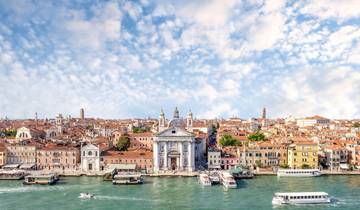
7 days
7 Days in Venice: The Ultimate Italian Getaway
- ✓ Comprehensive Venice tour
- ✓ Expert local guides included
- ✓ All accommodation arranged
- ✓ Transportation provided
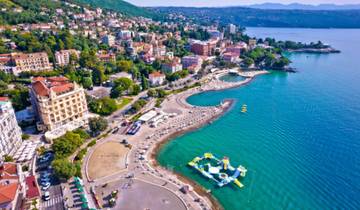
3 days
VENICE VIA ISTRIA – from Opatija
- ✓ Comprehensive Venice tour
- ✓ Expert local guides included
- ✓ All accommodation arranged
- ✓ Transportation provided

5 days
Classical Italy (8 destinations)
- ✓ Comprehensive Venice tour
- ✓ Expert local guides included
- ✓ All accommodation arranged
- ✓ Transportation provided
Multi-day tour packages powered by TourRadar. Prices and availability subject to change.
Origins: The Floating City and Its Maritime Legacy
Venice began as an independent republic strategically positioned on the Adriatic Sea. Its formidable merchant fleet established crucial trade routes between the Middle East and Europe. Exotic goods like spices and sugar cane flowed through this aquatic hub.
Maritime dominance created extraordinary wealth that funded the architectural masterpieces visitors admire today. Conflicts with rival powers like Genoa gradually diminished Venetian supremacy, yet the maritime legacy endures.
Cultural Mosaic: From Trade Routes to Timeless Traditions
The republic’s transformation into an Italian city preserved its distinctive cultural identity. Building techniques adapted to lagoon conditions demonstrate ingenious adaptation to the water-based environment.
Contemporary festivals continue celebrating the sea, maintaining traditions that define Venetian culture. Understanding this geographic and historical context reveals why the city remains unlike any other urban environment worldwide.
Top Venice Tourism Attractions and Hidden Gems
Beyond the well-trodden paths lie both world-famous landmarks and quiet corners that define the Venetian experience. The city’s most celebrated attractions share the urban landscape with intimate local secrets waiting to be discovered.
Iconic Landmarks: San Marco, Rialto Bridge, and the Grand Canal
Piazza San Marco serves as the ceremonial heart of the city. Saint Mark’s Basilica’s golden domes and the Doge’s Palace create an architectural masterpiece.
The Rialto Bridge spans the Grand Canal with elegant stone arches. This functional landmark offers spectacular waterway views since 1591.
Traveling along the main aquatic thoroughfare reveals palaces representing centuries of architectural evolution. These places remain essential for any visitor.
Secluded Corners and Local Secrets
Quieter neighborhoods like Cannaregio provide authentic glimpses of local life. Family-run bacari and artisan workshops thrive away from main tourist routes.
The lagoon islands offer distinctive experiences. Murano showcases glassmaking traditions while Burano displays brightly colored houses.
| Attraction Type | Experience | Best For |
|---|---|---|
| Iconic Landmarks | Architectural grandeur and historical significance | First-time visitors |
| Museum Collections | Artistic masterpieces and cultural artifacts | Cultural enthusiasts |
| Lagoon Islands | Specialized crafts and colorful scenery | Day excursions |
| Hidden Neighborhoods | Authentic local life and quiet exploration | Repeat travelers |
World-class museums like the Accademia Gallery display Venetian masters. The Peggy Guggenheim Collection offers modern masterpieces in a palace setting.
These diverse attractions ensure every traveler finds rewarding experiences. Balancing iconic sights with local discoveries creates a richer visit.
Navigating Venice by Water: Gondolas and Vaporetto Adventures
Moving through this unique city requires embracing its aquatic nature from the moment you arrive. Approximately 177 canals form the transportation network instead of conventional roads. This makes water-based transit essential infrastructure rather than just a tourist novelty.
Gondola Rides on the Grand Canal
The iconic gondola represents the most romantic water transportation. Skilled gondoliers navigate narrow passages and the wider Grand Canal using centuries-old techniques. Optimal times for rides are early morning or late evening to avoid crowds.
Typical pricing follows official rates, with routes through quieter canals offering more intimate experiences. As one seasoned gondolier notes,
“The true magic happens when you explore the hidden waterways away from the main thoroughfares.”
Vaporetto Journeys: The Essence of Water Transit
The vaporetto system functions as the practical water bus for residents and travelers alike. Line 1 provides a leisurely Grand Canal journey with frequent landmark stops. Line 2 offers faster express service across the city.
Multi-day passes provide excellent value for extensive exploration. The system extends to lagoon islands like Murano and Burano, making it perfect for day excursions.
| Transport Type | Best For | Cost Level |
|---|---|---|
| Gondola | Romantic experiences, photo opportunities | Premium |
| Vaporetto | Daily transit, island hopping | Budget-friendly |
| Water Taxi | Airport transfers, luggage-heavy trips | Luxury |
Water taxis serve as the premium option for direct point-to-point service. They’re particularly valuable for transfers from Marco Polo Airport, located 13 km from the city center.
Mastering these water options transforms your trip from observation to true participation in the city’s character. Strategic combinations of walking and water transit create the ideal balance for any visit.
Venice Cultural Experiences: Festivals, Art, and Masks
Throughout the year, a rich tapestry of cultural events transforms the urban landscape into a living stage. These celebrations connect contemporary visitors with centuries-old traditions that define the city’s unique character.
Carnival Celebrations and the Mask Tradition
The world-famous Carnival represents the pinnacle of masked celebrations. For twelve days each year, elaborate costumes and ornate masks create a theatrical atmosphere throughout the city.
These facial coverings once allowed people to move anonymously regardless of social class. Today, authentic artisan mask makers continue this tradition alongside mass-produced versions targeting visitors.
Biennale Events and the Venice Film Festival
The Biennale di Venezia stands as one of the art world’s most prestigious platforms. This major exhibition alternates years while hosting annual architecture, dance, and music events.
The Venice Film Festival brings Hollywood stars and acclaimed directors to the Lido each September. This glamorous event influences the entertainment industry’s awards season while attracting culturally engaged people from around the world.
Other significant events include La Festa del Redentore in July and the Regata Storica in September. These celebrations offer visitors immersive experiences that honor maritime history and local traditions.
Travelers seeking authentic cultural encounters should look beyond commercialized offerings. Supporting genuine artisan workshops and attending local celebrations creates more meaningful connections with the city’s living heritage.
Architectural Wonders and Historic Sites in Venice
Two structures dominate the city‘s skyline and represent the pinnacle of Venetian architectural achievement. These landmarks anchor the famous piazza san marco, creating an ensemble that has captivated visitors for centuries.
Masterpieces: St. Mark’s Basilica and Doge’s Palace
St. Mark’s Basilica stands as the spiritual centerpiece with its five golden domes. Byzantine mosaics covering over 8,000 square meters create a shimmering interior that reflects centuries of trade wealth.
The cathedral’s facade features marble columns and intricate carvings. Replica bronze horses watch over the square while originals remain protected inside.
Across the square, the Doge’s Palace served as the republic’s political heart. This Gothic masterpiece housed the elected leader and government chambers. Visitors can explore lavish rooms decorated by Renaissance masters.
The palace connects to prison cells via the famous Bridge of Sighs. This contrast between governmental opulence and confined spaces tells a compelling story.
Both sites require strategic planning for optimal visits. Advance tickets help avoid long lines during peak tourist seasons. Combined passes offer access to multiple museums and attractions.
Other significant city landmarks include the Accademia Gallery and Peggy Guggenheim Collection. These museums showcase artistic treasures across different eras.
Visitors should appreciate often-overlooked details in both structures. The basilica’s golden altarpiece and the palace’s carved capitals reveal deeper stories. These elements communicate the republic’s values and divine connection.
Managing crowds remains challenging for these historic parts of the living city. Preservation needs must balance with visitor access to these irreplaceable masterpieces.
Luxury Escapes and Gourmet Indulgence in Venice City
Discerning visitors will discover that premium experiences in this historic city transform an ordinary trip into an unforgettable journey of indulgence. The luxury landscape extends beyond standard five-star amenities to encompass cultural immersion and exclusive access.

Top Hotel Picks for a Lavish Stay
Accommodations range from boutique elegance to palatial grandeur. Properties like Rosa Salva Hotel offer budget-conscious luxury, while The Gritti Palace represents ultimate Venetian opulence with Grand Canal views.
Many luxury hotels occupy restored Renaissance palaces. They feature private water taxi docks and rooftop terraces with spectacular views. Concierge services secure access to exclusive cultural activities.
Exclusive Dining, Shopping, and Cultural Delights
The gourmet scene includes Michelin-starred restaurants reinterpreting local traditions. Intimate bacari wine bars serve cicchetti small plates favored by residents. Checking online reviews helps identify authentic dining places.
Luxury shopping concentrates near Piazza San Marco. International fashion houses share space with artisan boutiques offering handcrafted Murano glass and leather goods.
Practical information for luxury travelers includes optimal visit timing. April-June and September-October offer pleasant 15-25°C temperatures. The airport distance is just 13 km from the city center.
The Impact of Venice Tourism on City Life and Heritage
As visitor numbers reach unprecedented levels, the very identity of historic urban centers faces profound transformation. The fundamental question emerges: can a place function simultaneously as a living community and a global attraction?
Tourism Saturation: Economic and Social Impacts
Before the pandemic, approximately 30 million annual visitors overwhelmed the historic center. This massive influx created what experts call a “tourist monoculture.” Neighborhood shops serving daily needs disappeared, replaced by souvenir stores.
The resident population dropped from over 170,000 after WWII to about 50,000 today. This decline creates a positive feedback loop. As people leave, essential services dwindle, making life increasingly difficult for remaining residents.
Preserving Heritage Amidst a Tourist Boom
Heritage preservation faces complex challenges. Public funds maintain attractions, yet private industry often reaps the benefits. As UNESCO’s Francesco Bandarin noted, this system can alienate citizens.
New management approaches aim for balance. These include visitor caps, entrance fees, and regulations limiting tourist accommodations. The pandemic revealed both the city’s dependence on tourism and the possibility of a more sustainable relationship.
Finding equilibrium between welcoming visitors and maintaining authentic urban life remains the critical challenge for this unique destination’s future.
Data-Driven Insights: Analyzing Tourism Trends in Venice
Quantitative analysis reveals the intricate relationship between short-term rentals and neighborhood character. A research project developed a Tourism Index measuring saturation at granular levels. This innovative approach combines multiple data sources for comprehensive understanding.
Interpreting the Tourism Index and Airbnb Dynamics
The index uses three key variables: Airbnb listings, restaurant reviews, and Google Points of Interest data. January 2020 showed 6,642 Airbnb listings in the historic center. These properties could host up to 16 guests, though single-guest capacity was most common.
Some listings remained available 351 days per year, effectively removing them from residential markets. Companies like “Views on Venice” controlled over 90 apartments, with 77 listed on Airbnb. This demonstrates the professionalization of short-term rentals.
Restaurant analysis examined 997 establishments through TripAdvisor reviews. The language diversity in reviews revealed stark contrasts between resident-oriented and tourist-focused venues. Some establishments had 94.11% Italian reviews, while others showed only 3.08%.
Post-Pandemic Perspectives and Future Forecasts
The pandemic created a natural experiment in tourism reduction. Before 2020, the city welcomed approximately 30 million visitors annually. This unprecedented halt allowed researchers to study impacts without visitor pressure.
Statistical analysis showed that each standard deviation increase in the tourism score predicted 3.5% more unoccupied housing. The index identified concentration patterns in specific neighborhoods and along main visitor routes.
Future forecasts consider whether visitor numbers will return to pre-pandemic levels. Regulatory interventions and changing traveler behavior may reshape patterns. Data-driven approaches provide objective evidence for sustainable management strategies.
Updated census information will enhance correlation analysis when available. This research project moves beyond anecdotal observations to quantified relationships. It helps balance visitor experience with community preservation throughout different parts of the historic center.
Conclusion
Planning a meaningful visit to this iconic venice city requires understanding both its architectural treasures and living community. As a UNESCO World Heritage site, the venice venice experience spans more than 100 islands in the lagoon, creating an urban environment unlike anywhere else in the world.
Our readers consistently recommend allocating 2-3 full days to explore the main squares and nearby islands. This allows sufficient time to appreciate the incredible art collections and daily rhythms. One satisfied traveler noted, “We had a fantastic holiday because of the great tips about sightseeing and best places to visit.”
The end goal is balanced exploration that respects local life while enjoying cultural riches. Thoughtful travelers can find the perfect time to visit with comprehensive information about seasonal patterns.
This remarkable venice city continues to inspire with its harmonious blend of history and contemporary vitality. Our guide provides essential information for creating memories that honor both the art and the community of this unique lagoon destination.