Peru is a fascinating South American country. It has ancient Inca sites, lively culture, and stunning natural views. From the Amazon’s jaguars to the Andean cities and Nazca lines, it’s full of adventure. Yet, traveling in Peru can be challenging, even for first-timers. This guide shares key tips and info we wish we knew before our trip.
Key Takeaways
- Peru’s diverse landscapes, from the Andes to the Amazon, require careful planning and preparation.
- Understanding the country’s climate zones and packing correctly is key for a comfortable trip.
- Knowing how to use Peru’s transportation system, including Lima’s airport, is crucial for a smooth journey.
- Learning about Peruvian culture and customs can make your trip better.
- Planning well for Machu Picchu and the Sacred Valley is important to avoid disappointment.
- Contact us for a comfortable and personalized itinerary (Free Service)
Essential Travel Planning for Peru’s Diverse Landscape
Planning a trip to Peru means understanding its varied climates. The country has three main zones: the coastal areas, the Andean Highlands, and the Amazon rainforest. Knowing when to visit each area is key to a great trip.
Best Times to Visit Different Regions
The coastal areas, like Lima, have a cool and dry climate all year. But, the skies are often foggy. The Andean Highlands, home to Cusco and Machu Picchu, have rainy and dry seasons. October and May are the best times to visit, with milder weather.
The Amazon rainforest in eastern Peru is hot and rainy all year. June to August are the driest months, attracting many visitors.


Understanding Peru’s Climate Zones
Packing for Peru’s different climates can be tricky. For the coast, bring light, breathable clothes and a sweater. In the Andean Highlands, pack layers, waterproofs, and sturdy shoes. For the Amazon, choose light, airy clothes that protect against sun and bugs.
It’s crucial to have a flexible itinerary, allowing for acclimatization, like in Cusco at 11,000 feet.
| Region | Climate | Best Time to Visit | Packing Recommendations |
|---|---|---|---|
| Coastal Areas | Dry and cool, with overcast skies and fog | Year-round | Lightweight, breathable clothing, light jacket or sweater |
| Andean Highlands | Rainy season (September-March), dry season (May-August) | Shoulder season (October, May) | Layers, waterproof jacket, sturdy, waterproof shoes |
| Amazon Rainforest | Tropical, high temperatures, and abundant rainfall | Dry season (June-August) | Light, airy fabrics that protect against sun and insects |
Navigating Lima’s International Airport and Transportation
Arriving at Peru’s main international gateway, the Jorge Chávez International Airport in Lima, can be exciting but daunting for first-timers. To start your Peruvian adventure smoothly, knowing your transportation options and safety around the airport is key.
After clearing customs, you have several reliable ways to get to your destination in Lima. The Airport Express Lima bus runs over 60 times a day. It connects the airport to Miraflores for just $4. For a more personal experience, authorized taxis with desks after customs offer a safe ride. Fares are usually between 40 to 50 soles ($10-$13 USD) to places like Miraflores or San Isidro.
The airport area, Callao, is not as safe, mainly after dark. It’s best to avoid hailing taxis outside the arrivals terminal. Use the authorized services or the Airport Express Lima bus instead. The trip to central Lima takes about 40 minutes off-peak but can be up to 2 hours during rush hour.
- Use the Airport Express Lima bus or authorized taxis for a safe and efficient ride to your hotel.
- Expect travel times of 40 minutes to 2 hours, based on traffic.
- Stay away from Callao, specially at night, and don’t pick up taxis on the street outside the airport.
By knowing your transportation options and safety tips around Lima’s international airport, you can have a smooth start to your Peruvian adventure.
Things I Wish I Knew Before Going to Peru
Cultural Customs and Etiquette
Before you go to Peru, learn about the local customs and etiquette. The official language is Spanish, but many people also speak indigenous languages. When you greet someone, it depends on who you are. A one-cheek kiss is common for opposite sexes or women, while men usually shake hands or hug.
Language Essentials
Even in tourist areas, not everyone speaks English. Learning basic Spanish phrases is a good idea. It shows respect and makes everyday interactions easier. Learn greetings, polite words, and basic phrases for food, travel, and directions.
Local Time Culture and Expectations
Peruvians don’t stress too much about being on time. This is called “hora Peruana” or “Peruvian time.” So, be ready for delays. When you plan things, remember that time is more flexible here than back home.
| Peruvian Customs | Peru Etiquette | Peruvian Time |
|---|---|---|
|
|
|
“In Peru, time is a relative concept, and punctuality is more of a suggestion than a requirement. Embracing the local ‘hora Peruana’ will help you avoid frustration and fully immerse yourself in the relaxed pace of life.”
Money Matters and Payment Methods
Getting ready for your trip to Peru is easy. The official money is the Peruvian sol (PEN). You’ll find banknotes from 10 to 200 soles and coins from 10 céntimos to 5 soles. Cash is the best for local markets and small shops, but credit cards work well in big.
Tipping in Peru is common, but the amount can change. Tip 10% in restaurants, 20-30 soles for half-day tours, and 30-40 soles for full-day tours. Taxi drivers usually don’t expect tips. Always agree on the fare before you start your journey.
For exchanging money, avoid street vendors and use trusted places or your hotel. ATMs in Peru let you withdraw in US dollars and soles, but watch out for fees. For the best exchange rates, exchange your British pounds in Lima, where you’ll find more options.
| Payment Option | Acceptance and Considerations |
|---|---|
| Cash (Peruvian Soles) | Widely accepted, preferred for local markets, small shops, and public transportation. Avoid counterfeit currency. |
| Credit Cards | Widely accepted in major cities, but fees may apply. Carry a backup card. |
| US Dollars | Accepted in some tourist areas, but paying in soles is recommended to avoid unfavorable exchange rates. |
| ATM Withdrawals | Offers access to soles and US dollars, but check for fees and use reputable ATMs. |
| Currency Exchange | Use authorized exchange houses, not street vendors, to ensure fair rates and authentic currency. |
Knowing about Peru’s currency, tipping customs, and payment methods makes your trip easier. You can enjoy your time in Peru without worrying about money.

Machu Picchu and Sacred Valley Planning
Planning a trip to Peru’s Machu Picchu and the Sacred Valley is key for a great experience. You need to book tickets and permits early. Knowing the best times to visit helps a lot.
Booking Permits and Tickets
Booking your Machu Picchu tickets early is a must, more so from June to August. Only 2,500 people can visit each day. If you want to climb Huayna Picchu, get your ticket early as only 200 spots are available daily.
The Inca Trail is a top choice for hiking to Machu Picchu. But, you need a permit, which can only be bought through approved tour agencies. These permits sell out fast, so book your Inca Trail hike six months in advance.
Transportation Options
Getting to the Sacred Valley and Machu Picchu from Cusco or Lima has many options. The train is a favorite for its scenic views and different classes. Or, you might prefer a private or group tour that includes transport.
Best Times for Visits
The best time to visit the Sacred Valley and Machu Picchu depends on what you like and the weather. The dry season, from May to September, is best for clear skies and nice weather. But, the rainy season from November to April offers a unique green landscape, though travel can be harder in January to March.
“Machu Picchu is a bucket-list destination for many travelers, and with the right planning, it can truly be a once-in-a-lifetime experience.”
| Permit/Ticket | Required | Booking Timeframe |
|---|---|---|
| Machu Picchu Tickets | Yes | At least 1 month in advance |
| Huayna Picchu Hike | Yes | At least 1 month in advance |
| Inca Trail Permits | Yes | At least 6 months in advance |
Health and Safety Considerations
Peru is a safe place for travelers, including solo adventurers. But, it’s important to watch out for petty crimes like pickpocketing. This is more common in big cities and tourist spots. Always keep your valuables safe, don’t carry too much cash, and stay alert.
There was political unrest in Peru from 2022 to 2023. This caused some travel problems. It’s a good idea to stay updated on local news and sign up for the STEP program. This way, you’ll get the latest safety tips.
The US State Department says Peru is a Level 2 travel destination. This means there’s “increased caution” due to crime and terrorism. But, the risk for tourists is still low. Peru’s murder rate is a bit higher than the US, but it’s not among the world’s most dangerous cities.
For your safety and health, think about getting travel insurance. It can help with unexpected medical costs, trip cancellations, or lost items. Also, get the Hepatitis A and Typhoid vaccines. The CDC recommends these at least 4-6 weeks before your trip.
| Safety Precautions for Peru Travel | Vaccination Recommendations |
|---|---|
|
|
By following these health precautions and safety tips, you can have a safe and enjoyable trip to Peru. This amazing South American country awaits you.
Altitude Sickness Prevention and Management
Visiting Peru’s high places like Cusco, Machu Picchu, and Lake Titicaca is thrilling. But, you should know about altitude sickness. It’s common at high elevations and can cause headaches, shortness of breath, and more.
Natural Remedies and Medical Options
In Peru, coca leaves are used to fight altitude sickness. You can make tea or eat candies. For a modern fix, doctors might give you acetazolamide or dexamethasone before you go.
Acclimatization Tips
Give your body 1-2 days to get used to the high altitudes. Cusco, at 11,152 feet, is a big challenge. Drink lots of water and try coca tea to help.
High-Risk Areas to Be Aware Of
Places like Machu Picchu and the Sacred Valley can cause altitude sickness. But, some spots are even riskier. The Inca Trail, for example, goes up to 13,800 feet.
Knowing the risks and taking steps to prevent them can make your trip better. Always talk to a doctor before and during your trip.
Food and Dining Experience
Peru is famous for its amazing food scene. You can find everything from tasty street food to fancy meals. But, it’s important to be careful with street food and drinks to avoid getting sick. Miraflores in Lima offers many places to eat.
Don’t miss trying ceviche, ají pepper dishes, and chicha for a real taste of Peru. For a fancy meal, check out Mayta in Miraflores. It was named one of Latin America’s top restaurants in 2019.
| Peruvian Cuisine Highlights | Dining Recommendations in Lima |
|---|---|
|
|
Being careful with street food in Peru is key. Avoid unpackaged items to stay safe. With some caution, you can enjoy all the flavors of Peruvian cuisine and have a great time eating out.
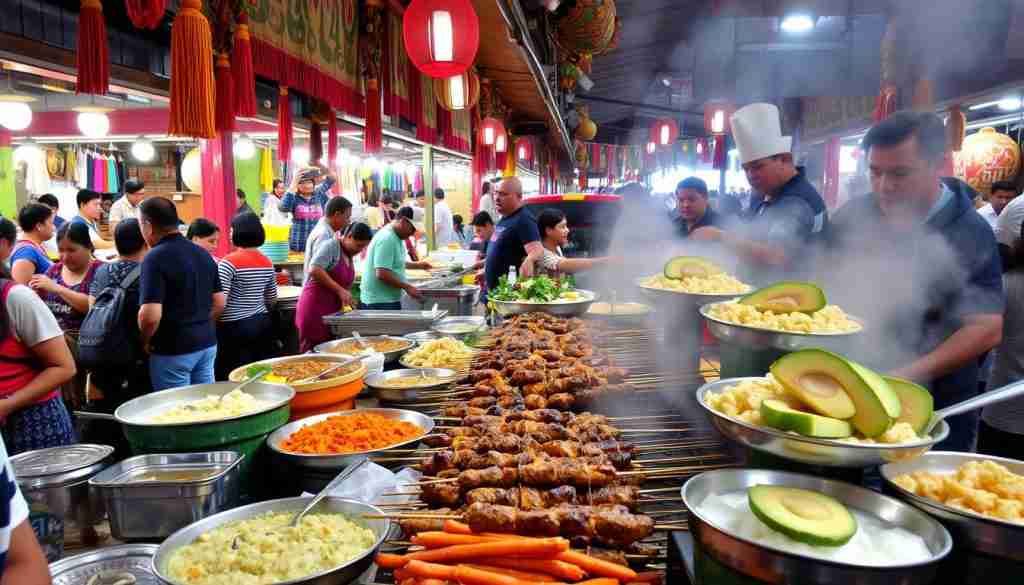
“Peru’s cuisine is one of the most diverse and delicious in the world, with influences from the Andes, the Amazon, and the Pacific coast. From ceviche to chicha, there’s something for every palate to discover.”
Local Transportation and Getting Around
Exploring Peru’s varied landscapes and cities is an exciting journey. Knowing the local transport options helps a lot. In Cusco, walking on the narrow, steep streets is fun. Taxis are handy, but always agree on the fare first.
Lima’s Miraflores offers amazing views of the Pacific Ocean. It has paths for bikes and walkers, making it easy to see the city’s highlights.
Peru’s public transport system is vast and affordable. Buses and trains are great for traveling around. Remember, you’ll need small change for public restrooms and transportation.
Bike-sharing is available in some cities, but you need internet to use it. No matter how you travel, Peru’s terrain and cities can be challenging.
Navigating Lima’s Transportation Hubs
Lima’s international airport is a key entry point for visitors. From there, you can use buses and taxis to get around. Taxis in Peru don’t have meters, so always set the fare before you go.
- Public buses or the Metropolitano BRT system are cheap ways to travel in Lima.
- Ride-sharing services like Uber are a good alternative to taxis.
- Watch out for traffic jams, which are worse during rush hours.
Learning about Peru’s transportation options prepares you for exploring the country. It helps you enjoy your trip more.
Amazon Rainforest Adventures and Preparations
The Amazon rainforest in Peru is a thrilling adventure for travelers. It’s best to start in Puerto Maldonado, a 90-minute flight from Lima. The Amazon’s hot and humid weather means you need to pack right to enjoy it.
For Amazon tours Peru, bring a wide-brimmed hat, breathable shirts, and lightweight pants that can be shorts. These clothes will keep you comfy and safe as you explore the jungle.
Inkaterra’s Hacienda Conception is a top lodge for adventures. It offers guided walks, boat trips, and canopy walks. You’ll learn about plants, see wildlife, and even try piranha fishing.
The Amazon rainforest in Peru is perfect for learning or adventure. With the right gear and a sense of adventure, you’ll love every moment in this natural wonder.
Packing List for Your Amazon Adventure
- Wide-brimmed hat
- Breathable shirts
- Lightweight, convertible long pants
- Insect repellent
- Sunscreen
- Comfortable, closed-toe shoes
- Water bottle
- Portable charger
- Binoculars (for wildlife viewing)
- Waterproof bag or pouch
| Activity | Description |
|---|---|
| Guided Day Treks | Explore the lush rainforest and learn about the diverse plant and animal life. |
| Night Treks | Venture out under the stars to spot nocturnal creatures and experience the Amazon’s mysterious side. |
| Boat Trips | Glide along the rivers and streams, observing wildlife from a different perspective. |
| Canopy Walks | Take in the breathtaking views of the rainforest canopy and observe the treetop inhabitants. |
| Piranha Fishing | Try your hand at catching the infamous piranha, a thrilling and unique experience. |
The Amazon rainforest in Peru is full of life and adventure. With the right gear and activities, you’re set for an amazing time in this natural paradise.
Conclusion
Peru is a mix of ancient Incan sites, lively cities, and stunning nature. It’s hard to see everything in one trip. But, visiting places like Lima, Cusco, and the Sacred Valley offers a great adventure. With good planning and respect for local ways, your trip will be unforgettable.
Peru has amazing sights like Machu Picchu and the Amazon rainforest. By diving into the culture and trying the food, you’ll love Peru even more. You’ll also get to know the friendly locals.
This guide helps you plan a trip to Peru. You can explore nature, history, or just enjoy the views. It’s all about traveling responsibly and making memories. Let’s inspire others to visit Peru and make their own unforgettable journey.

FAQ
What are the diverse landscapes in Peru?
Peru has many landscapes. You can see jaguars in the jungles, explore lost Andean cities, and see the Nazca lines in the desert.
Where is Peru’s only international airport located?
Lima is home to Peru’s only international airport. To get to tourist areas, you need to navigate to places like San Isidro, Miraflores, or Barranco.
What is the population and religious makeup of Peru?
Peru has about 33 million people, with a third living in Lima. Most people are Christian, but there’s no official religion.
What is the currency of Peru?
The nuevo sol is Peru’s currency. $1 USD is about 3.70 PEN.
What are the climate regions in Peru?
Peru has three main climates. The coast is dry and cool. The Andean Highlands have rainy and dry seasons. The Eastern lowlands/Amazon rainforest is tropical.
What are the ideal months to visit Cusco?
October and May are the best times to visit Cusco.
What is the recommended attire for different regions in Peru?
Wear layers and waterproof jackets. For the Amazon, choose light, airy clothes that protect from sun and bugs. The coast is often foggy and rainy.
How can travelers get from Lima’s airport to tourist areas?
Use authorized taxis or the Airport Express Lima bus. The trip to tourist spots takes about 40 minutes. Avoid street taxis.
What are the languages spoken in Peru?
Spanish is the official language. But, many indigenous languages like Quechua and Aymara are also spoken.
What are the local greetings and concepts to be aware of in Peru?
Greet with a cheek kiss for opposite sexes or between women. Men usually shake hands or hug. “Peruvian time” means being late is common.
What are the payment methods and tipping guidelines in Peru?
Credit cards are accepted in cities. But, cash is better in markets and rural areas. Tipping is 10% in restaurants and 20-30 soles for tours. Taxi fares should be agreed on before the trip.
How can travelers book Machu Picchu and the Inca Trail?
Book Machu Picchu tickets a month in advance. Only 2,500 visitors can enter daily. The Inca Trail needs permits from tour agencies and closes in February.
What are the safety considerations for travelers in Peru?
Peru is generally safe, but watch out for petty crime. Be careful in cities and tourist spots. Keep valuables safe and avoid carrying too much cash. Stay updated on local events.
How can travelers manage altitude sickness in Peru?
Altitude sickness is common above 8,200 feet. Symptoms include headaches and shortness of breath. Drink plenty of water and use natural remedies like Ooala Altitude Sickness patches.
What are some local culinary specialties to try in Peru?
Peru’s food is famous, from street food to fine dining. Be careful with street food. Try ceviche and ají pepper dishes. For a special meal, visit Mayta in Miraflores.
How can travelers navigate local transportation in Peru?
Streets in cities like Cusco are narrow and steep. Agree on taxi fares before you start. In Lima, use the Miraflores cycle path for views and access to attractions.
What can travelers expect during an Amazon rainforest adventure in Peru?
Puerto Maldonado is the gateway to the Amazon. It’s hot and humid. Bring a hat, breathable shirts, and lightweight pants. Lodges offer guided tours and activities like spotting wildlife and fishing.