
The Human Scale: A 5-Day Slow-Travel Itinerary Through the Hidden Borghi of the Sagrantino Valley 2026
The Sagrantino Valley stretches across central Umbria between Montefalco and Bevagna, where medieval stone towers rise above vineyard-covered hillsides and family-owned wineries produce one of Italy’s most celebrated red wines. This five-day itinerary abandons the rush of conventional tourism for the measured rhythm of slow travel, connecting travelers with artisan winemakers, centuries-old architectural treasures, and the intimate scale of villages where daily life unfolds at walking pace.
Key Takeaways: Sagrantino Valley 5-Day Journey 2026
- Budget Framework: Slow-travel budget ranges €100-135 per person daily for budget comfort (two sharing accommodations), €160-225 for mid-range experiences, and €305-405 for luxury immersion. Five-day totals span €500-675 budget, €800-1,125 mid-range, and €1,525-2,025 luxury, all assuming couples sharing rooms.
- Essential Transportation: Car rental is essential for connecting the valley’s dispersed borghi network, averaging €20-55 daily depending on vehicle class. Public transport serves major towns inadequately for this rural region, while rental costs split between two travelers make self-driving economical at €10-28 per person daily.
- Wine Experience Centerpiece: Sagrantino wine tastings average €52.50 per person, ranging €25-80 depending on experience depth. Reserve vineyard visits minimum 48 hours advance through winery websites or Winedering platform, particularly April-October peak season when same-day availability vanishes.
- Accommodation Sweet Spot: Agriturismi (working farm stays) and historic palace conversions deliver authentic valley experiences at €70-180 nightly for couples. Book Montefalco and Bevagna properties early for May-September stays when wine tourism peaks and rooms in smaller borghi sell out weeks ahead.
- Seasonal Timing Advantage: April-May and September-October offer ideal slow-travel conditions with temperate weather averaging 18-24°C, fewer tour groups, grape harvest activities in autumn, and accommodation rates 20-30% below June-August peaks while restaurants maintain full menus and extended hours.
- Cultural Depth Beyond Wine: Medieval architecture spanning Romanesque churches, Byzantine mosaics, and 13th-century fortress walls enriches valley exploration. Museums in Montefalco house Renaissance frescoes by Benozzo Gozzoli, while Bevagna preserves Roman theater ruins and medieval guildhalls where artisan demonstrations continue craft traditions.
People Also Ask About Sagrantino Valley Travel 2026
How much does a 5-day Sagrantino Valley trip cost per person in 2026?
Five days in the Sagrantino Valley costs €500-675 per person for budget-conscious travelers, €800-1,125 for mid-range comfort, and €1,525-2,025 for luxury experiences, assuming two people sharing accommodations. Budget travelers stay in agriturismi and trattorie, mid-range visitors enjoy boutique hotels and winery restaurants, while luxury seekers book historic palace suites and private sommelier-guided tastings. These ranges include lodging, all meals, car rental, wine experiences, museum admissions, and incidental expenses but exclude international flights to Italy.
What is Sagrantino wine and why visit this specific valley?
Sagrantino is a grape variety indigenous exclusively to Montefalco and four surrounding municipalities in Umbria—Bevagna, Gualdo Cattaneo, Castel Ritaldi, and Giano dell’Umbria—making this the only place globally where authentic Sagrantino di Montefalco DOCG originates. The wine exhibits profound tannic structure, inky purple color, and aging potential spanning decades, with aromas of dark plum, blackberry, cinnamon, and earth. Visiting the valley connects travelers directly to family estates that rescued this nearly-extinct grape in the 1970s, transforming it into one of Italy’s most prestigious wines through biodynamic farming and innovative winemaking techniques taught across generations.
Can you visit Sagrantino Valley wineries without advance reservations in 2026?
Most Sagrantino Valley wineries require advance reservations minimum 48 hours before visits, with walk-in tastings rarely accommodated April-October peak season when tour schedules fill completely. Family-operated estates typically employ 3-8 staff total, meaning unannounced visitors disrupt scheduled tours and winemaking operations. Book through winery websites directly, contact via WhatsApp numbers listed on estate pages, or reserve through Winedering platform which aggregates 40+ valley producers. November-March low season offers more flexibility for day-before reservations, though many wineries close entirely January-February for cellar maintenance and pruning season.
Is car rental necessary for exploring the Sagrantino Valley borghi network?
Car rental is essential for meaningful Sagrantino Valley exploration, as public buses serve only Montefalco and Bevagna with infrequent schedules unsuitable for winery visits, countryside agriturismi, and hilltop villages. Rental costs average €20-55 daily depending on vehicle size, translating to €10-28 per person when two share expenses. The valley’s 25-kilometer core stretches across rolling agricultural landscape where distances between borghi range 4-12 kilometers with minimal sidewalks and no bicycle rental infrastructure. Drivers navigate narrow medieval streets in town centers, requiring compact vehicles and comfort with manual transmission standard in Italian rentals.
Extended multi-day tours – 5+ days
Featured Umbria Multi-Day Tour Packages
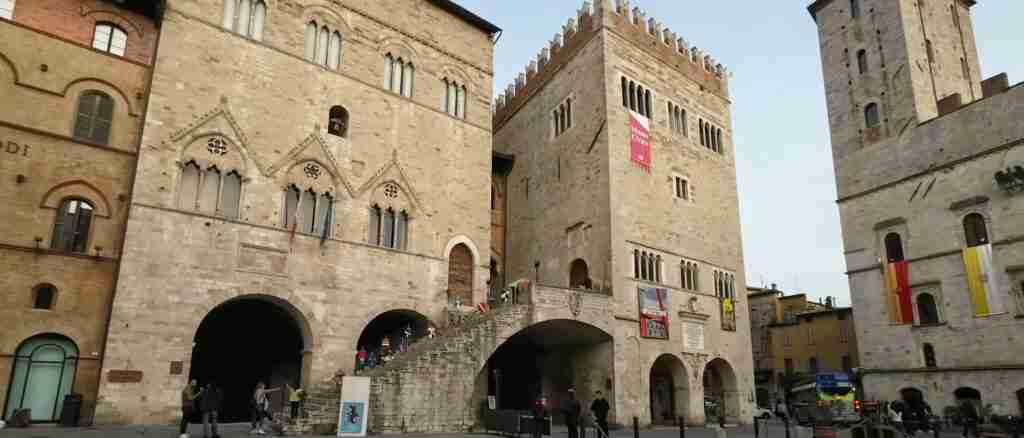
3 days
Umbria 3-Day Discovery Tour
- ✓ Comprehensive Umbria experience
- ✓ Expert local guides included
- ✓ All accommodation included
- ✓ Transportation provided
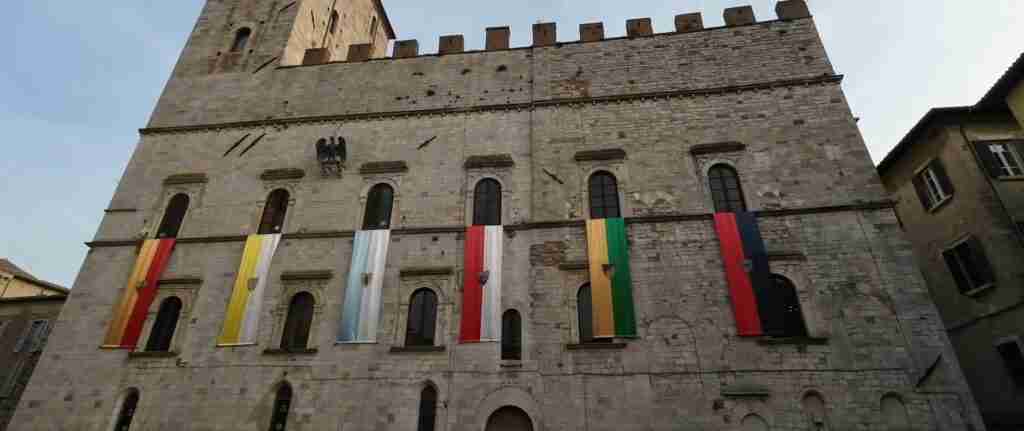
5 days
Umbria 5-Day Highlights Experience
- ✓ Comprehensive Umbria experience
- ✓ Expert local guides included
- ✓ All accommodation included
- ✓ Transportation provided
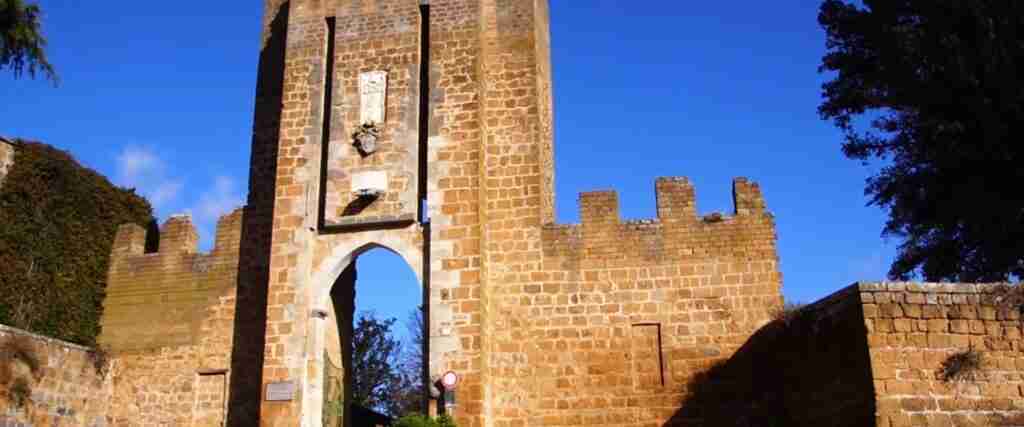
7 days
Umbria 7-Day Cultural Journey
- ✓ Comprehensive Umbria experience
- ✓ Expert local guides included
- ✓ All accommodation included
- ✓ Transportation provided
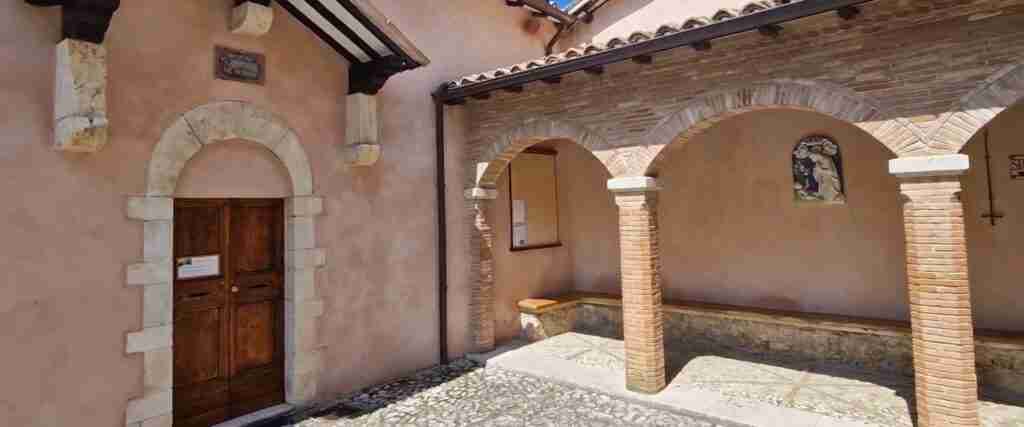
10 days
Umbria 10-Day Complete Adventure
- ✓ Comprehensive Umbria experience
- ✓ Expert local guides included
- ✓ All accommodation included
- ✓ Transportation provided
Multi-day tour packages powered by TourRadar. Prices and availability subject to change.
Introduction: Rediscovering Travel at Human Scale in Umbria’s Wine Country
The Sagrantino Valley exists in geographic and cultural counterpoint to Tuscany’s heavily-touristed Chianti corridor thirty kilometers north. Where Chianti welcomes tour buses and English-language menus, the Sagrantino territory maintains Italian as primary language, family-owned estates over corporate operations, and village populations under 6,000 where residents recognize regular visitors. This scale creates intimacy impossible in mass-tourism destinations—winemakers personally guide cellar tours, shopkeepers remember preferences, restaurant kitchens adjust menus for dietary needs without bureaucratic request forms.
Slow travel philosophy aligns naturally with Sagrantino production cycles that span decades rather than seasons. Vineyards planted in the 1960s continue yielding fruit today under second and third generation management, while wines bottled in 1995 now reach optimal drinking maturity. This temporal depth influences valley culture beyond viticulture—medieval architecture receives continuous restoration rather than museum preservation, artisan workshops train apprentices in techniques unchanged since guildhall statutes codified them in 1285, and seasonal food traditions follow harvest calendars rather than tourist demand.
The five-day structure balances three hub towns—Montefalco, Bevagna, and Gualdo Cattaneo—with excursions to lesser-known borghi where tourism infrastructure remains minimal but cultural authenticity maximizes. Days unfold through morning winery visits when cellar temperatures stay cool, afternoon architectural exploration during siesta closures, and evening meals timed with Italian dinner service beginning 8:00 PM. This rhythm matches local life patterns rather than imposing external schedules, creating encounters with residents engaged in actual daily routines instead of tourism-performance interactions.
Sagrantino wine itself becomes narrative thread connecting valley experiences. The grape’s extreme tannic structure demanded innovation in maceration techniques—winemakers developed extended skin contact lasting 30-45 days versus typical 7-10 day periods, transforming what was once considered undrinkable young wine into age-worthy treasures. Tasting these wines chronologically across the five days builds palate understanding of how Sagrantino evolves from aggressive youth through graceful maturity, while conversations with producers reveal the experimental determination required to master this challenging variety.
The valley’s relative obscurity offers practical advantages beyond philosophical appeal. Accommodation prices run 25-40% below equivalent Tuscan properties, restaurant reservations rarely require advance booking except August weekends, and winery tours accommodate genuine questions rather than rushing through scripted presentations for the next group. This economic accessibility contradicts assumptions that authentic Italian experiences demand luxury budgets—budget travelers willing to stay in agriturismi working farms and eat at family trattorie access the same cultural depth as luxury hotel guests, differentiated more by personal comfort preferences than experiential quality.
Understanding the Sagrantino Valley Geography and Borough Network 2026
The Sagrantino di Montefalco DOCG production zone encompasses 720 hectares across five municipalities forming a rough triangle between Foligno to the north, Trevi to the east, and Todi to the southwest. Montefalco occupies the geographic and cultural center, elevated 473 meters above sea level on a commanding hilltop offering 360-degree valley views that earned it the nickname “Ringhiera dell’Umbria”—the Balcony of Umbria. Medieval walls encircle the compact historic center measuring just 400 meters diameter, where eleven wine enotecas, four museum complexes, and sixteen restaurants cluster within easy walking distance.
Bevagna sits 8 kilometers northwest of Montefalco at lower elevation 225 meters, positioned on the ancient Via Flaminia Roman road that connected Rome to the Adriatic coast. This location fostered early prosperity visible in preserved Roman ruins including the theater, baths, and temple foundations integrated into medieval structures. The town’s distinctive character derives from its Gaite medieval festival held every June, when four historic quarters compete in artisan demonstrations using authentic 13th-century techniques for silk weaving, metalworking, papermaking, and candle crafting. Outside festival season, permanent workshop-museums maintain these crafts year-round with master artisans welcoming visitors to observe production processes.
Gualdo Cattaneo perches 8 kilometers south of Montefalco at similar elevation 446 meters, notable for its remarkably intact medieval fortress complex and nine subsidiary hamlets (frazioni) scattered across surrounding countryside. Each fraction developed around feudal agriculture—San Terenziano for olive cultivation, Cavallara for sheep pasturing, Marcellano for wheat production—creating specialized micro-cultures within the larger municipality. Modern visitors encounter this heritage through fraction-specific food traditions: San Terenziano produces exceptional extra virgin olive oil from centuries-old grove systems, while Marcellano mills stone-ground flours for artisan pasta production.
Castel Ritaldi extends the DOCG zone south toward the Martani Mountains, incorporating nine fractions across 127 square kilometers of mixed agricultural landscape. The castle that gives the town its name dates to the 10th century, with multiple reconstruction phases visible in architectural layering. Wine production here focuses on smaller family estates averaging 3-8 hectares rather than the larger operations common around Montefalco, making Castel Ritaldi ideal for visitors seeking intimate producer relationships and willingness to taste wines still aging in barrel rather than finished bottlings.
Giano dell’Umbria marks the valley’s eastern boundary, positioned on hillsides transitioning from vineyard cultivation to wooded mountain slopes. The municipality preserves Franciscan heritage through the hermitage of San Francesco at Greccio, where Saint Francis established one of his earliest contemplative retreats. Modern Giano balances agricultural tradition with light industry—truffle processing facilities, olive oil bottling operations, and organic honey producers operate alongside vineyards, creating economic diversity that stabilizes population where purely agricultural towns face abandonment pressure.
Understanding this network matters for itinerary planning because accommodation availability, restaurant quality, and winery concentration vary significantly by location. Montefalco offers maximum convenience with densest service infrastructure but highest prices and most tourists. Bevagna provides slightly lower costs with comparable amenities plus Roman history. Gualdo Cattaneo and its fractions deliver authentic rural experiences and minimal tourism but require tolerance for limited dining options and Italian-language-only interactions. Castel Ritaldi and Giano suit wine enthusiasts willing to prioritize cellar access over tourist comfort, with agriturismi accommodations often operated by winery families themselves.
Clay-limestone soils dominate valley vineyards, distinguished from Tuscan Chianti’s galestro stone composition. These soils contribute Sagrantino’s distinctive minerality and tannic backbone while retaining sufficient moisture during August-September heat that reduces irrigation requirements. Elevations ranging 225-550 meters create significant diurnal temperature variation—warm days promote phenolic ripening while cool nights preserve acidity, essential for balancing Sagrantino’s power. Vineyard aspect matters considerably; south and southwest exposures receive optimal sun for full ripeness, while north-facing slopes yield more elegant expressions traded among collectors.
The Via della Strada del Sagrantino connects these locations through a marked tourism route established in 1999, though GPS navigation renders physical signs unnecessary in 2026. The official strada route encompasses 82 kilometers including deviation to all five municipalities, reliably drivable in under four hours without stops. Reality requires 2-3 days minimum for meaningful exploration once winery visits, meal breaks, and architectural detours factor in. Digital mapping shows precise winery locations, though many estates occupy unsigned rural roads where advance directions from producers prevent confusion navigating vineyard country roads.
Pre-Trip Planning Essentials for Sagrantino Valley Travel 2026
Successful slow travel requires strategic advance planning for elements where spontaneity proves counterproductive, while maintaining flexibility for serendipitous discoveries that define authentic experiences. The Sagrantino Valley rewards prepared visitors with access to experiences unavailable to those arriving without reservations, while punishing over-scheduling that eliminates margin for extended conversations, unplanned detours, or simply sitting in piazza watching daily life unfold.
Accommodation booking deserves first priority 60-90 days before travel for April-June and September-October periods when wine tourism peaks. Properties with under eight rooms sell out entirely for weekends, while larger establishments retain availability but at premium rates. Montefalco’s Villa Pambuffetti and Villa Santa Barbara represent luxury tier at €220-300 nightly for couples, offering swimming pools, spa services, and panoramic valley views. Mid-range options including Hotel Degli Affreschi and Palazzo Bontadosi occupy restored medieval palaces with €120-180 rates. Budget travelers find excellent value at agriturismi including Camiano Piccolo and agriturismo properties outside town walls offering €70-95 rates with farm-fresh breakfasts and kitchen access.
Bevagna accommodation concentrates in historic center conversions like Residenza Porta Guelfa (€140-200) and smaller guesthouses averaging €90-140. The town’s proximity to Montefalco makes it viable as single base for entire five days, saving packing and checkout time while maintaining reasonable drive times to all valley locations. Budget-conscious travelers particularly benefit from Bevagna’s lower pricing versus Montefalco’s tourist premium, with comparable access to wineries and superior Roman history attractions.
Winery reservations require minimum 48 hours advance notice April-October, though email contact 7-10 days ahead ensures preferred time slots and English-speaking guide availability. Key producers to prioritize include Paolo Bea for natural wine philosophy and biodynamic farming demonstrations, Arnaldo Caprai for architectural tour of their gravity-flow winery designed to minimize wine handling, Antonelli San Marco for vertical tastings showcasing Sagrantino age evolution across multiple vintages, and Scacciadiavoli for historical perspective as the valley’s oldest commercial winery established 1884. Smaller estates like Terre de la Custodia and Cantine Briziarelli offer more intimate experiences with owner-operators personally guiding visits.
Tasting experiences range €25-80 per person based on wine quantity, food pairing inclusion, and cellar tour depth. Basic tastings cover three wines with light snacks in 45-60 minutes. Standard experiences include four to five wines with local cheese and salumi pairings lasting 90 minutes. Premium options offer six to eight wines including library selections, multi-course food pairings, and vineyard walks spanning 2-3 hours. Advanced booking through Winedering platform allows comparing exact offerings, while direct winery contact often negotiates custom experiences combining elements across standard packages.
Car rental logistics favor booking through Perugia’s San Francesco d’Assisi Airport (PEG) located 28 kilometers from Montefalco, where Economy vehicles rent €20-35 daily, Compact class €30-45, and mid-size €40-55. International chains including Hertz, Europcar, and Sicily by Car maintain airport desks with English-speaking staff and automatic transmission availability upon request. Manual transmission remains Italian standard with 60% wider vehicle selection and 20-30% lower daily rates for drivers comfortable with stick shift. Comprehensive insurance adding €12-18 daily proves worthwhile given narrow medieval streets and unfamiliar road signage, eliminating collision damage liability that otherwise requires €1,500-2,500 credit card hold.
Restaurant reservations matter only for Friday-Saturday dinners at top establishments including L’Alchimista and Il Coccorone in Montefalco or Ottavius and Redibis in Bevagna. Weekday dining accommodates walk-ins reliably, though arriving at Italian service times 8:00-9:30 PM rather than 6:00-7:00 PM tourist hours improves table availability and kitchen quality when chefs cook for locals rather than rushing pre-theater crowds. Lunch operates 12:30-2:30 PM with kitchen closures outside these windows—grocery provisions make sense for days structured around morning winery visits extending past normal lunch service.
Entry documentation requires passport validity extending six months beyond travel dates for non-EU visitors, with Schengen visa requirements depending on citizenship. Americans, Canadians, Australians, and most developed nations enter visa-free for stays under 90 days within 180-day period. UK citizens post-Brexit face identical requirements. Actual border control occurs at first EU entry point—travelers arriving through Rome Fiumicino or Milan Malpensa clear immigration there before domestic connection to Perugia. Italy implemented ETIAS electronic authorization system in late 2025, requiring online application 72 hours before departure at €7 per person.
Health preparation needs minimal beyond standard precautions. Tap water throughout Umbria meets EU drinking standards safely consumed without filtration. Pharmacies (“farmacia” marked by green cross) stock comprehensive over-the-counter medications including American brand equivalents for common ailments. Italian healthcare ranks among Europe’s best with English-speaking doctors available through hotel referral or Perugia’s Santa Maria della Misericordia hospital 30 kilometers from valley center. Travel insurance covering medical evacuation proves prudent for travelers with pre-existing conditions, while healthy visitors face minimal risk in this low-crime, well-infrastructure region.
Financial planning should budget 70% of expenses for accommodation and food, 20% for wine experiences and activities, 10% for transportation and incidentals. Credit cards function universally for hotel payments and established restaurants, while smaller trattorie and agriturismi often operate cash-only. ATMs cluster in Montefalco’s main piazza and Bevagna’s Corso Matteotti, dispensing euros at current exchange rates minus €3-5 per withdrawal international fees depending on home bank policies. Tipping remains optional in Italy where service charges typically include in menu prices—rounding up bills or leaving €5-10 for exceptional service suffices without American-style 15-20% expectations.
Day 1: Arrival and Montefalco Introduction 2026
Morning arrival at Perugia Airport positions travelers to collect rental vehicles and reach Montefalco by early afternoon, assuming morning flights from European hubs like London, Frankfurt, or Barcelona. The 28-kilometer drive south follows well-marked SS75 highway before turning onto SP443 secondary road climbing through olive groves into Montefalco’s hilltop approach. First-time visitors should resist temptation to proceed directly to hotel, instead parking in Porta Sant’Agostino lot outside walls and walking the 400-meter encircling rampart path offering orientation to town layout and surrounding valley geography.
This circumnavigation walk requires 15-20 minutes, revealing how Montefalco’s perfect radial plan centers on Piazza del Comune where medieval communal government balanced ecclesiastical and secular power through symmetrical placement of Chiesa di San Francesco opposite Palazzo Comunale. The town’s nickname “Balcony of Umbria” gains literal meaning from viewpoints spanning Assisi’s Basilica to the north, Spoleto’s fortress to the south, and on exceptional clarity days, the Sibillini Mountains marking the Marche border 80 kilometers east. Morning light illuminates these vistas optimally before afternoon haze builds, making arrival-day orientation walk valuable despite travel fatigue.
Check-in at selected accommodation follows, with most properties maintaining 2:00-7:00 PM reception hours requiring coordination if arriving outside this window. Villa Pambuffetti and Villa Santa Barbara staff meet earlier arrivals by advance arrangement, while smaller guesthouses provide self-check-in codes for independent access. Unpack minimally, refresh with shower, then begin town exploration before energy flags from travel exhaustion and jet lag affects North American visitors still acclimating to seven-hour time difference.
Museo di San Francesco anchors afternoon cultural immersion, occupying the deconsecrated church that once served Franciscan community established 1335. The museum’s centerpiece spans Benozzo Gozzoli’s fresco cycle depicting Saint Francis’s life across twelve scenes covering 420 square meters of wall surface painted 1450-1452. These frescoes rank among central Italy’s finest Renaissance achievements outside Florence, showcasing Gozzoli’s mastery of narrative composition, landscape perspective, and portraiture—Francis’s companions display individualized features suggesting live model studies rather than idealized religious figures.
Museum admission costs €5 per person, with English audio guides available €3 additional though descriptive panels provide adequate context for non-specialists. Beyond Gozzoli’s work, the museum houses Perugino school paintings, medieval sculptural fragments, and archaeological finds from pre-Roman settlements on Montefalco’s strategic hilltop. Dedicated art historians allocate 90-120 minutes for comprehensive viewing, while general visitors absorb highlights in 45-60 minutes before medieval visual complexity induces gallery fatigue.
Late afternoon presents ideal time for introductory wine experience at one of Montefalco’s in-town enotecas rather than driving to countryside estates on arrival day. Enoteca Federico II occupies a vaulted medieval cellar on Via Umberto I, offering guided tastings of four regional wines (two Montefalco Rosso DOC, two Sagrantino di Montefalco DOCG) with salumi and cheese pairings €25-35 per person. Owner Marco provides English-language commentary explaining Sagrantino’s unique characteristics, local winemaking history, and vineyard distinctions between valley producers.
This educational foundation serves subsequent cellar visits well, establishing baseline understanding of Sagrantino’s tannic structure, blackberry and plum fruit profile, and age evolution from aggressive youth through softer maturity. Tasting younger vintages (2020-2022) alongside library releases (2010-2015) demonstrates transformation impossible to convey through description alone—the same wine that rasps across palate with sandpaper tannins at three years old exhibits velvety integration and tertiary complexity after fifteen years cellaring. Understanding this evolution helps contextualize why producers maintain extensive bottle libraries and why collectors purchase cases for decade-plus aging.
Dinner at Ristorante Coccorone on Largo Tempestivi showcases Umbrian cuisine fundamentals in relaxed atmosphere welcoming solo diners and couples alike. Seasonal menu emphasizes local products—stringozzi (hand-rolled thick spaghetti) with black truffle shavings, pork loin braised in Sagrantino reduction, wild boar ragu, and porchetta (herb-stuffed roast pork) served at room temperature as antipasto. House wine by carafe costs €15-20, while Sagrantino bottles range €25-55 depending on producer prestige. Expect €25-35 per person for three courses with house wine, €40-55 with bottled Sagrantino selections.
Post-dinner stroll around Piazza del Comune reveals Montefalco’s evening social ritual, when residents emerge for passeggiata promenade circling the square in counterclockwise direction established through centuries of habit. Joining this flow rather than observing as spectator creates immediate welcome—Italians initiate conversation easily with strangers showing cultural respect through participation rather than photography from margins. This simple act establishes presence in community rather than tourist status, transforming subsequent encounters throughout remaining days as shopkeepers and restaurant staff recognize returning faces.
Day 2: Deep Dive into Sagrantino Winemaking 2026
Morning begins with 9:30 AM departure for Paolo Bea winery located on Montefalco’s outskirts, a 4-kilometer drive navigable in 8 minutes from town center. Paolo Bea represents natural wine philosophy at maximum expression, farming 15 hectares biodynamically without synthetic chemicals, commercial yeasts, or sulfur additions beyond minimal levels required for DOCG certification. Third-generation owner Giampiero Bea personally conducts tours for advance reservations, explaining how biodynamic preparations including cow manure composted in horn (#500) and silica crystals macerated in rainwater (#501) enhance soil vitality and vine health according to Rudolf Steiner’s agricultural principles.
The cellar visit reveals techniques distinguishing natural winemaking from conventional production—indigenous yeast fermentation requiring 4-6 weeks versus controlled yeast completing in 10 days, unfiltered bottling preserving natural sediment that conventional producers remove for cosmetic clarity, and extended maceration on grape skins spanning 30-45 days extracting maximum tannin, color, and aromatic compounds. Giampiero presents vertical tastings comparing identical vineyard parcels across multiple vintages, demonstrating how natural wines evolve differently from conventionally-produced examples through greater vintage variation and slower oxidative development.
Tasting structure includes five wines—Rosso de Veo (unoaked Sangiovese-Montepulciano blend), Montefalco Rosso (Sangiovese-Sagrantino blend aged large Slavonian oak), Sagrantino Pagliaro (single vineyard dry), Sagrantino Pipparello (selection from oldest vines), and Sagrantino Passito (dried grape dessert style)—paired with house-made bread, olive oil from estate trees, and aged pecorino cheese. Total experience spans 2.5 hours, costs €60 per person, and requires advance email booking minimum five days ahead through cantinabea.com contact form.
Return to Montefalco for lunch at Locanda del Teatro, a trattoria on Corso Mameli specializing in traditional preparations without modern fusion influences. Fixed menu includes choice of two primi (pasta courses), single secondo (protein), side vegetable, dessert, and wine for €29 per person excluding beverages. Signature dishes include strangozzi al tartufo nero (truffle pasta), piccione arrosto (roast pigeon traditional to Montefalco), and lenticchie di Castelluccio (Norcia lentils braised with local olive oil). Service accommodates dietary restrictions when notified—vegetarian, gluten-free, and dairy-free options available though menu doesn’t specifically denote these modifications.
Afternoon winery visit targets Arnaldo Caprai estate 6 kilometers southeast of town, where the Caprai family transformed Sagrantino from obscure local wine into internationally-recognized premium category through research investment, vineyard zonation studies, and architectural innovation. The gravity-flow winery completed 2007 minimizes wine handling by positioning crush pad on hilltop with tanks descending five levels by gravity rather than pumping, reducing oxidation and preserving delicate aromatics. Architect’s integration with landscape earned multiple design awards—earth-bermed walls maintain stable cellar temperature while solar panels generate electrical surplus returned to grid.
Marco Caprai, current proprietor, pioneered clonal selection research identifying Sagrantino sub-varieties exhibiting different tannic profiles, alcohol potentials, and aromatic characteristics. Vineyard tours demonstrate results with separate blocks planted to individual clones showing visible difference in leaf shape, cluster structure, and berry size. The innovation extends to experimental bottlings testing different oak types (French versus Slavonian), fermentation vessels (concrete versus steel), and aging regimes (barrique versus large cask) that winery staff present as comparative tastings revealing how production choices influence finished wine character.
Standard Caprai experience includes four wines—Montefalco Rosso, entry Sagrantino, single-vineyard Collepiano, and reserve 25 Anni—with cheese and salumi board for €40 per person, 90 minutes total. Premium option adds vineyard tour, barrel cellar access, and two additional wines for €65 per person, 2 hours. Book through arncap.it website reservation system accepting credit card deposit equal to 50% of experience cost, refundable with 72-hour cancellation notice.
Evening unfolds at leisure in Bevagna, 8 kilometers northwest requiring 15-minute drive down valley slopes into Roman-era settlement preserving remarkably intact medieval character. Park outside Porta Cannara on town perimeter—central streets restrict vehicle access 6:00 PM-9:00 AM daily with automatic bollards photographing license plates and mailing €80 fines to rental company who adds €25 processing charge before billing credit card. Walk 300 meters to Piazza Silvestri, arguably Umbria’s most perfect medieval square flanked by two 12th-century churches, Gothic palazzo comunale, and Renaissance fountain fed by original Roman aqueduct.
Dinner at Redibis restaurant occupies garden courtyard behind 14th-century merchant house, menu emphasizing seasonal vegetables and fresh pasta justified by chef Vittorio’s Michelin training before returning to hometown for family-focused establishment. Tasting menu costs €45 per person, a la carte entrees run €14-22, and wine list emphasizes smaller Bevagna producers often overlooked in favor of Montefalco’s higher-profile estates. Expect slower service reflecting Slow Food philosophy—meals span 2.5-3 hours with courses paced for conversation between plates rather than American rush through multiple courses in 90 minutes.
Day 3: Roman History and Artisan Craft Exploration 2026
Bevagna’s morning reveals layers of continuous settlement from Umbrian tribes through Roman conquest to medieval prosperity and modern preservation. Begin at Museo Civico occupying the 19th-century Market Building facing Piazza Silvestri, where archaeological collection displays bronzes, ceramics, and inscriptions excavated from town and countryside sites spanning 6th century BCE Umbrian culture through late Roman Empire collapse. Admission €4 includes access to Roman mosaic rooms showcasing geometric and figurative floor panels recovered from 2nd-century bath complex, preserved in situ beneath climate-controlled glass floor allowing viewers to walk above ancient surfaces.
The bath complex (Terme Romane) occupies a separate location 200 meters north on Via Porto Guelfa, requiring additional €3 admission but rewarding visitors with comprehension of Roman engineering sophistication. Frigidarium (cold room), tepidarium (warm room), and caldarium (hot room) sequence remains architecturally intact with hypocaust floor heating system visible through plexiglass panels revealing hollow brick columns (suspensura) that channeled hot air from external furnaces throughout bath spaces. Black and white mosaic floors depicting marine creatures—dolphins, octopi, tritons—demonstrate artisan skill unchanged from ancient original installation, making Bevagna’s baths among Italy’s best-preserved provincial examples outside Ostia and Pompeii.
Mid-morning transitions to living history through visits to workshop-museums maintaining medieval craft traditions outlined in 1278 guild statutes. Bottega del Candelaio (Candle Workshop) on Via Crescimbeni demonstrates wax chandlery using molds, wicks, and dipping techniques identical to medieval production before petroleum-based candles replaced beeswax alternatives. Owner Luciano explains symbolic meaning of candle shapes, colors, and scents employed in Catholic liturgy, creates custom candles on request, and sells finished products €8-25 depending on size and complexity.
Bottega della Carta (Paper Workshop) occupies converted stable on Vicolo San Giorgio where artisan demonstrates rag-based paper production from linen and cotton fibers beaten in water-powered mills before formation on wire screens and natural drying. This process sustained medieval document culture before wood-pulp industrialization—Bevagna’s archives contain 13th-century manuscripts on identical paper still legible 750 years later, while modern wood-pulp equivalents yellow and crumble within decades. Purchase handmade paper sheets €3-8 each, or commission custom watermarks and edge decorations for special occasion stationery.
Lunch at Ottavius restaurant in Palazzo Ottaviani provides farm-to-table experience sourcing ingredients from proprietor’s agricultural properties in Bevagna countryside. Menu changes daily reflecting seasonal availability—spring brings wild asparagus and fava beans, summer offers tomatoes and zucchini flowers, autumn presents porcini mushrooms and white truffles, winter features hearty bean soups and braised meats. Expect €20-30 per person for multi-course meal emphasizing vegetables over protein, perfect counterpoint to previous evening’s meat-focused dining.
Afternoon excursion ventures to Gualdo Cattaneo, 8 kilometers south of Montefalco through vineyard and olive grove landscapes. The medieval fortress complex ranks among Umbria’s most dramatically-sited castles, perched on steep hillside with original 10th-century masonry integrated through subsequent expansions spanning five centuries. While castle interior remains privately owned and inaccessible, walking the external walls circuit provides breathtaking valley vistas and appreciation for defensive engineering that protected this strategic stronghold through countless medieval conflicts between papal and imperial factions.
Gualdo Cattaneo’s frazione (hamlet) of San Terenziano 3 kilometers distant deserves detour for exceptional olive oil production at Il Frantoio di San Terenziano cooperative mill. The facility operates September-December pressing season, though year-round tastings showcase previous harvest oils retaining fresh grass and almond aromas when properly stored in temperature-controlled steel tanks. Guided tasting explains olive varieties—Moraiolo, Frantoio, Leccino—growing in surrounding groves, mechanical versus traditional press techniques, and quality indicators including free fatty acid percentage and peroxide values determining extra virgin classification. Tasting costs €10 per person, bottle purchases €12-25 per liter with 10% discount on six-bottle cases.
Return to Montefalco accommodates evening aperitivo tradition at Enoteca L’Alchimista on Piazza del Comune, where wine bar serves Sagrantino by glass (€6-12) with complimentary snack boards featuring local specialties. Italian aperitivo culture runs 6:00-8:00 PM, functioning as light social meal rather than American happy hour drinking focus. Order one drink, receive food, converse with neighbors, experience community rather than anonymous consumption—this ritual exemplifies slow travel philosophy prioritizing social connection over efficient sightseeing.
Dinner at Ristorante Il Verziere occupies a palazzo garden terrace overlooking valley, menu specializing in seasonal preparations of game, truffle, and foraged greens. Chef Alessandro personally explains dishes tableside in careful English, suggesting wine pairings from 300-bottle list emphasizing smaller producers and older vintages. Tasting menu €55 per person includes five courses, wine pairing adds €35 additional. A la carte entrees range €18-32, making this Montefalco’s splurge option for visitors celebrating special occasions or simply rewarding themselves after days of budget-conscious trattoria meals.
Day 4: Hidden Borghi Circuit and Countryside Immersion 2026
Today’s itinerary abandons tourist-infrastructure towns for genuine rural communities where visitors remain exceptional rather than expected. Begin with 9:00 AM departure for Castel Ritaldi, 15 kilometers south of Montefalco, where the preserved castle complex dominates hilltop position overlooking Teverone valley. Unlike Gualdo Cattaneo’s inaccessible fortress, Castel Ritaldi’s walls and towers open for self-guided exploration free of charge, revealing defensive architecture spanning original 10th-century construction through 15th-century artillery modifications responding to gunpowder warfare evolution.
Walk the complete wall circuit in 20-25 minutes, noting how medieval engineers positioned towers to eliminate blind spots in interlocking fields of fire—attackers approaching any section faced crossfire from multiple positions. The main gate preserves original portcullis mechanism and murder holes above passage where defenders could rain stones, boiling oil, or other deterrents on besiegers who breached outer door. Interpretive panels in Italian provide historical context, though architectural significance reads clearly even without language comprehension.
Morning winery visit targets Cantina Antano Fongoli, a small family operation 4 kilometers from Castel Ritaldi producing 15,000 bottles annually from 5 hectares of estate vineyards. This scale contrasts dramatically with industrial Arnaldo Caprai’s 700,000 bottle production, offering intimate perspective on how small growers maintain quality through hand-harvesting, manual sorting, and obsessive cellar attention impossible at larger volumes. Owner Antonio personally oversees every production step from pruning through bottling, describing decisions with passionate detail that transforms wine appreciation from product consumption into understanding agricultural craftsmanship.
Fongoli tasting includes four wines—Grechetto white, Rosso di Montefalco, Sagrantino, and Vin Santo dessert wine—paired with Antonio’s wife preparing fresh bread and preserves in kitchen visible through cellar door. Total experience runs 90 minutes, costs €30 per person, and concludes with estate-pressed olive oil tasting and opportunity to purchase bottles direct from producer at wholesale pricing 30-40% below retail. Advance reservation essential via email to [email protected] or telephone +39 0742 99218.
Lunch provisions purchase at Castel Ritaldi’s alimentari (grocery) on Via Roma, where deli counter prepares panini with porchetta, prosciutto, or vegetarian options €4-6 each. Add local pecorino cheese wedge, seasonal fruit, bottle of water, and you’ve assembled picnic lunch under €15 per person. Drive 6 kilometers east to Fonti del Clitunno natural springs where crystal-clear water emerges at constant 13°C year-round feeding trout-filled pools shaded by ancient plane trees—designated UNESCO World Heritage site for 5th-century Tempietto del Clitunno chapel and association with Roman poet Virgil who referenced these springs in Georgics.
Park at official lot (€3 per vehicle), follow footpaths around spring complex, and settle on benches overlooking largest pool for extended lunch consumed at Italian pace rather than rushed consumption between sights. This break represents slow travel’s core philosophy—prioritizing quality time in beautiful setting over maximizing attraction quantity. Spend two hours here rather than fifteen minutes; read, nap, swim if weather permits (though locals warn water temperature challenges all but heartiest swimmers), and absorb place rather than photographing it.
Afternoon proceeds to Trevi, 12 kilometers north of Fonti, where the dramatic hillside town cascades down Mount Serano slopes in concentric medieval rings earning comparison to a wedding cake. Park in lower town lot and ascend via escalator/elevator system to historic center—Trevi’s 412-meter elevation gain proves manageable with mechanical assist, showcasing how Italian municipalities invest in accessibility infrastructure maintaining population vitality in vertical urban forms. Historic center maintains authentic character with residents outnumbering tourists 10-1, shops serving local needs rather than souvenir trade, and restaurants pricing for return business versus single-visit capture.
Trevi Flash Art Museum occupies a former convent on Via Dogali, showcasing contemporary art in dialogue with medieval architecture through rotating exhibitions featuring international and Italian artists. Current 2026 installation explores material culture and environmental crisis through sculpture, photography, and mixed media. Admission €5, English labeling adequate though some artistic concepts benefit from Italian fluency. Museum visit provides aesthetic palate cleanser from medieval religious art dominating region’s cultural offerings—contemporary work engages different mental processes and prevents museum fatigue from excessive historical homogeneity.
Evening return to Bevagna allows relaxed dinner at Il Poggio degli Olivi agriturismo 3 kilometers outside town, where farm family serves multi-course meals featuring estate-raised pork, lamb, and poultry with vegetables from on-site gardens. Fixed menu €35 per person includes antipasto, two primi, secondo, sides, dessert, and quarter-liter house wine—expect to roll away from table fully sated. Dining room accommodates 30 maximum with single 8:00 PM seating, reservation required via telephone +39 0742 360119. This represents Umbrian agriturismo dining at its most authentic, prioritizing quantity and hospitality over refined presentation or sophisticated technique.
Day 5: Morning Wine Tasting and Departure Planning 2026
Final morning allows flexibility based on departure flight timing. Travelers with afternoon or evening flights accommodate morning winery visit, while those departing early morning Perugia flights should dedicate time to final Montefalco or Bevagna exploration before noon checkout. For visitors with schedule margin, 10:00 AM appointment at Antonelli San Marco winery 4 kilometers from Montefalco provides fitting conclusion to Sagrantino immersion through vertical tasting format comparing identical wine across multiple vintages.
Antonelli San Marco farms 170 hectares including 40 dedicated to Sagrantino, making it among valley’s larger independent family estates. The scale enables comprehensive vertical tastings drawing from library spanning back to 1990s, revealing how Sagrantino evolves through decade-plus aging. Typical vertical includes five vintages of their Sagrantino di Montefalco DOCG—perhaps 2020, 2018, 2015, 2012, 2008—demonstrating progression from purple-black color and aggressive tannins in young wines through garnet hues and velvety texture in mature examples.
This educational tasting crystallizes observations from previous days, allowing comparison of production philosophies across estates. Paolo Bea’s natural approach produces wines exhibiting greater vintage variation and slower evolution, Arnaldo Caprai’s technological innovation yields consistent quality and earlier approachability, while Antonelli’s traditional methods balance both extremes. Understanding these differences transforms wine from commodity into expression of agricultural philosophy and winemaker decision-making, encouraging more thoughtful purchasing and cellaring when returning home.
Antonelli experience costs €50 per person for vertical tasting with cheese and salumi pairings, 90 minutes total. Book via antonellisanmarco.it reservation system. Purchase options include current releases at €18-35 per bottle or older library vintages €45-120 depending on scarcity, with 20% case discount and free shipping on orders exceeding €300. The winery ships internationally including United States (restrictions vary by state), making it possible to extend Sagrantino experience beyond travel dates through delivered purchases.
Lunch at Coccorone revisited provides opportunity to order dishes missed during Day 1 dinner or request chef’s daily special often based on market purchases that morning. Budget €25-35 per person. Post-meal, allow 30 minutes for final passeggiata around Piazza del Comune, purchasing last-minute gifts including local honey (€8-15 per jar), truffle pasta (€6-12 per package), and vacuum-sealed porchetta (€15-25 per kilogram) from shops around square.
Check out by 11:00 AM standard hotel policy, though many properties store luggage allowing afternoon exploration before departure. Drive to Perugia airport requires 45 minutes allowing margin for construction delays on SS75 highway. Rental car return proves straightforward—follow “Autonoleggio” signs to consolidated facility, park in designated return lane, and present contract to clerk who inspects vehicle and prints final receipt. Allow 30 minutes for this process before proceeding to terminal.
Alternatively, travelers extending stay in Umbria might drive 30 kilometers north to Assisi for UNESCO World Heritage Basilica complex, 45 kilometers south to Spoleto for Festival dei Due Mondi (late June-mid July), or 35 kilometers west to Orvieto for Etruscan necropolis and underground city tunnels. Each destination merits 2-3 days independent exploration, making them unsuitable day trips but logical extensions for visitors with flexible schedules.
Accommodation Strategy and Booking Options 2026
Sagrantino Valley lodging spans agriturismi farm stays at budget tier, boutique hotels at mid-range, and converted palace suites at luxury level. Selection involves balancing authenticity preferences, comfort requirements, and proximity priorities—staying within medieval town walls maximizes walkability and evening atmosphere but commands 20-30% premium versus countryside properties, while agriturismi deliver farm-fresh breakfasts and host interaction at cost of isolation requiring car dependency for every activity.
Agriturismi represent Italy’s farm stay category regulated by regional law requiring minimum 50% revenue from agricultural operations rather than accommodation. This ensures properties maintain working farms—vineyards, olive groves, livestock—where guest income supplements rather than replaces farming. Practical benefits include room rates 30-40% below comparable hotels, abundant breakfasts featuring estate-produced items (eggs, preserves, honey, olive oil, wine), and personal relationships with hosts who provide insider guidance impossible from professional hotel staff. Trade-offs include rural locations requiring 4-8 kilometer drives to town centers, limited English among older generation proprietors, and rustic aesthetics favoring authentic farm character over hotel polish.
Camiano Piccolo occupies hillside 5 kilometers from Montefalco with swimming pool, garden seating, and panoramic valley views. Six rooms in converted farmhouse rent €70-95 nightly for couples including breakfast, with kitchen access for guests preparing lunch provisions from nearby groceries. Host Patrizia maintains English fluency from hospitality training, assists with winery reservations, and shares recommendations tuned to individual interests rather than generic tourist circuits. Book via Booking.com or direct through agriturismomaiano.it website.
Casale Satriano operates 3 kilometers from Bevagna on working vineyard producing Sagrantino sold direct to guests at wholesale pricing. Four guest rooms occupy separate wing from family quarters, preserving privacy while enabling interaction during breakfast or afternoon tastings. Rates €85-110 include breakfast and complimentary wine tasting. Proprietor Marco speaks conversational English sufficient for logistical communication though philosophical wine discussions challenge his vocabulary—compensated by willingness to pour generously while gesturing through explanations. Reserve via Airbnb listing or telephone +39 0742 360857.
Mid-range hotels concentrate in Montefalco and Bevagna town centers, offering professional service, air conditioning reliability, and English-speaking staff at €120-180 nightly range. Hotel Degli Affreschi Montefalco occupies 16th-century palazzo where original frescoes adorn common areas while guest rooms modernize with contemporary bathrooms, satellite TV, and minibar. Location on Corso Mameli enables walking access to restaurants, enotecas, and museums within 200-meter radius. Breakfast buffet features local products including excellent espresso, pastries from nearby bakery, and prosciutto carved to order. Book through booking.com with free cancellation until 48 hours before arrival.
Palazzo Bontadosi in Bevagna converts 14th-century noble residence into twelve-room boutique hotel maintaining period details including coffered ceilings, terracotta floors, and stone fireplaces alongside modern bathrooms with rainfall showers and heated towel racks. Rates €140-200 include breakfast and complimentary afternoon prosecco service in courtyard garden. Location facing Piazza Silvestri enables evening participation in social rituals when locals gather for pre-dinner passeggiata around square. Reserve via direct website palazzobontadosi.it or booking platforms.
Luxury tier delivers converted aristocratic residences where guest counts remain intentionally small preserving intimate atmosphere. Villa Pambuffetti 1 kilometer outside Montefalco functions as five-star retreat with fifteen rooms, spa, outdoor pool, and Michelin-considered restaurant serving creative interpretations of Umbrian cuisine. Rates €220-300 include breakfast, pool/spa access, and evening wine tasting featuring estate-produced Sagrantino. The property operates as self-contained resort where guests can remain on-site entire stay, though this contradicts slow travel philosophy encouraging community immersion rather than isolation. Book direct via villapambuffetti.com.
Villa Santa Barbara in Montefalco occupies similar luxury category with twelve rooms, garden pool, and sunset views across valley. Historical significance increases appeal—19th-century English poet Percy Shelley stayed here 1818 while writing Prometheus Unbound. Modern comforts including rainfall showers, Egyptian cotton linens, and Nespresso machines complement period architecture. Rates €240-320 include breakfast, afternoon tea service, and evening amaro digestif tasting. Reserve through booking.com or direct via villasantabarbara.com.
Booking timing significantly impacts availability and pricing. Reserve 60-90 days ahead for April-June and September-October when wine tourism peaks and properties reach 90%+ occupancy. Last-minute availability exists but forces compromise on preferred locations or forces unappealing options. July-August, paradoxically, sees slightly better availability as Italian domestic travelers favor coastal destinations over Umbrian interior, though intense heat (35°C+ days) and siesta closures make this period challenging for active touring. November-March low season offers excellent value with rates dropping 30-40% below peak, though reduced restaurant hours and winery closures limit options—acceptable trade-off for budget-focused travelers willing to sacrifice convenience for savings.
Dining Landscape and Restaurant Selection 2026
Sagrantino Valley dining divides between traditional trattorie serving regional specialties at €20-30 per person and upscale establishments experimenting with contemporary techniques at €40-65 per person. Both categories source locally—Umbrian cuisine emphasizes proximity over exotic ingredients—but diverge in preparation philosophy. Trattorie maintain recipes transmitted through generations essentially unchanged, valuing consistency over innovation, while contemporary restaurants reinterpret classics through modern cooking methods and plating aesthetics.
Traditional category exemplars include Coccorone in Montefalco where menu features unchanged since 1977 opening. Stringozzi pasta arrives hand-rolled daily from semolina and water dough, sauced with black truffle in winter or tomato-basil in summer depending on seasonal availability. Roast meats—lamb, pork, guinea fowl—cook in wood-fired oven imparting smoke flavor impossible from gas or electric equivalents. Desserts remain simple—panna cotta, tiramisu, torta al testo (griddle cake)—executed competently without molecular gastronomy techniques or architectural plating. Expect €25-35 per person for three courses with house wine, €40-50 with Sagrantino bottle.
Locanda del Teatro operates similar philosophy with slightly lower pricing €20-30 and more rustic atmosphere. Fixed menu represents excellent value including two primi choices, secondo, side, dessert, and coffee €29 excluding beverages. Kitchen accommodates special requests when notified advance—gluten-free pasta available upon request, vegetarian options easily configured from existing menu components, and chef personally emerges from kitchen to discuss preferences with diners reporting allergies or restrictions.
Bevagna’s Redibis bridges traditional and contemporary categories through chef Vittorio’s classical training applied to traditional recipes. Risotto al Sagrantino exemplifies approach—Carnaroli rice cooked traditional method with continuous stirring and ladled stock additions, finished with Sagrantino reduction and aged Parmigiano Reggiano, plated with wine-poached pear and microgreens providing visual appeal absent from trattoria presentations. Mains like duck breast sous vide then seared employ modern technique for temperature precision while honoring traditional duck-Sagrantino pairing. Expect €35-50 per person a la carte, €45 for five-course tasting menu.
Ristorante Il Verziere in Montefalco occupies top tier with Michelin consideration and pricing to match. Chef Alessandro spent years in starred kitchens before returning to hometown, bringing technical precision to Umbrian ingredients. Menu changes seasonally—spring features wild asparagus foam with poached egg and truffle oil, summer presents tomato gazpacho with burrata and basil granite, autumn showcases porcini mushroom tortellini with Sagrantino reduction. Tasting menu €55 per person includes five courses demonstrating range, wine pairing adds €35 showcasing smaller producers and older vintages. A la carte allows mixing traditional and contemporary plates €18-32 each.
Agriturismo dining deserves separate category—farm restaurants serving multi-course fixed menus emphasizing quantity over refinement. Il Poggio degli Olivi exemplifies style with €35 menu including antipasto board, two pasta courses, secondo protein, side vegetables, dessert, and quarter-liter house wine. Portions exceed restaurant servings significantly—expect to leave satiated rather than ordering additional courses. Ingredients come directly from farm—pork from estate-raised heritage breed, vegetables from on-site gardens, olive oil from property trees pressed at local frantoio. Advance telephone reservation required as single 8:00 PM seating accommodates limited covers.
Wine selection varies dramatically between establishments. Traditional trattorie offer house wine by carafe €12-18 per liter, suitable for casual meals though rarely exciting quality. Bottled selections emphasize local producers with markup 2-2.5 times retail—€25 bottle costing €10 at enoteca. Contemporary restaurants maintain extensive lists with 150-400 selections spanning regional and national producers, older vintages, and larger format bottles. Markup remains 2.5-3 times retail but selection quality justifies premium for serious wine enthusiasts unable to visit every estate personally. Sommelier guidance proves valuable navigating these lists—communicate budget and preferences honestly rather than pretending expertise.
Lunch culture differs from American expectations. Italians consume substantial midday meal 12:30-2:30 PM, treating it as day’s main dining event rather than quick refueling. Consequently lunch menus often match dinner offerings with identical pricing—no “lunch special” discount exists. Kitchens close strictly at 2:30 PM, reopening for dinner service 7:30-10:00 PM. Arrivals between these windows find restaurants locked regardless of hunger. Solution involves grocery provisions for flexible eating or aligning schedule with Italian meal timing.
Breakfast merits specific attention as Italian standard disappoints many international visitors. Hotel breakfast buffets feature excellent espresso, fresh pastries, bread with preserves, and yogurt—but typically exclude eggs, bacon, or substantial protein American breakfast prioritizes. Agriturismi improve offerings with farm products including salumi, cheese, and fresh fruits, though hot cooked breakfasts remain exceptional rather than standard. Travelers requiring protein-heavy morning meals should request room refrigerator and purchase supplies from grocery delis for supplemental eating.
Wine Tasting Economics and Booking Strategies 2026
Sagrantino Valley wine experiences range €25-80 per person based on wine quantity, food pairing inclusion, cellar access depth, and English-language service provision. Understanding pricing structure enables matching budget to preferred experience type rather than accepting whatever random winery visit cost happens to be. Basic tastings at €25-35 deliver value for casual wine drinkers seeking introduction without commitment, standard €40-60 experiences suit serious enthusiasts wanting comprehensive education, while premium €65-80 options target collectors and professionals requiring vertical tastings or barrel samples.
Basic tier typically includes 3-4 wines poured in tasting room with light snacks—bread, cheese, perhaps salumi—explained by staff member whose English ranges from fluent to functional depending on speaker’s age and tourism experience. These sessions run 45-60 minutes, sufficient for understanding estate’s range and deciding whether bottle purchases interest you. Many smaller producers offer basic tastings free with bottle purchase expectation, though this increasingly rare as tourism pressure grows and wineries formalize visitor programs. Expect €25-35 per person for basic experience at establishments including Fattoria ColSanto, Cantina Briziarelli, and Còlpetrone.
Standard tier €40-60 expands wine quantity to 5-6 selections, includes formal food pairing with local products, and adds cellar or vineyard tour explaining production processes. These experiences run 90-120 minutes, providing substantive education about Sagrantino viticulture and winemaking challenges. English-speaking guides at this tier possess deeper knowledge, often sommelier-certified or with formal wine education credentials. They contextualize tasting within broader Italian wine landscape, compare Sagrantino to international varieties, and answer technical questions about phenolic ripeness, tannin management, and oak aging regimes. Leading estates for standard experiences include Antonelli San Marco, Terre de la Custodia, and Perticaia.
Premium tier €65-80 targets serious wine enthusiasts through vertical tastings comparing multiple vintages, access to limited-production or library wines unavailable in standard tastings, and extended vineyard walks explaining terroir influences on wine character. These sessions span 2-3 hours, often concluding with invitation to purchase directly from producer at wholesale pricing 30-40% below retail. Premium experiences work best for visitors already possessing wine knowledge—guides assume familiarity with technical terminology and engage in peer-level discussion rather than introductory education. Top premium experiences occur at Paolo Bea (natural wine focus), Arnaldo Caprai (innovation and technology), and Scacciadiavoli (historical perspective as 1884-established estate).
Booking strategy significantly impacts experience quality. Direct email or telephone contact with wineries 7-14 days advance secures preferred time slots and English-speaking guide availability. Booking platforms like Winedering aggregate experiences with online payment and instant confirmation convenience, though charge 10-15% commission added to base price. Platform benefit includes cancellation protection and standardized experience descriptions, eliminating uncertainty about what specific visit includes. Platform disadvantage involves less flexibility customizing experiences—direct winery contact enables requesting specific wines, adjusting food pairings for dietary restrictions, or combining elements from multiple standard packages.
Tasting fees typically apply toward bottle purchases with minimum varies by estate—common structures include €40 minimum purchase eliminates tasting fee, or tasting fee deducted from any purchase regardless of amount. This creates incentive to buy directly from winery rather than later at retail, though travelers must balance enthusiasm for immediate purchase against luggage capacity and international shipping complexity. Most wineries ship internationally, though costs and restrictions vary by destination country. United States shipping faces state-by-state regulation requiring winery-specific licenses—some states permit direct-to-consumer shipments, others prohibit entirely, many allow via three-tier distributor system with significant markup.
For visitors planning substantial purchases (6+ bottles), research home country import allowances and duty thresholds before buying. United States permits one liter duty-free per person, additional bottles subject to combined customs duty plus state excise tax varying 10-40% of declared value depending on state. European Union residents face no duty on wine transported personally within EU, making Italian purchases economical for UK visitors despite Brexit complicating commercial imports. Non-EU visitors should investigate duty-free allowances and declaration procedures at home country customs websites before departure.
Designated driver requirements pose practical challenge for two-person travel when both want to taste. Options include hiring driver for day €150-200 (split between couple = €75-100 per person), alternating designated driver role across different days, or spitting rather than swallowing during tastings—acceptable practice in professional wine evaluation though many producers find it culturally offensive in intimate small estate settings. Some visitors solve this through morning winery visits before lunch, then switching to non-alcoholic beverage exploration afternoons, though this segregates wine experience from food pairing that provides optimal context.
Transportation Options and Driving Realities 2026
Sagrantino Valley exploration essentially requires private vehicle due to minimal public transportation connecting dispersed borghi and wineries across rural landscape. While Montefalco and Bevagna maintain bus service to Foligno and Perugia, schedules operate 3-5 times daily inadequate for anything beyond point-to-point transportation between towns. Taxis exist theoretically but require advance booking via telephone to Foligno-based services, costing €25-40 one-way between valley towns plus waiting fees if driver accompanies for return trip. Rideshare services including Uber and Bolt do not operate in rural Umbria as of 2026.
Car rental from Perugia Airport provides practical solution at €20-60 daily depending on vehicle class. Economy cars (Fiat 500, Lancia Ypsilon) rent €20-30 daily, adequate for two passengers with moderate luggage. Compact vehicles (Fiat Tipo, VW Golf) cost €30-40 daily, offering more comfortable highway cruising and larger trunk space. Mid-size options (Fiat 500X, Jeep Compass) run €40-55 daily, providing SUV ground clearance beneficial on unpaved winery access roads while maintaining compact external dimensions suitable for medieval streets.
Manual transmission remains Italian standard with automatic availability limited to premium vehicle categories at 20-30% cost surcharge. American drivers unfamiliar with stick shift should either invest time learning before travel or accept automatic premium—attempting manual for first time on Italian roads creates dangerous situation given roundabout navigation complexity, hill starts on steep medieval streets, and aggressive Italian driving culture leaving little margin for transmission fumbling. Request automatic transmission explicitly during booking; confirming availability before departure prevents arrival disappointment when automated systems default to manual despite website selection.
International driving permits prove essential for non-EU license holders, though enforcement varies inconsistently. US state licenses technically require IDP (International Driving Permit) supplement available from AAA for $20, valid one year from issue date. Rental companies sometimes check IDP, sometimes ignore requirement, creating confusion about necessity. Police roadside checks invariably request IDP when stopping foreign license holders—absence risks €150-300 fine despite rental company having accepted plain license. Obtain IDP before departure rather than gambling on enforcement inconsistency.
Navigation relies primarily on smartphone GPS applications (Google Maps, Waze, Apple Maps) rather than rental car units whose outdated databases and Italian-language interfaces frustrate English speakers. Download offline maps covering Umbria region before departure, ensuring functionality when rural areas exceed cellular data coverage. Actual driving proves manageable once acclimating to narrower roads, aggressive tailgating, and casual stop sign observance characterizing Italian driving culture. Speed limits (50 km/h urban, 90 km/h secondary roads, 110-130 km/h highways) appear posted but rarely enforced except via automated cameras positioned randomly—sudden flash indicates speeding ticket arriving 60-90 days later via rental company billing credit card for fine plus €25-50 administrative fee.
Parking challenges escalate in medieval town centers where restricted zones (ZTL – Zona Traffico Limitato) exclude vehicles lacking resident permits. Automatic cameras photograph license plates entering ZTL areas, mailing €80-120 fines to rental company processing months after return. Avoid ZTL by parking in designated lots outside historic centers—Montefalco’s Porta Sant’Agostino lot charges €1 per hour, Bevagna’s Porta Cannara lot similar rates. Free parking exists on town peripheries requiring 400-800 meter walks to centers, acceptable trade-off avoiding fees and potential violations.
Winery visits compound parking complexity as rural properties rarely provide clear signage indicating visitor parking versus operational areas. Default to parking near visible tasting room entrances unless directed otherwise, and always lock vehicles—rural theft remains uncommon but rental companies hold renters liable for items stolen from unsecured cars. Never leave luggage visible; trunk storage prevents opportunistic window smashing even though actual theft risk registers minimal compared to urban areas.
Fuel costs average €1.75-2.10 per liter (€6.65-8.00 per gallon) for unleaded gasoline, with diesel running €0.15-0.25 per liter cheaper. Most rental contracts provide vehicles with full tank expecting return full, though rental companies operate “fuel purchase option” allowing prepayment at competitive rate eliminating refueling obligation. This option benefits travelers with early morning departures lacking time for gas station stops, while disadvantaging those capable of refueling before return as any unused fuel becomes free money to rental company. Calculate based on expected driving—five days valley exploration typically consumes 80-120 kilometers daily total 400-600 kilometers, requiring single refill for economy vehicles achieving 15-18 km/liter efficiency.
Seasonal Considerations and Weather Planning 2026
Sagrantino Valley experiences four distinct seasons with marked variation in temperature, precipitation, tourism density, and activity availability. Optimal visiting windows span April-May and September-October when weather permits comfortable outdoor activity without summer’s extreme heat or winter’s cold rain, while shoulder season timing reduces tourist pressure on accommodations and restaurants versus June-August peaks.
Spring (April-May) brings average temperatures 15-24°C (59-75°F) with moderate rainfall averaging 60-80mm monthly. Vineyards emerge from winter dormancy with bud break occurring late March through early April depending on elevation, creating photogenic green rows against brown earth. Wildflowers carpet hillsides and roadsides—poppies, wild orchids, broom—adding color absent other seasons. Spring challenges include occasional cold rain requiring layered clothing and flexible indoor backup plans when weather deteriorates. Restaurant hours extend from winter reduction with full menus and daily operation resuming by mid-April. Winery tourism ramps up gradually; April sees light visitation while May approaches summer levels as European travelers begin weekend trips. Accommodation rates remain moderate 20-30% below June-August peaks.
Summer (June-August) delivers consistent sunshine with temperatures 25-35°C (77-95°F) and minimal rainfall. July and August see multi-day periods exceeding 35°C when outdoor activity becomes unpleasant 11:00 AM-4:00 PM. Italians adapt through extended midday siesta—shops close 1:00-4:00 PM, restaurants shut down between lunch and dinner service, and locals retreat indoors or shade. Tourism peaks in July-August as European families vacation during school closures, creating accommodation scarcity and restaurant crowding. Positive aspects include guaranteed sunny weather for pool time at agriturismi and hotels, extended daylight until 9:00 PM enabling late-afternoon winery visits after heat subsides, and lively evening atmosphere when entire population emerges for pre-dinner passeggiata. Accommodation rates peak 30-40% above shoulder season. Heat-sensitive travelers should avoid July-August entirely, while sun-seekers embrace conditions but adjust schedules for early morning and late afternoon activity.
Autumn (September-October) offers ideal conditions matching spring temperatures 15-24°C while adding grape harvest spectacle and autumn color transformation. Vendemmia (harvest) typically runs mid-September through mid-October depending on vintage weather and estate picking schedules. Many wineries welcome visitors observing hand-harvesting, crush pad operations, and fermentation startup—though visitors must understand this represents active work period when winemakers prioritize production over hospitality. Shorter tours and potentially rescheduled appointments accommodate harvest demands; advance communication about visiting during vendemmia prevents arrival disappointment. Foliage changes later than northern climates with color peaking mid-October through early November as vineyard leaves turn golden, russet, and crimson creating stunning landscape photography. Truffle season begins in September with white truffles commanding premium prices €2,000-4,000 per kilogram; restaurants feature truffle specials daily when supplies and budgets permit. Accommodation rates return to moderate shoulder levels. Tourist numbers decline post-August creating relaxed atmosphere and better restaurant availability.
Winter (November-March) presents challenging conditions for tourism with average temperatures 3-12°C (37-54°F), frequent rain, occasional snow at higher elevations, and reduced daylight 9:00 AM-5:00 PM limiting activity windows. Many restaurants close January-February for annual vacation when tourist trade evaporates; remaining options operate limited hours and days. Wineries similarly reduce visiting hours or close entirely for maintenance, barrel work, and bottling operations. Positive aspects for dedicated wine enthusiasts include access to winemakers with more free time for extended technical discussions, barrel tastings of wines still aging, and deep discounts on accommodation 40-50% below peak season. Cultural attractions including museums remain open year-round with heated interiors providing refuge from cold rain. Winter suits serious wine study and writing retreats rather than casual tourism, accepting trade-offs between savings and limited services.
Packing recommendations vary by season but emphasize layering year-round given significant temperature swings between morning chill and afternoon warmth. Spring requires rain jacket, light sweater, and combination of short/long sleeve shirts. Summer needs sun protection including hat, sunscreen, and light breathable fabrics; evening temperatures drop to comfortable levels warranting light jacket for outdoor dining. Autumn mirrors spring with slightly warmer bias. Winter demands proper raincoat, warm layers, and closed-toe shoes for muddy conditions. Comfortable walking shoes prove essential all seasons given cobblestone streets and uneven medieval paving—leave fashion heels at home regardless of dinner plans.
Weather checking proceeds via standard forecasting websites (Weather.com, AccuWeather) though local microclimate variations mean valley conditions often differ from Perugia forecasts 30 kilometers north. Italian forecasting tends conservative predicting more rain than actually materializes; 40% precipitation probability in Italy equates roughly to 20% in American forecasting conventions. Carry compact umbrella regardless of forecast; sudden afternoon thunderstorms occur June-September when morning dawned clear.
Budget Planning and Daily Cost Breakdown 2026
Five-day Sagrantino Valley travel costs €500-675 per person for budget-conscious approach, €800-1,125 for mid-range comfort, and €1,525-2,025 for luxury immersion. These ranges assume two travelers sharing accommodations and car rental costs, with higher per-person expenses applying to solo travelers unable to split room rates or vehicle fees. Understanding component breakdown enables strategic splurging on priorities while economizing elsewhere—wine enthusiasts might select luxury tastings while accepting budget lodging, while comfort-focused travelers prioritize upscale hotels while limiting winery visits to basic experiences.
Budget tier daily costs €100-135 per person derive from: accommodation €35-45 per person (two sharing €70-90 double room in agriturismo), meals €41-57 (breakfast €8-12, lunch €15-20, dinner €18-25), transportation €10 per person (€20 daily car rental split two ways), and attractions €15-22 (€25-35 winery tasting, €5-10 museum admissions). Budget travelers stay countryside agriturismi outside town centers, prepare some meals from grocery purchases, limit winery visits to 1-2 basic tastings, and walk extensively rather than driving between nearby towns. Five-day total €500-675 represents achievable cost maintaining reasonable comfort and authentic experiences without deprivation—budget constraints force slower pace aligning naturally with slow travel philosophy.
Mid-range tier €160-225 per person daily reflects: accommodation €60-90 per person (€120-180 boutique hotel double room), meals €57-80 (breakfast included hotel, lunch €20-30, dinner €25-35 at quality trattorie), transportation €18 per person (€35 daily compact car rental split two ways), and attractions €25-37 (€40-60 standard winery experiences, €10-15 museums). Mid-range travelers balance town-center hotel convenience with countryside winery visits, eat all meals at restaurants rather than self-provisioning, and book 2-3 comprehensive wine experiences spanning entire valley. Five-day total €800-1,125 delivers comfortable travel without budget stress, representing sweet spot for most visitors prioritizing quality over luxury.
Luxury tier €305-405 per person daily encompasses: accommodation €110-150 per person (€220-300 palace hotel or villa resort double room), meals €95-135 (breakfast included hotel, lunch €35-50, dinner €45-65 at upscale establishments), transportation €28 per person (€55 daily mid-size car rental split two ways), and attractions €72-90 (€65-80 premium winery experiences, private tours €80-100). Luxury travelers stay historic properties with spa facilities and pools, dine at chef-driven restaurants, book private vineyard tours with owners or consulting winemakers, and potentially hire driver eliminating designated driver constraints. Five-day total €1,525-2,025 creates indulgent experience but risks isolating travelers from authentic local interaction when resort amenities enable avoiding actual communities.
Cost variation factors include seasonality (April-May and September-October 15-25% lower than June-August), advance booking discounts (winery experiences 10-15% cheaper booking 30+ days ahead), and group size economies (solo travelers pay 60-80% higher per-person costs unable to split rooms and cars). Couples represent optimal group size for valley exploration; larger groups face coordination challenges when interests diverge and restaurant seating becomes problematic for parties exceeding four. Solo travelers committed to region should consider joining small-group tours like those operated by Wine Tours of Umbria, splitting costs with strangers while maintaining more authentic interaction than large bus tours.
Hidden costs to anticipate include: highway tolls Perugia-Rome €15 one-way if driving to airport, rental car fuel €50-75 total for five days, parking fees €5-8 daily in paid town lots, museum admission cumulative €20-30 for multiple sites, and incidental purchases (olive oil, honey, wine shipped home) easily reaching €100-200 when seduced by direct-from-producer pricing. Credit cards prove essential for hotel and car rental deposits but carry foreign transaction fees 1-3% per purchase unless holding no-fee travel card. Notify credit card companies of Italy travel dates preventing fraud alerts that freeze cards when Italian charges appear.
Tipping practices differ from American expectations. Italian servers receive living wages rather than depending on gratuity income, making tips appreciated rather than expected. Standard practice leaves small change rounding up bills or €5-10 for exceptional service rather than percentage-based calculations. Luxury establishments sometimes include service charges in menu prices; review bill bottom before adding gratuitous second tip. Taxi drivers expect rounding up to nearest euro. Hotel housekeeping receives €2-3 per night left on pillow. Tour guides merit €5-10 per person for exceptional efforts beyond standard service. Over-tipping marks travelers as naive Americans rather than generous patrons and can create awkwardness with providers who feel obligated to refuse excessive amounts.
Essential Italian Language and Cultural Etiquette 2026
Sagrantino Valley remains authentically Italian with English fluency concentrated in younger generation and tourism-facing businesses. While travelers manage entirely in English through hotels and established restaurants, meaningful interaction with winemakers, shop owners, and long-time residents requires basic Italian phrases and cultural awareness. This language gap represents feature not bug for slow travelers seeking immersion over convenience—stumbling through conversation in simple Italian creates memorable human connection impossible when everyone speaks perfect English.
Essential phrases to master include greetings varied by time of day: “Buongiorno” (good morning/day until 2:00 PM), “Buonasera” (good evening after 2:00 PM), “Buonanotte” (good night, only when retiring for sleep). “Per favore” (please), “Grazie” (thank you), “Prego” (you’re welcome / please go ahead / after you—multipurpose response). “Scusi” (excuse me, formal) gains frequent use navigating crowded markets and restaurants. “Parla inglese?” (Do you speak English?) prevents wasting time with elaborate Italian when interlocutor speaks fluent English—though many Italians appreciate attempt before switching languages.
Restaurant vocabulary enables basic ordering: “Il menu, per favore” requests menu, “Vorrei…” (I would like…) begins order, “Il conto, per favore” requests check. Wine-specific terms include “assaggiare” (to taste), “bottiglia” (bottle), “bicchiere” (glass), “secco” (dry), “dolce” (sweet), “rosso” (red), “bianco” (white). Food restrictions communicate through “Sono vegetariano/a” (I’m vegetarian), “Sono allergico/a a…” (I’m allergic to…), “Senza glutine” (gluten-free). Numbers one through ten enable price discussion and simple counting.
Cultural etiquette extends beyond language to behavioral expectations. Greeting shopkeepers upon entry with “Buongiorno” before requesting anything demonstrates respect versus American tendency to begin transactions without pleasantries. Dress codes lean conservative even in casual settings—shorts acceptable daytime sightseeing but trousers/skirts preferred for dinner at quality restaurants. Churches require covered shoulders and knees; carry scarf or light jacket for impromptu visits to medieval religious sites. Photography inside churches often prohibited; observe posted signs before triggering flash that disturbs worshippers and violates sacred space.
Meal pacing follows Italian rhythms slower than American expectations. Servers do not rush diners through courses or present unsolicited check signaling departure time. Order at comfortable pace, linger between courses, and request “Il conto” only when ready to leave—servers interpret extended sitting as enjoyment rather than neglect. Cover charges (coperto) €2-4 per person appear on bills, covering bread service and table setting; this legal fee not optional or negotiable. Service charges sometimes included in menu prices; scrutinize bill before calculating tip avoiding double payment.
Business hours frustrate Americans accustomed to continuous operation. Shops close 1:00-4:00 PM for riposo (midday rest), reopening until 7:30-8:00 PM. Restaurants serve lunch 12:30-2:30 PM, close completely afternoon, resume dinner service 7:30-10:00 PM. Museums often close Mondays; verify operating days before planning visits. Banks operate limited hours typically 8:30 AM-1:30 PM weekdays only. Pharmacies rotate Sunday/holiday duty with posted schedules indicating which location serves emergencies during closures. Planning daily activities requires accounting for these closures rather than expecting American-style constant accessibility.
Public behavior norms emphasize quietness compared to American volume. Italians converse in restaurants at levels where Americans whisper—loud talking marks tourists immediately. Cell phone conversations occur briefly and quietly or outside establishments entirely. Queuing happens loosely rather than rigid single-file lines; maintain general position in crowd without obsessing over precise order. Personal space contracts compared to American norms; Italians stand closer in conversation and crowds without intending aggression or romance. Physical contact during greetings varies—handshakes for formal introduction, cheek kissing (actually air kissing beside each cheek without lip contact) among friends and sometimes strangers in social contexts, though foreign travelers default safely to handshakes until invited to more familiar greeting.
Wine tasting etiquette differs from American tasting rooms. Spitting remains professional practice but offends some small producers who pour personally; when uncertain, swallow small quantities rather than risk insult. Never wear perfume or cologne to tastings—fragrances interfere with wine aromatics for everyone present. Arrive on time for scheduled appointments—Italian time flexibility applies to social engagements not business commitments. Ask permission before photographing inside cellars where some producers prohibit images protecting trade secrets or preventing competitor surveillance. Purchase expectations vary; some producers expect sales after complimentary tastings, others charge tasting fees eliminating purchase pressure. When uncertain, asking directly about purchase expectations prevents cultural misunderstanding.
Safety, Health, and Practical Concerns 2026
Sagrantino Valley presents minimal safety risks with violent crime essentially absent and petty theft rare compared to major Italian cities. Women travel solo safely throughout region, encountering more curiosity than harassment from local population unaccustomed to foreign visitors. Standard urban precautions apply—valuables secured in locked accommodation rather than left in rental cars, handbags worn crossbody rather than shoulder-slung against motorcycle theft, and awareness maintained in crowded environments though actual pickpocketing remains uncommon rural areas lacking the anonymous crowds that enable urban theft.
Traffic represents primary injury risk for visitors unaccustomed to aggressive Italian driving culture. Pedestrian crosswalks carry theoretical legal requirement that vehicles yield, though actual practice sees drivers accelerating through crossings daring pedestrians to challenge. Cross streets decisively after establishing eye contact with approaching drivers rather than assuming right-of-way based on American habits. Motorcycles and scooters exploit any gap in traffic including sidewalks during congestion, requiring peripheral awareness when walking.
Health infrastructure exceeds expectations for rural region. Pharmacies (“farmacia” marked by illuminated green cross) stock comprehensive over-the-counter medications including American brand equivalents. Pharmacists provide consultations and recommend appropriate treatments for minor ailments including digestive issues from unfamiliar foods, allergic reactions, and common cold symptoms. Prescription medications require Italian doctor visit; pharmacy cannot dispense prescription drugs based on home country bottles even for chronic conditions—bring sufficient supply or obtain appointment at local medical clinic.
Emergency medical care through 118 telephone number dispatches ambulances to accident scenes with transport to nearest hospital. Santa Maria della Misericordia in Perugia 30 kilometers from valley center operates comprehensive emergency department with English-speaking staff in major departments. Italian healthcare quality ranks among Europe’s best with modern facilities and well-trained physicians. EU citizens present European Health Insurance Card for free care, while non-EU visitors pay out-of-pocket and submit claims to travel insurance later. Costs run lower than American equivalents—emergency room visit without insurance typically €100-200 versus American $1,000-3,000.
Travel insurance merits consideration for non-EU visitors covering medical evacuation, trip cancellation, and lost luggage. Policies cost €40-80 per person for one-week coverage through providers including Allianz, World Nomads, and InsureMyTrip. Medical evacuation provisions prove particularly valuable—policy covers emergency flight to home country if Italian medical facilities cannot adequately treat condition, potentially saving $50,000-100,000 helicopter medical flight costs. Trip cancellation coverage refunds non-refundable bookings if covered emergencies prevent travel, though policies exclude changed mind or better deals found elsewhere.
Food safety poses minimal concern with Italian hygiene standards matching developed-world expectations. Tap water throughout region meets EU potability standards safely consumed without filtration or bottling. Restaurant inspections enforce cleanliness requirements though small family operations occasionally maintain lower standards than chain establishments—trust visual assessment when kitchen visible or ask locals for recommendations avoiding questionable venues. Fresh produce purchased from markets requires washing before consumption though chemical contamination remains unlikely from small-scale local farms using minimal pesticide inputs.
Dietary restrictions communicate easily through established phrases. Vegetarians find abundant options given pasta’s prominence and vegetable-focused contorni (side dishes). Vegans face greater challenge with cheese and butter pervading Italian cuisine; clearly state “Sono vegano/a” and specify “Senza latticini, senza uova, senza miele” (without dairy, without eggs, without honey). Gluten-free travelers benefit from Italian celiac disease awareness with many restaurants marking gluten-free pasta options and bakeries selling gluten-free bread—though cross-contamination remains concern in small kitchens using same preparation surfaces.
Accessibility for mobility-impaired visitors proves challenging in medieval towns where cobblestone streets, stepped entries, and lack of elevators create barriers. Montefalco’s compact layout enables wheelchair navigation along main Corso though several attractions including San Francesco museum require climbing stairs. Bevagna’s flatter topography improves accessibility with ramped entries to several restaurants and shops, though Roman ruins and underground sites remain inaccessible. Modern accommodations typically offer ground-floor rooms or elevator access—verify specifics during booking rather than assuming compliance with accessibility standards less developed than American ADA requirements.
Electrical adapters prove essential for charging phones, cameras, and computers. Italy uses Type L plugs (three round prongs in line) incompatible with American Type A/B flat prongs. Universal adapters purchased before departure cost €8-15 versus hotel desk charges €25-35 or pharmacy purchases €20-30. Voltage operates 230V versus American 120V though modern electronics including phone chargers auto-switch—check device labels for “100-240V” input confirming compatibility. Older American electronics like hairdryers require voltage converter in addition to plug adapter avoiding electrical damage.
Mobile phone connectivity operates reliably throughout valley with Italian carriers Vodafone, TIM, and WindTre providing 4G/5G service covering towns and major roads. Rural winery driveways occasionally lack signal creating navigation challenges when GPS requires connection—download offline maps before departing cellular coverage areas. American T-Mobile includes Italy in international roaming plans allowing seamless usage at domestic rates. AT&T and Verizon charge €10 per day international roaming or offer pay-per-use at higher rates; verify plan details before departure preventing €500+ surprise bills. EU residents benefit from home plan extension eliminating roaming charges throughout Italy under EU regulation.
Extending Your Stay: Beyond the Sagrantino Valley 2026
Travelers with schedule flexibility beyond five days discover the Sagrantino Valley positions ideally for exploring broader Umbria and adjacent regions. Assisi sits 20 kilometers north, Spoleto 25 kilometers south, Orvieto 60 kilometers west, and Tuscany’s Val d’Orcia 80 kilometers northwest—each meriting 2-3 days independent exploration while remaining accessible as day trips for compressed schedules.
Assisi dominates UNESCO World Heritage recognition for Basilica di San Francesco complex housing Giotto and Cimabue frescoes depicting Saint Francis’s life across upper and lower church levels. This pilgrimage destination attracts millions annually creating crowds rivaling Rome’s major sites, though visiting during weekday mornings or late afternoons avoids worst congestion. Beyond religious significance, Assisi preserves intact medieval architecture climbing Mount Subasio slopes with panoramic valley views. Budget 6-8 hours exploring basilica, Rocca Maggiore fortress, Roman temple of Minerva converted to Christian church, and wandering steep alleys connecting vertical town layout. Accommodation costs 40-60% above Sagrantino Valley rates reflecting pilgrimage tourism premium.
Spoleto balances Roman ruins, medieval palaces, and contemporary culture through annual Festival dei Due Mondi (late June-mid July) presenting opera, theater, dance, and classical music performances in outdoor venues throughout city. Outside festival dates, Spoleto offers Ponte delle Torri (Bridge of Towers) spanning 80-meter gorge on 10th-century stone arches, Duomo housing Filippo Lippi frescoes, and Roman theater still hosting summer performances. Day trip from Sagrantino Valley covers highlights in 5-6 hours; extended stay enables hiking Mount Monteluco trails and exploring Valnerina valley south of town where black truffle hunting and cured meat production sustain rural economy.
Orvieto crowns volcanic tuff outcrop 30 kilometers west of Sagrantino Valley, visible from Montefalco on clear days as distinctive flat-topped hill interrupting gentle agricultural landscape. The Gothic cathedral ranks among Italy’s finest with 14th-century facade mosaics and Luca Signorelli’s Last Judgment frescoes rivaling Michelangelo’s Sistine Chapel work. Beneath cathedral lies Pozzo di San Patrizio (Saint Patrick’s Well), a 16th-century engineering marvel descending 62 meters via double-helix staircases enabling loaded donkeys to access water without encountering ascending traffic. Budget full day for Orvieto combining cathedral visit, underground city tunnels carved by Etruscans and expanded through medieval period, and Orvieto Classico white wine tasting at surrounding estates specializing in Grechetto and Trebbiano varieties.
Val d’Orcia in southern Tuscany presents the archetypal Tuscan landscape of cypress-lined roads, hilltop towns, and golden wheat fields reproduced in countless photographs and Renaissance paintings. Pienza, Montepulciano, and Montalcino cluster within 20 kilometers offering medieval architecture, Brunello wine tastings, and pecorino cheese production. This region operates on larger tourism scale than Sagrantino Valley with corresponding infrastructure development—English spoken universally, accommodation plentiful but expensive, and crowds significant April-October. Day trip covers one town thoroughly or two superficially; multi-day stay enables comprehensive exploration at slower pace matching Sagrantino Valley philosophy.
Norcia and Valnerina valley 50 kilometers southeast specialize in black truffle hunting, wild boar salumi, and Castelluccio lentils grown on Piano Grande high plateau. This mountain region contrasts dramatically with valley’s gentle hills through dramatic elevation changes, sparse population, and economy focused on cured meats and sheep cheese rather than wine. Norcia suffered devastating 2016 earthquake with reconstruction ongoing—visit supports economic recovery while experiencing mountain culture distinct from wine country. Winter sports operate December-March at nearby Monte Prata ski area though limited lift infrastructure suits beginners and intermediates over advanced skiers.
Rome lies 160 kilometers southwest accessible via 2-hour drive or train from Foligno. Many Sagrantino Valley visitors combine Umbrian wine country with Rome’s art and history, though philosophical contradiction emerges between slow travel’s unhurried pace and Rome’s monumental complexity demanding minimum 4-5 days adequate coverage. Consider front-loading Rome visit for historical orientation then concluding with valley relaxation, or reverse sequence transitioning from rural tranquility to urban intensity. Avoid attempting both simultaneously through frantic driving—better to stay one location deeply than surface-skim both.
Sustainable and Responsible Travel Practices 2026
Slow travel philosophy aligns naturally with sustainable tourism principles prioritizing community benefit over extractive visitor relationships. The Sagrantino Valley’s small-scale tourism infrastructure enables travelers to support local economy directly through accommodation at family-run agriturismi, meals at independent trattorie, and wine purchases from estate producers rather than channeling spending through international hotel chains and tour operators who repatriate profits outside region.
Accommodation choices significantly impact sustainability outcomes. Agriturismi operate under Italian law requiring minimum 50% revenue from agriculture, meaning guest payments subsidize farming operations that maintain landscape and prevent rural abandonment. Staying agriturismi over hotels directly supports working farms producing wine, olive oil, and food products defining valley character. Even small properties employ local staff, purchase supplies from neighboring businesses, and pay municipal taxes funding infrastructure maintenance—economic multiplier effects spread visitor spending throughout community rather than concentrating in ownership hands.
Dining choices similarly multiply local benefit. Family trattorie source ingredients from surrounding farms and employ multi-generational staff including owners’ relatives working front-of-house and kitchen positions. Meals at these establishments support entire supply chains—vegetable farmers, cheese makers, bread bakeries, and wine producers—versus chain restaurants importing ingredients through centralized distribution. Quality aligns with sustainability here; best meals emerge from shortest supply chains when chefs personally select produce at morning markets rather than ordering through wholesalers.
Wine purchasing decisions affect producers economically and environmentally. Buying directly from wineries at wholesale pricing rather than retail shops returns greater margin to winemakers while reducing packaging and transportation compared to export channels. Producers investing in organic or biodynamic farming bear higher costs than conventional operations—supporting these estates through purchases and positive reviews encourages sustainable viticultural practices to expand. When comparing similar wines at similar prices, prioritize certified organic estates whose labels carry EU organic leaf logo or private certifications including Demeter biodynamic standard.
Transportation represents largest environmental impact for distant travelers whose transatlantic flights dwarf any carbon savings from European rail versus car rental. Within valley, car necessity prevents public transit alternatives though strategic choices minimize impact—select smallest vehicle adequate for passenger count and luggage, consolidate multiple winery visits into single trip rather than multiple drives, and walk between nearby destinations when time permits. Offset unavoidable emissions through certified carbon offset programs including Cool Effect and Gold Standard supporting verified reduction projects—calculate trip emissions via online calculators then purchase equivalent offset credits €10-25 typically covering week’s Italy travel.
Waste reduction practices include declining single-use plastic water bottles in favor of refillable containers filled from tap water meeting EU potability standards. Restaurants rarely provide to-go containers for leftovers; order conservatively avoiding food waste or request doggy bags when portions exceed appetite. Decline daily towel replacement at hotels—hang towels to dry signaling reuse willingness versus dropping on floor indicating cleaning preference. Support businesses displaying water bottle refill stations and minimizing disposable packaging.
Cultural preservation extends beyond environmental sustainability to maintaining authenticity against tourism pressure. Respect private property boundaries and agricultural operations—photogenic vineyard rows prove tempting for Instagram content but trampling vines to capture perfect angle damages crops producers depend upon. Ask permission before photographing people rather than treating locals as scenery props. Purchase authentic local products over mass-produced tourist souvenirs manufactured in Asia and shipped to Italy for resale at inflated prices—genuine local honey, olive oil, and wine may cost more but revenues support actual regional producers.
Volume control matters significantly given medieval architecture channeling sound unpredictably. Conversation volume appropriate for modern American restaurants registers as shouting in vaulted medieval dining rooms with stone surfaces reflecting sound. Phone conversations belong outside or minimized given proximity to other diners in small establishments. Respect siesta hours 1:00-4:00 PM when noise disturbs residential neighborhoods trying to rest—delay loud activities until afternoon reopening.
Consider timing visits to distribute tourism pressure across seasons rather than concentrating in peak months. Traveling shoulder seasons (April-May, September-October) eases accommodation scarcity, reduces restaurant crowds, and employs tourism workers during months that otherwise see reduced hours. Off-season visitors (November-March) support businesses year-round enabling them to retain staff rather than seasonal hiring/firing cycles that destabilize rural employment. Accept reduced services and weather uncertainty as reasonable trade-off for contributing to community stability.
Frequently Asked Questions About Sagrantino Valley Travel 2026
How many wineries should I visit during a 5-day Sagrantino Valley trip?
Three to five winery visits across five days enables thorough understanding without inducing palate fatigue or transforming trip into rushed checklist completion. One visit daily allows 2-3 hour comprehensive experiences including vineyard walks, cellar tours, and extended tastings with lunch breaks preventing alcohol overload. Five visits in three days creates superficial exposure rushing through appointments to maintain tight schedules incompatible with slow travel philosophy. Quality over quantity applies to wine tourism—deeper engagement with fewer producers creates memorable education impossible during brief tasting room stops. Consider prioritizing different winery philosophies: one natural wine producer (Paolo Bea), one innovation-focused estate (Arnaldo Caprai), one small family operation (Antonelli San Marco), and one historical property (Scacciadiavoli) providing comprehensive perspective across valley’s production spectrum.
Can I visit the Sagrantino Valley without knowing Italian?
Yes, though language limitations constrain depth of interaction beyond tourism-focused businesses. Hotels, established restaurants, and larger wineries employ English-speaking staff accommodating international visitors. Smaller family trattorie, rural agriturismi, and artisan workshops operate primarily in Italian with basic English phrases enabling functional communication for reservations and ordering but preventing nuanced conversation about culinary traditions or winemaking philosophy. This language gap creates authenticity many travelers seek—stumbling through phrase book Italian generates human connection impossible when everyone speaks perfect English. Download translation apps (Google Translate, DeepL) providing real-time text and speech translation for complex discussions, though relying entirely on technology eliminates practice opportunities that develop basic proficiency. Learn essential phrases before departure enabling simple interactions; locals appreciate attempts even when grammar fails spectacularly.
What is the best base town for exploring the entire Sagrantino Valley in 2026?
Montefalco and Bevagna tie as optimal base locations offering different advantages. Montefalco provides geographic centrality elevated 473 meters with panoramic valley views, densest concentration of wine enotecas for evening tastings, and immediate access to multiple winery clusters within 5 kilometers. However, higher prices (20-30% premium versus Bevagna), tourist crowds during peak season, and limited parking challenge budget travelers and those seeking authentic community interaction. Bevagna sits 8 kilometers northwest at lower elevation with comparable amenities, 15-20% lower accommodation/dining costs, superior Roman historical sites, and more authentic daily life where residents outnumber tourists significantly. Driving times to major wineries differ minimally—Bevagna adds 5-10 minutes accessing Montefalco-based estates but sits closer to western valley producers. Both locations enable exploring entire valley without changing accommodation, eliminating packing/unpacking inefficiency while building familiarity with selected community.
How much Sagrantino wine can I bring home on international flights in 2026?
Airline baggage allowances, customs duty thresholds, and shipping costs determine practical wine transport limits. Most international carriers permit one checked bag 23 kilograms (50 pounds) which accommodates 8-10 standard 750ml bottles when properly padded with clothing or bubble wrap. Exceeding weight triggers excess baggage fees €50-150 depending on airline and route, eliminating cost advantage versus professional shipping. US Customs permits one liter duty-free per person (approximately one standard bottle) with additional quantities subject to combined federal excise tax, customs duty, and state taxes totaling 10-40% declared value depending on destination state. EU residents face no duty on personally-transported wine within EU, making Italian purchases economical for European travelers. Calculate total landed cost including baggage fees and duties before purchasing multiple cases; professional shipping often proves cheaper for quantities exceeding 6-8 bottles despite higher per-bottle rates when avoiding excess baggage penalties.
Are Sagrantino Valley restaurants and wineries accessible for wheelchair users in 2026?
Accessibility varies widely with modern facilities generally compliant while medieval structures present significant barriers. Newly-constructed wineries including Arnaldo Caprai incorporate wheelchair-accessible tasting rooms, restrooms, and ground-floor cellar access meeting EU accessibility standards. Historic properties converted from centuries-old cellars often feature narrow doorways, uneven stone floors, and staircases without ramp alternatives limiting access. Contact wineries directly before booking to verify specific accessibility accommodations—some estates arrange outdoor tastings avoiding cellar stairs, while others cannot accommodate wheelchairs given architectural constraints. Restaurants in medieval town centers face similar challenges with cobblestone streets, stepped entries, and upstairs dining rooms inaccessible without stair-climbing. Modern hotels outside historic walls typically offer ground-floor rooms or elevator access, while agriturismi vary depending on building age and renovation scope. Verify specific accommodations during booking rather than assuming compliance.
What is the minimum trip length that allows experiencing Sagrantino Valley properly?
Three days represents absolute minimum for superficial exposure while five days enables meaningful engagement balancing wine experiences with cultural exploration and sufficient downtime for relaxed meals and unscheduled wandering. Two-day visits rush through highlights missing the slow travel philosophy this region rewards, while week-long stays risk exhausting available activities unless incorporating substantial rest days or venturing beyond valley to surrounding Umbrian destinations. Five-day structure permits 3-4 winery visits spaced across different days preventing palate fatigue, 2-3 cultural attractions including museums and Roman ruins, 1-2 countryside excursions to lesser-known borghi, and adequate evening time for passeggiata participation and extended restaurant meals. Travelers with only weekend availability should consider skipping Sagrantino Valley for better-connected Tuscan destinations accessible via faster transportation from major airports, reserving this region for when sufficient time exists to appreciate its unhurried character.
How do Sagrantino Valley costs compare to Tuscany’s Chianti region in 2026?
Sagrantino Valley prices run 25-40% below comparable Tuscan experiences across accommodation, dining, and wine tastings despite equivalent quality. Mid-range hotel rooms costing €120-180 nightly in Montefalco or Bevagna command €180-280 in Chianti hill towns like Greve or Radda for similar amenities and character. Restaurant meals averaging €25-35 per person in Sagrantino Valley escalate to €35-55 in Chianti for equivalent preparations. Wine tasting experiences follow similar patterns—€40-60 standard Sagrantino valley visits correspond to €60-90 Chianti equivalents. Quality and authenticity favor Sagrantino given lower tourism pressure preserving traditional character whereas Chianti’s international recognition transformed many producers into corporate operations prioritizing efficiency over personal interaction. Budget-conscious travelers seeking authentic Italian wine country experience without Tuscan tourist premium find exceptional value in Sagrantino Valley, while those requiring extensive English-language infrastructure and American comfort standards may prefer Chianti’s developed tourism accommodations despite higher costs.
Can I visit Sagrantino Valley wineries with children in 2026?
Family-friendly winery policies vary from welcoming to discouraging child visitors depending on estate philosophy and facility design. Larger operations including Arnaldo Caprai accommodate families with outdoor spaces where children play while parents taste, though formal cellar tours lasting 90+ minutes challenge attention spans for children under age 10. Small family estates often welcome children as extension of Italian culture valuing multi-generational family activities, occasionally offering grape juice tastings or vineyard walks focusing on nature observation rather than wine education. However, intimate tasting experiences with small groups become disrupted when children require constant attention preventing adults from concentrating on sensory evaluation and winemaker explanations. Contact wineries directly before booking explaining children’s ages and requesting family-appropriate experiences—some estates offer abbreviated tours focusing on grape growing and bottling mechanics children find engaging, while others maintain adults-only policies preserving serious tasting atmosphere. Consider alternating childcare with partner when both parents want full tasting participation, or research family-friendly agriturismi with children’s playgrounds enabling one parent to supervise while other attends winery appointments.
What should I do if I get a ZTL traffic violation ticket in the Sagrantino Valley?
ZTL (Zona Traffico Limitato) violations generate automated camera tickets mailed to rental companies 60-120 days after infraction, who charge credit cards for fines plus administrative processing fees. Typical fine totals €80-120 for restricted zone entry plus €25-50 rental company processing, appearing on credit card statements months after Italy departure when violation memory fades. Contest tickets only if genuinely convinced of error—appeal processes require Italian legal navigation and rarely succeed for legitimate camera captures. Pay promptly upon receiving notice as late payment penalties escalate fines 100-200% after initial deadline. Prevention proves simpler than cure—avoid driving into medieval town centers entirely, parking instead in designated lots outside walls and walking 400-800 meters to historic areas. GPS applications including Google Maps display ZTL boundaries when active; enable this feature before approaching towns. When accommodation sits within restricted zones, hotels provide temporary entry permits or specific access times when restrictions lift—confirm procedures during booking and follow precisely to avoid €80-120 fines from overstaying permitted windows.
Is it safe to drink tap water throughout the Sagrantino Valley in 2026?
Yes, tap water throughout Umbria including all Sagrantino Valley towns meets EU potability standards safely consumed without filtration, boiling, or bottling. Municipal water systems source from mountain springs and deep wells with treatment facilities ensuring bacterial and chemical contamination stays within strict regulatory limits. Restaurants serve tap water when requested (“acqua del rubinetto”) though Italian custom favors bottled sparkling or still water ordered with meals—requesting tap water signals budget consciousness acceptable at casual trattorie but potentially awkward at upscale establishments where bottled water service generates profit margins. Hotels provide bathroom tap water suitable for drinking though many Italians prefer bottled for taste reasons rather than safety concerns. Bring refillable water bottle for day trips filling from public fountains marked “acqua potabile” (potable water) found in town squares and parks—unmarked fountains may draw from decorative supplies unsuitable for consumption. Elderly travelers and those with compromised immune systems should consult physicians about drinking foreign tap water regardless of safety certifications, though healthy adults face no elevated risk consuming Italian municipal supplies.