
Thailand Budget Itinerary 2026: 2 Weeks Under $50/Day
Thailand maintains exceptional budget travel accessibility with comprehensive 14-day itineraries achievable under $50 daily ($700 total excluding international flights) through strategic accommodation selection in mainland hostels ($5-12 nightly versus $15-25 island equivalents), street food dining ($5-10 daily total), public transportation prioritization (buses ฿40-140 long-distance versus ฿900-1,200 flights), and free temple exploration supplemented by selective paid activities. This budget framework delivers authentic cultural experiences, UNESCO archaeological sites, northern mountain towns, and limited southern beach exposure without sacrificing safety, cleanliness, or enjoyment through intelligent trade-offs emphasizing local-style travel versus tourist convenience splurging.
Key Takeaways: Thailand Under $50 Daily 2026
- Mainland Budget Advantage: Northern and central Thailand (Bangkok, Chiang Mai, Ayutthaya, Sukhothai, Pai) deliver 30-50% cost savings versus southern islands, with mainland hostel beds $5-12 nightly, street food ฿40-80 per meal, and free temple access enabling comfortable $35-45 daily spending versus southern island minimums $50-65 requiring premium-priced accommodation and meals.
- Accommodation Strategy: Hostel dormitories ($5-12 mainland, $8-18 islands) represent primary budget savings versus private rooms doubling costs, with quality hostels offering air conditioning, lockers, clean facilities, and social atmospheres through platforms Hostelworld and Agoda securing advance bookings 2-4 weeks ahead capturing 15-20% discounts versus walk-in rates.
- Street Food Foundation: Thai street food vendors and local markets provide nutritionally complete meals at ฿40-80 per dish ($1.50-2.50), enabling $5-10 daily food budgets through breakfast ฿60-100 (rice porridge, roti, noodles), lunch ฿80-120 (pad thai, fried rice, curry with rice), dinner ฿100-150 (larger portions, multiple dishes), and snacks ฿40-80 (fruit shakes, mango sticky rice).
- Bus Over Flight Prioritization: Long-distance buses costing ฿400-700 (Bangkok-Chiang Mai, Chiang Mai-Pai, Sukhothai-Bangkok) versus ฿900-1,200 flights save ฿500-700 per segment justifying 8-12 hour overnight journeys eliminating accommodation costs those nights, with daytime scenic routes (Chiang Mai-Pai) providing landscape appreciation impossible from aircraft.
- Free Activity Emphasis: Temple visits (mostly free or ฿20-100 donations), market exploration, neighborhood wandering, sunset viewpoints, and beach access constitute 70-80% of budget itinerary activities, with selective paid experiences (single cooking class ฿800-1,000, one island tour ฿800-1,200, Grand Palace ฿500) totaling ฿3,000-5,000 across 14 days versus daily paid tour participation exceeding budgets.
- Regional Cost Variations: Daily budget allocations fluctuate by destination—Chiang Mai $30-40, Bangkok $35-50, Pai $30-42, Ayutthaya $28-38, Sukhothai $25-35, southern beaches $45-65—requiring itinerary design concentrating time in cheaper northern/central zones (10-11 days) with limited southern beach exposure (3-4 days) maintaining overall $50 daily average.
People Also Ask About Thailand Budget Travel 2026
Is $50 Per Day Really Enough for Thailand in 2026?
Fifty dollars daily ($700 total for 14 days excluding international flights) provides comfortable budget travel across Thailand’s mainland destinations including Bangkok, Chiang Mai, Pai, Ayutthaya, and Sukhothai, with allocation breakdown: accommodation $8-15 (hostel dorms or budget guesthouses), food $8-12 (street food and local restaurants three meals daily), local transport $3-8 (buses, BTS/MRT, songthaews, tuk-tuks), attractions $2-8 (temple donations, occasional entrance fees), and contingency $5-10 (laundry, toiletries, unexpected expenses). This budget delivers authentic experiences through local-style travel—eating where Thais eat at street vendors and simple restaurants, sleeping in social hostel environments, using public transportation versus private taxis, and prioritizing free cultural activities (temple visits, market exploration, neighborhood wandering) over commercial tours. The mainland-focused itinerary spending 10-11 days in northern and central Thailand where costs run 30-50% below southern islands maintains budget feasibility, while limited 3-4 day southern beach allocation accepts higher daily costs ($55-70) balanced against cheaper mainland averages. Strategic timing during shoulder season (April-May or September-October) captures 20-30% accommodation discounts versus November-February peak pricing when hostel beds increase from $8-12 to $12-18 nightly, with monsoon season June-August offering maximum savings though weather uncertainty. The $50 daily budget excludes international flights to/from Thailand (separately budgeted $800-1,500 depending on origin and booking timing), visa fees if applicable (60-day visa exemption for most nationalities eliminates this cost), travel insurance ($50-100 for two weeks), and pre-trip vaccinations, focusing exclusively on in-country daily spending from Bangkok arrival through departure. Budget success requires discipline avoiding tourist trap restaurants charging ฿200-400 versus ฿40-80 street food equivalents, resisting nightly bar and club participation (single beer ฿60-100, cocktails ฿150-250 rapidly consuming budgets), and accepting basic accommodation comfort (thin mattresses, shared bathrooms, hostel noise) versus hotel privacy and amenities.
What’s the Biggest Budget Challenge Traveling Thailand Under $50 Daily?
Southern island accommodation costs represent the primary budget challenge, with beach destination hostel beds starting $12-18 nightly versus $5-12 mainland equivalents, guesthouse rooms $25-40 versus $15-25, and meal prices inflated 40-60% above northern rates—street food ฿60-120 per dish on islands versus ฿40-80 mainland, restaurant meals ฿200-350 versus ฿120-200, creating minimum daily costs $50-65 before activities versus $30-45 mainland budgets. This southern premium stems from limited competition, tourist market capture pricing, higher land and construction costs, and ferry transport expenses increasing supply chain costs for all goods reaching islands. Budget travelers maintaining $50 daily averages solve this through minimal southern allocation (3-4 days maximum of 14-day trips), strategic island selection favoring cheaper Krabi/Ao Nang versus expensive Phuket/Koh Samui, or complete beach elimination for northern mountain and central UNESCO site focus delivering superior cultural immersion at lower costs. Secondary budget pressures include temptation toward tourist conveniences—air-conditioned buses ฿250-350 versus basic fans-only buses ฿150-220, Grab taxis ฿120-200 versus songthaews ฿30-60, tourist restaurants with English menus versus local eateries requiring pointing and Thai phrase attempts. Alcohol consumption represents massive budget variance with single drinking nights (3-4 beers ฿240-400 plus bar snacks ฿150-250) consuming full daily food budgets, and nightly participation (common in backpacker social scenes) doubling overall trip costs versus minimal drinking maintaining budget discipline. Paid activity accumulation creates gradual budget erosion—single cooking class ฿800-1,000, island tour ฿1,200-1,800, Thai massage ฿300-500, elephant sanctuary ฿2,000-2,500—with travelers participating daily tours spending ฿1,500-3,000 additional weekly versus selective single-activity budgets. The psychological challenge involves resisting perceived “once-in-lifetime” opportunity pressures when surrounded by travelers spending $80-150 daily discussing paid tours, beach clubs, and scuba diving while budget travelers eat street food and explore free temples, requiring confidence in authentic low-cost experiences versus commercial tour packages.
Can I Include Southern Beaches in Budget Itinerary or Only Mainland?
Budget itineraries accommodate 3-4 southern beach days within 14-day $50 average budgets through strategic island selection (Krabi/Ao Nang cheapest options versus expensive Phuket/Koh Samui), compressed beach allocation (versus 6-8 days typical tourist beach focus), and acceptance of higher daily costs ($55-70) balanced against cheaper mainland averaging ($35-45). The optimal budget beach strategy allocates days 11-13 or 12-14 for Krabi/Ao Nang base providing beach access, dramatic limestone scenery, Railay Beach longtail boat day trips (฿300-400 return transport plus beach time), and Four Islands tours (฿800-1,200 including lunch and snorkeling) at lower costs than Phuket or island accommodations. Krabi mainland Ao Nang hostels charge $12-18 nightly versus Koh Phi Phi $18-25, with street food ฿60-100 versus island ฿80-150, and free beach access eliminating Phuket beach club entry fees (฿500-1,500 minimums). The 3-day allocation enables arrival day beach orientation and sunset (day 1), full-day Four Islands tour or Railay Beach exploration (day 2), and final leisure beach morning before evening Bangkok return flights (day 3), totaling ฿5,000-6,500 ($140-180) for accommodation, meals, transport, and single activity versus ฿8,000-12,000 equivalent Phuket or Koh Samui costs. Alternative complete beach elimination concentrating 14 days across Bangkok-Ayutthaya-Sukhothai-Chiang Mai-Pai cultural and historical circuit delivers superior budget comfort maintaining $35-42 daily averages without southern cost pressures, though sacrifices tropical island photography and beach relaxation motivating many Thailand trips. Some budget travelers substitute northern Pai’s bohemian mountain atmosphere for southern beaches, accepting cooler temperatures (15-25°C versus 28-35°C), no ocean swimming, but dramatic Pai Canyon hiking, hot springs (฿200 entry), waterfalls, and accommodation costs $8-15 nightly versus southern $15-25, creating mountain paradise alternative to beach tourism. The middle-ground approach combines shortened 2-day beach segments (single overnight) reducing accommodation costs from 3 nights to 1 night while maintaining beach experience, or selects Gulf coast Koh Tao diving destination where hostel bed costs ($12-18) compare favorably against Andaman coast premiums ($18-28 Phi Phi, Phuket), though requires different routing via Chumphon rather than Krabi/Phuket airports.
How Do I Eat Well in Thailand on $8-12 Daily Food Budget?
Thai street food culture enables nutritionally complete, delicious meals at ฿40-80 per dish through vendor stalls, food courts, and local markets serving breakfast rice porridge (jok ฿40-60), roti with condensed milk (฿30-50), or noodle soup (฿50-80), lunch options including pad thai (฿50-80), chicken with rice (khao man gai ฿50-70), or curry with rice (฿60-100), dinner choices offering larger portions of identical dishes or multiple-dish sharing (฿100-200 for two people), and snacks like fruit shakes (฿40-60), mango sticky rice (฿60-80), or fresh fruit (฿30-60). Strategic eating begins with breakfast 7-Eleven purchases (packaged sandwiches ฿35-60, yogurt ฿25-40, fresh fruit ฿30-50) totaling ฿90-150 versus street vendor ฿60-100, though sacrificing cultural experience for convenience and budget minimization. Lunch and dinner at street food vendors identifiable through busy local customer turnover (indicating fresh ingredients and rapid sales preventing spoilage) rather than tourist-facing English menu establishments charging 50-100% premiums for identical dishes—authentic pad thai costs ฿50-80 at busy carts versus ฿120-180 at Khao San Road tourist restaurants. Food courts in shopping malls (MBK Center Bangkok, Central Festival Chiang Mai, Lotus’s/Big C supermarket food sections nationwide) provide air-conditioned comfort at street food pricing ฿60-150 per meal, with pre-purchased coupon systems requiring Thai baht cash conversion at service counters before ordering from multiple vendor stalls. Water costs represent hidden budget drain at ฿30-50 bottled water purchased at tourist convenience stores versus ฿10-20 identical products at local 7-Eleven locations (ubiquitous throughout Thailand), with reusable bottles (฿80-150 one-time purchase) enabling free refills at hostel filtered water dispensers eliminating daily bottled water expenses. Strategic vendor selection avoiding inflated tourist zone pricing requires 5-10 minute walks from major attractions—street food near Grand Palace charges ฿80-150 per dish versus ฿50-80 identical items 500 meters away in residential neighborhoods, with similar patterns around all major tourist sites. Budget traveler dining groups (2-4 people) enable dish sharing maximizing variety while controlling costs—ordering 3-4 different dishes (฿200-320 total) and splitting provides ฿50-80 per person costs while sampling multiple flavors versus solo travelers ordering single dishes limiting cuisine exploration. Evening night markets (Chiang Mai Sunday Walking Street, Bangkok Talat Rot Fai, local neighborhood markets nationwide) offer additional street food variety alongside handicraft shopping, with food vendor sections serving ฿40-80 dishes in festival atmospheres enhancing dining experience beyond pure sustenance.
Extended multi-day tours – 5+ days
Featured Thailand Multi-Day Tour Packages

3 days
Thailand 3-Day Discovery Tour
- ✓ Comprehensive Thailand experience
- ✓ Expert local guides included
- ✓ All accommodation included
- ✓ Transportation provided

5 days
Thailand 5-Day Highlights Experience
- ✓ Comprehensive Thailand experience
- ✓ Expert local guides included
- ✓ All accommodation included
- ✓ Transportation provided
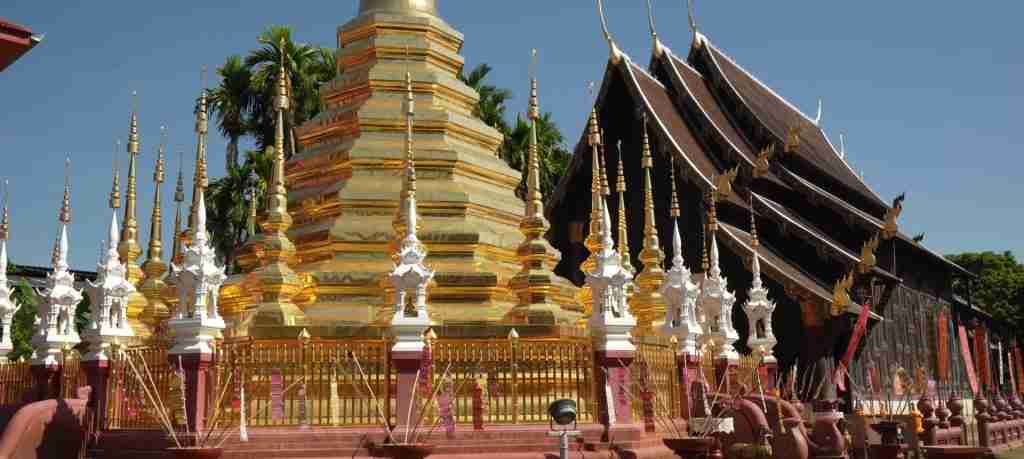
7 days
Thailand 7-Day Cultural Journey
- ✓ Comprehensive Thailand experience
- ✓ Expert local guides included
- ✓ All accommodation included
- ✓ Transportation provided
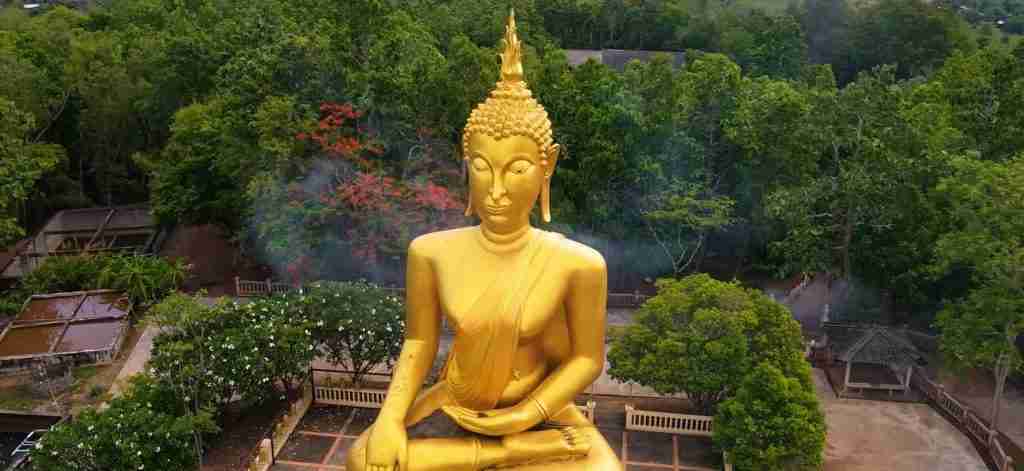
10 days
Thailand 10-Day Complete Adventure
- ✓ Comprehensive Thailand experience
- ✓ Expert local guides included
- ✓ All accommodation included
- ✓ Transportation provided
Multi-day tour packages powered by TourRadar. Prices and availability subject to change.
Introduction: Budget Travel Realities Thailand 2026
Thailand’s reputation as Southeast Asia’s premier budget destination persists into 2026 despite gradual cost increases, with comprehensive two-week itineraries remaining achievable under $50 daily ($700 total excluding international flights) through intelligent accommodation selection, street food dining, public transportation prioritization, and strategic activity choices emphasizing free cultural experiences over commercial tours. This budget framework contradicts luxury travel marketing suggesting Thailand requires mid-range $80-120 daily spending, instead embracing local-style travel patterns—eating where Thais eat at street vendors charging ฿40-80 per meal versus tourist restaurants ฿200-400, sleeping in social hostel dormitories $8-15 versus private hotel rooms $40-80, and exploring temples, markets, and neighborhoods through self-guided wandering versus organized tour packages ฿2,500-5,000 daily.
Budget travel success requires shifting mindset from Western comfort expectations toward authentic local experiences, accepting thin hostel mattresses and shared bathrooms as cultural immersion trade-offs rather than deprivations, viewing 10-hour overnight bus journeys as adventures eliminating accommodation costs versus exhausting inconveniences, and recognizing street food’s exceptional quality versus Western associations of cheap food with poor hygiene or nutrition. Thailand’s tourism infrastructure specifically accommodates budget travelers through extensive hostel networks, comprehensive public transportation, and street food vendor ubiquity creating viable budget pathways absent in countries lacking similar backpacker support systems. The 14-day timeframe balances destination variety against rushed daily city changes, enabling Bangkok 3 days, Ayutthaya 2 days, Sukhothai 2 days, Chiang Mai 4 days, Pai 2 days with optional 3-day southern beach addition or northern focus extension depending on beach priority versus budget discipline.
Regional cost variations dramatically impact budget feasibility, with mainland northern and central Thailand (Chiang Mai, Pai, Ayutthaya, Sukhothai, Bangkok) delivering comfortable $30-45 daily costs through hostel beds $5-12, street food ฿300-400 daily, and free temple access, while southern islands (Phuket, Koh Samui, Phi Phi) require minimum $50-65 daily through accommodation premiums (hostel beds $15-25), inflated meal costs (฿60-150 street food versus ฿40-80 mainland), and activity expenses (boat tours ฿1,200-2,500, beach club minimums ฿500-1,500). This geographical cost gradient necessitates mainland-focused itineraries spending 10-11 days in cheaper zones with limited 3-4 day southern allocations maintaining overall budget averages, or complete beach elimination concentrating cultural and historical exploration delivering superior depth at lower costs.
Seasonal timing significantly affects budget feasibility through accommodation price fluctuations—shoulder season April-May or September-October captures 20-30% hostel discounts (beds $8-12 versus peak $12-18) and reduced tour competition enabling walk-in negotiations, while peak season November-February demands advance booking and premium rates, and monsoon season June-August offers maximum savings (30-50% discounts) accepting weather uncertainty with afternoon thunderstorms and rough southern seas. Budget travelers benefit from shoulder or low season timing maximizing accommodation value and reducing crowding at major attractions, though sacrifice optimal weather conditions and potential beach swimming limitations during monsoon periods.
14-Day Budget Route Structure Thailand 2026
The optimal budget Thailand route emphasizes mainland northern and central destinations delivering maximum cultural value at minimum costs: Bangkok 3 days establishing urban temple context and street food foundation ($35-50 daily), Ayutthaya 2 days UNESCO archaeological exploration ($28-38 daily), Sukhothai 2 days additional historical depth ($25-35 daily), Chiang Mai 4 days northern culture and mountain scenery ($30-40 daily), Pai 2 days bohemian village atmosphere ($30-42 daily), with optional 3-day Krabi beach addition ($55-70 daily) or northern focus extension depending on priorities. This structure maintains 10-11 cheaper mainland days averaging $32-42 balanced against 3-4 expensive southern days $55-70, creating overall $46-52 daily average across 14 days totaling $644-728 excluding international flights but including all accommodation, food, transport, activities, and incidentals.
Days 1-3 Bangkok allocation establishes Thailand orientation through Grand Palace and Wat Pho temple visits (฿700 combined entries amortized across 3 days), Chatuchak Weekend Market or floating market exploration (free entry, optional purchase costs), Chinatown street food immersion, and BTS/MRT public transport familiarization (฿140 unlimited day pass or pay-per-ride ฿16-52). Budget accommodation concentrates Khao San Road backpacker zone (hostel beds ฿200-350 nightly) or Ratchathewi/Pratunam neighborhoods (beds ฿250-400) providing central access without Sukhumvit premium pricing (beds ฿350-500). Day 4 transitions Ayutthaya via morning train (฿15-66 depending on class, 90-minute journey), with afternoon bicycle rental (฿50-80) temple circuit exploration including Wat Phra Si Sanphet, Wat Mahathat, Wat Ratchaburana (฿50 entrance each, selective visiting controls costs), and overnight Ayutthaya accommodation (hostel beds ฿200-300, guesthouses ฿400-600) enabling day 5 morning continuation before afternoon Sukhothai bus (฿250-350, 5-6 hours).
Days 5-6 Sukhothai UNESCO site requires bicycle rental (฿30-50) accessing Central Zone (฿100 entry) and optional Northern or Western Zones (฿100 each), with budget guesthouses outside park gates (฿300-500 beds, ฿600-1,000 private rooms) and local restaurant meals (฿50-100 per dish) maintaining low daily costs. Day 7 overnight bus to Chiang Mai (฿350-500, 8 hours departure 8-10 PM arriving 5-7 AM) saves accommodation costs that night while positioning for days 8-11 Chiang Mai exploration including Old City temple circuits (mostly free), Sunday Walking Street market if timing aligns, cooking class (฿800-1,000 budget option), Doi Suthep temple (฿30 entry, ฿200-300 songthaew transport), and potential Doi Inthanon day trip (฿1,200-1,800 organized tour or DIY public transport reducing costs). Chiang Mai Old City hostels (฿250-400 beds) or Nimman area contemporary options (฿300-450) provide social atmospheres and central positioning.
Days 12-13 Pai mountain town reached via minivan (฿200, 3-4 hours through 762 mountain curves) offers bohemian village exploration, Pai Canyon hiking (free), hot springs (฿200), waterfalls (free), and bamboo bridge sunset photography maintaining budget accommodation (฿200-400 hostel beds, ฿400-800 basic bungalows) and cheap dining (฿40-80 street food matching northern prices). Day 14 returns Bangkok via overnight bus or minivan-to-Chiang Mai connection (฿200-400 combined), positioning for international departure flights. Alternative routes substitute days 11-14 for Krabi beach allocation (overnight bus Bangkok-Krabi ฿600-800, 12 hours), 3 days beach exploration including Railay Beach longtail access (฿300-400 return) and potential Four Islands tour (฿800-1,200), returning Bangkok day 14 via evening flight (฿2,200-3,000) or overnight bus (฿600-800) depending on flight timing.
Bangkok Budget Survival 3 Days 2026
Bangkok budget accommodation concentrates three districts—Khao San Road backpacker epicenter (hostel beds ฿200-350, private rooms ฿600-1,000), Ratchathewi/Pratunam mid-Bangkok positioning (beds ฿250-400, rooms ฿700-1,200), and Sukhumvit tourist corridor (beds ฿350-500, rooms ฿1,000-1,800)—with strategic Khao San selection despite party atmosphere and tourist oversaturation providing unmatched budget infrastructure, social networking, and tour booking convenience. Quality Khao San hostels including NapPark Hostel (beds ฿280-350), Bodega (beds ฿300-400), and Lub d (beds ฿350-450) offer air conditioning, lockers, clean bathrooms, rooftop terraces, and English-speaking staff within walking distance to Grand Palace, Wat Pho, river boats, and night food markets eliminating transport costs for major attractions. Booking 2-3 weeks advance through Hostelworld or Agoda captures 10-15% early-bird discounts versus walk-in rates, though shoulder season (April-May, September-October) maintains bed availability for spontaneous arrival accommodating flexible itineraries.
Bangkok daily costs averaging $35-50 allocate accommodation ฿250-400 ($8-12 hostel beds), food ฿350-500 ($10-15 three meals plus snacks at street vendors), transport ฿150-250 ($4-8 BTS/MRT trips, river boats, occasional tuk-tuks), attractions ฿200-300 ($6-9 selective temple entries and donations), totaling ฿950-1,450 ($27-42) with ฿150-350 ($4-10) contingency for laundry (฿30-50 per kilo), toiletries, water bottles, and unexpected expenses. Day 1 morning Grand Palace visit (฿500 entry covering Emerald Buddha temple and throne halls) requires early 8:00-9:00 AM arrival avoiding 10:00 AM-2:00 PM tour bus peak crowds and midday heat, with strict dress code (covered shoulders and knees, closed-toe shoes) necessitating conservative attire or entrance cover-up rental (฿200 deposit). Adjacent Wat Pho houses Reclining Buddha (฿200 entry) and traditional massage school offering 30-minute sessions (฿260-420), with temple’s free areas accessible without admission enabling courtyard exploration, donation box merit-making (฿20), and monk observation during morning alms rounds or afternoon chanting.
Day 2 budget activities emphasize free experiences including Chatuchak Weekend Market (operates Saturdays-Sundays, free entry with selective shopping budgets ฿200-500 for souvenirs, clothing, handicrafts), Lumpini Park morning visits (free, 6:00-9:00 AM optimal for monitor lizard observation and outdoor exercise), Chinatown’s Yaowarat Road temple exploration (Wat Mangkon Kamalawat free entry, Chinese shrine donations ฿20), and evening street food tours (self-guided, costs only food purchases ฿150-300). Chao Phraya Express Boat (฿15-32 single trips, ฿60 unlimited day pass) provides river transportation connecting major temples, Chinatown, and tourist zones while delivering scenic waterway perspectives and local commuter experiences versus expensive private longtail charters (฿600-1,200 per hour). Budget dining concentrates street food vendors near hostel zones—Khao San Road area street food costs ฿60-100 per dish (tourist pricing 50% above local areas), Phra Athit Road parallel to Khao San offers better value ฿50-80 dishes, and residential neighborhood vendors accessible via 10-minute walks charge authentic ฿40-70 portions.
Day 3 flexible programming accommodates Ayutthaya day trip departure (morning train 7:00-8:30 AM from Hua Lamphong Station ฿15-66), remaining Bangkok temple visits (Wat Saket Golden Mount ฿50 entry with 360-degree city views, Wat Benchamabophit Marble Temple free entry), or leisure preparation for evening departures to Sukhothai or Chiang Mai. Bangkok street food quality peaks at vendor concentration zones—Yaowarat Road Chinatown (evenings 6:00 PM-midnight), Talat Phlu market (mornings 6:00-11:00 AM), Or Tor Kor Market (daily 6:00 AM-8:00 PM, slightly higher prices ฿80-120 but superior quality and cleanliness)—with 7-Eleven convenience stores (ubiquitous throughout Bangkok) providing emergency food (packaged sandwiches ฿35-60, instant noodles ฿15-35, snacks ฿20-50) and bottled water (฿10-20 local brands versus ฿30-50 tourist convenience stores).
Ayutthaya and Sukhothai UNESCO Budget 2026
Ayutthaya day-trip versus overnight budget comparison favors staying overnight (฿400-600 total: ฿200-300 hostel bed, ฿200-300 meals and bicycle rental) versus Bangkok round-trip train costs (฿30-132 depending on class), enabling early morning temple photography (6:00-8:00 AM golden hour without crowds), full-day exploration pace, and evening market dining before next-morning Sukhothai departure. Ayutthaya budget accommodation includes Tony’s Place (beds ฿250-300, private rooms ฿500-700 with breakfast), Ayutthaya Retreat (beds ฿200-280), and guesthouses along river offering basic fan rooms (฿400-600) or air-conditioned comfort (฿600-900). Bicycle rental (฿50-80 full day from shops near train station or guesthouse rentals) enables temple circuit navigation covering 4-kilometer island perimeter accessing major ruins including Wat Phra Si Sanphet, Wat Mahathat (famous Buddha head in tree), Wat Ratchaburana, and Wat Chaiwatthanaram, with selective temple entrances (฿50 each) totaling ฿250-350 for comprehensive six-temple visits or ฿100-150 budget allocation visiting 2-3 priority sites plus free temple grounds exploration.
Ayutthaya street food concentrates near temple zones and train station area, with vendor stalls selling noodle soup (฿50-70), pad thai (฿50-80), and curry with rice (฿60-100), while riverside restaurants targeting tourists charge premiums (฿120-250 per dish) for identical food with table service and English menus. Strategic lunch timing 11:30 AM-1:00 PM finds food courts and simple restaurants serving ฿50-80 rice plate meals popular with local workers, providing authentic dining versus tourist-facing temple area vendors charging ฿80-120. Evening Ayutthaya night market (near Chao Phrom Market, daily 5:00-10:00 PM) offers street food variety ฿40-80 per dish alongside dessert options (mango sticky rice ฿60, Thai sweets ฿30-50) in local atmosphere absent daytime tourist temple circuits.
Sukhothai budget strategy allocates 2 days comprehensive park exploration versus rushed single-day coverage, with overnight accommodation in Old Sukhothai town outside park gates (guesthouses ฿300-500 beds, ฿600-1,000 rooms) enabling early morning bicycle entry (6:30-7:00 AM park opening) for optimal photography lighting and heat avoidance before 10:00 AM temperature increases. Bicycle rental (฿30-50 daily from town shops or park entrance vendors) provides essential transport across 45-square-kilometer site covering Central Zone (฿100 entry featuring Wat Mahathat, Wat Si Sawai, Wat Sa Si), Northern Zone (฿100 with Wat Si Chum massive Buddha), and Western Zone (฿100 including hilltop Wat Saphan Hin), with budget allocation ฿100-200 selective zone visiting versus comprehensive ฿300 all-zone coverage. Ramkhamhaeng National Museum (฿150 entry) provides archaeological context essential for understanding Sukhothai’s significance as Thailand’s first independent kingdom (1238-1438), though budget travelers skipping museum maintain temple appreciation through interpretive signage and guidebook references.
Old Sukhothai town budget dining emphasizes local restaurants along main road serving ฿50-80 rice dishes, ฿60-100 noodle soups, and ฿80-120 curry plates targeting Thai tourists and residents versus expensive park-area restaurants ฿150-300 per meal. Walking street night market (Saturdays 5:00-10:00 PM if visiting weekend) transforms main road into pedestrian market featuring handicrafts, street food (฿40-80 dishes), and traditional performances providing cultural immersion beyond archaeological park touring. Sukhothai-to-Chiang Mai transport options include daytime bus (฿280-400, 6 hours scenic mountain journey) or overnight departure (฿350-500, 8 hours sleeping through transit) saving accommodation costs that night, with overnight scheduling requiring Sukhothai evening arrival from Ayutthaya enabling single full day park exploration (day arrival 2-3 PM, next morning 6:30 AM-4:00 PM comprehensive touring, evening 8-10 PM Chiang Mai bus departure).
Chiang Mai Budget Deep Dive 4 Days 2026
Chiang Mai delivers Thailand’s best budget value combining low costs (hostel beds ฿250-400, street food ฿40-80, free temple majority, ฿30-60 songthaew transport) with rich cultural offerings (Old City temple circuit, Sunday Walking Street market, cooking classes, artisan villages, mountain scenery) creating comfortable $30-40 daily spending versus Bangkok’s $35-50 minimum. Budget accommodation concentrates Old City moat area (walking distance to temples and markets) with popular hostels including Deejai Backpackers (beds ฿280-350), Stamps Backpackers (beds ฿250-320), and Julie Guesthouse (beds ฿300-380, private rooms ฿600-900) offering social atmospheres, tour booking services, and scooter rentals (฿150-250 daily). Nimman area 2 kilometers west provides contemporary hostels (beds ฿300-450) targeting digital nomads and younger travelers with modern design, coworking spaces, and cafe culture, though requiring songthaew transport (฿30-60) for Old City temple access versus walking convenience.
Chiang Mai daily costs averaging $30-40 allocate accommodation ฿300-400 ($9-12), food ฿300-450 ($9-13 street food three meals), transport ฿100-200 ($3-6 songthaews and local buses), activities ฿100-300 ($3-9 selective temple entries, donations, free exploration), totaling ฿800-1,350 ($24-39) with contingency ฿150-250 ($4-7). Day 1 establishes Old City temple familiarity through self-guided walking circuits visiting Wat Phra Singh (free entry, classic Lanna wooden architecture), Wat Chedi Luang (฿40 entry, partially ruined massive chedi), Wat Phan Tao (free, beautiful teak construction), and Wat Chiang Man (free, elephant-buttressed chedi), with temple donation boxes accepting ฿20 voluntary contributions from visitors appreciating access without mandatory admission fees. Afternoon cooking class (budget options ฿800-1,000 at local schools versus premium ฿1,200-1,500 established brands) combines morning market ingredient tours with hands-on 5-7 dish preparation including northern specialties (khao soi, sai ua), providing recipe booklets enabling home replication and representing single splurge activity justified by cultural education value.
Days 2-3 flexible programming accommodates Doi Suthep temple visit (฿30 entry, ฿50 funicular or 300-step stairway climb, ฿200-300 songthaew shared transport from Chang Phuak Gate splitting ฿60-80 per person for 4-5 passenger vehicles), Sunday Walking Street market if timing aligns (Ratchadamnoen Road 4:00 PM-midnight, free entry, handicrafts and street food ฿40-80 dishes), traditional massage (Lanna Spa or Fah Lanna ฿300-500 per hour traditional Thai massage matching Wat Pho Bangkok quality at lower prices), and neighborhood cafe culture exploration (coffees ฿60-120, far cheaper than Bangkok ฿100-180 equivalents). Free activities dominate budget itineraries—Wat Umong forest temple meditation sessions (6:00-8:00 AM daily, donations only), Huay Kaew Waterfall hiking (free entry, 30-minute songthaew ride ฿40-60 from Old City), and Old City gate photography capturing ancient moat fortifications.
Day 4 enables Doi Inthanon National Park day trip (organized tours ฿1,200-1,800 including transport, guide, and lunch versus DIY public transport ฿150-250 for songthaews but requiring Thai language and time flexibility) visiting Thailand’s highest peak (2,565 meters), royal pagodas, waterfalls, and hill tribe villages, or alternative budget activities including Bo Sang umbrella village free demonstrations with optional workshop participation (฿500-1,200 creating painted parasols), San Kamphaeng silk weaving cooperative tours (free, purchases ฿800-5,000 depending on quality), and Nimman Road contemporary cafe atmosphere. Chiang Mai street food excellence concentrates specific zones—Somphet Market (mornings 6:00-11:00 AM, ฿40-70 dishes), Chang Phuak Gate area (evenings 6:00 PM-midnight, famous khao soi ฿50-80), and Warorot Market (daily 6:00 AM-6:00 PM, authentic local pricing ฿40-80 versus tourist Old City vendors ฿60-120).
Pai Mountain Budget Escape 2 Days 2026
Pai maintains Chiang Mai’s budget-friendly pricing (hostel beds ฿200-400, street food ฿40-80, free hiking and viewpoints) in mountain village atmosphere providing landscape contrast to urban Bangkok and archaeological Ayutthaya/Sukhothai, with 2-day allocation enabling arrival afternoon orientation (day 1), full exploration day (day 2), and morning departure (day 3) before Chiang Mai return or direct southern beach transport. Minivan access from Chiang Mai (฿200 per person, 3-4 hours navigating 762 mountain curves) operates 5 daily departures (9:00 AM-2:30 PM) through Aya Service or Prem Pracha companies requiring advance booking during peak season November-March when daily capacity sells out, with walk-in availability shoulder season April-May and September-October enabling spontaneous travel decisions.
Pai budget accommodation clusters Walking Street pedestrian zone with hostels including Circus School Hostel (beds ฿200-350, private rooms ฿600-900), Spicy Pai (beds ฿250-380), and Common Grounds (beds ฿300-450) offering social atmospheres, evening gathering spaces, and tour booking services for surrounding attractions. Budget activities emphasize free hiking and viewpoints—Pai Canyon narrow ridge walking (free entry, 1-2 hours exploring dramatic cliff edges), Mo Paeng and Pam Bok waterfalls (free access, swimming possible during rainy season high water levels), and bamboo bridge (Memorial Bridge) rice paddy crossing creating sunset photography opportunities. Paid attraction Tha Pai Hot Springs (฿200 entry) provides natural thermal pool forest setting, while White Buddha (Wat Phra That Mae Yen) hilltop temple requires 353-step climb rewarding with valley panoramas and temple architecture demonstrating northern Lanna style.
Pai daily costs averaging $30-42 allocate accommodation ฿250-400 ($7-12), food ฿300-450 ($9-13 street food matching Chiang Mai pricing), transport ฿100-200 ($3-6 motorbike rental enabling outlying attraction access or walking limited to village center with occasional songthaew ฿40-60), activities ฿100-200 ($3-6 hot springs entry and viewpoint donations), totaling ฿750-1,250 ($22-36) with contingency ฿150-250 ($4-7). Motorbike rental (฿100-250 daily automatic scooters from Walking Street shops) facilitates waterfalls, hot springs, and canyon access 5-15 kilometers from village center, though inexperienced riders should request training (฿200-300 brief lessons given mountainous terrain) or rely on walking village center attractions plus hired songthaew transport (฿200-300 per hour for waterfall circuits). Pai Walking Street night market (daily 5:00 PM-11:00 PM) serves street food ฿40-80 dishes matching mainland pricing without southern island premiums, alongside handicrafts, jewelry, and hippie-style clothing popular with bohemian atmosphere.
Southern Beach Budget Strategies 3 Days 2026
Krabi mainland Ao Nang represents budget travelers’ optimal southern beach destination combining beach access, dramatic limestone scenery, island tour proximity (Phi Phi day trips, Four Islands longtail circuits), and lower accommodation costs (hostel beds $12-18 versus Phuket $18-25, Koh Samui $15-22) with street food availability (฿60-100 per dish versus island ฿80-150 premiums). Three-day Krabi allocation fits budget itineraries through compressed timeframe limiting expensive southern exposure—day 11 arrival and beach orientation (evening Bangkok-Krabi overnight bus ฿600-800, 12 hours arriving early morning for immediate hostel check-in or beach exploration), day 12 full-day Four Islands tour or Railay Beach longtail access (฿300-400 return 20-minute boat ride to dramatic cliff-backed beach), day 13 final beach morning before evening Krabi-Bangkok return transport (overnight bus ฿600-800 or flight ฿2,200-3,000 depending on departure timing and budget flexibility).
Krabi budget accommodation concentrates Ao Nang Beach 4-kilometer strip with hostels including Slumber Party (beds ฿420-550), Ao Nang Backpackers (beds ฿400-500), and Chill Out Guesthouse (beds ฿450-600) providing beach proximity, social atmospheres, and tour booking convenience. Daily costs averaging $55-70 reflect southern premiums: accommodation ฿450-550 ($13-16 hostel beds), food ฿500-700 ($15-20 beach area street food and simple restaurants inflated above mainland ฿300-450 equivalent meals), transport ฿200-400 ($6-12 songthaews to beaches, longtail boat rentals, occasional taxis), activities ฿800-1,200 ($23-35 single Four Islands tour or Railay Beach day including boat transport and snorkeling), totaling ฿1,950-2,850 ($57-83) daily versus mainland $30-45 averages. Strategic cost control emphasizes selective paid tour participation (single Four Islands tour ฿800-1,200 versus daily paid activities ฿1,500-3,000), beach time maximization (free sand lounging and swimming), and walking Ao Nang beachfront versus songthaew transport (฿30-60) for short-distance movements.
Four Islands tour comparison identifies budget operators charging ฿800-1,200 (including Phra Nang Cave Beach, Tup Island, Chicken Island, Poda Island, lunch, snorkeling equipment, hotel pickup) versus premium operators ฿1,500-2,500 offering identical destinations with larger boats, better food, and smaller groups. Budget tour booking through Ao Nang beachfront shops or hostel reception desks (avoid hotel concierge markup commissions) enables direct operator negotiations, with last-minute walk-in discounts (฿600-800) possible during shoulder season low occupancy though sacrificing advance planning security. Alternative Railay Beach DIY approach hiring longtail boat (฿100-150 per person one-way, 20 minutes) provides full-day cliff-backed beach access, dramatic limestone scenery, walking trails connecting multiple beaches (Railay West, Railay East, Phra Nang Cave Beach), and basic beachfront restaurant lunches (฿100-200 per person) totaling ฿300-500 daily costs versus ฿800-1,200 organized tours.
Krabi street food concentrates Ao Nang walking street parallel to beach road (evenings 5:00-11:00 PM) with vendor stalls serving ฿60-100 dishes, though 40-60% premium above Chiang Mai/Bangkok ฿40-80 equivalent items reflecting tourist market capture pricing and higher ingredient transport costs to coastal areas. Budget dining strategy shifts toward simple beachfront restaurants (฿80-150 rice dishes, ฿120-200 noodle soups) versus tourist-facing seafood restaurants (฿300-800 per person with fresh fish pricing by weight creating bill shock) and 7-Eleven meal supplementation (packaged sandwiches ฿35-60, instant noodles ฿15-35, snacks ฿20-50) reducing daily food costs from ฿500-700 to ฿350-500 accepting convenience food trade-offs.
Transportation Budget Tactics 2026
Long-distance bus prioritization over domestic flights saves ฿500-800 per segment justifying 8-12 hour overnight journeys eliminating accommodation costs those nights—Bangkok-Chiang Mai bus ฿400-600 versus flight ฿900-1,200 saves ฿300-600, Bangkok-Krabi bus ฿600-800 versus flight ฿2,200-3,000 saves ฿1,400-2,200, with overnight scheduling (departures 8-10 PM arrivals 5-7 AM) providing sleeping transit replacing hostel nights though compromising comfort through upright seats, frequent stops, and variable air conditioning. Government bus stations (Mo Chit Bangkok, Arcade Chiang Mai, respective provincial terminals) offer direct booking at official prices avoiding third-party agent commissions (฿50-150 markup), with VIP bus upgrades (฿150-250 premium over basic buses) providing reclining seats, blankets, and onboard bathrooms justifying cost for overnight comfort enhancement.
Bangkok urban transport prioritizes BTS Skytrain and MRT subway (฿16-52 per trip depending on distance) over taxis and Grab ride-hailing (฿80-200 typical journeys) for tourist zone movements, with unlimited day passes (฿140 BTS, ฿120 MRT) benefiting travelers making 4+ trips daily though requiring same-system usage without cross-network validity. Chao Phraya Express Boat (฿15-32 single trips orange flag tourist boats, ฿10-20 local commuter boats) provides river transport connecting temples, Chinatown, and major piers while delivering scenic waterway experiences versus land-based alternatives, with unlimited day passes (฿60 orange flag tourists, ฿30 blue flag express) justifying cost for comprehensive river touring. Tuk-tuks represent tourist traps charging ฿100-300 for journeys costing ฿30-60 via BTS or ฿40-80 metered taxi, with rare legitimate usage scenarios (late night no-public-transport periods, heavy luggage movements, multiple passenger cost-splitting) versus avoiding entirely maintaining budget discipline.
Chiang Mai transport relies on songthaews (red pickup trucks converted to shared taxis) charging ฿30-60 flat rates within city limits or ฿40-80 for longer distances to Doi Suthep or artisan villages, with passengers signaling stops via overhead bell and paying upon exit without advance negotiation. Motorbike rentals (฿150-250 daily automatic scooters providing unlimited travel freedom) benefit multi-day Chiang Mai stays visiting outlying temples, artisan villages, and Doi Suthep independently versus songthaew cost accumulation (฿200-400 daily for multiple trips), though require valid driver’s licenses (International Driving Permit recommended), helmet usage (฿500 police fines for violations), and comfort navigating mixed traffic conditions. Bicycle rentals (฿50-80 daily from guesthouses and bike shops) provide free transport after initial rental fee, though Chiang Mai’s heat (35-40°C March-May) and traffic density limit practical usage versus northern European cycling cities.
Inter-city budget transport booking prioritizes direct station purchases over online platforms adding service fees (12Go Asia charges ฿50-150 commission per ticket, Busbud similar premiums), though advanced booking (1-2 weeks) during peak season November-February prevents sold-out situations forcing expensive last-minute flight alternatives. Walking maximizes zero-cost transport for short distances—Bangkok Old City temples within 2-3 kilometer radius enable full-day walking tours, Chiang Mai Old City 1.5-kilometer square permits complete temple circuit walking coverage, Ayutthaya and Sukhothai historical parks reward bicycle exploration but require rental investments ฿30-80 daily.
Food Budget Mastery Thailand 2026
Street food vendor selection prioritizes busy stalls with visible local customer turnover indicating fresh ingredients, rapid sales preventing spoilage, and authentic pricing versus tourist-facing stands near major attractions charging 50-100% premiums. Vendor evaluation cues include Thai language ordering (limited English suggests local clientele), visible food preparation enabling quality assessment, multiple menu items versus single specialty suggesting established kitchen infrastructure, and small plastic chair seating occupied by Thai customers during meal hours (11:30 AM-1:00 PM lunch, 6:00-8:00 PM dinner) confirming popular approval. Price verification through menu boards or pointing selection before ordering prevents bill shock, with standard dishes (pad thai, fried rice, noodle soup, curry with rice) ranging ฿40-80 at authentic vendors versus ฿80-150 tourist traps, enabling immediate cost assessment through price level observation.
Strategic meal planning allocates breakfast ฿60-100 (rice porridge, roti, noodle soup, or 7-Eleven packaged options ฿35-60), lunch ฿80-150 (larger rice plate meals with multiple toppings, curry with rice, pad thai or fried rice), dinner ฿100-200 (main dish plus potential sharing with travel companions enabling variety), and snacks ฿40-80 (fruit shakes, mango sticky rice, fresh cut fruit, grilled meats on sticks) totaling ฿280-530 daily ($8-15) comfortably within budget parameters. This allocation enables authentic Thai cuisine immersion through diverse vendor sampling—morning market porridge carts (jok ฿40-60), midday food court rice plates (฿60-100), evening night market street food exploration (฿40-80 per item), afternoon fruit shake stands (฿40-60)—while maintaining nutritional variety and cultural experience value versus repetitive 7-Eleven meal reliance minimizing costs but sacrificing authentic engagement.
Water costs represent controllable expense through reusable bottle strategies—single ฿80-150 stainless steel or plastic bottle purchase enables unlimited hostel filtered water refills eliminating daily bottled water costs (฿10-20 per 1.5-liter bottle at 7-Eleven, ฿30-50 tourist convenience stores, ฿2-3 daily savings compounding to ฿28-42 weekly). Public drinking water safety varies regionally with Bangkok and Chiang Mai municipal supplies chlorinated meeting basic standards though locals preferring bottled or filtered alternatives, while rural areas and islands requiring bottled or filtered water exclusively preventing waterborne illness. 7-Eleven bottled water brands (Singha ฿10, Chang ฿12, Aura ฿15 for 1.5 liters) provide identical hydration to tourist minimart inflated pricing (฿30-50 same bottles), with supermarket bulk purchases (6-pack ฿60-80) reducing per-bottle costs further for accommodation storage.
Alcohol costs rapidly destroy budgets through nightly drinking participation common in backpacker social scenes—single beer ฿60-100 at bars, cocktails ฿150-250, with 3-4 drink nights (฿300-600) consuming entire daily food budgets and 5-7 drink sessions (฿500-1,000) exceeding complete daily budgets. Budget discipline requires limiting drinking to 2-3 nights weekly maximum, preferring 7-Eleven beer purchases (฿35-60 large bottles consumed at hostels or beaches) versus bar premiums, or eliminating alcohol entirely maintaining budget integrity while improving health outcomes and cultural clarity through reduced party atmosphere dependence. Drinking water between alcoholic beverages reduces consumption volume preventing hangovers while extending social participation time on limited drink budgets.
Frequently Asked Questions: Thailand Budget Travel 2026
Can I Travel Thailand Under $50 Daily Including Accommodation, Food, and Activities?
Traveling Thailand under $50 daily remains achievable in 2026 through mainland destination focus (Bangkok, Chiang Mai, Ayutthaya, Sukhothai, Pai), hostel dormitory accommodation ($8-15 nightly), street food dining ($8-12 daily), public transportation (buses, trains, BTS/MRT), and free activity emphasis (temple visits, market exploration, beach access) supplemented by selective paid experiences (single cooking class, one island tour, Grand Palace entry). Daily breakdown allocates accommodation ฿280-450 ($8-13 hostel beds in quality air-conditioned hostels versus ฿200-300 ultra-budget options), food ฿280-450 ($8-13 street vendors three meals, snacks, bottled water), transport ฿100-250 ($3-7 local buses, songthaews, BTS/MRT, occasional tuk-tuks), activities ฿70-280 ($2-8 selective temple entries, occasional museum visits, mostly free exploration), totaling ฿730-1,430 ($21-41) leaving ฿300-1,070 ($9-31) daily contingency for laundry, toiletries, and unexpected expenses. This budget excludes southern island beach destinations where minimum daily costs increase $55-70 through accommodation premiums (hostel beds $15-25), inflated meal pricing (street food ฿60-150 versus mainland ฿40-80), and activity expenses (boat tours ฿1,200-2,500), requiring compressed 3-4 day beach allocations balanced against 10-11 cheaper mainland days maintaining $50 average. Fourteen-day totals sum approximately $650-750 ($46-54 daily average) including all accommodation, food, transport between cities (multiple overnight buses saving accommodation costs), activities, and daily living expenses, with disciplined travelers achieving $600-700 totals through alcohol elimination, 7-Eleven breakfast reliance, complete beach skipping, and ultra-budget hostel selection accepting thinner mattresses and fewer amenities. Success requires resisting tourist convenience temptations (air-conditioned buses ฿100-150 premium over basic fans, Grab taxis versus songthaews, tourist restaurants versus street vendors), nightly drinking participation (3-4 beers ฿240-400 consuming daily food budgets), and paid activity accumulation (daily tours ฿1,500-3,000 weekly versus selective single experiences ฿800-1,500 total).
What’s the Cheapest Way to Get Between Bangkok, Chiang Mai, and Southern Islands?
Overnight buses represent cheapest long-distance transport saving both journey costs and accommodation expenses those nights—Bangkok-Chiang Mai overnight bus ฿400-600 ($12-17) versus flight ฿900-1,200 ($26-35) saves ฿300-600 plus one hostel bed ฿300-450 totaling ฿600-1,050 ($17-30) combined savings, Bangkok-Krabi or Phuket overnight bus ฿600-800 ($17-23) versus flight ฿2,200-3,200 ($63-92) saves ฿1,400-2,400 plus accommodation ฿300-450 totaling ฿1,700-2,850 ($49-82) combined benefits. Bus booking through government terminals (Mo Chit Bangkok for northern routes, Southern Bus Terminal for beach destinations) at official counters avoids third-party agent markups (฿50-150 commission fees), with VIP bus upgrades (฿150-250 premium adding reclining seats, blankets, onboard bathrooms, fewer stops) justifying costs for overnight comfort versus basic fan buses with upright seats creating difficult sleeping conditions. Departure timing strategies prefer 8-10 PM buses arriving destinations 5-8 AM enabling immediate hostel check-ins or early activity starts, versus daytime buses consuming productive sightseeing hours though providing scenic journey appreciation impossible during nighttime darkness—Chiang Mai-Pai daytime minivan (฿200, 3-4 hours) rewards landscape viewing through mountain curves while Bangkok-Ayutthaya train (฿15-66, 90 minutes) delivers countryside perspectives. Train travel offers middle-ground comfort and cost between buses and flights—Bangkok-Chiang Mai overnight sleeper train (฿270-890 depending on class and berth type) provides bed sleeping superior to upright bus seats though costs exceed basic buses while travel time (12-13 hours) surpasses flights (1 hour) making trains experiential choices rather than pure budget optimization. The ultra-budget approach combines multiple bus segments versus direct routes accepting time consumption for cost minimization—Bangkok-Chiang Mai indirect routing via Ayutthaya, Sukhothai, Lampang requires 3-4 separate bus tickets totaling ฿600-900 but spreads costs across 4-5 days while enabling destination stops versus single ฿400-600 direct overnight bus, though provides questionable value given minimal savings against multi-day schedule consumption. Hitchhiking remains uncommon and inadvisable in Thailand lacking cultural precedent and highway safety infrastructure, with public transport affordability eliminating cost-savings justification motivating hitchhiking in expensive countries.
Should I Skip Southern Beaches Entirely to Maintain Budget or Accept Higher Costs?
Budget travelers face legitimate trade-off between complete beach elimination maintaining $35-45 daily mainland averages enabling superior cultural depth (14 days Bangkok-Ayutthaya-Sukhothai-Chiang Mai-Pai comprehensive coverage), versus compressed 3-4 day southern beach addition accepting $55-70 daily costs balanced against cheaper mainland days creating $48-52 overall averages. Beach inclusion benefits include tropical island photography, swimming and snorkeling experiences, limestone scenery appreciation (Krabi’s dramatic cliffs), and psychological variety breaking temple/city touring monotony through relaxation days, while disadvantages involve budget pressure (3 beach days at $65 average = $195 consuming 28% of $700 total budget for 21% of trip duration), rushed exploration limiting authentic island immersion, and activity restriction (expensive boat tours ฿1,200-2,500 versus free temple visits creating spending pressure). Alternative northern Pai mountain town substitution provides landscape contrast at mainland pricing—Pai’s Pai Canyon hiking (free), hot springs (฿200), waterfalls (free), and mountain scenery deliver nature immersion replacing beach tourism at $30-42 daily costs versus southern $55-70, though sacrifices ocean swimming and tropical island aesthetics motivating many Thailand visits. The pragmatic middle approach allocates single 2-day beach segment (overnight bus arrival day 12 morning, full beach day 13, morning beach hours day 14 before afternoon Bangkok return flight) reducing accommodation from 3 nights to 1 night saving ฿900-1,100 ($26-32) while maintaining beach experience checkbox, though creates rushed pacing preventing meaningful island appreciation versus cultural destination depth. First-time Thailand visitors particularly struggle with beach FOMO (fear of missing out) given travel marketing emphasis on tropical paradise imagery, though Southeast Asia veterans recognize beach similarity across Thailand-Vietnam-Philippines-Indonesia enabling future return trips for dedicated island exploration versus forcing compromised beach segments into budget-constrained maiden voyages. Budget discipline evaluation questions help decision-making: Would beach days genuinely enhance trip satisfaction justifying 30-40% cost increases, or stem from marketing-driven perceived obligations? Do free northern activities (Pai Canyon, Chiang Mai temples, Sukhothai ruins) provide equal satisfaction to paid southern tours? Will budget pressure from expensive beach days create stress undermining overall trip enjoyment? Honest self-assessment determines optimal allocation.
How Do I Avoid Tourist Trap Prices and Find Authentic Budget Options?
Tourist trap identification requires recognizing warning patterns—English-only menus with photos (versus Thai script primary menus), staff aggressively beckoning passersby (authentic busy vendors ignore potential customers), prominent tourist location near major attractions (Grand Palace area, Khao San Road, Patong Beach), inflated pricing 50-200% above local equivalents (pad thai ฿120-180 versus authentic ฿50-80), and absence of Thai customers during meal hours suggesting locals avoid establishment recognizing poor value. Authentic vendor discovery requires 5-15 minute walks away from tourist epicenters entering residential neighborhoods—Bangkok areas 500 meters from Grand Palace or Khao San offer ฿50-80 street food versus ฿80-150 tourist zone premiums, Chiang Mai Old City edges outside moat walls provide ฿40-70 authentic pricing versus ฿60-120 central Old City tourist vendors, southern beach destinations require venturing off beachfront roads finding local markets and food courts serving Thai residents. Visual cues identifying authentic vendors include small plastic chairs and tables (versus permanent restaurant furniture suggesting higher overhead costs), visible cooking over charcoal or gas burners (enabling quality assessment), multiple Thai customers waiting or seated (confirming local approval), simple hand-written price boards (versus printed laminated menus), and limited menu specialization (5-10 dishes maximum suggesting expertise versus 50-item tourist catch-all menus). Food court and market strategies concentrate eating where working-class Thais lunch (11:30 AM-1:30 PM) at shopping mall food courts (MBK Bangkok, Central Festival Chiang Mai, Big C supermarket sections nationwide) serving ฿60-120 rice plates, noodle dishes, curries with coupon pre-payment systems requiring cash exchange at service counters. Accommodation booking platforms Agoda and Hostelworld maintain user review transparency revealing authentic experiences versus marketing promises, with 100+ review minimums and 8.0+ ratings indicating consistent quality, though reading recent negative reviews (past 3 months) identifies emerging problems like deteriorating cleanliness or management changes. Accommodation location mapping using Google Maps satellite view reveals surroundings—hostels in dense residential neighborhoods offer authentic local immersion and cheaper nearby food, while isolated properties far from transport and dining create dependency on expensive taxi transport and hotel restaurants. Tour and activity price verification through multiple operator quotes (3-5 different shops/companies) establishes market rates preventing single-shop gouging, with last-minute walk-in bookings during shoulder season enabling negotiations (10-30% discounts possible versus peak season sold-out fixed pricing), though sacrificing advance planning security for spontaneous savings opportunities. ATM withdrawal strategies minimize foreign transaction fees (many Thai banks charge ฿220 per withdrawal regardless of amount) through maximum withdrawal limits (฿20,000-30,000 depending on card and bank) reducing per-baht fee percentages, though carrying large cash quantities requires secure hostel lockers or hidden money belt storage preventing theft losses.
Is Hostel Dormitory Accommodation Safe and Clean Enough for Budget Travel?
Thailand hostel quality generally exceeds Western equivalents at comparable price points, with $8-15 mainland hostels providing air-conditioned dormitories, individual lockers (bring own padlock or rent ฿50-100 deposits), clean shared bathrooms with hot showers, common areas facilitating social interaction, and English-speaking reception staff assisting with tour bookings and transport arrangements. Safety concerns center on theft prevention through locker utilization for valuables (passports, electronics, excess cash), avoiding floor-level bottom bunks preferred by thieves accessing neighbor belongings during sleep, and maintaining awareness during common area socializing when drinks risk spiking or distraction theft. Reputable hostel chains including Lub d, Bodega, Stamps, and independent properties with 100+ positive reviews maintain security through key card entry systems, CCTV coverage in common areas (not dormitories respecting privacy), night staff presence, and individual bunk privacy curtains with reading lights and USB charging ports in premium hostels. Cleanliness standards vary dramatically between ultra-budget ฿200-300 beds versus quality ฿350-500 options, with latter category delivering daily housekeeping, regularly laundered linens, maintained bathroom facilities, and pest control versus budget hostels accepting lower standards trading cleanliness for rock-bottom pricing. Female-only dormitories available at most hostels provide security and comfort for solo women travelers concerned about mixed-gender sleeping arrangements, typically charging identical rates to mixed dorms without premium pricing though offering smaller room sizes (4-6 beds versus 8-12 bed mixed dorms) creating quieter environments. Privacy limitations inherent to dormitory accommodation include noise from roommates (snoring, early departures, late arrivals), limited personal space (small locker plus bunk bed only), shared bathroom queuing during morning peak hours (7-9 AM typical hostel rush), and restricted romance/intimacy preventing couple bonding activities, making private room upgrades worthwhile for couples even at 100% cost premiums ($25-40 private rooms versus $12-18 dormitory beds per person). Hostel social atmospheres enable traveler networking, activity partner finding for cost-splitting group tours, transportation sharing for bus/train journeys, and cultural information exchange with experienced travelers, though create partying pressures with nightly drinking and late-night noise common at backpacker-oriented properties versus quieter boutique hostels targeting older or more sedate travelers. Bed bug risks persist across all accommodation categories including luxury hotels, with prevention through luggage elevation on racks (never floor placement), visual mattress/sheet inspection for dark spots or insects, and immediate room change requests upon discovery, though Thailand hostels maintain generally lower infestation rates than European budget accommodations given tropical climate enabling frequent washing and sunlight exposure.
What Budget-Friendly Activities Provide Authentic Experiences Beyond Temple Visits?
Free and low-cost authentic activities beyond temple tourism include morning market visits (Or Tor Kor Bangkok, Warorot Chiang Mai, local morning markets nationwide 6-11 AM) observing vendors, sampling fruit (฿20-50 small purchases), and experiencing Thai commerce patterns, cooking class participation (budget ฿800-1,000 schools providing market tours plus 5-7 dish hands-on preparation with recipe booklets enabling home replication), local festival attendance when timing aligns (Loy Krathong November, Songkran April, regional celebrations variable dates), neighborhood walking tours (self-guided using smartphone maps and guidebook suggestions), and public park visits (Lumpini Park Bangkok, Chiang Mai moat perimeter, city parks nationwide) observing morning exercise culture, outdoor aerobics classes, and local recreation. Street food vendor watching during meal preparation provides culinary education and cultural observation—observing pad thai wok techniques, curry paste mortar-and-pestle pounding, fruit carving demonstrations, and sticky rice steaming creates appreciation beyond consumption, with friendly vendors often explaining ingredients or techniques when customers show genuine interest through questions or photography requests. River and canal boat rides deliver local perspective transportation—Bangkok’s Chao Phraya Express Boats (฿15-32) and canal boats (฿10-20) reveal traditional stilt house communities and waterway commerce, while Chiang Mai’s moat perimeter walking or bicycling (free beyond bike rental ฿50-80) connects temple clusters while observing neighborhood daily life. Traditional massage receiving (฿300-500 per hour at reputable shops or Wat Pho ฿260-420) provides authentic Thai healing traditions exposure at prices justifying cultural education value beyond pure relaxation, while massage school observation at Wat Pho or commercial schools shows training techniques and theory informing practice appreciation. Night market browsing (Chiang Mai Night Bazaar daily, Sunday Walking Street weekly, Bangkok Talat Rot Fai weekends) combines free window shopping, street food sampling (฿40-80 dishes), cultural performance observation (traditional music, dance), and handicraft vendor conversations explaining production techniques when genuinely curious versus pushy sales interactions. Monk chat programs at Chiang Mai temples (Wat Suan Dok, Wat Chedi Luang scheduled sessions) offer free English conversations about Buddhism, Thai culture, meditation practices, and international cultural exchange in relaxed informal settings encouraging genuine dialogue, while Bangkok’s Wat Maha That provides beginner meditation instruction (free, 7 AM/1 PM/6 PM daily 2-hour sessions) introducing mindfulness techniques without religious conversion pressure. University campus visits (Chulalongkorn Bangkok, Chiang Mai University) enable free access to student cafeterias serving authentic cheap meals (฿40-80 rice plates popular with students), library browsing, campus ground walking, and occasional free cultural events or exhibitions, though respecting private educational environments versus treating campuses as tourist attractions. Local bus riding (versus tourist-oriented transportation) provides authentic transportation exposure and neighborhood discovery—Bangkok’s local buses (฿7-24 flat fares) connect residential areas and markets inaccessible via tourist BTS/MRT routes, while Chiang Mai’s songthaew local routes (฿20-30) serve suburban temples and villages rarely visited by short-term tourists.
How Much Should I Budget for Unexpected Expenses and Emergencies?
Emergency and unexpected expense contingency of $150-250 (฿5,000-9,000) or 20-35% of total $700 budget covers medical care for minor illnesses (pharmacy medications ฿50-300, clinic doctor visits ฿500-1,500, hospital emergency room ฿2,000-10,000 depending on severity), theft replacement costs (stolen phone ฿3,000-15,000, replacement clothes/toiletries ฿500-2,000, emergency cash withdrawal fees ฿220 per transaction), transportation disruptions (missed buses requiring last-minute flights ฿2,000-4,000, damaged baggage replacement ฿1,000-3,000), and unforeseen opportunity splurges (compelling tour opportunities, extended stays in particularly appealing destinations, social activities with new travel friends). Daily contingency allocation of ฿300-500 ($9-15) beyond accommodation, food, transport, and planned activities provides flexibility for laundry services (฿30-50 per kilo, 2-3 times during 14 days), toiletries replacement (sunscreen ฿150-400, mosquito repellent ฿80-150, basic items ฿200-400), bottled water purchases before reusable bottle acquisition, ATM withdrawal fees (฿220 per transaction, 2-3 withdrawals typical for 14-day trips), and spontaneous snacks or treats (fruit shakes, desserts, coffee shops) improving daily quality of life. Travel insurance ($50-120 for two weeks covering medical emergencies, trip cancellation, lost baggage) represents mandatory emergency expense preventing catastrophic financial losses from serious illness (hospitalization ฿50,000-500,000+ depending on severity), accidents (motorcycle crash medical treatment and legal costs), or major theft (electronics, passports, cash), though healthy young travelers sometimes skip insurance gambling on statistical low probability of major incidents. Pre-departure emergency fund establishment beyond trip budget (separate $500-1,000 credit card availability or savings access) enables response to catastrophic scenarios (emergency flights home, extended hospitalization, major theft requiring complete replacement) without financial devastation, though remaining untouched in overwhelming majority of successful trips. Emergency contact preparation includes embassy registration (U.S. STEP program, British embassy notification), travel insurance company hotline numbers, credit card foreign emergency numbers, and family contact protocols enabling rapid response should serious incidents occur, though careful planning and common-sense precautions prevent most travel emergencies making preparation mostly theoretical versus practical necessity. Cash hiding strategies distributing money across multiple locations (primary wallet, hidden money belt, locked hostel locker, emergency reserve in different bag) prevent total loss from single theft incident, with ฿3,000-5,000 ($85-145) minimum emergency cash reserve separate from daily spending money enabling multi-day survival while organizing card replacements or embassy assistance following catastrophic theft.
Can I Travel Thailand on $35-40 Daily or Does Realistic Minimum Require $50?
Ultra-budget $35-40 daily ($490-560 total 14 days) achieves feasibility through extreme measures accepting significant comfort sacrifices—cheapest hostel beds ฿200-300 ($6-9 prioritizing cost over quality, accepting thin mattresses, minimal amenities, potential bedbugs or noise), exclusive street food dining ฿250-350 daily ($7-10 with 7-Eleven breakfast supplementation eliminating sit-down restaurants completely), walking maximization supplemented minimal public transport ฿80-150 ($2-4 daily limiting movement radius), and complete elimination of paid activities relying solely on free temples, markets, and beach access. This budget breakdown allocates accommodation ฿250-300 ($7-9), food ฿250-350 ($7-10), transport ฿100-150 ($3-4), activities ฿50-100 ($1-3 temple donations only), totaling ฿650-900 ($19-26) leaving ฿600-850 ($17-25) daily contingency barely covering laundry, toiletries, unexpected expenses. The restrictions eliminating paid activities prevent cooking class participation (฿800-1,000), organized tours (฿800-3,000), Grand Palace entry (฿500), and massage experiences (฿300-500), while accommodation quality compromises risk bed bugs, noise complaints, and cleanliness issues common at rock-bottom properties. Food budget limitations consuming street food exclusively three meals daily creates monotony and potential nutritional gaps versus occasional restaurant variety (fresh vegetables, diverse proteins, different regional cuisines), though determined travelers maintain $35-40 discipline through meal repetition and 7-Eleven reliance. Northern mainland concentration becomes mandatory at $35-40 budgets eliminating southern islands entirely (minimum $50-65 daily) and limiting Bangkok exposure (preferred $40-50 daily), with optimal ultra-budget route allocating Chiang Mai 5-6 days ($30-35 daily), Pai 2-3 days ($28-35 daily), Sukhothai 2 days ($25-32 daily), Ayutthaya 2 days ($25-35 daily), Bangkok 2 days ($35-45 daily) totaling $420-530 for 13-14 days through cheaper destination emphasis and extended single-location stays reducing transport costs. The psychological challenge involves resisting comparative lifestyle observations when surrounded by $80-150 daily spending backpackers enjoying paid tours, restaurant meals, and nightly drinking while ultra-budget travelers eat street food and explore free temples, requiring strong discipline and satisfaction finding in authentic low-cost experiences versus commercial tourism consumption. Most budget-conscious travelers find $45-52 daily range ($630-730 total) achieves optimal balance maintaining reasonable comfort (quality hostel beds ฿300-400, selective restaurant meals supplementing street food, occasional paid activities), authentic experiences (cooking classes, select tours, cultural programs), and financial sustainability preventing mid-trip budget exhaustion forcing early departures or unplanned expenditure increases.
What Items Should I Bring from Home Versus Buy in Thailand?
Essential bring-from-home items include prescription medications (Thai pharmacies stock common drugs but language barriers and counterfeit risks complicate purchases), quality sunscreen meeting Western SPF standards (Thai brands available ฿150-400 but formulations differ from familiar products), feminine hygiene products matching personal preferences (Thai options exist but brand/type variations), and specialty toiletries with particular requirements (specific allergy medications, contact lens solutions, prescription skincare), while deferring purchases of widely available cheap Thai items including basic toiletries, clothing, electronics accessories, and travel gear. Clothing strategy brings single week’s supply (4-5 shirts, 2-3 pants/shorts, undergarments, socks) enabling mid-trip laundry (฿30-50 per kilo, 24-hour turnaround) versus overpacking full two-week supplies, with Bangkok and Chiang Mai offering cheap replacement clothing (฿100-300 t-shirts, ฿200-500 pants, ฿150-350 shorts at markets and malls) should items require replacement through damage or loss. Sunscreen deserves special consideration given tropical intensity (SPF 30-50 recommended for fair skin, reapplication every 2-3 hours)—Western brands like Neutrogena or Coppertone provide familiar protection brought from home ($8-15 per bottle lasting 1-2 weeks), while Thai pharmacy brands (฿150-400) offer equivalent SPF ratings though different formulations potentially causing skin reactions for sensitive users, making familiar product security worth luggage space investment. Electronics including smartphones, cameras, laptops, and e-readers should come from home with appropriate charging adapters (Thailand uses Type A, B, C outlets requiring U.S.-compatible devices or universal adapters ฿200-400 purchased locally), though portable chargers (power banks ฿300-800 for 10,000-20,000mAh capacity) and charging cables (฿100-300) cost less purchased in Bangkok MBK Center or Pantip Plaza electronics markets than home country retail. Mosquito repellent containing 30%+ DEET (maximum effectiveness against dengue-carrying mosquitoes) sells widely at Thai 7-Eleven stores (฿80-150 for 120ml spray bottles) and pharmacies, making home country purchases unnecessary unless travelers have strong brand preferences or skin sensitivities requiring specific formulations. First aid basics including bandages, pain relievers, anti-diarrheal medication (Imodium), and antihistamines warrant home packing given familiar brand confidence and immediate availability, though Thai pharmacies stock equivalent medications (ibuprofen ฿50-150, bandages ฿30-80, antihistamines ฿100-200) enabling emergency purchases should luggage limits force omissions. Money belt or hidden passport wallet ($15-30 from home, ฿500-1,000 Thai equivalents) provides theft prevention for valuables including passport, emergency cash, and credit cards, though quality versions justify home purchases ensuring proper fit and durability versus cheap Thai market versions potentially failing during trips. Reusable water bottle ($12-25 quality brands like Nalgene or Hydro Flask, ฿400-1,200 Thai equivalents) justifies home purchase ensuring temperature retention and durability versus cheap Thai plastic bottles (฿80-150) accomplishing basic hydration without insulation or longevity. Packing cubes, compression bags, and luggage organizers optimize suitcase/backpack space (home purchase $15-40 sets versus Thai ฿500-1,500) enabling efficient packing and rapid hostel unpacking/repacking during frequent destination changes.