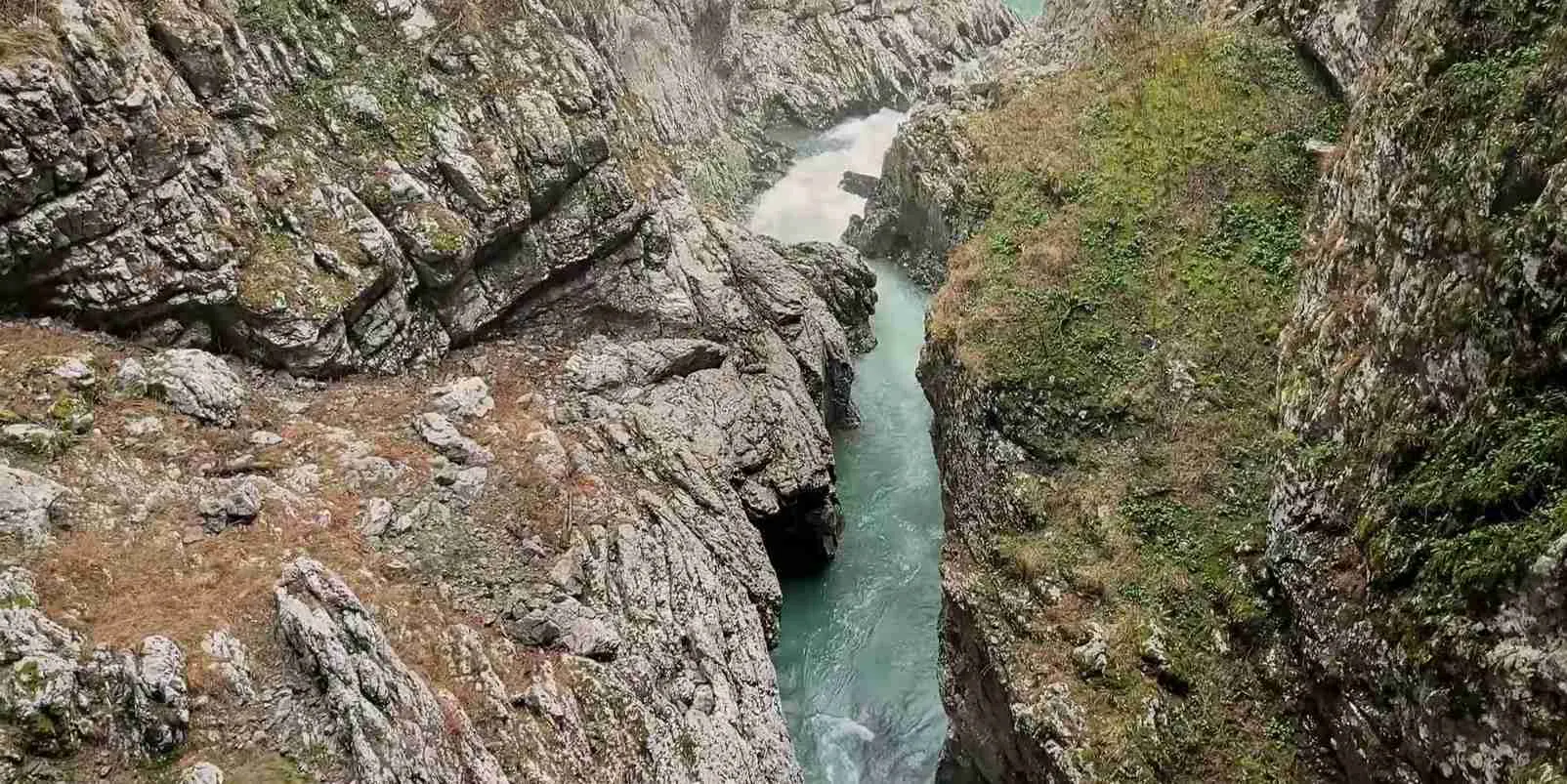
Skocjan Caves Slovenia: UNESCO World Heritage Underground River Guide
Škocjan Caves represents one of the world’s most extraordinary underground river systems, where the Reka River carves through Europe’s largest underground canyon before disappearing into 34 kilometers of subterranean passages. Inscribed on UNESCO’s World Heritage List in 1986, this exceptional karst phenomenon in Slovenia’s Classical Karst region combines geological marvels, archaeological treasures, and ecological significance within a 413-hectare protected landscape. The cave system offers visitors an unforgettable journey through vast chambers, dramatic collapse dolines, and suspended walkways above roaring underground rapids.
Key Takeaways
- UNESCO Triple Recognition: Škocjan Caves holds UNESCO World Heritage status (1986, criteria vii and viii), Ramsar Wetland designation (1999), and MAB Biosphere Reserve inclusion (2004), representing one of only 19 sites worldwide with all three international recognitions.
- Europe’s Largest Underground Canyon: The underground river canyon reaches 150 meters in height and 120 meters in width, carved by the Reka River through 6,200 meters of explored passages exceeding 200 meters depth, with Martel Chamber alone containing 2.2 million cubic meters of space.
- Birthplace of Karst Science: The site gives its name to karst geology itself—the Kras region where fundamental speleological terms like “karst” and “doline” originated, serving as the primary reference location for karst phenomena study since the 17th century.
- Archaeological Treasure: Excavations reveal continuous human habitation spanning over 10,000 years from the Mesolithic period through the Iron Age, including discoveries of a Bronze Age cave temple with Mediterranean influences and artifacts now housed in museums across Europe.
- Living Underground Ecosystem: The caves support specialized subterranean biodiversity including endemic species, cave-adapted fauna, and a unique microclimate where Alpine and Mediterranean plant species coexist in the collapse dolines.
- Accessible Underground Adventure: Guided tours operate year-round with admission starting at €16 (check official website for current rates), taking visitors on a 3-kilometer journey through illuminated pathways, dramatic bridges, and five distinct chambers with multilingual interpretation.
People Also Ask About Skocjan Caves Slovenia
What Makes Skocjan Caves a UNESCO World Heritage Site?
Škocjan Caves earned UNESCO World Heritage designation in 1986 under natural criteria (vii) for exceptional natural beauty and (viii) for outstanding geological and geomorphological significance. The site represents the most important example of contact karst phenomena worldwide, where impermeable flysch rock meets permeable limestone, creating the spectacular underground canyon carved by the Reka River. The caves contain one of the largest known underground river canyons globally, with chambers reaching 150 meters in height and the Martel Chamber exceeding 2.2 million cubic meters in volume—the largest discovered underground chamber in Europe. Beyond physical dimensions, the site holds scientific importance as the origin location for fundamental karst terminology and research dating back to the 17th century, making it the reference standard for karst studies worldwide.
How Deep Are the Skocjan Caves and How Long Is the Underground River?
The explored cave system extends 6,200 meters in length with passages descending over 200 meters below the surface. The underground canyon carved by the Reka River measures 3.5 kilometers long, ranging from 10 to 60 meters wide and exceeding 140 meters in height at its most dramatic sections. The Reka River itself disappears underground at Velika Dolina (Big Collapse Doline) and flows 34 kilometers through the karst underground before resurfacing near Monfalcone in Italy, where it contributes approximately one-third of the Timavo River’s flow before reaching the Adriatic Sea 2 kilometers away. This represents one of the longest underground river courses in Europe and one of the most significant karst hydrological systems globally.
Can You Visit Skocjan Caves Year-Round?
Škocjan Caves operates daily tours throughout the entire year except Christmas Day and New Year’s Day. Winter months (November through March) offer tours at 10:00, 13:00, and 15:00 on Sundays and holidays. Spring and autumn (April, May, October) provide tours at 10:00, 13:00, and 15:30. Summer season (June through September) features the most frequent schedule with hourly departures from 10:00 to 17:00. The constant 12°C underground temperature remains stable regardless of surface conditions, requiring warm clothing even during summer visits. Advance online ticket purchase is essential during peak summer months when daily visitor numbers are capped to preserve the cave environment, while winter visits typically allow walk-up ticket purchases.
How Does Skocjan Caves Compare to Postojna Cave?
Škocjan Caves and Postojna Cave represent Slovenia’s two premier cave systems with distinctly different characters. Škocjan emphasizes raw natural power with its enormous underground canyon, roaring river rapids, dramatic suspended bridges, and UNESCO World Heritage status recognizing its exceptional geological and scientific significance. The experience focuses on the underground river’s immense scale and natural forces. Postojna Cave showcases extensive decorative formations with intricate stalactites, stalagmites, curtains, and columns throughout illuminated galleries, including an underground train ride through 5 kilometers of passages. Postojna attracts larger visitor numbers annually and permits photography, while Škocjan prohibits cameras to protect cave formations and wildlife. The caves sit 30 kilometers apart, making same-day visits feasible for travelers seeking both the spectacular formations of Postojna and the breathtaking underground canyon of Škocjan.
Extended multi-day tours – 5+ days
Featured Slovenia Multi-Day Tour Packages
8 days
Stunning Slovenia
- ✓ Comprehensive Slovenia tour
- ✓ Expert local guides included
- ✓ All accommodation arranged
- ✓ Transportation provided

8 days
Walking in Slovenia
- ✓ Comprehensive Slovenia tour
- ✓ Expert local guides included
- ✓ All accommodation arranged
- ✓ Transportation provided

7 days
Slovenia: Hike, Bike & Raft
- ✓ Comprehensive Slovenia tour
- ✓ Expert local guides included
- ✓ All accommodation arranged
- ✓ Transportation provided
5 days
5 Day Zagreb Including Ljubljana & Lake Bled
- ✓ Comprehensive Slovenia tour
- ✓ Expert local guides included
- ✓ All accommodation arranged
- ✓ Transportation provided
Multi-day tour packages powered by TourRadar. Prices and availability subject to change.
Introduction: Slovenia’s Underground Natural Wonder
Beneath the limestone plateau of southwestern Slovenia lies one of the planet’s most remarkable geological phenomena—a vast underground river canyon carved through millions of years by the relentless force of flowing water. Škocjan Caves represents far more than a spectacular natural attraction; it stands as the birthplace of modern karst science, a treasure of human archaeology spanning ten millennia, and an irreplaceable natural laboratory where scientists continue discovering new passages and species. The 413-hectare protected area encompasses not only the underground cave system but also dramatic surface features including massive collapse dolines, natural bridges, and three historic villages whose inhabitants have coexisted with this karst landscape for countless generations.
The Reka River serves as the protagonist in this geological drama, beginning its journey on the surface before plunging underground into what becomes Europe’s largest known underground canyon. Inside the mountain, the river has carved chambers of cathedral-like proportions, suspended walkways traverse dizzying heights above roaring rapids, and water cascades through passages that dwarf human observers. The journey through Škocjan Caves immerses visitors in primordial forces—the grinding persistence of water against stone, the darkness of true underground wilderness, and the humbling scale of natural architecture no human structure can match.
Recognition of Škocjan Caves’ extraordinary value extends beyond Slovenia’s borders. In 1986, UNESCO inscribed the site on its World Heritage List, acknowledging both the caves’ exceptional natural beauty and their fundamental importance to earth sciences. The designation came with significant responsibility: Slovenia committed to preserving this irreplaceable natural laboratory for future generations while allowing controlled public access. That commitment expanded in 1999 when the underground wetlands received Ramsar Convention recognition, and again in 2004 when the broader Karst region achieved UNESCO Biosphere Reserve status. Today, Škocjan Caves stands among only 19 sites worldwide holding all three international designations—a testament to its multifaceted significance.
The human relationship with these caves extends thousands of years into prehistory. Archaeological excavations throughout the park have uncovered evidence of habitation from the Mesolithic period forward, with particularly significant Bronze Age findings suggesting the caves functioned as a religious site connected to ancient death rituals and communication with the afterlife. The region’s importance to Mediterranean civilizations, documented through Greek-influenced artifacts, reveals cultural connections spanning the ancient world. Medieval settlements followed, and by the 17th century, scholars were documenting the caves’ remarkable features, initiating the scientific tradition that would eventually give birth to speleology as a discipline.
Modern exploration of Škocjan Caves began in earnest during the late 19th century, when intrepid local explorers descended into the abyss armed with little more than rope and determination. Their discoveries—the Silent Cave’s crystalline formations, the Murmuring Cave’s underground river, the breathtaking Martel Chamber—captured imaginations across Europe and established the caves’ reputation as a natural wonder. Today’s visitors benefit from carefully engineered pathways, illumination systems, and safety infrastructure installed over decades, yet the essential experience remains unchanged: confronting nature’s power in its most dramatic subterranean expression.
This guide provides comprehensive information about visiting, understanding, and appreciating Škocjan Caves. From geological formation processes to practical visit logistics, from archaeological significance to ecological importance, from the caves’ role in scientific history to conservation challenges, the following sections explore every dimension of this exceptional UNESCO World Heritage site. Whether planning a first visit or seeking deeper understanding of karst phenomena, readers will find authoritative information rooted in current research and verified through official sources.
Geological Formation and Karst Phenomena
Škocjan Caves exemplifies contact karst formation, a geological process occurring where impermeable rock meets permeable limestone. The Reka River originates on impermeable flysch deposits in the Snežnik mountain range, flowing across the surface until reaching the limestone of the Kras Plateau. At this contact zone, the river abruptly disappears underground, initiating the subterranean journey that created one of the world’s most spectacular cave systems. This contact between rock types produces particularly dramatic karst features because the concentrated water flow from the impermeable catchment suddenly encounters limestone vulnerable to dissolution, accelerating cave formation processes.
The cave system developed through limestone layers dating from the Cretaceous and Paleocene periods, approximately 60 to 100 million years old. Over millions of years, the Reka River carved downward through 300 meters of limestone bedrock, creating the massive underground canyon visitors traverse today. The river continues its erosive work, deepening passages during flood events while simultaneously depositing calcium carbonate in drier upper sections, forming the spectacular stalactites, stalagmites, and flowstone features that decorate cave chambers. This dynamic process means Škocjan Caves remains geologically active—a living cave system still evolving through natural forces.
The underground canyon represents the caves’ most extraordinary feature. Hanke’s Channel, named after early explorer Heinrich Hanke, extends 3.5 kilometers through the mountain, with dimensions that defy typical cave scale. Heights exceeding 140 meters and widths reaching 60 meters in places create an underground landscape more reminiscent of surface gorges than traditional caves. The Cerkvenik Bridge, suspended 47 meters above the river, offers visitors perspective on the canyon’s immense scale—standing at the bridge railing, the roar of rapids far below emphasizes the river’s relentless power while the chamber’s dimensions recede into darkness beyond artificial lighting.
Martel Chamber stands as the crown jewel of the cave system’s physical dimensions. This enormous void contains 2.2 million cubic meters of space, making it the largest discovered underground chamber in Europe and among the world’s largest. The French speleologist Édouard-Alfred Martel, for whom the chamber is named, explored and documented the cave in 1893, measuring dimensions that initially seemed impossible for an underground space. The chamber formed where major underground passages intersect, allowing the river to erode a vast dome-shaped void through continuous flooding and chemical dissolution over geological time scales.
Collapse dolines represent another spectacular karst feature prominently displayed at Škocjan. Velika Dolina (Big Collapse Doline) and Mala Dolina (Little Collapse Doline) formed when underground chambers grew so large their ceilings could no longer support overlying rock weight, resulting in catastrophic collapses that opened massive vertical shafts to the surface. Velika Dolina reaches 164 meters in depth with vertical walls creating an amphitheater-like enclosure where the Reka River plunges underground. The collapse dolines provide natural light to sections of the underground river, creating dramatic contrasts between illuminated water and dark cave passages.
Secondary cave formations decorate drier sections of the cave system where dripping water deposits dissolved calcium carbonate. The Silent Cave, the first major section visitors encounter, showcases these decorative features most abundantly. Stalactites descend from ceilings where mineral-laden water drips over millennia, building formations millimeter by millimeter. Corresponding stalagmites rise from floors where drips accumulate. When stalactites and stalagmites meet, they form columns. The Great Hall within the Silent Cave contains the Giant, one of the cave system’s largest stalagmites, rising like a petrified sentinel from the chamber floor.
Rimstone pools in the Chamber of Rimstone Pools represent particularly delicate formations. These shallow pools form when thin calcite dams build up at pool edges, creating terraced basins that hold clear water. The pools’ surfaces act as mirrors, reflecting surrounding formations and creating illusions of depth. These formations grow slowly through gentle water movement, making them extremely vulnerable to disturbance—one reason Škocjan Caves implements strict no-touch policies and prohibits photography that might encourage visitors to leave designated pathways.
The cave’s hydrological system extends far beyond visible passages. The Reka River continues underground for 34 kilometers after disappearing at Velika Dolina, emerging at multiple springs near Monfalcone, Italy. During this underground journey, the river flows through passages ranging from vast canyons to water-filled siphons where divers have explored flooded sections. The 1990 discovery of new passages through the Ledeni Dihnik siphon by Slovenian divers revealed over 200 meters of previously unknown cave, demonstrating that significant portions of the system remain unexplored and that new discoveries continue.
Flood events dramatically transform the cave environment. The Reka River’s flow varies from modest during dry periods to torrential during storms and snowmelt. High water events fill normally dry passages, creating underground lakes and submerging walkways that typically stand high above the riverbed. Historical flood marks on cave walls indicate water levels exceeding 100 meters above the normal river level, filling enormous chambers entirely with rushing water. The 2011 flood damaged infrastructure including the original Cerkvenik Bridge, necessitating construction of the current replacement structure designed to withstand extreme flood forces.
The term “karst” itself originates from this region—the Kras Plateau where Škocjan Caves formed. Early geologists studying the area’s distinctive landscape features established terminology that became universal in earth sciences. Dolines, sinkholes, underground rivers, collapse features, blind valleys, and cave systems observed at Škocjan became the reference standard against which similar features worldwide are compared. The scientific importance of these “Classical Karst” phenomena motivated UNESCO’s World Heritage designation, recognizing the site’s fundamental role in developing geological understanding.
UNESCO World Heritage Significance and International Recognition
Škocjan Caves achieved UNESCO World Heritage status on November 28, 1986, becoming Slovenia’s first natural World Heritage site. The inscription recognized the caves under two natural criteria: criterion (vii) for containing superlative natural phenomena and areas of exceptional natural beauty, and criterion (viii) for representing outstanding examples of major stages in Earth’s history and significant ongoing geological processes. The UNESCO World Heritage Committee’s evaluation emphasized the caves’ exceptional dimensions, the spectacular underground canyon, and the site’s fundamental importance to karst science as the origin location for basic geological terminology.
Criterion (vii) acknowledges the caves’ aesthetic and experiential qualities. The underground canyon’s immense scale, the drama of suspended walkways above roaring rapids, the cathedral-like proportions of major chambers, and the interplay of light, shadow, and water create what UNESCO describes as “superlative natural phenomena.” The collapsed dolines Velika and Mala present breathtaking surface expressions of karst processes, with vertical walls, natural bridges, waterfalls, and the dramatic moment where the river disappears underground. These features combine geological significance with profound aesthetic impact, offering visitors experiences few natural sites can match.
Criterion (viii) recognizes Škocjan Caves’ scientific importance. The site represents the type locality for contact karst—where impermeable and permeable rocks meet—and demonstrates the full range of karst phenomena within a compact area. Fundamental geological terms including “karst” and “doline” originated from this region’s distinctive features. The caves provide an unparalleled outdoor laboratory where researchers study ongoing geological, hydrological, and speleological processes. The extensive documentation of these phenomena dating back centuries means Škocjan Caves offers historical data on karst evolution unavailable elsewhere, making the site irreplaceable for understanding these globally important geological processes.
The World Heritage designation brought both recognition and responsibility. Slovenia committed to comprehensive protection measures, establishing Škocjan Caves Regional Park in 1996 through dedicated legislation. The 413-hectare protected area encompasses not only the cave system but also the Reka River canyon approach, both collapse dolines, surrounding karst landscape, and three traditional villages whose architectural heritage contributes to the site’s cultural dimension. Buffer zones extend protection to the broader Reka River catchment, recognizing that water quality upstream directly affects the cave ecosystem.
Ramsar Convention recognition followed in 1999, designating Škocjan Caves as a Wetland of International Importance. This designation acknowledged the underground river and associated wetland habitats as among the most significant karst wetlands in Europe. The Ramsar designation addresses the hydrological dimensions of cave conservation, establishing international commitments to protect water quality and maintain natural hydrological regimes. Underground wetlands face unique conservation challenges since surface activities throughout the catchment basin can impact water quality, temperature, and flow patterns entering the caves.
UNESCO’s Man and the Biosphere (MAB) Programme added the third international designation in 2004, incorporating Škocjan Caves Park into the Karst Biosphere Reserve. Biosphere Reserves emphasize the relationship between people and nature, promoting sustainable development alongside conservation. The MAB designation recognizes the 10,000-year human presence in the karst landscape, the traditional practices that shaped the cultural landscape, and the ongoing challenge of balancing conservation with local community needs. The 60,193-hectare biosphere reserve extends far beyond the immediate cave system, encompassing the broader Karst region’s ecological and cultural diversity.
Škocjan Caves stands among only 19 sites worldwide holding all three international designations—UNESCO World Heritage, Ramsar Wetland, and MAB Biosphere Reserve. This triple recognition reflects the site’s exceptional value across multiple dimensions: geological significance, ecological importance, and the sustainable relationship between human communities and natural systems. Sites achieving all three designations demonstrate outstanding universal value while serving as models for conservation approaches that integrate natural preservation with human needs.
The UNESCO inscription process required comprehensive documentation demonstrating the caves’ outstanding universal value, integrity, and protection status. Slovenia’s nomination dossier detailed the geological processes, dimensional measurements, scientific importance, and proposed management systems. International experts evaluated the site, confirming that Škocjan Caves met World Heritage standards. The inscription represented international recognition of what Slovenians had long known—these caves constitute an irreplaceable natural treasure warranting the highest level of protection.
Three European Union Natura 2000 Sites of Community Importance overlap with Škocjan Caves Regional Park, adding another layer of environmental protection under EU biodiversity conservation directives. These designations protect habitats for rare species and maintain ecological connectivity across the broader landscape. The multiple overlapping protection frameworks create comprehensive conservation architecture, though they also increase coordination challenges as different regulatory systems must work harmoniously.
Conservation obligations extend beyond the immediate cave system to the entire Reka River catchment basin. Upstream developments, agricultural practices, wastewater management, and land use changes can directly impact cave water quality and ecology. Slovenia has invested substantially in pollution control measures, with reports indicating over $22 million spent on upstream improvements. Water quality monitoring shows significant recovery in sections previously affected by pollution, though ongoing vigilance remains necessary as development pressures continue in the catchment area.
The UNESCO World Heritage status brings both prestige and scrutiny. Regular monitoring reports document the site’s condition, emerging threats, and management effectiveness. UNESCO can place World Heritage sites on the “in danger” list if threats jeopardize their outstanding universal value, creating international pressure for improved protection. Škocjan Caves has avoided “in danger” listing through proactive management, though monitoring reports identify ongoing concerns including proposed infrastructure developments, water quality issues, and visitor impact management requiring continued attention.
The Underground River Canyon Experience
The guided tour through Škocjan Caves reveals one of nature’s most dramatic underground landscapes through a carefully engineered 3-kilometer route requiring approximately 90 minutes. Tours begin at the visitor center where multilingual guides organize groups of up to 50 visitors according to language preference—English, German, Italian, and Slovenian guides operate throughout the year. The 10-minute walk from the visitor center to the cave entrance crosses surface karst features, providing context for the underground journey ahead while allowing guides to introduce basic karst concepts and cave formation processes.
Entry through the artificial Globočak tunnel brings visitors directly into the Silent Cave, named for its absence of flowing water. This fossil passage represents an older river course abandoned as the Reka carved deeper channels, leaving behind a gallery decorated with extensive speleothem formations. The Silent Cave showcases karst’s decorative artistry—stalactites descending from ceilings in frozen curtains, stalagmites rising like stone forests, and flowstone draperies coating walls in rippling patterns. The Great Hall within the Silent Cave contains some of the system’s largest formations, including the aptly named Giant stalagmite rising from the chamber floor.
The transition from Silent Cave to Murmuring Cave marks a dramatic shift in character. The roar of the Reka River announces its presence before the water comes into view, growing louder as the passage approaches the underground canyon. The Murmuring Cave contains the active river channel where the full power of flowing water becomes apparent. During normal flow conditions, the river rushes through boulders and cascades over rocky steps, creating the constant roar that gives this section its name. During flood events, the entire passage fills with water, transforming the Murmuring Cave into a raging underground torrent.
The underground canyon itself represents the tour’s overwhelming highlight. Emerging onto walkways suspended along the canyon walls, visitors confront scale that challenges perception—dimensions seem impossible for an underground space. The canyon extends into darkness beyond lighting limits, its full 3.5-kilometer length exceeding what any view reveals. The roar of rapids far below echoes from rock walls, while stalactites descend from heights lost in shadow. The walkways, cut into cliff faces and secured to walls with steel supports, wind along precipitous routes where the river flows sometimes 50 meters below, sometimes immediately adjacent as passages narrow.
The Cerkvenik Bridge provides the tour’s most iconic moment. This engineering marvel spans the underground canyon 47 meters above the river, connecting passages on opposite walls. Crossing the bridge offers unobstructed views up and down the canyon, with rapids visible far below and chamber dimensions revealing themselves in dramatic perspective. The current bridge, installed after the 2011 flood destroyed its predecessor, employs modern materials and engineering designed to survive extreme flood events while maintaining the slim profile necessary in this confined underground space.
Five designated stops throughout the tour allow guides to illuminate specific features while providing interpretation about cave formation, historical exploration, ecological significance, and conservation challenges. At each stop, guides use flashlights to highlight formations or features beyond normal lighting range, directing attention to particular stalactites, rock layers showing geological time, or passages extending into darkness. These interpreted moments transform the visual spectacle into educational experience, connecting what visitors see to the broader scientific significance that earned UNESCO recognition.
The river’s power manifests through sound, movement, and physical force. The roar of rapids fills chambers, making conversation difficult near the most turbulent sections. Water cascades create mist that dampens walkways and visitors, while humidity saturates the 12°C air. The physical sensation of standing in this underground environment—cool temperature, damp air, sound reverberating from stone walls, the void above and below—creates immersive experience no photograph or description adequately conveys. The caves demand presence; visitors must be here, in the darkness, to fully grasp the scale and power.
Walkways follow the canyon for over a kilometer, sometimes hugging vertical walls, sometimes crossing smaller side passages, always maintaining careful distance from the river’s reach. The engineered path represents over a century of development, beginning with early explorers’ precarious routes and evolving through continuous improvements. Current infrastructure employs stainless steel and modern materials while respecting the cave’s natural character—no concrete barriers or heavy structures intrude, just minimal intervention providing safe passage through this otherwise inaccessible realm.
The tour emerges into daylight through Velika Dolina, the massive collapse doline where surface and underground worlds intersect. The contrast between the cave’s darkness and the doline’s open sky creates momentary disorientation as eyes adjust to daylight. From the doline floor, vertical walls rise 164 meters to the surface, with the village of Škocjan visible along the rim. Natural bridges span portions of the doline where the roof has not yet collapsed, creating precarious-looking rock arches. Waterfalls cascade down walls during wet weather, feeding the river before it enters the underground canyon visitors just traversed.
The return route offers choices. Visitors can take an elevator from the doline floor back to surface level, bypassing the steep climb. Alternatively, pathways lead through Tominc Cave, an important archaeological site, then across natural bridges and through smaller collapse features before returning to the visitor center. The longer surface route adds 30 to 40 minutes but reveals additional karst features and provides different perspectives on the collapse dolines. Walking this route also visits museum exhibitions in Škocjan village, displaying archaeological finds and explaining the region’s cultural history.
Cave temperature remains constant at 12°C throughout the year, requiring warm clothing even during summer surface temperatures. The combination of cool temperature, high humidity, and physical exertion means visitors should dress in layers with waterproof outer shells. The pathway involves 500 to 600 steps with sustained climbing and descending on sometimes wet, always uneven surfaces. Appropriate footwear with good traction becomes essential—smooth-soled shoes or fashion footwear create safety hazards on damp limestone steps. The physical demands mean visitors should honestly assess their fitness and mobility before booking tours.
Scientific Importance and Research History
Škocjan Caves holds unique status as the birthplace of modern karst science and the type locality for fundamental geological terminology. The term “karst” itself derives from the Kras Plateau where these caves formed, with early researchers studying this region’s distinctive landscape features and establishing vocabulary that became universal in earth sciences. When geologists worldwide discuss karst terrain—limestone landscapes characterized by sinkholes, underground drainage, caves, and related features—they reference conditions first systematically studied at Škocjan and the surrounding Classical Karst region.
The earliest written references to Škocjan Caves date to the 2nd century BC, when Posidonius of Apamea, a Greek philosopher and geographer, documented the mysterious river that disappears underground. Ancient and medieval travelers noted the remarkable phenomenon of the Reka River plunging into the earth, though centuries passed before systematic scientific study began. The caves appeared on early regional maps including the 1561 Lazius-Ortelius map and Mercator’s 1637 Novus Atlas, indicating their recognition as significant geographical features long before modern speleology emerged.
Johann Weikhard von Valvasor, the renowned Carniolan scholar, provided the first detailed scientific description in 1689. His publication documented the Reka River’s underground course and included drawings of the collapse dolines that remain recognizable today. Valvasor’s work represented pioneering research in what would eventually become speleology, hydrology, and karst geomorphology. His investigations included attempts to trace the underground river’s path, presaging modern hydrological studies by centuries. The commissioning of French painter Louis-François Cassas in 1782 to create landscape paintings further attests to the caves’ significance in 18th-century scientific and cultural circles.
Systematic exploration began in 1839 when local explorer Anton Svetina descended into the caves, reaching depths of 100 meters below the surface—a remarkable achievement given the era’s primitive equipment. Subsequent decades brought increasing exploration intensity as the development of specialized equipment and techniques allowed deeper penetration into the system. The 1884 speleological expedition marked the beginning of organized scientific investigation, with researchers systematically mapping passages, documenting formations, and studying cave geology.
The breakthrough came in 1890 when explorers reached Mrtvo Jezero (Dead Lake), opening access to vast previously unknown sections. This discovery revealed the cave system’s true scale and prompted intensive study by researchers across Europe. The famous French speleologist Édouard-Alfred Martel explored Škocjan in 1893, publishing detailed measurements and descriptions that established the caves’ reputation in the international scientific community. Martel’s documentation of the enormous chamber now bearing his name—measurements seeming impossible for an underground void—captured imaginations and motivated further research.
The 1904 discovery of the Silent Cave represented another significant achievement when local men successfully climbed the 60-meter wall of Müller Hall, accessing passages previously visible but unreachable. This opened the decorated fossil galleries visitors now traverse at tour commencement. The Silent Cave’s extensive speleothem formations became subjects of detailed study regarding cave decoration processes, calcite deposition rates, and the relationship between surface climate and underground mineral precipitation.
The 20th century brought increasingly sophisticated research tools and methods. Dye tracing experiments confirmed the Reka River’s path through 34 kilometers of underground passages before emerging at springs near Monfalcone, Italy. These hydrological studies mapped the invisible underground drainage network, revealing complex flow paths, underground tributaries, and the vast aquifer system underlying the Karst region. The Timavo springs, where the Reka resurfaces, were proven to derive approximately one-third of their flow from Škocjan, with the remainder coming from other underground sources.
Modern cave diving technology enabled new discoveries nearly a century after Dead Lake’s initial reach. In 1990, Slovenian divers successfully navigated the Ledeni Dihnik siphon—a water-filled passage previously blocking further exploration. Beyond this underwater barrier, they discovered over 200 meters of new cave passages, demonstrating that significant sections remain unexplored despite centuries of investigation. Subsequent expeditions continue finding new passages, suggesting the known 6,200 meters of explored cave represents only a portion of the total system.
Geological research has documented the caves’ formation through study of limestone layers, erosion patterns, and speleothem growth rates. The cave developed through 300-meter-thick Cretaceous and Paleocene limestone deposits dating 60 to 100 million years, with the underground canyon carved over millions of years of river flow. Flood deposit studies reveal the river’s dramatic flow variations, with evidence of water levels exceeding 100 meters above normal elevations during extreme events. These flood studies inform both cave formation understanding and contemporary risk assessment for infrastructure protection.
Biological research focuses on the unique cave ecosystem. Multiple bat species roost in the caves, studied through population monitoring and seasonal activity tracking. Cave-adapted invertebrates including unique beetle species, spiders, and other arthropods represent endemic fauna found nowhere else. The underground river supports specialized aquatic life adapted to darkness and stable cool temperatures. Microbial communities coating cave surfaces contribute to mineral cycling and speleothem formation, representing research frontiers in cave biology.
Climate research utilizes Škocjan Caves as a natural laboratory. Speleothem formation rates recorded in stalactite and stalagmite growth layers provide climate proxies extending thousands of years into the past. Chemical analysis of these deposits reveals historical precipitation patterns, temperature variations, and vegetation changes on the surface above. This paleoclimate data contributes to understanding regional climate history and provides context for evaluating contemporary climate change.
The caves host ongoing monitoring programs tracking air quality, water chemistry, temperature variations, and biological populations. This continuous data collection serves both cave management and broader scientific understanding. Research stations throughout the cave system collect automated measurements, while periodic scientific expeditions conduct specialized studies. The accumulated data spanning decades creates one of the world’s most comprehensive long-term cave monitoring records, enabling detection of subtle environmental changes that might indicate emerging threats.
Archaeological and Cultural Significance
Archaeological evidence reveals Škocjan Caves and the surrounding karst landscape supported continuous human habitation for over 10,000 years, from the Mesolithic period through medieval times. Thirty excavation sites within the immediate cave area plus eighteen additional sites in the surrounding region have yielded artifacts spanning millennia of human presence. These finds demonstrate the caves’ importance not merely as temporary shelter but as significant cultural sites playing specialized roles in prehistoric societies.
Mesolithic hunter-gatherers recognized the collapse dolines’ microclimates and sheltered locations, leaving stone tools and evidence of temporary camps. Neolithic agricultural communities followed, with pottery fragments and domestic implements indicating more sustained occupation. The Bronze Age marked a transition in the caves’ cultural role, with findings suggesting the site functioned as a sanctuary rather than residential settlement. The discovery of Greek-influenced artifacts from this period indicates the caves’ connection to broader Mediterranean cultural networks, suggesting the site held significance beyond local communities.
The most remarkable archaeological discovery came from Fly Cave (Mušja Jama), where excavations uncovered evidence of a Bronze Age cave temple with clear Greek civilization influences. Three thousand years ago, this region served as an important pilgrimage destination within the Mediterranean world, particularly for ancestral worship and rituals related to communication with the afterlife. The cave temple’s location—at the boundary between surface and underground worlds, where a major river disappeared into darkness—held symbolic power for ancient peoples seeking connection with death and the underworld.
Iron Age inhabitants established a fortified settlement where the village of Škocjan now stands, constructing defensive works on the plateau rim overlooking the caves. This settlement pattern continued through the Roman period, when a new fortification replaced earlier structures. The strategic position commanded views over the surrounding karst landscape while maintaining proximity to the sacred caves below. Archaeological excavations within this settlement layer have revealed everyday objects, coins, jewelry, and building materials documenting life in this karst community.
Medieval development brought the three villages now within the protected park—Škocjan, Betanja, and Matavun—whose traditional architecture represents important cultural heritage in its own right. These settlements developed characteristic karst building styles using local limestone, with structures designed for the region’s specific climatic conditions. The villages maintain populations totaling approximately 90 residents whose families have inhabited this landscape for generations, preserving traditional knowledge about living sustainably in karst terrain.
The Tominc Cave, located at the tour’s conclusion, provided one of the richest archaeological sites. Named after Matej Tominc, the local county councilor who commissioned construction of the first visitor path into Velika Dolina in the 1820s, this cave contained layer upon layer of artifacts from different periods. Excavations revealed pottery, tools, ornaments, and human remains indicating the cave’s use as both dwelling and sacred space. The concentration of finds suggests Tominc Cave held special importance, perhaps as an entrance shrine to the more dangerous underground passages beyond.
A spring-fed well in Tominc Cave dates to 1889, dedicated to Viennese karstologist Franz Kraus who conducted important early scientific studies at Škocjan. This well represents the transition from the caves’ role as mysterious natural phenomenon to systematic scientific resource. The late 19th century brought the formalization of cave tourism alongside scientific research, marking another chapter in the human relationship with this landscape.
Artifacts recovered from Škocjan excavations now reside in museums across Europe including Trieste, Vienna, Padua, Postojna, and Ljubljana. This dispersal of the archaeological collection reflects the international interest in these finds and the historical circumstances of excavation when the region fell under different political jurisdictions at various times. The fragmentation of the collection presents challenges for comprehensive study, though it also means Škocjan’s importance is represented in major museum collections across the continent.
The long human presence at Škocjan created a cultural landscape where natural and human history intertwine. Traditional agricultural practices, building techniques, and land management approaches developed specifically for karst conditions. Stone walls delineating fields, carefully sited water collection systems, and architectural solutions for building on karst bedrock all represent accumulated knowledge about living within this distinctive environment. This traditional ecological knowledge forms part of the site’s significance under the UNESCO Biosphere Reserve designation.
The formal beginning of organized tourism dates to 1819 when Matej Tominc introduced a visitors’ book at the cave entrance, establishing January 1, 1819, as the start date for recorded tourism. Tominc’s construction of stairs descending into Velika Dolina, completed in 1823, represented early tourism infrastructure development. These stairs allowed genteel visitors to safely access the doline floor and cave entrance, democratizing access previously limited to adventurous explorers willing to risk dangerous descents.
Historical visitor accounts provide fascinating perspectives on the caves’ impact. Early tourists described the experience in terms mixing scientific observation with romantic wonder, often comparing the vast chambers to Gothic cathedrals or mythological underworlds. The vocabulary available to 19th-century visitors proved inadequate for the scale and strangeness of the underground river canyon, leading to elaborate descriptions attempting to convey what words could not adequately capture. These historical accounts remind contemporary visitors that the sense of awe the caves inspire connects across centuries of human experience.
Visiting Škocjan Caves: Practical Information
Škocjan Caves operates guided tours every day of the year except December 25 and January 1, with seasonal schedule variations accommodating different visitor volumes. Winter months from November through March offer three daily tours at 10:00, 13:00, and 15:00, with the 15:00 tour operating only on Sundays and holidays. Spring and autumn months (April, May, October) provide three tours daily at 10:00, 13:00, and 15:30. Summer season from June through September features the most frequent schedule with tours departing hourly from 10:00 through 17:00, accommodating peak visitor demand while maintaining group size limits.
Admission fees vary seasonally. High season rates from June through September charge €24 for adults, €18 for students and seniors, and €12.50 for children aged 6 to 18 (check the official website for current rates as pricing may vary). Low season months from November through February reduce prices to €16 for adults and €7.50 for children. Children under age 6 enter free. Group discounts apply for organized parties meeting minimum size requirements with advance reservation. The pricing structure encourages off-season visitation while generating necessary revenue during peak months when conservation costs increase due to visitor impact.
Online ticket purchase has become essential during summer months when daily visitor caps prevent overcrowding that could damage the cave environment. The park management limits summer visitor numbers to approximately 1,300 daily, down from over 2,500 in past years before conservation concerns prompted stricter controls. Advance online booking guarantees tour access during peak periods, while walk-up ticket purchase remains feasible during off-season months with lower demand. The official website provides real-time ticket availability and booking for specific tour times.
The tour covers approximately 3 kilometers on foot with 500 to 600 steps traversed through the circuit. Physical fitness requirements should not be underestimated—the route includes sustained climbing and descending on uneven surfaces, sometimes steep stairs, and narrow passages requiring single-file movement. The pathway remains wet in sections from dripping water and high humidity, creating slippery conditions demanding attention and appropriate footwear. Visitors with mobility limitations, cardiovascular conditions, or respiratory issues should carefully assess their ability to complete the circuit before booking.
Footwear choice critically affects safety and comfort. Shoes or boots with aggressive tread and good ankle support provide necessary traction on wet limestone steps and uneven cave floors. Smooth-soled dress shoes, sandals, or fashion footwear create genuine hazards on damp surfaces where falls could result in serious injury. The pathway’s engineered sections include railings and secure infrastructure, but the natural cave environment presents inherent risks that appropriate footwear significantly mitigates.
Temperature inside the caves remains constant at 12°C (54°F) year-round regardless of surface conditions. This consistent cool temperature requires warm clothing even during summer when surface temperatures may exceed 30°C. The combination of cool air, high humidity (typically 90-100%), and physical exertion from climbing creates conditions where inadequate clothing leads to discomfort or even hypothermmic risk during extended exposure. Layered clothing with waterproof outer shells provides the best approach—a fleece or warm jacket plus water-resistant windbreaker handles the cave environment while allowing adjustment if overheating occurs during strenuous sections.
Groups organize by language at the cave entrance after the 10-minute walk from the visitor center. English, German, Italian, and Slovenian guides operate regularly, with additional languages available for pre-arranged group tours. Maximum group size of approximately 50 visitors maintains manageable ratios while allowing efficient scheduling. Guides provide interpretation at five designated stops throughout the tour, using flashlights to highlight specific features while explaining geological, historical, and ecological aspects. The multilingual guide availability ensures international visitors receive interpretation in accessible languages.
Photography prohibition inside Škocjan Caves protects both cave formations and wildlife. Flash photography damages delicate ecosystems, encourages visitors to stray from designated paths seeking better angles, and disrupts the natural experience for other visitors. The policy contrasts with Postojna Cave where photography is permitted, reflecting different conservation priorities and the UNESCO World Heritage status that imposes stricter protection obligations. Visitors should respect this prohibition as essential to preserving the cave’s integrity for future generations.
The visitor center provides essential amenities including ticket sales, tourist information, restrooms, free luggage lockers, a restaurant, and gift shop. Visitors should arrive at least 15 minutes before tour departure to secure tickets, store unnecessary items in lockers, and use restrooms since facilities are not available during the 90-minute tour. The restaurant offers full meals and refreshments, useful for travelers combining the caves with other regional attractions into full-day itineraries.
Alternative tour options supplement the standard underground canyon route. The Educational Trail follows a 2-kilometer circuit around Velika and Mala collapse dolines and through the three villages within the park, accessible year-round without guides and free of charge. This surface route reveals additional karst features, provides different perspectives on the collapse dolines, and visits museum exhibitions in Škocjan village. The “Following the Reka River Underground” tour, available April through October, offers a different perspective on the underground river with both guided and self-guided options at €12.50 for adults and €6.50 for children. Combined tickets for both main tour and river route provide discounted packages.
Transportation to Škocjan Caves offers several options. Visitors with private vehicles follow the Ljubljana-Koper highway, exiting at Divača and following signs 2 kilometers to the park entrance where free parking accommodates cars and buses. Public transportation users take trains or buses to Divača station from Ljubljana (80 kilometers), Koper (35 kilometers), or Trieste, Italy (25 kilometers). From Divača, a free shuttle bus connects to the caves for passengers presenting train or bus tickets to the driver. Alternatively, a marked 3-kilometer footpath leads from Divača station to the visitor center through karst landscape in approximately 50 minutes walking time.
Ecology and Underground Biodiversity
Škocjan Caves supports a specialized ecosystem adapted to perpetual darkness, stable cool temperatures, and high humidity. The underground environment excludes photosynthetic organisms since no light penetrates beyond the entrance zones, creating food chains fundamentally different from surface ecosystems. Energy enters the cave primarily through organic matter washed in by the Reka River—leaves, wood, animal remains, and dissolved organic compounds that sustain the underground food web. This dependence on allochthonous (external) energy sources means cave ecology directly reflects conditions in the surface catchment basin.
Bats represent the cave’s most prominent wildlife, with multiple species using different sections for roosting, hibernation, and reproduction. The lesser horseshoe bat, greater horseshoe bat, and several Myotis species have been documented in Škocjan Caves. These bats play crucial ecological roles as predators of night-flying insects and as nutrient importers—guano deposits from bat colonies fertilize cave substrates, supporting bacterial communities and detritivore populations. Bat populations face threats from disturbance during critical hibernation and maternity periods, motivating visitor access restrictions in sensitive areas and the photography prohibition that prevents flash disturbance.
Cave-adapted invertebrates demonstrate remarkable evolutionary adaptations to underground life. These troglobitic species exhibit common features including loss of pigmentation (appearing pale or translucent), reduced or absent eyes, elongated appendages for enhanced tactile sensation, and slowed metabolisms suited to nutrient-poor environments. Endemic beetle species, specialized spiders, amphipods, and other arthropods inhabit different cave niches. Many of these species exist nowhere else on Earth, having evolved in isolation within the Škocjan cave system for millennia.
The underground river itself supports aquatic fauna adapted to perpetual darkness and cool temperatures. Cave fish, though not present at Škocjan, inhabit related karst systems in the region. Aquatic invertebrates including specialized crustaceans filter organic matter from the water and hunt smaller prey in the underground stream. These aquatic communities depend entirely on food sources washed in from the surface, making them vulnerable to changes in river water quality or flow regime.
The collapse dolines create unique transition zones where surface and underground environments meet. Velika and Mala dolines develop distinctive microclimates with cool air pooling at the bottom while warmer air remains at the rim. This temperature stratification allows unusual plant communities where Alpine species (typically found at high elevations) coexist with Mediterranean species (typical of warm coastal areas). The cold bottom sections preserve glacial relict species that found refuge here during post-ice-age warming, unable to reach mountain elevations but surviving in the dolines’ cooled lower reaches.
Campanula justiniana, an endemic plant species growing only in southwestern Slovenia, finds its classical reference location in Velika Dolina. This bellflower species adapted to the specific conditions of collapse doline environments represents the type of unique biodiversity karst landscapes support. The dolines also host endangered bird species nesting on vertical walls and rare bat species roosting in cavities and overhangs. These transition habitats between surface and underground support biodiversity concentrations exceeding either environment alone.
Microbial communities coat cave surfaces, forming biofilms that contribute to mineral cycling, speleothem formation, and organic matter decomposition. These bacterial and fungal communities remain poorly understood despite their fundamental ecological importance. Recent research reveals complex microbial ecosystems performing essential functions in cave nutrient cycling, though much remains unknown about these microscopic communities’ diversity and ecological roles.
The Ramsar Convention designation recognizing Škocjan as a Wetland of International Importance specifically addresses the underground river and associated wetland habitats. Underground wetlands face unique conservation challenges since they receive impacts from the entire upstream catchment basin. Agricultural runoff, urban wastewater, industrial pollution, and land use changes throughout the Reka River watershed potentially affect cave water quality. The Ramsar designation establishes international commitments to maintain the hydrological integrity essential for the wetland ecosystem’s survival.
Threats to cave ecology include water pollution, which remains the most significant concern. Despite over $22 million invested in upstream pollution control infrastructure, the Reka River still receives sewage effluent from settlements within the catchment basin. Water quality monitoring shows improvement compared to historical conditions when pollution severely degraded aquatic communities, but contamination sources persist. Agricultural intensification could introduce fertilizer and pesticide pollution, while proposed infrastructure developments might alter drainage patterns or introduce new contaminant sources.
Climate change impacts cave ecosystems through altered precipitation patterns affecting river flow, temperature changes that may shift species distributions, and extreme weather events increasing flood intensity. The underground environment’s stability has provided refuge from surface climate variability, but changing baseline conditions could stress cave-adapted species with limited ability to migrate or adapt. Monitoring programs track subtle environmental changes that might indicate emerging climate impacts.
Visitor impact management balances public access with ecosystem protection. Current policies limiting daily visitor numbers, restricting access to sensitive areas, prohibiting flash photography, and requiring guided tours all serve conservation objectives while allowing sustainable tourism. The caves remain well-preserved despite receiving 100,000 to 190,000 annual visitors in recent years, demonstrating that carefully managed access can coexist with conservation when appropriate controls are enforced.
Conservation Challenges and Management
Protecting Škocjan Caves requires addressing threats extending far beyond the immediate cave system since the underground environment responds to activities throughout the entire Reka River catchment basin. The establishment of Škocjan Caves Regional Park in 1996 through dedicated legislation created the management framework, designating the Public Service Agency as the responsible authority. The agency employs staff handling protection, research, education, infrastructure maintenance, and visitor management while coordinating with national authorities, international organizations, and local communities.
The 413-hectare core protected area encompasses the cave system, collapse dolines, river canyon approach, and three villages. Natural monuments within this zone—the final 150 meters of river canyon before cave entrance, both collapse dolines, all caves within the park, and notable surface formations—receive the strictest protection prohibiting all direct and indirect pollution, construction, and activities potentially harming natural features. Flora and fauna within natural monument zones are fully protected.
Buffer zones extending beyond the core area recognize that impacts originating outside the immediate vicinity can affect the caves. The broader Reka River catchment basin contains settlements, agricultural land, forests, and developing infrastructure that influence water quality, quantity, and timing entering the underground system. Managing these external pressures requires cooperation with municipalities and landowners who may not perceive direct connection between their activities and cave conservation.
Water quality management represents the most critical conservation challenge. The Reka River drains an area subject to urbanization, agricultural intensification, and infrastructure development. Untreated or inadequately treated sewage from upstream settlements historically caused severe pollution, degrading aquatic ecosystems and threatening public health in the underground river. Slovenia’s substantial investment in wastewater infrastructure brought significant improvements—aquatic life has returned to previously dead sections, and monitoring shows better water quality than past decades.
However, pollution threats persist. Remaining untreated sewage sources, agricultural runoff carrying fertilizers and pesticides, and potential industrial contamination require ongoing vigilance. The karst environment’s rapid drainage means contaminants introduced at the surface quickly reach the underground river without the natural filtration that occurs in conventional soil and aquifer systems. A single major pollution event could devastate cave ecosystems lacking resilience to withstand chemical impacts.
Proposed infrastructure developments create recurring conservation conflicts. Plans for water reservoirs on the Reka River or its tributaries could alter the flow regime that sustains cave hydrology. Wind farm proposals on nearby plateaus raise concerns about visual impacts on the protected landscape and potential effects on sensitive species. Highway expansions, commercial development, and residential growth in the surrounding region all present cumulative impacts requiring assessment and mitigation.
The European Union’s Natura 2000 network provides additional protection through three Sites of Community Importance overlapping with the park. These designations protect habitats and species under EU biodiversity directives, adding regulatory requirements to development proposals and land management practices. The overlap of multiple protection frameworks creates comprehensive conservation architecture while also increasing coordination complexity as different regulatory systems must align.
Climate change emerges as a long-term threat with uncertain but potentially severe consequences. Altered precipitation patterns could change the river’s flow regime, affecting cave formation processes and ecosystem dynamics. Increased extreme weather events might intensify flooding that damages infrastructure or alters cave passages. Temperature shifts could stress cave-adapted species evolved under stable thermal conditions. The 12°C cave temperature that has remained constant for millennia might change as surface warming affects the broader system.
Visitor impact management balances conservation with the economic and educational benefits of tourism. The caves generate revenue supporting conservation programs, provide economic development for the local region, and offer educational experiences building public understanding of karst conservation importance. However, excessive visitor numbers, inappropriate behavior, and cumulative wear on infrastructure all threaten the resource. The decision to cap daily visitor numbers below historical peaks reflects prioritizing conservation over maximum revenue generation.
The photography prohibition serves multiple conservation objectives: preventing flash disturbance to bats and other wildlife, discouraging visitors from leaving designated paths seeking better angles, reducing infrastructure damage from people bracing cameras against formations, and preserving the natural experience for other visitors undistracted by camera-wielding crowds. While some visitors find the restriction disappointing, it represents evidence-based management addressing documented impacts.
Local community engagement shapes conservation success since the three villages within the park continue as living communities rather than evacuated buffer zones. Approximately 90 residents in Škocjan, Betanja, and Matavun maintain traditional land uses, architectural heritage, and cultural practices contributing to the site’s significance under the Biosphere Reserve designation. Balancing residents’ needs with conservation requirements demands ongoing dialogue, economic support for sustainable practices, and ensuring local people benefit from rather than bear costs of protection.
Research and monitoring programs provide the scientific foundation for management decisions. Continuous monitoring tracks air quality, water chemistry, temperature, humidity, and biological populations. Periodic scientific expeditions conduct specialized studies on particular questions. The accumulated long-term data enables detection of subtle trends that might indicate emerging problems requiring management response. This evidence-based approach ensures conservation measures address actual threats rather than theoretical concerns.
International cooperation extends protection beyond Slovenia’s borders since the Reka River emerges in Italy and the broader karst region spans multiple countries. The UNESCO World Heritage status brings international scrutiny and potential assistance, while the Ramsar and Biosphere Reserve designations create connections to global conservation networks. This international dimension provides resources and expertise while also establishing accountability to the global community with interest in preserving this irreplaceable site.
Comparison with Postojna Cave
Slovenia’s two premier cave systems—Škocjan Caves and Postojna Cave—offer contrasting underground experiences separated by just 30 kilometers, making same-day visits feasible for travelers seeking both. While both caves formed through similar karst processes in the same regional geology, they differ fundamentally in character, scale, visitor experience, and the natural features they showcase. Understanding these differences helps visitors choose which cave better matches their interests or, ideally, plan visits to both complementary sites.
Škocjan Caves emphasizes raw natural power and geological drama. The underground river canyon’s overwhelming scale, the roar of rapids echoing through vast chambers, walkways suspended above the rushing Reka River, and the sense of confronting primal geological forces define the Škocjan experience. The focus remains on the underground river itself—its power to carve impossibly large voids through solid rock, the ongoing erosion still shaping passages, and the dynamic relationship between water and stone. The UNESCO World Heritage designation recognizes this exceptional geological significance and the site’s fundamental importance to karst science.
Postojna Cave showcases speleothem artistry and decorative abundance. The 24-kilometer cave system contains extensive galleries filled with intricate stalactite and stalagmite formations, delicate curtains of flowstone, impressive columns connecting ceiling and floor, and a stunning variety of calcium carbonate deposits creating otherworldly landscapes. The formations’ density and diversity exceed most show caves worldwide, presenting continuously changing scenes of underground decoration. Photography is permitted at Postojna, allowing visitors to capture the spectacular formations—a significant contrast with Škocjan’s photography prohibition.
The visitor experience differs substantially between sites. Postojna’s 5-kilometer tour includes a 4-kilometer underground train ride through passages too extensive to walk, bringing visitors directly to the most spectacular decorated sections. The train component adds novelty and allows covering greater distances comfortably, particularly appealing for visitors with limited mobility. Walking sections at Postojna feature well-illuminated pathways through decorated galleries with minimal climbing compared to Škocjan’s demanding circuit.
Škocjan’s tour emphasizes physical immersion in the underground environment. The 3-kilometer walking circuit involves 500 to 600 steps, sustained climbing and descending, narrow passages, and sometimes steep stairs on wet surfaces. The experience demands physical engagement—visitors work through the cave rather than passively viewing from comfort. This physicality contributes to Škocjan’s impact; the exertion, the cool humid air, the sound of rapids, and the dizzying drops from suspended walkways create visceral experience rather than detached observation.
Scale represents another fundamental difference. Škocjan’s underground canyon dwarfs typical cave dimensions with heights exceeding 140 meters and the Martel Chamber containing 2.2 million cubic meters of space—Europe’s largest underground chamber. Postojna contains larger galleries and longer passages, but lacks the overwhelming vertical scale that defines Škocjan’s character. The 47-meter height of the Cerkvenik Bridge above the river provides perspective impossible in most caves where passages typically measure in single-digit meters.
Scientific significance differs as well. Škocjan’s UNESCO World Heritage status recognizes the site as the type locality for karst phenomena and the origin point for fundamental geological terminology. The Classical Karst region where Škocjan formed gave its name to karst landscapes globally. Postojna, while scientifically important and well-studied, lacks this foundational role in earth sciences history. The UNESCO designation brings stricter conservation requirements and international oversight absent at Postojna despite its larger visitor numbers and comparable natural significance.
Visitor numbers reveal Postojna’s position as Slovenia’s most popular cave with annual visitation typically exceeding 500,000 before the COVID-19 pandemic, far surpassing Škocjan’s 100,000 to 190,000 annual visitors. Postojna’s greater accessibility, train ride novelty, photography permission, and longer season of optimal visiting contribute to its popularity. The larger visitor numbers also mean summer crowds at Postojna can feel dense, while Škocjan’s visitor caps maintain more intimate group sizes.
Photography policies reflect different conservation priorities and site conditions. Postojna permits photography throughout most sections, recognizing visitors’ desire to document the spectacular formations and calculating that controlled photography creates acceptable impacts. Škocjan prohibits all photography to protect sensitive bat populations, prevent visitor dispersal from designated paths, and preserve the UNESCO World Heritage integrity. Visitors must accept experiencing Škocjan without camera documentation, relying on memory and post-visit reflection rather than photographs.
The underground river presence fundamentally distinguishes the caves. Škocjan revolves around the Reka River’s active power—the roar of rapids, spray from waterfalls, flood marks on walls showing extreme water levels, and the ongoing erosion shaping passages. The river isn’t a minor feature; it defines everything visitors see and hear. Postojna contains the underground Pivka River and occasionally-flowing Unica River, but these waterways remain peripheral to the decorated gallery experience rather than central to the cave’s character.
Touring logistics differ as well. Škocjan operates with smaller maximum group sizes (approximately 50 versus 200+ at Postojna) and requires advance booking during peak season due to conservation-motivated visitor caps. Postojna accommodates larger numbers through frequent departures and the train system that moves visitors efficiently. Škocjan’s multilingual guides provide interpretation at designated stops. Postojna uses a combination of guided sections and self-guided train portions with recorded information in multiple languages.
Completion time varies with Škocjan requiring 90 minutes for the standard tour plus optional additional time for surface trails, while Postojna’s tour takes approximately 90 minutes including the train ride. Adding travel time, ticket purchase, and preparation means each site demands roughly 2.5 to 3 hours minimum. Visiting both sites in one day requires efficient scheduling—morning departure for the first cave, lunch in the region, afternoon visit to the second cave—making for a full day of underground exploration.
Weather affects the caves differently. Škocjan’s dramatic character intensifies during or after rain when the Reka River flows higher and louder, creating more spectacular conditions despite potentially wetter pathways. Postojna’s decorated galleries remain unaffected by surface weather beyond minor drip rate changes. Winter visits prove feasible at both sites thanks to stable underground temperatures, though fewer surface attractions operate during cold months.
The choice between caves—or the decision to visit both—depends on traveler priorities. Those seeking geological drama, raw natural power, and UNESCO World Heritage prestige should prioritize Škocjan. Visitors wanting extensive decorative formations, photography opportunities, and easier physical access favor Postojna. Travelers with sufficient time and interest in cave phenomena should experience both, gaining comprehensive perspective on the karst landscape’s diverse expressions. The 30-kilometer separation makes combining visits practical for those willing to dedicate a full day to Slovenia’s underground treasures.
Regional Context and Related Attractions
Škocjan Caves sits within the Classical Karst region of southwestern Slovenia, an area internationally famous for karst landscape development and the origin point for fundamental geological terminology. The broader region offers numerous additional attractions that complement a Škocjan visit and provide context for understanding the distinctive karst environment. Travelers allocating several days to this area can explore interconnected natural, cultural, and historical sites that collectively reveal the Karst region’s unique character.
The village of Divača, 4 kilometers from Škocjan, serves as the primary access point via public transportation. The town provides accommodation options, restaurants, and services for visitors without private vehicles. Divača’s train station connects to Ljubljana, Koper, and international destinations including Trieste, making the town a practical base for exploring the region without cars. Local tourism information offices can arrange guided tours, suggest hiking routes through karst landscape, and provide maps for independent exploration.
Lipica Stud Farm, located 12 kilometers from Škocjan, represents another major regional attraction. This historic facility, established in 1580, breeds the famous Lipizzaner horses recognized for their white coats, intelligence, and performance in classical dressage. Visitors can tour the stables, watch training sessions, attend equestrian performances, and learn about the centuries-long breeding program that developed this distinctive horse breed. The combination of Škocjan Caves and Lipica makes a popular day tour from coastal cities or Ljubljana.
Predjama Castle, 10 kilometers from Postojna Cave and 40 kilometers from Škocjan, merits inclusion in any karst region itinerary. This Renaissance castle built into a 123-meter cliff face holds Guinness World Records recognition as the world’s largest cave castle. The fortress integrates natural cave passages behind and beneath the visible structure, creating a defensive complex that proved nearly impregnable during medieval sieges. The castle’s most famous resident, the knight Erazem Lueger, became a Slovenian folk hero through legends of his defiance against Habsburg forces in the 15th century.
The Karst Plateau’s surface landscape warrants exploration through hiking and cycling routes traversing distinctive terrain where limestone bedrock creates unique ecological conditions. The plateau lacks surface streams due to rapid underground drainage, creating dry valleys and seasonal lakes that fill during wet periods. Vegetation adapted to drought stress and limestone soils differs from surrounding regions, while dolines pocking the landscape create local microclimates supporting unusual plant communities. Marked trails allow independent exploration of this geological classroom.
Rakov Škocjan, located between Postojna and Ljubljana, presents another accessible karst feature worth visiting. This valley contains two natural bridges formed where an underground river’s ceiling collapsed leaving rock arches spanning the void. Walking trails through the valley pass beneath these bridges and visit cave entrances where the underground river emerges briefly at surface before disappearing again. The site demonstrates classic karst drainage patterns on a manageable scale, providing visual understanding of processes that created larger features like Škocjan’s canyon.
The Slovenian coast lies 25 to 40 kilometers from Škocjan, making coastal excursions feasible for travelers based in the karst region or combining cave visits with seaside destinations. The Venetian-influenced town of Piran preserves medieval architecture and narrow streets tumbling down to the Adriatic. Koper, Slovenia’s primary port, offers urban amenities and cultural attractions. The resort areas of Portorož and Izola provide beaches and tourism infrastructure. The coast’s Mediterranean climate contrasts sharply with the karst interior’s continental conditions, creating regional diversity within short distances.
Trieste, Italy, sits just 25 kilometers from Škocjan across the international border. This historically significant port city combines Italian, Slovenian, and Austrian cultural influences reflecting its complex history as a Habsburg Empire seaport and subsequent Italian integration. Trieste’s architecture, cuisine, coffee culture, and cosmopolitan character make the city a worthy destination. The proximity allows same-day visits from Škocjan or vice versa, though border crossing procedures mean planning sufficient time for potential delays.
Slovenia’s compact size enables reaching numerous destinations within day-trip range of Škocjan. Ljubljana, the capital city, lies 80 kilometers to the northeast—approximately one hour by car or train. This vibrant city combines medieval castle, baroque architecture, Art Nouveau buildings, and contemporary cultural life along the Ljubljanica River. Lake Bled, Slovenia’s iconic Alpine lake with an island church and clifftop castle, sits 130 kilometers from Škocjan. The Julian Alps, Soča Valley, and wine regions all fall within 2-hour drive radius.
Regional gastronomy reflects the karst environment’s influence on traditional food production. Karst prosciutto, air-dried ham produced in specific microclimatic conditions, achieves Protected Designation of Origin status. The dry karst winds (burja) that cure the meat create distinctive flavor profiles unavailable in other regions. Teran wine, produced from indigenous grape varieties grown in terra rossa soils characteristic of the karst, offers another regional specialty. Traditional karst cuisine emphasizes local ingredients, simple preparations, and flavors developed over centuries of adapting to limestone landscape conditions.
Accommodation options range from hotels in Divača and surrounding towns to rural tourism facilities offering agrotourism experiences on working farms. The Karst Biosphere Reserve designation encourages sustainable tourism development supporting local communities while protecting natural resources. Staying overnight in the region allows morning visits to Škocjan when crowds are smallest, evening exploration of surface karst features, and time to appreciate the cultural landscape beyond quick day-trip schedules.
Multi-day itineraries combining several karst attractions provide comprehensive understanding of this distinctive landscape. A two-day program might visit Škocjan Caves and Lipica on day one, Postojna Cave and Predjama Castle on day two. Three days allow adding coastal excursions, Rakov Škocjan, or Ljubljana. Week-long stays permit deeper exploration including hiking, cycling, wine tasting, and cultural attractions. The region rewards extended visits revealing layers of natural and cultural heritage invisible during brief stops.
Frequently Asked Questions
How Long Does a Visit to Skocjan Caves Take?
The guided tour through Škocjan Caves requires approximately 90 minutes from entrance to exit, covering 3 kilometers on foot with 500 to 600 steps throughout the circuit. Visitors should allocate 2.5 to 3 hours total including arrival time, ticket purchase, restroom visits, and the 10-minute walk from visitor center to cave entrance. Those choosing the optional longer surface route through Tominc Cave and across the collapse dolines should add 30 to 40 minutes. Planning visits during summer requires accounting for potential ticket availability constraints and suggests arriving during less crowded early morning or late afternoon tour times. The entire experience from parking arrival to return takes 3 to 4 hours for most visitors.
Is Skocjan Caves Suitable for Children?
Škocjan Caves welcomes children but requires honest assessment of individual capabilities. The tour involves sustained walking on uneven surfaces, climbing numerous stairs (some steep), navigating narrow passages, and tolerating cool humid darkness for 90 minutes. Children comfortable hiking and handling stairs generally manage the circuit successfully. Very young children in carriers may challenge parents on steep sections, while children unable to walk the full distance independently cannot complete the tour since no shortcuts exist once inside. The dramatic canyon and roaring river captivate many children, creating memorable experiences. However, acrophobic children may struggle with exposed walkways and the Cerkvenik Bridge crossing high above the river. Most children above age 7 or 8 with reasonable fitness handle the tour well, though individual temperament matters more than age alone. Reduced admission prices apply for children aged 6 to 18, with free entry for those under 6.
Can You Visit Skocjan Caves Without a Guide?
All visits to the main underground canyon at Škocjan Caves require participation in guided tours. The cave’s challenging terrain, complex route, and conservation requirements necessitate professional guide supervision for visitor safety and environmental protection. Guides control group movement through narrow passages, provide interpretation at designated stops, and ensure visitors remain on approved pathways preventing damage to formations or disturbance to wildlife. However, the surface Educational Trail circling the collapse dolines operates as a self-guided route accessible year-round without fees. This 2-kilometer path reveals karst features from above-ground perspectives and visits museum exhibitions, providing alternative experience for those unable or unwilling to enter the caves. The “Following the Reka River Underground” tour offers partial self-guided options during summer months for visitors comfortable navigating without constant supervision.
What Should I Wear to Visit Skocjan Caves?
Appropriate clothing and footwear significantly affect visitor comfort and safety. Footwear must provide good traction on wet limestone surfaces—hiking boots or athletic shoes with aggressive tread work well, while smooth-soled dress shoes, fashion footwear, or sandals create serious slip hazards. The constant 12°C cave temperature requires warm layers even during summer heat. A fleece jacket or warm sweater plus waterproof windbreaker protects against cool humid air while allowing removal if overheating occurs during strenuous climbing sections. Long pants protect legs from wet railings and cold air better than shorts. Avoid cotton clothing that retains moisture and loses insulating properties when damp; synthetic or wool fabrics perform better in humid cave conditions. Carry a small daypack for shed layers as temperature regulation needs change throughout the tour. Gloves and hats prove unnecessary for most visitors despite cool temperatures since physical exertion generates warmth, though those particularly sensitive to cold might appreciate light gloves.
Are There Restaurants Near Skocjan Caves?
The Škocjan Caves visitor center operates a restaurant serving full meals, snacks, coffee, and refreshments. This on-site facility provides convenient options for visitors arriving hungry or wanting post-tour refreshments. Divača town, 4 kilometers away, contains several restaurants, cafes, and grocery stores offering broader dining choices. The karst region’s culinary traditions include local specialties worth sampling—karst prosciutto, Teran wine, and traditional dishes developed over centuries of limestone landscape living. Restaurants in surrounding villages often feature these regional products. Visitors combining Škocjan with other attractions should plan meal timing since facilities at some karst sites remain limited, particularly during off-season months when tourist services reduce operating hours or close entirely.
Can I Take Photos Inside Skocjan Caves?
Škocjan Caves prohibits all photography and videography inside the cave system to protect formations, wildlife, and the visitor experience. Flash photography disturbs bat populations during critical hibernation and maternity periods, encourages visitors to stray from designated paths seeking better angles, and damages the contemplative experience for others. The UNESCO World Heritage status imposes strict conservation requirements including visitor impact minimization. The photography prohibition contrasts with Postojna Cave where cameras are permitted, reflecting Škocjan’s stricter conservation approach. Visitors must accept experiencing the caves through direct observation rather than camera documentation. Photography is permitted on surface trails and in the collapse dolines before and after the underground tour.
What Is the Best Time of Year to Visit Skocjan Caves?
Škocjan Caves operates year-round with each season offering distinct advantages. Summer months (June through September) provide the most frequent tour departures and warmest surface temperatures but also bring peak crowds requiring advance ticket purchase. Spring and autumn (April, May, October) offer moderate visitor numbers, comfortable surface temperatures for hiking, and adequate tour frequency. Winter (November through March) features the smallest crowds and shortest wait times but requires planning around reduced tour schedules. The constant 12°C underground temperature remains stable regardless of season, though cold surface temperatures in winter make the warm layers required for cave touring coincide with outdoor comfort needs. Heavy rain or snowmelt periods create the most dramatic conditions inside with the Reka River flowing higher and louder, intensifying the underground experience. Late spring and early autumn often provide the optimal balance of good weather, manageable crowds, and spectacular cave conditions without extreme heat or cold affecting surface portions of the visit.
How Does Skocjan Caves Compare to Other European Cave Systems?
Škocjan Caves ranks among Europe’s most significant cave systems based on dimension, geological importance, and scientific recognition. The underground canyon exceeds dimensions typical of European show caves, with the Martel Chamber’s 2.2 million cubic meter volume representing the continent’s largest discovered underground chamber. Only a handful of European caves approach Škocjan’s scale—Gouffre Berger in France reaches greater depth, Mammuthöhle in Austria extends longer, but few combine dimension, active underground river, and UNESCO World Heritage status. France’s Grotte de Niaux offers spectacular prehistoric cave art, while Spain’s Altamira contains archaeological treasures, but these represent different significance categories. The Aggtelek and Slovak Karst caves on the Hungary-Slovakia border share UNESCO designation for exceptional karst phenomena, representing the only other European cave system with comparable international recognition. Škocjan’s distinction lies in the combination of physical scale, scientific importance as the Classical Karst type locality, and the dramatic visitor experience of the underground river canyon.
Is Skocjan Caves Accessible for People with Mobility Issues?
Unfortunately, Škocjan Caves presents significant accessibility challenges for visitors with mobility limitations. The tour requires walking 3 kilometers on uneven surfaces with 500 to 600 steps including some steep sections. No wheelchair-accessible routes exist through the cave system, no elevators serve different levels within the tour circuit, and no shortened versions bypass difficult sections. Visitors unable to climb stairs, walk sustained distances on uneven ground, or maintain balance on narrow pathways cannot complete the standard tour. The exit elevator from Velika Dolina serves only the tour’s conclusion and does not provide access to the main underground canyon. The surface Educational Trail offers partial mobility-friendly sections on graded paths, though some portions remain challenging. Visitors with mobility concerns should honestly assess their capabilities before booking, consider Postojna Cave which offers more accessible touring options, and contact the park directly to discuss specific situations. Staff can provide detailed information about particular route challenges helping visitors make informed decisions.
How Was Skocjan Caves Discovered and Explored?
Human awareness of Škocjan Caves dates to antiquity, with the 2nd-century BC Greek geographer Posidonius documenting the mysterious disappearing river. The caves appeared on 16th and 17th-century regional maps indicating their recognition as significant geographical features. Local inhabitants knew the collapse dolines and cave entrances for centuries, though systematic scientific exploration began later. The Carniolan scholar Johann Weikhard von Valvasor published the first detailed description in 1689 including drawings of the dolines and underground river. Organized exploration intensified during the 19th century when local explorers including Anton Svetina descended 100 meters into the system in 1839. The 1884 speleological expedition marked formal scientific investigation beginning, followed by the pivotal 1890 discovery of Mrtvo Jezero (Dead Lake) opening access to vast new sections. French speleologist Édouard-Alfred Martel’s 1893 exploration documented the enormous chamber now bearing his name, establishing the caves’ international scientific reputation. The 1904 Silent Cave discovery required scaling a 60-meter wall, accessing decorated fossil passages. Modern exploration continues—1990 cave diving through the Ledeni Dihnik siphon revealed over 200 meters of new passages, demonstrating that significant sections remain undiscovered despite two centuries of intensive study.