Santorini Food & Wine Guide: Volcanic Terroir & Local Cuisine
Santorini’s volcanic landscape creates one of the world’s most distinctive wine terroirs, where ancient ungrafted Assyrtiko vines cultivated in ash-rich soil for 3,500+ years produce minerally white wines with extraordinary aging potential, while the same harsh volcanic conditions yield intensely flavored agricultural products including PDO-protected fava yellow split peas and cherry tomatoes forming the foundation of traditional island cuisine that pairs perfectly with the crisp, saline wines reflecting the island’s dramatic geology and maritime climate.
Key Takeaways: Santorini Volcanic Terroir & Gastronomy
- Volcanic Terroir Advantage: Santorini’s unique aspa soil composed of volcanic ash, pumice stone, and solidified lava contains zero potassium producing wines with remarkably low pH and crisp acidity, while phylloxera absence allows ungrafted vines to survive 100+ years yielding concentrated fruit with distinctive minerality impossible to replicate in non-volcanic terroirs globally
- Assyrtiko Dominance: This indigenous white grape represents 70% of the island’s 1,200 hectares of vineyards, producing PDO Santorini wines characterized by steely citrus notes, pronounced salinity, crisp acidity typically 13.5-14% alcohol, and exceptional aging potential rare among Mediterranean white wines, with young expressions displaying austere minerality evolving toward complex honeyed character over 10+ years cellaring
- Three PDO Wine Styles: Protected Designation of Origin Santorini encompasses PDO Santorini dry whites (minimum 85% Assyrtiko), PDO Nykteri oak-aged expressions (13.5%+ alcohol, 3 months minimum barrel aging), and PDO Vinsanto naturally sweet wines (51%+ Assyrtiko from sun-dried grapes, 24 months minimum oak aging) representing the island’s winemaking heritage spanning millennia
- Kouloura Vine Training System: Santorini’s traditional basket-shaped vine cultivation method unique globally involves weaving vines into low circular formations protecting grapes from intense Meltemi winds while capturing moisture from sea air through nighttime condensation, enabling viticulture in extreme conditions with minimal rainfall under 400mm annually and preventing wind damage to delicate fruit clusters
- Traditional Food Products: Volcanic soil and arid climate produce intensely flavored agricultural specialties including PDO fava (Lathyrus clymenum yellow split peas cultivated 3,500+ years), PDO cherry tomatoes (tomataki weighing just 20 grams with thick skin and concentrated sweetness), rare white eggplant (sweet flavor with minimal seeds), wild capers, and katsouni cucumbers forming the cornerstone of Santorinian cuisine
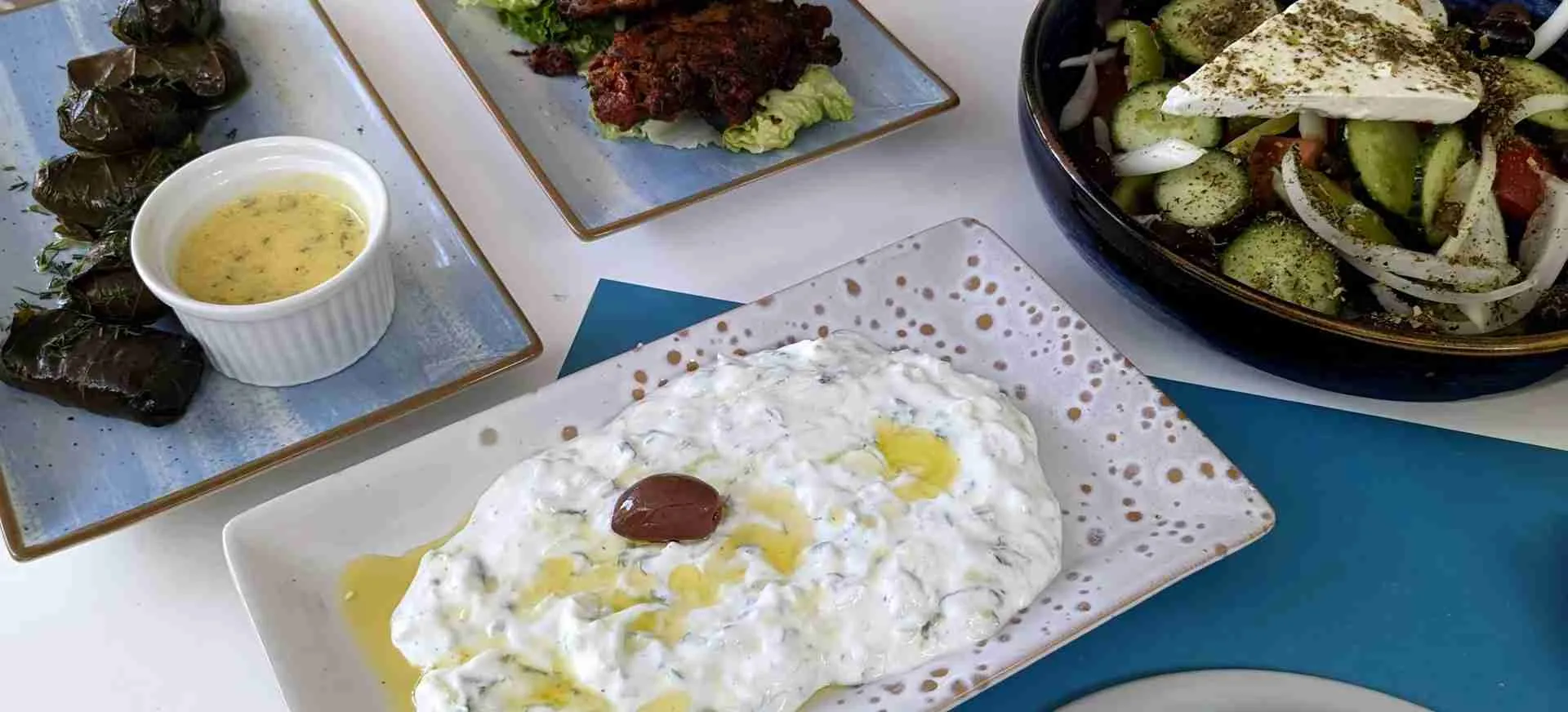
- Wine-Food Synergy: Santorini’s cuisine evolved specifically to complement volcanic terroir wines, with traditional dishes like creamy fava puree, tomatokeftedes tomato fritters, melitzanosalata white eggplant spread, and fresh seafood providing perfect acidic and textural counterpoints to Assyrtiko’s minerality and Vinsanto’s concentrated sweetness, creating harmonious pairings reflecting shared volcanic soil origins
People Also Ask About Santorini Food & Wine
What makes Santorini wine unique?
Santorini wine achieves global uniqueness through the combination of volcanic aspa soil, ungrafted ancient vines, and extreme cultivation conditions creating flavor profiles impossible to replicate elsewhere. The island’s volcanic soil composed of ash, pumice, and lava contains virtually no potassium, producing wines with remarkably low pH values and sharp acidity that maintains freshness despite Mediterranean heat, while the complete absence of phylloxera allows vines to remain ungrafted with many specimens exceeding 100 years age yielding intensely concentrated fruit. The Assyrtiko grape, Santorini’s signature variety occupying 70% of vineyard area, develops pronounced minerality and salinity reflecting volcanic terroir and maritime influence, producing white wines that defy typical hot-climate wine profiles by maintaining crisp acidity, steely structure, and aging potential rivaling northern European varieties. The traditional kouloura basket vine-training system unique to Santorini protects grapes from harsh Meltemi winds while enabling moisture capture from sea air, allowing viticulture under extreme conditions with annual rainfall below 400mm. These factors combine producing PDO Santorini wines with distinctive citrus character, flinty minerality, saline finish, and remarkable evolution potential, with properly cellared Assyrtiko developing complex honeyed, nutty character over decades while maintaining the crisp acidity that defines the island’s winemaking heritage spanning over 3,500 years.
What is Assyrtiko wine?
Assyrtiko represents Greece’s most prestigious indigenous white grape variety, producing crisp, mineral-driven wines with high natural acidity and distinctive salinity most famously expressed in Santorini’s volcanic terroir. Assyrtiko vines yield wines characterized by citrus fruit notes (lemon, lime, grapefruit), white stone fruit undertones (peach, nectarine), pronounced flinty minerality, and ocean-like salinity creating unique flavor profiles unlike any international grape variety, with young wines displaying austere, steely character that softens over time revealing layers of complexity. Santorini’s extreme volcanic conditions intensify Assyrtiko’s natural traits, with the variety maintaining remarkably high acidity even under intense Mediterranean sun and minimal rainfall, producing wines typically reaching 13.5-14% alcohol without losing freshness or developing flabbiness common in hot-climate whites. PDO Santorini regulations require minimum 85% Assyrtiko content, though many producers craft 100% varietal expressions showcasing pure volcanic terroir character, while PDO Nykteri designation represents oak-aged Assyrtiko achieving additional complexity through barrel maturation and lees contact. Assyrtiko’s thick-skinned berries provide natural protection against sunburn and dehydration in Santorini’s harsh environment, while the grape’s ability to retain acidity makes it exceptionally age-worthy with premium examples evolving beautifully over 10-20+ years, developing honeyed richness, toasted nut complexity, and waxy texture while maintaining the core minerality and acidity that defines quality Santorini wine production.
What food is Santorini famous for?
Santorini’s culinary fame centers on intensely flavored agricultural products shaped by volcanic soil and extreme climate, with PDO-protected fava yellow split peas and cherry tomatoes representing the island’s most iconic ingredients forming the foundation of traditional cuisine. Fava Santorini, cultivated from the Lathyrus clymenum variety for over 3,500 years, produces a creamy golden puree served as the island’s signature dish, typically garnished with caramelized onions, wild capers, and quality olive oil creating velvety texture and earthy sweetness impossible to achieve with standard split pea varieties grown in different terroirs. Santorini cherry tomatoes (tomataki), earning PDO status in 2013, weigh just 20 grams with remarkably thick skin protecting intense red flesh delivering concentrated sweet-tart flavor that dominates the island’s beloved tomatokeftedes (tomato fritters) combining chopped cherry tomatoes, herbs, onions, and flour fried until crispy outside while maintaining juicy interior. White eggplant, a rare variety distinguished by pale color, naturally sweet flavor, and minimal seeds that prevent oil absorption during cooking, appears in numerous preparations including melitzanosalata (eggplant spread) and traditional moussaka variants. Wild capers growing abundantly across the island add piquant, salty-bitter notes to salads and fava garnishes, while katsouni cucumbers provide unique sweetness and crunch to traditional Santorini salad. These volcanic-soil products combine in cuisine emphasizing simple preparations highlighting ingredient quality, with traditional dishes like skordomakaronada (garlic pasta), chlorotyri local cheese, apochti cured pork, and kopania barley sweets creating culinary identity deeply connected to the island’s agricultural heritage and wine culture.
What is Vinsanto wine?
Vinsanto (also spelled Vin Santo to distinguish from Tuscan Vin Santo) represents Santorini’s traditional naturally sweet dessert wine produced from sun-dried grapes undergoing extended oak aging, creating concentrated, complex expressions reflecting centuries of island winemaking tradition. PDO Vinsanto regulations mandate minimum 51% Assyrtiko content with balance from indigenous white varieties including Aidani and Athiri, with grapes harvested at full ripeness then laid on woven mats or suspended in well-ventilated spaces for 10-14 days allowing partial dehydration that concentrates sugars, acids, and flavor compounds while maintaining varietal character. The drying process reduces grape volume by 60-70% creating intensely sweet must that ferments slowly in oak barrels, with PDO requirements stipulating minimum 24 months barrel aging though many producers extend maturation to 3-10+ years developing exceptional complexity. Vinsanto displays deep amber to reddish-brown color with aromas of dried figs, raisins, dates, caramel, honey, toasted nuts, and sweet spice, while the palate delivers concentrated sweetness balanced by Assyrtiko’s natural high acidity preventing cloying character and enabling long aging potential. Premium examples achieve remarkable longevity, with well-cellared Vinsanto evolving over decades developing oxidative complexity, nutty character, and honeyed richness while maintaining the fresh acidity and minerality that distinguishes Santorini sweet wines from international dessert wine styles. Vinsanto serves traditionally as a meditation wine sipped alone or paired with local melitinia cheese pastries, kopania barley sweets, or rich desserts, though contemporary applications include foie gras pairings, blue cheese accompaniments, and sophisticated dessert matches showcasing the wine’s versatile complexity.
Extended multi-day tours – 5+ days
Featured Santorini Multi-Day Tour Packages
3 days
Santorini 3-Day Discovery Tour
- ✓ Comprehensive Santorini experience
- ✓ Expert local guides included
- ✓ All accommodation included
- ✓ Transportation provided
5 days
Santorini 5-Day Highlights Experience
- ✓ Comprehensive Santorini experience
- ✓ Expert local guides included
- ✓ All accommodation included
- ✓ Transportation provided

7 days
Santorini 7-Day Cultural Journey
- ✓ Comprehensive Santorini experience
- ✓ Expert local guides included
- ✓ All accommodation included
- ✓ Transportation provided

10 days
Santorini 10-Day Complete Adventure
- ✓ Comprehensive Santorini experience
- ✓ Expert local guides included
- ✓ All accommodation included
- ✓ Transportation provided
Multi-day tour packages powered by TourRadar. Prices and availability subject to change.
Introduction: Understanding Santorini’s Volcanic Gastronomy
Santorini’s dramatic volcanic landscape creates one of the world’s most distinctive terroirs, where the catastrophic eruption 3,600 years ago that formed the island’s iconic caldera simultaneously established the geological foundation for exceptional wine production and intensely flavored agricultural products that define the island’s culinary identity. The violent explosion left behind aspa soil composed of volcanic ash, pumice stone, and solidified lava fragments creating a growing medium with virtually no organic matter, minimal moisture retention, and complete absence of phylloxera that enables ancient ungrafted vines to survive while forcing plants to develop concentrated flavors through stress adaptation. This harsh volcanic environment combined with Mediterranean climate extremes including intense summer sun, persistent Meltemi winds, and annual rainfall below 400mm creates viticulture and agriculture challenges that paradoxically produce some of Greece’s most celebrated wines and distinctively flavored food products earning international recognition and PDO protected status.
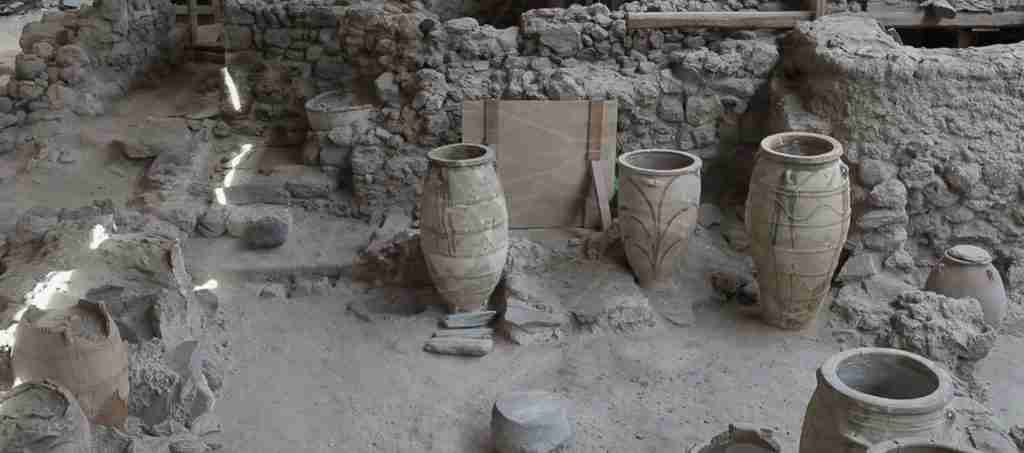
Santorini’s winemaking heritage spans over 3,500 years as evidenced by Bronze Age archaeological findings at Akrotiri revealing sophisticated wine production facilities, with continuous cultivation through subsequent civilizations establishing techniques and traditions that persist in modern viticulture including the unique kouloura basket vine-training system developed to combat harsh winds while capturing moisture from sea air. The island’s wines achieved particular fame during Venetian occupation when Santorini exports dominated Mediterranean trade routes, with the name “Vinsanto” reflecting Italian influence on the island’s traditional sweet wine production that continues as one of three PDO-designated wine styles alongside dry Assyrtiko expressions. Contemporary Santorini wine production encompasses approximately 1,200 hectares primarily devoted to Assyrtiko grape cultivation, with family-operated estates and the Santo Wines cooperative representing 1,200+ growers maintaining traditional methods while embracing modern winemaking technology that elevates quality without sacrificing the distinctive volcanic terroir character that makes Santorini wines unique globally.
The same volcanic soil and extreme climate conditions that produce extraordinary wines simultaneously create intensely flavored agricultural products forming the foundation of Santorini’s traditional cuisine, with arid cultivation forcing plants to develop concentrated flavors absent in conventional farming environments. Fava yellow split peas and cherry tomatoes earning PDO protected status represent the island’s most famous products, cultivated using traditional methods adapted to volcanic conditions and minimal water availability creating unique flavor profiles impossible to replicate in other growing regions. Santorini’s culinary traditions evolved specifically to complement the island’s wines, with simple preparations emphasizing ingredient quality and dishes providing textural and flavor counterpoints to Assyrtiko’s minerality and acidity, creating wine-food synergies that reflect shared volcanic origins and centuries of gastronomic evolution shaped by the island’s dramatic landscape and maritime climate.
Volcanic Terroir: The Foundation of Santorini Wine
Santorini’s volcanic terroir represents the defining factor distinguishing the island’s wines from all other Greek and international wine regions, with geological conditions created by catastrophic eruption 3,600 years ago establishing unique soil composition, microclimate patterns, and viticulture challenges that shape every aspect of wine character. The island’s aspa soil composed primarily of volcanic ash, pumice stone, and solidified lava fragments contains virtually no organic matter, possesses minimal moisture retention capacity, and crucially lacks potassium creating growing conditions that stress vines while producing grapes with remarkable concentration, acidity, and minerality. This volcanic substrate combined with extreme Mediterranean climate including intense summer sun reaching 30°C+ temperatures, persistent north winds (Meltemi), and annual rainfall rarely exceeding 400mm creates one of the world’s most challenging viticulture environments where only specially adapted indigenous varieties survive and thrive.
Volcanic Soil Composition and Wine Impact
Aspa soil’s volcanic composition directly influences wine chemistry and flavor profiles through multiple mechanisms, with the complete absence of potassium creating low pH musts that produce wines with remarkably sharp acidity maintaining freshness despite Mediterranean heat. Volcanic ash and pumice provide excellent drainage preventing waterlogging during occasional heavy rains while the porous structure allows vine roots to penetrate deep seeking moisture and nutrients, with vines developing extensive root systems accessing mineral-rich soil layers that impart the distinctive flinty, saline character to Santorini wines. The soil’s dark color absorbs and retains heat during the day while radiating warmth at night, moderating temperature extremes and extending the growing season enabling gradual flavor development in grapes. Mineral content including silica, calcium, magnesium, and trace elements transfers from soil through vine to grape, creating the pronounced minerality and salinity that defines Assyrtiko character with tasters frequently describing flavors reminiscent of wet stones, sea spray, and volcanic rock dust.
The volcanic terroir’s most significant viticultural advantage involves complete phylloxera absence, with the pest unable to survive in Santorini’s ash-rich soil allowing vines to remain ungrafted on their original rootstocks unlike virtually all other European wine regions devastated by the 19th-century phylloxera epidemic. This enables Santorini to maintain some of the world’s oldest vines with many specimens exceeding 100 years and some estates cultivating vines dating to the 1850s, with ancient vines producing dramatically reduced yields of intensely concentrated fruit exhibiting flavor complexity impossible to achieve from young grafted vines. The ungrafted status preserves authentic varietal character without rootstock influence while the vines’ extreme age concentrates flavors and creates natural yield limitations, with century-old Assyrtiko vines producing 20-30 hectoliters per hectare compared to 80-100+ in conventional viticulture, though the resulting wine quality and concentration justifies the economic sacrifice of reduced production.
Climate Extremes and Viticulture Adaptation
Santorini’s Mediterranean island climate creates extreme conditions that fundamentally shape viticulture practices and grape characteristics, with intense summer sun delivering prolonged heat exposure that ripens grapes to high sugar levels while persistent Meltemi winds moderate temperatures and reduce fungal disease pressure but create mechanical stress requiring specialized vine training. Annual rainfall averaging 300-400mm concentrates in winter months leaving summer growing season virtually rainless, forcing vines to develop drought-resistance mechanisms while preventing dilution of grape flavors that occurs in wetter climates. The combination of heat, wind, and aridity creates natural disease resistance eliminating the need for fungicide treatments while concentrating sugars, acids, and flavor compounds in grape berries, though the harsh conditions also limit yields and require traditional cultivation techniques developed over centuries to enable successful viticulture.
Maritime influence from the surrounding Aegean Sea moderates temperature extremes while contributing salinity and humidity that shapes wine character, with sea breezes providing cooling relief during peak summer heat while nighttime condensation from sea air deposits moisture on vine leaves and grape clusters creating the only significant water source during dry growing months. This maritime microclimate imparts distinctive saline minerality to wines, with tasters consistently detecting ocean-like salinity in Assyrtiko expressions that reflects the island’s coastal terroir and constant sea spray exposure during persistent wind periods. The Meltemi wind system blowing strongly from the north during summer months creates both challenges and benefits, reducing fungal pressure through air circulation and moderating extreme heat but requiring the traditional kouloura vine training system that protects grape clusters from wind damage while enabling fruit to ripen under protected conditions within basket-shaped vine formations.
Assyrtiko: The Star Grape of Santorini
Assyrtiko represents Santorini’s signature grape variety occupying approximately 70% of the island’s 1,200 hectares of vineyards, producing white wines that achieve international recognition for their distinctive minerality, crisp acidity, and remarkable aging potential rare among Mediterranean white varieties. This indigenous Greek variety thrives specifically in Santorini’s extreme volcanic conditions, with thick-skinned berries providing natural protection against sunburn and dehydration while maintaining high natural acidity even under intense heat and minimal rainfall creating unique flavor profiles impossible to achieve from the same variety grown in conventional terroirs. Assyrtiko’s ability to retain acidity while ripening to substantial alcohol levels (typically 13.5-14%) distinguishes it from most white grapes cultivated in hot climates that lose freshness and develop flabby character, with Santorini Assyrtiko maintaining steely structure and crisp mineral character that defines the island’s wine identity.
Assyrtiko Flavor Profile and Characteristics
Assyrtiko wines from Santorini display distinctive aromatic profiles dominated by citrus fruits including lemon, lime, and grapefruit alongside white stone fruit notes of peach and nectarine, with pronounced flinty minerality creating scents reminiscent of wet stones, chalk, and volcanic ash. The palate delivers steely, mineral-driven structure with vibrant acidity creating mouth-watering freshness, full body from naturally high alcohol and extract, and distinctive saline finish reflecting maritime terroir and volcanic soil influence. Young Assyrtiko expressions exhibit austere, taut character with primary citrus fruit and mineral notes dominating, while maturation develops increased textural richness, honeyed character, toasted nut complexity, and waxy mouthfeel while maintaining the crisp acidity and minerality that enables extended aging potential.
Premium Assyrtiko wines achieve remarkable longevity, with properly cellared examples evolving beautifully over 10-20+ years developing tertiary complexity including honey, beeswax, dried apricot, almond, and petrol-like notes (similar to aged Riesling) while the wine’s naturally high acidity prevents oxidation and maintains freshness throughout extended bottle aging. This aging potential distinguishes Assyrtiko from most white wines produced in Mediterranean climates that require early consumption, with Santorini’s volcanic terroir and traditional winemaking practices creating white wines rivaling northern European varieties in cellaring capacity and evolution. The grape’s naturally low pH contributes to aging potential by providing antioxidant protection, while phenolic content from extended skin contact during fermentation adds structural complexity supporting long-term development and flavor evolution impossible in lighter-bodied, low-phenolic white wine styles.
Single Vineyard Assyrtiko Expressions
Contemporary Santorini winemaking increasingly emphasizes single vineyard Assyrtiko bottlings showcasing specific terroir nuances within the island’s broader volcanic landscape, with individual sites displaying distinctive mesoclimates, soil variations, and vine ages creating recognizable flavor differences. Producers including Artemis Karamolegos, Estate Argyros, and Domaine Sigalas craft single vineyard expressions revealing how subtle terroir variations affect Assyrtiko character, with vineyards located on different caldera aspects, elevations, and soil compositions producing wines ranging from delicate floral-citrus expressions to intensely mineral, flinty profiles with gripping texture. These single vineyard wines demonstrate Assyrtiko’s ability to express terroir nuances despite the variety’s relatively neutral aromatic profile compared to highly aromatic grapes, with differences in minerality intensity, citrus fruit character, textural weight, and aging evolution reflecting specific site characteristics and traditional viticultural practices maintained by individual families over generations.
PDO Santorini Wine Categories
Protected Designation of Origin Santorini encompasses three official wine styles regulated by strict production standards protecting the island’s winemaking heritage and ensuring quality and authenticity, with PDO status requiring grapes grown exclusively on Santorini (and small neighboring Thirasia island) processed according to traditional methods while meeting specific varietal composition, aging, and alcohol requirements. These three PDO categories—Santorini (dry white), Nykteri (oak-aged dry white), and Vinsanto (naturally sweet dessert wine)—represent distinct expressions of volcanic terroir and indigenous grape varieties shaped by centuries of winemaking tradition adapted to the island’s extreme conditions and maritime climate.
PDO Santorini Dry White Wines
PDO Santorini designation covers the island’s classic dry white wines produced primarily from Assyrtiko with regulations permitting up to 15% blending with indigenous varieties Aidani and Athiri, though many premium producers craft 100% Assyrtiko expressions showcasing pure volcanic terroir character. These wines undergo classic white vinification involving destemming, gentle pressing, cool temperature fermentation in stainless steel tanks, and maturation on fine lees developing textural complexity while preserving fresh fruit character and crisp acidity. PDO Santorini wines typically achieve 12.5-14% alcohol with most producers targeting 13.5-14% reflecting the variety’s natural ripening capacity under intense Mediterranean sun, while maintaining remarkably high acidity creating balanced, fresh expressions despite substantial alcohol levels that would produce flabby character in less acidic grape varieties.
The flavor profile of PDO Santorini wines emphasizes citrus fruit (lemon, lime), white stone fruit (peach, nectarine), pronounced flinty minerality, and distinctive saline finish creating steely, mineral-driven character that improves with 2-3 years bottle age and maintains quality for 5-10+ years under proper cellaring conditions. Winemakers often employ extended lees contact during tank maturation developing richer texture and subtle complexity while stainless steel vessels preserve the bright citrus character and mineral precision that defines the style. Premium PDO Santorini bottlings from established producers including Estate Argyros, Domaine Sigalas, Gaia Wines, and Santo Wines represent exceptional value compared to international white wines of similar quality, offering distinctive volcanic terroir character and aging potential at prices typically ranging €15-35 retail for estate bottlings and €8-15 for cooperative productions.
PDO Nykteri Oak-Aged Expressions
PDO Nykteri represents a more structured, powerful expression of Santorini wine traditionally produced from Assyrtiko or Assyrtiko-dominant blends with Aidani and Athiri, distinguished by mandatory minimum 13.5% alcohol content and minimum 3 months oak barrel aging developing additional complexity and textural richness. The name “Nykteri” derives from the Greek word for “night,” referencing historical practice of harvesting and pressing grapes during cool nighttime hours then fermenting and aging the wine overnight in traditional canavas (cave cellars), with modern interpretations maintaining the philosophy of extended aging while employing temperature-controlled fermentation and carefully selected oak barrels for maturation. Nykteri wines undergo oak fermentation and/or aging in French or American oak barrels ranging from new to several years old, with winemakers balancing oak influence against Assyrtiko’s strong varietal character to create integrated, complex expressions showcasing both terroir and barrel-aging benefits.
The oak aging period extends from the PDO-mandated 3-month minimum to 12-18+ months for premium bottlings, with extended barrel contact developing creamy texture, enhanced body, toasted nut complexity, subtle vanilla and spice notes from oak, and waxy mouthfeel while the wine’s naturally high acidity prevents the flabbiness and excessive oakiness that afflicts many barrel-aged white wines from warmer climates. Nykteri flavor profiles exhibit richer, broader character than stainless steel PDO Santorini with pronounced citrus fruit evolving toward dried apricot and candied lemon, honeyed richness, buttery notes from lees contact and possible malolactic fermentation, and integrated oak contributing structure and complexity without overwhelming the volcanic terroir minerality and salinity that remains the wine’s foundation. These wines achieve remarkable aging potential with premium examples evolving beautifully over 15-25+ years, developing complex tertiary character including honey, beeswax, truffle, petrol-like notes, and oxidative complexity while maintaining acidity and structure supporting extended cellaring that places Nykteri among the world’s most age-worthy white wines.
PDO Vinsanto Naturally Sweet Wines
PDO Vinsanto represents Santorini’s traditional naturally sweet dessert wine produced from sun-dried grapes undergoing partial dehydration concentrating sugars and flavors, with PDO regulations requiring minimum 51% Assyrtiko content balanced by Aidani and Athiri, minimum 24 months oak barrel aging, and production following traditional methods refined over centuries. The winemaking process begins with fully ripe grape harvest typically occurring late August through September, with selected bunches laid on woven reed mats or suspended in well-ventilated spaces for 10-14 days allowing controlled dehydration reducing grape volume 60-70% while concentrating sugars to 300-450 grams per liter. This sun-drying (appassimento) creates intensely sweet must retaining high natural acidity from Assyrtiko’s genetic predisposition, enabling slow fermentation in oak barrels where the wine develops over minimum 2 years (though many producers extend to 3-10+ years) achieving complex oxidative character and concentrated sweetness balanced by fresh acidity preventing cloying heaviness.
Vinsanto displays deep amber to reddish-brown color indicating oxidative aging, with aromatic profiles dominated by dried fruits (figs, raisins, dates), caramel, honey, toasted nuts, sweet spice, and coffee notes creating complex, multilayered bouquet. The palate delivers concentrated sweetness balanced by Assyrtiko’s crisp acidity, full body with viscous texture, and long finish extending dried fruit and nutty complexity, with premium examples achieving remarkable harmony between sweetness, acidity, alcohol, and flavor intensity. Extended oak aging develops additional complexity through controlled oxidation creating nutty, caramelized character reminiscent of Tawny Port or aged Madeira while maintaining the fresh acidity and fruit intensity that distinguishes quality Vinsanto from overly oxidized or cloying dessert wines. These wines achieve exceptional longevity with properly cellared examples evolving over decades, with some historic canavas maintaining Vinsanto stocks from early 20th century demonstrating the wine’s extraordinary aging potential and evolution capacity under appropriate storage conditions.
Indigenous Grape Varieties Beyond Assyrtiko
While Assyrtiko dominates Santorini viticulture representing 70% of plantings, the island maintains cultivation of several indigenous white and red grape varieties contributing to PDO wine blends and increasingly appearing as single-varietal bottlings showcasing the diversity of volcanic terroir expressions. Aidani and Athiri serve as traditional Assyrtiko blending partners softening the grape’s austere character while adding aromatic complexity, while rare varieties including Mavrotragano red grapes and aromatic whites like Katsano represent niche plantings that several quality-focused producers champion as part of preserving Santorini’s viticultural biodiversity and winemaking heritage threatened by Assyrtiko’s commercial dominance and pressure to convert mixed plantings to pure Assyrtiko vineyards.
Aidani: Aromatic White Blending Variety
Aidani represents Santorini’s second most planted white variety after Assyrtiko, traditionally serving as blending component in PDO Santorini and Vinsanto wines while some producers craft single-varietal expressions showcasing the grape’s aromatic, softer character distinct from Assyrtiko’s mineral austerity. Aidani produces wines with pronounced floral aromatics including white flowers, jasmine, and orange blossom, alongside stone fruit notes (apricot, white peach) and citrus character, with lower acidity and rounder texture compared to Assyrtiko creating more immediately accessible, fruit-forward expressions. In traditional PDO Santorini blends, Aidani softens Assyrtiko’s sharp edges while contributing aromatic complexity and textural breadth, with the combination creating balanced wines offering both minerality and fruit charm appealing to broader consumer preferences compared to austere pure Assyrtiko expressions.
Athiri: Traditional Blending Partner
Athiri serves as another indigenous white variety cultivated across Santorini and broader Cycladic islands, contributing to PDO Santorini and Vinsanto blends while maintaining small plantings for single-varietal production by traditionalist winemakers. The variety produces wines with moderate acidity, soft texture, and delicate fruit character including citrus and white flowers, offering similar blending benefits to Aidani in softening Assyrtiko’s intensity while adding aromatic complexity. Athiri’s drought resistance and adaptation to volcanic conditions made it historically important for Santorini viticulture, though modern emphasis on Assyrtiko quality and international recognition has reduced Athiri plantings as producers focus resources on the island’s signature variety capable of commanding premium pricing in export markets.
Mavrotragano: Rare Indigenous Red
Mavrotragano represents Santorini’s most significant indigenous red grape variety, nearly extinct several decades ago before quality-focused producers including Domaine Sigalas, Estate Argyros, and Hatzidakis rescued the variety through dedicated replanting and winemaking programs demonstrating its exceptional quality potential. The grape produces full-bodied red wines with deep color, spicy character, red and black fruit notes (cherry, blackberry), earthy complexity, and aging capacity rare among Greek red varieties, with Santorini’s volcanic terroir imparting distinctive minerality even to red wine expressions. Mavrotragano plantings remain limited representing less than 5% of island viticulture, with producers maintaining small parcels yielding low volumes of premium red wines commanding prices comparable to top Assyrtiko expressions while offering collectors and enthusiasts access to unique volcanic-terroir red wine unavailable from any other region globally.
Traditional Winemaking: Kouloura Vine Training
Santorini’s traditional kouloura vine training system represents one of the world’s most distinctive viticultural practices, developed over centuries specifically to combat the island’s extreme wind exposure while enabling viticulture under harsh Mediterranean conditions with minimal rainfall and intense summer heat. The technique involves weaving vine canes into low basket-shaped formations resembling wreaths lying flat on the ground, with grape clusters protected inside the basket structure while vine foliage shields fruit from direct sun exposure and harsh Meltemi winds that would damage unprotected clusters and desiccate berries before achieving full ripeness. This unique cultivation method creates distinctive vineyard landscapes where rows of individual basket-vines cover volcanic soil without the vertical trellis systems typical of conventional viticulture, with each vine forming an independent circular structure that can survive and produce fruit for over 100 years when maintained through traditional pruning and training techniques passed through generations of Santorinian grape growers.
Kouloura Construction and Vine Management
Creating kouloura formations requires specialized knowledge and patient vine training over multiple years, beginning with young vines gradually shaped into basket structures through careful pruning, cane positioning, and weaving techniques that establish the circular form while maintaining vine health and productivity. Mature kouloura vines produce new canes annually that growers weave into the existing basket structure, cutting away old wood while training new growth to maintain the formation’s integrity and size control preventing excessive lateral expansion. The basket’s interior houses grape clusters protected from wind and direct sun while maintaining air circulation reducing fungal disease pressure, with the vine’s leaves forming a protective canopy over the structure capturing moisture from nighttime sea air condensation that deposits on foliage and drips to roots providing critical water supplementation during rainless summer months.
Kouloura vines grown directly on volcanic soil without irrigation develop extensive root systems penetrating 10+ meters deep accessing moisture and minerals while concentrating flavors through natural drought stress, with extremely low yields averaging 20-30 hectoliters per hectare from century-old vines compared to 80-100+ in conventional viticulture. This natural yield limitation combined with concentrated fruit creates the intense flavor, high extract, and complex character defining premium Santorini wines, though the economic sacrifice of reduced production combined with labor-intensive maintenance makes kouloura cultivation increasingly challenging for contemporary producers facing cost pressures and labor shortages threatening traditional viticultural practices essential to maintaining Santorini’s unique wine identity and heritage.
Modern Adaptations and Preservation Challenges
Contemporary Santorini viticulture faces tension between maintaining traditional kouloura cultivation preserving the island’s winemaking heritage and implementing modern practices including vertical trellis systems enabling mechanization and higher yields reducing production costs. Some producers introduce vertical training for newly planted vineyards while maintaining historic kouloura parcels, creating dual vineyard systems where premium wines source from traditional baskets while entry-level bottlings utilize modern plantings yielding greater volumes at lower quality levels. The economic pressure to increase yields and reduce hand-labor costs threatens kouloura preservation, with each generation of Santorinian grape growers facing decisions about maintaining labor-intensive traditional methods versus adopting conventional practices enabling commercial viability in competitive international wine markets.
Organizations including the Santorini wine cooperative (Santo Wines) and quality-focused estates actively work to preserve kouloura viticulture through education programs, financial incentives for traditional cultivation, and marketing emphasis on heritage vine-training systems differentiating Santorini wines in premium markets. The kouloura system’s recognition as unique viticultural heritage worthy of preservation extends beyond wine quality to cultural significance representing centuries of agricultural adaptation to extreme environmental conditions and embodying the resilience and ingenuity of Santorinian farming communities. Visitors touring Santorini wineries witness firsthand the distinctive basket vines creating some of the world’s most photogenic vineyard landscapes, with the visual impact and cultural story of kouloura cultivation adding experiential value to wine tourism complementing tasting experiences and supporting premium pricing justified by traditional methods and historic viticulture practices impossible to mechanize or replicate in conventional wine regions.
Traditional Food Products: Volcanic Agriculture
Santorini’s agricultural products achieve distinctive character through volcanic soil and extreme climate conditions identical to those shaping the island’s wines, with arid cultivation in mineral-rich aspa forcing plants to develop concentrated flavors while minimal water availability and intense sun create unique taste profiles earning several products PDO protected status recognizing their terroir-specific qualities impossible to replicate elsewhere. The island’s food culture centers on simple preparations emphasizing ingredient quality over elaborate techniques, with traditional dishes showcasing volcanic-grown vegetables, pulses, and dairy products that evolved to complement Santorini wines through natural acidic and textural pairings reflecting shared geological origins.
Fava Santorini: PDO Yellow Split Peas
Fava Santorini represents the island’s most iconic food product, earning PDO protected status recognizing the unique characteristics of yellow split peas (Lathyrus clymenum species, not true fava beans) cultivated exclusively on Santorini for over 3,500 years as evidenced by Bronze Age Akrotiri archaeological findings. Santorini fava develops distinctive qualities through volcanic soil cultivation including naturally creamy texture when cooked, pure earthy-sweet flavor without bitterness, and ability to achieve velvety puree consistency without requiring mashing or blending unlike conventional split peas grown in different terroirs. The volcanic soil’s mineral content and arid conditions concentrate flavors while the small yellow peas’ 20% protein content and rich carbohydrate levels create nutritionally dense ingredient forming the foundation of traditional island cuisine and serving as primary protein source for generations of Santorinians before modern food distribution enabled diverse diet access.
Traditional fava preparation involves boiling split peas with onion and garlic until soft, then pureeing with quality olive oil creating silky-smooth golden spread typically served warm garnished with caramelized onions, wild capers, olive oil drizzle, and sometimes diced fresh tomatoes or herbs. The dish’s versatility enables service as appetizer spread with bread, side dish accompanying grilled fish or meat, or vegetarian main course providing complete protein nutrition, while the mild sweet-earthy flavor profile creates perfect pairing for Assyrtiko wines where fava’s creamy texture and gentle sweetness balances wine’s crisp acidity and mineral austerity. PDO Fava Santorini regulations protect traditional cultivation methods, certified farm sourcing, and local milling practices ensuring authentic products maintain quality standards while supporting island agriculture and preserving genetic diversity of the indigenous Lathyrus clymenum variety adapted over millennia to Santorini’s unique growing conditions.
Cherry Tomatoes: PDO Tomataki
Santorini cherry tomatoes (tomataki) earned PDO protected status in 2013 recognizing their distinctive characteristics shaped by volcanic cultivation, with the tiny fruits weighing just 20 grams displaying remarkably thick skin protecting intense red flesh that delivers concentrated sweet-tart flavor unmatched by conventional tomato varieties. The volcanic soil’s mineral content and extreme aridity force tomato plants to develop drought-resistance mechanisms while concentrating sugars, acids, and lycopene creating the intense color and flavor that makes Santorini tomatoes prized ingredients for traditional dishes and preserved products. Cultivation requires specialized techniques adapted to minimal water availability, with small pits dug in volcanic soil capturing moisture while plants develop extensive root systems, and harvest occurring July-August becomes celebratory island event when families gather to pick the precious crop destined for immediate consumption, sun-drying preservation, or processing into traditional tomato paste.
The cherry tomatoes’ thick skin and compact flesh enable traditional sun-drying preservation creating intensely flavored dried tomatoes that rehydrate for use in winter cooking while fresh tomatoes dominate summer cuisine in Santorini’s signature tomatokeftedes (tomato fritters) combining chopped tomataki with herbs, onions, flour, and sometimes feta cheese fried until crispy outside while maintaining juicy interior bursting with concentrated tomato flavor. Sun-dried tomatoes and tomato paste produced from Santorini cherry varieties deliver intense umami richness and natural sweetness elevating simple dishes while providing essential preserved ingredients sustaining island cuisine through winter months when fresh vegetable availability traditionally decreased. The tomataki’s intense flavor enables pairing with both dry Assyrtiko wines where tomato acidity complements wine’s crisp structure and sweet Vinsanto where the fruit’s natural sugars harmonize with the dessert wine’s concentrated character.
White Eggplant and Other Volcanic Vegetables
Santorini white eggplant represents a rare variety distinguished by pale color, naturally sweet flavor lacking conventional eggplant’s occasional bitterness, and minimal seed content creating tender flesh that doesn’t absorb excessive oil during frying unlike standard purple eggplant requiring substantial fat uptake. The variety reportedly arrived in Santorini from Egypt during 19th century Mediterranean trade, adapting to volcanic conditions while developing characteristics specific to island terroir including enhanced sweetness and delicate texture making it prized ingredient for traditional melitzanosalata (eggplant spread), baked dishes, and even moussaka variants where white eggplant’s mild character creates different flavor profiles than conventional preparations. The vegetable’s cultivation remains limited with most production consumed locally, though some restaurants and specialty shops offer white eggplant products enabling visitors to experience this unique ingredient shaped by volcanic agriculture.
Katsouni cucumbers represent another Santorini agricultural specialty, larger than conventional cucumbers with thicker skin, more seeds, and distinctively sweeter flavor creating the foundation of traditional Santorini salad combining katsouni slices with cherry tomatoes, wild capers, caper leaves, and quality olive oil. Wild capers grow abundantly across the island including improbable locations like caldera cliffs and house walls, with the unopened flower buds harvested, sun-dried, then rehydrated before use creating the intensely salty-bitter garnish essential to fava puree, salads, and numerous traditional preparations. Chlorotyri represents Santorini’s traditional fresh cheese produced from goat or sheep milk, displaying soft texture and mild tangy flavor that substitutes for feta in Greek salads while offering unique taste shaped by the island’s limited grazing resources and traditional cheese-making practices adapted to volcanic terroir conditions affecting animal feed and milk composition.
Traditional Santorini Dishes and Cuisine
Santorini cuisine emphasizes simple preparations showcasing volcanic-grown ingredient quality, with traditional dishes evolved over centuries to complement the island’s wines while providing sustenance from limited agricultural resources shaped by harsh growing conditions and historical isolation requiring food preservation techniques and cooking methods adapted to available ingredients. The culinary tradition reflects Mediterranean diet principles emphasizing vegetables, pulses, olive oil, limited meat, and fresh seafood when available, with dishes designed to pair specifically with local wines creating natural harmonies between food and drink shaped by shared volcanic terroir origins.
Signature Dishes and Preparations
Tomatokeftedes (tomato fritters) represent Santorini’s most celebrated dish beyond fava, combining chopped cherry tomatoes with flour, onions, fresh herbs (mint, oregano), and sometimes grated zucchini or crumbled feta cheese formed into patties and fried in olive oil until golden-crisp outside while maintaining juicy interior bursting with concentrated tomato flavor. The dish showcases PDO cherry tomatoes’ intense character while creating textural contrast between crispy exterior and soft center, with the fritters typically served as meze appetizer accompanied by tzatziki or yogurt sauce and paired with crisp Assyrtiko wine where tomato acidity and fried richness balance wine’s mineral austerity and refreshing character. Quality tomatokeftedes depend entirely on Santorini tomato availability, with restaurants outside summer harvest season unable to produce authentic versions matching the intensity achieved when using fresh tomataki at peak ripeness.
Melitzanosalata represents the classic eggplant spread prepared from roasted white eggplants pureed with lemon juice, garlic, and quality olive oil creating creamy dip served with bread as appetizer or accompaniment to grilled meats and fish. The white eggplant’s naturally sweet character and minimal seeds create smoother, more delicate spread than versions using conventional purple eggplant, with the preparation highlighting volcanic-grown vegetable quality through minimal seasoning and simple technique emphasizing ingredient purity. Chlorotyri cheese appears in various preparations including Santorini salad (replacing feta with the local fresh cheese combined with cherry tomatoes, katsouni cucumbers, capers, and olive oil) and melitinia Easter pastries combining chlorotyri or mizithra cheese with sugar and mastic creating sweet-savory treats served during festive celebrations.
Traditional Proteins and Preserved Foods
Apochti represents Santorini’s traditional cured pork product, with salted pork loin marinated in vinegar and spices then air-dried creating intensely flavored jerky-style meat served in small portions as palate cleanser between wine tastings or appetizer accompanying ouzo and wine. The preservation technique evolved from necessity enabling meat storage before refrigeration while the intense salty-acidic character creates ideal wine pairing cutting through Assyrtiko’s acidity and complementing the wine’s mineral character. Fresh seafood including octopus, squid, and various fish species provide protein when available, with simple grilled preparations seasoned with lemon, olive oil, and herbs allowing seafood quality to shine while creating natural affinity for Santorini wines where maritime character in both food and wine reflects shared coastal terroir.
Kopania represents traditional Santorini sweet made from crushed barley rusks mixed with raisins, sesame seeds, and cinnamon creating dense, nutritious bite-sized treats offering sweetness without excessive fat. The simple preparation reflects historical ingredient limitations while providing energy-dense portable food suitable for agricultural workers requiring sustained nutrition during long vineyard days. Melitinia cheese pastries appear during Easter celebrations, combining mizithra or chlorotyri cheese with sugar and aromatic mastic creating delicate sweet-savory pastries representing festive cuisine traditions maintained across generations despite modernization and increased access to diverse ingredients enabling contemporary Santorini restaurants to serve international cuisine alongside traditional island preparations.
Wine and Food Pairing Principles
Santorini wine and food pairing follows natural complementarity principles where shared volcanic terroir creates inherent harmonies between indigenous agricultural products and local wines, with traditional dishes evolved specifically to accompany island wine styles while wine characteristics developed alongside culinary traditions creating synergistic relationships impossible to replicate through arbitrary international pairing formulas. The fundamental pairing dynamic involves Assyrtiko’s high acidity, pronounced minerality, and saline character balanced against rich, creamy, or fried preparations where wine refreshes palate between bites while food’s textural richness softens wine’s austere mineral edge creating harmonious progression unavailable when pairing Assyrtiko with lighter preparations that amplify rather than balance the wine’s intensity.
Assyrtiko Wine Pairing Guidelines
Creamy fava puree represents the archetypal Assyrtiko pairing, with the split pea dish’s velvety texture and gentle earthy sweetness providing perfect counterpoint to wine’s crisp acidity and mineral austerity while the caper and onion garnishes add salty-sweet accents harmonizing with Assyrtiko’s saline character. Fresh seafood including grilled octopus, fried calamari, and whole fish preparations create classic pairings where Assyrtiko’s acidity cuts through seafood richness while wine’s maritime salinity complements ocean flavors creating seamless food-wine integration. Fried preparations including tomatokeftedes and white eggplant fritters benefit from Assyrtiko’s palate-cleansing acidity cutting through oil richness while refreshing between bites, with the wine’s mineral backbone providing structural contrast to fried foods’ textural softness.
Aged Assyrtiko and Nykteri expressions handle richer preparations including lobster with butter sauce, creamy risotto, roasted poultry, and even veal dishes where the wines’ fuller body, oak complexity, and evolved character match preparation richness while maintaining refreshing acidity preventing heaviness. The surprising versatility of mature Assyrtiko enables pairing with dishes typically reserved for red wines, with the white wine’s full body, complex tertiary character, and pronounced minerality providing alternative pairing options for diners preferring white wine regardless of traditional red wine protein conventions.
Vinsanto Dessert Wine Pairings
Vinsanto’s concentrated sweetness balanced by crisp acidity enables diverse dessert pairings including local melitinia cheese pastries where wine’s honeyed character complements sweet filling while acidity prevents cloying combination, kopania barley sweets creating simple harmonious match, and rich desserts including chocolate preparations, nut-based sweets, and fruit tarts where Vinsanto’s complexity and intensity match dessert richness. Contemporary pairing applications extend beyond desserts to foie gras where Vinsanto’s sweetness and acidity create classic sweet-savory dynamic, blue cheese providing pungent counterpoint to wine’s honeyed character, and dried fruit and nut assortments offering simple meditation pairings showcasing wine quality without food competition. The wine’s remarkable aging capacity and oxidative complexity position premium Vinsanto alongside Madeira, Tawny Port, and aged Sherry as contemplative sipping wines transcending simple dessert wine categorization.
Wine Tourism and Winery Experiences
Santorini wine tourism encompasses approximately 20 wineries offering tasting experiences ranging from casual drop-in visits to structured tours including vineyard walks, production facility viewing, and guided tastings paired with local foods, with the island’s dramatic caldera setting and unique kouloura vineyards creating photogenic backdrops enhancing experiential appeal beyond wine quality alone. Major producers including Santo Wines, Venetsanos Winery, Domaine Sigalas, Estate Argyros, and Gaia Wines maintain visitor facilities accommodating growing tourism interest, while smaller family estates including Hatzidakis and Gavalas offer intimate experiences emphasizing personal interaction with winemakers and traditional production methods maintaining continuity with historic practices.
Premier Winery Destinations
Santo Wines represents Santorini’s largest producer operating as cooperative representing 1,200+ grape growers, with modern facilities in Pyrgos village featuring spectacular caldera views from terraced tasting areas where visitors sample wines while watching sunset over volcanic cliffs and Aegean Sea. The winery offers structured tours including vineyard walks through kouloura formations, production facility viewing showcasing modern equipment alongside traditional techniques, and comprehensive tastings covering PDO Santorini, Nykteri, and Vinsanto styles with local food pairings including fava, tomato products, and regional cheeses. Santo’s prominent caldera location and comprehensive visitor amenities including restaurant, wine shop selling estate bottlings and local products, and educational programs make it essential destination for first-time visitors seeking overview of Santorini wine culture and production.
Venetsanos Winery occupies dramatic clifftop location in Megalochori village offering caldera views rivaling Santo while maintaining more intimate scale emphasizing the historic facility’s unique architecture and gravity-flow design enabling efficient production without mechanical pumping when constructed in 1947. Estate Argyros represents traditional family winemaking maintaining century-old vines and emphasizing quality over tourism volume, with tastings showcasing single-vineyard Assyrtiko expressions and premium Vinsanto demonstrating the estate’s position among Santorini’s quality leaders receiving international recognition including Wine & Spirits Magazine “Top 100 Wineries” designation. Domaine Sigalas near Oia offers vineyard-setting tastings on terraces surrounded by kouloura formations, with comprehensive wine selection including 10+ labels and optional food pairings featuring seasonal local ingredients creating elevated tasting experiences justifying premium pricing while supporting the estate’s quality-focused production philosophy.
Wine Tour Strategies and Recommendations
Effective Santorini wine tourism balances caldera-view wineries offering dramatic settings (Santo, Venetsanos) with traditional estates emphasizing production heritage and wine quality (Argyros, Sigalas, Gavalas), creating comprehensive experiences combining visual impact with educational content and quality wine exposure. Organized wine tours typically visit 3-4 wineries over half-day or full-day itineraries, providing transportation eliminating driving concerns on narrow winding roads while guides offer context about volcanic terroir, viticulture practices, and wine styles enhancing appreciation beyond basic tasting. Private tours enable customized itineraries focusing on specific interests including organic viticulture (Hatzidakis), single-vineyard expressions (Artemis Karamolegos), or traditional production methods (Gavalas), though higher per-person costs reflect personalized service and flexible scheduling.
Independent winery visits suit travelers with rental vehicles and wine knowledge enabling self-directed exploration, with most estates welcoming drop-in visitors though advance booking ensures table availability particularly during summer peak season and sunset hours at caldera-view locations. Optimal timing avoids midday summer heat favoring morning visits (10 AM-12 PM) or late afternoon tastings (4-7 PM) capturing golden hour light for photography while temperatures moderate compared to peak midday periods. Serious wine enthusiasts should allocate 2-3 days for comprehensive winery exploration enabling multiple visits without rushed schedules while allowing recovery time between tasting sessions, with some estates offering multi-course wine-paired meals (Domaine Sigalas, Gaia Wines) creating elevated dining experiences showcasing volcanic terroir synergies between island wines and cuisine.
Frequently Asked Questions: Santorini Food & Wine
How much do Santorini wine tastings cost?
Santorini winery tasting experiences range from basic complimentary samples at smaller estates to structured paid tastings costing €12-50 per person depending on winery prestige, wine selection, and food pairings included. Entry-level tastings at cooperative Santo Wines and mid-tier estates typically charge €12-20 covering 4-6 wines including PDO Santorini, Nykteri, and Vinsanto expressions with small food accompaniments like barley rusks, olives, and local cheese, providing accessible introduction to volcanic terroir wines without excessive cost commitment. Premium tastings at quality-focused estates including Estate Argyros and Domaine Sigalas range €20-35 for comprehensive selections featuring single-vineyard bottlings, aged reserves, and rare varieties with upgraded food pairings showcasing local products. Multi-course wine-paired meals offered by select wineries including Domaine Sigalas (€150 for 6-course degustation with wine pairings) and Artemis Karamolegos represent top-tier experiences combining Santorini cuisine with estate wines in elevated dining formats justifying premium pricing through chef-prepared dishes and exclusive wine access. Organized wine tours including transportation and multiple winery visits cost €80-150 per person for small-group experiences and €250-400 for private tours, with pricing reflecting convenience, guide expertise, and comprehensive itineraries eliminating logistics concerns while maximizing winery exposure within limited timeframes.
Can you visit Santorini wineries without a tour?
Independent winery visits work well for travelers with rental vehicles and basic wine knowledge, with most Santorini estates welcoming walk-in visitors during operating hours typically 10 AM-7 PM daily during summer season (May-October) and reduced hours or appointment-only access during winter months. Major destinations including Santo Wines, Venetsanos, Domaine Sigalas, and Estate Argyros maintain regular tasting room hours accepting drop-in visitors, though advance booking via phone or email ensures table availability particularly at popular caldera-view locations during sunset hours and summer weekends when capacity constraints limit simultaneous visitor numbers. Self-guided winery exploration enables flexible scheduling, extended time at preferred estates, and cost savings eliminating tour operator margins, though visitors miss educational commentary from professional guides who provide terroir context, production insights, and tasting techniques enhancing wine appreciation beyond basic sampling. Independent visitors should designate a non-drinking driver or utilize taxis/ride-sharing services connecting wineries, as Santorini’s narrow winding roads combined with multiple tasting stops create dangerous driving conditions for impaired operators risking both safety and legal consequences from Greek drunk driving enforcement. Some remote estates including Gavalas and Hatzidakis require advance appointments due to limited staff and small-scale operations, with phone or email contact before visiting ensuring winemaker availability and preventing wasted trips to closed facilities during agricultural work periods or family obligations interrupting regular schedules.
What makes Santorini fava different from regular split peas?
Santorini fava achieves distinctiveness through unique botanical classification (Lathyrus clymenum species rather than conventional Pisum sativum split peas), volcanic soil cultivation creating specific flavor characteristics, and 3,500+ years genetic adaptation to island terroir producing qualities impossible to replicate using the same species grown elsewhere. The Lathyrus clymenum variety develops naturally creamy texture when cooked without requiring mashing or extended processing, achieving velvety-smooth puree consistency through simple boiling that conventional split peas cannot match even with vigorous blending. Volcanic soil’s mineral content and arid growing conditions concentrate flavors while producing pure, earthy-sweet taste lacking the occasional bitterness affecting standard split peas, with Santorini fava displaying higher protein content (20%) and richer carbohydrate levels than conventional varieties creating more satisfying nutrition profile. PDO Fava Santorini regulations protect authentic production requiring cultivation in designated Santorini parcels, processing by certified local mills maintaining traditional methods, and strict quality controls ensuring commercial products maintain standards justifying protected status and premium pricing compared to generic split peas sold internationally. The terroir specificity means true Fava Santorini cannot be produced outside the island regardless of using identical Lathyrus clymenum seeds, as different soil composition, climate patterns, and growing conditions fundamentally alter the peas’ chemical composition, texture development, and flavor profile creating product distinctions recognizable to experienced tasters and justifying PDO protection preventing fraudulent labeling of non-Santorini split peas as authentic island fava.
How long can Santorini Assyrtiko age?
Premium Santorini Assyrtiko wines achieve remarkable aging potential spanning 10-20+ years for top-tier bottlings from quality producers including Estate Argyros, Domaine Sigalas, Hatzidakis, and Gaia Wines, with the variety’s naturally high acidity, substantial phenolic content from volcanic terroir, and traditional winemaking creating structural components supporting extended cellaring and complex flavor evolution. Young Assyrtiko displays primary citrus and mineral character with austere, steely profile evolving over 3-5 years toward increased textural richness and integrated fruit-mineral balance, while extended aging beyond 5-10 years develops tertiary complexity including honey, beeswax, dried apricot, toasted nuts, and petrol-like notes similar to aged Riesling while maintaining the crisp acidity and minerality that prevents oxidation and flabbiness. PDO Nykteri oak-aged expressions achieve even greater longevity spanning 15-25+ years with barrel maturation adding structural complexity and the wines’ fuller body supporting extended development, with premium bottlings from historic vintages demonstrating extraordinary evolution capacity and flavor complexity rivaling world-class age-worthy white wines from Burgundy, Germany, and Alsace. Proper cellaring conditions including consistent cool temperatures (12-15°C), darkness, moderate humidity, and horizontal bottle positioning prove essential for realizing aging potential, with poor storage accelerating oxidation and premature decline negating the variety’s genetic longevity advantages. Wine enthusiasts should purchase multiple bottles of promising vintages from top producers, consuming one every 2-3 years tracking evolution while maintaining remaining bottles under optimal conditions enabling experience of Assyrtiko’s remarkable transformation from youthful austerity to complex maturity showcasing volcanic terroir’s distinctive character expressed through aged wine’s honeyed richness and layered complexity.
What food should I try with Vinsanto?
Vinsanto’s concentrated sweetness balanced by crisp acidity creates versatile dessert wine pairing with traditional Santorini sweets including melitinia cheese pastries where wine’s honeyed character complements sweet mizithra filling while acidity prevents cloying combination, and kopania barley treats offering simple harmonious match emphasizing wine quality. Contemporary pairing applications extend to rich desserts including dark chocolate preparations where Vinsanto’s oxidative complexity and dried fruit notes create sophisticated matches, nut-based sweets (walnut cake, almond tarts) harmonizing with wine’s toasted nut character, and fruit-forward desserts including dried fig compote or poached pear providing natural flavor bridges. Savory pairings showcase Vinsanto’s complexity through foie gras where sweet wine balances rich liver creating classic sweet-fat dynamic enhanced by wine’s acidity cutting richness, blue cheese (Roquefort, Gorgonzola, Stilton) offering pungent contrast to honeyed sweetness while wine’s viscosity matches cheese’s creamy texture, and aged hard cheeses (Parmigiano-Reggiano, aged Manchego) creating sophisticated cheese course finales. Simple presentations including dried fruit and nut assortments, quality dark chocolate, or enjoying Vinsanto alone as meditation wine highlight the wine’s intrinsic quality without food competition, with premium aged expressions deserving solo appreciation showcasing complex oxidative character, layered dried fruit and caramel notes, and remarkable balance between sweetness, acidity, and alcohol creating complete sensory experience requiring no food enhancement.
Are Santorini wines organic?
Santorini viticulture benefits from naturally low disease pressure due to persistent Meltemi winds, minimal rainfall, and volcanic soil composition creating conditions requiring virtually no fungicide treatments even in conventional production, with most estates maintaining environmentally sustainable practices though not all pursue formal organic certification. Several producers including Hatzidakis Winery practice certified organic viticulture following EU organic regulations prohibiting synthetic pesticides, herbicides, and fertilizers while emphasizing soil health, biodiversity, and sustainable farming methods, with organic certification appealing to environmentally conscious consumers though adding administrative costs and regulatory compliance burdens that smaller estates may avoid despite following organic-equivalent practices. The island’s extreme climate and volcanic terroir naturally minimize pest and disease pressure compared to humid continental wine regions requiring intensive chemical intervention, enabling most Santorini producers to achieve sustainable viticulture using minimal inputs regardless of formal organic certification status. Estate Argyros specifically emphasizes organic farming methods across its vineyards without pursuing certification, while other quality-focused producers maintain sustainable practices including cover cropping, minimal intervention, and integrated pest management reflecting environmental stewardship philosophy. Consumers seeking organically produced Santorini wines should inquire directly with producers or request information from wine shop staff, as organic certification status may not appear prominently on labels despite wineries following organic-equivalent practices meeting consumer environmental and health concerns about chemical residues and sustainable agriculture.
Can I buy Santorini wine and food products to take home?
Santorini wineries, specialty food shops, and the Santo Wines retail store offer extensive selection of estate bottlings, PDO fava, cherry tomato products (paste, dried tomatoes), capers, and other local specialties enabling visitors to purchase items for home consumption or gifting, with most wineries providing shipping services for wine purchases though international shipping restrictions and costs often make hand-carrying bottles more practical for tourists. Wine purchases should focus on premium bottlings unavailable internationally including single-vineyard Assyrtiko, aged Nykteri, and vintage Vinsanto expressions representing the best of Santorini production while offering value compared to export market pricing inflated by distribution margins and import duties. European Union travelers can transport reasonable wine quantities (typically 90 liters per adult) within EU borders without customs issues, while non-EU visitors face individual country import allowances requiring customs declaration and potential duty payment on quantities exceeding exemption thresholds typically 1-4 liters depending on destination regulations. PDO fava, tomato products, and packaged foods travel well as luggage items though liquid restrictions on carry-on bags require checked baggage placement, with specialty food shops in Fira and winery retail stores offering vacuum-sealed products and secure packaging ensuring safe transport. Serious collectors seeking significant wine quantities should arrange direct winery shipping to home addresses, with producers familiar with international logistics capable of managing customs documentation and export procedures though costs typically require minimum order values justifying shipping expenses and administrative effort involved in international wine transportation compliance.
What is the difference between Santorini and Nykteri wine?
PDO Santorini and PDO Nykteri represent distinct wine styles both produced primarily from Assyrtiko grapes but differing in minimum alcohol requirements, oak aging mandates, and resulting flavor profiles, with Nykteri achieving richer, more complex character through extended barrel maturation while Santorini emphasizes fresh citrus fruit and mineral precision through stainless steel vinification. PDO Santorini regulations require minimum 12.5% alcohol (though most producers achieve 13.5-14%) with no mandatory oak aging, enabling winemakers to craft fresh, mineral-driven expressions through stainless steel fermentation and maturation preserving primary citrus character and volcanic terroir minerality. PDO Nykteri mandates minimum 13.5% alcohol and minimum 3 months oak barrel aging (though many producers extend to 12-18+ months), developing fuller body, creamy texture, integrated oak influence contributing vanilla and spice notes, and enhanced aging potential through barrel-derived tannins and controlled oxidation. The name “Nykteri” references traditional overnight winemaking practices where grapes harvested and pressed during cool nighttime hours fermented and aged in cave cellars, with modern interpretations maintaining the philosophy of extended aging and development producing more structured, powerful wines distinct from fresher Santorini style. Flavor profile differences manifest as Santorini’s bright citrus (lemon, lime), crisp acidity, steely minerality, and saline finish compared to Nykteri’s richer texture, honeyed character, toasted nut complexity, subtle oak vanilla, and waxy mouthfeel, with both styles showcasing volcanic terroir though Nykteri’s oak aging and longer maturation add layers of complexity unavailable in stainless steel-aged Santorini expressions. Pricing typically positions Nykteri at premium levels (€25-50) compared to Santorini (€15-30) reflecting extended aging costs, lower production volumes from barrel losses, and positioning as prestige bottling within estate portfolios.
Where can I eat traditional Santorini food?
Traditional Santorini cuisine appears at tavernas throughout the island including established venues in Fira, Oia, and village locations, with recommendations including To Psaraki in Vlychada for seafood with capers, Cave of Nikolas in Akrotiri for family-garden produce and authentic tomatokeftedes, Kali Kardia tavern for house-made cheese and traditional preparations, and numerous establishments in Megalochori, Pyrgos, and Emporio offering local dishes emphasizing PDO products and traditional recipes. Contemporary restaurants including those at wineries (Domaine Sigalas, Artemis Karamolegos) present elevated interpretations of traditional cuisine using local ingredients in sophisticated preparations that maintain terroir connections while applying modern techniques and presentation, creating dining experiences pairing Santorini wines with cuisine showcasing volcanic agriculture through chef-driven creativity. Markets and bakeries in Fira and larger villages sell packaged fava, tomato products, kopania sweets, and other traditional foods enabling self-catering travelers to experience local ingredients through apartment or villa meal preparation, while some accommodations offer cooking classes teaching traditional recipes including fava preparation, tomatokeftedes techniques, and dessert making providing hands-on culinary education complementing wine tourism and restaurant dining. Visitors should specifically request traditional Santorini dishes when ordering as many restaurants serve generic Greek cuisine (moussaka, souvlaki, Greek salad) alongside island specialties, with fava, tomatokeftedes, white eggplant preparations, and chlorotyri cheese representing essential tasting experiences for understanding the island’s culinary heritage and volcanic terroir’s influence on food character beyond wine production.
Why are Santorini wines expensive?
Santorini wine pricing reflects multiple cost factors including extremely low vineyard yields from ancient kouloura vines (20-30 hectoliters/hectare versus 80-100+ in conventional viticulture), labor-intensive hand cultivation and harvest requirements preventing mechanization, small production volumes from family estates limiting economies of scale, and premium positioning based on quality, uniqueness, and terroir distinctiveness justifying higher pricing compared to bulk wine regions. The kouloura vine training system requires specialized maintenance knowledge and manual pruning, weaving, and vineyard management impossible to mechanize, with labor costs in tourist-dependent Santorini economy exceeding those in less developed wine regions where agricultural wages remain lower. Ancient ungrafted vines produce dramatically reduced yields compared to young grafted plantings in conventional wine regions, with century-old Assyrtiko vines yielding just 2-4 tons per hectare creating natural production limitations and concentration justifying premium pricing through scarcity and quality factors. PDO regulations limiting production to Santorini-grown grapes processed on-island prevent volume expansion through mainland grape sourcing that enables cost reduction in less terroir-specific wine regions, while the island’s tourism economy creates overall cost structure elevating all production expenses including labor, land values, and operational overhead compared to rural wine regions with lower living costs. International export success and critical acclaim for top Santorini producers creates demand supporting premium pricing, with collectors and enthusiasts willing to pay €30-60+ for quality Assyrtiko and Nykteri expressions recognizing the wines’ uniqueness, aging potential, and terroir distinction unavailable from any other global wine region offering comparable volcanic character and ancient viticulture heritage.