Reykjavik Hidden Gems: Secret Spots Guide
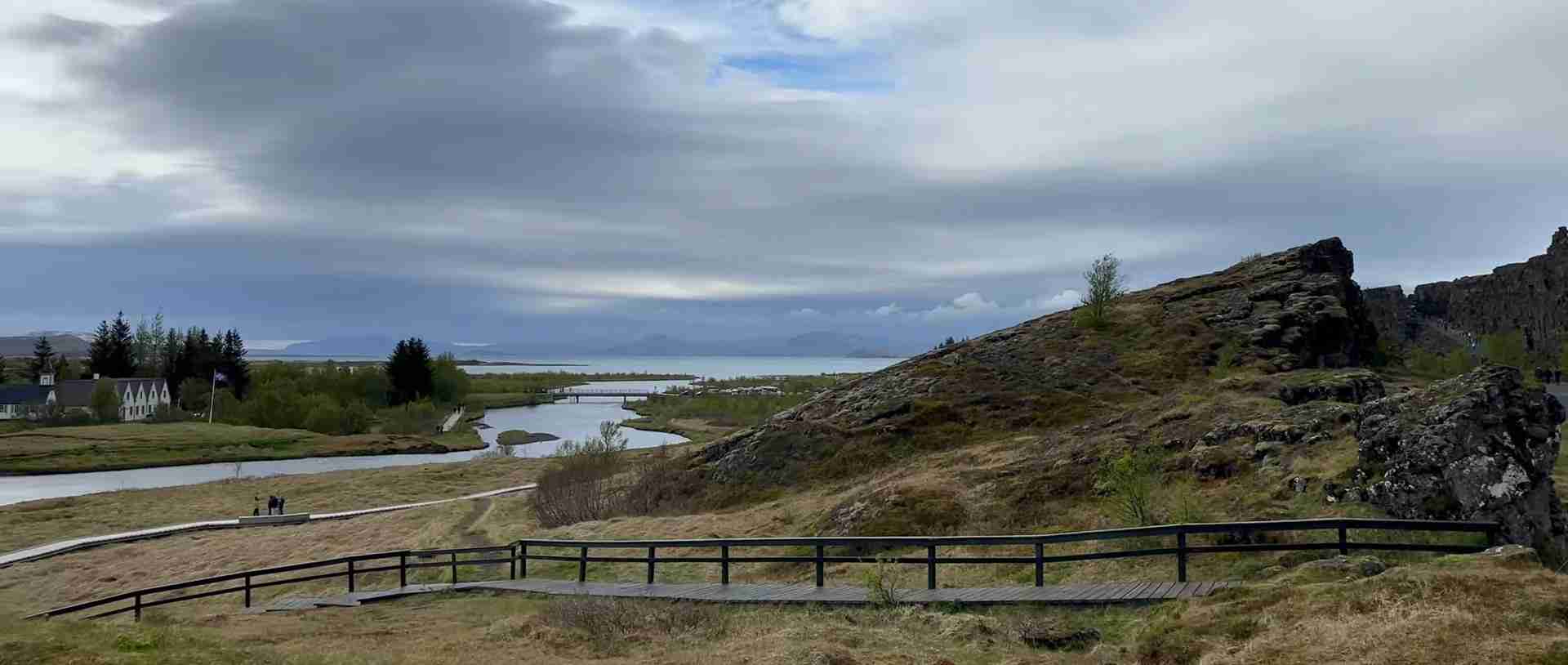
Reykjavik’s most captivating experiences await beyond Hallgrímskirkja Church and the Golden Circle tours. Hidden geothermal foot baths, underground punk museums, art-filled islands, and quiet nature reserves offer intimate glimpses into local life that most visitors never discover. This guide reveals the secret spots and lesser-known treasures where Icelanders actually spend their time.
Key Takeaways: Discovering Reykjavik’s Secret Side
- Free Thermal Experiences: Kvika geothermal foot bath at Grótta Lighthouse and Nauthólsvík Geothermal Beach offer authentic Icelandic bathing culture without the crowded lagoons or entry fees
- Island Art Sanctuary: Viðey Island combines windswept trails, historic ruins, and Yoko Ono’s Imagine Peace Tower, accessible via ferry included with the Reykjavik City Card
- Underground Culture: The Icelandic Punk Museum occupies a converted public restroom on Laugavegur, showcasing the capital’s rebellious music scene through gig posters and vintage instruments
- Urban Nature Escapes: Elliðaárdalur Valley flows through central Reykjavik with salmon-filled waters and hidden waterfalls, while Heiðmörk Nature Reserve features volcanic red hills and safe cave exploration
- Local Authenticity: Kolaportið Flea Market, Student Cellar Bar, and Café Babalú’s Star Wars bathroom represent the quirky, unpretentious character that makes Reykjavik distinct from sanitized tourism
- Strategic Exploration: The Reykjavik City Card provides free museum entry and unlimited bus travel, transforming hidden gem hunting from expensive excursions into budget-friendly discoveries
People Also Ask About Reykjavik Hidden Gems
What Are the Best Free Hidden Gems in Reykjavik?
Kvika geothermal foot bath at Grótta Lighthouse provides complimentary thermal bathing with mountain views, while the Reykjavik Botanical Garden offers lush walking paths and ponds without admission charges. Elliðaárdalur Valley features salmon-filled waters and multiple waterfalls accessible via public trails. The Einar Jónsson Museum sculpture garden displays outdoor artworks from Icelandic folklore free of charge, and Kolaportið Flea Market operates weekends at the Old Harbour with vintage treasures and local crafts. The outdoor Raven’s Nest art installation constructed from recycled materials sits on the shoreline peninsula. These attractions demonstrate that Reykjavik’s most authentic experiences cost nothing beyond transportation.
How Do Locals Explore Reykjavik Away from Tourist Spots?
Icelanders frequent neighborhood geothermal pools like Sundhöll Reykjavíkur and Vesturbæjarlaug for daily socializing, spend weekends hiking Úlfarsfell mountain for city panoramas, and gather at the Student Cellar Bar for live music rather than downtown tourist pubs. They shop at Kolaportið Flea Market for lopapeysa sweaters and vintage finds, cycle through Heiðmörk Nature Reserve’s forest trails, and take coffee breaks at small neighborhood cafés like Café Babalú. Walking and cycling dominate over tour buses, allowing spontaneous discoveries through residential neighborhoods where street art and hidden sculptures appear unexpectedly. The local philosophy “þetta reddast” encourages going with the flow rather than over-planning sightseeing.
What Hidden Cultural Attractions Exist in Reykjavik?
The Icelandic Punk Museum inhabits a former underground public toilet on Laugavegur, chronicling the city’s alternative music rebellion through photographs and memorabilia. Kjarvalsstaðir showcases Jóhannes Sveinsson Kjarval’s moody Icelandic landscapes within walking distance of Hallgrímskirkja. Tjarnarbíó theater presents intimate performances often in English within a cozy venue housing Tjarnarbarinn café. The Nordic House, designed by Finnish architect Alvar Aalto, demonstrates modernist architectural mastery behind a quiet bird sanctuary. Gerðarsafn contemporary art museum in Kópavogur displays cutting-edge Icelandic art dedicated to pioneer artist Gerður Helgadóttir. Hafnarfjörður Museum explores old Iceland through five historic houses and pathways. These cultural spaces reveal artistic depth beyond the mainstream attractions.
Which Reykjavik Neighborhoods Contain the Most Hidden Gems?
Laugardalur neighborhood conceals the Reykjavik Botanical Garden and Árbær Open Air Museum within residential areas. The Old Harbour area extends beyond whale watching to include Kolaportið Flea Market and maritime history. Seltjarnarnes peninsula at Reykjavik’s edge offers Grótta Lighthouse, the Kvika foot bath, and exceptional northern lights viewing. Elliðaárdalur Valley cuts through the city center with salmon fishing and waterfalls unknown to most visitors. Kópavogur suburb contains Kópavogskirkja Church with panoramic city views and Gerðarsafn art museum. Hafnarfjörður municipality features volcanic landscapes and the Hafnarfjörður Museum complex. Heiðmörk Nature Reserve on the outskirts provides 5 million planted trees and volcanic red hills. These areas reward exploration beyond the compact downtown district.
Extended multi-day tours – 5+ days
Featured Reykjavik Multi-Day Tour Packages

3 days
Reykjavik 3-Day Discovery Tour
- ✓ Comprehensive Reykjavik experience
- ✓ Expert local guides included
- ✓ All accommodation included
- ✓ Transportation provided

5 days
Reykjavik 5-Day Highlights Experience
- ✓ Comprehensive Reykjavik experience
- ✓ Expert local guides included
- ✓ All accommodation included
- ✓ Transportation provided

7 days
Reykjavik 7-Day Cultural Journey
- ✓ Comprehensive Reykjavik experience
- ✓ Expert local guides included
- ✓ All accommodation included
- ✓ Transportation provided
10 days
Reykjavik 10-Day Complete Adventure
- ✓ Comprehensive Reykjavik experience
- ✓ Expert local guides included
- ✓ All accommodation included
- ✓ Transportation provided
Multi-day tour packages powered by TourRadar. Prices and availability subject to change.
Introduction: Beyond Reykjavik’s Famous Landmarks
Reykjavik presents an interesting paradox for travelers seeking authenticity. The world’s northernmost capital attracts visitors with promises of whale watching, northern lights, and dramatic volcanic landscapes, yet its most memorable experiences often unfold in quiet corners that tour operators never mention. The city’s compact size deceives newcomers into believing they’ve seen everything after visiting Hallgrímskirkja Church, Harpa Concert Hall, and the Sun Voyager sculpture. In reality, Reykjavik’s soul resides in converted public restrooms housing punk museums, geothermal foot baths known only to locals, and art-filled islands accessible by simple ferry rides.
Iceland’s isolation shaped a population of approximately 130,000 Reykjavik residents who value self-sufficiency, creativity, and unpretentiousness. This cultural character manifests in hidden gems that prioritize substance over spectacle. A former underground toilet becomes the nation’s punk music archive. An island sanctuary combines 9th-century ruins with contemporary peace monuments. Neighborhood geothermal pools function as social centers where politicians swim alongside students. Volcanic red hills and forest reserves exist within city limits, accessible via public transportation. These discoveries require willingness to wander residential neighborhoods, trust local recommendations, and embrace the Icelandic philosophy “þetta reddast” – it will all work out in the end.
Understanding Reykjavik’s hidden gems requires recognizing the difference between tourist infrastructure and local life. The city developed tourism relatively recently, preserving authentic spaces that weren’t designed for visitors. Árbær Open Air Museum recreates 19th-century Icelandic existence through relocated buildings rather than theme park reconstructions. Elliðaárdalur Valley offers salmon fishing in central Reykjavik because conservation priorities outweighed development pressures. The Student Cellar Bar maintains its character as a genuine music venue rather than sanitizing for tourist comfort. These spaces reward travelers who approach Reykjavik with curiosity rather than checklists.
The strategic advantage of discovering Reykjavik’s hidden gems extends beyond bragging rights about secret spots. Many treasures cost nothing or integrate into money-saving tools like the Reykjavik City Card. Free geothermal foot baths provide the Icelandic bathing experience without expensive lagoon admissions. Municipal museums included with the City Card reveal cultural depths that commercial attractions cannot replicate. Walking and cycling through neighborhoods cost nothing beyond initial bike rental or shoe leather. The hidden gem approach transforms Reykjavik from an expensive stopover into a rich cultural destination where limited budgets access unlimited discoveries.
Natural Hidden Gems: Geothermal Waters and Wilderness Escapes
Reykjavik’s natural hidden gems provide Arctic wilderness experiences within city limits, offering alternatives to crowded commercial attractions. These spaces reveal how Icelanders integrate nature into daily urban life through geothermal bathing, river valleys, and volcanic landscapes accessible via public transportation.
Kvika Geothermal Foot Bath: Free Thermal Soaking at Grótta
Kvika geothermal foot bath sits beside Grótta Lighthouse on the Seltjarnarnes peninsula, providing complimentary thermal soaking with views across Faxaflói Bay toward snow-covered mountains. The tiny concrete pool near a wooden shed welcomes barefooted locals and informed visitors who discover Iceland’s bathing culture without commercial lagoon prices. Geothermally heated water maintains comfortable temperatures year-round, creating surreal contrasts when surrounded by winter snow. The location combines thermal bathing with lighthouse photography, bird watching, and northern lights viewing during winter darkness.
Access requires driving or cycling 10 minutes from downtown Reykjavik to the peninsula’s tip, where free parking accommodates visitors. Walking from central Reykjavik takes approximately one hour along the waterfront path. The foot bath occupies a small area near GPS coordinates 64.1624°N, 22.0083°W, marked by the wooden structure and gathering of people removing shoes. No facilities exist beyond the pool itself, so visitors bring towels for drying feet afterward. The experience epitomizes Icelandic generosity with natural resources – a geothermal gift shared freely rather than monetized.
Optimal timing emphasizes sunrise or sunset when light transforms the surrounding landscape and mountain backdrop. Winter visits between September and April offer northern lights possibilities, though success depends on solar activity and clear skies. Summer midnight sun creates extended golden hour conditions ideal for photography. The exposed coastal location generates strong winds requiring appropriate clothing, though feet remain warm in thermal water. Locals recommend combining Kvika with Grótta Lighthouse exploration and coastal walking along the black sand beach where seabirds congregate.
Nauthólsvík Geothermal Beach: Arctic Ocean Swimming with Hot Tub
Nauthólsvík Geothermal Beach provides golden sand, geothermally heated seawater, a hot tub, and steam bath where locals swim in the North Atlantic Ocean year-round. The beach combines natural coastal beauty with engineered thermal comfort, creating a true local paradise unknown to most tourists fixated on distant lagoons. Warm water pumped into a sheltered area maintains swimming temperatures even during winter months, while the adjacent hot tub offers recovery warmth after bracing ocean dips. The steam bath completes the traditional Icelandic bathing sequence.
Location in the Öskjuhlíð area places Nauthólsvík approximately 3 kilometers from downtown Reykjavik, accessible via bus routes or short cycling distances. The beach operates throughout the year with varying hours and modest entrance fees far below commercial thermal pool prices. Facilities include changing rooms, showers meeting Icelandic hygiene standards requiring thorough washing before entering water, and areas for grilling personal food. The atmosphere emphasizes local family enjoyment rather than tourist spectacle, with Icelandic conversations dominating and children playing in the sand.
The swimming experience combines thermal comfort with Arctic adventure. Geothermally heated sections maintain pleasant temperatures while the surrounding ocean remains cold, creating temperature contrasts that Icelanders consider health-promoting. Locals practice the traditional sequence: hot tub soaking, cold ocean plunge, steam bath recovery, repeating the cycle multiple times. The golden sand beach provides an unusual Icelandic sight since black volcanic sand dominates most coastlines. Views extend across Reykjavik harbor toward distant mountains, particularly stunning during summer’s midnight sun or winter’s brief daylight hours.
Elliðaárdalur Valley: Urban Salmon River and Waterfall Network
Elliðaárdalur Valley flows through central Reykjavik as a peaceful recreation area housing the Elliðaá river, multiple waterfalls, and hiking trails that most visitors never discover. The valley’s existence within city boundaries demonstrates Iceland’s commitment to preserving natural spaces despite development pressures. The river contains remarkable populations of Arctic char, salmon, and brown trout, making it a known fishing location requiring proper licensing. Tiny waterfalls cascade along the river course, creating photographic opportunities and soothing natural soundscapes.
Access points exist throughout the valley, though the Árbær Open Air Museum location provides convenient entry combined with cultural exploration. Gravel paths and walking trails follow the river through the valley, suitable for casual strolling or extended hikes depending on available time and energy. The area functions as a true hidden gem because it occupies space between tourist destinations rather than serving as a destination itself. Locals use the valley for dog walking, jogging, family picnics, and fishing escapes without leaving urban boundaries.
The valley’s ecological significance extends beyond recreation value. The river system supports fish populations unusual for urban waterways, maintained through careful conservation and fishing regulations. Birdlife flourishes along the water course, attracting species that use the valley as feeding and nesting habitat. Native vegetation creates green corridors through residential neighborhoods, demonstrating how Icelandic urban planning integrates natural systems rather than paving over them. The valley represents what makes Reykjavik distinct – a capital city where salmon swim through the center.
Heiðmörk Nature Reserve: Volcanic Red Hills and Forest Trails
Heiðmörk Nature Reserve sprawls across Reykjavik’s outskirts, featuring volcanic red hills called Rauðhólar, over 5 million trees planted by volunteers since the 1950s, and extensive trail networks for hiking, cycling, and horseback riding. The reserve creates an unusual Icelandic landscape since forests cover only approximately 2% of the country due to historical deforestation and harsh growing conditions. The red volcanic hills provide striking visual contrasts against surrounding greenery, easily spotted from distance with their distinctive rust coloration.
Rauðhólar volcanic formations resulted from specific eruption types creating pseudo-craters and colorful mineral deposits. The red hills cluster near GPS coordinates 64°09’74.70″N, 21.75’13.62″W, accessible via gravel roads and walking paths throughout the reserve. Mariuhellar caves occupy another area at coordinates 64°07’17.17″N, 21.89’33.68″W, providing safe exploration opportunities within small volcanic formations. The caves lack the dramatic scale of Iceland’s famous lava tubes but offer accessible underground experiences without specialized equipment or dangerous conditions.
The forest areas represent remarkable achievements in Icelandic reforestation efforts. Five million trees planted by pioneers and volunteers since the 1950s created wooded landscapes rare in Iceland, where Vikings historically cleared most native forests for building materials and firewood. Walking through Heiðmörk feels distinctly un-Icelandic precisely because trees exist, making it a hidden gem that contradicts expectations. Trails accommodate various activity levels from easy strolls to extended mountain biking routes. The reserve provides year-round recreation including winter activities when snow covers the landscape.
Úlfarsfell Mountain: City Panoramas and Northern Lights Viewing
Úlfarsfell mountain rises on Reykjavik’s outskirts as a popular hiking area offering fascinating city panoramas, views toward Mount Esja, and sightlines across Faxaflói bay’s small islands. On clear days, visibility extends to the Snæfellsnes peninsula. The mountain supports ATV, bike, and quad adventures through established trails, though hiking remains the most common access method. The summit provides open northern views ideal for northern lights watching during winter months, away from downtown light pollution.
The hiking approach follows established trails through volcanic terrain, gaining elevation gradually rather than requiring technical climbing skills. Local families use Úlfarsfell for weekend recreation, creating a neighborhood atmosphere rather than tourist destination character. The summit rewards effort with 360-degree panoramas encompassing Reykjavik’s urban spread, the dramatic Mount Esja massif, offshore islands dotting Faxaflói bay, and on exceptional days, the distant Snæfellsjökull glacier visible on the Snæfellsnes peninsula.
Winter visits prioritize northern lights possibilities, though success requires appropriate solar activity, clear skies, and patience. The mountain’s elevation and northern exposure improve viewing odds compared to downtown locations where building lights interfere. Visitors combining northern lights attempts with Úlfarsfell should verify aurora forecasts through Icelandic Met Office resources and time visits during peak darkness hours between late evening and early morning. Summer visits eliminate aurora possibilities but provide midnight sun hiking when extended daylight creates unusual atmospheric conditions.
Viðey Island: Art Installations and Windswept Wilderness
Viðey Island floats just beyond Reykjavik’s Old Harbour, offering windswept trails, historical ruins, contemporary art installations, and Yoko Ono’s Imagine Peace Tower accessible via short ferry rides. The island combines natural beauty with cultural significance, creating a sanctuary where visitors escape urban bustle while remaining technically within city limits. Wild trails lined with windswept grass weave through the landscape, seabirds congregate along shores, and unexpected art installations emerge from the terrain.
The Imagine Peace Tower represents the island’s most famous feature – a powerful beam of light dedicated to John Lennon that cuts through the night sky annually from October 9 (Lennon’s birthday) through December 8 (the date of his death). Yoko Ono conceived the memorial as a beacon promoting world peace, with “Imagine Peace” inscribed in 24 languages on the tower base. The light beam reaches skyward when illuminated, visible from Reykjavik and creating dramatic photographic opportunities. Visiting during the illumination period provides unique experiences combining art, activism, and natural island beauty.
Ferry access operates from the Old Harbour with the Reykjavik City Card covering transportation costs. The crossing takes approximately 10 minutes, delivering passengers to an island where vehicle traffic remains minimal and walking dominates. Historical ruins scattered across Viðey include Iceland’s second-oldest stone building and remnants from the island’s populated past. The walking circuit requires approximately 2-3 hours for thorough exploration, though visitors can extend time through photography, bird watching, or simply absorbing the windswept solitude. The island represents Reykjavik’s hidden gems at their finest – accessible, free with the right card, and utterly unlike commercial tourism.
Cultural Hidden Gems: Museums and Galleries Off the Tourist Path
Reykjavik’s cultural hidden gems reveal artistic and historical depths beyond mainstream museum offerings. These spaces occupy converted buildings, suburban locations, and underground venues, presenting Icelandic culture through punk music, contemporary art, historical recreations, and modernist architecture.
Icelandic Punk Museum: Underground Music History
The Icelandic Punk Museum inhabits a converted underground public toilet on Laugavegur, Reykjavik’s main shopping street, chronicling the nation’s punk rock rebellion through gig posters, vintage photographs, battered instruments, and memorabilia from legendary local bands. The location perfectly embodies punk ethos – repurposing a mundane public facility into cultural space celebrating rebellious music movements. The small museum packs substantial historical content into the former restroom, demonstrating how Icelandic punk scene influenced the country’s broader cultural identity.
The collection includes original concert posters from 1980s and 1990s punk shows, instruments played by influential Icelandic bands, clothing and accessories representing punk fashion evolution, and photographs documenting the scene’s development. Interactive elements allow visitors to explore the music through listening stations and video documentation. The museum’s existence in a former toilet creates appropriate irreverence – punk culture rejecting conventional museum grandeur in favor of authentic underground character.
Entry fees remain modest, with the museum operating as a labor of love rather than commercial venture. Hours vary, so verification before visiting prevents disappointment. The location on Laugavegur places it amid tourist shopping traffic, though the underground entrance and small signage mean most shoppers walk past unaware. This hidden quality enhances the experience for those who discover it, maintaining the museum’s outsider spirit. For alternative music enthusiasts and cultural explorers, the Punk Museum represents Reykjavik’s quirky character better than any sanitized attraction.
Kjarvalsstaðir: Moody Landscapes and Icelandic Modernism
Kjarvalsstaðir forms part of the Reykjavik Art Museum system, hosting permanent exhibitions of Jóhannes Sveinsson Kjarval’s work – a fisherman who became one of Iceland’s most beloved painters. The building sits minutes from Hallgrímskirkja Church, making it easily accessible yet somehow overlooked by tourists rushing between landmarks. Kjarval’s moody, stylized depictions of Iceland’s landscape capture the country’s otherworldly natural beauty through unique artistic vision that influenced generations of Icelandic artists.
The gallery spaces present Kjarval’s evolution from early studies through mature landscape works that made his reputation. His paintings combine realistic observation with expressive color and form, creating images that feel simultaneously familiar and dreamlike. The permanent collection includes major canvases alongside smaller studies, providing comprehensive understanding of his artistic development. Temporary exhibitions rotate through additional gallery spaces, showcasing contemporary Icelandic and international artists within the same building.
Admission integrates with the Reykjavik Art Museum system, where single tickets provide access to all three museum locations: Kjarvalsstaðir, Hafnarhús, and Ásmundarsafn. This arrangement encourages deeper art exploration across multiple venues rather than single-site visits. The museum typically opens 10:00-17:00 daily, with extended hours during summer months. The building itself demonstrates mid-century Icelandic architecture, creating appropriate context for viewing modernist artwork. For travelers interested in Icelandic cultural identity beyond Vikings and sagas, Kjarvalsstaðir provides essential perspective through visual art.
Árbær Open Air Museum: Living History in Elliðaárdalur Valley
Árbær Open Air Museum consists of more than 20 historic buildings relocated to form a town square beside the old Árbær farm in Elliðaárdalur Valley. The museum recreates 19th and early 20th-century Icelandic life through authentic architecture, period furnishings, and costumed interpreters demonstrating traditional crafts and daily activities. The experience feels like genuine time travel rather than theme park reconstruction, with buildings sourced from their original locations and reassembled with careful attention to historical accuracy.
The museum layout follows a town square plan with buildings representing different aspects of Icelandic life: turf houses demonstrating traditional construction methods, workshops showing blacksmithing and woodworking, a church illustrating religious architecture, shops displaying period merchandise, and residential structures revealing how families lived across different social classes. Costumed staff members perform historical tasks using period-appropriate tools and methods, answering visitor questions about daily life in old Iceland. The setting in Elliðaárdalur Valley provides natural context, with the river and landscape unchanged from historical times.
Entry fees remain reasonable, with free admission for children under 18 and discounted rates for seniors. The Reykjavik City Card includes Árbær, making it economically accessible for card holders exploring multiple attractions. The museum operates seasonally with extended hours during summer and reduced winter schedules. Peak visiting occurs during summer when outdoor exhibits remain fully accessible and special events including traditional music and craft demonstrations occur regularly. The museum’s suburban location in Elliðaárdalur Valley means fewer tourists compared to downtown attractions, preserving an authentic atmosphere where local school groups and Icelandic families predominate.
Gerðarsafn Museum of Contemporary Art: Kópavogur’s Cultural Hub
Gerðarsafn contemporary art museum operates in Kópavogur, the suburb adjacent to Reykjavik, presenting cutting-edge Icelandic art within a purpose-built facility dedicated to pioneer artist Gerður Helgadóttir. The museum maintains high curatorial standards, ensuring temporary exhibitions showcase the best contemporary Icelandic artistic production. The building features floor-to-ceiling windows creating unique atmospheric conditions where natural light and architectural design enhance artwork viewing.
Permanent collections honor Gerður Helgadóttir, a pioneering woman artist in Iceland who worked in sculpture and installation. Her work explored Icelandic identity, landscape, and cultural transformation through abstract forms and spatial interventions. The museum’s dedication to her legacy ensures her contribution remains visible within Iceland’s male-dominated art historical narrative. Temporary exhibitions rotate regularly, featuring emerging and established Icelandic artists alongside international contemporary work providing context and dialogue.
Garðskálinn Café occupies the ground floor with its distinctive floor-to-ceiling windows creating bright, welcoming space for coffee, light meals, and weekend brunch. Reservations for brunch service come recommended due to local popularity. The café’s design integrates seamlessly with the museum architecture, making it an attraction in itself beyond simple museum dining. The location near Kópavogskirkja Church allows combined visits to both cultural sites, with the church offering panoramic Reykjavik views from Borgarholt hill. Bus service from Reykjavik center requires approximately 30 minutes, making Gerðarsafn accessible for travelers willing to venture beyond downtown boundaries.
The Nordic House: Modernist Architecture and Cultural Programming
The Nordic House showcases Finnish architect Alvar Aalto’s modernist design philosophy through flowing lines, soft natural light, and carefully selected materials creating a masterclass in mid-century architecture. The building occupies space near the National Museum and university, hidden behind a quiet bird sanctuary that most tourists never discover. Aalto’s design integrates building with landscape, using materials and forms that complement Nordic light conditions and cultural values emphasizing nature connection.
The facility hosts Nordic cultural programming including exhibitions, performances, lectures, and film screenings that explore connections between Iceland and other Nordic countries. The library contains extensive Nordic literature, creating a peaceful reading environment enhanced by Aalto’s architectural mastery. The building itself justifies visits even without specific programming – the spaces demonstrate how architecture shapes human experience through proportion, light, and material honesty.
The Nordic House operates as a cultural center rather than traditional museum, meaning visiting hours depend on scheduled events and library operations. Checking the program calendar before visiting ensures access to exhibitions, performances, or lectures of interest. The bird sanctuary surroundings create a transitional zone between urban Reykjavik and the building’s serene interior, establishing contemplative atmosphere appropriate for cultural absorption. For architecture enthusiasts and those interested in Nordic cultural dialogue, the Nordic House represents a hidden gem where building and program unite in exemplary design.
Hafnarfjörður Museum: Old Iceland in Five Historic Houses
Hafnarfjörður Museum explores old Icelandic life through five preserved historic houses and a guided pathway examining the fishing village’s development. The museum occupies Hafnarfjörður municipality, technically separate from Reykjavik but accessible via short bus or car journeys. The approach emphasizes authentic architectural preservation rather than reconstruction, with buildings maintained in their original forms and furnished with period-appropriate objects, photographs, and artifacts.
Each house represents different aspects of Hafnarfjörður’s maritime and commercial history. Buildings include merchant residences demonstrating wealthy trading families’ lifestyles, workers’ cottages revealing laboring class conditions, and commercial structures showing how fishing industry commerce operated. The pathway connecting houses provides outdoor exhibition space with interpretive signs explaining the village’s evolution from fishing settlement to suburban municipality. Photographs document how buildings and landscapes transformed across decades, creating visual narrative of Icelandic modernization.
The museum functions as a complement or alternative to Árbær Open Air Museum, offering similar historical focus through different curatorial approaches. Where Árbær consolidates buildings into a town square recreation, Hafnarfjörður preserves structures in situ or nearby, maintaining geographical relationships and neighborhood context. Entry fees remain modest with standard museum discount structures for students, seniors, and children. The location appeals to travelers exploring beyond central Reykjavik, particularly those interested in how Iceland’s fishing economy shaped settlement patterns and social structures. Combined visits with nearby attractions in Hafnarfjörður create full-day suburban exploration escaping downtown tourist concentrations.
Neighborhood Hidden Gems: Local Life and Quirky Discoveries
Reykjavik’s neighborhoods contain hidden gems ranging from free sculpture gardens to Star Wars bathrooms, flea markets to music venues, revealing the city’s unpretentious character and local lifestyle patterns that contrast sharply with sanitized tourist zones.
Kolaportið Flea Market: Vintage Treasures and Lopapeysa Sweaters
Kolaportið Flea Market operates every weekend in Reykjavik’s Old Harbour, functioning as the go-to destination for vintage goods, second-hand treasures, locally knitted lopapeysa sweaters, books, and eclectic finds ranging from US Army surplus to traditional Icelandic handicrafts. The market occupies an industrial building where vendors rent booths displaying everything from abandoned attic discoveries to professional vintage dealers’ curated selections. Icelandic celebrities occasionally rent booths to sell personal items, creating unexpected encounters where famous musicians or artists hawk their old possessions.
The lopapeysa sweaters represent particular value, as local knitters sell directly rather than through tourist shop markups. These traditional Icelandic wool sweaters feature distinctive circular yoke patterns in natural wool colors, providing authentic warmth through dense knitting techniques perfected over centuries. Market prices for hand-knitted lopapeysa remain substantially lower than tourist shop rates, especially when purchasing directly from the knitter. Other finds include Icelandic literature, vintage clothing surviving the country’s famously harsh weather, handmade jewelry, and curiosities reflecting Iceland’s unique history including items from US military occupation during World War II.
The market atmosphere embraces chaotic browsing rather than organized shopping. Vendors pack tables with seemingly random assortments, requiring patient exploration to uncover treasures. The coffee house and food stalls provide refreshment during marathon browsing sessions, with traditional Icelandic snacks and drinks available. Outside the main market building, Gerður Helgadóttir’s stained-glass mural adorns the exterior, depicting the old harbor in colorful glass panels worth admiring before or after market visits. Kolaportið operates Saturday and Sunday mornings, with crowds peaking midday. Arriving early provides first selection before popular items disappear.
Café Babalú: Quirky Coffee and the Star Wars Bathroom
Café Babalú occupies a cute orange building on Skólavörðustígur, one of Reykjavik’s main shopping streets, offering quirky décor, good food, excellent coffee, and friendly service within an atmosphere celebrating gnomes, dragons, parrots, and kooky collectibles. The café functions as a local favorite where character trumps standardization, with lamp fixtures shaped like fantasy creatures and walls adorned with eclectic artwork creating visual entertainment alongside coffee consumption.
The true hidden gem resides in the bathroom. The Star Wars themed restroom features music, lights, and life-sized decals of Princess Leia, Yoda, Han Solo, R2-D2, and other beloved characters from the original trilogy. The experience transforms a mundane bathroom visit into memorable entertainment, demonstrating Icelandic humor and commitment to fun over formality. Visitors photograph the bathroom almost as enthusiastically as they photograph actual tourist attractions, with social media posts about the Star Wars restroom generating substantial online attention.
The café menu includes standard coffee shop offerings executed with quality ingredients and attention to presentation. Icelandic coffee culture emphasizes good espresso and specialty drinks rather than commercial chain mediocrity, making neighborhood cafés like Babalú reliable for satisfying coffee needs. Food options include sandwiches, soups, pastries, and light meals appropriate for lunch or afternoon breaks during downtown shopping or sightseeing. The location on Skólavörðustígur places it along the route connecting downtown to Hallgrímskirkja Church, making it convenient for refreshment stops between major attractions. For travelers seeking authentic local café culture with personality, Babalú delivers quirky character and quality simultaneously.
Student Cellar Bar: Underground Music Venue
Student Cellar Bar (Stúdentakjallarinn) functions as a genuine music venue and local gathering place rather than tourist-oriented pub, occupying basement space where live music, DJ sets, and cultural events create authentic Icelandic nightlife experiences. The venue maintains its character as a student and local hangout, with programming emphasizing emerging Icelandic musicians, alternative music genres, and community events rather than cover bands playing tourist-friendly setlists.
The atmosphere emphasizes substance over spectacle, with basic décor, affordable drink prices, and focus on music and socializing. This unpretentious character makes it a hidden gem precisely because it wasn’t designed for tourists and doesn’t modify itself for visitor comfort. Icelandic conversations dominate, local bands perform original material, and the crowd consists primarily of Reykjavik residents pursuing actual nightlife rather than checking boxes on tourist itineraries. For travelers interested in authentic cultural immersion rather than sanitized experiences, Student Cellar Bar provides access to how Icelanders actually spend their evenings.
Programming varies by night and season, with live music performances, DJ events, themed parties, and cultural programming creating diverse offerings. Checking the venue’s schedule before visiting ensures alignment with personal music preferences and desired atmosphere. The underground location creates appropriate intimacy for emerging artists and experimental music where small audiences generate energy rather than requiring massive crowds. Cover charges remain modest when applied, with many events offering free entry. The bar serves Icelandic and international drinks at prices lower than tourist-oriented establishments, making extended evening socializing economically feasible. For budget-conscious travelers seeking genuine Icelandic nightlife, Student Cellar Bar delivers authenticity and value.
Einar Jónsson Museum Sculpture Garden: Free Outdoor Art
The Einar Jónsson Museum sculpture garden displays the artist’s outdoor works free of charge behind the museum building, providing access to his folklore and saga-inspired sculptures without paying museum entry fees. Einar Jónsson ranks among Iceland’s first significant artists, studying in Copenhagen like many peers before establishing independent artistic voice exploring Icelandic mythology, legends, and cultural identity. His sculptures fill the lush garden with an eerie quality as bronze and stone figures emerge from greenery depicting scenes from sagas and folklore.
The garden operates as a hidden gem because most tourists photograph the nearby Hallgrímskirkja Church without realizing the sculpture garden exists just behind. Free access makes it valuable for budget-conscious travelers seeking cultural experiences without admission charges. The sculptures represent major works from Jónsson’s career, with enough pieces to occupy 30-45 minutes of contemplative viewing. The garden layout encourages wandering among sculptures, discovering new pieces around corners and through plantings.
Museum entry costs ISK 1,500 for those wanting to see Jónsson’s complete works and temporary exhibitions inside, but the outdoor garden alone provides substantial artistic experience. The museum building itself demonstrates early 20th-century Icelandic architecture, with Jónsson designing it as both residence and exhibition space. Beyond the sculpture garden, Jónsson’s works appear throughout Reykjavik, including his famous statue of Ingólfur Arnarson (Iceland’s first settler) atop Arnarhóll in downtown. For sculpture enthusiasts and those interested in how Icelandic artists interpreted their culture’s myths, the Einar Jónsson garden provides essential free access.
Hólavallagarður Cemetery: Historic Graves and Peaceful Walking
Hólavallagarður Cemetery serves as Reykjavik’s oldest burial ground and a peaceful walking area where historic graves, beautiful landscaping, and quiet atmosphere create contemplative space away from commercial tourism. The cemetery contains graves of notable Icelandic figures including politicians, artists, writers, and everyday residents whose headstones chronicle the nation’s modern development. The grounds demonstrate traditional Icelandic burial practices and memorial aesthetics through varied grave markers and family plots.
Walking paths wind through the cemetery among mature trees and plantings that provide unusual greenery in Iceland’s typically sparse landscape. The cemetery functions as an urban park where locals walk dogs, jog, and seek peaceful contemplation. This dual purpose as both active burial ground and public green space reflects Icelandic attitudes toward death and memorial – integrating remembrance into daily life rather than separating it into forbidden zones.
The cemetery’s location near downtown Reykjavik makes it accessible for travelers seeking quiet breaks from tourist bustle. No entry fees apply, as cemeteries remain public spaces. Reading headstone inscriptions provides insight into Icelandic naming conventions, family structures, and historical patterns of birth, death, and commemoration. For travelers interested in cultural traditions beyond conventional tourism, Hólavallagarður offers peaceful exploration revealing how Icelanders honor their dead and integrate memorial landscapes into urban fabric. The cemetery particularly appeals during autumn when fall colors transform the plantings and winter when snow creates ethereal atmosphere among the graves.
Raven’s Nest: Recycled Art Installation on the Shore
The Raven’s Nest, also called the Palace of Recycled Things, occupies a quiet peninsula along Reykjavik’s shoreline as an art installation created almost entirely from salvaged and recycled materials. The structure combines home, art installation, and creative statement in equal measure, demonstrating what dedicated artists accomplish using society’s discards. Recycled sculptures, found objects, and creative assemblages fill the site where environmental art meets residential eccentricity.
The installation evolved organically over years as artists gathered materials and incorporated them into expanding structures. The result creates something simultaneously whimsical and thought-provoking, challenging conventional distinctions between art, architecture, and everyday living. Large stones and recycled sculptures speckle the oceanside location, with the artistic vision transforming potential waste into creative expression. The site embodies DIY punk aesthetic where creativity trumps commercial polish.
Access remains free with the installation visible from the shoreline path. Respect for the artists’ space requires viewing from appropriate distances rather than intrusive exploration. The location combines well with other peninsula attractions including Grótta Lighthouse and the Kvika foot bath, creating a circuit of hidden gems requiring vehicle or bicycle transportation. The Raven’s Nest represents Reykjavik’s alternative culture where artistic expression occurs outside galleries and conventional art world structures. For travelers appreciating outsider art and environmental installations, it demonstrates how creativity flourishes when freed from commercial expectations and institutional constraints.
Kópavogskirkja Church: Panoramic Views and Elf Colonies
Kópavogskirkja Church in Kópavogur suburb offers impressive Reykjavik views rivaling its famous sister Hallgrímskirkja, accessed via Borgarholt hill which folklore identifies as one of Iceland’s largest elf colonies. The church represents interesting modern architecture with its distinctive design creating visual landmark visible across the region. The primary attraction remains the panoramic views from the hilltop location, providing photographic opportunities spanning Reykjavik’s urban spread, surrounding mountains, and coastal waters.
The elf colony association adds cultural dimension, as Icelandic folklore maintains that certain locations house hidden people and supernatural beings. Borgarholt’s reputation as a major elf settlement reflects deep cultural traditions where landscape features possess spiritual significance. Whether visitors believe in elves or appreciate the folklore tradition intellectually, the association demonstrates how Icelandic culture maintains connections to pre-Christian beliefs and magical worldviews.
Beautiful weather transforms the hilltop into exceptional viewpoint territory where photography and landscape appreciation merge. The church building itself demonstrates mid-20th-century Icelandic ecclesiastical architecture, with clean lines and modern materials replacing historical stone construction. The location in Kópavogur rather than central Reykjavik means fewer tourists, preserving local character where the church primarily serves its congregation rather than functioning as tourist attraction. Combining Kópavogskirkja with nearby Gerðarsafn Museum creates a full Kópavogur cultural experience. Bus service from Reykjavik requires approximately 30 minutes, making the suburb accessible for travelers willing to venture beyond downtown boundaries for unique perspectives literally and figuratively.
Maximizing Value with the Reykjavik City Card
The Reykjavik City Card transforms hidden gem exploration from expensive excursions into budget-friendly discoveries by providing free museum entry, unlimited bus travel, geothermal pool access, and ferry transportation for ISK 5,040 (24-hour), ISK 7,000 (48-hour), or ISK 8,630 (72-hour) depending on duration selected. The card covers major museums including the National Museum, Settlement Exhibition, Árbær Open Air Museum, Reykjavik Maritime Museum, all three Reykjavik Art Museum locations (Kjarvalsstaðir, Hafnarhús, Ásmundarsafn), and additional cultural sites.
Transportation benefits include unlimited travel on Strætó city buses within the Reykjavik capital area, making suburban attractions like Árbær, Gerðarsafn, and Kópavogskirkja easily accessible without car rental expenses. The ferry to Viðey Island operates free with the card, providing island access without additional charges. All municipal geothermal swimming pools accept the card for free entry, allowing authentic Icelandic bathing culture experiences at neighborhood pools like Sundhöll Reykjavíkur and Vesturbæjarlaug where locals socialize daily.
Strategic card usage requires planning visits to maximize value. Activating a 48-hour card before a full day of museum visits, followed by suburban exploration the second day, extracts maximum benefit. Museums typically open 10:00-17:00, allowing morning starts and afternoon transitions to additional sites. Bus travel between attractions adds no marginal cost once the card is activated, encouraging ambitious itineraries spanning multiple neighborhoods. Children under 18 receive free museum admission regardless of card status, making the City Card particularly valuable for adult travelers or families where only parents require paid entry.
Purchasing the card occurs online via the official website, with digital vouchers delivered by email requiring exchange for physical cards at designated pickup locations including most museums and the Elding Whale Watching ticket office at Ægisgarður 5c. Activation happens when the holder writes the date and time on the card’s back, beginning the consecutive hour countdown. Visitors can access included attractions multiple times during validity periods, though practical time constraints typically limit repeat visits. Discounts on tours, shopping, and services provide additional savings beyond the core free access benefits.
Reaching Reykjavik’s Secret Spots: Transportation and Access
Reykjavik’s compact size makes walking the primary transportation method for downtown hidden gems, with most central attractions occupying a roughly 2-kilometer radius from Hallgrímskirkja Church. Comfortable walking shoes become essential equipment as Icelandic sidewalks encounter occasional ice even during summer months, and weather changes rapidly requiring flexibility. The flat downtown terrain accommodates all fitness levels, though wind exposure along waterfront areas demands appropriate clothing regardless of season.
The Strætó city bus system extends hidden gem access beyond walking distances, reaching suburban attractions including Árbær Open Air Museum, Heiðmörk Nature Reserve access points, and Kópavogur cultural sites. Bus routes operate throughout the Reykjavik capital area with the Reykjavik City Card providing unlimited travel. Individual fares apply for non-cardholders, with payment systems accepting cash and cards at varying efficiency depending on bus equipment. Route maps and schedules exist online and at major stops, though Google Maps integration provides real-time navigation and timing for most routes.
Bicycle rental creates flexible exploration allowing combinations of urban cycling and nature trail riding. Reykjavik maintains bike lanes along major routes, though infrastructure varies by neighborhood with some areas lacking dedicated cycling facilities. The relatively flat downtown topography makes cycling accessible for average fitness levels, with challenges arising more from weather than terrain. Several rental companies operate in central Reykjavik offering hourly, daily, and weekly rates. Cycling reaches destinations like Nauthólsvík Geothermal Beach, Grótta Lighthouse, and Elliðaárdalur Valley more efficiently than walking while maintaining intimate landscape connection impossible from vehicles.
Vehicle rental provides maximum flexibility for distant attractions including Heiðmörk Nature Reserve’s remote sections, Hafnarfjörður Museum, and combined suburban exploration. However, downtown parking challenges and costs often outweigh convenience for central area sightseeing. The compact urban core makes vehicles unnecessary burden rather than useful tool for hidden gems like the Punk Museum, Café Babalú, or Kolaportið Flea Market. Strategic vehicle use focuses on suburban and peripheral attractions where bus service operates infrequently or walking/cycling distances become impractical.
Ferry transportation to Viðey Island operates from the Old Harbour with the Reykjavik City Card covering passage costs. The 10-minute crossing runs on published schedules varying by season, with summer offering frequent departures and winter reducing service reflecting decreased demand. Advance schedule checking prevents long waiting periods at the harbor. The island lacks vehicle access, making the ferry the only transportation option beyond private boats. Return ferry timing requires monitoring to avoid extended island stays when the last departure approaches.
Seasonal Considerations for Hidden Gem Exploration
Summer visiting from June through August provides maximum daylight extending photography and exploration into late evening hours, with the midnight sun creating unusual lighting conditions and eliminating darkness entirely during peak periods. Museums operate extended hours, outdoor attractions remain fully accessible, and weather conditions favor comfortable walking and cycling. The tradeoff involves tourist crowds at major attractions, though hidden gems maintain quieter atmospheres precisely because they fly below mainstream tourism radar.
Nauthólsvík Geothermal Beach reaches peak appeal during summer months when warmth combines with endless daylight for extended beach sessions. The Reykjavik Botanical Garden displays full bloom and lush growth. Viðey Island ferry service runs most frequently, allowing flexible timing for island exploration. Heiðmörk Nature Reserve trails dry out from spring mud, enabling comfortable hiking and cycling. The extended daylight compensates for Iceland’s famously unpredictable weather, providing multiple windows when rain breaks allow outdoor activities.
Winter visiting from November through February trades daylight for northern lights possibilities, with darkness returning after summer’s midnight sun enabling aurora viewing from locations like Grótta Lighthouse and Úlfarsfell mountain. Winter dramatically reduces tourism creating authentic local experiences at all attractions, though some outdoor sites become challenging to access. Museums maintain winter operations with reduced hours, while indoor hidden gems like the Punk Museum and Café Babalú function year-round regardless of weather.
The Imagine Peace Tower on Viðey Island illuminates only from October 9 through December 8, making autumn and early winter optimal for experiencing this installation. Winter bathing at Kvika foot bath creates memorable contrasts between thermal warmth and surrounding snow, though reaching the exposed Seltjarnarnes peninsula requires dealing with potential ice and harsh winds. The Kolaportið Flea Market operates year-round on weekends, providing consistent access regardless of season.
Shoulder seasons of April-May and September-October balance daylight hours, moderate weather, and reduced tourism creating ideal conditions for hidden gem exploration. Spring mud affects some trails in Heiðmörk and Elliðaárdalur, requiring appropriate footwear, while autumn colors transform the Botanical Garden and cemetery landscapes into photogenic displays. Northern lights possibilities increase during autumn’s lengthening darkness before peak winter arrives. Museum and attraction hours transition between summer and winter schedules, requiring verification for specific visiting dates.
Photography at Reykjavik’s Hidden Gems
Reykjavik’s hidden gems offer exceptional photography opportunities ranging from aurora-lit lighthouses to colorful flea market chaos, with the city’s high latitude creating unique light conditions that change dramatically across seasons. The midnight sun during summer provides extended golden hour periods from late evening through early morning, while winter’s brief daylight concentrates intensity into compressed windows requiring strategic timing.
Grótta Lighthouse rewards photographers with dramatic coastal compositions where the lighthouse, surrounding black sand beach, distant mountains, and frequently turbulent seas combine in classic Icelandic imagery. Sunrise and sunset create optimal lighting, with winter offering aurora possibilities above the lighthouse structure. The exposed location ensures strong winds requiring stable tripods and weather-sealed camera equipment. The Kvika foot bath in foreground adds human interest and cultural context to landscape photographs, though respecting soaking individuals’ privacy remains essential.
Viðey Island during the Imagine Peace Tower illumination period from October 9 through December 8 creates opportunities for light beam photography against dark skies, with long exposures capturing the pillar of light reaching skyward. The island’s windswept landscapes, historical ruins, and seabird populations provide diverse subjects beyond the tower itself. Ferry schedule constraints limit flexibility for optimal lighting conditions, requiring compromise between ideal photography timing and available transportation.
The Icelandic Punk Museum’s underground location presents challenging low-light conditions requiring fast lenses or high ISO capabilities. The colorful posters, vintage instruments, and quirky décor reward detail photography documenting the space’s character. Flash photography may disturb other visitors in the small space, suggesting natural light approaches or seeking staff permission for artificial lighting. The museum’s visual density creates layered compositions where multiple elements compete for attention.
Kolaportið Flea Market generates vibrant street photography opportunities with colorful merchandise displays, interesting vendor characters, and diverse shoppers creating dynamic human subjects. The indoor market lighting varies by location and weather, with natural light from windows mixing with artificial overhead illumination. Candid photography capturing market atmosphere works best with discrete equipment rather than large professional cameras that make subjects self-conscious. The Gerður Helgadóttir stained-glass mural on the building’s exterior requires appropriate lighting – overcast conditions often produce better results than harsh direct sunlight creating glare.
Heiðmörk’s volcanic red hills present landscape photography challenges requiring compositional strategies to convey scale and color intensity. Wide-angle lenses capture the expanse of red formations against surrounding greenery, while telephoto compression isolates individual hill shapes against sky. Autumn colors and winter snow create additional layers beyond the red-green contrast. The forest areas demonstrate Iceland’s reforestation success, though dense tree coverage limits dramatic vista opportunities favoring intimate woodland photography.
Elliðaárdalur Valley’s waterfalls and salmon river reward nature photography with wildlife possibilities including char, salmon, and bird species. Waterfall photography benefits from neutral density filters enabling longer exposures that smooth water flow into silky textures. The urban context presents compositional challenges – including residential buildings acknowledges the valley’s city location, while excluding them creates pure nature imagery that misrepresents the setting. Salmon photography requires patience and telephoto capability to capture fish without disturbing them or disturbing anglers.
Free Hidden Gems Worth Discovering
Reykjavik’s free hidden gems demonstrate that memorable experiences need not correlate with entrance fees, with geothermal foot baths, sculpture gardens, nature reserves, and cultural spaces accessible without financial barriers. These attractions democratize tourism by ensuring limited budgets access authentic experiences rather than excluding budget-conscious travelers from meaningful engagement.
Kvika Geothermal Foot Bath at Grótta Lighthouse costs nothing beyond transportation, providing authentic Icelandic thermal bathing culture without commercial lagoon admission fees. The Einar Jónsson Museum sculpture garden displays major artworks free of charge in the outdoor setting, allowing cultural experiences without museum entry costs. The Reykjavik Botanical Garden welcomes visitors without admission charges, offering lush walking paths, ponds, and diverse plantings within the Laugardalur neighborhood.
Elliðaárdalur Valley provides free nature access with salmon river views, waterfalls, and hiking trails through central Reykjavik. Heiðmörk Nature Reserve’s volcanic red hills, forest trails, and cave explorations cost nothing beyond transportation to the reserve’s edges. The Raven’s Nest recycled art installation remains visible from public shoreline paths without fees. Hólavallagarður Cemetery operates as free public space where historic graves and peaceful grounds welcome contemplative walking.
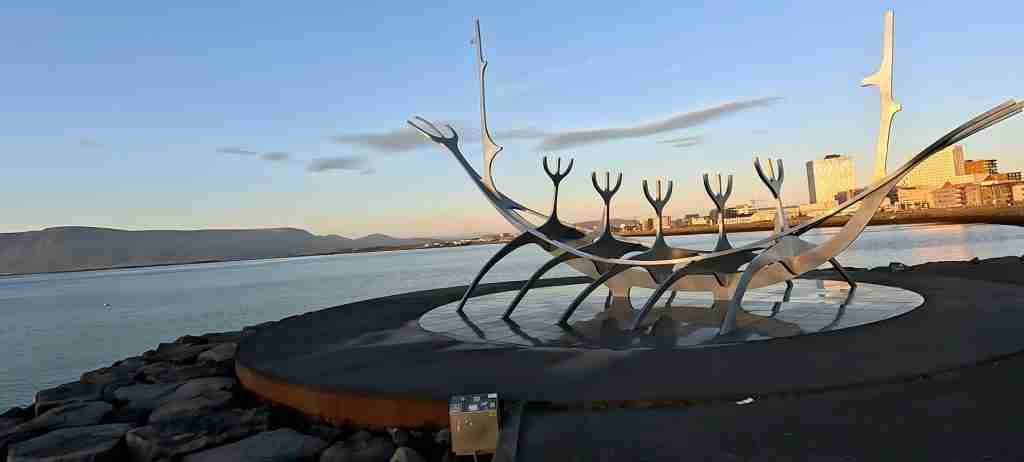
Street art and public sculptures throughout Reykjavik create free outdoor gallery experiences, with the Reykjavik Art Walk app providing guided tours via smartphone at no cost. The Sun Voyager sculpture near Harpa Concert Hall represents Iceland’s most photographed artwork without admission charges. Rainbow Street (Skólavörðustígur) displays colorful buildings, art installations, and vibrant shopping street character accessible simply by walking. The harbor areas, waterfront paths, and downtown neighborhoods cost nothing to explore while revealing local life and urban character.
Public spaces including Tjörnin pond in central Reykjavik attract birds and local families, functioning as free urban nature where feeding ducks and observing seasonal changes cost nothing. The Old Harbour area beyond commercial whale watching tours contains maritime history, working docks, and authentic fishing industry operations visible from public walkways. Graffiti and mural art in neighborhoods like Grandi demonstrate contemporary artistic expression outside gallery contexts.
The Reykjavik Library provides free access to extensive collections, comfortable reading spaces, photography databases, and a pleasant children’s area on the second floor. The Hallgrimskirkja Church exterior and surrounding neighborhood exploration cost nothing, though tower access requires modest fees. Free walking city exploration following self-directed routes based on curiosity rather than purchased tours often yields the most authentic discoveries precisely because commercial pressures don’t shape the experience.
Local Dining Hidden Gems
Reykjavik’s hidden culinary gems extend beyond famous hot dog stands and high-end restaurants to include neighborhood cafés, intimate bistros, and offbeat eateries where locals gather for coffee, conversation, and quality food without tourist markup pricing or sanitized atmosphere. These establishments prioritize flavor and community over Instagram aesthetics and tour group accommodation.
Café Babalú on Skólavörðustígur combines quirky décor with quality coffee and food, functioning as a local favorite where personality supersedes chain standardization. The menu includes well-executed sandwiches, soups, and pastries alongside excellent espresso drinks. The Star Wars bathroom provides entertainment beyond the food and drink, creating memorable experiences combining caffeine with cultural quirk. Prices remain reasonable relative to Reykjavik’s expensive dining landscape, making it viable for budget-conscious quality seekers.
Garðskálinn Café at Gerðarsafn Museum in Kópavogur features floor-to-ceiling windows creating bright, welcoming atmosphere for coffee, light meals, and weekend brunch service. The café’s design integration with the museum architecture makes it destination-worthy beyond simple museum dining. Weekend brunch attracts local popularity requiring reservations to secure seating. The Kópavogur location means fewer tourists and more authentic neighborhood café character where Icelandic conversations dominate.
Tjarnarbarinn operates within Tjarnarbíó theater, opening an hour before performances to serve alcoholic and non-alcoholic beverages, snacks, and candies that guests can take into the auditorium. The cozy café-bar atmosphere creates pre-show gathering space where theater-goers socialize before performances. The intimate setting and cultural programming connection make it distinct from generic bars or cafés, appealing to travelers seeking venues where local cultural events and refreshments combine.
Sol Restaurant occupies space in Hafnarfjörður municipality at Oseyrarbraut 27c, blending wholesome comfort food with sustainable practices. The name means “sun” in Icelandic, reflecting the restaurant’s philosophy emphasizing nourishing food and positive atmosphere. The waterfront location near the Great Reykjavik Area provides escape from central tourism while maintaining accessibility. Operating hours Wednesday-Friday 5:30 PM-9:30 PM and Saturday-Sunday 11:30 AM-2:30 PM plus 5:30 PM-9:30 PM (closed Monday-Tuesday) require planning visits around the schedule.
The Student Cellar Bar, while primarily a music venue, serves drinks at prices substantially lower than tourist-oriented establishments, making it economically viable for extended evening socializing. The unpretentious atmosphere and local clientele create authentic drinking experiences where Icelanders gather rather than performing for visitors. Standard bar snacks complement the beverage service, though substantial meals aren’t the focus.
Kolaportið Flea Market’s food stalls provide traditional Icelandic snacks and drinks alongside the vintage browsing, with vendors selling local specialties at market prices rather than restaurant markups. The casual market atmosphere encourages grazing and sampling rather than formal dining, appropriate for refueling during marathon browsing sessions. The coffee house offers standard café beverages for shoppers needing caffeine breaks.
Practical Tips for Hidden Gem Hunting
Successful hidden gem exploration requires different approaches than mainstream tourism, emphasizing spontaneity, local interaction, and willingness to venture beyond comfort zones while maintaining realistic expectations about what “hidden” means in heavily touristed Iceland. These strategies maximize authentic discovery while minimizing frustration when hidden gems prove less secret than anticipated.
Embrace the Icelandic concept “þetta reddast” – it will all work out in the end – by avoiding over-planning and allowing room for spontaneous discoveries. Rigid itineraries prevent noticing the small sculptures, interesting neighborhoods, and unexpected attractions that reveal themselves to wanderers. Leaving space in schedules for following curiosity often yields better stories than checking boxes on predetermined lists. That interesting side street, unusual shop, or random park bench conversation might become trip highlights if given opportunity.
Engage with locals through genuine curiosity rather than transactional tourism questions. Icelanders generally prove friendly and helpful when approached respectfully, providing recommendations and insider knowledge unavailable in guidebooks. Coffee shops, geothermal pools, and neighborhood bars create natural conversation opportunities where asking “what do you recommend?” or “where do locals actually go?” yields authentic suggestions. Bartenders, baristas, and museum staff often share knowledge enthusiastically when queries demonstrate real interest rather than checkbox tourism.
Verify operating hours before visiting less-mainstream attractions, as schedules vary seasonally and some hidden gems operate limited hours or require advance booking. Museum websites, official social media accounts, and direct phone calls prevent wasted trips to closed facilities. The Icelandic Punk Museum, Nordic House, and smaller cultural venues maintain irregular hours compared to major tourist attractions. Weekend-only operations at Kolaportið Flea Market mean weekday visitors find it closed. Tjarnarbíó theater operates only around scheduled performances.
Prepare for weather extremes regardless of season, as Icelandic conditions change rapidly requiring layered clothing, waterproof outerwear, and appropriate footwear. Hidden gems often involve outdoor walking, cycling, or exposed coastal locations where harsh winds and sudden precipitation test unpreparedness. Grótta Lighthouse and Kvika foot bath occupy particularly exposed positions subject to fierce winds even during calm weather elsewhere. Heiðmörk trails become muddy during wet periods, requiring boots rather than casual shoes.
Accept that “hidden” remains relative in Iceland’s heavily touristed capital, where social media and travel blogs continuously reveal formerly secret spots to wider audiences. The most authentic hidden gem experiences come from wandering less-documented neighborhoods, striking conversations with locals, and discovering personal favorites rather than following other travelers’ “hidden gem” lists. True discovery requires curiosity and independence rather than simply visiting less-famous attractions.
Respect local spaces by recognizing that many hidden gems function primarily as neighborhood resources rather than tourist attractions. Geothermal pools serve local families’ daily routines, Student Cellar Bar provides music venue for Icelandic artists, and residential neighborhoods are where people live rather than perform for visitors. Appropriate behavior, quiet observation, and genuine interest demonstrate respect for spaces graciously shared rather than entitled tourist consumption.
Frequently Asked Questions
What is the best time of year to explore Reykjavik’s hidden gems?
Summer from June through August provides maximum daylight for extended exploration, mild weather for comfortable outdoor activities, and full operational schedules at museums and attractions. Winter from November through February offers northern lights possibilities at locations like Grótta Lighthouse and Úlfarsfell mountain, authentic local experiences with minimal tourism, and unique activities like winter bathing at Kvika foot bath. Shoulder seasons during April-May and September-October balance moderate weather, reasonable daylight hours, and reduced crowds while maintaining most attraction operations. Each season offers distinct advantages depending on priorities including weather tolerance, aurora interest, crowd avoidance, and specific attraction accessibility.
How much does it cost to visit Reykjavik’s hidden gems?
Many of Reykjavik’s finest hidden gems cost nothing beyond transportation, including Kvika geothermal foot bath, Einar Jónsson sculpture garden, Reykjavik Botanical Garden, Elliðaárdalur Valley, Heiðmörk Nature Reserve, and Hólavallagarður Cemetery. Museums typically charge ISK 1,500-2,500 per admission, though the Reykjavik City Card at ISK 5,040 (24-hour), ISK 7,000 (48-hour), or ISK 8,630 (72-hour) provides unlimited free entry to major museums plus bus transportation and geothermal pool access. Café and dining expenses vary widely based on selections, with coffee typically ISK 600-900 and meals ISK 2,000-4,500. Budget-conscious visitors focusing on free attractions, City Card museum access, and self-catering minimize costs substantially.
Can I visit Reykjavik’s hidden gems without a car?
Yes, most hidden gems remain accessible via walking, cycling, and public buses, with only remote Heiðmörk sections and some suburban attractions requiring vehicles. Downtown hidden gems including the Punk Museum, Café Babalú, Kolaportið Flea Market, and Einar Jónsson sculpture garden occupy walking distances from central accommodations. The Strætó bus system reaches Árbær Open Air Museum, Kópavogur cultural sites, and neighborhood geothermal pools with the Reykjavik City Card providing unlimited free bus travel. Bicycle rental enables flexible access to Grótta Lighthouse, Nauthólsvík Geothermal Beach, and Elliðaárdalur Valley without bus schedule constraints. The Viðey Island ferry operates from the Old Harbour accessible by foot from downtown. Strategic planning and willingness to use public transportation make car-free hidden gem exploration entirely feasible.
Are Reykjavik’s hidden gems suitable for families with children?
Many hidden gems appeal to families, though suitability varies by specific attraction and children’s ages. Nauthólsvík Geothermal Beach provides family-friendly swimming in geothermally heated seawater with golden sand and facilities. Árbær Open Air Museum engages children through historical buildings, costumed interpreters, and traditional craft demonstrations. Heiðmörk Nature Reserve offers safe exploration of red volcanic hills and caves appropriate for active children. The Reykjavik Botanical Garden provides pleasant walking for all ages. Kolaportið Flea Market appeals to treasure-hunting children, while the Student Cellar Bar and Icelandic Punk Museum target adult interests. Most museums welcome families with free admission for those under 18. Outdoor attractions generally accommodate children better than cultural venues requiring quiet appreciation.
How safe is Reykjavik for exploring hidden gems alone?
Reykjavik consistently ranks among the world’s safest cities, with very low crime rates making solo exploration of hidden gems extremely safe even at night. Walking around the city after dark presents minimal risk, though basic awareness of surroundings and avoiding poorly lit areas remains prudent. Women traveling alone report feeling comfortable throughout Reykjavik including evenings at venues like Student Cellar Bar. Natural hazards pose greater concerns than crime – exposed coastal areas like Grótta generate fierce winds, winter ice creates slipping hazards, and hiking trails in Heiðmörk require appropriate preparation. Iceland’s isolation and small population create strong social cohesion where locals watch out for visitors. Standard travel precautions apply, but Reykjavik’s safety record means hidden gem exploration presents minimal security concerns.
What hidden gems work best for photography?
Grótta Lighthouse and Kvika foot bath provide dramatic coastal compositions with lighthouse, black sand beach, distant mountains, and aurora possibilities during winter. Viðey Island during the Imagine Peace Tower illumination period from October 9 through December 8 creates opportunities for light beam photography against dark skies. Heiðmörk’s volcanic red hills present landscape challenges requiring compositional strategies to convey color intensity and scale. The Icelandic Punk Museum rewards detail photography documenting colorful posters and vintage instruments in low-light conditions. Kolaportið Flea Market generates vibrant street photography with diverse merchandise and interesting characters. Elliðaárdalur Valley’s waterfalls benefit from neutral density filters enabling long exposures. Each location demands different photographic approaches from landscape to street to detail photography.
Which hidden gems are best for experiencing local culture?
Student Cellar Bar provides authentic nightlife where Icelandic musicians perform original material for local audiences rather than tourist-oriented entertainment. Neighborhood geothermal pools like Sundhöll Reykjavíkur and Vesturbæjarlaug function as social centers where politicians, students, and families bathe together following traditional Icelandic customs. Kolaportið Flea Market reveals Icelandic shopping culture with lopapeysa sweaters, vintage treasures, and local vendors. Café Babalú demonstrates quirky Icelandic café character prioritizing personality over standardization. The Icelandic Punk Museum chronicles the nation’s alternative music rebellion and cultural identity. Árbær Open Air Museum recreates how Icelanders lived during the 19th and early 20th centuries. These attractions reveal authentic cultural expressions rather than performances for tourists.
Can I see the northern lights from Reykjavik’s hidden gems?
Yes, several hidden gems provide northern lights viewing opportunities from September through April when darkness returns after summer’s midnight sun. Grótta Lighthouse on the exposed Seltjarnarnes peninsula offers excellent viewing with minimal light pollution and open northern horizons. Úlfarsfell mountain’s elevation and northern exposure improve aurora odds while providing city panoramas. Viðey Island’s darkness after ferry service ends creates good conditions, though accessing the island during evening hours requires planning around ferry schedules. Aurora viewing depends on solar activity, clear skies, and timing during peak darkness hours between late evening and early morning, requiring patience and multiple attempts for success. Urban light pollution in central Reykjavik reduces visibility compared to these peripheral locations.
What should I know about Icelandic bathing culture at hidden gem pools?
Icelandic bathing culture requires thorough showering without swimwear before entering any geothermal pool, enforced at municipal pools though less strictly at free pools like Kvika foot bath. This hygiene standard ensures water quality in pools that rely on natural geothermal heat and minimal chemical treatment. Icelanders use pools for daily socializing, conducting business conversations, and community interaction rather than pure recreation, creating casual social atmosphere. Appropriate behavior includes respectful conversation volumes, sharing hot tub space with strangers, and accepting that politicians or celebrities might be fellow bathers. Swimming attire should be modest and functional rather than fashion-focused. Most facilities provide lockers and basic amenities, though visitors should bring towels and personal items. The social aspect distinguishes Icelandic pool culture from solitary spa experiences.
How do I find hidden gems not listed in guidebooks?
Genuine hidden gem discovery requires active curiosity and willingness to explore beyond documented attractions. Walking or cycling through residential neighborhoods reveals street art, small sculptures, interesting architecture, and neighborhood cafés that guidebooks ignore. Engaging locals through coffee shops, bars, geothermal pools, and casual conversations yields recommendations for personal favorites they actually frequent. Following Icelandic social media, local blogs, and community event listings identifies current happenings and emerging spaces. Wandering based on visual interest rather than predetermined destinations creates opportunities for accidental discoveries. The Reykjavik Art Walk app guides viewers to outdoor art throughout the city. Trusting instincts about interesting looking doors, paths, or buildings often leads to unexpected finds. True hidden gems require personal discovery through exploration rather than following lists, even this one.