Obersalzberg Documentation Center: Complete Historical Guide
Key Takeaways
- The Obersalzberg Documentation Center serves as Germany’s primary memorial and educational institution examining the Nazi leadership’s mountain retreat complex and its role in Third Reich history from 1933-1945
- The permanent exhibition “Obersalzberg: A Place of Forced Memory” traces the transformation of a peaceful Bavarian mountain village into the second seat of Nazi power through chronological displays featuring over 950 photographs, documents, and artifacts
- The extensive underground bunker system beneath the former SS barracks extends over 2.8 kilometers, with guided tours accessing preserved sections showcasing air raid protection infrastructure built during the final war years
- The center’s architectural design deliberately contrasts stark modernist forms against alpine landscape, creating physical tension reflecting the site’s uncomfortable historical legacy and contemporary memorial function
- Educational programming emphasizes critical examination of how ordinary people enabled totalitarian systems, making Obersalzberg particularly relevant for understanding contemporary political manipulation and propaganda mechanisms
- The documentation center operates as counterpoint to nearby Eagle’s Nest tourism, providing essential historical context transforming mountaintop sightseeing into meaningful engagement with Germany’s darkest historical period
Introduction: Understanding Obersalzberg’s Historical Significance
The Obersalzberg Documentation Center occupies one of Germany’s most historically charged landscapes, situated on the mountain slopes where Adolf Hitler established his private residence and the Nazi leadership built an extensive retreat complex between 1933 and 1945. This institution represents Germany’s sustained commitment to confronting its National Socialist past through rigorous historical education rather than erasure or glorification. The center’s mission extends beyond simple historical recitation, challenging visitors to examine how democratic institutions collapse, how propaganda manipulates populations, and how ordinary individuals enable extraordinary evil through passive complicity or active participation.
Obersalzberg’s transformation from obscure Bavarian mountain village to Nazi power center reveals how geography and ideology intersected in Third Reich mythology. Hitler first visited the area in the 1920s, drawn to the dramatic Alpine scenery and the location’s distance from Berlin’s political intrigues. After becoming Chancellor in 1933, he expanded his modest mountain house into the elaborate Berghof residence, triggering the systematic transformation of the entire Obersalzberg area into a fortified complex housing Nazi leadership, SS security forces, administrative offices, and support infrastructure. This development displaced local residents, militarized peaceful mountain terrain, and created what historians describe as the “second seat of government” where Hitler spent approximately one-third of his time as dictator.
The documentation center emerged from decades of contentious debate about how Germany should memorialize sites of Nazi activity. Allied bombing destroyed most Obersalzberg buildings in April 1945, with remaining structures demolished by German authorities in the 1950s to prevent neo-Nazi pilgrimage sites. For decades, the area attracted tourists seeking Hitler-related sites while lacking interpretive infrastructure providing historical context. The documentation center’s 1999 opening marked a paradigm shift from passive tourism to active education, transforming Obersalzberg from curiosity destination into powerful learning experience about totalitarianism’s mechanics and consequences.
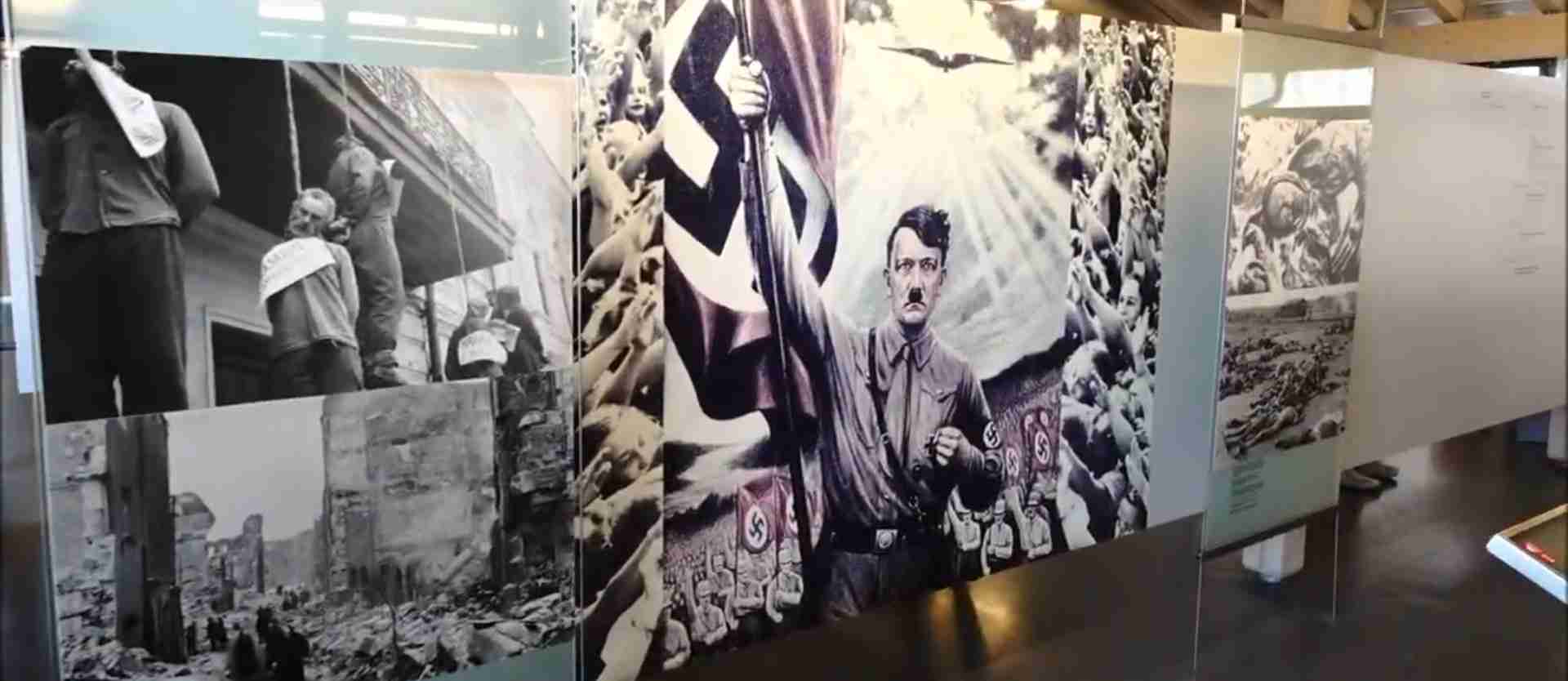
Today’s visitors encounter a sophisticated educational institution employing multimedia presentations, original artifacts, personal testimonies, and extensive archival materials to illuminate how the Nazi regime functioned at its highest levels. The exhibition moves beyond Hitler-centric narratives to examine the broader system enabling Nazi crimes: the propaganda machinery shaping public opinion, the bureaucratic apparatus implementing genocidal policies, the security forces enforcing totalitarian control, and the cultural figures legitimizing regime ideology. This comprehensive approach positions Obersalzberg as essential preparation for understanding Eagle’s Nest and other Nazi-era sites, providing the historical depth transforming tourist curiosity into meaningful historical engagement.
People Also Ask About Obersalzberg Documentation Center
What is the Obersalzberg Documentation Center and why is it important?
The Obersalzberg Documentation Center functions as Germany’s primary memorial and educational institution examining the Nazi leadership’s mountain retreat complex located on Obersalzberg mountain above Berchtesgaden. The center opened in 1999 to provide rigorous historical interpretation of the site where Adolf Hitler maintained his private residence (the Berghof) and where the Nazi leadership built an extensive administrative and security complex serving as the regime’s second governmental seat from 1933 to 1945. The facility addresses the previously unexamined history of this location, which had attracted tourists seeking Hitler-related sites without understanding the complex’s historical significance or role in Nazi crimes.
The center’s importance extends beyond local historical preservation to Germany’s broader confrontation with National Socialist legacy. Obersalzberg represents a unique case study in how democratic systems collapse into totalitarianism, how propaganda manipulates populations, and how ordinary people enable extraordinary crimes through passive acceptance or active participation. The documentation center’s educational approach emphasizes critical examination rather than simple condemnation, encouraging visitors to recognize parallels between 1930s-1940s manipulation techniques and contemporary political propaganda, media control, and authoritarian tendencies emerging in various global contexts.
The facility serves crucial memorial functions by preserving the history of resistance, persecution, and suffering connected to the Obersalzberg complex. The exhibition documents forced displacement of local residents to create the Nazi security zone, exploitation of forced laborers building the complex’s infrastructure, and the concentration camp prisoners used for construction projects. By maintaining this historical record, the documentation center ensures that victims’ experiences remain part of collective memory while challenging visitors to consider their own responsibilities in preventing future totalitarian movements.
What makes Obersalzberg architecturally significant?
The Obersalzberg Documentation Center’s architecture embodies deliberate tension between modernist memorial design and the sensitive historical landscape it occupies. Austrian architect Adolf Krischanitz created a stark concrete and glass structure deliberately contrasting against the traditional Bavarian alpine architecture characterizing the surrounding mountain region. This architectural approach rejects nostalgic romanticization of the mountain setting, instead creating visual discomfort reflecting the site’s uncomfortable historical legacy. The building’s angular concrete forms, exposed materials, and minimal ornamentation communicate institutional seriousness appropriate for confronting genocide and totalitarian violence.
The structure’s positioning on the site carries symbolic significance, built directly above the bunker system that formed part of the Nazi complex’s air raid protection infrastructure. This vertical relationship between contemporary memorial space and preserved historical infrastructure creates physical connection between present educational mission and past historical reality. Visitors descend from the modernist exhibition halls into the dark underground bunkers, experiencing dramatic environmental shift emphasizing the regime’s paranoid militarism and the physical infrastructure supporting totalitarian control.
Interior spatial design employs minimalist exhibition architecture allowing historical materials to communicate without decorative distraction. Exhibition galleries feature neutral gray walls, controlled lighting emphasizing artifacts and photographs, and carefully designed sightlines guiding visitor movement through chronological narrative sequences. Large windows strategically frame views of the surrounding landscape, particularly vistas toward the Berghof’s former location, creating contemplative moments where visitors confront the paradox of extraordinary natural beauty serving as backdrop for extraordinary human evil. This architectural vocabulary of restraint and deliberate framing transforms the building itself into interpretive tool enhancing the historical narrative rather than competing with it.
Who built the Obersalzberg complex and when was it constructed?
The Obersalzberg complex developed through multiple construction phases beginning in 1933 when Adolf Hitler, newly appointed as German Chancellor, began expanding his modest mountain house (Haus Wachenfeld) into the substantial Berghof residence. The initial construction phase (1933-1936) transformed the simple rental property into an elaborate mountain villa featuring the famous great hall with retractable window wall, extensive private quarters, conference rooms, and terraces capitalizing on mountain panoramas. Architect Alois Degano oversaw the Berghof expansions, implementing Hitler’s specific requirements for entertaining foreign dignitaries and conducting governmental business in mountain settings.
The second major construction phase (1936-1938) militarized the entire Obersalzberg area, with Martin Bormann—Hitler’s personal secretary and administrator of Nazi Party finances—directing the systematic transformation of the peaceful mountain village into a fortified government complex. This period saw construction of extensive SS barracks housing security forces, the Gutshof agricultural complex providing food supplies, administrative buildings, support infrastructure, and the Eagle’s Nest (Kehlsteinhaus) mountaintop retreat built as Hitler’s 50th birthday gift. Approximately 3,000 workers participated in construction projects using advanced engineering techniques including tunnel blasting through solid rock for the Eagle’s Nest access road.
The final construction phase (1943-1945) focused on defensive infrastructure as Allied bombing threatened German cities and leadership locations. Engineers excavated the extensive underground bunker system beneath the SS barracks area, creating 2.8+ kilometers of tunnels, reinforced chambers, and air raid shelters designed to protect Nazi leadership during aerial attacks. Construction employed forced laborers and concentration camp prisoners working under brutal conditions, with many casualties resulting from dangerous underground work, inadequate safety measures, and deliberate exploitation. Allied bombing on April 25, 1945 destroyed most above-ground structures, though the underground bunkers survived largely intact, preserved today as historical evidence of the complex’s militarization and the regime’s ultimate defensive paranoia.
How did ordinary Germans support the Nazi regime at Obersalzberg?
The documentation center extensively examines how ordinary Germans enabled the Nazi regime through roles ranging from enthusiastic support to passive complicity, with Obersalzberg serving as microcosm of broader societal collaboration. Local residents initially welcomed Hitler’s presence beginning in the 1920s, viewing the future dictator as eccentric but harmless artist enjoying mountain holidays. This early acceptance transformed into active economic benefit as Nazi development brought construction jobs, tourism revenue, and elevated status for the obscure mountain village suddenly hosting Germany’s most powerful political figures.
The transformation accelerated after 1933 when Bormann began systematically purchasing properties to create the secure Nazi complex. Most residents sold willingly, often at inflated prices representing substantial financial windfalls. Those refusing faced increasing pressure including threats, administrative harassment, and eventual forced expropriation with minimal compensation. The documentation center presents this process as case study in how totalitarian systems co-opt populations through combination of material incentives (benefiting collaborators) and coercive pressure (punishing resisters), creating situations where rational self-interest encouraged complicity with criminal regime.
Thousands of ordinary Germans worked at Obersalzberg in various capacities: construction workers building the complex infrastructure, domestic servants maintaining the Berghof and other residences, security personnel guarding the perimeter, administrative staff processing governmental business, and service industry workers providing hotels, restaurants, and entertainment for Nazi officials and their guests. These individuals understood they served the Nazi leadership yet rationalized participation through various justifications—apolitical technical work, economic necessity, patriotic duty, or career advancement. The exhibition emphasizes how such ordinary participation sustained totalitarian systems, with millions of individual compromises aggregating into the bureaucratic machinery enabling genocide.
Extended multi-day tours – 5+ days
Featured Bavaria Multi-Day Tour Packages
4 days
4 Day Munich Including Neuschwanstein Castle
- ✓ Comprehensive Bavaria tour
- ✓ Expert local guides included
- ✓ All accommodation arranged
- ✓ Transportation provided
5 days
5 Days Munich and Bavaria (Including Salzburg & Garmisch)
- ✓ Comprehensive Bavaria tour
- ✓ Expert local guides included
- ✓ All accommodation arranged
- ✓ Transportation provided
4 days
Springfest Munich (3-Star Hotel Senator)
- ✓ Booking needs min. 2 travelers
8 days
8 Day Munich including Nuremberg, Salzburg, Rothenburg & Neuschwanstein Linderhof
- ✓ Comprehensive Bavaria tour
- ✓ Expert local guides included
- ✓ All accommodation arranged
- ✓ Transportation provided
Multi-day tour packages powered by TourRadar. Prices and availability subject to change.
Historical Background: From Mountain Village to Nazi Power Center
Early History and Hitler’s Discovery of Obersalzberg
Obersalzberg existed as modest mountain farming community for centuries before its Nazi transformation, with scattered houses and small agricultural operations occupying the slopes above Berchtesgaden town. The area attracted limited tourism beginning in the late 19th century as Bavarian Alps became fashionable destinations for German and Austrian middle-class vacationers seeking alpine scenery and mountain air’s supposed health benefits. Several guesthouses and small hotels served this early tourism, though Obersalzberg remained obscure compared to more developed resorts like nearby Garmisch-Partenkirchen or Austrian Innsbruck.
Adolf Hitler first visited Berchtesgaden in 1923 while seeking refuge from political tensions following the failed Beer Hall Putsch in Munich. He rented rooms in a Berchtesgaden pension, discovering the Obersalzberg area during mountain walks exploring the region’s dramatic alpine landscape. Hitler developed strong attachment to the mountain scenery, which resonated with his romantic nationalism and Wagner-influenced aesthetics celebrating Germanic landscape as expression of racial identity. The remote location also provided distance from Munich’s political intrigues and Berlin’s governmental centers, offering retreat space for writing, strategic planning, and cultivating his self-image as solitary leader communing with nature.
In 1928, Hitler began renting Haus Wachenfeld, a modest mountain house on Obersalzberg owned by the Wachenfeld family, using royalties from his book “Mein Kampf” to finance the rental. The house provided rustic accommodation featuring traditional Bavarian alpine architecture, mountain views, and sufficient privacy for Hitler’s developing leadership circle. During this period, Obersalzberg served primarily as vacation retreat where Hitler entertained early Nazi supporters, refined political strategies, and created the mythology of the leader-philosopher withdrawing from mundane politics to contemplate Germany’s destiny in mountain solitude. This image became central to Nazi propaganda portraying Hitler as visionary drawing inspiration from Germanic landscape rather than conventional politician engaged in bureaucratic maneuvering.
Transformation Into Nazi Complex 1933-1939
Hitler’s appointment as German Chancellor in January 1933 transformed his relationship with Obersalzberg from private retreat to governmental necessity. The house required expansion to accommodate the Chancellor’s security requirements, administrative staff, and diplomatic functions including meetings with foreign leaders. Between 1933-1936, architects redesigned Haus Wachenfeld into the Berghof, a substantial mountain residence featuring the famous great hall with 8-meter-high ceilings, massive stone fireplace, and the innovative retractable window wall providing unobstructed mountain panoramas. The renovations created spaces appropriate for state entertaining while maintaining the alpine aesthetic central to Nazi leadership mythology.
Martin Bormann assumed control of Obersalzberg development in 1936, implementing systematic transformation of the entire mountain area into secure governmental complex. Bormann purchased properties aggressively, initially offering above-market prices encouraging voluntary sales, then employing administrative pressure and threats forcing resistant owners to sell. By 1938, the Nazi Party controlled virtually all Obersalzberg property, displacing dozens of families who had farmed the mountain for generations. This expropriation process demonstrated totalitarian methods on intimate scale, with individual property rights subordinated to regime interests and local objections dismissed as obstacles to Nazi state building.
The expanded complex included numerous structures serving various functions. The Gutshof agricultural complex provided fresh produce, dairy, and meat for the Berghof and other residences through extensive greenhouses and livestock operations. The SS barracks housed hundreds of security personnel from the Leibstandarte SS Adolf Hitler protecting the complex perimeter and controlling access. Administrative buildings processed governmental business conducted during Hitler’s extended Obersalzberg stays, with secretarial pools, communication centers, and document storage facilities enabling remote government operations. Guest houses accommodated visiting dignitaries, Nazi officials, and favored artists or intellectuals cultivating relationships with regime leadership. The Platterhof hotel served lower-ranking visitors and party functionaries, while the Kehlsteinhaus (Eagle’s Nest) provided dramatic mountaintop location for special diplomatic entertaining and propaganda photography.
Obersalzberg During World War II
World War II intensified Obersalzberg’s role as alternate governmental center, with Hitler spending increasing time at the Berghof during military campaigns. The complex hosted crucial war conferences including planning sessions for various operations, diplomatic meetings with Axis partners, and strategy discussions about Eastern Front campaigns. The documentation center’s exhibition presents evidence of how major historical decisions occurred in the Berghof’s great hall, with the alpine retreat’s peaceful setting contrasting grotesquely against discussions about military invasions, occupation policies, and genocide implementation.
The threat of Allied bombing prompted construction of extensive underground bunker systems beginning in 1943. Engineers excavated 2.8+ kilometers of tunnels beneath the SS barracks area, creating reinforced chambers designed to protect Nazi leadership during air raids. Construction employed concentration camp prisoners and forced laborers working in dangerous conditions with minimal safety precautions and inadequate food, resulting in numerous casualties. The bunker system featured multiple levels, emergency exits, ventilation systems, communication centers, and supply storage designed to sustain occupants during extended bombing campaigns. The paranoid defensive architecture revealed the regime’s growing desperation as military fortunes deteriorated and Allied forces approached German territory.
Allied forces targeted Obersalzberg on April 25, 1945, with heavy bombing destroying most above-ground structures including the Berghof, administrative buildings, and SS barracks. The raid aimed to eliminate the complex’s symbolic and functional significance as Allied troops advanced through southern Germany. Hitler had already left Obersalzberg for the final time on July 14, 1944, following the failed assassination attempt at his East Prussian headquarters. The bombing left the area in ruins, with only Eagle’s Nest surviving due to its remote mountaintop location above the bombing zone. American forces occupied the destroyed complex in early May 1945, discovering the intact underground bunkers and recovering extensive documentation about Nazi governmental operations.
Post-War Transformation Into Memorial Site
Post-war authorities faced difficult questions about Obersalzberg’s future, balancing historical preservation against fears of creating neo-Nazi pilgrimage sites. American occupation forces initially considered preserving buildings as war crime evidence, but growing Cold War tensions and German sensitivities about Nazi tourism prompted demolition of remaining structures. Bavarian authorities demolished the Berghof ruins in 1952, removed most above-ground remnants of the complex, and sealed bunker entrances preventing access. This approach reflected 1950s assumptions that erasing physical evidence would help Germans move beyond Nazi past, a strategy later generations recognized as counterproductive denial rather than genuine historical confrontation.
The area nonetheless attracted tourists seeking Hitler-related sites, with visitors walking the grounds imagining the destroyed complex and purchasing postcards showing the Berghof in its original condition. This unofficial tourism occurred without interpretive infrastructure explaining the site’s historical significance or the regime’s crimes, creating situations where tourists photographed scenic mountain views at locations where genocide was planned. Local businesses capitalized on Hitler associations, with some establishments displaying Nazi memorabilia or selling related souvenirs, further troubling historical educators and memorial advocates.
The documentation center’s 1999 opening marked fundamental shift in how Germany addressed Nazi heritage sites. Rather than erasure or passive tolerance of uncontextualized tourism, the center implemented active educational interpretation providing rigorous historical examination. The permanent exhibition employed professional historical scholarship, avoided sensationalism, and challenged visitors to understand totalitarianism’s mechanics rather than simply condemning Nazi evil. This approach positioned Obersalzberg as model for “difficult heritage” interpretation, demonstrating how societies can acknowledge uncomfortable history through serious educational institutions rather than denial or trivialization.
Architectural Significance: Memorial Design and Spatial Narrative
Building Design and Symbolic Meaning
The documentation center’s architecture deliberately avoids traditional memorial aesthetics, rejecting monumental grandeur or religious symbolism in favor of restrained modernist design emphasizing education over emotion. Architect Adolf Krischanitz created a three-story concrete and glass structure employing industrial materials and minimalist forms communicating institutional seriousness appropriate for examining totalitarian violence. The building’s angular geometry contrasts sharply against the curved organic forms of the surrounding alpine landscape, creating visual tension reflecting the site’s uncomfortable position between natural beauty and historical horror.
The structure’s exterior employs exposed concrete surfaces weathering naturally over time, avoiding polished finishes that might suggest completion or closure regarding historical processing. This material honesty reflects broader German memorial culture emphasizing ongoing historical work rather than resolved historical questions. The building ages visibly, with concrete developing patina and weathering patterns creating temporal markers of the institution’s own history. This approach differs markedly from pristine memorial architecture suggesting timeless truths, instead acknowledging that historical understanding evolves as societies change and new evidence emerges.
Large windows pierce the concrete mass at strategic locations, framing specific landscape views loaded with historical significance. The most dramatic window overlooks the valley toward the Berghof’s former location, with the mountain panorama visible from the exhibition space creating contemplative moments where visitors confront the paradox Hitler exploited—sublime natural beauty coexisting with human capacity for evil. These carefully composed views function as interpretive tools, using the landscape itself as historical evidence of how the Nazis instrumentalized alpine scenery for propaganda purposes while planning genocide in mountain settings.
Interior Spatial Organization and Exhibition Flow
The interior spatial sequence guides visitors through chronological narrative beginning with pre-Nazi Obersalzberg history, progressing through the complex’s development, examining the regime’s crimes, and concluding with post-war memory questions. Exhibition galleries occupy the upper floors with abundant natural light creating transparency metaphorically opposing the Nazi regime’s secrecy and propaganda manipulation. The open floor plans allow visual connections between different exhibition sections, encouraging visitors to make thematic connections across temporal periods and subject categories.
A dramatic descent sequence leads from the upper exhibition galleries down to the preserved bunker system, with the transition from light contemporary spaces to dark underground tunnels creating powerful atmospheric shift. Descending staircases employ industrial materials including perforated metal treads and concrete walls, avoiding decorative elements that might aestheticize the descent. This deliberate architectural austerity prepares visitors for encountering the bunker’s claustrophobic chambers, where original 1940s infrastructure remains visible including ventilation shafts, electrical conduits, and rough concrete surfaces bearing construction marks.
Exhibition galleries feature flexible display systems accommodating rotating exhibitions and periodic content updates responding to new historical research. Fixed architectural elements remain minimal, with movable display walls, adjustable lighting tracks, and modular mounting systems enabling curatorial flexibility. This design acknowledges that historical interpretation continues evolving, with the architecture providing permanent framework supporting changing exhibition content rather than freezing specific interpretive approaches. The building functions as instrument for ongoing historical education rather than monument to particular historical narrative.
Integration With Landscape and Historical Site
The documentation center’s siting carefully navigates complex relationship between new construction and historically charged landscape. The building occupies a position above the bunker system, establishing vertical connection between contemporary memorial function and preserved historical infrastructure. This placement avoids the Berghof’s exact location, which remains empty terrain marked only by interpretive panels, preserving the absence as memorial statement about destruction and loss. The architectural restraint contrasts against hypothetical approaches that might have reconstructed Nazi structures, instead maintaining gaps in the landscape as evidence of historical rupture.
Outdoor spaces surrounding the building employ minimal landscape design, preserving natural vegetation and topography rather than imposing formal gardens or memorial plantings. Gravel paths connect the documentation center to various historical markers indicating former building locations, with simple metal signs providing factual information without interpretive commentary. This approach allows the landscape to communicate directly, with visitors walking actual ground where historical events occurred rather than experiencing mediated versions through reconstructed environments or theatrical staging.
The relationship between interior exhibition spaces and exterior landscape creates dialogue between protected interpretation and unmediated historical site. Visitors move between climate-controlled galleries presenting curated historical materials and outdoor areas where they confront raw landscape bearing traces of Nazi construction and Allied destruction. This oscillation between different modes of historical encounter prevents any single interpretive approach from dominating, instead offering multiple pathways to historical understanding through artifacts, documents, personal testimonies, architectural evidence, and landscape itself.
Exhibition Content: Understanding Nazi Power Structures
Permanent Exhibition Structure and Themes
The permanent exhibition “Obersalzberg: A Place of Forced Memory” employs chronological structure divided into thematic sections examining how the Nazi regime functioned at its highest levels. The exhibition begins with Weimar Republic political context explaining conditions enabling Nazi rise to power, then traces Obersalzberg’s transformation from mountain village to governmental complex, examines the regime’s criminal policies, documents resistance and persecution, and concludes with post-war memory debates. This comprehensive approach positions Obersalzberg within broader historical narratives rather than treating it as isolated curiosity.
Over 950 photographs displayed throughout the exhibition provide visual documentation of the complex’s development, daily life at Nazi leadership level, and the regime’s self-representation through propaganda imagery. The curators deliberately include both official propaganda photographs and private images captured by residents, visitors, and Nazi officials, creating dialogue between public image-making and private reality. This photographic wealth allows visitors to see the Berghof’s interior spaces, observe Hitler and other Nazi leaders in informal settings, and understand how the complex functioned as stage for carefully choreographed political theater.
Historical documents including letters, administrative records, diary entries, and official communications provide primary source evidence about decisions made at Obersalzberg. The exhibition presents facsimiles and translations enabling visitors to read original materials documenting military planning, persecution policies, and bureaucratic implementation of genocide. These documents reveal how ordinary administrative language facilitated extraordinary crimes, with euphemistic terminology and bureaucratic processes normalizing mass murder within governmental operations. The matter-of-fact tone of many documents creates disturbing contrast against the content’s horrific implications, demonstrating how totalitarian systems function through mundane bureaucracy rather than constant dramatic violence.
Multimedia Presentations and Interactive Elements
Video installations throughout the exhibition feature interviews with historians, survivors, and former Obersalzberg residents providing diverse perspectives on the complex’s history and significance. These multimedia elements humanize the historical narrative, allowing visitors to hear direct testimonies from individuals who experienced the Nazi period or worked to preserve its memory. The video content avoids sensationalism, instead employing straightforward interview formats emphasizing factual recollection and analytical interpretation. Multilingual audio support provides translation for international visitors, with English, French, Italian, and Spanish options ensuring accessibility for non-German speakers.
Interactive touchscreen displays allow visitors to explore additional content beyond the main exhibition’s scope, including detailed biographical information about Nazi officials who worked at Obersalzberg, architectural plans showing the complex’s layout, and extensive photograph archives documenting the area’s transformation. These digital resources enable self-directed learning, with curious visitors accessing hundreds of additional images, documents, and explanatory texts supplementing the physical exhibition’s content. The technology integration respects visitors’ varying interest levels and time constraints, with casual visitors experiencing the core exhibition while interested learners diving deeper into specific topics.
Audio guides available in multiple languages provide detailed commentary on exhibition sections, individual artifacts, and thematic connections. The guide system employs numbered stops corresponding to exhibition zones, with visitors controlling their pace and selecting content depth matching their interests. The narration balances factual description with analytical interpretation, explaining what visitors see while providing historical context enabling critical understanding. The audio content particularly helps international visitors whose limited German might otherwise restrict comprehension of text-heavy exhibition panels.
Special Exhibitions and Rotating Displays
Temporary exhibition spaces accommodate rotating displays examining specific aspects of Nazi history, regional persecution experiences, or contemporary right-wing extremism questions. These special exhibitions respond to current historical research, commemoration anniversaries, or social issues requiring historical perspective. Recent special exhibitions have examined topics including Nazi architectural propaganda, resistance movements in Bavaria, forced labor at Obersalzberg construction sites, and post-war displaced persons camps in the region. This programming keeps the documentation center relevant as living educational institution rather than static memorial.
The rotating exhibitions often employ different curatorial approaches than the permanent display, experimenting with artistic interventions, survivor testimony archives, or comparative historical analysis connecting Nazi-era events to contemporary issues. These exhibitions attract repeat visitors who have experienced the permanent exhibition on previous visits, building ongoing relationships between the institution and its audience. The special exhibition program also enables the center to address controversial or emerging historical debates, with professional scholarship informing public programming about complex memory questions.
Underground Bunker System: Military Infrastructure and Forced Labor
Engineering and Construction History
The Obersalzberg bunker system represents one of Germany’s most extensive underground fortification networks, with 2.8+ kilometers of tunnels and reinforced chambers excavated between 1943-1945. Engineers designed the complex to protect Nazi leadership during Allied bombing campaigns, with multiple entrance points, emergency exits, blast doors, and reinforced concrete construction capable of withstanding direct bomb hits. The system features various tunnel sizes ranging from narrow service passages to large chambers accommodating multiple occupants, with ceiling heights varying from 2 meters in utility tunnels to 4+ meters in primary spaces.
Construction employed brutal forced labor practices, with concentration camp prisoners and impressed foreign workers excavating tunnels under dangerous conditions. The underground work involved constant risks including tunnel collapses, explosive accidents during blasting operations, and inadequate ventilation creating toxic air quality. Workers received minimal food, worked extended shifts in cold damp conditions, and faced violent punishment for perceived inadequate productivity. The documentation center’s bunker tour emphasizes these construction conditions, memorializing the suffering of workers whose forced labor built the infrastructure visitors now explore.
Technical specifications reveal sophisticated engineering considering the project’s wartime construction timeline. The bunkers feature multiple ventilation systems with hand-cranked backup mechanisms ensuring air supply during power failures, sophisticated drainage preventing groundwater flooding, and communication infrastructure connecting bunker sections to above-ground command posts. The designers incorporated chemical weapon protection through filtered air systems and gas-tight doors, reflecting Nazi leadership’s fears about Allied chemical warfare. These technical details demonstrate the resources diverted to protecting regime leadership while German civilians experienced devastating Allied bombing without comparable protection.
Bunker Tour Experience and Interpretation
Guided bunker tours lead visitors through preserved tunnel sections showcasing original 1940s infrastructure largely unchanged since the war’s end. The tours begin with descent from the modern documentation center into the dark underground network, with the temperature drop and sensory isolation creating immediate atmospheric shift emphasizing the bunker’s function as refuge from aerial bombardment. Guides provide historical context about the bunker’s construction, use during the final war years, and post-war discovery by Allied forces, while pointing out specific architectural features including ventilation shafts, electrical systems, and structural reinforcement methods.
The physical environment communicates powerfully through direct sensory experience. The tunnels’ dampness, the concrete walls’ rough surfaces, the echoing acoustics, and the claustrophobic atmosphere convey the bunker’s oppressive character more effectively than photographs or descriptions. Visitors experience the disorientation of underground navigation, the vulnerability of depending on artificial lighting and ventilation, and the psychological stress of prolonged subterranean confinement. These visceral impressions create embodied historical understanding complementing the intellectual analysis provided through exhibition materials.
Interpretive panels throughout the bunker system explain specific spaces’ functions, identify construction techniques, and document forced laborers’ experiences. The signage employs factual language avoiding sensationalism, with careful attention to distinguishing documented facts from speculative reconstruction. Photographs from the immediate post-war period show bunker conditions when American forces first accessed the complex, revealing equipment, supplies, and infrastructure abandoned during the final chaotic weeks before German surrender. These archival images create temporal dialogue between present preservation efforts and historical use, helping visitors imagine the bunkers’ original appearance and function.
Memorial Function and Ethical Questions
The bunker system’s preservation raises complex ethical questions about memorializing Nazi infrastructure. Some critics argue that maintaining the tunnels creates problematic fascination with Nazi architectural achievements, potentially glorifying totalitarian power rather than critically examining it. The documentation center addresses these concerns through careful interpretive framing emphasizing the bunkers as evidence of regime paranoia, militarism, and the forced labor suffering required for construction. The tours explicitly connect underground infrastructure to broader patterns of Nazi exploitation and violence rather than presenting the bunkers as isolated technical marvels.
The bunkers function as memorial to forced laborers whose suffering built the complex, with specific attention to workers who died during construction from accidents, abuse, or deliberate killing. The documentation center research has identified many individual victims, with ongoing historical investigation attempting to recover names and biographical details of previously anonymous casualties. This memorial work challenges visitors to recognize that Nazi infrastructure required human sacrifice, with every tunnel representing exploitation and often death for those compelled to build it.
Conservation decisions about bunker preservation balance historical authenticity against visitor safety and interpretive clarity. The center maintains original surfaces and infrastructure where possible, avoiding cosmetic improvements that might make the spaces more comfortable while obscuring historical reality. However, necessary safety interventions including emergency lighting, reinforced unstable sections, and handrails at hazardous points create unavoidable modifications to the original environment. The tours acknowledge these interventions, helping visitors distinguish between authentic historical elements and contemporary additions necessary for safe public access.
Educational Programming and Visitor Engagement
School Programs and Youth Education
The documentation center develops specialized educational programs for school groups, recognizing that young people constitute crucial audiences for historical education about totalitarianism and democratic values. Programs tailor content and teaching methods to different age levels, with elementary school visits focusing on basic concepts about democracy and tolerance, middle school programs examining propaganda mechanisms and peer pressure dynamics, and high school visits engaging with complex questions about individual responsibility and systemic evil. Trained educators lead these programs, employing interactive teaching methods encouraging critical thinking rather than passive information absorption.
Workshop formats supplement exhibition visits with hands-on activities examining primary sources, analyzing propaganda materials, or discussing contemporary parallels to Nazi-era manipulation. These workshops employ inquiry-based learning encouraging students to formulate questions, evaluate evidence, and develop interpretations rather than memorizing pre-packaged historical narratives. The pedagogical approach emphasizes transferable critical thinking skills applicable beyond historical study, helping young people recognize propaganda, resist peer pressure toward conformity, and value individual moral courage in face of institutional pressure.
Special programs for international school groups address different national perspectives on World War II and Nazi crimes, acknowledging that students from various countries bring different historical knowledge and emotional relationships to the material. German students may experience shame or defensive reactions to their nation’s past, while students from countries occupied or attacked by Nazi Germany might bring anger or victimization narratives. American students often lack basic European history background requiring additional contextual information. The center’s educators navigate these diverse starting points, creating inclusive learning environments where students with different backgrounds can engage productively with difficult historical material.
Adult Education and Professional Development
Public lecture series brings historians, political scientists, and memorial culture experts to the documentation center, offering in-depth examinations of specific topics related to Nazi history or contemporary right-wing extremism. These lectures serve local communities and visiting scholars, creating forums for serious intellectual engagement with historical questions beyond the exhibition’s scope. Topics range from detailed studies of specific Obersalzberg events to comparative analysis of totalitarian systems to investigations of how historical memory evolves across generations. The lecture series positions the center as active research institution contributing to ongoing historical scholarship rather than merely disseminating established knowledge.
Professional development programs for educators, museum professionals, and government officials examine techniques for teaching difficult history, combating Holocaust denial, and addressing resurgent right-wing extremism. These programs share pedagogical strategies, discuss ethical challenges in memorial work, and build professional networks among individuals engaged with historical education across institutional contexts. Participants learn from the documentation center’s experience while contributing perspectives from their own work, creating collaborative learning environments advancing the field of memorial education.
Guided tours for adult visitors employ sophisticated historical analysis appropriate for mature audiences seeking depth beyond introductory overview materials. These specialized tours examine specific themes including architectural history, military decision-making at Obersalzberg, forced labor construction projects, or post-war memory debates. Expert guides with historical training lead these tours, drawing on extensive archival research and historiographical debates to provide nuanced interpretation addressing complex questions without simplistic conclusions. The tours recognize that adult visitors bring varied knowledge levels and motivations, with programming accommodating both casual tourists seeking basic orientation and serious history enthusiasts desiring detailed scholarly content.
Digital Resources and Distance Learning
The documentation center’s website provides extensive digital resources including virtual exhibition tours, downloadable teaching materials, archival photograph collections, and scholarly articles about Obersalzberg history. These online resources serve audiences unable to visit physically, including international researchers, students conducting remote study, and individuals with mobility limitations preventing on-site access. The digital materials employ professional design standards ensuring accessibility through screen readers, captioning, and multiple language options, reflecting commitment to inclusive historical education.
Social media channels share archival materials, announce special exhibitions and events, and engage with contemporary discussions about historical memory and right-wing extremism. The center’s social media presence balances educational content with public engagement, responding to visitor questions, addressing common misconceptions, and participating in broader conversations about how societies remember difficult pasts. This digital outreach extends the institution’s educational mission beyond physical location, reaching global audiences interested in Nazi history and memorial culture.
Virtual reality projects under development will allow remote visitors to experience bunker tours and explore reconstructed historical spaces impossible to access physically. These technological initiatives employ careful ethical framing to avoid trivializing historical content or creating game-like experiences inappropriate for serious memorial sites. The VR development emphasizes educational utility, providing immersive historical understanding for distance learners while maintaining respectful tone appropriate for examining genocide and totalitarian violence. Early prototype testing with educator focus groups ensures the technology serves pedagogical goals rather than merely showcasing technical capabilities.
Conservation and Preservation Efforts
Artifact Conservation and Archival Management
The documentation center maintains extensive archival collections including photographs, documents, personal correspondence, and physical artifacts related to Obersalzberg’s Nazi-era history. Professional conservators employ specialized techniques preserving fragile materials including acid-free storage systems for documents, climate-controlled environments for photographs, and careful handling protocols minimizing deterioration. The conservation work balances preservation requirements against access needs, with some materials digitized to provide researcher access while protecting originals from handling damage.
Artifact acquisition continues through donations from families holding materials related to Obersalzberg history, with the center actively seeking personal photographs, letters, and objects documenting both Nazi-era events and post-war memory. These materials provide intimate perspectives complementing official documentation, revealing how ordinary people experienced the area’s transformation and how families preserved or suppressed Nazi-era memories across generations. The acquisition process employs careful provenance research ensuring ethical collection practices and clear ownership rights.
Photographic collections receive particular conservation attention given their importance to exhibition content and historical research. The center maintains both original prints and high-resolution digital copies, with ongoing projects to digitize historical photographs enabling broader research access while protecting originals. Conservation techniques address photograph deterioration including fading, emulsion damage, and substrate degradation, with some materials requiring extensive stabilization before safe exhibition display. The photographic archive serves researchers worldwide, with digital access systems enabling scholars to study Obersalzberg history remotely.
Bunker System Maintenance and Structural Preservation
Maintaining the underground bunker system presents unique conservation challenges requiring specialized engineering expertise. The tunnels experience continuous moisture infiltration from groundwater, creating conditions promoting concrete degradation, metal corrosion, and biological growth including mold and bacteria. Preservation work employs controlled ventilation systems managing humidity levels while avoiding dramatic environmental changes that might accelerate deterioration. Structural monitoring tracks concrete stability, identifying sections requiring reinforcement to ensure visitor safety while maintaining historical authenticity.
Conservation philosophy balances competing priorities between preserving original materials and ensuring safe public access. The center generally favors minimal intervention, maintaining historical surfaces and infrastructure where structural integrity allows. However, necessary safety modifications including emergency lighting, ventilation improvements, and visitor pathway reinforcement create unavoidable changes to the bunker environment. Documentation of all interventions maintains clear record distinguishing original historical fabric from contemporary additions, ensuring future researchers can identify preservation work’s impact on the space.
Long-term preservation planning addresses fundamental questions about the bunkers’ lifespan and the ethics of indefinite maintenance. Some bunker sections show advanced deterioration requiring expensive intervention to prevent collapse, raising questions about resource allocation and preservation priorities. The center collaborates with structural engineers, conservation specialists, and memorial culture experts developing sustainable preservation strategies balancing historical significance against practical maintenance constraints. These discussions acknowledge that complete preservation may prove impossible or undesirable, with some tunnel sections potentially closed to visitors while maintaining access to the most historically significant areas.
Visitor Experience and Practical Information
Exhibition Access and Visitor Flow
Visitors enter the documentation center through the ground floor reception area, where staff provide orientation, sell tickets, and distribute audio guides and information materials. The entry sequence employs deliberate architectural choreography, with the transition from bright outdoor alpine environment to the center’s restrained interior preparing visitors for serious historical engagement. Information panels in multiple languages orient visitors to exhibition layout, recommended visit duration, and content warnings about potentially disturbing historical materials including photographs of persecution and violence.
The recommended visit duration of 2-3 hours allows thorough engagement with the permanent exhibition, though interested visitors often spend 4+ hours exploring the materials in depth. Audio guides provide detailed commentary extending basic exhibition text, with English, German, French, Italian, and Spanish options ensuring international visitor access. The guides employ numbered stops corresponding to exhibition sections, allowing self-paced navigation while providing structured narrative guiding visitors through complex historical material.
Accessibility features ensure visitors with mobility limitations can experience the exhibition and portions of the bunker system. The main exhibition floors feature elevator access, level flooring, and wheelchair-accessible display heights. However, the bunker tour involves stairs and uneven surfaces presenting challenges for wheelchair users, with staff providing alternative access to bunker exhibit content through photographic documentation and virtual tour options for visitors unable to navigate the physical spaces. The center continues developing accessibility improvements recognizing that historical education should be inclusive of diverse visitor needs.
Museum Shop and Educational Resources
The documentation center shop offers carefully curated selection of books, films, and educational materials related to Nazi history, World War II, and memorial culture. The shop inventory reflects the institution’s educational mission, avoiding sensationalist materials or items potentially glorifying Nazi aesthetics. Book selections include scholarly histories, survivor memoirs, pedagogical resources for educators, and general audience syntheses of Nazi period events. The multilingual inventory serves international visitors seeking German and English-language materials about Obersalzberg and broader Third Reich history.
Exhibition catalogs provide permanent record of special exhibitions, with professional photography and scholarly essays extending topics beyond on-site display limitations. These publications serve both memorial souvenirs and serious research resources, with academic-quality content accessible to general readers interested in deeper engagement with specific historical questions. The catalogs often remain available years after exhibitions close, building the center’s publishing program into significant contribution to Nazi history scholarship.
Children’s educational materials employ age-appropriate approaches to difficult historical content, with illustrated books and activity guides helping families discuss Nazi history with young people. These materials avoid graphic violence while honestly addressing historical reality, acknowledging that parents and educators must navigate challenging territory teaching children about genocide and totalitarianism. The shop staff provide guidance about age-appropriate materials, helping families select resources matching children’s developmental readiness for complex historical topics.
Dining and Rest Facilities
The documentation center includes cafe serving light meals, beverages, and snacks, providing respite space where visitors can process intense historical material over coffee or lunch. The cafe employs simple contemporary design avoiding nostalgic alpine decoration that might trivialize the site’s historical significance. Large windows overlook the surrounding landscape, with the views creating contemplative atmosphere for reflection about the exhibition’s content and the paradox of extraordinary natural beauty hosting extraordinary human evil.
Outdoor terrace seating allows visitors to experience the alpine environment directly, with fresh mountain air and expansive views providing sensory contrast to the exhibition’s challenging historical content. The terrace functions as transitional space between the documentation center’s intense educational experience and visitors’ eventual return to normal tourist activities. Many visitors use this space for extended discussions about exhibition material, with the informal setting encouraging conversation processing emotional and intellectual responses to difficult history.
Rest areas throughout the exhibition provide seating for visitors needing breaks from intensive engagement with historical materials. The exhibition’s emotional impact can prove exhausting, with the documentation of persecution, genocide, and suffering creating psychological stress requiring periodic respite. The center’s design acknowledges these needs, with bench seating positioned at strategic intervals and viewing windows offering visual relief from dense historical content. This attention to visitor wellbeing recognizes that effective historical education requires pacing allowing genuine engagement rather than overwhelming audiences with unrelenting horror.
Frequently Asked Questions
How long does it take to visit the Obersalzberg Documentation Center?
A thorough visit to the Obersalzberg Documentation Center requires 2-3 hours minimum for the permanent exhibition alone, with an additional 45-60 minutes for guided bunker tours if including underground access. Visitors seriously engaging with the extensive photographic documentation, reading detailed text panels, watching video presentations, and exploring interactive digital resources often spend 4-5 hours experiencing the full institution. The center’s depth rewards extended visits, though visitors can experience core content in 90 minutes if time constraints necessitate abbreviated engagement.
The recommended approach involves beginning with the permanent exhibition on the upper floors, progressing through the chronological narrative from Weimar Republic through post-war memory debates. This provides essential historical context before descending into the bunker system, where the physical infrastructure makes more sense with prior understanding of the complex’s development and function. The bunker tour operates on scheduled departures typically every 45-60 minutes during peak season, requiring visitors to coordinate timing between independent exhibition exploration and guided underground access.
First-time visitors benefit from audio guide rental providing detailed commentary extending basic exhibition text. The audio content significantly enriches understanding, particularly for international visitors whose German language limitations might otherwise restrict access to nuanced historical interpretation. Budget 30-45 additional minutes if using audio guides, as the detailed commentary extends time spent at individual exhibition sections. The investment proves worthwhile for visitors seeking comprehensive understanding rather than surface-level encounter with the material.
Is the Obersalzberg Documentation Center appropriate for children?
The documentation center welcomes families with children though requires parental assessment of age appropriateness and emotional readiness for difficult historical content. The exhibition includes disturbing materials including photographs of persecution, concentration camps, and violence, with content warnings at entry points alerting visitors to potentially traumatic imagery. Most experts recommend minimum age of 12-14 years for full exhibition engagement, though mature younger children with prior Holocaust education foundation may handle the content appropriately with parental support and discussion.
Families visiting with children should preview exhibition sections, potentially skipping certain displays featuring graphic violence or particularly disturbing persecution imagery. The center’s staff can suggest age-appropriate routes through the exhibition focusing on structural historical narrative while avoiding the most graphic materials. Parents bear responsibility for assessing their own children’s readiness for exposure to genocide documentation, with individual family values and prior educational preparation varying significantly regarding appropriate age for such content.
Educational value for teenagers proves substantial, with the center providing important historical education about how democracies collapse, how propaganda manipulates populations, and how ordinary people enable extraordinary evil. The exhibition’s sophisticated approach avoids simplistic good-versus-evil narratives, instead encouraging critical thinking about complex historical questions directly relevant to contemporary political literacy. Families who value serious historical education and have prepared children for challenging content find the center valuable educational experience, while families preferring lighter vacation activities should consider carefully whether the intense material suits their children’s needs and interests.
What is the relationship between the Documentation Center and Eagle’s Nest?
The Obersalzberg Documentation Center and Eagle’s Nest represent complementary components of the historical site, with the center providing educational interpretation contextualizing the mountaintop building’s historical significance. Eagle’s Nest functions primarily as tourist attraction offering spectacular alpine scenery and architectural interest, with minimal on-site historical interpretation beyond basic information panels. The documentation center fills this educational gap, explaining Eagle’s Nest construction history, its role in Nazi propaganda, and its transformation into post-war tourism destination.
Visitors benefit enormously from experiencing both sites in sequence, ideally visiting the documentation center before ascending to Eagle’s Nest. The center’s exhibition provides historical context transforming Eagle’s Nest from curiosity into meaningful historical site, explaining the building’s origins as Hitler’s 50th birthday gift, its limited actual use by Nazi leadership, and its survival when Allied bombing destroyed most other Obersalzberg structures. Without this background, Eagle’s Nest risks becoming merely scenic viewpoint, with tourists photographing mountain panoramas while remaining oblivious to the location’s historical significance and the forced labor suffering required for construction.
The two sites serve different institutional functions reflecting post-war memory politics. Eagle’s Nest operates as tourist attraction managed by commercial interests, with restaurant service and souvenir sales generating revenue. The documentation center functions as educational memorial managed by the Bavarian government’s memorial foundations, with mission prioritizing historical education over entertainment or commerce. This division reflects pragmatic compromise between acknowledging tourist interest in Nazi-era sites while ensuring serious historical interpretation accompanies such tourism rather than allowing uncritical fascination with Hitler associations.
Can you visit the Documentation Center independently or do you need a tour?
Independent visits to the Obersalzberg Documentation Center work perfectly well, with the exhibition designed for self-guided exploration using audio guides, interpretive panels, and intuitive spatial organization. Visitors move through exhibition sections at their own pace, spending more time on personally interesting topics while moving quickly through familiar material. The audio guide system provides equivalent content to live guided tours for the permanent exhibition, with numbered stops offering detailed commentary about specific displays, artifacts, and thematic sections.
However, the underground bunker system requires participation in scheduled guided tours, with independent access prohibited for safety and conservation reasons. The tours depart at fixed times (typically hourly during peak season, less frequently during quiet periods) with advance reservation recommended during summer months when tours fill to capacity. English-language tours operate daily during peak season, with German tours more frequent throughout the year. The bunker tour guides provide historical context unavailable through self-guided exploration, explaining construction techniques, forced labor conditions, and post-war discovery by Allied forces.
Organized tour groups visiting as part of broader Berchtesgaden day trips from Munich or elsewhere receive specialized group tours with guides providing overview of core exhibition content before structured bunker access. These tours condense the experience into 90-120 minute time frames, necessarily abbreviating the depth available through extended independent visits. Visitors with serious historical interest or prior Nazi history knowledge benefit more from independent exploration allowing flexible timing and detailed engagement with materials beyond basic tour commentary scope.
What makes the Obersalzberg Documentation Center unique among Holocaust memorial sites?
The Obersalzberg Documentation Center occupies unique position among Holocaust memorials by focusing on perpetrator rather than victim perspective, examining how Nazi leadership functioned at its highest levels rather than documenting suffering in concentration camps or ghettos. This perpetrator-focused approach provides crucial educational component often missing from memorial landscapes dominated by victim commemoration. Understanding how totalitarian systems work, how propaganda manipulates populations, and how ordinary people enable genocide requires examining the mechanisms of power rather than only acknowledging the consequences.
The site’s location at Hitler’s mountain retreat creates unusual educational opportunity to examine the banality of evil in quotidian settings. The Obersalzberg complex featured gardens, mountain views, afternoon teas, and domestic routines creating appearance of bourgeois normalcy while serving as headquarters for genocidal regime. This juxtaposition of ordinary comfort and extraordinary evil proves pedagogically powerful, challenging simplistic assumptions that Nazi leaders inhabited constant dramatically evil atmospheres. The documentation reveals how genocide planning occurred during mountain walks, how persecution policies were discussed over lunch, and how totalitarian power operated through mundane bureaucracy rather than perpetual theatrical violence.
The architectural and landscape context distinguishes Obersalzberg from most memorial sites, which typically occupy former persecution locations like concentration camps or execution sites. The alpine setting’s extraordinary beauty creates productive discomfort, forcing visitors to confront how natural splendor served as backdrop for planning crimes against humanity. This geographical paradox teaches important lessons about how evil functions within normal-seeming environments, how perpetrators compartmentalize their actions, and how beautiful settings provide no moral protection against human capacity for violence. The documentation center harnesses this discomfort pedagogically, transforming tourist attraction to Nazi mountain retreat into serious memorial education about totalitarianism’s mechanisms and consequences.
How does the Documentation Center address Holocaust denial and right-wing extremism?
The Obersalzberg Documentation Center employs rigorous historical scholarship based on extensive primary source documentation to present factual historical narrative resistant to denial or distortion. The exhibition features hundreds of original documents, photographs, and artifacts providing irrefutable evidence about Nazi crimes, eliminating space for denial claims that Holocaust evidence remains contested or uncertain. The interpretive approach emphasizes source-based historical methodology, teaching visitors how historians work with primary materials to establish historical facts rather than relying on ideological interpretation or political manipulation.
Educational programming directly addresses techniques deniers use to distort history, inoculating visitors against common denial arguments through exposure to counter-evidence and methodological training. The center’s educators teach how to evaluate historical sources, recognize propaganda techniques, and distinguish between legitimate historical debate and bad-faith denial masquerading as scholarly controversy. This approach proves particularly valuable for young people who may encounter denial materials online or through extremist recruitment, providing intellectual tools for critically evaluating false historical claims.
The documentation center actively monitors and responds to right-wing extremist activity, including attempts to use Obersalzberg as pilgrimage site or symbolic location for extremist demonstrations. Security personnel receive training in recognizing extremist symbols and behaviors, with protocols for addressing visitors who attempt to glorify Nazi ideology or display prohibited symbols. The center collaborates with law enforcement and anti-extremism organizations tracking right-wing activity in the region, contributing to broader efforts combating neo-Nazi movements. This vigilance reflects institutional commitment to ensuring the memorial serves educational rather than extremist purposes, preventing appropriation of the site by individuals or groups seeking to celebrate rather than critically examine Nazi history.
What ongoing research projects does the Documentation Center support?
The documentation center maintains active research program investigating Obersalzberg’s history and Nazi leadership operations at the complex. Current projects include detailed biographical research about individuals who worked at the site, architectural analysis of destroyed buildings using photographic evidence and archaeological investigation, and oral history collection documenting memories of former residents and witnesses. This research continually expands historical understanding, with new discoveries regularly incorporated into exhibition updates and special programming.
Forced labor research constitutes important ongoing investigation, with historians working to identify individual workers who built the bunker system and other Obersalzberg infrastructure. This challenging work requires analyzing fragmentary records, concentration camp documentation, and testimony from survivors or family members. The research serves memorial purposes by recovering names and biographical details of previously anonymous victims, while also advancing historical understanding of how Nazi construction projects exploited forced labor throughout the regime’s territory. Findings from this research appear in special exhibitions and publications, ensuring broader public access to new historical knowledge.
The center serves as hub for international scholarly collaboration about Nazi history, memorial culture, and historical education methodologies. Researchers from universities worldwide use the archive collections, contribute to symposia and conferences hosted by the center, and collaborate on comparative studies examining how different societies address difficult pasts. This intellectual community extends the center’s impact beyond its physical location, contributing to global conversations about memory, justice, and the ongoing relevance of historical education for democratic societies confronting authoritarian challenges.
How has the Documentation Center evolved since its 1999 opening?
The documentation center underwent major renovation and expansion in 2019-2020, modernizing exhibition design, incorporating new historical research, and improving visitor facilities. The updated permanent exhibition features enhanced multimedia content, interactive digital displays, and improved accessibility for international visitors through expanded language options. The renovation reflected twenty years of accumulated historical research, evolving memorial culture practices, and feedback from millions of visitors about what content and interpretive approaches proved most effective for historical education.
Exhibition content evolved to address contemporary relevance more explicitly, with new sections examining parallels between 1930s propaganda techniques and current media manipulation, comparisons between Nazi-era refugee persecution and contemporary migration debates, and analysis of how right-wing extremism continues threatening democratic societies. These additions respond to visitor desires for understanding how historical lessons apply to current challenges, moving beyond pure historical documentation toward engaged citizenship education. The updates maintain scholarly rigor while making Nazi history’s contemporary relevance more explicit.
Digital infrastructure improvements transformed visitor experience through smartphone-based audio guides, interactive touchscreen displays replacing static text panels, and enhanced online resources including virtual tours serving remote audiences. The technology integration reflects broader museum trends while serving the center’s educational mission, with digital tools expanding access to historical materials and enabling deeper engagement with exhibition content. The center continues monitoring technological developments, balancing innovation with appropriate restraint ensuring technology serves educational goals rather than trivializing serious historical content through inappropriate gamification or entertainment framing.