New Orleans Travel Tips 2026: Essential Planning Guide
New Orleans stands apart from every other American city with its blend of French, African, Caribbean, and American cultures creating a destination unlike anywhere else in the United States. Planning a successful 2026 visit requires understanding the city’s unique rhythms, from navigating festival-packed spring months to avoiding common tourist pitfalls that can derail even well-planned trips. This comprehensive guide equips you with practical strategies and insider knowledge to maximize your New Orleans experience while respecting local culture and staying safe.
Key Takeaways for New Orleans Travel 2026
- Timing Transforms Your Experience 2026: Spring (February through May) delivers perfect weather and peak festivals including Mardi Gras on February 17 and Jazz Fest April 23-May 3, but expect crowds and premium prices. Fall (October-November) offers ideal conditions with fewer tourists and lower rates, while summer brings budget opportunities despite heat and hurricane season June through November.
- Transportation Strategy Saves Money 2026: The historic streetcar system costs just $1.25 per ride or $3 for unlimited 24-hour access, connecting French Quarter, Garden District, City Park, and Marigny neighborhoods far more economically than rideshares. Download the Le Pass app for mobile ticketing and real-time tracking to navigate like locals.
- Safety Requires Neighborhood Awareness 2026: French Quarter maintains high police presence making it safest for visitors day and night, while Garden District, Uptown, West End, and Lakeview rank as secure residential areas. Avoid Central City, Saint Roch, and isolated sections after dark; stick to well-lit, populated streets and trust your instincts when something feels off.
- Tipping Culture Supports Local Economy 2026: Service workers depend heavily on gratuities with 20-25% now standard for restaurant servers (up from traditional 15-20%), $1-2 per drink for bartenders, $2 per bag for porters, and $2 nightly for housekeeping. Always tip street musicians and brass bands who perform for tips rather than city wages.
- Cultural Etiquette Earns Respect 2026: Second line parades are sacred community traditions, not tourist entertainment—join from the sides respectfully rather than blocking the procession. Ask permission before photographing locals, support authentic neighborhood businesses over chains, and remember New Orleans moves at its own pace where rushing is considered rude.
- Weather Preparation Prevents Discomfort 2026: Pack layers for spring’s 50-85°F temperature swings, bring rain gear year-round (the city averages 63 inches annually), and prepare for summer’s oppressive 90°F heat with 79% humidity that creates 104°F+ heat index readings. Hurricane season monitoring becomes essential June through November.
People Also Ask About New Orleans Travel 2026
What is the Best Time to Visit New Orleans in 2026?
The best time to visit New Orleans in 2026 is October through early May, with October and November offering the ideal combination of pleasant weather, manageable crowds, and reasonable prices. February through May brings optimal weather conditions and the city’s biggest cultural celebrations, though expect peak tourist volumes and premium accommodation rates during this period. Major 2026 festivals concentrated in spring include Mardi Gras on February 17, French Quarter Festival April 16-19, Jazz Fest April 23-May 3, and Essence Festival July 3-5. October through December delivers comfortable temperatures in the 60s-70s, lower hotel prices, and authentic local experiences without overwhelming festival crowds, though you’ll miss the energy of spring’s celebration season. Summer months June through September bring budget opportunities with lowest accommodation rates but challenge visitors with oppressive heat, high humidity creating 104°F+ heat index readings, and active hurricane season requiring weather monitoring.
How Much Should I Budget for Tipping in New Orleans 2026?
Budget approximately 25-30% above your base meal and service costs for tipping in New Orleans in 2026, as the city’s hospitality workers depend heavily on gratuities for their livelihood. Restaurant servers now expect 20-25% tips (higher than the traditional 15-20%), with tips comprising 22% of restaurant workers’ income statewide and patrons leaving an average 16% tip through 2025. Bartenders receive $1-2 per drink or 15-20% for complex cocktails, hotel porters get $1-2 per bag, housekeeping earns $2 per night, valet parking warrants $2-3, and tour guides deserve $3-5 per person. Street musicians and brass bands who pass tip buckets deserve generous contributions as they work for tips rather than wages—carry several $1 and $5 bills when exploring the French Quarter or attending festivals. Taxi drivers receive 10-15% of the fare, while concierges who secure difficult reservations or tickets merit $10-20 per special favor. Many restaurants automatically add 18-20% gratuity for parties of six or more, so review your bill carefully before adding additional tip.
Is New Orleans Safe for Tourists in 2026?
New Orleans is safe for tourists in 2026 when you exercise normal urban precautions and stick to well-traveled areas, with the city reaching its lowest homicide levels since the 1970s by end of 2025. The homicide rate has plummeted another 30% in early 2026 while armed robberies dropped 8% after seeing a 59% reduction from 2022 to 2025, reflecting meaningful public safety progress. French Quarter ranks as the safest neighborhood due to heavy police presence and constant crowds, while West End, Lakeview, Garden District, and Uptown maintain low crime rates and family-friendly atmospheres. Neighborhoods requiring caution or avoidance include Central City, Saint Roch, Seventh District, Pines Village, and West Lake Forest, which experience higher crime rates than city averages. Tourist areas remain generally safe during daylight hours, though pickpocketing occurs in crowded French Quarter locations and some side streets feel unsafe after dark. Stay on busy, well-lit streets after nightfall, never leave drinks unattended, avoid displaying valuables, and trust your gut instincts when situations feel suspicious—most visitors experience no safety issues when practicing standard travel awareness.
What Should I Pack for New Orleans Weather in 2026?
Pack versatile layers, quality rain gear, and heat-appropriate clothing for New Orleans in 2026, as the subtropical climate brings dramatic seasonal variations and year-round precipitation. Spring months February through May range from 50°F morning lows to 85°F afternoon highs with 37-38% rainy days and abundant sunshine averaging 10-11 hours daily. Bring lightweight long sleeves and a jacket for cool mornings, breathable shorts and t-shirts for warm afternoons, comfortable walking shoes (the city demands extensive walking on uneven streets and sidewalks), and a compact rain jacket or umbrella since sudden showers occur frequently. Summer June through September brings oppressive heat with highs in the low 90s and 79% humidity creating heat index values above 104°F, plus 219mm average August rainfall and active hurricane season. Pack moisture-wicking fabrics, sun protection including wide-brimmed hats and SPF 50+ sunscreen, refillable water bottles (dehydration happens quickly), and sandals for sticky weather. Fall and winter require similar layering strategies as spring, with October-November offering the most comfortable conditions in the 60s-70s. Regardless of season, skip expensive luggage for one-day trips as rain can damage belongings, and bring a small crossbody bag or backpack for securing valuables while keeping hands free for photos and drinks.
Extended multi-day tours – 5+ days
Featured New Orleans Multi-Day Tour Packages
9 days
From Jazz to Country: America's Deep South
- ✓ Comprehensive New Orleans tour
- ✓ Expert local guides included
- ✓ All accommodation arranged
- ✓ Transportation provided
15 days
New Orleans and Surrounding Cities
- ✓ Booking needs min. 2 travelers

8 days
America's Music Cities Holiday featuring New Orleans, Memphis & Nashville (New Orleans, LA to Nashville, TN, 2026)
- ✓ Comprehensive New Orleans tour
- ✓ Expert local guides included
- ✓ All accommodation arranged
- ✓ Transportation provided

8 days
Sounds of the South New Orleans to Atlanta – 8 days
- ✓ Comprehensive New Orleans tour
- ✓ Expert local guides included
- ✓ All accommodation arranged
- ✓ Transportation provided
Multi-day tour packages powered by TourRadar. Prices and availability subject to change.
Understanding New Orleans Culture and Customs 2026
New Orleans operates on its own cultural wavelength that newcomers must respect to truly experience the city authentically. The Crescent City’s distinctive character stems from 300 years of French, Spanish, African, Caribbean, and American influences creating traditions found nowhere else in the United States. Visitors who approach New Orleans expecting a typical American city experience profound culture shock—this is a place where funerals become celebrations, strangers invite you to family gatherings, and the whole city stops for a parade.
The pace of life moves slower here than anywhere else in America. Service at restaurants takes longer not because staff are inefficient, but because meals are social occasions meant to be savored rather than rushed. Shop owners close their businesses mid-afternoon for coffee breaks or to catch a jazz set. Locals consider punctuality a flexible concept, with “New Orleans time” often running 15-30 minutes behind scheduled times. Fighting this rhythm causes frustration; embracing it reveals why New Orleanians fiercely defend their lifestyle.
Language carries unique flavors in New Orleans, where locals use French-derived terms in everyday conversation. Neighborhoods are “wards,” sidewalks become “banquettes,” the median of a street is the “neutral ground,” and corner stores are “po-boy shops.” Understanding these terms helps navigate the city and connect with residents who appreciate visitors making the effort to speak their language.
Food culture in New Orleans transcends mere sustenance to become a defining element of identity. Locals debate po-boy shops with the passion others reserve for politics, defend their family’s gumbo recipe as superior to all others, and organize entire days around which restaurants to visit. Never dismiss local recommendations—when a New Orleanian tells you about their favorite neighborhood spot, they’re sharing a piece of their soul. Respect that by actually visiting and appreciating what makes it special rather than defaulting to famous tourist restaurants.
Music permeates every corner of the city, from brass bands on street corners to jazz clubs in hidden courtyards to second line parades that spontaneously transform ordinary Sunday afternoons into massive street parties. This music isn’t performance—it’s the city’s heartbeat. Street musicians aren’t buskers hoping for spare change; they’re often accomplished artists keeping centuries-old traditions alive. When you stop to listen, tip generously. When a brass band passes a tip bucket, contribute what you’d pay for a concert ticket elsewhere because you’re experiencing something priceless.
Safety and Security Guidelines for New Orleans 2026
New Orleans has made significant public safety progress heading into 2026, with homicide rates dropping to 1970s levels and armed robberies declining substantially, but the city still requires visitors to exercise urban awareness and neighborhood discretion. Understanding which areas welcome tourists and which demand caution makes the difference between a memorable trip and a regrettable one.
Safest Neighborhoods for Tourists 2026
French Quarter maintains the highest police presence of any New Orleans neighborhood due to its tourist importance, with officers patrolling on foot, bicycle, and vehicle throughout day and night. The constant crowds provide additional security through sheer numbers—muggers avoid areas where dozens of witnesses surround potential targets. However, pickpocketing occurs frequently in crowded Bourbon Street areas and around Jackson Square, so secure valuables in front pockets or crossbody bags rather than back pockets or open purses.
Garden District and Uptown neighborhoods rank among the city’s safest residential areas, featuring beautiful historic mansions, well-maintained streets, and family-oriented communities. These areas see minimal street crime and welcome daytime visitors exploring antebellum architecture along St. Charles Avenue. Evening walks remain generally safe on main thoroughfares, though stick to well-lit streets after dark rather than exploring quiet residential blocks.
Marigny and Bywater neighborhoods adjacent to French Quarter offer authentic local culture with reasonable safety during daytime and early evening hours, particularly along the busy Frenchmen Street corridor known for live music venues. Exercise more caution here than in French Quarter, avoiding isolated side streets after midnight and staying where other people congregate. The neighborhoods transition from tourist-friendly to residential quickly, so maintain awareness of your surroundings as you move away from main drags.
Lakeview, West End, and Lake Shore-Lake Vista neighborhoods near Lake Pontchartrain feature some of the city’s lowest crime rates, with family-friendly parks, waterfront dining, and residential tranquility. These areas see few tourists, offering authentic New Orleans living experiences for visitors willing to venture beyond downtown. Crime remains minimal throughout day and night, though these neighborhoods require transportation from central tourist areas.
Neighborhoods Requiring Caution 2026
Central City, located west of downtown between Interstate 10 and Magazine Street, experiences higher violent and property crime rates than other New Orleans neighborhoods. While the area features a thriving arts scene and authentic local culture, visitors should avoid exploring here without local guidance, particularly after dark. Take taxis or rideshares through this area rather than walking, and research specific addresses before venturing to restaurants or music venues here.
Saint Roch, positioned between Gentilly Boulevard and the Bywater neighborhood, has a history of persistent property crime and occasional violent incidents despite its attractive architecture and growing artist community. The neighborhood remains primarily residential with limited tourist infrastructure, making it easy for unfamiliar visitors to wander into unsafe situations. Exercise heightened awareness if visiting specific venues here and leave before dark.
Upper Ninth Ward, Lower Ninth Ward, and New Orleans East neighborhoods experienced devastating Hurricane Katrina damage and slower recovery, leaving sections isolated with abandoned buildings and minimal foot traffic. While these areas hold important cultural and historical significance, tourists lack legitimate reasons to visit without organized tours or local guides. GPS navigation sometimes routes drivers through these neighborhoods as shortcuts—ignore such routes and stick to main highways.
Practical Safety Measures 2026
Stay on populated, well-lit streets after dark regardless of which neighborhood you’re exploring. Empty streets signal danger even in generally safe areas—if you find yourself alone on a dark street, reverse direction immediately and return to busy areas. New Orleans’ grid layout makes navigation straightforward, so getting back to safety rarely requires more than a few blocks of walking.
Limit valuables you carry while exploring the city. Leave expensive jewelry, designer bags, and unnecessary credit cards in your hotel safe. Carry only the cash you need for the day plus one credit card, keeping them in front pockets or secured crossbody bags. Smartphones attract particular attention from thieves, so avoid waving them around while walking—take photos then immediately secure your phone.
Never leave drinks unattended at bars or clubs, and watch bartenders prepare your cocktails to ensure nothing gets added without your knowledge. Drink spiking occurs in New Orleans as in any major city, particularly during massive events like Mardi Gras when predators blend into crowds. If you leave your drink to use the restroom or step outside, order a fresh one upon returning rather than risking contamination.
Avoid street cons and scams that target tourists throughout French Quarter. The classic “I bet I can tell you where you got your shoes” scam involves a clever wordplay—the con artist says “you got your shoes on your feet on Bourbon Street”—then demands payment for “winning” the bet. Similar scams include unsolicited shoe shines, fake charity donation requests, and distraction thefts where one person engages you in conversation while an accomplice steals your belongings. Simply smile and walk past anyone who approaches with unusual requests or propositions.
Trust your instincts when situations feel wrong. If someone makes you uncomfortable, a street seems too quiet, or you sense danger, leave immediately. New Orleans locals are generally friendly and helpful, but your gut instinct evolved to protect you—honor it rather than worrying about appearing rude or paranoid. Better to feel foolish about an abundance of caution than to become a crime statistic.
Store emergency contacts in your phone including hotel information, local police non-emergency number (504-821-2222), and trusted taxi or rideshare services. The New Orleans Police Department has increased officer numbers in 2026, with 27 new graduates joining the force in March and continued recruitment strengthening public safety capacity. Don’t hesitate to approach uniformed officers for assistance or directions—they expect tourist questions and genuinely want to ensure positive visitor experiences.
Transportation and Getting Around New Orleans 2026
New Orleans compact geography makes it one of America’s most walkable cities, with most tourist attractions concentrated in neighborhoods accessible by foot, streetcar, or short rideshare trips. Understanding the transportation landscape before arrival saves money and frustration while helping you navigate like locals rather than confused tourists.
Historic Streetcar System 2026
The New Orleans streetcar network represents the oldest continuously operating street railway in the world, with the St. Charles line dating to 1835 and National Historic Landmark status preserving its vintage mahogany seats, brass fittings, and exposed light bulbs. Four distinct lines connect major neighborhoods at a fraction of rideshare costs while providing authentic New Orleans experiences rolling under oak canopies past antebellum mansions.
St. Charles Streetcar runs 13.6 miles from the Central Business District through Uptown and Garden District to Carrollton Avenue, taking approximately 40 minutes end-to-end. The line passes Loyola and Tulane universities, Audubon Park, Commander’s Palace restaurant, and countless historic mansions worth photographing. Catch this dark green streetcar at Canal Street and St. Charles Avenue, ride any portion of the route for identical fare, and exit whenever something catches your eye for closer exploration.
Canal Street Streetcar operates two branches from the French Quarter—the Cemeteries route travels to historic “Cities of the Dead” above-ground burial grounds, while the City Park/Museum route terminates at New Orleans Museum of Art and Besthoff Sculpture Garden. Both branches share Canal Street tracks downtown before diverging, so check the destination sign displayed in streetcar windows before boarding. These red streetcars run approximately 30 minutes each direction and provide access to City Park’s 1,300 acres of oak groves, lagoons, and botanical gardens.
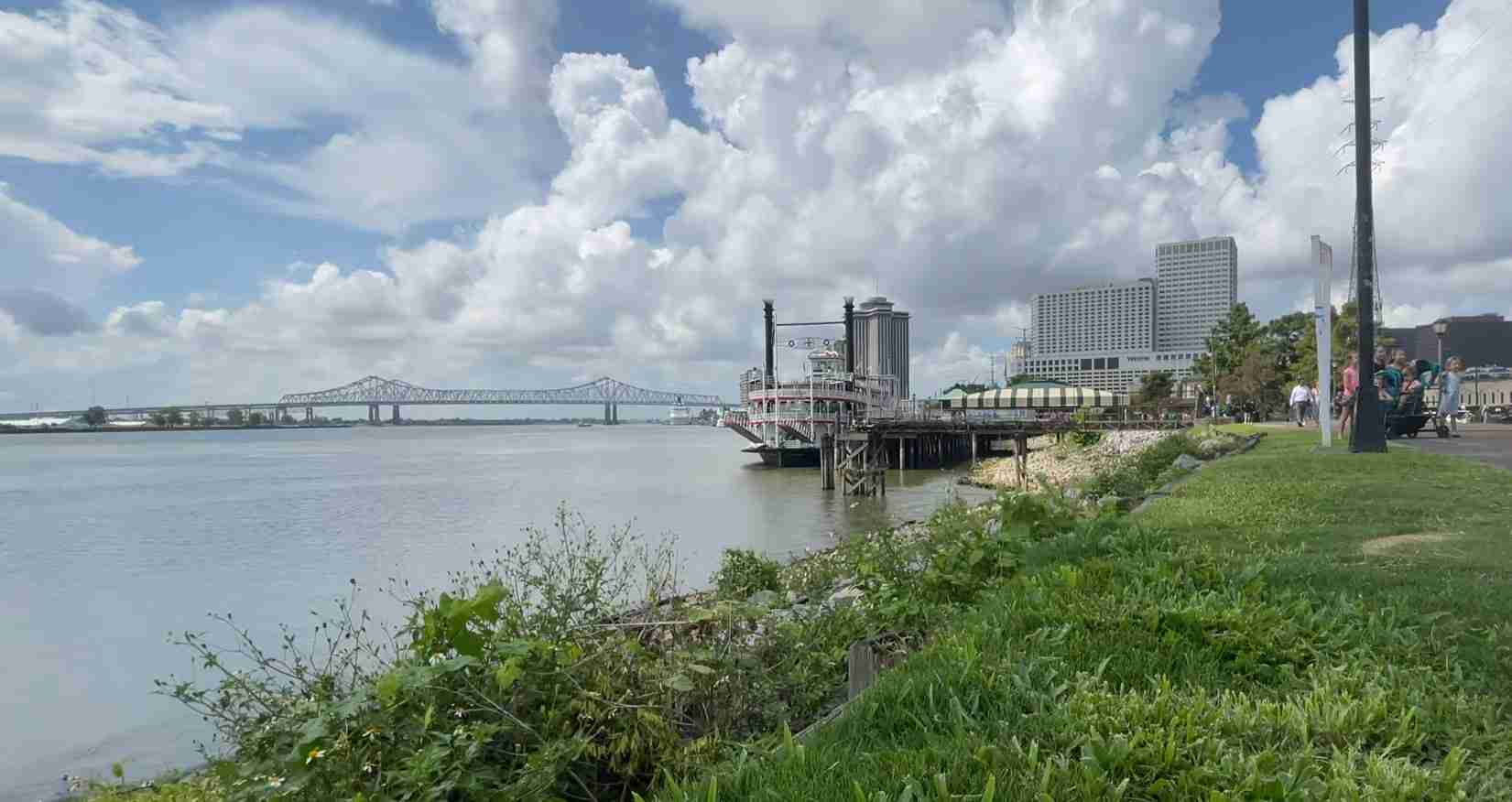
Riverfront Streetcar follows the Mississippi River along the French Quarter waterfront, connecting the French Market, Jackson Square, Aquarium of the Americas, and Riverwalk shopping district. This short line primarily serves tourists and convention attendees, operating vintage red streetcars similar to Canal Street vehicles. The route requires just 15 minutes to complete but offers scenic river views and convenient access to French Quarter attractions.
Rampart-St. Claude Streetcar opened in 2016 to connect the Central Business District with Marigny and Bywater neighborhoods, serving Frenchmen Street’s live music corridor and the developing arts district. This line extends transportation access beyond traditional tourist zones into authentic neighborhood experiences where locals actually live and socialize. The route runs from Union Passenger Terminal through the Marigny to Elysian Fields Avenue.
Streetcar fares cost $1.25 per ride regardless of distance traveled, with exact change required if paying cash onboard. The 24-hour Jazzy Pass provides unlimited streetcar and bus rides for $3, representing excellent value for tourists planning multiple trips daily. Download the Le Pass mobile app for contactless fare payment, real-time vehicle tracking, and trip planning assistance. Children aged 5-12 ride for $0.50, while seniors and disabled riders qualify for $0.40 reduced fares with appropriate identification.
Streetcars operate from early morning until late night, with frequency varying by line and time of day. St. Charles Streetcar runs most frequently with five-minute headways during peak hours, while other lines operate 15-30 minute intervals. Check the RTA website or Le Pass app for current schedules, as service temporarily suspends for special events like Mardi Gras parades or hurricane preparations.
Rideshare and Taxi Services 2026
Uber and Lyft both operate extensively throughout New Orleans, offering reliable transportation when streetcars don’t serve your destination or when late-night safety concerns make walking inadvisable. Rideshare rates generally cost less than traditional taxis except during surge pricing periods around major events or weekend nights when demand exceeds driver availability.
Typical rideshare costs run $8-15 for trips within central neighborhoods like French Quarter to Garden District or Marigny to Uptown. Longer trips to lakefront neighborhoods or suburban areas reach $20-30, while Louis Armstrong International Airport transfers cost $35-45 depending on destination and traffic conditions. Surge pricing during Mardi Gras, Jazz Fest, and other major festivals can double or triple these base rates, making advance planning essential for popular event times.
Traditional taxi service remains available through companies like United Cab (504-522-9771) and White Fleet Taxi (504-948-6605), charging metered rates based on distance and time. Taxis cost roughly equivalent to non-surge rideshare prices but require cash payment for drivers unwilling to process credit cards. Hailing taxis on the street works reliably only in French Quarter and downtown areas—other neighborhoods require phone calls to dispatch.
Airport shuttle service provides economical transportation from Louis Armstrong International Airport to downtown hotels and French Quarter accommodations for $24 per person one-way or $44 round-trip. Multiple passengers heading to the same general area share vans, so expect 45-60 minute rides with stops at several hotels before reaching your destination. The Airport Express shuttle operates 24/7 with reservations recommended but walk-up passengers usually accommodated.
Walking and Neighborhood Navigation 2026
Walking remains the best way to truly experience New Orleans, as the city reveals its character through architectural details, hidden courtyards, live music spilling from doorways, and aromatic food smells that GPS navigation can’t replicate. French Quarter’s 13-block-by-6-block grid takes just 20 minutes to cross end-to-end at a leisurely pace, making most attractions accessible by foot.
New Orleans streets present challenges unfamiliar to visitors from cities with modern infrastructure. Sidewalks feature uneven surfaces with dramatic height changes, broken pavement, exposed tree roots, and sudden drop-offs to street level. Wear comfortable, supportive walking shoes rather than sandals or heels—you’ll cover miles daily on surfaces that quickly fatigue unprepared feet. Rain creates standing water and slippery surfaces that last for hours after storms pass.
The city’s below-sea-level elevation means drainage remains a constant battle, with streets flooding after heavy rain and staying wet for extended periods. Carry waterproof footwear or be prepared to navigate puddles and soggy ground throughout your visit. Street flooding doesn’t signal emergency conditions—locals casually walk through ankle-deep water that would trigger alarm in other cities.
Navigation proves straightforward in French Quarter and Central Business District where streets follow logical grid patterns with numbered cross streets. However, the rest of New Orleans defies logical organization, with curved streets following the Mississippi River’s bend and named streets changing names without warning. Download offline maps before exploring less touristy neighborhoods, as GPS sometimes struggles with the city’s unique geography and poor cell signals in certain areas.
Bicycle and Alternative Transportation 2026
Bicycle rental companies including Blue Bikes, FreeWheelin’ Community Bikes, and American Bicycle Rentals provide daily and weekly rentals for visitors wanting pedal-powered exploration. New Orleans’ flat terrain makes cycling accessible for all fitness levels, though the same street conditions challenging pedestrians affect cyclists—expect potholes, uneven pavement, and aggressive drivers unfamiliar with sharing roads.
Bicycle rental rates start around $10-15 for two hours or $25-40 for full-day usage, with weekly rates sometimes offering better value for extended stays. Most rental shops provide helmets, locks, and basic route maps highlighting bike-friendly streets and dedicated lanes. The Lafitte Greenway offers a protected 2.6-mile bicycle path connecting Mid-City to the French Quarter through previously inaccessible neighborhoods.
Scooter rental services operate throughout New Orleans with Bird, Lime, and Spin scooters available via smartphone apps. Riders must follow traffic laws, avoid sidewalk riding in business districts, and wear helmets (though few users comply). Scooter rates typically charge $1 to unlock plus $0.25-0.40 per minute, making them economical for short trips but expensive for extended exploration.
Weather and Seasonal Planning for New Orleans 2026
New Orleans’ subtropical climate creates dramatic seasonal variations that fundamentally shape visitor experiences, with timing decisions affecting everything from crowd levels to activity options to accommodation costs. Understanding weather patterns helps optimize planning for personal preferences whether seeking festival energy or quiet exploration.
Spring Festival Season 2026 (February-May)
Spring represents New Orleans’ peak tourist season, combining comfortable temperatures in the 60s-80s with the year’s biggest cultural celebrations. Mardi Gras falls on February 17, 2026, preceded by weeks of parades starting January 6, while French Quarter Festival runs April 16-19 and Jazz Fest spans two weekends April 23-May 3. March brings Tennessee Williams Festival, New Orleans Book Festival, and New Orleans Opera Festival alongside dozens of smaller events filling the cultural calendar.
Weather during spring months delivers ideal conditions for outdoor activities and walking tours, with average highs of 73°F in March climbing to 77°F by April and abundant sunshine averaging 10-11 hours daily. Morning lows in the 50s-60s require light jackets or sweaters, while afternoon warmth encourages shorts and t-shirts. Rain falls on 37-38% of days in March and April, so pack compact rain gear to avoid getting caught unprepared.
Accommodation prices peak during Mardi Gras week and Jazz Fest weekends, with hotels requiring minimum 3-4 night stays and charging double or triple normal rates. Book six months in advance for these premium periods or risk finding everything sold out. Other spring weekends see elevated but manageable prices, making March and early April sweet spots for experiencing pleasant weather without festival premiums.
Crowds transform French Quarter into packed pedestrian zones during major festivals, with Bourbon Street becoming impassable wall-to-wall humanity. If you thrive on high-energy chaos and don’t mind personal space invasions, Mardi Gras delivers unforgettable experiences. If crowds trigger anxiety or you prefer intimate experiences, avoid February and late April entirely in favor of fall or winter visits.
Summer Heat and Hurricane Season 2026 (June-September)
Summer brings the year’s most challenging weather conditions but also lowest prices and smallest crowds for visitors willing to brave oppressive heat and potential storm disruptions. June through September sees average highs in the low 90s with 79% humidity creating heat index values regularly exceeding 104°F, plus June receiving 219mm average rainfall as the wettest month. Afternoons feel suffocatingly hot with sweat-soaked clothes becoming inevitable within minutes of outdoor exposure.
Hurricane season officially runs June 1 through November 30, with August and September representing peak threat months. Active hurricane months require weather monitoring and travel insurance to protect against trip cancellations or evacuations. The city maintains robust hurricane preparedness plans developed after Hurricane Katrina, with mandatory evacuation orders issued 48-72 hours before major storms threaten landfall. Most hurricane seasons produce tropical storms that bring heavy rain but little danger, though the possibility of catastrophic storms requires acknowledgment.
Hotel rates drop 40-60% during summer months as tourism plummets, with luxury properties sometimes offering rooms at mid-range prices to fill inventory. Major festivals pause during summer heat with only Essence Festival (July 3-5, 2026) and smaller neighborhood events attracting significant crowds. Restaurants maintain full menus and hours, music venues continue nightly performances, and attractions operate normally—you’ll experience authentic New Orleans without sharing it with thousands of tourists.
Successful summer visits require heat management strategies including scheduling outdoor activities for early mornings before 10 AM or evenings after 7 PM when temperatures moderate, seeking air-conditioned indoor attractions during midday heat, staying constantly hydrated with water rather than alcohol (which accelerates dehydration), and accepting that you’ll sweat profusely regardless of precautions. The heat genuinely challenges visitors unaccustomed to subtropical summers—don’t underestimate its impact on energy levels and activity capacity.
Fall Ideal Conditions 2026 (October-November)
October and November deliver New Orleans’ finest weather with comfortable temperatures in the 60s-70s, lower humidity than spring or summer, and minimal rainfall making these months objectively ideal for visitors prioritizing pleasant conditions. Fall represents the sweet spot combining excellent weather, reduced crowds compared to spring, and lower accommodation rates than festival season.
October averages just 95mm rainfall (the driest month) with abundant sunshine and gentle breezes creating perfect walking weather. The hurricane season technically continues through November 30, but October storms rarely threaten Louisiana with peak activity shifting toward Caribbean islands. November temperatures drop slightly into the 60s with occasional cool fronts bringing 50s overnight, requiring light jackets but remaining far more comfortable than summer heat or winter cold snaps.
Halloween transforms New Orleans into America’s spookiest city with the Krewe of Boo parade rolling through French Quarter on October 24, 2026, featuring full-size floats decorated with supernatural themes. The city’s voodoo history, haunted mansions, and above-ground cemeteries create natural Halloween atmosphere attracting visitors seeking paranormal experiences or costume party celebrations.
Fewer tourists during fall months mean shorter restaurant wait times, easier attraction access, and better tour availability without advance reservations. Street musicians play to smaller audiences, creating opportunities for extended conversations with artists maintaining century-old musical traditions. The authentic New Orleans locals experience throughout the year becomes accessible to visitors during fall’s perfect combination of weather and calm.
Winter Mild Season 2026-2027 (December-January)
Winter in New Orleans barely qualifies as winter by northern standards, with average temperatures in the 50s-60s and rare freezing nights occurring just a few times per season. January ranks as the coldest month averaging 54°F, though warm periods can reach 77°F while cold snaps occasionally drop to freezing with record lows of 11°F recorded in the city’s history. Snow remains exceptionally rare, with meaningful accumulation occurring just three times since 1963—New Orleans doesn’t own snowplows because they’d rust unused for decades.
December brings holiday celebrations including Christmas Eve Bonfires on the Levee, elaborate light displays in City Park’s Celebration in the Oaks, and Reveillon dinners where restaurants serve traditional Creole Christmas feasts. The mild weather allows comfortable outdoor activities throughout winter, though pack layers for variable conditions ranging from pleasant 70°F days to chilly 40°F mornings requiring jackets and long pants.
Winter represents the shoulder season for tourism with moderate hotel prices and manageable crowds except during holiday weeks when families vacation during school breaks. January through early February sees the year’s lowest tourist volumes as the city recovers from holiday season before ramping up for Mardi Gras preparations. Budget travelers find excellent deals during this quiet period while still enjoying comfortable exploration weather and full restaurant and attraction operations.
Tipping Culture and Service Expectations 2026
New Orleans’ hospitality industry depends more heavily on tipping than most American cities, with service workers relying on gratuities for substantial portions of their income. Understanding and respecting tipping culture isn’t optional courtesy—it’s essential support for the people making your New Orleans experience possible.
Restaurant and Bar Tipping Standards 2026
Restaurant servers now expect 20-25% tips in 2026, higher than the traditional 15-20% standard as tipping has evolved to comprise 22% of restaurant workers’ statewide income. Calculate tips on the pre-tax bill amount, rounding up rather than down when splitting percentages. Poor service doesn’t justify stiffing servers—if you experience genuine problems, address them with management immediately rather than punishing servers financially for issues potentially beyond their control like kitchen delays or ingredient shortages.
Many restaurants automatically add 18-20% gratuity for parties of six or more, clearly noted on menus and checks. Review your bill carefully before adding additional tip to avoid double-tipping, though adding a few extra dollars for exceptional service on top of automatic gratuity shows appreciation. Groups dining together should designate one person to handle the check and collect cash from others, as servers find split payment requests time-consuming and frustrating during busy shifts.
Bartenders receive $1-2 per drink for beers and simple mixed drinks, or 15-20% for elaborate craft cocktails requiring specialized preparation. The quality of drink doesn’t determine appropriate tip—a perfectly poured draft beer deserves the same $1-2 as a mediocre one. When ordering multiple rounds, tip per round rather than once at the end to ensure your bartender prioritizes your service during crowded periods. Leave tips in cash when possible so bartenders receive them immediately rather than waiting for credit card settlement.
Street musicians and brass bands performing in French Quarter, Jackson Square, or during second line parades work for tips rather than wages, maintaining authentic musical traditions passed through generations. Musicians and service industry workers make much of their living from tips, with bands passing tip buckets at least once per set. Contribute generously when stopping to listen or photograph performers—$5-10 represents appropriate appreciation for professional musicianship you’d pay $30-50 to experience in traditional venues. If you merely pass by without stopping, no tip is expected, but pausing for photos or extended listening without contributing is considered disrespectful.
Hotel and Accommodation Tipping 2026
Hotel staff tipping includes $1-2 per bag for bellmen and porters, $2 per night for housekeeping (or $5 in luxury properties), $2-3 for valet parking, and $10-20 for concierges who secure difficult reservations or tickets. Leave housekeeping tips daily rather than once at checkout since different staff may clean your room each day—place cash in a visible location with a “thank you” note so housekeepers know it’s intended for them rather than forgotten money.
Concierges deserve substantial tips when they go beyond basic information to secure sought-after restaurant reservations, sold-out concert tickets, or hard-to-access tour spots. The difficulty of the task determines appropriate compensation—getting you into Commander’s Palace the same night you ask is worth $20, while providing printed directions to the streetcar stop merits sincere thanks but no tip. Build relationships with concierges early in your stay by tipping for initial assistance, then watch how quickly they prioritize your subsequent requests.
Valet parking at restaurants and hotels expects $2-3 tips when your car is returned, not when you drop it off. High-end establishments sometimes charge parking fees plus tips, so confirm costs before committing. Self-parking often saves money if available, though many French Quarter hotels and popular restaurants offer valet-only parking due to limited spaces.
Tour and Activity Tipping 2026
Tour guides deserve $3-5 per person for walking tours, or 15% of the total cost for expensive private tours or excursions. The quality of the tour directly influences appropriate tipping—guides who provide deep historical insights, answer questions thoroughly, and create memorable experiences deserve upper-range tips or more, while guides who merely walk groups through scripted information warrant minimum amounts.
Cemetery tours require special consideration as guides maintain respectful presentation of sensitive material while educating visitors about unique burial practices and historical significance. Tip these guides generously ($5-10 per person minimum) as they balance entertainment with reverence for spaces that remain active burial grounds serving local families.
Swamp tour operators, plantation guides, and specialized experience leaders follow similar 15-20% tipping standards, with gratuities typically given to guides directly in cash at tour conclusions. Some tour companies include gratuities in pricing—confirm whether tips are included before booking and adjust accordingly.
Transportation Tipping 2026
Taxi drivers receive 10-15% of metered fares, rounded up to the nearest dollar for convenience. The minimum tip for any taxi ride should be $2-3 regardless of fare amount, as drivers incur costs for gas and vehicle maintenance even on short trips. Traffic delays aren’t the driver’s fault, so maintain full tips even when unexpected congestion extends travel time.
Rideshare drivers through Uber and Lyft can receive tips through apps, though cash tips ensure drivers receive full amounts without platform fees. Standard tipping runs 15-20% for normal rides, with higher amounts appropriate when drivers help with luggage, provide exceptional local recommendations, or navigate difficult traffic skillfully. Rideshare drivers maintain their own vehicles and pay for gas, making tips more impactful than they might seem.
Airport shuttle drivers deserve $2-3 per person or $5 per family, given when exiting the vehicle. These drivers handle multiple passenger pickups and deliveries, so patience with stops at other hotels warrants appreciation through appropriate tips.
Dining and Food Culture in New Orleans 2026
New Orleans cuisine represents America’s most distinctive regional food culture, blending French technique with African ingredients, Spanish influences, and Caribbean spices to create dishes found nowhere else on earth. Approaching food with respect for its cultural significance rather than treating it as mere sustenance unlocks deeper appreciation of what makes this city special.
Essential Dishes and Where to Find Them 2026
Gumbo serves as New Orleans’ signature dish, a rich stew combining celery, bell peppers, and onions (the “holy trinity” of Creole cooking) with okra or filé powder for thickening, proteins ranging from seafood to chicken and sausage, and rice for serving. Every restaurant, grandmother, and neighborhood cook claims their gumbo recipe as superior—they’re all correct because gumbo isn’t standardized but personalized. Order gumbo at least three times during your visit to understand the range of interpretations possible within traditional boundaries.
Po-boys represent New Orleans’ contribution to the sandwich pantheon, featuring French bread with crispy crust and fluffy interior stuffed with fried seafood, roast beef debris, or other fillings dressed with lettuce, tomatoes, pickles, and mayonnaise. Locals debate passionately about which po-boy shops produce the best versions—Parkway Bakery and Tavern, Domilise’s Po-Boys, and Mother’s Restaurant all claim devotees who reject other options as inferior. The “dressed” versus “undressed” question references whether you want lettuce, tomatoes, pickles, and mayo (dressed) or just the protein and bread (undressed).
Beignets at Café du Monde have achieved tourist attraction status, with powdered-sugar-covered fried dough squares and chicory coffee representing an essential New Orleans experience. The 24/7 operation means no wrong time exists for beignets—locals grab them for breakfast, midnight snacks, and 3 AM post-drinking sustenance. The generous powdered sugar application guarantees you’ll wear some on your clothes, creating immediate visual identification of Café du Monde visitors.
Crawfish étouffée showcases Louisiana’s freshwater crustaceans in a rich, roux-based sauce served over rice. Crawfish season runs January through June, with peak availability in March and April when prices drop and quality peaks. Ordering crawfish dishes outside this seasonal window risks disappointing frozen substitutes lacking the sweet, delicate flavor of fresh Louisiana crawfish.
Red beans and rice traditionally appears on Monday menus throughout New Orleans, a custom dating to when washerwomen spent Mondays doing laundry and left beans to simmer unattended. The dish combines creamy red beans seasoned with andouille sausage, trinity vegetables, and spices served over white rice for a complete protein meal. Many restaurants still honor this tradition, making Monday the ideal day to sample authentic red beans preparation.
Restaurant Etiquette and Reservations 2026
Make reservations for popular restaurants weeks or months in advance, especially for Friday and Saturday dinner service or during festival seasons when tourist volumes surge. Commander’s Palace, Galatoire’s, Antoine’s, and other legendary establishments book solid weeks ahead, with walk-in seating available only for bar areas or off-peak hours. Call restaurants directly rather than relying solely on OpenTable, as some hold tables for phone reservations while showing full availability online.
Dress codes at upscale restaurants require business casual minimum—no shorts, flip-flops, or tank tops at establishments maintaining traditional standards. Jacket requirements have relaxed at most restaurants except the most formal, but calling ahead prevents disappointment when showing up inappropriately dressed for your reservation. New Orleans remains a dressy city where locals wear suits to restaurants that tourists enter in t-shirts and sneakers.
Service pacing in New Orleans runs slower than fast-casual dining elsewhere, with meals often lasting two hours or more at nicer establishments. Servers don’t rush you through courses or drop the check immediately after dessert plates clear—lingering over coffee and conversation represents normal dining culture. If you’re in a hurry, communicate this when ordering so your server can adjust pacing, or choose casual spots offering quicker turnover.
Lunch specials at dinner-only restaurants represent excellent value opportunities, with renowned establishments serving abbreviated menus at lunch for 40-60% less than identical dishes at dinner. Commander’s Palace’s 25-cent martini lunch has achieved legendary status, though the full lunch tab still runs $40-60 per person before drinks beyond the promotional cocktail. Breakfast and brunch similarly offer high-end experiences at more accessible price points than dinner service.
Drinking Culture and Go-Cups 2026
New Orleans permits open containers of alcohol in public spaces, a unique American law allowing you to carry drinks on streets (in plastic containers, never glass or cans) while walking between bars or exploring neighborhoods. This doesn’t mean public drunkenness is acceptable—maintain composure and respect for surroundings rather than treating the city as one giant party where all behavior is excused.
Go-cups are provided free at most bars when you want to leave with an unfinished drink, allowing seamless bar-hopping without waste. Order your next drink to-go at last call, carry it to the next venue, and order a fresh drink there while finishing the previous one. This practice keeps you continuously hydrated (mixing water between alcoholic drinks prevents dehydration) and ensures you’re never without refreshment.
Bourbon Street represents the most tourist-focused drinking area, with massive frozen daiquiri shops, cheap beer, and loud cover bands creating spring break atmosphere. Locals generally avoid Bourbon Street except when showing tourists around, preferring Frenchmen Street in Marigny for authentic music and craft cocktails or Magazine Street’s neighborhood bars for relaxed drinking without chaos.
Hurricane cocktails at Pat O’Brien’s have become synonymous with New Orleans drinking despite their tourist trap status and sugary composition designed to mask cheap alcohol. If you must try one (and the souvenir glass makes a nice keepsake), limit yourself to one before moving on to the city’s excellent craft cocktail bars crafting drinks with fresh ingredients and proper technique. The Sazerac Bar at Roosevelt Hotel serves the city’s official cocktail made with rye whiskey, Peychaud’s bitters, sugar, and absinthe in proper proportions.
Cultural Events and Festival Planning 2026
New Orleans hosts more festivals per capita than any American city, with celebrations of music, food, culture, and community occurring virtually every weekend year-round. Understanding how to navigate these events while respecting their cultural significance separates tourists from travelers genuinely engaging with local traditions.
Mardi Gras 2026 (February 17)
Mardi Gras 2026 falls on Tuesday, February 17, concluding Carnival season that begins January 6 with parades and celebrations intensifying through the final two weeks before Fat Tuesday. The celebration isn’t a single-day event but a months-long season of parades, balls, and parties building to the climactic final week when dozens of major parades roll through different neighborhoods.
Book accommodations six months to one year in advance for Mardi Gras week, as hotels sell out completely and prices double or triple normal rates. Most properties require minimum 3-4 night stays and payment in full at booking with strict cancellation policies. If you’re trying to book within three months of Mardi Gras, expect very limited availability at premium prices or consider staying in suburbs and commuting downtown.
Parade routes follow published schedules available from krewe websites and local media, with different neighborhoods hosting parades on different days. Uptown route along St. Charles Avenue and Canal Street showcase the largest super-krewe parades like Endymion, Bacchus, and Rex, while neighborhood routes in Marigny, Mid-City, and Gentilly offer more intimate experiences with better catch rates for throws.
Mardi Gras etiquette demands respect for parade traditions including never crossing the route while floats are rolling (police barricades enforce this), keeping children supervised near streets where floats pass close to spectators, and fighting for throws without violence or aggressive behavior. Locals bring ladders for children to sit on, claim parade viewing spots hours in advance with chairs and ice chests, and celebrate enthusiastically without destroying property or harassing others.
Bourbon Street during Mardi Gras becomes an adult-themed chaos zone with public nudity, heavy drinking, and packed crowds making movement difficult. If this appeals to you, enjoy it responsibly with secure valuables and constant awareness of surroundings. If crowds and debauchery don’t interest you, countless other Mardi Gras experiences exist throughout the city offering family-friendly parade viewing and cultural celebration without French Quarter madness.
Jazz Fest 2026 (April 23-May 3)
New Orleans Jazz & Heritage Festival runs two weekends April 23-May 3, 2026, at the Fair Grounds Race Course featuring over 50 acts nightly across multiple stages showcasing jazz, blues, gospel, Cajun, zydeco, brass bands, R&B, rock, funk, African, Latin, Caribbean, folk, and rap. The festival represents Louisiana’s cultural diversity through music, food, and crafts requiring full days to experience properly.
Purchase tickets months in advance as individual days sell out, particularly the second weekend when headliners perform. General admission tickets cost $75-95 depending on day and purchase timing, with premium VIP packages offering shaded seating, expedited entry, and exclusive food vendors for $500-800. Weekend tickets and season passes provide better per-day value for attendees planning multiple visits.
Arrive when gates open at 11 AM to claim optimal viewing positions near your priority stages, as prime spots fill quickly for popular afternoon and evening acts. The Fair Grounds sprawl across acres with simultaneous performances at different stages, so plan which artists you must see and accept missing others. The festival app provides real-time schedules and GPS-based navigation helping optimize your route between stages.
Food at Jazz Fest rivals music as the main attraction, with dozens of Louisiana vendors serving everything from crawfish monica to cochon de lait po-boys to mango freeze desserts. Budget $60-100 per person daily for food and drinks beyond ticket costs, as the authentic Louisiana cuisine served here surpasses typical festival food quality. Bring cash as some vendors don’t accept cards despite festival-wide efforts to enable electronic payments.
Weather preparation is essential as Jazz Fest occurs during spring’s unpredictable weather patterns. Mornings may start cool and cloudy before afternoons turn hot and sunny, or vice versa. Pack sunscreen, wide-brimmed hats, sunglasses, rain jackets, and layers allowing adjustment to changing conditions. The Fair Grounds offer minimal shade, so sun protection becomes critical during 6-8 hour festival days.
French Quarter Festival 2026 (April 16-19)
French Quarter Festival runs April 16-19, 2026, as the city’s largest free music festival with over 20 stages throughout the French Quarter showcasing Louisiana musicians across every genre from traditional jazz to brass bands and zydeco. The festival celebrates local culture with 60+ Louisiana restaurants serving signature dishes and authentic neighborhood experiences without Jazz Fest’s crowds or ticket costs.
No tickets required for French Quarter Festival as all performances and food areas remain free and open to public access, though some food purchases require tokens sold in $1 increments at booths throughout the festival grounds. Plan to spend $40-70 per person daily on food and drinks, less than Jazz Fest but still substantial given the exceptional quality and portions offered.
Stages scatter throughout the French Quarter from Jackson Square to Woldenberg Park along the riverfront, allowing seamless wandering between performances while exploring the neighborhood’s architecture and courtyards. The intimate settings create superior viewing experiences compared to Jazz Fest’s massive stages, with musicians often interacting directly with audiences and impromptu collaborations occurring between acts.
Local musicians dominate French Quarter Festival lineups, spotlighting New Orleans artists who maintain authentic traditions rather than importing national touring acts. If you want to experience the city’s living musical culture performed by people who grew up in these traditions and play them daily rather than as occasional novelty, French Quarter Festival delivers more authentic experiences than Jazz Fest despite lower profile headliners.
Essence Festival 2026 (July 3-5)
ESSENCE Festival of Culture runs July 3-5, 2026, at Caesars Superdome as the nation’s largest annual African-American cultural event featuring over 50 acts nightly across five stages. The festival combines musical performances with empowerment seminars, beauty and style experiences, and cultural celebrations attracting hundreds of thousands of attendees from across the country.
Book accommodations immediately when planning Essence Festival attendance as hotels fill completely and prices surge to Mardi Gras levels. The festival’s July 4th weekend timing coincides with general summer tourism and Independence Day celebrations, creating perfect storm conditions for scarce availability and premium pricing. Consider booking suburban hotels or private rentals if downtown options exceed budget.
Concert tickets range from $125 for single-night upper deck seats to $500+ for floor access or multi-day packages, with VIP experiences reaching $2,000+ for premium viewing, hospitality, and artist meet-and-greets. The festival sells out annually, so purchase tickets as soon as lineups announce to ensure access at face value rather than resale premiums.
Heat management becomes critical during Essence Festival’s July timing when temperatures regularly reach 90°F with 79% humidity creating dangerous heat index values. The Superdome’s air conditioning provides relief during concerts, but outdoor activities around the festival and travel between venues expose attendees to oppressive conditions. Hydrate constantly, limit midday outdoor exposure, and recognize heat exhaustion symptoms before they become dangerous.
Money Matters and Payment Strategies 2026
New Orleans operates on a cash-and-card hybrid economy where having both payment methods available prevents frustration and missed opportunities. Understanding the city’s financial quirks before arrival saves money and smooths transactions throughout your visit.
Cash Requirements and ATM Access 2026
Carry $100-200 in small bills ($1, $5, $10, $20) for daily expenses despite credit cards being widely accepted, as many situations still require cash. Street musicians expect cash tips, some bars and restaurants add surcharges for credit card use, streetcar fares need exact change if not using Le Pass app, and smaller neighborhood establishments sometimes operate cash-only to avoid processing fees.
ATMs operate throughout New Orleans with concentration in French Quarter, downtown, and major commercial corridors. Bank-affiliated ATMs generally charge $3-4 withdrawal fees for out-of-network cards, while independent ATMs in bars and convenience stores sometimes assess $5-7 fees. Withdraw larger amounts less frequently to minimize fees, or seek fee-free ATMs through your bank’s network locator before needing cash urgently.
Notify your bank and credit card companies before traveling to New Orleans to prevent fraud alerts blocking legitimate purchases. Geographic fraud detection systems sometimes flag Louisiana transactions as suspicious when your cards typically process in other states, leaving you unable to access funds until you confirm activity. A simple phone call or online notification before departure prevents this frustrating situation.
Dynamic Pricing and Surge Rates 2026
Hotels implement dynamic pricing that fluctuates wildly based on event calendars, with the same room costing $120 on Tuesday and $450 on Saturday during Jazz Fest. Monitor pricing across multiple weeks if your travel dates are flexible, as shifting by just a few days can save hundreds of dollars. Booking far in advance locks in lower rates before surge pricing kicks in as events approach.
Rideshare surge pricing during major events can multiply base fares 3-5x, turning a normally $12 ride into a $45-60 expense. Walk a few blocks away from event epicenters before requesting rides to escape surge zones, or use alternative transportation like streetcars and taxis unaffected by dynamic pricing algorithms.
Restaurant reservation services including OpenTable and Resy sometimes enable premium pricing for prime time slots, though most New Orleans restaurants still operate traditional reservation systems without financial barriers. When encountering paid priority access, decide whether the convenience justifies costs or if eating slightly earlier or later achieves the same experience for free.
Budgeting for Realistic Daily Costs 2026
Budget travelers spending $95-130 per person daily can experience New Orleans staying in budget hotels or hostels ($35-55 per person sharing a room), eating at casual restaurants and food trucks ($40-60 for three meals), using streetcars for transportation ($3-6 for day passes), and enjoying free attractions like Jackson Square, French Quarter architecture, and neighborhood walks ($0-15 for occasional museum admissions).
Mid-range travelers spending $200-290 per person daily enjoy comfortable hotels ($90-125 per person sharing mid-range room), dining at mix of casual and upscale restaurants ($75-95 for three meals), using rideshares when convenient combined with streetcars ($15-25 for mixed transportation), and accessing paid attractions and occasional tours ($25-40 for museums and experiences).
Luxury travelers spending $380-550+ per person daily stay in premium hotels ($175-250+ per person sharing luxury room), dine at acclaimed restaurants for all meals ($120-180 for three meals), use rideshares and taxis exclusively ($30-50 for convenient transportation), and access premium experiences including VIP tours, private guides, and exclusive access ($55-85 for high-end activities).
These estimates assume two people sharing accommodation costs, as solo travelers pay full room rates significantly impacting daily budgets. Add 20-25% to food and service costs for tipping, plus additional amounts for alcohol consumption which can easily match food expenses at bars and restaurants. Festival periods require separate budgeting with ticket costs, increased accommodation rates, and premium pricing across services.
Health and Medical Considerations for New Orleans 2026
New Orleans’ subtropical climate, unique cuisine, and active nightlife create specific health considerations visitors should understand before arrival to prevent illness and discomfort from disrupting carefully planned vacations.
Heat-Related Illness Prevention 2026
Heat exhaustion and heat stroke pose genuine risks during New Orleans summers when humidity prevents sweat evaporation, eliminating the body’s primary cooling mechanism. Symptoms of heat exhaustion include heavy sweating, weakness, cold and clammy skin, fast weak pulse, nausea, and fainting. Heat stroke represents a medical emergency with symptoms including high body temperature above 103°F, hot dry skin, rapid strong pulse, and possible unconsciousness.
Prevent heat-related illness by hydrating constantly with water rather than alcohol or caffeine (both accelerate dehydration), scheduling strenuous activities for early morning or evening hours, wearing light-colored loose-fitting clothing, and recognizing your body’s heat tolerance limits. Take frequent air-conditioned breaks in restaurants, museums, or shops rather than spending entire days outside in oppressive conditions. If you begin feeling dizzy, nauseous, or excessively fatigued, move to shade or air conditioning immediately and drink cool water.
Digestive Issues and Food Safety 2026
Rich Creole cuisine heavy with butter, cream, and spices can overwhelm digestive systems unaccustomed to these preparations, particularly when combined with alcohol consumption and heat stress. Start with smaller portions of rich dishes rather than gorging immediately, and balance heavy meals with lighter options preventing digestive overload. Over-the-counter remedies like antacids and anti-diarrheal medications prove useful for mild symptoms, though persistent issues require medical attention.
Tap water in New Orleans is safe to drink meeting all federal quality standards, though some visitors detect taste differences compared to their home water supply. Bottled water provides alternative hydration if you prefer, but municipal water poses no health risks and costs nothing at restaurants where free refills are standard.
Raw oysters carry inherent food safety risks, particularly during warm months when bacteria multiply more readily. Reputable oyster bars maintain proper refrigeration and sourcing practices minimizing risks, but individuals with compromised immune systems, pregnant women, and those with liver disease should avoid raw oysters entirely. Cooked oysters deliver similar flavor without bacterial concerns for cautious diners.
Insect Protection and Allergies 2026
Mosquitoes thrive in New Orleans’ humid climate and abundant standing water, with biting activity peaking during dawn and dusk hours. Apply insect repellent containing DEET when spending time outdoors, particularly near water or in parks where mosquito populations concentrate. The city conducts regular mosquito control spraying, but complete elimination remains impossible in subtropical wetland environments.
Pollen allergies can trigger symptoms during spring months when oak trees release massive amounts of pollen coating surfaces with yellow dust. Visitors with seasonal allergies should bring antihistamines and check daily pollen counts to plan outdoor activities during lower-concentration periods. Air conditioning in hotels and restaurants provides relief from outdoor allergens.
Medical Facilities and Emergency Care 2026
Ochsner Medical Center, Tulane Medical Center, and University Medical Center provide full-service emergency departments throughout New Orleans with trauma care capabilities and specialist access. Travel insurance covering medical emergencies proves valuable for international visitors or those with pre-existing conditions potentially requiring treatment during their stay.
Urgent care clinics including Ochsner Urgent Care locations throughout the metro area handle non-emergency medical needs during extended hours without emergency room wait times or costs. These facilities treat minor injuries, illnesses, and prescribe medications for conditions like sinus infections or bronchitis common among travelers.
Pharmacies including Walgreens and CVS operate 24-hour locations in tourist areas, providing prescription filling and over-the-counter medications for sudden health needs. Bring prescription documentation for any controlled substances to avoid issues with refills or emergency supplies.
Phone, Internet, and Staying Connected 2026
Reliable connectivity enables navigation, restaurant research, rideshare booking, and emergency communication throughout your New Orleans visit. Understanding service options and coverage patterns prevents technology frustrations.
Cellular Coverage and Service 2026
Major carriers including Verizon, AT&T, and T-Mobile provide strong coverage throughout central New Orleans including French Quarter, downtown, Uptown, and Garden District neighborhoods. Service occasionally weakens in far-flung areas like New Orleans East or Lower Ninth Ward, though tourist destinations maintain consistent connectivity.
International visitors should confirm roaming charges with home carriers before arrival or purchase local SIM cards at airport kiosks and wireless stores for more economical data access. Prepaid SIM cards offering unlimited data for 7-30 days cost $30-60 depending on plan details and carrier, often saving substantial amounts compared to international roaming fees.
WiFi Access and Public Networks 2026
Free WiFi operates throughout Louis Armstrong International Airport, most hotels (verify before booking as some charge WiFi fees), coffee shops including local chains and Starbucks locations, and many restaurants offering passwords to dining customers. Jackson Square and some French Quarter locations provide public WiFi though connection quality varies with user volume.
Avoid conducting financial transactions or accessing sensitive accounts on public WiFi networks lacking password protection, as unsecured networks enable potential interception of data transmissions. Use cellular data for banking and purchases, or employ VPN services encrypting your connection when public WiFi becomes necessary for secure activities.
Essential Apps for New Orleans 2026
Download these applications before arrival to enhance navigation and experiences:
Le Pass (RTA official app) – Purchase streetcar and bus passes, view real-time vehicle tracking, plan routes, and access transit information without carrying cash for exact change.
WDSU Transit Tracker – Real-time GPS tracking of all RTA buses and streetcars updating every 30 seconds, showing vehicle locations, speeds, and directions to eliminate guesswork about arrival times at stops.
WWOZ Livewire – Complete New Orleans music calendar from the city’s premier public radio station, listing performances at hundreds of venues with genre filtering and neighborhood sorting helping you discover live music matching your tastes.
OpenTable and Resy – Restaurant reservation platforms covering most upscale and mid-range dining establishments, enabling advance booking and same-day availability checking without phone calls.
Uber and Lyft – Rideshare apps essential for late-night transportation or trips to neighborhoods beyond streetcar routes, with fare estimates and driver tracking preventing taxi negotiation hassles.
Google Maps – Offline map downloads enable navigation without cellular data, though be aware New Orleans’ curved streets and frequent name changes can confuse GPS routing designed for grid-pattern cities.
Sustainable and Respectful Tourism in New Orleans 2026
New Orleans faces mounting pressure from tourism growth straining neighborhoods, cultural traditions, and local resources. Visitors committed to positive impact can make choices benefiting rather than burdening the communities hosting them.
Supporting Local Businesses 2026
Choose locally owned restaurants, shops, and tour operators over national chains and franchise operations when options exist, keeping tourism dollars circulating in the local economy rather than extracting them to distant corporate headquarters. The best po-boys come from family-owned shops that have perfected recipes over generations, not sandwich chains manufacturing uniform products.
Purchase souvenirs from local artists and craftspeople rather than mass-produced imports sold at tourist trap shops. French Market vendors include authentic artisans selling handmade jewelry, art, and crafts alongside souvenir retailers hawking generic T-shirts. Ask questions about products’ origins and creators, supporting makers maintaining traditional techniques.
Tip generously and in cash when possible so service workers receive full amounts without credit card processing delays or fees. These workers often earn below minimum wage with tips comprising their actual income, making your generosity directly impactful to their ability to afford living in the city they help you experience.
Respecting Cultural Traditions 2026
Second line parades represent sacred cultural traditions where neighborhood communities celebrate life, mourn death, and express collective identity through music and dancing. These aren’t tourist entertainment produced for your cameras—they’re authentic cultural expressions you’re privileged to witness. Join from the periphery rather than blocking the procession, ask permission before photographing participants (particularly during jazz funerals honoring deceased community members), and contribute to tip buckets when brass bands pass them.
Voodoo and spiritual practices integral to New Orleans culture deserve respect rather than mockery or appropriation. Shops selling voodoo dolls and spell kits cater to tourists with commercialized versions having little connection to authentic spiritual traditions maintained in communities for centuries. If genuine interest in voodoo draws you, visit the New Orleans Historic Voodoo Museum or book educational tours with practitioners willing to share knowledge respectfully.
Photography etiquette requires asking permission before photographing locals, particularly street performers, workers, and residents in their neighborhoods. Not everyone wants to appear in strangers’ social media posts, and treating people as zoo animals or exotic props disrespects their humanity. When someone graciously allows photographs, offer to text or email copies and tip if they’re performing or working.
Environmental Responsibility 2026
New Orleans battles constant environmental challenges including coastal erosion, wetland loss, and climate change impacts threatening the city’s long-term survival. Visitors can minimize their environmental footprint through conscious choices during their stays.
Use public transportation, walk, or bicycle instead of driving when possible, reducing vehicle emissions and traffic congestion in already crowded neighborhoods. The streetcar system powered by electricity produces zero direct emissions while moving thousands of passengers daily through central areas.
Carry reusable water bottles refilling throughout the day rather than purchasing single-use plastic bottles generating waste. Most restaurants and attractions provide water fountains or will refill bottles upon request. Similarly, bring reusable shopping bags for purchases rather than accepting plastic bags at every transaction.
Dispose of trash properly in designated receptacles rather than littering streets that already struggle with litter from massive festival crowds. French Quarter streets post-Mardi Gras resemble disaster zones with trash piled feet high—don’t contribute to this problem by casually discarding cups, food wrappers, or cigarette butts.
Support environmental organizations working to preserve Louisiana’s disappearing coastal wetlands that protect New Orleans from hurricane storm surge. Organizations like Coalition to Restore Coastal Louisiana and Audubon Louisiana accept donations funding marsh restoration, barrier island rebuilding, and ecosystem protection critical to the city’s future.
Common Mistakes and How to Avoid Them 2026
Even well-researched travelers make predictable errors when visiting New Orleans for the first time. Learning from others’ mistakes prevents wasting time, money, and opportunities during your limited visit.
Mistake: Staying Only in French Quarter
French Quarter represents just one neighborhood in a culturally diverse city with dozens of distinct areas each offering unique character and experiences. Visitors who never venture beyond Bourbon Street miss authentic New Orleans culture existing in Marigny, Bywater, Uptown, Mid-City, and Garden District neighborhoods where locals actually live, eat, and socialize.
Spend at least half your time exploring neighborhoods beyond French Quarter to experience the real city rather than its tourist-focused theme park version. Take the St. Charles streetcar through Garden District mansion territory, explore Frenchmen Street’s authentic music scene in Marigny, browse Magazine Street’s boutiques and restaurants stretching six miles through multiple neighborhoods, or visit City Park’s 1,300 acres of oak groves and museums in Mid-City.
Mistake: Over-Scheduling During Summer Visits
Tourists from temperate climates consistently underestimate New Orleans summer heat’s impact on activity capacity, scheduling full days of walking tours, outdoor attractions, and constant movement that become impossible when temperatures reach 90°F with 79% humidity. Your body simply cannot maintain the pace you’d achieve during spring or fall visits.
Cut planned activities by 30-40% during summer months, building extensive downtime into daily schedules for air-conditioned breaks, afternoon naps, and recovery periods. Schedule outdoor activities before 11 AM or after 6 PM when temperatures moderate slightly, using midday hours for indoor attractions like museums, aquarium visits, or lengthy restaurant meals in climate-controlled comfort.
Mistake: Ignoring Hurricane Season Realities
Visitors booking summer and early fall trips sometimes ignore hurricane season threats, assuming storms won’t impact their specific travel dates or that weather forecasts provide adequate warning. While most hurricane seasons produce minimal disruption to tourism, the possibility of major storms requiring evacuation or creating dangerous conditions demands acknowledgment.
Purchase comprehensive travel insurance covering trip cancellation and interruption for visits scheduled June through November, as hurricane-related disruptions won’t qualify for standard cancellation policies. Monitor weather forecasts beginning five days before departure, with plans to reschedule if tropical systems threaten Louisiana during your visit window. The National Hurricane Center provides detailed forecasts and probability maps helping assess risks.
Mistake: Neglecting Advance Restaurant Reservations
Popular restaurants book solid weeks or months ahead, particularly on weekends and during festival seasons when tourist volumes surge. Walking in without reservations at Commander’s Palace, Galatoire’s, or other acclaimed establishments during prime dinner hours results in either rejection or multi-hour waits rendering dinner plans impossible.
Make reservations for must-visit restaurants as soon as you book accommodation, typically 30-60 days before arrival. Check reservation availability when finalizing travel dates rather than assuming you can book after arrival—learning your target restaurant is fully booked forces backup plans that may disappoint. Consider lunch reservations at dinner-only establishments offering similar menus at lower prices with better availability.
Mistake: Expecting Northern City Pace and Efficiency
New Orleans operates at a fundamentally different pace than major cities like New York, Chicago, or Boston where efficiency and speed dominate service culture. Expecting rapid transactions, immediate responses, and New York hustle creates constant frustration when encountering the city’s relaxed approach to time and service.
Adjust expectations to New Orleans time where “five minutes” might mean twenty, restaurant service intentionally takes longer to encourage conversation and lingering, and shop owners close businesses mid-afternoon for personal needs. Fighting this pace generates stress without changing circumstances—embracing it allows you to relax into the city’s unique rhythm and appreciate why locals defend their lifestyle so fiercely.
Mistake: Drinking Excessively Without Hydration
Open container laws and ubiquitous bars encourage constant alcohol consumption that rapidly causes dehydration in hot humid conditions, particularly when visitors fail to balance drinks with water intake. Dehydration amplifies hangovers, impairs judgment, and can progress to dangerous heat-related illness requiring medical intervention.
Alternate alcoholic drinks with full glasses of water, maintaining a 1:1 ratio throughout the day and evening. Drink water before bed and upon waking to rehydrate after nights out. Eat regularly to slow alcohol absorption and provide energy for extended walking distances. The “party city” reputation doesn’t mean constant intoxication leads to better experiences—pacing yourself allows sustained enjoyment rather than early burnout or illness.
Frequently Asked Questions About New Orleans Travel 2026
How Many Days Should I Spend in New Orleans in 2026?
Plan minimum four to five days for a first New Orleans visit to experience essential attractions without rushing, with a full week allowing deeper neighborhood exploration and relaxed pacing matching the city’s rhythm. Three days permits hitting major highlights like French Quarter, Garden District, and one or two museums, but leaves you constantly choosing between competing attractions and wishing for more time. Week-long visits enable day trips to plantations or swamps, attending multiple live music performances, exploring numerous neighborhoods, and truly understanding the city’s layered culture. Festival periods demand additional days—add two extra days for Jazz Fest attendance or three days for Mardi Gras immersion beyond normal sightseeing time.
Do I Need a Car to Visit New Orleans in 2026?
No, you don’t need a rental car for New Orleans visits focused on central neighborhoods, as the combination of streetcars, rideshares, and walking provides sufficient transportation for French Quarter, Garden District, Uptown, Marigny, and downtown exploration. The historic streetcar system connects all major tourist areas for $1.25 per ride, while Uber and Lyft fill gaps for late-night transportation or destinations beyond rail routes. Parking in French Quarter costs $25-40 daily at hotel garages with extremely limited street parking, making car ownership more expensive and frustrating than liberating for central area stays. However, rent a car if planning day trips to plantations along River Road, swamp tours in Atchafalaya Basin, or suburban attractions requiring highway access—these destinations lack public transit connections making vehicles essential.
What Vaccinations Do I Need for New Orleans in 2026?
No special vaccinations beyond routine immunizations are required for New Orleans visits, as the city poses no unusual disease risks compared to other American destinations. Ensure standard vaccinations including measles-mumps-rubella (MMR), tetanus-diphtheria, and seasonal flu remain current per normal health recommendations. International visitors should verify they meet standard United States entry requirements for vaccinations and health documentation. Mosquito-borne illnesses including West Nile virus occur occasionally during summer months, so insect repellent provides better protection than vaccines for these threats. Consult your physician about personal health risks if you have compromised immunity or specific conditions that might require precautions in subtropical climates.
Can I Visit New Orleans on a Budget in 2026?
Yes, budget travelers can experience New Orleans spending $95-130 per person daily by staying in hostels or budget hotels, eating at casual restaurants and food trucks, using streetcars for transportation, and focusing on free attractions including French Quarter architecture, Jackson Square street performers, and neighborhood exploration. Many of the city’s best experiences cost nothing—second line parades, architectural walking tours you conduct yourself, City Park’s free admission areas, and live music in parks and public spaces during festivals. Budget dining at po-boy shops, casual Creole cafeterias, and food trucks delivers authentic New Orleans flavors for $8-15 per meal. Free festival events including French Quarter Festival’s 20+ stages require zero admission charges while providing world-class entertainment. The city’s most expensive aspects—upscale restaurants and hotel rates during festivals—remain optional when you prioritize authentic experiences over luxury credentials.
Is New Orleans Good for Solo Travelers in 2026?
New Orleans welcomes solo travelers with friendly locals, easy navigation, abundant solo-friendly activities, and natural social opportunities at bars, music venues, and festivals where strangers become friends. The city’s compact geography and walkable neighborhoods reduce solo travel anxiety about transportation and navigation, while the streetcar system provides safe, affordable movement between areas. Bars along Frenchmen Street encourage conversation between patrons, live music venues create instant community among music lovers, and festival settings provide comfortable environments for solo attendance without feeling isolated. However, exercise heightened safety awareness as a solo traveler—stick to well-populated areas after dark, avoid excessive alcohol consumption that impairs judgment, share your location with friends or family, and trust instincts when situations feel uncomfortable. Consider booking walking tours or food tours to meet other travelers, and remember that New Orleans’ social culture means locals often invite strangers to join conversations or celebrations.
What Are the Drinking Laws in New Orleans in 2026?
Louisiana maintains 21 as the legal drinking age with strict enforcement requiring photo identification for anyone appearing under 35 when purchasing alcohol, though New Orleans permits open containers of alcoholic beverages in public spaces when carried in plastic cups rather than glass bottles or cans. This unique law allows you to walk streets drinking legally-purchased drinks, creating the city’s signature to-go cup culture where bars provide plastic cups for unfinished drinks you want to carry elsewhere. However, several restrictions apply—glass containers remain illegal on streets even when containing alcohol purchased legally, public intoxication still violates laws despite open container permissions, and driving under influence maintains standard legal limits and penalties. Bars must stop serving alcohol at legally mandated closing times varying by license type and location, with most French Quarter establishments closing between 2-4 AM. Some bars operate 24/7 during Mardi Gras and major festival periods when special permits suspend normal closing requirements. Never drink on Bourbon Street during Sunday morning hours when the street becomes alcohol-free zone enforcing stricter open container restrictions.
How Do I Experience Authentic New Orleans Culture in 2026?
Experience authentic New Orleans culture by venturing beyond tourist districts into neighborhoods where locals live, attending community events like second line parades and neighborhood festivals, supporting family-owned restaurants and music venues, and learning about the city’s complex history through museums and cultural centers rather than relying on superficial French Quarter exposure. Visit the Backstreet Cultural Museum documenting Mardi Gras Indian traditions, attend Sunday jazz brunches at neighborhood restaurants where locals gather weekly, explore the Tremé neighborhood’s significance as America’s oldest Black neighborhood, and seek out brass band performances at community venues rather than tourist-focused Bourbon Street shows. Support authentic culture by purchasing from local artists and craftspeople, tipping musicians generously, respecting cultural traditions like asking permission before photographing second line participants, and recognizing that authentic experiences often occur in unglamorous neighborhood settings rather than polished tourist attractions. Authentic New Orleans reveals itself slowly through sustained engagement rather than quick photo opportunities.
What Should I Know About New Orleans Weather Patterns in 2026?
New Orleans experiences humid subtropical climate with mild winters averaging 50s-60s, hot humid summers reaching 90s with oppressive humidity, and pleasant spring and fall transition seasons offering ideal conditions in the 60s-80s. The city receives 1,664mm (63 inches) annual rainfall distributed relatively evenly year-round with June’s 219mm representing the wettest month and October’s 67mm the driest. Sudden afternoon thunderstorms occur frequently throughout spring and summer, dumping heavy rain for 15-30 minutes before clearing, so carry compact rain gear regardless of morning weather conditions. Hurricane season runs June 1 through November 30 with August and September representing peak threat months when tropical systems can bring destructive winds, storm surge, and flooding requiring evacuations. Winter cold snaps occasionally drop temperatures to freezing with rare snow or ice events occurring every few years, though most winter days feature comfortable conditions ideal for outdoor exploration without summer’s oppressive heat or spring’s festival crowds.
Are Plantations Appropriate Tourist Attractions in 2026?
Plantation visits represent complex ethical terrain requiring careful consideration of how these sites present slavery’s brutal realities versus romanticizing antebellum architecture and Lost Cause mythology. Some plantations including Whitney Plantation focus specifically on enslaved people’s experiences through preserved slave quarters, first-person narratives, and memorial spaces honoring those who suffered there—these sites provide essential education about slavery’s horrors and should be visited for their honest historical presentation. However, many River Road plantations emphasize grand mansions, gardens, and white owners’ lifestyles while minimizing or whitewashing slavery, creating problematic narratives celebrating perpetrators of human bondage. Research plantation tours before booking to ensure they center enslaved people’s stories rather than plantation owners’ wealth and “gracious” lifestyles. Whitney Plantation explicitly operates as a slavery museum documenting the economics and human cost of forced labor, while Laura Plantation tells Creole family stories including enslaved people’s perspectives. Avoid plantations promoting “Southern hospitality” narratives or emphasizing architecture over the human suffering that built these properties.
What Items Should I Definitely Pack for New Orleans 2026?
Pack comfortable broken-in walking shoes capable of handling 4-6 miles daily on uneven surfaces with unpredictable weather exposure, as New Orleans demands extensive walking on cracked sidewalks, cobblestone streets, and wet surfaces where fashion shoes quickly create blisters or twisted ankles. Bring compact rain jacket or umbrella regardless of season since sudden storms occur year-round, plus layers allowing adjustment from air-conditioned 68°F interiors to 90°F outdoor heat. Pack small crossbody bag or anti-theft backpack for securing valuables including phone, wallet, and hotel key while keeping hands free for photos and drinks—traditional purses and backpacks invite pickpockets in crowded areas. Include portable phone charger as heavy app usage for navigation, photography, and rideshare booking drains batteries quickly. Pack sunscreen SPF 50+ and wide-brimmed hat for summer sun protection, plus insect repellent containing DEET for mosquito defense during outdoor activities. Bring reusable water bottle refilling throughout the day to maintain hydration without purchasing expensive bottled water. Finally, pack small bills in $1 and $5 denominations for tipping musicians, bartenders, and service workers who depend on cash gratuities.