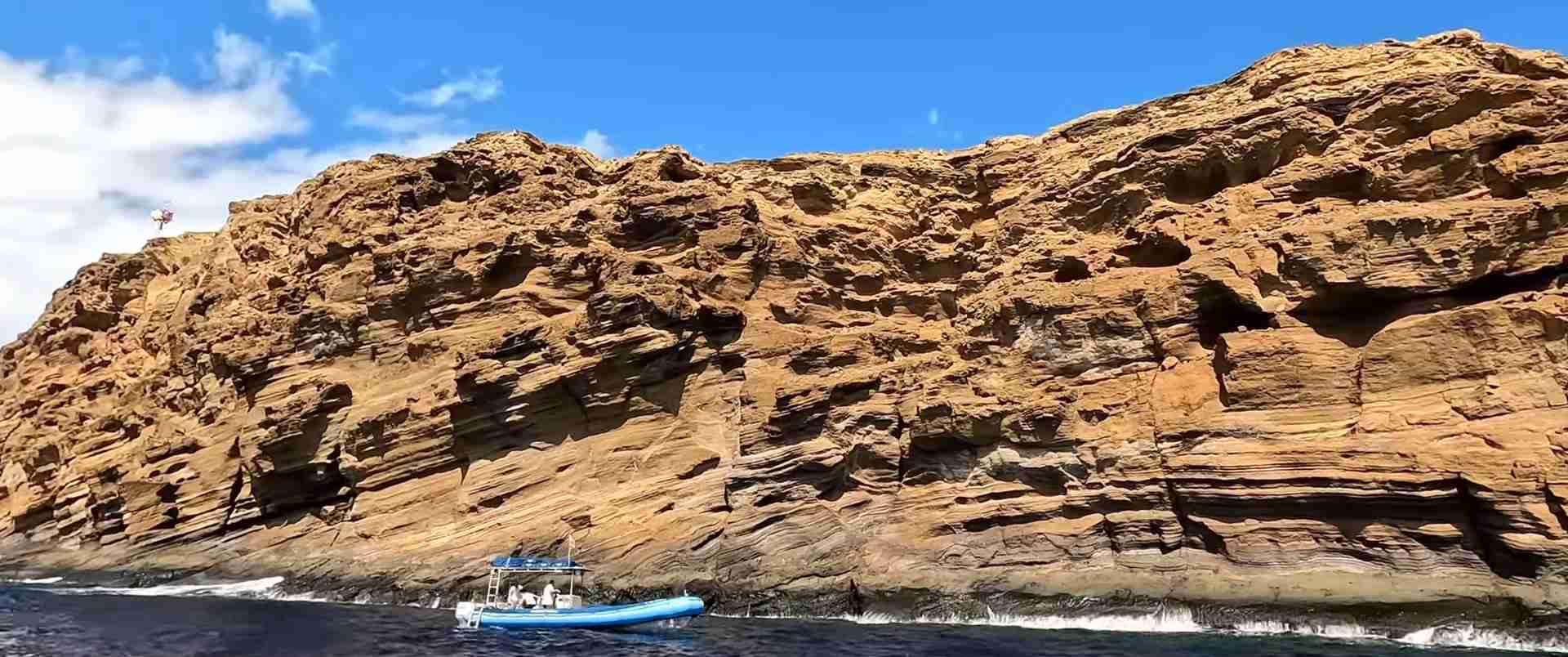
Molokini Crater Snorkeling from Maui 2026: Complete Guide
Molokini Crater stands 2.5 miles off Maui’s southern coast as a partially submerged volcanic caldera offering visibility up to 150 feet and access to more than 250 species of tropical fish within Hawaii’s most protected marine sanctuary. This crescent-shaped atoll, formed 230,000 years ago and now designated as both a Marine Life Conservation District and State Seabird Sanctuary, delivers world-class snorkeling accessible only by licensed boat tours departing from Maalaea Harbor and Kihei Boat Ramp throughout 2026.
Key Takeaways
- Morning Departures Essential 2026: Tours departing 6:00-7:45 AM offer calmer waters, highest visibility, and best conditions before afternoon trade winds strengthen. Late morning and afternoon tours face significantly higher cancellation rates due to wind and often divert to alternate snorkel sites instead of reaching Molokini Crater itself.
- Tour Pricing and Duration 2026: Standard half-day catamaran tours cost $130-180 per adult and run 5 hours including breakfast, lunch, snorkel gear, and typically a second snorkel stop at Turtle Town or Coral Gardens. Express 2-hour raft tours cost $99-135 with lighter meal service. Luxury small-group tours reach $200+ with upgraded amenities and fewer passengers per vessel.
- Seasonal Planning 2026: April through October delivers warmest water (77-80°F), calmest conditions, and most reliable Molokini access. December through March brings humpback whale season with frequent sightings during boat rides, though cooler water (74-76°F) and variable winter swells create rougher crossings and occasional tour diversions to protected nearshore reefs.
- Booking Timeline 2026: Reserve tours 1-2 weeks ahead during peak summer months (June-August) when family vacation demand fills morning departures earliest. Shoulder seasons (April-May, September-November) offer more availability but still benefit from advance booking. Winter whale season (December-March) requires earliest reservations despite weather variability.
- Marine Life Encounters 2026: Inside Molokini’s protected crescent, snorkelers consistently encounter yellow tang, parrotfish, butterflyfish, eels, occasional octopus, and harmless white-tip reef sharks. Hawaiian green sea turtles appear more reliably at second stops like Turtle Town rather than within the crater itself, making two-location tours valuable for guaranteed turtle encounters.
- Physical Requirements and Accessibility 2026: Tours accommodate all swimming levels with flotation devices, snorkel instruction, and shallow-water options inside the 20-30 foot deep crater. First-time snorkelers and children ages 3+ succeed with crew support, though confidence in ocean water enhances enjoyment. SNUBA diving (breathing underwater without tanks) available as $80-120 upgrade for stronger swimmers wanting deeper reef exploration.
People Also Ask About Molokini Crater Snorkeling from Maui 2026
How much does a Molokini snorkeling tour cost in 2026?
Standard half-day Molokini tours cost $130-180 per adult in 2026, with express 2-hour tours at $99-135 and luxury small-group experiences reaching $200+. Most tours include all snorkel equipment, flotation devices, breakfast and lunch, beverages including alcohol after snorkeling, and visits to two snorkel locations. Children ages 3-12 typically receive $30-45 discounts, with some operators offering free admission for children under 3-6 depending on vessel capacity. Premium add-ons include SNUBA diving at $80-120, wetsuit rentals at $10-15, and underwater photography packages at $40-80. Harbor parking at Maalaea costs $8-11 for 5-hour tours.
What is the best time of day to snorkel Molokini Crater in 2026?
Early morning departures between 6:00-7:45 AM deliver the best Molokini snorkeling conditions in 2026, with calmer channel crossings, highest underwater visibility often exceeding 100 feet, and glassiest surface conditions before trade winds strengthen. Afternoon tours departing after noon face significantly higher wind, rougher seas, reduced visibility, and frequent diversions to protected nearshore reefs when captains determine Molokini conditions unsafe. Weather patterns across 2026 follow Maui’s consistent trade wind cycle where morning hours provide 2-4 hours of calm before midday breezes build, making the 7:00-10:00 AM window optimal for crater access and comfort.
Can beginners snorkel at Molokini Crater in 2026?
Molokini accommodates beginning snorkelers and non-swimmers throughout 2026 with comprehensive support systems including pre-departure snorkel instruction, flotation belts and noodles, shallow 20-30 foot depths inside the protected crater, crew members monitoring water constantly, and glass-bottom viewing areas on some vessels for those preferring to stay dry. The crater’s crescent shape creates naturally calm interior waters when weather cooperates, and captains position boats in the most sheltered moorings for prevailing conditions. First-time snorkelers benefit most from morning tours on larger, more stable catamarans like Four Winds, Calypso, or Pride of Maui rather than smaller rafts, and from booking during calmer summer months (May-September) rather than variable winter conditions.
What marine life will I see at Molokini in 2026?
Molokini’s Marine Life Conservation District protects thriving reef ecosystems where snorkelers in 2026 regularly encounter yellow tang schools numbering hundreds, parrotfish, butterflyfish, triggerfish including Hawaii’s state fish (humuhumunukunukuapuaa), moray eels, octopus, sea urchins, and more than 38 coral species. Harmless white-tip reef sharks rest on the crater floor, manta rays appear occasionally, and spinner or bottlenose dolphins often accompany boats during transit. Hawaiian green sea turtles swim through Molokini but appear more consistently at Turtle Town, Turtle Arches, and nearshore reef stops included on most two-location tours. December through March adds humpback whale encounters during boat rides, with whales frequently visible breaching and tail-slapping in surrounding channels though they don’t enter the shallow crater itself.
Extended multi-day tours – 5+ days
Featured Hawaii Multi-Day Tour Packages
5 days
USA – Hawai: Tropical Dreams – 5 days
- ✓ Comprehensive Hawaii tour
- ✓ Expert local guides included
- ✓ All accommodation arranged
- ✓ Transportation provided
8 days
Hawaiian Explorer (Intra Tour Air Hawaii 2 Flights)
- ✓ Comprehensive Hawaii tour
- ✓ Expert local guides included
- ✓ All accommodation arranged
- ✓ Transportation provided
7 days
7 Day Hawaii Experience (Bilingual: Chinese, English)
- ✓ Comprehensive Hawaii tour
- ✓ Expert local guides included
- ✓ All accommodation arranged
- ✓ Transportation provided
10 days
Hawaii with Oahu, Maui & the Big Island (Classic, With The Big Island)
- ✓ Comprehensive Hawaii tour
- ✓ Expert local guides included
- ✓ All accommodation arranged
- ✓ Transportation provided
Multi-day tour packages powered by TourRadar. Prices and availability subject to change.
Introduction
Molokini Crater emerges from the Alalakeiki Channel as a crescent-shaped volcanic rim where ancient eruptions left a partially submerged caldera that now ranks among the world’s premier snorkeling destinations. The 23-acre islet sits precisely 2.5 miles offshore from Makena Beach in South Maui, positioned between Maui and the island of Kahoolawe in open Pacific waters that deliver the exceptional clarity making Molokini famous. Unlike nearshore reefs affected by runoff, sand suspension, and coastal development, Molokini’s mid-channel location ensures visibility regularly reaching 100-150 feet on calm mornings, creating underwater viewing conditions unmatched anywhere else in the Hawaiian Islands. The crater’s distinctive shape, rising 165 feet above sea level on its outer rim while plunging more than 300 feet along the back wall, creates a natural amphitheater where coral gardens, tropical fish populations, and protected marine ecosystems thrive under both state and federal conservation designations that prohibit fishing, anchoring outside designated moorings, and any shoreline access.
Planning Molokini snorkeling for 2026 requires understanding how Hawaii’s trade wind patterns, seasonal weather cycles, and daily timing windows determine whether tours successfully reach the crater or divert to alternate locations. The same offshore position delivering crystal visibility also exposes Molokini to afternoon winds that build predictably across most days, creating the critical distinction between calm early-morning conditions and rougher late-morning to afternoon seas. Tour operators navigate these patterns through decades of local knowledge, positioning departure times to maximize crater access during the morning calm window before trade winds strengthen. This weather dependency means the difference between a smooth 30-minute channel crossing with 2 hours of serene snorkeling inside the crater versus a bumpy ride, abbreviated crater time, or complete diversion to protected nearshore reefs. Understanding these dynamics before booking separates exceptional Molokini experiences from disappointing alternatives, making advance trip planning essential for 2026 visitors seeking the definitive Molokini snorkel adventure rather than simply “a snorkel tour from Maui.”
The logistics of accessing Molokini in 2026 remain straightforward but inflexible: only licensed boat operators holding permits for the Marine Life Conservation District can transport visitors, with no kayak, paddleboard, or private boat access allowed. Most tours depart from Maalaea Harbor on Maui’s central south shore, though some operators launch from Kihei Boat Ramp and Makena Beach, offering slightly shorter transit times to the crater. The boat selection decision carries more weight than simply choosing the cheapest option, as vessel type, passenger capacity, amenities, departure harbor, and tour duration create vastly different experiences all labeled “Molokini snorkeling.” Large catamarans carrying 60-130 passengers deliver stable platforms, extensive amenities including glass-bottom viewing rooms and waterslides, and economical per-person pricing, while small-group boats limiting capacity to 20-36 passengers offer more personalized service, faster speeds, and flexible itineraries. Understanding these distinctions and matching them to your party’s priorities, swimming abilities, motion sensitivity, and schedule preferences determines whether Molokini becomes a highlight memory or merely another checked box on a Maui itinerary.
This complete 2026 guide addresses the practical decisions facing anyone booking Molokini snorkeling: which tour operator and boat type match your needs, what departure time and seasonal window maximize success rates, how to prepare physically and logistically for the experience, what marine life encounters to expect, and how to position Molokini within a broader Maui vacation itinerary. The recommendations derive from verified current operator information, seasonal weather patterns, tour pricing structures, and the accumulated experience of hundreds of thousands of visitors who have made the channel crossing to snorkel inside Hawaii’s most celebrated underwater volcanic crater.
Understanding Molokini Crater in 2026
Geological Formation and Protected Status
Molokini Crater represents what remains of a volcanic cinder cone that erupted approximately 230,000 years ago during the volcanic activity that formed Maui’s landscape. The eruption created a cone rising from the ocean floor, with subsequent erosion, wave action, and partial collapse leaving only the northwestern rim visible above sea level. Today’s crescent shape spans roughly 2,300 feet in length, creating the protected interior basin where snorkelers explore while the steep back wall drops precipitously into deep ocean on the crater’s exposed southeastern side. The formation’s age and erosion patterns created diverse underwater terrain ranging from shallow coral gardens at 10-30 feet inside the crater to vertical walls exceeding 300 feet depth along the back side, supporting vastly different marine ecosystems at various depth zones.
State and federal protection designations ensure Molokini remains pristine for 2026 visitors and future generations. Hawaii designated the crater and surrounding waters as a Marine Life Conservation District, prohibiting all fishing, collecting, and anchoring except at designated moorings where tour operators secure boats during snorkel sessions. The U.S. Fish and Wildlife Service simultaneously designated the above-water portions as a State Seabird Sanctuary, protecting nesting colonies of wedge-tailed shearwaters, Bulwer’s petrels, and other seabirds. These combined protections mean visitors cannot set foot on the islet, must maintain specific distances from nesting areas during breeding seasons, and can only access the marine reserve aboard permitted commercial vessels following strict operational guidelines designed to minimize environmental impact.
Why Molokini Offers Exceptional Visibility
Molokini’s reputation for crystal-clear water derives directly from its mid-channel location away from any land-based sediment sources. Nearshore reefs throughout Maui experience reduced visibility following rain events when freshwater runoff carries suspended soil, organic matter, and pollutants into coastal waters. Molokini sits far enough offshore that these runoff impacts never reach the crater, leaving water clarity dependent solely on oceanic conditions rather than terrestrial weather. The surrounding deep channels create strong currents that continuously flush the crater with clean open-ocean water, preventing stagnation and maintaining the nutrient-poor clear water characteristic of tropical Pacific ecosystems. This constant water exchange means visibility inside Molokini often exceeds 100 feet even when nearshore Maui locations show reduced clarity from recent storms or heavy surf.
The crater’s bowl shape and depth profile further enhance snorkeling conditions by creating zones of varying current exposure and shelter. Tour boats moor inside the protected crescent where the rim blocks prevailing winds and swells, creating naturally calm surface conditions even when surrounding open waters show moderate chop. The 20-30 foot depths inside the crater allow sunlight to penetrate fully, illuminating reef features and fish populations while remaining shallow enough for comfortable snorkeling without requiring deep diving skills. These combined factors – mid-channel position, constant oceanic flushing, protected interior, and optimal snorkeling depths – explain why Molokini consistently delivers viewing conditions unmatched by accessible nearshore alternatives, justifying the boat journey and positioning the crater as Maui’s signature underwater destination.
Molokini Tour Operators and Pricing 2026
Large Catamaran Tours: Capacity 55-130 Passengers
Large stable catamarans represent the most popular Molokini tour category in 2026, offering spacious vessels, extensive amenities, economical pricing, and accommodations for families, groups, and first-time snorkelers seeking security over intimacy. These tours typically cost $130-180 per adult for 5-hour morning departures including breakfast, lunch, beverages, all snorkel gear, and two snorkel locations (check official booking platforms for current rates as pricing varies seasonally).
Four Winds II operates a 55-foot glass-bottom catamaran departing Maalaea Harbor at 7:00 AM for dedicated Molokini-focused tours spending maximum crater time rather than rushing to second locations. The vessel features Maui’s only glass-bottom viewing room allowing non-snorkelers to observe reef life, a 25-foot waterslide, spacious upper deck with shade, BBQ lunch service, and crew known for patient instruction with beginning snorkelers. Four Winds holds the premier mooring position deep inside Molokini’s protected waters, often providing calmer conditions than other boats during marginal weather. Tours cost approximately $180 for adults, $135 for children 3-12, with optional SNUBA diving at additional cost. The single-destination focus means no turtle swimming unless Molokini conditions force alternate site selection, but visitors gain significantly more crater exploration time compared to two-stop itineraries.
Calypso distinguishes itself as Maui’s only triple-decker catamaran, creating unique viewing levels and abundant deck space despite 65-foot length and similar passenger capacity to Four Winds. The vessel’s innovative stern design features 11 separate water entry lanes with fold-down steps, eliminating congestion during snorkel starts and enabling faster ocean access than single-entry competitors. Calypso tours depart Maalaea at 7:30 AM, visit both Molokini and Turtle Town, include hearty breakfast with Portuguese sausage and eggs plus pulled pork lunch, provide glass-bottom viewing, and offer two waterslides. Adult pricing reaches $170-180 with children receiving discounts, and the family-friendly atmosphere, extensive amenities, and guaranteed turtle encounters at the second location make Calypso particularly suitable for multi-generational groups.
Pride of Maui operates the largest power catamaran in Maui waters, a 65-foot vessel running at 60% capacity to prevent crowding despite size. The spacious layout includes three decks, multiple bathrooms, extensive shaded seating, and the stability appreciated by motion-sensitive passengers. Pride of Maui offers all-inclusive packages with breakfast, BBQ lunch featuring burgers and hot dogs, open bar beginning after snorkeling, SNUBA diving available as $80-120 upgrade, and stops at both Molokini and Turtle Town during 5-hour morning departures from Maalaea. The company’s 40+ year operating history and experienced crew create institutional knowledge reflected in smooth operations, though the large-boat experience trades intimacy for comprehensive amenities. Pricing ranges $150-170 for adults.
Malolo provides budget-conscious access to Molokini on a 55-foot catamaran with more economical pricing structure reflecting simpler amenities while maintaining quality snorkel access. Morning tours departing around 7:00 AM include breakfast, lunch, beverages, and two snorkel stops at Molokini and alternate locations for approximately $130-145 per adult, representing some of the lowest per-person costs for full-service crater tours. The trade-off appears in fewer premium amenities, higher passenger density, and less elaborate meal service, but families and budget travelers gain legitimate Molokini access without premium pricing. Professional underwater photographers aboard create additional photo package revenue for the operator while giving guests convenient documentation options.
Small-Group and Luxury Catamaran Tours: Capacity 20-49 Passengers
Mid-sized vessels limiting passenger counts deliver more personalized experiences, faster speeds, flexible itineraries, and premium service levels that appeal to couples, honeymooners, and travelers prioritizing quality over economy. Tours in this category cost $145-200+ per adult but include superior food, increased crew attention, and less crowded snorkeling.
Maui Magic operates a fast power catamaran limiting capacity to 36 passengers maximum, creating semi-private atmosphere with attentive crew ratios. The vessel’s speed enables earlier Molokini arrival than larger boats, maximizing calm-water window, and the two-location itinerary typically includes Molokini plus Turtle Town, Turtle Arches, or other turtle-rich sites depending on daily conditions. Morning tours departing 7:00 AM feature traditional Hawaiian opening ceremonies including conch shell blowing and Hawaiian chant, continental breakfast, deli lunch, and cultural narration about Maui legends and history throughout the journey. Pricing reaches $170-190 for adults, and the combination of speed, smaller crowds, cultural elements, and guaranteed turtle swimming creates premium positioning. The boat serves as sister vessel to Four Winds, operated by the same experienced company.
Kai Kanani launches directly from Maluaka Beach in Makena, the closest departure point to Molokini, cutting channel transit time to approximately 15 minutes versus 30-45 minutes from Maalaea Harbor. This proximity advantage means more snorkel time and less boat ride, though Makena departure eliminates the whale-watching potential of longer channel crossings. Kai Kanani operates luxury sailing catamarans with spacious decks, gourmet food service featuring locally-sourced ingredients, full bar, and limiting passenger counts for exclusivity. Signature Deluxe tours departing 9:45 AM visit two locations over 3.5 hours and cost approximately $170-185 for adults, while earlier Sunrise Deluxe departures cater to photographers seeking optimal lighting. Optional shuttle service from Wailea resort areas provides convenient transportation for guests staying distant from Makena.
Aqua Adventures custom-designed their vessel specifically for SNUBA diving programs while limiting capacity to 36 passengers in a boat certified for 49, creating the most spacious per-passenger ratio in the mid-size category. The intentional under-booking strategy, experienced crew with minimal turnover, and family-owned operation cultivate loyal repeat visitors. Morning two-location tours departing Maalaea include Molokini and Turtle Arches with comprehensive SNUBA instruction for those purchasing the diving upgrade. The focus on advanced snorkel experiences makes Aqua Adventures ideal for confident swimmers and returning Molokini visitors seeking progression beyond basic surface snorkeling.
Raft and Express Tours: 2-Hour Options
Fast inflatable rafts and rigid-hull boats offer abbreviated Molokini experiences trading comfort and amenities for speed, adventure, and economical pricing. These tours suit time-constrained visitors, thrill-seekers comfortable with rougher rides, and budget travelers accepting tradeoffs for access.
Maui Snorkel Charters operates the No Ka Oi, a 40-foot adventure boat custom-designed for small groups with maximum 20 passengers creating semi-private atmosphere. Express 2-hour Molokini tours departing Kihei Boat Ramp include light breakfast, professional underwater photography provided free, and snorkel gear for $99-129 per person (check current official rates). The Kihei departure location cuts 10-15 minutes from channel crossing compared to Maalaea, and the smaller vessel accesses mooring spots unavailable to larger boats. The trade-off appears in rougher rides, minimal amenities, exposure to elements, and abbreviated time allowing single-location focus rather than two-stop itineraries.
Redline Rafting specializes in adventurous raft expeditions accessing both the standard inside crater and Molokini’s famous back wall where advanced snorkelers explore dramatic drop-offs into deep water. Tours visit multiple locations including Molokini, La Perouse Bay for dolphin encounters, and Turtle Town during half-day itineraries. The raft format delivers excitement and access but requires stronger swimming ability, tolerance for bumpy rides, and acceptance of getting wet from ocean spray. Pricing reaches $130-150 for half-day tours including wetsuit, breakfast, lunch, and gear.
Booking Platforms and Advance Reservations 2026
Direct booking through operator websites typically provides best pricing and most flexible cancellation policies, though third-party platforms like Viator, GetYourGuide, and Tiqets sometimes offer promotional discounts and simplified comparison shopping. Tours sell out 7-10 days ahead during peak summer months (June-August) when morning departures fill earliest. Shoulder season months (April-May, September-November) maintain good availability but still benefit from 3-5 day advance booking. Winter whale season (December-March) paradoxically requires earliest reservations despite higher weather-related cancellation rates, as visitors prioritize combining snorkeling with whale watching.
Flexible free-cancellation bookings through reseller platforms allow weather-dependent rescheduling without penalty, valuable insurance given afternoon trade winds and occasional morning conditions forcing tour modifications. Most operators offer full refunds when they cancel tours for safety, but understanding specific cancellation policies before booking prevents disputes. Harbor parking at Maalaea costs $8-11 for full-day stays, payable only by credit card via QR code scanning at pay stations. Kihei and Makena departures typically include easier parking logistics.
Best Times to Snorkel Molokini 2026
Daily Timing: Morning Versus Afternoon Departures
The single most critical planning decision for successful Molokini snorkeling in 2026 centers on departure time, as Maui’s predictable trade wind cycle creates dramatically different ocean conditions between early morning and afternoon hours. Trade winds blow from the northeast across Hawaiian Islands with consistent patterns: calm to light winds from dawn through approximately 10:00 AM, building moderate to strong breezes from 11:00 AM through late afternoon, then diminishing again after sunset. This daily cycle means morning Molokini tours departing 6:00-7:45 AM encounter calm channel crossings, glassy surface conditions inside the crater, and visibility approaching maximum potential of 100-150 feet. Afternoon tours departing after noon face rougher channel seas, choppy surface conditions reducing underwater visibility, and significantly higher rates of diversion to protected nearshore reefs when captains determine Molokini unsafe or uncomfortable.
Morning tour advantages extend beyond sea conditions to include cooler temperatures during boat rides (important for sun-sensitive passengers), fewer boats at mooring sites creating less crowded snorkeling, and wildlife behavior patterns that concentrate fish activity during early daylight hours. Afternoon tours offer legitimate benefits for specific circumstances: later wake-up times for non-morning people, shorter 2-3.5 hour durations fitting tight schedules, and occasional afternoon calm days when weather patterns shift. However, afternoon tour operators explicitly acknowledge weather-dependent nature of crater access, with many afternoons redirecting to Coral Gardens, Olowalu, or other leeward reef sites sheltered from prevailing winds. This tradeoff means afternoon tour purchasers sacrifice Molokini reliability for scheduling convenience.
Optimal morning departure windows for 2026 range from 6:15 AM (earliest luxury tours seeking empty moorings and photographer lighting) through 7:45 AM (latest standard departures still catching calm window). Tours leaving 8:00 AM or later increasingly gamble on weather holding, with success rates declining progressively. The early wake-up investment pays clear dividends in condition quality and experience reliability, making morning timing non-negotiable for visitors prioritizing actual Molokini access over simply completing “a snorkel tour.”
Seasonal Weather Patterns and Water Conditions 2026
Maui’s tropical location creates relatively stable year-round ocean temperatures ranging from 74°F in winter to 80°F in summer, avoiding extreme seasonal variation found in temperate climates. However, distinct seasonal patterns in wind, swell, rainfall, and marine life make certain months demonstrably superior for Molokini snorkeling in 2026.
April through June represents peak conditions combining warm water beginning to rise from winter lows, decreasing rainfall as dry season establishes, excellent visibility, and moderate tourist crowds after spring break departures but before summer vacation arrivals. May particularly stands out as sweet spot month offering warm comfortable conditions, highest average visibility, and availability advantages. Water temperatures reach 74-76°F in April, climbing to 77-78°F by June. Trade winds blow consistently but not excessively, and the absence of winter swells creates reliable calm morning conditions. Humpback whales depart Hawaiian waters by late April, eliminating that bonus but also reducing boat traffic from dedicated whale-watching tours.
July through September delivers warmest water (77-80°F), longest sunny days, and most stable weather patterns but also highest tourist volumes, earliest tour sellouts, and occasional afternoon thunderstorms from tropical moisture. Morning conditions remain excellent when trade winds cooperate, and hot sunny days make cooler water temperatures actually pleasant for extended snorkeling sessions. Book 10-14 days ahead during July-August to secure preferred morning departures. September begins transition toward fall with slightly fewer crowds, maintained warm water, and improving availability as school resumption reduces family travel.
October through November provides outstanding shoulder season value with warm water persisting (79-80°F in October), thinning crowds after summer rush, easier booking, and excellent visibility as this period represents Maui’s calmest overall ocean conditions. October specifically ranks as least crowded month while maintaining near-summer water temperatures. November begins transitioning toward winter weather patterns with increasing variability but still delivers many perfect snorkel days. These months suit photographers seeking crowd-free conditions and budget travelers finding occasional promotional pricing.
December through March introduces humpback whale season as thousands of North Pacific humpbacks migrate to Hawaiian waters for breeding and calving. Boat rides to Molokini during these months frequently include whale sightings, breaching displays, and underwater whale song audible while snorkeling. This spectacular bonus comes with tradeoffs: cooler water averaging 74-76°F, winter swells creating rougher channel crossings and occasional tour cancellations, variable visibility from storm systems, and highest advance booking demand from visitors prioritizing whale watching. Morning Molokini tours remain excellent when conditions cooperate, but weather dependency increases and success rates decrease compared to summer reliability. February and March represent peak whale activity while December and January show more variable swell patterns. Wetsuits become valuable for extended water time during winter months.
Matching Seasonal Conditions to Travel Priorities 2026
Visitors focused on maximum reliability and comfort should target May through September morning tours, accepting higher crowds and advance booking requirements for guaranteed calm conditions and warm water. Those prioritizing whale watching must accept December through March timing despite weather variability and cooler temperatures, booking earliest possible departures for calmer conditions and recognizing cancellation possibilities. Budget and crowd-avoidance travelers benefit from April-May or October-November shoulder seasons offering excellent conditions with easier booking. Families with school-age children default to summer months (June-August) but should book 2+ weeks ahead and choose morning departures exclusively. Photographers seeking optimal lighting, empty moorings, and crystal visibility should target April-June or October-November morning tours, potentially booking sunrise departures on luxury small-group vessels for premium access.
Marine Life and Underwater Experience
Fish Species and Coral Communities
Molokini’s Marine Life Conservation District status and decades without fishing pressure created thriving reef ecosystems where fish populations exceed density and diversity found in most accessible Hawaiian locations. Snorkelers in 2026 encounter more than 250 documented fish species, though typical single visits reveal 30-50 species depending on season, time, and observer skill. Yellow tang schools numbering hundreds create brilliant yellow clouds drifting across reef walls, while endemic Hawaiian species including humuhumunukunukuapuaa (reef triggerfish), kihikihi (Moorish idol), and various wrasse species display territorial behaviors around coral heads. Parrotfish in multiple size classes graze constantly on coral, creating the crunching sounds that soundtrack underwater exploration, and butterflyfish pairs cruise reef edges showing distinctive patterns on each species.
The reef structure supports 38+ coral species creating habitat complexity that shelters smaller reef residents. Hard corals including cauliflower, lobe, and antler varieties build three-dimensional framework, while soft corals add color and movement in current-swept areas. Coral coverage varies throughout the crater, with healthiest sections inside the protected crescent and along the northern rim. Deeper areas beyond comfortable snorkel range show different coral communities adapted to reduced light and increased current exposure. The relatively pristine coral condition compared to degraded nearshore reefs reflects Molokini’s offshore position, protection from runoff and sedimentation, conservation district restrictions, and active management limiting anchor damage through mandatory mooring use.
Larger Marine Life: Turtles, Rays, Sharks, Eels
Hawaiian green sea turtles (honu) swim through Molokini occasionally but don’t congregate inside the crater as reliably as at dedicated turtle sites like Turtle Town, Turtle Arches, and Turtle Caves along Maui’s south shore. Tour itineraries including both Molokini and a turtle-focused second stop deliver more consistent turtle encounters than Molokini-only trips, explaining why two-location tours dominate operator offerings. Turtles observed at Molokini typically cruise past rather than settling for extended viewing, though patient snorkelers sometimes spot individuals resting on ledges or feeding on algae in deeper zones.
Manta rays appear at Molokini infrequently as transient visitors rather than resident populations, making sightings memorable surprises rather than reliable expectations. Eagle rays and spotted eagle rays occasionally glide through deeper water visible from surface snorkelers. White-tip reef sharks inhabit the crater year-round, typically resting motionless on sandy bottom patches in 25-35 feet depth, harmless to swimmers and indicators of healthy ecosystem. Observing sharks at Molokini requires looking down from surface rather than expecting them to swim past at eye level, and patient observation reveals their camouflage and resting behavior. These small reef sharks (3-5 feet typical length) pose zero threat to snorkelers and add excitement rather than danger to encounters.
Moray eels hide in coral crevices and rock holes throughout Molokini, extending heads to watch passing snorkelers while bodies remain concealed. Various species including whitemouth, yellowmargin, and rare dragon morays occupy different habitat niches. Despite fearsome appearance, morays ignore humans unless harassed or fed, and proper snorkeling etiquette (no hand insertion into holes) eliminates bite risk. Octopus sightings reward attentive observers able to detect their camouflage, as individuals hunt during daylight hours when snorkelers visit. Their color-changing abilities and intelligence create fascinating observation opportunities for lucky spotters.
Seasonal Marine Life Variations 2026
December through March whale season transforms Molokini tours into dual snorkel-and-whale experiences as humpback whales appear throughout channel crossings. While humpbacks don’t enter the shallow crater, underwater whale song often reaches snorkelers clearly during winter months, creating ethereal soundscape. Boat rides to and from Molokini provide whale-watching opportunities with frequent breaching, tail-slapping, and close approaches to vessels. Some operators position this combination as distinct tour category, though standard winter departures include whale potential by default.
Summer months (June-September) show increased tropical fish spawning activity, with schools of planktivorous species congregating in larger numbers. Reef residents display breeding colors and territorial behaviors more prominently. Manta ray sightings increase slightly during summer months, though remain unpredictable overall. Winter months generally show slightly reduced fish activity during cooler water periods, though differences remain subtle compared to dramatic seasonal variations in temperate waters. The year-round tropical location means Molokini never experiences the barren winter conditions or explosive spring blooms characteristic of higher-latitude reefs.
Physical Requirements and Accessibility Considerations 2026
Swimming Ability and Comfort Levels
Molokini tours accommodate complete non-swimmers through strong advanced snorkelers, though experience level affects enjoyment and site access. Tour operators provide comprehensive safety equipment including flotation belts, pool noodles, foam boards, and life vests enabling anyone comfortable in water to participate regardless of swimming skill. Pre-departure safety briefings cover snorkel equipment use, breathing techniques, equalization methods, and hand signals for communicating with crew. First-time snorkelers receive individualized instruction and crew members monitor water constantly, creating supported environment for nervous beginners.
The protected crater interior creates naturally calm surface conditions when weather cooperates, with depths of 20-30 feet visible clearly from surface allowing snorkelers to observe reef without diving. This shallow visibility means surface swimming provides complete experience without breath-holding or diving skills. However, comfort and confidence in ocean water remain prerequisites, as even calm Molokini days involve boat rides through open channel, entries from moving vessels, and floating in deep water distant from shore. Passengers experiencing seasickness, water anxiety, or extreme nervousness may struggle despite available support, making realistic self-assessment important during booking decisions.
Strong swimmers gain access to outer crater areas, deeper reef zones, and extended exploration time maximizing the hour-long snorkel sessions typical of half-day tours. SNUBA diving upgrades require stronger swimming ability, comfort at depth, and ability to equalize ear pressure, though significantly less skill than scuba certification. Children ages 3-5 participate successfully with close parental supervision and flotation assistance, while ages 6+ typically swim independently with less intensive support. Operators set minimum ages ranging from 3-5 depending on vessel type and safety equipment.
Physical Demands of Full-Day Tours
Standard 5-hour Molokini tours require moderate physical endurance spanning early morning wake-ups (5:00-6:00 AM for 7:00 AM departures), 30-45 minute channel crossings, active snorkeling sessions totaling 1.5-2.5 hours in water, exposure to sun and elements, and afternoon return transit. While not athletically demanding, the continuous activity and sun exposure challenge passengers with limited stamina, heat sensitivity, or reduced mobility. Sunburn becomes significant risk given tropical latitude, intense reflection off water, and extended outdoor exposure despite provided shade areas. Reef-safe sunscreen application before departure and reapplication after snorkeling prevents burns that ruin subsequent vacation days.
Motion sensitivity creates challenges during channel crossings, as even calm days involve wave action and boat movement. Large stable catamarans minimize motion compared to smaller rafts, and morning departures face calmer seas than afternoon returns. Passengers prone to seasickness should take preventive medication 30-60 minutes before departure, position themselves near vessel centers where motion reduces, focus on horizon rather than reading or screens, and stay topside in fresh air rather than sitting in enclosed cabins. Most operators provide seasickness remedies, but prevention works more effectively than treatment after symptoms begin.
Mobility limitations affect different tour aspects differently. Boarding from docks requires navigating gangways and stepping over railings, manageable for most but challenging for severe mobility restrictions. Water entry and exit involves ladder climbing, though crew assistance is standard and some vessels feature graduated swim platforms. Once in water, flotation devices and fins eliminate walking requirements, and swimming/floating reduces joint stress compared to land-based activities. Passengers with moderate mobility limitations often succeed with advance crew notification enabling targeted assistance. Severe mobility restrictions or wheelchair dependence limit options significantly, requiring direct operator consultation before booking.
What to Bring and How to Prepare for Molokini 2026
Essential Items and Packing List
Successful Molokini preparation balances bringing necessary items without over-packing, as tours provide most equipment and limited vessel storage constrains luggage. Essential personal items include reef-safe sunscreen (required by Hawaii law and enforced by operators), towels (one per person minimum, two recommended for post-snorkel comfort), waterproof phone case or underwater camera for photo documentation, light jacket or windbreaker for early morning and return boat rides when wind chill affects wet passengers, and cash for crew tips typically totaling $10-20 per person for standard service or more for exceptional experiences.
Swimmers with long hair benefit from hair ties preventing tangles during snorkeling and reducing wind issues during boat transit. Water shoes or flip-flops provide deck traction and protect feet on wet surfaces, as boat decks become slippery once water activity begins. Prescription glasses wearers should bring contact lenses or prescription snorkel masks (available as rental upgrades from some operators), as standard masks don’t accommodate glasses. Passengers taking motion sickness medication should pack it in carry-on bags for pre-departure dosing rather than relying on onboard supplies. Light snacks and personal beverages supplement provided food for passengers with dietary restrictions or preferences, though most tours include comprehensive meal service.
Items explicitly not needed include snorkel equipment (masks, snorkels, fins provided universally), flotation devices (provided), or extensive beach gear. Valuables remain best left in accommodations, as boat storage options vary and responsibility for lost items falls on owners. Waterproof bags for phones, wallets, and medications prevent water damage during inevitable splashing. Reef-safe sunscreen specifically means mineral-based formulas using zinc oxide or titanium dioxide rather than chemical sunscreens containing oxybenzone or octinoxate, both banned in Hawaii for coral reef protection.
Advance Preparation and Health Considerations
Passengers new to snorkeling benefit from practice sessions in hotel pools or calm beaches before Molokini tours, building comfort with breathing through snorkels, mask clearing, and floating techniques. This advance familiarization reduces anxiety during actual tours and maximizes water time enjoyment. Videos demonstrating snorkel techniques and common issues (mask clearing, preventing fogging, breathing patterns) provide helpful preparation. Understanding that most first-time difficulties resolve within 10-15 minutes of practice prevents premature abandonment when initial attempts feel awkward.
Medical conditions affecting ocean activity require pre-tour disclosure and sometimes physician approval. Recent surgeries, heart conditions, severe asthma, pregnancy, or ear/sinus problems may restrict participation or require modifications. Ear equalization problems preventing pressure balance during descent limit SNUBA upgrades but don’t affect surface snorkeling. Alcohol consumption before morning tours impairs judgment, worsens seasickness, and creates safety concerns, making pre-departure abstinence important despite vacation atmosphere. Adequate sleep before early departures prevents fatigue-related issues and enhances enjoyment despite 5:00-6:00 AM wake-ups.
Hydration matters more than most passengers recognize, as sun exposure, salt water, and physical activity create dehydration quickly in tropical conditions. Drinking water the evening before and morning of tours prevents headaches, fatigue, and heat exhaustion during extended outdoor exposure. Most operators provide unlimited beverages including water, but bringing personal water bottles ensures access throughout experience.
Booking and Planning Your Molokini Trip 2026
Choosing the Right Tour Operator and Boat Type
Tour selection should prioritize matching vessel characteristics and operator strengths to your party’s specific needs rather than simply booking cheapest available option or first Google result. Large catamarans (Four Winds, Calypso, Pride of Maui) suit families with young children, nervous first-time snorkelers, motion-sensitive passengers, and groups prioritizing amenities over intimacy. The stability, glass-bottom viewing options, waterslides, extensive food service, and bathroom facilities create comfortable environments for diverse passenger needs. Higher passenger counts mean less personalized attention but more comprehensive entertainment options and established systems handling common issues.
Small-group boats (Maui Magic, Aqua Adventures, Kai Kanani) appeal to couples, honeymooners, repeat Molokini visitors seeking elevated experiences, and travelers valuing quality over economy. The intentionally limited passenger counts, faster speeds, upgraded food, and flexible itineraries create premium positioning justified by higher per-person costs. These tours reduce crowding at moorings, increase crew-to-passenger ratios enabling better service, and often access sites or conditions unavailable to larger vessels. The investment makes particular sense for special occasions or when standard large-boat experiences previously disappointed.
Raft tours suit adventurous travelers comfortable with rougher conditions, those with limited time accepting abbreviated experiences for schedule convenience, and budget-conscious visitors willing to sacrifice amenities for access. The bumpy rides, spray exposure, limited food service, and abbreviated durations create legitimate tradeoffs, but healthy adults seeking adventure often prefer the excitement over larger boat comfort. Rafts access mooring spots and departure locations (Kihei, Makena) offering timing advantages, and the informal atmosphere suits casual groups.
Departure Location Logistics 2026
Most Molokini tours depart Maalaea Harbor, Maui’s central south shore harbor located approximately 20 minutes from Kihei, 30 minutes from Wailea, 35 minutes from Kahului Airport, and 45 minutes from Lahaina. The harbor concentrates tour boat operations, provides protected boarding docks, and offers central geographic positioning serving most South and West Maui accommodations. Parking costs $8-11 for full-day stays, paid exclusively by credit card via QR code scanning at harbor payment kiosks. Check-in occurs at specific slip numbers (Four Winds at Slip 80, Calypso at designated slip, etc.), and passengers should arrive 30 minutes before departure times for check-in processing, gear distribution, and safety briefings.
Kihei Boat Ramp serves smaller operators including Maui Snorkel Charters, reducing channel transit time by 10-15 minutes due to Kihei’s southern location closer to Molokini compared to Maalaea. The casual beach launch atmosphere lacks the developed harbor infrastructure but provides easier parking and more relaxed boarding. Tours departing Kihei work well for visitors staying in South Maui (Kihei, Wailea) seeking convenient departure points and abbreviated travel time.
Makena Beach departure serves Kai Kanani exclusively, cutting Molokini transit to approximately 15 minutes as the closest possible launch point to the crater. This proximity advantage means more snorkel time and less boat ride, though Makena location requires longer drives from most accommodation areas except Wailea. The beach launch via large catamaran pulled directly to sand creates unique boarding experience but weather-dependent operations. Optional shuttle service from Wailea resorts provides convenient access for guests prioritizing luxury over location convenience.
Reservation Timing and Cancellation Policies
Peak summer months (June-August) require 1-2 week advance booking for morning tours, with premium small-group boats and luxury options booking earliest. Standard large catamarans maintain better availability but still benefit from week-ahead reservations during high season. Shoulder months (April-May, September-November) allow 3-5 day advance booking generally, though unexpected demand spikes during holiday weekends compress availability. Winter whale season (December-March) shows paradoxical patterns where high cancellation rates coexist with strong advance demand, as visitors prioritize whale-watching potential despite weather variability.
Direct operator bookings through official websites typically provide most flexible cancellation policies and best customer service for changes, though third-party platforms (Viator, GetYourGuide) sometimes offer promotional discounts offsetting slightly less flexible terms. Free cancellation options allow weather-dependent rescheduling without penalty, valuable insurance given afternoon trade winds and occasional unsuitable morning conditions. Reading cancellation terms carefully before completing reservations prevents misunderstandings when weather forces changes.
Operator cancellations for unsafe conditions trigger automatic full refunds or rescheduling options, though definitions of “unsafe” vary by operator and captain judgment. Weather that’s merely rough rather than dangerous may proceed despite passenger discomfort, while marginal conditions sometimes result in alternate site visits rather than full cancellations. Understanding that tours can modify itineraries (substituting Coral Gardens for Molokini if crater conditions deteriorate) prevents disappointment when captains exercise safety discretion. Customer-initiated cancellations typically require 24-48 hour advance notice for refunds, with same-day cancellations forfeiting payments except when documented emergencies justify exceptions.
Alternative Snorkel Sites and Comparison to Molokini 2026
Turtle Town and Turtle Arches
Turtle Town encompasses several South Maui reef areas where Hawaiian green sea turtles congregate reliably, creating destination status rivaling Molokini for different reasons. The multiple locations bearing “Turtle Town” designation include areas off Makena Landing, Maluaka Beach, and nearby reef systems, all sharing high turtle density and accessibility. Most Molokini tours include Turtle Town as second stop, recognizing that crater visits alone miss the guaranteed turtle swimming experiences visitors expect from Maui snorkeling. Turtles at these locations feed on reef algae, rest on ledges, and swim past snorkelers at close range, creating interactive encounters rarely matched at Molokini itself.
Turtle Arches specifically features underwater lava rock formations creating swim-through arches and caves where turtles shelter and snorkelers explore three-dimensional reef structure unavailable at Molokini’s open crater. The varied terrain and concentrated turtle activity make Turtle Arches popular among operators seeking turtle reliability combined with interesting topography. Water depth ranges from 10-40 feet depending on specific locations, and the nearshore position creates protection from open ocean swells while sacrificing some visibility compared to Molokini’s offshore clarity.
Coral Gardens and Nearshore Alternatives
Coral Gardens off Olowalu and other leeward reef sites serve as primary alternate locations when afternoon trade winds prevent safe Molokini access or when operators design deliberately nearshore itineraries. These protected reef areas offer good fish populations, decent coral coverage, and reliable calm conditions in their wind-sheltered positions, though visibility rarely matches Molokini’s mid-channel clarity. The advantage appears in accessibility regardless of wind patterns, making Coral Gardens the reliable backup ensuring tours proceed even when Molokini becomes unsuitable.
Serious snorkelers comparing Coral Gardens to Molokini note distinct differences in visibility (50-80 feet typical versus 100-150 feet at Molokini), reef health (good versus exceptional), and fish density (moderate versus high). However, Coral Gardens provides superior turtle encounters, easier access, less motion-sensitive boat rides, and guaranteed visits rather than weather-dependent crater access. The tradeoff centers on reliability versus pinnacle conditions, with both sites offering legitimate value for different circumstances and priorities.
Shore-Accessible Snorkel Sites
Maui’s shoreline offers numerous excellent snorkel sites accessible without boat tours, creating budget alternatives and supplementary snorkeling options. Honolua Bay in northwest Maui provides exceptional shore snorkeling during summer calm conditions, with clarity rivaling Molokini and reef fish populations exceeding many boat-access locations. Ahihi-Kinau Natural Area Reserve in South Maui protects pristine reefs walkable from parking areas, though restricted access and limited facilities require planning. Black Rock at Kaanapali Beach Resort offers convenient high-quality snorkeling accessible directly from resorts, with guaranteed turtle sightings and no boat requirements.
The comparison between shore snorkeling and Molokini boat tours balances convenience and cost against conditions and experience quality. Shore sites provide unlimited time, zero tour costs, flexible scheduling, and accessibility for weak swimmers staying near shore, while sacrificing the exceptional visibility, offshore coral communities, and comprehensive experience delivered by Molokini boats. Experienced snorkelers often combine shore sites for daily swimming and relaxation with single Molokini tour as signature boat-based adventure, maximizing both convenience and pinnacle experience.
Photography and Documentation 2026
Underwater Camera Options
Documenting Molokini snorkeling requires waterproof photography equipment ranging from budget smartphone cases to professional underwater cameras. Waterproof phone pouches ($10-25) provide economical protection enabling photos with devices passengers already carry, though image quality suffers from plastic distortion and limited camera capabilities. Inexpensive waterproof cameras ($80-150) designed specifically for underwater use deliver superior results through better optics and true waterproof construction rather than protective cases.
GoPro and similar action cameras ($200-500) represent enthusiast-level options capturing wide-angle video and photos ideal for reef documentation. The fisheye perspective, compact size, and comprehensive mounting options make GoPros popular among Molokini snorkelers, though limited zoom and battery life create constraints. Rental shops throughout Maui offer GoPro rentals at $25-45 daily, valuable option for visitors avoiding purchase of specialized equipment used only during vacation.
Some tour operators provide professional underwater photographers who follow snorkel groups capturing images and videos available for purchase after tours. Malolo and Calypso specifically promote photographer services with packages ranging $40-80 delivering edited photos via download links. This professional documentation option suits visitors preferring guaranteed quality results over managing personal equipment during snorkeling, though costs accumulate when purchasing photos across multiple family members.
Photography Tips for Molokini Conditions
Molokini’s exceptional visibility creates ideal underwater photography conditions, though specific techniques maximize results. Natural sunlight penetrates clearly to 30 feet depth during morning hours, eliminating artificial lighting needs for casual photography. Shooting downward toward reef rather than horizontally toward blue water creates better backgrounds and lighting. Fish photography requires patience allowing subjects to approach rather than chasing, as movement startles fish and reduces encounter quality.
GoPro wide-angle lenses capture extensive reef scenes but struggle with individual fish detail, making them better suited for environment documentation than wildlife close-ups. Approaching large features like coral heads or turtle encounters within 3-5 feet creates frame-filling compositions utilizing wide lenses effectively. Video captures movement and behavior better than still photos for fish schools and dynamic scenes. Enabling underwater color correction features in camera settings compensates for blue-green color shifts at depth, though morning sunlight minimizes color issues at Molokini’s shallow snorkeling depths.
Molokini with Kids and Family Considerations 2026
Age Requirements and Child-Friendly Tours
Most Molokini operators accept children ages 3+ with adult supervision, though minimum ages vary by vessel type and safety equipment availability. Large stable catamarans like Four Winds, Calypso, and Pride of Maui cater specifically to families through kid-friendly amenities including waterslides, glass-bottom viewing allowing non-swimming participation, flotation device variety, and crew experienced with children. Some operators offer children under 3-6 free admission (one child per paying adult), making family economics favorable compared to per-person pricing for all ages.
Age 5-6 typically marks transition where children participate more independently with less intensive parental supervision, though individual swimming ability and water comfort matter more than chronological age. Children 8+ generally swim independently using provided equipment with minimal assistance, though parental proximity remains important for safety and confidence. Teenagers often enjoy Molokini as much as adults given activity level and wildlife encounters matching adolescent adventure interests.
Tours offering shorter durations (2-3 hours) suit younger children with limited patience for extended boat rides, while full 5-hour tours work better for ages 8+ capable of sustained activity. The two-location itineraries providing variety between Molokini and Turtle Town maintain child interest better than single-site focus. Operators with waterslides, temporary tattoos for kids, and interactive crew create entertainment beyond snorkeling itself, valuable for mixed-age groups including children too young for extended water time.
Parent Preparation and Family Strategies
Successful family Molokini tours require advance preparation beyond standard adult planning. Practicing snorkel equipment use in hotel pools or calm beaches builds child confidence and identifies equipment issues before boat departure. Bringing familiar flotation devices (if allowed by operator) provides security for nervous children. Setting realistic expectations about boat rides, water entry, and fish encounters prevents disappointment when reality differs from imagined experience.
The early morning departure times (6:00-7:00 AM check-in) conflict with children’s sleep schedules, making previous evening preparation essential. Packing bags completely night before, setting multiple alarms, and arranging quick breakfast reduces morning stress. Some families find adjusting children’s sleep schedules 1-2 days before tours helps with early wake-ups. The excitement of adventure typically overcomes sleep deprivation for most kids, though cranky young children occasionally struggle with timing demands.
Seasickness affects children frequently, making prevention important. Child-appropriate motion sickness medication dosed per package instructions 30-60 minutes before departure prevents problems. Positioning children in boat centers where motion minimizes, encouraging horizon watching rather than screen use, and keeping them in fresh air reduces nausea. Bringing favorite snacks and small toys provides distraction during transit periods. Understanding that first-time snorkeling attempts often involve brief initial struggles before children adapt prevents parental over-reaction to normal adjustment period.
Environmental Responsibility and Reef Protection 2026
Marine Life Conservation District Regulations
Molokini’s designation as Marine Life Conservation District imposes specific rules protecting reef ecosystems that all visitors must follow. Fishing, collecting, and removing any marine life, coral, rocks, or sand remains strictly prohibited with significant fines for violations. Touching, standing on, or otherwise contacting living coral damages fragile polyps and disrupts reef health, making the “look but don’t touch” principle mandatory. Feeding fish disrupts natural behaviors, creates dependency, and introduces unhealthy food sources into ecosystem, earning prohibition despite appearing harmless. Chasing, harassing, or attempting to touch marine life including turtles, rays, and fish violates both conservation regulations and federal protections for endangered species like Hawaiian green sea turtles.
Tour operators enforce these rules through pre-snorkel briefings and active crew monitoring during water sessions. Passengers observed breaking regulations face correction from crew and potential removal from tours in severe cases. The shared responsibility for protection extends beyond legal compliance to ethical considerations – even unintentional damage accumulates across hundreds of daily visitors, making individual care essential for collective reef health. Understanding that Molokini’s exceptional condition results directly from decades of careful management and visitor compliance provides motivation beyond simple rule-following.
Reef-Safe Sunscreen and Chemical Protection
Hawaii banned chemical sunscreens containing oxybenzone and octinoxate due to documented coral reef damage, making mineral-based alternatives using zinc oxide or titanium dioxide the only legal and ethical options for Molokini visits in 2026. Tour operators check passenger sunscreen and require approved formulations, refusing entry to those carrying banned products. The restriction reflects scientific consensus that chemical sunscreens contribute to coral bleaching, reproductive damage, and ecosystem disruption at concentrations commonly found in tourist-heavy snorkel areas.
Reef-safe alternatives perform differently than traditional chemical sunscreens, typically appearing whiter on skin initially and requiring more thorough application. Higher SPF mineral formulations (SPF 50+) provide adequate protection despite past perceptions of inferior performance. Applying sunscreen 15-30 minutes before water entry allows absorption before submersion, and reapplication after snorkeling sessions protects during return boat rides. Many tour operators provide reef-safe sunscreen free, though bringing personal supply ensures preferred brands and adequate quantity for liberal application.
Frequently Asked Questions About Molokini Snorkeling 2026
Can you visit Molokini Crater without taking a tour in 2026?
Molokini access requires licensed commercial boat tours exclusively in 2026, with no legal option for private boat visits, kayaking, paddleboarding, or swimming from Maui. The Marine Life Conservation District designation restricts access to permitted operators following specific mooring protocols, and the 2.5 mile offshore distance makes swimming impossible even for elite athletes due to strong currents, deep water, and exposure. State enforcement actively patrols Molokini, and unauthorized access results in substantial fines plus potential criminal charges for conservation violations. This mandatory tour requirement ensures professional safety oversight, environmental protection through controlled visitor numbers, and compliance with mooring regulations preventing anchor damage to reef.
How long is the boat ride to Molokini in 2026, and what should I expect?
Maalaea Harbor departures reach Molokini in 30-45 minutes depending on vessel speed and ocean conditions, crossing open channel with variable wave action even on calm days. Kihei Boat Ramp launches reduce transit to 20-30 minutes, while Makena Beach departures reach the crater in approximately 15 minutes as closest possible launch point. Passengers should expect moderate boat movement during crossing, occasional spray over bows on larger vessels, and potential seasickness for motion-sensitive individuals despite generally calm morning conditions. Channel crossings provide whale-watching opportunities during winter months (December-March) and dolphin sightings year-round, with crew providing cultural narration and marine life education during transit. Return trips to harbor typically face slightly rougher conditions as afternoon trade winds strengthen, though morning departures minimize this effect.
What happens if weather cancels my Molokini tour in 2026?
Operators canceling tours for unsafe weather provide full refunds or rescheduling options depending on booking terms and available alternative dates, with direct operator bookings typically offering most flexibility. Weather cancellations occur less frequently during summer months (May-September) when consistent conditions make morning tours highly reliable, while winter periods (December-March) show higher cancellation rates from swells and wind. Many tours proceed to alternate snorkel sites like Coral Gardens or Turtle Town when Molokini conditions deteriorate but overall ocean safety permits activity, providing snorkeling experience at different location rather than full cancellation. Third-party booking platforms (Viator, GetYourGuide) with free cancellation options allow customer-initiated rescheduling if weather forecast appears marginal, while standard bookings require operator cancellation for refunds. Most experienced Molokini visitors check marine weather forecasts night before and morning of tours, contacting operators proactively if conditions appear questionable rather than waiting for official cancellation notification.
Should I book a Molokini tour or try shore snorkeling in 2026?
Molokini boat tours and shore snorkeling serve different purposes within complete Maui vacation planning, with serious snorkelers ideally experiencing both rather than choosing exclusively. Molokini delivers exceptional visibility (100-150 feet), offshore reef ecosystems unavailable from shore, comprehensive guided experience with meals and equipment included, and signature adventure status making the boat tour worthwhile despite $130-180 cost and time commitment. Shore snorkeling at sites like Honolua Bay, Black Rock, and Ahihi-Kinau provides unlimited access, zero tour costs, flexible timing, convenient locations near accommodations, and excellent quality when conditions cooperate, though sacrificing Molokini’s pinnacle visibility and professional support structure. First-time Maui visitors benefit from booking single Molokini tour as featured experience while supplementing with shore snorkeling for daily water access, rather than attempting multiple expensive boat tours or relying exclusively on shore sites and missing Molokini entirely.
Is Molokini suitable for people who have never snorkeled before in 2026?
Molokini represents excellent first-time snorkeling location when passengers book morning tours on stable large catamarans providing comprehensive instruction, safety equipment, and crew support. The protected crater interior creates naturally calm surface conditions, 20-30 foot depths allow clear reef viewing from surface without diving skills, and abundant fish populations appear reliably creating rewarding first experiences. Tours include pre-departure equipment demonstrations, breathing technique instruction, mask clearing practice, and flotation devices enabling participation regardless of swimming strength. Crew members monitor snorkelers constantly during water sessions, providing assistance for struggling beginners and encouraging gradual confidence building. First-time snorkelers should expect initial 5-10 minute adjustment period where equipment feels awkward and breathing through mouth requires concentration, with most difficulties resolving quickly as familiarity develops. Booking tours with glass-bottom viewing options (Four Winds, Calypso) provides backup entertainment for passengers unable or unwilling to enter water after arrival.
What is the best month to snorkel Molokini Crater in 2026?
May through September represents optimal Molokini window in 2026, combining warmest water (77-80°F), most reliable calm morning conditions, highest visibility, and strongest weather stability. May specifically emerges as peak month offering excellent conditions before summer crowds arrive, while June-August deliver warmest water despite higher tourist volumes requiring advance booking. April and October provide outstanding shoulder season alternatives with warm water, good visibility, moderate crowds, and easier reservations. December through March brings humpback whale season bonus despite cooler water (74-76°F) and higher weather variability, appealing to visitors prioritizing whale encounters over guaranteed calm conditions. November and February show most challenging weather patterns with variable swells, though many perfect snorkel days occur even during less predictable months. Travelers with flexible dates should target April-June or September-October for optimal condition reliability, while fixed-date visitors should book morning tours regardless of month, understanding that early departures provide best conditions within whatever seasonal patterns prevail.
How deep is the water at Molokini, and do I need to dive down?
Molokini’s snorkeling occurs primarily in the protected interior crater where depths range from 10 feet near inner edges to 30-35 feet in center basin, with all reef features visible clearly from surface making breath-hold diving optional rather than necessary. Surface snorkeling provides complete experience observing coral formations, fish schools, eels, and other marine life from above without ever submerging beyond initial float. Passengers comfortable with breath-hold diving can descend for closer coral inspection and fish photography, though no tour requires or expects this capability. The crater’s outer back wall drops vertically to 300+ feet depth, creating dramatic underwater cliff accessible only to scuba divers and advanced SNUBA participants, well beyond normal snorkeling zones. Standard snorkel sessions keep participants in protected shallow interior where safety, visibility, and marine life viewing optimize for surface swimming.
Are there bathrooms on Molokini tour boats in 2026?
Large catamarans including Four Winds, Calypso, Pride of Maui, and Malolo feature onboard marine toilets (heads) providing restroom access throughout 5-hour tours, crucial comfort feature for extended trips and families with children. Small-group boats like Maui Magic and Kai Kanani typically include bathrooms despite smaller sizes, though facilities may be more compact than large-boat equivalents. Express raft tours and smallest vessels sometimes lack onboard bathrooms or provide only emergency portable facilities, making pre-departure restroom use at harbors essential for 2-hour abbreviated trips. Passengers with medical conditions requiring frequent bathroom access should verify specific vessel facilities when booking and choose large catamaran tours for guaranteed comprehensive facilities. Most tour descriptions specify bathroom availability explicitly, and confirming during reservation prevents uncomfortable situations during trips.
What is SNUBA diving, and is it worth the upgrade cost at Molokini in 2026?
SNUBA combines snorkeling and scuba diving by providing underwater breathing from air tanks floating on surface rafts rather than tanks worn on backs, allowing participants to descend 15-20 feet and explore deeper reef zones without scuba certification. Regulators connect to floating tanks via long hoses granting freedom of movement while maintaining continuous air supply, and certified SNUBA instructors provide comprehensive training and supervision throughout sessions. The $80-120 upgrade cost (check operator sites for current pricing) delivers extended underwater time, closer coral approach, and exploration of deeper reef sections unavailable to surface snorkelers. SNUBA suits confident swimmers comfortable with breath-hold diving who want progression beyond surface snorkeling but lack scuba certification or commitment for full scuba training. The experience requires stronger swimming ability than basic snorkeling, comfort equalizing ear pressure during descent, and willingness to manage hose and regulator while submerged. First-time Molokini visitors often save SNUBA for return trips after experiencing basic snorkeling, while advanced snorkelers and divers find SNUBA worthy upgrade enhancing single-visit depth.
Can I see whales at Molokini during whale season in 2026?
Humpback whales frequent waters surrounding Molokini throughout winter whale season (December-March) though they rarely enter the shallow crater itself, making whale sightings likely during boat transit rather than while snorkeling. Morning departures from Maalaea Harbor to Molokini cross channels where whales congregate, and crew actively watch for whale activity during 30-45 minute crossings. Whales breach, tail-slap, and surface near boats frequently enough that most winter tours include encounters, though specific sighting locations and behaviors vary daily. Underwater whale song often reaches snorkelers clearly during winter months, creating ethereal soundtrack to Molokini sessions despite whales remaining distant from crater. Some operators market winter tours as combined snorkel-and-whale experiences, though standard winter departures include whale potential regardless of specific marketing emphasis. Visitors prioritizing whale watching over snorkeling should consider dedicated whale-watching boats offering longer observation time and more flexible routing, while those wanting both activities benefit from winter Molokini tours delivering combined experience in single outing. Peak whale activity occurs February-March though encounters remain possible throughout December-April season.