
Mafra Day Trip from Lisbon 2026: Royal Palace UNESCO Guide
Portugal’s most extravagant Baroque palace sits just 30 kilometers northwest of Lisbon, combining a royal residence, Franciscan monastery, and magnificent basilica into one overwhelming architectural statement. The Royal Building of Mafra achieved UNESCO World Heritage status in 2019, recognizing a monument that nearly bankrupted 18th-century Portugal and employed armies of laborers to manifest King João V’s imperial ambitions in marble and stone.
Key Takeaways About Mafra Day Trip 2026
- UNESCO Recognition and Scale: Inscribed as a World Heritage Site in 2019, the Royal Building of Mafra encompasses 40,000 square meters with 1,200 rooms, making it one of Europe’s largest palace-monastery complexes.
- Budget Planning for 2026: Budget travelers spend €50-55 per person for transport, palace entry, and meals; mid-range visitors invest €60-105 per person; luxury experiences with private tours and upscale dining reach €155-220 per person.
- Direct Transportation from Lisbon: Carris Metropolitana buses depart Campo Grande station every 20-60 minutes, reaching Mafra in 35-60 minutes for €4.50 one way, with palace entry priced at €22 in 2026.
- Optimal Timing Strategy: Visit Tuesday through Sunday (palace closed Mondays), arriving between 9:30-10:30 AM to tour the palace before noon crowds, allowing 90-120 minutes for comprehensive exploration.
- Combination Possibilities: Mafra pairs naturally with the coastal surfing town of Ericeira (10 kilometers west on the same bus route), creating a full-day cultural and coastal experience from a single Lisbon departure.
- Architectural Highlights: The 90-meter Rococo library housing 36,000 volumes, the world’s largest historical carillon with 98 bells, and six pipe organs designed for simultaneous performance distinguish Mafra from conventional palace visits.
People Also Ask About Mafra Day Trip 2026
How much does a Mafra day trip from Lisbon cost in 2026?
A Mafra day trip costs €50-55 per person for budget travelers using public transport, €60-105 per person for mid-range comfort with flexible transport options, and €155-220 per person for luxury experiences with private transfers and guided tours. Budget costs include roundtrip bus €9, palace entry €22, and meals €19-24. Mid-range adds transport flexibility €9-25, optional guides €0-15, and better dining €20-30. Luxury incorporates private transfers €40-60 per person (two sharing vehicle), private palace tours €40-60, and upscale restaurants €40-60.
What makes Mafra Palace worth visiting in 2026?
Mafra Palace offers three experiences unavailable elsewhere in Portugal: the 90-meter Rococo library with 36,000 ancient books protected by resident bat colonies, the world’s largest historical carillon comprising 98 bells from Flanders, and six baroque pipe organs engineered for simultaneous six-organist performances. The UNESCO World Heritage designation recognizes this as one of baroque Europe’s most complete palace-basilica-monastery complexes, built between 1717-1755 with Brazilian gold and involving daily workforces reaching 45,000 laborers.
How do I get from Lisbon to Mafra by public transport in 2026?
Take Lisbon metro (green or yellow line) to Campo Grande station, exit to the bus terminal, and board any Carris Metropolitana bus displaying “Ericeira” as the destination from bays 22, 23, or 24. Routes 2803, 2804, and 2740 all stop at Mafra’s Terreiro Dom João V plaza directly opposite the palace. The fastest services (routes 2801, 2804) complete the journey in 35-45 minutes via motorway, while route 2803 takes 60 minutes. Purchase tickets from the driver for €4.50 one way. Buses operate from 7:00 AM to 10:00 PM with 18 daily departures on weekdays and 13 on weekends.
Can I combine Mafra with Ericeira in one day from Lisbon in 2026?
Mafra and Ericeira combine seamlessly on the same bus route, with Ericeira located 10 kilometers and 15 minutes beyond Mafra. Visit the palace from opening (9:30 AM) until noon, allowing 90-120 minutes for comprehensive exploration, then continue on any Ericeira-bound bus from the same plaza stop. Spend the afternoon exploring Ericeira’s clifftop walking trails, surfing beaches, and seafood restaurants before returning to Lisbon on the direct route. The combined experience costs €9 roundtrip bus fare plus €22 palace entry, with Ericeira adding €20-40 for coastal dining and beach activities.
Extended multi-day tours – 5+ days
Featured Lisbon Multi-Day Tour Packages
3 days
Lisbon 3-Day Discovery Tour
- ✓ Comprehensive Lisbon experience
- ✓ Expert local guides included
- ✓ All accommodation included
- ✓ Transportation provided

5 days
Lisbon 5-Day Highlights Experience
- ✓ Comprehensive Lisbon experience
- ✓ Expert local guides included
- ✓ All accommodation included
- ✓ Transportation provided

7 days
Lisbon 7-Day Cultural Journey
- ✓ Comprehensive Lisbon experience
- ✓ Expert local guides included
- ✓ All accommodation included
- ✓ Transportation provided

10 days
Lisbon 10-Day Complete Adventure
- ✓ Comprehensive Lisbon experience
- ✓ Expert local guides included
- ✓ All accommodation included
- ✓ Transportation provided
Multi-day tour packages powered by TourRadar. Prices and availability subject to change.
Introduction to Mafra Royal Building 2026
King João V’s vow in 1711 promised a modest convent if his wife Maria Anna of Austria produced an heir. The arrival of their daughter transformed this pledge into Portugal’s most audacious architectural project—a palace-monastery-basilica complex that consumed the equivalent of 60 tons of gold from Brazilian mines and required 13 years of construction by armies approaching 45,000 workers. The Royal Building of Mafra stands as physical proof of Portugal’s 18th-century imperial wealth and the king’s determination to rival the papal grandeur of Rome.
UNESCO recognized this ambition in 2019, inscribing the Royal Building of Mafra—Palace, Basilica, Convent, Cerco Garden and Hunting Park (Tapada)—as a World Heritage Site under criterion (iv) for representing an outstanding baroque palace complex. The inscription acknowledged Mafra as one of the most complete surviving examples of an integrated royal estate combining residence, worship, monastic life, formal gardens, and hunting grounds in a single coherent architectural vision. Unlike many European palaces that evolved over centuries through additions and modifications, Mafra emerged from a unified 18th-century design executed with remarkable consistency.
For visitors planning 2026 day trips from Lisbon, Mafra delivers experiences unavailable in the capital’s more famous monuments. The 90-meter library ranks among Europe’s finest baroque book halls, its 36,000 volumes protected by a resident colony of bats that consume insects threatening the ancient paper. The basilica’s six pipe organs, restored to working condition in 2010, represent the only location in the world where six baroque organs can perform simultaneously. The bell towers house 98 bells forming the largest historical carillon on earth, their combined weight exceeding 200 tons. These singular features justify the 50-kilometer roundtrip journey and distinguish Mafra from Lisbon’s crowded Jerónimos Monastery and Belém Tower.
The palace’s location in the small town of Mafra, population 18,000, creates a visiting experience markedly different from Sintra’s tourist-saturated palaces or Lisbon’s monument queues. Crowds remain manageable even during summer peak season. The bus from Lisbon delivers you steps from the palace entrance. Free parking surrounds the plaza. Local restaurants offer authentic Portuguese pricing untouched by tourist inflation. After exploring the palace’s 1,200 rooms and marble corridors, the town provides quiet cafes for lunch before continuing to the coastal villages or returning to Lisbon’s urban intensity.
Geographic proximity to Ericeira, Portugal’s first World Surfing Reserve and a thriving coastal town, transforms Mafra visits into balanced day trips combining cultural depth with Atlantic coastline. The same bus route connects all three destinations—Lisbon, Mafra, Ericeira—creating logical morning-palace-afternoon-beach itineraries that maximize the journey from Portugal’s capital while avoiding the overwhelming tourist concentrations at Sintra and Cascais.
Planning Your Mafra Visit for 2026
Palace opening hours run 9:30 AM to 5:30 PM Tuesday through Sunday, with last entry at 4:30 PM. The palace closes every Monday year-round, making Tuesday through Sunday your available visiting days. The basilica maintains separate hours, opening daily 9:30 AM to 1:00 PM and 2:00 PM to 5:30 PM, allowing worship visits even when the palace sections are closed. The library reading room operates weekdays except Tuesday from 9:30 AM to 1:00 PM and 2:00 PM to 5:00 PM for scholarly research, though palace visitors view the magnificent main hall without accessing individual books.
Arrival between 9:30-10:30 AM positions you ahead of tour bus groups that typically arrive 11:00 AM-noon. Early morning visits provide quieter library appreciation, better photography lighting in the basilica’s marble interior, and more personal space in the royal apartments before afternoon crowds arrive. The palace visit requires 90-120 minutes for thorough exploration covering the basilica, library, king’s and queen’s apartments, monastery sections, and infirmary. Rushing through in 60 minutes misses essential details in the frescoed ceilings, carved woodwork, and ecclesiastical vestments collections.
Seasonal considerations affect crowd levels more than weather, since nearly all palace areas occupy interior spaces. July and August bring peak Portuguese domestic tourism and European summer visitors, creating the year’s largest crowds particularly on weekends. April through June and September through October deliver pleasant temperatures (15-25°C) with significantly reduced visitor numbers, making these shoulder seasons optimal for relaxed exploration. November through March see the fewest tourists but also shorter daylight hours and occasional rain affecting any Ericeira coastal extension plans.
Ticket purchase happens at the entrance to the left of the basilica’s main facade. Lines form during peak hours (11:00 AM-2:00 PM) but move quickly since entry procedures remain straightforward. Online advance booking through platforms like GetYourGuide or Tiqets eliminates queuing but costs marginally more than the €22 standard palace entry. The Lisbon Card includes free Mafra entry plus unlimited public transport, becoming cost-effective for travelers planning multiple Lisbon-region monuments beyond just Mafra.
Dress code requirements apply specifically to basilica entry: covered shoulders, no shorts above the knee, modest attire respecting this active place of worship. The remainder of the palace imposes no dress restrictions beyond general propriety. Photography without flash is permitted throughout the palace and library, though certain temporary exhibitions may prohibit cameras. The basilica allows photographs during general visiting hours but restricts photography during religious services.
Physical accessibility presents challenges in this 18th-century structure not designed for modern mobility standards. The palace entrance requires climbing exterior stairs, though staff can provide alternative ground-level access for wheelchair users with advance notice. Interior exploration involves extensive stair climbing between floors, with no elevator access to upper-level apartments or tower sections. The library’s main hall viewing happens from a single level, but comprehensive palace tours demand moderate physical fitness and comfort with staircases.
Transportation to Mafra from Lisbon 2026
Public Bus Transportation (€4.50 One Way)
Campo Grande bus station serves as Lisbon’s departure point for all Mafra and Ericeira buses. Reach Campo Grande via metro green or yellow line—the station sits at the intersection of both lines, providing easy connections from anywhere in Lisbon’s metro network. Lisbon airport passengers take the red metro line to Alameda, transfer to green line, and reach Campo Grande in approximately 25 minutes total metro travel time. From central Lisbon neighborhoods like Baixa or Chiado, expect 15-20 minutes metro journey to Campo Grande.
Campo Grande “bus station” confuses first-time visitors because it lacks a conventional terminal building. Instead, numbered bays surround the metro station plaza, each serving different routes with minimal central signage. Mafra and Ericeira buses depart from bays 22, 23, and 24, located on the Campo Grande metro station’s north side. Upon exiting the metro, look for green and white Carris Metropolitana buses marked “Ericeira” as the final destination—Mafra is a stop along this route, not the terminus.
Four main bus routes serve the Lisbon-Mafra corridor with varying speeds and schedules. Route 2801 provides the fastest service at 45-56 minutes via motorway but operates weekday rush hours only, skipping Mafra entirely to serve Ericeira express commuters. Route 2804 completes the Mafra journey in 35-45 minutes using motorways for half the route but does not operate weekends, making it useful only for weekday palace visits. Route 2803 serves both Mafra and Ericeira in 60-71 minutes with consistent all-week service, making it the most reliable option for weekend travelers. Route 2740 reaches Mafra in approximately 45-50 minutes and operates daily with the highest frequency, though it serves Mafra only during certain runs.
The practical strategy: arrive at Campo Grande bays 22-24 and board the first bus displaying “Ericeira” destination that stops at Mafra. Drivers announce stops, but the palace’s imposing facade makes missing your destination impossible—the bus stops at Terreiro Dom João V plaza directly facing the palace entrance. For return journeys, buses to Lisbon depart from the same plaza stop, with services running until approximately 10:00 PM.
Ticket purchase happens onboard from the driver. As of 2026, the one-way adult fare costs €4.50, with children 4-12 traveling for €2.25. The buses do not sell return tickets; purchase your return fare from the driver when boarding the Lisbon-bound bus. Cash payment is required—the buses do not accept bank cards. Passengers with Navegante cards using the Zapping pre-pay system pay reduced €3.10 fares, with cards purchasable and loadable at any Lisbon metro station ticket machine. The same Navegante card works across metro, trains, and Carris Metropolitana buses throughout the Lisbon region.
Weekday frequency provides 18 daily departures from Campo Grande to Mafra between 7:00 AM and 10:00 PM, with buses every 20-60 minutes depending on time of day. Weekend service drops to 13 daily departures with slightly longer intervals between buses. The detailed timetable changes seasonally and varies between school terms and holidays, making pre-departure consultation of the Carris Metropolitana website essential for confirming current schedules.
Driving from Lisbon (30 Minutes, Free Parking)
The driving route from Lisbon to Mafra follows the A8 motorway north toward Leiria, taking exit 5 for Malveira/Mafra, then continuing on the A21 to junction 3 where you exit for Mafra. The final 2 kilometers follow the N9 dual carriageway directly into the town center. Total driving time from central Lisbon averages 30-35 minutes in normal traffic, extending to 45-50 minutes during morning rush hour (8:00-9:30 AM) when Lisbon exits become congested.
Toll costs apply on both the A8 and A21 motorways. The A8 operates electronic tolling requiring vehicle registration for foreign-plated cars or the Via Verde electronic toll system for Portuguese vehicles. Foreign visitors can register their license plates at CTT post offices, border crossing points, or online at Portugal Tolls Service. Total motorway tolls from Lisbon to Mafra approximate €3-4 depending on exact entry point. Alternative toll-free routes exist using the IC19 and regional roads but add 15-20 minutes to journey time through traffic-light-controlled intersections.
Free public parking surrounds the palace on three sides. The largest parking area lies south of the palace off Avenida 25 de Abril, with space for 100+ vehicles including dedicated spots for disabled visitors. Additional parking fills streets west of the palace along Rua Conde de Ericeira and north along Rua General Norton de Matos. Peak season summer weekends (July-August) can fill the main parking area by 11:00 AM, but overflow street parking always remains available within 200-meter walking distance of the palace entrance.
Driving becomes particularly advantageous for visitors planning Mafra-Ericeira-Tapada combinations, where the 10-kilometer Mafra-Ericeira segment and 5-kilometer Mafra-Tapada distances involve limited bus connections. The flexibility to visit the Tapada hunting park (separate €7-15 entry depending on activity) adds natural landscape diversity to palace cultural experiences, though reaching the Tapada via public transport requires taxis or extended walking from Mafra center.
Organized Tours from Lisbon (€45-120 Per Person)
Small-group tours combining Mafra with Ericeira and sometimes Queluz Palace or Sintra operate daily from Lisbon, priced €45-75 per person for groups of 6-8 participants. These tours typically include Lisbon hotel pickup, air-conditioned transport, driver-guide commentary, and 90-120 minutes at Mafra palace. Palace entry tickets cost extra unless specified as “skip-the-line included” packages. Morning departure around 9:00 AM returns to Lisbon by 5:00-6:00 PM, allowing palace visits during optimal morning hours before proceeding to coastal Ericeira for lunch and afternoon exploration.
Private tours for 2-6 passengers range €120-250 total (not per person) for full-day Mafra-Ericeira itineraries with flexible timing, personalized commentary, and customizable stops. Private tours accommodate specific interests like extended Tapada visits, traditional ceramics villages near Mafra, or Wellington’s defensive lines from the Peninsular War. The higher cost delivers total schedule flexibility, direct hotel-to-palace transport, and guide attention focused exclusively on your group.
Tour advantages include eliminating navigation uncertainties, receiving historical context from knowledgeable guides, and accessing driver-only parking zones near palace entrances. Disadvantages include rigid schedules limiting palace exploration time, potential language barriers with non-English guides, and group dynamics where slower participants delay everyone. Independent travelers comfortable with public transport typically find bus travel more economical and personally paced, while first-time Portugal visitors or those prioritizing convenience value organized tour structures.
Mafra Palace Entry and Costs 2026
Standard palace entry costs €22 per person in 2026, granting access to the basilica, royal apartments, monastery sections including the library and infirmary, and the Cerco Garden immediately behind the palace. This comprehensive ticket covers all interior palace spaces and allows 90-120 minutes of self-guided exploration at your own pace. Children under 12 enter free when accompanied by paying adults. Students with valid international student cards and seniors over 65 receive no standard discounts at the ticket counter, though some online booking platforms occasionally offer reduced rates during promotional periods.
The Lisbon Card provides free Mafra palace entry plus unlimited Lisbon public transport including metro, buses, and trams valid for 24, 48, or 72 hours depending on card selection. The 24-hour card costs approximately €21, immediately breaking even if you visit Mafra (€22 value) plus use roundtrip metro to Campo Grande and roundtrip bus to Mafra (€12 value). The card includes free or discounted entry to 38+ Lisbon-region monuments including Jerónimos Monastery, Belém Tower, National Tile Museum, and Sintra palaces, making it exceptional value for travelers planning multiple monument visits within 2-3 days.
Guided palace tours operate in Portuguese and English at scheduled times throughout the day, typically 11:00 AM and 3:00 PM for English-language groups. These guided experiences cost €5-10 additional beyond standard entry, lasting 60-75 minutes with focused commentary on the library, basilica art, and royal apartment details that self-guided visitors might overlook. Audio guides are not regularly available, making guided tours the primary option for enhanced interpretive information beyond the basic room labels.
Photography inside the palace is permitted without flash in all areas except during active basilica religious services. Tripods require advance permission from palace administration. The library presents the most dramatic photography opportunity with its 90-meter perspective, ornate ceiling frescoes, and antiquarian book-lined walls creating Instagram-worthy compositions. Natural light from library windows provides adequate illumination for handheld photography using modern smartphone cameras or DSLR settings around ISO 800-1600.
Basilica access during religious services (Sunday mornings particularly) restricts tourist circulation to respect worshippers, though visitors can observe services from designated areas. The six baroque organs perform during special concerts scheduled irregularly throughout the year, with the carillon bells ringing at 4:00 PM on select days—consult the palace website for current performance calendars when planning visits specifically for musical experiences.
What to See Inside Mafra Palace 2026
The Rococo Library (90 Meters of Literary Heritage)
The Mafra library extends 90 meters in a single magnificent hall, ranking among Europe’s most beautiful baroque book repositories alongside Austria’s Admont Abbey and the Czech Republic’s Strahov Monastery. The collection encompasses 36,000 volumes dating from the 15th through 18th centuries, covering theology, philosophy, medicine, history, and the sciences in Latin, Portuguese, Spanish, French, and Italian. The library’s design follows the Joanine baroque style named for King João V, featuring two-story bookcases in exotic Brazilian and Indian woods reaching toward ceiling frescoes depicting allegories of wisdom and knowledge.
The resident bat colony living behind the bookcases performs essential conservation work, consuming insects that would otherwise damage the ancient paper and leather bindings. The bats emerge at night to hunt, with palace staff cleaning bat droppings each morning before opening to visitors. This unusual preservation method has protected the collection for over 250 years more effectively than modern climate control systems while maintaining the library’s historical authenticity.
Visitors view the library from floor level, walking the length of the hall to appreciate the perspective created by receding bookcases and the barrel-vaulted ceiling’s painted sky. The parquet floor features intricate geometric patterns in contrasting woods, while rococo flourishes in gilt bronze accent the bookcase tops. Reading tables positioned along the center axis once accommodated friars pursuing theological studies; today they hold display copies of rare manuscripts and incunabula illustrating the collection’s scholarly depth.
The library balconies, accessed by spiral staircases at each end, remain closed to general visitors but appear in many published photographs showing the view down the hall from the upper gallery level. The collection includes first editions of Portuguese exploration chronicles, scientific treatises documenting Brazilian natural history, and religious texts acquired from across Catholic Europe during Portugal’s 18th-century imperial zenith.
The Basilica (Baroque Splendor and Musical Heritage)
The basilica occupies the palace’s central position, its facade dominating Terreiro Dom João V plaza with twin bell towers rising 68 meters and a marble frontispiece inspired by St. Peter’s Basilica in Rome. King João V’s ambition to rival papal grandeur manifests in the 58 Carrara marble statues commissioned from leading Roman and Florentine sculptors, the unprecedented collection of French and Italian ecclesiastical vestments, and the architectural quotations from Borromini’s Sant’Agnese in Agone.
The interior employs Portuguese lioz limestone and various imported marbles in pink, white, gray, and gold tones creating geometric floor patterns echoed in the ceiling’s painted panels. Barrel vaults rest on fluted Corinthian semi-columns separating the side chapels, each chapel housing jasper altarpieces carved by the School of Mafra sculptors. The crossing’s dome, another Borromini reference, rises above the main altar where a 4.2-meter jasper crucifix flanked by kneeling angels creates the focal point for worship.
The six pipe organs, restored to working condition in 2010 after decades of silence, represent an unprecedented musical ensemble. No other location in the world houses six baroque organs designed for simultaneous performance by six organists. Special concerts demonstrate this unique capability, though the organs’ fragility limits performances to a few times annually. During regular palace visits, the organs remain silent, but their cases—elaborately decorated with gilt carvings and positioned symmetrically on the basilica’s walls—create powerful visual statements about 18th-century musical ambition.
The two bell towers house the carillon comprising 98 bells cast in Flanders and shipped to Portugal in the 1730s. With total weight exceeding 200 tons, this remains the largest historical carillon in the world. The bells chime at 4:00 PM on Sundays and holy days, their harmonized ringing audible throughout Mafra town and surrounding countryside. Accessing the bell towers requires special permission and accompaniment by palace staff; the steep spiral staircases and tower heights make this unsuitable for general tourist circulation.
Royal Apartments (King’s and Queen’s Quarters)
The palace plan positions the king’s apartments in the north tower and the queen’s in the south tower, connected by a 232-meter gallery that ranks as Europe’s longest palatial corridor. This separation reflected 18th-century royal protocol while the connecting gallery allowed discrete movement between quarters. The current presentation shows rooms as furnished during the final years of the Portuguese monarchy before the 1910 republican revolution, when King Manuel II spent his last night in Portugal at Mafra before fleeing to exile via Ericeira harbor.
The king’s apartments feature the Throne Room with its gilt furniture and royal portraits, the Games Room displaying antique billiard tables and gaming equipment revealing courtly leisure activities, and private chambers showing more intimate living spaces decorated with chinoiserie panels and Brazilian hardwood furniture. The queen’s apartments mirror this layout but incorporate more delicate decorative schemes in pastel colors, French tapestries, and feminine furniture styles reflecting different aesthetic preferences.
Both apartment sequences include dressing rooms, private chapels, bedchambers, and reception halls creating suites that functioned as self-contained residences within the larger palace complex. The preserved furnishings, though installed during the 19th-century Braganza dynasty rather than the 18th-century construction period, demonstrate aristocratic domestic life spanning Portugal’s final monarchical decades.
The long gallery connecting the apartments displays hunting trophies collected from the adjacent Tapada preserve—mounted deer heads, boar tusks, and other game specimens reflecting the royal hunting obsession that drove the Tapada’s 5-kilometer wall construction enclosing what remains Western Europe’s largest walled royal hunting park.
Monastery Sections (Franciscan Convent Life)
The monastery housed 300 Franciscan friars who maintained religious services, managed the palace’s spiritual functions, and pursued scholarly work in the library. The current tour route includes the infirmary, a vast hospital ward with individual cubicles for ill friars and a pharmacy preserving original ceramic drug jars and medical instruments. The scale reveals the monastery’s self-sufficient medical capabilities treating community health needs without external dependencies.
The Chapter House, where friars gathered for communal decisions and spiritual direction, features an elliptical dome creating unusual acoustic properties that amplify sound throughout the space. The dining hall, though not regularly included on tours, once accommodated the entire 300-member community for communal meals consumed in silence while one friar read religious texts from an elevated pulpit.
The monastery sections demonstrate the palace’s dual nature as royal residence and active religious community. After the 1834 dissolution of religious orders following Portugal’s Liberal Wars, the Franciscans abandoned Mafra, leaving the monastery wings empty until the building’s classification as a National Monument in 1910 initiated preservation efforts.
Combining Mafra with Ericeira 2026
Ericeira sits 10 kilometers west of Mafra along the Atlantic coast, connected by the same Carris Metropolitana bus routes that serve Lisbon-Mafra transport. The journey from Mafra’s Terreiro Dom João V plaza to Ericeira’s Parque Intermodal bus station takes 15-25 minutes depending on route, costing the same €4.50 one-way fare. Buses continuing to Ericeira from Mafra operate every 30-60 minutes throughout the day, with the last Ericeira-Lisbon bus departing around 9:30-10:00 PM.
The combination creates a balanced day trip: cultural immersion in Mafra’s baroque architecture during morning hours when the palace provides optimal lighting and fewer crowds, followed by coastal relaxation in Ericeira’s clifftop village atmosphere, sandy surfing beaches, and seafood dining during afternoon and evening. Many Lisbon residents follow this exact pattern, visiting Mafra immediately after opening (9:30 AM), completing palace exploration by noon, catching the next Ericeira bus, and spending 3-4 hours at the coast before returning to Lisbon.
Ericeira achieved designation as Europe’s first World Surfing Reserve in 2011, recognizing seven world-class surf breaks along a 4-kilometer coastal stretch: Pedra Branca, Reef, Ribeira d’Ilhas, Cave, Crazy Left, Coxos, and São Lourenço. The town attracts international surf tourism year-round, creating a cosmopolitan atmosphere unusual in Portuguese coastal villages. Non-surfers appreciate the dramatic clifftop walking trails connecting beaches, the historic town center with traditional Portuguese architecture, and superior seafood dining at prices significantly below Lisbon tourist-area restaurants.
Practical considerations for Mafra-Ericeira combinations: Ericeira’s bus station sits 10-15 minutes uphill walking from the town center and main beaches, creating a modest climb when returning from the coast. The most popular beaches for general swimming (non-surfing) include Praia dos Pescadores in the town center, Praia do Sul immediately south, and Praia de Foz do Lizandro 3 kilometers south offering wider sandy expanses. Budget 45-60 minutes minimum for meaningful beach time, though committed beachgoers easily occupy 2-3 hours swimming, sunbathing, or walking the coastal paths.
Dining in Ericeira focuses heavily on seafood, particularly restaurants around the town center’s clifftop perimeter serving grilled fish, seafood rice, and shellfish platters. Budget restaurants offer complete fish meals €12-18 per person, mid-range establishments charge €20-35, while upscale seafood houses reach €40-60 per person with wine. Traditional favorites include Mar à Vista for harbor views, Mar d’Areia near the municipal market for local atmosphere, and A Canastra for higher-end seafood presentations.
Seasonal timing affects Ericeira’s appeal differently than Mafra palace visits. Summer (June-September) brings warm Atlantic water temperatures (17-20°C), reliable sunshine, and energetic beach crowds creating festival atmospheres. Winter (November-March) offers dramatic wave-watching opportunities, empty beaches, and authentic Portuguese village life as domestic tourists disappear, though swimming becomes possible only for hardy souls tolerating 14-15°C water temperatures. Spring and autumn deliver the best balance: manageable crowds, pleasant air temperatures (18-24°C), and water warm enough for afternoon swimming after morning palace touring.
Tapada Nacional de Mafra 2026
The Tapada hunting park extends across 1,187 hectares behind the palace, enclosed by an 18th-century wall stretching 21 kilometers and representing Western Europe’s largest walled royal hunting preserve. King João V constructed this enclosure to guarantee exclusive hunting grounds stocked with deer, wild boar, foxes, and other game supporting aristocratic hunting traditions. After the monarchy’s end, the Tapada passed through military control before opening as a public nature reserve and environmental education center.
Current visitors access the Tapada via several entry points, with the main visitor center located 2 kilometers northeast of Mafra palace along Portão do Codeçal. No public bus serves this route directly, requiring either car travel, taxi (€8-12 from Mafra center), or 25-30 minute walking along roads lacking pedestrian sidewalks. This transportation limitation makes Tapada visits challenging for bus-dependent travelers unless combining with organized tours or rental cars.
Entry costs vary by activity selected. Basic Tapada access for walking the marked trails costs €7 per adult. Guided eco-tours in electric vehicles exploring the full reserve run €12-15 per person for 90-minute excursions. Specialized activities including birdwatching tours, photography workshops, and environmental education programs command €15-25 per participant with advance booking required. Children under 6 enter free; ages 6-12 pay reduced rates around €5-8 depending on activity.
The Tapada’s walking trails range from 4-kilometer introductory loops requiring 60-75 minutes to 9-kilometer comprehensive routes taking 2.5-3 hours. Trail surfaces mix packed earth, gravel paths, and occasional wooden boardwalks through wetland sections. The terrain remains generally flat with gentle rolling hills, making walks accessible to moderate fitness levels. Wildlife sightings include red deer visible in early morning and late afternoon, wild boar tracks though the animals themselves stay hidden during daylight, numerous bird species including woodpeckers and birds of prey, and occasional foxes in quieter zones.
The botanical diversity encompasses Mediterranean cork oak and umbrella pine ecosystems, eucalyptus plantations from 20th-century forestry experiments, and wetland areas supporting aquatic birds. Spring (April-May) brings wildflower blooms transforming the understory into colorful displays, while autumn (October-November) offers mushroom foraging opportunities during guided mycology walks.
Practical facilities include a visitor center with educational exhibits explaining Tapada ecology and history, a cafe serving light meals and refreshments, bicycle rentals for exploring the wider trail network (€12 per day), and a small shop selling local honey, cork products, and nature guides. Combining Mafra palace with Tapada visits creates a full day requiring 4-5 hours minimum when you include palace touring (90-120 minutes), travel between sites (20 minutes), and Tapada exploration (2-3 hours).
Where to Eat in Mafra 2026
Budget Dining Near the Palace (€12-18 Per Person)
Cafes and snack bars surrounding Terreiro Dom João V plaza provide quick, economical meals ideal for travelers prioritizing palace time over lengthy dining. Pastelaria Ribeiro at Avenida 25 de Abril serves traditional Portuguese pastries, sandwiches (€4-7), and daily lunch specials (€10-14) in a local cafe atmosphere frequented by Mafra residents. The grilled chicken piri-piri half-portion with fries and salad costs €12, providing substantial fuel without restaurant formality or extended service times.
Restaurante O Foral on Rua Direita, two blocks from the palace, offers Portuguese comfort food including bacalhau (salt cod) dishes €14-16, grilled sardines €12, and meat-heavy prato do dia (dish of the day) combinations €11-13. The dining room seats 30 in tight quarters creating authentic neighborhood restaurant atmosphere where English menus might not exist but patient pointing at neighboring tables’ dishes facilitates ordering.
Snack Bar Central opposite the palace entrance supplies fastest service for travelers catching specific bus departures—sandwiches €5-8, toasted cheese and ham €6, simple pasta dishes €9-12. Counter seating and stand-up tables prioritize turnover over ambiance, but the strategic location and rapid service solve logistical challenges when coordinating palace visits with bus schedules.
Mid-Range Portuguese Cuisine (€20-35 Per Person)
Restaurante Espaço P at Terreiro Dom João V 110 meters from the palace entrance balances traditional Portuguese dishes with modern presentations. Signature offerings include grilled octopus with olive oil and herbs €24, seafood rice for two €45 total, and roasted lamb with rosemary potatoes €22. The wine list features Portuguese regions at €18-35 per bottle, with quality Alentejo reds and Vinho Verde whites. Reservations recommended for weekend lunches when Lisbon day-trippers fill the 40-seat dining room.
Adega do Convento, 650 meters from the palace along Rua General Norton de Matos, occupies a converted wine cellar creating rustic stone-walled atmosphere. Grilled sardines arrive as full portions (8-10 sardines) for €18, grilled sea bass costs €26, and the house specialty secretos de porco (pork secrets) with clams reaches €21. Complete meals with appetizer, main course, wine, dessert, and coffee total €30-40 per person. The slightly removed location attracts knowing locals over tourists, maintaining authentic preparation styles and traditional table service.
O Galã da Manhã, 290 meters from the palace, specializes in Portuguese-international fusion elevating regional ingredients through contemporary techniques. Grilled octopus with sweet potato purée costs €26, bacalhau confit with chickpea cream €24, and dry-aged Portuguese beef with truffle butter €32. The chef’s attention to seasonal ingredients and plating aesthetics creates Instagram-worthy presentations without sacrificing flavor authenticity. Expect €35-45 per person including wine, with lunch service more relaxed than dinner’s fuller reservations.
Traditional Portuguese Character (€15-25 Per Person)
Restaurante Escondidinho (“Little Hidden One”), 350 meters from the palace on a residential side street, epitomizes family-run Portuguese restaurants where grandmother’s recipes meet second-generation management. Daily specials handwritten on chalkboards feature cozido à portuguesa (Portuguese stew) Thursdays €14, arroz de marisco (seafood rice) Fridays €18 per person, and roasted kid goat Sundays €19. The dining room seats 25 at mismatched tables creating cozy informality where regular customers greet the proprietor by first name.
Service style emphasizes generous portions and unhurried pacing—allow 60-90 minutes for complete meals when the kitchen prepares each dish to order rather than pre-plating for speed. English-speaking staff availability varies; however, the permanent menu features photographs assisting non-Portuguese speakers, and the family’s hospitality transcends language barriers through smiles and patient pantomime.
Sample Mafra Day Trip Itineraries 2026
Budget Mafra-Only Day Trip (€50-55 Per Person)
8:15 AM: Take Lisbon metro to Campo Grande (€1.65 one way using Viva Viagem card), arrive Campo Grande bus station 8:45 AM. 9:00 AM: Board route 2804 or 2803 bus to Mafra (€4.50), arrive Terreiro Dom João V 9:40 AM. 9:45 AM: Purchase palace tickets €22, enter immediately at opening avoiding crowds. 10:00 AM-12:00 PM: Explore palace comprehensively—basilica, library, royal apartments, monastery sections, Cerco Garden. Photography in library, detailed viewing of marble statues, appreciation of six baroque organs. 12:15 PM: Lunch at Pastelaria Ribeiro—grilled chicken plate €12, water €2, coffee €1. Total meal €15. 1:00 PM-2:00 PM: Stroll Mafra town center, visit small shops selling local ceramics and traditional crafts. Rest in Jardim do Cerco behind palace. 2:30 PM: Board return bus to Lisbon (€4.50). 3:15 PM: Arrive Campo Grande, metro to Lisbon accommodation. Total cost: transport €12, palace €22, lunch €15. Total €49, rounds to €50 per person.
Mid-Range Mafra-Ericeira Combination (€75-95 Per Person)
9:00 AM: Uber/Bolt from Lisbon accommodation to Mafra palace (€18-25 one way, 30 minutes). 9:30 AM: Palace opens, immediate entry with pre-purchased online tickets €22. 9:45 AM-11:45 AM: Comprehensive palace tour including extended library time, all royal apartments, basilica detailed viewing. 12:00 PM: Lunch at Espaço P—seafood rice to share, grilled fish, wine. Total meal €35 per person. 1:15 PM: Board bus to Ericeira (€4.50), arrive 1:35 PM. 2:00 PM-5:00 PM: Explore Ericeira—clifftop walk to Praia do Sul, swimming at Foz do Lizandro beach (3 km south by local bus €2), late afternoon coffee at waterfront cafe €5. 5:30 PM: Return bus to Lisbon Campo Grande (€4.50). 6:30 PM: Arrive Lisbon, metro to accommodation (€1.65). Total cost: Uber one-way €22, palace €22, lunch €35, Ericeira activities €7, return bus €6. Total €92 per person.
Luxury Private Tour with Ericeira Dining (€190-210 Per Person, Based on Two Travelers)
9:00 AM: Private driver-guide pickup at Lisbon hotel in Mercedes sedan. Cost €140 total for vehicle, €70 per person. 9:45 AM: Arrive Mafra, private guided palace tour €50 per person providing exclusive commentary, access to typically restricted viewpoints, detailed historical context throughout 90 minutes. Palace entry included in tour price. 11:45 AM: Depart for Ericeira via scenic coastal route stopping at Wellington Lines viewpoint (Peninsula War defensive fortifications). 12:30 PM: Lunch at Mar à Vista premium seafood restaurant—grilled lobster, fresh fish, quality wine, dessert. Total meal €55 per person. 2:00 PM-4:30 PM: Guided Ericeira exploration including historic center, clifftop trails, beach visits with cultural and natural history commentary. 4:45 PM: Return to Lisbon via A8 motorway. 6:00 PM: Arrive Lisbon hotel. Total cost: private transport €70, guided tour €50, lunch €55, Ericeira guide €15. Total €190 per person (two travelers sharing vehicle costs).
Photography at Mafra Palace 2026
The library delivers Mafra’s most dramatic photographic opportunity through its 90-meter perspective creating powerful leading lines from either entrance. Stand at the far end aiming back toward the opposite entrance to capture the receding bookcases, barrel-vaulted ceiling frescoes, and floor’s geometric parquet patterns in a single frame. Morning light (9:30-11:00 AM) enters through south-facing windows creating soft illumination across the book spines without harsh shadows. Afternoon light shifts creating different mood but potentially stronger contrast requiring exposure compensation.
Technical settings for library interior photography: ISO 1600-3200 enables handheld shooting without tripods which are prohibited. Aperture f/2.8-f/4 if using fast lenses balances depth-of-field keeping foreground and distant perspectives acceptably sharp. Shutter speed 1/60th second minimum prevents motion blur with careful handholding technique. Modern smartphone cameras handle the dynamic range adequately using HDR modes, though dedicated cameras produce superior results with RAW file processing recovering shadow detail.
The basilica’s white marble interior reflects abundant light making photography technically easier than the library’s wood-paneled darkness. The challenge becomes composition—avoiding tourist clutter while capturing the architectural grandeur. Arrive at opening (9:30 AM) for 15-20 minutes of near-empty basilica before tour groups arrive. Shoot from the main entrance looking toward the altar capturing the full nave perspective, from side chapel positions angling across the crossing dome, and from the transept looking up at the dome’s painted interior. Vertical compositions emphasizing the soaring columns and vaulted ceiling often prove more effective than horizontal framing of the relatively narrow nave.
The palace facade presents challenges photographing its 220-meter length without extreme wide-angle distortion. The plaza’s width doesn’t provide sufficient distance for conventional lenses to frame the entire facade without perspective correction in post-processing. Early morning (before 10:00 AM) or late afternoon (after 5:00 PM during summer) provides angled sunlight highlighting the limestone’s texture and the bell towers’ architectural details. Midday overhead sun flattens the facade creating less dimensional interest.
Detail photography opportunities abound in the royal apartments’ chinoiserie panels, the monastery infirmary’s pharmacy jars, the hunting room’s antler displays, and the library’s gilt bronze ornaments. Macro capabilities or telephoto focal lengths isolate these elements from surrounding context creating abstract compositions or documentary records of decorative arts rarely accessible elsewhere.
Practical Tips for Mafra Visits 2026
Comfortable walking shoes prove essential for palace exploration involving extensive stair climbing between floors, long corridor walking on hard stone surfaces, and potential Ericeira coastal path extensions over uneven terrain. Palace floors alternate between smooth marble creating slipping hazards when wet and rough stone providing better traction. Flip-flops and high heels severely compromise mobility and safety navigating 18th-century staircases lacking modern handrail standards.
Layered clothing accommodates temperature variations between outdoor plaza heat and air-conditioned palace interiors. Summer outdoor temperatures reach 28-35°C while palace interior spaces maintain 18-22°C through thermal mass of thick stone walls rather than mechanical cooling. The library particularly feels noticeably cooler than exterior temperatures. Conversely, winter visits experience minimal interior heating with palace temperature only slightly warmer than outdoor conditions.
Restroom facilities exist inside the palace entrance and in the visitor center, but not throughout the palace route. Use facilities before beginning your tour since the 90-120 minute exploration provides no intermediate bathroom access without exiting the tour sequence. The Cerco Garden behind the palace offers additional public restrooms near the garden entrance.
Food and beverage restrictions prohibit eating or drinking anywhere inside the palace. Water bottles must remain in bags rather than openly carried. The palace provides no cafe or snack bar—all dining happens in surrounding town restaurants and cafes. This creates no hardship for 90-120 minute visits but becomes relevant for extended Mafra-Ericeira-Tapada combinations requiring meal planning around multiple destination timing.
Cash proves useful despite increasing card acceptance in Portuguese businesses. The bus driver requires cash payment for tickets. Small restaurants and cafes sometimes maintain cash-only policies particularly for transactions under €10. ATMs exist in Mafra town center along Avenida 25 de Abril and near the bus plaza, though carrying €40-60 cash from Lisbon eliminates dependency on finding Mafra ATMs.
Portuguese language basics enhance interactions though English works adequately at the palace ticket office and larger restaurants. Essential phrases: “Bom dia” (good morning), “obrigado/obrigada” (thank you male/female), “a conta por favor” (the check please), “quanto custa?” (how much does it cost?). Palace staff and organized tour guides speak English fluently; small cafe servers and bus drivers may not.
Mobile phone connectivity and Wi-Fi function reliably throughout Mafra using Portuguese carriers and European roaming agreements. The palace provides free Wi-Fi for visitors requiring connection for digital tickets, photography cloud backup, or navigation apps. Data usage for Google Maps navigation, bus schedule checking, and restaurant searches remains minimal making Portuguese SIM cards unnecessary for day trippers with European phone plans.
Luggage storage is not provided at the palace or town. Large backpacks create difficulties in palace navigation through narrow corridors and crowded rooms. Small daypack or messenger bag capacity suffices for carrying water, camera equipment, sunscreen, and personal items. If arriving with luggage from airport or departing Lisbon, consider storing bags at Lisbon accommodation before making the Mafra day trip.
Alternative Day Trips from Lisbon to Consider 2026
Sintra remains the premier Lisbon day trip destination, though summer crowds have grown overwhelming. Pena Palace’s colorful romanticism, Quinta da Regaleira’s mystical gardens, and the Moorish Castle’s medieval fortifications create extraordinarily concentrated heritage within 5 square kilometers. The 40-minute train from Lisbon’s Rossio station costs €2.30 each way, with palace entries ranging €10-14 each. Budget full days for comprehensive Sintra exploration given multiple palaces, hilltop locations requiring bus connections between sites, and inevitable tourist queues. Mafra provides comparable architectural grandeur with 75% fewer visitors and 50% lower total costs.
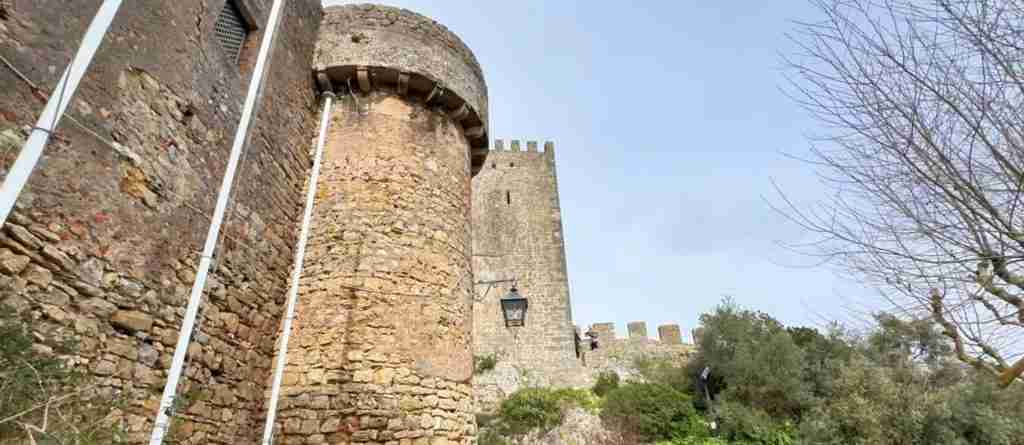
Óbidos preserves a complete medieval walled town 85 kilometers north of Lisbon, accessible via 60-minute bus from Campo Grande station. The whitewashed village within intact defensive walls creates picturesque pedestrian exploration, chocolate shops, ginjinha cherry liqueur in edible chocolate cups, and castle walls you can walk. Óbidos lacks Mafra’s UNESCO architectural significance but delivers authentic medieval Portuguese town atmosphere. Combine with nearby Nazaré fishing village famous for world-record surfing waves, or Alcobaça and Batalha monasteries (both UNESCO sites) for full-day heritage circuits.
Évora, 130 kilometers east in the Alentejo region, requires 90-minute bus or train but rewards with Portugal’s best-preserved Roman temple, medieval cathedral, bone chapel constructed from 5,000 human skeletons, and complete historic center earning UNESCO inscription. The distance makes rushed day trips exhausting—Évora deserves overnight stays allowing evening exploration of illuminated monuments and morning cathedral visits before tourist buses arrive. Day-trippers face 6+ hours roundtrip transport cutting deeply into exploration time.
Cascais and Estoril constitute Lisbon’s classic beach escapes via 40-minute train from Cais do Sodré station (€2.30 each way). Cascais offers sandy beaches, pedestrianized historic center, Boca do Inferno clifftop formations, and fresh seafood dining. The Estoril casino and waterfront promenade add belle époque glamour. These destinations prioritize beach relaxation over cultural depth—superior for summer swimming days but lacking Mafra’s architectural substance.
Historical Context of Mafra Construction 2026
King João V’s 1711 vow emerged from desperate circumstances: three years into marriage without producing an heir threatened Portuguese succession stability. The promise specified a modest convent for 13 Franciscan friars if Queen Maria Anna delivered offspring. The birth of their daughter Princess Maria Bárbara in 1711 fulfilled the reproductive requirement, but Brazilian gold discoveries in 1693-1720s had transformed Portugal’s treasury from chronic deficit to unprecedented wealth by the time construction planning began in 1717.
The modest convent expanded dramatically as João V’s ambitions grew proportional to gold revenue flowing from Minas Gerais, Goiás, and Mato Grosso colonies. The final design accommodated 300 friars in a 40,000-square-meter complex integrating palace, monastery, and basilica under architect Johann Friedrich Ludwig’s direction. Ludwig, a German who trained in Rome and adopted the Portuguese name João Frederico Ludovice, imported Italian baroque architectural language establishing Mafra as the most significant baroque monument north of Italy.
Construction mobilized extraordinary resources: daily workforce averaging 15,000 laborers climbed to 30,000 as completion neared and peaked at 45,000 during final push years. The 13-year construction period (1717-1730) compressed massive building scope into remarkably short duration compared to comparable European palace projects requiring decades. The speed resulted from unlimited funding, military discipline enforced by 7,000 soldiers maintaining site order, and João V’s obsessive personal investment in the project’s success as proof of Portuguese imperial grandeur.
Material procurement spanned continents: white Carrara marble from Italy for the basilica, Brazilian hardwoods for library and royal apartments, Flemish bells requiring custom manufacturing by specialized foundries, Roman and Florentine sculptors producing the 58 marble statues, and Portuguese craftsmen executing the complex stonework under Ludwig’s supervision. The economic impact nearly bankrupted Portugal despite gold wealth, diverting resources from other infrastructure and military needs during a period when European rivals were strengthening naval and commercial capabilities.
The basilica’s consecration on October 22, 1730—João V’s birthday—occurred while construction continued on monastery and palace sections. The project achieved functional completion in 1730 but decorative finishing, library furnishing, and final detailing extended through 1755. The royal family used Mafra primarily as a hunting lodge rather than permanent residence; the royal apartments’ gloomy character despite opulent decoration never attracted extended occupation, with the adjacent Tapada hunting grounds constituting the palace’s main attraction for successive monarchs.
The 1755 Lisbon earthquake that destroyed much of Portugal’s capital left Mafra essentially undamaged despite occurring during the palace’s active use period. This fortunate survival preserved Ludwig’s unified baroque vision intact while Lisbon required wholesale reconstruction in new architectural styles, making Mafra one of Portugal’s few baroque monuments retaining complete 18th-century character without subsequent major alterations.
Mafra’s Role in Portuguese History 2026
Mafra witnessed the Portuguese monarchy’s final hours when King Manuel II spent his last night on Portuguese soil at the palace on October 4, 1910. The republican revolution sweeping Lisbon forced the young king’s overnight flight to Mafra, then dawn departure to Ericeira harbor where the royal yacht Amélia carried him into permanent British exile. This dramatic endpoint transformed Mafra from functioning royal residence into historical monument overnight, preserving the apartments essentially as Manuel II left them in his hasty departure.
During the 1807 French invasion, Napoleon’s general Jean-Andoche Junot established headquarters at Mafra after the Portuguese royal family fled to Brazil, taking portable palace treasures including paintings, furniture, and library volumes now housed in Brazilian collections. Wellington’s British forces later expelled the French, with the Peninsular War’s defensive lines passing near Mafra creating fortifications still visible in the surrounding landscape. This period marked the beginning of the palace’s decline from active royal use toward symbolic monument status.
The 1834 dissolution of religious orders following Portugal’s Liberal Wars evicted the Franciscan community, leaving monastery wings abandoned for decades. The combination of departed friars and infrequent royal occupation created preservation challenges as the vast building deteriorated without regular maintenance or heating. The 1910 republican revolution’s monarchy abolition and Mafra’s classification as National Monument that same year initiated restoration efforts that continue episodically through present times.
During the 20th century, Mafra housed a military school, with the Portuguese Army still occupying portions of the palace complex including the Cerco Garden and adjacent buildings. This military presence delayed comprehensive palace restoration and tourist development compared to Sintra palaces that received earlier attention. The UNESCO inscription in 2019 finally recognized Mafra’s international significance while highlighting ongoing conservation needs, particularly for the Tapada hunting park and Cerco Garden sections requiring long-term management plans.
Frequently Asked Questions About Mafra Day Trip 2026
Is Mafra Palace worth visiting from Lisbon in 2026?
Mafra Palace merits visiting for its three unique features unavailable elsewhere in Portugal: the 90-meter Rococo library ranking among Europe’s finest baroque book halls, the world’s largest historical carillon with 98 bells, and the only location globally where six baroque pipe organs can perform simultaneously. The UNESCO World Heritage inscription recognizes Mafra as one of Europe’s most complete integrated palace-monastery-basilica complexes preserving unified 18th-century baroque architecture without subsequent major alterations. Compared to crowded Sintra palaces, Mafra offers comparable architectural grandeur with significantly fewer visitors, lower costs (€22 versus Sintra’s cumulative €30-50 for multiple palaces), and easier single-site logistics eliminating hilltop bus connections between scattered monuments.
How long should I spend at Mafra Palace in 2026?
Comprehensive palace exploration requires 90-120 minutes covering the basilica (20-25 minutes), library (15-20 minutes allowing photography and appreciation of the 90-meter perspective), royal apartments including king’s and queen’s quarters (30-40 minutes), monastery sections with infirmary and chapter house (15-20 minutes), and Cerco Garden (10-15 minutes). Rushed visits skipping royal apartments compress to 60 minutes but sacrifice important decorative arts, furniture collections, and hunting trophies revealing royal lifestyle details. Extended visits examining ecclesiastical vestments, lingering in the library’s contemplative atmosphere, or timing visits for 4:00 PM carillon performances reach 150-180 minutes. Budget Mafra-only day trips from Lisbon total 5-6 hours including transport; Mafra-Ericeira combinations extend to 8-10 hours creating full-day experiences.
Can I visit Mafra Palace without a car in 2026?
Public bus transport from Lisbon’s Campo Grande station provides frequent, economical Mafra access without car requirements. Carris Metropolitana routes 2803, 2804, and 2740 operate 18 daily weekday departures and 13 weekend departures reaching Mafra in 35-60 minutes for €4.50 one-way adult fare. The bus stops at Terreiro Dom João V plaza directly opposite the palace entrance, eliminating walking distances or local transport connections. Return buses to Lisbon operate until approximately 10:00 PM accommodating extended Mafra-Ericeira combinations or evening palace visits. Car-free travel limitations emerge only when adding Tapada hunting park visits, which sit 2 kilometers from the palace without direct bus connections requiring taxis (€8-12) or 25-30 minute roadside walking.
What is the best time of day to visit Mafra Palace in 2026?
Arrive at palace opening (9:30 AM) to tour major sections before organized group arrivals around 11:00 AM-noon. Early morning provides optimal library photography with natural window light illuminating the 90-meter hall without harsh shadows, quieter basilica appreciation before tourist voices create acoustic disturbance, and more personal space in narrow royal apartment corridors. The palace’s stone construction maintains cool interior temperatures regardless of outdoor heat, making morning versus afternoon timing more about crowd avoidance than comfort. Avoid Mondays when the palace remains closed, and consider Tuesday-Thursday visits over Friday-Sunday when Portuguese domestic tourists supplement international visitors creating peak attendance.
Is there an entrance fee for Mafra Palace in 2026 and what does it include?
Standard palace entry costs €22 per adult in 2026, granting comprehensive access to all palace sections: basilica with 58 marble statues and six baroque organs, the 90-meter library housing 36,000 volumes, king’s and queen’s royal apartments with period furnishings, monastery sections including infirmary and chapter house, and the Cerco Garden behind the palace. Children under 12 enter free with paying adults. The ticket permits 90-120 minutes self-guided exploration at personal pace with room-by-room interpretive labels in Portuguese and English. Guided tours in English cost €5-10 additional, operating at scheduled times (typically 11:00 AM and 3:00 PM). The Lisbon Card includes free Mafra entry plus unlimited Lisbon public transport, achieving cost-effectiveness for travelers visiting multiple monuments within 24-72 hours.
Can I combine Mafra with Sintra in one day from Lisbon in 2026?
Mafra-Sintra combinations create rushed, geographically illogical days requiring backtracking between destinations located in opposite directions from Lisbon. Mafra sits 30 kilometers northwest of Lisbon while Sintra lies 27 kilometers west-northwest, but no direct Mafra-Sintra public transport exists necessitating return to Lisbon before proceeding to the second destination. This routing adds 90-120 minutes redundant travel time beyond the direct Lisbon-Mafra (40 minutes) and Lisbon-Sintra (40 minutes) segments. Both destinations merit 3-4 hours minimum for meaningful exploration, making combined visits require 8-9 hours touring plus 3 hours transport creating exhausting 11-12 hour days. Dedicate separate days to each destination, or substitute Mafra-Ericeira or Sintra-Cascais combinations where destinations share directional transport routes.
Are there restaurants near Mafra Palace for lunch in 2026?
Numerous restaurants and cafes surround Terreiro Dom João V plaza and nearby streets within 200-650 meters walking distance of the palace entrance. Budget options include Pastelaria Ribeiro (€10-14 daily specials), Snack Bar Central (€5-12 sandwiches and simple plates), and Restaurante O Foral (€11-16 traditional Portuguese dishes). Mid-range establishments offering seafood and regional specialties include Restaurante Espaço P (€20-35 per person), Adega do Convento (€18-30), and O Galã da Manhã (€25-40). Small family-run Restaurante Escondidinho provides authentic Portuguese atmosphere with grandmother’s recipes (€15-25 per person). Reservations prove unnecessary for weekday lunches but recommended for weekend dining at popular mid-range restaurants when Lisbon day-trippers concentrate around noon-2:00 PM peak periods.
What should I wear when visiting Mafra Palace in 2026?
Comfortable walking shoes with good support prove essential for palace exploration involving extensive marble and stone stair climbing, long corridor walking, and potential Ericeira coastal path extensions. The basilica requires modest dress—covered shoulders, no shorts above the knee, no revealing clothing—respecting active worship space protocols. The remainder of the palace imposes no dress restrictions beyond general propriety. Layer clothing to accommodate temperature variations between outdoor summer heat (28-35°C) and naturally cool palace interiors (18-22°C) maintained by thick stone walls rather than mechanical air conditioning. Bring light jacket or cardigan for library and monastery sections feeling noticeably cooler than exterior temperatures, particularly during extended winter visits when interior heating remains minimal.
How much does a full Mafra day trip cost from Lisbon in 2026?
Budget day trips cost €50-55 per person including roundtrip bus transport €9, palace entry €22, and economical lunch €15-18. Mid-range experiences reach €60-105 per person incorporating transport flexibility (bus €9 or Uber €18-25), palace entry €22, better dining €20-35, and optional Ericeira extension adding coastal activities €10-20. Luxury private tours with driver-guides, exclusive palace tours, and upscale dining total €155-220 per person assuming two travelers sharing vehicle costs (€70 per person transport, €50 private palace tour, €55-60 premium restaurant, €15 Ericeira guided walk). These ranges assume single-day Mafra-only or Mafra-Ericeira combinations; adding Tapada hunting park visits increases costs €7-15 per person depending on selected activities.
Is Mafra suitable for children and families in 2026?
Mafra Palace accommodates families with children over age 8 who possess attention spans for 90-minute cultural visits and physical stamina for extensive stair climbing. The library’s dramatic 90-meter perspective, hunting room’s mounted animal trophies, and basilica’s massive marble statues provide visual interest capturing children’s imagination beyond historical narration. The Cerco Garden behind the palace offers outdoor space for energy release between indoor palace sections. Children under 12 enter free, significantly reducing family costs versus per-person pricing at commercial attractions. Challenges include limited interactive exhibits (this remains a preserved historical palace not an interpretive museum), extensive walking on hard surfaces, and minimal child-specific educational programming. Families with children under 8 or limited museum tolerance find better value at Lisbon’s Oceanarium, Pavilion of Knowledge science museum, or Sintra’s fantasy-castle Pena Palace offering more child-engaged experiences.