
Madrid UNESCO World Heritage Guide: Landscape of Light Designation
Key Takeaways
- UNESCO Recognition: Madrid’s “Paseo del Prado and Buen Retiro, Landscape of Light” received World Heritage status in July 2021, recognizing the ensemble’s exceptional urban cultural landscape
- Heritage Area: The 200-hectare protected zone encompasses Paseo del Prado boulevard, Retiro Park, Recoletos Paseo, and adjacent cultural institutions including Prado Museum, Reina Sofía, and Thyssen-Bornemisza
- Cultural Significance: The site represents evolution of European urban planning from 16th-century royal retreat to 19th-century public cultural axis combining nature, art, science, and civic space
- Landscape Innovation: The designation recognizes pioneering integration of green space, cultural institutions, and scientific facilities creating prototype for modern urban parks
- Art Triangle: Three world-class museums within UNESCO zone house over 15,000 masterworks representing European art from medieval period through contemporary movements
- Conservation Standards: UNESCO status requires strict protection protocols governing construction, restoration, traffic management, and environmental quality throughout designated zone
Introduction: Understanding Madrid’s World Heritage Status
Madrid’s inscription on the UNESCO World Heritage List represents international recognition of an exceptional urban ensemble where landscape design, cultural institutions, scientific facilities, and public space converge to create unique European cultural axis. The designated site—officially titled “Paseo del Prado and Buen Retiro, Landscape of Light”—extends across 200 hectares of central Madrid, encompassing the tree-lined Paseo del Prado boulevard, the 125-hectare Retiro Park, connecting paseos, and the world-renowned museums forming Madrid’s “Golden Triangle of Art.”
The World Heritage designation acknowledges Madrid’s contribution to urban planning history through pioneering integration of nature and culture. The ensemble evolved over four centuries from royal hunting ground to Enlightenment promenade to democratic public space, demonstrating adaptive reuse while maintaining architectural and landscape coherence. The site represents unique testimony to Spanish Enlightenment values emphasizing education, scientific progress, and public access to cultural resources—principles embodied in institutions like Prado Museum, Royal Botanical Garden, and Natural Science Museum.
Understanding Madrid’s UNESCO significance requires appreciating the ensemble’s layered history, architectural evolution, cultural impact, and ongoing conservation challenges. The designation protects not merely individual monuments but the relationships between elements—how Retiro Park’s green expanse balances urban density, how museums create cultural promenade, how fountains and sculptures transform boulevard into open-air gallery, and how the entire ensemble continues functioning as living public space rather than preserved museum. This guide explores Madrid’s World Heritage values, explaining what makes this urban landscape exceptional and why it merits international protection.
People Also Ask About Madrid UNESCO Heritage
Why is Madrid a UNESCO World Heritage Site?
Madrid received UNESCO World Heritage inscription in July 2021 for the “Paseo del Prado and Buen Retiro, Landscape of Light” site encompassing 200 hectares of central Madrid. The designation recognizes exceptional urban cultural landscape combining Enlightenment-era urban planning, pioneering integration of nature and culture, world-class art museums, scientific institutions, monumental architecture, and public space demonstrating evolution from royal domain to democratic civic axis. UNESCO identified Outstanding Universal Value in the site’s representation of 18th and 19th-century European urban development, its pioneering landscape architecture integrating parks with cultural facilities, and its continued function as accessible public cultural space. The ensemble demonstrates how Spanish Enlightenment ideals of education, scientific progress, and cultural access shaped urban form, creating prototype influencing park development and cultural district planning across Europe and Latin America.
What exactly is included in Madrid’s UNESCO site?
The UNESCO-designated area encompasses Paseo del Prado boulevard from Atocha station to Plaza de Cibeles, extending through Paseo de Recoletos to Plaza de Colón; Retiro Park’s complete 125 hectares including Crystal Palace, Velázquez Palace, Observatory Hill, and Parterre gardens; Prado Museum, Reina Sofía Museum, and Thyssen-Bornemisza Museum forming the “Golden Triangle”; Royal Botanical Garden with its 18th-century layout and collections; historic fountains including Cibeles, Neptune, and Apollo; Real Academia de la Lengua headquarters; Natural Science Museum; and adjacent buffer zones protecting sight lines and architectural context. The site represents integrated ensemble where each element contributes to overall cultural landscape rather than isolated monument collection. The UNESCO boundary specifically protects spatial relationships between components—how museums relate to boulevard promenade, how park provides green counterpoint to urban density, and how fountains, monuments, and institutions create sequential cultural experience along north-south axis.
How does Madrid’s UNESCO designation compare to other Spanish World Heritage Sites?
Spain hosts 50 UNESCO World Heritage Sites—third highest globally after Italy and China—with Madrid’s designation unique as modern urban cultural landscape rather than historic monument, medieval city, or natural formation. While sites like Escorial monastery or Ávila’s walls preserve specific historical periods, Madrid’s UNESCO area demonstrates continuous evolution from 16th through 21st centuries maintaining functional public use. The designation differs from Granada’s Alhambra (Islamic palace complex), Santiago de Compostela (medieval pilgrimage city), or Segovia’s aqueduct (Roman engineering) by recognizing living cultural landscape actively used by residents and visitors. Madrid shares conceptual similarities with Barcelona’s Palau de la Música (cultural architecture) and Aranjuez’s cultural landscape (royal garden city), but represents unprecedented scale of integrated museums, parks, and public space within active capital city. The inscription acknowledges Madrid’s specific contribution to European urbanism through Enlightenment-era planning creating accessible cultural axis serving educational and social functions.
What makes the Paseo del Prado and Retiro Park special?
The ensemble’s significance derives from pioneering integration of landscape, culture, and science within single urban design creating prototype for modern cultural districts. Paseo del Prado evolved from 16th-century tree-lined promenade to 18th-century Enlightenment showcase displaying fountains, monuments, and institutions embodying rational thought, scientific inquiry, and cultural achievement. Retiro Park transformed from private royal retreat to public democratic space maintaining baroque and romantic landscape elements while serving Madrid’s seven million residents. The combination created unique European example where major art museums, botanical research facility, natural history collection, and extensive green space occupy contiguous territory accessible to all citizens free of charge. The “Landscape of Light” title references exceptional quality of Madrid’s high-altitude clear atmosphere—315 sunny days annually—influencing artistic production and outdoor cultural life. The UNESCO committee noted no comparable example existed of such comprehensive cultural landscape maintaining both historic integrity and contemporary vitality within major capital city.
Extended multi-day tours – 5+ days
Featured Madrid Multi-Day Tour Packages

4 days
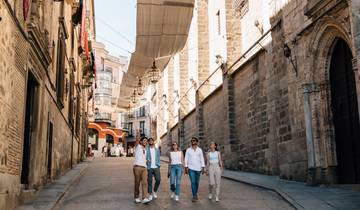
Madrid: Cultural Experience with Toledo Half-day tour, City Break
- ✓ Comprehensive Madrid tour
- ✓ Expert local guides included
- ✓ All accommodation arranged
- ✓ Transportation provided
2 days
Segovia, Avila and Toledo in 2 days from Madrid
- ✓ Comprehensive Madrid tour
- ✓ Expert local guides included
- ✓ All accommodation arranged
- ✓ Transportation provided

3 days
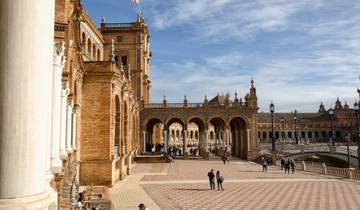
The Best of Madrid and Sevilla in 3 days from Barcelona
- ✓ Comprehensive Madrid tour
- ✓ Expert local guides included
- ✓ All accommodation arranged
- ✓ Transportation provided
2 days
2-Day Merida & Seville from Madrid
- ✓ Comprehensive Madrid tour
- ✓ Expert local guides included
- ✓ All accommodation arranged
- ✓ Transportation provided
Multi-day tour packages powered by TourRadar. Prices and availability subject to change.
Historical Development of the Heritage Site
The UNESCO-designated area evolved through distinct historical phases, each contributing layers of meaning, architecture, and landscape design creating today’s complex cultural ensemble. Understanding this evolution reveals how royal privilege gradually democratized into public cultural resource while maintaining architectural and spatial coherence across four centuries of political, social, and urban change.
The site’s origins trace to 16th century when Habsburg monarchy established Buen Retiro palace complex east of Madrid’s medieval core. King Philip IV commissioned the palace and surrounding gardens in 1630s as royal retreat and ceremonial space combining Italian baroque influences with Spanish traditions. The extensive gardens featured elaborate parterres, fountains, theatrical spaces, and menagerie—demonstrating royal power through landscape control and exotic plant collections. Simultaneously, the Prado area—originally meadow outside city walls used for military displays—received initial tree plantings creating shaded promenade connecting palace to northern approach roads. These 16th-17th century developments established the site’s basic geography: east-west axis from royal palace through gardens, and north-south promenade connecting urban gates.
The Enlightenment period transformed the site from royal exclusivity toward educational and scientific functions foreshadowing eventual public access. King Charles III, ascending throne in 1759 after Naples governance, imported Italian urban planning concepts emphasizing monumental public works, cultural institutions, and rationalist city beautification. Royal architect Juan de Villanueva designed Prado Museum building (originally Natural Science Museum), Royal Botanical Garden, and Royal Observatory as integrated Enlightenment campus along Prado promenade. Simultaneously, Charles III commissioned Ventura Rodríguez and other architects to design elaborate fountains celebrating classical mythology—Cibeles (nature goddess with lions), Neptune (sea god with horses), and Apollo (sun god’s chariot)—creating outdoor sculpture gallery teaching classical culture through public art. The Retiro gardens, while remaining royal property, received landscape improvements including Parterre garden’s French formal design and artificial lake for recreational boating. These 18th-century initiatives established the site’s educational mission, architectural quality, and nascent public accessibility.
The 19th century witnessed gradual democratization transforming exclusive royal domain into public cultural resource. Napoleon’s occupation (1808-1814) damaged Buen Retiro palace extensively, with post-war demolition leaving only two structures—Crystal Palace’s precursor and part of Retiro church complex. The palace’s destruction paradoxically enabled Retiro Park’s transformation from royal garden to public space. Queen Isabel II officially opened Retiro Park to public in 1868, coinciding with revolution temporarily ending Bourbon monarchy. The park’s public opening represented revolutionary democratization—previously forbidden royal space becoming accessible to all citizens regardless of social class. Simultaneously, Prado Museum’s founding in 1819 made royal art collections publicly viewable, establishing precedent for cultural institutions serving educational rather than exclusively elite purposes. The Paseo del Prado received neoclassical building developments including fountains’ current positions and monument placements creating sequential cultural experience along boulevard. These 19th-century transformations embedded democratic values into landscape and institutional functions.
The 20th century brought modernization challenges balanced with conservation efforts preserving historical character. Retiro Park received infrastructure improvements including electric lighting (1890s), Crystal Palace reconstruction (1887) for Philippine Islands Exhibition, and various monument additions commemorating political events. The Paseo del Prado faced traffic pressures as automobile use expanded, with wide boulevards becoming major traffic arteries threatening pedestrian character. Conservation movements emerging mid-century advocated protecting historic buildings, maintaining tree canopies, and limiting construction height near heritage zones. The establishment of Reina Sofía Museum (1992) in former hospital building and Thyssen-Bornemisza Museum (1992) in Villahermosa Palace created “Golden Triangle” concentrating extraordinary art collection within UNESCO zone. These 20th-century developments balanced modernization with heritage protection, preparing groundwork for eventual UNESCO recognition.
The 21st century UNESCO designation formalized protection framework ensuring future conservation. The inscription process began 2014, requiring extensive documentation of historical significance, architectural values, conservation plans, and management strategies. The UNESCO World Heritage Committee inscription in July 2021 recognized the site’s Outstanding Universal Value under criteria (ii) and (iv): demonstrating important interchange of human values through urban planning and landscape architecture, and representing outstanding example of architectural ensemble illustrating significant stage in human history. The designation requires Spanish government to maintain site integrity, implement conservation protocols, manage visitor impact, control urban development, and report regularly on preservation status. The UNESCO inscription thus transforms four centuries of gradual evolution into internationally protected cultural landscape requiring sustained conservation commitment.
Architectural and Landscape Elements
The UNESCO site encompasses extraordinary architectural diversity spanning Baroque royal commissions through neoclassical public buildings to 20th-century museum expansions. These structures, combined with landscape architecture and urban design elements, create integrated ensemble where individual components contribute to overall cultural experience rather than existing as isolated monuments.
The Prado Museum building represents Juan de Villanueva’s neoclassical masterwork, originally designed as Natural Science Museum embodying Enlightenment principles. The structure features severe granite facades, Doric and Ionic column orders, geometric proportions, and minimal ornament emphasizing rationalist aesthetics. Villanueva positioned the building perpendicular to Prado promenade, creating monumental presence while maintaining Paseo’s spatial flow. The museum’s expansion through 20th and 21st centuries—particularly Rafael Moneo’s 2007 addition—demonstrates sensitive contemporary intervention respecting original architecture while providing modern facilities. The Prado’s architectural significance extends beyond aesthetic quality to represent physical manifestation of Enlightenment values: public education through art, scientific classification and display, and institutional permanence supporting cultural continuity.
The Royal Botanical Garden preserves 18th-century landscape architecture within contemporary scientific institution. The garden’s terraced design descends toward Prado promenade with three ascending levels: practical cultivation area, ornamental displays, and artificial landscape with pond and architectural follies. The entrance pavilion’s neoclassical design matches Villanueva’s Prado Museum aesthetic, creating architectural dialogue across Paseo. The garden’s collection includes 5,000 plant species organized by geographic origin, taxonomic relationships, and ornamental qualities—reflecting both scientific purposes and aesthetic pleasures. The garden’s survival within expanding urban center demonstrates exceptional conservation commitment maintaining historical layout, specimen trees (some over 250 years old), and educational mission despite land value pressures encouraging commercial development.
Retiro Park’s landscape architecture combines baroque formal gardens, romantic landscape zones, and democratic recreational spaces. The Parterre garden near park entrance preserves French formal design with geometric parterres, clipped hedges, sculptural elements, and axial organization leading to fallen angel fountain. The artificial lake occupies park’s center, created for royal boating entertainment and maintained as popular recreation zone with rowboat rental continuing centuries-old tradition. Crystal Palace represents pioneering iron-and-glass architecture modeled on London’s Crystal Palace, built for 1887 Philippine Exhibition with tropical plants creating interior microclimate. The structure’s transparency, soaring interior space, and reflection in surrounding pond create ethereal architectural experience. Velázquez Palace demonstrates Italian Renaissance influences with arcade loggia, geometric proportions, and harmonious material palette of brick, stone, and tile. The park’s paths, tree canopy, and topographic variation create romantic landscape allowing discovery, contemplation, and escape within urban environment.
The monument and fountain complex along Paseo del Prado creates outdoor sculpture gallery teaching classical culture through public art. Cibeles Fountain shows goddess riding lion-drawn chariot, representing nature’s fertility with water elements symbolizing life-giving properties. Neptune Fountain displays sea god commanding horses emerging from waves, demonstrating baroque sculptural drama and allegory. Apollo Fountain portrays sun god’s chariot ascending toward sky, representing enlightenment and rational knowledge. These fountains function as architectural landmarks, traffic roundabouts, symbolic representations of Enlightenment ideals, and beloved civic symbols around which Madrid’s social and political life revolves. The sculpture quality rivals museum collections yet remains accessible to all citizens experiencing daily urban life rather than requiring museum admission.
Contemporary architecture within UNESCO zone demonstrates successful integration of modern design with heritage context. The Reina Sofía Museum’s Jean Nouvel addition (2005) features red aluminum panels, cantilevered forms, and transparent elements creating dialogue between 18th-century hospital building and 21st-century expansion. The Thyssen-Bornemisza Museum’s rehabilitation of Villahermosa Palace preserved neoclassical facades while modernizing interiors for museum function. The CaixaForum Madrid (2008) transformed historic power station into contemporary art center with vertical garden, elevated entrance, and rusted steel cladding creating striking contemporary presence respecting neighboring Prado Museum through material quality and proportional relationships. These interventions prove UNESCO-protected zones can accommodate contemporary architecture when design respects heritage values, maintains spatial relationships, and demonstrates comparable quality to historic structures.
Cultural Institutions and Collections
The UNESCO site contains extraordinary concentration of cultural institutions housing world-class art collections, botanical research facilities, and scientific museums creating unmatched cultural resource within single urban district. This institutional density reflects Enlightenment vision of comprehensive knowledge accessible to public, maintained through contemporary commitment to free or affordable admission policies.
The Prado Museum ranks among world’s greatest art museums with collection spanning 12th through 19th centuries focusing on Spanish, Italian, and Flemish masters. The museum holds world’s finest collection of Spanish painting including works by Velázquez (Las Meninas and 50 additional works), Goya (complete Black Paintings series plus 140 additional works), and El Greco (major religious paintings). The Italian collection features Titian, Tintoretto, Raphael, and Fra Angelico masterworks collected by Spanish monarchs. The Flemish galleries display Bosch’s Garden of Earthly Delights triptych, Rubens’s extensive cycle, and Van der Weyden’s Descent from the Cross. The sculpture collection includes classical Roman works and Renaissance pieces complementing painting galleries. The Prado’s significance extends beyond collection quality to its historical continuity—maintaining royal collection organization principles, displaying works in rooms approximating original palace context, and preserving institutional memory spanning over two centuries of collection development, scholarship, and conservation.
The Reina Sofía Museum houses Spain’s national collection of 20th and 21st-century art with particular strength in Spanish modernism, surrealism, and contemporary movements. The museum’s crown jewel, Picasso’s Guernica, represents 20th century’s most powerful anti-war artistic statement and functions as national symbol of resistance to fascism. The collection includes major works by Dalí (Girl at the Window), Miró (extensive painting and sculpture holdings), Juan Gris (Cubist masterworks), and complete documentation of Spanish avant-garde movements. Contemporary galleries display video art, installations, and experimental media reflecting current artistic production. The museum’s collection demonstrates Spain’s central role in modern art development and provides comprehensive survey of artistic responses to 20th century’s political violence, social transformation, and cultural evolution.
The Thyssen-Bornemisza Museum fills chronological and stylistic gaps in Prado and Reina Sofía collections, creating complete survey of Western art from 13th through 21st centuries. The collection assembled by Baron Thyssen-Bornemisza family spans Italian primitives, German Renaissance, Dutch Golden Age, English portraiture, Impressionism, German Expressionism, and American modernism. Notable works include Dürer’s Jesus Among the Doctors, Caravaggio’s Saint Catherine of Alexandria, Monet’s Charing Cross Bridge, and Hopper’s Hotel Room. The collection’s private origin contrasts with Prado’s royal provenance and Reina Sofía’s institutional formation, representing individual connoisseurship creating museum-quality holdings through five generations of collecting. The Thyssen’s location within UNESCO zone creates unprecedented art triangle where visitors access 800 years of Western art history across three museums within walking distance.
The Royal Botanical Garden functions simultaneously as scientific research institution, conservation facility, and public educational space. The garden maintains herbarium containing 1.5 million preserved plant specimens supporting taxonomic research, biodiversity documentation, and botanical education. Living collections include plants from five continents organized by geographic origin, evolutionary relationships, and conservation status. The garden participates in international seed banking programs preserving genetic diversity of endangered species. Educational programs introduce botanical science to school groups, amateur naturalists, and general visitors through guided tours, temporary exhibitions, and seasonal displays highlighting specific plant families or ecological themes. The garden represents Enlightenment ideal of combining scientific research with public education, making specialized knowledge accessible while advancing scholarship through specimen collection and systematic study.
The National Museum of Natural Sciences maintains extensive collections documenting biological diversity, geological formation, and evolutionary processes. Holdings include paleontological specimens (dinosaur skeletons, fossil collections), taxidermy collections representing global fauna, mineral and rock collections illustrating Earth’s geological history, and historical scientific instruments showing evolution of natural history research methods. The museum’s location within UNESCO zone reflects original Enlightenment conception uniting botanical garden, natural history museum, astronomical observatory, and art collection as integrated knowledge campus. Contemporary exhibitions address environmental challenges including climate change, biodiversity loss, and conservation strategies, demonstrating how 18th-century scientific institutions adapt to 21st-century ecological concerns while maintaining educational mission.
UNESCO Designation Criteria and Outstanding Universal Value
The UNESCO World Heritage Committee inscription recognized Madrid’s “Paseo del Prado and Buen Retiro, Landscape of Light” under specific criteria establishing the site’s Outstanding Universal Value to humanity. Understanding these criteria explains exactly what characteristics merit international protection and why Madrid’s ensemble differs from numerous other urban cultural landscapes worldwide.
Criterion (ii) recognizes the site’s demonstration of “important interchange of human values, over a span of time or within a cultural area of the world, on developments in architecture or technology, monumental arts, town-planning or landscape design.” Madrid’s ensemble exhibits this interchange through influence on Latin American urban development, European park design, and museum district planning. The Paseo del Prado model—integrating cultural institutions, public promenades, and monumental art along tree-lined boulevards—influenced urban design across Spanish America following independence movements. Cities including Buenos Aires, Montevideo, Santiago, and Mexico City created similar cultural axes combining museums, parks, and civic monuments along grand boulevards. The Retiro Park’s transformation from royal garden to public democratic space pioneered conversion pattern followed throughout Europe as aristocratic grounds became municipal parks serving all citizens. The concentration of major museums within single district influenced cultural quarter planning in cities worldwide, demonstrating how specialized cultural zones could serve educational missions while anchoring urban development.
Criterion (iv) acknowledges the site as “outstanding example of a type of building, architectural or technological ensemble or landscape which illustrates significant stage in human history.” Madrid’s UNESCO zone exemplifies Enlightenment urbanism where rational planning, educational institutions, and public accessibility converged creating new urban form. The ensemble represents specific historical moment when Spanish monarchy embraced Enlightenment values, commissioning cultural institutions serving educational purposes beyond royal pleasure or religious authority. The architectural ensemble illustrates neoclassical principles—geometric clarity, classical orders, functional planning—applied consistently across multiple buildings creating coherent aesthetic. The landscape design demonstrates pioneering integration of nature and culture where botanical science, recreational landscapes, and urban promenades combine within single planning framework. The site’s continued function as living public space rather than preserved museum demonstrates successful adaptation across political systems—from absolute monarchy through constitutional monarchy to democratic republic—while maintaining core cultural and educational mission.
The Outstanding Universal Value statement emphasizes the site’s completeness as integrated ensemble rather than collection of individual monuments. The UNESCO evaluation noted exceptional preservation of spatial relationships between components: museums create cultural promenade along Paseo del Prado, park provides green counterpoint to urban density, fountains and monuments create sequential artistic experience, and buffer zones protect sight lines and architectural context. The evaluation specifically praised site’s integrity—maintaining historical boundaries, preserving architectural character, sustaining cultural functions, and continuing democratic public access. The authenticity assessment confirmed genuine historical fabric, verified original design intentions remain comprehensible, and documented consistent conservation maintaining material authenticity and functional continuity. These factors combined establish Madrid’s unique qualification for World Heritage status among numerous European urban landscapes competing for limited UNESCO recognition.
Conservation Challenges and Management Strategies
World Heritage status requires rigorous conservation protocols protecting the site’s Outstanding Universal Value while accommodating Madrid’s continued function as living capital city. Managing the UNESCO zone involves balancing preservation requirements with contemporary needs including transportation infrastructure, visitor accommodation, climate adaptation, and urban development pressures.
Traffic management represents ongoing conservation challenge as Paseo del Prado functions simultaneously as heritage landscape and major urban thoroughfare. Vehicle traffic degrades air quality affecting vegetation, monuments, and building facades while noise pollution diminishes visitor experience and resident quality of life. Conservation strategies include traffic reduction programs, priority bus lanes encouraging public transportation, and pedestrianization proposals creating car-free zones during peak tourist seasons or permanent basis. The successful pedestrianization of nearby Gran Vía sections provides precedent for similar treatment of UNESCO-protected boulevards. Air quality monitoring tracks pollutant levels affecting vegetation health, stone decay, and bronze monument patinas, informing traffic restrictions during high pollution episodes. These measures balance Madrid’s transportation needs with heritage protection requirements ensuring long-term site preservation.
Climate change impacts threaten vegetation, water features, and architectural elements throughout UNESCO zone. Rising temperatures stress tree populations adapted to Madrid’s traditional climate, requiring species diversification including drought-tolerant varieties maintaining canopy coverage as historic species decline. Water management addresses reduced rainfall affecting Retiro Park’s lake levels, fountain operations, and botanical garden irrigation needs. Historic stone and bronze monuments face accelerated weathering from temperature extremes, precipitation pattern changes, and extended heat periods. Conservation strategies include microclimate monitoring, adaptive planting programs, water recycling systems, and preventive conservation protecting vulnerable architectural elements. These climate adaptation measures ensure site resilience against environmental changes while maintaining historical character and ecological functions.
Tourism pressure creates wear on pathways, vegetation zones, and architectural surfaces while affecting visitor experience quality through overcrowding. Popular locations including Crystal Palace, Retiro lake, and major museum entrances experience intense visitor concentration causing localized degradation. Management strategies include timed entry systems reducing peak crowding, visitor flow routing distributing pressure across larger areas, pathway reinforcement in high-traffic zones, and seasonal programming spreading visits throughout the year. The designation as UNESCO site paradoxically increases tourism pressure through enhanced international visibility, requiring adaptive management preventing the site’s popularity from undermining the values justifying protection. These visitor management approaches balance access goals with preservation requirements, ensuring heritage values remain comprehensible despite millions of annual visitors.
Urban development pressure threatens buffer zones surrounding UNESCO core area. Real estate values in central Madrid encourage maximum density development potentially blocking sight lines, altering neighborhood character, and creating architectural conflicts with heritage context. Protection mechanisms include height restrictions preventing tall buildings near heritage zone, architectural review processes requiring design compatibility with historic fabric, and buffer zone regulations controlling land use, building materials, and renovation standards. The UNESCO designation strengthens conservation arguments against inappropriate development, providing international framework supporting local preservation efforts. These planning controls ensure development near World Heritage site respects historical context, maintains spatial relationships, and contributes positively to ensemble’s character rather than degrading heritage values through incompatible interventions.
Institutional coordination challenges emerge from multiple stakeholders managing different site components—national museums, municipal parks department, cultural ministry, transportation authority, and neighborhood associations all holding responsibilities affecting UNESCO zone. Successful conservation requires coordinated planning integrating individual institutional goals with overall heritage protection objectives. Management mechanisms include World Heritage site steering committee coordinating stakeholder actions, integrated conservation planning addressing site-wide concerns, and regular monitoring assessing conservation status and identifying emerging threats. The UNESCO reporting requirements every six years provide structured review evaluating management effectiveness, documenting conservation interventions, and demonstrating Spain’s commitment to international obligations. This coordinated approach ensures individual decisions consider cumulative impacts on Outstanding Universal Value rather than optimizing for single institutional objectives.
Experiencing the UNESCO Site as Visitor
Understanding Madrid’s World Heritage values enhances visitor experience by revealing relationships between landscape, architecture, collections, and urban context creating unique cultural ensemble. Strategic exploration discovers both individual monument quality and cumulative ensemble impact distinguishing UNESCO sites from ordinary tourist attractions.
The Paseo del Prado walk from Atocha station to Plaza de Colón reveals the site’s north-south cultural axis, passing Prado Museum, Thyssen-Bornemisza Museum, Neptune Fountain, Cibeles Fountain, and continuing through Recoletos Paseo. This approximately 2-kilometer route demonstrates sequential cultural experience intended by Enlightenment planners—fountains teaching classical mythology, museums providing artistic education, tree canopy offering shade, wide sidewalks accommodating promenade tradition. Walking pace reveals architectural details, monument relationships, and spatial proportions impossible to appreciate from vehicles. The route connects three world-class museums within 20-minute walk, explaining “Golden Triangle” nickname and enabling comprehensive art historical survey spanning eight centuries across single day. The experience demonstrates UNESCO value—integrated cultural landscape where movement between destinations becomes part of cultural experience rather than mere transportation necessity.
Retiro Park exploration discovers landscape diversity and architectural surprises hidden throughout 125 hectares. Strategic routes include: entering through Puerta de Alcalá to approach Parterre garden and artificial lake core; visiting Crystal Palace and Velázquez Palace for architecture and temporary exhibitions; ascending Observatory Hill for park and city views; discovering remote garden zones including Cecilio Rodríguez Gardens’ intimate terraces and Rose Garden’s seasonal displays. Dedicated park exploration requires 3-4 hours minimum to appreciate landscape variety, architectural details, and seasonal transformations. The park experience reveals democratic access values—free entry, diverse programming including concerts and children’s activities, and maintained facilities serving all economic classes. Understanding park’s evolution from royal exclusivity to public resource helps visitors appreciate UNESCO recognition of democratization process transforming urban landscape uses.
Museum visits within UNESCO zone benefit from understanding collections’ historical relationships. The Prado holds royal collections spanning centuries of monarchical patronage, creating comprehensive survey of Spanish and European masters collected for royal pleasure and dynastic prestige. The Thyssen-Bornemisza represents private collecting tradition where individual taste creates idiosyncratic but museum-quality holdings spanning broad chronological range. The Reina Sofía demonstrates state institutional collection focusing on modern Spanish art and political engagement. Visitors covering all three museums (requiring multiple days for thorough viewing) experience complete Western art history from medieval period through contemporary practice while understanding how different collection formation methods—royal patronage, private connoisseurship, state cultural policy—create distinct museum characters and holdings. This comprehensive cultural offering within single urban district explains UNESCO recognition of extraordinary institutional concentration.
Seasonal timing affects UNESCO site experience significantly. Spring bloom transforms Retiro Park and Royal Botanical Garden with flowering trees, bulb displays, and temperate weather ideal for extended walking. Summer brings intense heat requiring early morning or evening visits, but extended daylight hours and outdoor cultural programming provide compensations. Autumn colors peak in Retiro Park’s deciduous tree collections while moderate temperatures return. Winter offers museum-focused experiences with minimal crowds and occasional snowfall transforming the site’s character. Understanding seasonal variations allows visitors to optimize timing for particular interests—botanical displays, comfortable walking conditions, reduced tourism pressure, or specific cultural events. The site’s year-round accessibility and changing seasonal character demonstrate living cultural landscape qualities distinguishing World Heritage urban sites from individual monuments or natural formations.
Comparing Madrid to Other UNESCO Urban Heritage Sites
Madrid’s World Heritage designation places the city among select group of UNESCO-recognized urban cultural landscapes worldwide. Comparing Madrid to other inscribed cities reveals unique characteristics while illustrating common challenges facing heritage protection in contemporary urban environments.
Vienna’s historic center inscription (2001) shares Madrid’s recognition of comprehensive urban planning integrating cultural institutions, public spaces, and monumental architecture. Vienna’s UNESCO site encompasses Ringstrasse boulevards, Hofburg Palace complex, State Opera, and extensive baroque and Art Nouveau architecture. Both cities demonstrate 19th-century urban planning emphasizing cultural institutions and public space, though Vienna’s inscription covers larger historic core versus Madrid’s focused cultural axis. Vienna’s temporary “danger” listing (2017-2023) due to controversial high-rise construction illustrates conservation challenges when development pressure threatens heritage values—lessons relevant to Madrid’s ongoing protection requiring vigilant buffer zone management. Vienna’s experience demonstrates UNESCO inscription provides international scrutiny supporting local conservation efforts but cannot prevent all threatening development without strong municipal commitment to heritage protection.
Paris’s riverbanks (Banks of the Seine) inscription includes approximately 8 kilometers along Seine River encompassing Notre-Dame, Louvre, Eiffel Tower, and other monuments illustrating Paris’s historical development. The inscription recognizes urban planning showcasing architectural and cultural landmarks visible from river promenade—comparable to Madrid’s Paseo del Prado as cultural axis. Both sites demonstrate Enlightenment urban planning principles combining monumental architecture with public accessibility, though Paris’s inscription emphasizes architectural landmarks while Madrid’s focuses on integrated landscape-culture ensemble. Paris faces similar tourism pressure and development challenges, with contemporary architecture interventions near heritage zones requiring careful review ensuring compatibility with historic character. The Seine banks’ enduring UNESCO status despite modernization demonstrates successful balance between heritage protection and contemporary urban life—model relevant to Madrid’s ongoing management.
Central Park New York represents comparable urban park within dense city environment, though not UNESCO-designated. Central Park and Retiro Park share similar size (340 hectares versus 125 hectares), democratic accessibility, landscape diversity, and cultural programming within major capital city. Both demonstrate 19th-century park design philosophies creating “rural” landscapes within urban context providing recreation, contemplation, and escape. The key difference explaining Madrid’s UNESCO inscription versus Central Park’s absence involves integrated cultural landscape concept—Retiro Park’s connection to Paseo del Prado museums, fountains, and Enlightenment institutional campus creates unified ensemble versus Central Park’s standalone landscape. This comparison reveals UNESCO increasingly values integrated cultural landscapes demonstrating relationships between elements rather than individual monuments regardless of individual quality.
Liverpool Maritime Mercantile City inscription (2004) and subsequent danger listing (2012) and delisting (2021) illustrate risks UNESCO sites face when development undermines heritage values. Liverpool’s delisting—only third World Heritage site ever removed—resulted from waterfront development blocking sight lines and altering historic character despite conservation efforts in other zones. Madrid’s ongoing buffer zone management must heed Liverpool’s cautionary example, demonstrating UNESCO status requires sustained commitment rather than one-time achievement. The delisting demonstrates UNESCO takes heritage protection seriously, willing to revoke status when Outstanding Universal Value significantly degrades—pressure encouraging rigorous conservation in remaining listed sites including Madrid. Liverpool’s experience emphasizes importance of comprehensive protection extending beyond core heritage zone into surrounding areas affecting visual context and spatial relationships.
Educational and Scientific Heritage
The UNESCO site’s significance extends beyond artistic and architectural values to encompass educational and scientific heritage demonstrating Enlightenment commitment to knowledge advancement and public instruction. These institutional missions continue contemporary relevance while preserving historical educational models and scientific traditions.
The Royal Botanical Garden represents 250 years of continuous botanical research, specimen collection, and scientific publication. The herbarium’s 1.5 million preserved specimens document plant diversity across Spain, Mediterranean region, and former Spanish colonial territories. Historical collections include specimens gathered during 18th and 19th-century scientific expeditions to Americas, Philippines, and Pacific Islands—material essential for understanding global botanical diversity and documenting species distributions before modern environmental changes. The garden’s seed bank participates in international conservation programs preserving genetic diversity of threatened species, demonstrating how historical scientific institutions adapt missions to contemporary ecological challenges. Research programs investigate plant taxonomy, evolutionary relationships, conservation genetics, and ethnobotany. Educational mission continues founder intentions making botanical knowledge accessible through public gardens, school programs, guided tours, and seasonal exhibitions explaining plant life cycles, ecological relationships, and conservation urgency.
The Prado Museum functions as art historical research institution beyond public exhibition role. The museum’s conservation laboratories pioneer restoration techniques, conduct scientific analysis of painting materials and methods, and train conservators in specialized skills required for Old Master painting preservation. The museum’s library contains extensive art historical literature, archival documentation of royal collections, and research materials supporting scholarly publication. Museum research department produces definitive catalogs of holdings, organizes international symposia exploring specific artists or periods, and collaborates with institutions worldwide advancing art historical knowledge. The museum’s educational programs introduce art history to school groups, amateur enthusiasts, and specialized audiences through lectures, workshops, and online resources democratizing art historical knowledge beyond academic specialists. This research and educational mission reflects Enlightenment vision of museums serving knowledge advancement rather than merely displaying objects for passive appreciation.
The Real Academia de la Lengua headquarters within UNESCO zone symbolizes institutional commitment to linguistic scholarship and Spanish language standardization. The academy, founded 1713, develops authoritative Spanish dictionaries, grammar references, and linguistic studies maintaining language standards across Spanish-speaking world. The institution’s presence within World Heritage site acknowledges language’s cultural heritage status and academic scholarship’s role in cultural preservation. The academy’s library contains historical linguistic texts, early dictionaries, and literary manuscripts documenting Spanish language evolution. Regular publications update language standards reflecting contemporary usage while maintaining historical continuity and grammatical rigor. This linguistic scholarship represents cultural heritage equal to artistic and architectural preservation—maintaining living language traditions while documenting historical development.
The National Museum of Natural Sciences continues tradition of natural history research and public education established during Enlightenment period. Research programs investigate paleontology, biodiversity documentation, and ecological systems providing scientific foundation for environmental conservation. The museum’s collections serve research purposes—scientists worldwide consult specimens for taxonomic studies, evolutionary analysis, and biodiversity documentation. Educational programs adapt natural history traditions to contemporary environmental awareness, addressing climate change, extinction threats, and conservation strategies. The museum’s location within UNESCO cultural axis demonstrates persistence of Enlightenment conviction that natural sciences belong alongside arts, humanities, and botanical studies in comprehensive knowledge landscape accessible to public. This integration of sciences and arts within single urban ensemble represents distinctive characteristic of Madrid’s World Heritage site explaining UNESCO recognition.
Future Challenges and Opportunities
Madrid’s World Heritage designation creates framework for future conservation while presenting challenges requiring adaptive management, sustained funding, and long-term commitment extending decades beyond initial inscription enthusiasm. Understanding these challenges and opportunities helps stakeholders plan effective heritage protection strategies.
Climate adaptation emerges as paramount long-term challenge requiring significant resources and innovative approaches. Madrid’s high-altitude Mediterranean climate faces warming trends, altered precipitation patterns, and extreme weather events stressing urban vegetation and historic infrastructure. The UNESCO site’s extensive tree canopy—one of its defining characteristics—requires adaptive species management replacing climate-vulnerable historic trees with drought-tolerant alternatives maintaining landscape character. Water management systems face stress from reduced rainfall and increased evaporation affecting Retiro Park lake, Royal Botanical Garden irrigation, and fountain operations. Stone and bronze conservation addresses accelerated weathering from temperature extremes and atmospheric changes. These adaptation challenges require sustained research, monitoring programs, and financial investment maintaining site integrity despite environmental transformations. Successful adaptation demonstrates how heritage sites can address climate change while preserving cultural values—potentially creating best practice models applicable to other urban cultural landscapes worldwide.
Digital technology creates opportunities for enhanced visitor experience, educational programming, and conservation monitoring. Virtual reality applications could provide historical context showing site evolution through different periods, helping visitors understand current landscape as palimpsest of successive interventions. Augmented reality guides overlay historical information on current views, explaining architectural details, identifying plant species, or showing artworks’ original display contexts. Digital platforms extend educational reach beyond physical visitors through online exhibitions, virtual tours, and educational content accessible globally. Conservation applications include digital documentation creating permanent records of architectural details, condition monitoring tracking deterioration rates, and simulation modeling predicting impacts of proposed interventions. These digital opportunities require careful implementation avoiding technology distracting from direct heritage experience while genuinely enhancing understanding and conservation capabilities.
Sustainable tourism development balances increased visitor numbers with heritage protection and quality experience maintenance. UNESCO inscription typically increases tourism pressure through enhanced international visibility—creating paradox where success threatens values justifying protection. Sustainable strategies include visitor capacity limits preventing overcrowding, timed entry systems distributing demand temporally, priority access for residents maintaining democratic use traditions, and pricing mechanisms generating conservation funding without excluding economically disadvantaged visitors. Educational programming transforms tourists into informed visitors understanding heritage values and conservation challenges, potentially creating advocacy supporting protection efforts. Economic analysis demonstrates heritage tourism’s contribution to local economy, strengthening political support for conservation investment. These sustainable tourism approaches attempt resolving inherent tension between heritage accessibility and preservation necessity.
Institutional cooperation opportunities exist for enhanced programming, shared conservation resources, and unified site interpretation. The museums, botanical garden, natural sciences museum, and park administration currently operate independently with distinct institutional cultures and priorities. Coordinated programming could create thematic exhibitions exploring relationships between collections, collaborative educational initiatives, and unified interpretation explaining site’s integrated character. Shared conservation expertise and facilities might reduce costs while improving outcomes—museum conservation laboratories could serve multiple institutions, botanical specialists advise on park vegetation management, and architectural historians coordinate research across numerous historic buildings. Unified site interpretation using consistent signage, coordinated guided tours, and comprehensive visitor information would help visitors understand ensemble character rather than experiencing isolated monuments. These cooperation opportunities require overcoming institutional autonomy traditions, but potential benefits justify diplomatic efforts encouraging collaboration.
FAQ: Madrid UNESCO World Heritage
What practical impact does UNESCO designation have on visiting Madrid’s heritage site?
UNESCO designation has minimal immediate impact on visitor experience—entry fees, opening hours, and access conditions remain unchanged from pre-inscription status. The designation provides international recognition potentially increasing tourism awareness, strengthens conservation funding arguments, and ensures long-term protection framework. Visitors benefit from enhanced interpretive materials explaining heritage values, improved conservation maintaining site quality, and international pressure preventing inappropriate development degrading heritage character. The designation guarantees the ensemble receives sustained attention from Spanish authorities, UNESCO monitoring missions periodically assess conservation status, and local communities understand site’s exceptional international significance. Practical benefits accumulate gradually through improved conservation, enhanced management, and sustained political commitment to heritage protection rather than immediate visible changes to visitor services or facilities.
How does UNESCO designation affect Madrid residents’ use of Retiro Park and Paseo del Prado?
UNESCO designation specifically protects democratic public access traditions, ensuring residents continue using Retiro Park and Paseo del Prado for recreation, exercise, cultural events, and daily life without restrictions beyond those existing pre-inscription. The designation’s management plan emphasizes maintaining living cultural landscape function rather than creating museum-like preservation preventing contemporary use. Conservation measures address physical degradation from heavy use—pathway reinforcement, vegetation protection, infrastructure improvements—ensuring long-term sustainability of public space. Traffic management potentially improves pedestrian experience through vehicle restrictions and air quality improvements. Event programming continues hosting concerts, festivals, and community activities maintaining traditions of public cultural access. The UNESCO framework protects against privatization, exclusive events limiting public access, or commercial development compromising public space character. Residents thus benefit from international recognition supporting continued democratic use while ensuring conservation investment maintains high-quality public spaces for future generations.
Can I visit all of Madrid’s UNESCO site in one day?
Superficial coverage of UNESCO site’s major components occurs within single intensive day, though meaningful exploration requires multiple visits. Minimum single-day itinerary includes walking Paseo del Prado from Atocha to Cibeles (approximately 30 minutes), visiting one major museum allocating 3-4 hours, and exploring Retiro Park’s core areas around lake and Crystal Palace (2-3 hours). This compressed schedule misses numerous significant elements—two other Golden Triangle museums, Royal Botanical Garden, architectural details, secondary Retiro Park zones, and opportunities for cultural immersion through leisurely pace matching intended promenade tradition. Comprehensive UNESCO site exploration benefits from 3-4 days minimum: one day each for major museums, one day for thorough Retiro Park discovery, and additional time for botanical garden, architectural details, and seasonal events. The site’s urban location within Madrid city center enables repeated visits for residents or extended-stay visitors, allowing gradual discovery matching the ensemble’s layered complexity and seasonal transformations.
What areas surround the UNESCO core zone?
The UNESCO core zone includes strictly protected Paseo del Prado, Retiro Park, and immediate cultural institutions, surrounded by buffer zone extending protection to adjacent neighborhoods affecting sight lines, architectural context, and urban character. Notable buffer zone areas include Salamanca neighborhood east of Retiro Park with 19th-century grid plan and aristocratic architecture; Barrio de las Letras (Literary Quarter) west of Paseo del Prado with historic literary connections and preserved medieval street plan; Atocha station area south of core zone marking ensemble’s southern terminus; and Castellana boulevard extension north of Colón Plaza continuing Madrid’s cultural axis toward modern business districts. These buffer zones face development pressure from high land values, requiring height restrictions, architectural review processes, and land use controls preventing inappropriate construction blocking views, inserting incompatible designs, or altering neighborhood character supporting heritage values. Buffer zone protection proves equally important as core zone conservation, as Liverpool’s UNESCO delisting demonstrated—development outside strict heritage zone can undermine Outstanding Universal Value justifying World Heritage status.
How does Madrid’s “Landscape of Light” title reflect the site’s character?
The “Landscape of Light” title references Madrid’s exceptional atmospheric clarity resulting from high altitude (650 meters above sea level), dry continental climate, and 315 annual sunny days. This luminous quality influenced artistic production throughout centuries—painters including Velázquez and Goya exploited Madrid’s clear light in their work, Impressionist characteristics appeared in Spanish painting partly due to light quality, and outdoor cultural life flourished enabled by consistent sunny weather. The title also metaphorically suggests Enlightenment associations—”light” representing knowledge, reason, scientific inquiry, and cultural achievement embodied in institutional campus along Paseo del Prado. Contemporary interpretation extends “light” to include democratic accessibility (“bringing light” to all citizens through public museums and parks), knowledge dissemination (educational mission of cultural institutions), and cultural illumination (art and science enlightening society). The poetic title thus operates literally referencing atmospheric conditions, historically acknowledging Enlightenment origins, and philosophically expressing democratic cultural access values distinguishing Madrid’s ensemble from aristocratic palace-park complexes.
What conservation standards does UNESCO status require?
UNESCO status requires Madrid maintain the site’s “Outstanding Universal Value, integrity, and authenticity” through comprehensive conservation addressing physical fabric, functional continuity, and contextual relationships. Specific requirements include: regular condition monitoring documenting conservation status; preventive maintenance addressing deterioration before major intervention becomes necessary; restoration work following international standards using appropriate materials and techniques; traffic management reducing air pollution and vibration affecting monuments and vegetation; visitor management preventing degradation from tourism pressure; development controls in buffer zones protecting sight lines and architectural context; environmental monitoring tracking climate impacts on vegetation and structures; and regular reporting to UNESCO every six years documenting conservation actions and management effectiveness. Spain’s national and regional governments provide oversight ensuring compliance, while municipal authorities implement day-to-day management. Failure meeting conservation standards could trigger UNESCO “danger” listing (indicating heritage values face serious threats) or potential delisting (removing World Heritage status)—consequences creating strong incentives for rigorous conservation commitment.
How does Madrid’s UNESCO site compare in size to other World Heritage urban areas?
Madrid’s 200-hectare UNESCO zone represents medium scale compared to other urban World Heritage sites. Vienna’s historic center encompasses approximately 370 hectares, Paris’s Seine riverbanks cover roughly 800 linear meters on both banks spanning several kilometers, and Venice and its Lagoon covers entire historic city plus surrounding waters totaling thousands of hectares. Conversely, some UNESCO urban inscriptions protect smaller specific districts or monument complexes. Madrid’s scale reflects focused recognition of integrated cultural landscape—Paseo del Prado axis and Retiro Park—rather than comprehensive historic center protection. The relatively contained size enables coordinated management, focused conservation resources, and comprehensible visitor experience understanding ensemble relationships. The buffer zones extending beyond core 200 hectares provide additional protection covering approximately 500 additional hectares, ensuring adequate context preservation. Madrid’s moderate scale balances sufficient area to encompass integrated cultural landscape with manageable conservation scope avoiding dilution across excessive territory complicating protection efforts.
What makes Madrid’s UNESCO designation different from typical historic city centers?
Most UNESCO urban inscriptions recognize comprehensive historic centers preserving medieval or early modern urban fabric—examples include Prague, Krakow, Toledo, and Santiago de Compostela. Madrid’s inscription differs by recognizing specific urban cultural landscape created through Enlightenment planning rather than organic historic city evolution. The designation acknowledges planned integration of cultural institutions, landscape architecture, and public space creating prototype for modern cultural districts rather than preserving pre-existing historic settlement. This distinction matters because it recognizes Madrid’s contribution to urban planning innovation—how cities could deliberately create cultural axes serving educational and democratic functions—versus preservation of accidentally preserved historic fabric. The inscription thus represents “living heritage” category where contemporary function and continuous evolution contribute to heritage value rather than undermining it. This modern urban heritage concept proves particularly relevant for 20th and 21st-century cities seeking World Heritage recognition for innovative planning approaches rather than merely ancient historic districts.
Does UNESCO designation restrict contemporary architecture in the heritage zone?
UNESCO designation requires contemporary architecture demonstrate “high-quality design respecting heritage context, maintaining spatial relationships, and using excellent materials and craftsmanship.” This standard prohibits pastiche historical imitation while permitting contemporary design meeting rigorous quality requirements. Successful contemporary interventions within or near UNESCO zone—including Reina Sofía Museum addition, CaixaForum Madrid, and various building rehabilitations—demonstrate appropriate approaches respecting heritage values while expressing contemporary architectural language. Key principles include proportional relationships matching historic buildings, material quality comparable to heritage fabric, functional integration supporting site’s cultural mission, and design dialogue between old and new creating harmonious ensemble rather than competing elements. These requirements make architecture within UNESCO zones more challenging but not impossible, potentially producing higher-quality contemporary design than in unprotected areas where fewer quality controls exist. The designation thus encourages architectural excellence rather than freezing development or requiring historical reproduction contradicting contemporary needs and aesthetic standards.
How can I learn more about Madrid’s World Heritage values during my visit?
Understanding Madrid’s UNESCO values benefits from multiple information sources: visitor centers at major museums (Prado, Reina Sofía, Thyssen-Bornemisza) provide free maps and heritage information; Madrid Tourism office near Plaza Mayor offers UNESCO-focused materials and guided tour information; interpretive panels throughout Retiro Park explain landscape history and ecological features; Royal Botanical Garden offers guided tours explaining scientific and historical significance; various private companies operate specialized UNESCO-themed walking tours with expert guides; Madrid municipal website provides downloadable heritage route information; and smartphone apps include audio guides explaining architectural and cultural heritage. Museum audio guides often include contextual information about ensemble relationships beyond individual collections. Reading background material before visiting—including UNESCO’s official Outstanding Universal Value statement available online—provides framework understanding site significance. Combining self-guided exploration with occasional guided tours maximizes heritage comprehension, revealing both individual monument quality and ensemble relationships explaining UNESCO recognition of integrated cultural landscape representing unique European urban development model.