Madrid Free Things to Do 2026: 10 Budget Activities Guide
This comprehensive guide details ten outstanding free activities available in Madrid during 2026, covering art museums, historic neighborhoods, architectural landmarks, parks, markets, and cultural events. Each recommendation includes specific timing, locations, and strategic planning advice to maximize your budget-free Madrid experience. The activities span diverse interests from Renaissance art to contemporary culture, ensuring every traveler finds compelling free options regardless of personal preferences.
Key Takeaways
- Madrid offers world-class free museums during specific evening hours, including Prado and Reina Sofía
- Retiro Park provides 125 hectares of UNESCO-listed gardens, monuments, and cultural activities at no cost
- Free walking tours operate daily across historic neighborhoods with tip-based compensation
- Sunday morning at El Rastro flea market delivers authentic Madrid culture without spending
- Strategic timing allows access to premium cultural institutions completely free in 2026
- Major architectural landmarks and plazas remain accessible 24/7 throughout the year
Introduction: Experiencing Madrid on a Budget in 2026
Madrid stands as one of Europe’s most accessible capital cities for budget-conscious travelers in 2026. The Spanish capital operates an extraordinarily generous cultural policy, providing free access to world-renowned museums during designated hours, maintaining expansive public parks as UNESCO World Heritage sites, and preserving historic neighborhoods where simply wandering costs nothing. This approach reflects Madrid’s commitment to cultural democratization, ensuring that art, history, and urban beauty remain available regardless of budget constraints.
The city’s free offerings rival paid attractions in quality and significance. The Prado Museum opens its doors at no charge for two hours daily, Retiro Park earned UNESCO World Heritage status in 2021, and neighborhoods like La Latina preserve centuries of architectural heritage accessible to all. Madrid’s 300+ days of sunshine annually enhance outdoor activities, making parks, plazas, and street life particularly rewarding throughout 2026. Understanding when and how to access these free resources transforms a Madrid visit from expensive to extraordinarily affordable without compromising cultural depth or authentic experiences.
People Also Ask About Madrid Free Things to Do 2026
What museums are free in Madrid in 2026?
Prado Museum offers free admission Monday-Saturday 6 PM-8 PM and Sundays 5 PM-7 PM in 2026. Reina Sofía Museum provides free entry Monday-Saturday 7 PM-9 PM and Sunday afternoons. The National Archaeological Museum opens free on Saturdays after 2 PM and Sundays throughout the day. CaixaForum Madrid maintains permanent free admission for its ground floor exhibitions. Thyssen-Bornemisza Museum offers free entry on Mondays from 12 PM-4 PM. These free hours allow access to world-class collections including Velázquez, Goya, Picasso’s Guernica, and exceptional archaeological treasures without spending money.
Is Retiro Park really free to visit in Madrid 2026?
Retiro Park remains completely free to enter and explore throughout 2026, open daily from 6 AM to midnight between April-September and 6 AM-10 PM October-March. The 125-hectare UNESCO World Heritage park provides free access to formal gardens, monuments, the Crystal Palace, Retiro Pond, rose gardens, and numerous sculptures. The only costs within the park involve optional rowboat rentals (€6 for 45 minutes) and occasional paid exhibitions inside the Crystal Palace or Velázquez Palace. The vast majority of park experiences, including walking, picnicking, photography, and cultural observation, cost nothing during 2026.
Are walking tours in Madrid 2026 actually free?
Madrid’s walking tours operate on a tip-based model rather than traditional free service in 2026. Tours have no upfront cost or mandatory fee, but guides work for tips provided at tour conclusion. Standard tipping ranges €10-15 per person for 2-3 hour tours, though participants determine amounts based on satisfaction and budget. Tours depart daily from Plaza Mayor and other central locations, covering themes like historic Madrid, Spanish Civil War sites, literary Madrid, and tapas neighborhoods. This model provides budget flexibility while supporting local guides, allowing travelers to adjust spending based on actual tour quality and personal financial situation.
What free viewpoints offer the best Madrid skyline views in 2026?
Círculo de Bellas Artes rooftop terrace charges €5 admission in 2026, but several excellent free alternatives exist. Templo de Debod provides stunning sunset views over Casa de Campo park without any charge. Cerro del Tío Pío (Park of the Seven Tits) in Vallecas offers panoramic 360-degree Madrid skyline views completely free. Teleférico cable car terminal at Casa de Campo delivers elevated perspectives without riding the cable car itself. Plaza de Cibeles fountain area and Gran Vía sidewalks provide classic Madrid architectural views at street level. Each location offers photography opportunities and cityscape appreciation without spending money during your 2026 visit.
Extended multi-day tours – 5+ days
Featured Madrid Multi-Day Tour Packages
3 days
Madrid 3-Day Discovery Tour
- ✓ Comprehensive Madrid experience
- ✓ Expert local guides included
- ✓ All accommodation included
- ✓ Transportation provided
5 days
Madrid 5-Day Highlights Experience
- ✓ Comprehensive Madrid experience
- ✓ Expert local guides included
- ✓ All accommodation included
- ✓ Transportation provided
7 days
Madrid 7-Day Cultural Journey
- ✓ Comprehensive Madrid experience
- ✓ Expert local guides included
- ✓ All accommodation included
- ✓ Transportation provided
10 days
Madrid 10-Day Complete Adventure
- ✓ Comprehensive Madrid experience
- ✓ Expert local guides included
- ✓ All accommodation included
- ✓ Transportation provided
Multi-day tour packages powered by TourRadar. Prices and availability subject to change.
Essential Planning Information for Free Madrid Activities 2026
Understanding Free Museum Hours and Access Strategies
Madrid’s major museums implement specific free access windows that require strategic timing to maximize in 2026. The Prado Museum experiences peak crowding during free hours, with lines forming 30-60 minutes before 6 PM opening on weekdays and earlier on weekends. Arriving 45 minutes before free admission begins ensures entry, though the two-hour window limits time with collections. The museum prioritizes ticket holders during free hours, occasionally restricting gallery access when crowds exceed capacity.
Reina Sofía Museum’s evening free hours from 7 PM-9 PM provide more relaxed access than Prado, though Picasso’s Guernica gallery draws consistent crowds. The National Archaeological Museum offers the most spacious free experience on Saturday afternoons and Sundays, with fewer visitors and no time restrictions beyond regular closing hours. Strategic visitors plan museum visits across multiple days, attending one free museum session each evening to avoid fatigue and crowd frustration.
Winter months (November-February 2026) deliver the best free museum experiences with reduced tourist numbers and more comfortable temperatures for waiting outdoors. Summer free hours (June-August) require sun protection and water while queuing, as Madrid temperatures reach 35-40°C during afternoon hours. Spring and fall provide ideal conditions for combining multiple free museums across consecutive evenings, with pleasant weather and moderate crowd levels throughout April-May and September-October 2026.
Metro and Transportation for Free Activity Access
Madrid’s metro system charges €1.50-2 per single journey in 2026, but strategic planning minimizes transportation costs between free activities. The Tourist Travel Pass costs €8.40 for one day, €14.20 for two days, or €18.40 for three days, covering unlimited metro, bus, and light rail travel within Zone A. This pass pays for itself after 5-6 journeys, making it cost-effective for visitors planning multiple free activities across different neighborhoods each day.
Many free activities cluster in walkable areas, particularly around Sol-Opera-La Latina neighborhoods where Palacio Real, Plaza Mayor, and historic streets connect within 15-20 minute walks. Retiro Park sits walking distance from Prado Museum (10 minutes), allowing combined visits without transportation costs. Malasaña and Chueca neighborhoods form another walkable zone for free street art, architecture, and plaza exploration. Planning daily routes that group geographically proximate free activities eliminates unnecessary metro spending while providing authentic neighborhood immersion.
The Madrid metro operates 6 AM-1:30 AM daily, with 24-hour service Friday-Saturday nights and before public holidays. This schedule accommodates evening free museum hours and late-night neighborhood exploration. Buses run less frequently but cover routes to parks and outlying viewpoints not served by metro. The EMT Madrid app provides real-time bus arrival information and route planning. Walking between central free activities takes 10-25 minutes typically, offering street-level Madrid observations that metro travel prevents while saving money throughout 2026.
Top 10 Free Things to Do in Madrid 2026
1. Prado Museum During Free Evening Hours
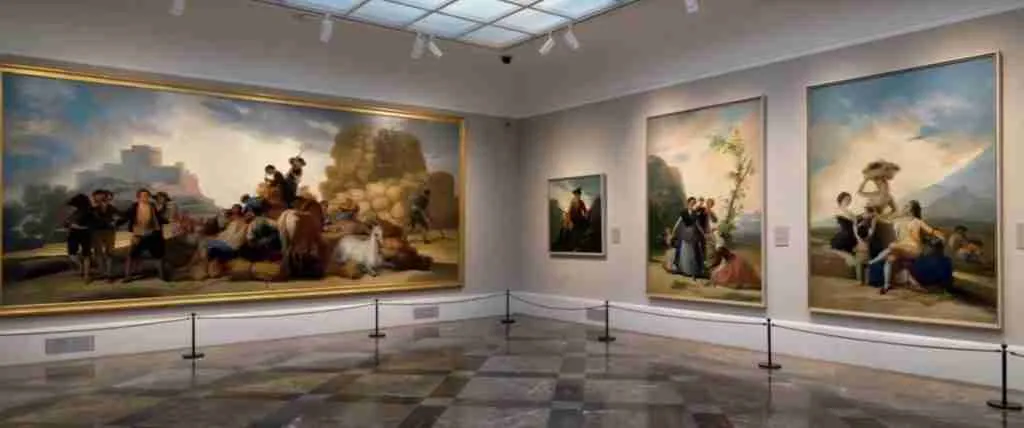
The Prado Museum ranks among the world’s premier art institutions, housing over 8,000 paintings including masterpieces by Velázquez, Goya, El Greco, Rubens, and Titian. The museum provides free admission Monday-Saturday 6 PM-8 PM and Sundays 5 PM-7 PM throughout 2026, allowing budget travelers access to Renaissance and Baroque collections that rival the Louvre and Uffizi. This generous policy reflects Spain’s commitment to cultural accessibility, ensuring that Velázquez’s Las Meninas, Goya’s Black Paintings, and Bosch’s Garden of Earthly Delights remain available regardless of economic means.
Strategic Prado visits during free hours require prioritization given the two-hour time limit. First-time visitors should focus on Spanish painting highlights: Velázquez’s royal portraits in rooms 12-16, Goya’s dark period works in rooms 64-67, and El Greco’s religious paintings in rooms 8B-10B. The main floor houses the essential Spanish collection, while the ground floor features Italian and Flemish masters including Titian, Tintoretto, Rubens, and Brueghel. Attempting comprehensive coverage during free hours creates frustration; targeted gallery visits deliver more satisfying experiences.
The museum’s free hours attract significant crowds, particularly during peak tourist season April-October. Lines form along the Goya entrance (Puerta de Goya) 45-60 minutes before 6 PM opening, with security screening adding 10-15 minutes to entry time. Winter months (November-March 2026) offer reduced wait times and more spacious gallery conditions. Sunday free hours from 5 PM-7 PM experience the heaviest traffic, making weekday evenings preferable for relaxed viewing. The museum provides free cloakrooms for bags, though queues develop here as well during busy periods.
Photography without flash is permitted throughout most galleries during free hours, allowing documentation of major works for later study. Audio guides cost €4 during paid hours but are unavailable during free admission periods. The museum’s official app provides free collection highlights, room-by-room navigation, and masterpiece descriptions accessible via smartphone throughout visits. Free museum maps at entrance desks help orientation across the large three-story building. Restrooms and water fountains cluster near main entrances and on each floor.
2. Retiro Park UNESCO World Heritage Gardens
Retiro Park achieved UNESCO World Heritage status in 2021 as part of Madrid’s “Landscape of Light” designation, recognizing 125 hectares of historic gardens, monuments, and cultural landscape in the city center. The park remains completely free to enter and explore throughout 2026, operating daily from 6 AM-midnight April-September and 6 AM-10 PM October-March. Originally created as a royal retreat in the 1630s, Retiro evolved into a public park in 1868, now welcoming over 100 million visitors annually who enjoy gardens, monuments, performances, and recreational activities at no cost.
The park’s principal attractions include the Great Pond (Estanque Grande) where visitors observe rowboats and the Alfonso XII Monument’s colonnade, the Crystal Palace (Palacio de Cristal) built in 1887 for exotic plant exhibitions, the Rosaleda rose garden featuring over 4,000 roses, and the Parterre Garden with its 400-year-old Ahuehuete cypress tree. The Fallen Angel statue represents one of few sculptures worldwide depicting Lucifer, situated on a pedestal exactly 666 meters above sea level. Each location offers photography opportunities, historical significance, and peaceful settings for picnicking or reading throughout 2026.
Retiro’s free cultural programming includes outdoor concerts during summer months, puppet shows for children on weekends, and occasional dance or theater performances in the park’s various clearings. The Crystal Palace and Velázquez Palace host contemporary art exhibitions (some free, others requiring small admission fees around €4). Street performers and artists gather along main pathways, particularly near the Great Pond and main entrances. The park’s multiple gates allow entry from different neighborhoods, with the Puerta de Alcalá entrance providing the most iconic approach via the monumental 1778 neoclassical arch.
Strategic Retiro visits in 2026 take advantage of different atmospheres throughout the day. Early morning (6 AM-9 AM) attracts joggers and offers serene, crowd-free exploration ideal for photography. Midday brings families, tourists, and peak activity around the Great Pond and main attractions. Late afternoon (5 PM-8 PM) provides beautiful light for photography, especially at the Crystal Palace where glass structure glows during golden hour. Evening visits before closing allow romantic sunset walks with fewer visitors. The park’s size permits hours of free exploration, with enough diversity to visit repeatedly without exhausting attractions during extended Madrid stays.
3. Free Walking Tours Through Historic Neighborhoods
Madrid supports multiple free walking tour operators in 2026, offering tip-based guided explorations across historic neighborhoods, architectural landmarks, and cultural themes. Tours depart daily from Plaza Mayor, Puerta del Sol, and other central locations, typically running 2-3 hours through areas like Habsburg Madrid, La Latina tapas district, literary quarter, Spanish Civil War sites, or modern Madrid architecture. Guides work exclusively for tips rather than fixed fees, creating pressure-free participation where travelers pay based on satisfaction and budget constraints after tour completion.
Standard free tours cover Madrid’s essential historical narrative, visiting Plaza Mayor, Mercado de San Miguel, Almudena Cathedral exterior, Royal Palace gardens, Plaza de Oriente, Opera district, and Gran Vía. Guides explain Habsburg Dynasty development of Madrid as capital, Bourbon architectural transformations, Civil War impacts, and Franco-era urban planning. Tours emphasize stories, historical context, and cultural insights beyond basic dates and building names, with English-language options departing at 10 AM, 11 AM, 2 PM, and sometimes 5 PM depending on season and operator.
Specialized free tours focus on specific themes, including Spanish Inquisition and religious history, Spanish Civil War battlegrounds and memorials, Madrid’s Golden Age literary figures (Cervantes, Lope de Vega, Quevedo), street art in Malasaña and Lavapiés neighborhoods, or tapas culture and culinary traditions. These thematic tours attract smaller groups with specific interests, providing more intimate experiences and deeper topic exploration. Food tours visit markets and historic taverns, though food sampling requires separate payment for items consumed.
Tour quality varies by guide expertise and group size, with smaller tours (under 15 people) delivering better experiences than large groups exceeding 25-30 participants. Peak season tours (April-October) attract maximum crowds, while off-season offerings (November-March 2026) provide more personalized attention. Tipping typically ranges €10-15 per person for standard tours, adjusted based on tour length, guide quality, and individual budget. Some travelers tip less during budget trips, though €10 minimum remains customary for 2-3 hour professional guided experiences. Tours require no advance booking, operating on first-come first-served basis at departure points.
4. Royal Palace Exterior and Sabatini Gardens
The Royal Palace of Madrid exterior and surrounding Sabatini Gardens, Campo del Moro gardens, and Plaza de Oriente remain freely accessible throughout 2026, providing exceptional architectural appreciation and garden experiences without interior palace admission (€13-17 for palace entry). The palace facade represents Europe’s largest royal residence by floor area, featuring 3,418 rooms across baroque and neoclassical design by architects Filippo Juvarra and Giovanni Battista Sacchetti. The exterior showcases limestone and granite construction, monumental scale, ornate decoration, and ceremonial plaza arrangements viewable at no cost any time.
Sabatini Gardens north of the palace offer geometric French-style landscaping, fountain features, trimmed hedges, and excellent palace facade photography angles completely free to enter daily 6 AM-10 PM October-March and 6 AM-midnight April-September. The gardens provide peaceful retreat from city activity, with benches for resting, shaded walkways for summer comfort, and viewpoint terraces overlooking western Madrid suburbs and Casa de Campo park. Campo del Moro gardens on the palace’s western slope feature English landscape design, extensive tree canopy, and downhill pathways toward Manzanares River, open free Tuesday-Sunday with Monday closures.
Plaza de Oriente between palace and Teatro Real opera house creates Madrid’s most elegant public square, featuring formal gardens, equestrian statue of Philip IV, and twenty sculptures of Spanish monarchs originally intended for palace roofline. The square remains accessible 24/7, attracting street musicians, vendors, and tourists who gather for palace views and architectural appreciation. The plaza’s cafes charge premium prices for terrace seating, but public benches throughout the square offer identical views at no cost. Sunset visits provide exceptional photography opportunities as western light illuminates the palace facade’s limestone in golden tones.
The Royal Palace hosts changing of the guard ceremonies on Wednesdays and Saturdays at noon when royals are not in residence, viewable free from plaza barriers. The ceremony lasts approximately 50 minutes, featuring cavalry, infantry, and military music in historical uniforms. Crowds gather from 11:30 AM, requiring early arrival for good viewing positions. The ceremony follows Spanish military tradition rather than tourist entertainment format, providing authentic cultural observation. No admission or tickets required for ceremony viewing, though palace interior access during the ceremony period requires standard paid admission.
5. El Rastro Flea Market Sunday Mornings
El Rastro operates as Madrid’s legendary open-air flea market every Sunday and public holiday morning throughout 2026, filling La Latina neighborhood streets from Plaza de Cascorro to Ribera de Curtidores with over 1,000 vendor stalls. The market runs approximately 9 AM-3 PM, attracting locals and tourists who browse antiques, vintage clothing, books, records, artwork, crafts, furniture, electronics, and collectibles. Simply wandering the market costs nothing, providing authentic Madrid cultural experience, people-watching opportunities, and insight into Spanish Sunday morning traditions without requiring purchases.
The market follows a geographical organization with different street sections specializing in particular goods. Ribera de Curtidores main avenue features larger furniture, antiques, and household items. Side streets branching west toward San Cayetano church specialize in vintage clothing, leather goods, and accessories. Streets near Plaza del General Vara del Rey concentrate books, records, stamps, coins, and collectibles. Modern clothing, cheap electronics, and tourist souvenirs dominate lower market sections near Metro La Latina. Understanding this layout allows targeted browsing or comprehensive market coverage depending on interests.
El Rastro delivers rich people-watching and cultural observation beyond merchandise browsing. The market attracts Madrid’s diverse population across age groups, social classes, and neighborhood backgrounds. Street performers, musicians, and artists perform throughout market routes. Small bars and cafes surrounding the market fill with locals enjoying Sunday vermouth and tapas tradition. The market’s energy, visual stimulation, bargaining interactions, and social atmosphere provide entertainment value whether or not purchases occur. Photography opportunities abound, though some vendors dislike camera focus on their merchandise without buying.
Strategic Rastro visits arrive between 10 AM-11 AM when market reaches full operation but before peak noon-1 PM crowds create uncomfortable congestion. Early arrival (9 AM-10 AM) offers easier movement but fewer stalls fully set up. After 2 PM, vendors begin packing, and merchandise selection decreases. Pickpocketing occurs in dense crowds; keeping bags secured and valuables in front pockets prevents theft. The market’s surrounding neighborhood features historic architecture, tapas bars, and La Latina streets worth exploring after market browsing. Metro La Latina provides easiest access, depositing visitors directly at market’s center.
6. Gran Vía Architecture and Street Life
Gran Vía, Madrid’s grand boulevard constructed 1910-1931, showcases early 20th-century architecture spanning Art Nouveau, Art Deco, rationalist, and eclectic styles across building facades accessible free 24/7 throughout 2026. The 1.3-kilometer avenue runs from Calle de Alcalá to Plaza de España, featuring buildings by architects Antonio Palacios, Teodoro Anasagasti, and Luis Gutiérrez Soto. Walking Gran Vía costs nothing while providing world-class architectural tourism, theater district atmosphere, shopping observation, and quintessential Madrid urban experience.
Notable architectural landmarks include the Metrópolis Building (1911) with its ornate dome and winged victory statue, Telefónica Building (1929) representing Madrid’s first skyscraper, Capitol Building (1933) with Art Deco cinema facade, and Edificio Carrión (1933) featuring curved corner design and rooftop Schweppes sign. Each building represents distinct architectural approaches and construction periods, collectively documenting Madrid’s early modern development. Building facades feature decorative elements, sculptural details, and ornamental ironwork viewable from sidewalk perspectives without building interior access.
Gran Vía’s street life provides continuous free entertainment throughout 2026. The avenue serves as Madrid’s theater district, with marquees advertising musicals, plays, and performances (though shows require paid tickets). Street performers, musicians, and living statues occupy sidewalk spaces, particularly between Metro Callao and Metro Gran Vía stations. The boulevard attracts crowds from morning through late night, with distinct atmospheres across different hours. Morning (8 AM-11 AM) brings business commuters and relaxed walking pace. Afternoon (2 PM-7 PM) features shopping activity and tourist peak. Evening (8 PM-midnight) transforms the avenue into entertainment zone with theater-goers, diners, and nightlife crowds.
The avenue’s numerous flagship stores, including Zara, H&M, Primark, Fnac, and department stores, welcome window shopping without purchase pressure. Building lobbies with artistic or architectural interest sometimes permit brief entry for observation, though most commercial spaces restrict access to customers. Side streets branching north into Chueca neighborhood and south toward Sol offer additional free architectural exploration. The entire Gran Vía walk from Alcalá to Plaza de España takes 20-25 minutes at leisurely pace, with countless photo opportunities, architectural details, and urban observation moments throughout the route.
7. Templo de Debod Egyptian Temple
Templo de Debod, an authentic 2,200-year-old Egyptian temple relocated to Madrid in 1968, stands freely accessible in Parque del Oeste throughout 2026. Egypt gifted the temple to Spain for assistance saving Nubian monuments during Aswan Dam construction, making it one of few complete Egyptian temples outside Egypt. The temple sits on elevated ground providing exceptional sunset viewpoints over Casa de Campo park and western Madrid skyline. Temple exterior remains accessible 24/7 at no cost, while interior visits require free timed entry tickets Tuesday-Sunday 10 AM-8 PM.
The temple structure dates to the 2nd century BCE, originally built by Ptolemaic pharaoh Ptolemy IV and later expanded by Roman emperors. The monument features carved reliefs depicting Egyptian deities, hieroglyphic inscriptions, and architectural elements characteristic of Nubian temple design. The temple reconstruction in Madrid required four years (1970-1972), carefully reassembling stone blocks according to archaeological documentation. The surrounding reflecting pool mirrors the temple’s form, creating photographic compositions especially striking during golden hour light conditions.
Temple interior access requires free tickets distributed at entrance gate, limited to 30-minute visits during museum hours. Interior chambers display original carved reliefs, columns with lotus capitals, and explanatory panels detailing temple history, Egyptian religion, and relocation process. The interior offers climate-controlled relief from Madrid heat during summer visits, though exterior temple observation and surroundings provide equally valuable experiences without interior entry. Weekend interior visits experience longest waits, while weekday mornings deliver easiest access to free interior tickets.
The temple’s location in Parque del Oeste creates one of Madrid’s premier free sunset viewing locations. Crowds gather on temple plaza steps and surrounding lawns 30-60 minutes before sunset throughout 2026, particularly April-September when extended daylight allows evening visits. The western view encompasses Casa de Campo park’s tree canopy, distant mountain ranges, and urban sprawl without obstructing buildings. Street musicians and artists frequent the temple area during sunset hours. The park setting permits extended stays before and after sunset, with pathways descending to Rosaleda rose garden and additional free park sections.
8. La Latina and Lavapiés Neighborhood Exploration
La Latina and Lavapiés neighborhoods preserve Madrid’s most authentic historic character, featuring medieval street patterns, centuries-old architecture, immigrant cultural diversity, and working-class traditions accessible through free walking exploration throughout 2026. These adjacent barrios south of city center contrast with tourist-focused areas, offering genuine residential neighborhoods where locals shop at markets, gather in plazas, and maintain traditional lifestyles. Simply wandering these neighborhoods costs nothing while delivering cultural immersion, architectural discovery, and authentic Madrid experience beyond sanitized tourist zones.
La Latina centers on Plaza de la Paja, medieval Madrid’s main marketplace now surrounded by tapas bars, historic buildings, and the San Andrés church complex. Narrow streets like Cava Baja and Cava Alta feature 17th-19th century buildings housing traditional taverns, though tapas consumption requires spending. The neighborhood’s streets reward aimless wandering, revealing hidden plazas, historic facades, iron balconies, and architectural details from Habsburg and Bourbon periods. Sunday mornings bring El Rastro flea market crowds, while evenings attract locals participating in “ir de cañas” (bar hopping) tradition.
Lavapiés represents Madrid’s most multicultural neighborhood, historically Jewish quarter now home to immigrant communities from South Asia, North Africa, Latin America, and West Africa. The neighborhood features international grocery stores, ethnic restaurants, cultural centers, and street art covering building facades. Calle del Sombrerete and surrounding streets showcase vibrant murals by local and international artists. Plaza de Lavapiés serves as neighborhood social hub with outdoor seating, fountain, and mix of traditional Spanish bars alongside immigrant-run businesses. The neighborhood’s authenticity and diversity provide Madrid experiences absent from tourist-centered areas.
Both neighborhoods feature free cultural programming during 2026, including neighborhood association events, street festivals (fiestas), outdoor concerts in summer, and community gatherings in public plazas. The Corrala building at Calle del Sombrerete 13 represents traditional Madrid working-class housing with open-air corridors and courtyard, partially visible from street level. These neighborhoods reward multiple visits as street life, plaza activity, and cultural observations vary throughout the day and week. Evening visits capture the neighborhoods’ energy as locals fill streets and plazas, while morning exploration offers architectural observation and market shopping atmosphere.
9. Cibeles Palace and Fountain Plaza
Plaza de Cibeles and the Cibeles Fountain create Madrid’s most iconic intersection, featuring neoclassical architecture, monumental sculpture, and architectural landmarks accessible free 24/7 throughout 2026. The fountain depicts goddess Cybele in chariot drawn by lions, designed by Ventura Rodríguez and completed in 1782. Surrounding buildings include Cibeles Palace (formerly Communications Palace), Bank of Spain, Palacio de Linares, and Palacio de Buenavista, collectively forming one of Europe’s grandest urban plazas viewable at no cost from multiple angles.
Cibeles Palace offers free access to its ground floor CentroCentro cultural center, featuring contemporary exhibitions, information displays about Madrid urban planning, and public spaces. The building’s interior courtyard and main halls showcase spectacular early 20th-century architecture including stained glass ceiling, marble staircases, and ornate decoration. The palace rooftop mirador charges €3 for viewpoint access but ground floor areas remain completely free throughout 2026. The palace café occupies one interior space, but building exploration requires no purchase obligation.
The fountain serves as Real Madrid celebration location when the football club wins championships, with players traditionally riding on open-top bus around the fountain while thousands of fans gather. During non-celebration periods, the fountain remains accessible for photography, plaza sitting, and architectural appreciation. The fountain’s sculptural details reward close examination, with lion musculature, goddess drapery, and chariot decoration showcasing 18th-century neoclassical sculptural mastery. Nighttime illumination transforms the fountain into dramatic golden spectacle particularly photogenic during evening hours.
The plaza’s scale and surrounding architecture create multiple free observation angles throughout 2026. The Cibeles Palace steps provide elevated viewing position capturing fountain and Bank of Spain building together. The plaza’s southeast corner near Paseo del Prado offers comprehensive view including all major buildings and fountain composition. Evening visits between 8 PM-10 PM provide optimal light conditions as building illumination activates and fountain lighting creates dramatic effects. The plaza connects directly to Retiro Park entrance via short walk along Paseo del Prado, allowing combined free itineraries linking multiple major attractions.
10. Malasaña Urban Art and Street Culture
Malasaña neighborhood emerged as Madrid’s countercultural center during 1980s Movida Madrileña movement, maintaining alternative character through independent boutiques, music venues, and extensive street art covering building facades. The neighborhood bounded by Gran Vía, Calle de Fuencarral, Calle de Carranza, and Calle de San Bernardo offers free exploration of urban art, vintage shopping observation, plaza life, and subcultural atmosphere throughout 2026. Walking Malasaña costs nothing while immersing visitors in contemporary Madrid youth culture and artistic expression beyond classical tourist attractions.
Street art concentrates on Plaza del Dos de Mayo and surrounding streets including Calle del Pez, Calle de Velarde, Calle de la Palma, and Travesía de San Mateo. Murals range from political statements to abstract designs, figurative portraits, and commercial art for businesses. Notable walls change periodically as new artists cover previous works, making each visit potentially reveal new artistic content. The neighborhood’s artistic character extends to building facades, doorways, graffiti, stencils, and artistic interventions throughout the urban fabric. Photography of street art remains unrestricted throughout 2026.
Plaza del Dos de Mayo serves as neighborhood social center, featuring outdoor seating, fountain, and constant activity from morning through late night. The plaza name commemorates Madrid’s 1808 uprising against Napoleon’s occupation, referenced by artillery monument centerpiece. The plaza’s cafes charge for table service but surrounding benches and fountain area remain free public space. The plaza attracts diverse crowds including students, artists, families, and tourists throughout 2026. Weekend evenings bring peak activity with live music, street performers, and social gatherings filling the space.
The neighborhood’s side streets feature independent boutiques, vintage clothing stores, record shops, and used bookstores welcoming browsing without purchase pressure. These businesses contribute to neighborhood character, offering alternatives to mainstream shopping areas along Gran Vía or Salamanca district. The neighborhood’s restaurant and bar scene caters to younger demographics and tighter budgets than tourist-centered areas, though food and drink require spending. The neighborhood’s atmosphere, architectural observation, people-watching, and countercultural character provide free entertainment value throughout extended walks. Evening visits capture the neighborhood’s energy as nightlife activity begins and street life intensifies.
Strategic Planning for Free Madrid Activities in 2026
Creating Multi-Day Free Itineraries
Combining multiple free activities across consecutive days in 2026 requires geographic organization and energy management to prevent exhaustion. Day one might focus on central museums and monuments: Prado during free evening hours, Royal Palace exterior and Sabatini Gardens afternoon exploration, and Plaza Mayor evening wandering. Day two could emphasize parks and neighborhoods: morning Retiro Park visit, afternoon La Latina exploration, and Templo de Debod sunset. Day three targets alternative culture: Gran Vía architecture walk, Malasaña street art afternoon, and Reina Sofía Museum evening free hours.
Sunday itineraries in Madrid 2026 necessarily incorporate El Rastro flea market during morning hours, followed by La Latina tapas neighborhood observation, afternoon rest, and evening museum free hours. The Sunday schedule provides full-day entertainment without spending beyond optional food and drink. Monday itineraries benefit from Thyssen-Bornemisza free hours (12 PM-4 PM) rather than Prado or Reina Sofía which charge full admission Mondays. Strategic day planning accounts for museum closing days, free hour schedules, and energy levels to maximize free activity participation.
Multi-day free Madrid visits benefit from mixing active exploration with relaxed observation time. Back-to-back intensive museum visits and neighborhood walking cause fatigue reducing enjoyment and attention quality. Alternating active days with lighter schedules incorporating longer park visits, plaza sitting, and neighborhood cafe observation (bring water and snacks to avoid purchase requirements) maintains sustainable pace throughout extended stays. Madrid’s climate favors outdoor activities spring and fall 2026, while summer heat necessitates midday breaks in museums or parks with shade coverage.
Budget Optimization Beyond Free Activities
Even focusing on free activities, Madrid visits require some spending on accommodation, food, and occasional paid attractions in 2026. Budget accommodation in hostels costs €15-30 per night for dorm beds, while private budget hotel rooms range €40-80 nightly depending on season and location. Grocery store meals and picnics in parks reduce food costs to €15-25 daily compared to €40-60 for restaurant dining. The Tourist Travel Pass at €8.40 daily provides unlimited transportation supporting free activity access across the city.
Free activities provide foundation for budget Madrid visits but benefit from strategic spending on complementary experiences. The €13 Royal Palace interior admission, €15 Prado full access during open hours, and €10 climbing Circulo de Bellas Artes rooftop supplement free offerings without excessive spending. Allocating €20-40 for selective paid attractions while maximizing free museums, parks, and neighborhoods balances cultural depth with budget constraints. The free activities outlined provide sufficient content for 3-5 satisfying Madrid days even without any paid attraction spending.
Food spending represents the largest variable expense beyond accommodation in 2026. Madrid supermarkets (Mercadona, Lidl, Carrefour) offer fresh produce, prepared foods, and groceries at fraction of restaurant costs. Picnicking in Retiro Park, Royal Palace gardens, or neighborhood plazas using supermarket purchases eliminates meal expenses while enjoying outdoor dining. Spanish breakfast (breakfast bars serve coffee and pastry for €2-3) costs significantly less than lunch or dinner. The menu del día lunch special (€12-15) provides three-course meal with drink at better value than à la carte dinner ordering. Strategic food choices extend budget for longer stays or supplement money for selective paid attractions.
Seasonal Considerations for Free Activities 2026
Spring Season March-May 2026
Spring delivers ideal conditions for Madrid free activities in 2026, combining pleasant temperatures (15-25°C), manageable tourist crowds before peak summer, and extended daylight hours for evening museum visits and sunset viewpoints. Retiro Park’s gardens reach peak beauty during April-May with blooming roses, flowering trees, and vibrant spring foliage. Outdoor activities like walking tours, neighborhood exploration, and park visits occur comfortably without extreme heat or rain concerns. Easter week (April 2026) brings increased visitors but also cultural processions and events throughout the city.
Spring museum free hours benefit from comfortable waiting temperatures and less crowded galleries than summer months. The 6 PM-8 PM Prado free period aligns well with spring sunset timing (8 PM-9 PM), allowing museum visits followed by evening neighborhood walks or Gran Vía strolling. Spring weather encourages longer outdoor stays at Templo de Debod sunset viewing, El Rastro Sunday market browsing, and Malasaña plaza sitting without discomfort. Rain occurs occasionally during spring months, requiring backup indoor plans on wet days.
Spring 2026 brings various free cultural festivals and events throughout Madrid neighborhoods. San Isidro Festival in mid-May celebrates Madrid’s patron saint with free concerts, cultural events, neighborhood activities, and open-air programming across the city. Many events require no admission, supplementing year-round free activities with seasonal cultural experiences. Spring represents optimal season for combining maximum free activities with best weather conditions and reasonable crowd levels before summer tourist peak.
Summer Season June-August 2026
Summer brings peak tourist crowds and intense heat (30-40°C) affecting free activity enjoyment in 2026. Museum free hours experience longest queues and most crowded galleries, requiring patience and earlier arrival for entry. Outdoor activities like neighborhood walking and park exploration necessitate morning or evening timing to avoid midday heat. Retiro Park provides shade under tree canopy and around Crystal Palace, making it summer refuge during hot afternoons. Water fountains throughout parks and plazas offer free hydration, essential during summer heat exposure.
Summer evenings extend useful activity hours significantly in 2026. Sunset occurs 9:30 PM-10 PM during June-July, allowing museum visits, dinner, and subsequent neighborhood walks or plaza observations in comfortable temperatures. Gran Vía, La Latina, and Malasaña neighborhoods maintain active street life until midnight or later during summer, with outdoor seating, performers, and social gatherings continuing long after sunset. The extended daylight and active evening culture compensate for uncomfortable midday conditions.
Summer free activities benefit from numerous outdoor cultural events including neighborhood festivals, open-air cinema screenings, concerts in parks, and plaza performances. Veranos de la Villa summer program presents free and low-cost cultural events July-August throughout Madrid. Many neighborhoods organize free outdoor activities and entertainment during summer evenings. Despite heat and crowds, summer offers maximum cultural programming and liveliest street atmosphere, particularly for visitors who adjust schedules toward evening and night activities.
Fall Season September-November 2026
Fall provides Madrid’s second optimal season for free activities in 2026, combining comfortable temperatures (15-25°C September-October), reduced tourist numbers after summer peak, and continued pleasant weather through early November. Museum free hours experience more manageable crowds and shorter queues than summer months. Parks display autumn colors during October-November, creating beautiful photography conditions and pleasant walking weather. Fall timing allows full-day activity schedules without extreme heat or cold limitations.
September maintains summer-like evening activity levels while October transitions toward quieter fall atmosphere. Cultural programming continues through September with festivals and events gradually decreasing toward November. El Rastro flea market operates with comfortable temperatures ideal for morning browsing without summer heat or winter cold. Walking tours, neighborhood exploration, and outdoor observation activities occur optimally during fall conditions throughout 2026.
November weather becomes more variable with increased rain probability and cooler temperatures (10-18°C), requiring layered clothing and rain protection. Fall represents excellent season for visitors prioritizing comfortable conditions over maximum cultural programming. The balance of moderate weather, reasonable crowds, and operational free activities makes September-October particularly appealing for budget travelers seeking optimal Madrid experiences without peak season drawbacks.
Winter Season December-February 2026
Winter brings Madrid’s lowest tourist numbers, coldest temperatures (5-15°C), and shortest daylight hours affecting free activity timing in 2026. Museum free hours benefit from minimal crowds and most relaxed gallery conditions throughout the year. Winter visits allow extended museum time and better artwork viewing without summer crush. Indoor activities including museums, palace exteriors, and covered market exploration work well during winter weather, while outdoor parks and walking tours require appropriate clothing for cold conditions.
Winter sunset occurs 5:30 PM-6 PM December-January, limiting daylight for outdoor photography and observation activities. Templo de Debod sunset viewing shifts earlier, as do optimal times for park visits and neighborhood walks. Winter evenings bring earlier darkness but also beautiful illumination of monuments, plazas, and Gran Vía architecture creating photogenic night scenes. Christmas season (December) transforms Madrid with elaborate lighting displays, nativity scenes, and festive decorations throughout central plazas and shopping streets at no viewing cost.
Winter represents ideal season for budget travelers prioritizing museum access over outdoor activities in 2026. The combination of minimal crowds at free museum hours, maximum indoor comfort, and lowest accommodation prices make winter attractive despite weather limitations. Retiro Park remains accessible and beautiful during winter, though fewer visitors and bare trees create different atmosphere than spring-summer vibrancy. Winter requires weather-appropriate clothing but delivers Madrid’s most authentic, least touristy character throughout the season.
Planning Your Free Madrid Experience for 2026
Arrival and Orientation Strategies
New Madrid arrivals in 2026 benefit from starting with free orientation activities before intensive museum visits or neighborhood exploration. A free walking tour departing from Plaza Mayor provides historical context, geographic orientation, and major landmark identification during first morning in the city. The tour introduces central neighborhoods, metro system, and practical information supporting subsequent independent exploration. Following the walking tour with relaxed Retiro Park visit and Royal Palace exterior observation creates manageable first-day itinerary establishing Madrid foundations.
The metro system requires brief familiarization but provides essential access to dispersed free attractions. Tourist Travel Pass purchase at airport metro station or any city metro station enables unlimited travel supporting free activity access throughout visits. Understanding metro line colors, transfer stations, and major stops (Sol, Gran Vía, Opera, Retiro, La Latina) facilitates confident navigation. Madrid’s center remains walkable between many attractions, with metro filling gaps for longer distances or time constraints.
Maps and smartphone apps support free activity planning and navigation throughout 2026. Google Maps provides walking directions and metro routing. The official EMT Madrid app tracks bus arrivals. Museum websites list current free hour schedules and exhibition information. Weather apps inform clothing choices and outdoor activity timing. Combined, these free resources enable comprehensive planning without purchasing guidebooks or paying for tour services beyond tip-based walking tours.
Photography and Documentation
Free activities throughout Madrid provide exceptional photography opportunities across architectural, cultural, and urban subjects in 2026. Museums permit photography without flash during both paid and free hours, allowing documentation of masterworks by Velázquez, Goya, and other masters. Retiro Park, Templo de Debod, Cibeles Plaza, and Royal Palace exteriors offer unlimited photography without restrictions. Street photography in neighborhoods like La Latina, Malasaña, and along Gran Vía captures Madrid urban life and architectural character.
Optimal photography timing varies by subject and season. Morning light (8 AM-10 AM) works well for eastern-facing facades along Gran Vía and Retiro Park tree-lit scenes. Golden hour (one hour before sunset) provides warm light ideal for Templo de Debod, Royal Palace western facade, and Cibeles fountain. Blue hour (30 minutes after sunset) creates dramatic conditions for illuminated monument photography including Cibeles Plaza and Gran Vía architecture. Museums permit photography throughout free hours, though flash prohibition requires camera ISO adjustment in darker galleries.
Photography documentation serves both memory preservation and practical planning functions for future visits. Photographing museum gallery layouts and specific artwork locations aids navigation during subsequent visits. Street photography captures architectural details, neighborhood character, and cultural observations worth revisiting or sharing. Free activities inherently allow unlimited photography time without rushing associated with paid tours or timed admissions. Madrid’s visual richness across free activities provides content for extensive photographic documentation throughout 2026 visits.
Frequently Asked Questions About Free Madrid Activities 2026
Can you really see Madrid’s main attractions without spending money?
Madrid enables comprehensive cultural experiences without spending on attraction admissions through generous free museum hours, extensive public parks, accessible monuments and plazas, and walkable historic neighborhoods in 2026. The Prado Museum’s free hours provide access to one of world’s greatest art collections. Retiro Park’s 125 hectares offer UNESCO World Heritage gardens at no cost. Royal Palace exteriors, Gran Vía architecture, and historic neighborhoods remain freely accessible 24/7. While spending enhances experiences through paid museums, tours, and restaurants, Madrid’s free offerings alone provide 3-5 days of substantive cultural engagement, architectural appreciation, and authentic urban experiences without admission costs.
How much money do you actually save using free activities in Madrid 2026?
Strategic free activity planning in 2026 eliminates €50-100 daily per person in typical museum admissions, tours, and paid attraction costs. Prado admission costs €15 regular hours versus free during designated times. Reina Sofía charges €12 versus evening free access. Royal Palace interior costs €13 but exterior and gardens remain free. Walking tours accept tips (€10-15) rather than €25-40 standard tour prices. Combined, focusing on free activities saves €200-400+ during a 4-5 day Madrid visit, allowing budget reallocation toward accommodation, food, or selective paid attractions. Even mixing free and paid activities significantly reduces overall trip costs while maintaining cultural depth and attraction variety.
Do free museum hours have the same access as paid admission?
Free museum hours in 2026 provide complete gallery access identical to paid admission periods, though time limits and crowds affect experiences differently. The Prado’s two-hour free window permits viewing any gallery open during that period, including major masterworks and permanent collection highlights. Some temporary exhibitions may require separate paid tickets even during free hours. Free admission visitors queue separately and undergo same security screening as paid visitors. Museums prioritize paid ticket holders when crowd capacity reaches limits, occasionally restricting free admission visitor flow to manage gallery congestion. Despite these limitations, free hours deliver genuine museum experiences with complete collection access rather than restricted previews or limited sections.
What’s the best day for free activities in Madrid 2026?
Sunday provides optimal free activity concentration in 2026, combining El Rastro flea market morning entertainment, afternoon Retiro Park visits, free cathedral access, and evening Prado Museum hours (5 PM-7 PM). Sundays also feature neighborhood cultural programming, open plazas with local gatherings, and authentic Madrid Sunday atmosphere including vermouth tradition and family outings. However, Sunday museum free hours experience heaviest crowds, making weekday evenings preferable for relaxed gallery viewing. Mondays offer Thyssen-Bornemisza free hours (12 PM-4 PM) when other museums charge full admission. Optimal strategy involves Sunday for outdoor and neighborhood activities, weekday evenings for museum free hours, combining advantages across multiple days rather than concentrating all free activities on single day.
Are free walking tours really free in Madrid 2026?
Walking tours marketed as “free” operate on tip-based compensation model rather than traditional free service in 2026. Tours have no upfront fee, advance booking cost, or mandatory payment, but guides work exclusively for tips provided at tour conclusion based on participant satisfaction and budget. Standard tipping ranges €10-15 per person for 2-3 hour tours, though travelers determine final amounts independently. This model provides budget flexibility unavailable with fixed-price tours while supporting local guides through direct compensation. Travelers can participate with minimal spending during budget constraints or tip generously after excellent experiences. The “free” designation indicates no mandatory upfront cost rather than completely cost-free service, though participants determine whether and how much to compensate guides.
Can families with children enjoy Madrid’s free activities?
Madrid’s free activities accommodate families throughout 2026, particularly Retiro Park with playgrounds, boat pond, street performers, and expansive lawns for running. El Rastro market provides sensory stimulation and cultural observation interesting for children. Royal Palace exterior and gardens offer architectural appreciation and outdoor exploration. Some museums during free hours welcome families, though time restrictions and crowds challenge visits with young children requiring flexible pacing. Plaza observations, neighborhood walks, and park activities work better for families than intensive museum visits during constrained free hours. Free walking tours accommodate children when interesting, though 2-3 hour walking duration exceeds some children’s attention spans. Madrid’s free offerings provide substantial family entertainment, especially when focusing on parks, outdoor spaces, and neighborhood exploration rather than exclusively museum-focused itineraries.
What free activities work well during bad weather in Madrid 2026?
Rainy days in 2026 shift focus toward indoor free activities including museum free hours, CentroCentro cultural center ground floor at Cibeles Palace, covered market observation (Mercado San Miguel exterior viewing), shopping arcade window browsing, and metro-accessible attractions minimizing outdoor exposure. Museums provide climate-controlled environments ideal for weather-independent cultural experiences. Gran Vía architecture viewing continues during light rain under building arcades and covered sections. Library reading rooms offer free indoor spaces, though tourist access may be restricted. Planning backup indoor options for every outdoor activity ensures weather changes don’t eliminate free entertainment options. Madrid’s relatively dry climate makes extended rain periods uncommon, but having indoor alternatives prevents wasted time during occasional wet days.
How does Madrid’s free culture compare to other European capitals in 2026?
Madrid offers exceptionally generous free cultural access compared to peer European capitals in 2026. London’s major museums maintain permanent free admission but charge for temporary exhibitions. Paris requires payment for Louvre, Musée d’Orsay, and most premier institutions, offering limited free Sunday programs. Rome provides free access to churches and piazzas but charges for museums and monuments. Berlin’s Museum Island requires paid tickets despite some institutions offering Thursday evening discounts. Madrid’s combination of world-class museum free hours (Prado, Reina Sofía), extensive UNESCO park access, and freely accessible monuments creates unusual generosity among major European destinations. This cultural accessibility policy reflects Spanish governmental commitment to public culture, making Madrid particularly attractive for budget-conscious travelers seeking premium cultural experiences without premium costs.
Should you focus exclusively on free activities or mix with paid attractions?
Optimal Madrid experiences in 2026 combine free activities with selective paid attractions based on individual interests and budget constraints. Free museum hours provide excellent introductions but time limits prevent comprehensive collection engagement. Paying for Prado full access (€15) allows relaxed viewing across 3-4 hours versus rushed two-hour free window. Royal Palace interior (€13) supplements exterior observation with exceptional room decoration and historical context. Strategic spending on 2-3 paid attractions (€30-50 total) while maximizing free activities creates balanced itineraries delivering cultural depth without excessive costs. Purely free itineraries work well for strict budget travelers or those prioritizing quantity of experiences over depth. Mixed approaches suit most visitors, using free activities as foundation supplemented by selected paid attractions matching specific interests without unlimited spending.
What free activities capture authentic Madrid versus tourist experiences?
Authentic local experiences in 2026 emphasize neighborhood exploration over monument tourism. El Rastro market attracts genuine Madrid locals alongside tourists every Sunday. La Latina and Lavapiés neighborhood walks reveal residential life, small businesses, and community gathering spaces. Retiro Park functions as local recreation space where Madrid families, joggers, and elderly residents spend leisure time. Plaza observations in Malasaña or around Templo de Debod capture authentic social patterns and cultural practices. These activities cost nothing while providing cultural immersion beyond sanitized tourist zones. Conversely, museum free hours, Royal Palace viewing, and Gran Vía walks attract primarily tourist populations, though architectural and artistic value remains high. Balancing both approaches creates comprehensive Madrid understanding encompassing both tourist highlights and authentic local culture throughout free exploration.