
Luxor Travel Guide 2026: Ultimate Planning Resource
Key Takeaways
- Essential 2026 Planning: Luxor combines extraordinary archaeological sites with practical accessibility, requiring 3-4 days minimum for comprehensive exploration of both East and West Bank monuments
- Strategic Timing for 2026: October-November and February-March offer optimal temperatures (20-28°C) with manageable crowds, while summer months (June-August) bring extreme heat but 40-50% lower accommodation rates
- Budget Framework 2026: Daily costs range €60-90 for budget travelers, €120-180 for mid-range visitors, and €250-400 for luxury experiences, with West Bank multi-site tickets at €360 EGP (€11) providing exceptional archaeological value
- Transportation Infrastructure 2026: Luxor International Airport connects directly to Cairo (1 hour), overnight sleeper trains offer comfortable alternatives (€50-80), and East-West Bank ferry crossings cost just €1-2 providing authentic local transport
- Advance Booking Benefits 2026: Securing hot air balloon flights, Nile cruise segments, and Valley of the Kings tickets 2-3 months ahead ensures availability during peak season while capturing early-bird discounts of 15-25%
- Archaeological Access 2026: Valley of the Kings permits entry to three tombs with standard admission (€240 EGP/€7), while premium tombs including Tutankhamun require separate tickets, creating flexible exploration based on individual interests
Introduction: Planning Your Luxor Experience in 2026
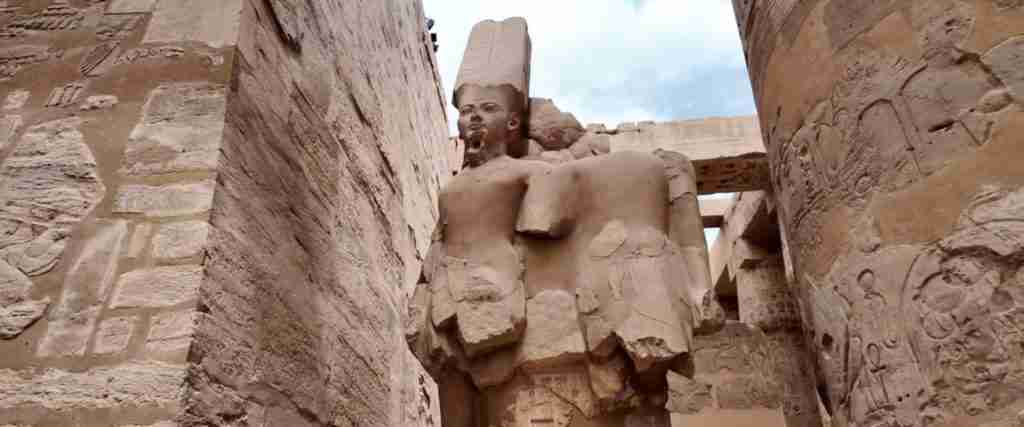
Luxor stands as humanity’s greatest open-air museum, where the ancient Egyptian capital of Thebes reveals its magnificent archaeological treasures across both banks of the Nile River. This UNESCO World Heritage site encompasses the monumental Karnak Temple Complex, the elegant Luxor Temple, the legendary Valley of the Kings containing royal tombs including Tutankhamun’s, the Temple of Hatshepsut carved into limestone cliffs, and dozens of additional temples, tombs, and monuments spanning 4,000 years of continuous civilization. Planning your 2026 Luxor journey requires understanding the practical realities of visiting one of archaeology’s most concentrated treasure troves, where strategic timing, efficient transportation between monuments, and informed ticket purchasing transform a standard tourist visit into an immersive encounter with pharaonic grandeur.
The 2026 travel landscape in Luxor combines enhanced archaeological access with improved visitor infrastructure, as Egypt’s tourism sector continues investing in conservation efforts, interpretive centers, and accessibility improvements throughout the Ancient Thebes complex. Recent restoration projects have reopened previously closed tombs, expanded visitor capacity at major monuments, and introduced advanced ticketing systems that streamline entry procedures. Understanding current pricing structures, optimal seasonal timing, accommodation categories spanning from traditional guesthouses to Nile-view luxury resorts, and transportation networks connecting East Bank temples with West Bank necropolises ensures your 2026 Luxor experience maximizes both archaeological discovery and practical comfort. This comprehensive planning guide provides the detailed information necessary for crafting an extraordinary journey through Egypt’s most spectacular concentration of pharaonic monuments.
People Also Ask About Luxor 2026
How much does it cost to visit Luxor in 2026?
Visiting Luxor in 2026 requires budgeting across several cost categories that vary significantly based on travel style. Entry tickets to major archaeological sites form the primary expense, with Karnak Temple at €200 EGP (€6), Luxor Temple at €160 EGP (€5), and the essential West Bank multi-site ticket covering Valley of the Kings, Hatshepsut Temple, and Medinet Habu at €360 EGP (€11). Check the official Ministry of Tourism and Antiquities website for current rates as pricing may vary. Premium tomb access requires additional tickets, with Tutankhamun’s tomb at €300 EGP (€9) and Seti I’s spectacular tomb at €1,000 EGP (€30). Transportation costs remain remarkably affordable, with East-West Bank ferry crossings at €1-2, local taxis negotiating to €5-8 for cross-town journeys, and bicycle rentals on the West Bank at €3-5 daily providing independent mobility.
Accommodation represents the largest variable expense in 2026 Luxor budgets. Budget guesthouses and hostels range €15-25 per night for basic rooms with fans, mid-range hotels with air conditioning and breakfast cost €40-70 nightly, while Nile-view properties and restored heritage hotels command €120-200 per night. Dining expenses prove equally flexible, with local Egyptian restaurants serving filling meals for €3-6, mid-range establishments charging €12-20 per person, and hotel restaurants and Nile-view dining reaching €25-40. Guided services add substantial value, with private Egyptologist guides charging €40-60 for half-day tours and €70-100 for full-day explorations. Hot air balloon flights over the West Bank monuments cost €80-120 per person for sunrise departures. Daily costs typically total €60-90 for budget-conscious travelers, €120-180 for mid-range comfort, and €250-400 for luxury experiences including private guides, premium accommodations, and exclusive access arrangements.
When is the best time to visit Luxor in 2026?
The optimal months for visiting Luxor in 2026 fall within October-November and February-March, when daytime temperatures range 20-28°C creating comfortable conditions for extended outdoor exploration of archaeological sites. These shoulder seasons provide the ideal balance between pleasant weather and manageable tourist volumes, with November particularly attractive as autumn temperatures cool while winter high season has not yet reached peak intensity. February and March offer warming temperatures after winter’s coolest period, with desert landscapes displaying occasional wildflowers following rare winter rains. These months allow comfortable full-day itineraries visiting multiple West Bank monuments without the exhaustion of summer heat, while sunrise and sunset lighting conditions create spectacular photographic opportunities across temple complexes and mountain-backed necropolises.
December-January constitutes high season in Luxor, bringing the largest tourist volumes alongside the coolest temperatures (15-24°C) and premium pricing across accommodations and guided services. Winter months require advance booking for popular services including hot air balloon flights and experienced Egyptologist guides, with availability tightening during Christmas and New Year periods. Summer months (June-August) present extreme heat with daytime temperatures exceeding 40°C, creating challenging conditions for archaeological exploration but offering substantial cost advantages with accommodation rates dropping 40-50% and crowd levels falling dramatically. Summer visitors should schedule monument visits during early morning hours (6-10 AM) and late afternoon periods (4-6 PM), dedicating midday hours to air-conditioned museums and indoor activities. Spring (April-May) and autumn (September) represent transitional periods with moderate temperatures, reasonable pricing, and modest tourist volumes, though spring occasionally brings khamsin winds carrying Saharan sand that reduces visibility and increases temperatures temporarily.
Do you need advance bookings for Luxor monuments in 2026?
Most major Luxor monuments including Karnak Temple, Luxor Temple, Valley of the Kings, and Hatshepsut Temple operate on walk-up ticket purchasing at site entrances, with advance reservations not required for standard access during 2026. These principal archaeological sites maintain sufficient capacity to accommodate daily visitor volumes, with tickets purchased directly at ticket offices located near monument entrances. The Valley of the Kings ticket office opens 6:00 AM daily, allowing early arrivals to secure entry before tour groups arrive around 9-10 AM. Standard admission grants access to three tombs selected from the approximately 10-12 tombs open on any given day, with rotation schedules designed to manage conservation requirements while providing varied visitor experiences. This walk-up system provides flexibility for independent travelers adjusting itineraries based on weather conditions, personal energy levels, and spontaneous interests.
However, several popular services and premium experiences require advance booking to guarantee availability during the 2026 season. Hot air balloon flights over the West Bank monuments operate daily at sunrise but maintain limited capacity, with reputable operators requiring reservations 2-4 weeks ahead during peak season (December-February) and 1-2 weeks advance booking during shoulder periods. Private Egyptologist guides command premium rates and schedule quickly during high season, with advance arrangements 3-4 weeks recommended for securing experienced guides with specialized knowledge in particular archaeological periods or monument types. Nile cruise segments departing from Luxor typically require advance booking, particularly for 3-4 night itineraries to Aswan during winter months when availability tightens. Sound and light shows at Karnak Temple accept walk-up attendance but offer online advance purchase discounts of 10-15%. Luxury hotels and properties with limited room inventory benefit from early booking, especially during December-January high season when Nile-view accommodations sell out weeks in advance.
What’s the best way to get around Luxor in 2026?
Luxor’s compact geography and diverse monument distribution create multiple viable transportation strategies for 2026 visitors, with optimal choices varying between East Bank urban temples and West Bank rural necropolises. On the East Bank, where Karnak Temple and Luxor Temple anchor the ancient city, walking proves entirely practical for monuments and hotels concentrated along the Nile Corniche. The 2.5-kilometer distance between temples takes 30-40 minutes on foot through pleasant riverfront areas, with the Temple Avenue connecting the two sites currently undergoing restoration that will eventually recreate the ancient processional route. Local taxis provide quick connections for €3-5 between East Bank destinations, while ride-hailing apps offer fixed pricing and eliminate negotiation stress. Bicycle rentals available at hotels and dedicated shops cost €3-5 daily, providing independent mobility for exploring East Bank neighborhoods, local markets, and riverside areas.
West Bank transportation requires different strategies due to monument dispersal across desert valleys and agricultural zones. The traditional ferry crossing from East Bank to West Bank costs €1-2 per person and operates continuously 6:00 AM-6:00 PM, delivering passengers to the West Bank landing where taxis, bicycle rentals, and motorboat operators await. Bicycle rental on the West Bank costs €3-5 daily and provides genuine independence for fit travelers, though significant distances between monuments (5-8 kilometers between major sites) and summer heat create practical challenges. Private taxi hire for full-day West Bank touring negotiates to €25-35 (4-6 hours) and eliminates cycling exertion while providing flexibility for spontaneous itinerary adjustments. Many travelers negotiate half-day West Bank taxi arrangements for €15-20, covering either northern monuments (Valley of the Kings, Hatshepsut Temple, Medinet Habu) or southern sites (Valley of the Queens, Ramesseum, Tombs of the Nobles). Organized tours from East Bank hotels typically cost €40-60 per person including transportation, guide, and monument entry, offering comprehensive interpretation alongside logistical convenience.
Extended multi-day tours – 5+ days
Featured Luxor Multi-Day Tour Packages
3 days
Luxor 3-Day Discovery Tour
- ✓ Comprehensive Luxor experience
- ✓ Expert local guides included
- ✓ All accommodation included
- ✓ Transportation provided

5 days
Luxor 5-Day Highlights Experience
- ✓ Comprehensive Luxor experience
- ✓ Expert local guides included
- ✓ All accommodation included
- ✓ Transportation provided

7 days
Luxor 7-Day Cultural Journey
- ✓ Comprehensive Luxor experience
- ✓ Expert local guides included
- ✓ All accommodation included
- ✓ Transportation provided

10 days
Luxor 10-Day Complete Adventure
- ✓ Comprehensive Luxor experience
- ✓ Expert local guides included
- ✓ All accommodation included
- ✓ Transportation provided
Multi-day tour packages powered by TourRadar. Prices and availability subject to change.
Essential Planning Information 2026
Current Costs and Pricing Breakdown for 2026
Archaeological site admission forms the foundation of Luxor expense planning, with Egypt’s Ministry of Tourism and Antiquities maintaining standardized pricing across all official monuments. The West Bank multi-site ticket provides exceptional value at €360 EGP (approximately €11), granting same-day admission to Valley of the Kings (including three tomb entries), Temple of Hatshepsut, and Medinet Habu temple complex. Check the official Ministry website for current rates as pricing may vary. This combined ticket represents the most cost-effective approach to West Bank exploration, compared to purchasing individual site tickets that would total significantly higher. Valley of the Kings standard admission covers three tombs selected from the 10-12 typically open on any given day, with tomb rotation designed to manage conservation requirements while ensuring varied visitor experiences across multiple visits.
Premium tomb access requires separate tickets purchased at the Valley of the Kings ticket office, with Tutankhamun’s world-famous tomb charging €300 EGP (€9) and Seti I’s spectacular tomb commanding €1,000 EGP (€30) due to extraordinary preservation and artistic achievement. Additional premium tombs including Ramesses VI (€100 EGP) and Thutmose III (€100 EGP) offer specialized access for visitors prioritizing particular pharaonic periods or artistic styles. East Bank monuments maintain separate ticketing, with Karnak Temple at €200 EGP (€6) and Luxor Temple at €160 EGP (€5), both representing exceptional value considering the scale and preservation quality of these urban temples. Combined Karnak-Luxor tickets occasionally offer modest savings but require same-day usage, potentially limiting flexibility for travelers spreading East Bank exploration across multiple days to avoid exhaustion.
Beyond monument entry, additional services expand Luxor budgets according to individual preferences and travel styles. Private Egyptologist guides charge €40-60 for half-day monument touring (3-4 hours, 2-3 sites) and €70-100 for full-day explorations (6-8 hours, 4-6 sites), with experienced specialists commanding premium rates while providing extraordinary depth of interpretation that transforms monument visits from visual appreciation to comprehensive historical understanding. Hot air balloon flights over the West Bank monuments cost €80-120 per person for sunrise departures, with prices varying by operator, balloon capacity, and included services such as hotel transfers and post-flight breakfast. Sound and light shows at Karnak Temple charge €300 EGP (€9) for international visitors, presenting dramatic illuminated presentations of temple history across 90-minute evening performances. Photography permits at some monuments add €20-50 EGP where required, though many sites now include photography rights with standard admission.
Transportation Options and Schedules for 2026
Luxor International Airport serves as the primary gateway for visitors arriving by air, positioned 6 kilometers east of the city center and offering direct connections to Cairo (1 hour flight time), Sharm el-Sheikh, and select European destinations during winter high season. Egypt Air operates 8-12 daily Cairo-Luxor flights with departure windows throughout the day, allowing flexible scheduling for travelers coordinating multi-city Egypt itineraries. Domestic flight tickets range €80-150 depending on booking timing and demand, with advance purchase 4-6 weeks providing optimal pricing. Airport taxis to downtown Luxor hotels negotiate to €8-12, while hotel transfer arrangements cost €10-15 per vehicle. The airport shuttle bus service charges €2 per person but operates irregularly, making private taxi or pre-arranged hotel transfer more reliable options.
Overnight sleeper trains between Cairo and Luxor provide comfortable alternatives to flying, with Watania Sleeping Trains operating modern air-conditioned carriages featuring private compartments with beds, linens, and basic meals included. Trains depart Cairo Ramses Station around 8:00 PM, arriving Luxor approximately 7:00-8:00 AM following the 10-hour journey along the Nile Valley. First-class double cabins cost €50-65 per person, single cabins €80-100, with advance booking through official channels ensuring guaranteed reservations during peak travel periods. The overnight timing proves particularly efficient, eliminating one hotel night while delivering travelers to Luxor ready for morning monument exploration. Day trains operate as well but require 10-11 hours during daylight, consuming an entire travel day compared to the time-efficient overnight service. First-class day train seats cost €12-18, second-class €7-10, though comfort levels during extended daytime journeys make the sleeper train’s modest premium worthwhile for most international visitors.
Local Luxor transportation centers on the essential East Bank-West Bank ferry crossing, operating continuously 6:00 AM-6:00 PM and charging €1-2 per person for the 5-minute Nile traverse. The ferry landing on the West Bank connects to waiting taxis, bicycle rentals, and tour operators offering various monument touring packages. East Bank mobility relies on walking for Corniche areas, local taxis for cross-town journeys (€3-5 standard fares), and ride-hailing apps providing fixed pricing without negotiation requirements. Motorized feluccas and private water taxis offer atmospheric alternatives for Nile crossings at €10-15 per boat, appealing to travelers seeking traditional sailing experiences alongside practical transport. West Bank bicycle rentals cost €3-5 daily from shops near the ferry landing, providing independence for fit travelers willing to cover the 5-8 kilometer distances between major monuments. Full-day private taxi hire for comprehensive West Bank touring negotiates to €25-35, eliminating cycling exertion while maintaining flexibility for spontaneous itinerary adjustments based on personal interests and energy levels throughout the archaeological exploration day.
Best Time to Visit Luxor in 2026
Seasonal Analysis for 2026 Travel Planning
October through November represents the optimal entry period for 2026 Luxor visits, as autumn temperatures decline from summer extremes while winter high season has not yet driven crowds and prices to peak levels. October sees daytime temperatures ranging 28-35°C, still warm by international standards but dramatically cooler than June-September’s oppressive heat, with November cooling further to 24-30°C and creating genuinely comfortable conditions for extended outdoor archaeological exploration. These months allow full-day West Bank itineraries visiting 5-6 monuments without the exhaustion and health risks associated with summer touring. Sunrise hot air balloon flights operate in optimal conditions with minimal wind and spectacular visibility, while sunset photography at temples benefits from golden-hour light lasting 45-60 minutes as the sun’s lower angle creates dramatic shadows across carved reliefs and temple columns.
December-January constitutes official high season when international visitor volumes peak alongside the coolest annual temperatures (15-24°C daytime, occasionally 8-12°C overnight). Winter months bring the largest crowds to major monuments, with Valley of the Kings experiencing highest daily visitor counts (4,000-6,000 entries) and Karnak Temple corridors filling with tour groups during peak 9:00 AM-1:00 PM periods. Accommodation rates rise 30-50% compared to shoulder seasons, while popular services including experienced Egyptologist guides and sunrise hot air balloon flights require advance booking 3-4 weeks minimum. However, winter’s comfortable temperatures allow exploration scheduling without heat-related constraints, with full daylight hours (sunrise 6:30 AM, sunset 5:30 PM) providing extended monument access. Christmas and New Year weeks represent peak-within-peak periods when advance reservations become essential across all service categories, with availability tightening considerably for quality guides, premium hotels, and specialized experiences.
February-March transitions from winter high season toward spring warmth, with temperatures climbing from 17-26°C in February to 22-30°C by March while tourist volumes gradually decline and pricing moderates. These shoulder months maintain the comfortable temperature range ideal for archaeological exploration while offering better value and reduced crowding compared to December-January. March occasionally experiences khamsin winds bringing Saharan sand that temporarily reduces visibility and raises temperatures, but these phenomena typically last 2-3 days before desert clarity returns. Spring represents an excellent compromise period balancing favorable weather, reasonable costs, modest crowds, and reliable service availability. April-May sees continued warming (25-35°C) with tourist volumes declining significantly as summer approaches, creating opportunities for peaceful monument experiences and favorable accommodation rates, though rising temperatures begin limiting midday outdoor activities by late May.
Weather Patterns and Crowd Predictions for 2026
Luxor’s desert climate produces extreme seasonal temperature variations with virtually zero rainfall throughout the year, creating highly predictable weather patterns that inform optimal visit timing. Summer months (June-August) bring extreme heat with daytime temperatures regularly exceeding 40°C and occasionally reaching 45-48°C during peak heat waves, creating dangerous conditions for extended outdoor exposure and severely limiting monument touring to early morning (6-10 AM) and late afternoon (4-6 PM) periods. Midday summer temperatures inside tomb chambers can reach 35-40°C despite underground locations, while exposed temple complexes become nearly unbearable during 12-4 PM periods. However, summer’s extreme heat drives accommodation rates down 40-50%, reduces tourist crowds dramatically (often 60-70% below winter levels), and creates opportunities for contemplative monument experiences without the pressing crowds that characterize high season. Summer visitors must maintain rigorous hydration discipline (3-4 liters daily minimum), wear broad-spectrum sun protection, and plan itineraries recognizing that physical exploration capacity drops significantly compared to cooler months.
Winter months (December-February) deliver the mildest temperatures with daytime ranges of 15-24°C creating ideal conditions for extended outdoor exploration without heat stress or exhaustion risks. Morning temperatures occasionally drop to 8-12°C, requiring light jackets for sunrise hot air balloon flights and early temple visits, but afternoons warm pleasantly for comfortable touring in light layers. Winter brings the clearest atmospheric conditions with minimal dust and exceptional visibility extending 20-30 kilometers across the Nile Valley, perfect for panoramic photography and distant landmark identification. However, winter’s comfortable conditions attract maximum tourist volumes with major monuments experiencing 4,000-6,000 daily visitors during peak season, creating crowding in popular tomb chambers and temple courtyards during mid-morning through early afternoon periods. Strategic timing proves essential, with sunrise arrivals (6-7 AM) providing peaceful monument access ahead of tour group arrivals around 9-10 AM.
Shoulder seasons (October-November, March-April) present the optimal weather-crowd-cost balance for most travelers, with temperatures in the comfortable 22-30°C range, tourist volumes 30-40% below winter peaks, and accommodation rates 20-30% lower than high season pricing. These transitional periods allow flexible scheduling without the constraints of summer heat or winter crowds, with monument exploration possible throughout the day rather than confined to early morning and late afternoon windows. Shoulder season sunrise hot air balloon flights operate in excellent conditions with minimal wind and spectacular visibility, while sunset photography benefits from dramatic lighting across temple complexes. Occasional spring khamsin winds (typically March-April) bring temporary temperature spikes and reduced visibility lasting 1-3 days, but these weather events remain unpredictable and affect only small portions of total visit duration. Shoulder months provide the highest probability of optimal Luxor experiences combining comfortable weather, manageable crowds, reasonable costs, and reliable service availability across all categories.
Accommodation Strategies for 2026
Budget Accommodation Options for 2026
Budget travelers in Luxor find extensive options ranging from traditional guesthouses to modern hostels, with nightly rates €15-25 providing basic but clean accommodation meeting essential needs. Bob Marley Peace Hotel and Happy Land Hotel exemplify the budget category, offering fan-cooled rooms with private or shared bathrooms, rooftop terraces with Nile views, and communal areas facilitating traveler exchanges. These properties typically include basic breakfast (bread, jam, tea) and provide practical services including bicycle rentals, taxi arrangements, and tour booking assistance. Locations concentrate in the East Bank area near the ferry landing and within walking distance of Luxor Temple, providing convenient access to both urban monuments and West Bank connections. Room quality varies significantly within the budget category, with newer hostels offering modern bathrooms and comfortable mattresses while older guesthouses maintain more basic standards requiring traveler tolerance for simple facilities.
Budget properties prove particularly popular with independent travelers, backpackers, and younger visitors prioritizing cost savings over amenities while seeking social environments encouraging interaction with fellow explorers. Most budget accommodations lack air conditioning, relying instead on ceiling fans that provide adequate cooling during shoulder seasons (October-November, March-April) but struggle during summer heat when room temperatures can remain uncomfortable even overnight. Many budget properties offer optional air-conditioned rooms at €5-10 premium nightly, worthwhile investments during warmer months. WiFi availability has become standard even in budget properties, though connection speeds and reliability vary considerably. Shared facilities in hostels typically maintain acceptable cleanliness standards, while private rooms in guesthouses offer more privacy at modest cost increases (€18-25 versus €12-18 for dorm beds).
Budget travelers should verify specific amenities when booking, as standards vary widely within this category. Hot water availability proves essential for post-monument touring showers, with some properties offering solar-heated systems producing variable temperature water rather than consistent hot water. Rooftop terraces provide valuable social spaces and evening relaxation areas with often spectacular Nile or temple views, particularly appealing after full days of archaeological exploration. Location considerations matter significantly in the budget category, with properties near the East Bank ferry landing offering convenient West Bank access but sometimes experiencing noise from early morning ferry operations and traffic. Budget accommodations located in quieter residential areas trade some convenience for more peaceful environments, though distances to major attractions rarely exceed comfortable walking ranges. Advanced booking during high season (December-February) ensures availability in preferred properties, as popular budget spots fill quickly with repeat visitors and word-of-mouth recommendations driving consistent demand.
Mid-Range and Luxury Options for 2026
Mid-range accommodations in Luxor span €40-70 nightly, delivering substantial comfort upgrades including reliable air conditioning, hot water, quality mattresses, and typically breakfast buffets featuring Egyptian and international options. Properties such as Nefertiti Hotel, Pyramisa Hotel Luxor, and St. Joseph Hotel exemplify this category, offering swimming pools (essential for afternoon respite after morning monument touring), on-site restaurants, tour desks arranging guided excursions, and professional service standards. Many mid-range hotels feature Nile-view rooms commanding €10-15 nightly premiums over standard accommodations, worthwhile for travelers valuing river vistas and sunset watching from private balconies. Locations vary from central Corniche positions within walking distance of Luxor Temple to quieter areas north and south of downtown, with riverside properties offering particularly pleasant environments balancing urban access with tranquil settings.
Mid-range properties attract the broadest visitor demographic including couples, families, mature independent travelers, and small group tours prioritizing comfort without luxury pricing. Air conditioning proves essential during summer visits and welcome during warmer shoulder season periods, with reliable systems maintaining comfortable room temperatures regardless of outdoor heat. Swimming pools provide genuine relief after morning monument touring, allowing guests to cool down during midday heat before afternoon activities. Many mid-range hotels offer tour booking services with quality guides and fair pricing, eliminating research time while ensuring reliable arrangements. Breakfast buffets typically include Egyptian staples (ful medames, falafel, fresh bread), international items (eggs, toast, cereal), fresh fruits, and hot beverages, providing substantial morning meals fueling full days of archaeological exploration. Restaurant quality varies considerably, with some properties offering excellent Egyptian cuisine while others maintain competent but uninspired international menus.
Luxury accommodations in Luxor occupy the €120-200+ nightly range, with premier properties including Sofitel Winter Palace Luxor, Hilton Luxor Resort & Spa, and boutique heritage hotels offering exceptional comfort, historic significance, and comprehensive amenities. The Winter Palace represents Luxor’s most storied property, featuring Victorian-era elegance, spectacular gardens, multiple restaurants, and legendary afternoon tea service, with nightly rates €180-250 reflecting both quality and historical prestige. Modern luxury resorts emphasize contemporary comfort with large swimming pools, full-service spas, fitness facilities, multiple dining venues, and business center services. Boutique heritage properties converted from historic buildings provide intimate luxury experiences with personalized service, architectural character, and typically 15-30 rooms ensuring quiet environments and attentive staff.
Luxury hotels deliver comprehensive services including concierge assistance arranging private Egyptologist guides, exclusive access arrangements, restaurant reservations, and customized itineraries tailored to individual interests. Many luxury properties offer Nile-view rooms as standard rather than premium category, with river terraces and balconies providing private outdoor spaces for sunrise coffee and sunset relaxation. On-site restaurants serve international and Egyptian cuisine prepared to high standards, while bars offer evening gathering spaces with live music during high season. Spa facilities provide welcome relief for travelers experiencing monument touring fatigue, with massage services, beauty treatments, and wellness amenities supporting physical recovery. Luxury properties prove particularly appealing for travelers prioritizing comfort, seeking special occasion experiences, or balancing intensive archaeological exploration with substantial downtime in premium surroundings. Advanced booking 2-3 months ahead during high season ensures availability in preferred properties and room categories, with early reservations sometimes capturing advance purchase discounts of 10-20%.
Transportation Guide for 2026
Public Transport Options and Costs for 2026
The traditional Nile ferry crossing forms the backbone of Luxor public transportation, operating continuously 6:00 AM-6:00 PM between the East Bank landing near Luxor Temple and the West Bank departure point where taxis and bicycles await. Ferry tickets cost €1-2 per person each direction, with simple procedures requiring cash payment to attendants before boarding. The 5-minute crossing delivers passengers directly into West Bank touring areas, providing the most economical and atmospheric transport option for independent travelers. Ferries typically depart when reasonably full (20-30 passengers) rather than fixed schedules, creating wait times of 5-15 minutes depending on passenger flow. Early morning and late afternoon see highest demand as visitors heading to sunrise activities and returning from day tours create peak ferry traffic. The ferry landing areas on both banks feature vendors selling snacks, drinks, and basic supplies at inflated prices, with better value available at shops 100-200 meters away from immediate landing areas.
Local taxis on the East Bank operate on negotiated pricing rather than meters, with standard cross-town fares ranging €3-5 for trips between hotels, temples, and the ferry landing. Drivers often initially quote €10-15 for these same journeys, requiring passengers to negotiate firmly toward fair pricing or simply walking to nearby taxis whose drivers prove more reasonable. Ride-hailing apps including Uber operate in Luxor during high season but maintain limited driver networks, with availability concentrated in downtown areas and uncertain in outlying districts. When available, app-based rides provide fixed pricing eliminating negotiation stress, with typical fares €4-8 for standard East Bank journeys. Many hotels and guesthouses maintain lists of reliable taxi drivers with fair pricing, with property staff happy to arrange pickups and confirm reasonable fares in advance. Some travelers negotiate daily taxi hire arrangements (€25-35 for 4-6 hours) providing dedicated vehicles and drivers familiar with efficient routing between monuments.
West Bank public transportation proves more limited than East Bank options, with bicycle rental representing the primary budget mobility solution beyond private taxis. Bicycle rental shops near the West Bank ferry landing charge €3-5 daily for simple but functional bikes, providing genuine independence for fit travelers comfortable with desert cycling conditions. Distances between major monuments range 3-8 kilometers, creating reasonable cycling times of 15-30 minutes between sites, though summer heat makes bicycle touring extremely challenging or dangerous. West Bank roads feature minimal traffic outside main routes, creating relatively safe cycling environments, while road surfaces vary from paved highways to rough dirt tracks requiring basic bike handling skills. Some cyclists report rental bikes with inadequate maintenance including poor brakes, worn tires, and loose components, making careful pre-rental inspection essential. Water carrying capacity proves crucial during West Bank cycling, with 2-3 liters minimum required for full-day touring covering multiple monuments during warmer months.
Private Transport and Alternatives for 2026
Private taxi hire for comprehensive West Bank touring represents the most popular transport solution for visitors prioritizing comfort and flexibility over budget minimization. Full-day West Bank taxi arrangements negotiate to €25-35 for 4-6 hours covering major monuments including Valley of the Kings, Hatshepsut Temple, Medinet Habu, and additional sites based on passenger interests and energy levels. Drivers typically wait at each monument while passengers explore independently, providing rest breaks between sites and flexibility to adjust itineraries based on personal interests, crowding conditions, or physical fatigue. Negotiating these arrangements requires establishing clear terms before departure, including total duration, specific monuments to visit, and final price encompassing all stops. Many travelers arrange half-day West Bank taxi service for €15-20 covering either northern monuments (Valley of the Kings, Hatshepsut, Deir el-Medina) or southern sites (Valley of the Queens, Ramesseum, Tombs of the Nobles), allowing split-day itineraries with midday hotel returns for rest.
Private car hire with driver for multi-day touring beyond Luxor costs €60-90 daily depending on vehicle type and destination distances, providing comfortable solutions for travelers visiting Dendera Temple (60 kilometers north), Abydos Temple Complex (135 kilometers north), or Edfu and Kom Ombo temples during Aswan excursions. These arrangements typically include driver accommodation and meals as part of negotiated daily rates, with travelers responsible only for their own lodging and dining costs. Vehicle quality varies significantly, from older cars lacking consistent air conditioning to modern vehicles with comfortable seating and reliable cooling systems essential for desert driving comfort. Negotiating these services through hotels or established travel agencies provides greater reliability than random taxi driver arrangements, though costs increase moderately for professionally managed services.
Motorized feluccas and private water taxis offer atmospheric alternatives to standard ferries, particularly appealing for sunset Nile crossings combining transportation with scenic experiences. These services negotiate to €10-15 per boat accommodating 4-6 passengers, worthwhile for groups seeking traditional sailing experiences alongside practical transport. Some felucca captains offer extended Nile cruises lasting 1-3 hours at €30-50 per boat, providing relaxing intervals between intensive monument touring days while maintaining traditional navigation methods that have characterized Nile River transport for millennia. Private river crossings prove particularly valuable during ferry off-hours (before 6:00 AM or after 6:00 PM) when standard ferry services cease but travelers require West Bank access for sunrise activities or late temple visits. Negotiating clear terms including crossing duration, exact pickup and return locations, and final pricing prevents misunderstandings that occasionally arise with informal river transport arrangements lacking fixed tariffs.
Money-Saving Strategies for 2026
Advance Booking Benefits for 2026
Strategic advance booking delivers substantial savings across multiple Luxor cost categories while guaranteeing availability during high-demand periods. Accommodation represents the largest advance booking opportunity, with early reservations 4-8 weeks before arrival capturing advance purchase discounts of 15-25% compared to last-minute booking, particularly valuable at mid-range and luxury properties where these discounts generate €10-40 daily savings on multi-night stays. Many Luxor hotels offer non-refundable advance purchase rates providing maximum discounts in exchange for booking flexibility, appealing to travelers with confirmed dates and firm itineraries. Booking platforms including Hotels.com, Booking.com, and Agoda feature regular promotions offering additional discounts, loyalty rewards, or free night certificates when booking multiple properties through single platforms, with careful comparison shopping identifying the best value for specific properties during desired travel dates.
Hot air balloon flights benefit significantly from advance reservation, with operators offering early-bird pricing 20-30% below walk-up rates when bookings occur 3-4 weeks ahead. Beyond cost savings, advance balloon booking guarantees availability during peak season when daily flight capacity fills quickly with tour group reservations and individual bookings. Quality operators maintain strict passenger limits ensuring safety and comfort, with advance reservations preventing disappointment when attempting last-minute bookings during high-demand periods. Similarly, private Egyptologist guides schedule completely during winter high season, with experienced guides commanding premium rates and booking 4-6 weeks ahead. Advance guide arrangements allow travelers to communicate specific interests, request specialists in particular pharaonic periods or archaeological site types, and confirm expertise levels ensuring guides match individual knowledge expectations and learning objectives.
Flight bookings from international origins benefit dramatically from advance purchase, with tickets reserved 8-12 weeks before departure typically costing 30-50% less than last-minute purchases, generating savings of €150-400 on return flights from European origins depending on departure cities and seasonal demand. Egyptian domestic flights show less dramatic but still meaningful advance booking advantages, with Cairo-Luxor tickets reserved 4-6 weeks ahead saving €20-40 compared to last-minute purchases during high season. Overnight sleeper trains between Cairo and Luxor sell out completely during peak periods, with advance booking through official channels ensuring confirmed reservations while walk-up attempts risk sold-out conditions forcing expensive last-minute flight alternatives. Package tours and Nile cruise segments feature early booking discounts of 15-20% when reserved 8-12 weeks before departure, with these savings compounding across multi-day programs to generate total cost reductions of €100-200 per person on comprehensive Egypt itineraries.
Seasonal Optimization Tips for 2026
Shoulder season travel during October-November and March-April delivers optimal value propositions combining comfortable weather with moderate pricing and reduced crowds. Accommodation rates during these periods run 20-30% below winter high season pricing, generating savings of €10-25 nightly at mid-range properties and €30-60 at luxury hotels across multi-night stays. Tourist service providers including guides, transportation operators, and tour companies maintain more flexible pricing during shoulder seasons, often negotiating reasonable rates more readily than during peak winter months when demand outstrips supply. Monument exploration during shoulder seasons proves more rewarding than summer visits while maintaining cost advantages compared to winter, creating the optimal balance between experience quality and budget consciousness for travelers prioritizing comprehensive archaeological discovery alongside financial efficiency.
Summer travel (June-August) presents extreme budget opportunities for travelers capable of managing intense heat, with accommodation rates dropping 40-50% below winter pricing and luxury hotels offering exceptional value at mid-range prices. Summer’s dramatic cost reductions extend across dining, guided services, and tour operators competing for limited tourist volumes, creating negotiation opportunities and promotional pricing absent during high season. However, summer’s extreme temperatures severely limit comfortable monument touring to early morning (6-10 AM) and late afternoon (4-6 PM) periods, with midday outdoor exposure dangerous rather than merely uncomfortable. Travelers selecting summer visits must honestly assess heat tolerance, maintain rigorous hydration discipline, and accept significantly constrained touring schedules compared to cooler months. Summer proves most viable for budget-conscious travelers with previous Luxor experience understanding the practical realities of desert heat, rather than first-time visitors whose maiden Egyptian adventures deserve optimal weather conditions supporting comprehensive archaeological exploration.
Strategic date selection within high season itself generates meaningful savings, with December early weeks and January latter portions maintaining winter’s comfortable temperatures while avoiding Christmas-New Year peak pricing when costs spike 30-40% above standard high season rates. Similarly, late February transitions toward shoulder season pricing while maintaining winter’s favorable temperatures, creating value opportunities for travelers with flexible dates willing to schedule arrivals 1-2 weeks after traditional winter season concludes. Weekend versus weekday arrival timing shows minimal impact on Luxor costs unlike resort destinations, as Egyptian tourism patterns differ from Western weekend-focused travel, with archaeological sites maintaining consistent operations and pricing throughout the week. However, Friday’s Islamic holy day brings increased domestic Egyptian tourism to monuments, creating temporary crowding that international visitors can avoid by scheduling intensive touring on Saturday-Thursday when domestic visitor volumes decline and international tourists dominate site attendance.
Sample 2026 Itineraries
Three-Day Intensive Archaeological Exploration 2026
Day 1 – East Bank Temples and Orientation: Begin your Luxor immersion with morning arrival and hotel check-in, followed by afternoon exploration of Karnak Temple Complex (2-3 hours) when temperatures moderate and lighting angles enhance photography of massive columns and detailed reliefs. Dedicate time to the Great Hypostyle Hall’s 134 columns, the Sacred Lake’s tranquil waters, and the obelisks marking centuries of pharaonic devotion. Karnak entry €6, late lunch €12-18 at nearby restaurant, early evening walk along the Corniche to Luxor Temple (1.5-2 hours), entry €5. Evening dinner at Nile-view restaurant €25-35, optional sound and light show at Karnak Temple €9. Accommodation €40-70 (mid-range), total day cost: €57-113 per person (excluding accommodation).
Day 2 – West Bank Royal Necropolises: Sunrise departure (5:30 AM) for optional hot air balloon flight over West Bank monuments €80-120, providing spectacular aerial perspectives of temple layouts, royal tombs, and Nile Valley geography. After balloon descent and breakfast return to hotel, cross to West Bank via ferry €2 and begin comprehensive monument exploration with private taxi €25-35 for full-day service. West Bank multi-site ticket €11 grants access to Valley of the Kings (select three tombs from standard rotation), Temple of Hatshepsut carved into Deir el-Bahari cliffs, and Medinet Habu with its preserved entrance tower and comprehensive reliefs. Add Tutankhamun’s tomb €9 and potentially Seti I’s spectacular tomb €30 based on personal interest in royal burial chambers. Lunch at West Bank rest house €8-12, afternoon visits to Valley of the Queens €12 (if desired), Ramesseum €8, and Tombs of the Nobles €12 (select specific tombs). Return East Bank via ferry €2, dinner €20-30. Total day cost: €177-263 per person including balloon (excluding accommodation), or €97-143 without balloon.
Day 3 – Hidden Sites and Luxor Museum: Morning exploration of lesser-visited West Bank monuments including Deir el-Medina workers’ village (extraordinary tomb painting preservation) €5, Medinet Habu temple complex (if not visited Day 2), and Ramesseum’s fallen colossus and architectural grandeur. Ferry crossing €2 each direction, light breakfast before departure €5-8, mid-morning return East Bank. Afternoon at Luxor Museum €10 featuring masterpiece sculptures, mummies, and archaeological artifacts providing essential context for monument visits, followed by optional Mummification Museum €6 presenting embalming techniques and funerary practices. Late afternoon free time for souvenir shopping in local bazaars or hotel pool relaxation. Farewell dinner €25-35 at preferred Nile-view restaurant. Total day cost: €80-110 per person (excluding accommodation).
Extended Five-Day Comprehensive Discovery 2026
Days 1-3: Follow the three-day intensive itinerary above, establishing thorough familiarity with Luxor’s major East and West Bank monuments while maintaining comfortable pacing that prevents archaeological fatigue and allows adequate time for comprehensive site exploration and photographic opportunities.
Day 4 – Dendera and Abydos Day Trip: Full-day northward excursion to Dendera Temple Complex (60 kilometers) featuring the best-preserved temple ceiling in Egypt with intact zodiac reliefs and vibrant color, followed by Abydos Temple Complex (135 kilometers total) containing spectacular Seti I temple reliefs and the mysterious Osireion. Private car hire with driver €70-90 for the day provides comfortable transport, flexibility for photography stops, and reliable return timing. Dendera entry €10, Abydos entry €12, lunch at local restaurant en route €10-15, snacks and drinks €8-12. This demanding but rewarding day trip visits monuments often omitted from standard itineraries while revealing artistic and architectural achievements rivaling Luxor’s more famous sites. Total day cost: €110-139 per person (excluding accommodation).
Day 5 – Personal Interest Exploration and Departure: Morning dedicated to personal interests based on previous days’ discoveries – return to favorite monuments for deeper exploration, revisit photography locations during optimal lighting, or explore previously overlooked sites including Karnak’s open-air museum €5 or Luxor Temple’s Roman additions. Private Egyptologist guide €40-60 half-day provides specialized interpretation focusing on areas of particular interest, whether pharaonic history, religious practices, archaeological methodology, or artistic analysis. Lunch €15-20, afternoon departure preparation and hotel checkout. Optional final felucca sailing €10-15 per person if time permits before transport to airport or train station. Total day cost: €70-100 per person (excluding accommodation and departure transport).
Booking and Reservations for 2026
Official Booking Channels for 2026
Monument tickets purchase directly at site entrance ticket offices remains the standard procedure for independent travelers, with all major Luxor archaeological sites maintaining well-organized ticketing facilities accepting cash payment in Egyptian pounds or major foreign currencies (US dollars, Euros) at daily exchange rates. Valley of the Kings ticket office opens 6:00 AM daily, positioned along the access road before the valley entrance and selling both standard West Bank multi-site tickets (€11) and premium individual tomb tickets including Tutankhamun (€9) and Seti I (€30). Karnak Temple and Luxor Temple maintain separate ticket offices at their respective entrances, operating 6:00 AM-6:00 PM daily with extended hours to 9:00 PM during summer months when site access continues into evening hours allowing visitors to experience monuments during cooler temperatures and dramatic sunset lighting.
Online advance ticket purchasing for Egyptian monuments remains underdeveloped compared to other international heritage sites, with most attractions requiring in-person ticket purchase at official windows. However, sound and light shows at Karnak Temple accept online booking through the official Ministry of Tourism and Antiquities portal, offering modest advance purchase discounts (10-15%) while guaranteeing seats during high season when walk-up availability proves uncertain. Some premium tomb access tickets including Seti I’s tomb occasionally require advance reservation during extreme peak periods (Christmas week, New Year week), with arrangements made through official channels or reputable tour operators rather than site ticket offices. Independent travelers should verify current ticketing procedures through official Egyptian tourism websites or reliable travel forums, as regulations occasionally evolve with digitalization initiatives aimed at streamlining visitor management and reducing site congestion during peak periods.
Accommodation bookings proceed through standard international platforms including Booking.com, Hotels.com, Agoda, and direct hotel websites, with platform comparison revealing pricing variations that can save €10-30 nightly through careful research. Many Luxor hotels maintain direct booking websites offering best-rate guarantees and additional benefits including free breakfast upgrades, late checkout privileges, or welcome amenities when reservations bypass third-party platforms. However, platform bookings often provide more flexible cancellation policies and customer service infrastructure supporting dispute resolution when property standards fail to meet expectations. Reading recent guest reviews proves essential regardless of booking channel, with consistent feedback patterns regarding cleanliness, staff responsiveness, facility maintenance, and value proposition providing reliable indicators of likely guest experiences exceeding or falling short of property descriptions and promotional photography.
Tour Operator Recommendations for 2026
Reputable local tour operators including Egypt Tailor Made, Memphis Tours, and Luxor Private Guide Association members offer comprehensive packages ranging from single-day guided excursions to multi-day programs incorporating accommodation, transportation, guided touring, and entrance fees into seamless experiences. Single-day East or West Bank tours with private Egyptologist guides typically cost €60-90 per person (based on two-person minimum), including monument entries, private vehicle transportation, and 6-8 hours of guided interpretation covering 4-6 major sites. Multi-day packages incorporating 3-4 days of comprehensive Luxor exploration with mid-range accommodation, all transfers, guided touring, and most meals range €350-500 per person, representing reasonable value compared to independent arrangements while eliminating logistical planning, negotiation stress, and coordination challenges.
Specialized tour operators focusing on archaeological depth and educational programming serve travelers prioritizing expert interpretation over budget minimization. Companies including Distant Horizons, Archaeological Tours, and Far Horizons Archaeological & Cultural Trips employ PhD-level Egyptologists as tour leaders, organizing small group programs (12-16 participants maximum) with comprehensive itineraries, exclusive access arrangements at selected sites, and intellectual rigor appealing to serious amateur archaeologists and academic audiences. These premium programs cost €2,500-4,000 per person for 7-10 day Egypt itineraries including internal flights, superior accommodations, most meals, and all guiding, with pricing reflecting specialized expertise and small group dynamics rather than mass tourism economies of scale.
Hot air balloon operators including Magic Horizon Balloons, Hod Hod Soliman, and Sindbad Balloons maintain established safety records and professional operations, with advance booking through company websites or hotel concierge arrangements recommended over street vendor purchases that occasionally involve less reputable operators. Balloon flight costs €80-120 per person for sunrise departures, including hotel pickup (4:30-5:00 AM), 45-60 minute flight duration, post-flight breakfast, and return hotel transfer. Operator selection should prioritize safety records, pilot experience, equipment maintenance standards, and maximum passenger loads, with smaller basket capacities (12-16 passengers versus 20-24) providing better individual experiences and photography opportunities. Most operators require advance payment or significant deposits (50-75% of total cost), with cancellation policies varying by operator and typically allowing refunds for weather-related cancellations but imposing penalties for guest-initiated cancellations within 24-48 hours of scheduled flights.
Planning Your 2026 Visit
Essential Pre-Departure Preparations for 2026
Egyptian visa requirements for most international visitors involve electronic visa (e-Visa) applications processed through the official Egyptian Ministry of Foreign Affairs portal, with single-entry tourist visas costing $25 and valid for 90 days from issuance allowing 30-day stays upon arrival. The e-Visa application requires passport information, travel details, and digital passport photograph upload, with processing typically completed within 5-7 business days though occasional delays warrant application submission 3-4 weeks before departure. Some nationalities including US, UK, EU, and Australian citizens can alternatively purchase visa-on-arrival at Cairo International Airport for $25, though e-Visa advance processing eliminates airport queues and potential complications. Passport validity requirements mandate at least six months remaining validity beyond entry date, with travelers carrying both electronic visa confirmations and physical passport copies for immigration processing.
Health preparations for Egypt include routine vaccinations (measles, mumps, rubella, tetanus), with Hepatitis A vaccination recommended for all travelers and Hepatitis B suggested for visitors engaging in activities with blood exposure risks or anticipated medical treatment. Typhoid vaccination proves advisable for travelers venturing beyond major tourist areas or planning extended stays, though Luxor’s established tourism infrastructure reduces exposure risks compared to rural regions. No malaria prophylaxis necessary for Luxor as the city lies outside active malaria zones, though travelers continuing to Nile Delta regions or Red Sea coastal areas should consult travel medicine specialists regarding appropriate precautions. Travel insurance covering medical evacuation, trip cancellation, and lost baggage provides essential protection, with policies costing €40-80 for 10-day Egypt trips offering coverage limits of €50,000-100,000 for medical emergencies and €1,000-2,000 for baggage losses.
Financial preparations involve obtaining Egyptian pounds (EGP) for daily expenses, with currency exchange available at airport exchange bureaus, banks, and exchange offices throughout Luxor. ATMs dispense Egyptian pounds and accept major international cards (Visa, Mastercard), though daily withdrawal limits (typically 5,000-10,000 EGP) and per-transaction fees (€3-5) make strategic larger withdrawals more economical than frequent small amounts. Credit cards see acceptance at larger hotels, established restaurants, and tour operators, but remain impractical for monument tickets, taxis, small shops, and most daily expenses requiring cash. Carrying US dollars or Euros as backup currency proves advisable, with exchange to Egyptian pounds at hotels or exchange offices providing flexibility when ATM access proves challenging. Budget travelers should plan €50-70 daily cash requirements, mid-range visitors €100-150, and luxury travelers €200-300, with actual spending varying based on accommodation style, dining preferences, and optional activity choices throughout the visit.
On-Site Practical Considerations for 2026
Physical preparation for Luxor monument touring proves more important than many travelers anticipate, with daily walking distances of 8-12 kilometers common during comprehensive West Bank days visiting multiple sites. Valley of the Kings requires significant climbing and descending into tomb chambers, with some tombs featuring 50-100 stairs and uneven surfaces demanding reasonable fitness levels and careful footing. Temple complexes including Karnak sprawl across extensive areas with uneven stone paving, occasional step hazards, and minimal shade during midday hours, creating physical demands exceeding typical urban sightseeing. Travelers with mobility limitations should assess individual sites’ accessibility before visiting, as most monuments predate modern accessibility standards and feature challenging terrain despite recent improvements including some wheelchair-accessible routes at major temples.
Hydration discipline proves absolutely critical, particularly during warmer months when monument touring in exposed desert environments creates significant fluid loss through perspiration. Carrying 1-2 liters of water per person for morning touring sessions represents minimum requirements, with full-day West Bank exploration demanding 2-3 liters particularly during spring and autumn shoulder seasons when temperatures reach 25-30°C. Water purchases at monuments cost €2-3 for 1.5-liter bottles compared to €0.50-0.75 at shops outside major tourist areas, making advance purchase economically sensible. Sun protection through broad-spectrum sunscreen (SPF 30+ minimum), wide-brimmed hats, and light long-sleeve clothing prevents sunburn that can compromise subsequent touring days, with desert sun intensity exceeding most visitors’ home environments and requiring vigilant protection even during winter months.
Cultural sensitivity expectations prove straightforward, with modest dress standards (shoulders covered, knees covered) appreciated though not strictly enforced at most monuments. Women particularly benefit from light scarves useful for temple visits, sun protection, and occasional situations where additional coverage proves respectful. Photography regulations vary by site, with most monuments permitting personal photography without permits though professional equipment including tripods may require special authorization. Flash photography prohibition protects fragile painted surfaces in tomb chambers, with enforcement varying from strictly monitored to essentially ignored depending on specific sites and guard presence. Tipping expectations (baksheesh) pervade Egyptian tourism, with monument guards, bathroom attendants, and various service providers anticipating small tips (€0.50-1) for minor assistance, actual services, or sometimes simply presence, requiring travelers to develop comfort with frequent small gratuities as cultural norm rather than optional recognition of exceptional service.
2026 Updates and Current Information
Recent Infrastructure Developments for 2026
The Sphinx Avenue restoration project connecting Karnak and Luxor temples along the ancient 2.5-kilometer processional route continues advancing toward completion, with sections already reopened to public access revealing the remarkable sphinx-lined pathway used during pharaonic festivals and ceremonies. When fully completed, this ambitious restoration will allow visitors to walk the entire sacred route between temples following the ancient path, dramatically enhancing understanding of processional rituals and temple relationships while providing unique photographic opportunities along the monumental avenue. Current completion date remains uncertain pending final restoration phases and formal inauguration ceremonies, but partial access during 2026 appears likely based on recent progress.
Valley of the Kings tomb conservation programs continue opening previously closed chambers while temporarily closing others for restoration work, creating rotating tomb access that ensures some spectacular examples remain available while protecting fragile painted surfaces. Recent openings include Thutmose III’s tomb following extensive restoration and Amenhotep II’s burial chamber with its well-preserved sarcophagus. Visitors should verify current open tomb lists at ticket offices, as availability shifts based on conservation schedules and visitor volume management strategies designed to limit exposure and preserve these 3,000+ year old decorated chambers for future generations. The Egyptian Ministry of Tourism and Antiquities website provides updated tomb rotation schedules, though on-site ticket office information represents the most current availability.
Luxor International Airport expansion projects enhance arrival infrastructure with modernized terminals, improved customs processing, and expanded international flight capacity. These improvements particularly benefit winter high season operations when tourist volumes peak and efficient airport processing becomes essential for maintaining visitor satisfaction. New hotel developments across all price categories add accommodation inventory, with several mid-range properties and luxury resorts opening during 2024-2025 expanding options particularly in the €60-120 nightly range where demand historically exceeded supply during peak months. These additions ease booking pressure during high season while increasing competition that moderates pricing and improves service standards across the accommodation sector.
Planning Resources and Support for 2026
The Egyptian Ministry of Tourism and Antiquities maintains official website (egypt.travel) providing current monument opening hours, entrance fees, and visitor information, though English-language content sometimes lags behind Arabic updates requiring verification through multiple sources for critical planning details. The ministry’s site includes downloadable maps, suggested itineraries, and practical visitor guidance covering transportation, accommodations, and cultural etiquette. Independent verification of current pricing and hours through recent traveler reports on forums including TripAdvisor and Egypt-focused travel communities provides real-time ground truth supplementing official sources, particularly valuable for identifying temporary closures, seasonal schedule changes, or infrastructure disruptions affecting specific monuments.
Mobile applications including Google Maps offline map downloads prove invaluable for Luxor navigation, allowing travelers to mark hotel locations, monument positions, and restaurant discoveries while navigating without cellular data coverage. Translation apps assist communication in restaurants and shops where English proficiency varies significantly, with Google Translate’s camera function translating Arabic text in real-time supporting menu comprehension and signage understanding. Weather forecast apps merit daily consultation during shoulder seasons when occasional temperature variations or rare precipitation events might affect outdoor touring comfort and photography conditions. Currency converter apps simplify transaction understanding, particularly valuable for verifying exchange rates and calculating Egyptian pound prices into familiar home currencies during marketplace bargaining and taxi fare negotiations.
Local tourism information offices maintain variable service quality and reliability, with private tour operators and established hotels often providing more current and accurate information than official government tourism offices. Hotel concierge services at mid-range and luxury properties excel at arranging reliable guides, negotiating fair taxi rates, and booking quality hot air balloon operators, essentially functioning as de facto tourism information sources for guests. Online Egypt travel forums including Egypt Travel Forum and TripAdvisor’s Egypt sections feature extensive recent traveler reports, practical advice threads, and recommendations updated continuously by active communities of independent travelers sharing experiences, discoveries, and warnings about current conditions, pricing, and service provider quality throughout Luxor’s constantly evolving tourism landscape.
Frequently Asked Questions
How many days do you need in Luxor in 2026?
Three to four full days represents the optimal duration for comprehensive Luxor exploration, allowing adequate time for thorough East Bank temple visits, complete West Bank necropolis touring across multiple days, and inclusion of specialized experiences like hot air balloon flights or day trips to outlying temples. A three-day itinerary permits one day for Karnak and Luxor temples on the East Bank, two full days for West Bank monuments divided between royal tombs (Valley of the Kings, Valley of the Queens) and temple complexes (Hatshepsut, Medinet Habu, Ramesseum), plus margin for Luxor Museum and personal interest explorations. Four days adds flexibility for deeper dives into specific areas, revisiting favorites during optimal lighting, or incorporating Dendera-Abydos day trip. Rushed two-day visits prove feasible for travelers on tight schedules but sacrifice depth and require exhausting full-day pushes that diminish enjoyment and comprehension.
What should I wear when visiting Luxor monuments in 2026?
Lightweight, breathable clothing covering shoulders and knees proves ideal for Luxor monument touring, balancing cultural respect with practical heat management. Long loose pants or long skirts paired with short or long-sleeve shirts in light colors reflect heat while providing sun protection and appropriate coverage for religious sites. Women benefit from light scarves serving multiple purposes including additional coverage for temples, sun protection for necks and heads, and dust shielding during windy conditions. Comfortable walking shoes with good traction prove essential for uneven stone surfaces, stairs into tomb chambers, and extensive daily walking distances. Sandals acceptable for East Bank urban areas prove less practical for West Bank monument touring involving rough terrain and potential stone hazards. Wide-brimmed hats provide crucial sun protection while sunglasses reduce glare from bright limestone surfaces.
Are Luxor monuments safe to visit in 2026?
Luxor maintains robust security infrastructure with tourism police presence throughout archaeological sites, hotels, and major tourist areas, creating safe environments for international visitors. Egyptian authorities prioritize tourism sector security given its critical economic importance, with visible security measures including checkpoints at monument entrances, bag screening procedures, and patrol officers throughout tourist zones. Petty crime rates affecting tourists remain low, with violent crime against international visitors extremely rare. Standard urban precautions including securing valuables, avoiding isolated areas after dark, and declining overly persistent vendor attention prove sufficient for safe travels. Political situations occasionally prompt travel advisories from various governments, with travelers advised to monitor official foreign ministry guidance from their home countries regarding current Egypt travel recommendations and any temporary security concerns.
Can you visit Luxor monuments independently in 2026?
Independent monument visits prove entirely feasible in Luxor, with clear signage, straightforward ticket purchasing, and logical site layouts allowing self-guided exploration without mandatory guide services. However, engaging quality Egyptologist guides dramatically enhances visits by providing historical context, architectural analysis, and hieroglyphic translations transforming monument visits from visual appreciation to comprehensive historical understanding. The vast time depth (4,000+ years of continuous civilization), complex pharaonic succession patterns, and symbolic religious imagery throughout temples and tombs benefit tremendously from expert interpretation that independent guidebook consultation cannot match. Hybrid approaches prove popular, combining independent visits to some monuments with guided tours of complex sites like Valley of the Kings where tomb decoration meanings and historical contexts remain opaque without specialized knowledge. Audio guides available at major monuments provide budget-conscious alternatives to private guides while delivering structured interpretation.
What’s the best way to handle Egyptian pound currency in 2026?
ATM withdrawals in Egyptian pounds provide the most practical currency access, with machines throughout Luxor accepting international cards and dispensing local currency at official exchange rates superior to hotel currency exchange but inferior to official bank rates. Strategic larger withdrawals minimize per-transaction fees (typically €3-5) while respecting daily withdrawal limits (usually 5,000-10,000 EGP). Carrying some US dollars or Euros as backup currency provides security against ATM malfunctions or card issues while offering exchange flexibility at hotels and exchange offices. Monument tickets, local restaurants, taxis, and most daily expenses require Egyptian pound cash, with credit card acceptance limited to established hotels, tour operators, and upscale restaurants. Breaking large bills proves occasionally challenging at small vendors and taxis, making mixed denominations (20, 50, 100 EGP notes) more practical than exclusively large 200 EGP bills for daily transactions and tip requirements.
How hot does Luxor get during different seasons in 2026?
Summer months (June-August) bring extreme heat with daytime temperatures regularly 40-45°C and occasional peaks reaching 48°C during heat waves, creating dangerous conditions for extended outdoor exposure and severely limiting comfortable monument touring to early morning (6-10 AM) and late afternoon (4-6 PM) periods. Winter months (December-February) deliver the mildest temperatures with 15-24°C daytime ranges creating ideal conditions for full-day archaeological exploration without heat stress. Spring (March-May) and autumn (September-November) shoulder seasons offer moderate temperatures in the 22-32°C range, warm but manageable with proper hydration, sun protection, and strategic timing avoiding peak midday heat. Overnight temperatures provide relief even during summer, dropping to 22-25°C and allowing comfortable sleeping in air-conditioned rooms, while winter nights occasionally cool to 8-12°C requiring light jackets for evening activities.
Do I need advance tickets for Valley of the Kings in 2026?
Valley of the Kings operates on walk-up ticket purchasing at the valley ticket office, with no advance reservation system for standard admission allowing access to three tombs from the approximately 10-12 open on any given day. Ticket office opens 6:00 AM, with sunrise arrivals providing first access ahead of tour groups arriving around 9-10 AM. Standard admission tickets cost €240 EGP (€7) while premium tombs including Tutankhamun (€300 EGP/€9) and Seti I (€1,000 EGP/€30) require separate tickets purchased at the same office. No advance booking necessary or available during most periods, though extreme peak dates (Christmas week, New Year week) occasionally implement temporary reservation requirements through tour operators for crowd management. Independent travelers can confidently plan Valley of the Kings visits without advance arrangements, with optimal timing strategy focusing on early arrival (6-7 AM) rather than ticket reservation concerns.
What’s included in the West Bank multi-site ticket in 2026?
The West Bank multi-site ticket provides exceptional value at €360 EGP (€11), granting same-day admission to three major monument complexes: Valley of the Kings (including choice of three tombs from standard rotation), Temple of Hatshepsut at Deir el-Bahari, and Medinet Habu temple complex. This combined ticket costs significantly less than purchasing individual site tickets separately and covers the essential West Bank monuments most visitors prioritize. The ticket does not include premium Valley of the Kings tombs (Tutankhamun, Seti I, others), Valley of the Queens, Ramesseum, Deir el-Medina, or Tombs of the Nobles, all requiring separate admission tickets. The multi-site ticket must be used on the single purchase date without multi-day validity, requiring visitors to complete all three included monuments during one touring day. Tickets purchased at the West Bank ticket office located along the main road before Valley of the Kings turnoff, with early morning purchase (6-7 AM) providing maximum flexibility for optimal site timing.
Are hot air balloon flights over Luxor worth the cost in 2026?
Hot air balloon flights provide unmatched aerial perspectives of West Bank monuments, revealing temple layouts, tomb valley geography, agricultural patterns, and Nile River relationships impossible to comprehend from ground level. Sunrise flights (€80-120 per person) offer spectacular lighting conditions with golden dawn illumination across temple complexes, village landscapes, and mountain ridges containing royal tombs. The 45-60 minute flight duration allows comprehensive viewing of major monuments including Valley of the Kings, Hatshepsut Temple, Medinet Habu, and Ramesseum while providing peaceful desert vistas free from ground-level tourist crowds. Photography opportunities prove exceptional though challenging due to basket movement and morning light conditions requiring fast shutter speeds and careful composition. The experience value extends beyond monument viewing to include peaceful floating silence, pilot expertise sharing local geography knowledge, and memorable sunrise moments suspended above humanity’s greatest archaeological concentration. For photographers, archaeology enthusiasts, and travelers seeking unique perspectives complementing ground-level monument visits, balloon flights justify premium pricing as extraordinary enhancement to standard Luxor experiences.
Can you drink tap water in Luxor in 2026?
Tap water in Luxor remains unsafe for international visitors, with bottled water representing the standard for drinking, teeth brushing, and ice consumption. Hotels, restaurants, and shops sell sealed bottled water extensively, with 1.5-liter bottles costing €0.50-0.75 at shops outside tourist areas versus €2-3 at monuments and hotel minibars. Travelers should verify bottle seals remain intact before accepting, as rare refilling of used bottles with tap water occurs in extremely budget establishments. Many mid-range and luxury hotels provide complimentary bottled water in rooms, with daily replacement supporting hydration needs particularly during warmer months when fluid consumption increases dramatically. Ice in drinks at established hotels and restaurants typically uses purified water, though budget establishments may use tap water warranting caution. Carrying personal water bottles refilled from large purchased bottles reduces plastic waste while ensuring safe hydration throughout full-day monument touring requiring 2-3 liters daily consumption during warmer seasons.