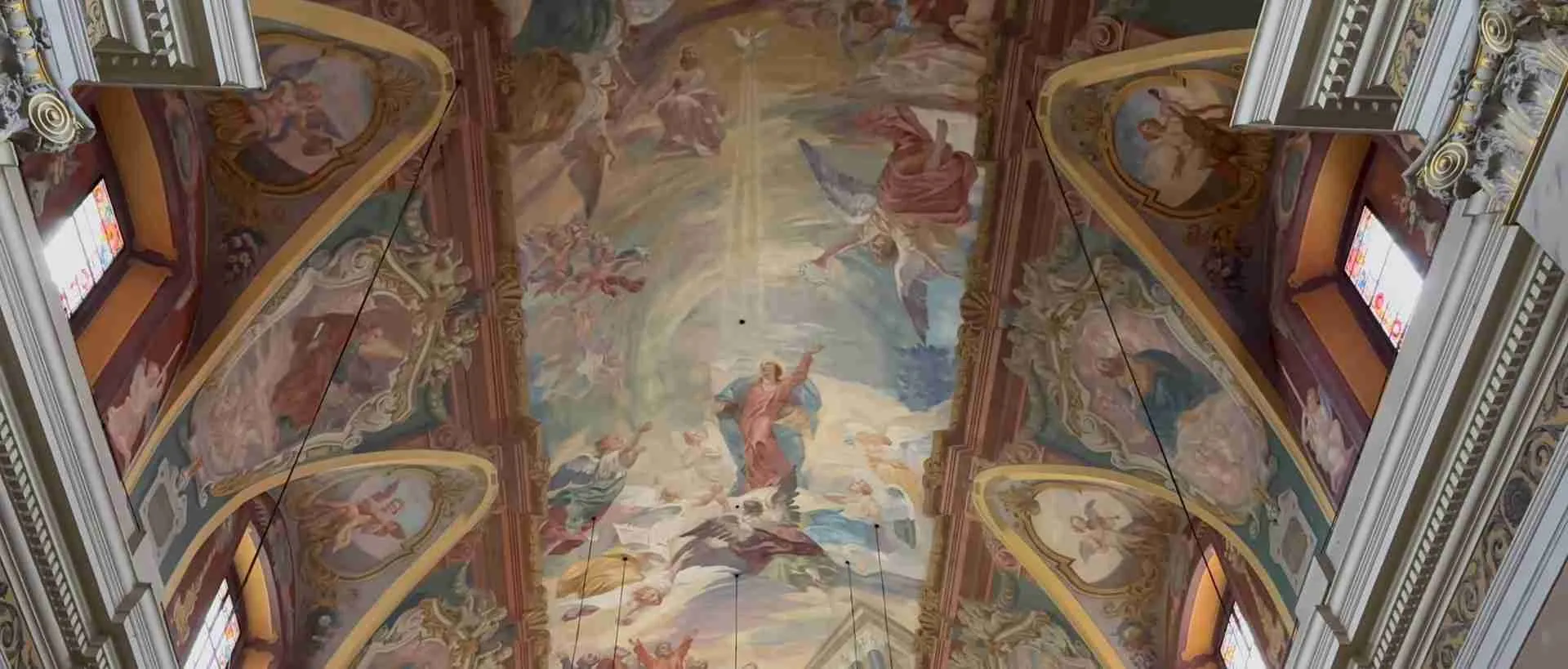
Ljubljana on a Budget 2026: Free Things to Do & Money-Saving Tips
Slovenia’s charming capital offers exceptional value for budget travelers in 2026, combining free attractions, affordable dining, and walkable neighborhoods into one of Central Europe’s most economical destinations. Budget-conscious visitors spend €40-70 per person daily while mid-range travelers invest €110-180, making Ljubljana significantly more affordable than nearby capitals like Vienna or Munich. This guide reveals practical strategies to minimize costs without sacrificing experiences, from accessing Ljubljana’s pedestrian-only old town entirely free to maximizing the Ljubljana Card’s savings potential.
Key Takeaways: Ljubljana Budget Essentials 2026
- Daily Budget Reality 2026: Budget travelers need €40-70 per person daily staying in hostel dorms and eating affordable local meals, mid-range visitors spend €110-180 per person daily with two sharing mid-range hotels, while luxury travelers invest €215-315 per person daily. Weekly trips range from €280-490 budget to €770-1,260 mid-range and €1,505-2,205 luxury.
- Free Attractions Dominate: Ljubljana Castle courtyard, all riverside promenades, Tivoli Park, Dragon Bridge, Triple Bridge, Prešeren Square, Central Market area, and most Old Town exploration costs nothing. The car-free city center means walking everywhere saves both transportation costs and provides the best experience.
- Ljubljana Card Value 2026: The 48-hour card at €49 pays for itself if visiting Ljubljana Castle admission with funicular alone costs €19, plus unlimited bus transport, 30+ museums, boat cruise, and walking tour included. Budget travelers visiting multiple paid attractions save €30-50 with strategic card use.
- Accommodation Sweet Spots 2026: Hostel dormitory beds cost €20-30 nightly, private budget guesthouse rooms €55-85, and mid-range hotels €100-170 per room. Booking three months ahead secures 20-30% lower rates, and avoiding June through August drops prices by 40% compared to peak summer.
- Food Cost Reality: Burek and traditional pastries fill you for €4-5, local restaurant lunches cost €10-15, and mid-range dinners run €15-25. Shopping at Central Market and preparing occasional meals in hostel kitchens cuts food budgets by 50%.
- Transportation Strategy: Ljubljana’s compact car-free center eliminates transportation needs for most visitors. Single bus tickets cost €1.30 for 90 minutes with unlimited transfers, while walking between major sights takes 5-15 minutes maximum. Skip taxis entirely unless heading to airport.
People Also Ask About Ljubljana Budget 2026
How much does a day in Ljubljana cost in 2026?
Budget travelers spend €40-70 per person daily in Ljubljana during 2026, including hostel dormitory accommodation, affordable local meals like burek and market food, free walking exploration, and occasional paid museum visits. Mid-range travelers with two sharing mid-range hotels invest €110-180 per person daily for comfortable hotel rooms divided by two, restaurant meals throughout the day, occasional bus transport, and major paid attractions. Luxury visitors allocate €215-315 per person daily for upscale hotels, fine dining experiences, private transportation, and premium tours. The city’s walkable layout and abundance of free attractions make Ljubljana one of Central Europe’s most budget-friendly capitals, costing 40-50% less than Vienna or Munich for comparable experiences.
What are the best free things to do in Ljubljana 2026?
Ljubljana’s best free experiences center on the car-free Old Town where walking costs nothing and provides access to most highlights. Explore Ljubljana Castle’s exterior courtyard and free viewpoints without buying admission tickets, stroll across all three sections of the Triple Bridge designed by Jože Plečnik, photograph the Dragon Bridge’s iconic statues, wander through 130-acre Tivoli Park with manicured gardens and forest trails, browse Central Market’s colorful produce stalls and local goods every morning except Monday, walk the Ljubljanica River embankments passing cafés and historic architecture, visit the National and University Library’s reading room as a guest, attend free concerts in Kongresni trg square during summer months, hike to Šmarna Gora mountain for panoramic city views requiring 45 minutes each direction, and people-watch from Prešeren Square where locals gather throughout the day. These activities consume entire days without spending a euro.
Is the Ljubljana Card worth buying in 2026?
The Ljubljana Card proves worthwhile for travelers visiting multiple paid attractions during concentrated 24-72 hour periods in 2026. The 48-hour card at €49 breaks even after visiting just Ljubljana Castle with funicular at €19, taking the included boat cruise worth €15, and riding city buses four times at €1.30 each, totaling €40 in individual ticket costs. Additional value comes from 30+ included museums and galleries normally charging €5-10 each, a guided walking tour worth €20, and 4-hour bike rental worth €8. Budget travelers focusing primarily on free activities and limiting museum visits find the card unnecessary, saving money by walking everywhere and entering only the castle courtyard without paying. Travelers visiting 4+ paid attractions within 48 hours typically save €30-50 with the card. Purchase the card only if your itinerary genuinely includes multiple paid museums rather than buying it hoping to justify the cost afterward.
How can I eat cheaply in Ljubljana 2026?
Ljubljana offers exceptional value for budget dining when avoiding tourist-focused riverside restaurants. Buy massive burek pastries filled with cheese, meat, or apple for €4-5 from any bakery, providing filling meals that locals eat regularly. Shop at Central Market each morning for fresh produce, local cheeses, honey, and bread costing 50-70% less than restaurants. Visit Open Kitchen food market every Friday from March through October where gourmet street food costs €8-10 per generous portion. Eat lunch specials called “malica” at local restaurants between noon and 2pm offering soup, main course, and salad for €8-12. Purchase groceries at Mercator or Spar supermarkets for self-catering breakfasts and snacks, cutting daily food costs to €15-20. Choose restaurants on streets parallel to the river rather than directly riverside where identical meals cost €5-8 more. Drink tap water everywhere as Slovenia’s water quality ranks among Europe’s finest, avoiding €3-5 bottled water charges. Budget travelers combining market shopping, burek meals, and occasional lunch specials easily maintain €20-25 daily food budgets.
Extended multi-day tours – 5+ days
Featured Slovenia Multi-Day Tour Packages
8 days
Stunning Slovenia
- ✓ Comprehensive Slovenia tour
- ✓ Expert local guides included
- ✓ All accommodation arranged
- ✓ Transportation provided

8 days
Walking in Slovenia
- ✓ Comprehensive Slovenia tour
- ✓ Expert local guides included
- ✓ All accommodation arranged
- ✓ Transportation provided
5 days
5 Day Zagreb Including Ljubljana & Lake Bled
- ✓ Comprehensive Slovenia tour
- ✓ Expert local guides included
- ✓ All accommodation arranged
- ✓ Transportation provided

7 days
Slovenia: Hike, Bike & Raft
- ✓ Comprehensive Slovenia tour
- ✓ Expert local guides included
- ✓ All accommodation arranged
- ✓ Transportation provided
Multi-day tour packages powered by TourRadar. Prices and availability subject to change.
Introduction: Understanding Ljubljana’s Budget Advantages 2026
Ljubljana entered 2026 maintaining its reputation as Central Europe’s best-kept secret for value-conscious travelers, where quality of experience far exceeds cost compared to Western European capitals charging double for similar attractions. The Slovenian capital’s car-free medieval center, pedestrianized since 2007 under Mayor Zoran Janković’s visionary urban planning, eliminates transportation costs while creating arguably Europe’s most pleasant walking environment. Unlike Prague, Vienna, or Munich where tourist districts demand premium prices, Ljubljana’s compact 275,000-person size keeps commercialization in check and local price structures intact even in the most visited areas. The city’s combination of Austro-Hungarian architectural grandeur, Mediterranean-influenced climate and café culture, and Slavic warmth creates an experience rivaling more famous destinations at a fraction of the cost.
Budget travelers benefit from Slovenia’s position between expensive Western Europe and more affordable Eastern Europe, capturing advantages of both regions. EU membership since 2004 brought modern infrastructure and safety standards without the price inflation plaguing longer-established member states. The euro adoption in 2007 simplified currency for international visitors while local cost of living remains 25-35% below German, Austrian, or Italian levels. Ljubljana’s university population of 50,000 students sustains authentic affordable restaurants, budget accommodations, and free cultural programming alongside tourist-oriented businesses. The city’s deliberate strategy limiting mass tourism through controlled cruise ship docking and hotel development caps has preserved both authentic character and reasonable pricing.
The 2026 travel landscape finds Ljubljana particularly attractive for budget-conscious Americans and Western Europeans as the dollar and pound maintain strength against the euro while Slovenia’s domestic inflation remains moderate compared to Western neighbors. Food costs especially favor budget travelers, with Slovenian cuisine emphasizing hearty portions and local ingredients rather than presentation charges. The city’s emphasis on sustainability and public space rather than consumption-driven tourism means many of the best experiences including riverside walks, park exploration, and architectural appreciation cost absolutely nothing. Transportation advantages multiply savings as the entire historic center spans roughly 800 meters diameter, making taxis unnecessary and even buses optional for most visitors.
Understanding Ljubljana’s seasonal pricing proves crucial for budget planning in 2026. Peak summer months of July and August see accommodation prices rise 40-50% above spring and fall rates, yet weather remains pleasant and crowds manageable during shoulder seasons of May-June and September-October. Winter months of December through February offer lowest accommodation rates but shorter daylight hours and occasional cold rain, though the charming Christmas market season in December provides compensation. Budget travelers maximizing value should target May, September, or early October when weather reliably cooperates, attractions operate full schedules, and accommodation remains 30% below summer peaks while providing better availability for last-minute bookings.
This guide addresses practical budget strategies for 2026 Ljubljana visits, from identifying which free attractions match paid alternatives to calculating break-even points for discount cards. Rather than suggesting extreme deprivation or compromising experiences to save euros, these recommendations focus on smart allocation of limited budgets toward activities providing genuine value while eliminating unnecessary expenses that don’t enhance trips. The following sections provide detailed cost breakdowns across accommodation, dining, transportation, and attractions, revealing where to spend and where to save for optimal Ljubljana experiences regardless of budget level.
Daily Budget Breakdown Ljubljana 2026
Budget Travel Daily Costs €40-70 Per Person 2026
Budget travelers maintaining €40-70 per person daily budgets in Ljubljana during 2026 prioritize hostel dormitories, local affordable meals, free attractions, and walking transportation. Hostel dormitory beds in centrally-located properties like Hostel Celica, H2O Hostel, or Hostel Tabor cost €20-30 nightly per person, providing shared bathrooms, communal kitchens, and social atmospheres favoring solo travelers and backpackers. These hostels cluster within 10-minute walks of Prešeren Square and offer complimentary breakfast ranging from basic continental spreads to more substantial offerings depending on property.
Food expenses for budget travelers range €19-25 daily by combining market shopping with occasional restaurant meals. Breakfast from hostel provisions or supermarket purchases costs €3-5 for bread, yogurt, and fruit. Lunch centered on burek, pizza slices, or döner kebabs runs €5-8 for genuinely filling portions matching Slovenian lunch standards. Dinner at budget-friendly restaurants like gostilnas offering traditional Slovenian dishes or choosing pasta and pizza establishments costs €10-12 including non-alcoholic beverages. One beer at a local pub adds €3-4 when desired. Supplementing restaurant meals with supermarket snacks, fruit from Central Market, and utilizing hostel kitchens occasionally reduces daily food costs toward the €19 lower end.
Transportation costs essentially disappear for budget travelers as Ljubljana’s compact car-free center places all major attractions within easy walking distance. Occasional bus rides for reaching Tivoli Park’s far end or returning from Šmarna Gora hiking costs €1.30 per 90-minute ticket with unlimited transfers. Budget travelers walking everywhere and limiting paid attractions spend nothing on transport. Attraction costs remain minimal by focusing on free experiences including castle courtyard, riverside walks, parks, bridges, and markets while selectively paying for one or two highlights like castle admission at €10 or National Gallery at €8 every few days. The Ljubljana Card becomes unnecessary for budget travelers visiting few paid museums.
Budget travelers combining hostel accommodation €20-30, affordable meals €19-25, minimal transport €0-3, and selective free attractions €0-10 maintain total daily budgets of €40-70 per person. Weekly seven-day Ljubljana trips cost €280-490 per budget traveler before international transportation. These budgets assume reasonable comfort without extreme deprivation, allowing occasional restaurant meals, beer, and paid museum visits while prioritizing free experiences dominating Ljubljana’s appeal.
Mid-Range Comfort Daily Costs €110-180 Per Person 2026
Mid-range travelers allocating €110-180 per person daily in Ljubljana during 2026 stay in comfortable hotels, dine at good restaurants throughout the day, use occasional transportation, and visit major paid attractions without budget constraints limiting choices. Hotel accommodation in the €100-170 per room nightly range provides two sharing couples with private bathrooms, breakfast included, central locations, and modern amenities. Properties like City Hotel Ljubljana, Hotel Medno, or B&B Hotel Ljubljana Park offer mid-range quality at these rates. Dividing room costs by two occupants yields €50-85 per person accommodation expense.
Dining budgets for mid-range travelers range €38-60 daily across multiple restaurant meals. Breakfast at hotel typically includes in room rate, though supplementing hotel offerings with riverside café meals costs €8-12 for coffee and pastries. Lunch at mid-range restaurants offering Slovenian cuisine, international options, or quality fast-casual dining runs €12-18 including beverages and covers filling portions. Dinner at popular Old Town restaurants with riverside seating or interior atmosphere costs €15-25 per person for appetizer, main course, and drinks. Adding afternoon coffee, gelato, or snacks throughout the day plus occasional beer or wine with dinner brings total daily food and beverage spending to €38-60 range. Mid-range travelers enjoy dining flexibility without scrutinizing menus for cheapest options.
Transportation expenses for mid-range travelers remain modest at €5-10 daily despite not walking everywhere. Occasional bus rides for convenience, taking the castle funicular rather than climbing stairs, and using taxis for airport transfers or evening returns to hotels add minor costs. The €49 Ljubljana Card for 48 hours provides good value for mid-range travelers visiting multiple museums over two days, effectively covering transport and major attractions for €25 daily amortized cost. Attraction budgets of €15-25 daily allow visiting Ljubljana Castle with full admission at €19, multiple museums at €5-10 each, boat cruises, and occasional paid tours without limiting choices to free options only.
Mid-range travelers combining hotel accommodation €50-85 per person for two sharing, restaurant dining €38-60, occasional transport €5-10, and paid attractions €15-25 spend €110-180 per person daily. Weekly seven-day trips cost €770-1,260 per mid-range traveler. These budgets provide comfortable Ljubljana experiences without luxury indulgence, allowing spontaneous restaurant choices, attraction visits, and transportation convenience while maintaining reasonable overall costs well below Western European capital standards.
Luxury Experience Daily Costs €215-315 Per Person 2026
Luxury travelers investing €215-315 per person daily in Ljubljana during 2026 select upscale hotels, dine at finest restaurants, use private transportation, and access premium experiences. Accommodation at luxury properties like InterContinental Ljubljana, Grand Hotel Union Eurostars, or boutique hotels costs €200-270 per room nightly, providing two sharing guests with €100-135 per person split. These properties offer spa facilities, concierge services, premium locations, and superior amenities justifying elevated rates.
Dining at Ljubljana’s finest restaurants consumes €70-100 daily for luxury travelers. Gourmet breakfasts at hotel or upscale cafés start days at €15-25. Lunch at quality establishments or wine bars with Slovenian specialties costs €25-35 including wine. Dinner at restaurants like Strelec Restaurant in Ljubljana Castle offering Michelin-recognized cuisine or other top-tier establishments runs €40-60 per person for multi-course meals with wine pairings. Additional expenditures for premium coffee, afternoon wine tastings, cocktails, and artisanal snacks complete €70-100 daily food budgets focused on culinary excellence.
Transportation for luxury travelers includes private airport transfers at €50-60 each direction, occasional taxis for convenience at €10-15 per ride, and potential private driver services for day trips. Daily transport budgets of €15-30 cover these premium options. Attraction experiences extend beyond standard admission tickets to include private guided tours at €80-150 per person, wine tasting excursions, cooking classes, and exclusive access experiences. Daily attraction and activity budgets of €30-50 allow selecting premium options without concern for standard admission prices.
Luxury travelers combining upscale hotel accommodation €100-135 per person for two sharing, fine dining €70-100, private transportation €15-30, and premium experiences €30-50 spend €215-315 per person daily. Weekly seven-day trips reach €1,505-2,205 per luxury traveler. These budgets enable Ljubljana’s finest experiences while remaining substantially below equivalent luxury travel costs in Paris, London, or Zurich, making Slovenia’s capital attractive for upscale travelers seeking value alongside quality.
Comprehensive Free Activities Ljubljana 2026
Ljubljana Castle Exterior and Free Viewpoints 2026
Ljubljana Castle dominates the city skyline from its hilltop position, yet visitors access substantial portions completely free in 2026 without purchasing admission tickets. The castle courtyard opens daily with no entrance fee, allowing exploration of the main plaza, exterior ramparts with city views, and several free viewing terraces. Walking the castle grounds provides 80% of the experience without the €10-19 admission cost for interior museums and the highest tower. The free sections include access to the courtyard cafés, exterior architecture photo opportunities, and panoramic vistas across Ljubljana’s red-tiled roofs toward the Julian Alps.
Reaching the castle without funicular costs eliminates the €6 round-trip charge while providing better exercise and neighborhood views during the 15-20 minute walk. The most scenic free route begins at Krekov Trg square near Central Market, following Ulica na Grad uphill through residential neighborhoods with glimpses of castle ramparts appearing through trees. Alternative paths from Študentovska ulica or via the Roman Wall route offer variety for multiple visits. The uphill walk proves moderately steep but well-maintained with periodic benches, taking most visitors 15-20 minutes at casual pace.
Free castle viewpoints accessible without admission include the southern rampart near the vineyard offering photographs toward Tivoli Park and modern Ljubljana, the western viewpoint overlooking Old Town’s orange roofs and triple bridges, and several terraces around the courtyard perimeter. These free vantage points capture Ljubljana’s essential beauty without requiring payment. Visitors desiring the absolute highest tower perspective and interior museum exhibitions should budget €10-19 admission, but those satisfied with excellent city views and castle atmosphere find free access entirely sufficient.
The castle courtyard hosts occasional free concerts, cultural events, and markets throughout summer months, with schedules posted at the information center. Visiting during these programs adds entertainment value beyond static architecture and views. The courtyard’s architectural significance as a medieval fortress converted to administrative and cultural center provides historical context appreciable without guided tours. Budget travelers allocating 1-2 hours for free castle exploration gain major Ljubljana highlights without spending euros.
Old Town Walking and Architectural Highlights 2026
Ljubljana’s car-free Old Town offers some of Europe’s finest architectural walking completely free, spanning Jože Plečnik’s iconic designs, Baroque palaces, Art Nouveau facades, and medieval remnants across compact pedestrianized zones. Begin at Prešeren Square where the city’s nerve center features the Prešeren Monument honoring Slovenia’s greatest poet, Franciscan Church of the Annunciation with pink Baroque facade, and Triple Bridge designed by Plečnik connecting Old Town to modern center. The triple bridge’s unusual three-parallel-spans design creates photogenic perspectives from multiple angles without admission fees.
The Dragon Bridge just north of Central Market showcases Slovenia’s national symbol through four imposing bronze dragon statues guarding the corners of this Secession-style 1901 bridge. The dragons represent Ljubljana’s mythological founding when Greek hero Jason defeated a dragon in a marsh where the city now stands, making these free photo opportunities among Ljubljana’s most iconic images. The bridge’s Art Nouveau details including decorative railings and lampposts reward close examination beyond dragon selfies.
Walking south from Prešeren Square along the Ljubljanica River’s east bank leads past Baroque townhouses now hosting cafés and shops, their facades preserved from 17th and 18th century reconstruction following earthquakes. The Cobbler’s Bridge and Butcher’s Bridge feature love locks and Jože Plečnik’s architectural touches without requiring payment to cross or photograph. The riverside promenade continues past outdoor dining terraces to Trnovo neighborhood where local life and quieter atmospheres replace tourist concentration.
Kongresni trg square surrounded by the Slovenian Philharmonic, University buildings, and Ursuline Church of the Holy Trinity provides architectural grandeur in a large public space hosting free summer concerts and cultural events. The square’s trees, fountains, and open lawn invite picnics and relaxation. Nearby Zvezda Park and the National and University Library designed by Plečnik showcase additional architectural significance accessible without admission. The library’s reading room admits visitors as guests, allowing interior appreciation of Plečnik’s masterwork.
Completing free Old Town walking, explore pedestrian streets like Mestni trg, Stari trg, and Gornji trg lined with medieval buildings, craft shops, galleries, and cafés. The Town Hall at Mestni trg features Renaissance and Baroque elements with courtyard accessible to visitors. Robba Fountain’s Baroque sculptures in Town Square create another free architectural highlight. These streets encourage aimless wandering discovering hidden courtyards, architectural details, and neighborhood character without following structured routes or paying admission.
Tivoli Park and Green Spaces 2026
Tivoli Park provides Ljubljana’s largest green space absolutely free, covering 130 acres of manicured gardens, forested hillsides, walking paths, and recreational areas just 10 minutes walk west from Old Town. The park’s formal French-style gardens near the entrance feature geometric flower beds, fountains, and tree-lined promenades leading to Tivoli Mansion housing exhibitions. Beyond formal sections, the park transitions to naturalistic forest trails climbing Rožnik Hill where trails through beech and oak forests provide escape from urban atmosphere.
The Jakopič Promenade running through Tivoli’s heart displays open-air photography exhibitions throughout the year, creating an outdoor gallery accessible 24/7 without admission fees. The promenade’s chestnut tree canopy offers shaded walking connecting to paths radiating throughout the park. Families appreciate multiple playgrounds, open meadows for picnics and sports, and the small Tivoli Pond where ducks congregate. The park’s extensive network of paved and gravel paths accommodates joggers, dog walkers, and cyclists alongside casual strollers.
Hiking to Rožnik Hill’s summit at 391 meters altitude via forest trails through Tivoli Park requires 30-40 minutes from park entrance, rewarding effort with views across Ljubljana toward the Alps. The summit features Rožnik Church and a restaurant, with observation points along trails providing photo opportunities during ascent. These forested hillside trails offer nature immersion within city limits, popular with locals exercising year-round. The trails connect to longer routes toward Šmarna Gora mountain for ambitious hikers.
Ljubljana Botanical Garden adjacent to Tivoli Park charges modest €3-5 admission but the surrounding areas along the Gradaščica River and Špansko Borje remain freely accessible. These green corridors extending from Tivoli provide additional walking routes and peaceful atmospheres away from tourist concentration. Budget travelers utilizing Tivoli Park for morning runs, afternoon picnics, and evening strolls gain substantial recreational value without spending euros.
Central Market and Local Life 2026
Ljubljana’s Central Market operates every morning except Monday along the Ljubljanica River between Dragon Bridge and Triple Bridge, offering free browsing through one of Europe’s most vibrant food markets without purchase obligations. The covered colonnade designed by Jože Plečnik houses permanent vendors selling cheeses, meats, bread, honey, and prepared foods while open-air stalls display seasonal produce from surrounding farms. The market atmosphere peaks Friday through Saturday mornings when locals shop for weekend meals, creating people-watching opportunities among authentic daily routines.
Walking through market stalls reveals Slovenian agricultural abundance including multiple apple varieties, forest mushrooms, pumpkin seed oil, mountain honey, and artisanal cheeses unavailable in standard supermarkets. Vendors offer samples of dried fruits, nuts, and honey when approached respectfully, though purchase expectations accompany generous sampling. The market provides education about Slovenian cuisine and ingredients without requiring purchases, though buying picnic supplies supports local producers while reducing meal costs below restaurant prices.
The fish market section near Butcher’s Bridge operates Friday and Saturday mornings selling fresh Adriatic catches transported from Slovenia’s brief Mediterranean coastline. The fishmonger’s displays of sea bass, calamari, and shellfish create photogenic market scenes. Adjacent to fresh vendors, prepared food stalls sell local specialties like pohana žlica dumplings, štruklji rolls, and kranjska klobasa sausages for €4-6, providing budget lunch options combining market shopping with immediate consumption.
Open Kitchen food market operates every Friday from March through October in Pogačarjev trg square adjacent to Central Market, featuring 40+ street food vendors offering international and Slovenian cuisine. While purchasing meals costs €8-10 per portion, browsing the market atmosphere and observing food preparation costs nothing. The Friday market draws large crowds of locals and visitors creating festive atmosphere with live music and outdoor dining. Budget travelers visit for entertainment value even without purchasing, though the food quality and variety justify occasional splurges.
Šmarna Gora Mountain Hiking 2026
Šmarna Gora mountain rising 669 meters above Ljubljana provides free hiking accessible via public bus from city center, rewarding 45-minute climbs with 360-degree Alpine and Pannonian Plain views. The mountain remains Ljubljana’s most popular hiking destination where locals exercise year-round, creating well-maintained trails, marked routes, and summit restaurants serving refreshments. Bus route 15 from Slovenska cesta reaches Tacen or Šmartno trailheads in 20 minutes for standard €1.30 fare, though many locals bike the flat riverside path to mountain base.
Multiple trails ascend Šmarna Gora with varying difficulty levels, all clearly marked with red-and-white blazes and estimated times. The most popular route from Tacen climbs through forest on established trail requiring 45-55 minutes at moderate pace, gaining 500 meters elevation through switchbacks and occasional stone steps. Fitter hikers reach the summit in 35 minutes while families and casual hikers allow 60-75 minutes. The trail difficulty remains accessible to anyone with basic fitness, though steep sections demand attention and proper footwear.
Šmarna Gora’s double-peaked summit features a church, two restaurants, and viewpoint terraces overlooking Ljubljana, the Julian Alps, and on clear days extending to Triglav National Park and the Adriatic Sea. The summit restaurant serves traditional Slovenian meals, though many hikers pack picnic lunches to avoid restaurant expenses. Free summit time allows resting, photographing views, and enjoying mountain atmosphere before descending. Completing the round-trip hike consumes 2-3 hours including summit time, providing substantial outdoor recreation without costs beyond bus fare.
Winter hiking on Šmarna Gora requires micro-spikes or good boots during icy conditions, though locals climb year-round. Summer heat makes early morning or evening ascents preferable to midday exposure. The mountain’s forested trails provide shade during most of the climb, though summit areas offer full sun exposure. Budget travelers seeking free outdoor activities beyond urban walking find Šmarna Gora delivers classic Alpine hiking experiences accessible from Ljubljana city center for essentially no cost.
Church Visits and Religious Architecture 2026
Ljubljana’s churches provide free access to significant architecture, art, and cultural heritage throughout the week, though respecting service times and maintaining appropriate quiet behavior ensures continued visitor welcome. The Cathedral of St. Nicholas dominates old town with twin green domes and pink facade, its interior featuring Baroque frescoes, golden altars, and bronze doors depicting 1,250 years of Christianity in Slovenia. The cathedral opens daily free for visitors outside mass times, offering artistic significance matching paid museums.
The Franciscan Church of the Annunciation at Prešeren Square welcomes visitors to its pink Baroque interior featuring ceiling frescoes, marble altars, and religious art. The church’s prominent location makes it Ljubljana’s most visited religious site, easily incorporated into Old Town walking. St. James Church near Dragon Bridge showcases Gothic origins with later Baroque modifications, while Ursuline Church of the Holy Trinity at Kongresni trg demonstrates High Baroque architecture with imposing triple-aisled interior.
Visiting churches provides respite from midday heat, quiet contemplation spaces, and opportunities understanding Slovenian religious culture shaping national identity. Many churches display artwork by Slovenia’s most significant artists commissioned over centuries, creating informal art galleries accessible without museum admission fees. Photography policies vary by church with most permitting photography without flash during non-service hours. Respecting sacred space while appreciating artistic and architectural heritage creates appropriate visitor behavior.
Church concerts occasionally occur in Ljubljana’s religious spaces, often advertised on outdoor posters or tourism websites. These concerts ranging from organ recitals to choral performances sometimes charge admission but frequently request voluntary donations, providing classical music experiences at minimal or no cost. Checking concert schedules during Ljubljana visits adds potential free or low-cost evening entertainment to budget itineraries.
Strategic Money-Saving Techniques Ljubljana 2026
Ljubljana Card Maximum Value Strategy 2026
The Ljubljana Card provides exceptional value when used strategically during concentrated 48 or 72-hour periods visiting multiple included attractions, yet proves unnecessary for budget travelers focusing primarily on free activities in 2026. The 48-hour card priced at €49 breaks even after using these included benefits: Ljubljana Castle admission with funicular round-trip worth €19, boat cruise on Ljubljanica River worth €15, unlimited bus transport worth €5-8 for several rides, and visiting 2-3 museums normally charging €5-10 each totaling approximately €50 in individual ticket value. The 72-hour card at €54 extends benefits for an additional day of unlimited bus transport and potential extra museum visits.
Maximizing Ljubljana Card value requires planning itineraries around included attractions concentrated into card validity periods rather than spreading activities across entire trips. Purchase the 48-hour card late morning on day one, immediately taking the included guided walking tour, visiting Ljubljana Castle with funicular ride, and exploring at least two included museums before closure. Day two focuses on remaining museums, the boat cruise, and potential day trip to Velika Planina cable car included with the card. This intensive approach extracts maximum value by utilizing €70-80 worth of individual tickets within the €49 card price.
Travelers visiting Ljubljana for 4-5 days or longer should avoid purchasing the Ljubljana Card for entire trips, instead buying it for a strategic 48-hour window mid-visit after already exploring free attractions independently. This approach combines several days of free Old Town walking, park visits, and neighborhood exploration with two focused days of paid attraction visits covered by the card. Spending the first 2-3 days on free activities allows learning the city layout, identifying which paid attractions genuinely interest you, and avoiding wasting card hours on activities later deemed unnecessary.
Budget travelers visiting only Ljubljana Castle, one or two museums, and primarily walking everywhere should skip the Ljubljana Card entirely, purchasing individual attraction tickets saving €25-35 compared to the card price. Calculate individual ticket costs for activities genuinely planned, comparing totals to card prices. Many budget travelers find they naturally gravitate toward free experiences, making the card poor value despite appearing economical. Mid-range travelers visiting 4+ paid attractions within 48 hours consistently realize savings with the card while gaining convenience of one-time purchase eliminating repeated ticket transactions.
Accommodation Booking Strategies 2026
Securing best accommodation rates in Ljubljana for 2026 travel requires booking 2-3 months ahead for summer visits or 3-4 weeks ahead for shoulder season stays when comparing rates across booking platforms. Hostel dormitory rates remain relatively stable year-round at €20-30 per bed, though individual hostels adjust prices based on occupancy with higher rates during weekends and events. Mid-range hotels fluctuate dramatically between seasons with summer rates reaching €150-200 per room while identical properties charge €80-120 during March, November, or February.
Booking directly through hotel websites occasionally provides 10-15% discounts below booking platform rates, particularly at independent hotels and guesthouses lacking chain loyalty programs. Directly booking also enables requesting specific room features like quieter courtyard sides or higher floors without additional charges. Many Ljubljana hotels offer flexible cancellation policies allowing free cancellation until 24-48 hours before arrival, permitting booking early for best rates while maintaining flexibility for changed plans.
Avoiding peak summer months of July and August saves 40-50% on accommodation costs while maintaining excellent weather and fewer crowds. May, early June, September, and early October provide optimal value periods with moderate temperatures, operational attractions, and substantially lower hotel rates. Winter months of January and February offer lowest rates but reduced daylight hours and potential cold rain limiting outdoor activities. The December Christmas market season combines festive atmosphere with reasonable hotel rates slightly elevated above January-February lows.
Alternative accommodations including private apartments booked through Airbnb or similar platforms provide good value for groups or families when nightly rates around €60-90 divide among three or four travelers reducing per-person costs below hotel rates. Apartments with kitchens enable breakfast and occasional dinner preparation reducing food budgets. Ensure apartment locations place you within 10-15 minute walk to Old Town as peripheral locations saving €10-20 nightly require bus transport eliminating savings while reducing convenience.
Restaurant Selection and Meal Timing 2026
Choosing restaurants away from direct riverside locations saves €5-8 per meal while maintaining food quality and atmosphere in Ljubljana’s 2026 dining scene. Restaurants lining the Ljubljanica embankment charge premium prices justified by river views and people-watching, yet identical Slovenian dishes served on streets one block parallel cost substantially less. Walking from riverfront onto Mestni trg, Stari trg, Gornji trg, or side streets toward Trnovo neighborhood reveals traditional gostilnas and family-run restaurants where locals eat, serving generous portions at 30-40% below riverside equivalents.
Lunch specials called malica operate Monday through Friday from noon until 2pm at many Slovenian restaurants, providing soup, main course, salad, and sometimes dessert for €8-12 representing exceptional value. These set menus target local office workers seeking efficient affordable lunches, offering identical quality to dinner portions at reduced prices. Seeking restaurants advertising malica or asking waitstaff about lunch specials uncovers daily deals rarely promoted to tourists. The portions typically exceed international lunch standards, often providing enough food to skip dinner or reduce evening meal sizes.
Self-catering partial meals through market shopping and hostel or apartment kitchens cuts food budgets by 40-50% without eliminating restaurant experiences entirely. Purchasing bread, cheese, and produce at Central Market creates picnic lunches for €5-8 per person enjoyed in Tivoli Park or riverside benches. Preparing breakfast in accommodation kitchens using supermarket purchases costs €3-5 versus €10-15 at cafés. Adopting this hybrid approach allows dining at quality restaurants for dinners while controlling breakfast and lunch costs, balancing food experiences with budget constraints.
Avoiding tourist trap restaurants near major attractions like Ljubljana Castle funicular or directly on Prešeren Square maintains food quality while reducing prices. These locations capitalize on captive audiences with elevated prices and sometimes reduced quality knowing many diners won’t return. Walking three minutes in any direction from major tourist nodes reaches restaurants catering primarily to locals where reputation matters more than location. Reading menu prices posted outside before entering helps comparison shopping, though genuine gostilnas serving Slovenian cuisine typically maintain reasonable rates.
Free Walking Tours vs Paid Alternatives 2026
Free walking tours operating in Ljubljana during 2026 provide comprehensive city orientation without upfront costs, functioning on tip-based models where guides work for voluntary gratuities rather than fixed fees. These tours typically last 2-3 hours covering Old Town highlights, architectural significance, Slovenian history, and practical tips while guides share local knowledge and entertaining stories. Tours depart daily from Prešeren Square around 10am and 2pm, requiring no advance booking for individuals or couples who simply appear at the meeting point.
The tip-based model creates pressure for fair compensation based on value received, with most participants providing €10-15 per person for good tours though no minimum exists. This structure suits budget travelers appreciating comprehensive city introduction at self-determined prices while guides maintain motivation to deliver excellent experiences earning better tips. The free tour model particularly benefits solo travelers gaining group experience and meeting other visitors while controlling costs based on satisfaction rather than paying predetermined fees potentially exceeding perceived value.
Paid private tours charging €80-150 per person provide deeper specialized content on architecture, history, or culinary themes while offering flexibility in timing, route, and pace matching individual interests. Budget travelers rarely benefit from private tour premiums unless traveling in groups where costs divide making per-person rates reasonable. Mid-range travelers interested in specific themes like Jože Plečnik’s architecture or Slovenian wine and food culture find specialized paid tours justify costs through expert guide knowledge and unique access unavailable on free general tours.
The Ljubljana Card includes one free guided walking tour requiring advance email reservation, creating value for card holders while providing guided experience without separate costs. This included tour covers similar content to free walking tours but books quickly during summer requiring 2-3 day advance reservations. Budget travelers not purchasing the Ljubljana Card gain equivalent information from free walking tours without card costs, while Ljubljana Card holders should definitely utilize the included tour maximizing card value.
Transportation Cost Elimination 2026
Eliminating nearly all transportation costs in Ljubljana proves surprisingly easy during 2026 visits due to the compact car-free city center placing major attractions within 5-15 minute walks. The distance from Prešeren Square to Ljubljana Castle base measures approximately 800 meters requiring 10 minutes walking, while reaching Tivoli Park from Old Town takes 10-12 minutes. These short distances combined with pedestrian-only streets and riverside promenades make walking the fastest and most pleasant transportation method for central area exploration.
Bus transport becomes relevant only for reaching Šmarna Gora mountain trailheads, accessing accommodations in outer neighborhoods, or visiting attractions like Ljubljana Zoo beyond comfortable walking distance. Single bus tickets at €1.30 for 90 minutes with unlimited transfers handle these occasional needs at minimal cost. The Urbana Card required for bus payment charges €2 purchase fee, though anonymous cards work for short-term visitors rather than requiring nominal registered versions. Purchasing the Urbana Card through the mobile app eliminates the €2 physical card fee while enabling pay-per-ride convenience.
Bicycle rental provides transportation variety and access to riverside paths extending beyond the city center, though BicikeLJ bike-share system requires Urbana Card and charges minimal rates after a free first hour. The Ljubljana Card includes 4-hour bike rental during high season, creating transportation value for card holders exploring farther reaches along Ljubljanica River paths. Budget travelers walking everywhere save €10-20 weekly compared to those taking buses occasionally, while gaining better neighborhood appreciation, exercise, and serendipitous discoveries impossible from bus windows.
Airport transportation represents the main challenge for budget-conscious travelers as Ljubljana Jože Pučnik Airport lies 26 kilometers north requiring 25-35 minute transit. Public bus route from airport to city center costs €4.10 taking 45 minutes with hourly departures. Private shuttle services charge €8-10 per person for shared rides or €30-40 for exclusive service. Budget travelers using public buses save €25-50 compared to taxis at minimal inconvenience given infrequent departures. Booking advance airport transfers guarantees service but usually costs more than arriving and taking the next available public bus.
Seasonal Budget Considerations Ljubljana 2026
Peak Summer Season July-August 2026
Peak summer months of July and August 2026 bring highest accommodation prices, maximum tourist crowds, and hottest weather to Ljubljana while providing longest daylight hours, full festival schedules, and reliably dry conditions. Accommodation rates during this period reach 40-50% above shoulder season prices with hostel dormitories commanding €28-30, mid-range hotels €150-200 per room, and luxury properties €250-300 per room. Advanced booking 3-4 months ahead proves essential for securing preferred accommodations as properties fill especially for weekend arrivals when domestic Slovenian tourists supplement international visitors.
Budget travelers visiting during peak summer should expect total daily costs toward the higher ends of budget ranges due to increased accommodation and restaurant prices. The €70 per person daily budget becomes realistic during July-August compared to €40-50 achievable during quieter months. Mid-range travelers similarly trend toward €180 per person daily rather than €110 achievable in shoulder seasons. These price increases apply primarily to accommodation with food and attraction costs remaining relatively stable year-round.
Peak summer advantages include numerous free outdoor concerts and cultural events in Kongresni trg square and along riverside areas, extended hours at attractions including Ljubljana Castle open until 10pm in July-August, and ideal weather for outdoor dining and park activities. The Ljubljana Festival running July-August presents international music, theater, and dance performances both free and ticketed. Open Kitchen food market operates every Friday with maximum vendor participation during summer peak. These enhanced cultural offerings partially compensate for elevated costs through additional free entertainment options.
Managing summer heat requires strategy as July temperatures regularly reach 28-32°C with high humidity. Visiting attractions and active exploration during morning hours before 11am and evening after 6pm avoids midday heat while restaurants and shops remain open through afternoon. Utilizing Tivoli Park’s shaded trails or riverside promenades provides cooler micro-climates during afternoon hours. Most churches, museums, and indoor attractions offer air conditioning creating comfortable midday retreats from heat. Budget travelers should account for increased beverage costs during hot weather, though free tap water from fountains around the city reduces this impact.
Shoulder Season Value April-June and September-October 2026
Shoulder season periods of April through early June and September through October 2026 provide optimal value for Ljubljana visits, combining moderate weather, reduced accommodation prices, and manageable crowds with fully operational attractions and services. Hotel rates during these months fall 30-40% below peak summer with mid-range properties charging €90-120 per room compared to €150-200 in July-August. Hostels maintain relatively stable rates with slight decreases to €20-25 per dormitory bed. These substantial accommodation savings enable budget travelers achieving €40-50 daily costs and mid-range travelers comfortable at €110-130 daily.
Weather during shoulder seasons remains pleasant if less predictable than summer, with daytime temperatures typically ranging 15-22°C in May-June and September-October. Occasional rain requires packing light rain jackets though extended rainy periods remain uncommon. The moderate temperatures prove ideal for walking, hiking Šmarna Gora, and outdoor dining without summer heat intensity. Trees maintain foliage through early November providing attractive park scenery, while spring months of April-May feature flowering trees and gardens at peak beauty.
Attraction hours operate fully during shoulder seasons unlike winter reductions, with Ljubljana Castle, museums, and tours maintaining summer schedules through October. The boat cruises, castle funicular, and other tourist services function completely without seasonal closures. Restaurant patios and outdoor cafés fill the riverside during pleasant shoulder season weather creating vibrant atmosphere without summer overcrowding. The absence of tour bus groups and more moderate visitor numbers allows better access to popular sites, shorter lines, and more authentic local atmosphere.
Cultural events continue during shoulder seasons with spring bringing music festivals, outdoor performances, and cultural programming while September-October hosts harvest festivals, wine events, and autumn celebrations. Open Kitchen food market operates Fridays from March through October capturing both shoulder season periods. These ongoing cultural offerings maintain destination vitality beyond peak summer without the concentrated tourist intensity. Budget travelers prioritizing value without sacrificing experience should target May or September as optimal Ljubljana visit months.
Winter Low Season November-March 2026
Winter months from November through March 2026 deliver lowest accommodation prices and smallest crowds to Ljubljana while presenting weather challenges, reduced daylight hours, and occasional attraction closures affecting trip value equations. Hotel rates drop 50-60% below summer peaks with quality mid-range properties charging €70-100 per room and hostels at €18-25 per dormitory bed. These dramatic savings enable budget travelers potentially achieving €35-45 daily costs and mid-range travelers comfortable at €90-120 daily representing substantial discounts compared to summer rates.
Winter weather proves unpredictable with temperatures typically ranging 0-8°C, occasional snow, frequent rain, and limited sunshine. December through February daylight hours span approximately 8-9 hours with sunrise around 7:30am and sunset by 4:30pm reducing effective sightseeing time. Indoor activities including museums, churches, cafés, and restaurants become primary focuses while outdoor exploration limits to several hours mid-day when weather cooperates. Hiking Šmarna Gora remains possible though requiring appropriate winter gear and caution regarding potentially icy trails.
The Christmas market season from late November through December provides winter’s primary attraction with festive stalls, holiday lights, mulled wine, and seasonal atmosphere transforming Prešeren Square and surrounding areas into a winter wonderland. The market creates genuine appeal drawing visitors specifically for holiday atmosphere while winter rates remain in effect. January through early March see reduced programming and quietest tourist periods though local life continues normally without seasonal shutdowns unlike some Mediterranean destinations.
Budget travelers tolerating unpredictable weather and shorter days find exceptional value during winter months, particularly November or March when temperatures remain milder than deep winter. Those prioritizing outdoor activities, hiking, or maximum daylight hours should avoid November-March despite cost savings. Mid-range travelers seeking cultural experiences, museum visits, and café culture while tolerating limited outdoor time benefit from winter pricing without severe compromises. The winter period suits travelers combining Ljubljana with skiing at nearby resorts, using the capital as a affordable base between mountain days.
Neighborhood Selection for Budget Accommodation 2026
Old Town Center Accommodation Value 2026
Staying directly in Ljubljana’s car-free Old Town provides maximum convenience, walkability to all attractions, and authentic medieval atmosphere at premium rates justified by central location in 2026. Accommodations within the historic core between Dragon Bridge and Congress Square place visitors immediately beside the Ljubljanica River, major monuments, restaurants, and nightlife without requiring any transportation. This centrality proves particularly valuable for budget travelers without cars who prioritize walking accessibility and maximizing limited time.
Hostel options in Old Town including H2O Hostel on the riverside and Hostel Celica in the cultural quarter offer dormitory beds at €25-30 nightly, representing modest premiums above peripheral hostels while eliminating transportation costs and maximizing convenience. The social atmospheres, communal kitchens, and fellow travelers create ideal situations for solo budget travelers. Private rooms in Old Town guesthouses cost €60-85 representing similar location premiums while providing privacy for couples.
Mid-range hotels directly in Old Town command premium rates €140-180 per room during high season, though strategic booking during shoulder seasons reduces these to €100-130. The convenience of walking to breakfast, exploring between activities, and returning easily throughout the day justifies premiums for shorter visits of 2-3 days where transportation time savings and experience quality matter more than absolute cost minimization. Longer stays of 5+ days better afford slightly peripheral locations where lower nightly rates accumulate into substantial savings.
Old Town drawbacks include limited dining diversity as most restaurants cater to tourists with corresponding markups, nighttime noise from riverside bar areas potentially disrupting sleep, and narrower accommodation selection compared to the broader city. Budget travelers willing to accept these tradeoffs for convenience generally find Old Town accommodation worthwhile, while those staying week-long or prioritizing lower nightly rates benefit from neighborhoods 10-15 minute walk from the center.
Trnovo and Krakovo Neighborhoods 2026
Trnovo and Krakovo neighborhoods immediately south of Old Town across the Ljubljanica River provide residential character, lower accommodation costs, and 10-minute walking access to city center creating an attractive balance for budget-conscious travelers in 2026. These traditionally working-class areas maintain authentic Slovenian neighborhood life with local markets, traditional restaurants, and fewer tourists compared to Old Town. The Trnovo embankment offers peaceful riverside walking paths and local café culture at prices 20-30% below Old Town equivalents.
Accommodation options in Trnovo lean toward guesthouses and private apartments rather than hotels, with room rates €50-70 per room during summer representing €20-30 savings versus identical central locations. These properties often include kitchen access enabling breakfast preparation and occasional meal cooking reducing food budgets. The residential setting provides quieter evenings with better sleep quality than Old Town bar districts while maintaining easy access to nightlife when desired.
Walking from Trnovo to Prešeren Square requires 8-12 minutes depending on exact accommodation location, crossing historic Trnovo Bridge and passing through charming neighborhoods of cottages and gardens. This daily walk becomes enjoyable commute rather than inconvenience for most travelers while providing different perspectives on Ljubljana beyond tourist-focused areas. The neighborhoods host several authentic gostilnas serving traditional Slovenian cuisine at local prices and the Plečnik House museum showcasing the architect’s home and studio.
Budget travelers selecting Trnovo or Krakovo accommodation balance modest cost savings with maintained walkability, gaining residential neighborhood experience and quieter atmospheres. The savings prove most meaningful for longer stays where €15-20 per night differences accumulate, while short 2-3 day visits might prioritize absolute Old Town centrality. Mid-range travelers appreciate these neighborhoods for character and authenticity rather than purely budget motivations, finding the slightly removed position enhances overall Ljubljana experience.
Student Quarter Around University 2026
The student quarter surrounding Ljubljana University north and west of Congress Square provides abundant budget accommodation, authentic restaurants, and local atmosphere at 15-20% below Old Town rates while maintaining 5-10 minute walking distance to major attractions in 2026. This area benefits from large student population of 50,000 supporting affordable eateries, inexpensive cafés, and budget-friendly services while creating energetic young atmosphere particularly during academic year from October through May.
Multiple hostels cluster in this neighborhood including Hostel Tabor and several smaller properties offering dormitory beds at €20-25 per night during high season, representing €5-8 savings versus Old Town hostels while sacrificing minimal convenience. The student quarter hostels attract younger backpacker demographics and provide easy social connections with fellow budget travelers. Budget guesthouses and small hotels charge €55-75 per room compared to €70-90 in Old Town for comparable quality.
Restaurant value excels in the student quarter with numerous affordable eateries serving filling meals for €6-10 targeting student budgets while maintaining quality satisfying standards. Traditional Slovenian dishes, international fast-casual options, and ethnic restaurants provide dining diversity absent from tourist-focused Old Town. Several supermarkets including Mercator and Spar operate in this area enabling provisions shopping at local prices. The neighborhood’s character shifts dramatically during July-August university closure when many student-oriented businesses reduce hours or close temporarily.
Budget travelers selecting student quarter accommodation prioritize affordable nightly rates and authentic local atmosphere while accepting 5-10 minute walks to Old Town attractions. The neighborhood particularly suits younger travelers comfortable with student environments and those staying longer than 4-5 days where accumulated nightly savings offset minimal additional walking. The tradeoff calculation favors student quarter for budget priorities and local character versus Old Town for maximum tourist convenience and immediate attraction access.
Museum and Attraction Budget Planning 2026
National Museums Free and Paid Options 2026
Slovenia’s national museum network in Ljubljana offers both free and paid sections creating opportunities for selective attraction visits maximizing budget impact in 2026. The National Museum of Slovenia charges €8 adult admission providing access to permanent archaeological and historical collections spanning Neolithic settlements through modern independence. The archaeology collections prove particularly significant displaying Bronze Age Vace situla metalwork, Roman artifacts, and medieval treasures justifying admission costs for history enthusiasts. Temporary exhibitions require separate admission or bundled tickets depending on current shows.
The National Gallery housing Slovenia’s premier art collections from medieval paintings through 20th century modernism charges €10 admission in 2026, covering extensive galleries organized chronologically and thematically. Works by Slovenian masters including impressionist painter Rihard Jakopič and interwar modernists dominate the collection alongside European art acquired through donations. The gallery’s Baroque, Renaissance, and medieval religious art sections reward dedicated viewing time for art appreciators while casual visitors may find the €10 admission steep for brief visits.
The National Museum of Contemporary History located in Cekin Mansion at Tivoli Park edge offers free ground floor access and public areas while charging €5 for main exhibitions covering 20th century Slovenian history from WWI through independence. The museum building itself provides architectural interest as a classical mansion with manicured gardens. Budget travelers visiting for building and grounds appreciation without paying for exhibitions gain partial museum experience at no cost.
Several specialized national museums charge €4-7 admission including the Slovenian Ethnographic Museum displaying traditional folk culture, costumes, and rural life; the Museum of Natural History featuring geological and biological collections; and the Railway Museum showcasing Slovenia’s rail heritage with vintage locomotives. These niche museums appeal to specific interests while representing questionable value for general audiences with limited Ljubljana time. Budget travelers with targeted interests find these admissions reasonable while general tourists better allocate funds toward universally appealing Ljubljana Castle or free alternatives.
Ljubljana Castle Visit Economics 2026
Ljubljana Castle admission presents complex value calculations in 2026 as the free courtyard and viewpoints provide substantial experience without purchasing tickets while full admission with all museums and highest tower access costs €19 including funicular round-trip. Understanding which aspects require payment versus remaining free enables informed decisions balancing budget with desired experiences. The castle courtyard, rampart walks with city views, several exterior terraces, chapel exterior, and access to cafés and restaurants costs nothing while walking up eliminates the €6 funicular charge.
Full castle admission at €19 includes the funicular ride worth €6, entrance to the viewing tower offering 360-degree panoramas from the highest point, Virtual Castle multimedia presentation about Ljubljana history, Museum of Slovenian History exhibitions, and Museum of Puppetry. Breaking down these components, the viewing tower alone arguably justifies €8-10 value through its unique vantage point above free courtyard areas, while the puppetry museum interests families with children more than general adult visitors. The history museum provides comprehensive Slovenian context valuable for first-time visitors seeking deeper understanding.
Budget travelers visiting Ljubljana Castle can choose between full admission at €19, basic admission without funicular and select museums at €10, or free courtyard access with walking ascent at €0. The free option delivers 70-80% of the castle experience through courtyard exploration, free viewpoints, and architecture appreciation without requiring payment. Visitors desiring the absolute highest tower perspective and interior exhibitions should budget €19, while those satisfied with excellent city views from free areas save substantially. Walking the castle hill instead of taking the funicular provides exercise and neighborhood views while eliminating €6 transport costs each direction.
Mid-range travelers typically opt for full €19 admission maximizing castle experience without budget concerns, while budget travelers split between free access and €10 basic admission depending on priorities. The castle represents Ljubljana’s premier paid attraction making it a reasonable splurge for budget travelers limiting paid admissions to 1-2 highlights per trip. The Ljubljana Card including castle admission and funicular provides good value for card holders while individual ticket purchases prove necessary for travelers skipping the card based on limited paid attraction interests.
Alternative Attraction Budget Strategies 2026
Selective attraction ticketing based on genuine interests rather than completionist impulses reduces unnecessary spending while ensuring budget allocations toward experiences providing maximum personal value in Ljubljana 2026. Many travelers feel obligated to visit all major paid attractions because guidebooks list them as must-sees, yet individual preferences vary dramatically making blanket recommendations ineffective. Budget travelers should identify 2-3 specific paid attractions matching personal interests while relying on free options for remaining time.
First-visit strategy prioritizes Ljubljana Castle for its unique vantage point and historical significance, the National Gallery for art enthusiasts or National Museum for history buffs, and potentially one specialized attraction like the Museum of Illusions for novelty or the Architecture Museum for design appreciation. This approach allocates €20-30 total toward paid admissions supplemented by extensive free exploration rather than attempting to visit all museums. Second-visit strategies enable covering different attractions without repeating previous experiences while maintaining budget discipline.
Timing museum visits for free admission days or reduced-rate hours occasionally available at select institutions creates savings opportunities, though Ljubljana museums less frequently offer free days compared to major European capitals. Checking individual museum websites for any special promotions or discount periods before visiting may uncover opportunities. Student discounts applying to those under 26 or holding valid student IDs reduce most museum admissions by 30-50% representing significant savings for eligible travelers.
Alternative free cultural experiences including wandering art galleries along Metelkova Street’s alternative culture district, attending free concerts in Congress Square, visiting the University Library’s public reading room, and exploring street art and murals throughout the city provide cultural enrichment without admission fees. These alternatives don’t replace major museums but supplement paid attractions creating well-rounded cultural experiences within budget constraints. Budget travelers balancing 2-3 paid highlight visits with extensive free cultural exploration achieve satisfying Ljubljana experiences without overspending on admission tickets.
Food and Dining Budget Strategies 2026
Market Shopping and Picnic Strategies 2026
Ljubljana’s Central Market provides outstanding opportunities for budget food shopping in 2026, offering fresh local produce, artisanal products, and prepared foods at prices 50-70% below restaurant equivalents while supporting local farmers and producers. Morning market visits between 8am-noon ensure best selection before popular items sell out, with Friday and Saturday offering maximum vendor participation. Budget travelers allocating €15-25 for market shopping create multiple days of breakfast supplies, lunch picnics, and snack provisions supplementing selective restaurant dinners.
Essential market purchases for budget travelers include fresh bread from bakers charging €2-3 for substantial loaves lasting 2-3 days, local cheeses including cow and sheep varieties at €8-12 per kilogram purchased by the slice, seasonal fruits like apples, cherries, or grapes at €2-4 per kilogram, and vegetables for picnics or hostel/apartment cooking. Honey from mountain beekeepers, walnut bread, and pumpkin seed oil represent Slovenian specialties unavailable elsewhere worth purchasing for authentic local flavors and gifts.
Picnic strategies utilizing market provisions combined with riverside park locations maximize food value while creating memorable experiences. Purchasing bread, cheese, tomatoes, and fruit at the market for €8-12 total feeds two people generous lunches enjoyed along Ljubljanica embankments or in Tivoli Park. These picnics eliminate €20-30 restaurant lunch costs while providing better weather-dependent flexibility and more relaxed pacing than seated restaurant service. Multiple parks throughout Ljubljana offer benches, shaded areas, and pleasant atmospheres for picnic dining.
Supplementing market shopping with supermarket provisions from Mercator, Spar, or Hofer chains provides standard items including yogurt, packaged snacks, beverages, and basic meal ingredients at familiar supermarket pricing. Combining fresh market produce with supermarket staples creates comprehensive food shopping enabling breakfast and lunch preparation in hostel kitchens or apartment accommodations. This hybrid strategy maintains food quality and local authenticity while achieving significant budget savings compared to restaurant-dependent dining patterns.
Affordable Restaurant Selection 2026
Identifying genuinely affordable restaurants among Ljubljana’s diverse dining landscape in 2026 requires looking beyond obvious tourist zones toward neighborhoods where locals eat regularly. Traditional Slovenian gostilnas offering hearty portions of kranjska klobasa sausage, jota bean soup, žlikrofi dumplings, and other classics typically maintain reasonable pricing €10-15 per main course with generous portions often exceeding tourist restaurant equivalents. These establishments cluster in Trnovo neighborhood, along side streets near Central Market, and in residential areas beyond immediate Old Town tourist concentration.
Balkan cuisine restaurants serving ćevapi grilled meat, pljeskavica burgers, and burek pastries provide excellent value at €6-10 per filling meal reflecting regional influences on Slovenian food culture. Several quality Balkan eateries operate near the bus station and in student quarters catering to local populations appreciating affordable hearty food. Pizza and pasta restaurants charging €8-12 for substantial portions represent reliable budget options when seeking familiar international flavors, with establishments targeting locals offering better value than touristy riverside locations.
Lunch timing proves crucial for restaurant savings as many establishments offer malica daily specials from noon to 2pm Monday through Friday for €8-12 including multiple courses. These lunch menus target local office workers seeking efficient affordable meals, providing identical food quality to dinner portions at 30-40% reduced prices. Arriving between 12:30-1:30pm ensures availability before daily specials sell out while experiencing restaurants at peak local patronage revealing authentic atmosphere.
Avoiding restaurants with multilingual menus, picture menus, or aggressive touting near major tourist sites maintains food quality while reducing prices. Genuinely good local restaurants rely on reputation and regular customers rather than tourist foot traffic, often posting menus in Slovenian only though waitstaff typically speak English. Checking posted menu prices before entering enables comparison between multiple options, though price shouldn’t be the sole selection criterion as food quality and atmosphere matter equally for enjoyable dining experiences.
Beverage Cost Management 2026
Beverage costs accumulate quickly in Ljubljana during 2026 when purchasing drinks at every meal and throughout the day, yet simple strategies significantly reduce these expenses without sacrificing hydration or enjoyment. Ljubljana’s excellent tap water quality eliminates bottled water necessity as all restaurants serve free tap water upon request and public fountains throughout the city provide safe drinking water. Carrying a refillable water bottle and using public fountains or restaurant taps prevents €3-5 daily bottled water costs while supporting environmental sustainability.
Coffee culture dominates Ljubljana social life with locals spending hours at cafés nursing single espressos or cappuccinos, creating pressure for visitors to purchase drinks frequently. Budget travelers can participate in café culture by ordering one coffee at €1.50-2 for espresso or €2.50-3.50 for cappuccino, then remaining for extended periods reading, planning, or people-watching without additional purchases. Most Ljubljana cafés welcome extended stays without pressuring additional orders unlike some European cities.
Beer drinking represents significant expense potential with quality local brands Union and Laško costing €3-4 at neighborhood pubs rising to €4.50-5 at tourist-focused riverside bars. Budget travelers limiting alcohol to 1-2 beers nightly and choosing local pubs over fancy cocktail bars maintain drinking budgets around €5-10 daily versus €20-30 for multiple cocktails at premium venues. Purchasing beer at supermarkets for apartment or hostel consumption reduces costs to €1.50-2 per bottle enabling drinking without bar premiums.
Wine pricing remains reasonable in Ljubljana with quality Slovenian wines available by the glass for €3.50-5 at wine bars or with meals. The country’s wine production particularly from Primorska and Podravje regions provides excellent value compared to imported wines. Budget travelers interested in wine culture can visit wine bars for single glasses without committing to bottles, experiencing Slovenia’s viticulture without substantial costs. Overall beverage management combining free water, selective coffee purchases, limited alcohol, and avoiding expensive cocktails easily saves €15-25 daily compared to uncontrolled beverage spending.
Day Trip Budget Considerations 2026
Lake Bled Day Trip Economics 2026
Lake Bled remains Slovenia’s most popular day trip from Ljubljana, located 55 kilometers northwest requiring 1-1.5 hours travel time and presenting budget considerations for 2026 trips. Public bus service operates hourly from Ljubljana bus station to Bled costing €6.30 each direction or €12.60 round-trip per person. These buses provide the most economical transportation option for budget travelers compared to organized tours charging €45-65 per person or private transfers at €80-120 per group. The bus journey takes 75-90 minutes compared to 45 minutes driving, representing acceptable time tradeoff for substantial cost savings.
Lake Bled activities include walking the 6-kilometer lake perimeter trail entirely free, photographing Bled Island with its church from multiple viewpoints around the shore, visiting Bled Castle charging €15 admission, and taking pletna boats to the island costing €20 per person round-trip. Budget travelers can enjoy Lake Bled spending nothing beyond €12.60 bus transport by walking the lake trail, appreciating views from shore, and skipping castle admission and island boat rides. Mid-range travelers allocating €50-75 per person for Bled day trips including transport, castle admission, boat ride, and meal costs cover major experiences without luxury indulgences.
Food costs at Lake Bled significantly exceed Ljubljana pricing with tourist-focused restaurants charging €15-25 per meal for standard offerings. Budget travelers should pack picnic lunches purchased at Ljubljana’s Central Market before departure or purchase grocery provisions in Bled town from small supermarkets. The lake shore provides numerous picnic spots with spectacular views eliminating restaurant costs while creating more memorable experiences than indoor dining. Bled cream cake kremšnita available at various cafés for €4.50-5 represents a reasonable splurge trying the local specialty without full restaurant meal costs.
Evaluating Lake Bled’s worthiness for budget travelers proves subjective as the lake’s beauty and accessibility make it Slovenia’s most famous attraction, yet the visit consumes significant time and money that could alternatively fund two days of Ljubljana exploration. Budget travelers with limited total trip time of 2-3 days in Slovenia should prioritize Ljubljana itself over Bled day trips. Those with 5+ days find Bled adds worthwhile destination diversity. Mid-range travelers typically include Bled without hesitation as organized tours simplify logistics while modest additional costs don’t strain budgets.
Postojna Cave and Predjama Castle 2026
Postojna Cave and Predjama Castle located 50 kilometers southwest of Ljubljana represent Slovenia’s second most popular day trip, requiring advance planning and significant budgets for 2026 visits. Postojna Cave admission costs €30 per adult including mandatory guided tour and underground train ride, while Predjama Castle charges €17 admission, totaling €47 for combined tickets with modest discount versus individual purchases. Public bus service to Postojna operates less frequently than Bled routes with limited direct connections requiring careful schedule checking or car rental for convenient access.
Organized day tours from Ljubljana combining Postojna Cave and Predjama Castle typically cost €60-85 per person including transportation, admissions, and guide but not meals. These tours provide convenient logistics particularly for solo travelers or couples without rental cars, eliminating coordination challenges while maintaining reasonable pricing. Budget travelers face difficult value equations as DIY public transport proves challenging while admission costs remain fixed regardless of transportation method. The combined €47 admissions plus €15-20 transport and meals pushes individual daily costs toward €65-75 minimum.
Budget travelers should carefully consider whether Postojna Cave justifies costs compared to alternative experiences. The cave system ranks among Europe’s most impressive with 24 kilometers of passages, remarkable formations, and unique underground ecosystem including endemic olm salamanders. However, the €30 admission represents significant portion of daily budgets potentially better allocated toward multiple days of Ljubljana exploration. Mid-range travelers find the experience worthwhile as a highlight justifying costs, while budget travelers with limited funds might defer this trip prioritizing less expensive alternatives.
Predjama Castle built into a cliff face provides spectacular photo opportunities and medieval atmosphere, though the €17 admission feels steep for the experience offered compared to Ljubljana Castle’s greater content at similar pricing. Budget travelers can photograph the castle exterior without admission as the dramatic cliff-face setting provides the primary visual appeal. Those paying admission find relatively limited interior rooms and exhibitions compared to admission cost. Combining both attractions creates an expensive day trip that mid-range budgets accommodate better than strict budget constraints.
Alternative Free and Low-Cost Day Trips 2026
Budget-conscious travelers seeking day trip variety from Ljubljana in 2026 without expensive admissions and tours can explore several free and low-cost alternatives providing authentic Slovenian experiences. Škofja Loka, a well-preserved medieval town 25 kilometers northwest, costs €4.20 round-trip bus transport while offering free old town wandering, castle exterior views, and traditional architecture without paid attractions beyond an optional €5 museum. The town’s authentic character and minimal tourist development provide pleasant contrast to Ljubljana while maintaining extremely affordable budgets.
Hiking day trips to nearby mountains including Šmarna Gora from Ljubljana city limits or extending to Mount Krim requiring 45 minutes bus transport for €5-7 round-trip provide free outdoor recreation with spectacular Alpine views. These mountains offer well-marked trails, summit restaurants, and opportunities connecting with Slovenian hiking culture without admission fees or organized tour costs. Packed lunches eliminate restaurant expenses while summit restaurant stops for drinks or small meals cost €5-10 per person.
The Karst region southeast of Ljubljana including villages like Štanjel and Lipica can be explored by rental car dividing costs among 3-4 travelers or through less frequent public buses. Štanjel village provides free medieval architecture wandering while Lipica Stud Farm charges €12-18 for tours seeing famous Lipizzaner horses. The Karst’s distinctive landscape, wine production, and traditional architecture create interesting contrast to Ljubljana’s urban environment at modest budgets when avoiding expensive organized tours and maintaining flexible transportation.
Coastal day trips to Piran on Slovenia’s brief Adriatic coastline require 2.5-3 hours bus transport costing €12-15 each direction, making this a long day trip best suited for travelers with extra time and budget for transportation. Piran’s Venetian architecture, coastal atmosphere, and seafood restaurants provide Mediterranean experiences rare in Alpine-dominated Slovenia. However, the 5-6 hours round-trip transport reduces free time at the destination making this better suited as an overnight trip rather than rushed day excursion unless specifically prioritizing coastal variety.
Practical Budget Tips for Extended Stays 2026
Weekly and Monthly Accommodation Discounts 2026
Extended Ljubljana stays of one week or longer during 2026 unlock accommodation discounts unavailable for brief visits, with many properties offering 10-20% reductions for 7+ night bookings and 30-40% discounts for monthly stays. Budget travelers planning work-remote periods, language studies, or extended Slovenian exploration should negotiate weekly or monthly rates directly with accommodations rather than booking single nights accumulating higher total costs. Private apartments and guesthouses typically offer more flexible long-term pricing than hotels operating on fixed rate structures.
Hostels catering to long-term travelers sometimes provide monthly dormitory rates around €300-400 compared to €20-25 nightly rates totaling €600-750 monthly at daily pricing. These monthly arrangements work well for digital nomads, students, and budget travelers extending visits beyond typical vacation timescales. The extended hostel stays create opportunities building friendships with other long-term residents and staff while benefiting from communal kitchens reducing food costs substantially through self-catering.
Apartment rentals for monthly periods through platforms beyond typical vacation rental sites including local Ljubljana housing groups on social media sometimes reveal opportunities below tourist pricing. Renting from individual landlords rather than property management companies occasionally enables negotiating included utilities, flexible check-in/out timing, and rates reflecting local long-term housing market rather than tourist accommodation pricing. Monthly apartment rates of €400-600 for studio or one-bedroom units in decent locations provide substantial savings compared to daily hotel rates while enabling normal life routines.
Extended stay considerations include establishing local routines with favorite cafés and restaurants, building relationships with market vendors, and accessing Slovenian language practice opportunities through casual daily interactions. These lifestyle elements transform Ljubljana from tourist destination into temporary home base enriching experiences beyond standard vacation patterns. Budget travelers with flexible schedules should seriously consider extending Ljubljana visits to 2-4 weeks capturing long-term accommodation savings while deepening cultural immersion and reducing daily activity pressure.
Avoiding Tourist Traps and Hidden Charges 2026
Ljubljana maintains relatively honest pricing without pervasive tourist traps compared to larger European capitals, yet several common pitfalls affect unwary budget travelers during 2026 visits. Currency exchange offices near major attractions and the bus station typically offer 8-12% worse rates than banks or ATMs, with deceptive “no commission” claims hiding poor exchange rates. Budget travelers should exclusively use ATMs for currency needs, selecting “decline conversion” when prompted to avoid dynamic currency conversion fees adding 5-8% costs to transactions.
Restaurant service charges and coperto cover fees remain uncommon in Ljubljana unlike Italian or Croatian practices, though some tourist-focused establishments attempt implementing these charges. Check restaurant bills carefully ensuring only ordered items and standard VAT appear without additional unexplained line items. Questioning suspicious charges usually results in removal as establishments realize informed customers recognize inappropriate fees. Tipping operates on voluntary basis with 5-10% considered generous for good service though zero tips for adequate service incur no negative judgment.
Attraction pricing sometimes separates into multiple components with basic admission covering limited access while full experiences require premium tickets. Ljubljana Castle exemplifies this with free courtyard access, €10 basic admission, and €19 premium admission including all museums and funicular. Budget travelers should verify exactly what standard admission covers before purchasing to avoid disappointed expectations. Reading ticket descriptions carefully and asking questions at ticket offices prevents paying for access different than assumed.
Taxi pricing remains reasonable in Ljubljana though tourists sometimes encounter drivers refusing to use meters or inflating prices. Always insist on meter use or establish fixed prices before boarding taxis, particularly for airport transfers where flat rates should approximate €30-40 to city center. Ride-sharing apps like Uber or Bolt when available provide transparent pricing eliminating negotiation concerns. However, Ljubljana’s walkability eliminates most taxi needs as buses and walking handle the majority of transportation requirements.
Health and Safety Budget Considerations 2026
Ljubljana maintains excellent safety standards with violent crime exceptionally rare and petty crime limited compared to larger European cities, yet budget travelers should maintain standard precautions protecting belongings particularly in crowded areas. Travel insurance represents essential budget allocation for international visits, providing medical coverage, trip cancellation protection, and lost luggage compensation at costs typically €30-50 for one-week policies or €60-100 for 2-3 week coverage.
Slovenia’s public healthcare system maintains high quality standards with English-speaking doctors readily available at public hospitals and private clinics. EU citizens with European Health Insurance Cards receive treatment at local resident rates while non-EU visitors should verify travel insurance coverage before trips. Minor illnesses or injuries requiring doctor consultations cost €50-80 at private clinics with prescriptions filled at numerous pharmacies for standard European pricing. Budget travelers should allocate €50-100 emergency medical fund beyond insurance coverage for potential out-of-pocket needs.
Pharmacies throughout Ljubljana stock standard medications with many drugs requiring prescriptions available over-the-counter including minor antibiotics, stronger pain relievers, and allergy medications. Bringing adequate supplies of regular medications from home prevents expensive purchases abroad while ensuring familiar brands remain available. Basic first aid items and common over-the-counter remedies purchased before international travel cost less than buying abroad while eliminating inconvenience seeking pharmacies in unfamiliar cities.
Safety concerns remain minimal in Ljubljana with walking around Old Town and central neighborhoods perfectly safe at any hour. Women traveling solo report feeling comfortable and secure throughout the city. Standard precautions including awareness of surroundings, securing valuables, and avoiding excessive alcohol consumption provide adequate safety measures. Budget travelers staying in hostel dormitories should use provided lockers for valuables and keep important documents and excess cash secured at accommodation rather than carrying everything daily. These simple precautions prevent theft or loss without requiring expensive security measures.
Frequently Asked Questions: Ljubljana Budget Travel 2026
How much money should I budget per day in Ljubljana 2026?
Budget between €40-70 per person daily for hostel accommodation, affordable local meals, free attractions, and walking transportation. Mid-range travelers with two sharing hotel rooms should allocate €110-180 per person daily including restaurant dining, occasional transportation, and paid attraction admissions. Luxury travelers invest €215-315 per person daily for upscale hotels, fine dining, and premium experiences. Ljubljana’s compact walkable center and abundant free attractions make it possible to have excellent experiences at the budget level without feeling deprived. Weekly trips range from €280-490 budget to €770-1,260 mid-range and €1,505-2,205 luxury per person.
What is the cheapest way to get from Ljubljana airport to city center 2026?
Public bus route 28 from Ljubljana Jože Pučnik Airport to city center costs €4.10 and operates hourly Monday through Friday with reduced weekend service. The journey takes approximately 45 minutes arriving at Ljubljana bus station within walking distance of Old Town. Purchase tickets with cash from the driver or use the Urbana Card if already obtained. Private airport shuttles charge €8-10 per person for shared rides or €30-40 for exclusive transfers providing faster 25-minute journeys but costing significantly more. Taxis cost €30-40 flat rate to central Ljubljana. Budget travelers using public buses save €25-40 per round trip compared to taxis with minimal inconvenience given Ljubljana’s small size making the bus station convenient for most accommodations.
Are hostels in Ljubljana safe and clean 2026?
Ljubljana’s hostels maintain excellent standards for cleanliness, safety, and facilities in 2026 with most properties receiving consistently high reviews from international backpackers. Popular hostels like Hostel Celica housed in a renovated prison building, H2O Hostel along the riverside, and Hostel Tabor near Old Town all offer secure lockers, clean shared bathrooms, communal kitchens, and friendly staff. Dormitory rooms typically house 4-8 beds with individual reading lights and charging outlets. Most hostels include basic breakfast and provide common areas for socializing. Women-only dorms are available at several properties for those preferring single-gender accommodation. Slovenia’s overall safety and Ljubljana’s low crime rates extend to hostel environments where theft and security issues remain rare when travelers use provided lockers and maintain reasonable precautions with valuables.
Can I visit Ljubljana Castle for free 2026?
Ljubljana Castle’s courtyard, rampart walks with city views, several exterior terraces, and chapel exterior remain freely accessible without purchasing admission tickets throughout 2026. Walking up the castle hill instead of taking the funicular costs nothing and takes 15-20 minutes on well-maintained paths. These free areas provide approximately 70-80% of the castle experience including excellent panoramic city views, historical atmosphere, and photo opportunities. Full admission tickets costing €19 include the funicular ride, access to the highest viewing tower, Virtual Castle multimedia show, Museum of Slovenian History, and Museum of Puppetry. Budget travelers satisfied with very good city views rather than the absolute highest vantage point can enjoy Ljubljana Castle’s primary appeals entirely free. Those wanting comprehensive castle experiences including interior museums should budget €19 or purchase the Ljubljana Card including castle admission.
Do restaurants in Ljubljana accept credit cards 2026?
Nearly all Ljubljana restaurants, cafés, hotels, and shops accept major credit cards including Visa and Mastercard during 2026, making cashless transactions convenient throughout the city. Contactless payment works reliably for small purchases under €25-50 depending on individual card limits. Small market vendors at Central Market, some street food stalls, and occasional tiny cafés may operate cash-only, though these represent minority of establishments. Budget travelers should carry modest cash amounts around €20-40 for market shopping, occasional cash-only vendors, and emergency backup but can rely primarily on cards for accommodation, restaurant meals, attraction admissions, and larger purchases. ATMs throughout Ljubljana provide easy cash access when needed without requiring large cash withdrawals. Slovenia’s modern banking infrastructure and EU membership ensure payment card acceptance matches Western European standards.
What free activities can I do in Ljubljana on Sundays 2026?
Ljubljana’s free activities operate fully on Sundays during 2026 including walking the car-free Old Town exploring architecture and bridges, strolling along Ljubljanica River embankments, visiting churches like St. Nicholas Cathedral and Franciscan Church, exploring Tivoli Park’s extensive gardens and forest trails, photographing Dragon Bridge and Triple Bridge, and hiking to Ljubljana Castle courtyard via free walking paths. Most shops close Sundays except some in tourist areas, though restaurants, cafés, and parks operate normally. Note that Central Market does not operate Mondays, so Sunday morning provides the last weekly opportunity for market visits before Monday closure. Museum hours vary with most open Sundays though sometimes with reduced hours compared to weekdays. Free castle courtyard and church interiors provide cultural experiences without requiring paid museum admissions. Sundays actually prove ideal for budget travelers as closed shops reduce spending temptations while all major free attractions remain accessible.
Is Ljubljana expensive compared to other European capitals 2026?
Ljubljana costs 40-50% less than Western European capitals like Vienna, Munich, Paris, or London while maintaining comparable quality of experiences, architecture, and cultural offerings in 2026. Daily budgets of €40-70 for budget travelers and €110-180 for mid-range visitors position Ljubljana among Central Europe’s most affordable capitals alongside Prague, Budapest, and Krakow. Accommodation prices especially favor Ljubljana with mid-range hotels at €100-170 per room matching Budapest or Prague rates while Western capitals charge €180-300 for equivalent quality. Restaurant meals cost less than Italian, Austrian, or German equivalents while Slovenian food quality equals or exceeds neighbors. The combination of reasonable pricing, abundant free attractions, walkable layout eliminating transportation costs, and excellent value-for-money across categories makes Ljubljana outstanding value compared to virtually any Western European destination.
Should I buy the Ljubljana Card or pay for attractions individually 2026?
Purchase the Ljubljana Card if planning to visit Ljubljana Castle, take a boat cruise, visit 3+ paid museums, and use public buses multiple times within 48 hours as the €49 card price matches or undercuts individual ticket costs in these scenarios. Budget travelers focusing primarily on free activities, visiting only 1-2 paid attractions, and walking everywhere save €20-35 by skipping the card and paying individual admissions selectively. The card proves most valuable for mid-range travelers cramming multiple paid activities into 2-3 days, providing both cost savings and transaction convenience. Calculate specific individual ticket costs for activities you genuinely plan visiting rather than hypothetically might visit, then compare to card prices. Travelers staying 5+ days should not buy cards for entire visits, instead purchasing a 48-hour card mid-trip after exhausting free activities and identifying which paid attractions merit visits. The break-even calculation depends entirely on your actual planned activities rather than theoretical possibilities.
What are the best budget meals in Ljubljana 2026?
Burek pastries from any bakery for €4-5 provide the most filling budget meals combining flaky phyllo dough with cheese, meat, or apple fillings in portions satisfying for lunch or dinner. Lunch specials called malica at local restaurants Monday-Friday noon-2pm offer soup, main course, and salad for €8-12 matching Slovenian lunch quality standards. Central Market prepared foods including pohana žlica dumplings and sausages cost €4-6 for immediate consumption combining market shopping with ready meals. Pizza slices at fast-casual restaurants run €3-4 for substantial portions. Traditional gostilnas in Trnovo neighborhood serve generous Slovenian dishes for €10-15 per meal. Combining market shopping for picnic supplies, burek meals, and occasional lunch specials enables maintaining food budgets around €20-25 daily without sacrificing variety or satisfaction. These authentic Slovenian and regional Balkan foods provide better value and cultural experiences than international fast food chains charging similar prices for inferior quality and portions.
How many days should I spend in Ljubljana on a budget 2026?
Allocate 3-4 full days minimum for Ljubljana budget trips enabling thorough exploration without rushing, allowing one day for Old Town architecture and walking, one day for Ljubljana Castle and Tivoli Park, one day for museums or day trips, and one day for neighborhood exploration and relaxed pacing. Two-day visits prove rushed particularly for budget travelers relying on walking transportation and free activities requiring more time than rapid paid attraction tours. Five to seven days suits travelers combining Ljubljana as a Central European base with potential day trips to Lake Bled, hiking excursions, and deeper neighborhood exploration. Budget travelers benefit from longer Ljubljana stays as the city’s affordable accommodation, free activities, and pleasant atmosphere create ideal environments for slow travel and lower daily average costs through economies of scale. Beyond one week, diminishing returns suggest adding other Slovenian destinations unless specifically enjoying Ljubljana as a work-remote or extended stay base.