Hungary Travel Guide 2026: Ultimate Planning Resource
Hungary offers travelers an extraordinary blend of imperial grandeur, thermal wellness culture, and Central European charm that makes it one of Europe’s most rewarding destinations. From Budapest’s architectural masterpieces along the Danube to UNESCO World Heritage villages and ancient wine regions, this comprehensive guide provides everything you need to plan your perfect Hungarian adventure in 2026.
Key Takeaways
- Eight UNESCO World Heritage Sites spanning from Budapest’s grand boulevards to medieval villages and Europe’s largest thermal lake system
- Exceptional value for money with accommodation from €30-200 per night and comprehensive 72-hour transport passes at €14.50
- World-renowned thermal bath culture with over 100 thermal springs in Budapest alone, offering wellness experiences from €18-38
- Optimal travel periods in April-May and September-October provide pleasant 15-22°C temperatures with 20-30% lower prices than summer
- Efficient public transportation connecting all major destinations with affordable single tickets at €1.20 and comprehensive multi-day passes
- Rich cultural calendar featuring wine harvest festivals, thermal bath parties, and traditional village celebrations throughout the year
People Also Ask About Hungary Travel 2026
How many days do I need to visit Hungary in 2026?
Plan 5-7 days for a comprehensive first visit to Hungary. Allocate 3-4 days for Budapest to explore its UNESCO sites, thermal baths, and neighborhoods. Add 1-2 days for the Danube Bend (Esztergom, Visegrád, Szentendre), plus an additional day or two for destinations like Lake Balaton, Pécs, Eger, or the Tokaj wine region. This timeframe allows you to experience Hungary’s imperial architecture, thermal culture, and countryside heritage without rushing. For travelers focused solely on Budapest, 3-4 days provides sufficient time to see major attractions, soak in thermal baths, and enjoy the city’s café culture.
What is the average daily budget for Hungary in 2026?
Budget travelers can explore Hungary comfortably on €50-70 daily, including hostel accommodation (€20-30), street food and market meals (€15-25), public transport (€6.50 for 72-hour pass), and one major attraction. Mid-range travelers should budget €100-150 daily for three-star hotels (€60-80), restaurant meals, thermal bath visits (€18-38), and entrance fees. Luxury travelers spending €200+ daily enjoy boutique hotels, fine dining, private tours, and premium spa experiences. Budapest remains significantly more affordable than Western European capitals, with excellent value in accommodation, dining, and cultural experiences.
Is Hungary safe for travelers in 2026?
Hungary ranks as one of Europe’s safest destinations for travelers, with low violent crime rates and well-developed tourist infrastructure. Budapest and major cities have excellent police presence in tourist areas. Standard precautions apply: watch belongings on public transport, avoid unlicensed taxis, and stay aware in crowded areas. Political demonstrations occasionally occur in Budapest near Parliament, but these are typically peaceful and well-managed. Emergency services operate efficiently, with many personnel speaking English. The country maintains high standards in food safety, water quality (tap water is safe to drink), and healthcare facilities. Solo travelers, including women, generally report feeling safe throughout Hungary.
Do I need a visa to visit Hungary in 2026?
Hungary participates in the Schengen Agreement, allowing visa-free entry for US, Canadian, Australian, and EU citizens for stays up to 90 days within any 180-day period for tourism purposes. Visitors must hold passports valid for at least three months beyond their intended departure date. The European Travel Information and Authorization System (ETIAS) will be required for visa-exempt nationals starting in 2026 – this simple online authorization costs €7 and remains valid for three years. UK citizens traveling after Brexit require passports with at least six months validity. Always verify current entry requirements with your embassy before travel, as regulations can change.
Extended multi-day tours – 5+ days
Featured Hungary Multi-Day Tour Packages
3 days
Hungary 3-Day Discovery Tour
- ✓ Comprehensive Hungary experience
- ✓ Expert local guides included
- ✓ All accommodation included
- ✓ Transportation provided
5 days
Hungary 5-Day Highlights Experience
- ✓ Comprehensive Hungary experience
- ✓ Expert local guides included
- ✓ All accommodation included
- ✓ Transportation provided
7 days
Hungary 7-Day Cultural Journey
- ✓ Comprehensive Hungary experience
- ✓ Expert local guides included
- ✓ All accommodation included
- ✓ Transportation provided

10 days
Hungary 10-Day Complete Adventure
- ✓ Comprehensive Hungary experience
- ✓ Expert local guides included
- ✓ All accommodation included
- ✓ Transportation provided
Multi-day tour packages powered by TourRadar. Prices and availability subject to change.
Introduction to Hungary Travel 2026
Hungary stands as one of Central Europe’s most compelling destinations, offering travelers an exceptional combination of architectural grandeur, cultural richness, and thermal wellness traditions that have evolved over two millennia. The country’s strategic location at the crossroads of Europe has created a unique cultural identity that blends Austro-Hungarian imperial elegance with Magyar traditions, resulting in a destination that rewards both first-time visitors and returning travelers.
The nation’s capital, Budapest, serves as the natural starting point for most visitors. Often called the “Paris of the East,” Budapest captivates with its UNESCO-listed panorama along the Danube, where Gothic, Baroque, and Art Nouveau masterpieces create one of Europe’s most stunning urban landscapes. The city’s thermal bath culture, with over 100 natural hot springs, offers a uniquely Hungarian experience that visitors consistently cite as a highlight of their travels.
Beyond Budapest, Hungary’s countryside reveals eight UNESCO World Heritage Sites ranging from perfectly preserved medieval villages to ancient wine regions and vast national parks. The Danube Bend region north of Budapest showcases historic towns like Esztergom and Visegrád, while Lake Balaton provides Central Europe’s largest freshwater playground. The Great Hungarian Plain (Puszta) presents endless horizons where traditional horsemanship continues, and charming cities like Pécs, Eger, and Debrecen each offer distinct cultural experiences.
Hungary’s culinary scene deserves special attention. Hungarian cuisine extends far beyond the internationally famous goulash, offering sophisticated flavors built around paprika, fresh market ingredients, and traditional cooking methods. The country’s wine culture impresses connoisseurs, particularly the legendary Tokaji Aszú sweet wine and robust reds from Eger and Villány regions. Budapest’s “ruin pub” scene has transformed abandoned buildings into unique nightlife venues that attract visitors worldwide.
Practical considerations make Hungary especially appealing for 2026 travel. The country maintains excellent value compared to Western European destinations, with Budapest offering particularly strong value in accommodation, dining, and cultural experiences. The Hungarian forint’s favorable exchange rate against major currencies means travelers’ budgets stretch further without compromising quality. Public transportation throughout the country operates efficiently and affordably, while English proficiency in tourist areas has improved significantly.
The optimal timing for visiting Hungary in 2026 falls during the shoulder seasons of April-May and September-October, when temperatures range comfortably between 15-22°C, crowds thin considerably, and prices drop 20-30% below peak summer levels. These periods coincide with Hungary’s most beautiful natural displays – spring wildflowers and autumn vineyard colors – while maintaining full operational schedules for attractions and accommodations.
Understanding Hungary’s Geography and Regions 2026
Hungary occupies 93,030 square kilometers in Central Europe’s Carpathian Basin, a landlocked position that has profoundly influenced its history and culture. The country shares borders with seven nations – Austria, Slovakia, Ukraine, Romania, Serbia, Croatia, and Slovenia – making it an ideal base for exploring multiple Central European countries. The Danube River flows through Hungary for 417 kilometers, dividing the country and creating the geographic and cultural distinction between Transdanubia (west of the Danube) and the Great Plain (east of the river).
Budapest, Hungary’s capital and largest city with 1.7 million residents, developed from the 1873 unification of Buda, Óbuda, and Pest. The city straddles the Danube, with hilly Buda on the western bank offering castle districts and thermal springs, while flat Pest on the eastern bank contains the commercial center, grand boulevards, and cultural institutions. This geographic division created Budapest’s distinctive character, with visitors crossing historic bridges to experience different aspects of the city.
Lake Balaton, Central Europe’s largest freshwater lake at 592 square kilometers, dominates western Hungary’s landscape. The lake’s northern shore features historic towns like Tihany and Balatonfüred, along with the Badacsony wine region, while the southern shore offers family-friendly beaches and resort towns. The lake’s shallow depth (average 3.2 meters) creates warm swimming conditions in summer, making it Hungary’s premier domestic vacation destination.
The Danube Bend region, 40 kilometers north of Budapest, showcases some of Hungary’s most picturesque landscapes where the Danube curves dramatically through forested hills. Historic towns Esztergom (Hungary’s religious capital), Visegrád (medieval royal residence), and Szentendre (artists’ village) provide excellent day trip destinations combining natural beauty with cultural significance. The region’s accessibility from Budapest via train, bus, or scenic river cruise makes it ideal for travelers with limited time.
The Great Hungarian Plain (Alföld) covers Hungary’s eastern regions, characterized by endless horizons, traditional farming communities, and the Hortobágy National Park – Central Europe’s largest protected steppe area and a UNESCO World Heritage Site. This region preserves Hungary’s pastoral traditions, including horse breeding and shepherding cultures that have existed for centuries. Cities like Debrecen and Szeged serve as cultural centers in this vast agricultural landscape.
Northern Hungary’s uplands feature the Bükk and Mátra mountain ranges, providing hiking, cave exploration, and wine culture centered around Eger. This region offers cooler summer temperatures and winter skiing opportunities, contrasting with the country’s predominantly flat terrain. The historic town of Hollókő, a UNESCO World Heritage Site, preserves traditional Palóc village architecture and customs in this region.
Southern Hungary, particularly around Pécs, reflects Mediterranean influences with milder winters and distinct architectural styles. The region’s early Christian heritage, Ottoman occupation legacy, and proximity to the Balkans create a cultural atmosphere noticeably different from Budapest and northern regions. The Villány wine region near the Croatian border produces Hungary’s finest red wines.
Hungary’s Eight UNESCO World Heritage Sites 2026
Hungary proudly claims eight UNESCO World Heritage Sites, seven cultural and one natural, representing over two millennia of human achievement in architecture, viticulture, and natural preservation. These sites provide a framework for understanding Hungarian history and culture while offering some of the country’s most rewarding travel experiences.
Budapest: Banks of the Danube, Buda Castle Quarter, and Andrássy Avenue
Inscribed in 1987 and expanded in 2002, this UNESCO site encompasses Budapest’s most iconic urban landscape. The designation includes the Danube panorama from Margaret Bridge to Gellért Hill, the medieval Buda Castle Quarter on Castle Hill, and the grand 19th-century Andrássy Avenue extending to Heroes’ Square. The site illustrates Budapest’s evolution from Roman Aquincum through medieval Buda to the unified imperial capital following the 1867 Austro-Hungarian Compromise.
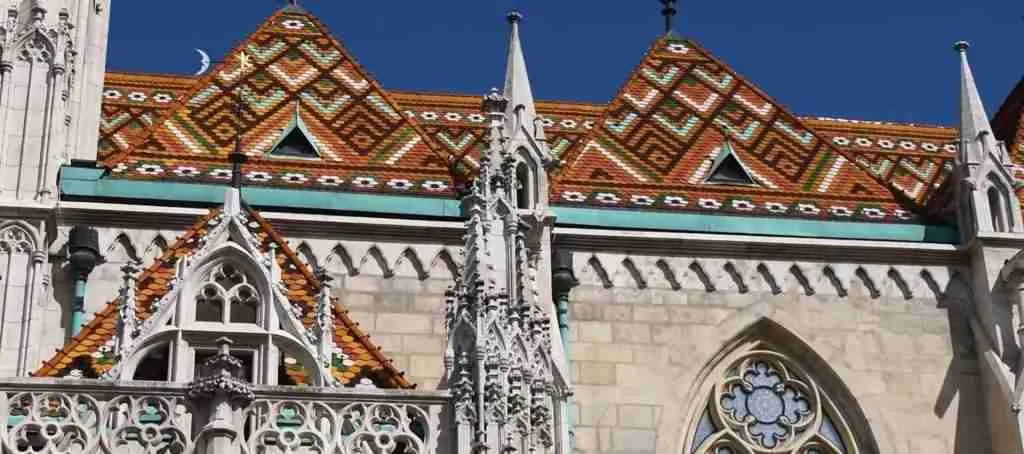
The Buda Castle Quarter preserves Gothic, Baroque, and Neoclassical architecture within medieval street patterns. Matthias Church showcases exquisite Gothic revival design, while the Fisherman’s Bastion offers panoramic Danube views through neo-Romanesque arcades. The Royal Palace houses the Hungarian National Gallery and Budapest History Museum. Across the river, the Hungarian Parliament Building exemplifies neo-Gothic grandeur, while the Danube embankment features Art Nouveau masterpieces like the Gresham Palace.
Andrássy Avenue represents 19th-century urban planning at its finest, a 2.5-kilometer boulevard connecting Erzsébet Square to City Park. The avenue features Renaissance-revival townhouses, the Hungarian State Opera House, and the Millennium Underground Railway (M1 line) – continental Europe’s first underground railway system, itself a UNESCO technical monument. The avenue terminates at Heroes’ Square, flanked by the Museum of Fine Arts and Palace of Art.
Old Village of Hollókő and Its Surroundings
Hollókő, inscribed in 1987 as Hungary’s first UNESCO site alongside Budapest, preserves a remarkably intact traditional Palóc village in northern Hungary. The village contains 67 protected buildings representing rural Hungarian architecture from the 17th-19th centuries, all still inhabited and maintaining traditional functions. The settlement developed after the 13th century when a castle was built on nearby Szár Hill following the Mongol invasion.
The village’s traditional wooden houses feature whitewashed walls, thatched or tiled roofs, and carved wooden verandas. Residents maintain traditional Palóc customs, particularly visible during Easter celebrations when locals wear elaborate folk costumes for traditional games and festivities. The village church, built in the 14th century and renovated in Gothic style, stands at the settlement’s center. A small museum displays traditional Palóc crafts, textiles, and agricultural tools.
Caves of Aggtelek Karst and Slovak Karst
This transnational UNESCO site, shared with Slovakia and inscribed in 1995, protects 712 caves distributed across a relatively compact area along the Hungarian-Slovak border. The cave system, formed in Middle Triassic limestone, demonstrates exceptional geological diversity with temperate-zone karst formations. Baradla Cave, at 25 kilometers, ranks among Europe’s longest stalactite caves.
Visitors access several caves through guided tours, with Baradla offering multiple entry points and routes. The cave’s Concert Hall, with exceptional acoustics, hosts classical music performances throughout the year. Other accessible caves include Rákóczi Cave with its healing air, and Béke Cave featuring spectacular aragonite formations. The surface landscape protects rare karst flora and provides habitat for eighteen bat species.
Millenary Benedictine Abbey of Pannonhalma
Founded in 996, the Benedictine Archabbey of Pannonhalma represents 1,000 years of continuous monastic life and cultural influence. Inscribed in 1996, the complex demonstrates the evolution of architectural styles from Romanesque foundations through Gothic, Renaissance, and Baroque additions. The monastery played a crucial role in Christianizing Hungary and establishing the country’s first school system.
The abbey’s library holds over 360,000 volumes, including medieval manuscripts and incunabula. The basilica combines Romanesque crypt, Gothic choir, and Neoclassical nave. Visitors can tour the cloister, refectory, and library, while the abbey’s herb garden and winery produce products sold on-site. The Benedictine community continues educational and cultural activities, maintaining the monastery’s historical mission.
Hortobágy National Park – the Puszta
Inscribed in 1999, Hortobágy represents Central Europe’s largest semi-natural grassland ecosystem, covering 82,000 hectares of the Great Hungarian Plain. The landscape developed through 2,000 years of pastoral land use, creating a unique cultural landscape where traditional animal husbandry adapted to alkaline soils and seasonal flooding. The park preserves Hungary’s pastoral heritage while protecting rare steppe flora and providing crucial habitat for migratory birds.
The iconic Nine-Hole Bridge, Hungary’s longest stone bridge at 167 meters, crosses the Hortobágy River and serves as the park’s symbol. Traditional csikós (horsemen) demonstrate horsemanship skills, while the park’s wildlife includes Hungarian grey cattle, racka sheep, and over 340 bird species. Visitors can explore the puszta by horse-drawn carriage, attend cultural programs, or visit the Hortobágy Inn and Shepherds’ Museum.
Early Christian Necropolis of Pécs (Sopianae)
The early Christian burial chambers of Pécs, inscribed in 2000, represent exceptional 4th-century Roman funerary architecture. The ancient city of Sopianae served as capital of the Roman province Valeria, and its Christian cemetery produced remarkably preserved decorated burial chambers featuring biblical frescoes and architectural elements. Seventeen burial chambers have been discovered, with several accessible to visitors.
The underground chambers demonstrate early Christian iconography and burial practices, with wall paintings depicting biblical scenes, grape motifs, and early Christian symbols. The chambers vary from simple family tombs to elaborate mausoleums with architectural sophistication. The site represents one of Europe’s most significant early Christian archaeological complexes, providing insight into the transition from Roman paganism to Christianity.
Fertő/Neusiedlersee Cultural Landscape
This transnational site shared with Austria, inscribed in 2001, protects the unique landscape surrounding Lake Fertő (Neusiedler See), Europe’s largest salt-water lake. The 682-square-kilometer site demonstrates 8,000 years of human adaptation to this distinctive environment, combining wetlands, agricultural lands, and historic settlements. Traditional land use, including viticulture and reed harvesting, continues alongside modern conservation efforts.
The Hungarian side features historic mansions, traditional villages, and vineyards around the lake’s shallow waters. Nagycenk preserves the Széchenyi mansion and one of Europe’s oldest railway museums. Fertőd’s Esterházy Palace, often called “the Hungarian Versailles,” showcases Baroque magnificence. The lake attracts birdwatchers, with 340 bird species recorded, while its warm, shallow waters provide excellent swimming and sailing.
Tokaj Wine Region Historic Cultural Landscape
Inscribed in 2002, the Tokaj wine region encompasses 5,500 hectares of vineyards across 28 villages in northeastern Hungary. The region demonstrates 1,000 years of continuous viticulture tradition, producing the world-famous Tokaji Aszú sweet wine since at least the 17th century. The landscape combines exceptional natural conditions – volcanic soils, favorable microclimate, and autumn mists from the Tisza and Bodrog rivers – with traditional winemaking techniques preserved through centuries.
The region’s extensive network of wine cellars, some carved into volcanic tufa and extending kilometers beneath the villages, maintains optimal conditions for aging Aszú wines. Traditional villages like Tokaj, Tarcal, and Mád preserve historic winemakers’ houses and baroque churches. Visitors can tour cellars, taste wines at family estates, and explore the landscape that has inspired writers and artists for centuries. The region’s wine classification system, established in 1737, influenced similar systems throughout Europe.
Essential Planning Information for Hungary 2026
Entry Requirements and Documentation 2026
Hungary’s membership in the Schengen Area simplifies entry for most international visitors. US, Canadian, Australian, UK, and EU citizens may enter visa-free for tourism stays up to 90 days within any 180-day period. Passports must remain valid for at least three months beyond the intended departure date from the Schengen Area. The European Travel Information and Authorization System (ETIAS), launching in 2026, requires visa-exempt nationals to obtain online authorization before travel.
ETIAS applications are completed online at a cost of €7, with approval typically granted within minutes. The authorization remains valid for three years or until passport expiration. Travelers should complete ETIAS applications at least 72 hours before departure, though most applications process immediately. The system aims to strengthen border security while maintaining efficient travel processes for legitimate tourists.
Travel insurance, while not mandatory for short visits, is strongly recommended. Comprehensive policies covering medical emergencies, trip cancellation, and theft typically cost €20-40 for week-long stays. EU citizens should carry their European Health Insurance Card (EHIC), which provides access to Hungarian state healthcare facilities under the same conditions as Hungarian residents, though supplementary insurance remains advisable.
Currency and Money Matters 2026
Hungary uses the Hungarian forint (HUF), with 2026 exchange rates approximately 380-400 HUF to 1 USD and 410-430 HUF to 1 EUR. The country maintains its own currency despite EU membership, with no immediate plans for euro adoption. This creates favorable conditions for visitors, as the forint’s relative weakness makes Hungary excellent value compared to eurozone destinations.
ATMs are widely available throughout Hungary, particularly in Budapest and major cities, offering competitive exchange rates. Withdrawal fees vary by bank, with local Hungarian banks typically charging lower fees than international ATM networks. Inform your bank of travel plans before departure to prevent card blocking. Credit and debit cards are widely accepted in hotels, restaurants, and shops in tourist areas, though cash remains necessary for smaller establishments, markets, and rural areas.
Currency exchange offices (pénzváltó) are numerous in Budapest but vary significantly in rates and fees. Avoid airport and train station exchanges, which typically offer poor rates. Reputable chains like Gold Change, Correct Change, or bank-affiliated exchanges provide fair rates with transparent fees. Always verify the final amount you’ll receive before completing transactions, as some exchanges use misleading rate displays.
Tipping practices in Hungary follow standard European customs. Restaurant service charges rarely appear on bills, so tip 10-15% for good service by leaving cash on the table or including it when paying by card. Round up taxi fares to the nearest 500 HUF or add 10%. Thermal bath attendants, tour guides, and hotel staff appreciate tips of 500-1,000 HUF for helpful service.
Language and Communication 2026
Hungarian (Magyar) is a Uralic language unrelated to surrounding Indo-European languages, making it notoriously difficult for casual learners. However, English proficiency has improved dramatically, particularly in Budapest and tourist destinations, where most hotel staff, restaurant servers, and attraction personnel speak functional English. German remains widely spoken, especially among older Hungarians and in western regions.
Learning basic Hungarian phrases demonstrates respect and often receives warm responses. Essential phrases include: “Szia” (hello, informal), “Köszönöm” (thank you), “Elnézést” (excuse me), “Kérem” (please), and “Beszél angolul?” (Do you speak English?). Restaurant staff typically provide English menus in tourist areas, though exploring traditional eateries benefits from translation apps.
Translation apps like Google Translate work well in Hungary, with offline language packs recommended for areas with limited connectivity. The camera translation feature proves particularly useful for reading menus, signs, and public transport information. Most major attractions provide English audio guides or written materials, while Budapest’s main museums offer comprehensive English descriptions.
Health and Safety Considerations 2026
Hungary maintains high standards in healthcare and public health. Tap water throughout the country is safe to drink and meets EU quality standards, though some visitors prefer bottled water due to mineral content variations. Thermal bath waters come from natural springs and are generally safe, though shower before entering pools and avoid submerging your head in thermal waters.
Pharmacies (gyógyszertár or patika) are well-stocked and staffed by qualified pharmacists who often speak English. Common medications are available without prescription, though bring adequate supplies of prescription medications with original packaging and documentation. Budapest and major cities have 24-hour pharmacies, with locations posted at all pharmacy entrances.
Crime rates remain low throughout Hungary, with violent crime against tourists rare. Petty theft, particularly pickpocketing on crowded public transport and tourist sites, represents the primary concern. Keep valuables secure, remain aware in crowded areas, and avoid displaying expensive electronics or jewelry. Use licensed taxis or ride-sharing apps rather than accepting street hails, as unlicensed operators may overcharge tourists.
Emergency services operate efficiently throughout Hungary. The universal European emergency number 112 connects to English-speaking operators who dispatch appropriate services. Police (tel. 107), ambulance (tel. 104), and fire services (tel. 105) can also be reached directly, though 112 is most reliable for English speakers.
Getting to Hungary 2026
Air Travel to Hungary
Budapest Ferenc Liszt International Airport (BUD) serves as Hungary’s primary international gateway, located 16 kilometers southeast of central Budapest. The airport handles over 16 million passengers annually, with extensive connections throughout Europe and select long-haul routes to North American and Asian destinations. Terminal 2 contains all passenger facilities, divided into 2A (Schengen flights) and 2B (non-Schengen flights), connected by walkways.
Direct flights to Budapest operate from major European cities, with budget carriers Wizz Air, Ryanair, and EasyJet offering competitive fares alongside traditional carriers. Average flight times include 2.5 hours from London, 2 hours from Paris, 1.5 hours from Vienna, and 1 hour from Prague. North American travelers typically connect through major European hubs like Frankfurt, Munich, Vienna, or Amsterdam, with total journey times from US East Coast cities around 12-14 hours.
The airport’s 100E Airport Express Bus provides dedicated service between the airport and central Budapest (Deák Ferenc tér) with journey times of 30-40 minutes. Buses operate every 10-30 minutes from 4:00 AM to 1:00 AM daily. Special 100E tickets cost 2,200 HUF and must be purchased before boarding from ticket machines at the airport or bus stops. Standard BKK travel cards and passes are not valid on the 100E route.
Alternative public transport from the airport includes bus 200E to Kőbánya-Kispest metro station (M3 line), from where the metro connects to central Budapest. This option takes 45-60 minutes total but costs only 450 HUF per person with standard BKK tickets. Night buses (900, 914, 950) serve the airport during overnight hours with connections to the night bus network.
Official airport taxis charge fixed fares to central Budapest zones, typically 8,500-9,500 HUF to most hotels. Book through the official Főtaxi desk in the arrivals hall or pre-book online. Ride-sharing services Bolt and Uber operate at the airport, generally offering lower fares (6,000-8,000 HUF to city center) though pickup procedures can be confusing for first-time visitors.
Train Travel to Hungary
Hungary’s excellent rail connections make train travel an attractive option for visitors arriving from neighboring countries or exploring Europe. Budapest’s three main railway stations – Keleti (East), Nyugati (West), and Déli (South) – handle international and domestic services. The stations connect to Budapest’s metro system, facilitating easy onward travel.
Direct trains connect Budapest with Vienna (2.5 hours), Prague (7 hours), Bratislava (2.5 hours), Zagreb (6.5 hours), and Belgrade (8 hours). High-speed Railjet services to Vienna and Munich offer comfortable travel with onboard WiFi and dining cars. Night trains operate to major cities including Munich, Hamburg, and Zürich, providing cost-effective overnight travel with sleeping car options.
MÁV (Hungarian State Railways) operates most services, with tickets available online, at station ticket offices, or via mobile app. International tickets should be purchased in advance for better prices and seat reservations. Eurail and Interrail passes are valid on Hungarian trains, though seat reservations may be required on premium services. First-class travel offers significantly more space and comfort for marginal additional cost.
Bus Travel to Hungary
International bus services connect Hungary with most European cities at budget-friendly prices. FlixBus dominates long-distance routes, with regular services from major cities across Europe. Journey times are longer than trains but significantly cheaper – Vienna to Budapest costs from €10-15 compared to €30-60 for trains. Modern buses feature WiFi, power outlets, and reclining seats, making them comfortable for shorter journeys.
Budapest’s main international bus station, Népliget, handles most international arrivals and departures. The station connects to Budapest’s metro system (M3 line), though the area is less central than train stations. Ticket booking should be completed online in advance, as walk-up prices are typically higher. Regional bus services connect smaller Hungarian towns with neighboring countries, particularly useful for crossing into Slovakia, Romania, and Serbia.
Car Rental and Driving in Hungary
Renting a car in Hungary provides flexibility for exploring rural areas, wine regions, and smaller towns not well-served by public transport. Major international rental companies operate at Budapest Airport and city locations, with compact cars starting from €25-35 per day. Book in advance for better rates, and verify insurance coverage carefully as some credit card protections may not apply in Hungary.
Driving in Hungary requires valid licenses from most countries for stays under 90 days. International Driving Permits are recommended but not required for most visitors. Hungary drives on the right side of the road, with speed limits of 50 km/h in towns, 90 km/h on main roads, and 130 km/h on motorways. Police enforce speed limits strictly, with radar cameras common and on-the-spot fines for violations.
Highway vignettes (e-matrica) are mandatory for using Hungarian motorways, purchased online through the official National Toll Payment Services website or at gas stations near borders. Weekly vignettes cost approximately 4,780 HUF, with monthly and annual options available. Failure to display valid vignettes results in substantial fines. Budapest’s parking system requires payment in most central areas, with tickets purchased from machines or mobile apps.
Transportation Within Hungary 2026
Budapest Public Transportation System
Budapest operates one of Europe’s most efficient and affordable public transport systems, managed by BKK (Centre for Budapest Transport). The network includes four metro lines, 40+ tram routes, 200+ bus lines, trolleybuses, and suburban railway (HÉV) lines, providing comprehensive coverage throughout the capital and surrounding areas.
Metro services form the backbone of Budapest’s transport system. Line M1 (yellow), continental Europe’s oldest underground railway, runs beneath Andrássy Avenue from Vörösmarty tér to City Park. Line M2 (red) connects Déli station with Pest’s eastern districts. Line M3 (blue) runs north-south through central Pest, while Line M4 (green), the newest, crosses the city diagonally. Metros operate from 4:30 AM to 11:30 PM daily, with trains every 2-10 minutes depending on time and line.
Tram Line 2, running along the Pest embankment between Jászai Mari tér and Közvágóhíd, offers spectacular Danube views and connects major attractions. Line 4/6 forms a ring around central Pest, providing fast connections between major transport hubs. Night trams (6) operate 24/7, while other lines run from 4:30 AM to 11:30 PM. Trams are typically the fastest way to travel along major corridors, especially during rush hours when roads become congested.
Single tickets cost 450 HUF, valid for one uninterrupted journey on any vehicle. Transfer tickets (530 HUF) allow one change between different routes within 90 minutes. For visitors, multi-day travel cards offer better value: 24-hour passes cost 2,500 HUF, 72-hour passes 5,500 HUF, and 7-day passes 6,500 HUF. These passes provide unlimited travel on all BKK services except the 100E airport bus.
Tickets must be validated in orange machines before boarding surface transport or entering metro stations. Inspectors regularly check tickets, imposing 16,000 HUF on-the-spot fines for violations. Digital tickets purchased through the BudapestGO mobile app eliminate validation concerns, with QR codes scanned at validators. The app also provides journey planning and real-time arrival information.
Intercity Transportation Across Hungary
MÁV operates Hungary’s extensive railway network, connecting all major cities and many smaller towns. Trains offer comfortable, punctual service at reasonable prices. Second-class coaches provide adequate comfort for most journeys, while first-class offers more space and quieter environments. Popular routes include Budapest-Eger (2 hours), Budapest-Pécs (3 hours), and Budapest-Debrecen (2.5 hours), with hourly or more frequent departures on major routes.
InterCity (IC) trains require reservations and surcharges but provide the fastest connections between major cities with modern, air-conditioned coaches. Regional (személyvonat) trains stop at all stations, taking significantly longer but serving smaller communities. Discounts apply for children, seniors (over 65), and groups. Tickets can be purchased online, at station ticket offices, or via mobile app, with online purchases offering small discounts.
Volán operates Hungary’s comprehensive bus network, particularly important for reaching destinations not served by rail or for connecting smaller towns. Buses often provide more direct routes than trains for certain destinations, though journey times may be longer. The Budapest Népliget bus station serves as the main hub, with connections to all regions. Tickets are purchased at bus stations, from drivers (with small surcharge), or online through the Volán website.
Accommodation Options in Hungary 2026
Budapest Accommodation Guide
Budapest offers exceptional accommodation value across all categories, from budget hostels to luxury hotels. The city’s hotel scene has expanded significantly, with international chains, boutique properties, and unique ruin-pub hostels providing diverse options. Location significantly affects pricing and convenience, with central districts commanding premium rates but offering easy walking access to attractions.
Budget travelers find excellent hostel accommodation in Budapest’s District VII (Jewish Quarter), where prices start from €15-25 per dormitory bed. Hostels like Carpe Noctem, Grandio Party Hostel, and Maverick hostels offer social atmospheres with organized activities, while quieter options like Budapest Bubble provide more restful environments. Private rooms in hostels typically cost €35-50, offering hotel comfort at budget prices.
Mid-range hotels (€60-100 per night) concentrate in central Pest districts, particularly around Deák Ferenc tér and along Andrássy Avenue. Three-star hotels like City Hotel Matyas, Ibis Styles, and NH Collection properties provide comfortable, well-equipped rooms with breakfast included. These hotels offer air conditioning, free WiFi, and convenient public transport access. Booking 2-3 months ahead typically secures 20-30% discounts off walk-in rates.
Boutique hotels in converted historic buildings provide unique Budapest experiences. Properties like Brody House, Maison Bistro & Hotel, and Casati Budapest Hotel combine architectural character with contemporary comfort, typically priced €80-150 per night. These smaller hotels offer personalized service and distinctive design, often including breakfast and evening wine receptions.
Luxury hotels command €150-300+ per night, with properties like Four Seasons Gresham Palace, Aria Hotel Budapest, and Corinthia Budapest offering five-star service, Michelin-quality dining, and elaborate spa facilities. Many luxury hotels occupy historic buildings with remarkable architecture, combining Budapest’s imperial heritage with contemporary amenities. Significant discounts apply during winter months and weekday periods.
Apartment rentals through Airbnb and Booking.com provide excellent value for groups or longer stays, with entire apartments starting from €50-80 per night for well-located properties. Downtown apartments offer kitchens, washing machines, and living space at rates competitive with mid-range hotels. Budapest’s apartment rental market is well-developed, with thousands of legal short-term rentals available.
Accommodation in Hungarian Regions
Regional Hungary offers exceptional accommodation value, with comfortable hotels often costing 30-40% less than equivalent Budapest properties. Lake Balaton’s accommodation varies seasonally, with summer peak season (July-August) commanding €80-150 per night for lakefront hotels, while shoulder seasons (May-June, September) offer €50-80 rates with pleasant weather and fewer crowds.
Historic cities like Pécs, Eger, and Debrecen feature charming guesthouses and small hotels in restored buildings, typically costing €40-70 per night for double rooms with breakfast. Wine regions around Tokaj, Eger, and Villány increasingly offer wine estate accommodations, where guests can stay in renovated cellars or winemakers’ houses, often including wine tastings and meals prepared from local ingredients.
Rural guesthouses (panzió or vendégház) provide authentic Hungarian hospitality, particularly in villages like Hollókő and towns in the Danube Bend. These family-run establishments typically charge €30-50 per night for comfortable rooms with home-cooked breakfasts, offering insights into local life that hotels cannot match. Many rural accommodations lack air conditioning, less problematic in Hungary’s continental climate than in Mediterranean destinations.
Hungarian Cuisine and Dining 2026
Hungarian cuisine extends far beyond goulash, offering sophisticated flavors developed over centuries of cultural fusion. Paprika defines Hungarian cooking, appearing in dishes from breakfast to dessert, though Hungarian cuisine encompasses subtle preparations alongside hearty classics. Traditional cooking emphasizes fresh market ingredients, slow cooking techniques, and seasonal specialties that vary throughout the year.
Goulash (gulyás) originated as a shepherd’s soup, combining beef, vegetables, and paprika in a thin, flavorful broth. Proper gulyás differs significantly from the thick stew served internationally. Chicken paprikash (paprikás csirke) pairs tender chicken in creamy paprika sauce with nokedli (egg dumplings). Fisherman’s soup (halászlé) from the Danube and Tisza rivers creates an intensely spicy broth with paprika and freshwater fish.
Budapest’s restaurant scene has evolved dramatically, with modern chefs reinterpreting traditional dishes while maintaining Hungarian flavor profiles. Onyx, Stand, and Borkonyha represent Michelin-starred fine dining, while traditional restaurants like Gundel, Café Gerbeaud, and Arcade Bistro preserve classic preparations. Expect to pay €40-70 per person at fine dining establishments, €20-35 at quality mid-range restaurants, and €8-15 at casual eateries.
Traditional Hungarian dishes worth seeking include Hortobágyi palacsinta (savory pancakes filled with meat), töltött káposzta (stuffed cabbage), and various preparations of mangalica pork from Hungary’s indigenous curly-haired pigs. Lángos, fried bread topped with sour cream and cheese, serves as popular street food. Hungarian pastries like dobos torta (layered sponge with chocolate buttercream) and Esterházy torta (walnut and cream cake) demonstrate the country’s impressive confectionery traditions.
Budapest’s Central Market Hall (Nagycsarnok) offers the best introduction to Hungarian ingredients and prepared foods. The ground floor sells fresh produce, meats, paprika, and traditional foodstuffs, while the upper floor features food stalls serving traditional dishes at very reasonable prices (€5-8 per meal). Visit during weekday mornings for the most vibrant atmosphere with fewer tourists.
Wine regions throughout Hungary produce excellent wines often unknown internationally. Tokaji Aszú sweet wine, produced since the 17th century, ranks among the world’s great dessert wines. Eger’s Bull’s Blood (Egri Bikavér) and Villány’s full-bodied reds compete with international standards. Hungarian wine bars in Budapest like DiVino, Kadarka, and Doblo Wine Bar offer extensive selections with knowledgeable staff who can guide explorations of Hungarian viticulture.
Vegetarian and dietary options have expanded significantly in Budapest, with restaurants like Vegán Love, Napfényes, and Vegan Garden offering creative plant-based interpretations of Hungarian classics. Most traditional restaurants can accommodate vegetarian requests, though rural areas may have limited options. Celiac travelers find growing awareness of gluten-free requirements, particularly in Budapest.
Budapest Thermal Bath Culture 2026
Budapest’s thermal bath culture represents one of Hungary’s most distinctive attractions, with over 100 natural thermal springs supplying the capital’s numerous bath complexes. The tradition dates to Roman times, flourished under Turkish occupation (16th-17th centuries), and reached its peak during the Austro-Hungarian period when grand palace-style bath complexes were constructed. Today, thermal bathing remains integral to Budapest life, with locals visiting baths regularly for relaxation, socializing, and therapeutic treatments.
Széchenyi Thermal Bath, Europe’s largest medicinal bath complex, occupies a neo-Baroque palace in City Park. The facility offers 18 pools (15 indoor, 3 outdoor) with water temperatures ranging from 27-40°C. The outdoor pools, particularly the main swimming pool at 27°C and two thermal pools at 38-40°C, create magical experiences year-round, especially during winter when steam rises dramatically in cold air. Full-day weekday admission costs 13,200 HUF (€34), weekend 14,800 HUF (€38). Check the official website for current rates and consider booking online to avoid queues.
Gellért Thermal Bath, noted for its Art Nouveau architecture, remains closed until 2028 for extensive renovations. During this closure, visitors should explore Széchenyi, Rudas, or Lukács baths for similar experiences.
Rudas Thermal Bath combines 16th-century Turkish architecture with modern wellness facilities. The octagonal pool beneath an Ottoman dome creates an atmospheric bathing experience, while the rooftop pool offers spectacular Danube and city views. Full-day tickets providing access to all zones (Turkish bath, wellness pools, rooftop) cost approximately 12,000 HUF (€31). The Turkish bath operates on a gender-segregated schedule on certain days – verify the schedule before visiting if this matters to your plans.
Lukács Thermal Bath attracts more locals than tourists, offering an authentic Budapest bath experience. The complex includes thermal pools, swimming pools, and extensive sauna facilities. Weekday entry costs 7,000 HUF (€18), weekend 8,000 HUF (€21), making it Budapest’s most affordable major bath. The atmosphere tends toward the social and communal rather than the spa-like refinement of Széchenyi.
Bath etiquette requires showering before entering pools, removing shoes in changing areas (bring flip-flops), and wearing swimming caps in certain pools. Most baths rent towels, robes, and caps for 1,000-2,000 HUF, though bringing your own reduces costs and queuing. Locker or cabin options affect pricing – lockers cost less but provide less space, while cabins offer private changing areas. Massage services are available at all major baths, typically costing 6,000-12,000 HUF for 20-45 minute treatments – book in advance as appointments fill quickly.
Evening bath experiences offer unique atmospheres. Széchenyi hosts Saturday night “Sparty” bath parties during warmer months, combining thermal bathing with DJs and light shows. Rudas opens for mixed-gender nighttime bathing Friday-Saturday with atmospheric lighting. These evening sessions attract younger crowds and create party atmospheres quite different from daytime bathing.
Day Trips from Budapest 2026
Budapest’s central location enables numerous excellent day trips to historic towns, wine regions, and natural areas. Most destinations can be reached within 1-2 hours by train or bus, making them accessible even with limited time. Organized tours provide convenience but cost significantly more than independent travel.
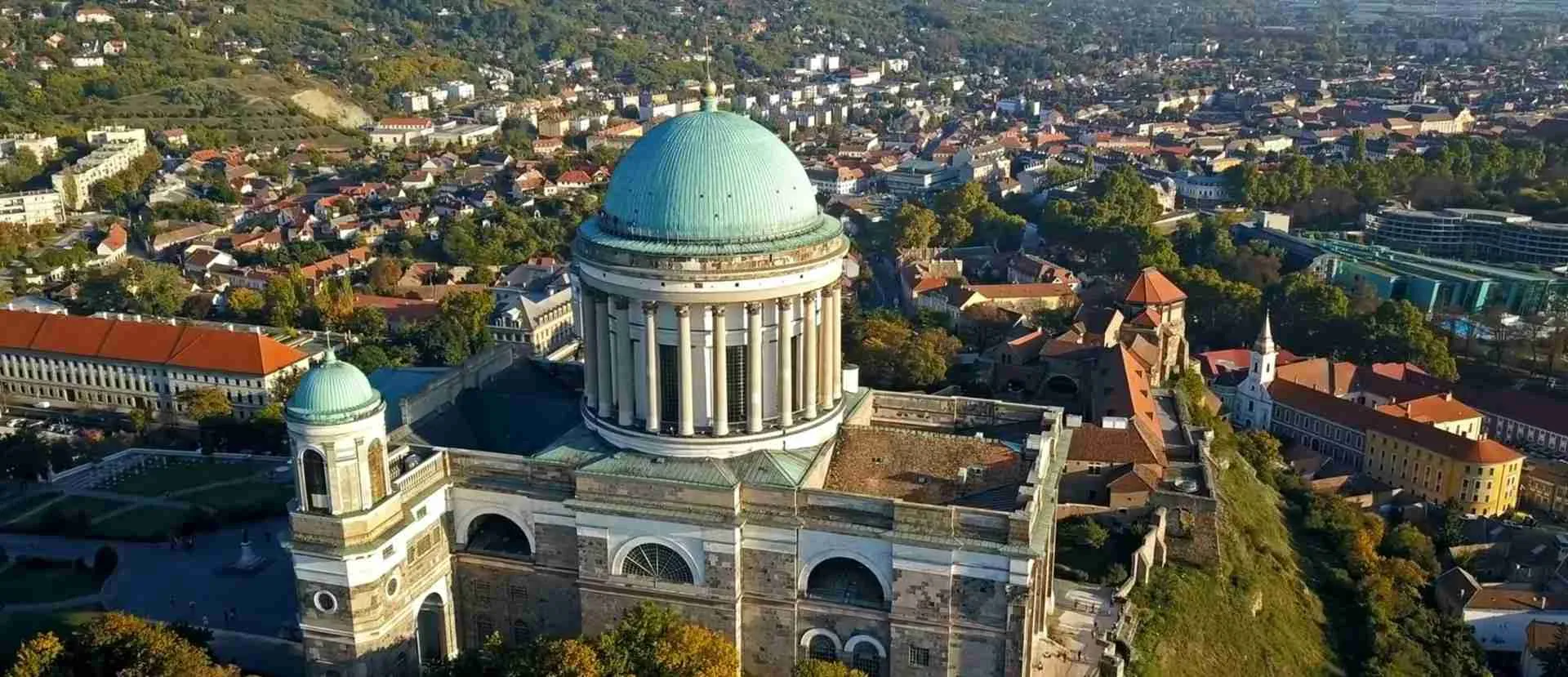
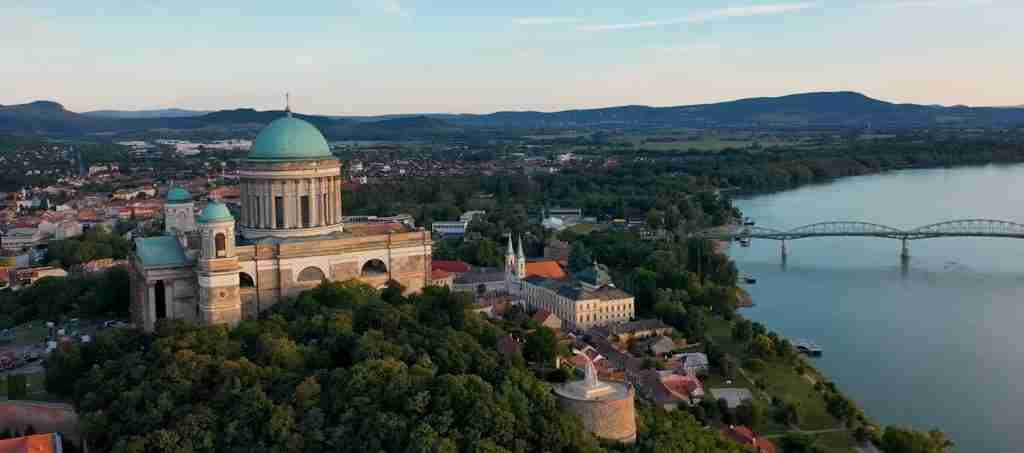
The Danube Bend encompasses three historic towns within easy reach of Budapest. Szentendre (40 minutes by HÉV suburban train) features colorful Baroque architecture, artist galleries, and Serbian Orthodox churches in a picturesque riverside setting. The open-air ethnographic museum (Skanzen) demonstrates traditional Hungarian rural architecture and crafts. Visegrád (1 hour by bus or boat) offers hilltop medieval royal palace ruins with panoramic Danube views and the reconstructed Renaissance royal residence. Esztergom (1.5 hours by train or bus), Hungary’s religious capital, showcases the country’s largest church – the Esztergom Basilica – and medieval castle remains. Combined visits to all three towns are possible in a long day, though focusing on one or two allows more thorough exploration.
Gödöllő Royal Palace (45 minutes by HÉV train) presents Hungary’s largest Baroque palace, closely associated with Empress Elisabeth (Sisi) of Austria-Hungary. The restored palace demonstrates imperial court life with furnished royal apartments, theaters, and extensive formal gardens. Entry costs 3,700 HUF, with English audio guides available.
Hollókő UNESCO village (2 hours by bus from Stadion bus station) preserves traditional Palóc architecture and culture. Visit on Saturday mornings for the best village market atmosphere, or during Easter when locals wear traditional costumes for elaborate celebrations. The hilltop castle ruins provide excellent views over the village and surrounding countryside. Bring cash as few facilities accept cards.
Lake Balaton, Hungary’s “inland sea,” offers several day-trip options. Tihany Peninsula (2 hours by train then bus) features the twin-towered Baroque abbey church, lavender fields (blooming June-July), and walking trails with lake views. Balatonfüred (2 hours by train) serves as the lake’s most elegant resort town with lakeside promenades and historic villas. Swimming, sailing, and lakeside dining characterize summer visits, though shoulder seasons offer pleasant walking and cycling with minimal crowds.
Eger (2 hours by train) combines Baroque architecture, Turkish minaret remains, thermal baths, and wine culture in Hungary’s most appealing provincial city. The hilltop castle withstood the famous 1552 Turkish siege, commemorated in extensive museums. The Valley of Beautiful Women features dozens of wine cellars offering tastings of Eger’s famous Bull’s Blood red wine and excellent whites. Plan to stay overnight to fully experience Eger’s charms, though day visits are possible.
Budget Planning for Hungary 2026
Daily Budget Estimates
Budget travelers can explore Hungary comfortably on €50-70 daily by staying in hostel dormitories (€15-25), eating street food and market meals (€15-25), using public transport (€6.50 for 72-hour pass), and limiting attractions to one or two per day. This budget allows thermal bath visits, museum entries, and occasional restaurant meals. Budget travelers save significantly by preparing picnic lunches from markets, walking between attractions when possible, and visiting free sites like St. Stephen’s Basilica and Heroes’ Square.
Mid-range travelers should budget €100-150 daily for comfortable experiences including three-star hotels (€60-80), restaurant meals, regular thermal bath visits, attraction entries, and occasional taxis. This budget permits wine tastings, guided tours, and spa treatments without constant price monitoring. Couples or friends traveling together benefit from shared accommodation costs, effectively reducing individual daily budgets.
Luxury travelers spending €200+ daily enjoy boutique hotels, fine dining, private tours, premium spa treatments, and first-class travel. Hungary’s relatively low costs mean luxury experiences cost significantly less than equivalent Western European experiences, making it an excellent destination for travelers seeking high-quality experiences at reasonable prices.
Money-Saving Strategies
Purchase Budapest Cards for comprehensive city visits – the card provides free public transport, free entry to many museums, and discounts at restaurants and attractions. The 72-hour card costs 17,900 HUF (€46) and typically pays for itself with transport savings plus two or three museum visits. The card also includes free walking tours, making it excellent value for first-time visitors planning intensive sightseeing.
Visit during shoulder seasons (April-May, September-October) for 20-30% lower accommodation prices, fewer crowds, and pleasant weather. Winter visits (November-March except Christmas/New Year) offer the lowest prices but shorter daylight hours and cold weather. Book accommodations well in advance for summer travel as prices increase significantly for last-minute bookings.
Lunch menus (napi menü) at restaurants offer two or three courses for €8-12, providing substantial meals at half the price of à la carte dinners. Markets like the Central Market Hall offer prepared foods at budget prices. Self-catering some meals in apartment accommodations reduces dining costs substantially while allowing you to cook with excellent Hungarian ingredients from markets.
Free walking tours operate in Budapest and major cities, running on tips rather than fixed fees. These tours provide excellent orientation and historical context, typically lasting 2-3 hours. Tip your guide 2,000-3,000 HUF per person for good service.
Cultural Events and Festivals 2026
Hungary’s cultural calendar offers events year-round, from music festivals to wine harvests and traditional celebrations. Planning visits around major events provides deeper cultural immersion but requires advance booking as accommodation fills quickly.
The Budapest Spring Festival (March-April) presents three weeks of classical music, opera, dance, and theater performances at venues throughout the capital. The festival attracts international artists alongside Hungarian performers, offering diverse programming from baroque to contemporary works. Many events are free or low-cost, making it accessible to all visitors.
Sziget Festival (mid-August) ranks among Europe’s largest music festivals, transforming an island in the Danube into a week-long cultural celebration with multiple stages featuring international headliners. Seven-day passes sell out months in advance, with single-day tickets available closer to the event. The festival attracts 500,000 visitors annually, creating accommodation challenges in Budapest – book very early or consider staying outside the city.
The Budapest International Wine Festival (early September) occupies Buda Castle for four days of wine tastings, representing Hungary’s wine regions alongside international producers. Master classes, food pairings, and evening concerts complement the tastings. Tickets cost approximately 6,000 HUF for unlimited tastings during four-hour sessions.
Grape harvest festivals occur in wine regions throughout September-October. Tokaj celebrates with week-long festivities including processions, traditional music, and extensive wine tastings. Villány and Eger host similar events with street parties and cellar open houses where winemakers offer tastings and special harvest menus.
Christmas markets transform Budapest and regional cities from late November through December. Budapest’s main market at Vörösmarty Square offers traditional crafts, mulled wine, and Hungarian specialties in a festive atmosphere. Ice skating at City Park and thermal bathing create magical winter experiences. Smaller markets at St. Stephen’s Basilica and Buda Castle provide alternatives with less crowding.
Practical Travel Tips for Hungary 2026
Mobile connectivity in Hungary is excellent, with 4G/5G coverage in cities and most rural areas. EU residents can use their home mobile plans without roaming charges. Non-EU visitors should purchase local SIM cards from Telekom, Telenor, or Vodafone, available at airports, train stations, and mobile phone shops. Prepaid SIM cards with 10GB data cost approximately 3,000-5,000 HUF, providing cost-effective connectivity for navigation, translation, and communication.
WiFi is widely available in accommodations, restaurants, and cafés throughout Hungary. Most hotels, hostels, and apartments include free WiFi, though connection quality varies. Budapest’s public transport offers free WiFi on newer trams and metro stations. Use VPN services if accessing sensitive information over public networks.
Electrical outlets in Hungary use Type F plugs (two round pins) with 230V/50Hz standard. North American devices require both plug adapters and voltage converters, though most modern electronics (phones, laptops, camera chargers) include built-in voltage conversion and need only plug adapters. Purchase quality adapters before departure as airport versions are overpriced.
Business hours in Hungary typically run Monday-Friday 9:00 AM-5:00 PM for offices, with shops open 10:00 AM-6:00 PM weekdays and 10:00 AM-2:00 PM Saturdays. Large shopping centers operate daily until 8:00 PM or 9:00 PM. Many restaurants close between lunch and dinner service (3:00-6:00 PM), particularly outside Budapest. Sunday shopping restrictions limit most stores except those in tourist areas and shopping malls.
Photography is generally permitted in Hungary, though some museums prohibit flash photography or charge fees for camera use. Always ask permission before photographing people, particularly at traditional markets or in smaller communities. Military installations, border crossings, and some government buildings prohibit photography – watch for signs indicating restrictions.
Weather in Hungary varies considerably by season, requiring appropriate clothing. Summer (June-August) brings 25-30°C temperatures with occasional thunderstorms – pack light, breathable clothing, sunscreen, and a light rain jacket. Spring and fall require layering as temperatures fluctuate significantly between morning and afternoon. Winter demands warm coats, as temperatures regularly drop below freezing with occasional snow. Comfortable walking shoes are essential year-round as cobblestone streets and uneven pavements are common in historic areas.
Sustainable and Responsible Tourism in Hungary 2026
Hungary’s growing tourism industry faces challenges balancing economic benefits with cultural preservation and environmental protection. Thoughtful travelers can minimize negative impacts while supporting local communities and conservation efforts.
Budapest’s popularity creates overtourism pressure in central districts, particularly District V and the Castle District. Visit lesser-known neighborhoods like District VIII (Palace Quarter), District XIII (Újlipótváros), or Margaret Island for authentic local experiences with fewer crowds. Explore regional cities like Pécs, Debrecen, or Szeged where tourism infrastructure exists but visitor numbers remain manageable. Your spending in these areas directly benefits communities less dependent on tourism.
Support locally-owned accommodations, restaurants, and tour operators rather than international chains. Family-run guesthouses, traditional restaurants, and local guides keep tourism revenue within communities. Patronize markets where farmers and artisans sell directly to consumers, ensuring fair compensation for producers. Hungarian design shops offer contemporary crafts and design objects that support local artists and makers.
Hungary’s public transport system provides sustainable transportation throughout the country. Walking and cycling suit Budapest’s compact central districts, with several bike-sharing systems available. Regional trains and buses offer environmentally-friendly alternatives to rental cars for intercity travel. When driving is necessary, consider carpooling through ride-sharing platforms to reduce vehicle numbers.
Respect cultural sites by following posted rules, staying on designated paths, and avoiding touching delicate surfaces in historic buildings. Thermal baths and natural areas require particular care – shower before entering pools, follow capacity limits, and remove all waste. UNESCO World Heritage Sites face pressure from visitor numbers – visit during off-peak hours and seasons when possible.
Learn basic Hungarian phrases and respect local customs. While many Hungarians speak English in tourist areas, attempting to communicate in Hungarian demonstrates respect and often receives warm responses. Understand that Hungarians value direct communication and may seem reserved compared to Mediterranean cultures – this reflects cultural norms rather than rudeness.
Frequently Asked Questions About Hungary Travel 2026
What electrical outlets and voltage does Hungary use?
Hungary uses Type F electrical outlets (two round pins) with 230V/50Hz standard electricity. Visitors from North America need both plug adapters and voltage converters for devices not compatible with 230V. Modern electronics (phones, laptops, cameras) typically include built-in voltage conversion and require only plug adapters. Purchase quality adapters before departure as airport versions cost significantly more. Most hotels provide limited adapters at reception, though bringing your own ensures availability when needed.
Can I drink tap water in Hungary?
Tap water throughout Hungary is safe to drink and meets strict EU quality standards. Budapest’s water comes from protected springs and undergoes rigorous testing. Some visitors find the mineral content higher than they’re accustomed to, which may affect taste but presents no health concerns. Thermal bath waters come from natural springs and are safe, though shower before entering pools and avoid submerging your head. Restaurants serve tap water free upon request, though many establishments prefer selling bottled water. Bring a refillable water bottle to reduce plastic waste and costs.
How much Hungarian should I learn before visiting?
Learning basic Hungarian phrases enhances your experience, though English proficiency in tourist areas is good. Essential phrases include greetings (Szia – hello, informal), thank you (Köszönöm), please (Kérem), excuse me (Elnézést), and “Do you speak English?” (Beszél angolul?). Restaurant staff in Budapest typically speak English and provide English menus, but learning menu basics helps in traditional eateries. Translation apps work well for reading signs, menus, and public transport information. Older Hungarians often speak German, which may be more useful than English in rural areas. Your efforts to speak Hungarian, however basic, receive appreciation from locals.
What is the best way to get from Budapest Airport to the city center?
The 100E Airport Express Bus provides the fastest and most direct public transport, running every 10-30 minutes from 4:00 AM to 1:00 AM. Journey time is 30-40 minutes to Deák Ferenc tér in central Budapest, with stops at major transport hubs. Special 100E tickets cost 2,200 HUF and must be purchased before boarding from ticket machines. Standard BKK travel cards are not valid on this route. Alternative public transport includes bus 200E to Kőbánya-Kispest metro station, then metro to the center (45-60 minutes total, 450 HUF). Official airport taxis charge fixed fares of 8,500-9,500 HUF to central zones. Ride-sharing services (Bolt, Uber) typically cost 6,000-8,000 HUF to the city center but pickup procedures can be confusing for first-time users.
Are credit cards widely accepted in Hungary?
Credit and debit cards are widely accepted in Budapest hotels, restaurants, and shops, particularly in tourist areas. Contactless payments work throughout the city, with most establishments accepting cards for purchases of any amount. Rural areas, markets, small cafés, and traditional restaurants often operate cash-only, so carry Hungarian forints for these situations. ATMs are readily available throughout Hungary, offering competitive exchange rates. Inform your bank of travel plans before departure to prevent card blocking. Some establishments add small surcharges for credit card payments, though this practice is declining. The Budapest public transport system now accepts contactless card payments on newer vehicles, though purchasing tickets in advance remains advisable.
What should I pack for a trip to Hungary in 2026?
Packing requirements depend on visit timing. Summer (June-August) demands light, breathable clothing, sunscreen, sunglasses, and a light rain jacket for occasional thunderstorms. Comfortable walking shoes are essential as you’ll cover significant distances on cobblestone streets and uneven pavements. Spring and fall require layering as temperatures fluctuate 10-15°C between morning and afternoon – pack long-sleeve shirts, light sweaters, and a medium-weight jacket. Winter visits need warm coats, as temperatures regularly drop below freezing, plus scarves, hats, and gloves for outdoor exploration. Bring flip-flops or water shoes for thermal bath visits, though baths rent these items. A small daypack carries essentials for sightseeing. Modest clothing appropriate for church visits (covering shoulders and knees) respects cultural norms. Power adapters for Type F outlets and a refillable water bottle complete essential packing.
Is Hungary family-friendly for traveling with children?
Hungary offers excellent family travel experiences with child-friendly attractions, safe environments, and accommodating culture. Budapest’s City Park contains the Zoo, Circus, Amusement Park, and Vajdahunyad Castle, providing full days of entertainment. Margaret Island offers playgrounds, swimming pools, and car-free paths perfect for children. Thermal baths welcome families, though most require children to be at least 14 years old – Palatinus Baths on Margaret Island accepts younger children and operates family-friendly pools. Lake Balaton provides beach experiences with shallow, warm water ideal for young swimmers. Museums like the Railway Museum, Hungarian Natural History Museum, and interactive science exhibits engage children. Most restaurants accommodate families with children’s menus and high chairs available. Public transport is free for children under 14 when accompanied by adults. The main challenge involves cobblestone streets and stairs making stroller navigation difficult in historic areas.
How difficult is it to travel to Hungary as a vegetarian or vegan?
Budapest’s vegetarian and vegan dining scene has expanded significantly, with dedicated restaurants like Vegan Love, Napfényes, and Vegan Garden offering creative plant-based cuisine. Most modern restaurants provide vegetarian options, and many can adapt dishes to be vegetarian upon request. Traditional Hungarian cuisine heavily features meat, so vegetarian travelers should research restaurant menus in advance for traditional dining experiences. Dishes like lángos (fried bread), túrós csusza (cottage cheese pasta), and various vegetable soups can be vegetarian. Markets provide excellent fresh produce, making self-catering viable. Rural areas and smaller towns offer limited vegetarian options – bring snacks for day trips to smaller destinations. Vegan travelers face more challenges outside Budapest, as dairy and eggs feature prominently in Hungarian cooking. Learning basic food vocabulary in Hungarian helps communicate dietary requirements: “vegetáriánus” (vegetarian), “vegán” (vegan), “hús nélkül” (without meat).
What are the best souvenirs to buy in Hungary?
Quality Hungarian paprika in decorative tins makes an excellent, lightweight souvenir representing essential Hungarian cuisine. Purchase from markets or specialty spice shops for best quality and prices. Hungarian wines, particularly Tokaji Aszú or Egri Bikavér, travel well and cost significantly less in Hungary than abroad – wine shops provide expert guidance and shipping services for larger purchases. Traditional embroidered textiles, tablecloths, and folk art from Transylvanian regions showcase exceptional craftsmanship. Herend porcelain, while expensive, represents Hungary’s finest decorative arts with intricate hand-painted designs. Contemporary Hungarian design products (textiles, ceramics, jewelry) from shops like Printa, Wamp Design Market, and Magma Gallery support local artists. Unicum, Hungary’s distinctive bitter herbal liqueur, divides opinions but makes a memorable gift. Szamos marzipan and quality Hungarian chocolates satisfy sweet enthusiasts. Avoid mass-produced “Hungarian” souvenirs made in Asia – look for “Magyar Termék” (Hungarian Product) labels indicating local production.
How safe is Budapest’s nightlife scene?
Budapest’s nightlife is generally safe, with well-developed infrastructure for evening entertainment and low violent crime rates. The ruin pub scene in District VII attracts international visitors with unique atmospheres in converted buildings, remaining safe until late hours. Standard nightlife precautions apply: watch your drinks, keep valuables secure, travel in groups when possible, and avoid excessive alcohol consumption. Use licensed taxis or ride-sharing apps (Bolt, Uber) rather than accepting rides from strangers or unlicensed operators waiting outside venues. Some nightclubs employ aggressive promoters offering free entry or drinks – these establishments often involve hidden charges, poor drink quality, or card skimming scams. Stick to well-reviewed venues with clear pricing policies. Women traveling alone generally report feeling safe in Budapest’s main nightlife areas, though basic awareness and caution apply as in any major city. Night buses and tram 6 provide safe, reliable transport throughout the night at regular intervals.