Peru’s ancient landscapes offer more than just iconic ruins. Travelers seeking deeper cultural connections can discover a carefully crafted journey that pairs the world-famous Machu Picchu with lesser-known Inca marvels: Moray’s circular terraces and Salineras’ salt pans. This blend creates an immersive experience, balancing must-see landmarks with hidden historical treasures.
Curated itineraries simplify exploration, offering private transfers and expert-guided tours. These routes connect the Sacred Valley’s highlights while allowing time to absorb local traditions. From sunrise views at Machu Picchu to walking through Salineras’ mineral-rich pools, every stop adds layers to the adventure.
This guide details step-by-step planning, including transportation choices and cultural stops. Readers will learn how to optimize their trip duration, select accommodations, and secure reservations efficiently. Real tour examples showcase seamless logistics, ensuring travelers focus on the experience rather than the details.
Key Takeaways
- Pairing Machu Picchu with Moray and Salineras creates a balanced mix of iconic and off-the-beaten-path sites
- Pre-planned itineraries reduce stress with organized transportation and guided experiences
- Private transfers between locations maximize time efficiency in the Sacred Valley
- Cultural stops provide insight into Inca engineering and modern Peruvian traditions
- Early reservation strategies help secure access to limited-capacity archaeological sites
- Contact us by filling out the trip planner form, our expert travel advisors will work closely with you to create your tailor-made itinerary (Free Service)
Introduction: Unveiling the Magic of Inca Wonders
The legacy of the Inca Empire reveals itself through engineering marvels that shaped Peru’s landscape. From the terraced Inca citadel of Machu Picchu to Moray’s concentric agricultural laboratories, these sites form a living tapestry of innovation. The Sacred Valley served as the empire’s agricultural heartland, where ancient engineers perfected crop cultivation and water management systems still studied today.
Discovering the Historical Significance
Moray’s circular terraces functioned as an open-air laboratory, testing crops at varying altitudes. Nearby, Salineras’ cascading salt pans illustrate how Inca descendants harnessed mineral-rich springs. Together with Machu Picchu’s stone temples, these ruins showcase a civilization mastering both form and function.
What Makes This Journey Unique
Unlike standard tours, this journey connects archaeological wonders with living traditions. Expert guides decode hidden symbols in Machu Picchu’s architecture while explaining salt-harvesting techniques passed through generations. The Sacred Valley becomes a classroom where travelers witness how ancient solutions influence modern Peruvian life.
For those seeking curated experiences, our Sacred Valley tour packages blend accessibility with depth. Visitors explore less-crowded sites while enjoying seamless logistics—a balance rarely found in typical itineraries.
Trip Planning: Key Details for a Smooth Journey
Effective planning transforms a trip to Peru’s archaeological sites from overwhelming to effortless. Attention to schedules and reservations ensures travelers maximize their time while avoiding common pitfalls.
Timing, Tickets, and Transportation Options
Early hotel pick-ups (5:30–6:30 AM) align with train departures from Ollantaytambo to Aguas Calientes. Most tickets for Machu Picchu require advance booking, with limited daily entrance slots. Door-to-door transfers eliminate navigation stress, especially when visiting multiple sites in one day.
| Transport Type | Advantages | Booking Tip |
|---|---|---|
| Train | Scenic views, direct route | Reserve 60+ days early |
| Private Van | Flexible schedules | Confirm pickup time via app |
| Bus | Cost-effective | Verify departure terminal |
Essential Packing and Preparation Tips
High-altitude excursions demand lightweight layers and sun protection. Consider these travelers’ essentials:
- Passport (required for site entry)
- Reusable water bottle
- Altitude sickness tablets
- Waterproof hiking shoes
Double-check itinerary confirmations the night before. Guides recommend arriving 30 minutes early at meeting points to account for Andean traffic patterns.
Itinerary Insights: A Two-Day Adventure
This carefully paced journey transforms 48 hours into a capsule of Andean discovery. Travelers witness ancient engineering alongside living traditions, with seamless transitions between archaeological marvels and modern Peruvian life.
Day One: Exploring Moray, Maras, and the Salt Mines
Morning begins at Moray’s concentric terraces, where guides explain their role as Inca agricultural laboratories. The adjacent Maras village reveals colonial-era architecture before descending to salt mines—3,000 mineral-rich pools shimmering like a mosaic.
Afternoon transfers include a scenic train ride through the Urubamba Valley to Aguas Calientes. Pre-booked tickets eliminate queues, while included lunches feature quinoa stew and lomo saltado (stir-fried beef).
Day Two: The Machu Picchu Experience
Sunrise reveals the Machu Picchu citadel during a 2-hour guided tour. Highlights include the Temple of the Sun and Intihuatana stone. Adventurous travelers add Huayna Picchu’s steep trails for panoramic views.
Return journeys offer flexibility: direct train rides or stops at local markets. Guides share packing checklists for altitude changes, ensuring comfort during transitions between 7,970 ft (Aguas Calientes) and 11,152 ft (Cusco).
- 6:30 AM hotel pickup with breakfast box
- Expert-led ruins interpretation in English/Spanish
- Round-trip Vistadome train tickets included
- Optional afternoon tea at Belmond Sanctuary Lodge
Would you like to book the above Package Tour to Machu Picchu? Please fill-out our below trip planner and we will respond promptly with our best offer!
How to combine Machu Picchu with a visit to Moray and Salineras?
Designing a trip that weaves together the Inca citadel with lesser-known marvels requires strategic planning. Reputable operators structure day-long excursions departing from Cusco, blending morning visits to Moray’s terraces with afternoon exploration of salt mines. “The key lies in sequencing sites by elevation,” notes a local tour coordinator, ensuring gradual altitude adaptation.
Booking a guided tour simplifies logistics. Travelers typically reserve through certified platforms offering bundled passes for Machu Picchu entrance and maras salt pans access. Top-rated packages include:
- Round-trip transfers from Cusco/Ollantaytambo
- Bilingual explanations of Moray’s microclimate experiments
- Demonstrations of pre-Columbian salt harvesting techniques
Knowledgeable guides elevate the experience by connecting archaeological dots. At maras moray, they decode how circular terraces simulated different growing conditions. Later, at the salt mines, visitors witness evaporation methods unchanged since Inca times.
Early starts maximize site access before crowds arrive. Most tours allocate 90 minutes at each location, with buffer time for photo stops. Sunset visits to the salt mines create striking visual contrasts as mineral pools reflect golden-hour light.
Secure Machu Picchu tickets first, then build the itinerary outward. Premium operators synchronize train schedules to Aguas Calientes with guided tour slots at the citadel. This approach prevents rushed transitions while honoring timed entry requirements.


Exploring the Sacred Valley: Beyond the Inca Ruins
The Sacred Valley unfolds like a living museum, where vibrant cultures meet ancient stones. While Machu Picchu commands global attention, the surrounding valley hides lesser-known treasures. Colonial churches rise beside Inca foundations, and terraced fields cascade toward the Urubamba River.
Chinchero, Ollantaytambo, and Scenic Landscapes
Chinchero’s cobblestone streets buzz with textile artistry. Local weavers demonstrate centuries-old techniques using natural dyes from cochineal insects and salt-rich plants. The town’s colonial church sits atop an Inca palace, its walls adorned with Cusco School paintings.
Ollantaytambo stands as a town frozen in time. Inca-era water channels still feed stone homes, while the fortress’s monolithic walls guard the valley entrance. Visitors often transition here to hotel Cusco accommodations after exploring maras moray’s agricultural sites.
Dramatic altitude shifts define the journey. Travelers descend from Chinchero’s 12,342-foot plateau to Ollantaytambo’s 9,160-foot elevation. Private transfers from hotel Cusco bases simplify these transitions, with drivers adept at navigating winding mountain roads.
Three elements make this region unforgettable:
- Lush cornfields framing snow-capped Veronica Peak
- The interplay of Inca stonework and Spanish colonial architecture
- Local markets selling rainbow-hued textiles near maras moray access points
As daylight fades, the Sacred Valley reveals its magic—ruins glowing amber under sunset skies, and the gentle clatter of looms echoing through adobe villages.
Cultural Highlights: Immersing in Local Traditions and Heritage
The Sacred Valley’s cultural tapestry comes alive through vibrant traditions preserved across generations. Travelers discover living heritage in every thread and stone, where ancient practices coexist with colonial influences.

Threads of History: Textiles That Tell Stories
Chinchero’s weaving cooperatives reveal a rainbow of craftsmanship. Artisans spin alpaca wool using pre-Columbian techniques, creating intricate patterns that map community histories. “Each color comes from nature—cochineal insects for red, maras salt minerals for texture,” explains a master weaver during demonstrations.
Colonial architecture adds another layer to the region’s identity. Maras’ adobe buildings feature ornate wooden balconies blending Spanish design with Inca masonry. These structures house family-run shops selling handwoven goods and maras salt harvested nearby.
Where Tradition Meets Comfort
Select hotel stays enhance cultural connections without sacrificing modern comforts. Properties like Casa Andina Premium Valle Sagrado offer weaving workshops, while Belmond Hotel Rio Sagrado provides guided visits to nearby town markets.
| Hotel | Location | Cultural Feature |
|---|---|---|
| Tambo del Inka | Urubamba | On-site textile gallery |
| Sonesta Posadas | Yucay | Colonial courtyard concerts |
| Aranwa Sacred Valley | Huayllabamba | 16th-century chapel tours |
Midday meals become cultural excursions. Many trip itineraries include lunch at Huayoccari Hacienda, where chefs prepare rocoto relleno (stuffed peppers) using heirloom ingredients. These experiences showcase how the valley’s past flavors its present.
Tips for Traveling at High Altitude in the Andes
Navigating the Andes’ elevations requires smart preparation to enjoy its wonders fully. Proper planning helps travelers avoid common health challenges while embracing the region’s breathtaking views.
Acclimatization and Health Considerations
Gradual adjustment prevents altitude-related discomfort. Most visitors need 2-3 days to adapt when arriving in Cusco (11,152 ft). A seasoned guide advises: “Climb in elevation slowly—save Machu Picchu (7,970 ft) for after exploring higher Sacred Valley sites.”
| Symptom | Recommended Action | Prevention Tip |
|---|---|---|
| Headache | Rest, hydrate, consider ibuprofen | Avoid alcohol first 48 hours |
| Nausea | Sip coca tea, eat light snacks | Chew coca leaves gradually |
| Dizziness | Descend 1,000 ft if severe | Sleep at lower elevations |
Four essential preparation steps enhance safety:
- Drink 3-4 liters of water daily to combat dehydration
- Pack layered clothing for sudden temperature shifts
- Schedule rest days before strenuous hikes
- Carry prescription altitude medication as backup
Travelers report better experiences when following these guidelines. One recent visitor noted: “Taking it slow let me appreciate Moray’s terraces without rushing—my body thanked me later.” Prioritizing health ensures every moment in the mountains becomes a cherished memory.
Optional Guided Hikes and Additional Excursions
Adventurous travelers can elevate their Sacred Valley experience with heart-pumping excursions that reveal new perspectives. These add-ons complement cultural explorations while showcasing the region’s dramatic natural beauty.
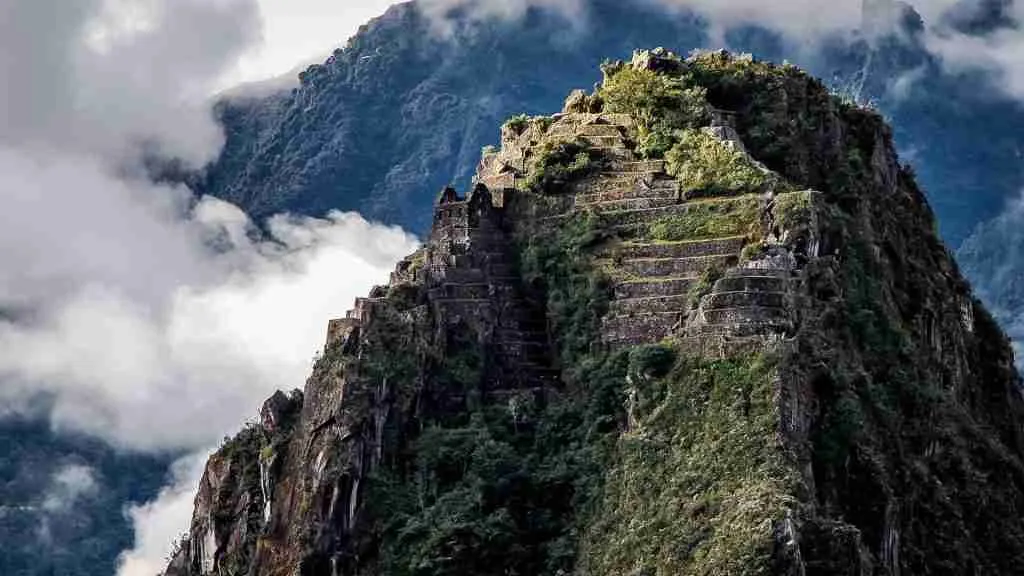
Peaks Beyond the Citadel
Huayna Picchu’s iconic summit offers 360-degree views of Machu Picchu and the Urubamba River. This 2.5-hour hike challenges visitors with steep stone steps but rewards them with unparalleled mountainscapes. Only 400 permits are issued daily, requiring reservations 3-4 months in advance.
Guided tours transform this climb into an educational adventure. “Our guides decode hidden water channels and explain why the Incas chose this razor-edged peak,” notes a local operator. Groups typically depart at 7 AM or 10 AM to avoid midday crowds and afternoon rains.
| Hike | Duration | Difficulty |
|---|---|---|
| Huayna Picchu | 2.5-3 hours | Challenging |
| Machu Picchu Mountain | 4 hours | Moderate |
| Inca Bridge | 45 minutes | Easy |
Early train departures from Aguas Calientes ensure hikers reach the citadel gates by sunrise. Sturdy footwear and layered clothing prove essential—temperatures swing from 50°F to 75°F in a single day.
For those seeking less-crowded alternatives, Machu Picchu Mountain provides longer trails with equally stunning mountains views. All hikes require combining entry tickets with special permits, best arranged through certified guided tour providers.
Insider Recommendations: Hotels, Dining, and Transfers
Aguas Calientes serves as the gateway to Machu Picchu, blending convenience with Andean charm. Strategic hotel choices and timed transfers ensure travelers maximize their experience while enjoying modern comforts.
Finding the Best Hotel in Aguas Calientes
Proximity to the train station matters for early arrival at Machu Picchu. Top-tier properties like Inkaterra Machu Picchu Pueblo Hotel offer heated pools and jungle views, while budget-friendly options like Casa del Sol Machupicchu prioritize water pressure and soundproofing. Key considerations:
- Walking distance to buses departing for the citadel
- On-site luggage storage for round trip explorers
- Balconies facing the Urubamba River or mountains
Local Dining and Transportation Insights
The town’s culinary scene thrives near the central market. Tupana Wasi serves alpaca steaks with quinoa risotto, and Indio Feliz blends Peruvian-French flavors in a colorful setting. For seamless transit:
| Service | Advantage | Timing Tip |
|---|---|---|
| PeruRail Vistadome | Panoramic windows | Book return after 3 PM |
| Belmond Hiram Bingham | Luxury dining car | Confirm arrival with hotel |
Most trains reach Aguas Calientes by midday—ideal for lunch before afternoon explorations. Our 5-day itinerary packages synchronize transfers with prime dining times, ensuring travelers savor every moment.
Conclusion
This carefully designed journey merges Machu Picchu’s grandeur with hidden wonders like Moray’s terraces and Salineras’ salt pans. Each site reveals distinct layers of Inca ingenuity, creating a tapestry of history and culture. From sunrise at the iconic citadel to hands-on salt harvesting demonstrations, every moment becomes a lesson in ancient innovation.
Strategic planning ensures seamless transitions between destinations. Early entrance ticket reservations and private transfers maximize time efficiency, while guided tour experts decode architectural mysteries. Travelers appreciate bundled packages offering per person value—often including train tickets, curated meals, and bilingual insights.
Three essentials elevate the experience: reserving tickets months ahead, selecting accommodations near key arrival points, and packing for rapid weather shifts. Prioritizing these details lets explorers focus on the Sacred Valley’s magic rather than logistics.
For those seeking an immersive day trip or multi-night adventure, this itinerary balances iconic landmarks with cultural depth. Ready to witness living history? Secure your tour Machu Picchu package today—where every step through ancient stones becomes a journey through time.
