Nestled high in the Andes, Machu Picchu stands as a testament to Inca ingenuity. This 15th-century citadel, hidden beneath lush vegetation until its 1911 rediscovery by explorer Hiram Bingham, captivates travelers with its mystical aura. Recognized as a UNESCO World Heritage Site and one of the New Seven Wonders of the World, its stone structures blend seamlessly with mountain ridges and cloud forests.
Today, the ancient city balances preservation with accessibility. Modern infrastructure allows visitors to explore terraced slopes and ceremonial plazas while respecting the site’s fragile ecosystem. Planning a trip involves understanding ticket types, route options, and seasonal considerations—all designed to protect this cultural treasure.
The journey to Machu Picchu rewards travelers with more than breathtaking views. It offers a tangible connection to a civilization that mastered engineering and astronomy. Our guide simplifies the process, from securing entry passes to navigating trails, ensuring your adventure honors both history and contemporary travel standards.
Key Takeaways
- Machu Picchu’s historical significance stems from its Inca origins and Hiram Bingham’s 1911 rediscovery.
- Advanced planning is essential for securing tickets and choosing between hiking routes or train access.
- The site’s preservation relies on regulated visitor numbers and designated pathways.
- Bingham’s expedition transformed the citadel into a globally recognized travel destination.
- Modern amenities coexist with ancient structures to enhance visitor experiences responsibly.
- Contact us for a comfortable and personalized itinerary (Free Service)
Understanding the Journey to Machu Picchu
The path to this UNESCO World Heritage Site combines modern convenience with rugged exploration. Most travelers begin by flying from Lima to Cusco, then continue toward Aguas Calientes—the gateway town. From there, train services or winding mountain roads lead visitors closer to the ancient marvel.
Travel Options: Trains, Buses, and Flights
Rail journeys dominate the final leg of the trip. Luxury options like the Hiram Bingham train offer panoramic windows and gourmet meals, while standard services balance affordability with comfort. Key operators include:
- PeruRail Expedition: Budget-friendly cars with large viewing windows
- Vistadome: Glass-ceiling carriages for unobstructed mountain vistas
- Belmond Hiram Bingham: Full-service dining and live music
Buses connect Cusco to Hidroelectrica station, followed by a 2-hour walk or short train ride to Aguas Calientes. Early morning departures ensure same-day arrival at the citadel.
Advantages of Trekking and Scenic Routes
The classic Inca Trail remains the crown jewel of hiking routes. This 4-day trek passes through cloud forests and ancient ruins, culminating at the Sun Gate viewpoint. Alternative paths like the Salkantay route appeal to adventurous spirits with glacier views and thermal baths.
Key benefits of trekking:
- Cultural immersion at lesser-known archaeological sites
- Gradual altitude acclimatization
- Exclusive sunrise access to the citadel
Permits for the Inca Trail often sell out 6 months in advance—early booking proves essential. Shorter hikes like the 1-day KM104 route provide condensed adventures for time-constrained travelers.
How do tourists visit Machu Picchu?
Securing entry to this iconic site demands strategic planning. The Peruvian Ministry of Culture releases Machu Picchu tickets through authorized platforms 3-6 months in advance, with four distinct circuits available:
| Circuit | Access Areas | Availability |
|---|---|---|
| 1 | Upper terraces & classic view | 60% daily quota |
| 2 | Lower ruins & agricultural zones | 30% daily quota |
| 3 | Huchuy Picchu peak | 100 spots/day |
| 4 | Sun Gate access | Inca Trail hikers only |
Securing Entry Passes
Morning slots (6-9 AM) sell fastest due to sunrise views. Peru specialists recommend booking afternoon entries (10 AM-2 PM) for thinner crowds. All visitors must join guided tours lasting 2-4 hours—private guides can be arranged through certified operators.
Strategic Scheduling Methods
Three critical steps ensure successful planning:
- Book train tickets 90 days before arrival dates
- Combine Inca Trail permits with citadel access passes
- Align entry times with bus departures from Aguas Calientes
Travelers seeking the Machu Picchu Mountain hike or Huayna Picchu ascent need separate permits. As one Cusco-based operator notes:
“Last-minute tickets occasionally surface, but banking on cancellations risks derailing entire itineraries.”
Planning Your Route and Preparing for the Trip
Successful exploration of this ancient wonder hinges on strategic preparation and seasonal awareness. Our experts recommend starting arrangements 4-6 months in advance, particularly for popular routes like the Salkantay Trek or classic Inca Trail. Early planning secures preferred entry slots while allowing proper altitude acclimatization.
Step-by-Step Travel Preparation
Begin by reserving train tickets and Machu Picchu passes simultaneously. Many travelers pair their citadel entry with Huayna Picchu permits for sunrise hikes. Finalize accommodations in Aguas Calientes 60 days ahead, especially during peak season (May-September).
Choosing the Best Time of Day and Season
Dry season (April-October) offers clear skies but larger crowds. For solitude and dramatic lighting, target shoulder months like March or November. Early day entries (6-8 AM) provide misty vistas, while afternoon slots (1-3 PM) reduce foot traffic by 40%.
Essential Packing and Health Considerations
Altitude sickness affects 60% of visitors. Combat symptoms with coca tea and gradual ascent patterns. Pack lightweight layers, waterproof hiking boots, and UV-protection gear. A Cusco-based guide advises:
“Treat the rainy season (December-March) seriously—quick-dry clothing prevents hypothermia during sudden downpours.”
Smart travel planning balances comfort with cultural immersion. By aligning your route choices with personal stamina and weather patterns, you’ll experience Machu Picchu at its most magical.


Exploring Machu Picchu and Its Surrounding Areas
The ancient citadel’s allure extends beyond its stone walls. Surrounding valleys and peaks reveal hidden cultural layers and natural wonders. Visitors discover a vibrant ecosystem where mist-shrouded mountains meet thriving communities.
Highlights of Aguas Calientes and Sacred Valley
Nestled at the base of Machu Picchu, Aguas Calientes buzzes with thermal baths and artisan markets. Cobblestone streets lead to cozy cafes serving quinoa stews and chicha morada drinks. The town’s proximity to the Sacred Valley makes it ideal for multi-day trips exploring Inca agricultural terraces and salt mines.
Visiting Huayna Picchu and Other Peaks
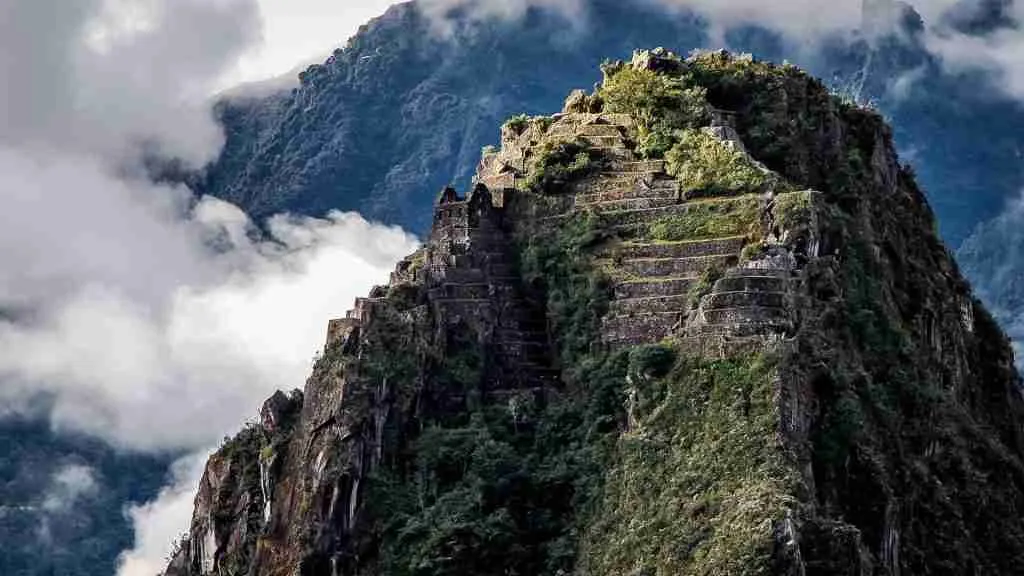
Adventurous travelers tackle the Huayna Picchu trail—a steep climb rewarded with 360-degree views. Permits for this iconic mountain sell out months in advance. Nearby peaks like Machu Picchu Mountain offer alternative vantage points with fewer crowds.
| Peak | Height | Hike Duration | Key Feature |
|---|---|---|---|
| Huayna Picchu | 2,693m | 2-3 hours | Moon Temple ruins |
| Machu Mountain | 3,082m | 4 hours | Cloud forest vistas |
| Putucusi | 2,560m | 2 hours | Wooden ladder ascent |
Local guides recommend combining citadel exploration with town visits. “Morning hikes pair perfectly with afternoon market strolls,” notes a Cusco-based trekking expert. Many travelers extend their trip to include Sacred Valley weaving villages and Pisac’s sun temple ruins.
Experiencing the Legacy and Architecture of the Inca Empire
Stone whispers of a lost civilization echo through Machu Picchu‘s terraced slopes. This architectural masterpiece reveals the Inca’s profound connection to nature and cosmos, blending spiritual purpose with engineering genius. Every structure tells a story of celestial alignment and imperial ambition.
Iconic Structures: Temples, Intihuatana, and Royal Tomb
The Intihuatana Stone stands as a granite sundial, its angles precisely carved to track solstices. Archaeologists believe this “hitching post of the sun” anchored spiritual rituals during celestial events. Nearby, the Temple of the Sun showcases curved walls that mirror the mountain’s contours, its windows aligning with June’s winter solstice sunrise.
Below the temple lies the Royal Tomb, though no remains were found. Its trapezoidal niches and ceremonial baths suggest purification rites for high priests. A local historian notes:
“These structures weren’t just buildings—they were bridges between earth and sky.”
Understanding the Cultural and Historical Significance
As a World Heritage Site, the city embodies Inca cosmology through stonework that withstands earthquakes. The Inca Trail serves as a living museum, passing agricultural terraces that fed thousands. Modern cultural immersion tours decode these innovations, revealing how water channels mirror the Milky Way’s path.
Climbing Huayna Picchu Mountain offers panoramic views of this planned urban center. From this vantage, the site’s dual purpose as royal estate and astronomical observatory becomes clear. Each visit becomes an experience of walking through a stone-carved history book.

Machu Picchu Rules, Ticketing, and Sustainable Tourism
Preservation meets exploration at Machu Picchu through evolving visitor policies. Updated regulations prioritize both cultural protection and memorable experiences. Travelers must now navigate a refined ticketing system alongside eco-conscious practices.
New Regulations and Ticket Circuits for 2025
The Peruvian Ministry of Culture introduced three ticket circuits to manage foot traffic. Each route limits daily access to specific areas:
- Circuit A: Upper citadel zones (400 visitors/day)
- Circuit B: Agricultural terraces & lower ruins (300 visitors/day)
- Circuit C: Specialized routes with mountain access (200 visitors/day)
Guides must accompany groups of up to 10 people, with no re-entry permitted. Morning entry slots now require exit by 1 PM to accommodate afternoon visitors. A Cusco-based conservationist explains:
“These measures reduce wear on ancient pathways while maintaining visitor flow.”
Eco-Friendly Practices and Visitor Guidelines
Sustainability drives every aspect of modern Machu Picchu visits. Single-use plastics are banned, and reusable water bottles undergo security checks. Hikers must use biodegradable toiletries on multi-day Inca Trail treks.
Key mandates include:
- Staying on marked trails to protect fragile ecosystems
- Using certified tour operators for guided experiences
- Packing out all waste, including organic materials
The best way to comply involves renting eco-friendly gear in Aguas Calientes. Lightweight bamboo walking poles and solar-powered chargers are available at most outfitters. Fines up to $500 USD enforce these policies, ensuring the citadel remains intact for future generations.
Tips from Experts and Local Insights
Local wisdom transforms ordinary journeys into extraordinary adventures at this Andean marvel. Seasoned travelers and Peru specialists emphasize strategic planning paired with cultural sensitivity. Their collective knowledge bridges ancient traditions with modern exploration techniques.
Advice from Peru Specialists and Seasoned Travelers
Emmanuel Burgio, a cultural travel expert, recommends private guides for tailored historical context. “Certified professionals decode hidden symbols in stonework most people miss,” he notes. Thomas Robinson suggests arriving in shoulder seasons (April/October) for optimal weather and thinner crowds.
Key preparation strategies include:
- Acclimatizing 48 hours in Cusco before hiking
- Booking Salkantay Trek permits 4 months ahead
- Packing altitude-adjusted snacks like coca leaves
Recommended Itineraries and Tour Options
Luxury seekers thrive on 7-day circuits combining Machu Picchu with Sacred Valley spas. Budget-conscious travelers opt for 4-day group tours including:
| Tour Type | Duration | Highlights |
|---|---|---|
| Cultural Immersion | 5 days | Weaving villages, Pisac Market |
| Adventure Focus | 6 days | Salkantay Pass, hot springs |
| Express Journey | 3 days | Sun Gate sunrise, guided citadel tour |
Local guides in Ollantaytambo town reveal authentic eateries serving lomo saltado near the train station. As one Quechua chef advises:
“Meals taste richer when shared with new friends along the journey.”
Conclusion
Embarking on this Andean journey transforms travelers through coordinated planning and cultural discovery. Securing Machu Picchu tickets 3-6 months ahead remains vital, paired with strategic route selections like the Inca Trail or scenic train itineraries. Our experts emphasize aligning trips with dry season windows (April-October) while considering shoulder months for quieter exploration.
Adherence to 2025 regulations ensures sustainable access—book guided tours, respect trail closures, and pack reusable water bottles. The fusion of ancient history and modern comforts shines through curated experiences: sunrise at the Sun Gate, Inca Trail archaeology walks, and Aguas Calientes’ authentic food scene.
This city of stone rewards those who balance preparation with spontaneity. By choosing certified operators and optimal time visit periods, travelers unlock transformative encounters with Inca ingenuity. Let meticulous planning elevate your tour into a year-round adventure where every train ride and mountain trek writes its own chapter in your travel story.
