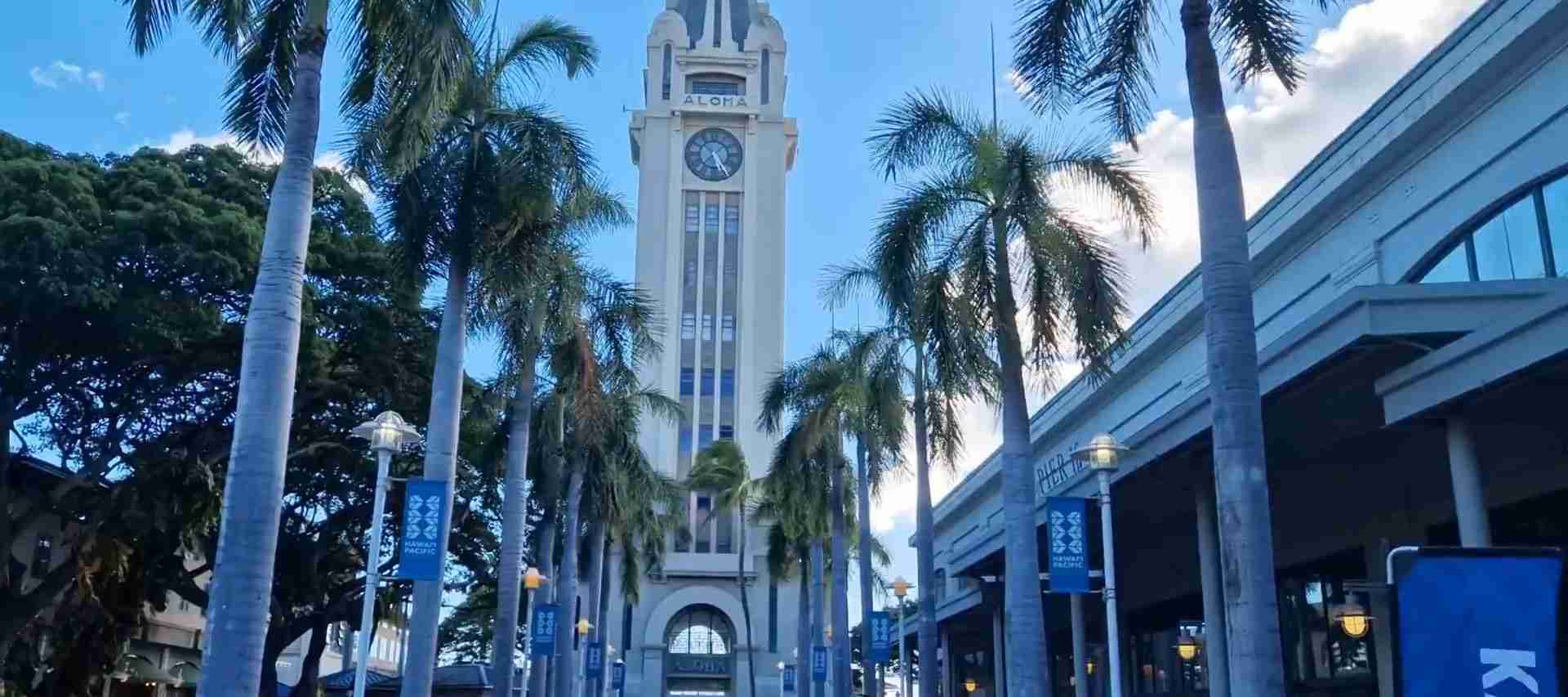
Honolulu Photography Guide: Best Spots and Tips
Honolulu presents photographers with an extraordinary fusion of volcanic landscapes, turquoise Pacific waters, urban sophistication, and tropical vegetation concentrated within remarkably accessible terrain. From the iconic crater rim of Diamond Head overlooking Waikiki’s shoreline to the North Shore’s legendary surf breaks and the Ko’olau mountain range’s emerald ridgelines, this Hawaiian capital delivers diverse photographic subjects within minutes of each other, making it one of the world’s most photographically rewarding urban destinations.
Key Takeaways About Honolulu Photography
- Diverse Locations Within Compact Geography: Honolulu concentrates volcanic craters, white sand beaches, coastal cliffs, rainforest lookouts, and metropolitan skylines within a 25-mile radius, allowing photographers to capture vastly different landscapes in a single day without extensive travel between locations.
- Golden Hour Excellence East and West: The island’s orientation provides sunrise opportunities on windward beaches like Lanikai and Makapu’u where the sun emerges over the Pacific, while western-facing locations including Sunset Beach, Yokohama Bay, and Kaena Point deliver spectacular evening light across the water, creating distinct photographic moods impossible to replicate at midday.
- Elevation Amplifies Perspective: Lookout points from Tantalus at 2,000 feet, Diamond Head summit, and Pali Lookout transform ordinary cityscapes and coastlines into dramatic aerial perspectives that reveal Honolulu’s unique geography where mountains meet ocean, particularly effective during twilight transitions when city lights activate against fading natural light.
- Seasonal Wave Patterns Shape Composition: North Shore surf photography peaks during winter months when massive swells create world-class waves at Banzai Pipeline and Waimea Bay, while summer’s calm waters transform the same locations into mirror-like seascapes ideal for long-exposure techniques and reflection photography.
- Marine Life Encounters Require Patience: Hawaiian green sea turtles surface predictably at specific beaches including Laniakea and Waikiki’s eastern shores, Hawaiian monk seals occasionally rest on protected beaches, and humpback whales breach offshore during winter months, but successful wildlife photography demands respectful distance, telephoto lenses, and timing aligned with animal behavior patterns rather than human schedules.
- Tropical Light Transitions Rapidly: Honolulu’s near-equatorial latitude creates swift sunrise and sunset windows lasting approximately 30 minutes from first light to full brightness, requiring photographers to arrive early, pre-compose shots, and work efficiently through rapidly changing color temperatures that shift from warm golden tones to harsh overhead tropical sunlight within an hour.
People Also Ask About Honolulu Photography
What is the Best Time of Day for Photography in Honolulu?
The golden hours surrounding sunrise and sunset deliver Honolulu’s finest photographic light. Sunrise occurs between 5:50 AM and 7:15 AM throughout the year, while sunset ranges from 5:30 PM to 7:15 PM depending on season. These transitions provide soft, directional light that illuminates volcanic rock formations, creates long shadows across beach sand, and paints clouds in vibrant color gradients. Early morning sessions particularly benefit from fewer crowds at popular locations like Diamond Head and Waikiki Beach, clearer atmospheric conditions before afternoon humidity builds, and calmer wind conditions that minimize wave action for seascape photography. The 30-minute window before sunrise produces subtle pastels and cool tones ideal for minimalist compositions, while the first direct sunlight creates golden warmth perfect for landscape photography.
Midday photography in Honolulu presents challenges due to intense overhead tropical sun creating harsh shadows and blown highlights, particularly between 10 AM and 2 PM. Photographers working during these hours achieve better results by seeking shaded rainforest trails, shooting into backlit conditions where subjects silhouette against bright backgrounds, or focusing on underwater photography where sunlight penetrates shallow reefs most effectively. Overcast days transform midday photography by providing even, diffused light that reveals color saturation in tropical vegetation and eliminates problematic shadows on portrait subjects. Twilight’s blue hour following sunset offers approximately 20 minutes of deep azure sky perfect for cityscape photography when Honolulu’s lights activate against residual atmospheric glow.
Which Honolulu Locations Offer the Most Photographic Variety?
Tantalus Lookout provides the greatest diversity of photographic perspectives from a single vantage point, presenting panoramic views spanning Diamond Head’s volcanic profile, Waikiki’s urban coastline, downtown Honolulu’s skyline, Pearl Harbor’s distant waterways, and the Ko’olau mountain range’s ridgelines simultaneously. Located at Pu’u Ualaka’a State Park approximately 2,000 feet above sea level, this lookout delivers compositions impossible from sea-level positions, particularly during sunset when the city transitions from daylight to illumination. The winding ascent through rainforest on Round Top Drive presents additional shooting opportunities including tropical vegetation closeups, mountain ridge perspectives, and intermediate elevation views overlooking residential neighborhoods.
The North Shore corridor from Haleiwa to Sunset Beach concentrates the island’s most varied coastal photography within a seven-mile stretch. This region encompasses legendary surf breaks including Banzai Pipeline and Waimea Bay where winter swells create dramatic wave photography, the protected tidepools and lava rock formations at Shark’s Cove ideal for macro work and sunset reflections, the white sand expanse of Sunset Beach perfect for silhouette photography during evening hours, and the charming historic architecture of Haleiwa town providing cultural context. Photographers spending a full day along this coast capture everything from action surfing to serene seascapes to architectural details without relocating their base position significantly.
Do I Need Photography Permits for Honolulu Locations?
Commercial photography and professional filming requiring tripods, artificial lighting, props, or model releases generally requires permits from the State of Hawaii Department of Land and Natural Resources for state parks and beaches, or from specific property owners for private locations. Diamond Head State Monument enforces reservation requirements for all visitors including photographers, though personal non-commercial photography remains permitted within general admission. Photographers planning sunrise sessions should reserve entry slots that open before sunrise, as access without reservations results in denial regardless of photographic intent.
Personal photography for individual use proceeds freely at most Honolulu beaches and public parks without permits, though certain restrictions apply. Waikiki Beach and Ala Moana Beach Park welcome casual photography, but organized photo shoots involving multiple subjects, costume changes, or extended monopolization of specific areas may attract enforcement requests from lifeguards or security personnel. Wedding photographers working at beach locations technically require commercial permits, though enforcement varies by location and discretion of beach management. Drone photography requires FAA registration and adherence to flight restrictions around Honolulu International Airport, military installations, and populated beaches where recreational drone operation is prohibited below certain altitudes.
What Camera Equipment Works Best for Honolulu Photography?
A versatile zoom lens covering 24-70mm handles the majority of Honolulu photography situations, from wide-angle landscape compositions at Diamond Head summit to moderate telephoto compression of Waikiki’s skyline against ocean backgrounds. This focal range captures environmental portraits on beaches, architectural details in downtown Honolulu, and general travel documentation without requiring lens changes in sandy, humid, or spray-prone environments. Full-frame sensors optimize dynamic range for high-contrast tropical scenes where bright skies meet shaded vegetation, while crop-sensor cameras provide extended reach for wildlife photography of sea turtles and distant surf action.
Telephoto lenses from 70-200mm prove essential for North Shore surf photography, allowing photographers to capture wave riders from safe beach positions while maintaining compositional control over background elements. These lenses also serve for wildlife photography of Hawaiian green sea turtles at respectful distances meeting protected species regulations, compressed perspective shots of Diamond Head from distant vantage points, and detail isolation in crowded Waikiki scenes. Ultra-wide lenses below 24mm excel for interior rainforest photography where tight spaces limit composition, dramatic foreground-to-background relationships on beaches where interesting rocks or vegetation anchor the frame, and architectural photography of Honolulu’s historic buildings where conventional focal lengths cannot capture full facades. Circular polarizing filters enhance tropical sky saturation, reduce water surface glare revealing underwater reef detail, and manage reflections on wet lava rock surfaces.
Extended multi-day tours – 5+ days
Featured Honolulu Multi-Day Tour Packages
7 days
Hawaii Oahu Explorer – 7 days
- ✓ Comprehensive Honolulu tour
- ✓ Expert local guides included
- ✓ All accommodation arranged
- ✓ Transportation provided

5 days
5-Day Classic Hawaii Experience
- ✓ Comprehensive Honolulu tour
- ✓ Expert local guides included
- ✓ All accommodation arranged
- ✓ Transportation provided
4 days
4 Day Hawaii Experience: Discover Oahu (Bilingual: Chinese, English)
- ✓ Comprehensive Honolulu tour
- ✓ Expert local guides included
- ✓ All accommodation arranged
- ✓ Transportation provided
5 days
USA – Hawai: Tropical Dreams – 5 days
- ✓ Comprehensive Honolulu tour
- ✓ Expert local guides included
- ✓ All accommodation arranged
- ✓ Transportation provided
Multi-day tour packages powered by TourRadar. Prices and availability subject to change.
Introduction to Honolulu Photography
Honolulu distinguishes itself from typical tropical island destinations through its unique convergence of accessible volcanic geology, sophisticated urban infrastructure, legendary surf culture, and protected natural environments compressed within a remarkably compact photographic zone. The city’s position on Oahu’s southern shore creates a natural amphitheater where the Ko’olau mountain range rises dramatically behind the coastal plain, providing elevated vantage points that transform ordinary beach and city scenes into sweeping aerial perspectives. Diamond Head crater anchors the eastern horizon as Waikiki’s defining landmark, its 760-foot summit accessible via maintained trail delivering one of the Pacific’s most recognizable photographic viewpoints.
The island’s east-west orientation aligned with trade wind patterns establishes distinct photographic characteristics between windward and leeward coasts. Eastern beaches including Lanikai, Kailua, and Makapu’u receive direct sunrise illumination over the Pacific, creating opportunities for silhouette photography as the sun emerges from the ocean horizon. Western-facing locations including the North Shore’s Sunset Beach, Yokohama Bay, and Kaena Point capture the sun descending into water, producing the classic Hawaiian sunset imagery that defines tropical paradise photography. This geographic arrangement allows photographers to shoot sunrise on one coast, transition to midday rainforest or urban photography, then conclude with sunset on the opposite shore, maximizing productive shooting hours beyond the typical limitations of single-orientation coastlines.
Honolulu’s tropical latitude near 21 degrees north creates consistent year-round conditions compared to temperate photography destinations experiencing dramatic seasonal variation. Daily temperatures hover between 75-85 degrees Fahrenheit with minimal fluctuation, trade winds provide reliable cooling and cloud movement, and seasonal changes manifest primarily through winter rainfall patterns and North Shore wave heights rather than temperature extremes or foliage transformation. This consistency simplifies planning since photographic conditions in January closely resemble July, though winter months from November through March deliver larger surf, occasional rain showers creating dramatic cloud formations, and the presence of migrating humpback whales visible from coastal lookouts. Summer months provide calmer waters ideal for long-exposure seascapes, clearer skies with fewer clouds, and more predictable weather patterns favoring multi-day photography itineraries.
The city’s photographic appeal extends beyond natural landscapes into distinctive cultural and architectural subjects. Waikiki’s beachfront skyline juxtaposes modern resort towers against the iconic Duke Kahanamoku statue and historic Moana Surfrider Hotel, creating compositions that blend contemporary development with traditional Hawaiian heritage. Downtown Honolulu presents 19th-century missionary architecture at Kawaiaha’o Church, the royal history of Iolani Palace, and the contemporary glass towers of the financial district within walkable proximity. Chinatown’s compact streets offer gritty urban photography opportunities with produce markets, lei shops, and aging storefronts contrasting sharply with Waikiki’s polished resort environment. North Shore communities including Haleiwa preserve surf culture architecture with weathered surf shops, food trucks, and plantation-era buildings that document Hawaii’s agricultural past alongside its recreational present.
Marine life photography opportunities distinguish Honolulu from purely landscape-focused destinations. Hawaiian green sea turtles surface predictably at beaches including Laniakea on the North Shore and the rocky coastline east of Waikiki near the Natatorium, where photographers with telephoto lenses capture these endangered creatures basking on lava rocks or swimming in shallow water. Strict protective regulations require maintaining 10-foot minimum distances, making 200mm or longer focal lengths essential for frame-filling images while respecting legal buffer zones. Hawaiian monk seals occasionally haul out on protected beaches including Kaimana Beach in Waikiki, where volunteer monitors establish rope boundaries allowing photography from designated distances. Winter months from December through April bring humpback whales migrating from Alaska to Hawaiian waters, visible from coastal lookouts including Makapu’u Point and Diamond Head where patient photographers capture distant breaches and tail flukes against blue Pacific backgrounds.
Honolulu’s photographic infrastructure supports both casual snapshots and serious production work. Camera rental facilities along Kalakaua Avenue in Waikiki provide professional lenses and bodies for visitors unwilling to transport heavy gear, while local photography tour operators offer guided sessions that combine location expertise with technical instruction. Beach parks including Ala Moana and Magic Island provide parking, restrooms, and shower facilities supporting extended photography sessions, while lookout points feature designated pullouts preventing photographers from blocking traffic on narrow mountain roads. The city’s compact geography means most iconic photography locations sit within 30 minutes of Waikiki hotels, and the reliable public bus system serves major destinations including Diamond Head, Hanauma Bay, and North Shore communities for photographers operating without rental vehicles.
Diamond Head State Monument Photography
Diamond Head crater provides Honolulu’s most iconic photography location, its distinctive volcanic profile appearing in countless images defining Hawaiian tourism. The summit trail delivers panoramic perspectives impossible from sea level, revealing Waikiki’s urban coastline stretching from the hotel towers westward to downtown Honolulu, the Pacific Ocean extending to the horizon, and the Ko’olau mountains forming a dramatic backdrop to the north. Photography from the summit fire control station observation deck captures Honolulu’s unique geographic compression where mountains meet ocean within miles, particularly effective during golden hour when low-angle sunlight illuminates building facades and creates long shadows across the coastal plain.
The crater’s volcanic geology creates photographic interest beyond the summit views. Interior trails wind through vegetation-covered slopes where endemic plants cling to weathered tuff formations, providing macro photography subjects and textural detail shots contrasting with expansive vistas. Tunnel sections carved through crater walls offer architectural photography opportunities documenting military history from World War II when Diamond Head served as coastal defense installation. The concrete bunkers and observation posts scattered across the summit area present weathered textures, geometric forms, and historical context elements that add narrative depth to pure landscape photography.
Sunrise photography from Diamond Head summit delivers exceptional results with the sun emerging over the Pacific to illuminate Waikiki from the east. This lighting angle creates dimensional relief across building facades invisible during midday overhead sun, while morning clarity before afternoon humidity builds ensures sharp definition of distant elements including downtown Honolulu’s skyline and the Waianae mountains across the island. The moderately strenuous 1.6-mile round-trip hike requires starting before first light using headlamps or flashlights, with the trail opening at designated hours requiring advance reservations. Photographers arriving 45 minutes before sunrise secure optimal positions along the crater rim before crowds, allowing careful composition and exposure testing during the blue hour preceding direct sunlight.
Sunset photography from Diamond Head presents logistical challenges since the sun sets behind the photographer when shooting toward Waikiki, creating backlit conditions that silhouette the cityscape against the western sky. However, this lighting produces dramatic results when Honolulu’s lights activate during twilight, creating a luminous cityscape against the darkening sky. The approximately 20-minute blue hour following sunset provides ideal conditions for long-exposure photography where building lights create streams of color while residual atmospheric light prevents pure black sky. Photographers working this window use tripods to stabilize exposures ranging from several seconds to a minute, capturing light trails from traffic on H-1 freeway and the smooth texture of surf along Waikiki Beach through extended shutter speeds.
External photography of Diamond Head crater from Waikiki Beach locations reverses the perspective, positioning the distinctive volcanic profile as the subject rather than vantage point. The crater’s southwestern face catches morning light beautifully when photographed from eastern Waikiki positions including Kapiolani Park and the area near Waikiki Aquarium. Photographers compose images with Diamond Head dominating the background while incorporating foreground elements including palm trees for scale and context, surfers providing action and Hawaiian cultural reference, or the architectural details of beachfront hotels framing the volcanic monument. These compositions work particularly well during early morning when golden light illuminates Diamond Head’s slopes while Waikiki remains in relative shadow, creating tonal separation between subject and surroundings.
Telephoto compression techniques from distant vantage points create unique Diamond Head perspectives impossible with wide-angle approaches. Shooting from Tantalus Lookout several miles northwest with 200mm focal lengths compresses Diamond Head against downtown Honolulu’s skyline, stacking visual elements that appear separated when viewed at ground level. Similarly, North Shore positions looking south across the island compress Diamond Head against the Ko’olau ridgeline, revealing the crater’s relationship to Oahu’s broader volcanic geography. These compressed perspectives require clear weather conditions since atmospheric haze over distance reduces contrast and color saturation, making early morning or post-rain clarity essential for successful distant photography.
Waikiki Beach Photography Opportunities
Waikiki Beach provides Honolulu’s most accessible photography location, stretching two miles from Hilton Hawaiian Village to Diamond Head with numerous distinct shooting zones along its length. The beach’s western section near the Hilton offers direct sunset views over the Pacific, attracting photographers during golden hour when the sun descends toward the water horizon. Friday evenings feature fireworks displays from the Hilton property, creating opportunities for long-exposure photography that combines the firework bursts with Diamond Head’s silhouette and Waikiki’s illuminated skyline reflected in calm harbor waters. Magic Island at Ala Moana Beach Park adjacent to Waikiki’s western end provides the optimal vantage point for these fireworks compositions, positioning Diamond Head and the coastal hotels within the frame alongside the pyrotechnic display.
Central Waikiki around Duke Kahanamoku Beach and Kuhio Beach presents the classic postcard imagery of Hawaiian tourism. The bronze Duke Kahanamoku statue standing with surfboards provides an iconic foreground element for compositions that include surfers riding waves, outrigger canoes launching from the beach, and Diamond Head anchoring the background. Photographers working this area benefit from the steady stream of surfing activity providing action elements throughout the day, the colorful beach umbrellas and surfboards adding visual interest to sand compositions, and the constant presence of visitors allowing candid street photography and cultural documentation. The paved beach walk parallel to the shore offers elevated perspectives slightly above beach level, improving sight lines over crowds and creating cleaner horizon lines in seascape compositions.
Eastern Waikiki near Kapiolani Park and the Natatorium provides quieter photography zones with fewer tourists than central beach areas. This section features rocky outcrops where Hawaiian green sea turtles frequently surface, creating wildlife photography opportunities from beach positions using telephoto lenses. The Waikiki War Memorial Natatorium, a deteriorating saltwater swimming pool built in 1927, offers architectural photography subjects documenting Hawaii’s historical layers. Morning light illuminates these eastern locations beautifully, with the sun rising over the Pacific to create golden warmth across the beach while Diamond Head remains in relative shadow, providing tonal contrast that separates visual elements.
Sunrise photography from Waikiki Beach delivers exceptional results when photographed from specific positions along the shore. The eastern sections near Diamond Head allow compositions with the sun emerging directly over the crater rim, creating dramatic silhouettes of the volcanic profile against the brightening sky. Photographers position themselves along the beach with low perspectives that emphasize foreground elements including wet sand reflections, tide pool mirrors, or interesting rock formations that anchor compositions and lead the viewer’s eye toward Diamond Head and the sunrise beyond. The 30-minute window surrounding actual sunrise provides rapidly changing light conditions requiring quick adjustments to exposure and composition as the scene transitions from pre-dawn pastels to golden morning warmth to bright tropical sunshine.
Waikiki’s urban beach environment creates unique photography opportunities unavailable at remote natural beaches. The juxtaposition of modern resort towers immediately behind the beach allows compositions that contrast built environment against natural elements, documenting how Honolulu integrates urban development with beach culture. Night photography captures Waikiki’s neon signs, illuminated hotel facades, and street activity creating a vibrant tropical city atmosphere distinct from the daytime beach resort character. Long exposures smooth wave action into misty textures while building lights create star-burst effects and light trails from passing cars on Kalakaua Avenue add dynamic movement to otherwise static architectural scenes.
North Shore Photography Locations
Oahu’s North Shore represents the island’s premier surf photography destination, concentrating legendary wave breaks, pristine white sand beaches, and distinctive local culture along a seven-mile coastal stretch from Haleiwa to Sunset Beach. Winter months from November through March deliver massive Pacific swells that create world-class surfing conditions at breaks including Banzai Pipeline, Waimea Bay, and Sunset Beach, attracting professional surfers whose aerial maneuvers and barrel rides provide dramatic action photography. Photographers position themselves on beaches using telephoto lenses from 200-400mm to capture riders from safe distances, shooting at shutter speeds exceeding 1/1000 second to freeze wave spray and surfboard detail while maintaining compositional control over background elements.
Banzai Pipeline delivers surfing’s most photogenic wave formation, where swells break over shallow reef creating perfect cylindrical barrels that surfers ride inside the curved water wall. Photography from the beach requires timing arrivals with peak swell conditions and optimal tide levels when waves break consistently, as flat ocean conditions during summer months eliminate the location’s photographic appeal. The beach’s positioning allows photographers to capture multiple angles including side perspectives showing the wave’s complete barrel shape, front-on compositions with surfers emerging from the tube opening, and backlit shots when afternoon sun creates translucent emerald tones through the breaking wave wall. Respect for surfing culture remains essential, with photographers maintaining awareness that they occupy space in a working environment where surfers’ safety takes precedence over photographic access.
Waimea Bay provides both action surf photography during winter swells and serene seascape opportunities during summer calm. The bay’s distinctive geography features a massive rock formation on the beach’s northern end where thrill-seekers jump from heights reaching 30 feet into deep water, creating action photography opportunities distinct from wave riding. Photographers capture jumpers mid-flight against blue sky backgrounds, the splash impact moments, and the crowd reactions on the rock and beach below. Summer conditions transform Waimea into mirror-calm turquoise water ideal for long-exposure photography that creates glass-like surface textures, reflection compositions with rock formations doubling in still water, and snorkeling scenes where swimmers explore the bay’s clear protected environment.
Sunset Beach delivers its namesake photographic opportunity each evening when the sun descends toward the Pacific horizon directly offshore. The beach’s western orientation and wide sandy expanse create ideal foreground for sunset compositions, with photographers positioning low to emphasize wet sand reflections that double the color intensity of the sky. Silhouette photography works exceptionally well here, with palm trees, surfers carrying boards, or beachgoers positioned against the bright sunset background to create recognizable Hawaiian profile shapes. The approximately 30-minute golden hour window before actual sunset provides warm directional light that illuminates beach textures while long shadows create dimensional relief across the sand’s rippled surface.
Shark’s Cove presents unique tidepools and lava rock formations ideal for intimate nature photography and sunset reflection shots. The cove’s protected position makes it a popular snorkeling destination during summer months, but photographers find their best opportunities during evening hours when snorkelers depart and low-angle sunlight creates golden warmth across the volcanic rock surfaces. Tidepools capture sky reflections creating natural mirrors that double sunset colors, while the irregular lava rock textures provide interesting foreground elements that lead the viewer’s eye through compositions. Macro photographers work the tidepools during daytime finding small marine creatures, endemic plants colonizing rock crevices, and textural detail studies of weathered volcanic rock patterns.
Haleiwa town provides cultural and architectural photography opportunities documenting North Shore’s surf heritage and plantation history. Historic wooden storefronts house surf shops displaying vintage boards, food trucks serve shrimp plates creating colorful culinary subjects, and local artists sell paintings and crafts from small galleries. The town’s compact layout allows walking exploration with wide-angle lenses capturing environmental context, while telephoto compression techniques isolate architectural details and signage against selective backgrounds. Morning light illuminates storefronts along Kamehameha Highway before crowds arrive, providing clean street photography opportunities without excessive tourist presence that develops later in the day.
Tantalus Lookout and Mountain Views
Tantalus Lookout at Pu’u Ualaka’a State Park provides Honolulu’s premier elevated photography vantage point, positioned approximately 2,000 feet above sea level overlooking the entire coastal plain from Diamond Head to Pearl Harbor. The panoramic perspective reveals Honolulu’s unique urban geography where city development compresses between ocean and mountains within a remarkably narrow coastal zone. Photographers compose images that include multiple iconic elements simultaneously: Diamond Head’s volcanic profile anchoring the eastern frame, Waikiki’s hotel towers forming the beachfront skyline, downtown Honolulu’s modern buildings marking the urban center, and Pearl Harbor’s waterways visible to the west under clear conditions.
Sunset photography from Tantalus delivers exceptional results as the coastal plain transitions from daylight to illumination. The elevated position allows photographers to shoot slightly downward toward the coast, avoiding excessive sky in compositions while emphasizing the city and ocean elements below. As natural light fades, Honolulu’s street grid activates with vehicle headlights and building illumination creating patterns of light that define the urban structure invisible during daylight hours. The approximately 20-minute blue hour following sunset provides ideal conditions when residual atmospheric light prevents pure black sky while city lights achieve full brightness, creating the balanced luminosity that makes twilight cityscapes visually compelling.
Long-exposure photography techniques enhance Tantalus images during twilight hours. Exposures ranging from 10 seconds to several minutes smooth cloud movement into streaked textures, transform vehicle traffic on H-1 freeway into continuous light streams, and create glowing halos around streetlights while maintaining sharpness in static elements including buildings and landscape features. Photographers use sturdy tripods essential for stabilizing cameras during extended exposures, remote releases preventing camera movement from shutter button pressure, and neutral density filters when working during brighter twilight conditions requiring longer exposures than shutter speed alone provides. These techniques create images that separate from simple snapshot documentation, presenting Honolulu through interpretive approaches emphasizing light, time, and atmospheric conditions.
The winding ascent to Tantalus through Round Top Drive presents numerous additional photography opportunities along the route. Rainforest vegetation crowds the narrow road creating tunnel-like passages where dappled light filters through the canopy, tropical ferns colonize roadside embankments providing macro subjects, and intermediate elevation pullouts offer partial city views distinct from the summit perspective. Photographers making the drive during morning hours encounter mist and low cloud layers that create atmospheric conditions enhancing landscape mood, while afternoon visits benefit from clearer atmospheric conditions that maximize distant visibility extending to the Waianae mountains across the island.
Sunrise photography from Tantalus faces the challenge of sun position, as the lookout faces primarily south and west toward the coast while sunrise occurs to the east behind the viewing position. However, pre-dawn blue hour and the period immediately following sunrise create exceptional lighting conditions. The gradual illumination of Honolulu from the east side westward creates a progression of light that photographers capture through time-lapse sequences or careful exposure bracketing documenting the transition. Diamond Head catches first light before downtown areas, creating a natural visual flow that guides the viewer’s eye through the composition from right to left as morning progresses.
Coastal Cliff and Sea Photography
Makapu’u Point on Oahu’s southeastern tip provides dramatic coastal cliff photography where volcanic rock faces plunge into turbulent Pacific waters. The lighthouse trail ascending to the point delivers multiple vantage points overlooking Makapu’u Beach Park’s turquoise bay, the Manana Island seabird sanctuary offshore, and the dramatic sea cliffs extending toward Waimanalo. Photographers working this location during winter months capture massive swells exploding against the cliff base sending spray dozens of feet into the air, while summer conditions reveal the cliff’s geological detail and colorful stratification patterns without obscuring spray. The elevated trail perspective allows shooting downward into the bay revealing underwater reef structures through the clear water, creating compositions that include both terrestrial and marine elements within a single frame.
The historic Makapu’u Lighthouse, built in 1909, anchors compositions from multiple positions along the trail. Wide-angle photography from below the lighthouse includes the distinctive red-roofed structure against blue sky and ocean backgrounds, while telephoto compression from distant viewpoints isolates the lighthouse against wave action and horizon. The lighthouse beam remains visible for 19 miles at sea, and while interior access is restricted, external photography captures the architectural form and its relationship to the dramatic coastal setting. Morning light illuminates the lighthouse and eastern-facing cliffs beautifully, while afternoon backlight creates silhouettes and emphasizes the structure’s geometric form against bright backgrounds.
Nuuanu Pali Lookout delivers vertiginous perspectives overlooking Oahu’s windward coast from the Ko’olau mountain ridge crest. The lookout sits at a natural gap in the mountain range where trade winds funnel through with exceptional force, creating atmospheric conditions that add drama to landscape photography. Clouds stream over the ridge forming and dissolving continuously, rain squalls sweep across the coastal plain creating visible precipitation curtains, and the extreme wind conditions require photographers to brace equipment carefully while composing images. The dramatic cliff faces plunging 1,000 feet to the coastal plain below create compositions emphasizing vertical scale impossible from sea-level positions.
The Pali Lookout’s historical significance as the site of the 1795 Battle of Nuuanu adds narrative depth to pure landscape photography. King Kamehameha’s forces drove opposing Oahu warriors over these cliffs during his campaign to unite the Hawaiian Islands, and the location’s strategic importance remains evident from the commanding views across the windward coast to Kaneohe Bay. Photographers documenting both the dramatic natural landscape and the historical context create images that communicate multiple layers of meaning beyond simple scenic beauty. Interpretive signs and memorials provide contextual elements that can be incorporated into wider compositions establishing the location’s cultural significance.
Kaena Point State Park at Oahu’s northwestern tip provides rugged coastal wilderness photography accessible via a 5-mile round-trip hiking trail along the shoreline. The remote location ensures minimal tourist presence compared to accessible beaches, creating opportunities for intimate landscape photography without crowds or development in the frame. Dramatic lava rock formations create irregular coastline patterns, tidepools capture sky reflections during calm conditions, and endemic plants including naupaka and ‘ilima colonize the harsh volcanic terrain. The western orientation makes Kaena Point exceptional for sunset photography, with the sun descending directly into the Pacific horizon while foreground lava rock formations create silhouettes and textural elements anchoring compositions.
Winter months bring additional photographic subjects to Kaena Point including Laysan albatross nesting in the protected natural area reserve and occasional humpback whale sightings offshore. The albatross colony provides wildlife photography opportunities from outside the fenced protection zone, with these magnificent seabirds performing courtship displays, tending nests, and teaching juveniles flight techniques. Telephoto lenses allow frame-filling images while maintaining respectful distances required by endangered species protections. Whale photography requires patience and telephoto reach exceeding 300mm to capture distant breaches and tail flukes, though the dramatic backdrop of Kaena Point’s volcanic cliffs adds contextual elements unavailable from boat-based whale watching positions.
Sunrise Photography Locations in Honolulu
Lanikai Beach on Oahu’s windward coast delivers Honolulu’s most celebrated sunrise photography, with the sun emerging directly over the twin Mokulua Islands offshore creating the quintessential Hawaiian dawn imagery. The islands’ distinctive profiles silhouette against the brightening eastern sky during pre-dawn blue hour, transitioning to warm golden illumination as the sun clears the horizon. Photographers position themselves on the white sand beach with low perspectives that emphasize foreground wet sand reflections doubling the sky’s color intensity, while the islands provide immediate visual interest preventing empty compositions of sky and water alone.
The 30-minute window surrounding actual sunrise at Lanikai transitions through distinct photographic phases requiring different technical approaches. Pre-dawn blue hour approximately 30 minutes before sunrise provides cool-toned pastels ideal for minimalist compositions emphasizing shape and silhouette over color. The first direct sunlight emerging over the island horizon creates a brilliant star-burst effect when photographed with narrow apertures around f/16 that render point light sources with radiating spikes. Following minutes deliver rapidly changing warm tones from deep orange to golden yellow as the sun rises above the ocean surface, requiring frequent exposure adjustments to prevent blown highlights in the bright solar disc while maintaining detail in darker landscape elements.
Lanikai Pillbox hike provides elevated sunrise perspectives overlooking Lanikai Beach and the Mokulua Islands from abandoned World War II military bunkers. The moderate trail ascending the hillside behind the beach requires hiking with headlamps before dawn, rewarding the effort with aerial views that transform the standard beach-level compositions into dramatic elevated perspectives. From the pillbox positions, photographers shoot downward encompassing Lanikai’s curved beach, the turquoise lagoon, the twin islands, and the broader windward coast extending to Kaneohe Bay. The hillside vantage allows incorporating more extensive landscape elements while the sun’s emergence from the ocean creates the same golden illumination that defines sea-level photography.
Koko Head Crater trail presents one of Honolulu’s most challenging sunrise hikes, ascending 1,048 railroad tie steps to the crater rim for panoramic views across southeastern Oahu. The pre-dawn hike requires headlamps, sturdy footwear, and adequate physical conditioning to reach the summit before sunrise, but photographers completing the climb discover extraordinary perspectives over Hanauma Bay, the southeastern coastline to Makapu’u Point, and Hawaii Kai’s residential areas. The elevated position allows shooting in multiple directions as sunrise illuminates different landscape elements sequentially, creating progression of photographic opportunities beyond a single static composition.
Sandy Beach provides sunrise photography with dramatic wave action as a foreground element. This beach’s notorious shore break creates powerful waves that pound the beach with exceptional force, sending spray into the air and creating dynamic movement impossible at calmer beaches. Photographers work from safe positions using telephoto lenses to capture the wave action from distances avoiding dangerous rogue waves, shooting at high shutter speeds exceeding 1/1000 second to freeze spray details while the rising sun backlights the water creating translucent effects. The combination of sunrise color and explosive wave action produces images emphasizing energy and power over the serene calm typical of protected beach sunrise photography.
Diamond Head Road lookout offers convenient sunrise photography without hiking requirements, accessible via vehicle to elevated positions overlooking Waikiki and Diamond Head crater. Photographers park along the road at designated pullouts, composing images that include Waikiki’s beachfront skyline illuminated by golden sunrise light while Diamond Head’s western face remains in shadow creating tonal contrast. This location suits photographers with mobility limitations preventing strenuous hiking, families with small children unable to complete longer trails, or visitors prioritizing convenience over remote wilderness experiences. The accessibility creates popularity that requires early arrival to secure optimal positions before other photographers and sightseers fill available parking.
Sunset Photography Spots in Honolulu
Sunset Beach on the North Shore delivers its namesake photographic opportunity each evening when the sun descends into the Pacific horizon directly offshore. The beach’s wide sandy expanse and western orientation create ideal conditions for classic sunset compositions, with photographers using wet sand reflections to double the intensity of sky colors while silhouetted palm trees and beachgoers provide recognizable Hawaiian profile shapes. The approximately 30-minute window before actual sunset provides warm golden hour light that illuminates the beach and breaking waves with dimensional relief, while the final moments as the sun touches the horizon create brilliant orange and red tones that peak briefly before fading to twilight blues.
Ala Moana Beach Park provides Honolulu’s most accessible sunset photography near Waikiki, featuring tall palm trees lining the shore that create classic tropical sunset imagery. Photographers compose images with the palms silhouetted against the bright western sky, their distinctive forms creating recognizable shapes that communicate location without requiring broader contextual elements. Magic Island at the park’s eastern end offers protected calm water conditions ideal for long-exposure photography that smooths wave action into glassy textures while capturing the sunset’s color progression through extended shutter speeds. Friday evenings add the Hilton Hawaiian Village fireworks display visible from Magic Island, creating unique opportunities combining sunset, city lights, Diamond Head’s profile, and pyrotechnic bursts within single exposures.
Yokohama Bay at Oahu’s western end provides remote sunset photography far from tourist crowds. The bay’s isolation requires significant drive time from Waikiki but rewards the effort with pristine white sand beach, minimal development, and unobstructed western horizon views. The drive to Yokohama along the leeward coast passes through Waianae communities offering cultural photography opportunities documenting local Hawaiian life distinct from the resort tourism concentrated around Waikiki. Photographers working Yokohama sunset compositions include the bay’s rock jetty providing geometric foreground elements, the surrounding arid volcanic landscape creating textural variety beyond simple beach scenes, and occasional monk seal sightings that add rare wildlife elements to sunset imagery.
Kaena Point State Park at the island’s northwestern tip provides dramatic sunset photography combining volcanic rock formations with the descending sun. The remote location accessible only via 5-mile round-trip hiking trail ensures minimal crowds, creating opportunities for intimate landscape photography without people in the frame. The irregular lava rock coastline creates compositions emphasizing geological texture and form, tidepools capture sky reflections creating natural mirrors that double sunset colors, and the elevated coastal platform allows shooting from various angles finding unique perspectives of familiar subjects. The western orientation ensures the sun descends directly over the ocean throughout the year, though the exact horizon position shifts seasonally between north and south creating compositional variety across different months.
Ko Olina Lagoons on Oahu’s southwestern coast provide protected calm water conditions ideal for sunset reflection photography. The four artificial lagoons feature white sand beaches, minimal wave action, and western orientation that creates mirror-like surface conditions during calm evenings. Photographers compose images with the setting sun reflected in the still lagoon water effectively doubling the color intensity, while the lagoons’ manufactured symmetry creates geometric precision distinct from natural beaches’ irregular forms. The resort development surrounding the lagoons requires careful composition to exclude buildings and maintain focus on natural elements, though the manicured landscaping and facilities provide convenience supporting extended photography sessions.
Sharks Cove on the North Shore transforms from snorkeling destination to sunset photography location during evening hours when daytime visitors depart. The cove’s tidepools and lava rock formations capture sky reflections creating natural mirrors, while the irregular coastline provides textural foreground elements anchoring sunset compositions. Photographers work low perspectives emphasizing the tidepools’ reflective qualities, using wide-angle lenses to include both reflected sky in the pools and actual sky above creating layered compositions. The rocky terrain requires careful movement with photography equipment to avoid slipping on wet surfaces, but the unique perspective opportunities justify the cautious approach.
Urban Photography in Downtown Honolulu
Downtown Honolulu presents architectural and cultural photography opportunities documenting Hawaii’s historical layers from Polynesian heritage through missionary influence to contemporary development. Iolani Palace stands as America’s only royal palace, its Victorian-era architecture providing subjects ranging from the building’s ornate facade to interior period furnishings and historical artifacts. Photographers require special permission for interior photography, but external shots capture the palace grounds, distinctive architectural details, and the broader historical context of Hawaiian monarchy. Morning light illuminates the palace’s eastern facade beautifully, while late afternoon creates warm tones across the western side suitable for architectural detail photography.
Kawaiaha’o Church built in 1842 from coral blocks presents one of Honolulu’s most significant historical structures, its New England missionary architecture contrasting sharply with Hawaiian palace design nearby. The church’s white coral construction creates distinctive textural photography opportunities, particularly when illuminated by low-angle sunlight that emphasizes the material’s irregular surface. Interior photography during services requires respectful discretion, but the sanctuary’s simple elegance and historical significance make it compelling subject matter documenting the missionary period’s architectural influence on Hawaiian culture.
Chinatown’s compact streets offer gritty urban photography opportunities distinct from Waikiki’s polished resort environment. The neighborhood’s produce markets display colorful tropical fruits and vegetables creating vibrant still life compositions, lei shops string fresh flower garlands providing aromatic cultural subjects, and aging storefronts with weathered signs and vintage facades document Hawaii’s immigrant history. Photographers work Chinatown during morning hours when markets operate at peak activity, capturing the authentic commercial energy before afternoon quiet descends. Wide-angle lenses document environmental context showing complete street scenes, while telephoto compression isolates details against selective backgrounds eliminating visual clutter.
The Hawaii State Capitol building designed by John Carl Warnecke presents contemporary modernist architecture symbolizing Hawaii’s volcanic geography through distinctive columns representing palm trees and an open-air design reflecting tropical climate. Photography from the grounds captures the building’s unique structural elements, while positions from adjacent streets incorporate the capitol within broader urban compositions including Iolani Palace and the downtown skyline. The building’s white surfaces photograph well under the harsh midday tropical sun that challenges other subjects, creating opportunities for architectural photography during hours when landscape photographers retreat to shaded locations.
Honolulu Harbor presents industrial maritime photography opportunities documenting Hawaii’s economic dependence on ocean shipping. Container cranes, cargo vessels, and the working waterfront create compositions emphasizing scale, industrial form, and the logistics supporting island life. Photographers work from public areas along Nimitz Highway and the harbor’s perimeter, using telephoto lenses to compress perspective and isolate specific elements against water and sky backgrounds. Sunset positions provide dramatic backlight that silhouettes cranes and vessels against bright western sky, creating powerful graphic images distinct from the refined beauty typical of beach sunset photography.
Technical Photography Considerations for Honolulu
Tropical light conditions in Honolulu create specific technical challenges requiring adjusted exposure approaches compared to temperate climate photography. The near-equatorial latitude produces intense overhead sun from late morning through mid-afternoon, creating harsh shadows, blown highlights on bright surfaces, and compressed dynamic range that exceeds most camera sensors’ capabilities. Photographers working during these hours benefit from exposure bracketing that captures multiple images at different brightness levels for later blending, graduated neutral density filters that darken bright skies while maintaining proper foreground exposure, and polarizing filters that reduce glare on water and wet surfaces while enhancing color saturation in tropical skies.
The rapid transition between golden hour and full daylight or darkness requires efficient workflow and technical preparation. Honolulu’s latitude near 21 degrees north creates swift sunrise and sunset progressions lasting approximately 30 minutes from first/last light to full brightness/darkness, compared to the extended twilight periods experienced at higher latitudes. This compressed timeframe demands that photographers arrive early with compositions pre-planned, exposure settings tested during blue hour before colors develop, and equipment staged for quick adjustments as light conditions change rapidly. Bracketing exposures throughout the transition ensures capturing the optimal moment even if the photographer’s real-time assessment proves inaccurate upon later review.
Humidity and salt spray present equipment protection challenges requiring preventive measures beyond typical photography precautions. Honolulu’s coastal environment combines high humidity levels with ocean spray that coats equipment with corrosive salt residue if left unprotected. Photographers working near breaking waves or in locations experiencing wind-driven spray protect cameras with weather-sealed bodies or supplemental rain covers, clean equipment thoroughly after each session using slightly damp microfiber cloths to remove salt deposits, and store gear with silica gel desiccants that absorb moisture preventing fungal growth on lens elements. Changing lenses in beach environments risks introducing sand particles that damage sensor surfaces, encouraging photographers to use zoom lenses minimizing mid-session lens changes or to change lenses only in protected positions away from direct wind and sand.
White balance considerations in tropical environments require attention to color temperature shifts across different times and locations. The intense blue sky overhead produces cool color casts that shift images away from the warm tropical feeling viewers expect from Hawaiian imagery. Photographers address this through custom white balance settings warmer than the camera’s automatic daylight setting, shooting in RAW format allowing non-destructive white balance adjustments during post-processing, or adding graduated warm filters that introduce amber tones balancing the blue overhead while maintaining natural color in foreground elements. Conversely, shade under tropical vegetation creates exceptionally blue color temperature requiring significant warm correction to prevent images appearing cold and uninviting.
High-contrast scenes combining bright sky with shaded volcanic rock or dense rainforest vegetation exceed most cameras’ dynamic range capabilities, requiring exposure techniques that preserve detail in both highlight and shadow regions. High Dynamic Range imaging combining multiple exposures at different brightness levels captures the scene’s full tonal range, though this approach requires tripod stabilization and works poorly with moving subjects including waves or wind-blown vegetation. Graduated neutral density filters mechanically reduce sky brightness during capture, creating more balanced exposures in a single frame particularly effective for seascapes where the horizon provides a clean division between dark ocean and bright sky. Exposure biasing toward highlights with subsequent shadow recovery during processing preserves important sky detail that cannot be recovered from blown highlights while accepting some noise in lifted shadow areas.
Equipment Recommendations for Honolulu Photography
A versatile zoom lens covering 24-70mm focal lengths handles the majority of Honolulu photography situations without requiring multiple prime lenses or frequent changes in sandy environments. This range captures wide-angle landscape compositions from Diamond Head summit including expansive sky and foreground elements, moderate wide-angle perspectives suitable for beach scenes and architectural exteriors, and short telephoto compression ideal for isolating details and creating pleasing portrait perspectives. The constant maximum aperture versions around f/2.8 provide low-light capability for sunrise, sunset, and twilight photography while creating shallow depth of field when needed for subject isolation. The lens’s versatility particularly benefits travel photographers prioritizing minimal gear weight and reduced equipment changes in challenging environmental conditions.
Telephoto zoom lenses from 70-200mm or 100-400mm prove essential for specific Honolulu photography applications including North Shore surf action, wildlife documentation, and compressed perspective compositions. These focal lengths allow photographing surfers from safe beach positions at Pipeline and Waimea Bay while maintaining frame-filling compositions and isolation from background distractions. Hawaiian green sea turtle photography requires telephoto reach to maintain legal 10-foot minimum distances while achieving tight framing, with 200mm representing the practical minimum and 400mm providing comfortable working range. Distant whale photography benefits from extreme telephoto exceeding 400mm, though atmospheric haze limits the practical effectiveness of these focal lengths when shooting across miles of humid tropical air.
Ultra-wide-angle lenses below 20mm excel for interior rainforest photography where tight spaces limit composition, dramatic foreground-to-background relationships on beaches where interesting rocks or vegetation anchor frames, and architectural photography of Honolulu’s historic buildings where conventional focal lengths cannot capture full facades. The exaggerated perspective characteristic of ultra-wide lenses creates dynamic compositions emphasizing depth and scale, though careful use prevents unnatural distortion that appears obviously manipulated rather than creatively interpretive. Rectilinear ultra-wide lenses maintain straight lines crucial for architectural photography, while fisheye variants create circular or full-frame hemispherical perspectives suitable for creative interpretations sacrificing geometric accuracy for visual impact.
Circular polarizing filters provide multiple benefits for tropical photography including enhanced sky saturation, reduced water surface glare revealing underwater reef detail, and managed reflections on wet lava rock surfaces. The filter’s rotating element allows selective control over polarization strength, with maximum effect occurring when shooting perpendicular to the sun position and minimal effect when pointing toward or away from the sun. Photographers working Honolulu seascapes rotate the polarizer until water reflections minimize and underwater detail maximizes, though eliminating all surface reflection creates unnatural appearance lacking the dimensional cues reflections provide. Sky polarization enhances the rich blue tropical color, though over-polarization creates artificially dark skies that appear unrealistic particularly when combined with increased saturation during processing.
Neutral density filters enabling long-exposure photography during bright conditions create smooth water textures, cloud movement blur, and elimination of transient elements including tourists from architectural scenes. Honolulu’s bright tropical light allows shutter speeds exceeding 1/1000 second even at narrow apertures, requiring significant neutral density strength to extend exposures into the multiple-second or minute range needed for visible motion effects. Variable neutral density filters providing adjustable strength from 2 to 8 stops offer flexibility for different creative intentions and lighting conditions, though fixed-strength filters deliver superior optical quality without the variable type’s potential for cross-polarization artifacts. Long exposures during daylight hours smooth Waikiki’s waves into misty textures while maintaining sharp detail in static elements including Diamond Head and beachfront buildings.
Tripod systems providing stable platforms for long exposures, low-light photography, and precise composition prove essential for serious Honolulu photography beyond casual snapshot documentation. Sturdy tripods withstand wind conditions at elevated lookouts including Tantalus and Pali, provide stable platforms for HDR bracketing sequences requiring perfect alignment between frames, and enable precise composition particularly when working with graduated neutral density filters requiring careful positioning of the transition zone. Beach photography benefits from tripods with removable rubber feet revealing metal spikes that penetrate sand providing secure anchoring, while waterproof construction prevents corrosion from salt spray and allows positioning in shallow water for perspective options impossible from dry sand.
Weather and Lighting Conditions in Honolulu
Honolulu’s trade wind patterns create predictable weather conditions that photographers anticipate when planning shooting schedules. The prevailing northeast trade winds bring moisture-laden air against the Ko’olau mountains where orographic lifting produces afternoon clouds and occasional rain showers on the windward side, while the leeward Honolulu coast remains drier and sunnier. This pattern creates morning clarity ideal for photography before afternoon cloud development, though the clouds themselves provide dramatic sky elements for landscape compositions. Photographers working windward locations including Lanikai and Kailua achieve best results during early morning hours before cloud buildup, while leeward western sunset locations benefit from the dramatic cloud formations that develop during afternoon hours.
Winter months from November through March bring increased rainfall and more variable weather patterns disrupting the summer’s stable trade wind conditions. Kona wind patterns occasionally reverse the typical northeast trades, bringing humid air from the south and creating heavy overcast conditions across the entire island. These winter storms produce dramatic cloud formations ideal for moody landscape photography emphasizing atmosphere over crisp clarity, create rainbow opportunities when brief showers move through during sunny conditions, and generate the massive North Shore surf swells that define winter wave photography. Photographers monitoring weather forecasts time shoots around brief clearing windows between rain bands, capturing landscapes with dramatic cloud formations and enhanced color saturation that follows rain showers washing dust and haze from the atmosphere.
Summer months from June through September provide stable weather with minimal rainfall, clear skies, and calm ocean conditions ideal for seascape photography. The predictable weather allows confident planning of sunrise and sunset shoots without significant risk of clouds obscuring the sun during critical moments, though the clear conditions produce less dramatic sky elements than winter’s more dynamic cloud formations. Calm summer surf transforms North Shore locations from action photography destinations into serene seascape subjects suitable for long-exposure techniques and reflection photography. The stable conditions benefit photographers on tight schedules requiring reliable weather, while those with flexibility might prefer winter’s more variable but potentially more dramatic atmospheric conditions.
Haze and vog (volcanic smog from Big Island eruptions) occasionally reduce visibility and color saturation in Honolulu photography, particularly affecting distant views and telephoto compression shots. Trade wind conditions generally keep volcanic emissions south of Honolulu, but disrupted wind patterns during kona weather can bring vog across the island chain creating milky skies and reduced contrast. Photographers checking air quality forecasts anticipate these conditions, adjusting shooting plans to emphasize closer subjects less affected by atmospheric interference or embracing the soft diffused light that haze provides for intimate landscape photography. Post-rain clarity provides the island’s most exceptional visibility for distant mountain photography and telephoto compression work when atmospheric particles wash from the air creating crystalline transparency.
Moon phases influence multiple aspects of Honolulu photography including tide levels affecting beach access and composition, ambient light during twilight hours, and specific photographic opportunities like moon rises over Diamond Head. Full moon periods provide sufficient ambient light for nighttime beach photography without artificial illumination, create dramatic moonrise compositions when timed with Diamond Head positions during June and July, and generate higher tidal ranges that expose intertidal zones during extreme low tides. New moon periods provide darker skies suitable for star photography and Milky Way imaging from dark locations away from Honolulu’s light pollution, though the city’s urban glow limits astrophotography possibilities compared to remote locations. Photographers consulting lunar calendars and tide tables plan shoots optimizing these natural cycles rather than working against them.
Photography Permits and Regulations in Honolulu
Commercial photography and professional filming in Honolulu state parks and beaches generally requires permits from the Hawaii Department of Land and Natural Resources, with specific requirements varying by location and project scope. Commercial work definition includes photography intended for publication, advertising, or sale rather than personal use, as well as shoots involving models, props, artificial lighting, or equipment beyond handheld cameras. Permit applications require advance notice ranging from several days to weeks depending on location popularity and project complexity, with fees varying based on crew size, equipment footprint, and shooting duration. Professional photographers working beach locations should research specific permit requirements for their intended shooting areas well before travel dates to ensure compliance and avoid costly delays or location access denial.
Diamond Head State Monument requires reservations for all visitors including photographers, implemented to control crowds and improve visitor experience. The reservation system operates through the Go Hawaii state parks website, with separate parking and walk-in entry options requiring advance booking. Photographers planning sunrise sessions must reserve the earliest available time slots that open before dawn, as entry without reservations results in denial regardless of photographic purpose. The small per-person reservation fee supplements the parking fee, and reservations can sell out during popular periods requiring booking several days in advance. Professional commercial photography at Diamond Head requires additional permits beyond basic entry reservations, obtained through separate application processes to the state parks division.
Drone photography regulations in Honolulu restrict flight operations around Honolulu International Airport, military installations, and congested beach areas where recreational drones pose collision risks with people. The Federal Aviation Administration requires drone registration for aircraft exceeding 0.55 pounds, with operators maintaining line-of-sight control and respecting altitude limits below 400 feet. Local regulations add restrictions around populated beaches during peak hours, requiring drone photographers to work during early morning or evening when crowds diminish. National Park Service lands including some coastal areas prohibit drone operations entirely, enforcing regulations strictly to prevent disturbance of wildlife and visitor experience degradation. Photographers operating drones should research specific location regulations, obtain necessary permits for commercial work, and respect restrictions protecting public safety and environmental resources.
Wildlife photography regulations protect endangered Hawaiian species including green sea turtles, Hawaiian monk seals, and humpback whales through minimum approach distances and behavior standards. Federal law requires maintaining 10-foot minimum distance from sea turtles, 50-foot minimum from monk seals, and 100-yard minimum from whales, with violations prosecuted through substantial fines. Photographers document these protected species using telephoto lenses from legal distances rather than approaching closely with wide-angle lenses, respecting protective regulations designed to prevent harassment of vulnerable populations. Volunteer monitors at popular turtle beaches including Laniakea on the North Shore establish rope boundaries and educate photographers about appropriate distances, while state conservation officers enforce regulations when violations occur.
Beach and park photography during private events including weddings, commercial shoots, or permitted gatherings may face temporary restrictions when event organizers obtain exclusive use permits. Professional wedding photographers working public beaches technically require commercial permits, though enforcement varies by beach and discretion of local authorities. Photographers encountering permitted events should respect temporary access limitations, seek alternative shooting positions that don’t interfere with permitted activities, and avoid photographing private events where participants have reasonable expectation of privacy. Public beaches remain accessible even during permitted events, but photographers working professionally should obtain proper permits avoiding potential conflicts and ensuring legal compliance protecting both photographer and client interests.
Frequently Asked Questions About Honolulu Photography
What is the Most Iconic Photography Location in Honolulu?
Diamond Head State Monument represents Honolulu’s most iconic photography location, offering both the summit vantage point overlooking Waikiki and the distinctive volcanic profile visible from beaches throughout the south shore. The crater’s 760-foot summit provides panoramic perspectives encompassing Waikiki’s hotel towers, downtown Honolulu’s skyline, the Pacific Ocean to the horizon, and the Ko’olau mountain range, creating compositions impossible from sea level. Photographers accessing the summit via the maintained trail capture sunrise illuminating the coastal plain from the east, while sunset twilight reveals the city transitioning to illumination creating dramatic urban landscapes. External photography of Diamond Head from Waikiki Beach positions reverses the perspective, framing the volcanic profile as subject rather than vantage point, creating the classic postcard imagery defining Hawaiian tourism. The location’s accessibility via public transportation, maintained facilities, and consistent photographic results make it essential for any Honolulu photography itinerary.
How Do I Photograph Hawaiian Green Sea Turtles Legally?
Hawaiian green sea turtle photography requires maintaining minimum 10-foot distance as mandated by federal endangered species protections, making telephoto lenses essential equipment for frame-filling images while respecting legal buffer zones. Photographers position themselves at beaches including Laniakea on the North Shore, the rocky coastline east of Waikiki near the Natatorium, and various windward beaches where turtles surface predictably to bask on lava rocks or swim in shallow water. Focal lengths from 200mm to 400mm provide adequate reach for tight compositions from legal distances, while shorter lenses require cropping that reduces image quality or tempts illegal close approaches risking disturbing protected wildlife. Patient observation reveals turtle behavior patterns including regular breathing intervals when turtles surface, preferred basking locations on specific rock formations, and swimming routes through shallow reef areas, allowing photographers to pre-position for anticipated movements rather than chasing turtles reactively.
Respectful wildlife photography maintains awareness that turtle protection takes absolute precedence over photographic desires. Volunteer monitors at popular turtle beaches establish rope boundaries preventing close approaches, educate visitors about appropriate behavior, and report violations to enforcement authorities. Photographers never touch turtles, block their access to water, or create situations where turtles alter natural behavior to avoid human presence. The protected status recognizes these ancient creatures’ vulnerability to disturbance, with populations slowly recovering from historical decimation requiring continued conservation efforts including photography regulation enforcement. Successful turtle photography combines telephoto reach, patient waiting for optimal lighting and positions, and absolute respect for protective regulations ensuring these remarkable animals thrive for future generations.
When is the Best Season for Photography in Honolulu?
Winter months from November through March provide Honolulu’s most dynamic photography conditions combining dramatic weather patterns, massive North Shore surf, and migrating humpback whales, though increased rainfall requires flexible scheduling around clearing windows. The winter season delivers the legendary swells that create world-class surfing at Pipeline, Waimea Bay, and Sunset Beach, providing action photography opportunities impossible during summer’s calm ocean conditions. Humpback whales migrate from Alaska to Hawaiian waters during these months, visible from coastal lookouts including Makapu’u Point and Diamond Head where patient photographers capture distant breaches and tail flukes. Winter’s more variable weather produces dramatic cloud formations ideal for moody landscape photography, post-storm clarity revealing exceptional mountain detail, and rainbow opportunities when brief showers move through during sunny conditions. The tradeoff involves less predictable weather requiring contingency planning and willingness to adapt shooting schedules when rain interferes with planned sessions.
Summer months from June through September deliver stable weather, clear skies, and calm ocean conditions ideal for photographers prioritizing reliability over dramatic variety. The predictable conditions allow confident sunrise and sunset planning without significant risk of clouds obscuring critical moments, though clear skies produce less interesting cloud formations than winter’s dynamic atmosphere. Calm summer surf transforms North Shore beaches from action photography destinations into serene seascapes suitable for long-exposure techniques, reflection photography in tidepools, and intimate compositions emphasizing geological formations rather than wave action. The stable weather benefits photographers on limited schedules requiring reliable conditions, traveling with families where weather impacts broader vacation activities, or working commercial assignments where weather delays create scheduling and budget complications. Both seasons offer valid photography opportunities with different characteristics, making the optimal choice dependent on individual priorities regarding weather reliability versus atmospheric drama.
What Camera Settings Work Best for Honolulu Beach Photography?
Honolulu beach photography during golden hour benefits from aperture priority mode around f/8 to f/11 providing adequate depth of field for foreground-to-background sharpness while allowing shutter speed variation as light levels change rapidly. This aperture range keeps both near elements including wet sand textures or foreground rocks and distant elements including Diamond Head or horizon details acceptably sharp, creating layers of visual interest throughout the composition. ISO settings between 100 and 400 maintain clean image quality without excessive noise, adjusted upward during pre-dawn or post-sunset blue hour when light levels drop but photographers desire maintaining reasonable shutter speeds avoiding motion blur from wind-blown vegetation or wave action. Photographers working with tripods during stationary composition sessions maintain base ISO 100 throughout sunrise or sunset transitions, using exposure compensation to adjust brightness as the scene’s luminosity changes rather than relying on automatic exposure that may produce inconsistent results across a bracketed series.
Action photography of North Shore surf requires shutter priority mode with speeds exceeding 1/1000 second freezing wave spray detail and surfboard positioning during dynamic maneuvers. Photographers tracking surfers through breaking waves use continuous autofocus modes with multiple focus points covering the frame, allowing the camera to maintain sharp focus on moving subjects against complex backgrounds of white spray and blue water. Apertures between f/4 and f/5.6 provide adequate depth of field for subject sharpness while allowing sufficiently fast shutter speeds even during overcast conditions when light levels drop from optimal bright sunshine. ISO auto mode set with maximum limit around 800 allows the camera to adjust sensitivity maintaining target shutter speed as clouds intermittently block sunlight, preventing the photographer from missing critical moments while manually adjusting exposure settings. Burst mode shooting at maximum frame rates increases probability of capturing the decisive moment when surfers bottom turn, launch aerials, or exit barrels, with photographers selecting the single best frame from sequences during later editing.
How Do I Avoid Crowds at Popular Honolulu Photography Locations?
Sunrise photography sessions dramatically reduce crowd interference at Honolulu’s popular locations including Diamond Head, Waikiki Beach, and Tantalus Lookout, with most tourists arriving after breakfast hours when photographers have completed prime golden hour shooting. Diamond Head trail opens early accommodating sunrise photographers willing to hike pre-dawn using headlamps, rewarding the effort with summit positions secured before the daily tour groups and casual hikers arrive mid-morning. Waikiki Beach during sunrise hours between 5:30 AM and 7:00 AM remains relatively empty allowing clean compositions without excessive people in the frame, particularly on the beach’s eastern sections near Kapiolani Park favored by local surfers and fitness enthusiasts rather than vacationing tourists. Tantalus Lookout access operates without restrictions allowing arrival before dawn for preparations establishing optimal positions before the few other early photographers appear.
Weekday photography reduces weekend crowds at locations popular with local residents including Ala Moana Beach Park, North Shore beaches, and mountain lookout points where Honolulu residents recreate during days off. Tourist-focused locations including Waikiki Beach and Diamond Head maintain relatively consistent crowds throughout the week, though weekdays see slightly reduced numbers from visiting families and cruise ship passengers concentrated on weekend schedules. Winter months attract more tourists to Honolulu compared to summer shoulder seasons, with December through February representing peak visitor season creating maximum crowds at all major photography destinations. Photographers prioritizing solitude might schedule trips during April through May or September through October when visitor numbers decline, weather remains favorable, and popular locations become more accessible for intimate photography without constant crowd management.
What Are the Best Techniques for Long-Exposure Ocean Photography in Honolulu?
Long-exposure ocean photography in Honolulu requires neutral density filters reducing light transmission by 6 to 10 stops, enabling shutter speeds from several seconds to minutes during bright tropical daylight hours when unfiltered exposure would measure 1/500 second or faster. These extended exposures smooth wave motion into misty textures contrasting with sharp static elements including volcanic rock formations, lighthouse structures, or pier pilings, creating ethereal interpretations emphasizing time and movement over frozen instant documentation. Photographers compose images with stationary foreground elements providing visual anchors that remain sharp while the moving ocean surrounding them blurs into soft texture, creating the dynamic contrast that makes long-exposure seascapes visually compelling. Sturdy tripods stabilize cameras during exposures preventing any movement that would compromise sharpness in the intended sharp elements, while remote releases trigger the shutter without introducing vibration from finger pressure on the camera.
Calculating correct exposure for long-exposure ocean photography requires understanding the relationship between filter strength, desired shutter speed, and base exposure without filters. Photographers first meter the scene without neutral density filter attached, determining the optimal exposure at base ISO 100, then calculate the required filter strength to achieve the desired shutter speed. A 6-stop neutral density filter extends a 1/60 second base exposure to 1 second, while a 10-stop filter extends it to 15 seconds, with exact timing dependent on artistic intention regarding how much motion blur enhances the composition. Experimentation reveals that shorter exposures around 1-2 seconds retain some wave texture and detail while creating smoothing effect, while extended exposures exceeding 30 seconds produce complete abstraction where individual waves disappear into uniform mist. Optimal exposure duration varies with wave height and period, with larger slower-moving waves requiring longer exposures for effective smoothing compared to smaller rapid waves that blur quickly.
Which Honolulu Locations Are Accessible Without Hiking?
Waikiki Beach provides completely accessible photography requiring only walking from hotels or parking areas to the sand, offering iconic Diamond Head views, sunset opportunities, and beach culture documentation without any hiking requirements. The paved beach walk parallel to the shore creates an elevated pathway slightly above beach level improving sightlines and composition options, while numerous beach access points allow entry at multiple locations selecting the precise shooting position matching photographic intentions. Magic Island at Ala Moana Beach Park features paved paths throughout the peninsula allowing wheelchair access to sunset viewing areas, calm lagoon photography positions, and Friday evening fireworks vantage points overlooking Waikiki’s skyline.
Tantalus Lookout at Pu’u Ualaka’a State Park provides drive-up access to elevated views over Honolulu, requiring only parking and short walk to the viewing platform without strenuous hiking. The paved parking area accommodates numerous vehicles, while the level viewing area allows photographers to set up tripods and compose images from wheelchairs or with mobility limitations preventing trail hiking. Diamond Head Road lookout positions offer similar drive-up sunrise photography overlooking Waikiki and Diamond Head, with photographers parking along the road at designated pullouts providing immediate access to viewpoints without hiking beyond the vehicle. Pali Lookout similarly provides parking adjacent to the viewing platform, allowing photographers to capture dramatic windward coast vistas without trail requirements, though the extreme wind conditions at this location require careful equipment handling and personal stability.
How Do I Protect Camera Equipment in Honolulu’s Humid Coastal Environment?
Camera equipment protection in Honolulu’s humid salt-air environment requires preventive measures including weather-sealed camera bodies and lenses designed for moisture resistance, rain covers providing supplemental protection during ocean spray exposure, and thorough cleaning protocols removing salt residue before corrosion damages electronics and optics. Weather-sealed equipment doesn’t guarantee waterproof protection but creates barriers against humidity infiltration and light moisture exposure, providing crucial defense when working near breaking waves or during light rain showers. Photographers supplement manufacturer weather sealing with aftermarket rain covers protecting equipment during more extreme exposure, particularly when shooting North Shore surf where wave spray reaches considerable distances from the actual breaking waves.
Post-session cleaning removes salt deposits that accumulate on equipment even during sessions without obvious spray exposure, as airborne salt particles settle on surfaces throughout coastal areas. Photographers use slightly dampened microfiber cloths to wipe external camera and lens surfaces, removing salt before it crystallizes and attracts additional moisture accelerating corrosion. UV filters protecting front lens elements receive particular attention since replacement proves far less expensive than damaged lens elements, with photographers cleaning or replacing these protective filters when salt accumulation reduces optical quality. Lens interiors require professional cleaning if moisture infiltrates the glass assembly, making prevention through careful handling and weather protection preferable to expensive repair interventions.
Storage procedures between shooting sessions prevent fungal growth on lens elements caused by prolonged humidity exposure in inadequately ventilated spaces. Photographers store camera equipment with silica gel desiccant packets that absorb ambient moisture, replacing these packets when they become saturated and lose absorption capacity. Electronic dry boxes maintaining controlled low-humidity environments provide optimal storage for extended Hawaii visits, preventing the fungus development that thrives in warm humid conditions typical of Honolulu. Photographers notice fungal growth as spots or filaments visible on lens elements when viewed against bright backgrounds, requiring professional cleaning to prevent permanent etching of optical coatings. Prevention through proper storage proves far simpler and less expensive than addressing fungal contamination after it occurs.
What Are Honolulu’s Best Locations for Night Photography?
Tantalus Lookout delivers Honolulu’s premier night photography combining city lights sprawling across the coastal plain with Diamond Head’s silhouette and the ocean beyond, creating layered compositions emphasizing urban development within dramatic natural geography. The elevated position approximately 2,000 feet above sea level provides perspective that reveals Honolulu’s street grid patterns through light distribution, with major thoroughfares including H-1 freeway appearing as continuous streams from vehicle headlights and taillights. Photographers work during blue hour approximately 20 minutes after sunset when residual atmospheric light prevents pure black sky while city lights achieve full brightness, creating the balanced luminosity that makes twilight cityscapes more compelling than full darkness photography where sky detail disappears completely.
Waikiki Beach night photography captures the beachfront resort environment transitioning from daytime beach recreation to evening entertainment district. The illuminated hotel towers, neon signs along Kalakaua Avenue, and beach pathway lighting create urban beach atmosphere distinct from remote natural beaches’ complete darkness. Photographers use tripods for long exposures that smooth wave motion while capturing sharp building detail, with shutter speeds ranging from several seconds to 30 seconds depending on desired motion blur and ambient light levels. The Friday evening fireworks display from Hilton Hawaiian Village provides special event photography opportunities combining pyrotechnic bursts with Waikiki’s illuminated skyline and Diamond Head’s profile, requiring careful exposure balancing the bright firework explosions against darker surroundings.
Honolulu Harbor presents industrial night photography opportunities where container ship operations continue 24 hours daily. The massive cargo cranes illuminated for nighttime operations create dramatic industrial subjects against dark sky, with telephoto compression stacking multiple cranes into graphically powerful compositions. Security restrictions limit close access to active port areas, requiring photographers to work from public vantage points along Nimitz Highway and harbor perimeter roads using focal lengths exceeding 200mm for adequate subject size. The working waterfront’s constant activity provides dynamic elements including vessel movements, crane operations, and vehicle traffic that long exposures transform into light streams and motion blur contrasting with static structural elements.
How Can I Incorporate Hawaiian Culture into Honolulu Photography?
Photographing Hawaiian cultural elements requires respectful approach recognizing that indigenous culture isn’t merely photographic subject matter but living tradition deserving dignity and appropriate representation. Photographers document cultural practices including traditional navigation demonstrations, hula performances, and Hawaiian language education with permission from participants and cultural practitioners, avoiding unauthorized photography of sacred ceremonies or private cultural events where cameras intrude on spiritual practices. Public cultural events including festivals, craft fairs, and educational programs welcome photography when approached respectfully, providing opportunities to document traditional arts including lei making, lauhala weaving, and kapa cloth production that preserve ancient knowledge.
Architectural photography of historic Hawaiian sites including Iolani Palace, Kawaiaha’o Church, and the royal mausoleum documents the complex layers of Hawaiian history from pre-contact Polynesian settlement through monarchy period to American annexation. These structures represent more than architectural subjects, embodying the Hawaiian nation’s sovereignty and cultural continuity despite political transformation. Photographers researching the historical context behind their architectural subjects create images that communicate deeper meaning beyond simple building documentation, understanding how these places function within broader Hawaiian cultural memory and contemporary sovereignty discussions.
Environmental photography documenting native Hawaiian ecosystems including coastal native plant communities, endemic forest species, and traditional agricultural landscapes illustrates the deep connection between Hawaiian culture and land stewardship. Native plants including naio, ohai, and wiliwili that once dominated coastal areas now survive in small remnant populations, representing the broader environmental transformation following Western contact. Photographers documenting these remaining native ecosystems contribute to conservation awareness, creating images that communicate the importance of protecting what little remains of Hawaii’s original biological heritage. Traditional agricultural sites including restored taro patches demonstrate sustainable cultivation practices developed over centuries of Hawaiian land management, providing photographic subjects that connect past and present through continuing cultural practice.