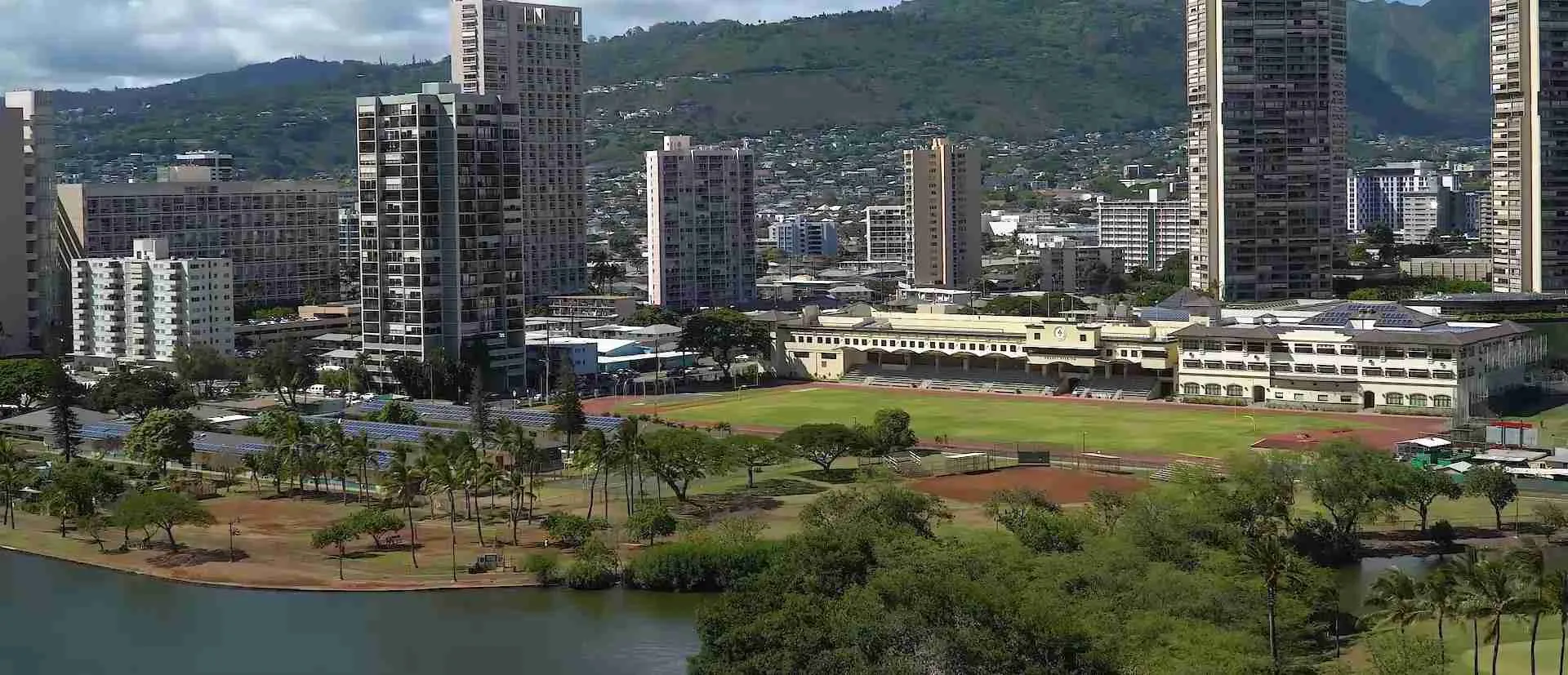
Hawaii Travel Guide 2026: Ultimate Planning Resource
Hawaii’s six inhabited islands offer Pacific paradise combining volcanic landscapes, Polynesian culture, and world-class beaches across an archipelago where tropical beauty meets modern American amenities, requiring strategic planning to navigate costs, inter-island logistics, and seasonal variations. This comprehensive 2026 guide delivers verified pricing, transportation strategies, and island-by-island planning tools to help travelers maximize experiences while managing budgets across Oahu, Maui, Kauai, the Big Island, Lanai, and Molokai.
Key Takeaways for Hawaii Travel 2026
- Budget Planning: Budget travelers need $70-175 per person daily (two sharing budget accommodation), mid-range visitors spend $190-390 per person daily (two sharing mid-range hotel), and luxury travelers invest $420-660+ per person daily (two sharing luxury accommodation) covering lodging, meals, transportation, and activities across the Hawaiian Islands.
- Inter-Island Transportation: Hawaiian Airlines and Southwest Airlines operate frequent inter-island flights ranging $59-150 one-way between major islands with flight times under 45 minutes, while the Hawaiian Airlines-Alaska merger effective April 22, 2026 creates Oneworld Alliance benefits including expanded mileage earning opportunities and seamless mainland-to-island connections.
- Lodging Tax Increases: Hawaii’s Transient Accommodations Tax increased to 11% effective January 1, 2026, creating total lodging taxes of 18-19% statewide when combined with county surcharges and General Excise Tax, plus mandatory resort fees of $30-50 nightly at most mid-range and luxury hotels add significantly to quoted room rates.
- Advance Reservations Required: Popular attractions including Diamond Head State Monument, Hanauma Bay Nature Preserve, and Haleakala National Park sunrise viewing require advance online reservations in 2026, with Diamond Head bookings opening 30 days ahead and sunrise slots selling out within hours during peak seasons.
- Optimal Travel Windows: Shoulder seasons (April-May and September-mid-November) deliver 20-40% lower costs than peak periods while maintaining excellent weather, with mid-week flights (Tuesday/Wednesday departures) typically $50-150 cheaper per ticket than weekend travel to Hawaii.
- Island Selection Strategy: Oahu offers the most economical Hawaii experience with extensive public transit, abundant budget dining, and free beaches, while Maui and Kauai command premium pricing, and the Big Island provides excellent value for rental car travelers willing to embrace longer driving distances between attractions.
People Also Ask About Hawaii Travel 2026
How Much Does a Hawaii Vacation Cost Per Person in 2026?
A Hawaii vacation costs $70-175 per person daily for budget travelers (two sharing budget accommodation), $190-390 per person daily for mid-range comfort (two sharing mid-range hotel), and $420-660+ per person daily for luxury experiences (two sharing luxury accommodation). Weekly costs range from $490-1,225 for budget travelers, $1,330-2,730 for mid-range visitors, and $2,940-4,620+ for luxury experiences, with total trip costs heavily influenced by flight origin, accommodation choices, dining strategies, and activity selection across the islands.
Which Hawaiian Island Is Best for First-Time Visitors in 2026?
Oahu represents the optimal choice for first-time Hawaii visitors in 2026, combining iconic Waikiki Beach access, Pearl Harbor historical sites, extensive public transportation via TheBus eliminating rental car necessity, abundant budget dining options including authentic plate lunch culture, and the state’s most developed tourism infrastructure supporting travelers at every price point. Maui appeals to first-timers seeking resort experiences and scenic drives including the Road to Hana, while the Big Island suits adventure seekers prioritizing Hawaii Volcanoes National Park, and Kauai attracts nature enthusiasts drawn to dramatic Na Pali Coast scenery despite higher costs and limited public transportation options.
Do You Need a Rental Car to Visit Hawaii in 2026?
Rental car necessity depends entirely on island and itinerary, with Oahu offering comprehensive public transit via TheBus ($3.25 per ride, $40 weekly pass) serving Waikiki, downtown Honolulu, Pearl Harbor, and North Shore making rental cars optional for budget travelers, while Maui, Kauai, and the Big Island require rental cars for meaningful exploration beyond resort areas. Rental car costs in Hawaii range $80-220 daily or $300-700 weekly in 2026, with gas prices at $4.50-5.50 per gallon representing 30% premiums over mainland averages, and parking fees adding $20-35 daily at Waikiki hotels plus $5-10 at major attractions creating significant budget impacts for vehicle-dependent itineraries.
When Is the Cheapest Time to Visit Hawaii in 2026?
The cheapest time to visit Hawaii in 2026 spans April through mid-May and September through mid-November shoulder seasons, delivering 20-40% lower airfares and hotel rates compared to peak winter (mid-December through March) and summer (June through August) periods while maintaining excellent weather conditions with average temperatures of 78-85°F and reduced rainfall compared to winter months. Mid-week travel departures on Tuesdays and Wednesdays save $50-150 per ticket versus weekend flights, and booking flights 3-6 months in advance locks favorable mainland-to-Hawaii fares ranging $300-600 roundtrip from West Coast cities compared to $600-1,000 peak season rates, with advance hotel bookings during shoulder seasons accessing promotional rates unavailable during high-demand periods.
Extended multi-day tours – 5+ days
Featured Hawaii Multi-Day Tour Packages
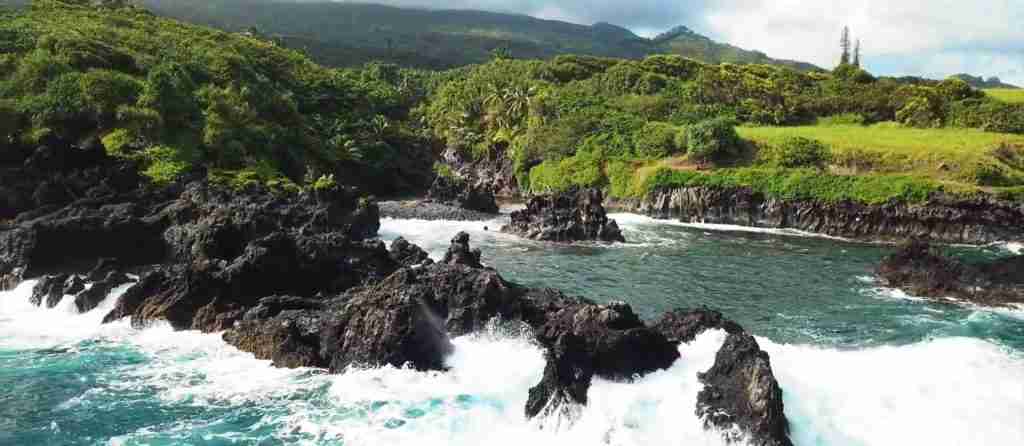
3 days
Hawaii 3-Day Discovery Tour
- ✓ Comprehensive Hawaii experience
- ✓ Expert local guides included
- ✓ All accommodation included
- ✓ Transportation provided

5 days
Hawaii 5-Day Highlights Experience
- ✓ Comprehensive Hawaii experience
- ✓ Expert local guides included
- ✓ All accommodation included
- ✓ Transportation provided
7 days
Hawaii 7-Day Cultural Journey
- ✓ Comprehensive Hawaii experience
- ✓ Expert local guides included
- ✓ All accommodation included
- ✓ Transportation provided
10 days
Hawaii 10-Day Complete Adventure
- ✓ Comprehensive Hawaii experience
- ✓ Expert local guides included
- ✓ All accommodation included
- ✓ Transportation provided
Multi-day tour packages powered by TourRadar. Prices and availability subject to change.
Introduction: Planning Your Hawaii Journey in 2026
Hawaii’s archipelago stretches 1,500 miles across the central Pacific Ocean, comprising eight major islands with six offering visitor accommodation and infrastructure. The state imports 85-90% of consumer goods via ocean freight, creating elevated costs for food, retail merchandise, and services that distinguish Hawaii from mainland United States destinations. Geographic isolation combines with limited buildable land and concentrated tourism demand to create pricing structures requiring strategic planning for budget optimization across all traveler categories.
The 2026 Hawaii travel landscape reflects significant regulatory and economic shifts. The Transient Accommodations Tax increased from 10.25% to 11% effective January 1, 2026, adding to existing county lodging taxes and General Excise Tax to create total accommodation taxes of 18-19% statewide. Matson Navigation’s inter-island freight rates increased 26% in January 2026 following a 46% increase in 2020, raising shipping costs approximately 80% over five years and impacting restaurant menus, grocery pricing, and hotel supply costs. The Hawaiian Airlines-Alaska merger created the largest Hawaii network of any United States carrier, with full integration completed April 22, 2026, introducing Oneworld Alliance benefits for inter-island travelers and seamless mainland-to-neighbor-island routing.
State park systems implemented expanded fee and reservation requirements during 2025-2026, with Diamond Head State Monument and Hanauma Bay Nature Preserve requiring advance online reservations for non-residents, and new parking management systems launching at Kamaole Beach Parks on Maui charging $10 daily visitor fees on weekends and holidays. Hawaii Volcanoes National Park maintains $30 per vehicle entrance fees valid for seven consecutive days, while Pearl Harbor preserves free general admission with $1 reservation fees for USS Arizona Memorial timed entry slots distributed via Recreation.gov competitive reservation system.
Island selection fundamentally determines budget parameters, transportation requirements, and experience opportunities. Oahu concentrates the state’s urban infrastructure, offering TheBus public transit serving 80+ routes island-wide, extensive budget and mid-range hotel inventory in Waikiki, authentic local dining at accessible price points, and free beach access along world-famous coastlines from Waikiki to North Shore. Maui commands premium pricing reflecting limited accommodation supply and concentrated luxury resort development, with rental cars essential for Road to Hana exploration, Haleakala National Park access, and movement between distinct resort regions. The Big Island delivers excellent value for rental car travelers embracing longer distances, combining Hawaii Volcanoes National Park volcanic landscapes, Kona Coast beaches, and diverse climate zones from tropical rainforests to volcanic deserts. Kauai offers dramatic natural beauty including Na Pali Coast scenery and Waimea Canyon vistas, with higher accommodation costs and rental car necessity for exploration beyond limited resort areas.
Inter-island transportation via Hawaiian Airlines and Southwest Airlines connects major airports with frequent daily service, creating flight times under 45 minutes between Honolulu and neighbor islands. One-way inter-island fares range $59-150 in 2026, with promotional periods occasionally delivering $39 fares requiring advance booking and midweek travel dates. Hawaiian Airlines operates approximately 170 daily inter-island flights using Boeing 717 jets seating 123 passengers, while Southwest Airlines provides competitive pricing with two free checked bags per passenger versus Hawaiian’s $25 first bag and $35 second bag fees for non-HawaiianMiles members. The merger creating Alaska-Hawaiian combined operations enables one-ticket bookings from mainland origins through Honolulu to neighbor island destinations, eliminating separate ticket purchases and bag re-checking previously required for independent bookings.
Seasonal patterns create distinct pricing and crowd dynamics across Hawaii’s calendar year. Peak winter season spanning mid-December through March attracts mainland visitors escaping cold weather, creating maximum hotel rates and flight costs particularly around Christmas, New Year’s, and spring break periods. Summer season from June through August delivers family travel demand with school vacation schedules driving accommodation rates and attraction crowding, especially during July fourth week. Shoulder seasons in April-May and September-mid-November offer optimal value propositions, delivering reduced rates while maintaining favorable weather conditions with lower rainfall and comfortable temperatures compared to winter months.
This guide provides comprehensive 2026 planning tools organized by practical decision categories: budget planning with verified daily cost ranges across traveler tiers, island-by-island destination analysis covering strengths and limitations, transportation strategies for both mainland arrival and inter-island movement, accommodation selection across budget to luxury categories, dining approaches balancing restaurant experiences against grocery self-catering, activity and attraction planning with current pricing and reservation requirements, and money-saving techniques proven effective in Hawaii’s elevated cost environment. Each section delivers specific actionable information enabling travelers to construct realistic budgets and optimize spending across Hawaii’s unique island economy.
Understanding Hawaii Travel Costs in 2026
Hawaii operates as the most expensive state in the United States for visitor spending, driven by geographic isolation requiring imported goods, limited developable land creating real estate premiums, and tourism demand concentrated in finite coastal resort corridors. The state’s 85-90% import dependency means nearly every consumer good arrives via ocean freight or air cargo, adding transportation costs to groceries, restaurant supplies, retail merchandise, and hotel amenities. Matson Navigation controls dominant shipping routes between West Coast ports and Hawaii, with inter-island freight rates increasing 80% between 2020 and 2026, directly impacting retail pricing across all islands.
Accommodation costs represent the largest single expense category for Hawaii visitors, ranging from $60 nightly hostel dormitories to $600+ luxury resort accommodations before mandatory taxes and fees. Hawaii’s lodging tax structure increased significantly in 2026, with Transient Accommodations Tax rising from 10.25% to 11%, combining with county surcharges ranging 1-3% depending on island and General Excise Tax of 4-4.5% to create total accommodation taxes of 18-19% statewide. Most mid-range and luxury hotels add mandatory resort fees of $30-50 nightly covering services including wifi access, pool and beach equipment, fitness center entry, and cultural programming, transforming quoted $200 nightly rates into $235-250 after resort fees and $278-295 total costs after taxes.
Food costs in Hawaii consistently exceed mainland United States pricing by 30-50% for comparable restaurant meals and 20-30% for grocery items reflecting shipping costs and limited local agricultural production. Restaurant entrees range $18-35 at casual dining establishments and $35-60 at upscale venues, while plate lunch counters deliver Hawaii’s signature value meals at $12-18 including protein, rice, and macaroni salad. Grocery store prepared foods including poke bowls at $10-14 per pound, ready-made sandwiches at $8-12, and hot bar selections charged by weight offer economical alternatives to restaurant dining for travelers with accommodation kitchenettes or willing to embrace picnic-style beach meals.
Transportation costs vary dramatically based on island selection and itinerary design. Oahu’s TheBus public transit system charges $3.25 per ride using reloadable HOLO cards, with weekly passes at $40 and monthly passes at $90 providing unlimited rides across 80+ routes serving the entire island from Waikiki to North Shore. Other islands lack comprehensive public transportation, requiring rental cars for meaningful exploration beyond immediate resort areas. Rental car rates in Hawaii range $80-220 daily or $300-700 weekly in 2026, with compact cars at lower rates and full-size vehicles or SUVs commanding premium pricing during peak seasons. Gas prices consistently rank among the nation’s highest at $4.50-5.50 per gallon reflecting isolated island economics and fuel transportation costs. Parking fees accumulate across visitor itineraries, with Waikiki hotel parking at $20-35 daily, attraction parking at $5-10 per location, and metered street parking at $2-4 hourly where available.
Activity and attraction costs span free beach access and hiking to premium helicopter tours and sunset cruises. National park entrance fees include Hawaii Volcanoes National Park and Haleakala National Park at $30 per vehicle valid seven consecutive days, while state park fees vary by location with Diamond Head charging $5 per non-resident pedestrian and Hanauma Bay requiring $25 per non-resident adult. Pearl Harbor maintains free general admission with $1 reservation fees for USS Arizona Memorial program. Commercial activities range from $45-80 snorkel tours to $150-300 helicopter flights to $80-150 luau experiences, with advance online booking often delivering 10-20% discounts versus on-site purchases.
Hidden costs frequently overlooked in initial budget planning include baggage fees for inter-island flights, with Hawaiian Airlines charging $25 first bag and $35 second bag for non-members while Southwest provides two free checked bags, tipping expectations at 15-20% for restaurant service and $1-2 per bag for hotel porters, mandatory 18-19% lodging taxes not always visible in initial hotel rate quotes, resort fees adding $30-50 nightly to mid-range and luxury accommodation, parking fees at hotels and attractions accumulating $15-30 daily for car-dependent itineraries, and activity cancellation policies requiring full payment 24-72 hours before scheduled tours creating inflexibility for weather-dependent excursions.
Daily Budget Breakdown by Traveler Category 2026
Understanding realistic daily costs across budget tiers enables accurate trip planning and prevents financial surprises during Hawaii vacations. Daily budgets presented below reflect per person costs assuming two travelers sharing hotel accommodation, with room rates divided by two before incorporation into daily totals. Solo travelers should add approximately 40-60% to accommodation portions for private room pricing without cost sharing benefits.
Budget Traveler Daily Costs 2026: $70-175 Per Person
Budget travelers minimize Hawaii costs through hostel dormitory accommodation or budget hotels, plate lunch dining culture, public transportation on Oahu or strategic rental car sharing on neighbor islands, free beach activities, and self-guided exploration rather than commercial tour purchases. This category requires acceptance of basic facilities, willingness to prepare some meals from grocery ingredients, flexibility in timing and location selection, and research investment identifying free or low-cost activities across islands.
Accommodation options for budget travelers include hostel dormitories at $60-90 nightly providing basic bed accommodations with shared bathrooms and common kitchen facilities enabling meal preparation, contributing $30-45 per person when two travelers share a private hostel room. Budget hotels and guesthouses range $90-180 nightly for basic rooms with private bathrooms but limited amenities, contributing $45-90 per person for couples sharing standard double rooms. These rates exclude resort fees common at mid-range properties but include 18-19% lodging taxes. Waikiki hostels and budget hotels provide optimal value through elimination of rental car necessity via TheBus access, while budget accommodations on neighbor islands typically require rental car investments offsetting lower nightly room rates.
Food costs for budget travelers average $37-58 daily through strategic meal planning combining plate lunches, food truck meals, grocery store prepared foods, and selective restaurant dining. Breakfast options include grocery store bagels, fruit, and yogurt at $5-8, hotel continental breakfast when included, or fast food breakfast at $8-12. Lunch centers on plate lunch culture delivering substantial meals of protein, rice, and macaroni salad for $12-18 at Rainbow Drive-In, L&L Hawaiian Barbecue, and countless food trucks island-wide. Dinner strategies include additional plate lunch meals, grocery store hot bar selections at $10-14, poke bowls at $10-14 per pound, or budget restaurant meals at $15-25 per entree. Grocery stores including Foodland offer Friday Aloha deals with $6 prepared plates and build-your-own deli bars at $6 per pound, creating exceptional value for informed budget travelers.
Transportation for budget travelers on Oahu utilizes TheBus extensively, with $3.25 single rides or $40 weekly passes covering movement from Waikiki to Pearl Harbor, downtown Honolulu, Ala Moana shopping center, and North Shore destinations. Budget travelers on Maui, Kauai, and Big Island typically require rental car investments, with economy compact cars at $80-120 daily split between two travelers contributing $40-60 per person daily including gas expenses. Alternative strategies include selecting accommodation within walking distance of beaches and restaurants, utilizing hotel shuttle services where available, or purchasing multi-day tour packages bundling transportation with attraction admission.
Activities for budget travelers emphasize free options including world-class beach access, coastal hiking trails, scenic drives, public parks, and cultural programming at hotels and shopping centers. Occasional paid attractions might include one national park entry at $30 per vehicle (seven-day validity enabling multiple visits) or $15 per pedestrian, Diamond Head State Monument at $5 per pedestrian, or budget-friendly snorkel rental at $10-15 daily rather than $60-80 guided tours. Budget-conscious visitors allocate $0-15 daily for activities through strategic free option selection interspersed with occasional paid experiences.
Total daily costs for budget travelers range $70-175 per person covering accommodation $30-90 per person (two sharing), meals $37-58, transportation $3-10 (Oahu public transit) or $40-60 (neighbor island rental car share), and activities $0-15. Weekly costs accumulate to approximately $490-1,225 per person, enabling week-long Hawaii vacations at $1,000-2,500 per couple excluding mainland flights.
Mid-Range Traveler Daily Costs 2026: $190-390 Per Person
Mid-range travelers balance comfort with cost management through standard hotel accommodation, combination of restaurant dining and strategic self-catering, rental car flexibility or selective tour participation, paid attraction admission, and curated activity selection emphasizing quality experiences over quantity. This category represents the majority of Hawaii visitors seeking comfortable experiences without luxury price premiums.
Accommodation for mid-range travelers spans $160-450 nightly for standard hotel rooms with private bathrooms, air conditioning, in-room coffee makers, and moderate amenities. These rates contribute $80-225 per person when two travelers share double or king rooms. Waikiki mid-range hotels including Aqua-Aston properties, Outrigger Hotels, and established chains like Hilton Garden Inn deliver comfortable rooms at $180-280 nightly during shoulder seasons, while Maui and Kauai mid-range resorts command $250-450 nightly reflecting limited supply and higher demand. Quoted rates require addition of mandatory resort fees ($30-50 nightly) and 18-19% lodging taxes, transforming $200 quoted rates into $278-295 actual costs. Mid-range travelers should budget accommodation at upper range estimates during peak seasons or when booking less than 60 days before arrival.
Food costs for mid-range travelers average $80-100 daily through balanced restaurant dining incorporating breakfast, lunch, and dinner at casual to moderate establishments. Breakfast options include hotel breakfast buffets at $15-25 per person when not included in room rates, or cafe meals at $12-18. Lunch typically involves casual dining at $18-30 per person including entree, beverage, tax, and tip. Dinner represents the primary meal investment at $35-55 per person at mid-range restaurants featuring island-inspired cuisine, fresh seafood, and attentive service. Strategic cost management includes breakfast self-catering using in-room coffee makers and grocery items, plate lunch alternatives for casual lunches, and dinner restaurant reservations concentrated at standout venues rather than every evening.
Transportation for mid-range travelers typically includes rental car possession enabling flexible exploration schedules and access to attractions beyond public transit reach. Rental cars at $100-180 daily including insurance split between two travelers contribute $50-90 per person daily, with gas expenses adding $15-25 daily depending on mileage. Alternatives include selective tour purchases bundling transportation and admission, Uber or Lyft rideshare for specific destinations at $20-40 per ride, or combination strategies using public transit for some movements and rental cars for dedicated exploration days.
Activities for mid-range travelers allocate $15-35 daily for national park entries, state park fees, commercial tour participation, and equipment rentals. Typical activity investments include Hawaii Volcanoes National Park or Haleakala National Park admission at $30 per vehicle valid seven days, snorkel tours at $60-80 per person, sunset sailing at $80-120 per person, and cultural experiences including luaus at $100-150 per person. Mid-range budgets enable one significant paid activity every 2-3 days interspersed with free beach and hiking options.
Total daily costs for mid-range travelers range $190-390 per person covering accommodation $80-225 per person (two sharing mid-range hotel), meals $80-100, transportation $15-30 (mixed public transit, rideshare, rental car), and activities $15-35. Weekly costs accumulate to approximately $1,330-2,730 per person, enabling week-long Hawaii vacations at $2,700-5,500 per couple excluding mainland flights.
Luxury Traveler Daily Costs 2026: $420-660+ Per Person
Luxury travelers prioritize premium experiences through beachfront resort accommodation, fine dining emphasizing Hawaii Regional Cuisine, private transportation or guided tours, comprehensive activity participation, and personalized service delivery. This category accepts elevated costs in exchange for exceptional quality, convenience, and curated experiences minimizing research and planning burdens.
Accommodation for luxury travelers spans $400-600+ nightly for resort properties featuring direct beach access, multiple dining venues, full-service spas, oceanfront pool complexes, and attentive concierge services. Properties including Halekulani, The Royal Hawaiian, Four Seasons Resorts, and Grand Hyatt properties deliver premium experiences at $500-700 nightly for standard rooms, with oceanfront suites commanding $800-1,000+ nightly. These rates contribute $200-300+ per person when couples share resort rooms. Quoted rates require addition of mandatory resort fees ($40-50 nightly) and 18-19% lodging taxes, plus typical luxury traveler utilization of premium services including spa treatments, beach cabana rentals, and resort dining creating additional daily expenses.
Food costs for luxury travelers average $150-220 daily through upscale restaurant dining, resort breakfast buffets, fresh seafood specialties, and premium beverage selections. Breakfast at resort restaurants ranges $25-40 per person for buffet service or a la carte selections. Lunch options include resort poolside dining at $30-45 per person or excursion into acclaimed local restaurants at $35-55 per person. Dinner represents signature experiences at Hawaii’s finest establishments including Alan Wong’s, Roy’s, Mama’s Fish House, and resort fine dining venues, averaging $80-120 per person before beverages, tax, and gratuity.
Transportation for luxury travelers emphasizes convenience through rental car upgrades to full-size or luxury vehicles at $180-220 daily, private driver services at $80-120 hourly, or premium guided tour participation bundling transportation with expert narration. Rental car costs split between couples contribute $90-110 per person daily, while some luxury travelers forgo rental cars entirely in favor of resort-based relaxation with selective private tours for attraction visits.
Activities for luxury travelers allocate $40-80+ daily for premium experiences including helicopter tours at $250-400 per person, private snorkel charters at $150-250 per person, professional photography sessions at $200-400, sunset catamaran cruises with premium beverages at $150-200 per person, and spa treatments at resort facilities. Luxury budgets enable daily significant activity participation without constraint, though many luxury travelers intersperse premium experiences with resort relaxation days enjoying included amenities.
Total daily costs for luxury travelers range $420-660+ per person covering accommodation $200-300+ per person (two sharing luxury resort), meals $150-220, transportation $30-60 (rental car, tours, private services), and activities $40-80+. Weekly costs accumulate to approximately $2,940-4,620+ per person, enabling week-long Hawaii vacations at $6,000-9,500+ per couple excluding mainland flights.
Getting to Hawaii: Mainland Flight Planning 2026
Mainland United States to Hawaii flights represent the second-largest expense category after accommodation for most travelers, with fare optimization strategies potentially saving hundreds of dollars per person through strategic booking timing, origin flexibility, and airline selection. Hawaii’s geographic isolation creates inherent flight costs, but competitive airline markets on major routes enable savvy travelers to access favorable pricing through informed planning.
West Coast origins including Los Angeles, San Francisco, Seattle, Portland, San Diego, and San Jose offer the most frequent Hawaii service with competitive pricing reflecting multiple carrier competition. Nonstop flights from these cities to Honolulu range 5-6 hours flight time, with fares averaging $300-600 roundtrip during shoulder seasons and $500-900 during peak winter and summer periods. Southwest Airlines, Alaska Airlines (now merged with Hawaiian), United Airlines, and Delta Air Lines compete aggressively on these routes, with Southwest introducing new Burbank to Honolulu service starting August 4, 2026, and Alaska expanding daily Burbank service from May 13, 2026. Budget airlines including Southwest occasionally offer promotional fares as low as $199 roundtrip requiring advance booking and midweek travel dates.
East Coast and Midwest origins face longer flight times (9-11 hours) and higher costs reflecting limited direct service and necessary connections through West Coast or Hawaii hubs. Roundtrip fares from New York, Boston, Washington DC, Chicago, and Atlanta average $600-1,000 during shoulder seasons and $900-1,400 during peak periods. Delta operates direct JFK to Honolulu service launching April 1, 2026, on widebody aircraft with lie-flat Delta One seats, with additional direct service from Detroit starting November 9, 2026, and new Minneapolis to Maui and Boston to Honolulu routes launching December 19, 2026. These direct options eliminate connection hassle but typically command premium pricing versus one-stop itineraries through West Coast airports.
Booking timing dramatically impacts fare availability and pricing. Optimal booking windows fall 3-6 months before departure for domestic Hawaii travel, with earlier bookings (6+ months) offering minimal additional savings while later bookings (under 60 days) face significantly elevated fares as airline revenue management systems increase pricing responding to reduced seat availability. Tuesday and Wednesday departures consistently deliver $50-150 lower fares per ticket versus Friday, Saturday, and Sunday departures reflecting leisure travel demand patterns. Red-eye overnight flights departing late evening or very early morning from mainland origins command $50-100 discounts per ticket versus midday departure convenience.
Airline selection involves tradeoffs between fare cost, route convenience, baggage policies, and loyalty program benefits. Southwest Airlines provides two free checked bags per passenger creating $100-140 value for couples checking luggage on roundtrip flights, with no change fees enabling flexible rebooking if fares decrease after initial purchase. Alaska-Hawaiian combined operations offer Oneworld Alliance benefits effective April 22, 2026, enabling mileage earning across American Airlines, British Airways, Qantas, Cathay Pacific, and dozen additional carriers, with seamless mainland-to-neighbor-island routing through single ticket purchases. United Airlines and Delta Air Lines provide extensive route networks with multiple daily frequencies on major routes, though baggage fees ($35 first bag, $45 second bag each way) add $160-180 per couple to base fares.
Destination airport selection influences overall trip planning beyond flight costs. Honolulu International Airport receives the most mainland service with maximum fare competition and convenient access to Waikiki via $3.25 TheBus rides or $40-50 shared shuttle services. Kahului on Maui, Kona and Hilo on Big Island, and Lihue on Kauai receive direct mainland service from major West Coast cities, enabling single-flight access to neighbor islands bypassing Honolulu connections. Open-jaw itineraries flying into one Hawaii airport and departing from another eliminate backtracking for multi-island visitors, though fare search tools require separate one-way searches rather than roundtrip booking to identify optimal pricing combinations.
Fare alert services including Google Flights price tracking, Scott’s Cheap Flights (now Going), and airline email subscriptions notify travelers of promotional pricing and mistake fares. Setting alerts 6-9 months before intended travel dates captures flash sales and promotional periods when airlines release discounted inventory to stimulate advance bookings. Credit card travel portals including Chase Ultimate Rewards and American Express Membership Rewards enable point redemptions for Hawaii flights, with transfer partner airlines including United, Delta, and Alaska-Hawaiian often delivering superior value versus fixed-point redemptions through credit card travel portals.
Inter-Island Transportation Planning 2026
Inter-island movement enables multi-island Hawaii experiences combining Oahu’s urban energy, Maui’s resort sophistication, Big Island’s volcanic landscapes, and Kauai’s dramatic scenery within single vacations. Flight times between major islands range 20-50 minutes, creating practical logistics for island hopping itineraries when balanced against half-day time investments including airport arrival, security screening, boarding, flight duration, baggage claim, and ground transportation at destination islands.
Hawaiian Airlines dominates inter-island service operating approximately 170 daily flights connecting Honolulu, Kahului (Maui), Kona, Hilo, and Lihue (Kauai) using Boeing 717 jets seating 123 passengers. One-way fares range $59-150 depending on route, booking timing, and travel dates, with advance purchase requirements (21-30 days) delivering lowest pricing and last-minute bookings (under 7 days) facing significantly elevated fares. Hawaiian operates the most comprehensive route network including direct flights between neighbor islands like Maui to Kauai bypassing Honolulu connections, though these direct neighbor island routes command premium pricing and offer limited daily frequencies versus hub-and-spoke routing through Honolulu.
Southwest Airlines operates inter-island service competing with Hawaiian on major routes including Honolulu to Kahului, Kona, Hilo, and Lihue, with pricing typically matching Hawaiian’s fare structures while providing Southwest’s signature two free checked bags per passenger versus Hawaiian’s $25 first bag and $35 second bag fees for non-HawaiianMiles members. Southwest focuses primarily on routes connecting through Honolulu rather than direct neighbor island flights, requiring connections for Maui to Kauai or Big Island to Maui movements. Southwest’s no-change-fee policy enables flexible rebooking at lower fares if prices decrease after initial purchase without penalty, creating strategic advantage for advance bookers willing to monitor fare fluctuations.
The Hawaiian Airlines-Alaska merger completed April 22, 2026, created the largest Hawaii network of any United States carrier with full operational integration and Oneworld Alliance membership. HawaiianMiles members now earn miles redeemable across all Oneworld partners including Alaska, American Airlines, Qantas, Cathay Pacific, Japan Airlines, British Airways, and additional carriers. Top-tier Hawaiian status (Pualani Platinum and Gold) maps to Oneworld Sapphire or Emerald status unlocking lounge access and priority boarding globally. The combined operation enables one-ticket bookings from mainland origins through Honolulu to neighbor islands, eliminating separate ticket purchases and bag re-checking previously required for independent Hawaiian and Alaska bookings.
Mokulele Airlines serves smaller airports and remote destinations using 9-passenger Cessna Caravan aircraft, connecting Honolulu to Molokai, Lanai, Hana (Maui), and Kapalua (Maui). Fares range $50-110 one-way with advance booking, providing access to destinations unreachable via Hawaiian or Southwest service. Flying into Kapalua Airport positions travelers on Maui’s west side without 45-minute drives from Kahului, while Hana service eliminates six hours of hairpin turns along the Road to Hana for travelers prioritizing convenience over scenic drive experiences. These routes require direct booking through Mokulele’s website rather than appearing in Google Flights or major booking platforms.
Baggage policies create significant cost differences between carriers. Hawaiian Airlines charges $25 for first checked bag and $35 for second checked bag each way for non-members, adding $120-140 per couple for roundtrip inter-island movements. HawaiianMiles membership (free to join) reduces fees to $15 first bag and $20 second bag. Hawaiian Airlines World Elite Mastercard provides two free checked bags on Hawaiian flights, delivering value for travelers planning multiple inter-island movements. Southwest includes two free checked bags per passenger without membership requirements, creating $120-140 savings per couple versus Hawaiian for travelers checking luggage. Carry-on bags remain free on both carriers with 25-pound weight limits and overhead bin size restrictions.
Booking strategies for optimal inter-island pricing include advance purchase 21-60 days before travel capturing early-bird discount tiers, midweek travel Tuesday through Thursday avoiding weekend premium pricing, morning departure times typically offering lower fares than afternoon flights, and separate one-way bookings rather than roundtrip searches when different carriers offer best pricing for outbound versus return flights. Monitoring both Hawaiian and Southwest pricing reveals occasional $10-30 fare differences on identical routes and dates. Setting fare alerts through airline websites or Google Flights notifications captures flash sales when airlines release discounted inventory to stimulate bookings during slower demand periods.
Inter-island routing decisions involve tradeoffs between direct flights versus connections through Honolulu. Direct neighbor island flights (Maui to Kauai, Maui to Big Island, Big Island to Kauai) save 60-90 minutes versus connecting through Honolulu but typically cost $20-40 more per person and offer limited departure times with one to three daily frequencies. Most inter-island travelers accept Honolulu connections enabling schedule flexibility with flights every 30-60 minutes on busy corridors and broader fare availability across departure times. The Hawaiian-Alaska merger improved connection efficiency through coordinated schedules and baggage through-checking eliminating re-check requirements between mainland arrivals and inter-island connections.
Multi-island itinerary design should front-load inter-island movements early in vacations, enabling immediate travel to primary destination islands while maintaining Honolulu as final destination before mainland departure. This sequencing eliminates rushed final-day connections risking missed mainland flights if inter-island delays occur. Allocating minimum three to four full days per island justifies half-day time investments for inter-island travel, with shorter single or two-night island stays creating inefficient itineraries where travel days consume disproportionate vacation time. Most first-time Hawaii visitors select two islands maximum for week-long vacations, while experienced travelers comfortable with island hopping logistics expand to three islands for 10-14 day trips.
Island Selection Guide: Matching Destinations to Travel Styles 2026
Hawaii’s six inhabited islands offer distinct personalities, price points, and experience opportunities requiring strategic selection aligned with traveler priorities, budget constraints, and activity preferences. Understanding core differences between islands enables informed destination choices maximizing satisfaction while managing costs and logistics across diverse vacation styles.
Oahu: Urban Energy Meets Iconic Beaches
Oahu concentrates Hawaii’s urban infrastructure and tourism development, combining world-famous Waikiki Beach, Pearl Harbor historical significance, North Shore surf culture, and comprehensive public transportation creating the state’s most economical island experience. Honolulu serves as Hawaii’s capital and commercial center, offering extensive hotel inventory spanning budget hostels to luxury beachfront resorts, abundant restaurant options at all price points, shopping centers including Ala Moana (nation’s largest open-air mall), and cultural institutions including Bishop Museum and Iolani Palace.
Waikiki’s two-mile beach frontage provides accessible ocean swimming, surfing lessons, outrigger canoe rides, and beachfront dining with Diamond Head volcanic crater backdrop creating Hawaii’s most iconic coastal vista. TheBus public transit operates 80+ routes island-wide with $3.25 single rides or $40 weekly passes, enabling budget travelers to eliminate rental car expenses while accessing Pearl Harbor, downtown Honolulu, North Shore, and eastern coastal destinations via regular service. Free beach access extends from Waikiki through Ala Moana Beach Park, Magic Island, and suburban coastal parks eliminating attraction admission costs for budget-conscious visitors.
Oahu’s accommodation costs span the state’s widest range from $60-90 nightly hostel dormitories to $500-700 beachfront luxury resorts. Mid-range Waikiki hotels deliver comfortable rooms at $180-280 nightly during shoulder seasons, while vacation rentals in residential neighborhoods offer kitchen facilities enabling meal preparation cost savings. Restaurant dining includes authentic local options like Rainbow Drive-In plate lunches at $12-18, food truck concentrations serving diverse cuisines at $10-18, and upscale establishments including Alan Wong’s and Roy’s delivering Hawaii Regional Cuisine at $80-120 per person.
Oahu’s primary limitations include urban density creating crowded beaches during peak seasons, traffic congestion between Honolulu and North Shore particularly on weekends, and somewhat commercialized atmosphere compared to neighbor islands’ quieter pace. Visitors seeking pristine isolation or exclusively resort-based experiences may find Oahu’s urban energy overwhelming, though diverse neighborhoods from laid-back Kailua to surf-centric Haleiwa provide escapes from Waikiki concentration.
Maui: Resort Sophistication and Scenic Drives
Maui commands premium pricing reflecting concentrated luxury resort development, limited accommodation supply, and strong demand from honeymooners and affluent travelers seeking polished resort experiences. The island combines scenic Road to Hana coastal drive, Haleakala National Park volcanic summit, west Maui resort corridor, and south Maui beach towns creating diverse experience zones requiring rental car transportation between distinct regions.
Wailea and Kaanapali resort areas feature manicured grounds, championship golf courses, upscale shopping at Shops at Wailea and Whalers Village, and multiple dining venues within resort properties. Beach access includes Wailea Beach, Kapalua Bay (consistently ranked among Hawaii’s finest snorkeling beaches), and Kaanapali Beach fronting west Maui’s main resort corridor. Road to Hana delivers 52 miles of coastal curves passing waterfalls, bamboo forests, black sand beaches, and dramatic sea cliffs requiring 3-4 hours driving each direction with stops.
Maui accommodation costs average $250-450 nightly for mid-range resorts during shoulder seasons, with luxury properties commanding $500-800+ nightly plus mandatory resort fees and 18-19% lodging taxes. Budget travelers struggle on Maui with limited hostel options and higher costs for modest hotels compared to Oahu alternatives. Vacation rentals in Kihei and Paia offer moderate cost savings versus resort properties while maintaining beach access and kitchen facilities.
Maui’s primary limitations include elevated costs across accommodation, dining, and activities compared to Oahu or Big Island, rental car necessity creating $100-180 daily costs split between travelers, and occasional crowding at popular attractions including Road to Hana, Molokini snorkel crater, and Haleakala sunrise viewing requiring advance reservations. Visitors prioritizing budget travel or urban cultural experiences may find Maui’s resort focus and premium pricing challenging, though the island’s natural beauty and polished tourism infrastructure deliver exceptional experiences for travelers accepting elevated costs.
Big Island: Volcanic Landscapes and Diverse Climates
The Big Island (officially Hawaii Island) offers the state’s most diverse landscapes spanning active volcanic activity at Hawaii Volcanoes National Park, snow-capped Mauna Kea summit, tropical rainforests, black sand beaches, arid volcanic deserts, and Kona Coast resort development. The island’s massive scale (twice the combined area of all other Hawaiian islands) creates longer driving distances between attractions but delivers excellent value for rental car travelers embracing geographical exploration.
Hawaii Volcanoes National Park provides the state’s most dramatic natural attraction, featuring Kilauea Volcano with ongoing summit activity, Thurston Lava Tube walking trail, Chain of Craters Road descending 3,700 feet through lava fields to coastal areas, and ranger programs explaining volcanic geology and Hawaiian cultural connections. Park admission costs $30 per vehicle valid seven consecutive days, enabling multiple visits during Big Island stays. Kona Coast delivers calm-water beaches, world-class snorkeling and diving, historic Kailua-Kona town, and coffee plantation tours, while Hilo offers tropical rainforest waterfalls, farmers markets, and authentic local town character largely bypassed by mass tourism.
Big Island accommodation costs span budget-friendly options in Hilo at $100-160 nightly to Kona Coast resorts at $250-450 nightly. Volcano Village near Hawaii Volcanoes National Park entrance provides charming bed-and-breakfast options and vacation rentals at moderate pricing enabling multi-day park exploration without daily driving from coastal areas. The island’s size enables distinct regional characteristics with Hilo’s rainforest climate receiving 130+ inches annual rainfall versus Kona’s sunny 20 inches creating dramatically different experiences depending on accommodation location selection.
Big Island limitations include longer driving distances with 2-3 hours required between Hilo and Kona regions, limited public transportation requiring rental car investment, and geographical scale creating potential itinerary overwhelm for short visits. Visitors seeking compact walkable destinations or avoiding driving commitments may find the Big Island’s sprawl challenging, though the island’s diversity and value pricing attract budget travelers and volcano enthusiasts accepting longer travel times between distinct experience zones.
Kauai: Dramatic Nature and Garden Isle Beauty
Kauai emphasizes natural beauty through Na Pali Coast dramatic sea cliffs, Waimea Canyon (often called “Grand Canyon of the Pacific”), lush interior valleys, and intimate beach coves creating the state’s most nature-focused island experience. The island maintains low-rise development restrictions preserving scenic character, with no buildings exceeding four stories creating intimate scale compared to Waikiki high-rises or Maui mega-resorts.
Na Pali Coast delivers Hawaii’s most dramatic coastal scenery accessible via strenuous Kalalau Trail hiking, boat tours departing from Port Allen, or helicopter flights revealing otherwise unreachable valleys and waterfalls. Waimea Canyon stretches 14 miles long and 3,600 feet deep featuring rust-colored rock layers, multiple overlook points along Waimea Canyon Drive, and hiking trails descending into canyon interior. Poipu area on south shore provides resort development concentration, while north shore Princeville and Hanalei offer luxury properties near Hanalei Bay’s crescent beach.
Kauai accommodation costs reflect limited supply with mid-range hotels at $200-350 nightly and luxury resorts commanding $400-700+ nightly. Budget options concentrate in Kapaa town with modest hotels at $140-200 nightly, though vacation rentals throughout the island offer moderate cost alternatives. Rental cars remain essential on Kauai with minimal public transportation and attractions spread across north shore, south shore, and western canyon regions requiring comprehensive road network navigation.
Kauai limitations include highest costs among major Hawaiian islands for accommodation and activities, rental car necessity creating daily expenses, frequent rainfall particularly on north shore during winter months, and limited dining variety compared to Oahu’s urban restaurant concentration. Visitors prioritizing nightlife, shopping, or diverse entertainment options may find Kauai’s quieter pace and nature focus limiting, though the island’s dramatic scenery attracts photographers, hikers, and travelers seeking Hawaii’s most pristine natural environments accepting premium pricing and weather variability.
Molokai and Lanai: Remote Experiences and Exclusive Retreats
Molokai and Lanai serve niche traveler segments seeking extreme authenticity (Molokai) or exclusive luxury (Lanai) beyond mainstream Hawaii tourism patterns. Molokai maintains the state’s highest percentage of Native Hawaiian residents, preserves traditional lifestyle without traffic lights or resort development, and offers Kalaupapa Peninsula historical site accessible via mule ride or hiking descent. Mokulele Airlines serves Molokai from Honolulu and Maui with flights landing at Hoolehua Airport requiring rental car for island exploration.
Lanai concentrates development at Four Seasons Resort Lanai delivering ultra-luxury experiences on former pineapple plantation island, with Hulopo’e Beach providing excellent snorkeling and Munro Trail offering 4WD adventure across island’s forested highlands. Expeditions Ferry serves Lanai from Lahaina (Maui) at $30-40 per person each way requiring advance reservations, with the island accessible from Honolulu via Mokulele flights. Most Lanai visitors stay at Four Seasons properties commanding $600-1,200+ nightly, though limited budget accommodations exist in Lanai City.
These islands suit travelers seeking Hawaii beyond conventional tourism, accepting limited infrastructure, higher costs for basic services, and dramatically reduced restaurant and activity options compared to major islands. Most Hawaii visitors prioritize Oahu, Maui, Big Island, or Kauai for comprehensive first experiences, reserving Molokai and Lanai for return visits seeking unique perspectives on Hawaiian culture and landscape.
Accommodation Selection Strategies 2026
Lodging represents Hawaii’s largest single expense category with strategic selection significantly impacting overall trip costs through nightly rate optimization, tax and fee management, location convenience affecting transportation needs, and amenity utilization influencing dining costs. Understanding accommodation category distinctions and booking strategies enables informed decisions balancing comfort desires against budget realities across island options.
Budget Accommodation: Hostels and Economy Hotels
Budget accommodation options concentrate on Oahu with hostels in Waikiki and surrounding neighborhoods providing dormitory beds at $60-90 nightly or private rooms at $120-160 nightly. Facilities typically include shared bathrooms, common kitchens enabling meal preparation, free wifi, and social common areas attracting younger international travelers. Waikiki hostels deliver optimal value through beach proximity and TheBus access eliminating rental car necessity, though shared facilities and social atmosphere may not suit all traveler preferences or age demographics.
Budget hotels offer private rooms with en-suite bathrooms at $90-180 nightly on Oahu, $120-200 on Maui and Big Island, and $140-220 on Kauai. Properties provide basic amenities including air conditioning, in-room coffee makers, parking (often additional $15-25 daily fees), and sometimes continental breakfast, though lacking pools, on-site dining, beach equipment, or resort-style services. Quality varies significantly within budget category requiring careful review reading emphasizing recent guest experiences, cleanliness standards, and location safety particularly for properties in transitional urban neighborhoods.
Budget accommodation limitations include locations typically removed from prime beachfront requiring 5-15 minute walks or short drives to premier beach access, minimal amenities necessitating external dining and activity arrangements, and variable maintenance standards requiring tolerance for modest facilities. These tradeoffs enable nightly rate savings of $100-300 versus mid-range alternatives, with cost advantages most pronounced during peak seasons when mid-range properties command maximum pricing while budget options maintain more stable year-round rates.
Mid-Range Hotels: Comfortable Standards Without Premium Pricing
Mid-range hotels deliver comfortable rooms with private bathrooms, air conditioning, moderate amenities, and professional service at $160-450 nightly before resort fees and taxes. Waikiki properties including Aqua-Aston Hotels, Outrigger Hotels, Waikiki Beachcomber, and major chains like Hilton Garden Inn, Courtyard Marriott, and Holiday Inn Express provide reliable standards at $180-280 nightly during shoulder seasons. Maui mid-range resorts including Aston properties in Kihei and Kaanapai Beach Hotel range $250-400 nightly, while Big Island mid-range options in Kona and Hilo span $180-320 nightly.
Mid-range properties typically feature swimming pools, on-site dining options for breakfast and casual meals, fitness facilities, daily housekeeping, beach equipment loans including snorkel gear and boogie boards, and concierge services assisting with activity reservations and island orientation. Locations vary from beachfront (commanding premium end of mid-range pricing) to beach-adjacent requiring 2-5 minute walks to water access. Resort fees add $30-50 nightly covering wifi, pool access, beach equipment, fitness facilities, and cultural programming, transforming $200 quoted rates into $230-250 before applying 18-19% lodging taxes.
Mid-range hotel booking strategies include advance reservations 60-90 days before travel accessing early-bird discounts, direct hotel website comparison against third-party booking sites occasionally revealing lower rates or value-added packages, loyalty program enrollment enabling free nights after multiple stays, and shoulder season travel delivering 20-30% rate reductions versus peak winter and summer periods. Midweek check-in dates (Sunday through Wednesday) sometimes offer lower rates than weekend arrivals, and extended stays (5+ nights) may qualify for multi-night discounts particularly during slower demand periods.
Luxury Resorts: Premium Experiences and Comprehensive Amenities
Luxury resorts provide comprehensive vacation experiences through beachfront locations, multiple dining venues, full-service spas, elaborate pool complexes, attentive concierge services, and premium room appointments at $400-600+ nightly before resort fees and taxes. Iconic Oahu properties including Halekulani, The Royal Hawaiian, Moana Surfrider, and modern luxury including The Ritz-Carlton Residences deliver Waikiki’s premier experiences at $500-800 nightly. Maui luxury resorts including Four Seasons Wailea, Grand Wailea, Montage Kapalua, and Andaz Maui command $550-900+ nightly, while Big Island options including Four Seasons Hualalai and Mauna Lani exceed $700-1,200 nightly.
Luxury resort amenities transform accommodations into destination experiences through multiple restaurant options eliminating external dining necessity, elaborate pool areas with cabanas and swim-up bars, direct beach access with complimentary equipment and services, cultural programming including lei-making and ukulele lessons, valet parking, turndown service, premium linens and toiletries, and often kids clubs providing complimentary childcare enabling adult relaxation. Properties emphasize service excellence with high staff-to-guest ratios, personalized attention from check-in through departure, and anticipatory service addressing needs before requests.
Luxury travelers should budget quoted nightly rates plus 25-30% for resort fees ($40-50 nightly) and lodging taxes (18-19%), plus additional spending on premium dining experiences, spa services typically $150-300 per treatment, premium beach cabana rentals at $100-300 daily, and resort activity participation. Total accommodation costs including ancillary resort spending frequently exceed quoted room rates by 40-60% requiring comprehensive budget planning accounting for full resort experience utilization beyond base lodging charges.
Vacation Rentals: Space and Kitchen Facilities
Vacation rentals including condominiums, houses, and apartment units offer full kitchen facilities, separate living spaces, laundry access, and multiple bedrooms serving families and groups seeking space and meal preparation capabilities. Booking platforms including Vrbo, Airbnb, and Vacasa aggregate thousands of Hawaii properties ranging $150-400 nightly for one to two-bedroom condos to $500-1,500+ nightly for luxury beachfront houses accommodating larger groups.
Vacation rental advantages include kitchen facilities enabling breakfast preparation and lunch packing reducing dining costs by $30-60 daily for couples, washer-dryer access for multi-week stays, living room spaces providing retreat from bedroom areas, and often superior per-person costs for groups splitting multi-bedroom properties. Waikiki and Kaanapali condo towers provide resort amenities including pools and beach access while maintaining kitchen independence, and residential neighborhood rentals offer authentic local living experiences unavailable in tourist hotel concentrations.
Vacation rental limitations include variable quality and accuracy of listing descriptions requiring careful photo and review analysis, cleaning fees typically $100-250 per stay adding to per-night costs particularly for short stays, minimum stay requirements often 3-7 nights reducing flexibility for island hopping itineraries, lack of daily housekeeping and front-desk services requiring self-sufficiency, and parking situations varying from included to additional fees to street parking only. Regulatory changes across Hawaii counties implemented 2024-2026 reduced short-term rental inventory in some areas, creating limited availability and upward pricing pressure in remaining legal properties.
Hawaii Dining and Food Cost Management 2026
Food costs in Hawaii exceed mainland United States pricing by 30-50% for restaurant meals and 20-30% for groceries reflecting the state’s 85-90% import dependency and shipping costs impacting every ingredient and prepared product. Strategic dining approaches balancing restaurant experiences against meal preparation and local food traditions enable significant budget optimization while maintaining quality culinary experiences across authentic Hawaiian and international cuisine options.
Budget Dining: Plate Lunch Culture and Strategic Meal Planning
Hawaii’s plate lunch tradition delivers the state’s optimal food value, combining generous protein portions, rice, and macaroni salad for $12-18 at establishments including Rainbow Drive-In, L&L Hawaiian Barbecue, Ono Hawaiian Foods, and countless food trucks island-wide. Protein options span teriyaki chicken, kalua pork, loco moco (hamburger patties with rice, gravy, and fried eggs), shoyu chicken, and fresh fish preparations depending on venue. Plate lunch servings provide substantial calories supporting active beach and hiking days, with many travelers splitting single plates between lighter eaters or children.
Grocery store prepared foods offer economical alternatives to restaurant dining including poke bowls at $10-14 per pound, hot bar selections charged by weight typically $8-12 per pound, ready-made sandwiches at $8-12, and sushi selections at $8-15. Foodland grocery chain operates Friday Aloha deals featuring $6 prepared plates and build-your-own deli bars at $6 per pound, creating exceptional value for informed budget travelers. Times Supermarket and Safeway provide similar prepared food sections with competitive pricing, and natural foods stores including Down to Earth and Whole Foods deliver organic and vegetarian options at premium pricing.
Self-catering strategies reduce food costs to $30-45 daily per person through grocery shopping for breakfast ingredients (cereal, fruit, yogurt, bagels), lunch components (sandwich materials, chips, fruit), snacks, and beverages purchased at grocery prices versus restaurant markups. Vacation rentals and hotels with kitchenettes enable morning coffee brewing, breakfast preparation, and lunch packing for beach days, with dinner representing the sole daily restaurant expense. ABC Stores concentrate in Waikiki and tourist areas offering convenience at 20-30% premiums versus regular grocery stores, serving travelers without rental car transportation.
Mid-Range Restaurant Dining: Balancing Quality and Cost
Mid-range restaurants deliver satisfying meals featuring fresh ingredients, island-inspired preparations, and pleasant atmosphere at $18-35 per person for lunch and $35-55 per person for dinner before beverages, tax, and gratuity. Casual dining establishments including Duke’s Waikiki, Kimo’s (Maui), Huggo’s (Big Island), and Duke’s Kauai combine beachfront or oceanview settings with extensive menus spanning fresh fish, burgers, salads, and Hawaiian-influenced entrees. Local favorites including Helena’s Hawaiian Food (Oahu), Mama’s Fish House (Maui), and Da Poke Shack (Big Island) deliver authentic preparations emphasizing fresh local ingredients.
Hawaii Regional Cuisine restaurants elevate local ingredients through contemporary techniques at $35-65 per person for dinner entrees, with establishments founded by acclaimed chefs including Roy’s (Roy Yamaguchi), Alan Wong’s, and Merriman’s pioneering farm-to-table approaches emphasizing Hawaii-grown produce, grass-fed beef, and daily-caught fish. These venues deliver memorable dining experiences balancing quality and cost for travelers seeking culinary highlights without ultra-luxury pricing, though beverage additions, appetizers, and desserts accumulate quickly adding $25-40 per person beyond entree costs.
Strategic mid-range dining includes lunch at establishments offering full menus at reduced pricing versus dinner service, happy hour specials (typically 3-6 PM) featuring discounted appetizers and beverages, and early bird dinner specials before 6 PM delivering 15-25% discounts at participating restaurants. Reservations via OpenTable occasionally offer bonus point promotions or dining credit incentives, and restaurant week events in major Hawaii markets provide prix fixe menus at $30-45 per person representing 25-35% savings versus regular pricing.
Luxury Dining: Hawaii Regional Cuisine and Resort Fine Dining
Luxury dining in Hawaii showcases Pacific Rim cuisine fusion, premium local ingredients, sophisticated wine programs, and exceptional service at $80-150+ per person for dinner before beverages and gratuity. Signature establishments including Alan Wong’s (Oahu), Merriman’s locations (multiple islands), Mama’s Fish House (Maui), Roy’s flagship (Oahu), and resort fine dining venues within Four Seasons, Halekulani, and Grand Wailea properties deliver comprehensive culinary experiences emphasizing Hawaii-grown produce, artisan preparations, and often oceanview settings enhancing dining atmosphere.
Tasting menus at luxury establishments range $120-200 per person for multi-course chef-selected progressions showcasing seasonal ingredients and culinary creativity, with optional wine pairings adding $60-120 per person. These experiences deliver memorable Hawaii culinary highlights for food-focused travelers accepting premium pricing in exchange for exceptional ingredients, technical execution, and service excellence. Reservations require 2-4 weeks advance booking for popular venues, particularly during peak winter and summer seasons when tables fill rapidly with resort guest demand.
Luxury travelers should budget $200-350 per couple for fine dining experiences including appetizers, entrees, desserts, wine or cocktails, tax, and 18-20% gratuity appropriate for upscale service. Strategic approaches include concentrating luxury dining at 2-3 signature venues during week-long stays rather than nightly fine dining, balancing exceptional restaurant experiences with casual plate lunch sampling and hotel breakfast buffets, and lunch at fine dining establishments when available delivering similar quality at 30-40% reduced pricing versus dinner service.
Activities and Attractions Planning 2026
Hawaii activities span free beach access and hiking to premium helicopter tours and multi-day adventure packages, requiring strategic selection balancing budget constraints against experience desires while navigating advance reservation requirements and seasonal availability patterns. Understanding cost structures, booking strategies, and value comparisons enables informed activity investment maximizing satisfaction within allocated entertainment budgets.
Free Activities: Beaches, Hiking, and Coastal Exploration
Hawaii’s premier attraction remains free beach access spanning world-famous Waikiki to remote coves accessible via short hikes, delivering swimming, bodysurfing, snorkeling, and sunbathing without admission costs. Oahu beaches include Waikiki, Lanikai, Kailua, Sunset Beach (North Shore), and Waimea Bay providing diverse experiences from protected swimming to powerful winter surf. Maui beaches span Wailea, Kaanapali, Kapalua Bay (exceptional snorkeling), and black sand beaches along Road to Hana. Big Island offerings include Hapuna Beach, Kua Bay, Punaluu Black Sand Beach (frequent sea turtle sightings), and secluded coves accessible via coastal trails. Kauai features Poipu Beach, Hanalei Bay, Tunnels Beach, and dramatic Polihale Beach at western coast terminus.
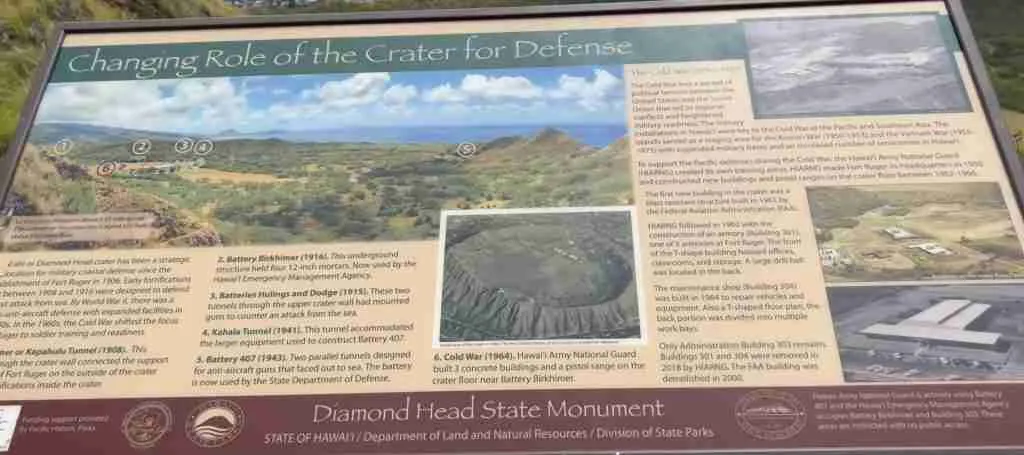
Hiking trails deliver coastal vistas, waterfall destinations, and volcanic landscapes without entrance fees at most locations. Oahu trails include Diamond Head Summit (requires $5 per pedestrian state park fee and advance reservation), Makapuu Lighthouse paved coastal trail, Manoa Falls rainforest hike, and challenging Koko Crater Stairs ascent. Maui hiking encompasses Waihee Ridge Trail, Pipiwai Trail (bamboo forest and Waimoku Falls in Haleakala National Park requiring $30 vehicle entry), and countless Road to Hana waterfall stops. Big Island options include Kilauea Iki Crater floor hike, Thurston Lava Tube, and Pololu Valley coastal descent, most within Hawaii Volcanoes National Park $30 vehicle admission. Kauai delivers Kalalau Trail along Na Pali Coast, Waimea Canyon trails, and Sleeping Giant summit hike.
Coastal drives provide scenic experiences without activity costs, with Road to Hana (Maui), North Shore coastal highway (Oahu), Chain of Craters Road (Big Island), and Waimea Canyon Drive (Kauai) offering pull-off viewpoints, roadside waterfalls, and dramatic geological formations accessible via rental car without guide expenses. Sunset viewing from beach parks, hotel lanais, or coastal overlooks delivers nightly entertainment without commercial tour purchases, and cultural programming at hotels and shopping centers including hula performances, lei-making demonstrations, and ukulele lessons often provide free participation open to public beyond hotel guests.
Paid Attractions: National Parks, Commercial Tours, and Unique Experiences
Hawaii Volcanoes National Park charges $30 per vehicle valid seven consecutive days, covering Kilauea Volcano summit area including Halemaumau Crater overlooks, Devastation Trail volcanic landscape walk, Thurston Lava Tube, Chain of Craters Road descending to coastal lava fields, and ranger programs explaining volcanic geology and Hawaiian cultural traditions. The park opens 24 hours enabling sunrise crater viewing, nighttime lava glow observation when active, and flexible timing around other Big Island activities. Haleakala National Park on Maui charges identical $30 vehicle fee covering both summit volcanic crater area and Kipahulu coastal section including Pipiwai Trail waterfall hike, with sunrise viewing from 10,023-foot summit requiring $1 advance reservation separate from entrance fee due to overwhelming dawn demand.
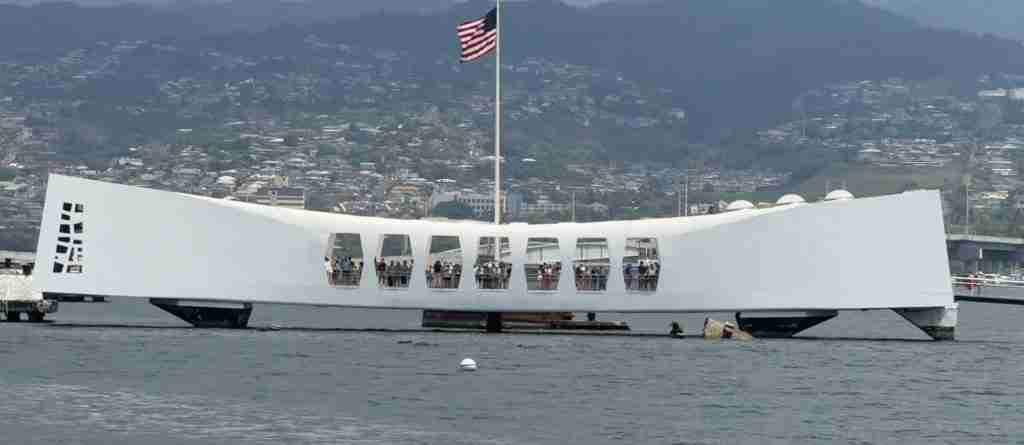
Pearl Harbor attractions on Oahu include free general admission to USS Arizona Memorial requiring $1 advance reservation via Recreation.gov for timed entry slots distributed 60 days before visit dates and releasing additional slots 24 hours prior, with competitive demand creating sellout conditions within minutes of release particularly during peak seasons. Additional Pearl Harbor sites charge separate admission: USS Missouri battleship at $35 adults, Pacific Fleet Submarine Museum (USS Bowfin) at $15 adults, and Pearl Harbor Aviation Museum at $30 adults, with combination tickets delivering modest savings for visitors planning comprehensive Pearl Harbor experiences requiring 4-6 hours minimum time investment.
Commercial ocean activities include snorkel tours ranging $60-100 per person for half-day excursions to Molokini Crater (Maui), Kealakekua Bay (Big Island), or turtle cleaning stations (Oahu), sunset sailing cruises at $80-150 per person featuring cocktails and appetizers, whale watching tours (December-April season) at $60-100 per person, and premium catamaran charters at $150-250 per person for intimate group experiences. Helicopter tours deliver aerial perspectives of Na Pali Coast (Kauai), Haleakala Crater (Maui), or Hawaii Volcanoes active lava flows (Big Island) at $250-400 per person for 45-60 minute flights, representing significant expense providing unique vantage points inaccessible via ground access.
Cultural experiences including luau performances combine traditional Hawaiian storytelling, hula and fire dancing, and elaborate buffet dinners at $100-180 per person depending on seating location and venue reputation. Recommended luaus include Polynesian Cultural Center (Oahu) delivering comprehensive Polynesian culture education beyond entertainment focus, Old Lahaina Luau (Maui) emphasizing traditional rather than tourist-oriented performances, and Island Breeze Luau (Big Island) offering beachfront King Kamehameha Hotel setting. Advance reservations 2-4 weeks before travel ensure availability during peak seasons when popular venues sell out regularly.
Activity Booking Strategies and Cost Optimization
Advance online booking delivers 10-20% discounts versus on-site purchases for most commercial activities, with platforms including Viator, GetYourGuide, and Hawaii Activities connecting travelers with tour operators while aggregating customer reviews enabling informed selection. Direct operator websites occasionally offer superior pricing versus third-party platforms, warranting comparison shopping across booking channels. Package deals bundling multiple activities (snorkel tour plus luau, helicopter flight plus submarine tour) sometimes deliver 15-25% savings versus individual purchases, though inflexible package requirements may force participation in less-desired activities to access bundled pricing.
Free activity alternatives provide comparable experiences without commercial tour expenses, including independent snorkel gear rental at $10-20 daily accessing the same reefs toured by commercial boats, self-guided waterfall hikes along Road to Hana versus $150 guided tour buses, and sunset beach picnics rather than $120 sunset dinner cruises. Hotel concierge services provide activity recommendations, reservation assistance, and occasionally exclusive discounts for guests booking through hotel programs, though commission structures may influence recommendations toward higher-priced operators versus optimal value selections.
Activity cost allocation across week-long Hawaii stays typically ranges $50-150 per person for budget travelers emphasizing free options with occasional paid attractions, $200-400 per person for mid-range visitors selecting 2-3 significant commercial activities interspersed with free alternatives, and $400-800+ per person for luxury travelers pursuing comprehensive activity participation including premium helicopter tours, private charters, and daily excursion involvement. Strategic planning concentrates expensive activities on optimal weather days while maintaining flexibility for free beach alternatives during periods of rain or unfavorable ocean conditions.
Money-Saving Strategies for Hawaii Travel 2026
Hawaii’s elevated cost environment creates significant opportunities for strategic savings through informed planning, tactical flexibility, and willingness to embrace local alternatives over tourist-oriented services. Implementing multiple cost optimization techniques compounds savings enabling budget-conscious travelers to access comprehensive Hawaii experiences at substantially reduced total costs versus default tourist spending patterns.
Accommodation Cost Reduction Techniques
Shoulder season travel during April-May and September-mid-November delivers 20-40% lower hotel rates versus peak winter and summer periods while maintaining excellent weather conditions. Booking 60-90 days before travel accesses early-bird discounts and broader inventory selection before properties sell out at premium last-minute rates. Midweek arrivals (Sunday-Wednesday check-ins) sometimes trigger lower rates than weekend arrivals when leisure travel demand peaks. Extended stays of 5-7+ nights qualify for multi-night discounts at many properties, particularly during slower demand periods when hotels incentivize longer occupancy.
Loyalty program enrollment enables free night redemptions after multiple stays, with major chains including Marriott, Hilton, Hyatt, and IHG operating extensive Hawaii properties accepting points bookings. Credit card welcome bonuses delivering 50,000-100,000 points after minimum spending requirements often cover 2-4 free nights at mid-range Hawaii properties, effectively subsidizing accommodation costs for cardholders willing to navigate signup bonuses strategically. Vacation rental platforms including Vrbo and Airbnb occasionally offer first-booking discounts or seasonal promotions reducing nightly rates 10-15%, and direct owner contact for properties listed across multiple platforms sometimes yields negotiated rates bypassing platform commission fees.
Location flexibility expands options and reduces costs, with properties two to three blocks from beachfront delivering 20-30% savings versus oceanfront positioning while requiring only 5-10 minute walks to water access. Waikiki’s dense hotel concentration creates competitive pricing, while remote resort areas on Maui and Kauai command premium rates reflecting limited alternatives. Suburban neighborhoods on Oahu including Kailua, Kaneohe, and Aiea offer residential vacation rentals at 30-50% discounts versus Waikiki equivalents, though requiring rental car transportation offsetting some accommodation savings through vehicle costs.
Food and Dining Cost Optimization
Grocery shopping for breakfast ingredients, lunch components, and snacks reduces daily food costs by $30-60 per couple versus full restaurant dining. Vacation rentals or hotel rooms with kitchenettes enable morning coffee brewing saving $5-8 daily, breakfast preparation reducing costs from $15-25 restaurant meals to $5-8 grocery ingredients, and lunch packing for beach days eliminating $18-30 midday restaurant expenses. Costco locations on Oahu, Maui, Big Island, and Kauai provide bulk grocery pricing and prepared foods including large pizza at $10 and roasted chicken at $5, though requiring membership access ($60 annual fee) justified for multi-week stays or groups.
Plate lunch culture delivers authentic Hawaii dining at $12-18 per person providing generous portions supporting active days, with local favorites including Rainbow Drive-In, Ono Hawaiian Foods, and L&L Hawaiian Barbecue representing superior value versus tourist-oriented restaurants charging $25-40 for comparable meals. Food trucks concentrated at beach parks, shopping center parking lots, and designated food truck parks deliver diverse international cuisines at $10-18 per person with quality often exceeding sit-down restaurants at 40-50% reduced costs. Grocery store prepared food sections offer poke bowls, hot bar selections, and ready-made meals at $8-14 per person, and happy hour specials (typically 3-6 PM) feature discounted appetizers and beverages creating economical early dinner alternatives.
Water bottle refills using hotel ice machines and public water fountains eliminate $3-4 daily bottled water purchases accumulating to $20-30 weekly savings per person. Hotel breakfast inclusion when available saves $15-25 per person daily, warranting consideration during accommodation selection even if nightly rates increase $20-30 to secure breakfast packages delivering net savings for couples. Lunch as main meal strategy involves hearty midday dining at restaurants offering full menus at 20-30% reduced pricing versus dinner service, followed by light evening meals from grocery snacks or plate lunch leftovers.
Transportation and Activity Savings Strategies
Public transportation on Oahu via TheBus at $3.25 per ride or $40 weekly pass eliminates $100-180 daily rental car costs plus $20-35 parking fees and $15-25 daily gas expenses, delivering $500-800 weekly transportation savings for couples willing to embrace bus schedules and walking between stops. Inter-island flight booking 21-60 days before travel captures early-bird pricing tiers saving $20-50 per ticket versus last-minute purchases, and midweek inter-island travel (Tuesday-Thursday) avoids weekend premium pricing saving $15-30 per ticket. Southwest Airlines two free checked bags policy saves $120-140 per couple on roundtrip inter-island movements versus Hawaiian Airlines baggage fees, warranting consideration when selecting carriers for inter-island routing.
Free activity emphasis including beaches, hiking trails, coastal drives, and hotel cultural programming eliminates $100-200 daily commercial tour expenses while delivering authentic Hawaii experiences. Snorkel gear rental at $10-20 daily enables independent reef exploration accessing the same marine environments toured by $60-100 commercial boats, and self-guided waterfall hikes along accessible trails provide comparable experiences to $120-180 guided tour offerings. National park annual passes at $55 for Hawaii Tri-Park (covering Volcanoes, Haleakala, and Puuhonua o Honaunau) or $80 for America the Beautiful (covering all national parks nationwide) deliver value for visitors planning multiple park entries during Hawaii stays or broader United States travel within 12-month validity periods.
Advance online booking for commercial activities through platforms including Viator, GetYourGuide, and direct operator websites delivers 10-20% discounts versus on-site purchases, and package deals bundling multiple related activities sometimes offer 15-25% savings versus individual purchases. Morning tour departures often cost $10-30 less than afternoon equivalents for identical experiences, and shoulder season tour participation occasionally qualifies for reduced pricing when operators stimulate demand during slower periods. Group bookings for families or friend groups trigger volume discounts at many commercial operators, typically 10% off for parties of 6+ participants.
Sample Hawaii Itineraries with Cost Breakdowns 2026
Practical itinerary examples demonstrate how daily budget allocations translate into realistic Hawaii experiences across budget categories, illustrating accommodation selection, dining strategies, activity choices, and transportation approaches creating comprehensive island exploration within specified spending parameters. Cost breakdowns reflect per person expenses assuming two travelers sharing hotel accommodation as established in universal Hawaii budget standards.
Budget Oahu 5-Day Itinerary: $490-875 Total Per Person
This budget itinerary emphasizes free activities, TheBus transportation, plate lunch dining, and hostel or budget hotel accommodation demonstrating comprehensive Oahu exploration at minimum costs without sacrificing essential Hawaii experiences including world-famous beaches, Pearl Harbor history, and North Shore scenery.
Day 1 – Waikiki Orientation and Beach Introduction: Morning arrival Honolulu airport, $3.25 TheBus ride to Waikiki hostel, afternoon Waikiki Beach swimming and bodysurfing (free), sunset from Duke Kahanamoku statue (free), dinner plate lunch Rainbow Drive-In $15. Accommodation hostel dormitory $30 per person or budget hotel $45-90 per person (two sharing), total day cost $48-108 per person.
Day 2 – Pearl Harbor and Downtown Honolulu: Morning TheBus to Pearl Harbor ($3.25), USS Arizona Memorial (free with $1 advance reservation), afternoon downtown Honolulu exploration including Iolani Palace exterior and King Kamehameha statue (free), lunch food truck downtown $12, dinner Chinatown plate lunch $14. Accommodation $30-90 per person, total day cost $60-120 per person.
Day 3 – Diamond Head and Eastern Beaches: Morning TheBus to Diamond Head ($3.25), summit hike with crater and coastal views ($5 pedestrian entry), afternoon Kailua or Lanikai Beach via TheBus (free swimming and snorkeling), lunch plate lunch Kailua town $13, dinner grocery store poke bowl Waikiki $12. Accommodation $30-90 per person, total day cost $63-123 per person.
Day 4 – North Shore Adventure: Full day TheBus to North Shore ($3.25 each way = $6.50), stops at Sunset Beach and Waimea Bay (free beach access), Haleiwa town food truck lunch $14, afternoon coastal hiking or beach time (free), return Waikiki evening, dinner grocery hot bar $11. Accommodation $30-90 per person, total day cost $62-122 per person.
Day 5 – Relaxation and Departure: Morning Waikiki Beach final swim (free), late checkout or day-use facilities if available, lunch plate lunch before airport $13, afternoon TheBus to airport $3.25. Total day cost (excluding accommodation on checkout day) $16.
Five-day budget Oahu total: approximately $490-875 per person including accommodation $150-450 (five nights), meals $185-290 (plate lunches, food trucks, grocery items), transportation $20 (TheBus rides), activities $6 (Diamond Head entry only). This excludes mainland flights but demonstrates comprehensive Oahu exploration emphasizing free world-class beaches, authentic local dining, and efficient public transportation at true budget pricing.
Mid-Range Maui 7-Day Itinerary: $1,330-2,730 Total Per Person
This mid-range itinerary balances comfortable hotel accommodation, restaurant dining, rental car flexibility, and curated paid activities with free beach and scenic drive experiences, demonstrating typical Maui vacation patterns for travelers seeking quality without luxury pricing across island’s diverse regions.
Day 1 – Arrival and Wailea Orientation: Afternoon arrival Kahului airport, rental car pickup $25 per person daily share, drive to Wailea mid-range resort, evening resort pool and beach familiarization (free), dinner resort casual restaurant $45. Accommodation $80-225 per person (two sharing $160-450 hotel), total day cost $150-295 per person.
Day 2 – Haleakala National Park Sunrise: Pre-dawn departure for Haleakala sunrise viewing (requires $1 advance reservation plus $30 vehicle park entry), morning crater rim hiking (free), afternoon return to Wailea, beach time (free), dinner Wailea restaurant $50. Accommodation $80-225 per person, rental car and gas $28 per person, total day cost $174-319 per person.
Day 3 – Road to Hana Adventure: Full-day Road to Hana self-drive, stops at waterfalls and black sand beaches (free), lunch Hana town $20, afternoon return scenic route, evening resort relaxation, dinner takeout plate lunch $16. Accommodation $80-225 per person, rental car and gas $32 per person (higher mileage day), total day cost $148-293 per person.
Day 4 – Snorkel Tour and Beach Day: Morning Molokini Crater snorkel tour $85 per person, afternoon Wailea Beach relaxation (free), sunset from resort (free), dinner mid-range restaurant Kihei $42. Accommodation $80-225 per person, rental car $25 per person, total day cost $232-377 per person.
Day 5 – West Maui Exploration: Morning drive to Kaanapali and Kapalua, Kapalua Bay snorkeling (free), lunch Lahaina Front Street casual dining $28, afternoon Iao Valley State Monument ($12 vehicle entry), return Wailea evening, dinner resort restaurant $48. Accommodation $80-225 per person, rental car and park entry $31 per person, total day cost $187-332 per person.
Day 6 – Cultural Experience Day: Morning resort beach time (free), afternoon Old Lahaina Luau attendance $140 per person including transportation, buffet dinner, and performance. Accommodation $80-225 per person, rental car $25 per person, total day cost $245-390 per person.
Day 7 – Relaxation and Departure: Morning final beach swim (free), late checkout, lunch Kihei restaurant $24, afternoon Kahului airport return, rental car dropoff. Total day cost (excluding final night accommodation) $49.
Seven-day mid-range Maui total: approximately $1,330-2,730 per person including accommodation $560-1,575 (seven nights mid-range Wailea hotel), meals $560-700 (mix of restaurant dining and casual options), transportation $175-210 (rental car, gas, parking), activities $228 (Haleakala entry, snorkel tour, luau, Iao Valley). This demonstrates balanced Maui experience combining paid signature activities with free coastal access and scenic drives at comfortable mid-range pricing.
Luxury Big Island 5-Day Itinerary: $2,100-3,300 Total Per Person
This luxury itinerary showcases premium Big Island experiences through beachfront resort accommodation, fine dining, private tours, and comprehensive activity participation demonstrating elevated comfort and convenience levels characterizing high-end Hawaii travel across volcanic landscapes and Kona Coast beaches.
Day 1 – Arrival and Resort Immersion: Afternoon arrival Kona airport, luxury rental vehicle pickup $55 per person daily share, drive to Four Seasons Hualalai or equivalent luxury resort, evening resort fine dining $110 per person. Accommodation $200-300+ per person (two sharing luxury resort), total day cost $365-465+ per person.
Day 2 – Private Hawaii Volcanoes Tour: Full-day private guided tour Hawaii Volcanoes National Park $180 per person, lunch included in tour, evening return resort, spa treatment $175 per person, dinner resort casual venue $85. Accommodation $200-300+ per person, rental car $55 per person, total day cost $695-795+ per person.
Day 3 – Ocean Activities and Beach Luxury: Morning private snorkel charter Kealakekua Bay $200 per person, afternoon resort beach cabana rental $125 per person split between group, sunset cocktails and appetizers resort oceanfront venue $60, dinner upscale Kona restaurant Merriman’s $120. Accommodation $200-300+ per person, rental car $55 per person, total day cost $760-860+ per person.
Day 4 – Helicopter Tour and Cultural Experience: Morning helicopter tour over active volcano and waterfalls $320 per person, afternoon resort pool relaxation and beach time (free), evening traditional Hawaiian feast and cultural program $160 per person. Accommodation $200-300+ per person, rental car $55 per person, total day cost $735-835+ per person.
Day 5 – Relaxation and Departure: Morning resort breakfast $35, final beach time and resort amenities (free), late checkout luxury suite, lunch resort poolside dining $55, afternoon Kona airport departure. Total day cost (excluding final accommodation) $145.
Five-day luxury Big Island total: approximately $2,100-3,300+ per person including accommodation $1,000-1,500+ (five nights luxury resort), meals $750-900 (fine dining, resort restaurants), transportation $275 (luxury rental car, gas), activities $860 (private tours, helicopter, snorkel charter, spa, cultural program). This reflects comprehensive premium Hawaii experience emphasizing personalized service, exclusive activities, and resort luxury justifying elevated investment for discerning travelers.
Seasonal Travel Planning and Weather Considerations 2026
Hawaii’s tropical location creates year-round warm temperatures averaging 78-85°F, though distinct seasonal patterns influence pricing, crowd levels, rainfall, and ocean conditions requiring informed timing decisions optimizing weather quality, cost efficiency, and activity availability across calendar year vacation planning.
Peak Winter Season: Mid-December Through March
Winter represents Hawaii’s busiest and most expensive season, driven by mainland travelers escaping cold weather and seeking tropical warmth during holidays and spring break periods. Christmas through New Year’s week commands maximum pricing with hotels at 100% occupancy and flights severely elevated, often requiring bookings 6-9 months advance to secure reasonable rates. Presidents Day weekend, Valentine’s Day, and March spring break weeks create secondary demand peaks with elevated but more moderate pricing than holiday weeks.
Winter delivers Hawaii’s coolest and wettest weather, with average daytime temperatures of 78-80°F and nighttime lows around 65-68°F requiring light layers for evening activities. Windward coasts including eastern Oahu, Hilo (Big Island), and northern Kauai receive most rainfall during November-March period with 15-25 rainy days monthly, while leeward coasts including Waikiki, Kona, and south Maui maintain drier conditions with 5-10 rainy days monthly. Ocean temperatures average 75-77°F remaining comfortable for swimming though occasionally feeling cool for extended snorkeling sessions without wetsuit protection.
Winter ocean conditions feature powerful north and northwest swells generating famous surf on North Shore Oahu, west Maui, and north Kauai beaches creating dangerous swimming conditions unsuitable for average swimmers but attracting professional surfers for competition seasons. South-facing beaches including Waikiki, Wailea, and Poipu maintain calmer conditions suitable for swimming and beginner surfing during winter months. Whale watching season peaks January-March when humpback whales migrate to Hawaiian waters for breeding, creating optimal timing for whale watching tours though adding $60-100 per person to activity budgets.
Peak Summer Season: June Through August
Summer attracts family travel with school vacation schedules driving demand particularly during July fourth week and first half of August before mainland school resumptions. Hotel rates and flight costs approach but typically don’t quite match December holiday peaks, with advance booking 3-4 months before travel securing better availability and pricing than last-minute summer reservations. Crowds concentrate at popular attractions including Pearl Harbor, Diamond Head, Road to Hana, and major beaches requiring early morning arrival for parking and comfortable experiences.
Summer delivers Hawaii’s warmest and driest weather with average daytime temperatures of 85-88°F and nighttime lows around 70-72°F creating consistently comfortable conditions across all islands. Rainfall diminishes to 3-8 rainy days monthly even on typically wet windward coasts, and persistent trade winds provide cooling breezes moderating heat and humidity. Ocean temperatures peak at 79-82°F creating ideal swimming and snorkeling conditions without wetsuit requirements, and calm summer ocean patterns create excellent conditions for beginner swimmers and families with children across most island beaches.
Summer ocean conditions feature smaller waves and calmer seas compared to winter months, creating safer swimming on north-facing beaches including North Shore Oahu and improving snorkeling visibility at popular sites. South and west swells occasionally create surf on south-facing beaches but rarely reach dangerous levels for average swimmers. UV intensity peaks during summer months requiring diligent sunscreen application and sun protection, with tropical sun creating rapid sunburn risk particularly for fair-skinned visitors unaccustomed to intense equatorial radiation.
Optimal Shoulder Seasons: April-May and September-Mid-November
Shoulder seasons represent Hawaii’s optimal value windows delivering 20-40% lower costs than peak periods while maintaining excellent weather conditions between winter rainfall and summer heat. April-May period follows spring break conclusion and precedes summer vacation demand, while September through mid-November (before Thanksgiving week) spans back-to-school period and early fall creating significantly reduced crowds at attractions and beaches. Hotel rates drop noticeably during these periods with promotional packages frequently available, and advance booking requirements relax enabling reservations 30-60 days before travel rather than 3-6 months for peak seasons.
Shoulder season weather delivers transitional conditions between winter and summer extremes, with April-May averaging 80-83°F daytime temperatures and reduced rainfall compared to winter months though occasional passing showers remain possible particularly on windward coasts. September-October maintains summer warmth at 84-86°F with minimal rainfall risk, while November temperatures moderate toward 80-82°F with gradually increasing rainfall frequency as winter pattern develops. Ocean temperatures remain very comfortable at 78-80°F throughout shoulder seasons, and ocean conditions typically favor swimming and snorkeling with smaller waves than winter months and calmer seas than occasional late-summer south swells.
Shoulder season advantages extend beyond weather and pricing to include reduced attraction crowds enabling spontaneous activity booking without advance reservations, restaurant availability improving particularly at popular venues requiring weeks advance booking during peak seasons, rental car inventory expanding with better selection and occasionally lower rates, and overall relaxed atmosphere with locals reclaiming beaches and attractions after peak tourist periods subside. Disadvantages remain minimal with primary consideration being occasional tropical storm potential during September-October hurricane season, though Hawaii rarely experiences direct hurricane impacts due to prevailing wind patterns and cooler ocean temperatures compared to Atlantic and Gulf hurricane breeding grounds.
Practical Travel Logistics and Essential Information 2026
Comprehensive Hawaii travel planning requires attention to practical logistics including documentation requirements, health considerations, communication connectivity, cultural protocols, and safety awareness enabling smooth vacation execution without unexpected complications disrupting carefully planned itineraries and budget allocations.
Documentation and Entry Requirements
Hawaii operates as United States territory requiring no passport for mainland American travelers, with valid government-issued photo identification (driver’s license or state ID) sufficient for domestic flights and accommodation check-ins. International travelers require valid passports and appropriate United States entry visas depending on country of origin, with ESTA (Electronic System for Travel Authorization) serving most Western European, Australian, and Asian visitors for stays under 90 days. COVID-19 vaccination requirements and testing mandates eliminated for Hawaii entry as of 2024, though policies remain subject to change requiring verification of current requirements before booking international travel.
Rental car operations require valid driver’s licenses and credit cards for security deposits typically $200-500 held during rental periods. International travelers should carry International Driving Permits alongside home country licenses though enforcement varies by rental agency. Minimum age requirements span 21-25 years depending on rental company policies, with under-25 drivers often facing daily surcharges $15-30 added to base rental rates. Insurance coverage verification prevents redundant rental agency insurance purchases, with personal auto insurance policies and premium credit cards often providing primary collision coverage eliminating $15-30 daily rental agency insurance expenses.
Health and Safety Considerations
Sun protection represents critical health priority in Hawaii’s intense tropical sunshine, with SPF 30+ broad-spectrum sunscreen requiring reapplication every 90-120 minutes during outdoor activities and after swimming. Hawaii banned sunscreens containing oxybenzone and octinoxate effective January 2021 to protect coral reefs, requiring mineral-based reef-safe formulations available at Hawaii retailers. Dehydration risk increases in tropical heat particularly during hiking and beach activities, requiring 64-96 ounces daily water consumption and electrolyte replacement for extended outdoor exertion.
Ocean safety awareness prevents drowning incidents and injuries from powerful waves, strong currents, and sharp coral. Swimming only at beaches with lifeguard presence reduces risk, and respecting warning flags and signage prevents entries during dangerous high surf conditions. Rip currents create drowning hazards at some beaches, with escape techniques involving swimming parallel to shore rather than fighting current directly back toward beach. Coral cuts require immediate freshwater cleaning and antibiotic ointment application preventing infections, and Portuguese man-of-war jellyfish stings necessitate vinegar application and hot water immersion for pain relief.
Hiking safety requires appropriate footwear, sufficient water carrying, trail map or GPS navigation tools, and realistic assessment of fitness levels before attempting strenuous trails. Flash flood risk exists in narrow valleys during heavy rainfall requiring weather monitoring and immediate evacuation from streambeds when rain begins upstream. Volcanic hazards at Hawaii Volcanoes National Park include sulfur dioxide gas requiring respiratory caution particularly for individuals with asthma or heart conditions, unstable ground near crater edges, and restricted access areas clearly marked with warning signage.
Communication and Connectivity
Cellular coverage on major Hawaiian islands operates through standard United States carriers including Verizon, AT&T, T-Mobile, and US Cellular, with service quality varying by island and location. Waikiki, major resort areas, and urban centers maintain excellent coverage, while remote beaches, hiking trails, and rural areas experience limited or no service requiring offline navigation tools and emergency preparedness without cellular communication dependency. Hotel wifi typically includes in base rates or resort fees, while vacation rentals may charge separately for internet access or provide complimentary connectivity depending on property.
Public wifi availability concentrates at coffee shops, shopping centers, libraries, and some beach parks though security concerns warrant caution conducting financial transactions on unsecured public networks. International travelers should verify carrier international roaming charges or consider purchasing temporary local SIM cards from Hawaii retailers for extended stays, with prepaid plans available at $30-60 monthly for basic voice and data service. Offline map downloads through Google Maps or mapping applications enable navigation without cellular data consumption, and emergency 911 service functions even without active cellular service plans.
Cultural Respect and Local Protocols
Hawaiian culture emphasizes respect for land (aina), ocean (kai), and Native Hawaiian traditions requiring visitor awareness and appropriate conduct honoring indigenous heritage and contemporary island communities. Removing rocks, sand, or coral from beaches violates both cultural protocols and state regulations, with substantial fines enforced for taking natural materials as souvenirs. Sacred sites including heiau (temples), burial grounds, and culturally significant locations require respectful distance without touching stone structures or entering restricted areas marked with kapu (forbidden) signage.
Aloha spirit encompasses kindness, respect, and harmonious interaction with others and environment, extending beyond tourist greeting stereotype to fundamental cultural value. Mahalo expresses gratitude appropriately replacing casual “thanks” in many contexts, while aloha serves greetings and farewells. Beach etiquette includes not leaving trash, respecting local fishing activities by avoiding interference with throw-net areas, and yielding to residents accessing neighborhood beaches for daily ocean activities rather than occasional tourist visits.
Tipping practices follow mainland United States standards with 15-20% restaurant gratuity, $1-2 per bag for hotel porters and bellmen, $3-5 daily housekeeping gratuity left in hotel rooms, and $2-5 per person for activity guides depending on tour duration and service quality. Rental car return fueling expectations require full tank returns matching initial fuel levels to avoid premium refueling charges $5-8 per gallon plus service fees.
Frequently Asked Questions About Hawaii Travel 2026
Is Hawaii Expensive to Visit in 2026?
Hawaii ranks among the most expensive United States destinations with daily costs ranging $70-175 per person for budget travelers (two sharing budget accommodation), $190-390 per person for mid-range visitors (two sharing mid-range hotel), and $420-660+ per person for luxury experiences (two sharing luxury accommodation). Elevated costs reflect Hawaii’s geographic isolation requiring imported goods, limited developable land creating real estate premiums, and tourism demand concentrated in finite coastal resort corridors. Strategic planning through shoulder season travel, advance booking, public transportation utilization on Oahu, plate lunch dining culture, and emphasis on free beach and hiking activities significantly moderates costs while maintaining comprehensive Hawaii experiences across budget categories.
How Many Days Should I Spend in Hawaii?
Optimal Hawaii duration spans 7-10 days enabling comprehensive single-island exploration or relaxed two-island experiences without rushed daily schedules consuming vacation quality through excessive activity packing. Minimum recommended duration extends 5-6 days justifying transpacific flight time and expense while allowing meaningful destination immersion beyond airport-hotel-airport surface experiences. Extended 10-14 day visits enable three-island itineraries or deeper single-island exploration combining major attractions with off-the-beaten-path discoveries, though diminishing returns emerge beyond two weeks as travelers exhaust primary island highlights and face accumulated costs from extended accommodation and dining expenses.
Do I Need a Car in Hawaii?
Rental car necessity depends entirely on island selection and desired experiences. Oahu offers comprehensive public transportation via TheBus serving Waikiki, Pearl Harbor, downtown Honolulu, and North Shore with $3.25 single rides or $40 weekly passes, enabling budget travelers to eliminate $500-800 weekly rental car, parking, and gas expenses. Maui, Kauai, and Big Island require rental cars for meaningful exploration beyond immediate resort areas, with attractions including Road to Hana, Haleakala National Park, Waimea Canyon, Na Pali Coast, and Hawaii Volcanoes National Park inaccessible via public transportation. Rental car costs in Hawaii range $80-220 daily or $300-700 weekly in 2026, with gas prices at $4.50-5.50 per gallon and parking fees adding $20-35 daily at Waikiki hotels creating significant budget impacts for vehicle-dependent itineraries.
What Should I Pack for Hawaii?
Essential Hawaii packing includes reef-safe sunscreen (SPF 30+ mineral formulations), lightweight breathable clothing suitable for 78-88°F temperatures, swimwear for beach and pool activities, water shoes protecting feet from coral and rocks during ocean entries, reusable water bottle reducing $3-4 daily bottled water purchases, daypack carrying beach gear and hiking supplies, rain jacket or light windbreaker for occasional showers particularly on windward coasts, and comfortable walking shoes supporting beach walks and casual hiking trails. Optional items include snorkel gear if owned (eliminating $10-20 daily rental costs), GoPro or waterproof camera documenting ocean activities, portable bluetooth speaker for beach entertainment, and insulated cooler bag if planning beach picnics or grocery meal preparation.
Can I Visit Multiple Hawaiian Islands in One Trip?
Multi-island Hawaii visits deliver diverse experiences combining urban Oahu energy, Maui resort sophistication, Big Island volcanic landscapes, and Kauai dramatic scenery within single vacations. Inter-island flights operate frequently between major islands with 20-50 minute flight times and fares ranging $59-150 one-way, creating practical logistics for island hopping when balanced against half-day time investments including airport arrival, security, boarding, and ground transportation. Optimal multi-island itineraries allocate minimum three to four full days per island justifying inter-island travel time investments, with two-island combinations representing ideal compromise for week-long vacations and three-island experiences better suited to 10-14 day trips. Popular two-island pairings include Oahu-Maui combining urban diversity with resort beaches, Oahu-Big Island featuring cultural sites plus volcanic landscapes, and Maui-Kauai delivering resort comfort with dramatic nature.
When Is Hurricane Season in Hawaii?
Hurricane season in Central Pacific Ocean spans June 1 through November 30 with peak activity occurring August through October, though Hawaii experiences significantly fewer direct hurricane impacts than Atlantic and Gulf coastal regions due to cooler ocean temperatures, prevailing wind patterns, and geographical positioning. Historical data shows Hawaii averages one direct hurricane impact every 15-20 years, with tropical storms and hurricanes typically weakening before reaching islands or passing well offshore without significant impacts. Travelers booking during hurricane season should purchase trip insurance with weather-related cancellation coverage, monitor National Hurricane Center forecasts if tropical systems develop during travel dates, and maintain flexibility rebooking flights and adjusting itineraries if evacuation orders issued though such circumstances remain rare occurrences rather than regular seasonal patterns.
Are There Dangerous Animals in Hawaii?
Hawaii lacks most dangerous wildlife common on mainland United States including venomous snakes, bears, mountain lions, and poisonous spiders, creating relatively safe environment for outdoor activities. Primary ocean hazards include box jellyfish arriving on Oahu south shores 8-10 days after full moons causing painful stings treatable with vinegar and hot water, Portuguese man-of-war jellyfish occasionally washing onto beaches requiring same treatment protocols, and rare but dangerous shark encounters primarily affecting surfers and swimmers in murky water during dawn and dusk periods. Centipedes deliver painful bites particularly in damp areas including bathrooms and hiking trails, and coqui frogs create loud nighttime choruses in certain Big Island and Maui regions disturbing light sleepers though posing no physical threat to humans.
Can I Drink Tap Water in Hawaii?
Hawaii tap water meets United States Environmental Protection Agency drinking water standards across major islands with municipal water systems serving urban and resort areas delivering safe potable water from taps and fountains. Oahu water sourced from mountain aquifers delivers excellent quality without chlorine taste common in mainland cities, while other islands similarly maintain high water quality standards. Visitors may carry reusable water bottles refilling from hotel taps, public drinking fountains, and restaurant water stations eliminating $3-4 daily bottled water purchases accumulating to $20-30 weekly savings per person. Remote areas on Big Island and locations dependent on catchment water systems may deliver variable quality warranting bottled water purchases or filtration systems for cautious travelers, though vast majority of accommodation properties maintain safe potable water throughout Hawaii.
What Is the Legal Drinking Age in Hawaii?
Hawaii drinking age remains 21 years following United States federal requirements, with alcohol sales prohibited to individuals under 21 and valid government-issued photo identification (driver’s license, passport, military ID) required for alcohol purchases at restaurants, bars, grocery stores, and convenience stores. Enforcement maintains strict standards with penalties including fines, license revocation for vendors, and criminal charges for providing alcohol to minors. Beach alcohol consumption faces restrictions at many county beach parks with alcohol-free zones clearly posted, and public intoxication creates citation risks particularly in tourist areas including Waikiki where police maintain visible presence. Resort properties typically allow alcohol consumption in designated areas including pools, restaurants, and private beach sections, though glass containers often prohibited on beaches for safety considerations.
Do I Need Travel Insurance for Hawaii?
Travel insurance provides valuable protection for Hawaii trips involving significant advance payment commitments for flights, hotels, and non-refundable activity bookings, covering trip cancellations due to illness, family emergencies, or weather events, medical emergencies requiring hospital treatment or evacuation, and lost baggage or travel delays. Comprehensive travel insurance policies cost 4-8% of total trip value ($80-160 insurance premium for $2,000 vacation) with coverage including trip cancellation and interruption, emergency medical and dental, emergency evacuation and repatriation, baggage loss and delay, and 24-hour travel assistance services. Hurricane season travelers (June-November) should verify weather-related cancellation coverage, and visitors with pre-existing medical conditions require policies including pre-existing condition waivers purchased within 14-21 days of initial trip deposit. Credit card travel protections through premium cards including Chase Sapphire Reserve and various platinum cards provide partial coverage though typically excluding trip cancellation benefits requiring separate policy purchases for comprehensive protection.