
Free Things to Do in Cork 2026: Budget Travel Guide
Cork’s reputation as Ireland’s Rebel City extends beyond its revolutionary history to its remarkable accessibility for budget travelers. This vibrant port city along the River Lee offers dozens of compelling attractions requiring zero admission fees, from 17th-century fortifications commanding panoramic city views to Victorian markets pulsing with local culture, riverside parks perfect for afternoon strolls, and free walking tours led by passionate locals eager to share Cork’s thousand-year story.
Key Takeaways: Cork Free Activities 2026
- Zero-Cost Cultural Immersion: Cork delivers authentic Irish experiences through free entry to Elizabeth Fort with its star-shaped ramparts and 360-degree city views, the historic English Market showcasing artisan food culture since 1788, Cork Public Museum with Bronze Age artifacts and War of Independence exhibits, and Fitzgerald Park’s Georgian-era grounds.
- Free Walking Tours Available 2026: Multiple operators including Cork Free Walking Tours run daily 90-minute historical tours covering medieval Cork, Viking settlements, Norman invasions, and the city’s role as the busiest British Empire port. Tours operate year-round with no advance booking required.
- Architecture Without Admission Fees: St. Fin Barre’s Cathedral exterior showcases Gothic Revival mastery, University College Cork campus features 19th-century quadrangles and stonework, and the city’s Victorian streetscapes along St. Patrick’s Street cost nothing to admire.
- Parks and Outdoor Spaces 2026: Fitzgerald Park, Bishop Lucey Park, and The Lough provide free riverside walking routes, children’s playgrounds, and historic monuments. Daly’s Bridge, Cork’s only suspension footbridge constructed in 1926, offers photogenic River Lee crossings.
- Important Crawford Gallery Closure Note: Crawford Art Gallery is closed for redevelopment from September 2024 through 2028. This formerly free attraction will reopen with enhanced facilities, but is not available to 2026 visitors.
- Markets and Local Culture: The English Market operates Monday through Saturday showcasing fresh seafood, artisan cheeses, and Cork delicacies at no entry cost. Marina Market on weekends features food vendors and retail units with free parking onsite.
People Also Ask About Cork Free Activities 2026
How many days in Cork can I fill with free activities in 2026?
Cork offers 3-4 full days of free activities without repetition. A typical first day covers Elizabeth Fort, English Market exploration, and St. Fin Barre’s Cathedral exterior, followed by a free walking tour. Day two explores Fitzgerald Park, Cork Public Museum, university campus grounds, and riverside walks along both Lee channels. Day three ventures to Sunday’s Well neighborhood across Daly’s Bridge, Bishop Lucey Park with medieval wall remnants, and Patrick Street Victorian architecture. A fourth day allows deeper neighborhood exploration including Shandon area streets, Coal Quay markets, and outlying parks. Budget travelers stretching stays discover Cork’s free offerings rival many European capitals charging admission for equivalent experiences.
Are Cork’s free walking tours 2026 actually free or tip-based?
Cork’s free walking tours operate on a tips-appreciated model where no upfront payment is required or requested. Tours run 90 minutes covering approximately 15-20 locations including medieval wall remnants, Viking settlement sites, Norman castles locations, English Market, and Grand Parade. Guides work primarily for gratuities, with participants typically contributing €5-15 based on satisfaction and budget, though zero contribution does not prevent participation. Cork Free Walking Tours, Yellow Umbrella Tours, and Hysterical Histories Cork all operate this model during 2026. Tours depart from Daunt Square beside McDonald’s with no advance booking necessary. Multiple daily departures exist during summer months, with reduced schedules October through April.
What’s free at Elizabeth Fort Cork in 2026 versus what costs money?
General admission to Elizabeth Fort is completely free during operating hours: Tuesday through Saturday 10:00-17:00, Sunday 12:00-17:00 from May through September. October through April the fort closes Mondays. Included with free admission: walking the star-shaped ramparts, climbing to panoramic viewpoints overlooking Cork city and St. Fin Barre’s Cathedral, exploring the courtyard museum focused on female convicts transported to Australia, and reading interpretive panels throughout. Optional paid enhancements include guided tours at €5 per person departing 13:00 daily, and audio guides in six languages at €3 per device. Children under 12 tour free. The free self-guided experience typically consumes 30-45 minutes and delivers the fort’s essential historical narrative and viewpoint access without any expenditure.
Can I see Cork’s top attractions in 2026 spending nothing on admission fees?
Cork’s premier attractions split between free and paid options. Completely free experiences include Elizabeth Fort, English Market, Cork Public Museum, Fitzgerald Park, St. Fin Barre’s Cathedral exterior and grounds, University College Cork campus, all riverside parks, Patrick Street Victorian shopping district, Coal Quay area, and Nano Nagle Place gardens. Major paid attractions requiring tickets include Cork City Gaol Museum, Blarney Castle and Stone, Shandon Bells tower climb and bell ringing, Blackrock Castle Observatory, and organized boat tours. Crawford Art Gallery, normally free, remains closed for redevelopment through 2028. Budget travelers can construct rich 3-4 day Cork itineraries using exclusively free attractions, supplementing with one or two paid highlights like Shandon Bells or Blarney Castle as budget allows. The English Market alone justifies an entire morning, while Elizabeth Fort and riverside parks consume full afternoons at zero cost.
Extended multi-day tours – 5+ days
Featured Cork Multi-Day Tour Packages
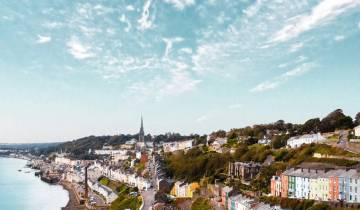
4 days
Kisses & Cork, Romance in Ireland's Rebel City
- ✓ Booking needs min. 2 travelers
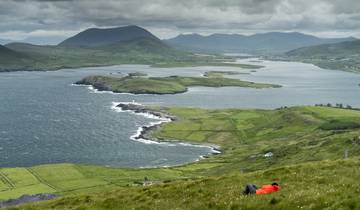
6 days
Treasures of Ireland (End Dublin)
- ✓ Comprehensive Cork tour
- ✓ Expert local guides included
- ✓ All accommodation arranged
- ✓ Transportation provided
7 days
Ireland Circumnavigation (Ocean Victory)
- ✓ Comprehensive Cork tour
- ✓ Expert local guides included
- ✓ All accommodation arranged
- ✓ Transportation provided
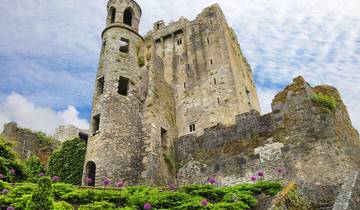
7 days
Great Atlantic Ireland Explorer – 7 days
- ✓ Comprehensive Cork tour
- ✓ Expert local guides included
- ✓ All accommodation arranged
- ✓ Transportation provided
Multi-day tour packages powered by TourRadar. Prices and availability subject to change.
Introduction: Cork’s Budget-Friendly Appeal in 2026
Cork city occupies a unique position among Irish and European destinations for its exceptional ratio of world-class attractions to required expenditure. While Dublin, Galway, and Killarney anchor their tourism economies around ticketed experiences commanding €15-30 admission fees, Cork deliberately maintains free access to its defining cultural institutions, historic fortifications, and public markets. This accessibility springs from both municipal philosophy and practical history, as many premier attractions occupy public buildings, city-owned heritage sites, or Victorian-era markets never designed with admission barriers.
The result creates unusual opportunities for budget-conscious travelers during 2026. Multi-day Cork itineraries can incorporate genuine historical depth, from Bronze Age artifacts at Cork Public Museum to 17th-century military architecture at Elizabeth Fort, Victorian market culture at the English Market, and Georgian park landscapes at Fitzgerald Park, all accessed without purchasing tickets. Free walking tours led by local historians add narrative context that paid attractions elsewhere charge €20-30 to provide. University campus grounds open to public wandering showcase 19th-century Irish collegiate architecture rivaling Oxford or Cambridge quads, requiring only curiosity and comfortable walking shoes.
Cork’s compact geography amplifies this budget advantage. The medieval city center occupying two River Lee islands places most free attractions within 15-minute walks, eliminating transportation costs between sites. Fitzgerald Park sits 20 minutes from Grand Parade on foot following the riverside Lee Walk. Elizabeth Fort perches five minutes uphill from the English Market. St. Fin Barre’s Cathedral stands adjacent to the fort. This walkable density allows travelers to construct full-day itineraries visiting 5-7 significant attractions using only their own feet as transport.
Weather considerations matter less than visitors expect. Cork’s maritime climate produces frequent drizzle but rarely prohibitive downpours, and the city’s covered Victorian arcades, indoor English Market, and museum spaces provide dry alternatives when precipitation arrives. The mild oceanic influence keeps temperatures moderate year-round: January lows around 4°C, July highs near 19°C. This temperate range makes walking tours and outdoor exploration comfortable across all twelve months, unlike northern European cities where winter tourism becomes genuinely unpleasant.
The 2026 calendar brings important considerations for free activities planning. Crawford Art Gallery, Cork’s premier free art museum, remains closed for redevelopment throughout 2026 with reopening scheduled for 2028. This eliminates one major indoor free option but does not substantially diminish Cork’s budget appeal given the breadth of alternative offerings. Conversely, recent Cork City Council investments in Elizabeth Fort interpretation, public park improvements, and heritage walk signage enhance free experiences beyond pre-pandemic standards. Summer 2026 will see expanded free walking tour schedules and additional National Heritage Week programming in August.
This guide details Cork’s free attractions comprehensively across categories: historic sites and fortifications, markets and food culture, parks and outdoor spaces, walking tours and routes, cultural venues and museums, university campus exploration, architectural highlights, seasonal events and festivals, and neighborhood wandering. Each section provides specific 2026 operational information, typical visit durations, and strategic suggestions for maximizing experiences at zero cost.
Elizabeth Fort: Cork’s Premier Free Historical Attraction 2026
Elizabeth Fort commands Cork’s highest recognition among free attractions for combining authentic 17th-century military architecture, comprehensive Irish history from Tudor times through the Irish Civil War, and arguably Cork’s finest panoramic viewpoint, all accessed without admission fees. This star-shaped fortification occupies a prominent hillside position above the medieval city center, offering 360-degree views spanning from Shandon Steeple across the Lee channels to St. Fin Barre’s Cathedral immediately below and the harbor industrial landscape beyond.
The fort’s 2026 operating schedule runs Tuesday through Saturday 10:00-17:00, Sunday 12:00-17:00 during summer months May through September. October through April schedule reduces to Tuesday through Saturday 10:00-17:00, Sunday 12:00-17:00, closing Mondays. These hours provide flexibility for budget travelers integrating the fort into morning cathedral visits or afternoon market exploration. General admission remains completely free with no tickets, reservations, or advance booking required. Visitors simply walk through the main gate during operating hours and explore freely.
The star-shaped ground plan, characteristic of early modern European military engineering, becomes apparent from aerial perspective but reveals itself gradually during courtyard exploration and rampart climbing. Construction began in 1601 under Sir George Carew responding to the Siege of Kinsale, when Spanish forces landing at nearby Kinsale exposed Cork’s vulnerability to artillery positioned on surrounding hills. The original timber and earth fortification was demolished by Cork citizens in 1603 during the Recusant Revolt, then rebuilt in stone between 1624-1626. This masonry fort endured Cromwellian modifications in 1649, served defensive roles during the 1690 Siege of Cork, and functioned successively as military barracks (1719), female convict prison (1817-1837), artillery station (late 1800s), Black and Tans base (1919-1921), and Garda police station (1922-2013).
This layered history unfolds through interpretive panels positioned throughout the courtyard and along rampart walkways. The convict prison period receives particular attention through a small museum space highlighting female prisoners held awaiting transportation to Australian penal colonies during the Great Famine era. Cork served as Ireland’s primary emigration port during 1845-1852, and Elizabeth Fort processed thousands of convict women before their months-long sea voyages to New South Wales, Van Diemen’s Land, and Western Australia. Personal stories and artifacts humanize this often-overlooked dimension of Irish diaspora history.
The rampart walk provides Elizabeth Fort’s most compelling feature for many visitors. Stone staircases, steep and narrow in places, ascend from the courtyard to walkways atop the fort’s walls. These elevated passages circle the entire fortification perimeter, offering constantly changing perspectives across Cork city. St. Fin Barre’s Cathedral dominates the immediate foreground with its three Gothic spires, while Shandon’s distinctive pepper-pot tower marks the north side skyline. The Lee’s two channels curve through the city center, their Victorian-era bridges connecting the original island core to expanded 19th-century neighborhoods. On clear days, harbor cranes and industrial installations appear to the east, while western views extend toward the hills separating Cork from County Kerry.
Photography opportunities abound along these ramparts, particularly during golden hour light before sunset. The cathedral positioning directly below creates compelling foreground-background compositions. Morning light favors eastern-facing rampart sections overlooking downtown, while afternoon sun illuminates the northern Shandon district and western river approaches. Cloudy conditions, frequent in maritime Cork, often produce dramatic skies enhancing rather than diminishing photographic interest.
Optional guided tours departing at 13:00 daily cost €5 per person, with children under 12 touring free. These 45-minute led experiences provide historical narrative depth beyond interpretive panels, covering construction techniques, siege warfare tactics, convict transportation procedures, War of Independence events, and Irish Civil War combat that burned interior buildings in 1922. Guides incorporate local Cork anecdotes and family histories impossible to convey through written signage. Budget travelers must weigh whether this enhanced interpretation justifies expenditure versus the comprehensive free self-guided experience.
Audio guides in English, French, German, Irish, Italian, and Spanish rent for €3 per device. These allow self-paced exploration while hearing detailed commentary unavailable from static panels. Multi-language options serve international visitors seeking mother-tongue context.
Accessibility limitations affect Elizabeth Fort due to its military design and hilltop position. The courtyard level accommodates wheelchair users via flat ground access, but rampart walkways require climbing steep stone staircases lacking elevators or ramps. Visitors with mobility challenges can access courtyard museum spaces and lower-level interpretation while missing elevated viewpoints. The entrance approach from Barrack Street involves uphill walking, manageable for most but taxing for those with cardiovascular limitations.
Typical visit duration for free self-guided exploration runs 30-45 minutes: 10 minutes courtyard orientation and museum viewing, 20 minutes rampart circuit, 5-10 minutes photography and viewpoint lingering. Visitors combining Elizabeth Fort with adjacent St. Fin Barre’s Cathedral (grounds free, interior paid) can allocate 75-90 minutes for both sites. The fort’s proximity to English Market, five minutes downhill, enables logical morning itineraries visiting market first (best activity before noon when produce selection peaks), then climbing to the fort for afternoon rampart exploration under better photographic light.
Elizabeth Fort delivers exceptional value relative to paid Cork attractions. While Cork City Gaol charges admission for Victorian prison interpretation and Blarney Castle requires tickets for stone-kissing privileges, Elizabeth Fort provides comparable historical depth, superior city viewpoints, and authentic military architecture at zero cost. This makes it the essential first stop for budget-conscious visitors establishing Cork orientation and identifying additional neighborhoods worth deeper exploration.
English Market: Victorian Food Culture Free to Experience 2026
The English Market occupies singular status among Cork institutions as both working commercial food market serving local residents and internationally recognized tourist attraction. Operating continuously since 1788 makes it among Ireland’s oldest covered markets, while its Victorian iron-and-glass architecture, artisan food culture, and appearance in multiple films and television productions secured global attention. Entry requires no admission fee, no tickets, and no advance arrangements, making it Cork’s most accessible authentic cultural experience.
Located on Grand Parade with entrances also from Princes Street and Oliver Plunkett Street, the market’s 2026 operating hours run Monday through Saturday with Sunday closures. Specific hours vary by vendor but generally span 08:00-18:00 Monday through Saturday, with individual stalls opening and closing within this window. Morning visits before 11:00 capture the market at peak activity when produce selection remains fullest, vendors demonstrate most energy, and local shoppers dominate over tourists. Afternoon visits after 15:00 see reduced crowds but also depleted stock as vendors sell out popular items.
The Victorian architecture impresses immediately upon entry. Cast-iron columns support a glass-paneled roof flooding the interior with natural light. This 1860s renovation replaced earlier wooden structures, creating the atmospheric space visible today. The central fountain, Victorian-era tile work, and original shopfront designs contribute period authenticity rarely preserved in modernized food halls. Budget travelers appreciate that photographing this architecture costs nothing, while comparable Victorian market halls in London or Barcelona charge admission or require minimum purchases.
The market divides into distinct zones reflecting Cork’s food culture: butchers and poultry in the western section, fishmongers along the northern aisle, fruit and vegetable stands throughout the center, artisan cheese and charcuterie counters on the eastern side, and cafes and prepared food vendors occupying upper gallery spaces. Each zone merits deliberate exploration beyond cursory walk-throughs.
The fishmonger section showcases Cork’s maritime heritage with displays of fresh catches landed at nearby Ballycotton and Kinsale harbors. Whole salmon, mackerel, monkfish, and Dublin Bay prawns arrange on ice beds, their freshness evident from clear eyes and firm flesh. Vendors cheerfully explain seasonal availability, preparation methods, and local recipe traditions to curious visitors. This interaction costs nothing but window shopping time, and provides authentic glimpses into Cork food culture impossible to capture through restaurant dining alone.
Tripe and drisheen, Cork’s controversial traditional dish combining cow stomach lining and blood pudding, appears at specialized butcher counters. O’Reilly’s, the market’s most famous tripe vendor since 1850s, maintains traditional preparation methods attracting both elderly Cork natives maintaining childhood habits and adventurous food tourists documenting unusual regional specialties. Observing vendor interactions with local customers, hearing Cork accents discussing recipes in rapid Irish-inflected English, and watching drisheen sliced reveals cultural dimensions transcending simple ingredient purchasing.
The fruit and vegetable stalls blend local Irish produce with imported Mediterranean and tropical items. Seasonal Irish offerings include Bantry Bay seafood, West Cork organic vegetables, Irish farmhouse cheeses, and locally-baked breads. Budget travelers can purchase affordable lunch components: a crusty roll from Alternative Bread Company costs €3, mature Irish cheddar slice €2-4, and local apple €1, assembling a authentic Cork lunch for €6-8 total. Finding seating requires either purchasing at upstairs Farmgate Cafe or exiting to nearby Bishop Lucey Park’s benches.
The artisan cheese counters, particularly On the Pigs Back, offer free tastings of Irish farmhouse cheeses alongside imported European varieties. Staff provide cheese education covering production methods, aging processes, and pairing suggestions without purchase pressure. Sampling four or five cheese varieties costs nothing beyond brief conversation, delivering sensory experiences equivalent to paid cheese tasting sessions elsewhere. Budget travelers appreciating cheese culture can invest time rather than money experiencing artisan Irish dairy products.
Kay O’Connell’s fish and chips shop occupies a corner position attracting queues during lunch hours. While eating requires purchasing, watching the preparation process, observing Cork lunch culture, and absorbing the market’s working atmosphere costs nothing. The market functions as living theater where food production, vendor-customer banter, and Cork social dynamics play out continuously.
The Farmgate Cafe occupying the upper gallery provides elevated views across the market floor. While seated cafe service requires ordering meals, standing at the gallery rail overlooking vendors below requires no purchase. This vantage point offers photographic opportunities and people-watching perspectives impossible from floor level. Budget travelers can allocate 15-20 minutes to gallery observation between morning market exploration and afternoon fort visits.
Film and television appearances elevated the English Market’s profile internationally. It featured prominently in “The Young Offenders” Irish comedy series, with several vendors and market corners appearing in multiple episodes. Queen Elizabeth II’s 2011 visit, stopping to meet vendors during her Irish state visit, further amplified the market’s cultural significance. These associations draw international visitors alongside local shoppers, creating unusual cosmopolitan energy within a working neighborhood market.
Budget travelers should understand the English Market’s dual nature: simultaneously authentic local shopping venue and tourist destination. Early morning hours before 10:00 skew heavily toward Cork residents purchasing weekly provisions. Mid-morning through early afternoon shifts toward tourist visitors photographing architecture and sampling foods. Late afternoon returns to local character as vendors clear remaining stock and regulars collect dinner ingredients. Timing visits to match desired atmosphere enhances experiences without affecting costs.
Typical market visits consume 30-60 minutes depending on engagement level. Quick walk-throughs observing architecture and vendor displays require 20-30 minutes. Deeper exploration chatting with vendors, sampling cheeses, photographing details, and observing upper gallery perspectives extends to 60-90 minutes. The market’s proximity to other free attractions, particularly its five-minute walk to Elizabeth Fort and adjacent positioning to St. Patrick’s Street shopping district, facilitates integration into half-day downtown itineraries.
The English Market demonstrates how free experiences can provide cultural immersion exceeding many paid attractions. While Cork City Gaol charges admission to view recreated Victorian prison cells, the English Market offers authentic Victorian architecture occupied by living Cork food culture, accessible without expenditure beyond optional purchases. This makes it essential for budget travelers seeking genuine rather than curated Cork experiences.
Cork Public Museum and Fitzgerald Park 2026
Cork Public Museum occupies a Georgian-style mansion within Fitzgerald Park along the River Lee’s western bank, approximately 20 minutes walk from the city center Grand Parade. Both museum and park maintain free admission throughout 2026, providing budget travelers with combined indoor historical exhibition and outdoor recreational green space requiring zero expenditure. The park-museum combination enables weather-flexible itineraries, moving indoors during rain and outdoors when sunshine arrives.
The museum’s 2026 operating schedule runs Tuesday through Friday 10:00-16:00, with weekend hours limited to Sunday 14:00-16:00. Saturday closures and restricted Sunday hours mean weekday visits offer more generous time windows. These limited hours reflect Cork City Council budget constraints rather than reduced collection quality. Planning museum visits within these windows prevents wasted journeys, particularly for travelers unaware of Saturday closures. The park itself remains accessible dawn to dusk daily regardless of museum hours.
Cork Public Museum’s permanent collection spans Cork region history from prehistoric times through 20th century, with particular strengths in archaeological artifacts, War of Independence documentation, and industrial heritage materials. The ground floor focuses on archaeological Cork, displaying Bronze Age tools and implements recovered from local excavations, Iron Age metalwork including helmets and weaponry, medieval pottery and domestic items from Norman and Anglo-Norman periods, and Viking artifacts from Lee River excavations proving Norse presence in Cork’s foundation era.
These archaeological displays provide context for understanding Cork’s layered history. The Vikings established a trading settlement on the Lee islands during the 9th century, building defensive walls and establishing patterns that subsequent Norman invaders would expand. Medieval Cork grew as an important port within the Anglo-Norman colony, exporting agricultural products and importing wines and luxury goods. This archaeological evidence, professionally displayed with interpretive panels explaining significance, offers tangible connections to Cork’s origins beyond abstract historical narratives.
The first floor shifts to modern Cork history, with extensive War of Independence and Irish Civil War collections forming the museum’s most compelling sections. Cork played a central role in the 1919-1921 independence struggle, with IRA flying columns operating throughout County Cork and the city itself experiencing significant violence. The museum displays weapons, documents, photographs, and personal effects from both Republican and British forces. The burning of Cork city center by British forces in December 1920, a retaliatory action destroying much of Patrick Street’s commercial district, receives detailed documentation through photographs showing devastation and contemporary newspaper accounts.
Personal stories emerge through letters, diaries, and artifacts from Cork individuals caught in these conflicts. Michael Collins, the revolutionary leader from West Cork, features prominently given his regional connections. Tom Barry, the West Cork IRA commander whose flying column tactics proved remarkably effective, appears through photographs and documents. These materials humanize abstract historical events, connecting visitors to individual Cork experiences during Ireland’s turbulent independence period.
The industrial heritage section, smaller but informative, covers Cork’s 19th-century economic development. The city’s butter trade, for which Cork became Ireland’s primary export port, receives attention through trade documents, shipping manifests, and photographs of the Butter Exchange. Cork’s brewing tradition appears through Beamish and Crawford brewery materials. The museum’s Victorian-era setting provides appropriate context for understanding Cork’s industrial prosperity during British rule.
Temporary exhibitions rotate periodically, typically focusing on specific Cork personalities, historical events, or cultural themes. Recent exhibitions have covered Rory Gallagher, Cork’s legendary blues guitarist, Irish Traveller culture, and Cork women’s contributions to Irish independence movements. These temporary displays, included with free general admission, provide repeat-visit incentives for Cork residents and deeper thematic explorations for visitors with specific interests.
The museum’s scale remains modest, with two floors of displays consumable in 45-60 minutes for attentive visitors. This compact size suits budget travelers constructing full-day itineraries incorporating multiple free attractions rather than spending entire afternoons in single museums. Combined museum and park exploration consumes 90-120 minutes total, fitting logically into morning or afternoon half-day schedules.
Fitzgerald Park surrounds the museum with 18 acres of Victorian-era landscaping along the River Lee’s north bank. Opened in 1902 for the Cork International Exhibition, the park features tree-lined pathways, ornamental gardens, children’s playground, duck pond, and open lawn areas suitable for picnicking. The park’s riverside location provides pleasant walking routes connecting to broader Lee Walk networks extending both east toward the city center and west toward University College Cork.
The park’s historical monuments include statues, memorial plaques, and the preserved stone gates from the 1902 exhibition. These Victorian-era features create period atmosphere complementing the Cork Public Museum’s historical focus. The arboretum section contains labeled tree species from around the world, planted during the park’s early decades and now mature specimens reaching impressive heights.
Daly’s Bridge, locally called the Shakey Bridge for its suspension design’s movement under foot traffic, connects Fitzgerald Park to Sunday’s Well residential area across the River Lee. Constructed in 1926, this pedestrian suspension bridge represents Cork’s only example of this bridge type and has become a beloved local landmark. Walking across the bridge, feeling its characteristic sway, and photographing its Victorian-era ironwork costs nothing but provides quintessential Cork experiences. The bridge approach from Fitzgerald Park creates logical walking routes continuing into Sunday’s Well neighborhood for visitors exploring beyond the park itself.
The children’s playground, recently renovated by Cork City Council, offers free entertainment for families traveling with young children. Play equipment, climbing structures, and open space allow children to burn energy while parents rest on surrounding benches. This free childcare alternative helps budget-conscious families extend Cork stays by eliminating pressure to spend on paid children’s attractions.
Free events occasionally program within Fitzgerald Park during summer months, including outdoor cinema screenings, yoga classes, and concert performances. These 2026 schedules remain unpublished at research time but typically announce through Cork City Council websites and social media during spring planning. Budget travelers visiting June through August should check event calendars for free entertainment opportunities supplementing daytime park exploration.
The park’s proximity to University College Cork, a 10-minute walk west, enables logical itinerary combinations: morning museum visit, midday park picnic lunch, afternoon university campus architecture exploration, all achievable without admission fees or transportation costs. This western corridor along the Lee represents Cork’s highest concentration of free cultural and architectural attractions outside the medieval city center.
Cork Public Museum and Fitzgerald Park demonstrate municipal commitment to accessible culture. While many European cities charge €8-15 for comparable local history museums, Cork maintains free admission supporting both resident access and tourist visitation. Budget travelers benefit enormously from this policy, gaining authentic historical education and recreational green space without budget impact.
Free Walking Tours Cork 2026: Guided Exploration at No Fixed Cost
Free walking tours operate throughout Cork city center during 2026, providing structured historical narratives, local insights, and social interaction opportunities without requiring upfront payment. Multiple operators run daily tours using a tips-appreciated model where participants contribute voluntarily based on satisfaction and budget rather than purchasing tickets. This system makes professionally guided historical tours accessible to budget travelers who might otherwise skip guided experiences due to cost concerns.
Cork Free Walking Tours, the city’s longest-established operator, runs tours departing from Daunt Square adjacent to McDonald’s near the English Market. The 2026 schedule includes multiple daily departures during peak summer months May through September, with reduced schedules October through April. Summer season typically sees tours at 11:00, 13:00, and 15:00 daily, while winter reduces to single daily departures at 11:00 or 13:00. No advance booking is required; participants simply arrive at the meeting point 5-10 minutes before departure time.
Tours follow roughly 90-minute routes covering approximately 15-20 locations around the medieval city center and Victorian-era expansion areas. Routes intentionally avoid paid attractions requiring admission, instead focusing on exterior architecture, public spaces, and open-access sites fitting a zero-cost model. Typical stops include Grand Parade’s National Monument, the English Market exterior and history, medieval wall remnants in Bishop Lucey Park, St. Fin Barre’s Cathedral exterior, Cork’s butter trade heritage, the North and South Main Street medieval core, Shandon district overview, Coal Quay market area, and River Lee development history.
Guides, typically Cork residents with history education or deep local knowledge, deliver content combining academic rigor with entertaining storytelling. The narrative arc traces Cork from St. Finbarr’s 7th-century monastery foundation through Viking settlement in 820, Norman invasion and walling in 1182, medieval trade development, Williamite War siege in 1690, 18th-century butter export dominance, 19th-century Victorian expansion, War of Independence violence in 1919-1921, and modern Rebel City identity. This comprehensive historical sweep provides context making subsequent self-guided exploration more meaningful.
The Viking period receives particular attention given Cork’s name derivation from “Corcach Mor na Mumhan” (Great Marsh of Munster) and the Norse traders’ establishment of the original island settlement in the Lee marshlands. Guides explain how the two channels visible today represent engineered modifications of multiple medieval river braids, with infilling and channelization creating the recognizable geography of modern Cork. This reveals how Cork’s current layout reflects both natural hydrology and centuries of human intervention.
The Norman period coverage explains Cork’s walled city development, with guides pointing to Bishop Lucey Park’s preserved medieval wall sections, discussing the city gate locations protecting entrance points, and describing the two island system connected by bridges. The walls, partially demolished during Cromwellian conflicts and further dismantled during 19th-century expansion, once enclosed an area roughly matching today’s Grand Parade to North and South Main Street rectangle. Understanding this compact medieval footprint helps visitors comprehend Cork’s subsequent Victorian-era growth spreading beyond the walls.
Cork’s butter trade history, less familiar to international visitors but central to the city’s 18th and 19th century prosperity, receives detailed treatment. Cork became Ireland’s primary butter export port, with the Butter Exchange near Shandon establishing quality standards, grading systems, and trading protocols making Cork butter a premium product throughout the British Empire. The trade’s scale approached industrial proportions, with hundreds of tonnes shipping weekly to Britain, West Indies, and Americas. This export wealth funded Victorian-era architectural development visible throughout the city center.
War of Independence coverage addresses Cork’s particularly violent 1919-1921 period. The city experienced ambushes, raids, and repressions culminating in the December 1920 burning of Patrick Street by British Auxiliary Division forces retaliating for IRA attacks. Guides discuss local perspectives on this period, the impact on Cork families caught between armed factions, and the city’s Rebel City nickname deriving partly from this resistance history. This local context enriches understanding beyond simplified national narratives.
Tours conclude at or near the starting point, allowing participants to immediately explore locations discussed during the tour. Guides typically provide additional recommendations for self-guided exploration, free and paid attractions worth visiting, restaurant suggestions across budget ranges, and practical Cork advice about transportation and orientation. This concluding information session often proves as valuable as the historical tour itself for travelers new to Cork.
The voluntary tipping model deserves understanding. Guides work primarily for gratuities, with no salary or ticket revenue supporting their time investment. Participants typically contribute €5-15 per person based on tour quality, personal budget constraints, and local tipping norms. Some participants contribute nothing due to genuinely limited budgets, which operators accept as the model’s necessary compromise. Most participants contribute €8-12, and generous tippers recognizing exceptional quality sometimes contribute €15-20. This flexibility allows budget travelers to participate while maintaining guide sustainability.
Yellow Umbrella Tours operates a similar free-tour model with slightly different route emphases. Their guides, identifiable by yellow umbrellas regardless of weather, focus more heavily on Cork’s literary heritage, pub culture, and contemporary social issues alongside historical narrative. This operator attracts participants seeking cultural insights beyond pure historical fact delivery. Routes overlap substantially with Cork Free Walking Tours but diverge in thematic focus and guide personality styles.
Hysterical Histories Cork takes an entertainment-forward approach blending historical accuracy with theatrical delivery, dramatic re-enactments, and comedic elements. Guides dress in historical costumes and employ acting techniques bringing historical figures to life. This approach particularly appeals to families with children who might find conventional historical tours tedious. The entertainment emphasis sacrifices some historical depth but succeeds in maintaining engagement throughout the 90-minute duration.
Kieran McCarthy’s historical walking tours, operated through National Heritage Week programming in August, provide highly specialized deep-dive explorations of specific Cork neighborhoods and themes. These tours, while technically free as Heritage Week events, require advance booking through Cork Heritage Open Day website due to capacity limits. Topics vary annually but frequently include Douglas history, Marina development, Shandon quarter, and city workhouse heritage. These specialized tours suit visitors with specific historical interests or repeat visitors seeking content beyond general introductory tours.
Budget travelers should understand free walking tours’ limitations. Routes intentionally avoid paid attractions, meaning tours don’t enter Cork City Gaol, climb Shandon Bells, or access Elizabeth Fort’s interior (though they pause outside for exterior discussion). Guides cannot provide depth equivalent to specialized museum exhibitions on narrow topics. Tours follow set schedules that may not align perfectly with individual itinerary timing. Groups can range from 5-6 participants on quiet winter days to 25-30 during summer peaks, affecting intimacy and question opportunities.
These limitations rarely outweigh advantages. For budget travelers who would otherwise explore Cork without any guided interpretation, free walking tours deliver professional historical context, local insider knowledge, and orientation assistance transforming subsequent self-guided exploration. The investment of 90 minutes and voluntary €8-12 contribution provides value vastly exceeding most paid Cork attractions. Tours also create social opportunities meeting fellow travelers, sharing accommodation recommendations, and potentially forming groups for subsequent exploring or dining.
Photography opportunities occur throughout tours as guides pause at photogenic locations including the Lee bridges, Victorian architecture, cathedral exteriors, and park monuments. Participants should inform guides of specific photographic interests, as guides typically accommodate brief additional stops for compelling shots when time allows.
Accessibility varies by operator and route. Most tours involve approximately 2-3 kilometers of walking at relaxed pace with frequent stops, manageable for average fitness. Routes navigate Cork’s hilly topography requiring some uphill segments, particularly approaching Elizabeth Fort or Shandon areas. Wheelchair users should contact operators directly regarding specific route accessibility, as some sections involve stairs, curbs, or uneven cobblestones presenting challenges.
Free walking tours represent Cork’s best value for budget travelers seeking structured historical introduction combined with practical orientation. The combination of zero upfront cost, professional guide knowledge, social interaction, and subsequent self-exploration enhancement makes these tours essential first or second day Cork activities.
University College Cork: Free Campus Architecture and Grounds 2026
University College Cork’s main campus, located along the River Lee’s western reach approximately 15 minutes walk from the city center, opens freely to public exploration during 2026. The 42-acre campus features distinguished 19th-century Gothic Revival architecture, landscaped quadrangles, the oldest university museum in Ireland, and riverside walking paths, all accessible without admission fees, permits, or advance arrangements. This makes UCC an essential free attraction for visitors appreciating collegiate architecture and historical campus environments.
The campus remains open to pedestrian visitors during daylight hours year-round, with buildings and quadrangles accessible when classes are not in session. Summer months June through August, when students have departed and tourist traffic peaks, provide optimal visiting conditions. Term time visits September through May are also welcome but require awareness that buildings may be occupied by classes and students are engaging in academic activities. Respectful quiet behavior around library and lecture hall buildings maintains campus decorum.
The main quadrangle, designed by architects Sir Thomas Deane and Benjamin Woodward in Tudor Gothic Revival style, presents UCC’s architectural centerpiece. Completed in 1849, the limestone buildings feature pointed arch windows, battlemented rooflines, ornamental stonework, and carved heraldic emblems characteristic of Victorian institutional architecture. The quadrangle’s enclosed courtyard, accessed through a main gate on Western Road, creates monastic cloister atmosphere despite secular university function. Stone pathways, central lawn areas, and mature trees contribute to contemplative academic environment.
Wandering the quadrangle freely, photographing architectural details, and sitting on courtyard benches requires no permission. Budget travelers can allocate 30-45 minutes to quad exploration: 10 minutes entrance and initial orientation, 20 minutes photographing building facades and details, 15 minutes sitting and absorbing atmosphere. The quad’s photogenic qualities attract both architectural photographers and social media content creators seeking distinguished backdrops.
The Honan Chapel, tucked beside the quadrangle, represents one of Ireland’s finest Celtic Revival religious buildings. Completed in 1916, the chapel features Harry Clarke stained glass windows, Celtic-motif carved details, and Irish limestone throughout. While primarily serving university religious functions, the chapel welcomes quiet visitors during daylight hours. Entry is free, and the Harry Clarke windows alone justify the 10-15 minute chapel visit. Clarke, Ireland’s most celebrated stained glass artist of the early 20th century, created windows combining Celtic mythology with Christian themes in his characteristic Art Nouveau style.
The Lewis Glucksman Gallery, the university’s contemporary art museum, occupies a distinctive modern building adjacent to the main campus. The gallery maintains free admission to temporary exhibitions throughout 2026, showcasing contemporary Irish and international artists alongside thematic exhibitions drawing from the university’s extensive art collection. Exhibition quality rivals commercial Cork galleries charging €8-12 admission, making the Glucksman exceptional value for contemporary art enthusiasts. Gallery hours typically run Tuesday through Saturday 10:00-17:00, Thursday extended to 20:00, with Sunday 14:00-17:00. These hours enable integration into morning or afternoon campus visits.
The Stone Corridor, connecting quad buildings at ground level, displays ancient Ogham stones and early Christian carved stones from across County Cork. These archaeological artifacts, dating from 4th-9th centuries, represent some of Ireland’s oldest inscribed monuments. Interpretive panels explain Ogham script’s unique linear alphabet and the stones’ historical context within early Irish Christianity. Viewing these centuries-old artifacts in situ costs nothing beyond the time required to locate the corridor entrance.
The campus riverside walk follows the Lee’s northern bank from university grounds westward toward western suburbs. This path, technically public right-of-way rather than exclusively university property, provides pleasant 20-30 minute walks away from traffic noise and urban density. The Lee’s relatively undeveloped western reaches, still showing natural riverbank vegetation, contrast with the channelized downtown sections. Bird watching opportunities occur along this corridor, with herons, swans, and waterfowl frequenting the river.
The UCC grounds feature scattered sculpture installations, historic trees labeled with species names and planting dates, and memorial benches commemorating alumni and faculty. These details reward attentive wandering beyond the main quadrangle. The Áras na Mac Léinn student center area, while modern and less architecturally distinguished, offers public restroom access and occasionally hosts free exhibitions or events open to campus visitors.
The university’s location relative to Fitzgerald Park and Cork Public Museum, both 10 minutes walk east, creates logical itinerary combinations. A typical western Cork morning might involve: 10:00 Cork Public Museum visit, 11:00 Fitzgerald Park stroll and Daly’s Bridge crossing, 12:00 picnic lunch in park, 13:00 UCC campus exploration, 14:30 Glucksman Gallery contemporary art viewing. This entire itinerary occurs within 1.5 kilometer radius at zero admission cost.
Visitor centers or formal orientation services don’t exist for general campus visitors as they would at attractions designed for tourism. Campus maps appear at main entrances, and the quadrangle’s central location makes basic orientation straightforward. Visitors uncertain about specific building access can ask students, who universally prove helpful directing visitors and explaining campus layout. Irish universities maintain welcoming attitudes toward public engagement, contrasting with more restrictive American campus access policies.
Photography policies allow exterior building photography and outdoor space documentation without restrictions. Interior building photography in working academic spaces is discouraged during term time to avoid disrupting classes and respecting student privacy. The quadrangle, being iconic UCC imagery, appears regularly in tourism marketing, university publications, and social media, indicating institutional encouragement of appropriate photography.
Campus cafes and restaurants serve university community during term time, offering meal options at student-friendly prices. While not free, these represent budget dining alternatives to city center restaurants. The Cork University Press bookshop in the quad sells Irish literature, university publications, and UCC-branded merchandise.
University College Cork demonstrates how institutional openness creates valuable free tourism resources. While many universities globally restrict campus access or charge fees for guided tours, UCC maintains traditional Irish higher education openness to community and visitor presence. Budget travelers benefit substantially from this accessibility, gaining exposure to distinguished collegiate architecture and contemporary art exhibitions without expenditure.
Walking Cork’s Victorian and Georgian Architecture 2026: Free Streetscape Appreciation
Cork’s architectural heritage, spanning Georgian, Victorian, and Edwardian periods, presents itself continuously throughout the city center at no cost beyond comfortable walking shoes. Unlike specialized architectural museums charging admission to view building reproductions or historical photographs, Cork offers authentic 18th and 19th century streetscapes occupied by contemporary commerce and residential use. This living architectural environment enables budget travelers to appreciate Cork’s built heritage simply by walking observantly through downtown neighborhoods.
St. Patrick’s Street, Cork’s primary commercial thoroughfare, showcases Victorian commercial architecture across its curved half-kilometer length. The street’s distinctive bow shape follows the filled-in bed of the Lee’s southern channel, with 19th-century merchants building directly over the former waterway after drainage. Building facades display Victorian commercial design: three and four-story heights, ground floor retail with arched display windows, decorative upper-floor windows with ornamental surrounds, and roofline parapets with carved stonework details.
The street’s 1920s rebuilding, following the 1920 British forces burning that destroyed much original Victorian fabric, created the present unified streetscape. Architects maintained Victorian scale and decorative principles while incorporating early 20th century design elements. Walking Patrick Street’s length observing building details, architectural variations between blocks, and roofline decoration requires 20-30 minutes and costs nothing. Midday light optimizes detail visibility and photography, though evening illumination creates dramatic atmosphere during December through January when Cork City Council installs seasonal street lighting.
Grand Parade, forming a right angle to Patrick Street at the National Monument, demonstrates classical Georgian proportions translated into Victorian-era commercial buildings. The parade originally fronted the Lee’s southern channel before 19th-century filling created the present wide street. Buildings exhibit Georgian symmetry, proportioned window arrangements, and restrained classical detailing contrasting with Patrick Street’s more exuberant Victorian decoration. The parade functions as Cork’s civic heart, hosting parades, protests, festivals, and public gatherings within its generous width.
The South Mall, running parallel to Grand Parade one block south, preserves Cork’s most intact Georgian streetscape. Originally developed as merchant residences and offices during Cork’s 18th-century prosperity, the Mall’s buildings maintain Georgian doorways with fanlights, symmetrical window arrangements, and brick-and-limestone facades characteristic of Georgian urban design. Many buildings still function as solicitors’ offices, continuing their professional service character established during Cork’s Georgian heyday. Walking the Mall’s four-block length examining doorway details, fanlight variations, and Georgian proportions occupies 15-20 attentive minutes.
Emmet Place, surrounding Crawford Art Gallery’s closed building, demonstrates how Victorian civic buildings addressed public squares. The gallery itself, originally Cork’s Custom House built in 1724, shows Georgian classicism predating Victorian-era expansion. The Opera House facing across Emmet Place displays Victorian theater architecture, while surrounding buildings mix Georgian and Victorian styles creating layered urban fabric. Budget travelers should note Crawford Art Gallery closure through 2028, meaning the building serves currently as architectural specimen rather than functioning museum.
Shandon district, climbing the northern hills above the Lee, preserves Cork’s most picturesque neighborhood streetscapes. Narrow lanes, steep hills, colorful house fronts, and sudden viewpoint reveals create discovery-oriented wandering. Shandon Street’s townhouses display Georgian and Victorian residential architecture at domestic scale, contrasting with downtown commercial monumentality. John Redmond Street, Blarney Street, and surrounding lanes maintain working-class neighborhood character avoiding tourism gentrification. This authenticity appeals to travelers seeking Cork beyond tourist circuits, accessible simply by crossing any north-side Lee bridge and climbing uphill.
St. Fin Barre’s Cathedral, while requiring tickets for interior access, presents one of Ireland’s finest Gothic Revival exteriors viewable freely from surrounding streets. Architect William Burges created a French Gothic design between 1865-1879 featuring three spires, flying buttresses, sculptural programs, and polychrome stonework. The cathedral occupies an elevated site above the Lee’s southern bank, its spires forming Cork’s most recognizable skyline element. Circling the cathedral examining facade sculptures, doorway carvings, and architectural details consumes 20-30 minutes without entering the paid interior.
Victorian bridge architecture appears across Cork’s multiple Lee crossings. The city’s island geography necessitated bridge-building across both Lee channels, producing collections of 19th-century iron and stone bridges. St. Patrick’s Bridge, Parnell Bridge, and South Gate Bridge display Victorian engineering combining functional river crossing with decorative iron railings, stone abutments, and period lamp standards. These bridges serve as both transportation infrastructure and architectural monuments, best appreciated through deliberate walking rather than rushing across.
Georgian residential squares, Cork’s equivalent to Dublin’s famous Georgian squares but less publicized, appear in several neighborhoods. Parnell Place, although partially disrupted by bus station development, retains Georgian townhouse elements. Summerhill North and South maintain residential Georgian character with minimal commercial intrusion. These quieter locations reward exploratory wandering beyond main tourist circuits, offering glimpses into Cork’s historic neighborhood life impossible to access through curated heritage sites.
The Coal Quay area, Cork’s oldest neighborhood corresponding roughly to medieval city limits, displays the city’s most layered architecture. Buildings span multiple construction periods, with medieval foundations supporting 18th-century rebuildings fronted by 19th-century shopfronts. This vertical layering, visible where building renovations expose older construction phases, illustrates Cork’s continuous occupation and rebuilding across centuries. The Coal Quay’s working-class market character prevents the sanitization affecting some heritage districts, maintaining authentic urban grittiness.
Mardyke Walk, connecting UCC campus eastward toward Fitzgerald Park and city center, preserves a tree-lined Victorian promenade along the Lee’s northern bank. The walk’s designation as Cork’s first public walkway in 1719, later formalized as the Mardyke in Victorian times, established it as a fashionable strolling route for Cork’s middle classes. Today the walk serves recreational and commuting pedestrians and cyclists, its original Victorian character enhanced by mature trees creating green corridors through urban density. Walking the Mardyke’s full length requires 20-25 minutes, providing atmospheric transition between campus and downtown.
Photography opportunities proliferate throughout Cork’s architectural walking routes. Morning light favors east-facing facades along the South Mall and Grand Parade. Afternoon light illuminates west-facing Patrick Street buildings and Shandon hillside houses. Overcast conditions, frequent in Cork’s maritime climate, provide even lighting reducing harsh shadows and ideal for architectural detail photography. Budget travelers without specialized camera equipment find smartphone cameras adequate for capturing Cork streetscapes, though architectural photography enthusiasts benefit from wide-angle lenses handling narrow street perspectives.
Architectural walking routes require no guiding beyond basic city maps and observant attention. Free Cork city maps appear at tourism offices, hotel lobbies, and hostel common rooms. Smartphone navigation apps provide routing between neighborhoods, though becoming temporarily lost in Shandon’s maze-like lanes rarely produces problems given Cork’s compact scale. The city’s walkability means architectural exploration naturally integrates with movement between other free attractions, markets, and parks.
Budget travelers should understand that Cork’s architectural heritage exists within living commercial and residential context rather than museum-preserved state. Buildings show weathering, modern signage, and adaptive reuse features authentic urban environments rather than carefully maintained heritage sites. Some architectural purists might prefer pristine preservation, but budget travelers often appreciate the authenticity and vitality of architecture supporting contemporary life. This living heritage allows experiencing Cork as functional city rather than outdoor museum.
Seasonal Free Events and Festivals Cork 2026
Cork’s annual events calendar includes numerous free festivals, cultural programming, and community celebrations throughout 2026, providing budget travelers with entertainment and cultural immersion opportunities requiring zero admission fees. These events range from single-afternoon neighborhood gatherings to week-long citywide festivals, with programming deliberately accessible to maximize community participation and visitor engagement.
Cork St. Patrick’s Festival, occurring March 13-17, 2026, expands beyond the traditional single-day March 17 parade into a five-day celebration featuring free concerts, street performances, cultural exhibitions, and the parade itself. The 2026 parade attracted record 3,600 participants according to Cork City Council announcements, with floats, marching bands, community groups, and cultural organizations processing through downtown streets. Parade viewing requires no tickets, though prime viewing positions along Patrick Street and Grand Parade fill early requiring arrival 60-90 minutes before the 13:00 start time. Free concerts on parade day and surrounding evenings occur at various downtown locations, with Irish traditional music, contemporary Irish artists, and international acts performing. Complete 2026 festival schedules typically publish on Cork City Council websites in February.
National Heritage Week, annually scheduled mid-August, brings concentrated free programming to Cork. The 2026 edition typically occurs the third week of August with dates to be confirmed. Heritage Week events include free access to normally-paid attractions, specialized historical walking tours focusing on specific neighborhoods or themes, open-door events at historic buildings normally closed to public, archaeological site visits, craft demonstrations, and lecture series. Cork City Council coordinates local programming through Cork Heritage Open Day website, where 2026 schedule will appear in spring. Budget travelers timing Cork visits for Heritage Week access expanded free experiences impossible during other periods. Kieran McCarthy’s historical walking tours, normally operating subscription-based, offer free tours during Heritage Week covering subjects like Cork City Workhouse, Douglas village history, The Marina development, and Shandon quarter heritage.
Culture Night Cork, occurring September annually, transforms the city into free evening-long cultural celebration. Museums, galleries, performance venues, historic buildings, and cultural organizations remain open until midnight offering free admission, special programming, performances, and behind-scenes access. The Crawford Art Gallery normally hosts Culture Night programming, but its 2028 reopening timeline means 2026 Culture Night will exclude this venue. Elizabeth Fort, Cork Public Museum, University College Cork, and various churches and historic buildings participate with extended hours and special interpretations. Street performers, musicians, and artists occupy public spaces throughout downtown creating festival atmosphere. Culture Night requires no advance planning beyond reviewing published schedules appearing on Cork City Council websites in August, then wandering between venues collecting experiences.
Cork Midsummer Festival, June’s main cultural event, includes substantial free programming alongside ticketed performances. Free events typically include outdoor concerts at Bishop Lucey Park, street theater performances along Patrick Street pedestrian zones, art installations in public spaces, and open-air film screenings at various locations. While the festival’s headline performances require tickets, budget travelers can construct full festival experiences from free programming alone. The 2026 festival dates were unannounced at research time but historically occur mid-to-late June. Official festival websites typically publish complete schedules in April allowing advance planning.
Cork Christmas Festival, late November through December, creates festive atmosphere through free public programming. While continental-style Christmas markets sell food and crafts, accompanying programming includes free carol concerts, street performances, seasonal lighting displays, and children’s activities. The Christmas lights switch-on ceremony, typically early December, draws crowds for the evening unveiling ceremony featuring performances and entertainment. Bishop Lucey Park hosts free seasonal events including choral performances and children’s activities. Budget travelers visiting Cork during December experience festive atmosphere without mandatory expenditure on market purchases or paid attractions.
Cork Film Festival, Ireland’s oldest and largest film festival, includes free outdoor screenings and industry panels alongside ticketed cinema showings. Free events typically occur at various downtown locations including outdoor projection screens erected temporarily. While serious film enthusiasts purchase festival passes accessing competition screenings, casual viewers can sample festival atmosphere through free programming. The festival typically occurs mid-November with 2026 dates to be announced. Festival websites publish complete schedules including free event details in September.
Farmers markets operate weekly throughout Cork, providing free browsing and local food culture immersion. The Coal Quay Farmers Market, Saturdays 10:00-14:00 year-round, assembles local producers selling organic vegetables, artisan cheeses, fresh-baked breads, and craft items. The Marina Market, weekends, offers similar vendor mix with free parking attracting car-traveling visitors. While purchasing requires spending, wandering markets observing vendors, sampling occasionally offered free tastes, and absorbing market atmosphere costs nothing. These weekly markets integrate easily into Saturday Cork itineraries, particularly for visitors whose accommodations include kitchen facilities enabling ingredient purchasing.
Fitzgerald Park summer programming, announced seasonally, sometimes includes free outdoor cinema screenings, yoga classes, and concert performances June through August. These events, weather-dependent and announced with limited advance notice, provide bonus experiences for Cork visitors happening to coincide with scheduling. Cork City Council websites and social media channels announce programming several weeks ahead, with listings also appearing in local newspapers.
Free concerts and performances occur regularly at various Cork venues outside festival contexts. Nano Nagle Place hosts free lunchtime concerts featuring Irish traditional music, classical chamber music, and vocal performances. These typically occur weekdays during lunch hours, announced through venue websites and social media. The Triskel Arts Centre occasionally programs free performances and exhibitions as part of broader programming emphasizing arts accessibility. University College Cork’s music department stages free student and faculty concerts throughout academic year September through May.
Seasonal natural phenomena provide free spectacular viewing without programming or organization. Cork’s maritime location creates dramatic sunset opportunities year-round, particularly viewing from Elizabeth Fort’s ramparts overlooking the harbor. Spring brings migrating birds through Cork Harbor wetlands, accessible via public footpaths along harbor margins. Autumn delivers colorful foliage in Fitzgerald Park and along the Lee Walk systems. Winter storms produce dramatic wave action at nearby Crosshaven and Roberts Cove coastal viewing points, accessible via public bus services.
Budget travelers should monitor Cork City Council websites, local newspaper listings (Cork Independent, Echo), and social media channels for announcements of free programming throughout their visit dates. Many free events receive minimal tourism marketing despite being open to visitors, appearing primarily in local community listings. Asking accommodation hosts about upcoming free events often reveals programming visitors might otherwise miss. Cork’s compact geography means free events announced with short notice remain accessible even without advance planning.
Parks, Gardens, and Outdoor Spaces Cork 2026
Cork’s system of public parks, gardens, and riverside walks provides extensive free outdoor recreation and relaxation spaces throughout 2026. These green spaces range from formal Victorian-era parks with landscaped gardens to naturalistic riverside walks following the Lee’s multiple channels, all maintained by Cork City Council with free public access dawn to dusk daily. Budget travelers benefit enormously from these spaces, gaining picnic locations, walking routes, playground access, and atmospheric historic environments without admission fees or usage restrictions.
Fitzgerald Park, detailed earlier alongside Cork Public Museum, represents Cork’s premier formal park. The 18-acre Victorian-era park features tree-lined pathways, ornamental flower beds, duck pond, children’s playground, arboretum with labeled specimens, and open lawn areas. Free access dawn to dusk enables flexible integration into daily itineraries: morning walks before museum opening, afternoon picnics following downtown market shopping, or evening strolls during extended summer daylight. The park’s riverside Lee frontage provides waterside walking routes and bench seating overlooking river activity.
Bishop Lucey Park occupies a compact one-acre site behind Grand Parade in the city center, providing downtown green space within two-minute walks from Patrick Street shopping areas. The park’s primary historical feature preserves a section of medieval city wall, the limestone fortification that once enclosed Cork’s island core during Anglo-Norman times. Interpretive panels explain wall construction, defensive functions, and medieval Cork geography. The wall section, viewable freely during park hours, represents Cork’s most accessible medieval architectural survival. Modern park facilities include benches, small lawns, and occasional seasonal event programming. The park’s central location makes it ideal for brief respites during downtown walking, quick lunch breaks with takeaway food from nearby establishments, or children’s playground stops for traveling families.
The Lough, a linear park following a filled-in waterway on Cork’s southside, provides neighborhood green space and walking routes through residential areas. The park’s distinctive elongated shape reflects its origin as water channel before 19th-century drainage and conversion to parkland. Tree-lined paths, benches, and open spaces serve local residents and visitors exploring beyond central tourist zones. The Lough lacks formal attractions or significant historical features but offers pleasant walking atmosphere away from traffic and commercial density. Budget travelers staying in southside accommodations can use the Lough for morning exercise walks or evening strolls.
Tramore Valley Park, Cork’s largest public park at approximately 100 acres, occupies former landfill transformed into recreational grounds on the city’s southern edge. The park opened relatively recently, with sections still developing mature planting and final facilities. Attractions include walking and cycling trails, playground equipment, wildlife habitat areas, and open meadows. The park’s distance from city center, approximately 4 kilometers south requiring bus transportation or extended walking, places it outside most tourist itineraries. However, budget travelers with more flexible schedules or Cork-resident friends might enjoy this extensive park’s spacious character contrasting with compact central parks. Cork City Council occasionally hosts free outdoor events at Tramore Valley including concerts and community festivals.
The Lee Fields, large riverside playing fields and parkland west of city center near UCC, provide informal recreation space popular with Cork residents for sports, dog-walking, and casual strolls. The fields lack formal landscaping, playground equipment, or historical features, functioning primarily as open grassland. Their value to budget travelers lies in extensive riverside walking routes connecting to the Mardyke Walk and broader Lee Walk systems. These waterside paths enable extended walks of 3-5 kilometers through green corridors experiencing Cork’s river environment beyond downtown channelization.
The Lee Walk systems follow both northern and southern Lee channels connecting city center westward toward suburbs and eastward toward harbor. These public footpaths, though not parkland in formal sense, provide free walking routes through Cork’s urban landscape alternating between waterside paths, residential street frontages, and occasional park sections. The northern Lee Walk connects Fitzgerald Park eastward toward downtown, passing under bridges and along developed waterfront. The southern channel walk extends from western suburbs through city center past Elizabeth Fort toward harbor neighborhoods. Combined, these walking routes offer 8-10 kilometers of waterside paths accessible for free, appealing to budget travelers who enjoy walking as primary exploration method.
Daly’s Bridge, called locally the Shakey Bridge, connects Fitzgerald Park to Sunday’s Well neighborhood across the River Lee via Cork’s only suspension footbridge. Constructed in 1926, the bridge’s distinctive suspension design creates characteristic movement under pedestrian traffic, inspiring its local nickname. Walking across the bridge, experiencing its gentle sway, and photographing its Victorian-era ironwork architecture costs nothing but provides memorable Cork experiences. The bridge enables circular walking routes combining both Lee banks: downtown to Fitzgerald Park along one channel, across Daly’s Bridge, return through Sunday’s Well neighborhood and back downtown via different bridges. This circular route, approximately 4 kilometers total, consumes 60-90 minutes walking.
University College Cork’s campus grounds, though technically institutional rather than public park, function as accessible green space featuring lawns, mature trees, and riverside frontage. The campus’s 42 acres of landscaping provides substantial walking areas, bench seating, and atmospheric collegiate environment. Students occupy these spaces during term time, but summer months see reduced campus activity creating parklike quiet. The campus’s integration into broader western Cork walking networks connecting to Fitzgerald Park, the Lee Walk, and Mardyke enables extended walking itineraries using campus grounds as waypoints.
Cork’s public parks maintain free access without permits, reservations, or usage fees. Facilities vary by park but typically include public restrooms (in larger parks), benches, water fountains, playground equipment (where present), and dogs-on-leads allowance. Parks don’t provide picnic tables generally, but lawn areas accommodate blanket picnicking. Budget travelers can purchase picnic ingredients at the English Market, grocery stores along Patrick Street, or Coal Quay market vendors, then transport food to Fitzgerald Park or Bishop Lucey Park for outdoor dining at minimal cost.
Seasonal park character varies substantially. Spring brings flowering bulbs, blossoming trees, and increased bird activity. Summer delivers full foliage, longest daylight hours enabling extended park visits, and occasional free programming. Autumn produces colorful foliage particularly dramatic in Fitzgerald Park’s arboretum areas. Winter sees bare trees, shorter days, but often spectacular dramatic skies and storm-watching opportunities along riverside walks. Cork’s temperate maritime climate rarely produces weather prohibiting park use, though frequent light rain requires rain gear for comfortable outdoor time.
Playground facilities at Fitzgerald Park, Bishop Lucey Park, and other locations provide free entertainment for families traveling with children. Equipment includes climbing structures, swings, slides, and age-appropriate play areas. These free childcare options help budget families extend Cork stays by offering children’s activities without admission fees or scheduled programming costs. Playgrounds typically see heaviest use weekend afternoons, with quieter weekday morning periods.
Photography opportunities abound across Cork’s park system. Fitzgerald Park’s duck pond, Victorian architecture, and riverside perspectives create varied composition possibilities. Daly’s Bridge from surrounding riverbanks produces iconic Cork images. Lee Walk sections frame bridges, waterside architecture, and river reflections. Budget travelers with photography interests can allocate substantial time to park and riverside photography without exhausting compelling subjects.
Cork’s parks and outdoor spaces demonstrate municipal commitment to accessible recreation. While many European cities increasingly monetize public spaces through cafe concessions, paid programming, and admission-controlled sections, Cork maintains traditional open-access public parks funded through general taxation. Budget travelers benefit enormously from this accessibility, gaining quality outdoor time, historic landscapes, and recreational facilities without adding to vacation costs.
Riverside Walks and Bridge Circuits Cork 2026
Cork’s geography as a city built on islands in the River Lee creates natural walking routes following waterside paths, crossing multiple bridges, and circling back through different neighborhoods. These river-based walking circuits provide free exploration frameworks combining exercise, scenic riverside environments, architectural viewing, and neighborhood discovery without requiring guides, maps, or admission fees. Budget travelers who enjoy walking as primary exploration method can structure entire Cork days around these riverside routes.
The basic Lee geography comprehension helps planning walks: the river splits into two main channels, North Channel and South Channel, flowing around the medieval island core before reuniting east of the city center. Additional smaller channels existed historically but were filled during 19th-century development. This two-channel system necessitated multiple bridge construction, creating the crossing points that organize contemporary walking routes.
The Central Circuit, approximately 4 kilometers round trip, follows: Grand Parade starting point → walk west along South Mall → cross Brian Boru Bridge to north side → walk east along MacCurtain Street and Lower Glanmire Road → cross St. Patrick’s Bridge back to south side → return west along Patrick Street to Grand Parade. This route consumes 60-75 minutes walking at tourist pace with frequent pauses for architecture viewing and photography. The circuit traverses Cork’s most historic and commercially vibrant areas, passing the English Market, various Victorian commercial buildings, and the North Cathedral. Budget travelers can execute this circuit repeatedly during their Cork stay, discovering new architectural details, shop windows, and street life elements with each passage.
The Western Circuit extends upstream beyond the city center: Grand Parade starting point → walk west along Lancaster Quay following South Channel → reach Fitzgerald Park → cross Daly’s Bridge to Sunday’s Well north side → descend through Sunday’s Well neighborhood streets → cross back to south side via western bridges → return east along Lee Road to city center. This 6-7 kilometer circuit requires 90-120 minutes including park and museum stops. The route transitions from urban downtown through parkland into residential neighborhoods, then returns through different districts, showing Cork’s architectural and social diversity. Sunday’s Well’s elevated hillside position provides dramatic viewpoints over the Lee valley, cathedral spires, and downtown skyline.
The Eastern Circuit follows the Lee downstream toward Cork Harbor: Grand Parade starting point → walk east along South Channel quays past Elizabeth Fort → continue through Blackpool industrial areas → reach Marina and Blackrock neighborhoods → cross to north side → return west through Tivoli and Blackpool residential areas → cross back to south side at city center. This 8-9 kilometer circuit requires 2-2.5 hours, making it suitable for energetic walkers or budget travelers allocating full morning or afternoon to extended exploration. The route reveals Cork’s working port character, harbor views, and 19th-century industrial heritage generally invisible from central tourist zones.
Shorter bridge-to-bridge walks create flexibility for varied fitness levels and time constraints. The Parliament Bridge to St. Patrick’s Bridge stretch, approximately 1.5 kilometers along the South Channel waterfront, requires 20-25 minutes and showcases Victorian commercial architecture, Lee river traffic, and downtown vitality. The Brian Boru Bridge to Michael Collins Bridge section, 2 kilometers along the North Channel, passes through Shandon district providing hillside neighborhood character and artisan shop windows.
The bridges themselves merit individual attention beyond functioning as mere crossing points. St. Patrick’s Bridge, Cork’s most prominent central bridge, features Victorian engineering combining iron arch construction with decorative stone abutments and ornamental lampposts. The bridge’s position at the base of Patrick Street makes it Cork’s most photographed bridge. Parnell Bridge, adjacent east, displays similar Victorian character with slightly different decorative elements. These central bridges experience heavy pedestrian and vehicle traffic requiring awareness and careful crossing timing, but their architectural details reward examination during less-crowded morning or evening hours.
Michael Collins Bridge, named for the Cork-born revolutionary leader, connects downtown to the north side’s Victorian residential areas. The bridge’s modern reconstruction maintains traditional design proportions while incorporating contemporary materials. Views from mid-bridge span both Lee channels, downtown skyline, and harbor industrial landscape, creating photographic opportunities difficult to achieve from land-based vantage points.
Daly’s Bridge, detailed extensively in earlier sections, provides Cork’s most distinctive bridge crossing. The suspension design’s characteristic movement under foot traffic creates memorable experiences beyond utilitarian river crossing. Budget travelers should cross deliberately, pausing mid-span to experience the bridge’s motion and observe river currents below, rather than rushing across focused only on reaching destinations.
The Lee’s tidal nature affects walking experiences depending on tidal stage. Low tide exposes mudflats, stone walls, and riverside infrastructure normally underwater. High tide brings water levels near quay tops, creating fuller river appearance and different photographic character. Tidal ranges in Cork reach approximately 3-4 meters, producing substantial visible difference between low and high water. Tide schedules, available through weather apps or online tide tables, allow timing walks to preferred water levels. Low tide reveals Victorian-era quay construction details, while high tide produces reflection photography opportunities.
Riverside walking safety remains generally excellent. Cork’s low crime rate, good street lighting, and regular pedestrian traffic make riverside routes safe during daylight and evening hours. Solo travelers, including women, commonly walk these routes without incident. Standard urban awareness applies: maintain awareness of surroundings, secure belongings, avoid isolated areas after midnight. The routes described remain on public footpaths and streets throughout, avoiding isolated riverside sections lacking development or foot traffic.
Weather considerations affect comfort rather than safety. Cork’s frequent light rain makes waterproof jackets essential walking gear year-round. Riverside locations increase wind exposure compared to sheltered downtown streets, making layered clothing advisable for temperature regulation. Winter months December through February bring shortest daylight, limiting riverside walk timing to roughly 09:00-17:00 without walking in darkness. Summer months extend usable daylight to 21:00 or later, enabling evening riverside walks after dinner.
Cafes and public restrooms spaced along routes provide strategic rest stops. Downtown sections offer dense cafe and pub options every few blocks. Western routes passing Fitzgerald Park and UCC access campus facilities and park amenities. Eastern routes toward Marina encounter periodic neighborhood cafes and pubs. Planning longer walks around these facilities prevents discomfort during extended walking.
Smartphone navigation apps assist route-following for travelers concerned about getting lost, though Cork’s compact scale and logical river-based geography make serious disorientation unlikely. Paper maps from tourism offices show primary bridges and routes clearly. Asking locals for directional assistance invariably produces helpful responses, as Cork residents universally know major bridges and riverside routes.
Cycling represents an alternative to walking for covering riverside routes more quickly. Cork’s Coca-Cola Zero Bike rental scheme provides public bike rental through app-based payment systems. While not free, bike rental costs approximately €2-5 per journey, less than bus fares for similar distances and faster than walking. Riverside paths accommodate cyclists alongside pedestrians, though some sections use shared roadways requiring traffic awareness. Budget travelers comfortable with urban cycling can triple their exploration radius using rental bikes for extended riverside circuits.
Cork’s riverside walking routes demonstrate how free exploration frameworks can structure meaningful city experiences without guided tours or organized programming. Budget travelers willing to walk as primary exploration mode discover Cork’s character beyond curated tourist sites, experiencing neighborhood life, architectural diversity, and urban geography at walking pace and zero cost.
Self-Guided Cork Neighborhood Exploration 2026
Cork’s neighborhood character varies dramatically across its compact geography, from medieval commercial core through Victorian expansion districts to hillside residential areas, harbor industrial zones, and university quarters. Budget travelers can construct engaging free exploration itineraries simply by walking through these neighborhoods observing streetscape transitions, architectural variations, local commerce, and daily Cork life. This unstructured wandering, requiring no guides, tickets, or organized programming, often produces the most authentic and memorable urban experiences.
The medieval core, corresponding roughly to the area bounded by North and South Main Streets, Grand Parade, and Oliver Plunkett Street, represents Cork’s oldest continuous urban fabric. This district occupied the two islands in the medieval Lee, protected by city walls whose remnants survive in Bishop Lucey Park. Walking Main Street north to south, then exploring the perpendicular lanes connecting to Grand Parade and Patrick Street, reveals Cork’s medieval street pattern surviving beneath Victorian and modern building facades. The Coal Quay area preserves particularly authentic working-class character with independent shops, traditional pubs, and architectural layering spanning multiple centuries. Budget travelers should allocate 45-60 minutes to meandering exploration: no specific route required, just deliberate walking observing shop windows, doorway details, and street life.
Shandon, Cork’s historic north-side neighborhood, occupies hillside terrain climbing steeply from the North Channel toward Blarney Street ridge. The neighborhood name derives from sean dún (old fort), referencing Viking-era fortifications predating Norman arrival. Modern Shandon features colorful Victorian townhouses, narrow lanes following original hill-path routes, craft shops and artisan food vendors, and the iconic Shandon Bells tower dominating the skyline. Walking Shandon requires moderate fitness given constant uphill-downhill terrain, but rewards with dramatic city viewpoints, photogenic streetscapes, and authentic neighborhood character avoiding tourism sanitization. A typical Shandon walk starts crossing any north-side bridge from downtown, climbing Shandon Street or surrounding lanes uphill, circling through residential streets around St. Anne’s Church (bell tower exterior free, climbing paid), then descending via different routes back toward river level. This circuit requires 60-90 minutes and reveals Cork neighborhoods most visitors never see.
Sunday’s Well, west of Shandon on the northern hillside, contains Cork’s most intact Victorian residential architecture. This middle-class neighborhood developed during Cork’s 19th-century prosperity as merchants and professionals built substantial homes removed from downtown commercial density. Walking Sunday’s Well’s curved streets reveals Georgian and Victorian terraced housing, mature street trees, and surprising city viewpoints from elevated positions. The neighborhood connects logically to Fitzgerald Park via Daly’s Bridge, enabling western Cork walking loops combining park, university, and residential neighborhood exploration. Sunday’s Well lacks specific attractions beyond residential architecture and neighborhood atmosphere, but these qualities exactly suit budget travelers seeking authentic Cork beyond tourist circuits.
The Victorian Quarter, unofficial designation for the South Mall and surrounding streets south of the medieval core, showcases Cork’s Georgian and Victorian professional district. Solicitors’ offices, financial institutions, and professional services occupy preserved 18th and 19th century buildings maintaining original street frontages, doorways, and architectural details. Walking the South Mall east to west, then exploring perpendicular streets including Charlotte Quay, Wandesford Quay, and Crosses Green, reveals Cork’s best-preserved historic streetscapes. This district functions as working commercial area rather than heritage attraction, so budget travelers should visit weekdays during business hours when building activity and street life peak. Saturday and Sunday visits find shuttered offices and empty streets diminishing atmosphere.
The Marina, Cork’s southside riverside residential neighborhood extending toward harbor, developed during early 20th century as Cork’s suburbs expanded. The neighborhood name derives from the riverside promenade constructed as leisure walking route. Today the Marina combines residential streets, riverside parks, and small commercial clusters. The Marina Market, operating weekends, attracts visitors to its food vendors and craft stalls. Walking the Marina requires either extended walking from city center or brief bus ride, making it suitable for budget travelers with full-day schedules rather than rushed itineraries. The marina promenade itself provides pleasant riverside walking with harbor views, decidedly different character from upstream Lee scenery.
Blackpool, northeast of city center, represents working-class Cork largely bypassed by tourism. The neighborhood developed around 19th-century industry including distilleries, breweries, and manufacturing. While lacking specific tourist attractions, Blackpool reveals authentic Cork removed from heritage marketing, with traditional shops, local pubs serving neighborhood residents, and streetscapes reflecting organic urban development rather than tourism-driven preservation. Budget travelers interested in genuine urban sociology rather than curated heritage can spend rewarding hours exploring Blackpool’s streets, though this exploration suits particularly adventurous independent travelers rather than mainstream tourism seekers.
Douglas, Cork’s southside suburb several kilometers from center, features contemporary residential development, shopping centers, and the Douglas village core preserving some historic fabric. The area’s distance from central Cork and lack of specific attractions makes it less relevant for typical tourist itineraries, but budget travelers with extended Cork stays might explore Douglas via bus to experience Cork suburban character beyond the compact historic center.
University quarter, the area surrounding University College Cork campus west of city center, combines Victorian residential streets, student housing, cafes and pubs catering to university population, and institutional buildings. Walking this neighborhood during term time September through May provides glimpses into Irish university culture, student life, and collegiate atmosphere. Western Road, the main thoroughfare, features multiple pubs popular with students, bookshops including university press, and casual restaurants offering student-friendly prices. Budget travelers can integrate university quarter exploration with campus and Fitzgerald Park visits into comprehensive western Cork half-day itineraries.
Harbor neighborhoods, including Tivoli, Ballintemple, and areas east toward Cobh, occupy Cork’s industrial waterfront zones. These working harbor districts feature container terminals, industrial facilities, and maritime infrastructure supporting Cork’s port economy. While lacking tourist polish, these neighborhoods reveal Cork’s contemporary economic life beyond heritage tourism. Budget travelers interested in urban industrial landscapes, contemporary economics, and authentic working port environments can explore via buses or extended walking, though this exploration definitely suits specialized interests rather than general tourism.
Neighborhood cafe culture varies dramatically across districts. Downtown tourist areas feature tourist-oriented cafes with international menus and premium pricing. Shandon and Sunday’s Well cafes serve neighborhood residents with modest traditional offerings and lower prices. Student quarter cafes near UCC cater to budget-conscious students with value pricing and casual atmosphere. Budget travelers seeking affordable cafe breaks should deliberately exit tourist zones into neighborhood cafes where locals take morning coffee.
Independent shops in neighborhood districts contrast with downtown chain retailers. Shandon craft shops sell locally-made items, art, and vintage goods. The Coal Quay maintains traditional hardware stores, butchers, and grocers serving longtime neighborhood residents. These shops, while not tourist attractions themselves, contribute to authentic neighborhood character and sometimes offer unexpected discoveries ranging from traditional Irish crafts to unusual food products unavailable in mainstream outlets.
Neighborhood pubs represent important Cork social institutions worth experiencing. Tourist-oriented pubs concentrate on Oliver Plunkett Street and surrounding downtown areas, featuring live music, international clientele, and tourist-friendly atmospheres. Neighborhood pubs throughout Shandon, Sunday’s Well, and other residential districts serve local regulars, maintain quieter atmospheres, and preserve traditional Irish pub culture increasingly rare in tourism districts. Budget travelers over legal drinking age can experience these neighborhood pubs by simply entering, ordering drinks at bar, and observing local social dynamics. Irish pub culture welcomes solo travelers and facilitates casual conversation with locals, making pubs effective spaces for cultural exchange beyond formal tourism activities.
Self-guided neighborhood exploration requires no advance planning beyond basic city orientation, comfortable walking shoes, and willingness to wander without specific destinations. Cork’s compact scale prevents serious disorientation, and residents universally provide friendly directions when asked. Budget travelers should allocate 2-3 hour blocks for neighborhood wandering, allowing time for spontaneous discoveries, cafe breaks, and photographic pauses. This unstructured exploration often produces the richest memories and most authentic Cork experiences, contrasting with scheduled tourist attractions and guided programming.
Budget-Friendly Practical Tips for Free Activities Cork 2026
Maximizing Cork’s free attractions requires strategic planning addressing timing, weather preparation, resource utilization, and practical logistics. These considerations help budget travelers extract maximum value from zero-cost activities while avoiding unnecessary expenditure on transportation, admission fees, or weather-related discomfort. This section compiles practical advice developed through considering Cork’s specific geographic, climatic, and operational characteristics.
Visit timing affects experience quality substantially. Summer months June through August bring peak tourism crowds, longest daylight hours enabling extended exploration, best weather probabilities, and maximum free event programming. However, accommodation prices increase and popular attractions like Elizabeth Fort experience crowding reducing intimate atmosphere. Shoulder seasons March-May and September-October deliver moderate weather, smaller crowds, lower accommodation costs, and continued operation of most free attractions. Winter months November-February offer lowest accommodation prices and emptiest attractions but shortest daylight limiting daily exploration hours and highest rainfall probabilities. Budget travelers prioritizing weather over costs should target summer; those prioritizing costs and avoiding crowds should target spring or autumn.
Daily timing optimization creates better experiences. English Market exploration works best 09:00-11:00 when produce selection peaks and vendors demonstrate maximum energy before mid-day lulls. Elizabeth Fort visiting suits afternoon 14:00-16:00 when sunlight illuminates rampart viewpoints optimally and cathedral positioning below creates compelling photography. Free walking tours typically depart 11:00-15:00, making them logical mid-day activities between morning market exploration and afternoon park visits. Fitzgerald Park and riverside walks work anytime but particularly appeal during morning or evening when downtown crowds concentrate around commercial districts. Planning daily itineraries around these optimal timing windows enhances free experience quality without additional costs.
Weather preparation prevents discomfort and wasted time. Cork’s maritime climate produces frequent light rain and moderate temperatures year-round. Essential gear includes: waterproof jacket with hood, layered clothing enabling temperature adjustment, comfortable waterproof walking shoes, and compact umbrella as backup. This equipment enables continuing outdoor exploration during typical Cork drizzle rather than retreating indoors or returning to accommodations. Cork’s weather changes rapidly, often cycling between rain and sunshine multiple times daily. Carrying rain gear regardless of morning conditions prevents being caught unprepared during afternoon showers. Budget travelers should expect and plan for rain rather than hoping for continuous sunshine, as this realistic expectation reduces weather-related frustration.
Free city maps distribute from Cork tourism offices on Grand Parade, hostel common rooms, hotel lobbies, and various downtown shops. Collecting these maps upon arrival prevents smartphone data usage for navigation and provides overview understanding of Cork geography helpful for planning walking routes. Paper maps function without batteries or cellular connections, critical backup for travelers without international data plans.
Public restrooms appear at key locations throughout Cork: Fitzgerald Park, Bishop Lucey Park, Elizabeth Fort, public toilets near English Market on Grand Parade, UCC campus buildings, and various downtown locations marked on city maps. Identifying these facilities before beginning extended walking enables strategic route planning around restroom availability. Budget travelers should note that Irish pubs welcome restroom use even without purchasing drinks, though buying occasional coffees or soft drinks supports this hospitality.
Picnic lunch assembly saves substantial money compared to restaurant dining. English Market vendors sell fresh bread, cheese, fruit, and prepared items enabling €5-8 per-person picnic lunches consumed in Fitzgerald Park, Bishop Lucey Park, or riverside benches along Lee Walks. Supermarkets along Patrick Street and scattered through neighborhoods offer similar ingredients at slightly lower prices though less artisan quality. This strategy enables full-day downtown exploration without restaurant expenses, saving €15-25 per person daily while experiencing Cork food culture through market shopping rather than tourist-oriented dining.
Water bottle refilling prevents beverage purchase expenses. Cork’s tap water meets Irish safety standards, making refilling from public restrooms, accommodations, or asking cafes for free water fills completely safe and acceptable. Carrying reusable water bottles enables hydration throughout walking-intensive days without convenience store purchases.
Photography strategy affects both equipment carried and time allocation. Cork’s frequently overcast conditions create even lighting favorable for architectural photography but reducing distant landscape clarity. Morning and evening golden hour light lasts longer during summer months than winter, affecting optimal photography timing. Budget travelers prioritizing photography should carry compact cameras or smartphones with decent cameras, allocate extra time for composition and lighting optimization, and recognize that some locations photograph better during specific lighting conditions worth waiting or returning for.
Social media research before visiting reveals current conditions, recent changes, and insider tips. Instagram location tags for Cork attractions show real visitor photographs revealing actual conditions beyond official marketing images. Recent visitor reviews on Google Maps, TripAdvisor, and Wanderlog provide operational updates, accessibility notes, and quality assessments helping prioritize limited time among multiple free options. Budget travelers should spend 30-60 minutes pre-visit research identifying temporary closures, recent improvements, or unexpected complications affecting planned itineraries.
Local event calendars published by Cork City Council, Cork Independent newspaper, and various cultural organization websites announce free programming throughout the year. Budget travelers should check these calendars weekly during Cork stays to catch announced concerts, exhibitions, walking tours, and festivals. Many free events receive minimal advance publicity, making regular calendar checking worthwhile for discovering unexpected opportunities.
Asking locals produces the most valuable insider knowledge. Cork residents universally prove friendly and helpful when asked for recommendations, directions, or practical advice. Accommodation hosts, cafe staff, shop clerks, and random strangers on streets willingly share information about free activities, neighborhood safety, transportation shortcuts, and current conditions. Budget travelers should overcome hesitation about asking strangers, as this social interaction costs nothing but often yields information impossible to acquire through pre-visit research.
Transportation optimization reduces costs while maintaining access. Cork’s compact downtown enables walking between most free attractions, eliminating bus fares. Outlying locations like Tramore Valley Park, Marina neighborhoods, or harbor districts require buses costing approximately €2-3 per journey. Budget travelers can minimize transport costs by clustering activities geographically, prioritizing central attractions over peripheral ones, or allocating occasional bus expenses for specific outlying destinations rather than frequent transport between nearby sites. Cork’s Bus Éireann operates city services, with route maps and schedules available online and at tourism offices.
Accommodation location affects daily costs and convenience. Staying near city center increases accommodation costs but eliminates transportation expenses and enables easy returns between morning and afternoon exploring. Peripheral neighborhoods offer cheaper accommodation but require bus commuting adding €5-10 daily transport costs. Budget travelers should calculate total costs including transportation rather than optimizing accommodation prices alone, as central slightly-more-expensive accommodation sometimes produces lower overall daily costs than cheap peripheral options requiring constant bus usage.
Group travel economies create per-person savings. Families or friend groups can share accommodation costs, split picnic ingredient purchases buying larger quantities at better per-unit prices, and benefit from safety-in-numbers when exploring less-familiar neighborhoods. Solo budget travelers might consider joining organized hostel social events or connecting with other solo travelers through accommodation common rooms, enabling temporary group formation for shared activities.
Cork Free Walking Tour voluntary contributions merit discussion. While tours operate without mandatory fees, guides rely on tips for income. Budget travelers genuinely constrained by limited funds should participate without guilt, as the model explicitly accommodates zero-contribution participation. Those with capacity to contribute should provide €8-12 per person reflecting tour quality and guide knowledge. This voluntary system functions through collective contribution supporting guide sustainability despite individual payment variations. Budget travelers should view contributions as recommended rather than mandatory, participating based on personal financial capacity.
Free attractions’ operational changes require monitoring. Cork Public Museum hours restrict to Tuesday-Friday and Sunday only, requiring visit planning around these windows. Crawford Art Gallery closure through 2028 eliminates a formerly major free attraction from 2026 itineraries. Elizabeth Fort hours differ summer versus winter seasons. These operational specifics change periodically based on Cork City Council funding and staffing, making real-time verification through official websites advisable before finalizing daily plans.
Budget travelers should recognize that Cork’s free attractions genuinely match or exceed paid attractions at other destinations. The investment of time, attention, and physical effort exploring free offerings produces legitimate cultural education, architectural appreciation, and authentic urban experiences comparable to €10-15 admission attractions elsewhere. Cork’s deliberate policy maintaining free access to major cultural institutions represents unusual municipal commitment deserving visitor appreciation and appropriate behavior respecting these resources.
Sample Free Cork Itineraries 2026
These sample itineraries demonstrate how budget travelers can construct full meaningful Cork days using exclusively free attractions and activities. Each itinerary assumes moderate walking fitness, weather-appropriate clothing, and flexibility adjusting timing based on personal interests and energy levels. All activities require zero admission fees, though optional purchases for food, beverages, and transportation appear where relevant.
Day One: Cork Introduction and Historic Core
09:00 – Arrive Grand Parade. Collect free city map from tourism office. Orient using map identifying major landmarks and planned route. 09:15 – Walk through Bishop Lucey Park. Examine medieval wall section and interpretive panels explaining Cork’s Viking and Norman history. 09:45 – Enter English Market. Explore vendor displays, photograph Victorian architecture, sample free cheese tastes at On the Pigs Back. Observe local shopping culture and artisan food traditions. 10:45 – Walk Patrick Street west to east observing Victorian commercial architecture and shopping district character. Pause at National Monument. 11:30 – Join Cork Free Walking Tour departing Daunt Square. Follow 90-minute historical tour covering medieval Cork, Victorian expansion, and War of Independence heritage. Tour concludes approximately 13:00. 13:15 – Purchase picnic lunch components at English Market or Patrick Street supermarket. Budget €6-8 per person assembling bread, cheese, fruit. 13:30 – Walk five minutes to Elizabeth Fort carrying lunch. Enter fort (free admission). Explore courtyard museum exhibits on convict transportation and Cork history. 14:00 – Climb ramparts. Walk complete circuit photographing panoramic city views, St. Fin Barre’s Cathedral below, Shandon tower, and harbor industrial landscape. 15:00 – Descend from Elizabeth Fort. Walk adjacent to St. Fin Barre’s Cathedral. Photograph exterior Gothic Revival architecture from surrounding streets. Cathedral grounds free to explore. 15:30 – Walk through Coal Quay area observing neighborhood character, traditional shops, and local pubs. 16:00 – Return toward city center via South Main Street. Explore medieval street pattern and architectural details. 16:30 – Free time for accommodation return, rest, or independent exploration.
Day total distance walked: Approximately 6 kilometers. Costs: Picnic lunch €6-8, walking tour tip €8-12 (optional), zero admission fees.
Day Two: Western Cork Parks and University
09:30 – Walk west from Grand Parade along Lancaster Quay following South Channel riverside. 25-minute walk to Fitzgerald Park entrance observing Victorian riverside architecture and Lee river character. 10:00 – Enter Fitzgerald Park. Explore Victorian landscaping, ornamental gardens, duck pond. Walk tree-lined paths and riverside frontage. 10:30 – Visit Cork Public Museum (Tuesday-Friday only; Sunday 14:00-16:00). Explore archaeological displays showing Bronze Age Cork, Viking artifacts, medieval materials. View War of Independence exhibition documenting 1919-1921 Cork events including city burning. Museum visit 45-60 minutes. 11:45 – Return to park grounds. Cross Daly’s Bridge experiencing suspension bridge sway. Walk Sunday’s Well hillside streets exploring Victorian residential architecture and city viewpoints. 12:30 – Descend back across Lee to parkside. Consume packed lunch on park benches or lawns (prepare lunch at accommodation before departure or purchase at morning English Market visit). 13:15 – Walk west 10 minutes along Mardyke toward University College Cork campus. 13:30 – Enter UCC campus via Western Road main gate. Explore main quadrangle photographing Tudor Gothic Revival architecture. Visit Honan Chapel viewing Harry Clarke stained glass windows. Walk campus grounds and riverside paths. 15:00 – Visit Lewis Glucksman Gallery. View temporary contemporary art exhibitions (free admission). Gallery visit 45-60 minutes. 16:00 – Walk Lee Walk riverside path east back toward city center. Route follows northern channel through mixed residential and parkland areas. 16:45 – Arrive downtown. Free time for shopping, accommodation return, or additional exploration.
Day total distance walked: Approximately 8 kilometers. Costs: Picnic lunch €6-8, zero admission fees.
Day Three: Shandon, Northside, and River Circuits
10:00 – Cross any north-side bridge from Grand Parade (Brian Boru, St. Patrick’s, or Parnell recommended). Walk north along MacCurtain Street observing Victorian commercial architecture. 10:15 – Turn uphill into Shandon district via Shandon Street or surrounding lanes. Climb steep narrow streets photographing colorful Victorian townhouses and dramatic city viewpoints. 11:00 – Circle around St. Anne’s Church Shandon viewing iconic pepper-pot tower from exterior (interior and bell-ringing paid, exterior free). Explore surrounding Shandon streets, craft shops, and neighborhood character. 11:45 – Descend via different route toward North Channel waterfront. Walk along Merchants Quay and surrounding quays observing river traffic and harbor views. 12:30 – Cross back to south side via Parliament Bridge. Walk South Mall examining Georgian architecture, doorway details, and fanlight variations. 13:00 – Lunch break at packed lunch location or cafe (budget €8-12 for cafe lunch if not bringing own). 14:00 – Walk east along South Channel toward Marina neighborhood. Extended riverside walk through transitioning neighborhoods from commercial downtown to residential marina areas. Approximately 4 kilometers walking. 15:30 – Reach Marina neighborhood. Explore riverside promenade, neighborhood streets, Marina Market if weekend timing coincides. Harbor and industrial views from eastern Cork. 16:30 – Return toward city center via bus (€2-3 per person) or walk back following different north-side route. 17:30 – Arrive downtown. Free evening or restaurant dinner.
Day total distance walked: Approximately 10-12 kilometers. Costs: Lunch €8-12, potential return bus €2-3, zero admission fees.
Weekend Two-Day Cork Visit
Saturday 10:00 – English Market exploration and shopping. Purchase ingredients for Saturday picnic and Sunday breakfast. Market exhibits peak Saturday morning energy and local shopping activity. 11:00 – Coal Quay Farmers Market (Saturday only). Browse local food producers, artisan goods, craft vendors. Free admission, purchase optional. 12:00 – Picnic lunch Bishop Lucey Park consuming market purchases. 13:00 – Cork Free Walking Tour. 90-minute historical introduction covering all major periods. 14:45 – Elizabeth Fort rampart climb and photography. 16:00 – Patrick Street Victorian architecture walk and downtown exploration. 17:00 – Return accommodation or additional independent activities. Sunday 10:00 – Fitzgerald Park and Cork Public Museum (Sunday 14:00-16:00 for museum). Morning park stroll before museum opening. 14:00 – Cork Public Museum visit during limited Sunday hours. 15:30 – Daly’s Bridge crossing and Sunday’s Well neighborhood exploration. 17:00 – Riverside Lee Walk return toward downtown. 18:00 – Conclude Cork weekend visit.
Weekend total distance walked: Approximately 12-14 kilometers over two days. Costs: Market food purchases for meals €15-25 total, walking tour tips €8-12, zero admission fees.
These itineraries demonstrate Cork’s remarkable capacity for comprehensive zero-cost exploration. Budget travelers can experience Cork’s essential character, historical depth, architectural heritage, and cultural institutions without purchasing attraction admissions, relying instead on time investment, physical energy, and engaged curiosity exploring Cork’s deliberately accessible public resources.
Frequently Asked Questions: Free Cork Activities 2026
Is Cork expensive for budget travelers or can the city be explored cheaply?
Cork offers exceptional value for budget travelers due to extensive free attractions, walkable compact geography eliminating transportation costs, and municipal commitment to accessible cultural programming. Essential experiences including Elizabeth Fort with panoramic city views, English Market showcasing Irish food culture, Cork Public Museum containing Bronze Age artifacts through War of Independence documentation, Fitzgerald Park’s Victorian landscaping, free 90-minute historical walking tours, and University College Cork’s Gothic Revival campus architecture require zero admission fees. Budget travelers can construct legitimate 3-4 day Cork itineraries experiencing the city’s history, culture, and character at minimal cost beyond accommodation and food. While paid attractions like Blarney Castle and Cork City Gaol add value for some visitors, they remain optional supplements rather than essential Cork experiences. The city’s free offerings rival many European destinations charging €10-15 admission for equivalent museums, historic sites, and cultural institutions.
How does Cork compare to Dublin for free activities availability?
Cork and Dublin both offer substantial free attractions but different in character and emphasis. Dublin provides free access to National Museum branches, National Gallery, Trinity College grounds, Phoenix Park, and St. Stephen’s Green, concentrating cultural institutions and expansive parks. Cork delivers more intimate scale with free Elizabeth Fort historic fortification, English Market working food culture, Cork Public Museum, university campus architecture, and free walking tours providing historical narrative. Dublin’s larger size spreads attractions requiring more transportation, while Cork’s compact downtown concentrates free experiences within walking distance. Budget travelers seeking major national collections prefer Dublin; those valuing authentic working city character and walkable exploration favor Cork. Both cities support legitimate zero-cost cultural tourism, making the choice depend on traveler priorities rather than pure cost considerations.
Are Cork’s free walking tours genuinely free or do they pressure participants into paying?
Cork’s free walking tours operate on voluntary tips-appreciated model where no upfront payment is required, no mandatory minimum tip exists, and guides explicitly accommodate zero-contribution participation. Tours proceed regardless of individual contribution levels, with guides working for gratuities rather than fixed fees. The business model functions through collective contributions supporting guide sustainability despite individual payment variations. Most participants contribute €8-12 based on tour satisfaction, personal budget constraints, and perceived value. Guides provide quality historical narrative, local insights, and practical recommendations throughout 90-minute tours without mid-tour payment requests or post-tour pressure. Budget travelers genuinely constrained by limited funds should participate without guilt, as the model deliberately accommodates all financial circumstances. Tours represent exceptional value compared to paid walking tours elsewhere charging €15-25 fixed fees for equivalent content and duration.
What are Cork’s best free activities for rainy days in 2026?
Cork’s frequent maritime drizzle makes rain-ready activities essential planning. Prime indoor free options include Cork Public Museum (Tuesday-Friday 10:00-16:00, Sunday 14:00-16:00) covering Cork archaeology, War of Independence history, and industrial heritage in weatherproof Georgian mansion. The English Market, Cork’s Victorian covered market operating Monday-Saturday, provides hours of sheltered exploration among food vendors, artisan cheese counters, and architectural details under glass-and-iron roof. University College Cork buildings including Honan Chapel with Harry Clarke stained glass and Lewis Glucksman Gallery featuring contemporary art exhibitions offer cultural depth without weather exposure. Elizabeth Fort’s courtyard museum spaces shelter from rain while rampart walks remain accessible for determined visitors with waterproof gear accepting wet conditions for spectacular misty city views. Cork’s Victorian arcades along Patrick Street create covered shopping walkways protecting architectural appreciation from precipitation. Budget travelers should embrace Cork’s rain as characteristic atmospheric element rather than obstacle, as refusing outdoor activity during drizzle eliminates most Cork experiences.
Can families with young children find adequate free activities in Cork during 2026?
Cork provides substantial free family programming despite limited dedicated children’s museums. Fitzgerald Park playground offers free outdoor play equipment, climbing structures, and open space for energy expenditure. Bishop Lucey Park playground serves similar function in downtown location convenient between other attractions. The English Market, while not specifically children-focused, fascinates young visitors through sensory overload of colors, smells, vendor interactions, and opportunity to observe food preparation processes rarely visible elsewhere. Elizabeth Fort’s ramparts and military architecture appeal to children’s castle interests, with museum exhibits on convict transportation providing age-appropriate historical narrative. Cork Public Museum’s archaeological displays including Viking artifacts and medieval weapons capture children’s attention better than abstract historical exhibitions. Free walking tours occasionally prove successful with older children age 10-plus interested in stories and able to maintain attention through 90-minute walks. Parents traveling with young children should realistic about Cork’s offerings: the city provides legitimate free family activities but lacks the dedicated children’s attractions and interactive museums common in larger cities. Budget families can construct engaging Cork visits combining playground time, market exploration, fort climbing, and riverfront walking without paid admission expenses.
Are Cork’s parks and outdoor spaces safe for solo travelers including women?
Cork maintains low crime rates and welcoming atmosphere making parks and outdoor spaces generally safe for solo travelers throughout daylight hours and early evening. Fitzgerald Park, Bishop Lucey Park, Lee Walk riverside paths, and university campus grounds see regular pedestrian traffic from local residents, students, and visitors providing natural surveillance. Women travelers commonly walk these spaces solo without incident, and Cork’s Irish cultural context emphasizes hospitality and helpfulness toward visitors. Standard urban awareness applies: maintain environmental awareness, secure belongings, avoid isolated areas after dark, trust instincts about uncomfortable situations. Cork’s compact geography means most parks and walking routes remain within populated areas rather than isolated wilderness. Evening walking during summer extended daylight feels comfortable given continued pedestrian presence. Winter darkness comes earlier limiting comfortable solo walking hours but daylight exploration remains universally safe. Budget solo travelers should feel confident accessing Cork’s free outdoor spaces, as the city’s safety profile and cultural attitudes support independent exploration without elevated risk compared to typical European destinations.
What free Cork activities work best for photography enthusiasts during 2026?
Cork delivers exceptional photography opportunities across multiple genres at zero cost. Elizabeth Fort ramparts provide panoramic cityscape photography encompassing cathedral spires, Victorian rooflines, harbor industrial landscape, and Lee river courses from elevated 360-degree vantage points. Daly’s Bridge suspension footbridge creates iconic Cork images with Victorian ironwork, river reflections, and parkland backgrounds. The English Market’s Victorian architecture, vendor displays, and food arrangement produce vibrant interior compositions under natural glass-roof lighting. Victorian and Georgian street architecture along South Mall, Patrick Street, and Shandon lanes reward architectural detail photography capturing doorways, window arrangements, and period decorative elements. Riverside Lee Walk perspectives frame bridges, waterside buildings, and reflections changing with tidal cycles and weather conditions. Seasonal variations alter photography character substantially: spring blossoms in Fitzgerald Park, summer golden hour extending until 21:00, autumn foliage color, winter dramatic skies and storm conditions. Cork’s frequent maritime clouds create even lighting favorable for architectural photography while producing distinctive atmospheric character. Budget photography enthusiasts can spend entire Cork visits pursuing free photography locations without exhausting compelling subjects.
How much time should budget travelers allocate to Cork’s free attractions versus paid attractions?
Budget travelers can legitimately allocate 75-100% of Cork sightseeing time to free attractions without missing essential experiences. The combination of Elizabeth Fort, English Market, Cork Public Museum, Fitzgerald Park, free walking tours, Victorian architecture walks, and riverside circuits provides comprehensive Cork introduction covering history from Viking times through contemporary period, food culture, architectural heritage, and neighborhood character. Adding paid attractions like Blarney Castle, Cork City Gaol, or Shandon Bells enhances visits but remains optional rather than mandatory for understanding Cork’s essential character. Travelers extremely budget-constrained or visiting Cork as brief stop within larger Ireland itineraries should confidently focus exclusively on free offerings, as these deliver legitimate destination experiences rather than poor substitutes for “real” paid attractions. Those with moderate budgets might allocate 3 days free exploration plus 1 day paid attractions supplementing free foundation with specialized paid experiences. Cork’s unusual strength in free attraction quality means budget focus produces comprehensive authentic visits rather than compromised second-tier tourism.
Are Cork’s free attractions accessible for visitors with mobility limitations in 2026?
Accessibility varies substantially across Cork’s free attractions requiring individual assessment. Fitzgerald Park and Bishop Lucey Park provide level pathways, benches, and generally accessible terrain suitable for wheelchair users and limited-mobility visitors, though some park sections involve slopes and uneven surfaces. Cork Public Museum’s ground floor accommodates wheelchairs via accessible entrance, but second-floor exhibitions require stair climbing without elevator access. The English Market features level floor throughout enabling wheelchair circulation, though crowded Saturday mornings create navigation challenges. Elizabeth Fort’s courtyard level provides wheelchair access, but rampart walkways require climbing steep stone staircases impossible for wheelchair users and challenging for visitors with cardiovascular or mobility limitations. Free walking tours involve 2-3 kilometers walking at relaxed pace including hills, stairs, and uneven cobblestones presenting barriers for wheelchair users and significant challenges for limited-mobility walkers. University College Cork campus features mixed accessibility: main quadrangle and grounds generally accessible, some buildings elevator-equipped, some requiring stairs. Budget travelers with mobility limitations should prioritize Fitzgerald Park, English Market, and accessible museum sections while acknowledging that some prominent free attractions like Elizabeth Fort ramparts and Shandon neighborhood exploration require mobility that not all visitors possess.
Can vegetarian and vegan travelers find suitable free food sampling at Cork’s English Market?
The English Market caters comprehensively to all dietary preferences including vegetarian and vegan options. On the Pigs Back artisan cheese counter offers numerous vegetarian Irish farmhouse cheeses and frequently provides free sampling to curious customers, enabling vegetarians to taste without purchasing. The Alternative Bread Company bakes vegetarian breads and occasionally offers samples or sells individual rolls suitable for immediate consumption. Multiple fruit and vegetable vendors sell local organic produce enabling vegetarians and vegans to assemble market-picnic lunches from plant-based ingredients. Some prepared food vendors including Kay O’Connell’s offer vegetarian options, though fish and chips dominates prepared offerings. The Farmgate Cafe upstairs menu includes vegetarian selections for diners purchasing meals. Budget vegetarian and vegan travelers should recognize the English Market’s strong emphasis on meat, seafood, and dairy reflecting traditional Irish food culture, but sufficient vegetarian options exist for meaningful market engagement and free sampling opportunities focusing on cheese tastings, produce selection, and bread purchasing for budget picnic assembly.