Nestled high in the Andes Mountains, the legendary ruins of Machu Picchu remain a pinnacle of adventure and cultural discovery. For travelers eager to connect with history while embracing nature’s grandeur, multiple routes wind through Peru’s Sacred Valley toward this UNESCO treasure. Each journey offers its own blend of rugged terrain, archaeological wonders, and opportunities to engage with local traditions.
The Classic Inca Trail stands out as the most iconic path, tracing stone-paved routes once walked by the Inca civilization. Meanwhile, alternatives like the Salkantay Trek challenge trekkers with dramatic mountain passes, while the Lares Trek immerses hikers in authentic Andean village life. These expeditions demand careful planning, from securing permits to acclimating to high altitudes.
Modern adventurers must balance ambition with preparation. Elevation gains, weather shifts, and trail conditions vary widely across routes. Choosing the right path depends on fitness levels, timeline, and desired cultural encounters. With rising visitor numbers, understanding crowd patterns and seasonal changes ensures a more rewarding experience.
Key Takeaways
- Multiple trekking options cater to different skill levels, from the historic Inca Trail to remote alternatives like Salkantay and Lares.
- Permit availability and physical preparation significantly impact trip success.
- Elevation challenges require proper acclimatization and pacing.
- Cultural immersion opportunities vary by route, with some passing through traditional communities.
- Seasonal timing affects trail conditions and visitor density.
- Expert-guided trips enhance safety and deepen historical understanding.
- Contact us for a comfortable and personalized itinerary (Free Service)
Introduction to Machu Picchu Trekking Adventures
Machu Picchu, the iconic Incan citadel, beckons adventurers with its blend of history and natural splendor. Perched at 7,972 feet, this UNESCO World Heritage Site showcases ancient stone ruins that merge seamlessly with rugged mountain terrain. Its status as South America’s crown jewel of archaeology draws explorers seeking both cultural depth and physical challenge.
The journey to these legendary ruins transforms travelers through ever-changing ecosystems. Trekkers navigate high-altitude passes draped in mist before descending into vibrant cloud forests teeming with wildlife. Each step reveals new perspectives on Peru’s biodiversity and Incan heritage.
Modern routes balance tradition with accessibility. While some follow original Incan pathways, others weave through Andean villages where cultural exchanges enrich the experience. These trails cater to varied preferences—whether prioritizing historical authenticity or immersive community interactions.
Rising demand has led to strict permit systems and seasonal restrictions. Planning ahead ensures compliance with regulations while avoiding crowded trails. Understanding these logistics turns aspirations into achievable adventures.
From glacial crossings to witnessing traditional crafts, every path offers distinct rewards. Choosing the right trek depends on personal goals, fitness levels, and desired connections with Peru’s living heritage.
Preparing for Your Trek: Acclimatization, Permits, and Packing
Reaching the ancient Incan citadel requires meticulous preparation beyond physical stamina. Elevation shifts, permit logistics, and unpredictable weather demand strategic planning to ensure safety and compliance with local regulations.
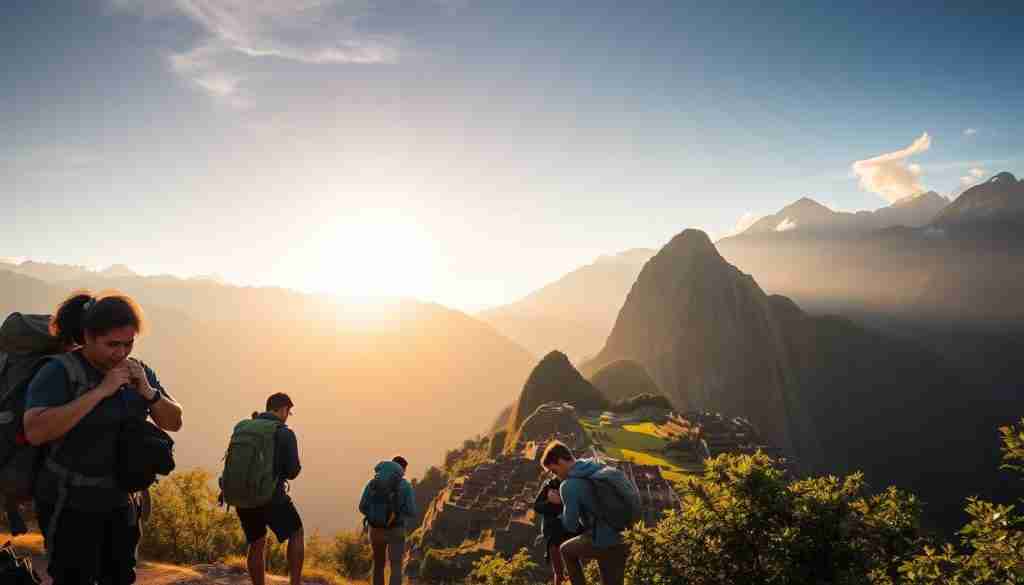
Acclimatization Tips and Health Considerations
Proper adjustment to high altitude is non-negotiable. Most routes ascend beyond 3,500 meters, where oxygen levels drop sharply. Symptoms like headaches or nausea signal altitude sickness, which affects 50% of travelers. Experts recommend:
- Spending 2-3 days in Ollantaytambo (2,792m) before ascending
- Avoiding strenuous activity during initial acclimatization
- Consulting doctors about prescription medications like acetazolamide
Essential Packing and Gear Recommendations
Andean weather shifts from blazing sun to freezing rain within hours. A layered approach ensures adaptability. Critical items include:
| Category | Essential Items | Purpose |
|---|---|---|
| Clothing | Moisture-wicking base layers | Temperature regulation |
| Footwear | Ankle-support hiking boots | Rocky terrain stability |
| Health | Diamox tablets | Altitude sickness prevention |
| Documents | Permit copies | Checkpoint compliance |
Permit Regulations and Booking Advice
The Classic Inca Trail allows only 500 daily entries, including staff. Peak-season permits vanish 6 months in advance. Lesser-known routes like Salkantay require reservations 3 months ahead. Always verify operator credentials when booking through third parties.
The Classic Inca Trail Experience
Stepping onto the Classic Inca Trail transports adventurers through centuries of history etched into every stone pathway. This legendary route combines archaeological wonders with mountain panoramas, creating an unmatched journey through Peru’s sacred landscapes.
Historic Route Highlights and Scenic Vistas
The four-day trek begins at Km 82, winding past Llactapata’s agricultural terraces and Runkurakay’s circular watchtower. Day three reveals Wiñay Wayna, an intricate complex of ceremonial baths and temples clinging to steep slopes. The climax arrives at sunrise through the Sun Gate, framing Machu Picchu in golden light.
| Trek Feature | Detail |
|---|---|
| Total Distance | 24.8 miles (40km) |
| Maximum Elevation | 4,215 meters |
| Key Challenge | Dead Woman’s Pass ascent |
| Unique Advantage | Exclusive sunrise entry |
Understanding Permit Challenges
Only 500 people per day gain access to this route, including guides. Peak season permits between May-September disappear within hours of release. Travelers should book six months advance through certified operators to secure spots.
The trail closes each February for maintenance, making flexible scheduling crucial. Reputable agencies handle complex logistics while ensuring ethical porter treatment—a critical consideration when selecting tour partners.
Salkantay Trek: Adventure Beyond the Crowds
For travelers craving raw natural beauty without permit hassles, the Salkantay Trek delivers an unforgettable Andean odyssey. Voted among National Geographic’s top global treks, this 44.7-mile route winds through Peru’s most dramatic ecosystems. Starting at Soraypampa, the five-day journey combines glacial vistas with tropical forests—perfect for spontaneous explorers seeking less crowded paths.
Diverse Landscapes and Natural Wonders
The trek’s crown jewel is the 15,255-foot Salkantay Pass, where snow-capped peaks pierce the sky. Sacred Salkantay Mountain dominates the horizon, revered as an apu (spirit) in Andean cosmology. From alpine tundra to orchid-filled cloud forests, the ever-changing scenery hosts:
- Rare spectacled bears and hummingbirds in transition zones
- Microclimates supporting 90+ orchid species
- Thermal baths near Lucmabamba’s coffee plantations
Physical Demands and Preparation Tips
Conquering this trek requires disciplined training. Daily segments span 10-16 miles with 3,900-foot elevation shifts. Experts recommend:
- 8-week cardio regimen (hiking, cycling, stair climbing)
- Altitude simulations using weighted packs
- Layered clothing for -5°C to 25°C temperature swings
Though no permits are needed, acclimatization remains critical. Arrive 48 hours early in Cusco, hydrate aggressively, and monitor oxygen levels. Guides emphasize pacing—especially during the pass ascent where thin air tests even seasoned hikers.


Lares Trek: A Culturally Rich and Shorter Journey
The Lares Trek carves a path through Peru’s living heritage, blending intimate cultural exchanges with Andean mountain grandeur. Spanning three days and 20.5 miles, this journey skips permit requirements while delivering profound connections with Quechua-speaking communities. Unlike busier routes, it prioritizes authentic encounters over crowded trails, making it ideal for travelers seeking meaningful immersion.
Local Village Encounters and Traditions
Each day reveals vibrant traditions preserved for centuries. In remote villages, master weavers demonstrate ancestral techniques—shearing alpacas, spinning wool, and dyeing fibers with plants like cochinilla insects. Visitors often join families in potato harvesting or learn to prepare quinoa stew during interactive cooking sessions.
The trek’s rhythm mirrors local life. Mornings begin with farmers tending terraced fields, while afternoons invite conversations about medicinal herbs with community healers. These exchanges showcase sustainable practices rooted in harmony with nature.
Natural hot springs near Lares village offer rejuvenation after mountain passes. Soaking in thermal waters surrounded by snow-capped peaks becomes a meditative conclusion to days filled with discovery. This route proves shorter journeys can carry equal depth when woven with cultural threads.
Alternative Hiking Routes to Machu Picchu Exploration
Beyond well-trodden routes lie extraordinary journeys blending archaeology with untamed wilderness. These lesser-known treks reward intrepid travelers with solitude and deeper historical connections.
Choquequirao: Gateway to Hidden Ruins
The Choquequirao Trek challenges adventurers with a 4-5 day ascent to Incan terraces rivaling Machu Picchu’s grandeur. Crossing the Apurimac River’s canyon reveals “Cradle of Gold” ruins, accessible only by foot. Fewer than 20 visitors daily experience this sacred site, where condors circle above undisturbed stonework.
Wilderness Routes Through Vilcabamba
Vilcabamba’s jungle-edged paths wind past pre-Columbian remnants and coffee plantations. This 6-day route combines cloud forest exploration with thermal baths near Espiritu Pampa—the Incas’ final stronghold. Travelers encounter Quechua farmers preserving ancient agricultural methods, creating immersive cultural exchanges between mountain vistas.