
Essaouira Guide 2026: Morocco’s Windswept Atlantic Port
Key Takeaways
- Essaouira offers exceptional value for 2026 travelers, with accommodation costs 30-40% lower than Marrakech while delivering superior cultural authenticity and coastal atmosphere
- Spring (March-May) and fall (September-November) provide optimal conditions for 2026 visits, combining comfortable temperatures, manageable winds, and moderate tourist numbers
- The city functions perfectly as both a standalone coastal destination for 2-4 days and a strategic base for exploring Atlantic Morocco’s UNESCO sites, surf beaches, and Berber villages
- Essaouira’s compact medina allows visitors to explore the entire UNESCO-listed historic center on foot within hours, eliminating transportation costs within the city
- The 2026 travel season brings expanded direct flight connections from European cities and improved bus services from Marrakech, making access easier than previous years
- Advance booking for summer 2026 visits (June-August) proves essential, as the Gnaoua World Music Festival in June and peak European vacation periods fill accommodation months ahead
Planning Your Essaouira Visit in 2026
Essaouira emerges as one of Morocco’s most rewarding destinations for 2026 travelers seeking authentic cultural experiences without the overwhelming crowds and commercialization affecting larger Moroccan cities. This UNESCO World Heritage medina combines Portuguese military architecture, vibrant artistic communities, fresh Atlantic seafood, and Morocco’s most consistent wind conditions for water sports, all within a compact walkable city that welcomes visitors with genuine hospitality rather than aggressive tourist hustling.
The city occupies a strategic position on Morocco’s Atlantic coast, approximately 180 kilometers west of Marrakech and 380 kilometers south of Casablanca. This location positions Essaouira as an ideal complement to desert and mountain itineraries, providing coastal relief from inland heat while offering cultural experiences distinctly different from imperial cities like Fes and Marrakech. The Atlantic orientation brings cooler temperatures, constant breezes, and dramatically different architecture from Morocco’s inland cities, with whitewashed walls and blue doors creating the distinctive aesthetic that earned Essaouira its nickname “Morocco’s Jewel of the Atlantic.”
For 2026 planning purposes, Essaouira functions successfully as either a 2-4 day standalone coastal visit or as a base for exploring Atlantic Morocco more broadly. Day trips reach Sidi Kaouki’s surf beaches, the ancient fortress at Diabat, argan oil cooperatives in rural Berber villages, and the purple island of Mogador visible from the harbor. Extended stays allow deeper immersion in the city’s artistic community, with numerous galleries, artisan workshops, and music venues showcasing the creative energy that attracts artists from across Morocco and internationally.
The infrastructure supporting tourism in Essaouira has improved significantly in recent years, with 2026 bringing additional enhancements. The airport receives direct flights from major European cities during peak season, eliminating the need for Marrakech connections. Modern bus services operate multiple daily departures connecting Essaouira with Marrakech, Casablanca, and Agadir, while CTM and Supratours offer comfortable coaches with air conditioning, onboard WiFi, and luggage storage. Within the city, the compact medina size means walking handles all transportation needs, though taxis serve the beach areas and airport efficiently.
Budget considerations for 2026 Essaouira visits compare favorably with other Moroccan destinations. Accommodation ranges from €25-40 per night for basic riads to €80-150 for boutique properties with sea views, significantly less than equivalent Marrakech hotels. Restaurant meals cost €5-12 for substantial seafood dishes, while the famous grilled fish at the port runs €8-15 per person for fresh catch prepared to order. Daily costs including accommodation, meals, activities, and local transport total €50-90 per person for budget travelers, €90-150 for mid-range visitors, and €150-250+ for those seeking premium experiences.
People Also Ask About Essaouira 2026
How much does it cost to visit Essaouira in 2026?
Daily costs for Essaouira in 2026 range €50-90 per person for budget travelers, €90-150 for mid-range visitors, and €150-250+ for luxury experiences. Budget accommodation costs €25-40 per night, mid-range riads €60-100, and upscale properties €120-200. Meals run €5-12 for restaurant dining, with the famous grilled fish at the port costing €8-15 per person. Check booking platforms for current accommodation rates and official tour operator websites for activity pricing.
When is the best time to visit Essaouira in 2026?
Spring (March-May) and fall (September-November) provide optimal conditions for 2026 Essaouira visits, combining comfortable 18-24°C temperatures, moderate winds manageable for city exploration, and fewer tourists than summer months. June through August brings peak tourism with European vacationers, higher accommodation costs, and strongest winds favoring kitesurfers but challenging casual visitors. Winter (December-February) offers excellent value with mild 15-18°C days, though occasional rain and rough seas limit beach activities.
Do you need advance bookings for Essaouira in 2026?
Summer 2026 visits (June-August) require advance booking 2-3 months ahead, particularly for the Gnaoua World Music Festival weekend in late June when accommodation fills completely. Spring and fall allow more flexibility with 2-4 weeks advance booking securing good options, while winter visits offer same-week availability at excellent rates. Tours to argan cooperatives and cooking classes benefit from advance reservation ensuring English-speaking guides, though most activities accept walk-up bookings except during festival periods.
What’s the easiest way to reach Essaouira in 2026?
Direct flights to Essaouira-Mogador Airport operate from European cities during peak 2026 season (June-September), providing fastest access. Year-round, comfortable buses connect Essaouira with Marrakech in 3 hours for €7-12, running multiple daily departures through CTM and Supratours. Private transfers cost €80-120 for up to 4 passengers, offering door-to-door convenience with flexible scheduling. Grand taxis from Marrakech charge approximately €180-220 for the vehicle, seating up to 6 passengers.
Extended multi-day tours – 5+ days
Featured Essaouira Multi-Day Tour Packages
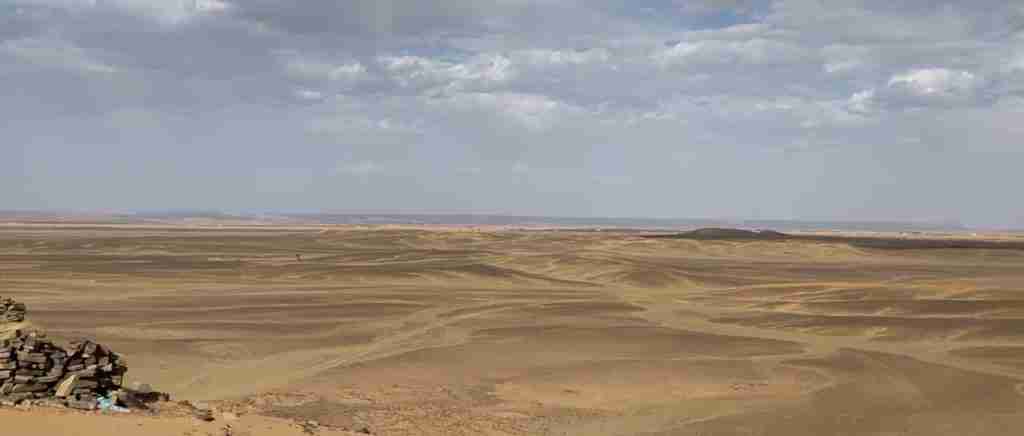
3 days
Essaouira 3-Day Discovery Tour
- ✓ Comprehensive Essaouira experience
- ✓ Expert local guides included
- ✓ All accommodation included
- ✓ Transportation provided
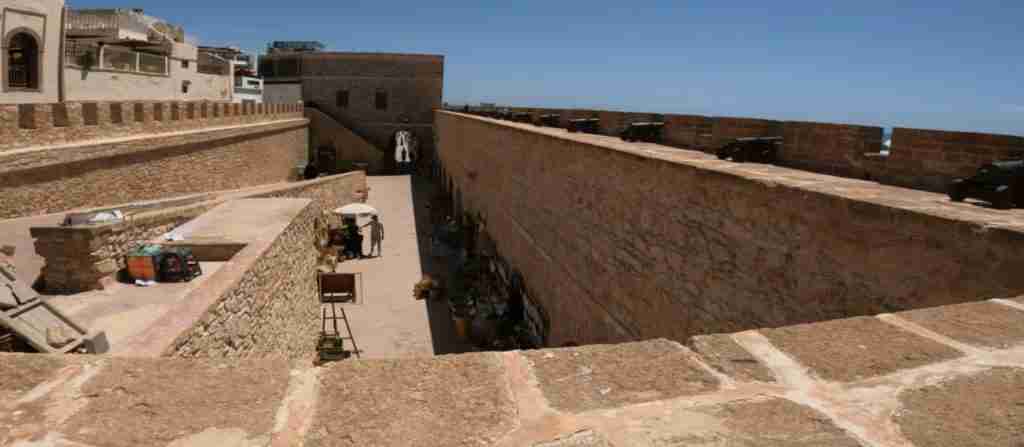
5 days
Essaouira 5-Day Highlights Experience
- ✓ Comprehensive Essaouira experience
- ✓ Expert local guides included
- ✓ All accommodation included
- ✓ Transportation provided
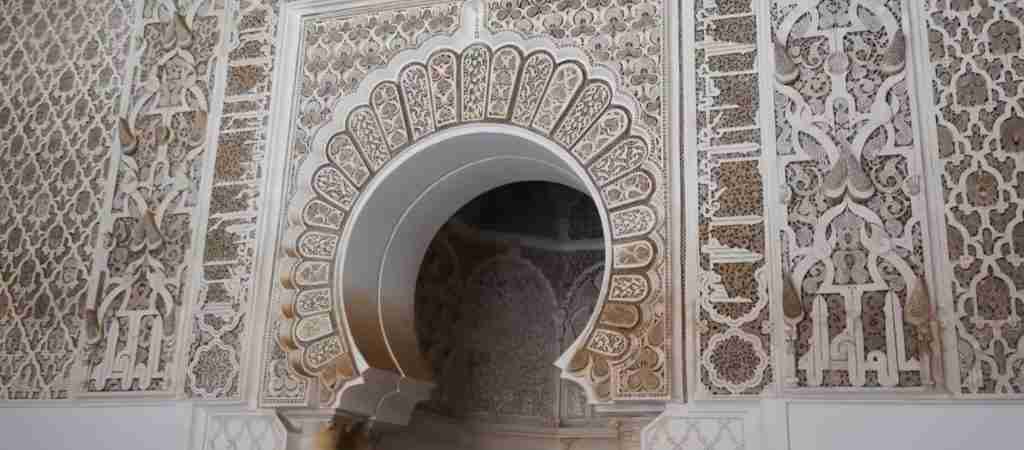
7 days
Essaouira 7-Day Cultural Journey
- ✓ Comprehensive Essaouira experience
- ✓ Expert local guides included
- ✓ All accommodation included
- ✓ Transportation provided
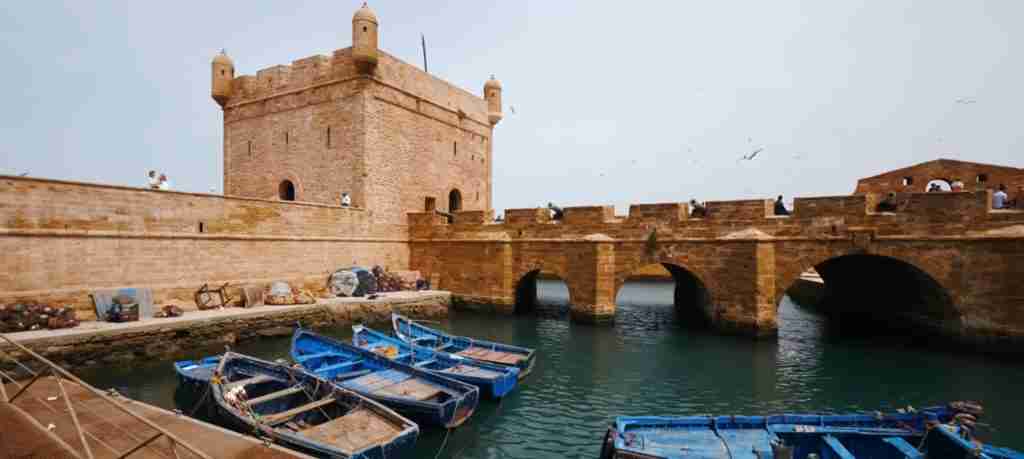
10 days
Essaouira 10-Day Complete Adventure
- ✓ Comprehensive Essaouira experience
- ✓ Expert local guides included
- ✓ All accommodation included
- ✓ Transportation provided
Multi-day tour packages powered by TourRadar. Prices and availability subject to change.
Essential Planning Information 2026
Current Costs and Pricing for 2026 Visits
Essaouira delivers exceptional value compared to Morocco’s major tourist cities, with accommodation, dining, and activities priced 30-40% below Marrakech equivalents. This pricing advantage stems from lower tourist pressure and the city’s authentic character attracting travelers prioritizing cultural experiences over luxury tourism infrastructure. Check booking.com and local riad websites for current official accommodation rates as pricing varies seasonally.
Accommodation pricing for 2026 follows clear seasonal patterns. Budget riads and guesthouses charge €25-40 per night for double rooms with shared bathrooms, basic furnishings, and rooftop terraces providing sea views. These properties cluster in the medina’s residential quarters away from main tourist thoroughfares, offering authentic neighborhood atmosphere. Mid-range riads priced €60-100 feature private bathrooms, traditional Moroccan decor, and often include breakfast prepared with local ingredients. These properties occupy restored historic homes with characteristic central courtyards, ornate plasterwork, and rooftop terraces perfect for sunset viewing. Luxury accommodations ranging €120-200+ deliver boutique hotel service, sea-view rooms, swimming pools, and refined dining, concentrated near the ramparts and beach areas for maximum ocean access.
Restaurant costs make Essaouira particularly attractive for food-focused travelers. The famous grilled fish stands at the port offer the city’s signature dining experience: fresh catch displayed on ice, grilled to order over charcoal, served with salad and bread for €8-15 per person. This represents Morocco’s best seafood value, with prices fixed on blackboards eliminating negotiation stress. Traditional Moroccan restaurants throughout the medina serve substantial tagines, couscous, and pastilla for €5-10, while beachfront establishments charge €12-18 for similar dishes with ocean views. Café breakfasts cost €3-5 for Moroccan bread, jam, and mint tea, while international breakfast cafes serving eggs, pancakes, and coffee charge €6-10.
Activity costs remain modest, with most experiences accessible to budget-conscious travelers. Medina walking tours with knowledgeable local guides cost €15-25 per person for 2-3 hour explorations covering history, architecture, and artisan workshops. Cooking classes run €40-60 per person for half-day experiences including market visits, hands-on tagine preparation, and lunch. Argan oil cooperative visits combined with Berber village tours cost €35-50, providing insight into traditional oil production and rural life. Surf lessons at nearby beaches charge €25-35 for 2-hour group sessions including board rental, while kitesurfing instruction runs €50-80 for beginner lessons. Camel rides along the beach cost €15-25 for one-hour sunset excursions popular with families and romantic couples.
Transportation within Essaouira eliminates daily costs for most visitors, as the compact medina allows complete exploration on foot. The walk from any medina accommodation to the beach requires 5-15 minutes maximum, while the souks, galleries, and restaurants cluster within the small historic center. Petit taxis charge fixed rates of €1-2 for trips within city limits, useful for luggage transport from bus station to accommodation or late evening returns from beachfront restaurants. Grand taxis to Sidi Kaouki beach (25 kilometers south) cost €15-20 per vehicle seating up to 6 passengers, making day trips affordable when organized with other travelers.
Transportation Options and Schedules for 2026
Reaching Essaouira in 2026 offers multiple options balancing cost, comfort, and convenience. Direct flights provide fastest access during peak season, buses deliver reliable year-round service, while private transfers offer maximum flexibility for groups and families with luggage.
Essaouira-Mogador Airport, located 16 kilometers south of the city center, receives seasonal direct flights from European cities including London, Paris, Brussels, and Amsterdam during June-September. These flights operate 2-4 times weekly depending on route, with journey times of 3-4 hours from European departure points. Royal Air Maroc and European budget carriers including Ryanair and EasyJet serve the route, with advance booking securing fares from €80-150 roundtrip. Airport transfers to the medina cost €8-12 for shared shuttle services or €20-30 for private taxis, with journey time of 20-25 minutes. Outside peak season, connections require routing through Marrakech or Casablanca, adding 4-6 hours total journey time.
Bus services from Marrakech represent the most popular overland option, with CTM and Supratours operating modern coaches featuring air conditioning, reclining seats, onboard WiFi, and luggage storage. These services depart 3-5 times daily from Marrakech’s main bus station, with journey times of 2.5-3 hours including one rest stop. Tickets cost €7-12 depending on company and booking timing, with advance purchase through company websites or at bus stations recommended during peak travel periods. The Essaouira bus station sits on the medina’s edge, within 10-minute walk of most accommodations or short taxi ride with luggage. Early morning departures from both cities allow same-day connections, while afternoon buses facilitate multi-day visits without requiring early departures.
Private transfers from Marrakech cost €80-120 for vehicles accommodating up to 4 passengers with luggage, bookable through hotel concierges, online transfer companies, or negotiated with taxi drivers at Marrakech. The service provides door-to-door convenience with flexible departure timing, particularly valuable for families, travelers with mobility limitations, or those carrying surf equipment, musical instruments, or extensive luggage. Drivers wait at Marrakech pickup points, assist with luggage, and navigate directly to Essaouira accommodations, eliminating the walking with bags required from bus stations. Journey time matches bus duration (2.5-3 hours) but removes waiting, transfers, and luggage handling stress.
Grand taxis from Marrakech operate on shared basis, departing when vehicles fill with 6 passengers willing to split the €180-220 total fare. This option appeals to solo travelers and couples comfortable sharing vehicles with other passengers, though departure timing depends on passenger availability rather than fixed schedules. Grand taxis congregate at Marrakech’s main taxi stand near the bus station, with drivers calling out destinations. Travelers agreeing on Essaouira wait until sufficient passengers accumulate, a process taking anywhere from 15 minutes during busy periods to 2+ hours during slow times. Alternatively, travelers can charter entire grand taxi for exclusive use, paying the full vehicle fare but ensuring immediate departure and no shared passenger stops.
Car rental allows independent exploration of Atlantic Morocco beyond Essaouira, with agencies in Marrakech and at Essaouira airport offering vehicles from €25-60 per day depending on size, insurance coverage, and rental duration. The drive from Marrakech follows good-quality highways through the High Atlas foothills, with dramatic scenery including argan tree groves and Berber villages. Navigation proves straightforward with GPS or mapping apps, though travelers should note Morocco drives on the right, speed limits are enforced, and rural roads require attention for livestock, slow-moving farm vehicles, and occasional potholes. Parking in Essaouira’s medina is prohibited, with designated parking areas outside the walls charging €2-3 per day for secure vehicle storage.
Best Time to Visit Essaouira in 2026
Seasonal Analysis for 2026 Planning
Essaouira’s Atlantic climate creates distinct seasonal patterns affecting visitor experiences, costs, and activity options. Understanding these patterns enables strategic timing maximizing enjoyment while minimizing weather challenges and budget impact.
Spring (March-May) ranks as the prime season for 2026 Essaouira visits, delivering ideal conditions for cultural exploration, photography, and outdoor activities. Temperatures range 18-24°C, warm enough for comfortable walking but cool enough to prevent overheating during medina exploration. Wind conditions remain moderate compared to summer extremes, allowing outdoor dining at beachfront restaurants without excessive gusting. The spring light creates magical photography conditions, with clear air, dramatic cloud formations, and golden late afternoon illumination perfect for architectural photography. Tourist numbers remain manageable except during Easter week, when European school holidays bring temporary crowds. Accommodation availability exceeds demand, allowing flexibility in booking timing while securing better rates than summer peak. Spring produce fills market stalls, with strawberries, fresh broad beans, artichokes, and new season vegetables inspiring restaurant menus. The fishing fleet operates at full capacity, ensuring optimal selection at the fish market.
Summer (June-August) presents a paradox: peak tourism season coinciding with challenging wind conditions. European vacation schedules drive visitor numbers to annual highs, filling accommodations and creating reservations pressure requiring 2-3 months advance booking. The Gnaoua World Music Festival in late June transforms the entire medina into a performance venue, with international musicians and tens of thousands of music enthusiasts creating electric atmosphere but also booking challenges and premium pricing. Wind conditions peak during summer, with the consistent trade winds that make Essaouira Morocco’s kitesurfing capital creating gusts exceeding 40 kilometers per hour. These winds favor water sports enthusiasts but challenge casual visitors, sending beach sand swirling, making outdoor dining less pleasant, and complicating umbrella and hat retention. Temperatures remain surprisingly moderate at 22-28°C thanks to ocean influence, far cooler than inland Morocco’s summer extremes. Budget travelers avoid summer’s premium pricing, while water sports enthusiasts embrace the conditions creating world-class windsurfing and kitesurfing.
Fall (September-November) delivers conditions rivaling spring’s appeal while offering additional advantages. September extends summer season with excellent weather, diminished winds, and dramatically reduced tourist numbers as European schools resume. This combination creates arguably Essaouira’s best month, with warm 20-26°C temperatures, calmer winds enabling comfortable beach time, and accommodation availability at moderate rates. October and November bring gradually cooling temperatures averaging 18-22°C, increased cloud cover, and occasional rain beginning in November. However, fall light proves spectacular for photography, with dramatic skies, rainbow frequency after brief showers, and autumn angle creating long shadows emphasizing architectural details. Fall seafood season peaks as fishing intensifies before winter storms, with exceptional variety and quality at the fish market. The artistic community returns from summer dispersal, galleries reopen after August closures, and cultural events resume with exhibition openings and music performances.
Winter (December-February) offers exceptional value for travelers prioritizing cost savings over perfect weather guarantees. Accommodation rates drop 40-50% from summer peaks, with luxury properties priced equivalently to summer budget options. Tourist numbers decline dramatically, creating peaceful exploration opportunities without crowds at ramparts, souks, or restaurants. Temperatures remain mild by European standards at 15-18°C during day, though evening temperatures drop to 8-12°C requiring warm layers. Rain probability increases, though Essaouira receives far less precipitation than northern Morocco, with most rainfall occurring in brief showers rather than all-day downpours. Sunny winter days offer glorious conditions with crystalline light and comfortable walking temperatures. Ocean water temperature drops to 16-17°C, ending swimming season for most visitors though hardy souls and wetsuit-equipped surfers continue. January and February bring rougher seas limiting fishing fleet operations, though the dramatic Atlantic storms create spectacular wave watching from the ramparts.
Weather Patterns and Crowd Predictions for 2026
Monthly weather analysis enables precise trip planning, matching conditions with preferred activities and comfort levels. Understanding crowd patterns prevents disappointment from fully booked accommodations and allows strategic timing capturing the city at its best.
March initiates the tourism season with steadily improving weather. Daily highs reach 19-21°C while nighttime temperatures drop to 10-12°C, requiring layering capability. Rainfall probability decreases through the month, averaging 3-4 rain days with brief showers clearing quickly. Ocean temperature starts warming from winter lows, reaching 16-17°C by month end. Tourist numbers remain light through mid-March, increasing during final week as Easter holidays begin for some European countries. Accommodation books 2-4 weeks ahead for Easter period, same-week for earlier March dates.
April delivers consistent pleasant conditions with 20-23°C days and 12-14°C nights. Rainfall decreases further, typically 2-3 days monthly. Ocean warms to 17-18°C, attracting first swimmers though most find temperatures brisk. Wind increases gradually but remains far below summer intensity. Tourist arrivals grow steadily, particularly during Easter week (date varies annually), requiring advance booking during holiday periods. Gallery openings, artisan workshops, and cultural events increase frequency as seasonal businesses reopen. Markets reach peak diversity with spring vegetables supplementing year-round staples.
May ranks among the finest months, combining warm 22-24°C days, minimal rainfall (1-2 days monthly), comfortable overnight temperatures at 14-16°C, and moderate winds allowing comfortable outdoor dining. Ocean temperature reaches 18-19°C, still cool but acceptable for afternoon swimming. Tourist numbers remain manageable outside the late May European bridge holidays, with accommodation bookable 1-2 weeks ahead. May offers excellent value, delivering near-summer conditions at spring pricing without summer crowds. Photographers benefit from long days, clear skies, and dramatic late afternoon light. The fishing fleet operates consistently, ensuring excellent seafood selection.
June marks summer season onset, both meteorologically and touristically. Temperatures reach 24-26°C while overnight lows at 16-18°C create comfortable sleeping conditions. Wind increases substantially, with trade winds establishing consistent patterns creating famous Essaouira summer gusts. The Gnaoua World Music Festival (usually late June) attracts over 400,000 visitors, transforming the medina for one extraordinary long weekend of continuous music across multiple stages. Festival accommodation requires booking 3-6 months ahead, with many properties selling out entirely or charging premium rates. Ocean temperature reaches 19-20°C, acceptable for most swimmers. Early June offers better value and availability than late June, with improved weather compared to May but fewer crowds than festival period.
July and August constitute peak summer, with maximum tourist pressure, highest costs, and strongest winds. Temperatures moderate at 25-28°C thanks to ocean influence, though inland areas just kilometers away suffer 40°C+ heat. Wind reaches annual peak, with sustained trade winds averaging 25-35 kilometers per hour and gusts exceeding 40 kilometers. Beach sand transport creates challenging conditions for casual sunbathing, though kitesurfers and windsurfers celebrate world-class conditions. Accommodation requires 2-3 months advance booking for decent options, with last-minute visitors facing limited availability and premium pricing. The medina stays surprisingly comfortable despite crowds thanks to thick walls, narrow shaded streets, and constant breezes. Ocean temperature peaks at 20-22°C, optimal for swimming. Restaurants and cafes operate at capacity, with popular establishments requiring reservations even for lunch.
September delivers arguably the year’s best conditions, combining summer warmth with fall serenity. Early September maintains summer temperatures at 24-27°C while wind intensity decreases notably, creating comfortable conditions for all activities. Mid-to-late September sees gradual cooling to 22-24°C, still ideal for beach activities. Tourist numbers drop dramatically after European school resumption, creating peaceful exploration opportunities and accommodation availability with 1-2 weeks advance booking. Ocean temperature holds at 20-21°C through the month, optimal for swimming. Markets showcase late summer produce while early fall seafood begins appearing. September represents peak value, delivering premium conditions at moderate pricing with minimal crowding.
October extends pleasant weather through most of the month, with 20-23°C days and 14-16°C nights. Rainfall probability increases slightly with 2-3 rain days, though showers typically remain brief. Wind continues decreasing from summer peaks, making outdoor dining comfortable. Ocean temperature drops gradually from 20°C at month start to 18-19°C by end, still acceptable for afternoon swimming. Tourist numbers remain moderate, with northern European visitors enjoying last warm weather before winter while North American travelers arrive before Atlantic crossing becomes less appealing. October delivers excellent photography conditions with dramatic skies, frequent rainbows after showers, and autumn light creating long shadows. Accommodation books 1-2 weeks ahead, with last-minute availability common.
November transitions toward winter, though conditions remain far milder than European equivalents. Temperatures range 18-20°C during day, dropping to 11-13°C overnight. Rain increases to 4-5 days monthly, with showers lengthening and occasionally producing sustained precipitation. Ocean temperature drops to 18-19°C, ending swimming season for most visitors. Wind decreases further, creating calm days suitable for extended beach walks. Tourist numbers decline substantially, with accommodations offering excellent availability and rates. November appeals to travelers seeking peaceful cultural immersion without weather guarantees, comfortable with occasional rain requiring indoor activities. Galleries, workshops, and cultural venues operate full schedules as the artistic community settles after summer dispersion.
December through February sees lowest visitation and best pricing. Days remain mild at 15-18°C, though overnight temperatures of 8-12°C require warm layers. Rainfall peaks at 6-8 days monthly, though Essaouira receives far less precipitation than northern Morocco. Occasional spectacular storms bring dramatic seas viewable safely from ramparts. Ocean temperature drops to 16-17°C, limiting swimming to wetsuit-equipped surfers and hardy locals. Sunny winter days offer glorious conditions with crystal-clear air and comfortable exploration temperatures. Tourist numbers remain minimal, creating intimate atmosphere with local life dominating medina activity. Accommodation books same-week or spontaneously, with dramatic discounts common. Winter appeals to budget travelers, culture seekers comfortable with weather uncertainty, and visitors escaping far harsher winter conditions in home countries.
Accommodation Strategies for 2026
Budget Accommodation Options for 2026
Budget-conscious travelers find excellent accommodation value in Essaouira’s medina, with numerous riads and guesthouses offering authentic Moroccan hospitality at €25-40 per night for double rooms. These properties cluster in residential quarters away from main tourist thoroughfares, providing genuine neighborhood atmosphere where morning sounds include calls to prayer, children heading to school, and bread vendors announcing fresh deliveries.
Budget riads maintain basic cleanliness standards while offering characteristic features like central courtyards, rooftop terraces with sea views, and traditional Moroccan architectural details. Rooms range from simple whitewashed spaces with basic beds and shared bathrooms to slightly upgraded accommodations with private facilities and minimal decorative touches. The key distinction from mid-range properties involves furnishing quality, bathroom privacy, and amenity levels rather than location or hospitality quality. Many budget riads deliver exceptional personal service, with owners living on-site, preparing generous breakfasts, and offering detailed local advice that proves more valuable than luxury amenities.
Dar Afram, Riad Zahra, and Riad Vent des Dunes exemplify reliable budget options offering double rooms at €30-35 with shared bathrooms, rooftop terraces providing panoramic views, and breakfast included in rates. These properties receive consistent positive reviews for cleanliness, helpful staff, and authentic atmosphere rather than luxury pretensions. Location within the medina requires navigating narrow streets that challenge wheeled luggage but ensures authentic immersion in daily life away from tourist commercialization. Advance booking 2-4 weeks ahead secures rooms during spring and fall, while summer requires 6-8 weeks notice. Winter allows same-week bookings with last-minute discounts often available.
Guesthouses operated by Moroccan families provide even more economical options at €20-30 nightly, though facilities remain more basic with shared bathrooms standard, minimal English spoken, and breakfast sometimes excluded from base rates. These accommodations suit independent travelers comfortable with basic amenities, minimal hand-holding, and genuine cultural exchange. The neighborhood integration proves complete, with guests observing daily family life, children doing homework in courtyards, and traditional meal preparation in shared kitchens. This level of authenticity appeals to travelers prioritizing cultural immersion over privacy and comfort, though privacy and western-style cleanliness standards vary considerably between properties.
Hostel options serve solo travelers and backpackers seeking rock-bottom pricing and social atmosphere. Ocean Vagabond and Essaouira Youth Hostel offer dormitory beds at €8-15 per night, private rooms at €25-35, and common areas facilitating traveler interaction. These properties attract international backpacker communities, organize group activities like sunset camel rides and argan cooperative visits, and maintain more casual atmosphere than traditional riads. Hostels concentrate near the medina’s northern entrance, convenient for bus station access but requiring 10-15 minute walks to reach southern ramparts and prime beach areas. Solo female travelers report feeling safe and welcome, though standard hostel caveats regarding securing valuables and monitoring alcohol consumption in social spaces apply.
Mid-Range and Luxury Options for 2026
Mid-range accommodations priced €60-100 nightly deliver significantly enhanced comfort and aesthetic appeal while maintaining traditional Moroccan character. These properties occupy beautifully restored historic houses featuring ornate plasterwork, carved wooden ceilings, hand-painted tiles, and thoughtfully curated Moroccan antiques and textiles creating authentic yet comfortable environments. Private bathrooms with proper showers, comfortable bedding, attentive service, and substantial breakfasts featuring house-made pastries, fresh juices, and traditional Moroccan specialties justify the moderate premium over budget options.
Riad Al Madina exemplifies exceptional mid-range value at €70-85 per night, offering elegantly decorated rooms surrounding a plant-filled courtyard, rooftop terrace with ocean glimpses, and breakfasts that receive consistent praise for quality and variety. The property maintains eight rooms ensuring intimacy while providing professional service, with English-speaking staff offering activity booking assistance, restaurant recommendations, and transportation arrangements. Location deep in the medina provides quiet nights and authentic atmosphere while placing souks, galleries, and ramparts within 5-10 minute walks. Similar properties including Riad Mimouna, Dar Najma, and Riad Watier deliver comparable experiences at €65-95, with booking 3-4 weeks ahead during popular periods recommended.
Boutique riads priced €90-130 occupy the upper mid-range category, distinguishing themselves through exceptional restoration quality, designer furnishings, refined service, and often prime locations near ramparts or with rooftop sea views. Riad Gyvo demonstrates this category’s appeal with six suites featuring contemporary Moroccan design, substantial private terraces, and breakfast service accommodating dietary requirements and late starts. Villa Maroc, a Essaouira institution since the 1990s, offers €100-140 rates for rooms in multiple connected historic houses creating maze-like property charming guests for decades. These properties provide five-star service standards within traditional architecture, appealing to travelers seeking comfort without sacrificing authentic atmosphere.
Luxury accommodations ranging €120-200+ concentrate near the beach and ramparts, maximizing ocean views and access. Sofitel Essaouira Mogador Golf & Spa, located outside the medina along the beach, delivers international five-star standards with contemporary rooms, multiple restaurants, spa facilities, golf course access, and business center services appealing to leisure and business travelers. The property’s beach location eliminates medina immersion but provides resort conveniences, direct beach access, and quiet away from tourist activity. Rates range €140-220 depending on room category and season, with advance booking 6-8 weeks ahead recommended for spring and summer dates.
Within the medina, Heure Bleue Palais represents peak luxury at €180-250 nightly, occupying restored 19th-century mansion with hammam, small pool, gourmet restaurant, and exceptionally appointed suites featuring antique furnishings, premium linens, and marble bathrooms. The property delivers five-star service in historic setting, combining authenticity with contemporary comfort standards. Atlas Essaouira & Spa and Madada Mogador similarly offer €150-220 rates for luxury experiences with prime locations, sophisticated design, and refined service appealing to travelers prioritizing comfort and exclusivity over budget efficiency.
Beach resorts outside the medina provide alternative luxury experiences emphasizing contemporary design, extensive facilities, and oceanfront positioning over historic atmosphere. Le Medina Essaouira Hotel Thalassa Sea & Spa offers €130-190 rates for modern rooms with balconies, thalassotherapy spa, multiple pools, and direct beach access. The resort atmosphere contrasts with medina intimacy, appealing to travelers wanting Essaouira’s geographic location and cultural activities while preferring international hotel standards and resort amenities for accommodation. These properties work well for families needing extra space, pools, and organized children’s activities not typically available in traditional riads.
Money-Saving Strategies for 2026
Advance Booking Benefits for 2026
Strategic advance booking secures significant savings on Essaouira accommodations, activities, and transportation while ensuring availability during peak periods. The optimal booking timeline balances early reservation discounts against maintaining flexibility for itinerary changes.
Accommodation booking 6-8 weeks ahead during spring and fall seasons typically yields 10-15% savings compared to last-minute rates, with properties offering early bird discounts encouraging advance commitments. Summer bookings require 2-3 months advance notice for decent selection, with June Gnaoua Festival dates demanding 4-6 months ahead for any availability in the medina. Budget and mid-range riads typically offer better advance booking value than luxury properties maintaining consistent rates regardless of booking timing. Booking directly through riad websites or email sometimes secures better rates than booking platforms taking 15-20% commissions, though booking platforms provide cancellation flexibility and dispute resolution mechanisms offering protection if properties fail to deliver promised standards.
Bus transportation between Marrakech and Essaouira benefits from advance online booking through CTM or Supratours websites, with tickets purchasable 30 days ahead at fixed rates preventing last-minute price increases during peak demand periods. Advance booking guarantees seats during busy travel days, particularly Fridays and Sundays when Moroccan weekend travelers fill coaches. However, the minimal fare differences between advance and on-the-day purchase (typically €1-2 maximum) means spontaneous travelers can usually secure same-day tickets except during major holidays.
Activity advance booking provides mixed value. Cooking classes and argan cooperative tours benefit from 1-2 weeks advance reservation ensuring English-speaking guides and preferred dates, with some operators offering 10% discounts for advance online booking. However, surf lessons, walking tours, and restaurant reservations work well with same-day or next-day booking except during summer peak. The Gnaoua Festival represents the major exception, with advance hotel packages bundling accommodation with concert tickets selling out months ahead, while those arriving without arrangements struggle finding any accommodation within 30 kilometers.
Seasonal Optimization Tips for 2026
Choosing travel timing strategically generates substantial savings while potentially delivering superior experiences compared to expensive peak periods. Understanding value seasons maximizes budget efficiency without sacrificing enjoyment.
September ranks as the ultimate value month, combining near-summer weather conditions with post-peak pricing and minimal crowds. Accommodations charge 20-30% less than July-August rates while offering superior availability and often upgrading guests to better rooms when occupancy allows. Restaurant reservations become unnecessary, beaches feel spacious rather than crowded, and cultural attractions operate without queues or rushed experiences. The September shoulder season delivers peak value for money across all spending categories while weather conditions arguably exceed summer’s windy reality.
Early June before Gnaoua Festival and late October through November offer similar value propositions with good weather probability and moderate pricing. These periods suit travelers flexible on precise dates, comfortable with small weather risks, and prioritizing authenticity over social atmosphere. The cultural calendar during these periods showcases local events rather than major festivals, providing insight into daily Moroccan life without tourist overlay.
Winter months (December-February) deliver maximum cost savings with 40-50% discounts on summer rates across accommodation, some restaurants offering value menus, and occasional tour operator deals bundling multiple activities. Winter appeals to extremely budget-conscious travelers, those escaping far worse winter conditions in home countries, and culture enthusiasts comfortable with weather uncertainty. The tradeoff involves accepting occasional rain, cooler temperatures, and limited swimming opportunities in exchange for dramatically lower costs and intimate peaceful atmosphere.
Avoiding the Gnaoua Festival weekend saves 50-75% on accommodation compared to festival rates while eliminating booking stress and crowds. Travelers interested in Moroccan music enjoy equivalent experiences at smaller festivals throughout the year or at Essaouira music venues featuring local and national acts performing regularly outside festival dates. Unless specifically passionate about the Gnaoua Festival’s particular programming, visitors often find other dates deliver superior value and more manageable logistics.
Sample 2026 Itineraries
Three-Day Cultural Immersion Itinerary
This itinerary maximizes cultural experiences within Essaouira’s UNESCO medina while including signature activities that define the city’s identity as artistic community, fishing port, and historic trading post.
Day 1: Medina Orientation and Artistic Discovery
Morning begins with guided medina walking tour (€20) providing historical context, architectural highlights, and orientation to the compact historic center. The tour covers Portuguese military architecture visible in massive ramparts and skala fortifications, explains UNESCO designation criteria recognizing Essaouira as outstanding example of fortified town from 18th century, and introduces local crafts including thuya wood working unique to the region. Following the tour, independent exploration of artisan workshops allows observation of craftspeople carving aromatic thuya wood into intricate boxes, furniture, and decorative items, with prices dramatically lower than tourist-oriented shops near main squares.
Lunch at a medina restaurant costs €8-12 for substantial tagine or couscous prepared in traditional earthenware pots, showcasing preserved lemon, olives, and aromatic spice combinations defining Moroccan cuisine. Afternoon gallery visits showcase Essaouira’s reputation as Morocco’s most active artistic community, with numerous galleries displaying work by local and international artists drawn to the city’s light, atmosphere, and creative energy. Galerie d’Art Frédéric Damgaard, founded by a Danish art collector who settled in Essaouira decades ago, houses extraordinary collection of naïve and contemporary Moroccan art. Entry is free, providing accessible introduction to Moroccan artistic traditions. Ramparts exploration during late afternoon positions for optimal Atlantic sunset viewing from the Skala de la Ville, the massive sea-facing battery where historic cannons point toward the ocean and the purple island of Mogador appears offshore.
Dinner at the port fish grills delivers Essaouira’s signature dining experience (€12-15), with fresh catch selected from ice-packed displays then grilled over charcoal while diners wait at adjacent tables. The experience combines quality, atmosphere, and value in quintessentially Essaouira fashion. Evening stroll through illuminated medina reveals neighborhood life after tourist dispersal, with cafes filled with local men playing cards, women collecting children from Quranic school, and bread vendors making final deliveries before closing. Day 1 costs: Guided tour €20, lunch €10, gallery visits free, dinner €14, snacks €5. Total: €49 per person (excluding accommodation).
Day 2: Coastal Exploration and Culinary Traditions
Morning cooking class (€50) begins with guided market visit shopping for fresh ingredients, then moves to traditional riad kitchen for hands-on tagine preparation under instructor guidance. Classes run 4-5 hours including shopping, cooking, and eating the prepared lunch, providing both culinary skills and cultural insights into Moroccan food traditions, spice usage, and meal rituals. The experience includes vegetable tagine or fish preparation depending on market availability, Moroccan salad assembly, and mint tea ceremony instruction. Participants leave with recipe cards, cooking techniques, and understanding of ingredient sourcing and substitutions.
Afternoon beach time at Essaouira’s long sandy beach stretches north from the medina, with options ranging from urban beach proximity convenient for quick visits to more remote sections requiring 20-minute walks but offering solitude. Beach chairs and umbrellas rent for €5 per day near the town end, though most visitors spread towels or mats on sand. The beach atmosphere remains relaxed rather than resort-developed, with occasional vendors offering cold drinks and snacks but avoiding aggressive selling. Camel rides along the beach (€15) operate during late afternoon, timing sunset for optimal photography and romantic atmosphere.
Evening Gnaoua music performance at a medina venue (€10-15) introduces Essaouira’s most distinctive musical tradition, with its African-influenced rhythms, castanets, and spiritual trance elements reflecting the city’s historical connections to sub-Saharan trade routes. Multiple venues host regular performances, with schedule information available at accommodations or tourist office. Alternative evening activities include attending art openings (free, typically Thursday evenings), watching sunset from the Skala while sipping mint tea at adjacent cafes (€2-3), or exploring the souks after daylight tourist departures when local shopping activity dominates. Dinner at beachfront restaurant (€15-18) features fresh seafood with ocean views. Day 2 costs: Cooking class €50, beach activities €8, camel ride €15, music performance €12, dinner €17, drinks €5. Total: €107 per person (excluding accommodation).
Day 3: Regional Excursions and Hidden Gems
Morning excursion to argan oil cooperative and Berber village (€40 including transport and guide) departs around 9 AM, visiting rural areas where traditional argan oil production continues using methods unchanged for centuries. Women’s cooperatives demonstrate the labor-intensive process of cracking argan nuts, grinding kernels, and extracting oil used both for culinary and cosmetic purposes. Tours include sampling argan oil and argan-based products, with opportunities to purchase directly from producers ensuring fair prices and authentic quality. The excursion continues to traditional Berber village where mud-brick architecture, agricultural practices, and daily rhythms offer contrast with Essaouira’s coastal urban character. Tours return to Essaouira around 1 PM.
Lunch at a beachside café (€8-12) provides relaxed transition before afternoon free time for final medina exploration focusing on personal interests developed during previous days: revisiting favorite galleries, shopping for thuya wood crafts or textiles at best prices after comparison shopping, or simply wandering atmospheric streets soaking in the ambiance. Photography enthusiasts benefit from afternoon light illuminating whitewashed walls and blue doors creating Essaouira’s signature aesthetic. The Jewish quarter (Mellah) in the southern medina receives fewer visitors but contains interesting architecture, old synagogues (some still functioning), and traditional workshops.
Final evening features dinner at one of Essaouira’s more upscale restaurants (€25-30) offering refined takes on Moroccan cuisine or international options for those reaching tagine saturation. Options include Taros, occupying restored synagogue with rooftop terrace and fusion menu combining Moroccan ingredients with international techniques, or Elizir, serving creative seafood preparations showcasing Atlantic catch with contemporary plating. After dinner, rooftop mint tea at the riad (€3) provides peaceful conclusion to the Essaouira experience while reflecting on three days immersed in one of Morocco’s most charming coastal cities. Day 3 costs: Argan cooperative tour €40, lunch €10, final dinner €28, drinks €5. Total: €83 per person (excluding accommodation).
Three-Day Total Budget: Tour and activities €122, meals €67, incidentals €13. Total: €202 per person (excluding accommodation €75-150 for three nights depending on category). Combined three-day cost: €277-352 per person.
Five-Day Comprehensive Experience Itinerary
The five-day itinerary allows deeper engagement with Essaouira and surrounding region, adding surf instruction, day trips to nearby beaches, and more extensive cultural immersion without rushed pacing.
Days 1-2: Follow the three-day itinerary’s first two days covering medina orientation, artistic discovery, cooking class, and Gnaoua music. Days 1-2 combined costs: €156 per person (excluding accommodation).
Day 3: Surf Lesson and Beach Exploration
Morning surf lesson at Sidi Kaouki beach (€35 including transport, board, and wetsuit) introduces Morocco’s excellent surf conditions at uncrowded beach 25 kilometers south of Essaouira. Two-hour group lessons accommodate beginners through intermediate surfers, with instructors providing technique coaching and safety guidance. Sidi Kaouki features consistent waves gentler than famous surf spots further south, making it ideal for learning. The beach atmosphere remains laid-back with small surfer village offering simple restaurants and guesthouses. Transport departs Essaouira around 8:30 AM, returning early afternoon.
Lunch at Sidi Kaouki (€8-10) features fresh grilled sardines or simple tagines at beachside cafes catering to surfers and day-trippers. Afternoon return to Essaouira allows rest after morning’s physical activity, followed by leisurely medina wandering, hammam experience for post-surf muscle relaxation (€15-25 for traditional hammam treatment), or continued beach time at Essaouira’s urban beach. Evening features casual dining at one of the medina’s numerous small restaurants (€10-12) serving reliable traditional fare. Day 3 costs: Surf lesson €35, lunch €9, hammam €20, dinner €11, snacks €5. Total: €80 per person (excluding accommodation).
Day 4: Diabat Village and Historic Fortress
Morning walk to Diabat village (3 kilometers south along beach, free except for optional camel transport €15) leads to ruins of sultan’s palace and small village famous as Jimi Hendrix’s brief residence in the 1960s. The walk takes 45-60 minutes along beautiful beach with views back to Essaouira’s ramparts and medina. Diabat ruins sit picturesquely on rocky outcrop above the beach, with crumbling walls and arches providing dramatic Atlantic backdrop for photography. Local legend claims Hendrix wrote “Castles Made of Sand” here, though documentation remains uncertain. The village maintains sleepy atmosphere with few tourist facilities, offering authentic glimpse of rural Moroccan coastal life.
Lunch at Diabat simple restaurant (€6-8) features grilled fish or vegetable tagine before return walk or camel ride to Essaouira. Afternoon focuses on specific interests developed during previous days: serious thuya wood shopping comparing quality and prices across multiple workshops, in-depth gallery visits with time to engage artists often present at their galleries, or exploring lesser-known medina areas including the former Jewish mellah, traditional bakeries where neighborhood families bring prepared dishes for communal oven cooking, and quiet residential streets revealing daily life beyond tourist thoroughfares.
Evening includes sunset drink at a rampart café (€3-5) followed by dinner at mid-range restaurant (€15-18) offering quality Moroccan cuisine in atmospheric settings. Options include restaurant terraces overlooking the port where boat activity and grilled fish smoke create authentic ambiance, or intimate riad dining rooms serving traditional multi-course meals. After dinner, evening stroll through the medina reveals neighborhood social life, with men gathered at cafes, families shopping for dinner provisions, and children playing in squares. Day 4 costs: Transport to Diabat €15 (or free if walking), lunch €7, afternoon activities €5, dinner €17, drinks €6. Total: €50 per person (excluding accommodation).
Day 5: Market Day and Final Experiences
Morning visit to the Sunday market (if timing permits) north of the medina provides fascinating cultural experience observing rural Moroccans shopping for everything from livestock to household goods, vegetables to electronics. The market operates primarily for local needs rather than tourist entertainment, creating authentic atmosphere. Alternatively, focused medina shopping completes acquisition of desired items identified during previous days’ browsing: thuya wood pieces from workshops offering best combination of quality and price, argan oil products purchased directly from cooperative outlets ensuring authenticity, traditional textiles including striped Berber blankets and colorful cushion covers, or contemporary art from galleries encountered during previous explorations.
Final lunch at the port fish grills (€12-15) revisits Essaouira’s signature dining experience, perhaps trying different fish selections based on daily catches. Afternoon remains unstructured, allowing spontaneous final explorations: another hammam visit if the first proved enjoyable, final beach time if weather permits, or simply finding a medina café for reading, journaling, or people-watching while sipping endless mint tea. The absence of strict scheduling honors Essaouira’s relaxed pace and Atlantic coastal rhythm.
Departure day typically involves early morning or afternoon transportation depending on onward travel plans. Same-day bus connections to Marrakech operate multiple times daily, with 3-hour journey positioning for late afternoon Marrakech arrival or evening international flights (with some timing buffer). Alternatively, overnight Essaouira stay followed by early morning departure maximizes final day while ensuring restful conclusion before travel day stress. Day 5 costs: Market visit/activities €8, lunch €14, final shopping/experiences €20, snacks €5. Total: €47 per person (excluding accommodation).
Five-Day Total Budget: Activities and tours €195, meals €124, incidentals €14. Total: €333 per person (excluding accommodation €125-250 for five nights depending on category). Combined five-day cost: €458-583 per person.
Booking and Reservations for 2026
Official Booking Channels and Resources
Securing reliable bookings for Essaouira accommodations, activities, and transportation requires understanding available channels and their respective advantages. The booking landscape combines traditional methods with contemporary online platforms, each offering distinct benefits.
Accommodation booking proceeds through multiple channels offering different value propositions. Booking.com, Airbnb, and Booking.com aggregate hundreds of Essaouira properties, providing comprehensive selection, user reviews, and cancellation flexibility appealing to travelers prioritizing protection and convenience. These platforms charge properties 15-20% commissions, costs sometimes reflected in higher rates compared to direct booking. Commission-free alternatives include direct contact via riad websites or email, often securing 10-15% discounts particularly for extended stays of 4+ nights. Direct booking also enables custom arrangements like early check-in, special dietary requests, or activity coordination that rigid platform policies sometimes constrain. However, booking platforms provide dispute resolution mechanisms and guaranteed standards enforcement offering protection if properties fail to match descriptions or deliver promised services.
CTM and Supratours, Morocco’s primary intercity bus companies, maintain websites (ctm.ma and supratours.ma) offering advance ticket purchase up to 30 days ahead. The online booking systems function reliably, accepting international credit cards and emailing confirmation tickets displayable on smartphones at boarding. Alternative booking proceeds through bus stations in departure cities, useful for spontaneous travel or when online systems prove challenging. Ticket prices remain fixed regardless of booking timing, though advance purchase guarantees seats during busy periods when walk-up passengers risk full coaches.
Activity booking typically proceeds through accommodation concierges, specialist tour operators, or direct arrangement with service providers. Accommodations maintain relationships with reliable guides, tour operators, and activity providers, offering convenient booking assistance with quality assurance based on ongoing business relationships. Specialist operators including Explora Morocco and Naturally Morocco organize customized excursions, cooking classes, and cultural experiences bookable online or via email inquiry. Direct arrangement with providers offers potential cost savings eliminating intermediary commissions, though requires more initiative and occasionally navigating language barriers when English proficiency varies.
Tour Operator Recommendations for 2026
Selecting quality tour operators ensures positive experiences with knowledgeable guides, reliable logistics, and fair pricing. Essaouira’s compact size and walkability reduces reliance on tours compared to destinations requiring extensive transportation, though several activities benefit from organized arrangements.
Medina walking tours operate through licensed guides bookable at the official tourist office near the main square or through accommodations. Official guides wear identification badges and follow training requirements ensuring baseline knowledge and language capabilities. These guides charge fixed rates of €15-25 for 2-3 hour tours depending on group size and tour comprehensiveness. Tips of €3-5 are appreciated for excellent service but not mandatory. Private guides offer flexibility on tour focus, allowing emphasis on architecture, history, Jewish heritage, artisan crafts, or photography based on visitor interests. Tours prove most valuable on arrival days, providing orientation, historical context, and practical advice that enhances subsequent independent exploration.
Cooking classes through La Table Madada, Dar Gaga, and other established providers deliver consistently positive experiences with structured curriculum, English-speaking instructors, and comprehensive coverage of Moroccan culinary traditions. These classes run €40-60 per person for half-day experiences including market visits and lunch, booking 1-2 weeks ahead during spring and fall, 3-4 weeks ahead for summer dates. Class sizes limit to 6-10 participants ensuring individual attention and hands-on participation rather than demonstration-only format. The market shopping component provides insights into ingredient selection, negotiation with vendors, and seasonal produce variations that enhance understanding beyond recipe execution.
Surf instruction through established schools at Sidi Kaouki and Essaouira beaches maintains high safety and instruction standards with certified instructors, quality equipment, and appropriate beginner conditions. Schools including Explora Morocco Surf, Ion Club, and Magic Fun Africa offer €25-35 for 2-hour group lessons, €50-70 for private instruction providing individualized attention for faster progression. Advance booking ensures preferred dates and English-speaking instructors, though walk-up arrangements often work outside peak summer. Multi-day packages (3-5 lessons) offer 15-20% discounts for committed learners wanting progression beyond single session sampling.
Argan cooperative visits combine effectively with other rural excursions creating half-day or full-day itineraries exploring Atlantic Morocco beyond Essaouira. Operators organizing these tours include Naturally Morocco, Dunes & Desert, and Hotel Atlas whose tour desk arranges various excursions. Tours cost €35-50 per person for half-day cooperative visits, €60-80 for full-day itineraries adding Berber villages, coastal views, and traditional lunch in rural settings. Group tours reduce per-person costs compared to private arrangements, though private options suit families, couples preferring intimate experiences, or travelers with specific scheduling requirements. Tours departing Essaouira require minimum passenger numbers (typically 4-6), with operators combining individual bookings to form viable groups.
Planning Your 2026 Essaouira Visit
Pre-Departure Preparation Checklist
Successful Essaouira visits begin with thoughtful preparation addressing documentation, health, finances, and practical logistics ensuring smooth travel experiences from departure through return.
Documentation requirements for Morocco include passport validity extending at least 6 months beyond travel dates for most nationalities. US, Canadian, EU, UK, Australian, and many other passport holders receive automatic 90-day tourist visas upon entry, requiring no advance applications or fees. The entry process involves completing brief arrival card on flights or at land borders, with immigration officers stamping passports and returning without questioning assuming tourist visit purposes. Travelers should carry passport photocopies separately from originals, enabling easier replacement if passports are lost or stolen. Travel insurance providing medical coverage, evacuation capability, and reimbursement for trip cancellations, interruptions, or travel delays proves advisable, with annual policies offering best value for travelers taking multiple international trips yearly.
Health preparations for Morocco require no mandatory vaccinations though routine immunization updates (tetanus, etc.) are sensible. Hepatitis A vaccination receives recommendations for travelers to developing countries including Morocco, providing protection against food and water-borne infection. Typhoid vaccination adds protection for travelers visiting rural areas, eating street food extensively, or staying beyond several weeks. Rabies pre-exposure vaccination proves unnecessary for typical tourists but might be considered for long-term stays or extensive rural travel where animal exposure increases. Travelers should pack basic medications including pain relievers, anti-diarrheal medication, antihistamines for allergies, and any prescription medications in original containers with generic name documentation facilitating replacement if necessary.
Financial preparation includes notifying credit card companies of Morocco travel preventing fraud-triggered card blocks, confirming ATM cards work internationally and understanding associated fees. Moroccan dirhams (MAD) cannot be purchased before arrival, with currency exchange proceeding at airport exchanges offering reasonable rates, ATM withdrawals providing best rates minus transaction fees, or banks and exchange offices throughout Essaouira for currency needs during stays. Credit cards acceptance remains limited in Morocco, with major hotels, upscale restaurants, and some shops accepting cards while budget accommodations, markets, small restaurants, and activities require cash. Travelers should carry sufficient cash for daily needs while securing excess in accommodation safes. US dollars or euros exchange easily, with no significant rate advantages between currencies.
Practical packing for Essaouira requires layers accommodating temperature variations between warm days and cool evenings, with lightweight long pants and shirts for sun protection, warm layer for evening cool, and modest clothing respecting local customs. Essaouira maintains relaxed atmosphere where Western casual dress proves acceptable, though extremely revealing clothing (short shorts, tank tops on men, low-cut tops on women) attracts unwanted attention. Beach attire suits beaches but not medina streets, with quick cover-ups enabling appropriate transitions. Essaouira’s near-constant breeze means hats require secure attachment preventing loss, while sunglasses and sun protection prove essential for extended outdoor time. Comfortable walking shoes for medina exploration on uneven surfaces and sandals for beach and casual wear complete essential footwear. A day pack enables carrying water, cameras, sun protection, and purchases during daily explorations.
Arrival and First Day Orientation
Smooth arrivals set positive tones for Essaouira visits, with basic orientation enhancing subsequent experiences and preventing common new arrival frustrations.
Airport arrivals at Essaouira-Mogador Airport involve straightforward processes with immigration, baggage claim, and customs proceeding efficiently. Airport taxis charge fixed rates of €20-25 to medina accommodations, with official taxi booth outside arrivals handling bookings and providing receipt tickets given to drivers. The 20-kilometer journey requires 20-25 minutes, arriving at the medina’s edge where taxis drop passengers at designated areas near main gates. Porters offer luggage assistance navigating narrow medina streets to specific accommodations, charging €3-5 for the service useful for heavy bags or travelers with mobility limitations. Alternative airport shuttles cost €8-12 per person, operating on scheduled departures coordinating with flight arrivals and delivering to central medina locations.
Bus arrivals at Essaouira’s station place travelers on the medina’s northeastern edge, with petit taxis available for €1-2 rides to specific accommodations or 5-10 minute walks to most medina properties. Travelers with wheeled luggage find cobblestone streets and narrow passages challenging, making porter services or taxi short rides sensible investments. First-time visitors should orient using the medina’s linear layout: ocean and ramparts along the western edge, main square (Place Moulay Hassan) centrally located, souks in the northern sections, and residential quarters throughout. The compact size means comprehensive orientation develops quickly, with the medina traversable end-to-end in 15-20 minutes.
First day activities should balance gentle acclimatization with initial exploration avoiding exhaustion from over-ambitious programming. Checking into accommodations, settling in rooms, and taking time to rest after travel proves essential, particularly for those arriving from significant time zone differences. Light orientation walks around immediate neighborhoods help develop basic bearings, locating nearby bakeries for breakfast provisions, cafes for mint tea breaks, and medina gates providing reference points. The tourist office near Place Moulay Hassan provides free maps, activity information, and answers to practical questions, operating daily with English-speaking staff. First lunch at simple medina restaurants introduces Moroccan flavors at modest prices, with tagines, couscous, and fresh salads providing gentle introduction to local cuisine.
Afternoon ramparts walks deliver spectacular views contextualizing the medina’s layout, historic fortifications, and Atlantic setting while providing manageable activity requiring minimal navigation skills. The skala positions perfectly for sunset watching, with dozens of visitors gathering daily to witness sun descending into the Atlantic. Evening first day dining suits the port fish grills, delivering signature Essaouira experience in casual setting requiring minimal sophistication about local restaurants, advance reservations, or complex ordering. The combination creates positive first impressions while avoiding overwhelming new arrivals with excessive activities before adequate rest and orientation.
2026 Updates and Current Information
Infrastructure and Service Improvements for 2026
Essaouira continues evolving its tourism infrastructure, with 2026 bringing several enhancements improving visitor experiences while maintaining the authentic character attracting travelers seeking alternatives to over-developed destinations.
Airport expansion completed in late 2025 increased capacity enabling additional European routes during 2026 peak season. New direct flights from Madrid, Lyon, and Munich supplement existing London, Paris, and Brussels services, providing greater European connectivity and competitive pricing through increased carrier competition. The expanded terminal includes additional passport control lanes reducing arrival delays, improved baggage handling systems, and expanded retail and dining options for departing passengers. Ground transportation coordination improved with dedicated taxi and shuttle areas reducing confusion and eliminating informal driver hassles that previously plagued some arrivals.
Bus service enhancements include increased frequencies on the Marrakech-Essaouira route, with CTM and Supratours adding early morning and late evening departures accommodating travelers wanting maximum time at destinations without overnight requirements. New direct routes connecting Essaouira with Agadir and Casablanca eliminate previous transfer requirements, reducing journey times and improving convenience for travelers building multi-city Moroccan itineraries. All major bus companies now provide online booking with mobile ticket options, eliminating paper ticket requirements and enabling seamless reservations.
Within the medina, improved wayfinding signage helps visitors navigate the maze-like streets, with color-coded markers directing to major attractions, accommodation zones, and medina exits. This subtle enhancement maintains historic atmosphere while reducing first-time visitor frustration from getting lost. Several streets received repaving addressing uneven surfaces while maintaining traditional aesthetics, improving accessibility for travelers with mobility limitations and reducing tripping hazards affecting all pedestrians.
Digital connectivity improvements include expanded public WiFi coverage in Place Moulay Hassan and major medina thoroughfares, though coverage remains inconsistent in residential quarters. More significantly, Moroccan mobile providers increased 4G coverage throughout the city, enabling reliable mobile data for travelers with local SIM cards or international roaming. Several coworking spaces opened catering to digital nomads attracted by Essaouira’s lifestyle quality, reliable internet, and lower costs compared to European and North American cities. These facilities offer day passes, weekly rates, and monthly memberships providing fast internet, printing services, meeting rooms, and social spaces for remote workers.
Sustainability and Responsible Tourism in 2026
Essaouira embraces sustainable tourism development recognizing environmental and cultural preservation as essential to maintaining the authentic character attracting quality travelers. Several initiatives launched or expanded during 2026 support responsible visitation practices.
Beach cleanup programs operate weekly with volunteer participation welcomed from visitors, combining environmental action with social interaction among international travelers and local environmental advocates. These cleanups target plastic waste accumulating on beaches from Atlantic currents, with collected materials sorted for recycling when possible. Hotels and riads increasingly eliminate single-use plastics, providing filtered water refill stations encouraging guests to use reusable bottles rather than purchasing plastic water bottles. Several businesses offer rental programs for reusable beach bags, water bottles, and shopping bags, reducing disposable item consumption.
Cultural preservation efforts include artisan apprenticeship programs ensuring traditional crafts like thuya wood carving, silver working, and textile weaving transfer to younger generations. Visitors support these efforts by purchasing directly from artisan workshops rather than tourist-oriented shops reselling imported goods. The medina’s galleries increasingly represent local artists, with visitors encouraged to invest in authentic Moroccan art supporting creative communities rather than purchasing mass-produced “traditional” items manufactured outside Morocco. Tour operators emphasize cultural sensitivity, briefing visitors on appropriate behavior in mosques, private homes, and conservative neighborhoods.
Economic sustainability initiatives promote fair wages and working conditions in tourism industries, with some riads and restaurants receiving certification for ethical employment practices. Travelers support responsible businesses by choosing accommodations openly committed to fair treatment, environmental practices, and community investment. Local guide cooperatives ensure income distribution among guide communities rather than concentration with few individuals, with visitors encouraged to book through official channels supporting collective rather than informal arrangements benefiting only most aggressive individuals.
Water conservation receives emphasis given Morocco’s water scarcity challenges, with accommodations requesting towel and linen reuse, installing water-efficient fixtures, and educating guests about water conservation importance. Visitors contribute by taking short showers rather than baths, reusing towels, and avoiding excessive laundry. Energy conservation efforts include LED lighting installations, solar water heating, and guest room power systems automatically disabling when rooms are unoccupied. Thoughtful visitors turn off lights, air conditioning, and electronics when leaving rooms, support local restaurants reducing food transport emissions, and choose walking over taxi use when practical.
Frequently Asked Questions
Is Essaouira worth visiting in 2026?
Essaouira absolutely merits inclusion in 2026 Morocco itineraries for travelers seeking authentic coastal atmosphere, UNESCO historic architecture, vibrant artistic communities, and exceptional seafood without the overwhelming commercialization affecting larger Moroccan tourist centers. The city delivers rich cultural experiences at excellent value while functioning equally well as standalone destination or complement to desert and imperial city visits.
How many days should you spend in Essaouira in 2026?
Two to four days allow comprehensive Essaouira experiences, with minimum two days covering medina exploration, rampart visits, and seafood dining, while three to four days add cooking classes, surf lessons, argan cooperative visits, and sufficient time for relaxed coastal rhythm appreciation. Extended stays suit travelers seeking artist retreat atmosphere or using Essaouira as base for regional exploration.
Is Essaouira safe for solo travelers in 2026?
Essaouira ranks among Morocco’s safest cities for all travelers including solo women, with relaxed atmosphere, minimal aggressive hustling compared to Marrakech or Fes, and genuine hospitality from local residents. Standard precautions regarding valuables, nighttime awareness, and respectful dress maintain relevance, but the city presents far fewer challenges than larger Moroccan cities.
Can you swim in Essaouira in 2026?
Swimming proves viable April through October when ocean temperatures reach 18-22°C, though many find conditions brisk outside July-September peak warmth. Strong currents and waves require reasonable swimming ability, with designated swimming areas near the medina offering safest conditions. Winter swimming remains possible for hardy individuals or wetsuit users, though rough seas and cool 16-17°C water deter most casual swimmers.
Does Essaouira have an airport?
Essaouira-Mogador Airport serves the city with seasonal direct flights from major European cities during June-September, while year-round access requires connecting through Marrakech or Casablanca. The small airport provides straightforward arrivals with taxi and shuttle transport to the medina 20 kilometers away, though limited flight schedules mean buses from Marrakech serve as primary access method for most visitors.
What is Essaouira famous for?
Essaouira gained fame as Morocco’s most important Atlantic port during the 18th-19th centuries, recognition continuing through UNESCO World Heritage designation of its fortified medina. Contemporary reputation emphasizes the vibrant artistic community attracting painters, musicians, and craftspeople, consistent wind conditions creating world-class kitesurfing, fresh Atlantic seafood, and the annual Gnaoua World Music Festival showcasing African-influenced Moroccan musical traditions.
Is the medina walkable?
The compact medina allows complete exploration on foot, with walks between any two points requiring 10-20 minutes maximum. The flat layout eliminates elevation challenges, though cobblestone streets and uneven surfaces require appropriate footwear. The small size means visitors quickly develop spatial understanding, reducing initial disorientation common in larger Moroccan medinas like Fes or Marrakech.
What language do they speak in Essaouira?
Moroccan Arabic (Darija) serves as primary language among local residents, with French widely spoken as second language reflecting colonial heritage. Tourism businesses operate in English, French, and sometimes Spanish, German, or Italian depending on staff backgrounds and clientele. Basic French phrases enhance interactions, though English suffices for most tourist situations. Berber language (Tamazight) remains spoken in rural areas surrounding Essaouira.
When is the Gnaoua Festival in 2026?
The Gnaoua World Music Festival typically occurs late June, with specific 2026 dates announced on the official festival website (festival-gnaoua.net) approximately 3-4 months advance. The long weekend event (Thursday-Sunday) transforms Essaouira into massive music venue with free outdoor concerts and ticketed indoor performances, attracting over 400,000 attendees. Accommodation requires booking 4-6 months ahead for festival dates.
Can you take day trips from Essaouira?
Multiple day trip options include Sidi Kaouki surf beach (25 kilometers), Diabat ruins and village (3 kilometers), argan oil cooperatives in rural areas (30-60 kilometers), Agadir for resort atmosphere contrast (180 kilometers), or extended trips to Paradise Valley or Souss-Massa National Park. Most day trips operate through organized tours or private taxi arrangements, as public transport serves primarily major cities rather than rural attractions.