Ephesus Day Trip 2026 from Kusadasi Cruise Port: Complete Planning Guide
Kusadasi cruise port positions passengers just 18 kilometers from Ephesus, the Mediterranean’s best-preserved Roman city, with shore excursion options ranging from $60 independent taxi arrangements to $180 comprehensive guided tours, all requiring strategic timing and transportation decisions to maximize limited port time while guaranteeing ship departure compliance. This complete planning guide delivers verified 2026 pricing, timing strategies, transportation comparisons, and practical logistics helping cruise passengers transform their Kusadasi port call into successful Ephesus exploration without the anxiety of missing all-aboard deadlines.
Key Takeaways
- Kusadasi’s Ege Port sits in the town center with Scala Nuova Shopping Center at port exit, placing passengers 2 minutes walk from downtown and 20-25 minutes drive from Ephesus archaeological site
- Shore excursion costs in 2026 range from €60-80 private taxi round-trips (4 hours total including 2-hour site visit) to $80-180 cruise line organized tours with guaranteed ship-return timing
- Independent travelers save $50-100 versus cruise line excursions but assume all timing risks, while ship-organized tours provide priority re-boarding and departure guarantees critical for anxious passengers
- Ephesus entrance costs €40 (main site) plus €15 (Terrace Houses) in 2026, with 2-3 hour minimum site visits recommended for Library of Celsus, Great Theatre, and major monuments without rushing
- Critical timing rule: Reserve 30-60 minute buffer before all-aboard time accounting for traffic, site exit delays, and port security clearance preventing last-minute boarding stress
- Third-party licensed tour operators ($60-135 per person including entrance fees) deliver middle-ground value combining professional guides with lower costs than cruise line excursions while maintaining departure reliability
People Also Ask About Ephesus from Kusadasi Cruise Port 2026
How far is Ephesus from Kusadasi cruise port in 2026?
Ephesus sits 18 kilometers (11 miles) from Kusadasi’s Ege Port cruise terminal, requiring 20-25 minutes drive via modern highway connecting the coastal resort town to Selçuk where the archaeological site entrance gates await visitors. This proximity makes Ephesus Turkey’s most accessible UNESCO World Heritage Site for Mediterranean cruise passengers, with shore excursion buses, private taxis, and public dolmuş minibuses covering the distance throughout the day. The journey follows scenic coastal and agricultural landscapes, passing olive groves, small villages, and glimpses of ancient aqueducts marking historic Ephesus’s water supply routes. Traffic congestion rarely impacts travel times except during peak summer months (July-August) when multiple cruise ships dock simultaneously, sending thousands of passengers along the same route creating 30-40 minute delays during morning rush (9:00-11:00 AM). Strategic early departure or afternoon timing avoids traffic while maximizing archaeological site exploration before return transport to port.
What are my transportation options from Kusadasi port to Ephesus in 2026?
Cruise passengers choose from five transportation options balancing cost, convenience, and timing security. Cruise line organized shore excursions ($80-180 per person) provide comprehensive packages including round-trip motor coach transport, licensed guide commentary, entrance fees, and guaranteed ship-return timing with priority re-boarding—the safest option for passengers anxious about missing departure but most expensive. Third-party licensed tour operators ($60-135 per person) deliver similar comprehensive service at reduced costs through advance online booking, meeting passengers at port exit with name signs and maintaining professional departure schedules. Private taxi arrangements (€60-80 winter, €100-120 summer for 4-hour round-trip including waiting time) offer maximum flexibility and personalized timing, requiring price negotiation before departure and driver coordination for Upper Gate drop-off plus Lower Gate pickup optimizing downhill site walking. Dolmuş public minibuses (approximately €3-4 total combining Route #5 to Selçuk plus connection to Ephesus) deliver rock-bottom pricing but require transfers, unpredictable timing, and Turkish language communication unsuitable for time-constrained cruise passengers. Walking remains impossible given 18-kilometer distance and lack of pedestrian infrastructure along busy highways.
Is it safe to visit Ephesus independently from my cruise ship in 2026?
Independent Ephesus visits from cruise ships carry manageable risks when passengers implement proper timing buffers, reliable transportation arrangements, and realistic site duration expectations preventing last-minute departure stress. The primary risk involves missing ship’s all-aboard time through traffic delays, transportation failures, or underestimated site visit duration, creating potential ship abandonment with passengers responsible for independent rejoin costs at next port. However, thousands of cruise passengers successfully complete independent Ephesus visits annually by pre-booking reliable taxi drivers or licensed tour operators guaranteeing return timing, allocating 2-2.5 hours maximum site exploration (versus 3-4 hours independent travelers enjoy), and maintaining 45-60 minute return buffers accommodating unexpected delays. Ship-organized excursions eliminate abandonment risk through cruise line liability for late returns, priority re-boarding lanes avoiding security queues, and professional coordination between shore excursion managers and ship departure schedules. Passengers with anxiety about timing, those traveling with young children or mobility-limited companions, and first-time cruise travelers should prioritize ship-organized or reputable third-party tours over independent arrangements, while experienced cruisers comfortable with timing management successfully execute independent visits saving $50-100 per person versus ship excursion costs.
How much time do I need at Ephesus from a cruise ship in 2026?
Comprehensive Ephesus exploration requires 2-3 hours minimum covering the main route from Upper Gate (or Lower Gate) through Curetes Street to the Library of Celsus, Great Theatre, Temple of Hadrian, and Terrace Houses, allowing photography stops, rest breaks, and unhurried monument appreciation without exhausting time-pressured rushing. Cruise ship shore excursions typically allocate 2-2.5 hours actual site time after accounting for 20-25 minute transport each direction, entrance ticket purchases, tour group organization, and inevitable shopping stops at carpet or ceramics workshops built into most organized tour itineraries. Independent visitors controlling their own schedules can extend site visits to 3-4 hours exploring secondary monuments, reading informational plaques thoroughly, and photographing details beyond standard tourist highlights, though cruise passengers must weigh comprehensive exploration against departure security buffers. The calculation: 8-hour port call minus 50 minutes transport (25 minutes each way), minus 30 minutes entrance/exit logistics, minus 60-90 minutes shopping stops (if included), minus 60 minute return buffer = approximately 4-5 hours maximum available time for actual site touring, dining, and contingency. Passengers on port calls shorter than 8 hours face compressed schedules requiring focused monument prioritization over comprehensive coverage.
Extended multi-day tours – 5+ days
Featured Kusadasi Multi-Day Tour Packages
1 days
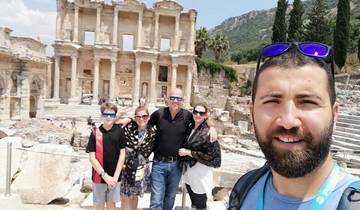
Ephesus Ancient City And House Of Mary Tour from Kuşadasi, Izmir
- ✓ Comprehensive Kusadasi tour
- ✓ Expert local guides included
- ✓ All accommodation arranged
- ✓ Transportation provided

4 days
Kusadasi Essentials – 4 Days with Ephesus & Pamukkale Tours
- ✓ Comprehensive Kusadasi tour
- ✓ Expert local guides included
- ✓ All accommodation arranged
- ✓ Transportation provided
3 days
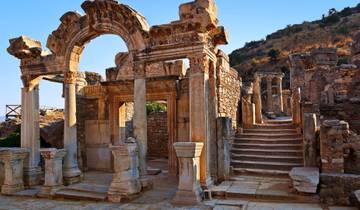
Kusadasi Essentials – 3 Days with Ephesus & Pamukkale Tours
- ✓ Comprehensive Kusadasi tour
- ✓ Expert local guides included
- ✓ All accommodation arranged
- ✓ Transportation provided
1 days
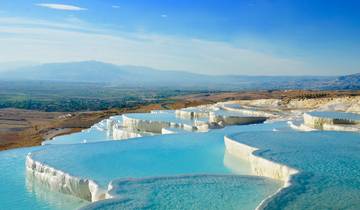
Daily Pamukkale Tour from Kusadasi
- ✓ Comprehensive Kusadasi tour
- ✓ Expert local guides included
- ✓ All accommodation arranged
- ✓ Transportation provided
Multi-day tour packages powered by TourRadar. Prices and availability subject to change.
Introduction
Kusadasi functions as the Mediterranean cruise world’s primary gateway to Ephesus, with 600+ annual cruise ship calls discharging hundreds of thousands of passengers along Turkey’s Aegean coast each year seeking UNESCO World Heritage exploration within compressed 6-10 hour port calls. This positioning creates unique planning dynamics unknown to independent travelers enjoying unlimited timing flexibility—cruise passengers must balance archaeological depth, transportation reliability, entrance logistics, and departure guarantees while navigating competitive shore excursion marketing, high-pressure shopping detours, and timing anxieties that transform potential cultural enrichment into stressful clock-watching.
The cruise port advantage lies in extraordinary Ephesus proximity compared to other Mediterranean UNESCO sites requiring lengthy transport from ports, with Kusadasi’s Ege Port positioning visitors just 18 kilometers from archaeological gates versus Pompeii’s 40+ kilometers from Naples cruise terminals or Athens’s 80+ kilometers from Piraeus to Delphi. This accessibility enables comprehensive morning Ephesus visits with afternoon port time for beach relaxation, Kusadasi town exploration, or shipboard activities, creating realistic full-day itineraries impossible when ports sit hours from primary attractions.
However, cruise passenger time constraints demand strategic planning unknown to multi-day independent travelers staying in nearby Selçuk hotels. Shore excursion decision-making involves complex trade-offs between cost savings (independent taxi $60-80 total), comprehensive value (third-party tours $60-135 per person), and maximum security (cruise line excursions $80-180 per person), with no universally correct answer suiting all passenger risk tolerances, budget priorities, and travel experience levels. First-time cruisers benefit from organized tour security, experienced travelers comfortable with timing management extract value from independent arrangements, while budget-conscious passengers accepting moderate risks find middle-ground third-party operator compromises.
This guide addresses cruise-specific planning requirements ignored by general Ephesus travel resources: port exit logistics, all-aboard time calculations, transportation reliability assessment, shopping stop management, weather contingencies, and missed-ship protocols transforming theoretical archaeological interest into successful practical execution within cruise constraints. Understanding these cruise-specific factors separates anxious, rushed, incomplete Ephesus experiences from confident, comprehensive, satisfying shore excursions matching personal priorities and risk tolerances.
Understanding Kusadasi Cruise Port Layout 2026
Kusadasi’s Ege Port occupies prime waterfront real estate in the town center, with cruise ships docking at dedicated berths along an extended pier placing vessels within 200 meters of downtown shopping districts, restaurants, and transportation hubs. This central positioning distinguishes Kusadasi from many Mediterranean cruise ports requiring shuttle buses or tenders connecting ship anchorages to shore facilities, as passengers walk directly from gangway through Scala Nuova Shopping Center into Kusadasi’s main bazaar area within 2-3 minutes.
The port facility features 8 dedicated cruise berths accommodating vessels from small luxury expedition ships to mega-cruise liners carrying 5,000+ passengers, with Global Ports Holding managing operations as the world’s largest cruise terminal operator ensuring professional passenger processing, security screening, and coordination with shore excursion providers. Multiple ships frequently dock simultaneously during peak season (April-October), creating crowded port exit conditions and transportation bottlenecks requiring patient navigation through security checkpoints, tour group meeting points, and taxi queues.
Scala Nuova Shopping Center functions as the port’s commercial interface, occupying the secure area between ship gangways and public town access with duty-free shops, currency exchange, ATM machines, cafes, and souvenir vendors targeting captive cruise passenger audiences. Prices inside Scala Nuova typically exceed downtown Kusadasi rates by 20-40%, making this convenient shopping location expensive versus walking 5 minutes into town proper for better value purchases. The shopping center also hosts shore excursion meeting points where third-party tour operators hold name signs gathering pre-booked passengers for organized departures.
Port exit procedures require passenger security screening, ship ID card scanning tracking disembarkation timing, and sometimes passport checks depending on Turkish immigration requirements for specific nationalities. EU citizens enter Turkey visa-free for 72 hours under cruise passenger provisions, while other nationalities should verify requirements with cruise lines before port arrival. Exit processing typically requires 10-20 minutes during peak morning disembarkation (8:00-10:00 AM) when thousands of passengers from multiple ships funnel through limited security lanes, versus 5-minute clearance during midday or afternoon off-peak hours.
Shore Excursion Options and Costs 2026
Cruise passengers face five primary shore excursion categories balancing cost, convenience, timing security, and experience quality, with no single option universally superior across all passenger priorities and circumstances. Understanding each option’s advantages, disadvantages, and cost structures enables informed decision-making matching personal risk tolerance, budget constraints, and travel experience levels.
Cruise Line Organized Shore Excursions ($80-180 Per Person)
Ship-organized Ephesus excursions represent maximum convenience and security at premium pricing, with cruise lines contracting local tour operators providing motor coach transport, licensed guides, entrance fees, and guaranteed return timing backed by cruise line liability for late arrivals. These excursions operate on strict schedules with 30-40 passenger tour groups, professional guide commentary in multiple languages, and predetermined itineraries visiting Ephesus main monuments, House of the Virgin Mary, Temple of Artemis, and typically mandatory shopping stops at carpet or ceramics workshops.
Pricing varies significantly by cruise line and excursion duration, with basic 4-hour Ephesus tours starting $80-100 per person, comprehensive 6-8 hour packages including lunch and multiple sites reaching $150-180 per person, and private vehicle options (minimum 4-6 passengers) commanding $200-300+ per person. These rates include all entrance fees, transportation, and guide services but exclude shopping purchases, photography fees in Terrace Houses, and personal expenses like bottled water or souvenirs.
The critical advantage lies in departure guarantees—if ship-organized excursions return late, vessels wait for delayed passengers or arrange alternative transport to next ports at cruise line expense. This insurance proves invaluable for anxious first-time cruisers, families with children, and passengers uncomfortable with independent timing management, justifying 50-100% price premiums versus independent options. Additional benefits include priority re-boarding lanes avoiding security queue congestion, professional coordination between shore excursion staff and ship departure schedules, and immediate problem resolution if transportation breaks down or emergencies arise.
Disadvantages include large tour group sizes (30-40 passengers) creating crowded monument experiences, rigid scheduling preventing personalized timing adjustments, mandatory shopping stops consuming 45-90 minutes better spent at archaeological sites, and premium pricing extracting maximum revenue from captive cruise passenger markets. Passengers comfortable with group tour dynamics and prioritizing security over cost find ship excursions ideal, while independent-minded travelers seeking flexibility and value pursue alternative arrangements.
Third-Party Licensed Tour Operators ($60-135 Per Person)
Independent tour companies operating from Kusadasi and Selçuk offer comprehensive Ephesus packages at 30-50% discounts versus cruise line pricing, pre-booking through websites like Viator, GetYourGuide, TripAdvisor Experiences, and direct operator websites guaranteeing passenger pickup at port exit with name signs identifying tour groups. These operators provide similar services to cruise line excursions—air-conditioned vehicles, licensed guides, entrance fees, and professional itineraries—while maintaining smaller group sizes (8-15 passengers), flexible timing, and optional shopping stop elimination based on passenger preferences.
Pricing structures vary by group size, inclusions, and operator quality, with budget options starting $60-80 per person for basic Ephesus tours, mid-range comprehensive packages including House of Virgin Mary and Terrace Houses running $85-120 per person, and premium small-group or private options reaching $135-180 per person. Critical considerations include verifying entrance fee inclusions (many budget tours exclude entrance fees requiring additional €55 per person for Ephesus plus Terrace Houses), understanding shopping stop policies, and confirming departure guarantee timing ensuring port return with adequate buffers.
Reputable third-party operators maintain professional standards comparable to cruise line excursions while delivering better value through direct booking eliminating cruise line commission markups (typically 40-50% of total passenger cost). Reviews on TripAdvisor, Viator, and Google provide reliability assessment identifying consistent performers versus opportunistic operators appearing only during cruise season. Established companies like Ephesus Breeze, Best of Ephesus, Ephesus Shuttle, and locally-owned family operations with decade-plus track records demonstrate departure reliability critical for cruise passenger confidence.
The key advantage combines cost savings with personalized service—third-party operators accommodate special requests (Upper Gate entry, extended site time, shopping stop elimination), adjust timing based on passenger energy levels, and provide individual attention impossible in 40-passenger cruise line groups. However, passengers booking third-party tours assume responsibility for return timing without cruise line backup if vehicles break down or guides misjudge schedules, making 60-90 minute return buffers essential versus 30-minute margins sufficient for ship-organized excursions.
Private Taxi Arrangements (€60-120 Round-Trip)
Independent travelers seeking maximum flexibility and cost efficiency hire private taxis at Kusadasi port for pre-negotiated round-trip rates including 4-5 hour total duration covering transport, waiting time, and return delivery. Yellow taxis wait outside Scala Nuova Shopping Center offering immediate availability, though advance arrangements through hotel concierges or online platforms guarantee fixed pricing and eliminate on-spot negotiation difficulties.
Pricing varies seasonally and by negotiation skill, with winter rates (November-March) averaging €60-80 for complete round-trip service, while peak summer season (June-August) commands €100-120 reflecting increased demand from multiple daily cruise ship arrivals. These rates cover taxi hire for 4-5 hours total, with drivers waiting at Ephesus during passenger site visits then providing return transport to port. Passengers should confirm pricing covers both directions plus waiting time before departure, specify Upper Gate drop-off and Lower Gate pickup for optimal downhill site walking, and exchange driver mobile numbers enabling contact if delays occur.
The primary advantage delivers complete timing control and route flexibility—passengers decide departure timing, site duration, photography stop frequency, and whether to add quick Temple of Artemis or Basilica of St. John visits within available time budgets. Taxis accommodate 1-4 passengers at flat rates making this option exceptionally economical for couples or small groups (€15-20 per person when splitting costs), while solo travelers pay full vehicle rates comparable to budget tour prices.
Critical disadvantages include lack of guide commentary requiring passengers to self-educate through audio guides, smartphone apps, or guidebooks, plus complete personal responsibility for timing management without professional backup if traffic delays or site visits exceed planned durations. Additionally, taxi drivers sometimes pressure passengers to visit carpet or ceramics shops (receiving sales commissions) requiring firm refusal maintaining schedule integrity. Experienced travelers comfortable with independent exploration and timing confidence succeed with taxi arrangements, while first-time visitors to Turkey or anxious passengers benefit from guided tour structure.
Public Dolmuş Transportation (€3-4 Total)
Budget-conscious adventurous travelers reach Ephesus via public dolmuş shared minibuses departing central Kusadasi for Selçuk, requiring Route #5 dolmuş from downtown bus stop (5-minute walk from cruise port) to Selçuk bus station (30-40 minutes, approximately 100 TL or €2-3), then transfer to Ephesus-bound dolmuş covering final 3 kilometers to archaeological site entrance (10 minutes, approximately 25-40 TL or €1). This rock-bottom transport option costs less than €5 round-trip versus €60+ taxi or $100+ tour prices, delivering massive savings for passengers accepting timing uncertainty and logistical complexity.
However, dolmuş travel presents significant cruise passenger challenges making this option suitable only for experienced budget travelers comfortable with Turkish public transport systems and fluent in basic Turkish phrases. Dolmuş minibuses depart when full rather than fixed schedules, creating 15-45 minute average wait times plus potential delays during low-demand periods. Return timing proves especially unpredictable, as Ephesus-to-Selçuk dolmuş may require 20-60 minute waits at site exit before sufficient passengers accumulate triggering departure, then Selçuk-to-Kusadasi connection adds another potential wait compounding delays.
The critical cruise passenger risk involves missed ship departures through public transport timing failures, traffic congestion, or underestimated travel duration consuming safety buffers. Passengers attempting dolmuş routes must allocate 90-120 minute return windows (versus 45-60 minutes for taxis or tours) accounting for worst-case scenario delays, effectively reducing site visit time from potential 3 hours to compressed 90-120 minutes making comprehensive Ephesus exploration impossible. Additionally, language barriers complicate dolmuş navigation, fare payments occur directly to drivers requiring correct Turkish lira amounts, and route changes or service disruptions lack English explanations creating confusion for foreign visitors.
Hybrid Independent Strategies
Savvy cruise passengers combine transportation options optimizing cost and convenience—taking taxis to Ephesus (securing return timing control) while hiring on-site freelance guides at entrance gates (€20-40 for 2-hour guided tour) delivering professional commentary at fraction of organized tour costs. This hybrid approach costs €80-120 total for couples versus $200-360 for equivalent cruise line private excursions, while maintaining flexibility and avoiding mandatory shopping stops.
Another successful strategy involves booking third-party tours for outbound transport and guide services, then arranging taxi returns for maximum site time flexibility. Passengers inform tour operators of independent return plans at tour start, enjoy professional guided site exploration, then hire waiting taxis at Ephesus Lower Gate for €30-40 direct port transport allowing extended photography or Terrace Houses visits beyond tour group schedules. This combination extracts maximum value from both options while maintaining departure security through multiple contingency layers.
Timing Your Ephesus Visit for Cruise Passengers 2026
Strategic timing management transforms cruise port Ephesus visits from stressful deadline anxiety into confident cultural experiences, requiring precise calculation balancing available port hours, transportation duration, site exploration needs, and critical safety buffers preventing ship abandonment scenarios. Most cruise passengers underestimate total time requirements by 60-90 minutes, creating last-minute rushing, incomplete site coverage, or dangerous departure time compression risking missed ships.
The timing calculation framework begins with ship’s published all-aboard time (typically 30 minutes before scheduled departure) working backward through required activities: port security clearance (10-20 minutes), transport from Ephesus to port (25-40 minutes accounting for traffic), site exit and taxi location (10-15 minutes), recommended safety buffer (30-60 minutes for independent arrangements, 15-30 minutes for organized tours), actual archaeological site exploration (2-3 hours minimum), entrance ticket purchase and security (10-15 minutes), and transport from port to Ephesus (20-30 minutes). Total minimum time requirement: 4.5-5.5 hours from port departure to required return, increasing to 6-7 hours for comprehensive visits including Terrace Houses and House of Virgin Mary.
Example timing scenario for 8:00 AM port arrival, 5:00 PM all-aboard time: Disembark ship 8:30 AM, clear port security 8:45 AM, meet taxi/tour 9:00 AM, arrive Ephesus Upper Gate 9:25 AM, purchase tickets/enter 9:40 AM, explore main monuments 9:40 AM-12:10 PM (2.5 hours), exit site/locate return transport 12:20 PM, depart Ephesus 12:30 PM, arrive port 1:00 PM, clear security 1:15 PM, board ship 1:20 PM. This schedule provides nearly 4-hour cushion before all-aboard deadline, accommodating traffic delays, extended site visits, or lunch stops while maintaining conservative safety margins preventing anxiety.
However, compressed port calls (arriving 11:00 AM, departing 5:00 PM = 6 hours total) force difficult trade-offs between site coverage and departure security. The calculation: 6 hours total minus 50 minutes transport, minus 30 minutes entrance/exit logistics, minus 60 minute safety buffer = 4 hours maximum available for site visit and contingency. This tight window allows just 2 hours actual Ephesus exploration when maintaining conservative safety buffers, requiring focused monument prioritization (Library of Celsus, Great Theatre, Curetes Street main highlights) over comprehensive coverage including Terrace Houses, secondary monuments, and thorough photography.
Passengers on very short port calls (4-5 hours total, common on positioning cruises or port-intensive itineraries) face impossible timing mathematics attempting Ephesus visits—the transport and logistics overhead alone consumes 2-2.5 hours, leaving inadequate site exploration time justifying the effort. These passengers benefit from alternative Kusadasi town activities (bazaar shopping, Pigeon Island fortress, Ladies Beach relaxation) versus rushing to Ephesus for superficial 60-90 minute glimpses providing minimal cultural value at high stress costs.
What to See at Ephesus in Limited Cruise Time 2026
Cruise passenger time constraints demand ruthless monument prioritization focusing on Ephesus’s absolute highlights delivering maximum historical impact and photographic satisfaction within compressed 2-3 hour site visits, versus independent travelers’ luxury of 5-6 hour comprehensive exploration examining every structure, inscription, and architectural detail. Understanding monument hierarchy and strategic routing prevents wasted time on secondary features while ensuring iconic Library of Celsus, Great Theatre, and Terrace Houses experiences justifying shore excursion investments.
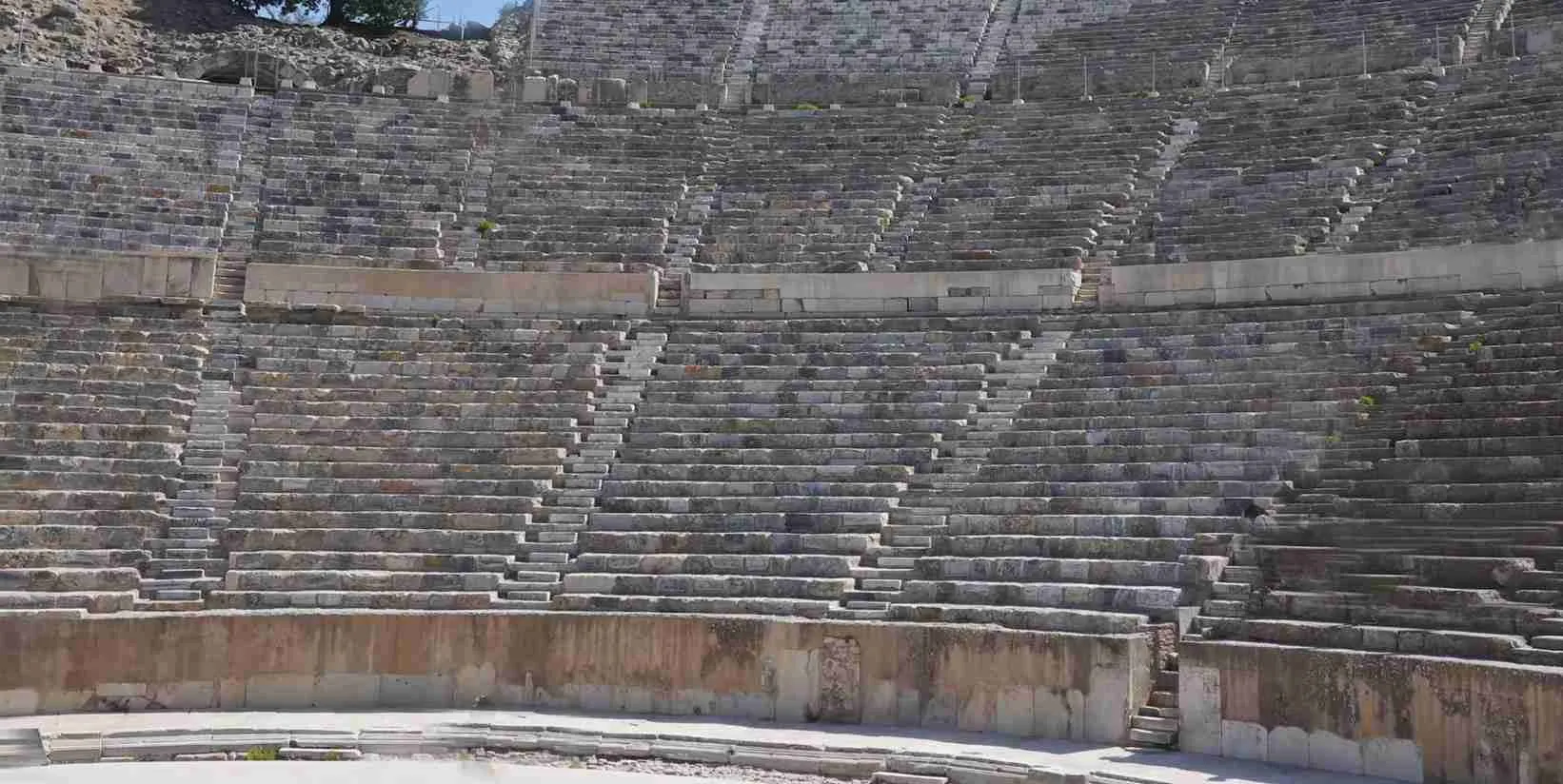
Priority 1 monuments (non-negotiable inclusions consuming 60-90 minutes): Library of Celsus facade (15-20 minutes for photography from multiple angles, facade detail examination, and tourist crowd navigation), Great Theatre (20-25 minutes climbing to upper levels, appreciating acoustics, panoramic valley photography, and historical context absorption), Curetes Street walking route (25-30 minutes for marble pavement experience, column architecture, fountain monuments, and connecting monuments between Library and Theatre), and Terrace Houses (30-40 minutes for fresco appreciation, mosaic examination, and aristocratic life understanding requiring additional €15 entrance fee).
Priority 2 monuments (include if time permits, adding 30-45 minutes): Temple of Hadrian decorative facade and relief carvings, Fountain of Trajan monumental water feature, Scholastica Baths Roman bathing complex, and Odeon small theater demonstrating varied performance venue architecture. These secondary highlights enhance Ephesus understanding and provide additional photography opportunities without requiring extensive time investments, fitting easily into 2.5-3 hour site visits when main monuments receive appropriate attention.
Priority 3 elements (skip on compressed schedules, luxury for extended visits): Upper residential areas beyond Terrace Houses, peripheral temples and civic buildings, informational plaque reading for every structure, and comprehensive photography of architectural details. Time-constrained cruise passengers should photograph main monuments efficiently (15-20 photos total versus 100+ photo comprehensive coverage), read only Library of Celsus, Great Theatre, and Terrace Houses informational plaques, and skip distant residential zones requiring additional walking without proportional reward.
Strategic routing maximizes limited time through efficient monument sequencing and directional planning. The optimal cruise passenger route enters at Upper Gate (taxi drop-off point) allowing continuous downhill progression through Terrace Houses → Curetes Street → Temple of Hadrian → Library of Celsus → Great Theatre → Lower Gate (taxi pickup point), consuming 2-3 hours in natural monument order without backtracking or uphill climbing exhausting time and energy. This routing matches tour bus operations (Upper Gate drop-off, Lower Gate pickup) but independent taxi passengers must specifically request this configuration versus default Lower Gate-only service.
Shopping Stop Management for Cruise Passengers 2026
Organized shore excursions from Kusadasi almost universally include 45-90 minute stops at Turkish carpet factories, ceramics workshops, or leather goods showrooms, creating controversial experiences cruise passengers describe as either fascinating cultural education or high-pressure sales manipulation consuming precious site visit time. Understanding shopping stop dynamics, sales tactics, and refusal strategies enables informed decisions protecting personal time priorities while respecting tour operator business models relying partially on sales commissions.
Tour operators receive substantial commissions (20-40% of sales) from carpet and ceramics merchants, creating financial incentives incorporating shopping stops into Ephesus itineraries despite passenger resistance. These stops feature professional presentations demonstrating traditional rug knotting techniques, ceramic painting artistry, or leather crafting skills, followed by showroom introductions where sales staff offer apple tea, engage friendly conversation, and eventually present pricing for items ranging from $50 small ceramics to $5,000+ silk carpets. The sales approaches combine genuine hospitality with sophisticated persuasion techniques—building rapport through cultural discussions, offering “special cruise passenger discounts,” and applying subtle pressure through repeat pricing presentations when initial refusals occur.
Passengers genuinely interested in Turkish carpets, ceramics, or leather goods find shopping stops valuable providing expert education, quality merchandise verification, and negotiation opportunities unavailable in Kusadasi bazaar tourist traps selling inferior reproductions at inflated prices. Authentic workshop visits deliver cultural insights into traditional crafts, fair artisan compensation, and free international shipping arrangements simplifying large purchase logistics. However, time-constrained passengers prioritizing archaeological site coverage resent mandatory 60-90 minute shopping detours reducing Ephesus exploration from potential 3 hours to compressed 90-120 minutes.
Refusal strategies vary by tour type and operator policies. Cruise line organized excursions rarely allow shopping stop opt-outs, as contracts between cruise lines and local operators mandate these stops with passengers accepting terms through excursion booking. However, polite but firm “no thank you” responses to sales presentations, remaining near exits, and clearly stating “we’re not shopping today” typically shortens individual engagement allowing 15-20 minute facility walkthrough versus 45-60 minute sales interactions. Third-party tour operators sometimes offer shopping-free alternatives when specifically requested during booking, charging $10-20 per person premium compensating lost commission income. Private taxi arrangements eliminate shopping stops entirely unless passengers request visits.
The strategic approach involves accepting shopping stops as cultural education opportunities (genuinely interesting demonstrations of traditional crafts), budgeting 45-60 minutes into total timing calculations, and maintaining polite but decisive purchase refusals protecting both time and budget. Passengers planning carpet or ceramics purchases benefit from shopping stop inclusion saving independent shopping time, while those uninterested minimize engagement through clear communication and exit positioning.
Entrance Fees and On-Site Costs 2026
Ephesus entrance fees follow Turkey’s standardized euro pricing for national heritage sites, with main archaeological area admission set at €40 per adult in 2026, while the famous Terrace Houses require separate €15 entrance fee beyond main site admission creating combined €55 total for comprehensive exploration including both outdoor monuments and covered residential museum spaces. Children under 8 enter free with passport proof of age, while students sometimes receive discounts with valid international student ID cards though policies vary by season.
Cruise ship shore excursions typically include Ephesus entrance fees in published package prices, though passengers should verify specific inclusions during booking as some budget tour operators advertise low headline prices excluding entrance fees requiring additional €40-55 per person cash payment at site gates. Third-party tour operator pricing structures vary—some include all entrance fees in advertised rates, others exclude Terrace Houses (requiring €15 additional), and budget operators may exclude all entrance fees entirely. Reading tour descriptions carefully and confirming fee inclusions prevents surprise expenses disrupting pre-planned budgets.
Independent travelers hiring taxis or using dolmuş transport pay all entrance fees directly at Ephesus ticket windows accepting credit cards (Visa, Mastercard) and cash (euros or Turkish lira at current exchange rates). Ticket purchase typically requires 5-10 minutes during cruise ship arrival peaks (10:00 AM-12:00 PM) when multiple tour groups queue simultaneously, versus 2-3 minute transactions during early morning (8:00-9:00 AM) or late afternoon (3:00-6:00 PM) off-peak periods.
Additional on-site costs include audio guide rentals (approximately €10 providing multilingual commentary synchronized to numbered monuments), bottled water from vendors near entrances (€2-3 versus €1 in Selçuk town), restroom access (free at main entrances, limited availability within site), and photography fees for professional/commercial equipment (standard tourist photography free). The Terrace Houses prohibit photography protecting fragile frescoes from flash damage, though enforcement varies and many visitors discreetly photograph without flash when guards aren’t watching—a practice violating stated policies and conservation ethics protecting 2,000-year-old artwork.
Weather Considerations for Kusadasi Cruise Calls 2026
Mediterranean cruise season concentrates April-October when weather conditions favor outdoor exploration, though seasonal variations significantly impact Ephesus visit experiences requiring clothing, hydration, and timing adjustments matching monthly climate patterns. Understanding weather expectations prevents discomfort, heat exhaustion, or inadequate rain protection compromising archaeological enjoyment.
Peak summer months (June-July-August) bring intense heat with temperatures regularly exceeding 35-40°C (95-104°F), minimal rainfall, and brutal midday sun exposure across Ephesus’s shadeless marble streets and exposed hillside locations. Cruise passengers visiting during summer peak must adopt early morning strategies (first shore excursion departures 8:00-8:30 AM arriving site opening) completing Ephesus exploration before dangerous 11:00 AM-3:00 PM heat peak, or accept compressed afternoon visits (2:00-4:00 PM departures) when temperatures begin declining though remaining uncomfortable. Essential summer preparation includes wide-brimmed sun hats, high-SPF sunscreen, lightweight breathable clothing covering shoulders and arms preventing sunburn, and 2-3 liters bottled water per person (vendors at site entrances charge €2-3 versus €1 purchased before departure).
Shoulder season months (April-May and September-October) deliver optimal Ephesus conditions with comfortable temperatures (20-28°C/68-82°F), occasional spring or autumn rains, and manageable crowd levels before/after peak summer crush. Light layering accommodates morning coolness and afternoon warmth, while compact umbrellas or rain jackets address brief Mediterranean showers occasionally interrupting otherwise pleasant days. These months represent ideal cruise timing combining weather comfort with extended site hours (8:00 AM-7:00 PM versus winter’s reduced 8:30 AM-5:30 PM operation).
Early and late season (March-April and October-November) introduce weather unpredictability with cool temperatures (15-22°C/59-72°F), increased precipitation probability, and wind exposure on Ephesus’s exposed hillside terrain. Passengers should pack light jackets, long pants, closed-toe shoes preventing marble slipperiness when wet, and flexible attitude accepting weather-adjusted itineraries. However, these periods also deliver uncrowded site experiences and dramatic lighting conditions for photography unavailable during peak season tourist density.
What If I Miss My Ship Departure 2026
Ship abandonment represents every cruise passenger’s nightmare scenario, occurring when passengers fail to return before all-aboard deadlines requiring independent port-to-port travel rejoining vessels at subsequent calls. Understanding prevention strategies, cruise line policies, and emergency procedures transforms abstract anxiety into concrete action plans minimizing both occurrence probability and consequence severity.
Prevention begins with conservative timing buffers—independent travelers should maintain 60-90 minute return margins (arriving port 60-90 minutes before all-aboard time), organized tour passengers need 30-45 minute buffers, while ship-organized excursions provide automatic protection through cruise line liability for delayed returns. These buffers accommodate traffic delays, site exit complications, transportation failures, and port security queuing preventing last-minute boarding stress. Passengers should also exchange mobile numbers with taxi drivers or tour guides enabling real-time communication if delays occur, carry ship contact information for emergency coordination, and wear watches synchronized to ship time (not local Turkish time if different) ensuring accurate deadline tracking.
Ship-organized shore excursion passengers enjoy guaranteed re-boarding even when tours return late—cruise lines hold departures for delayed ship-sponsored excursions or arrange alternative transport to next ports at cruise line expense, protecting passengers from abandonment consequences. This insurance justifies premium pricing for risk-averse travelers, though cruise lines emphasize policies don’t extend to independent arrangements or third-party tours absolving cruise lines from responsibility when passengers miss ships through independent activities.
However, real-world practice shows cruise lines sometimes extend courtesy assistance to independent passengers delayed through documented emergencies (medical issues, verified traffic accidents, natural disasters) versus deliberate timing negligence, evaluating circumstances case-by-case through port agents and ship management. Passengers should immediately contact ship’s guest services or port agent if delays threaten all-aboard compliance, explaining circumstances and requesting guidance rather than assuming abandonment without communication attempts.
When ship abandonment proves unavoidable, passengers face expensive independent travel to next port cities—reviewing cruise itineraries before shore excursions identifies subsequent ports and researches flight/train options as contingency planning (Istanbul flights from Izmir Airport, Athens connections via ferry or flights, etc.). Travel insurance covering missed departure scenarios reimburses transportation costs and accommodation expenses when policies include cruise-specific coverage (standard travel insurance often excludes cruise ship abandonment). Passengers should also contact cruise line immediately upon confirmed missing, as guest services coordinates with port agents arranging next-port reunification, holds passenger belongings, and processes any insurance claims through ship documentation.
Alternative Kusadasi Port Activities Beyond Ephesus 2026
Passengers choosing to skip Ephesus or completing morning archaeological visits enjoy diverse Kusadasi town activities requiring minimal transport and filling afternoon port time with beach relaxation, cultural exploration, or shopping experiences impossible during rushed shore excursions. Understanding these alternatives prevents post-Ephesus dead time returning to ships at 1:00-2:00 PM for 5:00 PM departures.
Pigeon Island (Güvercinada) occupies a small causeway-connected islet 400 meters from cruise port featuring 13th-century Byzantine/Ottoman fortress ruins, panoramic harbor views, and pleasant walking paths requiring 30-60 minutes exploration. The €3-5 entrance fee delivers surprising value through well-maintained gardens, interpretive signage explaining fortress history, and photography opportunities capturing cruise ships against historic battlements. Walking the causeway from port area requires 10 minutes, making this accessible independent activity for mobility-limited passengers avoiding Ephesus’s extensive walking demands.
Kusadasi beaches range from convenient but crowded Town Beach (500 meters beyond Pigeon Island, free access) to superior Ladies Beach and Long Beach (4-5 kilometers south requiring €5-10 taxi fares, better sand quality and facilities). Beach clubs offer sunbed rentals (€10-15 daily), umbrellas, changing facilities, and waterfront dining creating Mediterranean resort experiences complementing cultural Ephesus mornings. Swimming conditions prove excellent May-October with warm Aegean waters (22-26°C/72-79°F), minimal waves, and gradual depth entry suiting families with children.
The Grand Bazaar occupies Kusadasi’s old town district (5-minute walk from port) featuring hundreds of stalls selling carpets, ceramics, leather goods, jewelry, textiles, and souvenirs across covered market halls and open-air streets. Prices start inflated requiring negotiation skills (expect to pay 40-60% of initial asking prices through polite haggling), though quality and authenticity vary dramatically—tourist-grade reproductions dominate versus genuine traditional crafts requiring expert evaluation. Bazaar exploration provides cultural immersion and souvenir hunting within walking distance allowing flexible timing without tour group constraints or taxi dependencies.
Kusadasi’s caravanserai (Ottoman-era roadside inn) now houses shops, cafes, and a small museum explaining historical trading route functions, offering architectural photography and cultural context within 10-minute walk from port. The Kusadasi Castle provides additional fortress exploration and harbor views similar to Pigeon Island through separate site requiring 15-minute walk uphill from town center.
Frequently Asked Questions
Can I walk from Kusadasi cruise port to downtown in 2026?
Yes, downtown Kusadasi sits just 2-3 minutes walk from cruise ship gangways through Scala Nuova Shopping Center exit directly into the main bazaar district, Atatürk Boulevard waterfront promenade, and restaurant areas. This exceptional accessibility distinguishes Kusadasi from many Mediterranean cruise ports requiring shuttle buses or tenders connecting ships to shore facilities. The port’s central location enables passengers to disembark, clear security, and reach downtown cafes, shops, beaches, and attractions within 5-10 minutes walking without transportation costs or logistics. However, Ephesus archaeological site sits 18 kilometers from port requiring motor vehicle transport (taxis, tours, or dolmuş minibuses) as walking proves impossible given distance and highway infrastructure lacking pedestrian paths. Passengers exploring only Kusadasi town enjoy completely walkable experiences, while Ephesus visitors need transportation arrangements. The Scala Nuova Shopping Center at port exit offers immediate shopping and dining within secure terminal area, though prices exceed downtown Kusadasi rates by 20-40% making 5-minute walks to town worth effort for better values.
Do I need a visa to visit Ephesus from my cruise ship in 2026?
Cruise passengers enjoy special Turkey entry provisions differing from standard tourist visa requirements, with EU citizens entering visa-free for up to 72 hours using national ID cards or passports, while most other nationalities including US, Canadian, Australian, and UK citizens also receive visa-free cruise passenger entry for port calls not exceeding 72 hours shore time. These provisions eliminate advance visa applications and fees required for standard tourism visits, though passengers should verify current requirements with cruise lines before sailing as policies change periodically. Turkish immigration officers sometimes board cruise ships conducting passport checks before allowing disembarkation, or passengers present passports/ID cards at port exit security checkpoints for temporary entry stamps permitting shore access. Passengers planning independent overland travel beyond Kusadasi port area or extending stays after cruise departures may require standard tourist e-visas arranged online before arrival through Turkey’s official e-visa website. The 72-hour cruise passenger window covers virtually all Mediterranean itinerary Kusadasi calls ranging from 6-12 hour port visits, making visa complications rare for standard shore excursion participants.
What currency should I bring for Ephesus from my cruise in 2026?
Ephesus entrance fees price in euros (€40 main site, €15 Terrace Houses) accepting both euro cash and credit cards (Visa, Mastercard), while Turkish lira functions as standard currency for taxis, restaurants, dolmuş transport, and market purchases throughout Kusadasi and Selçuk. Most Kusadasi merchants near cruise port accept US dollars and euros at reasonable exchange rates (within 5-10% of official bank rates), making multiple currency carrying unnecessary for passengers uncomfortable with Turkish lira. However, the best value approach combines euro cash for Ephesus tickets (if paying independently), small amounts Turkish lira for incidental purchases (bottled water, snacks, dolmuş fares if using public transport), and credit cards for larger transactions at restaurants or shops. ATM machines line Kusadasi’s main streets dispensing Turkish lira at official bank exchange rates superior to currency exchange booths or merchant conversions, with most Turkish ATMs accepting international cards and providing English language options. Passengers should notify credit card companies about Turkey travel before cruising preventing fraud blocks when foreign transactions appear, carry card PINs enabling ATM withdrawals, and budget approximately €60-100 cash per person for independent Ephesus visits including entrance fees and incidental purchases. Organized tour participants need minimal cash as excursion prices cover entrance fees, though €20-40 per person proves useful for bottled water, souvenirs, or shopping purchases during tour stops.
Is Ephesus crowded when multiple cruise ships arrive in 2026?
Yes, Ephesus experiences significant crowding when 2-3+ cruise ships dock simultaneously at Kusadasi (common April-October during peak Mediterranean season), with thousands of shore excursion passengers converging on the archaeological site during narrow 10:00 AM-1:00 PM windows creating congested conditions at major monuments, long ticket queues, and difficult photography without tourist intrusions. Cruise ship arrival schedules are publicly viewable online through websites like CruiseMapper and CruiseTimetables, allowing independent travelers to check Kusadasi port calendars identifying heavy-traffic days (3+ ships = 8,000-15,000 potential passengers) versus light days (0-1 ships = minimal crowds). Strategic timing avoids worst congestion through very early departures (arriving Ephesus 8:00-9:00 AM before tour groups), late afternoon visits (after 3:00 PM when morning excursions depart), or choosing port call dates with minimal concurrent ships when research reveals lighter schedules. The Library of Celsus and Great Theatre suffer most from overcrowding as every tour group stops for 15-20 minute photography sessions, creating 50-100+ person bottlenecks during peak morning hours versus 10-20 person crowds during early/late timing. However, Ephesus’s vast scale (663 acres) and multiple monument distribution means secondary structures like Temple of Hadrian, Fountain of Trajan, and residential areas maintain manageable visitor densities even during peak arrivals. Terrace Houses limit visitor numbers through timed entry and capacity restrictions, sometimes creating 30-60 minute wait times during cruise peaks though protecting fresco viewing quality through crowd management. Passengers prioritizing solitude should consider alternative shore excursion destinations (House of Virgin Mary, Priene-Miletus-Didyma circuit) when cruise schedules reveal heavy Ephesus traffic, returning for independent Ephesus visits during future trips to Turkey allowing schedule control impossible during limited cruise port calls.
Can I bring kids to Ephesus from my cruise ship in 2026?
Yes, Ephesus welcomes family visitors with children under 8 entering free, though parents should carefully assess child ages, interests, and physical capabilities before committing to archaeological site visits requiring 2-3 hours walking across uneven marble streets under Mediterranean sun exposure. Young children (ages 2-6) often struggle with extensive walking distances, heat exhaustion risks, and limited engaging content compared to interactive museum experiences or beach activities better matching developmental needs and attention spans. The site offers minimal shade, no playgrounds or child-focused facilities, and monuments presenting primarily as architectural ruins lacking obvious kid appeal without adult context and historical framing. Additionally, strollers prove impractical across ancient marble pavements featuring steps, uneven surfaces, and narrow passages between monuments, while baby carriers function better for very young children though increasing parental physical exertion during extended walks. Older children (ages 8-14) with history interests and physical stamina to handle 3-4 kilometer walking enjoy Ephesus through engaging guide narratives, Great Theatre climbing, imagining ancient city life in residential areas, and photography opportunities creating positive family experiences. Strategic approaches include morning timing avoiding afternoon heat peaks, frequent rest breaks, generous water supplies (2-3 liters per child), educational preparation through age-appropriate books or videos building excitement, and realistic expectations accepting shorter site visits (90-120 minutes) versus comprehensive adult-paced coverage. Some cruise families split activities with one parent touring Ephesus while another supervises beach/pool time, reuniting for afternoon Kusadasi town exploration allowing both archaeological culture and child-appropriate recreation. The House of Virgin Mary presents more compact family-friendly alternative requiring just 30-40 minutes, offering peaceful mountain setting and spiritual significance without Ephesus’s physical demands. Ultimately, parents know their children’s capabilities best—kids enthusiastic about history and comfortable with walking succeed at Ephesus, while beach-oriented or younger children benefit from alternative Kusadasi activities preventing forced marches through ancient ruins breeding family frustration.
What happens if my shore excursion returns late to the ship in 2026?
Cruise line organized shore excursions carry implicit departure guarantees meaning ships wait for delayed excursion returns or arrange alternative passenger transport to next ports at cruise line expense, protecting passengers from abandonment consequences when official tour operators encounter traffic, vehicle breakdowns, or timing miscalculations. This protection represents cruise excursion’s primary value proposition justifying premium pricing, as passengers effectively purchase ship-departure insurance through excursion booking. Ship captains maintain constant communication with shore excursion managers monitoring tour progress, with authority to delay departures 30-90 minutes accommodating late returns though creating port fee penalties, schedule disruptions, and operational complications making such delays relatively rare. When tour delays appear inevitable, cruise lines proactively arrange faster alternative transport (helicopter transfers for cruise line-caused delays on high-value ships, charter flights to next ports, or expedited motor coach service) ensuring passenger reunification with minimal inconvenience. However, these guarantees extend exclusively to ship-organized excursions booked through cruise line systems—third-party tour operators, independent taxi arrangements, or passenger self-guided activities receive no ship-wait accommodations, with late passengers assuming complete responsibility for independent port-to-port travel rejoining vessels at subsequent calls. Even cruise line excursions face limits on wait obligations when passenger actions cause delays (wandering from tour groups, excessive shopping preventing timely returns, medical emergencies from passenger negligence), though cruise lines generally err toward passenger protection unless clear negligence appears. The practical reality shows cruise captains weighing delay costs against passenger numbers affected—delaying ships for 40-person shore excursion groups proves economically justifiable, while two passengers missing ship through independent activities rarely warrant schedule disruptions impacting 2,000-4,000 passengers. This calculus explains why ship-organized excursions justify premium pricing for risk-averse travelers prioritizing departure security over cost savings, while experienced cruisers comfortable with timing management successfully execute independent activities saving $50-100 per person versus ship excursion rates.
Should I book shore excursions in advance or wait until onboard in 2026?
Advance shore excursion booking through cruise line websites 60-90 days pre-sailing delivers optimal pricing, selection, and timing control compared to onboard booking after embarkation, with popular Ephesus tours often selling out months ahead during peak Mediterranean season (June-August) leaving only limited availability or waiting lists for shipboard purchasers. Cruise lines release shore excursion inventory approximately 90-120 days before sailing dates, with early bookers securing preferred departure times (early morning for beat-the-heat Ephesus visits), small-group options limiting tour sizes, and sometimes early-booking discounts (10-15% off retail rates through periodic promotions). Additionally, advance booking allows itinerary research, review reading on third-party sites (CruiseCritic, TripAdvisor), and alternative provider comparison impossible during compressed onboard booking windows. However, advance purchase requires prepayment with cancellation policies varying by cruise line (typically full refunds until 3-7 days before sailing, then decreasing refund percentages), creating commitment before knowing weather forecasts, physical condition, or interest levels. Shipboard booking provides flexibility assessing actual conditions, health status, and peer recommendations from earlier port calls before committing to excursions, though accepting risks of sold-out popular tours and higher last-minute pricing. The strategic approach combines advance booking for must-do excursions (Ephesus for first-time Turkey visitors) securing guaranteed availability, while leaving some port calls unbooked for spontaneous decisions based on shipboard atmosphere and conditions. Third-party tour operators offer even earlier booking windows and cancellation policies superior to cruise lines (often free cancellation 24-48 hours before tours), enabling reservation security without permanent commitment. Budget-conscious travelers benefit from advance third-party booking at $60-135 versus cruise line’s $80-180 for equivalent tours, while conservative passengers prioritize cruise line excursion departure guarantees regardless of premium pricing. Ultimately, popular ports like Kusadasi benefit from advance planning and booking securing preferred tour times and competitive pricing, while obscure or weather-dependent ports accept wait-and-see approaches managing uncertainty through flexibility.
Can I visit both Ephesus and Pamukkale from Kusadasi port in 2026?
Theoretically yes but practically inadvisable, as Pamukkale sits 180 kilometers (3 hours drive each direction) from Kusadasi requiring 6 hours minimum transport alone before accounting for actual site visit time, making combined Ephesus-Pamukkale itineraries impossible within standard 8-10 hour cruise port calls without dangerously compressed schedules risking ship departure misses. Some tour operators advertise “Ephesus and Pamukkale combo” shore excursions promising both UNESCO sites in single-day packages, though reality involves rushed 45-60 minute visits at each location, exhausting 12-14 hour days, and minimal cultural depth reducing world-class heritage sites to photo-stop tourism lacking meaningful engagement. These combination tours typically depart port 7:00-8:00 AM returning 6:00-8:00 PM, visiting Pamukkale first (3 hours drive, 45-60 minute site visit including white terraces and Hierapolis ruins), then Ephesus (3 hours return drive, 60-90 minute compressed archaeological tour), with lunch and shopping stops extending total duration. The result satisfies neither site properly—Pamukkale deserves 2-3 hours exploring thermal terraces, ancient Hierapolis theater, necropolis, and Antique Pool, while Ephesus requires equal time covering Library of Celsus, Great Theatre, Terrace Houses, and Curetes Street monuments. Passengers attempting both compromise quality for quantity, return exhausted with superficial impressions, and risk ship departures through unavoidable traffic delays on long-distance rural highways. The recommended approach dedicates full port call to Ephesus (18 kilometers, 25 minutes transport allowing 4-5 hours quality site time), then plans separate future Turkey land travels or multi-night cruise port hotel stays enabling proper Pamukkale visits without cruise timing constraints. Alternatively, some cruise itineraries include overnight Kusadasi port calls or consecutive sea days allowing extended shore time supporting overnight Pamukkale excursions staying in thermal spa hotels, though these remain rare on standard Eastern Mediterranean cruise routes. Passengers genuinely committed to both sites benefit from pre-cruise or post-cruise land extensions staying Selçuk (near Ephesus) and Pamukkale several nights each, delivering comprehensive experiences impossible during compressed single-day cruise port visits.
What should I do if I have mobility limitations visiting Ephesus from my cruise in 2026?
Ephesus presents significant accessibility challenges for wheelchair users and mobility-limited visitors due to ancient marble streets’ uneven surfaces, continuous hillside slopes, numerous monument steps, and limited infrastructure modifications protecting archaeological integrity over accessibility enhancement, though strategic planning and realistic expectations enable partial site experiences for many mobility-limited cruise passengers. The main route from Upper Gate to Lower Gate follows continuous downhill grade manageable for ambulatory visitors using walking aids (canes, walkers) when maintaining slow pacing and accepting frequent rest breaks, though 2,000-year-old marble paving creates uneven surfaces, missing stones, and drainage grooves requiring careful navigation avoiding trips and falls. Major monuments like Library of Celsus and Great Theatre offer viewing from street level or lower seating areas accessible without extensive stair climbing, while Terrace Houses prohibit wheelchair access through elevated walkway systems with stairs preventing entry to exceptional residential frescoes and mosaics representing site highlights. Wheelchair users succeed through private tour arrangements with experienced guides knowledgeable about accessible routes, vehicle positioning minimizing walking distances, and realistic expectations about achievable coverage within mobility constraints. Some visitors hire site-entrance wheelchairs (limited availability, advance inquiry recommended through tour operators) with companions pushing across marble pavements and navigating uneven terrain, though physical exertion and directional challenges make this demanding for assistants. The recommended approach involves Upper Gate taxi drop-off allowing maximum downhill gravity assistance, focus on main route highlights (Library of Celsus facade photography, Great Theatre lower level viewing, Curetes Street marble pavement experience) versus comprehensive monument coverage, generous timing without rushing, and Lower Gate taxi pickup minimizing return uphill walking. Tour operators specializing in accessible travel (advance booking required) provide professional assistance, realistic itinerary planning, and contingency options when site conditions prove more challenging than anticipated. However, passengers requiring continuous wheelchair use or with severe mobility limitations should consider alternative shore excursions—House of Virgin Mary presents more accessible compact site on level ground, Ephesus Archaeological Museum in Selçuk offers climate-controlled wheelchair access to artifacts removed from site, or Kusadasi town exploration and beach relaxation avoid archaeological terrain challenges entirely. The fundamental reality remains that Ephesus, as 2,000-year-old unmodified archaeological remains, cannot accommodate modern accessibility standards without compromising heritage preservation, requiring mobility-limited visitors to balance partial access against complete exclusion through thoughtful planning and assistant support.
Are there English-speaking guides available at Ephesus for cruise passengers in 2026?
Yes, Ephesus offers abundant English-speaking guide services ranging from cruise line and third-party tour operator included guides (automatically provided with organized excursions) to freelance independent guides available for hire at site entrances serving independent travelers arriving via taxi or dolmuş transport. Cruise line shore excursions guarantee professional English guides (plus other language options including Spanish, German, French, Italian, Chinese, Japanese depending on passenger demographics) trained specifically for tourist group management, basic archaeological content delivery, and timing coordination ensuring ship-return compliance. Third-party tour operators similarly provide English-speaking licensed guides as standard package inclusions, though quality varies by operator reputation and guide individual knowledge depth. Independent travelers hiring on-site freelance guides at Ephesus entrance gates negotiate €20-40 per person pricing (2-hour standard tour coverage) with guides displaying official licensing badges proving Turkish Ministry of Culture qualification including archaeological training, English proficiency testing, and annual certification renewals. These freelance guides range from exceptional scholars delivering PhD-level historical insights to basic tour leaders covering surface facts without deeper context, making advance research through review sites (TripAdvisor, Google) valuable when possible though on-site hiring requires evaluating guides through brief conversations, credential verification, and pricing transparency. Audio guide rentals provide alternative English commentary (approximately €10) through smartphone-like devices with numbered monument content synchronized to site markers, delivering professional historical narration without live guide costs though lacking personalization, question-answering capability, and timing flexibility. Some independent travelers combine audio guides with site maps and guidebooks creating self-guided experiences, while others prefer professional guide investment extracting maximum educational value through expert explanation, architectural detail identification, and historical context delivery impossible through self-guided exploration. The fundamental advantage of organized tours lies in guaranteed guide quality and English proficiency eliminating on-site evaluation needs, while independent travelers accessing freelance guides benefit from cost savings and personalized attention though accepting variable quality risks requiring careful provider selection.