
Dubrovnik Budget Guide 2026: Complete Cost Breakdown
Dubrovnik’s medieval walls and crystalline Adriatic coastline command premium prices, but strategic planning transforms this Croatian jewel into an accessible destination. Budget travelers spend €70-110 daily while mid-range visitors average €150-250, with shoulder season rates dropping 30-40% below summer peaks. Understanding when to visit, where to stay, and how to navigate the city’s two-tier pricing structure makes the difference between stretching your euros and watching them evaporate in the Old Town’s tourist corridors.
Key Takeaways
- Dubrovnik accommodation ranges from €60-120 nightly in hostels during high season to €350-800+ in luxury hotels, with shoulder season offering 30-40% savings and private apartments providing the best mid-range value at €150-300 per night
- The city operates two distinct price zones: Old Town restaurants charge €20-40 per person for meals while Lapad and Babin Kuk neighborhoods offer identical quality for €15-25, with local buses connecting both areas for just €1.73
- Major attractions follow seasonal pricing: City Walls cost €40 March through November (€20 December-February), cable car tickets run €27-30 for adults, and the Dubrovnik Pass at €40+ includes unlimited transport plus multiple museum entries
- Daily budgets in 2026 break down to €70-110 for budget travelers using hostels and self-catering, €150-250 for mid-range visitors in private apartments dining at mix of restaurants and self-prepared meals, and €300+ for luxury experiences in premium hotels with fine dining
- Visiting during shoulder seasons (April-May or late September-October) reduces costs by 30-40% compared to June-August peak season while maintaining warm weather and open attractions, with November-March offering up to 60% savings but reduced hours and colder temperatures
- Strategic cost-cutting moves include staying in Lapad or Babin Kuk (15-minute bus ride from Old Town), shopping at Konzum or Plodine supermarkets rather than Old Town convenience stores, taking the 1-hour €1.73 bus ticket instead of €2.50 single rides, and booking accommodation 4-6 months ahead for best rates
People Also Ask About Dubrovnik Budget 2026
How much does Dubrovnik cost per day in 2026?
Dubrovnik costs €70-110 daily for budget travelers, €150-250 for mid-range visitors, and €300+ for luxury experiences in 2026. Budget travelers staying in hostels (€60-120 per night split between dormmates), self-catering most meals from supermarkets (€15-25 daily), using public buses (€5.31 daily pass), and visiting one major paid attraction spend approximately €85 per person daily. Mid-range travelers in private apartments (€150-300 nightly for two), eating half meals in restaurants (€35-50 daily per person), using occasional taxis, and visiting multiple attractions average €180-200 daily. These figures exclude international flights but include accommodation, food, local transport, and activities.
Is accommodation expensive in Dubrovnik in 2026?
Dubrovnik accommodation in 2026 ranks among Croatia’s most expensive, with high season (June-August) hostel beds costing €60-120 per night, mid-range apartments €150-300, and luxury hotels €350-800+. However, strategic timing and location selection dramatically reduce costs: shoulder season (April-May, September-October) drops prices 30-40% while November-March offers up to 60% savings. Staying in Lapad or Babin Kuk neighborhoods rather than Old Town cuts accommodation costs 30-50% while maintaining quality, with efficient bus service (€1.73 per ride) connecting these areas to the historic center in 10-15 minutes. Booking 4-6 months in advance secures best rates, especially for summer travel when prime properties fill rapidly.
What are restaurant prices in Dubrovnik 2026?
Restaurant prices in Dubrovnik 2026 vary dramatically by location and establishment type. Old Town restaurants charge €20-40 per person for main courses excluding drinks, with total meal costs including wine or beer reaching €35-50 per person. Neighborhoods outside the walls (Lapad, Babin Kuk, Gruž) offer identical Croatian cuisine quality for €15-30 per person in local konobas. Budget options include Mlinar bakery pastries (€2-3), burek from local bakeries (€3-5), and fast food meals (€8-12 at McDonald’s or similar). Fine dining establishments charge €50-80+ per person with waterfront views commanding premium prices. Self-catering from supermarkets costs €15-25 daily for groceries, representing the most economical approach for budget-conscious travelers.
When is the cheapest time to visit Dubrovnik in 2026?
November through March 2026 offers the cheapest Dubrovnik prices with accommodation costs dropping up to 60% below summer peaks, though many restaurants operate reduced hours and weather turns cooler with average temperatures 10-15°C. April-May and late September-October provide the optimal value balance: prices run 30-40% below June-August levels while maintaining warm swimming weather (18-24°C), full restaurant hours, and all attractions operating normal schedules. February marks the absolute low point for accommodation and dining costs but trades sunny beach weather for winter conditions. Budget travelers willing to sacrifice peak summer atmosphere save substantially in shoulder seasons while mid-range visitors enjoy luxury experiences at mid-range prices during these periods.
Extended multi-day tours – 5+ days
Featured Dubrovnik Multi-Day Tour Packages
3 days
Dubrovnik 3-Day Discovery Tour
- ✓ Comprehensive Dubrovnik experience
- ✓ Expert local guides included
- ✓ All accommodation included
- ✓ Transportation provided

5 days
Dubrovnik 5-Day Highlights Experience
- ✓ Comprehensive Dubrovnik experience
- ✓ Expert local guides included
- ✓ All accommodation included
- ✓ Transportation provided

7 days
Dubrovnik 7-Day Cultural Journey
- ✓ Comprehensive Dubrovnik experience
- ✓ Expert local guides included
- ✓ All accommodation included
- ✓ Transportation provided

10 days
Dubrovnik 10-Day Complete Adventure
- ✓ Comprehensive Dubrovnik experience
- ✓ Expert local guides included
- ✓ All accommodation included
- ✓ Transportation provided
Multi-day tour packages powered by TourRadar. Prices and availability subject to change.
Introduction
Dubrovnik’s UNESCO World Heritage Old Town, baroque architecture, and Game of Thrones filming locations draw millions of annual visitors to Croatia’s southern coast, creating a destination where pricing reflects both premium positioning and overtourism pressures. The medieval walled city commands rates 20-30% higher than other Croatian destinations like Split or Zagreb, yet strategic planning and local knowledge transform Dubrovnik from budget-breaking to accessible across multiple spending tiers.
The 2026 budget landscape divides into three distinct visitor categories with corresponding daily expenditures. Budget travelers allocating €70-110 per person daily navigate hostel dormitories, supermarket meals, and public transport while experiencing the city’s architectural grandeur and free beach access. Mid-range visitors spending €150-250 daily enjoy private apartments, restaurant dining mixed with self-catering, and comprehensive attraction access. Luxury travelers exceeding €300 daily secure five-star hotels, fine dining, private tours, and premium experiences.
Location decisions fundamentally impact spending patterns. Old Town accommodation commands 30-50% premiums over identical quality properties in Lapad or Babin Kuk, neighborhoods connected by €1.73 bus rides requiring 10-15 minutes transit time. Similarly, Old Town restaurants charge €20-40 per person for meals while neighborhood konobas serve equivalent Croatian specialties for €15-30, with the same local fish, grilled meats, and traditional preparations.
Seasonal timing creates the second major cost variable. June through August high season prices peak 50-100% above shoulder season rates, with accommodation particularly volatile. A mid-range apartment costing €250 nightly in July drops to €150-180 in May or October while maintaining identical amenities and location. November through March slashes costs up to 60% but reduces service availability and weather quality, creating trade-offs between savings and experience.
Dubrovnik’s pricing structure reflects its dual identity: a genuine Croatian city serving local residents alongside one of Europe’s premier tourism destinations. Understanding which neighborhoods locals frequent, where families shop for groceries, and how public transport connects these areas enables budget-conscious travelers to access authentic experiences at Croatian rather than tourist prices. The €1.73 local bus ticket versus €35 taxi ride exemplifies these parallel economies operating within the same compact geography.
This comprehensive budget guide dissects every cost category affecting 2026 visits: accommodation pricing across neighborhoods and seasons, detailed restaurant and grocery costs, transportation options with exact fares, attraction entrance fees including recent price changes, and proven money-saving strategies from extended Croatia residents. Each section provides specific euro amounts verified through 2025-2026 data, enabling accurate budget forecasting and informed decisions about timing, location, and spending priorities.
Understanding Dubrovnik Costs in 2026
Dubrovnik operates as Croatia’s most expensive destination, with prices exceeding other Adriatic cities by 20-30% on average. This premium reflects UNESCO World Heritage status, limited Old Town space creating accommodation scarcity, cruise ship tourism concentrating thousands of day-trippers into compact areas, and international recognition driving demand. However, the city’s pricing contains substantial variation based on geographic zones, timing, and visitor knowledge of local alternatives.
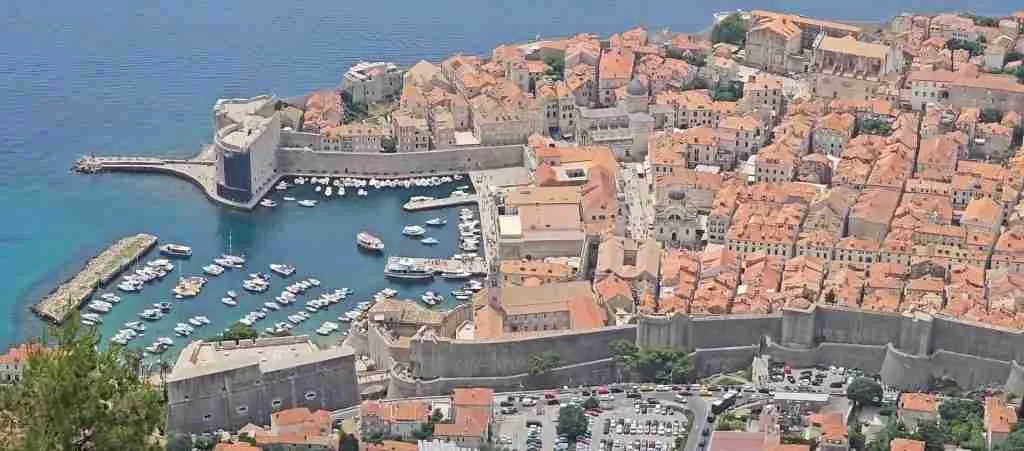
The Old Town walls encircle approximately 2 square kilometers of medieval architecture where space constraints and tourism demand converge to create premium pricing for everything from accommodation to coffee. Restaurants inside the walls charge €6-8 for cappuccino compared to €2.50-3.50 in neighborhoods beyond Pile Gate. This pattern repeats across categories: convenience stores, gelato shops, and souvenir vendors all add 30-60% markup for Old Town locations compared to identical products sold in Lapad or Gruž.
Dubrovnik’s geography concentrates tourism into easily accessible zones while local life continues in surrounding neighborhoods. Lapad Peninsula, Babin Kuk, and Gruž harbor area host residential communities where Croatian families shop at Konzum and Plodine supermarkets, eat at neighborhood konobas, and use the same Libertas orange buses connecting all districts. These areas maintain Croatian pricing levels rather than tourist-inflated costs, yet sit just 2-4 kilometers from Old Town with frequent bus service and 10-20 minute transit times.
Currency conversion affects budget planning as Croatia uses the euro since January 2023, simplifying calculations for European Union visitors but requiring attention to exchange rates for Americans, Britons, and other non-euro travelers. Credit cards enjoy widespread acceptance including contactless payment on city buses, though small bakeries and market stalls sometimes operate cash-only. ATMs throughout the city dispense euros at standard exchange rates, with bank-affiliated machines offering better rates than standalone currency exchange offices.
Dubrovnik pricing follows clear seasonal patterns tied to weather, cruise ship schedules, and European vacation periods. High season (June-August) sees accommodation costs peak, restaurants fill to capacity, and attractions operate extended hours while charging premium rates. Shoulder seasons (April-May, September-October) maintain pleasant weather with sea temperatures reaching 18-24°C while prices drop 30-40% and crowds thin substantially. Winter months (November-March) slash costs up to 60% but trade warm Mediterranean climate for cooler temperatures and reduced service availability.
Budget planning requires understanding that daily costs vary dramatically based on choices within each category. Two travelers can visit simultaneously with one spending €75 daily (hostel dormitory, supermarket food, walking everywhere, free beach time) while another spends €350 daily (luxury hotel, restaurant meals, guided tours, cable car rides) for fundamentally similar experiences of the same city. The difference lies in accommodation selection, dining location awareness, transport choices, and activity prioritization rather than access to Dubrovnik’s core attractions and natural beauty.
Accommodation Costs Dubrovnik 2026
Accommodation represents the largest single expense category for most Dubrovnik visitors, with nightly rates ranging from €60 in high-season hostel dormitories to €800+ in five-star luxury properties. Strategic selection of neighborhood, property type, and booking timing creates substantial cost variation within identical quality and amenity levels, making accommodation decisions the primary lever for overall budget management.
Budget Accommodation (€60-120 Per Night High Season)
Hostel dormitories in Dubrovnik cost €60-120 per bed during June-August high season, with prices dropping to €30-60 during April-May and September-October shoulder seasons. Most hostels operate in Lapad and Gruž neighborhoods rather than within Old Town walls where limited building stock and preservation requirements restrict hostel development. Rooms Garden hostel and similar properties offer basic dormitories with shared bathrooms, common kitchens enabling self-catering, and social spaces encouraging traveler interaction.
Private rooms in guesthouses provide budget-conscious alternatives to dormitory accommodation, typically costing €80-150 nightly for two people during high season. These family-run properties operate throughout residential neighborhoods, offering simple rooms with private bathrooms, occasional breakfast inclusion, and local host knowledge about non-touristy restaurants and activities. Quality varies significantly, making review research essential before booking.
Budget accommodation location strategy centers on Lapad Peninsula and Gruž harbor area, both offering frequent bus service to Old Town (lines 4, 6, and 8 from Lapad; lines 1A, 1B, and 3 from Gruž) with 10-15 minute transit times. These neighborhoods host supermarkets, local bakeries, and Croatian-priced restaurants while maintaining residential character and beach access. Staying here rather than Old Town vicinity saves 40-50% on accommodation while adding minimal transit time or complexity.
Mid-Range Accommodation (€150-300 Per Night)
Private apartments dominate Dubrovnik’s mid-range accommodation landscape, offering superior value compared to hotels at equivalent price points. These properties cost €150-300 nightly during high season for units sleeping 2-4 people, typically including full kitchens, washing machines, separate bedrooms and living areas, and balconies with sea or city views. Lapad and Babin Kuk concentrations provide the best value, with properties 1-2 kilometers from Old Town costing 30-40% less than equivalent apartments within 500 meters of the walls.
Three-star hotels in Dubrovnik charge €180-280 per night for double occupancy including breakfast, positioning them at the high end of mid-range budgets. Properties like Grand Hotel Park in Lapad offer outdoor pools, spa facilities, multiple restaurants, and beach access alongside standard hotel amenities. The breakfast inclusion justifies slightly higher rates compared to apartments for travelers prioritizing convenience over kitchen facilities and preferring buffet variety to supermarket shopping.
Booking platforms including Booking.com, Airbnb, and Vrbo list thousands of Dubrovnik properties with filtering options for neighborhood, price, amenities, and guest ratings. Advance booking 4-6 months ahead of June-August travel secures best rates and selection, particularly for properties combining prime locations with competitive pricing. Last-minute bookings during high season force acceptance of remaining inventory at premium prices or locations far from main attractions.
Luxury Accommodation (€350-800+ Per Night)
Five-star hotels in Dubrovnik command €350-800+ nightly rates, with properties like Hotel Excelsior, Hilton Imperial Dubrovnik, and Rixos Premium Dubrovnik offering premium positioning near Old Town walls, Michelin-level restaurants, infinity pools, private beaches, and comprehensive spa facilities. These establishments cater to luxury travelers prioritizing service quality, waterfront views from rooms and restaurants, and walking access to major attractions.
Boutique hotels within Old Town walls occupy restored historic buildings, offering 6-12 room intimate properties with rates starting €400 nightly. Prijeko Palace and similar establishments feature individual artist-designed rooms, in-room breakfast service, and locations directly on Stradun (main street) enabling immediate access to city walls, restaurants, and evening atmosphere. The Old Town location eliminates all transportation needs while immersing guests in medieval architecture and evening ambiance after day-trippers depart.
Villa accommodations in exclusive areas like Ploče or Sveti Jakov provide privacy and space for families or groups, with nightly rates €600-1200 for properties sleeping 6-8 people. These rentals include infinity pools, multiple bedrooms and bathrooms, outdoor terraces with Adriatic views, and occasional staff service for cleaning and breakfast preparation. The per-person cost becomes competitive with four-star hotels when occupancy reaches six people, making villas economical for larger groups seeking luxury experiences.
Accommodation Booking Strategy 2026
Optimal booking timing follows a 4-6 month advance window for high season travel, balancing early-bird rate availability against excessive advance commitment. Properties release summer inventory in February-March, with initial pricing typically running 10-20% below peak rates to encourage early bookings. Waiting until May-June for July-August stays forces acceptance of remaining inventory at full rates or less desirable locations requiring longer transit to attractions.
Shoulder season (April-May, September-October) permits 2-3 month advance booking while still securing good rates and selection, as demand pressure eases substantially outside June-August peaks. These periods offer identical apartment and hotel quality at 30-40% below summer rates while maintaining warm weather and full service availability, creating optimal value for budget-conscious travelers willing to work around European vacation schedules.
Cancellation policy attention proves essential given Dubrovnik’s weather variability and travel plan changes. Free cancellation options (typically available until 7-14 days before arrival) cost 5-10% more than non-refundable rates but provide flexibility if circumstances change or better-priced options emerge. Non-refundable bookings make sense only when travel plans are certain and the price discount exceeds 15-20%.
Neighborhood selection impacts total trip costs beyond just accommodation rates. Staying in Old Town eliminates all transportation expenses while providing evening atmosphere access, but commands 40-50% accommodation premiums and forces acceptance of tourist-priced restaurants for most meals. Lapad and Babin Kuk offer beach access, local-priced dining, supermarket convenience, and frequent bus service while saving €50-100 nightly on equivalent quality accommodation compared to Old Town vicinity properties.
Food and Dining Expenses Dubrovnik 2026
Dubrovnik dining costs span from €2-3 bakery pastries to €80+ fine dining experiences, with location and establishment type creating more price variation than food quality or portion size. Understanding neighborhood pricing zones, identifying local-frequented restaurants versus tourist traps, and balancing restaurant meals with supermarket self-catering enables daily food budgets ranging from €15 for aggressive budget travelers to €100+ for luxury dining enthusiasts.
Budget Dining Options (€7-15 Per Meal)
Mlinar bakery operates multiple Dubrovnik locations including outlets in Lapad and near the main bus station, serving fresh pastries for €2-3, sandwiches €3-5, and pizza slices €4-6. These Croatian chain bakeries provide quick breakfast or lunch options at local prices rather than tourist markups, with vegan pastry selections and coffee €1.50-2 completing budget meal possibilities. Quality matches Western European bakery standards with flaky burek (cheese or meat pastries), fresh bread, and daily-baked goods.
Burek from traditional bakeries costs €3-5 for substantial portions of this savory pastry filled with cheese, meat, or spinach. Local bakeries throughout residential neighborhoods serve burek fresh throughout morning hours, offering authentic Croatian street food at prices reflecting local purchasing power rather than tourist budgets. Pair with yogurt drink (€1-2) for complete traditional breakfast matching what Croatian families consume daily.
Fast food establishments including McDonald’s, Burger King, and local quick-service restaurants charge €8-12 for complete meals with burger, fries, and drink. These prices match European fast food standards while providing familiar options for travelers seeking predictable quality and quick service. Local fast food like ćevapi (grilled minced meat sausages) from casual restaurants costs €7-10 for servings including bread and onions.
Self-catering from supermarkets enables daily food costs of €15-25 per person when shopping at Konzum, Plodine, Tommy, or DM markets located throughout Dubrovnik. Local cheese costs €7-15 per kilogram, fresh bread €1-2 per loaf, seasonal fruits and vegetables €2-5 per kilogram, and Croatian wine €5-10 per bottle for quality domestic production. Preparing breakfast and lunch while dining out for dinner creates balanced budget management between savings and dining experience.
Mid-Range Restaurant Dining (€20-40 Per Person)
Konoba restaurants in Lapad, Babin Kuk, and Gruž neighborhoods serve traditional Croatian cuisine for €15-30 per person including main course, side dish, and beverage. These family-run establishments offer grilled fish (€18-28 depending on type and weight), grilled meats (€12-20), risottos (€12-18), and pasta dishes (€10-16) with portion sizes suited to Croatian appetites rather than tourist expectations. Quality matches or exceeds Old Town restaurants charging €20-40 for identical dishes.
Old Town restaurant pricing adds 30-50% markup over neighborhood equivalents, with main courses costing €18-35 before drinks and sides. Total meal costs including house wine (€5-8 per glass) or beer (€5-7), side dishes (€4-6), and bottled water (€3-4, as tap water remains uncommon) reach €35-50 per person. The premium buys medieval ambiance, people-watching from Stradun terraces, and walking distance from accommodation for Old Town hotel guests.
Croatian specialties worth the mid-range investment include black risotto (crni rižot) utilizing squid ink and fresh seafood, peka (meat and vegetables slow-cooked under a bell dome), and fresh Adriatic fish priced by weight (€35-50 per kilogram for premium species like sea bass or sea bream). These dishes showcase regional culinary traditions impossible to replicate through self-catering and justify occasional splurges even within budget-conscious travel plans.
Fine Dining (€50-80+ Per Person)
Upscale restaurants like Nautika, 360, and Panorama (atop the cable car station) charge €50-80+ per person for multi-course meals with wine pairings and premium ingredient sourcing. These establishments offer Michelin-level cooking, waterfront or panoramic views, extensive wine lists featuring premium Croatian and international bottles, and service matching luxury hotel standards. Reservations prove essential during high season, particularly for sunset seating at panoramic locations.
Seafood-focused fine dining emphasizes fresh catches priced by weight, with premium species like dentex, turbot, and lobster commanding €60-100+ per kilogram before preparation. Tasting menus ranging €70-120 per person showcase chef creativity and seasonal ingredients while eliminating decision paralysis from extensive menus. Wine pairings add €30-60 per person depending on selection scope and bottle quality.
Beverage Costs
Beer prices demonstrate Dubrovnik’s location-based pricing structure, with Old Town bars and restaurants charging €5-7 for 0.5L domestic draft while supermarkets sell identical beer for €1.50-2.50 per can. Bars outside Old Town in Lapad or Gruž charge €3.50-5 for the same draft, splitting the difference between tourist and local pricing. Croatian beers like Karlovačko and Ožujsko cost 10-15% less than imported brands like Heineken or Carlsberg.
Coffee costs €2.50-3.50 for cappuccino or espresso in neighborhood cafes, rising to €4-6 in Old Town establishments with prime terrace seating. Quality remains consistent across price points as Croatians maintain exacting coffee standards regardless of location or establishment type. Espresso-based drinks follow Italian preparation methods with properly pulled shots and steamed milk.
Wine by the glass runs €5-8 in mid-range restaurants, €8-12 in fine dining establishments, and €15-25 in luxury hotel bars. Croatian wines including Plavac Mali reds from Pelješac Peninsula and Pošip or Grk whites from Korčula offer excellent value compared to international bottles while showcasing indigenous grape varieties impossible to find outside Croatia. Supermarket wine bottles cost €5-15 for quality domestic production suitable for apartment consumption.
Daily Food Budget Planning 2026
Budget travelers limiting daily food expenses to €15-25 per person focus on supermarket shopping for breakfast and lunch supplies (bread, cheese, fruit, yogurt costing €8-12 daily) while splurging on one mid-range konoba dinner in neighborhood locations (€12-18 per person). This approach enables experiencing authentic Croatian cuisine while maintaining aggressive overall budgets through strategic self-catering.
Mid-range visitors allocating €35-50 daily for food balance restaurant dining with apartment meal preparation, typically eating breakfast and lunch from supermarket supplies (€15-20 daily) while enjoying dinners at mix of neighborhood konobas and occasional Old Town restaurants (€20-40 per person). This strategy provides dining variety and culinary experiences without forcing exclusively restaurant-based eating that rapidly inflates costs.
Luxury travelers spending €80-120+ daily prioritize fine dining experiences, Old Town terrace restaurants for atmosphere, and premium wine selections alongside occasional Michelin-level meals at establishments like Nautika or 360. These budgets enable full immersion in Dubrovnik’s culinary scene without cost constraints affecting restaurant selection or wine choices.
Transportation Costs Dubrovnik 2026
Dubrovnik’s compact geography and comprehensive public bus network enable most visitors to navigate the city spending just €5-15 daily on transportation, with strategic use of pre-purchased bus tickets, walking for Old Town exploration, and occasional taxis for late-night returns or luggage transport. Understanding the bus system, knowing when taxis provide value, and planning ferry connections to islands optimizes both cost and time efficiency.
Airport Transfer Options
Dubrovnik Airport sits 22 kilometers from Old Town with several transfer options spanning budget to premium service levels. The official airport shuttle bus operates year-round with departures timed to flight arrivals, charging €10 one-way or €14 round-trip per person with journey times of 30-40 minutes to Pile Gate. This represents optimal value for solo travelers or couples without excessive luggage, with buses featuring air conditioning, luggage storage, and stops at the main bus station adjacent to Gruž ferry terminal.
Uber and Bolt ride-sharing services charge €35-45 for airport transfers to Old Town or Lapad neighborhoods depending on time of day and demand levels. This option makes economic sense for groups of three or four splitting costs, families with children and luggage, or travelers arriving late at night when bus service runs infrequently. Journey time reduces to 20-25 minutes versus buses making multiple stops.
Traditional taxis from the airport rank charge fixed rates of approximately €40 to Old Town with slight variations for destinations in Lapad or Babin Kuk. Always confirm fixed pricing before departure rather than accepting metered rates that can increase substantially with traffic or indirect routing. Pre-booked private transfers through hotels or booking platforms cost €45-60 but include meet-and-greet service and luggage assistance.
Local Bus System
Libertas Dubrovnik operates the city’s orange bus network connecting all neighborhoods with frequent service from early morning until past midnight during summer season. The most economical approach uses pre-purchased tickets from kiosks (tisa) costing €1.73 for single one-hour tickets valid across all lines, compared to €2.50 when purchasing directly from bus drivers. These one-hour tickets permit transfers between lines within the validity period, enabling complex journeys across the city for single-ticket cost.
Daily passes cost €5.31 for unlimited 24-hour travel across the entire bus network, providing value for visitors making 4+ journeys daily between accommodations in Lapad or Babin Kuk and multiple Old Town, beach, and dining destinations. The Dubrovnik Pass includes unlimited bus travel alongside City Walls entry and museum access, potentially offering better combined value than purchasing transport and attractions separately.
Key bus lines for visitors include Line 6 connecting Lapad and Babin Kuk beaches with Pile Gate (Old Town western entrance), Lines 1A and 1B linking Gruž ferry terminal and bus station with Pile Gate, and Line 8 serving Gruž area. Buses run every 10-20 minutes during daytime hours in summer, extending to 30-minute frequencies during winter or early morning/late evening periods. Route maps and real-time arrival information appear at major stops and through the Libertas mobile app.
Walking Within Old Town
The Old Town operates as a pedestrian-only zone where all movement occurs on foot across approximately 2 square kilometers of medieval streets and squares. Walking from Pile Gate to Ploče Gate (opposite end of the Old Town) requires just 10-15 minutes at moderate pace, making internal Old Town transportation costs zero while providing continuous architectural discoveries and photo opportunities. Comfortable walking shoes prove essential given cobblestone surfaces and occasional steep stairways connecting different elevation levels.
Many accommodations in Lapad, Babin Kuk, or near Gruž sit 2-4 kilometers from Old Town, creating walking times of 30-45 minutes along coastal promenades or residential streets. Budget travelers comfortable with regular walking eliminate all transportation costs beyond initial airport transfer, while enjoying scenic Adriatic views and neighborhood atmosphere unavailable from bus windows. Evening returns from Old Town to Lapad follow well-lit pedestrian paths alongside the sea, creating pleasant rather than concerning nighttime walks.
Ferry and Boat Connections
Ferry services to Lokrum Island depart from Old Town harbor with round-trip tickets costing approximately €27 per person for the 10-minute crossing to this nature reserve and former monastery complex. Boats operate every 30 minutes during high season with reduced frequency in shoulder months, running continuously throughout daylight hours. The island offers beaches, botanical gardens, peacocks, and Game of Thrones filming locations within easy day-trip distance.
Longer ferry routes from Gruž harbor connect Dubrovnik with Croatian islands including the Elaphiti Islands (Koločep, Lopud, Šipan), Korčula, Mljet, and Split further north along the coast. Jadrolinija and private catamaran operators run regular services with pricing varying by distance and vessel speed. Three-island day cruise tours cost €40-60 per person including lunch and swimming stops, providing organized alternatives to independent ferry travel for visitors prioritizing convenience over cost optimization.
Taxi and Ride-Sharing
Traditional taxis operate from ranks at Pile Gate, the main bus station, and major hotels with metered rates starting around €2.60 flagfall plus approximately €0.66 per kilometer. Short trips within the city (Pile Gate to Lapad hotels) cost €10-15, while longer journeys to Cavtat or airport run €35-45. Always confirm pricing basis before departure, as some drivers quote fixed rates higher than metered equivalents for tourist passengers unfamiliar with local geography.
Uber and Bolt apps function reliably in Dubrovnik with pricing typically matching or slightly undercutting traditional taxis while providing transparent upfront cost estimates and cashless payment convenience. These services prove particularly valuable for late-night returns from Old Town restaurants to Lapad or Babin Kuk accommodations when bus frequencies decrease, costing €8-12 for journeys that would require 30-45 minute walks after midnight.
Attraction Entrance Fees Dubrovnik 2026
Dubrovnik’s major attractions follow seasonal pricing structures with premium rates March through November and reduced off-season fees December through February. Understanding these cost patterns, knowing which attractions justify their entrance fees, and leveraging combination tickets or passes optimizes both budget allocation and experience quality during limited vacation time.
City Walls
The Dubrovnik City Walls represent the destination’s signature attraction, with entrance fees of €40 for adults during regular season (March 1 through November 30) and €20 during off-season (December 1 through February 28). Check the official City Walls website for current rates as pricing policies may adjust. Children aged 7-18 pay €15 in regular season or €5 in off-season, while children under 7 enter free. The ticket includes access to the complete 2-kilometer circuit atop the walls, Minčeta Tower (highest point offering panoramic city views), Fort Bokar, and several other fortifications integrated into the defensive system.
Walking the walls requires 1.5-2 hours for complete circumnavigation including photography stops at key viewpoints overlooking terracotta rooftops, the Adriatic Sea, Fort Lovrijenac, and Lokrum Island. Three entry points permit access: the main entrance near Pile Gate (typically most crowded), Ploče Gate entrance (preferred for avoiding steep initial stairs and long queues), and a third entrance near the Maritime Museum. Visiting early morning (8-9 AM) or late afternoon (after 4 PM) reduces both crowd density and heat exposure during summer months.
Dubrovnik Cable Car
Cable car tickets to Mount Srđ summit cost €27-30 for adults and €15-18 for children aged 4-12 for round-trip journeys in 2026, with exact pricing available through the official Dubrovnik Cable Car website. The four-minute ascent reaches 405 meters elevation, providing stunning panoramic views across Old Town, the city walls, Lokrum Island, and the Elaphiti Islands stretching across the Adriatic. The upper station features binocular telescopes, multiple viewing terraces, the Panorama Restaurant (reservations essential for meals, especially sunset dining), and a museum commemorating the 1990s Croatian Homeland War.
One-way tickets cost approximately 80% of round-trip pricing, appealing to hikers planning to walk the mountain path downward (45-60 minutes via marked trail). The cable car operates year-round with hours varying by season, typically running 9 AM to midnight during June-September peak months and closing earlier in winter. Temporary closures occur during strong winds or lightning conditions for safety reasons.
Dubrovnik Pass
The Dubrovnik Pass provides combined entry to City Walls, multiple museums (Rector’s Palace, Maritime Museum, Ethnographic Museum), Fort Lovrijenac, and unlimited public bus travel starting at €40 for one-day validity. Three-day and seven-day options extend availability and include additional sites, with pricing scaling accordingly. The pass delivers value when visitors plan to see City Walls plus at least two museums while using public buses multiple times daily, particularly for stays in Lapad or Babin Kuk requiring frequent transport to Old Town. Purchase options include online advance purchase with QR code delivery or on-site acquisition at tourist information centers.
Museums and Cultural Sites
Individual museum entries range €8-15 per site, with Rector’s Palace, Maritime Museum, and Ethnographic Museum representing primary options. The Dubrovnik Pass often provides better combined value than separate ticket purchases for visitors interested in multiple cultural sites. Fort Lovrijenac (St. Lawrence Fortress) charges €15 standalone entry or €5 if presenting City Walls tickets purchased the same day, creating incentive to combine visits.
Free Attractions
Numerous Dubrovnik experiences require no entrance fees, including walking Stradun main street, exploring Old Town lanes and squares, visiting churches and cathedrals (modest dress required), swimming at public beaches throughout the city, watching sunset from various viewpoints, and attending occasional outdoor concerts or cultural events. The Old Town Harbor, Pile Gate area, and seaside promenades offer perpetual people-watching and architectural appreciation without admission charges.
Sample Daily Budget Breakdowns 2026
Understanding theoretical budget calculations through concrete daily examples clarifies how different spending approaches create vastly different total costs while experiencing fundamentally similar Dubrovnik visits. These sample breakdowns assume two travelers splitting accommodation costs where applicable.
Ultra-Budget Day (€70-85 Per Person)
Accommodation in shared hostel dormitory (€60-70 per night split between multiple beds, approximately €15-17 daily per person when booking high season shared rooms), breakfast from supermarket supplies (bread, cheese, fruit, yogurt totaling €5), packed lunch from same supermarket shopping (sandwich ingredients, snacks, water for €6), dinner at neighborhood konoba outside Old Town (€15-18 for main course, house wine, and side dish), public transport using daily bus pass (€5.31), and one free beach afternoon or Old Town exploration (€0). Total daily cost €46-51 per person excluding accommodation, €61-68 including hostel dormitory bed. This budget eliminates paid attractions beyond occasional City Walls visit (€40 amortized across multi-day stay) while accessing beaches, architecture, and dining experiences.
Budget-Conscious Day (€95-110 Per Person)
Accommodation in private apartment shared between two travelers (€150-180 nightly equals €75-90 per person), breakfast prepared in apartment kitchen (€6 for coffee, bread, eggs, fruit), packed lunch or beach picnic from supermarket (€8), dinner at mid-range restaurant mixing Old Town atmosphere one evening with neighborhood konoba another (averaging €25 per person across evenings), local bus tickets as needed (€3-5 daily using pre-purchased single tickets rather than daily pass), and one paid attraction every 2-3 days (City Walls €40, cable car €28, amortized across stay). Daily food €39, transport €4, activities €15 averaged, total €58 excluding accommodation, €133-148 including lodging share.
Mid-Range Comfort Day (€170-200 Per Person)
Accommodation in quality three-star hotel with breakfast included (€240-280 nightly equals €120-140 per person for double occupancy), hotel buffet breakfast (included in room rate), lunch at casual Old Town restaurant or café (€15-20), afternoon coffee and cake at terrace café (€8-10), dinner at better restaurant mixing Old Town and neighborhood selections (€35-45 per person), occasional taxi for late returns (€10-15 daily average), one major paid attraction daily (City Walls, cable car, island ferry, museum, averaging €30), and organized boat tour every 2-3 days (€50 amortized daily). Total excluding accommodation €98-130, total including lodging €218-270 per person.
Luxury Experience Day (€320+ Per Person)
Accommodation in five-star hotel with sea views (€600-800 nightly equals €300-400 per person double occupancy), luxury hotel breakfast buffet (included), light lunch at premium Old Town restaurant or hotel terrace (€30-40), dinner at fine dining establishment like Nautika or 360 (€70-100 per person including wine), private guided tour or premium experience (€100-150 per person), occasional spa treatment or exclusive activity (€80-120 amortized across stay), and taxi or private driver for all transfers (€30-50 daily). Total excluding accommodation €310-460, total including hotel €610-860 per person.
Weekly Budget Projections
Seven-day Dubrovnik stays multiply daily costs while enabling strategic splurging on selected experiences balanced by economical days. Budget travelers spending €70-85 daily average €490-595 per week per person including accommodation. Mid-range visitors at €170-200 daily total €1,190-1,400 weekly. Luxury travelers exceeding €320 daily spend €2,240+ per week. These weekly totals enable comparison against package holiday pricing and assessment of whether independent travel at various comfort levels matches or exceeds organized tour costs for equivalent experiences.
Money-Saving Strategies for Dubrovnik 2026
Strategic cost management transforms Dubrovnik from prohibitively expensive to reasonably affordable without sacrificing core experiences or forcing unpleasant compromises. These proven approaches from extended Croatia residents enable meaningful budget reductions while maintaining trip quality and enjoyment.
Timing and Seasonal Planning
Shifting travel dates from July-August to May, early June, or September-October reduces accommodation costs 30-40% while maintaining warm weather and full service availability. These shoulder season months offer sea temperatures suitable for swimming (20-24°C), reduced crowds at major attractions enabling better photos and more pleasant visits, and restaurant availability without requiring advance reservations. April and late October extend shoulder season benefits with slightly cooler weather (18-22°C) and 40-50% cost savings, creating optimal value for budget-focused travelers.
November through March winter months slash costs up to 60% while trading sunny Mediterranean climate for cooler temperatures (10-15°C average), occasional rain, and reduced restaurant and tour operator hours. Budget travelers willing to forego beach weather while prioritizing Old Town exploration, museum visits, and winter cuisine experiences access Dubrovnik at Croatian rather than tourist prices during these months, though some seasonal restaurants and tours cease operations entirely.
Accommodation Location Strategy
Booking properties in Lapad, Babin Kuk, or Gruž neighborhoods rather than within or immediately adjacent to Old Town walls saves 30-50% on equivalent quality accommodation while adding just 10-15 minute bus rides (€1.73 per trip) to reach historic center. These residential areas provide local-priced restaurants, supermarket access, beach proximity, and authentic neighborhood atmosphere unavailable in tourism-saturated Old Town where even grocery stores charge premium prices.
Apartment rentals deliver better per-night value than hotels at equivalent price points, particularly for stays exceeding 3-4 nights when kitchen access enables breakfast and occasional lunch/dinner self-preparation. A €200/night apartment sleeping four people costs €50 per person versus €150-200 per person for mid-range hotel rooms, while full kitchens, washing machines, and separate living spaces enhance comfort for longer stays or family groups.
Dining and Food Cost Management
Grocery shopping at Konzum, Plodine, or Tommy supermarkets rather than Old Town convenience stores reduces food costs 40-60% for identical products, with large supermarkets in Lapad and Gruž offering extensive selections at Croatian pricing. Preparing breakfast daily (€5-8 for two people versus €15-25 at café), packing beach lunches (€8-12 versus €20-30 at beachside restaurants), and dining out for dinners only creates balanced approach maximizing both savings and authentic culinary experiences.
Seeking restaurants in residential neighborhoods beyond Old Town discovers family-run konobas serving traditional Croatian cuisine at prices reflecting local purchasing power rather than tourist budgets. The same grilled fish, black risotto, or peka costs €15-25 per person in Lapad versus €25-40 in Old Town, with quality often exceeding tourist-focused establishments that prioritize table turnover over food preparation.
Transportation Optimization
Pre-purchasing bus tickets from kiosks (€1.73) rather than buying on board (€2.50) saves €0.77 per journey, accumulating to €10-15 weekly for active visitors making 15-20 bus trips. Daily passes (€5.31) deliver value starting from the fourth journey in any 24-hour period, benefiting visitors making multiple trips between Lapad accommodation and Old Town attractions, beaches, and restaurants.
Walking rather than using buses or taxis whenever time and energy permit eliminates transportation costs while providing architectural discoveries, neighborhood atmosphere, and coastal scenery unavailable from vehicle windows. The Lapad to Old Town coastal promenade walk requires 35-40 minutes but showcases residential life, local beaches, and Adriatic views worth experiencing beyond efficient bus transit.
Attraction Prioritization
Focusing paid attraction spending on Dubrovnik’s signature experiences (City Walls, cable car) while supplementing with free activities (beach time, Old Town wandering, sunset watching, church visits) enables comprehensive destination experience without accumulating dozens of individual entrance fees. The €40 City Walls investment proves worthwhile for the 360-degree perspectives and architectural appreciation impossible from ground level, while €28 cable car tickets deliver panoramic views justifying the splurge for most visitors.
Evaluating Dubrovnik Pass value requires calculating individual ticket costs for intended attractions and comparing against pass pricing. Visitors planning City Walls, three museums, Fort Lovrijenac, and daily bus use benefit from the €40+ pass pricing, while those focusing primarily on City Walls and occasional museum visits save money with individual ticket purchases.
Advance Booking and Reservation
Securing accommodation 4-6 months before high season travel locks in early-bird rates typically 15-20% below last-minute pricing while ensuring selection from entire property inventory rather than remaining availability. Ferry tickets, organized tours, and fine dining restaurant reservations also benefit from advance purchase, particularly for July-August when capacity constraints and sold-out experiences force acceptance of less-preferred alternatives or premium pricing.
Seasonal Price Variations Throughout 2026
Dubrovnik pricing fluctuates dramatically across the calendar year, with June-August high season commanding peak rates, April-May and September-October shoulder seasons offering 30-40% savings, and November-March winter months slashing costs up to 60% while trading weather quality and service availability for budget optimization. Understanding these patterns enables strategic timing for travelers prioritizing cost management.
High Season (June-August)
Summer months represent Dubrovnik’s price peak with accommodation costs reaching maximum levels (hostels €100-120/night, apartments €250-350/night, luxury hotels €600-800+/night), restaurants operating at capacity enabling premium pricing, attractions charging regular season rates (City Walls €40), and tourist services maximizing revenue during concentrated demand period. Crowds reach overwhelming levels particularly when multiple cruise ships dock simultaneously, depositing thousands of day-trippers into compact Old Town streets creating queues at major sites and difficulties securing restaurant tables without reservations.
Weather during high season provides guaranteed sunshine, minimal rainfall, and sea temperatures 24-26°C perfect for extended swimming and water sports. This period suits travelers prioritizing beach weather over cost management, families coordinating with school vacation schedules, and visitors unbothered by crowds who secure advance reservations for accommodation and activities.
Shoulder Season (April-May, September-October)
Spring and early autumn represent optimal value periods with accommodation costs dropping 30-40% below summer peaks (hostels €40-70/night, apartments €120-200/night, hotels €180-350/night depending on rating), restaurants offering easier table availability and occasional special pricing, reduced crowd density at attractions, and weather remaining pleasant with sea temperatures 18-24°C suitable for swimming from May through October. These months enable experiencing Dubrovnik’s core attractions and beaches without summer’s suffocating crowds or premium pricing.
May and September provide particularly strong combinations of comfortable weather (20-26°C air temperatures), warm enough sea for swimming, full service availability as seasonal restaurants and tours operate complete schedules, and significantly reduced tourist density compared to July-August chaos. Budget-conscious travelers willing to work around European vacation calendars discover these months offer superior overall value despite slightly shorter days and occasional rain compared to guaranteed summer sunshine.
Low Season (November-March)
Winter months slash accommodation costs up to 60% below summer rates (hostels €25-40/night, apartments €60-120/night, hotels €100-250/night) while drastically reducing crowd levels and creating authentic local atmosphere as Dubrovnik returns to being a functional Croatian city rather than tourism-dominated destination. Restaurants, shops, and services cater to resident populations with Croatian pricing replacing tourist markups, though many seasonal establishments close entirely from November through March.
Weather limitations include cooler temperatures (10-15°C average, occasionally reaching 5-8°C during cold snaps), frequent rainfall particularly November and December, and choppy seas eliminating beach swimming opportunities. The City Walls reduce entrance fees to €20 during off-season, creating additional savings for visitors interested in architectural and historical experiences rather than beach holidays. This period appeals to budget travelers prioritizing cultural immersion and cost optimization over guaranteed sunshine and warm swimming conditions.
Regional Cost Comparisons
Dubrovnik’s pricing sits 20-30% above other Croatian destinations while remaining 20-30% below premium Mediterranean locations like Venice, Santorini, or Amalfi Coast. Understanding these comparative contexts helps assess whether Dubrovnik represents value within broader European travel budgets and informs decisions about allocating limited vacation time and resources across multiple potential destinations.
Split, Croatia’s second-largest coastal city 230 kilometers north, offers similar Adriatic atmosphere, Roman heritage including Diocletian’s Palace UNESCO site, and beach access at costs 25-35% below Dubrovnik rates. Mid-range Split accommodation averages €100-200 nightly versus Dubrovnik’s €150-300, while restaurant meals cost €12-25 per person compared to €20-40 in Dubrovnik Old Town. Split provides viable alternative for budget-conscious travelers seeking Croatian coastal experiences without Dubrovnik’s premium pricing.
Venice, Italy, commands pricing 30-40% above Dubrovnik across all categories, with mid-range hotels averaging €250-400 nightly, restaurant meals €30-50 per person, and water taxi transport adding substantial daily costs. Dubrovnik delivers comparable medieval architecture, coastal setting, and UNESCO heritage at notably lower total costs, though Venice offers superior art museums, opera houses, and international culinary scene unavailable in smaller Croatian cities.
Greek islands like Santorini or Mykonos match or exceed Dubrovnik pricing during high season with similar accommodation rates (€200-400 mid-range properties), restaurant costs (€25-45 per person), and attraction fees. Both destinations share volcanic/architectural appeal, beach access, and cruise ship tourism pressures creating comparable pricing structures and crowd management challenges. Selection between Dubrovnik and Greek islands depends on specific architectural preferences (medieval walls versus Cycladic white-cube buildings), beach types (pebble versus sand), and airline routing convenience rather than significant cost differentials.
Hidden Costs and Unexpected Expenses
Budget planning requires accounting for costs beyond accommodation, dining, and major attractions, with several categories frequently overlooked during initial trip planning that accumulate to meaningful totals across multi-day stays. Anticipating these expenses prevents budget overruns and financial stress during travel.
Water and Beverages
Croatian restaurants rarely offer free tap water, instead charging €3-4 for bottled water added to meal bills. This practice creates €6-12 daily additional costs for couples dining out multiple times, accumulating to €40-80+ weekly. Purchasing bottled water from supermarkets (€0.50-1 per 1.5L) for apartment consumption and carrying refillable bottles reduces these costs while maintaining hydration in Mediterranean summer heat.
Beach Equipment Rental
Dubrovnik beaches utilize pebbles rather than sand, making sunbed and umbrella rental (€15-30 for two sunbeds plus umbrella daily) appealing for comfort during extended beach sessions. Week-long stays create €100-200 additional costs if renting daily rather than bringing beach mats and portable shade. Budget travelers willing to accept pebble discomfort or investing in inexpensive beach mats eliminate these rental expenses.
Laundry Services
Extended stays require laundry solutions, with hotel services charging €15-25 per load, self-service laundromats (limited availability in Dubrovnik) costing €8-12 per wash and dry cycle, and apartment washing machines enabling free clothes cleaning using purchased detergent (€3-5 per package). Accommodation with washing machine access saves €50-100 weekly for families or couples on 7+ day trips.
Tourist Tax
Croatian law mandates tourist tax (sojourn tax) charged per person per night, with rates varying by season and accommodation type but typically running €1-3 per person nightly. Properties collect this at check-in or check-out, adding €7-21 per person for week-long stays. This legitimate tax requirement surprises visitors unfamiliar with European tourist tax systems, though amounts remain modest compared to total trip costs.
Baggage Fees and Travel Insurance
Budget airline tickets often exclude checked baggage, with fees of €25-50 each direction per bag adding €50-100 to total travel costs. Travel insurance covering trip cancellation, medical emergencies, and baggage loss costs €30-80 per person for week-long trips depending on coverage levels and traveler age. These expenses occur before arrival but impact total Dubrovnik trip budgets when calculating comprehensive costs.
Budget Planning Tools and Resources
Effective budget management begins before departure through systematic research, booking platform comparison, and realistic daily spending projections incorporating lessons from experienced travelers. Several tools and resources enhance planning accuracy and cost optimization.
Booking.com and Airbnb dominate Dubrovnik accommodation listings, with both platforms offering extensive filter options by price, neighborhood, amenities, and guest ratings. Comparing identical properties across both platforms sometimes reveals 10-15% price differentials, rewarding research effort with meaningful savings. Reading recent guest reviews identifies hidden costs (parking fees, tourist tax amounts, cleaning charges) and location realities (actual walking times to Old Town, noise levels, neighborhood character) affecting total costs and experience quality.
Numbeo and similar cost-of-living databases provide crowdsourced pricing data for Dubrovnik across categories including restaurant meals, grocery items, transportation, and utilities. While individual data points vary in accuracy and recency, aggregate patterns reliably indicate whether destinations run expensive, moderate, or budget-friendly compared to home cities and other travel options. Cross-referencing Numbeo estimates against this guide’s verified 2026 pricing creates balanced expectations.
Google Maps enables virtual neighborhood exploration before booking accommodation, revealing proximity to supermarkets, bus stops, beaches, and restaurants that impact daily convenience and costs. Street View functionality shows actual building conditions, neighborhood character, and walking route realities between apartments and attractions, preventing surprises about claimed locations or amenities upon arrival.
Currency conversion apps and credit card foreign transaction fee awareness prevents unexpected costs from exchange rate fluctuations and bank charges. Cards charging 2-3% foreign transaction fees add €30-90 to €1,500-3,000 total trip spending, rewarding research into no-foreign-transaction-fee credit cards before travel. Real-time exchange rate apps enable informed decisions about when to exchange currency and whether restaurant or shop pricing represents good value.
Frequently Asked Questions
Is Dubrovnik more expensive than other European cities in 2026?
Dubrovnik ranks among Europe’s pricier destinations, costing 20-30% more than cities like Lisbon, Prague, or Budapest while running 20-30% below Venice, Paris, or Amsterdam. Mid-range daily budgets of €150-250 per person exceed most Eastern European capitals but undercut Western European tourist hotspots, positioning Dubrovnik at upper-mid pricing tier within continental context. Strategic timing during shoulder seasons and accommodation selection in residential neighborhoods narrows cost gaps with budget-friendly European cities while maintaining access to world-class architecture and coastal setting.
Can you visit Dubrovnik on a tight budget in 2026?
Budget travelers spending €70-110 daily per person successfully visit Dubrovnik through hostel dormitories (€60-120 nightly split among occupants), supermarket self-catering for most meals (€15-25 daily), public bus transport using pre-purchased tickets (€5-15 daily), and prioritizing free activities like beaches, Old Town wandering, and church visits while splurging selectively on City Walls (€40 amortized across multi-day stay). This approach requires accepting shared accommodation, preparing meals rather than dining out extensively, and walking substantial distances, but enables comprehensive destination experience without luxury amenities.
How much money should I budget for food in Dubrovnik 2026?
Food budgets range from €15-25 daily for aggressive self-caterers purchasing groceries from Konzum or Plodine supermarkets, €35-50 daily for balanced approaches mixing apartment breakfast and lunch preparation with restaurant dinners at neighborhood konobas, to €80-120+ daily for full restaurant dining including Old Town locations and fine dining experiences. Couples eating out for all meals spend €70-100 daily combined at mid-range establishments, €150-200 daily when prioritizing Old Town restaurants and occasional upscale dining, or €25-40 daily total when shopping supermarkets and cooking in apartment kitchens.
Are Dubrovnik hotels cheaper outside the city walls?
Hotels and apartments in Lapad, Babin Kuk, and Gruž neighborhoods cost 30-50% less than equivalent quality properties within or immediately adjacent to Old Town walls while offering identical star ratings, amenities, and service levels. A three-star hotel in Lapad charging €180-250 nightly compares to €280-400 for similar properties near Pile Gate, with the location differential representing primary price variation. The 10-15 minute bus ride (€1.73 per trip) to Old Town from these neighborhoods adds minimal inconvenience while generating substantial accommodation savings, particularly during high season when premium location pricing peaks.
What’s included in Dubrovnik attraction prices?
City Walls admission (€40 regular season, €20 off-season) includes access to the complete 2-kilometer circuit, Minčeta Tower, Fort Bokar, Upper Corner Tower with foundry museum, and archaeological site of St. Andrew, with tickets valid for single entry on purchase date. Cable car tickets (€27-30 adults return) cover round-trip transport to Mount Srđ summit with access to viewing terraces and binocular telescopes, excluding Panorama Restaurant dining or museum entry which carry separate charges. The Dubrovnik Pass (starting €40) bundles City Walls, multiple museums, Fort Lovrijenac, and unlimited public bus travel with validity periods of 1, 3, or 7 days depending on purchased option.
How expensive is drinking and nightlife in Dubrovnik?
Beer costs €5-7 per 0.5L in Old Town bars and restaurants, €3.50-5 in Lapad or Gruž neighborhood establishments, and €1.50-2.50 per can from supermarkets. Cocktails run €8-12 in standard bars, €12-18 in upscale venues or hotel bars with sea views. Wine by glass costs €5-8 in casual restaurants, €8-12 in fine dining establishments. Budget drinkers purchasing supermarket alcohol for apartment consumption spend €15-25 weekly, social drinkers frequenting neighborhood bars allocate €30-50 weekly, while nightly Old Town bar visits generate €50-80+ weekly beverage expenses.
Do I need a car to visit Dubrovnik or can I use public transport?
Public transport, walking, and occasional taxis enable comprehensive Dubrovnik exploration without car rental expenses, parking fees, or fuel costs. The Libertas bus network connects all neighborhoods with Old Town, beaches, and Gruž ferry terminal for €1.73 per ride, while Old Town operates as pedestrian-only zone eliminating vehicle access. Ferry connections reach islands and coastal destinations for day trips without requiring personal vehicle. Car rental makes sense only for visitors planning extensive exploration of surrounding regions including Konavle countryside, Pelješac Peninsula wineries, or Bosnia-Herzegovina day trips, where rental costs (€35-60 daily) and fuel expenses justify expanded geographic access.
Are prices higher during cruise ship days in Dubrovnik?
Restaurant and shop pricing remains consistent regardless of cruise ship presence, though table availability diminishes substantially when multiple large vessels dock simultaneously depositing thousands of day-trippers into compact Old Town streets. Cruise ship schedules (available online through various port tracking websites) enable strategic planning to visit major attractions during ship-free days when queues shorten and crowd pressure eases. Prices don’t fluctuate day-to-day, but service quality sometimes suffers during peak cruise ship hours (10 AM-4 PM) when staff manage overwhelming customer volumes rather than providing attentive individual service.
Should I exchange money before arriving in Dubrovnik?
Croatia uses the euro since January 2023, making exchange unnecessary for travelers from eurozone countries. Non-euro visitors obtain best rates using ATM withdrawals from bank-affiliated machines at arrival airport or within Dubrovnik, avoiding currency exchange offices charging 3-8% commission and offering unfavorable rates. Credit cards with no foreign transaction fees enable purchases throughout Dubrovnik including restaurants, hotels, and even local buses accepting contactless payment, though carrying €50-100 cash covers occasional cash-only bakeries and market stalls. Currency exchange offices serve only as last resort when ATM access proves impossible.
How much should I tip in Dubrovnik restaurants and services?
Croatian tipping customs expect 10% gratuity for satisfactory restaurant service, with 15% considered generous for exceptional experiences. Rounding up bills or leaving small change suffices for casual cafés and bars. Hotel porters appreciate €1-2 per bag, taxi drivers receive rounded-up fares or 10% for longer journeys, and tour guides merit €5-10 per person for half-day experiences. Tipping remains voluntary rather than mandatory, with service charges rarely included in bills, though leaving nothing after good service appears rude to local hospitality workers accustomed to modest gratuities from satisfied customers.