
Cancún & Riviera Maya Hidden Gems Guide: Secret Spots & Lesser-Known Treasures
This guide reveals the Riviera Maya’s best-kept secrets across categories spanning natural wonders, archaeological mysteries, authentic communities, and unique experiences unavailable in guidebook recommendations. Each destination offers something the famous attractions cannot: intimacy, authenticity, and the profound satisfaction of discovering something extraordinary that most visitors never see.
Key Takeaways
- Dozens of privately-owned cenotes near Tulum and Valladolid offer swimming experiences without the crowds of famous sites like Ik Kil and Gran Cenote
- Puerto Morelos preserves authentic fishing village character just 25 minutes from Cancún’s Hotel Zone with superior snorkeling directly from shore
- Lesser-known Maya archaeological sites including Ek Balam, Cobá, and Muyil provide intimate exploration compared to overcrowded Chichén Itzá
- Isla Holbox remains a car-free paradise accessible only by ferry, featuring bioluminescent waters and whale shark encounters
- Sian Ka’an Biosphere Reserve encompasses 1.3 million acres of protected wilderness with floating canal tours and pristine Caribbean beaches
- Local neighborhoods in Cancún’s downtown and Playa del Carmen’s Quinta Avenida extensions reveal authentic Mexican culture beyond resort compounds
Introduction to Riviera Maya’s Hidden Treasures
Beyond the sprawling resort complexes and well-trodden paths connecting Cancún to Tulum lies a different Mexican Caribbean—one of deserted beaches accessible only by boat, cenotes known primarily to local families, archaeological sites where howler monkeys outnumber tourists, and fishing villages maintaining traditions predating mass tourism. These hidden gems reward travelers willing to venture beyond the obvious attractions with authentic experiences impossible to replicate at crowded destinations.
The Yucatán Peninsula’s geography creates natural barriers protecting many treasures from casual visitors. Dense jungle conceals cenotes requiring local knowledge to locate. Unpaved roads deter tour buses from remote archaeological zones. Lack of infrastructure keeps pristine beaches gloriously empty. Understanding these hidden gems transforms a standard beach vacation into a journey of genuine discovery through one of Mexico’s most culturally and ecologically rich regions.
People Also Ask About Riviera Maya Hidden Gems
What are the best secret cenotes near Tulum?
Cenote Calavera (Temple of Doom) features dramatic skull-shaped entrance holes for cliff jumping into crystal-clear depths. Cenote Cristalino and Cenote Escondido sit along the road to the Tulum ruins, offering easily accessible swimming without Ik Kil’s crowds. Cenote Corazón del Paraíso near Tulum pueblo combines cavern diving with open-air swimming. Cenote Yax-Kin provides underground cave exploration with stalactites and stalagmites reflected in still waters. All receive a fraction of visitors compared to famous cenotes despite equal or superior beauty.
Where can I find empty beaches in the Riviera Maya?
Punta Allen at the tip of the Sian Ka’an Biosphere Reserve requires a 2-hour drive on rough roads rewarded by utterly pristine Caribbean shoreline. Xcacel-Xcacelito turtle nesting beach limits visitors and prohibits development, preserving natural conditions. Playa Xpu-Ha between Playa del Carmen and Tulum offers wide sandy beaches with minimal crowds. Beaches within Sian Ka’an accessible only by boat from Muyil ensure complete solitude. The northern coast near Holbox provides endless empty sand accessible by golf cart.
Are there Maya ruins without crowds near Cancún?
Ek Balam near Valladolid permits climbing the main pyramid for stunning jungle views—an experience banned at Chichén Itzá. Cobá allows bicycle exploration of multiple pyramid complexes scattered through dense forest. Muyil combines modest ruins with boardwalks through Sian Ka’an wetlands. Xel-Há ruins overlooking the inlet provide archaeological exploration before snorkeling. San Gervasio on Cozumel island served as pilgrimage destination for Maya women seeking fertility blessings. Each site receives less than 10% of Chichén Itzá’s daily visitors.
What local experiences are hidden from tourists in the Riviera Maya?
Cancún’s Parque de las Palapas hosts nightly food vendors, live music, and family gatherings where tourists are rare curiosities. Valladolid’s Sunday market around the central plaza showcases regional cuisine and handicrafts to primarily local customers. Felipe Carrillo Puerto, capital of the Maya Zone, maintains indigenous traditions largely unexplored by international visitors. Cenote ceremonies with local Maya shamans offer spiritual experiences beyond typical tourist activities. Fishing villages like Puerto Allen and Punta Herrero function as they have for generations with minimal outside influence.
Extended multi-day tours – 5+ days
Featured Cancun Multi-Day Tour Packages
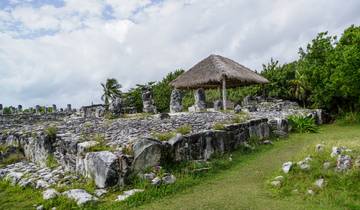
7 days
Riviera Maya Adventure 7D/6N
- ✓ Comprehensive Cancun tour
- ✓ Expert local guides included
- ✓ All accommodation arranged
- ✓ Transportation provided
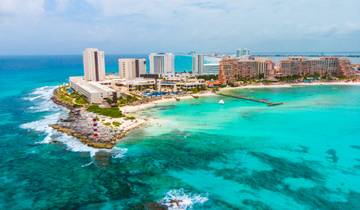
5 days
Riviera Maya Discovery – 5 Days
- ✓ Comprehensive Cancun tour
- ✓ Expert local guides included
- ✓ All accommodation arranged
- ✓ Transportation provided

1 days
Chichen Itza Tour: Explore Mayan Ruins, Valladolid and a Cenote
- ✓ Comprehensive Cancun tour
- ✓ Expert local guides included
- ✓ All accommodation arranged
- ✓ Transportation provided
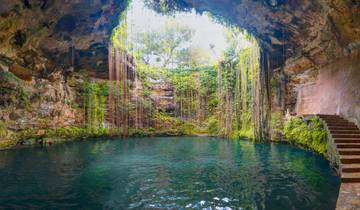
4 days
4-Day Dream Vacation in Cancun
- ✓ Comprehensive Cancun tour
- ✓ Expert local guides included
- ✓ All accommodation arranged
- ✓ Transportation provided
Multi-day tour packages powered by TourRadar. Prices and availability subject to change.
Secret Cenotes Away from Tourist Crowds
Underground Cathedral Cenotes Near Valladolid
The limestone bedrock surrounding Valladolid contains perhaps the highest concentration of cenotes in the Yucatán, yet most visitors rush to Chichén Itzá without stopping. Cenote Zací sits within the town itself, a cavernous opening where locals swim among stalactites during lunch breaks. Entry costs are minimal, facilities basic but adequate, and the experience authentically Mexican rather than sanitized for tourism.
Cenote Samulá and Cenote Xkekén (Dzitnup) form a popular pairing seven kilometers from Valladolid, but arrive early morning to experience near-solitude before tour groups arrive from the coast. Samulá’s underground chamber features a single tree root descending from a ceiling opening to touch the water surface—a photographer’s dream in morning light. Xkekén presents pure underground swimming in a cathedral-like cavern illuminated by a single light shaft.
Further afield, Cenote Suytun between Valladolid and Chichén Itzá became Instagram-famous for its platform extending over perfectly clear water, yet remains far less visited than coastal cenotes. Morning hours before noon offer the best light streaming through the ceiling aperture, creating an ethereal atmosphere impossible to capture at busier locations. The circular cenote provides easy swimming in water maintaining constant 24°C temperatures year-round.
Jungle Cenotes Along the Ruta de los Cenotes
Puerto Morelos’ “Cenote Route” extends inland along a jungle road dotted with dozens of swimming holes ranging from fully developed eco-parks to rustic family-operated spots. Boca del Puma combines cenote swimming with ziplines and ATV trails in a comprehensive adventure experience. Verde Lucero offers multiple cenotes within walking distance on a single property.
Smaller operations along this route provide the most authentic experiences. Look for hand-painted signs along the dirt road indicating family cenotes charging modest entrance fees. These lack changing facilities and snack bars but compensate with complete absence of crowds and genuine welcome from local families supplementing agricultural income through occasional visitors.
Seven Mouths (Siete Bocas) presents an unusual cenote system with seven interconnected pools at different levels, allowing exploration of multiple environments in a single visit. The infrastructure remains minimal, the water pristine, and the jungle setting transports visitors far from coastal development. Early morning visits before the cenote route sees significant traffic yield essentially private experiences.
Cave Cenotes for Adventurous Swimmers
Cenote Dos Ojos near Tulum represents the accessible entry point to the world’s longest underwater cave system, but the main cenotes often fill with snorkelers and divers. Instead, inquire about lesser-promoted cenotes on the same property or nearby operations offering similar geology without the name recognition drawing crowds.
Cenote Angelita creates a unique phenomenon where a hydrogen sulfide cloud at 30 meters depth creates the illusion of an underwater river flowing through the cenote—accessible only to certified divers but representing one of the world’s most surreal diving experiences. Surface swimmers enjoy the open-air cenote above this underwater marvel without experiencing crowds that gather at better-known dive sites.
Cenote Tak Be Ha near the Cobá junction requires following unsigned roads to reach a spectacular underground chamber with minimal visitation. The effort required to locate lesser-known cenotes directly correlates to emptier conditions—research specific coordinates and be prepared for adventure to discover the Yucatán’s most atmospheric swimming holes.
Forgotten Archaeological Sites
Ek Balam: The Climbable Pyramid
While Chichén Itzá prohibits climbing since 2006, Ek Balam’s Acropolis pyramid still permits visitors to ascend its steep stairs to the top platform. The experience of standing atop an ancient Maya temple overlooking unbroken jungle canopy represents something now impossible at the region’s famous sites. This single distinction would justify the visit alone, but Ek Balam offers far more.
The site’s stucco friezes rank among the finest surviving Maya sculpture, with an elaborate monster mouth entrance to a royal tomb featuring original painted surfaces protected by a modern roof. The detail and preservation of Ek Balam’s artwork rivals any museum collection but remains in situ as intended by ancient artists. Winged figures, serpent heads, and complex mythological scenes reward careful observation throughout the main pyramid.
Beyond the central acropolis, Ek Balam’s grounds contain multiple unexcavated mounds, ball courts, and ceremonial structures requiring significantly less climbing than the main pyramid. The site’s relative obscurity means adequate time exists to explore thoroughly without constant jostling with tour groups. A cenote within the archaeological zone provides post-exploration swimming—an impossibility at Chichén Itzá.
Cobá: Bicycles Through the Jungle
Cobá’s unique appeal stems from its scale and setting rather than individual structures. The ancient city sprawls across several kilometers of dense jungle connected by sacbé (white roads) best navigated by rented bicycles or tricycle taxis. The experience of cycling through forest past mounds and structures, pausing at excavated temples, creates adventure absent from manicured archaeological parks.
The Nohoch Mul pyramid rises 42 meters above the jungle floor—the tallest structure in the Yucatán Peninsula still permitting climbing. The ascent involves a challenging staircase with rope assistance, rewarded by panoramic views extending to the Caribbean coast on clear days. Climbing requires physical effort and comfort with heights but provides the quintessential Maya pyramid experience no longer available elsewhere.
Multiple temple groups scattered throughout Cobá allow extended exploration for those willing to bicycle or walk significant distances. The Macanxoc group features carved stelae with hieroglyphic inscriptions recording Cobá’s dynastic history. The Paintings Group contains traces of original pigment on interior surfaces. Allow 3-4 hours minimum to experience Cobá properly rather than rushing through on organized tours.
Muyil: Where Ruins Meet Wetlands
Muyil offers something no other Maya site can claim: direct access to the Sian Ka’an Biosphere Reserve from the archaeological zone itself. Modest pyramids and structures occupy the entrance area, but the real experience begins on boardwalks leading through wetlands to a pristine lagoon. From there, boat tours traverse ancient Maya canals connecting the freshwater system to Caribbean-accessing channels.
The floating tour through Sian Ka’an from Muyil provides natural immersion impossible from road-accessible areas. Crocodiles sun on banks, herons fish in shallows, and howler monkeys announce themselves from shoreline trees. The current carries passengers through channels carved by Maya engineers over a millennium ago, connecting interior communities to coastal trade routes.
Muyil sees primarily independent travelers rather than tour bus crowds, creating intimate conditions for exploring both archaeological and natural components. The combination of ruins, wetlands, floating canal tour, and optional beach access at Sian Ka’an’s shore makes this among the most comprehensive day experiences available from the Riviera Maya.
San Gervasio: Cozumel’s Pilgrimage Site
Cozumel island served as sacred pilgrimage destination for Maya women seeking blessings from Ix Chel, goddess of fertility and the moon. San Gervasio functioned as the primary ceremonial center for these pilgrimages, with structures dating from 300 AD through Spanish contact. The site provides island visitors meaningful archaeological experience often overlooked in favor of beach time and snorkeling.
Nature trails connect San Gervasio’s temple groups through dry scrub forest quite different from mainland jungle. Endemic bird species and occasional coati sightings add wildlife interest to archaeological exploration. The site’s moderate scale allows complete coverage in two hours, fitting easily into island itineraries between morning diving and afternoon relaxation.
Interpretive signage throughout San Gervasio explains Maya beliefs, female-focused spirituality, and pilgrimage practices in detail absent from brief Chichén Itzá explanations. The combination of meaningful history, pleasant walking trails, and uncrowded conditions makes San Gervasio an essential Cozumel experience beyond the reef systems.
Untouched Beaches and Coastal Secrets
Punta Allen: Road’s End Paradise
The road to Punta Allen tests vehicle and driver patience through 50 kilometers of rutted track from Tulum into the heart of Sian Ka’an Biosphere Reserve. Those completing the 2-3 hour journey discover a fishing village without paved roads, functioning electricity grid, or cellular service—essentially unchanged from decades past. The beach stretching north from the village provides miles of completely empty Caribbean shoreline.
Punta Allen functions as base for fly fishing expeditions seeking permit, bonefish, and tarpon in surrounding flats. Non-anglers hire local pangas (small boats) for trips to isolated beaches, snorkeling sites, and the famous Ascension Bay. Dolphins regularly accompany boat passages, and manatee sightings occur regularly in the calm waters.
Basic accommodations in Punta Allen range from simple guesthouses to comfortable eco-lodges, all operating sustainably within biosphere restrictions. Extended stays allow full immersion in village rhythms—sunrise with fishermen, afternoon hammock time, evening seafood dinners prepared from the day’s catch. The digital disconnection forces presence impossible in resort settings.
Xcacel-Xcacelito: Protected Turtle Sanctuary
Between Xel-Há and Tulum lies Xcacel-Xcacelito, a protected beach serving as critical nesting habitat for loggerhead and green sea turtles. Environmental protections prohibit permanent development, maintaining conditions attracting nesting females each summer. The beach remains publicly accessible but deliberately undeveloped, with basic facilities serving conservation rather than tourism purposes.
The beach’s protected status creates swimming conditions rare along the developed Riviera Maya—no jet skis, parasailing, or beach club music compete with natural sounds. A freshwater cenote emerges directly onto the beach, allowing unique combined experiences impossible elsewhere. Snorkeling along the reef accessible from shore reveals healthy coral communities benefiting from reduced development pressure.
During nesting season (May-October), conservation programs allow limited nighttime observation of nesting turtles and hatchling releases. These experiences operate through official channels rather than resort-based tours, with proceeds supporting ongoing protection efforts. Off-season visits find quieter conditions perfect for beach relaxation away from Tulum’s increasingly crowded shores.
Isla Holbox: Caribbean Paradise Without Cars
Holbox island lies north of the main Riviera Maya corridor, accessible only by ferry from Chiquilá. No cars circulate on the sand streets—golf carts and bicycles provide transportation past colorful wooden buildings, street art murals, and hammock-strung restaurants. The atmosphere recalls Caribbean islands before development transformed neighboring destinations.
Bioluminescent lagoons surrounding Holbox glow with phytoplankton during summer months, creating magical nighttime kayaking experiences. Whale shark encounters from June through September bring the planet’s largest fish within swimming distance of visitors on responsible tours. The island’s remote location limits visitors to those making deliberate effort rather than day-tripping from Cancún resorts.
Holbox’s beaches extend endlessly along the north shore, shallow and calm compared to open Caribbean beaches. Kiteboarding conditions attract enthusiasts during windy months. Bird watching in surrounding lagoons reveals flamingos, roseate spoonbills, and dozens of wading species. The island rewards extended stays impossible to appreciate through rushed visits.
Puerto Morelos: The Last Fishing Village
Just 25 minutes south of Cancún airport, Puerto Morelos maintains authenticity seemingly impossible given proximity to mass tourism. The central plaza faces a Caribbean beach protected by a nearshore reef system designated as national marine park. Small hotels, locally-owned restaurants, and dive operators cater to visitors seeking genuine Mexican atmosphere rather than international resort standardization.
The Puerto Morelos reef lies closer to shore than Cancún or Cozumel systems, allowing excellent snorkeling directly from beach launches. Dive operators provide reef trips at significantly lower prices than resort-based operations. The marine park’s protected status ensures healthy coral communities and abundant fish life unmatched along developed coastlines.
Beyond the beach, Puerto Morelos offers botanical gardens showcasing Yucatán plant diversity, cenote routes extending inland, crocodile sanctuaries, and one of the region’s best weekly markets featuring local produce and artisan goods. The town functions as practical base for Riviera Maya exploration while providing genuine community atmosphere absent from purpose-built resort developments.
Authentic Local Experiences
Cancún Downtown: Beyond the Hotel Zone
Cancún’s Hotel Zone exists as artificial creation for international tourism—the real city lies inland around Avenida Tulum and Parque de las Palapas. This distinction escapes most visitors who never leave the coastal strip, missing authentic Mexican urban culture a short taxi ride away. The downtown area reveals how locals actually live, eat, and socialize away from tourist pricing and expectations.
Parque de las Palapas transforms nightly into an open-air food court surrounded by families, couples, and groups of friends enjoying elotes (grilled corn), marquesitas (cheese-filled crepes), tacos, and fresh fruit drinks. Live music often accompanies the informal gatherings. Visitors attract friendly curiosity rather than sales pressure, creating genuine cultural exchange opportunities.
Mercado 28 functions as the primary handicraft market for both tourists and locals, with prices negotiable and selection spanning silver jewelry, leather goods, hammocks, and folk art. The surrounding streets contain locals-focused restaurants serving regional cuisine at fractions of Hotel Zone prices. Allow time to simply observe Mexican daily life rarely visible within resort compounds.
Valladolid: Colonial Elegance in the Maya Zone
The colonial city of Valladolid predates Cancún by four centuries, established by Spanish conquistadors in 1545 atop a conquered Maya settlement. The central plaza and surrounding streets maintain architectural heritage through colorful buildings, covered walkways, and historic churches offering peaceful counterpoint to coastal development. Most visitors pass through en route to Chichén Itzá without appreciating Valladolid’s considerable charms.
Extended stays in Valladolid provide superior base for exploring the eastern Yucatán. Cenotes cluster around the city in all directions, including Zací within walking distance of the central plaza. Ek Balam lies a short drive northeast, while multiple smaller archaeological sites dot the surrounding landscape. Hotel prices run 30-50% below coastal equivalents for comparable quality.
Valladolid’s culinary scene showcases Yucatecan cuisine—poc chuc, papadzules, salbutes, panuchos—at authentic local restaurants rather than tourist-adapted versions. The Sunday market on the central plaza draws regional vendors selling produce, handicrafts, and prepared foods to primarily local customers. The city’s calm atmosphere invites multi-day stays often impossible amid coastal hyperactivity.
Felipe Carrillo Puerto: Heart of the Maya Zone
Virtually unknown to international tourists, Felipe Carrillo Puerto serves as administrative center for Quintana Roo’s Maya Zone—the region where indigenous communities maintain the strongest traditional presence. The town’s central feature is the church-turned-Maya-temple where the “Speaking Cross” cult emerged during the Caste War (1847-1901), providing sacred motivation for Maya resistance against Mexican government forces.
The town offers no beach resorts, luxury hotels, or attractions designed for international visitors. This absence represents precisely its appeal for travelers seeking genuine cultural encounter. Maya language predominates in markets and neighborhoods, traditional dress appears commonly on women, and ceremonial practices continue with limited outside observation. Respectful visitors engaging local guides discover perspectives invisible along the tourist corridor.
Practical infrastructure exists for travelers willing to accept modest accommodations and local restaurants. The surrounding forest contains numerous archaeological sites, cenotes known to few outsiders, and communities maintaining traditional agriculture and ceremonial practices. Extended time in the Maya Zone provides depth of cultural understanding impossible through resort-based touring.
Natural Wonders Off the Beaten Path
Sian Ka’an Biosphere Reserve: Protected Wilderness
The 1.3 million acre Sian Ka’an Biosphere Reserve represents one of the largest protected areas in Mexico, encompassing tropical forest, wetlands, mangroves, Caribbean coastline, and a significant portion of the Mesoamerican Barrier Reef. UNESCO World Heritage designation since 1987 provides international recognition of Sian Ka’an’s ecological significance. Yet most Riviera Maya visitors never enter this accessible wilderness spreading south from Tulum.
Organized tours from Tulum traverse the reserve’s northern portion, combining Maya canal floating, bird watching, and beach time at pristine Caribbean shoreline. These tours provide convenient introduction to Sian Ka’an’s landscapes, but independent exploration reveals far more. The Muyil entrance allows self-guided access to archaeological ruins and floating channels. Punta Allen provides base for extended stays within the reserve’s heart.
Wildlife observation in Sian Ka’an rewards patient visitors with jaguar tracks, manatee sightings, crocodile encounters, and hundreds of bird species including flamingos, jabiru storks, and ospreys. Night tours reveal nocturnal activity invisible during daylight hours. The reserve’s scale ensures solitude impossible in mainland nature reserves surrounded by development.
Banco Chinchorro: Remote Atoll Diving
Banco Chinchorro lies 30 kilometers offshore from the southern Quintana Roo coast—the largest coral atoll in the northern hemisphere. The remote location and challenging access create diving conditions unmatched along the accessible reef system. Only authorized operators run day trips from Mahahual, limiting visitor numbers and preserving pristine conditions.
The atoll’s outer walls plunge dramatically into Caribbean depths, creating pelagic encounters rare on nearshore reefs. Eagle rays, reef sharks, and large grouper frequent the healthy reef systems. The atoll’s interior lagoon contains numerous shipwrecks from centuries of navigation hazards, creating unique wreck diving opportunities unavailable elsewhere in the region.
Visiting Banco Chinchorro requires advance planning through registered operators, weather-dependent boat crossings, and diving certification for underwater exploration. The effort and expense filter casual visitors, ensuring extraordinary conditions for those committed to experiencing one of the Caribbean’s premier dive destinations.
Bacalar Lagoon: The Lagoon of Seven Colors
Bacalar’s freshwater lagoon earned its nickname from dramatic color gradations created by varying depths and sediment compositions. Shades ranging from turquoise to deep indigo shift throughout the day as sun angles change. The lagoon extends 42 kilometers along the southern Quintana Roo border, providing kayaking, swimming, and boat touring through Caribbean-colored freshwater.
Cenote Azul opens directly into the lagoon with diving depths exceeding 90 meters—one of the deepest cenotes in the Yucatán. The clear freshwater reveals underwater features visible from the surface. Swimming between cenote and lagoon combines different water characteristics in a single location. Stromatolite formations along the western shore represent some of Earth’s oldest living organisms, creating unique scientific interest beyond scenic beauty.
Bacalar’s town of the same name maintains charming colonial atmosphere along the lagoon shore, with modest hotels, waterfront restaurants, and sailing operations offering full immersion in the “Lagoon of Seven Colors.” The destination’s distance from Cancún (3+ hours) filters day-trippers, rewarding those who commit to overnight stays with peaceful conditions and stunning natural beauty.
Culinary Hidden Gems
Regional Yucatecan Cuisine Beyond Tourist Restaurants
Yucatecan cuisine represents one of Mexico’s most distinctive regional traditions, blending Maya ingredients and techniques with Spanish, Caribbean, and Lebanese influences accumulated over centuries. The flavors diverge significantly from Tex-Mex expectations—citrus marinades, achiote paste, habanero heat, and pit-cooked meats define Yucatecan cooking. Tourist-area restaurants simplify these flavors; authentic experiences require venturing beyond resort zones.
Cochinita pibil, the region’s signature dish, involves pork marinated in achiote and citrus then slow-cooked underground in banana leaves. Properly prepared versions require hours of cooking unavailable in tourist restaurants demanding quick turnover. Seek family operations advertising “cochinita preparada diariamente”—daily prepared cochinita—for authentic expressions of this essential Yucatecan dish.
Poc chuc (grilled pork with pickled onions), papadzules (egg-filled tortillas in pepita sauce), salbutes and panuchos (inflated fried tortillas with various toppings), and relleno negro (turkey in blackened chile sauce) represent additional Yucatecan specialties rarely appearing on tourist menus. Markets in Valladolid, Felipe Carrillo Puerto, and Cancún’s downtown contain food stalls serving these dishes to local customers at local prices.
Seafood Direct from Fishermen
The Riviera Maya’s fishing communities still supply local markets with catches impossible to export due to freshness requirements. Ceviche prepared from morning catches tastes fundamentally different from restaurant versions using previously frozen fish. Coastal villages including Puerto Morelos, Puerto Allen, and Punta Herrero provide opportunities to purchase directly from fishermen or eat at simple palapa restaurants serving the day’s catch.
Tikin xic presents whole fish marinated in achiote and citrus, grilled over open flame in banana leaves—a Maya-influenced preparation unavailable in standardized resort restaurants. Camarones al coco (coconut shrimp), pescado frito (fried whole fish), and simple grilled lobster during season appear at beachfront operations catering primarily to Mexican visitors. Following local families to their preferred restaurants ensures authentic preparation and fair pricing.
Street Food Adventures
Mexico’s street food culture reaches full expression in local markets and evening food stalls largely invisible to resort visitors. Elotes (grilled corn with mayonnaise, chile, and cheese), marquesitas (crispy rolled crepes with cheese and cajeta), esquites (corn kernels in cups with similar toppings), and fresh fruit with chile and lime appear at parks and plazas throughout the evening hours.
Taco stands in Cancún’s downtown, Valladolid’s market areas, and neighborhood operations throughout the region serve tacos al pastor, carnitas, and regional preparations at $15-30 MXN per taco—fractions of resort pricing for superior quality. Evening taco runs form social rituals for local families, with preferred stands earning reputations spanning generations. Joining these gatherings provides cultural immersion impossible within resort compounds.
Practical Tips for Finding Hidden Gems
Research Strategies for Authentic Discovery
Spanish-language resources reveal destinations absent from English guidebooks and blogs. Mexican travel forums, local tourism boards’ Spanish websites, and Mexican travel influencer content prioritize destinations popular with domestic travelers—often precisely the hidden gems international visitors seek. Basic Spanish reading ability or translation tools unlock this alternative information ecosystem.
Local guides from specific communities possess knowledge no guidebook captures. Hiring guides from Valladolid for cenote exploration, from Felipe Carrillo Puerto for Maya Zone visits, or from fishing villages for boat trips ensures insider access while supporting local economies. These guides reveal family cenotes, community festivals, and sacred sites excluded from commercial tour offerings.
Transportation for Hidden Gem Access
Rental cars provide essential flexibility for hidden gem exploration. Tour buses cannot navigate rough roads to Punta Allen, stop at unsigned cenotes along jungle tracks, or adjust schedules for spontaneous discoveries. The investment in rental vehicles directly correlates to depth of hidden gem access throughout the region.
Colectivos (shared vans) and ADO buses connect major towns, allowing hidden gem exploration without car rental through strategic base selection. Valladolid provides cenote and archaeological access via taxi. Tulum enables Sian Ka’an exploration through organized tours. Puerto Morelos offers reef access and cenote routes within taxi range. Planning around public transportation nodes maximizes discovery within practical constraints.
Timing Strategies for Crowd Avoidance
Early morning arrivals at any destination dramatically reduce crowds. Famous cenotes empty before 10 AM; archaeological sites maintain peaceful conditions until tour buses arrive mid-morning. Sunset hours similarly thin crowds as day-trippers return to resorts. Weekday visits to sites near Cancún and Playa del Carmen avoid weekend Mexican visitors, while weekend visits to remote sites see negligible difference.
Shoulder season timing (May-June, September-November) provides optimal balance between weather and crowds. Hotels and tour operators offer significant discounts during these periods while conditions remain suitable for most activities. Hurricane season technically spans June-November, but actual storm impacts remain rare and weather between potential systems delivers excellent conditions.
FAQ: Cancún & Riviera Maya Hidden Gems
How do I find cenotes that aren’t crowded?
Research cenotes near Valladolid rather than Tulum, arrive before 10 AM to any cenote, visit on weekdays rather than weekends, and ask locals about family-operated cenotes along rural roads. The further from main highways and popular destinations, the fewer visitors you encounter. Accept basic facilities in exchange for authentic, uncrowded experiences.
Is it safe to explore hidden gems independently?
Most hidden gems present no unusual safety concerns beyond standard travel precautions. Remote locations require reliable transportation (maintained rental vehicles), sufficient fuel, and basic emergency supplies. Inform your hotel of plans when visiting truly remote areas like Punta Allen. Hire local guides for destinations requiring insider knowledge or involving potential hazards.
Do I need to speak Spanish to find hidden gems?
Basic Spanish significantly enhances hidden gem experiences, as local communities away from tourist areas may have limited English speakers. Translation apps bridge communication gaps for practical matters. Learning essential phrases demonstrates respect and opens doors to warmer welcomes. Guided experiences with bilingual local guides provide cultural access without language barriers.
What’s the best hidden gem for families with children?
Puerto Morelos combines authentic fishing village atmosphere with safe swimming beaches, easy reef snorkeling, crocodile sanctuaries, and family-friendly cenotes along the inland route. The town provides comfortable accommodations, varied restaurants, and accessible activities without resort compound isolation. Children experience genuine Mexican culture while parents enjoy relaxed atmosphere and lower prices.
How much time do I need to explore hidden gems properly?
Minimum one week allows meaningful hidden gem exploration beyond famous attractions. Two weeks enables comprehensive coverage of multiple regions—coastal cenotes, inland archaeological sites, Sian Ka’an wilderness, and colonial cities. Extended stays of three weeks or more permit the slow travel approach that hidden gems truly reward, allowing spontaneous discoveries impossible on rushed itineraries.
Are hidden gem destinations suitable for first-time Mexico visitors?
First-time visitors benefit from combining famous attractions with accessible hidden gems like Puerto Morelos, Valladolid, and organized Sian Ka’an tours. Building from comfortable experiences toward more independent exploration ensures positive initial encounters while discovering destinations beyond typical tourism. Return visits allow progressively deeper hidden gem immersion as familiarity and confidence increase.
What hidden gems work for day trips from Cancún?
Puerto Morelos lies 25 minutes from Cancún with reef snorkeling and fishing village charm. Valladolid takes 2 hours but rewards with colonial atmosphere and nearby cenotes including Zací, Samulá, and Xkekén. Ek Balam archaeological site provides climbable pyramid experience within day-trip range. Isla Holbox requires early departure but delivers car-free island paradise accessible via ferry.
How do hidden gems compare in cost to major attractions?
Hidden gems consistently cost less than famous equivalents. Family-operated cenotes charge $100-200 MXN versus $250-500 MXN at developed sites. Lesser-known archaeological sites charge identical INAH rates but lack surrounding vendor villages. Authentic local restaurants charge 50-70% less than tourist-area equivalents. Transportation costs similar regardless of destination. Hidden gem exploration typically reduces rather than increases travel budgets.