
Cabo de Gata Guide 2026: Almería’s Desert Beaches
Key Takeaways:
- Cabo de Gata Natural Park protects 38,000 hectares of volcanic coastline with accommodation ranging €60-140 per night in coastal villages during 2026
- The park contains 50+ pristine beaches from easy-access coves to remote hiking-only locations requiring 30-90 minute coastal walks
- May-June and September-October deliver optimal conditions in 2026 with 22-28°C temperatures, calm seas, and minimal crowds compared to peak summer
- San José serves as the main base village with full services, while smaller settlements like Las Negras and Agua Amarga offer quieter beach experiences
- Rental cars prove essential for beach-hopping as public buses run infrequently (2-3 daily) and many beaches lack road access beyond parking areas
- The volcanic geology creates unique black sand beaches, dramatic cliffs, and underwater volcanic formations exceptional for snorkeling and diving
Introduction: Discovering Spain’s Desert Coast in 2026
Cabo de Gata Natural Park occupies the southeastern corner of Andalusia where the Almería province meets the Mediterranean, creating Spain’s driest region with annual rainfall below 200mm and over 3,000 hours of sunshine yearly. This arid climate produces desert landscapes extending to the sea, with agave plants, prickly pear cactus, and dwarf palms growing on volcanic hillsides that plunge directly into turquoise waters. The protected status since 1987 prevents the high-rise development plaguing much of Spain’s Mediterranean coast, preserving low-density villages and pristine beaches within sight of Morocco across the Alboran Sea.
The volcanic origins create distinctive coastal features including black sand beaches, underwater lava formations, and dramatic cliffs formed from ancient eruptions 15 million years ago. These geological characteristics attract snorkelers and divers exploring marine environments unlike anywhere else in Spain, with volcanic rocks creating habitats for diverse Mediterranean species. The coastline stretches 60 kilometers from Retamar in the west to Agua Amarga in the northeast, encompassing everything from sheltered coves accessible by paved roads to wild beaches requiring hiking coastal paths.
In 2026, Cabo de Gata maintains its character as Spain’s alternative beach destination, drawing visitors seeking pristine nature and tranquility over resort amenities and nightlife. The park’s UNESCO Biosphere Reserve designation reinforces protection of both marine and terrestrial ecosystems, creating wildlife viewing opportunities including flamingos in coastal lagoons, Bonelli’s eagles in mountain areas, and monk seals occasionally visiting remote coves. Tourism concentrates in shoulder seasons and summer months when Spanish visitors and European travelers discover beaches that remain crowd-free compared to Costa del Sol or Costa Brava alternatives.
People Also Ask About Cabo de Gata 2026
How much does it cost to visit Cabo de Gata in 2026?
A week-long Cabo de Gata beach vacation in 2026 costs €700-1,200 per person including accommodation in San José or coastal villages for €70-120 per night, rental car €40-55 daily, meals €30-45 daily at local restaurants and chiringuitos, and activities like kayak rentals €25-40 or diving trips €45-75. Budget travelers camping or staying in hostels reduce costs to €450-650 weekly, while those choosing boutique hotels and upscale dining spend €1,400-2,000 per person. Day trips from Almería city cost €35-55 per person including transportation and beach essentials.
Specific activity costs include snorkel gear rental for €12-18 daily, paddleboard rental €20-30 for 2 hours, and guided kayak tours €35-50 per person for half-day coastal explorations. Beach parking at popular locations costs €3-6 daily during summer peak season (check local signage for current rates as pricing may vary). The natural park itself charges no entrance fees, with beach access remaining free throughout the protected area.
What is the best beach in Cabo de Gata in 2026?
Playa de los Genoveses wins recognition as Cabo de Gata’s most spectacular beach, stretching 1.2 kilometers of golden sand in a pristine horseshoe bay backed by volcanic hills and agave-covered dunes. The beach requires driving 3 kilometers on unpaved road from San José or walking the coastal trail (45 minutes), creating natural crowd limitation despite its beauty. The shallow waters and gentle waves suit families and swimmers, while the surrounding hills block winds creating calm conditions even when other beaches show choppy seas.
Playa de Mónsul rivals Genoveses for dramatic impact with its iconic volcanic rock formation rising from the sand, featured in countless films including Indiana Jones and The Last Crusade. The 400-meter crescent beach sits adjacent to Genoveses, accessible via the same dirt road or coastal hiking trail. The unique geology and pristine setting attract photographers capturing the distinctive landscape at golden hour. Both beaches lack services requiring visitors to bring water, food, and shade equipment for full-day visits.
How do you get to Cabo de Gata beaches from Almería in 2026?
Rental cars provide optimal Cabo de Gata beach access, with the 30-kilometer drive from Almería city to San José taking 35-45 minutes via the AL-12 highway through the park’s western sector. Major rental companies operate at Almería airport and city locations, charging €35-55 daily for compact vehicles in 2026 (check rental company websites for current official rates). The flexibility enables visiting multiple beaches in one day and accessing remote locations beyond public transport reach.
Public buses operated by Autocares Bernardo connect Almería to San José with 2-3 daily departures year-round, covering the route in 60 minutes for €4.85 one-way. Summer months (June-September) see additional services to beaches including Las Negras and Agua Amarga, though frequencies remain limited to 1-2 daily departures requiring overnight stays for practical beach visits. The buses depart Almería’s main station with tickets purchased from drivers or the station ticket office. Cycling proves feasible for experienced riders comfortable with 30-50 kilometer daily distances on roads with minimal shoulders and significant elevation changes.
When is the best time to visit Cabo de Gata in 2026?
Late May through June delivers ideal Cabo de Gata conditions in 2026, with air temperatures of 24-28°C perfect for beach activities, water temperatures reaching 20-22°C comfortable for swimming, and minimal crowds before Spanish summer holidays begin in July. The spring weather provides stable sunshine with occasional clouds moderating intense heat, while wildflowers still bloom across desert hillsides creating colorful landscapes. Accommodation rates remain in shoulder-season ranges of €60-90 per night before July-August peaks.
September through mid-October offers excellent autumn alternatives with water temperatures at seasonal maximums of 23-25°C from summer warming, air temperatures cooling to comfortable 22-26°C ranges, and tourist numbers dropping significantly after Spanish school returns in early September. The autumn conditions suit active beach visitors preferring hiking and water sports over pure sunbathing, with stable weather patterns and minimal rainfall. Winter months (November-March) see many accommodations and restaurants closed, though hardy visitors enjoy empty beaches and daytime temperatures of 15-18°C suitable for walking but too cool for extended swimming.
Extended multi-day tours – 5+ days
Featured Andalucia Multi-Day Tour Packages
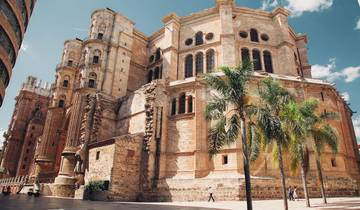
6 days
6 Day Malaga including visit to Gibraltar, Granada, Alhambra and Caminito del Rey
- ✓ Comprehensive Andalucia tour
- ✓ Expert local guides included
- ✓ All accommodation arranged
- ✓ Transportation provided
11 days
Flavors of Spain: A 11 Day Journey Through Madrid, Seville, Granada & Barcelona
- ✓ Comprehensive Andalucia tour
- ✓ Expert local guides included
- ✓ All accommodation arranged
- ✓ Transportation provided

11 days
A Taste of Spain: : 11 Days Across Madrid, Seville, Granada & Barcelona
- ✓ Comprehensive Andalucia tour
- ✓ Expert local guides included
- ✓ All accommodation arranged
- ✓ Transportation provided
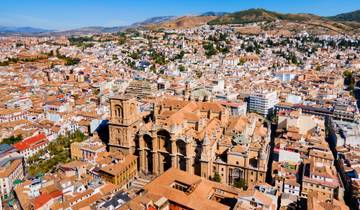
5 days
Granada: Crossroads of Arab and Christian Cultures
- ✓ Booking needs min. 2 travelers
Multi-day tour packages powered by TourRadar. Prices and availability subject to change.
Essential Planning Information 2026
Understanding Cabo de Gata Geography and Beach Distribution
The park divides into distinct coastal sectors based on accessibility and character. The western section from Retamar to Cabo de Gata village features the most developed areas including the lighthouse, salt flats attracting flamingos, and several road-accessible beaches. The central sector around San José contains the park’s tourism hub with the densest accommodation and services, plus access to premier beaches including Genoveses and Mónsul via unpaved roads. The eastern coast from San José to Agua Amarga requires either driving the ALP-826 mountain road or hiking coastal trails, with remote beaches offering ultimate solitude.
Beach types vary from family-friendly sandy coves with gentle entry (Playa San José, Playa de los Genoveses) to pebble and rock beaches better suited for snorkeling (Cala de Enmedio, Playa del Plomo) and dramatic cliff-backed strands requiring hiking access (Playa de los Muertos, Cala del Carnaje). The volcanic geology creates both black sand beaches formed from eroded lava and golden sand beaches where marine sediments accumulate in protected bays. Understanding these variations helps match beach selection to desired activities and comfort levels.
The interior mountain spine rising to 493 meters at Cerro del Fraile creates microclimates affecting beach conditions, with eastern beaches receiving afternoon shade earlier than western exposures, and wind patterns varying by coastal orientation. The desert environment provides minimal natural shade requiring umbrellas or sun shelters for extended beach stays. Water sources prove scarce with no beach facilities at most locations, requiring visitors to carry adequate drinking water for full-day visits, especially during summer heat when dehydration risks increase rapidly.
Current Costs and Pricing Breakdown for 2026
Accommodation in San José ranges €70-110 per night for standard hotels and guesthouses, €110-180 for boutique properties with pools and sea views, and €50-80 for budget hostales during summer 2026. Smaller villages including Las Negras charge €60-100 for mid-range doubles, while Agua Amarga’s limited options range €90-140 nightly. Camping facilities at Cabo de Gata village and near San José cost €18-28 per night for two people with tent, providing budget alternatives with basic amenities. Vacation rental apartments range €80-150 nightly for 2-4 person units, useful for longer stays and self-catering.
Restaurant meals cost €12-20 for casual beach chiringuito lunches including grilled fish, salads, and drinks, €20-35 for dinner at village restaurants featuring fresh seafood and local specialties, and €8-15 for simple tapas and snacks at bars. Supermarkets in San José and Cabo de Gata village stock provisions for beach picnics and self-catering at 20-30% above Almería city prices reflecting remote locations. Coffee costs €1.80-2.50, beer €2.50-4.00, and bottled water €1.50-2.50 at beach bars.
Activity pricing includes kayak rentals for €25-40 per day, stand-up paddleboard rentals €20-30 for 2 hours, and snorkel equipment rental €12-18 daily. Guided kayak tours exploring sea caves and coastal formations cost €35-50 per person for half-day excursions (check operator websites for current official rates as pricing may vary). Scuba diving trips to volcanic underwater sites range €45-75 for single dives including equipment, or €350-450 for PADI Open Water certification courses. Boat excursions along the coast cost €25-40 per person for 2-3 hour trips visiting otherwise inaccessible coves and caves.
Best Time to Visit Cabo de Gata in 2026
Seasonal Weather Patterns and Beach Conditions
Spring conditions from April through June feature increasing temperatures from 18-22°C in April to 24-28°C by June, with water temperatures rising from cool 16-18°C in April to comfortable 20-22°C in June. The shoulder season delivers Spain’s sunniest weather with minimal rainfall (typically 1-2 days monthly) and moderate winds creating ideal conditions for beach activities without summer’s intense heat. Wildflowers bloom across desert hillsides in April-May, adding color to otherwise barren volcanic landscapes and creating excellent hiking conditions before summer heat makes interior trails uncomfortable.
Summer months (July-August) bring peak temperatures of 30-35°C with occasional heat waves reaching 38-40°C, moderated by sea breezes along the coast but uncomfortable for midday hiking or exposure. Water temperatures reach annual maximums of 24-26°C, perfect for extended swimming and water sports. The dry summer climate guarantees sunshine with virtually zero rainfall, though afternoon winds sometimes create choppy conditions for swimming and water activities. Tourist numbers peak with Spanish families on summer holidays, filling accommodations and crowding popular beaches on weekends while maintaining tolerable weekday densities.
Autumn (September-October) combines summer’s warm water temperatures (23-25°C in September, cooling to 20-22°C in October) with more comfortable air temperatures of 24-28°C in September dropping to 20-24°C in October. The season shows increased but still minimal rainfall (2-3 days monthly), with stable weather patterns providing reliable beach conditions. The reduced crowds after Spanish school returns create quieter beaches and better accommodation availability at lower rates. Water clarity reaches annual peaks in autumn as summer’s plankton blooms clear, creating exceptional snorkeling and diving visibility.
Festival Calendar and Cultural Events 2026
San José celebrates its patron saint festivals in mid-March with processions, traditional music, and communal meals featuring local seafood and agricultural products. The village comes alive with decorations and evening festivities including dancing and live music lasting three days, though the early season timing precedes prime beach weather. Cabo de Gata village honors the Virgen del Mar in July with maritime processions where decorated fishing boats carry religious images along the coast, followed by beach celebrations and seafood feasts.
The Almería International Film Festival in November occasionally uses Cabo de Gata locations for screenings and events, celebrating the region’s history as filming location for numerous Western movies and contemporary productions. The festival brings temporary cultural programming to otherwise quiet autumn season, with special screenings in unique settings including desert and beach locations. Music festivals including summer concerts in village plazas and occasional beach events add entertainment options beyond pure nature experiences.
Local markets operate in San José on Saturday mornings year-round, offering fresh produce, fish, crafts, and local products in the village center. The weekly market provides authentic local interaction and opportunities to purchase regional specialties including honey, preserves, ceramics, and textiles. Farmers markets in nearby Níjar town (15 kilometers from San José) on Saturdays showcase larger selections of Almería province agricultural products and traditional crafts.
Transportation Guide 2026: Reaching and Exploring Cabo de Gata
Airport Connections and Initial Access
Almería Airport (LEI) sits 30 kilometers west of Cabo de Gata Natural Park, receiving direct flights from Madrid, Barcelona, and several European cities including London, Brussels, and German destinations during summer 2026. Major rental car companies maintain desks at the airport terminal, with advance online booking recommended for guaranteed vehicle availability and better rates of €30-50 daily versus walk-up prices of €45-65. The airport-to-San José drive takes 45-55 minutes via the A-7 motorway east to Almería city, then AL-12 highway south through the park.
Public buses connect Almería Airport to the city center every 40-60 minutes for €1.05, with onward connections to San José requiring transfer at Almería bus station. The combined journey takes 90-120 minutes total with bus change, saving rental car costs but consuming significant time and proving impractical with beach equipment and luggage. Taxis from the airport to San José cost €50-70 depending on exact destination within the park, useful for solo travelers where rental car costs exceed taxi fares or groups splitting costs three or more ways.
Alternative access routes include the Almería-Granada bus service for visitors combining both Andalusian destinations, with the Granada-Almería journey taking 2.5 hours for €15.85 one-way on multiple daily departures. Málaga Airport serves as another entry point 200 kilometers west, requiring rental cars or bus connections through Almería city for final Cabo de Gata access. The longer distance makes Málaga practical only when combined with Costa del Sol itineraries or when significantly cheaper flights offset additional ground transportation costs and time.
Driving Routes and Beach Access Roads
The primary park road AL-12 connects Almería city with San José, forming a paved route passing Cabo de Gata village, the lighthouse, and salt flats before reaching the main tourism hub. The well-maintained highway features gentle curves through desert landscape with occasional viewpoints overlooking the coast. From San José, paved roads continue to Las Negras (ALP-826, 20 minutes with mountain switchbacks) and connect to Agua Amarga (additional 15 minutes), completing the coastal circuit before rejoining the AL-12 near Carboneras.
Beach access varies dramatically by location. Popular beaches near villages including Playa San José and Playa de las Negras offer adjacent parking with paved access roads. Premier beaches Genoveses and Mónsul require driving 3 kilometers of maintained but unpaved dirt road from San José, passable for all vehicles driven cautiously but creating dusty conditions and occasional bottlenecks during peak summer weekends. Remote beaches including Playa de los Muertos near Agua Amarga require hiking 30-45 minutes from parking areas, with no vehicle access protecting their pristine character.
Parking costs vary by beach and season, with major summer destinations charging €4-6 daily at informal lots managed by local authorities or private operators. Free roadside parking exists at numerous beaches and trailheads, though spaces fill early during weekends and August peak. The dirt road to Genoveses and Mónsul includes parking areas at both beaches, with Genoveses showing better capacity and easier access compared to Mónsul’s smaller lot requiring earlier arrival for guaranteed spaces. Speed limits throughout the park enforce 50 km/h on main roads and 30 km/h near villages, with local police enforcing limits strictly during summer months.
Public Transportation and Alternative Options
Autocares Bernardo operates the primary bus service connecting Almería to Cabo de Gata destinations year-round. The Line 22 Granada-Almería-San José route runs 2-3 times daily depending on season, departing Almería bus station at approximately 9:30 AM, 2:45 PM, and 7:00 PM (verify current schedules as times adjust seasonally). The 60-minute journey costs €4.85 one-way with tickets purchased from drivers or station offices. Return services depart San José in early morning, midday, and evening, requiring overnight stays for practical beach visits given limited schedule coordination.
Summer months (June-September) see expanded bus services including direct routes to Las Negras and Agua Amarga, though frequencies remain limited to 1-2 daily departures. The sporadic schedules make beach-hopping by public transport impractical, with visitors needing rental cars, taxis, or bicycle transport for accessing multiple locations in one day. Local taxi services from San José reach nearby beaches for €10-20 per trip, useful for sunset returns from hiking-accessed beaches or when rental cars prove unnecessary for extended single-village stays.
Bicycle touring attracts adventurous visitors with 30-60 kilometer daily capacities comfortable tackling the park’s hilly terrain on roads with minimal shoulders and occasional car traffic. The AL-12 and coastal roads show moderate difficulty with elevation changes between sea level and 200+ meter ridge crossings, manageable for experienced cycle tourists but challenging for casual riders. Bicycle rentals in San José cost €15-25 daily for standard bikes or €25-40 for electric-assist models reducing climbing efforts. The desert heat requires early morning starts and adequate water carrying capacity, with summer temperatures making midday cycling dangerous without proper preparation.
Accommodation Strategies for Cabo de Gata 2026
San José: The Primary Tourism Hub
San José functions as Cabo de Gata’s main accommodation base, offering the park’s widest selection of hotels, guesthouses, restaurants, and services while maintaining small village character with 1,000 permanent residents. The village spreads inland from its beach, with accommodations ranging from basic pensiones charging €50-75 per night for simple doubles to boutique hotels at €120-180 with pools, sea views, and upscale dining. Mid-range options including Hotel San José and smaller guesthouses cost €70-110 nightly for clean comfortable rooms with air conditioning and private bathrooms.
Vacation rental apartments through booking platforms offer alternatives for families and groups, with 2-4 person units ranging €80-150 nightly and providing kitchens useful for preparing beach picnics and reducing meal costs. The village maintains supermarkets, bakeries, banks with ATMs, and pharmacy services eliminating needs for supply runs to Almería city during extended stays. Multiple restaurants serve fresh seafood, traditional Spanish cuisine, and casual beach fare at moderate prices compared to resort destinations.
Location within San José affects both pricing and convenience, with beachfront properties commanding premiums of 20-30% over identical accommodations two blocks inland. The village’s compact size makes all locations walkable within 5-10 minutes, reducing location importance compared to larger resort towns. Booking 4-8 weeks ahead secures good availability during shoulder seasons (May-June, September), while summer peak (July-August) requires 2-3 months advance reservations for preferred properties and dates.
Coastal Villages: Alternative Base Options
Las Negras offers quieter alternatives to San José with fewer accommodations but authentic fishing village atmosphere and good beach access. The settlement’s 300 residents support several small hotels and guesthouses charging €60-100 per night, plus vacation rentals and a municipal campground. The village serves as basecamp for hikers accessing northern coastal trails and snorkelers exploring volcanic underwater formations off the black sand beach. Limited restaurant options require flexibility or self-catering capabilities, with the village’s two supermarkets stocking basic provisions.
Agua Amarga represents the park’s upscale village option, with boutique hotels and restored houses converted to accommodations charging €90-140 nightly for design-focused rooms and premium amenities. The small settlement maintains exclusivity through limited development, creating peaceful atmosphere with excellent beach access and several high-quality restaurants. The remote location 40 minutes from San José by winding mountain roads creates isolation feeling while complicating access to other park areas, making Agua Amarga better suited for relaxation-focused stays than active beach exploration.
Cabo de Gata village near the lighthouse provides budget-focused alternatives with basic accommodations €45-75 nightly and camping facilities €18-28 for two people with tent. The village sits outside the park’s tourism center, requiring 15-20 minute drives to premier beaches but offering salt flat access for flamingo viewing and proximity to the iconic lighthouse and reef viewpoints. The accommodation density remains low with most visitors staying in San José or coastal villages, leaving Cabo de Gata village quieter with more local character.
Camping and Budget Alternatives
Camping Cabo de Gata near the lighthouse village offers organized facilities with pitches for €18-28 nightly for two people with tent, or €35-55 for campervans with electrical hookups. The campground provides showers, toilets, small pool, and restaurant/bar, plus direct beach access and proximity to flamingo-viewing salt flats. The basic but functional facilities suit budget travelers and nature-focused visitors comfortable with camping amenities rather than hotel comforts.
Camping Los Escullos between San José and Las Negras charges similar rates €20-28 for tent pitches, offering closer access to premier beaches including Los Escullos and Mónsul (10 minutes drive). Both campgrounds operate year-round with reduced winter hours when fewer visitors require services. Wild camping within the natural park remains prohibited to protect fragile desert ecosystems, though informal overnight parking in designated areas occasionally sees enforcement variation requiring official campground use for proper camping experiences.
Hostales and pensiones in villages provide the most affordable permanent accommodation, with basic doubles costing €40-65 nightly for clean rooms with shared or private bathrooms but minimal amenities. These properties often occupy traditional buildings with simple furnishings and family management creating authentic local interactions. The budget options lack pools, restaurants, and concierge services but deliver functional sleeping quarters for active travelers spending most time at beaches and on hiking trails.
Sample 2026 Itineraries: Desert Coast Experiences
Three-Day Cabo de Gata Beach Sampler
Day 1: Arrive Almería Airport, collect rental car €45, drive to San José (50 minutes). Check into mid-range hotel €80-110. Afternoon at Playa San José (free beach access, parking €4). Evening village exploration and seafood dinner €25-35. Day 1 costs: rental car €45, parking €4, dinner €25-35. Total: €74-84 per person (excluding accommodation €80-110).
Day 2: Morning drive to Playa de los Genoveses via dirt road (20 minutes, parking €5). Full day at the beach with packed lunch from village bakery and supermarket €10-15. Afternoon walk to Playa de Mónsul (20 minutes) for sunset. Return to San José for tapas dinner €18-25. Car fuel €8, parking €5, lunch supplies €10-15, dinner €18-25. Total day cost: €41-53 per person (excluding accommodation).
Day 3: Morning kayak rental in San José €30 for 2 hours exploring coastal caves and coves. Lunch at beach chiringuito €15-22. Afternoon snorkeling at Cala Higuera (free beach access). Evening return to Almería, returning rental car. Kayak €30, lunch €15-22, fuel €8. Total day cost: €53-60 per person.
Three-day total: rental car €135, fuel €16, meals €78-117, parking €9, kayak €30. Total: €268-307 per person for three days (excluding accommodation €160-220 for two nights). The itinerary samples the park’s premier beaches, includes one water sports activity, and maintains moderate budget through self-catering lunch and casual dining.
Week-Long Cabo de Gata Coastal Exploration
This seven-day itinerary explores the entire park coastline staying in multiple villages and combining beach relaxation with hiking and water sports. Base 3 nights in San José (€75-105 per night), 2 nights in Las Negras (€65-90), and 2 nights in Agua Amarga (€90-130) to experience varied village atmospheres and access different coastal sectors.
Day 1-3 San José: Beach days at Genoveses, Mónsul, and Playa San José with one guided kayak tour €45. Restaurant meals €30-40 daily, beach parking €12 total, kayak tour €45. Three-day costs: meals €90-120, parking €12, kayak €45, fuel €15. Total: €162-192 per person (excluding accommodation €225-315).
Day 4-5 Las Negras: Transfer to Las Negras (30 minutes). Snorkeling days at village beach and Cala San Pedro (45-minute coastal hike), gear rental €15 per day. Simple restaurant meals €25-35 daily. Two-day costs: meals €50-70, snorkel rental €30, fuel €10. Total: €90-110 per person (excluding accommodation €130-180).
Day 6-7 Agua Amarga: Transfer to Agua Amarga (40 minutes from Las Negras). Beach days including hike to Playa de los Muertos (90 minutes round trip). Scuba diving day trip €65 including equipment. Upscale restaurant meals €35-50 daily. Two-day costs: meals €70-100, diving €65, beach purchases €15-25, fuel €12. Total: €162-202 per person (excluding accommodation €180-260).
Seven-day total: rental car €315, fuel €37, meals €210-290, activities €140 (kayak, snorkel, diving), parking and miscellaneous €40-60. Total: €742-842 per person for complete week (excluding accommodation €535-755 across three villages). The comprehensive itinerary covers the park’s geographic diversity while balancing active exploration with beach relaxation.
Five-Day Hiking and Beach Combination
This active itinerary combines coastal hiking with beach time, requiring good fitness for 8-15 kilometer daily walks with elevation changes. Base in San José for convenience accessing multiple trailheads and maintaining one accommodation base.
Day 1: Arrival and village orientation. Afternoon at Playa San José. Evening planning and provisions shopping €20-30. Day costs: groceries €20-30, dinner €20-28. Total: €40-58 per person (excluding accommodation €75-105).
Day 2: Hike San José to Los Escullos via Mónsul Beach (12 km, 4 hours) with packed lunch. Afternoon beach time at Los Escullos. Taxi return to San José €15-20. Packed lunch €8-12, taxi €15-20. Total day cost: €23-32 per person (excluding accommodation).
Day 3: Coastal trail Las Negras to Cala San Pedro and return (14 km, 5 hours). Drive to Las Negras (30 minutes, fuel €8). Beach swim at Cala San Pedro’s remote cove. Return for dinner in Las Negras €18-28. Fuel €8, lunch €10-15, dinner €18-28. Total: €36-51 per person (excluding accommodation).
Day 4: Rest day with kayaking in San José €30 for half-day rental. Afternoon beach relaxation. Evening restaurant meal €25-35. Kayak €30, lunch €12-18, dinner €25-35. Total: €67-83 per person (excluding accommodation).
Day 5: Morning hike to Mesa Roldán viewpoint (8 km round trip, 3 hours). Return to Almería afternoon. Fuel €8, lunch €10-15. Total: €18-23 per person.
Five-day total: rental car €225, fuel €24, meals €128-173, kayak €30, taxi €15-20, miscellaneous €15-25. Total: €437-497 per person for five days (excluding accommodation €300-420). The hiking-focused program delivers active nature immersion while maintaining beach access and moderate budget through self-catering lunches.
Money-Saving Strategies for Cabo de Gata 2026
Timing and Seasonal Optimization
Shoulder season visits in May-June or September-October deliver 25-40% accommodation savings compared to July-August peak, with San José hotels charging €60-85 versus €90-130 for identical rooms. The favorable weather during these periods maintains excellent beach conditions while reducing both costs and crowds, creating superior overall value. Early June (before Spanish school holidays) and early September (after summer rush) offer the optimal cost-benefit combinations with warm water temperatures and moderate air temperatures.
Weekend versus weekday pricing shows significant variation during summer, with Friday-Saturday nights commanding 15-25% premiums over Sunday-Thursday rates at many properties. Structuring week-long stays to include more weekdays than weekend nights reduces average daily costs, particularly effective in August when Spanish visitors concentrate weekend bookings. Direct booking with accommodations by phone or email sometimes yields weekday discounts not reflected on booking platforms charging commission fees.
Winter months (November-March) see accommodation rates drop 40-50% below summer levels, with some properties offering €40-60 for rooms costing €90-120 in July. The tradeoff involves cool water temperatures (15-18°C) limiting swimming, reduced services as restaurants close, and higher chances of rainy days (though still minimal by most standards). Hardy visitors comfortable with beach walking over swimming find excellent value in winter Cabo de Gata, experiencing the landscape without crowds at minimal cost.
Transportation and Accommodation Optimization
Rental car duration significantly affects daily costs, with weekly rates (€180-280) proving substantially cheaper per day than 3-day rentals (€120-165) when amortized. Groups of 3-4 people splitting rental car and fuel costs reduce individual transportation expense to €15-25 daily versus €40-55 for solo travelers, making shared trips extremely cost-effective. The alternative of basing in one village without rental cars and using taxis for specific beach excursions (€10-20 per trip) works for relaxation-focused stays with minimal exploration desires.
Camping delivers maximum accommodation savings at €18-28 nightly for two people, reducing week-long stays to €63-98 total versus €420-770 for hotels. The basic facilities suit budget-conscious travelers and camping enthusiasts comfortable with outdoor living, particularly effective in mild spring and autumn seasons. Vacation rental apartments with kitchens cost €80-120 nightly but enable significant meal savings through self-catering, recovering the accommodation cost difference within 3-4 days when preparing breakfasts (€3-5 vs. €8-12) and some dinners (€10-15 vs. €20-35).
Booking directly with small guesthouses and pensiones often yields better rates than platform bookings, with family-run properties willing to discount longer stays or weekday periods when negotiated by phone. The traditional Spanish hospitality responds well to personal contact, sometimes resulting in room upgrades or meal discounts for friendly guests who engage with hosts. Multi-night stays (5+ nights) frequently receive 10-15% discounts when requested, particularly during shoulder seasons when properties prefer secured bookings over uncertain future reservations.
Activity and Dining Cost Management
Free beach access throughout the park eliminates entry fees, with the natural park charging nothing for visiting protected areas. The extensive coastline provides unlimited swimming, snorkeling, hiking, and exploration without paid activities beyond optional equipment rentals or guided tours. Purchasing basic snorkel gear (€25-40 one-time cost) versus daily rentals (€12-18) pays off within 2-3 days of use, providing better hygiene and equipment quality while eliminating rental logistics.
Self-catering meals purchased from village supermarkets and prepared at accommodations or as beach picnics cost €8-15 per person daily versus €30-45 for restaurant meals. The strategy works best for lunches where simple sandwiches, fruit, and snacks suffice for beach days, while maintaining evening restaurant dinners for atmosphere and local cuisine experience. Morning coffee and pastries from bakeries cost €3-5 versus €8-12 for hotel buffet breakfasts, delivering authentic local atmosphere with significant savings.
Water sports equipment sharing among travel companions reduces individual costs, with kayak rentals (€25-40) or paddleboards (€20-30) often priced per item rather than per person. Two people sharing one kayak for half-day exploration pay €12.50-20 each versus €25-40 individually. Group activities including boat excursions and diving trips sometimes offer group discounts when booking 4+ people together, particularly effective for organized friend or family trips coordinating shared experiences.
Booking and Reservations for 2026 Cabo de Gata Visits
Accommodation Booking Timeline and Strategies
Summer peak season (July-August) requires 2-3 month advance booking for San José and coastal village accommodations, with properties filling earliest for the first two weeks of August when Spanish national holidays concentrate vacation timing. Booking platforms including Booking.com and Airbnb show real-time availability while small guesthouses maintain traditional phone or email reservation systems requiring direct contact. The earlier booking timeline secures preferred properties and locations while leaving last-minute planners with remaining options often involving less desirable rooms or locations.
Shoulder seasons (May-June, September-October) show moderate booking pressure where 3-6 weeks advance reservation secures good selection across price ranges and village choices. The reduced demand creates opportunities for travelers with flexible dates to negotiate better rates or request specific rooms through direct property contact. Last-minute bookings prove feasible during shoulder seasons though choices narrow significantly within 1-2 weeks of arrival dates.
Cancellation policies vary widely from flexible free cancellation up to arrival date at some properties to strict non-refundable bookings through platform offers showing 15-25% discounts. Understanding cancellation terms before booking proves essential for travelers with uncertain plans, particularly during COVID-era where health concerns or travel restrictions may force trip changes. Most direct bookings with small properties allow more flexible cancellation than platform bookings, often accepting changes with 7-14 days notice without penalties.
Activity and Transportation Reservations
Rental car booking at Almería Airport benefits from advance online reservation (2-4 weeks ahead) securing better rates and guaranteed vehicle availability during summer peak when walk-up availability proves uncertain. The major international companies (Europcar, Hertz, Avis) maintain more reliable inventory than local operators, though budget companies including Goldcar and Centauro offer 20-30% lower rates with more restrictive terms. Comprehensive insurance coverage purchased through booking sites or credit cards eliminates rental company pressure for expensive collision damage waiver additions at pick-up counters.
Guided activities including kayak tours, diving trips, and boat excursions require 3-7 days advance booking during summer months when daily departures fill to capacity. Operators maintain email and phone contact accepting reservations through simple confirmation, with payment typically due on activity date rather than advance payment. Spring and autumn shoulder seasons show good last-minute availability for most activities, allowing flexible booking 1-2 days ahead based on weather forecasts and personal energy levels.
Summer beach parking at Genoveses and Mónsul requires early arrival (before 10:30 AM) for guaranteed spaces rather than advance reservation as the informal lots operate first-come basis. The dirt road access creates natural bottlenecks where late arrivals sometimes face full lots requiring return trips or roadside parking further from beaches. Alternative strategies include visiting popular beaches on weekdays rather than weekends when Spanish day-trippers increase demand, or timing visits for late afternoon when earlier arrivals depart creating parking turnover.
Planning Your 2026 Cabo de Gata Visit: Practical Essentials
What to Pack for Desert Coastal Conditions
Sun protection proves essential in Cabo de Gata’s intense Almería desert climate, with high-SPF sunscreen (50+), wide-brimmed hats, and UV-protective sunglasses preventing burns during extended beach exposure. The lack of natural beach shade requires bringing umbrellas or sun shelters for full-day visits, particularly during June-August when midday sun creates dangerous exposure conditions. Reef-safe sunscreen protects both personal skin and fragile marine ecosystems around volcanic underwater formations popular for snorkeling.
Beach footwear should include both water shoes for rocky beach entry and volcanic formations, plus comfortable walking sandals for village exploration. The sharp volcanic rocks at some beaches create painful barefoot walking while hot sand temperatures during summer reach uncomfortable levels requiring protective footwear. Lightweight hiking shoes or trail runners suit visitors planning coastal trail walks between beaches or interior mountain hikes, with ankle support recommended for rocky uneven terrain.
Water carrying capacity proves critical for beach days and hiking as natural sources remain virtually nonexistent and beach services minimal at most locations. Reusable water bottles (2-3 liters capacity) allow adequate hydration during 3-4 hour beach stays or hiking excursions, with refilling at accommodations or village sources before beach departures. Cooler bags maintain food and water temperatures during hot days, particularly useful for beach picnics and full-day remote beach visits where return to village for lunch proves impractical.
Beach Safety and Environmental Considerations
Water safety concerns vary by beach and conditions, with generally calm Mediterranean waters showing occasional strong currents or sudden depth drops at specific locations. Genoveses and San José beaches provide gentle entry and lifeguard services during summer months (June-September), while remote beaches lack any safety supervision requiring careful assessment before swimming. Checking wave and wind forecasts before beach selection prevents unpleasant surprises with rough conditions unsuitable for swimming or water sports.
Marine life includes occasional jellyfish populations during warm summer months, particularly in calm protected coves where currents concentrate drifting organisms. The transparent moon jellies prove harmless while rare Portuguese man o’ war deliver painful stings requiring immediate beach exit and treatment. Sea urchins inhabit rocky areas and volcanic formations where careful foot placement and water shoes prevent painful spine contacts requiring medical attention and ruining beach vacations.
Environmental protection protocols prohibit removing beach materials including shells, rocks, and sand under natural park regulations designed to preserve fragile ecosystems. Visitors should pack out all waste including food packaging, bottles, and cigarette butts as beach cleaning services exist only at developed locations near villages. Respecting posted access restrictions to dune areas and bird nesting sites protects endangered species and habitats suffering from increasing tourism pressure.
Medical Services and Emergency Contacts
San José maintains a basic medical center providing routine care and emergency stabilization, with serious cases requiring transfer to Almería city hospitals 40 minutes away. The village pharmacy stocks standard medications and first aid supplies for minor injuries and ailments, operating Monday-Saturday with reduced hours. Las Negras and Agua Amarga lack medical facilities, requiring drives to San José or Almería for any healthcare needs beyond basic first aid.
European Health Insurance Cards (EHIC) provide EU citizens access to Spanish public healthcare system at local user rates, while non-EU visitors should confirm travel insurance covers medical emergencies including potential evacuation costs. Private travel insurance proves essential as public system services during summer peak sometimes face strain from tourist injuries and emergencies creating long wait times for non-critical cases.
Emergency services throughout Spain use 112 as universal number for police, medical, and fire emergencies with operators speaking multiple languages including English. Guardia Civil (police) stations operate in San José and Cabo de Gata village providing security services and emergency assistance. Cell phone coverage varies throughout the park, with good signals in villages and populated areas but gaps along remote coastal sections and interior mountains requiring awareness that emergency calls may prove impossible from certain beach locations.
Frequently Asked Questions About Cabo de Gata 2026
Can you swim at Cabo de Gata beaches year-round?
Water temperatures allow comfortable swimming May through October when Mediterranean waters range 20-26°C, with peak summer months (July-August) reaching warmest 24-26°C ideal for extended swimming sessions. Spring (April-May) and autumn (October-November) show cooler but tolerable temperatures of 18-22°C where hardy swimmers enjoy refreshing swims while casual bathers may find water uncomfortably cool. Winter months (December-March) see water temperatures drop to 15-17°C suitable only for wetsuit-equipped swimmers or brief polar plunge experiences rather than leisure swimming.
Are there restaurants at Cabo de Gata beaches?
Beach restaurants (chiringuitos) operate at developed locations including Playa San José, Las Negras beach, Agua Amarga, and Playa de los Escullos, serving grilled fish, paella, salads, and drinks during summer months with reduced hours or closures during winter. The premier beaches Genoveses and Mónsul completely lack services requiring visitors to bring food, water, and supplies for full-day visits. Mobile food vendors occasionally sell drinks and snacks at major beach parking areas during summer weekends but provide no reliable services requiring self-sufficiency for beach days.
Is Cabo de Gata suitable for families with children?
Family-friendly beaches including Playa San José and sections of Playa de los Genoveses provide gentle entry, shallow waters, and sandy bottoms ideal for young children, with San José offering lifeguards during summer months adding safety supervision. The lack of beach facilities at most locations requires parents to bring adequate sun protection, drinking water, snacks, and entertainment for children as commercial services prove minimal. Rocky volcanic beaches and hiking-access locations prove less suitable for young families who should focus on easier-access sandy coves near villages.
What water sports are available at Cabo de Gata?
Snorkeling proves the most popular water activity given excellent visibility around volcanic underwater formations hosting diverse Mediterranean species including octopus, moray eels, and colorful reef fish. Kayaking tours explore coastal caves and otherwise inaccessible coves, with rental equipment available in San José and Las Negras. Scuba diving operators offer trips to volcanic underwater sites with depths ranging 8-30 meters, plus PADI certification courses for beginners. Stand-up paddleboarding works well in calm morning conditions before afternoon winds develop, with rental boards available at main beaches. Surfing proves limited to occasional winter swells at specific exposure locations rather than consistent reliable breaks.
Can you camp on Cabo de Gata beaches?
Wild camping on beaches or within the natural park remains prohibited under conservation regulations designed to protect fragile desert and coastal ecosystems from damage and waste impacts. Enforcement varies with occasional tolerance for discreet overnight camping van parking in remote areas, though official policy requires use of designated campgrounds at Cabo de Gata village or Los Escullos. Violating camping prohibitions risks fines of €300-600 if caught by Guardia Civil or park rangers, making legal campground use the appropriate choice for overnight stays.
How crowded does Cabo de Gata get in summer?
Summer weekends (especially August) bring significant crowds to popular beaches including Genoveses, Mónsul, and San José, with parking lots filling by late morning and beaches showing moderate to high density of sunbathers and swimmers. Weekdays maintain more reasonable crowding levels even during peak summer, while remote hiking-access beaches rarely see crowded conditions due to access barriers limiting casual visitors. The coastal villages become busy but not overwhelmingly crowded compared to mainstream Spanish beach resorts, maintaining relaxed atmosphere even during peak periods.
What wildlife can you see in Cabo de Gata Natural Park?
Flamingos congregate at the salt flats near Cabo de Gata village year-round in flocks ranging from dozens to hundreds depending on season and water conditions, providing excellent photography opportunities. Marine life visible while snorkeling includes octopus, cuttlefish, moray eels, damselfish, wrasses, and occasionally rays gliding over sandy areas. Bonelli’s eagles nest in mountainous interior areas visible during hiking excursions, while numerous warbler species inhabit desert scrubland. The warm climate attracts several lizard species including ocellated lizards visible basking on rocks and walls throughout summer months.
Is Cabo de Gata worth visiting if you’ve been to other Spanish beaches?
Cabo de Gata delivers dramatically different experiences compared to developed Spanish coastal resorts, with volcanic landscapes, desert vegetation, and protected natural character creating unique Mediterranean environments found nowhere else in Spain. The pristine beach conditions, absence of high-rise development, and focus on nature over nightlife attract visitors seeking alternatives to mainstream beach destinations. The park suits travelers prioritizing natural beauty, outdoor activities, and tranquility over resort amenities, beach clubs, and commercial entertainment, making it worth visiting specifically because it differs so completely from typical Spanish beach experiences.
What is the best beach for snorkeling in Cabo de Gata?
Cala de Enmedio near San José provides excellent snorkeling over volcanic underwater formations with good visibility (typically 10-20 meters) and diverse marine life including octopus, moray eels, and various reef fish. The sheltered cove maintains calm conditions even when outer coasts show waves, creating reliable snorkeling opportunities. Las Negras beach offers good snorkeling along rocky sections with volcanic formations creating varied underwater topography and habitats. Early morning sessions before winds develop show best visibility and water clarity, while summer months offer warmest water temperatures and extended underwater time without thermal protection.
How far is Cabo de Gata from Almería city?
San José sits 30 kilometers southeast of Almería city center, requiring 35-45 minutes driving time via the AL-12 highway through the western park sector. The closest park beaches at Cabo de Gata village and Retamar lie 20-25 kilometers from Almería (25-30 minutes drive), while the furthest location at Agua Amarga extends to 55 kilometers requiring 65-75 minutes with mountain road sections. Public buses cover the Almería-San José route in approximately 60 minutes with stops at intermediate villages, making day trips feasible though overnight stays provide better park exploration opportunities.