Brussels on a Budget 2026: Free Things to Do & Money-Saving Tips
Brussels rewards budget-conscious travelers with exceptional free attractions, affordable public transport, and strategic money-saving opportunities that don’t compromise the authentic Belgian experience. From UNESCO World Heritage sites to world-class museums offering free admission days, this guide reveals how to explore Belgium’s capital without overspending while discovering its chocolate, beer, and cultural treasures.
Key Takeaways
- Major Free Attractions: Grand Place (UNESCO World Heritage), Manneken Pis, Comic Book Route, Cathedral of St. Michael and St. Gudula, Parlamentarium EU visitor center, and numerous parks cost nothing to visit
- Museum Free Days: Many Brussels museums including Royal Museums of Fine Arts, Magritte Museum, and BELvue Museum offer free admission first Sundays or first Wednesdays of each month
- Public Transport Value: Contactless payment costs €2.40 per journey with 60-minute transfers, daily cap at €8.50 makes unlimited exploration affordable
- Food Budget Strategy: Lunch at traditional tavernes costs €8-15, street food like fries (€3.50-5) and kebabs (€5-9) provides filling budget options, while supermarket picnics reduce daily food costs to €15-20
- Realistic Daily Budget: Backpackers can manage €50-65 daily (hostel, street food, free attractions), mid-range travelers need €100-130 (hotel, restaurant meals, some paid museums), while avoiding peak summer months saves 30-40% on accommodation
- Hidden Value: Walking between major attractions costs nothing, tap water is free and safe to drink, many festivals remain free, and Brussels Card (€32-52) provides unlimited transport plus 40+ museums for intensive culture days
People Also Ask About Brussels Budget 2026
How much money do I need per day in Brussels 2026?
Budget travelers need €50-65 daily in Brussels 2026, covering hostel accommodation (€25-35), street food and budget meals (€20-30), public transport (€8.50 daily cap), and free attractions. Mid-range travelers should budget €100-130 daily for hotel accommodation (€60-80), restaurant meals (€40-50), transport, and paid museum entries. Luxury travelers spending €200+ daily access high-end hotels (€150+), fine dining (€80-100 per meal), taxis, and premium experiences. These budgets exclude major purchases like Brussels Card or special event tickets.
What are the best free things to do in Brussels in 2026?
Brussels offers exceptional free experiences including exploring Grand Place (UNESCO World Heritage site), photographing Manneken Pis and related statues, following the Comic Book Route’s street art murals, visiting the Parlamentarium EU visitor center, touring Cathedral of St. Michael and St. Gudula, relaxing in Parc de Bruxelles or Parc du Cinquantenaire, window shopping at Royal Saint-Hubert Galleries, and admiring the Atomium’s exterior architecture. Many museums provide free admission first Sundays monthly, while seasonal festivals like Fête de la Musique and Belgian National Day celebrations remain free to attend.
How can I save money on food in Brussels 2026?
Save money on Brussels food through multiple strategies: eat lunch at traditional tavernes (€8-15) rather than dinner (€20-35), purchase street food from friteries serving fries (€3.50-5) and kebab stands (€5-9), shop at supermarkets for picnic supplies (bread, cheese, fruit for €5-8), skip hotel breakfast (€15-20) for bakery pastries (€2-4), drink tap water instead of bottled beverages, target lunch specials at restaurants, and avoid tourist-trap establishments near Grand Place. Supermarket ready-meals cost €5-8 versus €20+ restaurant dinners.
Is the Brussels Card worth it for budget travelers in 2026?
Brussels Card proves worthwhile for visitors planning intensive museum touring, costing €32 (24 hours), €42 (48 hours), or €52 (72 hours) with optional public transport add-on (€8-12 extra). The card includes free entry to 40+ museums (normally €8-15 each), so visiting 3-4 museums daily breaks even while providing significant savings. However, budget travelers prioritizing free attractions, limiting paid museums, or staying multiple days without daily museum marathons save more money using first Sunday free admission and selective paid entries. Calculate your planned museum visits to determine if the card’s upfront cost provides actual savings.
Extended multi-day tours – 5+ days
Featured Belgium Multi-Day Tour Packages
3 days
Belgium 3-Day Discovery Tour
- ✓ Comprehensive Belgium experience
- ✓ Expert local guides included
- ✓ All accommodation included
- ✓ Transportation provided
5 days
Belgium 5-Day Highlights Experience
- ✓ Comprehensive Belgium experience
- ✓ Expert local guides included
- ✓ All accommodation included
- ✓ Transportation provided
7 days
Belgium 7-Day Cultural Journey
- ✓ Comprehensive Belgium experience
- ✓ Expert local guides included
- ✓ All accommodation included
- ✓ Transportation provided
10 days
Belgium 10-Day Complete Adventure
- ✓ Comprehensive Belgium experience
- ✓ Expert local guides included
- ✓ All accommodation included
- ✓ Transportation provided
Multi-day tour packages powered by TourRadar. Prices and availability subject to change.
Introduction: Budget Travel in Brussels 2026
Brussels defies the stereotype of expensive European capital cities, offering remarkable value for budget-conscious travelers who plan strategically. The city’s compact historic center allows free walking between major attractions, eliminating costly transportation between sights. UNESCO World Heritage sites, monumental architecture, and cultural landmarks charge no admission, while first Sunday museum free days unlock world-class collections without fees.
Belgium’s capital combines affordable street food culture (fries, waffles, kebabs) with accessible traditional restaurants serving lunch specials under €15. Public transport operates efficiently with daily spending caps preventing runaway costs, while extensive parks and free attractions support full days of exploration without entrance fees. Understanding where Brussels rewards budget travelers versus where costs accumulate helps optimize limited travel funds.
This guide provides verified 2026 pricing for transportation, accommodation, food, and attractions, enabling realistic budget planning. Rather than vague “inexpensive” descriptions, you’ll find specific costs: €2.40 metro rides, €8-15 lunch prices, €3.50 fries, €16 Atomium entry. Armed with concrete numbers, you can build accurate daily budgets and identify where strategic spending maximizes value while avoiding unnecessary expenses.
Brussels Transportation on a Budget 2026
Public Transport Pricing & Strategies 2026
Brussels’ STIB/MIVB network (metro, tram, bus) operates with straightforward pricing that rewards smart usage. Contactless payment using credit/debit cards, smartphones, or smartwatches costs €2.40 per journey, allowing unlimited transfers within 60 minutes of first validation. This contactless system automatically caps daily spending at €8.50 after four journeys, effectively providing unlimited transport once the cap is reached.
Single journey tickets purchased aboard buses or trams carry small surcharges, making contactless payment the most economical option. MOBIB basic cards (€6 processing fee) can be loaded with various fare options including 10-journey passes and monthly tickets. For visitors staying multiple days, the daily €8.50 cap often provides better value than multi-journey passes unless planning minimal transport use.
Brussels residents under 25 or over 65 access exceptional value with €12 annual passes, though tourists don’t qualify. Standard monthly passes cost €55 (STIB only) or €66 (Brupass including regional operators), relevant only for extended stays. Weekend visitors typically rely on contactless payment’s daily cap, reaching €8.50 after four rides and enabling unlimited subsequent travel that day.
Walking Brussels: Free Transportation 2026
Brussels’ compact historic center rewards walking as primary transportation. Grand Place to Manneken Pis requires just 5 minutes walking. Grand Place to Royal Museums takes 10 minutes. Grand Place to Atomium needs metro (15 minutes) but most central attractions cluster within 1-2 kilometers of the UNESCO square.
Free walking routes connect major attractions while showcasing Brussels’ diverse neighborhoods. The Comic Book Route follows street art murals across the city center, creating self-guided walks requiring no admission fees. Mont des Arts provides free panoramic views, while walking from Grand Place through Royal Saint-Hubert Galleries to Place Royale costs nothing yet delivers architectural highlights.
Comfortable waterproof walking shoes prove essential for Brussels’ extensive cobblestone streets and frequent rain. Plan walking routes connecting multiple free attractions to minimize paid transport between sights. Many visitors find they rarely need public transport after initial trips from accommodation to city center, as walkable distances link central neighborhoods.
Bike Sharing & Alternative Transport 2026
Villo! bike-sharing operates across Brussels with stations throughout the city. Pricing favors short trips: €1.60 for 24-hour subscription, then first 30 minutes free, second 30 minutes €0.50, third 30 minutes €1, fourth 30 minutes €2, with costs increasing for longer rentals. Strategic use keeping trips under 30 minutes minimizes charges while providing free transport between stations.
Brussels’ flat city center supports easy cycling, though cobblestones and tram tracks require attention. Bike lanes appear inconsistently, with some major routes offering protected cycling infrastructure while other streets mix cyclists with vehicle traffic. Rain and winter weather reduce cycling appeal, but May-September conditions support comfortable bike exploration.
Avoid taxis and ride-sharing services as Brussels’ compact size rarely justifies their expense. A typical €20-35 taxi ride from Grand Place to outlying neighborhoods costs the equivalent of 8-14 public transport journeys. Only use taxis for airport transfers when carrying heavy luggage or arriving late night when public transport reduces frequency.
Free Attractions in Brussels 2026
UNESCO & Major Landmarks (Always Free)
Grand Place anchors Brussels’ free attractions as one of Europe’s most spectacular UNESCO World Heritage squares. The ornate 17th-century guild houses, Brussels Town Hall’s Gothic spire, and King’s House create architectural magnificence accessible 24/7 without admission fees. Evening visits showcase illuminated buildings, while daytime reveals intricate gilded details on baroque facades.
Manneken Pis statue attracts tourists worldwide despite its small 61-centimeter height. This quirky symbol of Brussels’ rebellious spirit changes costumes 20-30 times yearly for local celebrations and holidays, providing different photo opportunities across months. The original statue resides in Brussels City Museum, but the outdoor replica remains freely accessible day and night.
Related statues Jeanneke Pis (female counterpart) and Zinneke Pis (dog version) complete Brussels’ trio of irreverent fountain sculptures, all publicly accessible without fees. Jeanneke Pis hides in Impasse de la Fidélité near Rue des Bouchers, while Zinneke Pis marks the corner of Rue des Chartreux and Rue du Vieux Marché aux Grains.
Religious Architecture (Free Entry)
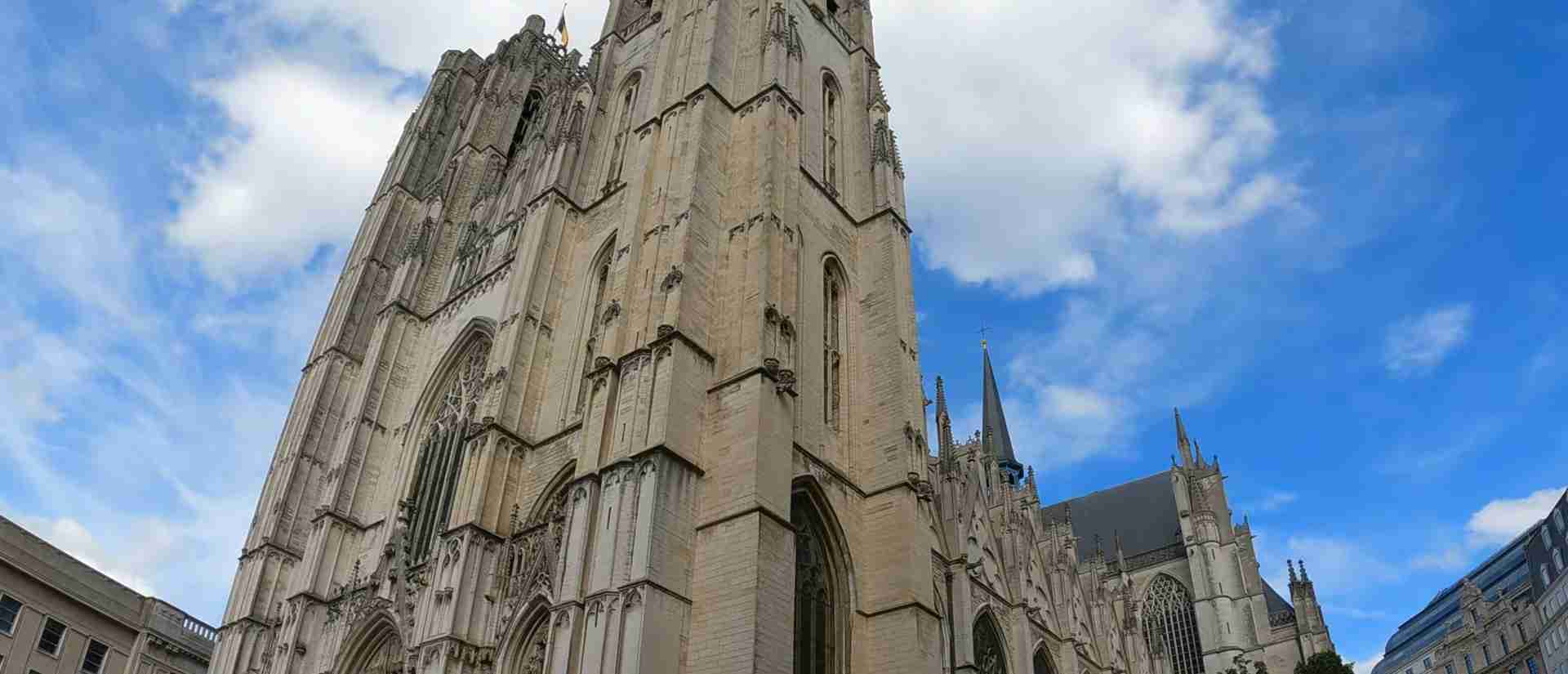
Cathedral of St. Michael and St. Gudula opens its main sections free to visitors, showcasing Gothic architecture from the 13th-15th centuries. The twin towers, impressive stained glass windows, and ornate interior provide architectural highlights without admission charges. Special chapels or treasury sections may charge small fees, but primary cathedral access remains complimentary.
Notre Dame de la Chapelle, Notre Dame du Sablon, and numerous other Brussels churches welcome visitors free. These religious buildings preserve centuries of architectural heritage, artistic treasures, and peaceful interiors contrasting with bustling city streets. Respectful dress (covered shoulders and knees) and quiet behavior show appropriate consideration for active places of worship.
European Quarter & Political Brussels (Free)
Parlamentarium stands as Brussels’ premier free attraction, offering interactive exhibitions explaining European Parliament functions, EU history, and parliamentary democracy. The visitor center occupies modern facilities near European Parliament buildings, providing engaging displays suitable for all ages. Admission remains free, though advance online booking during peak seasons secures entry slots.
European Quarter exploration costs nothing, allowing visitors to photograph iconic EU institutions from exterior vantage points. European Commission’s Berlaymont Building, European Parliament’s modern glass architecture, and European Council headquarters create impressive urban landscape. While interior tours require advance booking and security clearance, walking through this district costs nothing.
Parks & Green Spaces (Always Free)
Parc de Bruxelles (Warandepark) provides Brussels’ largest central park, stretching from Royal Palace to Parliament. Tree-lined paths, formal gardens, fountains, and open lawns create peaceful respite from urban sightseeing. Local office workers lunch here, families enjoy playgrounds, and tourists rest between museum visits, all without admission fees.
Parc du Cinquantenaire features the monumental triumphal arch framing expansive green spaces. While museums flanking the park charge admission, the grounds themselves remain free for walking, picnicking, and photography. The arch’s elevated position provides free viewpoints across Brussels’ eastern districts.
Jardin botanique de Bruxelles offers botanical garden atmosphere with outdoor sections accessible without charge (interior greenhouses may charge admission). Bois de la Cambre extends Brussels’ park system with extensive woodlands, lakes, and walking trails perfect for escaping urban density without spending money.
Comic Book Route & Street Art (Free)
Brussels’ Comic Book Route features over 50 large-scale murals celebrating Belgian comic strip heritage across city neighborhoods. Self-guided walking following these street art installations costs nothing while showcasing characters from Tintin, Lucky Luke, The Smurfs, and other Belgian comics. Free maps available from tourist information or downloadable online guide visitors between mural locations.
These elaborate facades transform building walls into outdoor art gallery celebrating Belgium’s comic strip tradition. Photography remains permitted (murals appear on public buildings), creating unique souvenir images without museum admission costs. The route covers diverse neighborhoods beyond tourist centers, revealing authentic Brussels districts rarely seen on typical itineraries.
Architectural Highlights (Exterior Free)
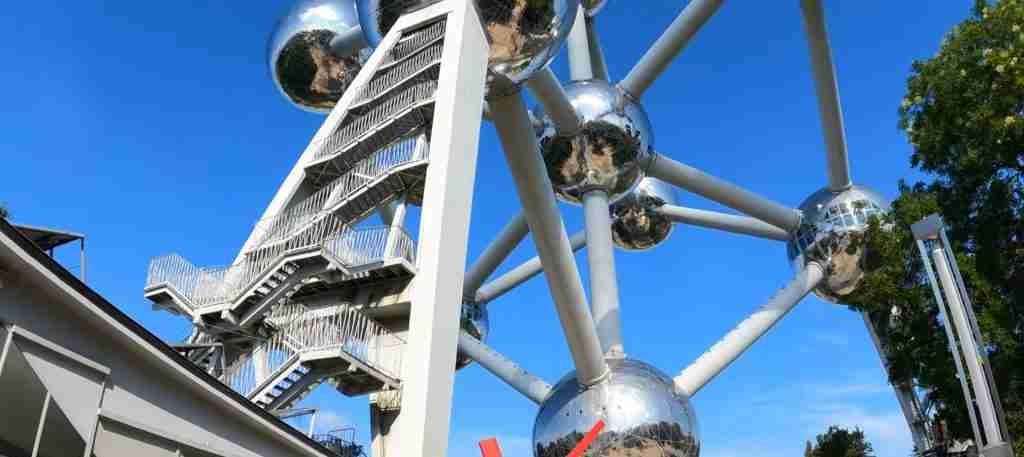
Atomium’s unique 1958 World’s Fair structure commands attention from surrounding parkland. Interior access costs €16, but admiring the 102-meter tall iron crystal structure from surrounding paths and gardens remains free. Evening illumination creates spectacular photo opportunities, while nearby Mini-Europe charges separate admission but Atomium grounds stay accessible.
Palace of Justice dominates Brussels’ skyline with massive 19th-century architecture visible across the city. While interior access requires security procedures, the building’s monumental neoclassical exterior provides impressive photography subjects free. Nearby Place Poelaert offers panoramic viewpoints across lower Brussels districts.
Royal Saint-Hubert Galleries present elegant 19th-century shopping arcades with stunning glass-vaulted ceilings. Walking through these covered passages costs nothing, while window shopping designer boutiques, chocolatiers, and cafés reveals Brussels’ commercial heritage. The galleries connect Rue du Marché aux Herbes to Rue de l’Écuyer, creating weather-protected routes through the city center.
Free & Budget Museum Access 2026
First Sunday Free Museum Program
Many Brussels museums offer free admission on the first Sunday of each month, creating exceptional value for budget travelers who time visits accordingly. First Sundays 2026 include: January 4, February 1, March 1, April 5, May 3, June 7, July 5, August 2, September 6, October 4, November 1, December 6.
Museums participating in first Sunday free admission include Brussels City Museum (Brussels history and Manneken Pis costumes), GarderoBe MannekenPis Museum (extensive costume collection), Art & Marges Museum (outsider art), Maison d’Erasme (historic house and peaceful garden), Bruxelles 1238 archaeological site, MIMA Museum (contemporary art), and Bibliotheca Wittockiana (artistic bookbinding).
First Wednesday free admission operates at some institutions including Royal Museums of Fine Arts (from 1 PM). Check specific museum websites for confirmed 2026 schedules as policies occasionally change. Arriving early on free days prevents long queues forming at popular museums, with last entry times sometimes occurring mid-afternoon during free admission periods.
Always-Free Museums
Several Brussels museums maintain permanent free admission. National Bank of Belgium Museum explores monetary history and central banking in magnificent 19th-century building, providing free audio guides and interactive exhibits explaining euro security features and National Bank missions. Opening hours Monday-Friday 9 AM-5 PM make this accessible for weekday visitors.
Marc Sleen Museum celebrates Flemish cartoonist’s “Adventures of Nero” comic series with free admission to permanent collections. Archives and Museum of Francophone Literature preserves Belgian literature heritage without charging entry fees. Museum of Costume and Lace displays royal lace collections and historical costumes in 17th-18th century houses.
Flemish Parliament Visitor Centre offers free access to Flemish democracy exhibits in Parliament’s historical reception hall. Archives and Museum of Flemish Life in Brussels documents Dutch-speaking Brussels heritage through free exhibitions of documents, correspondence, and cultural artifacts.
Brussels Card Museum Pass
Brussels Card provides free entry to 40+ museums plus optional unlimited public transport. Pricing 2026: 24 hours €32, 48 hours €42, 72 hours €52, with transport add-on costing approximately €8-12 extra. Museums included: Royal Museums of Fine Arts, Magritte Museum, Musical Instruments Museum, Autoworld, MOOF Museum, BELvue Museum, and dozens more.
The card proves valuable for intensive museum days, breaking even after 3-4 museum visits (typical museum admission €8-15). Calculate whether your planned museum touring justifies the upfront cost versus using first Sunday free admission and selective paid entries. Visitors prioritizing 2-3 museums total often save money skipping the Brussels Card and strategically timing free admission days.
Purchase Brussels Card online before arrival or from tourist information offices. Activation begins upon first museum entry, so activate strategically to maximize the 24/48/72-hour window. The card also provides discounts at selected restaurants and shops, though significant savings concentrate in museum admissions rather than commercial discounts.
Budget Food & Dining Strategies 2026
Street Food & Quick Meals 2026
Friteries (frietkot) serve Belgium’s famous fries for €3.50-5 per cone, with various sauce options included. These traditional takeaway stands provide filling budget meals, especially when combined with grilled meat (€6-9 total). Friterie Tabora near Brussels-South station and Fritland near Bourse offer authentic experiences at local prices rather than tourist markups.
Kebab stands throughout Brussels provide substantial sandwiches €5-9, with larger portions including fries and drink reaching €9-12. These filling meals often feed budget travelers for lunch and dinner. Lebanese and Middle Eastern establishments like L’Express offer shawarma, falafel, and similar options at comparable prices with generous portions.
Belgian waffles from street vendors cost €2-5 depending on toppings, though tourist-heavy areas around Grand Place charge premium prices. Bakeries sell authentic waffles and pastries €2-4, providing breakfast or snack options considerably cheaper than café service. Look for local bakeries in residential neighborhoods rather than tourist-center shops.
Budget Restaurant Meals 2026
Traditional tavernes and brasseries serve lunch menus €8-15 including substantial main courses. These authentic Belgian establishments offer better value and quality than tourist-trap restaurants surrounding Grand Place. Typical lunch options include omelettes (€8-10), croques-monsieur (€8-12), pasta dishes (€10-14), and daily specials (€10-15).
Mid-range dinner main courses cost €14-20 at neighborhood restaurants away from prime tourist zones. Belgian specialties like carbonnade flamande (beef beer stew) €18-22 or moules frites (mussels and fries) €18-27 provide authentic dining experiences without reaching fine dining prices. Restaurants in Saint-Géry, Ixelles, and Saint-Gilles offer better value than Grand Place vicinity.
Skip appetizers and desserts to reduce restaurant bills, as Belgian portions typically satisfy without multi-course meals. Drinking tap water instead of bottled beverages saves €2-3 per person. Lunch prices generally run 30-40% lower than dinner for identical dishes at the same restaurant, making lunch the strategic time for restaurant splurges.
Supermarket & Self-Catering 2026
Supermarkets including Carrefour, Delhaize, and Colruyt provide picnic supplies at fraction of restaurant costs. Fresh bread, local cheese, sliced ham, fruit, and vegetables create satisfying meals for €5-8 per person. Many Brussels accommodations provide guest kitchens, allowing preparation of breakfast and simple meals from supermarket ingredients.
Ready-to-eat supermarket meals including sandwiches, salads, and prepared dishes cost €5-8, versus €15-20+ for equivalent restaurant meals. Department store cafeterias like Galeria Kaufhof offer filling hot meals €8-12 in casual settings. Supermarket wine and beer costs €2-5 per bottle/large beer versus €4-8 in restaurants.
Breakfast from supermarkets (bread, cheese, yogurt, fruit, coffee) totals €3-5 versus €15-20 for hotel breakfast buffets. Many travelers save substantial money by declining hotel breakfast, instead purchasing supplies from nearby supermarkets. Bakeries sell fresh morning pastries €2-4, providing authentic Belgian breakfast experience without hotel markup.
Belgian Beer on a Budget 2026
Supermarkets sell excellent Belgian beers €1.65-3 per bottle, allowing in-room or park enjoyment at fraction of bar prices (€3-5 for regular beers, €4-8 for specialty beers in cafés). However, experiencing authentic Belgian beer culture in traditional cafés justifies occasional splurging, as atmosphere and expertise add value beyond simple beer consumption.
Happy hour specials and local neighborhood bars charge lower prices than tourist-center establishments. Moeder Lambic (both Original and Fontainas locations) and Brasserie de l’Union offer extensive selections at reasonable prices within authentic local atmospheres. A la Mort Subite provides historic ambiance with moderate pricing, while Delirium Café attracts tourists but offers 2000+ beers for enthusiasts willing to pay premium for selection.
Sample Daily Budget Breakdowns 2026
Ultra-Budget Backpacker Day (€50-65)
Accommodation: Hostel dorm bed €25-35 (MEININGER Bruxelles City Center, Sleep Well Youth Hostel, or similar).
Food: Bakery breakfast €3, friterie lunch €5, supermarket dinner €7, snacks/coffee €5. Total food: €20.
Transport: Public transport daily cap €8.50 (or less if extensive walking).
Attractions: Free attractions (Grand Place, Manneken Pis, parks, churches, Comic Book Route, Parlamentarium), or one museum on first Sunday free admission. €0 attraction cost.
Extras/buffer: €5-10 for incidentals, water, emergency expenses.
Daily total: €51-66 per person excluding accommodation. With accommodation: €76-101 daily.
Mid-Range Budget Traveler Day (€100-130)
Accommodation: Mid-range hotel double room €120-180 (€60-90 per person sharing), or budget hotel single €80-100.
Food: Bakery breakfast €4, taverne lunch €15, mid-range dinner €25, coffee/snacks €6. Total food: €50.
Transport: Public transport daily cap €8.50, or Brussels Card with transport €40-52 for 24 hours including museums.
Attractions: 1-2 paid museum entries €15-25 (or Brussels Card covering multiple museums), mix with free attractions.
Extras: €15-20 for souvenirs, drinks, incidentals.
Daily total: €98-133 per person excluding accommodation. With accommodation: €158-223 daily.
Comfortable Budget Day (€150-180)
Accommodation: Good hotel double room €180-240 (€90-120 per person sharing).
Food: Café breakfast €8, quality lunch €25, nice dinner €40, beer/drinks €10. Total food: €83.
Transport: Public transport €8.50, occasional taxi €10-15.
Attractions: Brussels Card €42-52 (48 hours), or 2-3 museums plus paid experiences €30-40, guided tours €20-30.
Extras: €25-35 for chocolate, souvenirs, specialty beer purchases.
Daily total: €153-188 per person excluding accommodation. With accommodation: €243-308 daily.
Seasonal Money-Saving Strategies 2026
Off-Season Value (January-March, November)
Winter Brussels (excluding Bright Brussels Festival February 12-15) offers lowest accommodation rates, sometimes 30-40% below peak summer pricing. Mid-range hotels charging €180-240 in July drop to €120-160 in January-February. Hostels maintain more consistent pricing but still reduce rates during slowest months.
Restaurant winter specials and reduced competition for tourist business sometimes create better lunch deals. Museums operate with shorter queues, allowing efficient visits without time wasted waiting. Indoor cultural focus suits winter weather while maximizing free museum first Sundays and free attractions requiring minimal outdoor exposure.
Winter clothing requirements add packing bulk but reduce destination costs. Heavy coat, waterproof boots, and warm layers necessary for comfortable Brussels winter sightseeing travel from home rather than requiring local purchases. Indoor heating everywhere means layering works better than single heavy garments.
Shoulder Season Balance (April-May, September-October)
Shoulder seasons combine reasonable weather with moderate pricing between winter lows and summer peaks. April-May hotel rates run 15-25% below July-August, while September-October maintains similar value. Better weather than winter increases outdoor sightseeing appeal while avoiding peak summer crowds and heat.
May’s Kunstenfestivaldesarts (May 8-30) and September’s Belgian Beer Weekend (September 5-7) provide festival experiences without July-August tourist density. These months reward advance booking but offer more last-minute availability than peak summer when accommodations sell out months ahead.
Avoiding Peak Season Premiums
July-August accommodation rates peak, particularly around Belgian National Day (July 21), Ommegang (July 1-3), and Flower Carpet (August). Hotels near Grand Place charge premium rates, while establishments further from tourist center maintain more reasonable pricing. Staying in residential neighborhoods like Ixelles or Saint-Gilles reduces costs while providing authentic local atmosphere.
Restaurant prices increase near major attractions, with Grand Place establishments charging 40-60% more than comparable quality restaurants in Saint-Géry or Ixelles. Walking 10-15 minutes from prime tourist zones delivers significant food savings without compromising cuisine quality. Local neighborhood restaurants serve identical Belgian specialties at lower prices with more authentic atmospheres.
Free Events & Festivals 2026
Year-Round Free Festivals
Fête de la Musique (June 19-22, 2026) fills Brussels with over 1,500 free music performances across multiple venues and outdoor stages. This celebration of music diversity costs nothing to attend, providing exceptional entertainment value. Belgian National Day (July 21) brings free concerts, military parades, and evening fireworks displays celebrating Belgian independence.
Iris Festival (May 2-3, 2026) offers free concerts in Brussels Park, street entertainment, and cultural programming celebrating Brussels’ regional identity. Most festival activities remain free, making this accessible family-friendly cultural experience. Heritage Days (third weekend September) open normally closed buildings for free, providing rare architectural access without admission charges.
Bright Brussels Festival (February 12-15, 2026) creates spectacular illuminated art installations throughout the historic center, all freely accessible during four magical nights. This major light festival attracts hundreds of thousands of visitors without charging admission, though accommodation books up months ahead requiring early planning.
Seasonal Free Programming
Summer months bring outdoor concerts, street performances, and temporary beach installations (Brussels-Les-Bains) free to visit. Many neighborhoods host local festivals and markets during warmer months, providing authentic cultural experiences without tourist pricing. Christmas markets throughout December offer free browsing, though purchases obviously incur costs.
First Wednesday many months, some museums extend free afternoon admission. Check museum websites for confirmed 2026 schedules. These mid-week free afternoons create alternatives to crowded first Sunday museum visits while maintaining free admission benefits.
Strategic Spending: When to Splurge 2026
Worth the Money: Strategic Splurges
Belgian chocolate merits budgeting €10-20 for quality purchases from artisanal chocolatiers like Pierre Marcolini, Laurent Gerbaud, or Neuhaus. While expensive, authentic Belgian chocolate represents cultural experience worth modest splurging. Many shops offer free samples, allowing taste-testing before purchases.
One nice Belgian dinner at traditional restaurant (€40-60 per person including beer) provides memorable authentic experience justifying cost. Carbonnade flamande, waterzooi, or moules frites in atmospheric brasserie creates cultural immersion beyond simple nutrition. Choose one quality dinner rather than multiple mediocre tourist-trap meals.
Atomium interior access (€16) rewards architecture enthusiasts with panoramic city views and exhibits inside the iconic spheres. While the exterior provides free photography, interior exploration offers unique perspective worth considering for those interested in modern architecture and Brussels history. Combination tickets with other attractions sometimes provide better value.
Skip These: Tourist Traps 2026
Avoid restaurants immediately surrounding Grand Place charging 40-60% premiums for mediocre food in prime locations. Identical Belgian cuisine costs substantially less in neighborhoods 10-minute walk from tourist epicenter. Grand Place establishments rely on tourist traffic rather than quality or value, making them poor dining choices.
Skip tourist-oriented chocolate shops near Manneken Pis selling mass-produced chocolate at inflated prices. Authentic chocolatiers in quieter neighborhoods provide superior products at better value. Tourist shops selling “Belgian” souvenirs often stock generic mass-produced items at excessive markups.
Avoid purchasing bottled water (€2-3) when tap water flows safe and free throughout Brussels. Carry reusable water bottle, refilling at fountains or requesting tap water at restaurants. Skip overpriced convenience stores near attractions, instead walking to supermarkets in residential areas for drinks and snacks.
Money-Saving Apps & Resources 2026
Essential Budget Apps
STIB/MIVB official app provides public transport planning, real-time arrival information, and contactless payment options. Download before arrival to navigate Brussels efficiently. The app displays routes, schedules, and helps identify nearest metro/tram/bus stops from current location.
Google Maps works excellently for walking directions and identifying free attractions. Download offline Brussels map before arrival to avoid data roaming charges. The walking directions help navigate between free sights while discovering authentic neighborhoods beyond tourist routes.
Happy Cow app identifies budget-friendly vegetarian/vegan restaurants, often providing better value than traditional establishments. Even non-vegetarians benefit from locating affordable healthy food options beyond typical Belgian heavy cuisine.
Booking Resources
Booking.com, Hostelworld, and hotel direct websites allow price comparison for Brussels accommodation. Booking 2-3 months ahead generally secures better rates than last-minute reservations, though occasionally last-minute deals appear during slow periods. Filter by neighborhood to find value areas beyond tourist center.
Brussels tourism official website (visit.brussels) provides free maps, event calendars, and practical information. Museum websites confirm current first Sunday/Wednesday free admission policies before visit planning. Event websites announce festival dates and programming details months ahead, enabling strategic timing.
Brussels Budget Planning Checklist 2026
Before Arrival
- Book accommodation 2-3 months ahead in residential neighborhoods (Ixelles, Saint-Gilles) for better value than tourist center
- Check museum websites for confirmed first Sunday 2026 free admission schedules
- Download STIB/MIVB app and offline Google Maps
- Research festival dates if timing visit around specific events
- Calculate whether Brussels Card provides savings based on planned museum visits
- Pack comfortable waterproof walking shoes and layers for changeable weather
Upon Arrival
- Purchase MOBIB card (€6) if planning extensive public transport use, or use contactless payment for convenience
- Locate nearest supermarket to accommodation for breakfast supplies and snacks
- Get free Brussels map from tourist information
- Identify nearby friterie and bakery for budget meal options
- Confirm current opening hours and free admission policies at planned museums
Daily Budget Management
- Start each day at bakery for breakfast pastry (€2-4) versus hotel breakfast (€15-20)
- Pack water bottle, refilling from taps to avoid bottled water purchases
- Eat substantial lunch (€8-15) rather than expensive dinner (€20-35) at same restaurant
- Walk between central attractions rather than using transport for short distances
- Visit free attractions mornings, save paid museums for rainy afternoons or first Sundays
- Purchase supermarket supplies for one daily meal (breakfast or dinner)
- Track spending daily to ensure staying within budget, adjusting subsequent days if overspending
Three-Day Brussels Budget Itinerary 2026
Day 1: Free Brussels Highlights
Morning: Walk to Grand Place (free), photograph UNESCO square, visit Manneken Pis (free), explore Royal Saint-Hubert Galleries (free window shopping). Bakery breakfast €3.
Lunch: Friterie fries with sauce €4, or taverne lunch special €12.
Afternoon: Cathedral of St. Michael and St. Gudula (free), walk to Mont des Arts viewpoint (free), explore Parc de Bruxelles (free). Coffee break €3.
Evening: Supermarket dinner supplies €8, evening walk around illuminated Grand Place.
Day 1 costs: Food €30, transport €8.50 daily cap, attractions €0. Total: €38.50 excluding accommodation.
Day 2: Museums & Culture (First Sunday)
Morning: Brussels City Museum (free first Sunday), GarderoBe MannekenPis Museum (free first Sunday), early arrival avoids queues. Bakery breakfast €3.
Lunch: Budget restaurant lunch €15 in Saint-Géry neighborhood.
Afternoon: Royal Museums of Fine Arts (free first Wednesday 1 PM or first Sunday), Maison d’Erasme garden visit (free first Sunday). Afternoon coffee €3.
Evening: Traditional Belgian dinner splurge €30 (carbonnade flamande with beer), experiencing authentic cuisine.
Day 2 costs: Food €51, transport €8.50, attractions €0 (first Sunday). Total: €59.50 excluding accommodation.
Day 3: Neighborhoods & Comic Route
Morning: Comic Book Route self-guided walk (free), discovering street art murals across diverse neighborhoods. Bakery breakfast €3.
Lunch: Kebab or shawarma €7, or friterie €5.
Afternoon: Parlamentarium visit (free EU center), European Quarter architecture walk (free), Parc du Cinquantenaire (free grounds). Afternoon snack €4.
Evening: Supermarket picnic in park €8, sunset from elevated viewpoint, Belgian beer from supermarket €3 enjoyed outdoors.
Day 3 costs: Food €25, transport €8.50, attractions €0. Total: €33.50 excluding accommodation.
Three-Day Total: €131.50 food/transport/attractions, plus accommodation €75-300 depending on hostel/hotel choice. Budget traveler total: €206.50-431.50 for three days/two nights.
Frequently Asked Questions
Can I realistically visit Brussels for €50 per day in 2026?
Yes, €50 daily proves realistic for disciplined budget travelers staying in hostels (€25-35), eating street food and supermarket meals (€15-25), maximizing free attractions, and walking extensively while using public transport’s €8.50 daily cap only when necessary. This budget requires prioritizing free museums on first Sundays, avoiding restaurant meals, and accepting basic hostel accommodations. Adding €10-15 daily buffer (€60-65 total) provides more comfortable cushion for occasional splurges or unexpected expenses while maintaining budget framework.
What free attractions can I visit in Brussels on a Sunday in 2026?
Every Sunday offers permanently free attractions including Grand Place, Manneken Pis, all churches including Cathedral of St. Michael and St. Gudula, parks (Parc de Bruxelles, Parc du Cinquantenaire, Bois de la Cambre), Comic Book Route, Royal Saint-Hubert Galleries, Parlamentarium, and architectural exteriors (Atomium grounds, Palace of Justice). First Sundays monthly add numerous museums providing free admission including Brussels City Museum, Royal Museums of Fine Arts, Magritte Museum, BELvue Museum, Art & Marges Museum, and others, making first Sunday the optimal day for maximum free cultural access.
How much should I budget for food per day in Brussels 2026?
Budget travelers manage €20-30 daily combining supermarket breakfast (€3-5), street food lunch (€5-9), and simple supermarket dinner (€7-10) with coffee/snacks (€5). Mid-range travelers need €40-50 daily for bakery breakfast (€4-6), taverne lunch (€12-18), restaurant dinner (€20-30), and drinks/snacks (€8-12). Comfortable budgets reach €60-80 daily including café breakfasts, quality lunches, nice dinners, and Belgian beer experiences. These estimates exclude special dining experiences or fine dining which substantially increase costs. Strategic lunch emphasis versus dinner reduces spending while maintaining quality Belgian cuisine exposure.
Is Brussels expensive compared to other European capitals in 2026?
Brussels falls mid-range among European capitals, significantly cheaper than Paris, London, Amsterdam, or Copenhagen, but more expensive than Eastern European capitals like Prague, Budapest, or Krakow. Compared to Southern European destinations (Barcelona, Rome, Lisbon), Brussels costs similarly for accommodation but slightly more for dining. The city rewards budget strategies more than capitals like Paris where even budget options carry premium pricing. Brussels’ extensive free attractions, first Sunday museum program, and reasonable public transport create value opportunities matching budget travelers’ needs.
Do I need to tip in Brussels restaurants in 2026?
Belgian restaurant bills include service charges (typically 15% automatically added), making additional tipping optional rather than expected. Locals round up bills or leave small change (€1-3) for good service, but 15-20% American-style tipping doesn’t apply. For exceptional service, adding 5-10% on top of included service shows appreciation. At cafés, rounding up drink bills covers standard gratuity. This service-included pricing means menu prices reflect actual costs without mental calculation of additional 20% tip, helping budget travelers accurately predict dining expenses.
What is the cheapest month to visit Brussels in 2026?
January and November offer lowest overall costs with accommodation rates 30-40% below peak summer, minimal tourist crowds, and excellent availability. February provides similar value except during Bright Brussels Festival (February 12-15) creating temporary price surge. March and early April maintain low-season pricing with improving weather. However, these cheapest months require accepting cold temperatures (3-10°C), limited sunshine (2-3 hours daily), and frequent rain. Budget travelers prioritizing cultural experiences over outdoor activities find exceptional value during these months despite weather challenges.
How does the Brussels Card work and is it worth buying in 2026?
Brussels Card costs €32 (24 hours), €42 (48 hours), or €52 (72 hours) including free entry to 40+ museums normally charging €8-15 each, plus discounts at restaurants and shops. Optional public transport add-on (€8-12 extra) provides unlimited STIB/MIVB access. The card breaks even after 3-4 museum visits daily, making it valuable for intensive cultural tourism. However, travelers visiting 1-2 museums daily, utilizing first Sunday free admission, or prioritizing free attractions save more money skipping the Brussels Card and paying individual entries selectively. Calculate planned museum visits to determine if upfront card cost provides actual savings versus pay-as-you-go approach.
What are the best free viewpoints in Brussels 2026?
Mont des Arts provides free panoramic views across Brussels’ lower town toward Atomium, accessible by walking from Grand Place or Place Royale. Parc du Cinquantenaire’s triumphal arch offers elevated perspectives across eastern Brussels without admission fees. Atomium grounds (exterior free, interior €16) allow impressive close-up photography though not panoramic city views. Place Poelaert near Palace of Justice delivers free vistas across Brussels’ western districts. These viewpoints require no entrance fees, cable cars, or observation deck tickets, creating budget-friendly photography and orientation opportunities.
Can I drink tap water in Brussels to save money in 2026?
Yes, Brussels tap water flows safe and high-quality throughout the city, providing free hydration alternative to bottled water (€2-3 per bottle). Carry reusable water bottle, refilling at public fountains, in accommodations, or requesting tap water (free) at restaurants. This simple strategy saves €6-10 daily for travelers otherwise purchasing multiple bottled beverages. Many Brussels restaurants serve tap water upon request without charges, though some establishments push bottled water sales. Politely insisting on tap water reduces dining costs while maintaining proper hydration during walking-intensive sightseeing.
What budget-friendly souvenirs should I buy in Brussels 2026?
Belgian chocolate from quality chocolatiers (€10-25) provides authentic edible souvenir better than mass-produced tourist shop offerings. Supermarket Belgian beers (€2-5 per bottle) allow bringing home specialty brews at reasonable prices versus gift shop markups. Local markets sell Belgian lace, though authentic handmade lace costs significantly more than mass-produced versions. Comic strip merchandise, tin toys, and Brussels-themed items from museum shops support cultural institutions while providing unique souvenirs. Avoid Grand Place tourist shops selling generic items at inflated prices, instead seeking neighborhood shops and markets for better value authentic products.