
Brussels Best Tours & Walking Routes 2026: Complete Guide
Brussels offers exceptional touring opportunities from free tip-based walking tours and specialized beer tastings to self-guided routes exploring Art Nouveau architecture, comic book murals, and UNESCO heritage sites. This comprehensive guide covers organized tour options, pricing strategies, recommended walking routes, and practical tips for experiencing Brussels through guided expertise or independent exploration, helping you discover the city’s hidden corners and famous landmarks efficiently.
Key Takeaways
- Free Walking Tours: Multiple daily departures from Grand-Place operate on tip-based models (€10-50 typical contributions) covering historic center, major landmarks, and Brussels culture in 2-2.5 hours
- Specialized Tours Available: Beer tastings (€40-60), food tours (€60-80), chocolate experiences (€50-70), and private custom tours enable focused exploration of specific interests
- Self-Guided Routes: Comic Book Trail (50+ murals), Art Nouveau walks, UNESCO heritage circuits, and neighborhood explorations provide free independent alternatives with downloadable maps
- Compact Geography: Central Brussels walking routes typically span 2-3 kilometers, covering Grand-Place to Sablon, Royal Quarter, or European District comfortably in 2-3 hours
- Tour Timing Strategies: Morning departures (10-11 AM) avoid afternoon heat and crowds, while evening tours offer different perspectives; book specialty tours 2-3 days ahead during summer months
- Combination Opportunities: Link organized tours with self-guided exploration, using morning guided context to inform afternoon independent wandering through neighborhoods and specific sites
People Also Ask About Brussels Tours 2026
Are Free Walking Tours in Brussels Actually Free in 2026?
Brussels free walking tours operate on authentic “pay what you want” models where participants determine compensation after tour completion based on satisfaction and budget. No fixed prices exist, though guides naturally appreciate tips reflecting the 2-2.5 hour professional service provided. Most participants contribute €10-50 per person, with €15-20 representing common amounts for quality tours. Tour companies emphasize the free aspect genuinely – no pressure tactics or minimum payment requirements apply, though obviously guides depend on tips for income.
These tours differ fundamentally from “free then sales pitch” scams common in some cities. Brussels free walking tour guides provide genuine historical information, local insights, and city orientation without pushing additional purchases beyond occasional restaurant or attraction recommendations. The model succeeds through word-of-mouth reputation and online reviews rather than captive audience sales tactics. Visitors uncomfortable with tip-based systems can book fixed-price private tours or specialty experiences instead, though free tours provide exceptional value particularly for budget-conscious travelers or those testing interest before committing to paid specialty tours.
What’s the Best Walking Tour for First-Time Brussels Visitors?
Free walking tours departing daily from Grand-Place provide optimal first-time Brussels orientation, covering essential landmarks including Grand-Place itself, Manneken Pis, Galeries Royales Saint-Hubert, Royal Palace area, and Mont des Arts viewpoint while explaining Belgian history, EU institutions’ role, and local culture. The 2-2.5 hour duration balances comprehensive coverage with sustainable walking pace, typical 15-20 person group sizes enable interaction with guides, and tip-based pricing eliminates financial risk if tours disappoint expectations.
Major operators including Sandeman’s New Europe, BelgoTours, and Walkative run multiple daily departures (typically 10 AM, 11:30 AM, and afternoon times) allowing schedule flexibility. Look for guides carrying yellow umbrellas, red umbrellas, or company-specific markers at Grand-Place meeting points – arrive 10 minutes early for smooth joining. These introductory tours work brilliantly as day-one activities, providing city context informing subsequent independent exploration. After completing the general tour, consider afternoon self-guided wandering through neighborhoods that interested you during morning orientation, or book specialty tours (beer, chocolate, Art Nouveau) for following days based on developed interests.
Are Brussels Beer Tours Worth the Cost?
Brussels beer tours justify their €40-60 pricing for beer enthusiasts seeking expert guidance through Belgium’s complex beer landscape, offering curated tastings of 6-8 varieties spanning styles from Trappist ales to lambics, professional explanations of brewing traditions and flavor profiles, visits to atmospheric cafes tourists might not discover independently, and insider knowledge about Belgian beer culture’s historical and contemporary significance. Tours eliminate the overwhelming choice paralysis facing visitors confronting 1,500+ Belgian beer varieties without guidance.
Value extends beyond simple beer sampling into educational experiences explaining spontaneous fermentation in lambics, Trappist monastery brewing traditions, proper glassware importance, and food pairing principles. Guides navigate language barriers at traditional cafes, provide context for understanding Belgian beer’s UNESCO Intangible Cultural Heritage consideration, and often share local perspectives on contemporary craft brewing movement. Casual drinkers satisfied with basic Belgian beer bar experiences may find better value independently visiting Delirium Café or neighborhood brown cafes, but serious beer enthusiasts consistently rate organized tours as highlights enabling deeper appreciation than solo exploration achieves.
Can I Explore Brussels’ Art Nouveau Architecture Without a Paid Tour?
Brussels’ Art Nouveau architecture responds perfectly to self-guided exploration through free walking routes downloadable from tourism websites or available at information offices. The city contains hundreds of Art Nouveau buildings beyond the UNESCO-listed Horta houses, concentrated in neighborhoods including Ixelles, Saint-Gilles, and Schaerbeek. Detailed route maps identify significant examples, provide historical context, and suggest efficient walking sequences connecting multiple sites within single outings requiring 2-4 hours depending on thoroughness.
Self-guided advantages include flexible pacing enabling extended photography stops at favorite buildings, ability to combine architecture viewing with cafe breaks or restaurant exploration in Art Nouveau neighborhoods, and cost-free access to exterior appreciation of dozens of examples. The Horta Museum (€15) provides essential interior context for understanding Art Nouveau principles through original furnishings and architectural details, enhancing subsequent exterior viewing appreciation. Alternative paid Art Nouveau tours (€30-50) offer expert architectural analysis and access to private buildings occasionally, worthwhile for serious architecture students or professionals but unnecessary for general appreciation of the style’s impact on Brussels’ urban landscape.
Extended multi-day tours – 5+ days
Featured Belgium Multi-Day Tour Packages
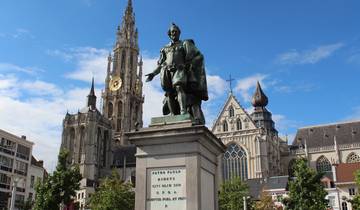
7 days
7 Day Brussels including Antwerp, Battle of the Bulge, Flanders Fields, Ghent, Bruges, Luxemburg & Dinant
- ✓ Comprehensive Belgium tour
- ✓ Expert local guides included
- ✓ All accommodation arranged
- ✓ Transportation provided
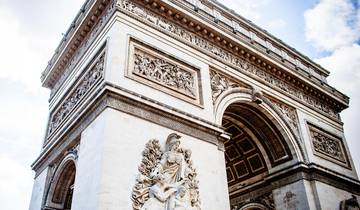
7 days
7 Days Across Paris & Brussels: From Eiffel Tower to Grand Place
- ✓ Comprehensive Belgium tour
- ✓ Expert local guides included
- ✓ All accommodation arranged
- ✓ Transportation provided
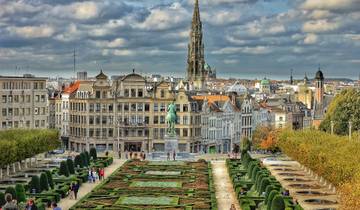
6 days
6 Days of Belgian Charm: Bruges, Ghent, Antwerp, Dinant & Luxembourg
- ✓ Comprehensive Belgium tour
- ✓ Expert local guides included
- ✓ All accommodation arranged
- ✓ Transportation provided

9 days
9 Days in Brussels and Luxembourg by Train: Fairytale Cities, Castles & Culture
- ✓ Comprehensive Belgium tour
- ✓ Expert local guides included
- ✓ All accommodation arranged
- ✓ Transportation provided
Multi-day tour packages powered by TourRadar. Prices and availability subject to change.
Introduction: Why Tours and Walking Matter in Brussels 2026
Brussels’ layered history spanning medieval origins, Burgundian prosperity, Spanish and Austrian rule, French occupation, Belgian independence, and EU capital development creates complex narratives difficult to absorb through independent wandering without contextual frameworks. Guided tours provide essential historical scaffolding, connecting architectural styles to political periods, explaining bilingual tensions between Flemish and French communities, and illuminating how international institutions transformed a provincial capital into Europe’s diplomatic center. Even brief free walking tours deliver context enriching subsequent solo exploration throughout multi-day visits.
The city’s compact geography – most central attractions cluster within 2-3 kilometer radius of Grand-Place – makes Brussels exceptionally walkable while limiting orientation challenges affecting sprawling metropolises. Walking tours leverage this density by connecting diverse sites within sustainable 2-3 hour sessions: from Grand-Place’s medieval/baroque grandeur to Art Nouveau residential streets, from EU institutions’ modernist complexes to working-class Marolles flea markets. These contrasts gain coherence through guided narratives explaining Brussels’ multiple identities rather than appearing as disconnected elements.
Brussels rewards both organized tours and self-guided wandering differently. Tours excel at providing historical context, local insights, and efficient time management covering highlights comprehensively. Self-guided routes enable personal pace control, spontaneous discoveries down intriguing side streets, extended cafe breaks, and focused pursuit of specific interests whether Art Nouveau architecture, comic book murals, or neighborhood atmospheres. Optimal Brussels experiences combine both approaches: use morning guided tours for orientation and context, then apply afternoon independent exploration informed by acquired knowledge and developed interests.
Free Walking Tours Brussels 2026
Sandeman’s New Europe Free Tour
Sandeman’s New Europe operates one of Brussels’ longest-established free walking tours, departing Grand-Place daily at multiple times (typically 11 AM, 1 PM, and 3 PM) covering essential historic center highlights through 2-2.5 hour guided walks. The tour covers Grand-Place’s UNESCO architecture, Manneken Pis and its cultural significance, Galeries Royales Saint-Hubert’s 19th-century elegance, Royal Palace area and government quarter, Mont des Arts viewpoint, and Notre-Dame du Sablon church, while explaining Belgian independence, EU institutions’ development, and contemporary social dynamics.
Sandeman’s guides wear red t-shirts and carry red umbrellas for easy identification at the crowded Grand-Place meeting point in front of City Hall. Group sizes vary from 10-30 people depending on season and departure time, with morning tours attracting smaller crowds than afternoon departures. The tour concludes near central Brussels, convenient for continued independent exploration or restaurant visits. While officially “free,” guides clearly depend on tips – participants typically contribute €10-20 per person, with higher amounts (€30-50) reflecting exceptional guide quality or extended group sizes creating less personal interaction.
Book online through Sandeman’s website for guaranteed spots during busy summer months, though walk-up participation usually succeeds except during major events or EU summits. The company operates additional specialty tours including Dark Side of Brussels evening walks (€15), beer tasting tours (€40-50), and private custom tours (€150-200 for groups), enabling progression from free introduction to deeper specialized exploration based on developed interests. Sandeman’s maintains consistent quality standards through guide training and online review management, providing reliable experiences compared to some smaller operators.
BelgoTours Yellow Umbrella Tour
BelgoTours distinguishes itself through yellow umbrella identification and slightly different route emphasis compared to Sandeman’s, though covering similar core attractions. Tours depart Grand-Place (in front of City Hall) at 10 AM and 11:30 AM daily, running 2.5 hours through historic center including Grand-Place, Tintin comic art murals, Manneken Pis, Notre-Dame du Sablon, Royal Square, and Royal Palace, with guides emphasizing Belgian political history, chocolate and beer culture, and contemporary social issues alongside architectural highlights.
The company maintains smaller maximum group sizes (typically 15-20 people) compared to some competitors, enabling more interaction with guides and easier question-answering throughout tours. BelgoTours guides receive positive reviews for humor and engaging storytelling rather than dry historical recitation, making tours entertaining while remaining informative. The yellow umbrella identification system works effectively at Grand-Place where multiple tours depart simultaneously – look specifically for “BelgoTours” text on umbrellas rather than just yellow color.
Like other free tours, BelgoTours operates on tip-based models with €10-50 typical contributions. The company offers fewer specialty tour options than larger competitors but maintains strong core free tour reputation. Advance booking through their website guarantees spots though walk-ups usually succeed. Tours operate year-round including winter months when some smaller operators reduce frequency – confirm current schedules particularly during holiday periods when modifications may occur.
Walkative! Free Tours
Walkative! operates international free tour networks including Brussels branches offering standard historic center tours plus specialized thematic variations. The main Brussels tour covers familiar highlights (Grand-Place, Manneken Pis, Royal Quarter) through 2-2.5 hours, while additional options include European Quarter tours explaining EU institutions, evening mystery/legends walks providing different atmospheric perspectives, and occasional seasonal variations during Christmas markets or special events.
Walkative! emphasizes small group experiences and local guide knowledge, with reviewers consistently praising guide enthusiasm and storytelling abilities. Tours depart from Grand-Place with guides carrying distinctive umbrellas or signs – specific identification varies so check booking confirmations for current markers. The company manages online booking efficiently with confirmation emails providing detailed meeting point descriptions, guide contact information, and what-to-expect guidance reducing first-time participant uncertainty.
European Quarter tours offer valuable specialized content for visitors interested in EU institutions beyond tourist-oriented Parlamentarium exhibits. These tours explain Parliament, Commission, and Council functions through guided walks past buildings while contextualizing European integration’s impact on Brussels’ development from provincial capital to international diplomatic center. The 2-hour European Quarter tours provide free alternatives to paid specialized tours while covering similar content at equivalent depth – worthwhile for politically interested visitors or those seeking to understand Brussels’ international character.
Tell Me Stories About Brussels
Tell Me Stories About Brussels differentiates through explicitly comedic approach and emphasis on local perspectives over strict historical chronology. Guides combine factual information with personal anecdotes, irreverent humor, and contemporary cultural insights creating entertaining while informative experiences. The tour covers standard route (Grand-Place, Manneken Pis, surrounding streets) but focuses on understanding Brussels’ character, social dynamics, daily life, and Belgian sense of humor rather than exhaustive architectural or historical detail.
This approach succeeds brilliantly for visitors valuing cultural immersion over academic-style historical lectures, though those preferring traditional factual presentations may find the humor-heavy style less satisfying. Reviews emphasize guide charisma and entertainment value alongside legitimate cultural insights. Tours run daily year-round from Grand-Place, operating 2-2.5 hours with tip-based payment models similar to competitors. The company maintains high online ratings reflecting guide quality and consistent tour experiences.
Tell Me Stories About Brussels works particularly well for repeat Brussels visitors already familiar with basic landmarks seeking deeper cultural understanding, younger travelers appreciating irreverent humor, or anyone finding traditional historical tours excessively dry. The comedic approach never descends into pure entertainment neglecting substance – guides balance humor with genuine local knowledge and cultural analysis. Book ahead during summer or combine walk-up arrival 15 minutes early for best group positioning near guides.
Specialty Food and Drink Tours 2026
Belgian Beer Tasting Tours
Brussels’ exceptional beer culture justifies dedicated tasting tours exploring Belgium’s 1,500+ beer varieties through curated selections, expert guidance, and atmospheric cafe visits. Standard beer tours cost €40-60 per person including 6-8 beer tastings, professional sommelier or certified beer expert guidance, visits to 2-3 traditional cafes or specialty beer bars, and explanations of brewing traditions, flavor profiles, and food pairing principles. Tours typically run 2.5-3 hours during afternoon or evening hours when cafes operate fully.
Brussels Beer Tasting Tour (various operators offer similar experiences) usually includes Trappist monastery ales representing authentic monastic brewing traditions, spontaneously fermented lambics unique to Brussels region, abbey beers demonstrating historical brewing connections, and contemporary craft creations showing ongoing innovation. Guides explain proper glassware use – each Belgian beer has specific glass shapes enhancing aroma and flavor – and demonstrate appropriate tasting techniques. Visits to historic cafes like Delirium Café, Moeder Lambic, or traditional “brown cafes” provide atmospheric context alongside tastings.
Advanced beer tours (€60-80) extend to brewery visits at Cantillon (Brussels’ only remaining traditional lambic brewery) or 3 Fonteinen just outside Brussels, revealing spontaneous fermentation processes and barrel aging techniques unique to the region. These specialized tours combine tastings with behind-scenes production observation, justifying higher costs through exclusive access and deeper technical knowledge. Book brewery tours 4-7 days ahead as group sizes remain limited and popular departure times sell out during summer months. Beer tours suit enthusiasts seeking to understand Belgian beer beyond casual bar visits but remain accessible to curious beginners rather than requiring expert knowledge.
Brussels Food Tours
Brussels food tours explore Belgian culinary traditions beyond chocolate and waffles, typically costing €60-80 for 3-4 hour experiences including 6-8 food tastings, market visits, artisan producer interactions, and cultural context connecting food to Belgian history and regional variations. Tours often concentrate on Sablon/Marolles neighborhoods where antique markets, chocolate shops, artisan bakeries, and traditional restaurants cluster within walkable areas. Tastings usually include Belgian cheeses, charcuterie, fresh bread from traditional bakers, and seasonal specialties.
The Bruxelles Food Tour (representative example) typically visits weekend Sablon antiques market when food stalls supplement antique dealers, traditional chocolatiers offering praline tastings, local cheese shops explaining Belgian varieties from abbey traditions to contemporary creations, and Belgian specialty producers. Guides explain Flemish versus French culinary influences, discuss contemporary Brussels restaurant scene evolution, and share insider recommendations for later independent dining. Group sizes typically remain under 12 participants enabling easier access to small shops and more interaction with guides.
Food tours provide valuable orientation for longer Brussels stays, identifying artisan producers and specialty shops for later revisits, explaining Belgian culinary terminology easing restaurant menu navigation, and contextualizing dishes through cultural and historical backgrounds. Tours work particularly well for foodie travelers planning multiple days in Brussels who can apply acquired knowledge to subsequent independent restaurant exploration. Book 3-5 days ahead during summer, sooner for weekend departures when demand peaks. Many tours accommodate dietary restrictions with advance notice, though vegan/vegetarian options may prove limited given Belgium’s meat and dairy-heavy traditional cuisine.
Chocolate Experience Tours
Brussels chocolate tours range from basic shop-hopping walks (€30-40) to comprehensive experiences including chocolate museum visits, professional tastings, and sometimes hands-on praline-making workshops (€50-80). Standard 2-3 hour tours visit 4-6 established chocolatiers including legends like Pierre Marcolini, Neuhaus, Wittamer, or Laurent Gerbaud, explaining Belgian chocolate traditions, praline filling varieties, ingredient sourcing, and artisan production methods distinguishing quality chocolatiers from mass-market brands.
Choco-Story Brussels museum (€10 independent admission or included in some tours) demonstrates chocolate history from Mesoamerican origins through European adoption, Belgian praline development, and contemporary production, with tasting components and chocolate-making demonstrations. Combined tours integrating museum visits with chocolatier shop tours provide comprehensive chocolate education justifying €50-70 costs. Hands-on praline workshops (€60-80) enable participants to create custom pralines under chocolatier guidance, providing edible souvenirs alongside experiential learning.
Chocolate tours suit sweet-toothed travelers but may disappoint those expecting extensive free samples – tastings remain controlled portions demonstrating varieties rather than unlimited consumption. Tours excel at identifying quality chocolatiers for later independent purchases, explaining praline terminology enabling informed buying decisions, and contextualizing Belgian chocolate traditions within broader culinary culture. Book chocolate museum-including tours 2-3 days ahead, workshop experiences 5-7 days advance during summer. Consider afternoon timing as morning chocolate consumption may feel excessive before lunch.
Self-Guided Walking Routes 2026
Comic Book Route: Brussels’ Street Art Trail
Brussels’ Comic Book Route marks 50+ building murals featuring famous Belgian and international comic characters throughout the city center and outlying neighborhoods. The route creates free self-guided walking experiences combining art appreciation with urban exploration, requiring 3-4 hours for complete coverage or enabling selective targeting of favorite characters. Download free route maps from Visit Brussels website or collect printed versions from tourism offices at Grand-Place or Mont des Arts.
Major murals include Tintin and Snowy (Rue de l’Étuve), Asterix (Rue de la Buanderie), Lucky Luke (Rue de la Buanderie), The Smurfs (Rue du Marché au Charbon), Blake and Mortimer (multiple locations), and dozens more spanning genres from children’s comics to graphic novels. Each mural displays explanatory plaques providing character and artist information, mural creation dates, and connections to Belgian comic traditions. The murals concentrate in historic center streets radiating from Grand-Place, though some require metro trips to outlying neighborhoods – prioritize central examples for time-limited visits.
Combine the Comic Book Route with visits to Belgian Comic Strip Center (€10) for comprehensive comic appreciation understanding Belgium’s international influence on the medium. The self-guided nature enables flexible pacing including cafe breaks, restaurant stops, or detours to nearby attractions. Photographers should visit morning hours for optimal lighting on east-facing murals, though many locations photograph well throughout the day. The route particularly appeals to families with children who recognize characters, though adults appreciate the artistic quality and urban integration regardless of comic knowledge.
Art Nouveau Architecture Walk
Brussels’ Art Nouveau heritage extends far beyond UNESCO-listed Horta houses into hundreds of residential and commercial buildings concentrated in Ixelles, Saint-Gilles, and Schaerbeek neighborhoods. Self-guided Art Nouveau walks enable free architectural appreciation requiring only downloaded route maps (available from tourism websites) and comfortable walking shoes for 2-4 hour neighborhood explorations. Routes typically begin at Horta Museum (€15 recommended starting point for interior context) then progress through surrounding streets identifying significant examples.
Ixelles route highlights include Avenue Louise luxury townhouses, Rue Faider apartment buildings, and scattered individual masterpieces by architects including Paul Hankar, Gustave Strauven, and Ernest Blerot alongside Horta’s work. Saint-Gilles concentrates particularly fine Art Nouveau around Place Janson and surrounding streets, with ornate facades featuring characteristic wrought-iron balconies, decorative stonework, and organic motifs. Schaerbeek’s Art Nouveau tends toward more modest residential examples demonstrating the style’s broader social impact beyond luxury commissions.
Art Nouveau walks work best weekday mornings or Saturday afternoons when neighborhoods display authentic residential character without excessive tourist presence. The buildings serve contemporary purposes – residences, offices, restaurants, shops – so interior access remains limited to public spaces like Horta Museum or occasional open house events. Exterior appreciation reveals the style’s revolutionary impact through integrated decoration, innovative materials, asymmetrical compositions, and nature-inspired details. Serious architecture enthusiasts should allocate full days for thorough neighborhood coverage, though selective walks concentrating on single neighborhoods require 2-3 hours enabling combination with other activities.
UNESCO Heritage Circuit
Brussels’ four UNESCO World Heritage Sites enable creation of comprehensive heritage circuit combining medieval civic architecture, revolutionary Art Nouveau design, and primeval forest ecology. Grand-Place anchors the route as starting point, with its exceptional 17th-century guild houses and Gothic Town Hall providing free 24/7 access. From Grand-Place, walk south 15 minutes through Sablon neighborhood to Victor Horta Museum (€15), the only regularly accessible UNESCO-listed Art Nouveau townhouse revealing interior innovations matching exterior architectural revolution.
Stoclet House (UNESCO 2009) lies 3 kilometers northeast in residential Woluwe-Saint-Pierre, reachable via tram 44 or 94 from Montgomery metro station. While interior access remains impossible (private residence), exterior appreciation from Avenue de Tervueren reveals Josef Hoffmann’s Art Nouveau/Art Deco masterpiece combining geometric clarity with decorative refinement. Allocate 30-45 minutes for the journey and exterior viewing. Sonian Forest (UNESCO 2017) extends south of Brussels, accessible via tram 44 to Tervuren or train to Watermael station, then short walks to forest entrances.
The complete UNESCO circuit requires full day allocation: morning Grand-Place exploration and Horta Museum visit, afternoon Stoclet House exterior viewing and Sonian Forest walks (2-3 hours in forest enables proper nature appreciation), evening return to center for dinner. Alternatively, split across two days: Grand-Place and Horta Museum day one, Stoclet House and Sonian Forest day two with extended forest time. The circuit demonstrates Brussels’ diverse heritage spanning 500 years of architectural evolution and natural preservation, though connections between sites require transport planning rather than continuous walking.
Royal Quarter and Museums Walk
The Royal Quarter concentrates multiple cultural institutions within compact walkable area between Grand-Place and Cinquantenaire Park. Begin at Mont des Arts (5-minute walk uphill from Grand-Place) for panoramic viewpoints across historic center, then proceed to Royal Museums of Fine Arts complex housing Old Masters, Magritte, and Fin-de-Siècle collections. Allocate 2-3 hours minimum per museum, more for art enthusiasts, or select single museum for focused visits. Museum tickets cost €10-15 individually, €15-16 for combinations (check official site for current rates).
Continue to Royal Palace (summer free entry, exterior viewing off-season) and Brussels Park, Belgium’s first public park offering green respite and political context as Parliament location. Musical Instruments Museum in spectacular Art Nouveau building provides unique collections plus rooftop cafe panoramic views (€10 admission). The compact quarter enables efficient cultural immersion with most walking segments requiring 5-15 minutes between institutions. Complete circuit requires full day minimum, two days for thorough museum appreciation.
Combine Royal Quarter cultural visits with Sablon neighborhood exploration (10-minute walk) for antiques markets, chocolate shops, and upscale atmosphere contrast to museum formality. The route works well weekdays when museums operate full hours and neighborhoods display working character, though weekends bring market activity (Saturday/Sunday Sablon antiques) offsetting some museum closures (most museums closed Mondays). Pack the route into single intensive museum day or spread across 2-3 days for relaxed pace including extended time in favorite museums, cafe breaks, and proper appreciation of diverse collections.
Neighborhood Walking Explorations 2026
Sainte-Catherine: Local Life and Restaurants
Sainte-Catherine neighborhood clusters around the former harbor basin (now covered), creating Brussels’ premier restaurant district within authentic residential setting. Self-guided walks begin at Sainte-Catherine metro station, then explore Place Sainte-Catherine’s daily market (mornings), surrounding seafood restaurants lining former quays, diverse international dining from Portuguese to Vietnamese, and atmospheric streets revealing residential Brussels character beyond tourist-oriented center. Allocate 2-3 hours for thorough neighborhood exploration including market browsing and cafe breaks.
The neighborhood excels for lunch or dinner destination walks, with restaurant density enabling spontaneous choices rather than advance reservations (except Friday/Saturday evenings when popular establishments fill). Fish market legacy continues through numerous seafood-focused restaurants offering fresh catches, mussels, and North Sea specialties at moderate prices (€15-25 mains) compared to tourist-area premium pricing. The area attracts locals alongside visitors, creating genuine neighborhood atmosphere rather than manufactured tourist zones.
Combine Sainte-Catherine exploration with nearby Dansaert fashion district for Belgian designer boutiques and contemporary shopping, or connect to Grand-Place via 10-minute walks through intervening streets. The neighborhood works particularly well for evening explorations when restaurants operate fully and streets display animated character. Photography enthusiasts appreciate morning market light and afternoon building facade illumination. Sainte-Catherine demonstrates Brussels’ multicultural reality through diverse restaurant offerings and mixed residential populations beyond historic center’s primarily tourist-focused character.
Ixelles: Art Nouveau and International Flavor
Ixelles spreads south and east of Brussels center, combining Art Nouveau residential architecture with international character stemming from African and Middle Eastern immigrant communities. Walking routes typically concentrate on two areas: around Horta Museum and Avenue Louise for Art Nouveau highlights, or Matonge neighborhood for African culture, restaurants, and markets. Each area requires 2-3 hours for proper exploration, or combine into half-day Ixelles immersion.
Art Nouveau walks in Ixelles reveal exceptional residential examples along Rue Faider, Avenue de la Jonction, and scattered locations around Place Flagey. These buildings demonstrate the style’s broader social impact beyond luxury commissions, showing how revolutionary design principles transformed middle-class housing. Flag particularly fine examples for photography, with morning light favoring east-facing facades. Matonge centers on Chaussée de Wavre and Rue Longue Vie, offering African restaurants, hair salons, music shops, and grocery stores creating vibrant cultural enclave.
Ixelles rewards visitors seeking authentic Brussels residential character beyond tourist attractions, though requires metro access from center (Porte de Namur, Louise, or Flagey stations depending on target area). The neighborhood demonstrates Brussels’ evolution from provincial Belgian capital to genuinely international city, with Matonge representing one of Europe’s significant African diaspora communities. Combine architectural and cultural explorations or focus selectively based on primary interests. Restaurant quality tends high and prices moderate compared to tourist-area establishments, making Ixelles excellent for authentic dining experiences.
European Quarter Walk
The European Quarter houses EU institutions transforming Brussels into Europe’s administrative capital, though the area feels markedly different from historic Brussels with modern office architecture, international atmosphere, and weekday business focus diminishing sharply on weekends. Self-guided walks begin at Schuman metro station (near Berlaymont Commission building), proceed through Parc du Cinquantenaire with triumphal arch and museums, visit Parlamentarium (free EU visitor center), and explore Parliament complex area understanding European integration’s physical impact on Brussels.
Parlamentarium offers free comprehensive EU exhibitions explaining institutions, decision-making processes, and contemporary challenges through interactive displays and multimedia presentations requiring 90 minutes-2 hours for thorough exploration. The facility operates excellent visitor services including multilingual audio guides and educational materials. European Quarter walks work best weekdays when neighborhoods display full character and Parliament buildings show activity, though weekend visits enable quieter Parc du Cinquantenaire enjoyment and reduced office worker crowds.
The quarter demonstrates Brussels’ unique international character and controversial urban development where modern EU construction displaced historic neighborhoods. Architecture enthusiasts find limited appeal beyond representative 1960s-1990s institutional buildings, while politically interested visitors appreciate physical manifestation of European integration. Combine European Quarter walks with Royal Quarter visits via 20-minute walks connecting institutions, or use metro for efficient movement between distinct Brussels zones. Allocate 2-3 hours for European Quarter exploration including Parlamentarium visit, less without museum stops.
Private and Custom Tour Options 2026
Private Walking Tours
Private Brussels walking tours cost €150-250 for 2-4 hour experiences serving 1-8 participants, providing personalized attention, flexible pacing, customized content, and scheduling convenience compared to group tours. Private tours excel for families with young children requiring slower pace and bathroom breaks, visitors with mobility considerations needing careful route planning, groups with specific interests demanding specialized content, or anyone preferring intimate guide interaction over large group dynamics.
Customize private tours around particular interests: Art Nouveau architecture deep dives, comic book culture comprehensive coverage, Belgian political history focus, food and restaurant orientation, photography-focused itineraries with optimal shooting locations, or unique combinations addressing multiple family member interests. Guides adapt content and pacing continuously based on group engagement and energy levels, enabling spontaneous route modifications impossible in fixed group tours. The per-group rather than per-person pricing makes private tours economically competitive for groups of 4+ people compared to individual specialty tour costs.
Book private tours through established operators (Sandeman’s, BelgoTours, local agencies) or individual licensed guides advertising through tourism websites and review platforms. Verify guide qualifications, language capabilities, and specialty knowledge matching desired tour focus. Request detailed itinerary proposals before committing, clarifying included/excluded elements like admission fees, transport costs, or meal expenses. Private tours require 5-10 days advance booking during summer, less off-season, with flexibility for last-minute arrangements depending on guide availability.
Photography Tours
Brussels photography tours combine guided city exploration with technical photography instruction and optimal shooting location guidance, typically costing €80-120 for 3-4 hour experiences. Tours focus on Grand-Place architectural details, Art Nouveau building facades, atmospheric street scenes, comic book murals, and panoramic viewpoints, while explaining composition techniques, lighting strategies, and camera settings optimizing Brussels photography. Experienced photographers gain from location knowledge and timing recommendations, while beginners receive practical instruction improving technical skills.
Photography tours typically operate small groups (maximum 6-8 participants) enabling individual attention and varied skill level accommodation. Some operators provide post-tour image review sessions or editing guidance extending value beyond walking hours. Tours usually schedule during optimal light periods – early morning for Grand-Place, golden hour for facades, or blue hour for illuminated buildings – requiring flexible timing commitment. Participants need capable cameras (DSLRs, mirrorless, or advanced compacts) rather than smartphones to fully benefit from technical instruction.
Brussels Photo Tours and similar operators run regular scheduled departures plus custom private sessions. Standard group tours cost €80-100 per person, private sessions €200-300 for personalized instruction. Photography tours particularly suit solo travelers seeking structured activity with like-minded participants, serious amateur photographers wanting to maximize Brussels shooting opportunities, or anyone frustrated by conventional tours’ insufficient photography time at compelling locations. Book 1-2 weeks ahead for scheduled tours, more for private sessions during peak summer months.
Family-Friendly Tours
Family-focused Brussels tours adapt content and pacing for children through interactive elements, engaging storytelling, activity breaks, and child-friendly routes avoiding excessive walking or adult-oriented cultural content. Specialized family tours cost €30-50 per person (often discounted for children) for 2-3 hour experiences, or families can book private tours (€150-250 total) customizing entirely around children’s ages and interests. Family tours work particularly well for children aged 5-12, though adapt to teenagers through different content emphasis.
Brussels Chocolate Museum with hands-on workshops, Comic Book Museum, Mini-Europe miniature park near Atomium, and Natural Sciences Museum with dinosaur exhibits provide family-friendly attraction options complementing walking tours. Combine morning organized family tour for structure and engagement, then afternoon self-directed museum or attraction visits allowing children’s pace and interest-driven exploration. The Comic Book Route’s character recognition appeal enables family-friendly self-guided walks with regular breaks at murals for photos and rest periods.
Private family tours enable maximum customization including frequent breaks, playground stops, snack times, and content adaptation responding to children’s engagement levels. Guides working specifically with families develop age-appropriate historical explanations, incorporate games and activities maintaining attention, and manage pacing preventing exhaustion. Family tours avoid intense historical detail focusing instead on stories, visual elements, and interactive engagement suited to children’s learning styles. Book family-specific tours or clearly communicate ages and needs when arranging private tours ensuring appropriate guide assignment.
Tour Booking and Practical Tips 2026
Booking Strategies and Timing
Free walking tours accept walk-up participants most times, though online booking through operator websites guarantees spots and provides meeting point confirmation details reducing uncertainty. Summer months (June-August) and holiday periods see highest demand – book 2-3 days ahead for preferred departure times or arrive 15-20 minutes early for walk-up joining. Specialty tours (beer, food, chocolate) require 3-7 days advance booking during summer, less off-season, as limited group sizes sell out popular departure times.
Morning tours (9-11 AM starts) generally encounter smaller crowds than afternoon departures, provide cooler temperatures during summer, and leave afternoons free for independent exploration applying acquired tour knowledge. Evening tours offer different atmospheric perspectives with illuminated buildings though limit subsequent activity options. Weekend tours attract larger groups and more tourists compared to weekday departures when locals occasionally join free tours alongside visitors. Consider Tuesday-Thursday departures for smallest groups and most authentic experiences.
Private tours require 5-10 days advance booking during peak season, less off-season, with flexibility for last-minute arrangements depending on guide availability and willingness to accommodate short notice. Rainy weather creates tour demand surges as everyone seeks organized activities simultaneously – book further ahead if forecasts predict rain during planned Brussels days. Cancel/reschedule policies vary by operator: free tours generally accept no-shows without penalty (though courtesy notifications appreciated), while paid specialty and private tours enforce cancellation deadlines (typically 24-72 hours) for refunds.
What to Bring and Wear
Comfortable walking shoes prove essential for Brussels tours spanning cobblestones, uneven medieval streets, and 2-3 hours continuous movement. Avoid new shoes causing blisters or fashion-focused footwear lacking support – opt for well-broken-in sneakers, walking shoes, or supportive casual shoes. Brussels weather changes quickly requiring layered clothing: light jacket or sweater even summer days, waterproof layer or compact umbrella year-round, and winter warm layers including hat and gloves November-March.
Water bottles maintain hydration during walking, though Brussels cafes populate routes enabling refills or beverage purchases. Small daypacks carry layers, water, umbrellas, and camera equipment without hands-free burden, though avoid oversized backpacks potentially blocking other participants’ views or creating narrow street navigation difficulties. Sunscreen and sunglasses protect during summer months despite northern latitude – Brussels summer sun intensity surprises many visitors. Photography enthusiasts should bring capable cameras, though most tour routes enable excellent smartphone photography for casual shooting.
Beer tours require moderate alcohol tolerance and food consumption before participating – tasting 6-8 beers over 2.5-3 hours affects even experienced drinkers, particularly on empty stomachs. Eat substantial lunch before afternoon beer tours or light dinner before evening departures. Food tours provide filling experiences through multiple tastings – arrive moderately hungry but not starving to appreciate tasting variety without uncomfortable fullness. Chocolate tours similarly provide more samples than expected – pace consumption and consider light meals before participating rather than arriving very hungry anticipating substantial food.
Tipping Guidelines
Free walking tours operate on tip-based models where €10-50 per person represents typical contributions, with €15-20 common for quality standard tours. Adjust based on tour length, guide engagement, group size (larger groups warrant higher tips as guide manages more participants), and personal satisfaction. Exceptional guides justifying €30-50 tips demonstrate extraordinary knowledge, engaging presentation, perfect pacing, and genuine passion for Brussels. Poor guides receive less – €5-10 acknowledges effort while signaling disappointment, or skip tipping entirely for genuinely inadequate experiences.
Paid specialty tours (beer, food, chocolate) include guide services in stated prices though small additional tips (€5-10) recognize exceptional guide quality. Private tour guides typically receive 10-15% tips beyond base fee for quality service, though verify whether operator policies include gratuities in quoted prices. Some private tours explicitly include tips removing obligation, while others expect additional compensation. Cash tips work best as guides receive full amounts immediately rather than waiting for company processing of credit card tip additions.
Consider guide perspective: professional guides depend on tips for income particularly in free tour models, Brussels cost of living requires substantial daily earnings for sustainable careers, and quality guidance demands extensive knowledge acquisition, presentation skill development, and continuous performance energy. Generous tipping rewards excellent work, encourages guide career sustainability, and contributes to overall tour quality maintenance through reputation effects. Budget €15-20 per person daily for free tour tips when planning Brussels expenses, adjusting actual contributions based on experienced quality.
Combining Tours with Independent Exploration
Optimal Tour Sequencing
Maximize Brussels understanding by beginning stays with general free walking tour orientation, then progressing to specialty tours based on developed interests, supplemented throughout with independent exploration applying acquired knowledge. Day one morning free walking tour provides city layout, major landmarks, historical context, and cultural framework. Afternoon independent wandering revisits sites that sparked interest during morning tour, explores neighborhoods mentioned by guides, or pursues personal interests like museums or shopping informed by orientation.
Days two through four integrate specialty tours (beer, food, Art Nouveau) mornings or early afternoons, leaving remaining time for related independent activities: beer tour participants might visit Cantillon brewery independently afterward, food tour takers could return to discovered shops for purchases, Art Nouveau enthusiasts might explore additional neighborhoods applying architectural knowledge gained. This combination builds expertise progressively while maintaining schedule flexibility and enabling spontaneous discoveries impossible within structured tours.
Avoid over-scheduling tours – maximum one organized tour daily prevents exhaustion while leaving adequate time for museums, relaxed meals, shopping, or simple wandering. Brussels rewards slow exploration through atmospheric neighborhoods, prolonged cafe sessions, and flexible schedule adaptation responding to weather, energy levels, and developing interests. Tours provide valuable structure and knowledge but shouldn’t dominate entire days at expense of independent discovery and personal pace control.
Using Tour Insights for Independent Exploration
Apply tour-acquired knowledge to enhance subsequent independent exploration: guides often mention lesser-known attractions, recommend specific restaurants, identify interesting neighborhoods, or explain architectural styles enabling informed appreciation beyond tour routes. Note recommendations, ask follow-up questions, and request specific suggestions matching personal interests. Many guides provide printed tip sheets or email follow-ups containing detailed recommendations, maps, and additional resources.
Tour-developed context dramatically improves museum experiences – visiting Royal Museums after free walking tour’s historical overview enables connecting artworks to discussed periods, while Horta Museum gains meaning after understanding Art Nouveau’s revolutionary impact explained during tours. Similarly, neighborhood walks feel more purposeful when informed by tour-provided cultural frameworks explaining social dynamics, architectural evolution, or community histories. Tours function as educational foundations supporting subsequent independent learning.
Combine tour types strategically: morning historical walking tour provides chronological framework, afternoon Art Nouveau walk demonstrates specific architectural movement, later museum visits examine period artworks or design evolution, while evening beer/food experiences explore cultural aspects through sensory engagement. This multi-modal approach (walking, visual arts, culinary culture) creates comprehensive Brussels understanding impossible through single activity type. Tours work synergistically rather than competing for time when thoughtfully sequenced.
Frequently Asked Questions
How Much Should I Tip Free Walking Tour Guides?
Free walking tour tips typically range €10-50 per person, with €15-20 representing common contributions for quality 2-2.5 hour tours. Adjust based on several factors: guide expertise and engagement (extraordinary guides merit €25-50), group size (larger groups warrant higher tips as guides manage more participants), tour length and coverage comprehensiveness, and personal satisfaction with content delivery. Lower tips (€5-10) acknowledge basic effort for disappointing tours, while skipping tips entirely signals genuinely inadequate experiences. Consider that guides depend on tips for income, Brussels cost of living requires substantial earnings, and quality guidance demands extensive knowledge and continuous performance energy justifying appropriate compensation.
Are Brussels Tours Suitable for Children?
Standard free walking tours prove challenging for young children under 8-10 years due to 2.5-3 hour durations, sustained walking, and historical content exceeding typical attention spans. Family-friendly specialized tours adapt content through interactive elements, shorter durations (1.5-2 hours), activity breaks, and child-oriented storytelling making them suitable for ages 5 and up. The Comic Book Route enables excellent family self-guided exploration with character recognition appeal, regular photo stops providing natural breaks, and flexible pacing accommodating children’s needs. Private family tours offer maximum customization including frequent breaks, playground stops, and age-appropriate content. Combine brief morning tours with afternoon museum visits (Comic Strip Museum, Natural Sciences Museum) or attractions (Atomium, Mini-Europe) creating balanced family-friendly days.
Can I Join Tours if I Don’t Speak Perfect English?
Brussels tours accommodate non-native English speakers comfortable with conversational comprehension, as guides generally speak clearly at moderate pace enabling understanding for intermediate English levels. Advanced vocabulary or complex historical terminology may challenge lower proficiency speakers, though tour visual components (buildings, sites, demonstrations) supplement verbal explanations. French and Dutch language tours exist though less frequently – check operator websites for multilingual tour schedules. Private tours enable guide language customization to French, Dutch, Spanish, or other languages based on guide availability. Free tours’ no-commitment model allows departure if language comprehension proves inadequate, while paid tours warrant confirming language requirements before booking.
What Happens if Weather Is Bad During My Tour?
Brussels tours operate in rain and moderate cold as weather unpredictability makes cancellations impractical – bring waterproof layers, umbrellas, and appropriate clothing rather than expecting weather-based cancellations. Extreme conditions (severe storms, dangerous cold) may prompt cancellations announced via email or website notifications. Tours typically incorporate brief indoor stops at covered galleries, churches, or cafes providing weather respite without eliminating outdoor walking components. Winter tours adapt routes minimizing exposed areas while summer tours may adjust timing avoiding hottest afternoon hours. Consider afternoon tours if morning rain forecast, or flexible rescheduling if weather predictions appear particularly unfavorable for planned departure times.
Are Food and Drink Included in Tour Prices?
Beer tasting tours include 6-8 beer samples in stated prices (€40-60), while food tours include all tastings (€60-80) as core tour components. Free walking tours include no food/drink though guides often provide cafe recommendations and may incorporate brief stops where participants purchase beverages independently. Chocolate tours typically include tastings as demonstrations though not unlimited consumption – some workshops include created pralines as takeaways. Verify specific inclusions when booking as policies vary by operator. Tour prices generally exclude full meals, entrance fees to paid attractions unless explicitly stated, and personal beverage purchases beyond included tastings. Budget additional funds for spontaneous purchases, restaurant visits, or extended cafe breaks during tours.
Can I Leave a Tour Early if Needed?
Free walking tours allow departure at any point without obligation – notify guides discreetly to avoid disrupting group, then exit during convenient stops. Paid specialty tours technically permit early departure though forfeit remaining tour value and potentially inconvenience guides and other participants. Private tours offer maximum flexibility for schedule adjustments, route modifications, or early conclusions based on group needs. Emergency departures (illness, urgent calls) always take precedence over tour completion. If anticipating potential early departure, position yourself near group periphery enabling discrete exit without disturbing others, and provide tips to free tour guides before departing rather than disappearing without acknowledgment.
Do Tours Require Advance Booking or Accept Walk-Ups?
Free walking tours generally accept walk-ups throughout the year though online booking guarantees spots and provides confirmation details. Summer months (June-August) and major holidays warrant advance booking 2-3 days ahead for preferred times, or arrive 15-20 minutes early for walk-up joining. Specialty tours (beer, food, chocolate, photography) require advance booking 3-7 days during peak season as limited group sizes sell out popular departures. Private tours need 5-10 days advance booking summer, less off-season, with occasional flexibility for last-minute arrangements. Book ahead whenever possible to secure preferred times, avoid disappointment, and enable proper tour planning by operators.
Are Brussels Tours Wheelchair Accessible?
Brussels’ medieval cobblestone streets, uneven pavements, and lack of universal accessibility infrastructure create challenges for wheelchair users on standard walking tours. Some operators offer adapted routes avoiding problematic areas though coverage limitations may result. Private tours enable maximum customization around mobility needs including route modifications, slower pacing, frequent rest stops, and accessible attraction selection. Grand-Place, Royal Palace, major museums, and Atomium maintain wheelchair accessibility though connecting routes between sites present obstacles. Contact tour operators directly explaining specific mobility needs before booking to verify accessibility accommodation capabilities. Consider combining accessible attraction visits (museums with elevators/ramps) with limited walking tour participation focusing on accessible route sections.
What’s the Cancellation Policy for Paid Tours?
Cancellation policies vary by operator though typically require 24-72 hours advance notice for full refunds on specialty tours, with progressive penalty structures for shorter notice periods. Many operators allow free cancellations up to 24 hours before departure, 50% refunds 12-24 hours ahead, and no refunds for same-day cancellations or no-shows. Private tours often enforce stricter 48-72 hour cancellation deadlines given dedicated guide scheduling. Weather-related cancellations initiated by operators provide full refunds or alternate date rescheduling. Review specific cancellation terms when booking, consider travel insurance covering tour costs for trip disruptions, and communicate promptly if cancellation becomes necessary to maximize refund potential.
Can Tours Accommodate Dietary Restrictions?
Food and beer tours accommodate common dietary restrictions (vegetarian, gluten-free, lactose intolerance) with advance notice, though vegan options prove limited given Belgian cuisine’s dairy and meat emphasis. Notify operators during booking about restrictions enabling route planning around appropriate establishments and tasting selections. Severe allergies warrant careful discussion with operators evaluating risk comfort levels as cross-contamination possibilities exist in shared tasting environments. Chocolate tours easily accommodate most restrictions as pralines naturally contain limited ingredients beyond core chocolate components. Beer tours suit nearly all dietary needs as beer sampling involves minimal food consumption. Standard walking tours involve no food/drink so dietary restrictions remain irrelevant unless tour includes meal breaks where participants order independently.