
Best Attractions in Florence: Top Sights & Experiences
Florence stands proudly as one of Italy’s “big three” city destinations. Alongside Rome and Venice, it represents a premier stop for travelers. The city is the very heart of the European Renaissance. Its compact layout is a major advantage for visitors.
Many of its incredible attractions sit within easy walking distance of each other. This makes exploring simple and immersive. You can truly soak in the culture without complex travel plans.
The Cathedral of Santa Maria del Fiore is a crown jewel. It is often called the birthplace of the Renaissance. When built, it was the largest church in all of Europe. From Michelangelo’s David to Brunelleschi’s dome, the city houses iconic masterpieces.
Understanding the breadth of things to see helps travelers prioritize their time. This guide highlights the essential sights and experiences. It ensures a rich and rewarding visit to this Tuscan capital.
Key Takeaways
- Florence is one of Italy’s top three cities, renowned as the cradle of the Renaissance.
- The city’s layout is highly walkable, allowing visitors to explore major sites on foot.
- Key attractions include architectural marvels like the Cathedral of Santa Maria del Fiore.
- The city offers a dense collection of world-famous art and historical landmarks.
- Prioritizing your visit ensures you experience both famous sights and authentic local culture.
- Florence provides a deeply immersive cultural experience for travelers of all interests.
Overview of Florence’s Timeless Charm
The city of Florence holds an unparalleled position in European cultural history as the cradle of the Renaissance. This remarkable period transformed Western civilization through artistic and intellectual innovation.
A Glimpse into the Renaissance City
Florence’s extraordinary concentration of Renaissance achievements creates an immersive experience for visitors. The density of significant sites means travelers encounter masterpieces at nearly every turn.
Evening strolls reveal a magical atmosphere as illuminated monuments transport visitors to an earlier age. The city maintains an intimate scale that allows genuine connection with its rich history.
Walking the same streets that inspired Michelangelo and Leonardo da Vinci creates a profound sense of continuity. Unlike larger European cities, Florence offers focused cultural immersion.
The authentic preservation of Renaissance heritage combines with vibrant contemporary life. This balance creates a destination that honors its past while thriving in the present.
Understanding the historical context enriches every visit to these remarkable attractions florence. The city’s monuments tell interconnected stories of artistic innovation and humanist philosophy.
Extended multi-day tours – 5+ days
Featured Florence Multi-Day Tour Packages
3 days
Florence 3-Day Discovery Tour
- ✓ Comprehensive Florence experience
- ✓ Expert local guides included
- ✓ All accommodation included
- ✓ Transportation provided
5 days
Florence 5-Day Highlights Experience
- ✓ Comprehensive Florence experience
- ✓ Expert local guides included
- ✓ All accommodation included
- ✓ Transportation provided

7 days
Florence 7-Day Cultural Journey
- ✓ Comprehensive Florence experience
- ✓ Expert local guides included
- ✓ All accommodation included
- ✓ Transportation provided
10 days
Florence 10-Day Complete Adventure
- ✓ Comprehensive Florence experience
- ✓ Expert local guides included
- ✓ All accommodation included
- ✓ Transportation provided
Multi-day tour packages powered by TourRadar. Prices and availability subject to change.
Exploring the Cathedral of Santa Maria del Fiore
Brunelleschi’s engineering masterpiece, the dome of Santa Maria del Fiore, forever changed architectural possibilities when completed in the 15th century. This remarkable cathedral complex represents Florence’s spiritual and artistic pinnacle.
History and Architectural Marvel
The cathedral‘s construction spanned 140 years, culminating in Brunelleschi’s revolutionary dome. Built without supporting wooden frameworks, this engineering feat required entirely new tools and techniques.
The exterior showcases intricate geometric patterns using green, pink, and white marble. This distinctive style became characteristic of Tuscan religious architecture. The complex includes Giotto’s Bell Tower and the Baptistery of San Giovanni.
Tips for Climbing the Dome
Ascending Brunelleschi’s Dome requires careful planning. Visitors must book specific time slots in advance, as authorities strictly enforce reservations. The climb involves 463 steps through narrow passageways.
Proper attire is essential, with covered knees and shoulders required. The effort rewards climbers with breathtaking panoramic views of Florence. Early morning or late afternoon visits offer the best lighting conditions.
| Site | Ticket Required | Advance Booking | Special Notes |
|---|---|---|---|
| Cathedral Interior | Free Entry | Not Required | Long queues common |
| Brunelleschi’s Dome | €30 Pass | Essential | 463 steps, timed entry |
| Giotto’s Bell Tower | €30 Pass | Recommended | 414 steps, no elevator |
| Baptistery | €30 Pass | Recommended | Famous bronze doors |
The Brunelleschi Pass provides excellent value at €30, covering all major sites within the Piazza del Duomo complex. This comprehensive ticket eliminates separate purchases and offers priority access.
Unraveling the Beauty of Piazza della Signoria
For centuries, the political heartbeat of Florence has pulsed through Piazza della Signoria, where power and artistry converge in an open-air museum. This historic square reveals layers of history beneath its pavement, with Etruscan and Roman remains testifying to ancient origins.
The square functions as both civic center and social hub. Locals and visitors mingle amidst remarkable sculptures and architecture. At its heart stands the dramatic Neptune Fountain, a baroque masterpiece commanding attention.
Iconic Sculptures and Fountains
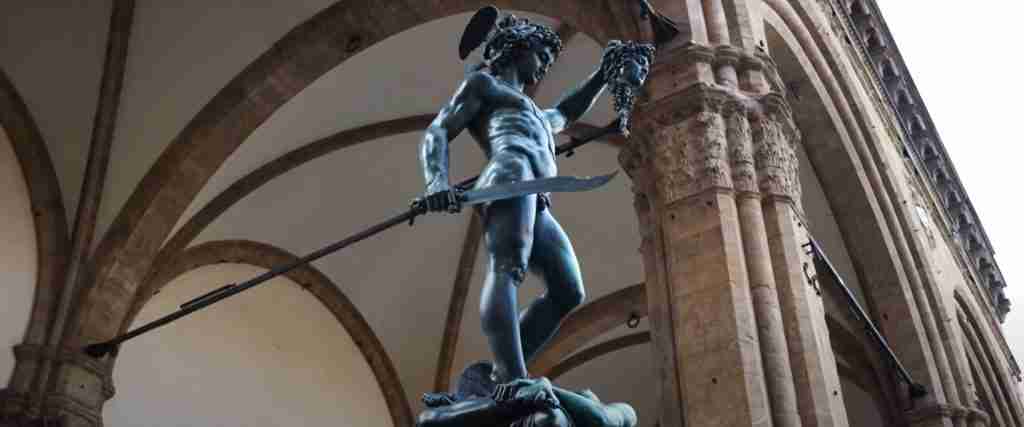
The Loggia dei Lanzi transforms traditional museum experiences. This open-air gallery displays masterworks like Cellini’s Perseus with the Head of Medusa. All sculptures remain accessible without admission fees.
Michelangelo’s David replica stands before Palazzo Vecchio, marking the statue’s original intended location. This placement symbolizes Florentine civic pride and republican values that shaped the Renaissance.
| Feature | Historical Period | Significance | Visitor Experience |
|---|---|---|---|
| Neptune Fountain | 16th Century Baroque | Civic symbol of Medici power | Central focal point, night illumination |
| Loggia dei Lanzi | 14th Century Gothic | Open-air sculpture gallery | Free access to Renaissance masterworks |
| Palazzo Vecchio | 13th Century Medieval | Continuous government seat | Active civic center with museum |
| David Replica | 20th Century Copy | Original location marker | Photography spot with historical context |
Evening visits reveal the square’s romantic character. Illuminated monuments create enchanting atmospheres perfect for outdoor dining. The piazza della signoria maintains authentic urban vitality while welcoming visitors from around the world.
Immersive Art at the Uffizi Gallery
Visitors to Florence encounter one of art history’s most significant collections at the Uffizi Gallery, where Byzantine formalism gives way to Renaissance realism. This world-class institution demonstrates the dramatic evolution of Western painting.
The building itself has a fascinating history. It originally served as Medici governmental offices rather than a residence. The family used their cultural patronage to display power and sophistication.
Masterpieces and Historical Collections
The Uffizi Gallery houses an extraordinary progression of artistic styles. Visitors witness the transition from medieval traditions to revolutionary naturalism. This collection fundamentally shaped European artistic tradition.
Iconic works include Botticelli’s Birth of Venus and paintings by Leonardo da Vinci. Michelangelo, Raphael, and Caravaggio also feature prominently. Each masterpiece represents a pivotal moment in art history.
The octagonal Tribuna showcases Renaissance collecting at its most refined. Designed as a jewel box, it displayed the Medici family’s most precious possessions. This space reflects extraordinary beauty and sophistication.
Planning proves essential for an optimal visit. Advance tickets through the official website avoid lengthy queues. The €4 skip-the-line supplement offers excellent value for time-conscious travelers.
The recently reopened Vasari Corridor provides an exclusive experience. Walking above Ponte Vecchio offers panoramic city views. This supplemental admission requires careful planning due to one-way routing.
Allocating sufficient time rewards visitors immensely. The vast holdings deserve extended exploration rather than rushed visits. This makes the Uffizi Gallery a centerpiece experience for art-focused travelers.
Discovering the Magic of Boboli Gardens
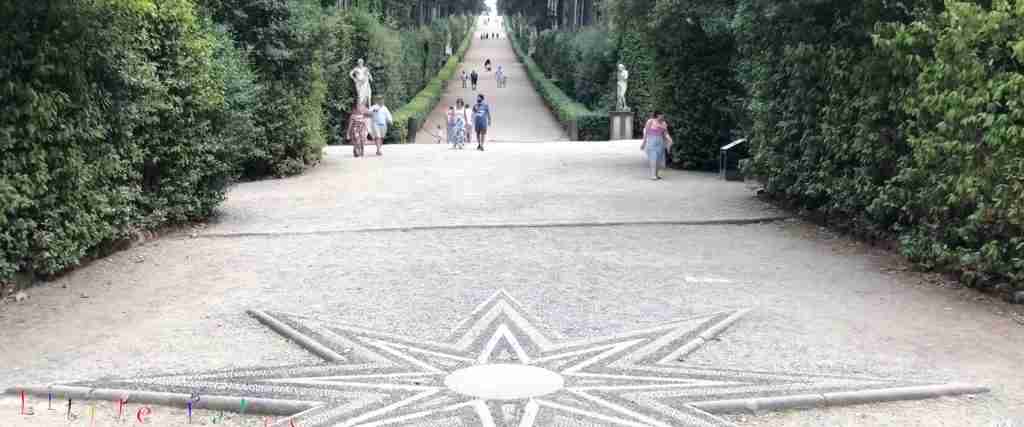
Grand Duke Cosimo I’s visionary project, the Boboli Gardens, transformed a Florentine hillside into a living masterpiece of Renaissance artistry. Located directly behind the historic Pitti Palace Boboli complex, this 111-acre expanse became the blueprint for royal gardens throughout Europe.
Landscape Design and Hidden Corners
The gardens showcase remarkable diversity across their terraced layout. Visitors discover formal geometric beds alongside naturalistic groves and dramatic water features. Each turn reveals new surprises, from classical statues to whimsical grottoes.
Climbing through the Boboli Gardens rewards explorers with breathtaking city views. The amphitheater carved from the original stone quarry demonstrates Renaissance ingenuity. This space connects the landscape to the palace’s very foundations.
At the summit, the Kaffeehaus terrace offers refreshment amidst panoramic vistas. The Casino del Cavaliere houses porcelain collections representing centuries of aristocratic taste. These elevated spaces provide both cultural enrichment and spectacular photography opportunities.
Our recommendation for visiting these magnificent gardens focuses on timing. Mid-September afternoons typically offer minimal queues and peaceful contemplation. The €10 admission provides exceptional value for this immersive Renaissance experience.
Delving into Palazzo Vecchio’s Rich Past
The fortress-like Palazzo Vecchio stands as a testament to Florence’s republican traditions and Medici family ambitions. This remarkable building continues to serve as the city’s town hall while welcoming visitors to explore its historic chambers.
Our exploration reveals how this medieval exterior conceals opulent Renaissance interiors. The Medici family transformed the palace into a showcase of political power through artistic excellence.
Medieval History and Artistic Flair
The building’s dual function creates a unique atmosphere. Centuries-old chambers still host contemporary government meetings alongside public museum displays.
Free guided tours provide access to secret passages used by the Medici family. These hidden routes allowed secure movement away from public view.
Interior rooms display elaborate ceiling frescoes and monumental sculptures. This decorative art demonstrates Renaissance patronage at its most sophisticated.
Evening visits with saved tickets offer rooftop sunset views over Florence. The panoramic vista includes the Duomo, creating memorable experiences.
The commanding position of Palazzo Vecchio on Piazza della Signoria reinforces its historical role. The imposing tower serves as both defensive structure and civic symbol.
Crossing the Iconic Ponte Vecchio
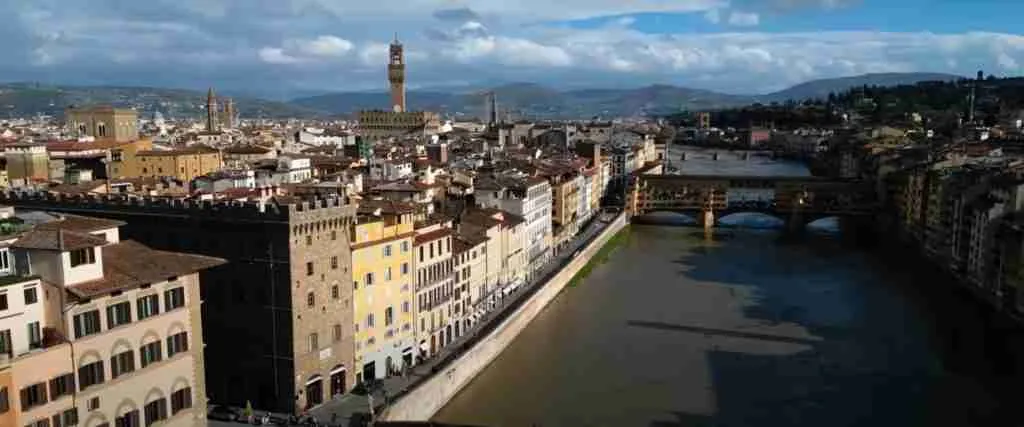
The unique silhouette of the Ponte Vecchio, with its shops suspended over water, creates an unforgettable crossing experience for every visitor. This medieval bridge represents one of the most photographed landmarks in Italy.
Its distinctive architecture features buildings constructed directly into the bridge structure. This design maximizes space while creating a charming commercial thoroughfare.
Unique Shops and Scenic River Views
Traditional goldsmiths maintain their centuries-old presence along the bridge. Each shop window displays exquisite jewelry crafted using techniques passed through generations.
The bridge’s center features three open archways that provide essential viewpoints. Visitors can photograph the Arno River and adjacent bridges from these strategic spots.
Above the bustling bridge, the recently reopened Vasari Corridor offers exclusive panoramic perspectives. This elevated passageway requires supplemental tickets combined with Uffizi Gallery admission.
Peak season brings shoulder-to-shoulder crowds across the Ponte Vecchio. Early morning visits provide more comfortable access to the bridge’s charming features and river vistas.
Experiencing the Grandeur of Pitti Palace
Across the Arno River, the monumental Pitti Palace stands as a testament to Medici power and artistic ambition. This massive Renaissance structure served as the official residence for the influential Medici family during their rule.

Medici Legacy and Gallery Highlights
Today, the palace houses several exceptional museums that showcase centuries of aristocratic taste. Visitors can explore the Royal Apartments where masterpieces by Raphael and Titian hang as room decorations rather than gallery pieces.
The art collection here rivals the Uffizi in quality but offers a more intimate viewing experience. Paintings by Rubens and Tintoretto adorn rooms originally designed for entertaining distinguished guests.
What distinguishes this Pitti Palace is its restrained architectural style compared to later Medici residences. This reflects the political sensitivity of earlier dukes governing a society with strong republican traditions.
Our recommendation includes purchasing advance tickets online through the official website. The €16 admission plus €3 skip-the-line supplement provides excellent value for accessing these world-class collections.
The integration with the magnificent palace boboli Gardens creates a comprehensive cultural experience. Visitors can spend a full day exploring both indoor treasures and outdoor landscape design.
Best Attractions in Florence
Florence’s walkable center transforms sightseeing into a seamless journey through art and history. The city’s compact geography is a significant advantage for visitors. Most essential sites sit within easy walking distance of one another.
This layout encourages spontaneous discovery. Travelers can move between major landmarks and charming local spots with ease. A well-rounded visit balances iconic Renaissance landmarks with experiences that reveal the city’s authentic character.
Discover Top Sights and Experiences
Strategic planning is crucial for first-time visitors. Focusing on signature sites like the cathedral complex and premier galleries creates a strong foundation. Our advice is to prioritize these before exploring specialized museums and neighborhoods.
Smart ticket purchasing enhances the experience. The comprehensive Firenze Card offers entry to 75 sites over 72 hours for €85. For shorter visits, the Brunelleschi Pass at €30 provides excellent value, covering six major sites.
Researching individual admission costs helps determine the most economical approach. Comparing totals against pass prices based on personal interests ensures both financial savings and logistical convenience. This planning allows more time for immersion and less for transit.
Insights on the Accademia Gallery and Michelangelo’s David
The Galleria dell’Accademia offers an intimate encounter with one of art history’s most celebrated sculptures—Michelangelo’s monumental David. This museum provides a focused experience centered around Renaissance mastery.
While replicas exist throughout the city, the original David reveals details impossible to appreciate in copies. The sculpture’s perfect proportions and surface texture demonstrate Michelangelo’s unparalleled skill.
Artistic Significance and Visitor Tips
The Accademia Gallery showcases more than just the famous David. Visitors discover Michelangelo’s unfinished slave sculptures, which appear to emerge from marble blocks. These works offer rare insight into the artist’s creative process.
Collections include significant Florentine art from the 13th to 16th centuries. Botticelli’s Madonna represents one highlight among many masterpieces. This makes the gallery worthwhile beyond the main attraction.
Advance ticket purchases prove essential for avoiding long queues. The official website offers tickets for €16 plus a €4 skip-the-line fee. This small investment saves valuable vacation time.
Allocating sufficient time ensures a satisfying visit. Rushing through diminishes the experience of contemplating this remarkable art. The Accademia Gallery rewards patient observation.
Captivating Religious Landmarks: Santa Croce & San Lorenzo
The Basilica di Santa Croce and San Lorenzo stand as testament to Florence’s dual identity as both religious center and artistic capital. These remarkable church complexes offer distinct perspectives on the city’s spiritual and cultural development.
Spiritual Heritage and Artistic Treasures
The magnificent Basilica Santa Croce functions as Florence’s spiritual pantheon. Within its walls rest the tombs of Michelangelo, Galileo, and Machiavelli. This transforms the sacred space into a shrine honoring the city’s greatest contributors.
Artistic treasures abound throughout the church. Giotto’s groundbreaking frescoes in the Bardi and Peruzzi chapels influenced generations of artists. Cimabue’s Crucifix represents a pivotal moment, transitioning from Byzantine rigidity to Renaissance naturalism.
San Lorenzo’s significance stems from its intimate connection to the Medici family. They commissioned Brunelleschi for the church and Michelangelo for the New Sacristy chapel. Though unfinished, Michelangelo’s marble sculptures showcase his mature mastery.
The Basilica Santa Croce and San Lorenzo complex both reward extended visits. Their layered artistic programs create rich experiences that deepen understanding of Florence’s religious and cultural development.
Navigating Florence: Tickets, Timed Entries, and More
Modern sightseeing in this Renaissance capital requires savvy planning. The widespread adoption of timed entry systems has transformed the visitor experience. Advance booking is now essential for a smooth and enjoyable day.
This system eliminates the frustration of long queues. It does, however, demand more precise scheduling of your time. Understanding the options available is the first step to a successful visit.
Booking Strategies for Popular Sites
Purchasing tickets online through official websites is highly recommended. For major sites like the Uffizi Gallery or the Accademia, a small skip-the-line fee (typically €3-4) guarantees access. This modest investment saves valuable vacation time.
The climb to Brunelleschi’s Dome is a prime example. Visitors must select a specific time slot when buying their ticket. Arriving outside this window means being turned away, even after a long wait.
Managing Crowds Effectively
Choosing the right pass is crucial for managing your itinerary. The focused Brunelleschi Pass (€30) covers six major sites and is ideal for a two or three-day visit. It offers excellent value without an aggressive pace.
Timing your visit can also reduce crowds. A mid-September afternoon, for instance, often sees minimal lines at places like the Boboli Gardens. Calculating total admission costs before buying passes ensures smart financial decisions. Securing your tickets in advance is the key to a stress-free exploration.
Experiencing Local Life Through Florence’s Markets
Beyond the world-renowned museums and historic palaces, Florence’s vibrant markets offer a different kind of cultural immersion. The air buzzes with the sounds of local commerce and the aromas of authentic Tuscan cuisine.
This is where daily life unfolds, providing a genuine connection to the city’s contemporary pulse. Visitors can experience the energy that has characterized Florentine trade for centuries.
Mercato Centrale and Local Artisan Shops
The famous market complex near San Lorenzo Basilica presents a dual experience. The outdoor section is a labyrinth of stalls specializing in leather goods and souvenirs.
Inside, the magnificent Mercato Centrale building houses a bustling food hall. Here, dozens of vendors offer fresh produce, regional cheeses, and prepared meals.
This indoor market is a paradise for food lovers seeking authentic flavors. It’s an excellent spot for a casual lunch or to gather ingredients for a picnic.
The leather market reflects a deep local craft heritage. Each shop offers a range of items, from mass-produced accessories to high-quality, handcrafted pieces.
Bargaining is a traditional part of the shopping culture here. While not for everyone, friendly negotiation can be part of the experience for those who enjoy it.
Even travelers who prefer window shopping will find the atmosphere captivating. The vibrant scene is perfect for people-watching and absorbing the local vibe.
| Market Area | Primary Focus | Visitor Experience | Best Time to Visit |
|---|---|---|---|
| Outdoor San Lorenzo Market | Leather goods, souvenirs | Bargaining, browsing | Morning for selection |
| Indoor Mercato Centrale | Food, regional specialties | Eating, sampling | Lunchtime for freshness |
Choosing the right time for your visit greatly enhances the experience. Mornings are ideal for a less crowded, more authentic atmosphere.
Venturing to Elevated Vantage Points: Piazzale Michelangelo & San Miniato al Monte
Rising above the city’s historic center, Piazzale Michelangelo presents visitors with Florence’s most comprehensive aerial perspective. This hilltop square offers a 360-degree panorama that captures the entire urban landscape in one breathtaking sweep.
Stunning Panoramic Views
From this elevated terrace, travelers gain unique spatial understanding of Florence’s architectural harmony. Brunelleschi’s dome dominates the skyline in a way impossible to appreciate from ground level.
The vista encompasses Ponte Vecchio, Palazzo Vecchio, and Santa Croce against a backdrop of Tuscan hills. Late afternoon visits provide optimal conditions with golden-hour lighting and fewer crowds.
Our recommendation includes continuing to San Miniato al Monte church for additional rewards. This Romanesque masterpiece features a striking green-and-white marble façade that influenced Florentine religious architecture.
| Transport Method | Time Required | Effort Level | Best For |
|---|---|---|---|
| Walking from City Center | 30 minutes | Moderate (uphill) | Active travelers, scenic route |
| Bus 12 or 13 | 15 minutes | Easy | Time-efficient, accessibility |
| Combined Visit | 2-3 hours | Moderate | Comprehensive experience |
| Sunset Timing | Late afternoon | Variable | Photography, romantic visits |
Inside the church, visitors discover magnificent Renaissance chapels and Spinello Aretino’s Life of St. Benedict frescoes. These elevated sites provide essential perspective on the city’s geography during any day of exploration.
Uncovering Hidden Gems and Local Secrets
Beyond the celebrated museums and iconic squares lies a different Florence, one where neighborhood charm and working artisans preserve centuries-old crafts. The Oltrarno district across the Arno River offers authentic experiences that reveal the city’s living cultural traditions.
Off-the-Beaten-Path Attractions
Exploring the Oltrarno’s atmospheric lanes reveals workshops where artisans practice traditional techniques. These studios specialize in woodworking, silver and gold work, gilding, and leather bookbinding. Visitors discover beautifully crafted journals and gilded wooden boxes that make exceptional souvenirs.
Piazza Santo Spirito serves as the district’s vibrant social center. This intimate square features outdoor café tables where travelers can observe daily Florentine life. The morning market and children playing after school create an authentic neighborhood atmosphere.
Artisanal Workshops in Oltrarno
The Basilica of Santo Spirito represents one of Florence’s purest Renaissance churches. Its transept chapels house notable artworks often overlooked by visitors focused on more famous sites. This church is definitely worth visiting for its architectural significance.
| Artisan Specialty | Typical Products | Location Area | Visitor Experience |
|---|---|---|---|
| Woodworking | Gilded boxes, frames | Via Maggio | Watch craftsmen at work |
| Leather Bookbinding | Handbound journals | Borgo San Jacopo | Custom orders available |
| Metalwork | Silver jewelry | Via Santo Spirito | Direct purchase from artisans |
| Decorative Papers | Marbled stationery | Around Piazza | See traditional techniques |
These hidden gems offer some of the top things to discover beyond main tourist routes. Wandering these lanes provides spontaneous encounters with Florence’s living craft heritage. The Oltrarno district is absolutely worth visiting for travelers seeking authentic cultural experiences.
Conclusion
Travelers departing Florence carry with them more than souvenirs—they take home transformed perspectives. The city’s extraordinary concentration of Renaissance heritage creates an immersive experience where every corner reveals artistic mastery.
Successful visits balance strategic planning with spontaneous discovery. Advance tickets and timed entries maximize time actually experiencing the remarkable attractions. Meanwhile, wandering pedestrian-friendly streets reveals hidden gems and authentic local life.
Florence serves as an ideal base for broader Tuscan exploration. Travelers can easily see Florence‘s urban treasures before venturing to coastal wonders like the Cinque Terre. This combination offers comprehensive Italian experiences.
The memories forged among these timeless attractions create lasting connections to Renaissance history. Whether exploring for days or weeks, Florence rewards visitors with ever-deepening appreciation. The Cinque Terre extension adds natural beauty to cultural enrichment.
This remarkable journey through art, architecture, and living traditions leaves indelible impressions. Florence continues to inspire long after visitors return home.