
Barcelona 2-Day Itinerary 2026: Perfect Weekend Planning Guide
Barcelona rewards strategic planning with extraordinary experiences that span two millennia of architecture, from Roman ruins to Gaudí’s modernist masterpieces. This 2-day itinerary maximizes your time in Catalonia’s capital by combining Barcelona’s essential UNESCO World Heritage sites with authentic neighborhood explorations, ensuring first-time visitors experience the city’s architectural brilliance, culinary traditions, and Mediterranean energy without the rushed pace that leaves most major attractions unexplored.
Key Takeaways for Barcelona 2-Day Visit 2026
- Advanced Booking Essential 2026: Sagrada Familia (€26) and Park Güell (€18) require pre-purchased timed-entry tickets weeks ahead during peak season March-November. Same-day availability rarely exists for these UNESCO sites.
- Transportation Savings 2026: Hola BCN 2-day pass (€18.70) delivers unlimited metro, bus, and tram access plus airport transfers. Single tickets (€2.90) become expensive beyond 7 journeys across two days.
- Budget Planning 2026: Mid-range travelers average €95-120 daily excluding accommodation with strategic attraction selection and neighborhood dining. Budget visitors reduce to €60-70 daily by skipping Casa Batlló and maximizing menu del día meals, while luxury experiences reach €235-350 daily through premium dining and guided tours.
- Timing Strategy 2026: First entry slots (9:00 AM) at Sagrada Familia and Park Güell provide optimal lighting for photography, minimal crowds, and cooler temperatures. Late afternoon (5:00-7:00 PM) Gothic Quarter visits avoid midday tour group congestion.
- Neighborhood Value 2026: Accommodations in Eixample or Gràcia districts deliver superior value (€100-150 nightly) versus Barri Gòtic premium pricing (€150-220), with easier metro access to UNESCO sites and authentic dining options.
- Cultural Rhythm 2026: Barcelona operates on Mediterranean schedule with lunch 2:00-4:00 PM and dinner after 9:00 PM. Aligning meal times with local patterns unlocks menu del día savings and authentic neighborhood restaurants unavailable to rushed visitors.
People Also Ask About Barcelona 2-Day Itinerary 2026
Can You Really See Barcelona Properly in Just 2 Days in 2026?
Two days provides sufficient time to experience Barcelona’s essential UNESCO World Heritage sites and representative neighborhoods when following strategic routing. You visit Sagrada Familia, Park Güell, Casa Batlló, and the Gothic Quarter while experiencing authentic Catalan dining and Mediterranean atmosphere. The itinerary sacrifices beach time, Montjuïc museums, and day trips to Montserrat but delivers comprehensive exposure to Barcelona’s defining characteristics: Gaudí’s architectural genius, Gothic heritage, and vibrant urban culture. First-time visitors gain enough context to determine which aspects warrant extended return visits while avoiding the common mistake of attempting superficial coverage of 15+ attractions that prevents meaningful engagement with any single site.
What’s the Best Way to Get Around Barcelona for 2 Days in 2026?
The Hola BCN 2-day pass (€18.70) represents optimal value for weekend visitors in 2026. This unlimited transport card covers metro, bus, tram, and airport transfers across 48 consecutive hours from first validation. The alternative T-Casual 10-journey card (€13) saves €5.70 but lacks airport access (€5.90 each way) and exhausts quickly with the recommended itinerary requiring 12-14 journeys including airport transfers. Walking between Eixample attractions (Sagrada Familia to Casa Batlló) covers manageable 1.5km distances, while metro connections to Park Güell (15 minutes) and Gothic Quarter (10 minutes) prove faster than bus alternatives during peak traffic hours.
How Much Should I Budget Per Day in Barcelona in 2026?
Budget €95-120 average daily per person excluding accommodation for quality mid-range Barcelona experiences in 2026. Major attraction tickets total €79 spread across two days (Day 1: Sagrada Familia €26 plus Park Güell €18, Day 2: Casa Batlló €35), transportation €9.35 daily (Hola BCN €18.70 divided by 2), and food approximately €35-50 daily with strategic menu del día lunches (€10-15), breakfast (€3-5), and neighborhood dinners (€15-25). Budget travelers reduce to €60-70 average daily by skipping Casa Batlló, choosing free Gothic Quarter exploration, and maximizing €10-12 menu del día meals. Luxury visitors spending €235-350 average daily enjoy premium dining (€90-150 per day for meals), guided tours (€40-80), and upgraded attraction experiences.
Should I Buy Barcelona Attraction Tickets in Advance for 2026?
Advance purchase proves mandatory for Sagrada Familia and Park Güell in 2026, especially March-November when same-day tickets rarely exist. Sagrada Familia operates timed-entry slots controlling visitor flow, with popular morning times (9:00-11:00 AM) selling out 2-4 weeks ahead. Park Güell caps entries at 1,400 visitors hourly through strict time-slot enforcement. Casa Batlló maintains better same-day availability but pre-booking guarantees preferred morning slots (8:30-10:00 AM) before tour group arrivals at 10:30 AM. The Gothic Quarter requires no tickets, allowing scheduling flexibility. Book UNESCO sites immediately after confirming travel dates to secure first-entry morning slots delivering optimal photography conditions and crowd-free experiences worth the advance planning effort.
Extended multi-day tours – 5+ days
Featured Barcelona Multi-Day Tour Packages

3 days
Barcelona 3-Day Discovery Tour
- ✓ Comprehensive Barcelona experience
- ✓ Expert local guides included
- ✓ All accommodation included
- ✓ Transportation provided

5 days
Barcelona 5-Day Highlights Experience
- ✓ Comprehensive Barcelona experience
- ✓ Expert local guides included
- ✓ All accommodation included
- ✓ Transportation provided
7 days
Barcelona 7-Day Cultural Journey
- ✓ Comprehensive Barcelona experience
- ✓ Expert local guides included
- ✓ All accommodation included
- ✓ Transportation provided
10 days
Barcelona 10-Day Complete Adventure
- ✓ Comprehensive Barcelona experience
- ✓ Expert local guides included
- ✓ All accommodation included
- ✓ Transportation provided
Multi-day tour packages powered by TourRadar. Prices and availability subject to change.
Introduction to Barcelona 2-Day Strategic Planning 2026
Barcelona’s compact 100 square kilometers contain seven UNESCO World Heritage sites alongside Gothic labyrinths, modernist boulevards, and Mediterranean beaches, creating planning paralysis for first-time visitors allocating just 48 hours to Spain’s second-largest city. The strategic challenge involves balancing Barcelona’s dual identities: the architectural laboratory where Antoni Gaudí revolutionized building design versus the 2,000-year-old Roman settlement where Gothic cathedrals anchor medieval quarters. Most two-day itineraries fail by attempting comprehensive coverage that transforms visits into exhausting attraction-checking exercises preventing meaningful engagement with Barcelona’s defining characteristics.
This itinerary prioritizes depth over breadth through morning UNESCO site visits when architecture benefits from optimal natural lighting, followed by neighborhood immersion providing cultural context for understanding Catalan identity beyond monument photography. Day 1 focuses on Gaudí’s modernist masterpieces in Eixample and Gràcia districts, while Day 2 explores Gothic Barcelona’s medieval core before returning to Passeig de Gràcia’s architectural showcase. The routing minimizes backtracking through intelligent metro connections while building from individual buildings to neighborhood understanding to city-scale appreciation.
Barcelona’s Mediterranean climate delivers year-round viability with distinct seasonal personalities affecting crowd levels, pricing, and experience quality. Peak summer (June-August) brings maximum crowds, highest hotel rates (€180-300 nightly), and intense afternoon heat requiring midday breaks. Shoulder seasons (March-May, September-November) offer ideal conditions with moderate temperatures (15-25°C), lower accommodation costs (€120-180), and manageable tourist volumes, though Sagrada Familia and Park Güell maintain consistent visitor pressure requiring advance booking regardless of season. Winter (December-February) delivers exceptional value (€100-140 hotels, reduced attraction crowds) with mild temperatures (8-15°C) perfect for walking tours, though some rooftop terraces close during December-January evenings.
The 2026 planning context includes several operational updates affecting visitor logistics. Sagrada Familia continues construction approaching its targeted 2026 completion milestone, with all major interior spaces fully accessible while exterior work proceeds. Park Güell recently implemented price increases from €10 to €18, reflecting Barcelona’s broader trend toward visitor management through pricing rather than capacity restrictions. Casa Batlló completed augmented reality upgrades enhancing interior experiences through smartphone guides. Metro fare increases brought single tickets to €2.90, making multi-day passes increasingly attractive for visitors planning 6+ daily journeys across Barcelona’s efficient L-system network.
Cultural awareness enhances Barcelona experiences beyond monument visits. Catalan language pride manifests in bilingual signage (Catalan primary, Spanish secondary) with locals appreciating basic Catalan greetings (“Bon dia” morning, “Bona tarda” afternoon) despite universal Spanish comprehension. Dining schedules follow Mediterranean patterns with lunch 2:00-4:00 PM as the main meal (menu del día opportunities) and dinner after 9:00 PM, creating afternoon scheduling gaps ideal for siesta breaks or museum visits. The August vacation exodus sees some neighborhood restaurants close 2-3 weeks, though tourist-area establishments maintain year-round operations.
Day 1: Gaudí’s Modernist Masterpieces and Gràcia Neighborhoods 2026
Day 1 Morning: Sagrada Familia Experience 9:00 AM – 12:00 PM
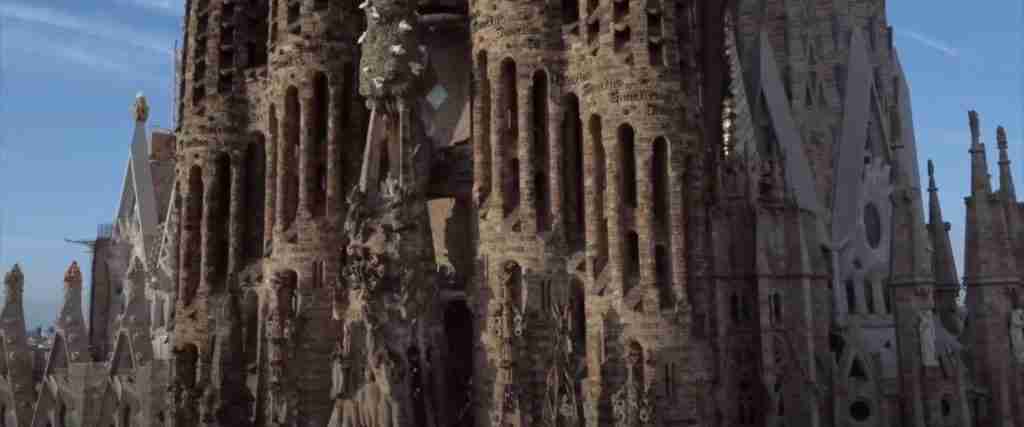
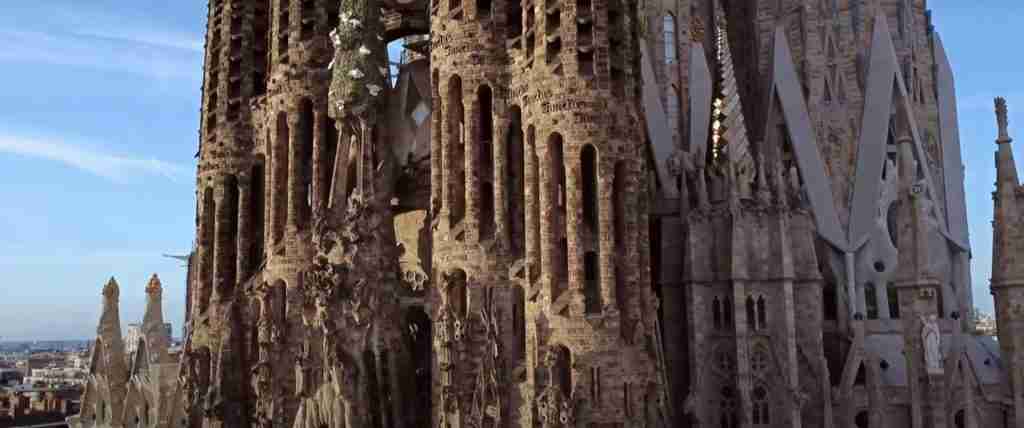
Begin your Barcelona exploration at Sagrada Familia with 9:00 AM entry, timing that delivers multiple strategic advantages beyond crowd avoidance. Morning sunlight streams through the east-facing Nativity Façade stained glass, illuminating the basilica interior with amber and blue light effects Gaudí specifically designed for early hours. The first entry slot (9:00-9:30 AM) provides 30-45 minutes of relatively empty nave space ideal for photography and contemplation before 10:00 AM tour groups arrive, transforming quiet reflection into managed crowd flow.
Sagrada Familia tickets cost €26 for standard admission with included audioguide app in 2026, representing Barcelona’s most expensive single monument but delivering proportional value through architectural innovation and historical significance. Check the official sagradafamilia.org website for current rates as pricing may vary seasonally. The €26 admission includes nave access, crypt viewing, museum exhibits, and audioguide content available in 19 languages through the required smartphone app (download before arrival, bring headphones). Tower access adds €3-5 depending on chosen tower, with Nativity Façade tower offering superior city views though both towers maintain limited capacity requiring separate advance booking often selling out 4-6 weeks ahead during summer months.
Allocate 90-120 minutes for thorough Sagrada Familia exploration covering the basilica’s architectural layers: Gaudí’s organic forms translating nature into stone through tree-like columns and geometric precision; the contrast between Nativity Façade’s organic exuberance and Passion Façade’s angular severity representing birth versus death; and the innovative structural systems eliminating traditional buttresses through angled columns distributing weight along natural force lines. The basement museum provides construction context through original Gaudí models reconstructed after Spanish Civil War destruction, scale models explaining geometric principles, and progress documentation toward the anticipated 2026 completion milestone marking 144 years since foundation laying.
Metro access via L2 (purple) or L5 (blue) lines to Sagrada Familia station places you 200 meters from the basilica entrance, with clear signage directing visitors through Plaça de Gaudí gardens offering exterior photography opportunities of all three façades (Nativity, Passion, Glory-under-construction). Early morning positioning in these gardens before 8:45 AM captures east-facing Nativity Façade bathed in golden sunrise light without crowds obscuring the intricate sculptural programs. Exit through the museum basement to Carrer de Mallorca, avoiding the Carrer de Marina tourist trap restaurants offering inflated prices (€18-25 menu del día) for mediocre quality clearly targeting one-time basilica visitors.
Day 1 Mid-Morning: Eixample Architecture Walk 12:00 PM – 1:30 PM
Walk northeast from Sagrada Familia through Eixample’s chamfered street grid toward Park Güell, covering 2.5 kilometers through Barcelona’s modernist architecture concentration. This 90-minute walk provides essential context for understanding how Gaudí’s work relates to broader Catalan modernisme movement, revealing contemporaries and rivals who shaped Barcelona’s distinctive architectural identity beyond the famous Gaudí sites dominating tourist itineraries.
The route follows Avinguda de Gaudí, a pedestrianized boulevard lined with ceramic benches and decorative streetlamps connecting Sagrada Familia to Hospital de Sant Pau, a modernista masterpiece by Lluís Domènech i Montaner (completed 1930) featuring pavilions in Catalan Gothic revival style rather than Gaudí’s organic approach. Hospital de Sant Pau holds UNESCO World Heritage status alongside Gaudí’s works, demonstrating the broader architectural revolution transforming Barcelona 1880-1920. The hospital complex operates as museum and cultural center (€15 admission), though exterior viewing from Avinguda de Gaudí suffices for understanding architectural principles while saving funds for afternoon Park Güell admission.
Continue north on Carrer de Lepant then west on Travessera de Gràcia into Gràcia neighborhood, Barcelona’s former independent village maintaining distinct identity through narrow streets, hidden plazas, and neighborhood-focused commerce contrasting with Eixample’s gridded formality. Gràcia’s pre-lunch atmosphere (12:00-2:00 PM) presents authentic Barcelona: elderly residents shopping at corner markets, children playing in car-free plazas, locals gathering at traditional cafés for cortados (€1.50) and conversation. The neighborhood rhythm operates independently from tourist-Barcelona schedules, providing cultural immersion impossible in Las Ramblas’ performance of Spanish clichés.
Day 1 Lunch: Gràcia Neighborhood Dining 1:30 PM – 3:00 PM
Gràcia delivers Barcelona’s best menu del día value for quality-conscious visitors in 2026. Traditional Catalan restaurants along Carrer de Verdi and surrounding Plaça del Sol offer €10-13 three-course lunches including wine, bread, and water, representing 30-40% savings versus tourist-zone pricing (€15-18) while delivering superior ingredient quality and authentic preparation techniques. Menu del día operates Monday-Friday 1:00-4:00 PM as Spain’s workforce lunch tradition, with restaurants posting daily menus outside entrance doors allowing selective comparison before committing.
Recommended Gràcia lunch venues include La Pepita (Carrer de Còrsega 343) offering creative Catalan cuisine with €15 menu del día including inventive salads, grilled seafood or meat, and house-made desserts; and Sol Soler (Plaça del Sol 21) delivering traditional Catalan dishes €12-14 with outdoor seating on Gràcia’s liveliest plaza. Both establishments fill 1:30-2:30 PM with neighborhood regulars, validating quality while requiring patience during peak service. Alternative timing 2:30-3:30 PM provides easier seating and faster service, though menu options narrow as kitchens exhaust daily preparations.
Budget-conscious visitors reduce lunch costs to €6-8 through bocadillo (sandwich) options at neighborhood bakeries: Catalan tomato bread (pa amb tomàquet) with jamón ibérico €4-5, tortilla española (potato omelet) bocadillo €3-4, or fresh fruit and cheese combinations €5-6. Markets like Mercat de l’Abaceria Central (Travessera de Gràcia 186) provide prepared foods, fresh produce, and seating areas where €8-10 purchases assemble restaurant-quality meals from market stall ingredients: Spanish cheeses, cured meats, olives, bread, and seasonal fruit creating Mediterranean picnics surpassing chain restaurant experiences.
Day 1 Afternoon: Park Güell UNESCO Site 3:30 PM – 6:00 PM
Park Güell ticket costs €18 for adult admission in 2026, with children 7-12 paying €13.50, seniors 65+ €13.50, and children under 7 entering free. This represents an 80% increase from 2025’s €10 pricing, reflecting Barcelona’s visitor management strategy through economic controls rather than capacity restrictions. Purchase tickets exclusively through parkguell.barcelona official website or authorized resellers, as third-party markup frequently adds €5-8 without value-added services. The monumental zone requires timed-entry tickets with 30-minute arrival windows (entry allowed up to 30 minutes after designated slot), while surrounding free-access park areas remain open to all visitors without restrictions.
Afternoon timing (3:30-6:00 PM) positions Park Güell visits during optimal west-facing light illuminating the mosaic salamander, serpentine bench, and Hypostyle Room’s angled columns while avoiding morning’s harsh shadows obscuring colorful trencadís tilework details. The 400-meter uphill walk from Lesseps metro station (L3 green line) or Vallcarca station (L3) builds anticipation through residential Gràcia streets, though mechanized escalators from Vallcarca reduce climbing effort for mobility-limited visitors. Budget 2.5 hours for comprehensive exploration covering monumental zone highlights plus surrounding woodland paths offering panoramic Barcelona views extending to Mediterranean coastline on clear days.
Park Güell’s architectural significance extends beyond its famous mosaic dragon to exemplify Gaudí’s integration of natural forms with structural innovation and urban planning idealism. The original 1900-1914 development conceived a garden city for Barcelona’s wealthy bourgeoisie, with Gaudí’s architectural interventions (serpentine bench, columned market hall, entrance pavilions) establishing infrastructure for a residential community that failed commercially but succeeded artistically. The undulating bench demonstrates Gaudí’s ergonomic understanding through curved forms supporting human posture while mosaic decoration transforms functional seating into artistic statement, with collaborator Josep Maria Jujol contributing random pattern designs contrasting Gaudí’s geometric precision.
Photography opportunities concentrate in five key zones requiring strategic positioning for optimal composition: the mosaic salamander (El Drac) on the main staircase photographed from front-on position capturing entire sculpture against Hypostyle Room columns backdrop; the serpentine bench photographed from Nature Square center showing undulating curves against Barcelona skyline; the Hypostyle Room’s 86 angled columns captured from low angles emphasizing Doric capitals and ceiling rosettes; the entrance pavilions’ whimsical forms photographed from Carrer d’Olot approach; and city viewpoint terraces photographed during late afternoon’s golden hour (5:30-6:30 PM March-October) when west-facing light illuminates distant Sagrada Familia spires.
Day 1 Evening: Gràcia Plaza Dining and Nightlife 7:00 PM – 11:00 PM
Return to Gràcia neighborhood for evening dining experiencing Barcelona’s social plaza culture, where outdoor terraces transform public squares into community gathering spaces from 7:00 PM onward. Plaça del Sol, Plaça de la Virreina, and Plaça del Diamant anchor Gràcia’s evening scene with tapas bars, traditional restaurants, and neighborhood cervecerías offering casual dining atmosphere contrasting with formal tourist-restaurant experiences dominating Barri Gòtic and Ramblas areas.
Dinner costs €15-25 per person for quality tapas selections shared family-style, the authentic Catalan dining approach emphasizing variety and conversation over individual plate service. Order 3-4 tapas per person from €4-6 individual portions: patatas bravas (crispy potatoes with spicy sauce and aioli), pan con tomate (tomato bread fundamental to Catalan cuisine), jamón ibérico (cured ham), gambas al ajillo (garlic shrimp), pimientos de padrón (fried small peppers), or pulpo a la gallega (Galician-style octopus). Add local wine (€3-4 glass, €12-18 bottle) or cerveza (€2.50-3.50) completing meals totaling €18-28 per person including drinks, bread, and shared dishes creating social dining experiences impossible through individual plate ordering.
Budget-conscious alternatives reduce dinner costs to €10-15 through bocadillo-focused bars offering Spanish tortilla (€3-4), chorizo sandwiches (€4-5), or vegetable combinations (€3-4) paired with beer or soft drinks. These establish authentic working-class Barcelona dining maintaining substance and flavor while reducing costs 40-50% versus full tapas progression. Plaza seating people-watching justifies €8-10 expenditures through entertainment value and cultural immersion as Gràcia residents gather for evening socializing, children playing in car-free plazas until 10:00-11:00 PM, and neighborhood dogs socializing alongside owners.
Day 2: Gothic Quarter Heritage and Passeig de Gràcia Elegance 2026
Day 2 Morning: Casa Batlló and Modernist Boulevard 9:00 AM – 11:30 AM
Casa Batlló standard ticket costs €35 for 2026 admission with included SmartGuide augmented reality experience, while Gold tickets (€45) add skip-the-line access, VIP lounge, and souvenir photo, and Be the First early entry (€50) guarantees crowd-free 8:30 AM access ideal for photographers. Children under 12 enter free with adult ticket purchase, students and seniors 65+ receive reduced pricing (check official casabatllo.es for current discount rates). The SmartGuide technology enhances interior exploration through smartphone-based augmented reality revealing room functions, furniture details, and Gaudí’s nature-inspired design philosophy through immersive digital overlays transforming static architecture into interactive storytelling.
Morning timing 9:00-10:30 AM delivers optimal Casa Batlló experiences before 10:30 AM tour group arrivals transform intimate exploration into managed crowd flow. The Noble Floor’s stained glass windows benefit from east-facing morning light creating amber and blue color effects across interior spaces, while rooftop terrace photography gains from sun angle emphasizing chimney sculptures’ organic forms against Barcelona skyline. Budget 75-90 minutes for thorough exploration covering Noble Floor living spaces, Gaudí Cube multimedia installation, rooftop Dragon’s Back, and loft exhibition spaces documenting construction techniques and Gaudí’s geometric principles.
Casa Batlló represents Gaudí’s complete artistic control transforming an existing 1877 building into organic masterpiece through façade redesign, interior restructuring, and decorative programs eliminating straight lines in favor of natural curves reflecting Mediterranean marine environment. The building’s “House of Bones” nickname derives from balconies resembling skeletal forms, though Gaudí’s intention referenced marine biology rather than macabre themes: balconies evoke ocean waves, columns suggest underwater vegetation, and roof tiles mimic dragon scales or fish scales depending on viewing angle. This marine interpretation connects to Barcelona’s Mediterranean identity while demonstrating Gaudí’s philosophy of architectural biomimicry preceding modern sustainable design by 100+ years.
Day 2 Late Morning: Passeig de Gràcia Architecture Walk 11:30 AM – 1:00 PM
Walk 400 meters north on Passeig de Gràcia from Casa Batlló (Carrer d’Aragó 255) to Casa Milà-La Pedrera (Provença 261), exploring Barcelona’s most concentrated modernista architecture stretch while experiencing Eixample’s commercial elegance through luxury boutiques, designer shops, and grand cafés occupying 19th-century buildings with ornate façades, ceramic decorations, and wrought-iron details characteristic of Catalan bourgeois architecture.
This boulevard segment contains the “Block of Discord” (Illa de la Discòrdia) where three competing modernista architects designed adjacent buildings 1898-1906: Casa Lleó Morera (Lluís Domènech i Montaner, 1906), Casa Amatller (Josep Puig i Cadafalch, 1900), and Gaudí’s Casa Batlló (1906). The architectural competition demonstrates stylistic diversity within Catalan modernisme: Domènech’s ornate decorative exuberance, Puig’s Gothic revival precision, and Gaudí’s organic innovation coexisting within 100-meter span. Casa Amatller offers €24 admission including audio-guided tours revealing chocolate magnate Amatller’s mansion interiors, though exterior viewing suffices for architectural appreciation while conserving budget for afternoon activities.
Casa Milà-La Pedrera admission (€25-28) provides rooftop terrace access featuring iconic chimney sculptures and 360-degree Barcelona views, apartment museum recreating 1920s bourgeois lifestyle, and attic exhibition explaining Gaudí’s innovative structural systems. Budget-conscious visitors skip interior admission while photographing the building’s undulating façade from Passeig de Gràcia sidewalk, capturing Gaudí’s quarry-like appearance (hence nickname “La Pedrera” meaning stone quarry) through balconies resembling organic formations rather than traditional architectural elements. The façade’s continuous wave form eliminates structural walls through innovative interior columns, allowing flexible apartment layouts and demonstrating engineering principles enabling Sagrada Familia’s forest-like column system.
Day 2 Lunch: Eixample Menu del Día 1:00 PM – 2:30 PM
Eixample neighborhood restaurants offer €11-16 menu del día options balancing quality and value for midday meals, with establishments on side streets (Carrer de Pau Claris, Carrer de Girona, Carrer de Roger de Llúria) delivering better value than Passeig de Gràcia’s premium-priced tourist-focused venues charging €18-22 for equivalent three-course meals. Traditional Catalan restaurants post daily menus outside entrance doors, allowing comparison before committing to specific establishments.
Recommended Eixample lunch venues include Cervecería Catalana (Carrer de Mallorca 236) offering extensive tapas selection and €14 menu del día with Catalan classics (escalivada, fideuà, crema catalana), and La Bodegueta (Rambla de Catalunya 100) delivering traditional dishes €12-15 in historic setting with locals comprising 70%+ clientele validating authenticity. Both establishments operate continuous service 1:00-4:00 PM accommodating flexible meal timing, though arrival before 2:00 PM ensures full menu availability as kitchens exhaust daily preparations approaching 3:30 PM.
Alternative lunch strategies include La Boqueria market (Rambla 91) offering prepared foods, fresh produce, and standing-counter seafood bars where €10-15 assembles restaurant-quality meals from market stall ingredients. Budget 45-60 minutes for market exploration, food assembly, and standing-counter dining at popular seafood stalls serving grilled prawns (€8-12), mixed seafood platters (€12-18), and fresh oysters (€2-3 each). Market timing 1:00-2:00 PM provides optimal selection before afternoon restocking, though weekend crowds (Saturday especially) complicate navigation through narrow aisles packed with tourists photographing jamón displays and fruit arrangements.
Day 2 Afternoon: Gothic Quarter and Barcelona Cathedral 3:00 PM – 6:30 PM
Gothic Quarter (Barri Gòtic) exploration requires no admission tickets for outdoor spaces, creating budget-friendly afternoon activities emphasizing medieval architecture, hidden plazas, and winding alleys preserving Barcelona’s Roman and medieval urban fabric. Barcelona Cathedral offers free entry 8:30-12:30 PM and 5:45-7:30 PM for prayer and quiet viewing, while €9 admission 1:00-5:30 PM includes choir access, rooftop terraces, cloister with resident geese, and museum displaying Gothic religious art. Budget-conscious visitors time afternoon arrival 5:45 PM onward for free cathedral access during evening prayer hours, though restricted photography and quiet requirements limit detailed architectural examination.
Late afternoon timing (3:00-6:30 PM) positions Gothic Quarter visits after siesta period when shops reopen, neighborhood residents emerge for evening activities, and tour group concentrations dissipate from morning’s peak volumes. Begin at Plaça de Sant Jaume, Barcelona’s political center containing City Hall and Generalitat Palace (Catalan government), then navigate northwest through Carrer del Bisbe’s Gothic Bridge photo opportunity toward Barcelona Cathedral’s main façade. The bridge’s neo-Gothic construction (1926) creates photogenic medieval appearance despite recent origin, demonstrating Barcelona’s early-20th-century medieval revival aesthetics influencing contemporary modernista architecture.
Gothic Quarter’s architectural significance extends beyond individual monuments to urban planning preservation maintaining medieval street patterns, Roman walls, and plaza arrangements revealing 2,000 years of continuous habitation. Roman Barcelona (Barcino) established street grid still visible in Gothic Quarter’s orthogonal major streets (Carrer de la Llibreteria, Via Laietana) intersecting at right angles, while medieval additions created organic secondary streets following topographic features rather than planned geometry. This layered urban fabric concentrates in Plaça del Rei, where Roman walls, medieval palace, and Renaissance tower coexist within single plaza demonstrating Barcelona’s historical continuity through architectural preservation rather than demolition and replacement.
Hidden plaza discoveries include Plaça Reial’s palm-tree-lined arcade (designed by Gaudí lampposts 1879, his first Barcelona commission), Plaça Sant Felip Neri’s bullet-pocked façade preserving Spanish Civil War evidence, and Plaça de Sant Josep Oriol’s weekend art market where local artists display paintings, ceramics, and jewelry. These plazas operate as neighborhood social centers where residents gather for evening conversation, children play football in car-free spaces, and street musicians provide atmospheric soundtrack to Gothic Quarter wandering. Budget 90-120 minutes for comprehensive exploration allowing detours into antique shops, ceramic studios, and traditional bars serving vermouth (€2.50-3.50) with potato chips and olives.
Day 2 Evening: Barceloneta and Waterfront Dining 7:00 PM – 10:00 PM
Conclude Barcelona’s two-day exploration at Mediterranean waterfront experiencing coastal culture through Barceloneta neighborhood’s seafood restaurants, beach promenade, and harbor views. Metro L4 (yellow line) from Jaume I station (Gothic Quarter) to Barceloneta station delivers 8-minute connection to beachfront, with evening walk along Passeig Marítim boardwalk providing sunset photography opportunities (sunset 6:30-8:30 PM depending on season) and Mediterranean atmosphere impossible to experience in inland neighborhoods.
Seafood dinner costs €20-35 per person at neighborhood restaurants serving grilled fish, paella, and traditional Catalan seafood preparations. Avoid beachfront tourist-trap restaurants along Passeig Marítim’s first row charging €25-40 for mediocre quality, instead walking two blocks inland to Carrer de Baluard and Carrer de Sant Carles where neighborhood establishments deliver superior freshness and authentic preparation at €18-28 price points. Recommended venues include Can Maño (Carrer del Baluard 12) offering €15-18 daily seafood specials with locals comprising majority clientele, and El Vaso de Oro (Carrer de Balboa 6) serving fresh seafood tapas €5-8 and exceptional beer selection in standing-room-only neighborhood bar atmosphere.
Budget-conscious alternatives include chiringuito beach bars offering bocadillos (€4-6), fried fish (€8-12), and beer (€2.50-3) with Mediterranean views at casual outdoor tables. These beach-shack establishments provide sunset atmosphere and seafood flavors while reducing costs 50-60% versus full restaurant dinners. Evening beach strolls extend dining experiences through Mediterranean promenade walks toward Port Olímpic’s modern marina development, creating natural conclusion to two days exploring Barcelona’s historical layers from Roman foundations through medieval Gothic quarter to modernista innovation and contemporary waterfront urbanism.
Accommodation Strategy Barcelona 2-Day Visit 2026
Barcelona accommodation selection significantly impacts total trip costs and daily logistics, with strategic neighborhood choices and booking timing determining whether lodging consumes 40% or 60% of total budget. The fundamental decision involves proximity-versus-value tradeoffs: Gothic Quarter hotels deliver walkable access to medieval attractions but command premium pricing €150-250 nightly, while Eixample or Gràcia neighborhoods offer superior value €100-160 with excellent metro connections reaching all major sites within 10-15 minutes. Budget-conscious travelers prioritize neighborhoods over specific hotels, recognizing that €50-80 nightly savings across two nights (€100-160 total) funds additional attraction admissions, upgraded dining experiences, or extended Barcelona stays.
Recommended Neighborhoods for 2-Day Visitors 2026
Eixample district represents optimal value for first-time visitors balancing accessibility, safety, dining quality, and hotel options across budget ranges. Located between Sagrada Familia and Passeig de Gràcia, Eixample positions visitors central to Day 1’s Gaudí route while providing 10-minute metro access to Day 2’s Gothic Quarter attractions. The neighborhood’s gridded streets simplify navigation, metro stations every 400-500 meters ensure transport convenience, and apartment-style hotels offer kitchenettes enabling breakfast cost savings (€8-12 daily per couple) versus hotel restaurant charges (€15-25).
Eixample hotel prices range €100-180 nightly for quality 3-4 star properties, with advance booking (6-8 weeks) securing lower bracket pricing while last-minute bookings (2 weeks) typically face 30-40% premiums during peak season March-October. Recommended properties include mid-range chains (Ibis, NH Collection, Catalonia Hotels) offering predictable quality €110-140 nightly, boutique design hotels delivering character €130-170, and apartment hotels providing kitchen facilities €90-130. Weekend rates (Friday-Saturday nights) run 20-30% higher than weekday pricing, creating opportunities for Tuesday-Thursday visits reducing accommodation costs.
Gràcia neighborhood delivers authentic Barcelona character at moderate pricing €90-140 nightly, ideal for visitors prioritizing neighborhood immersion over landmark proximity. Located north of Eixample between Park Güell and Passeig de Gràcia, Gràcia’s former village identity preserves independent shops, traditional markets, and neighborhood restaurants operating for local residents rather than tourist traffic. Metro L3 (green line) provides 8-12 minute connections to Gothic Quarter and beachfront, while walking distances to Park Güell (15-20 minutes) and Sagrada Familia (25 minutes) enable car-free exploration. Gràcia hotels skew toward small boutique properties and apartment rentals rather than international chains, with breakfast-included options rare compared to Eixample’s business-hotel amenities.
Gothic Quarter hotels command premium pricing €150-250 reflecting central location and historical building character, justified for visitors prioritizing walkable access to medieval attractions and evening atmospheric wandering through gaslit alleys. The neighborhood’s pedestrian-only streets complicate luggage transport from metro stations, while narrow medieval buildings often lack elevators creating access challenges for mobility-limited visitors or those traveling with large luggage. Noise considerations affect light sleepers, as Gothic Quarter’s nightlife concentration and narrow stone streets amplify sound into early morning hours Thursday-Saturday. Budget allocation toward Gothic Quarter accommodation reduces transport costs while increasing lodging expenses, creating break-even scenarios for some travelers versus Eixample’s lower nightly rates plus modest metro fare additions.
Booking Timing and Strategy 2026
Barcelona hotel booking timing follows seasonal patterns with optimal reservation windows varying by travel dates. Peak summer months (June-August) require 8-12 week advance booking securing preferred properties at moderate pricing, while shoulder seasons (March-May, September-November) allow 4-6 week windows maintaining good selection. Winter months (December-February) offer greatest flexibility with acceptable rates available 2-3 weeks ahead, though major events (New Year’s, Mobile World Congress late February) compress availability requiring earlier booking despite low-season designation.
Price monitoring through comparison sites (Booking.com, Hotels.com, Kayak) reveals rate fluctuations enabling strategic timing. Barcelona hotels commonly adjust rates weekly based on booking pace, with prices rising 15-25% as properties approach 70-80% capacity. Booking during initial availability 10-12 weeks before travel typically secures lowest rates, while waiting for last-minute deals risks higher pricing and reduced selection as preferred properties sell out. Flexible date searches reveal pricing variations where Thursday arrival versus Friday arrival creates €30-50 nightly savings, particularly during shoulder seasons when business travel depresses Thursday-Friday rates while weekend tourist demand elevates Friday-Saturday pricing.
Free cancellation policies enable strategic booking combining early reservation (securing low rates) with monitoring (rebooking if prices drop). Major hotel chains and booking platforms offer cancellation windows extending 24-72 hours before arrival, allowing provisional bookings followed by price monitoring and rebooking if better rates emerge. This approach locks preferred properties while maintaining flexibility to optimize pricing, though it requires diligent monitoring and administrative effort rebooking if opportunities arise.
Getting Around Barcelona 2-Day Visit 2026
Barcelona’s integrated public transport system delivers efficient connections between neighborhoods and attractions through metro, bus, tram, and suburban rail networks unified under Autoritat del Transport Metropolità (ATM) fare structure. The recommended 2-day itinerary generates 12-14 transport journeys including airport transfers, attraction connections, and neighborhood-to-neighborhood movements, creating clear economic advantage for multi-day transport passes versus single-ticket purchases or taxi alternatives.
Hola BCN 2-Day Pass Optimal Value 2026
Hola BCN 2-day transport pass costs €18.70 for 48 consecutive hours of unlimited metro, bus, tram, FGC suburban rail, and L9 airport line access from first validation. This represents optimal value for weekend visitors generating savings versus alternative ticket options: two airport trips (€11.80 for return tickets) plus 10 inner-city journeys (€29 single tickets or €13 T-Casual card requiring separate airport supplements) total €40-42, creating €21-23 savings with Hola BCN’s unlimited access encouraging spontaneous transport use rather than economizing walking between distant points.
Purchase Hola BCN passes online through official TMB website (www.tmb.cat) or at Barcelona airport metro station vending machines upon arrival, with online purchase enabling immediate card collection at airport TMB customer service office (Terminal 1 and Terminal 2) without queuing at standard ticket machines. The pass activates upon first metro/bus validation, counting 48 hours from that exact time rather than calendar days (example: first validation Friday 2:00 PM remains valid until Sunday 1:59 PM). Cards support multiple users sequentially but not simultaneously—two travelers require two separate cards rather than sharing single card between parallel journeys.
Hola BCN alternatives include T-Casual 10-journey card (€13) lacking airport access, single journey tickets (€2.90) requiring separate airport supplements (€5.90), and Barcelona Card tourist passes (€62-88 for 48-72 hours) bundling transport with attraction discounts creating value only when visiting 6+ included museums/sites. Mathematical analysis confirms Hola BCN superiority for the recommended 2-day itinerary: airport round-trip €11.80 plus 10-12 city journeys (€29-35 single tickets, €13-14 T-Casual with airport supplement) versus Hola BCN’s €18.70 flat rate delivering €20-28 savings while eliminating mental arithmetic deciding whether specific journeys justify €2.90 expenditure.
Barcelona Metro System Navigation 2026
Barcelona metro operates 12 color-coded lines (L1-L11 plus L9 Sud airport connection) covering central Barcelona and extending to suburban municipalities through 180+ stations. The system opens 5:00 AM weekdays with final trains departing midnight, extending to 2:00 AM Friday nights and continuous operation Saturday nights (all-night service). Central stations maintain 3-5 minute headways during business hours 7:00 AM-9:00 PM, extending to 7-10 minutes early morning and late evening periods.
Key interchange stations for the recommended itinerary include Passeig de Gràcia (L2, L3, L4) connecting Eixample to Gothic Quarter and beachfront; Catalunya (L1, L3, L6, L7) linking Plaça Catalunya to all major neighborhoods; and Diagonal (L3, L5) serving Eixample’s northern sectors. Metro maps appear at every station with free pocket maps available at customer service offices, though smartphone apps (TMB App, Citymapper, Google Maps) provide real-time journey planning accounting for service disruptions and suggesting optimal routes between any two Barcelona points.
Metro accessibility varies significantly by station age, with newer lines (L9, L10, L11) offering full elevator/escalator access while historic lines (L1, L3) contain stairs-only stations complicating access for mobility-limited visitors or travelers with large luggage. TMB website lists accessible stations enabling pre-journey planning, while alternative bus routes provide surface-level accessibility for routes containing stairs-only metro stations. The recommended itinerary’s key stations (Sagrada Familia, Lesseps, Barceloneta, Jaume I) all offer elevator/escalator access supporting inclusive travel requirements.
Walking Barcelona Strategic Routing 2026
Barcelona’s compact central districts enable walking between multiple attractions within single neighborhoods, reducing metro dependence while increasing neighborhood immersion and architectural discovery. The recommended itinerary incorporates strategic walking segments: Sagrada Familia to Hospital de Sant Pau (2.5km, 30 minutes) experiencing Eixample’s chamfered intersections; Casa Batlló to Casa Milà (400m, 5 minutes) along Passeig de Gràcia’s luxury boulevard; and Gothic Quarter internal wandering (1-2km, 60-90 minutes) discovering hidden plazas impossible to access via metro.
Walking supplements rather than replaces metro transport for Barcelona’s 2-day itinerary, as key attractions separate across 3-5km distances requiring 40-60 minute walks better allocated to site exploration rather than inter-neighborhood transit. Park Güell to Gothic Quarter exemplifies inefficient walking (4.5km, 55 minutes) consuming afternoon hours better spent at destinations, while metro L3 delivers same journey in 18 minutes including platform waiting and walking to/from stations. Strategic walking/metro combination optimizes time allocation: walk within neighborhoods (Eixample, Gothic Quarter, Barceloneta) while metro-connecting between districts.
Pedestrian infrastructure quality varies by neighborhood with Eixample’s wide sidewalks and gridded streets providing easiest navigation, Gothic Quarter’s narrow medieval alleys creating occasional disorientation requiring map consultation, and beachfront’s dedicated promenades offering car-free walking. Barcelona’s Mediterranean climate enables year-round walking comfort, though summer afternoon heat (June-August) encourages morning and evening ambulation with midday metro/indoor activities, while winter rain (occasional December-February) requires umbrella preparation but rarely prevents outdoor exploration. Comfortable walking shoes prove essential for Barcelona’s 8,000-12,000 daily step counts typical of active two-day itineraries combining metro transport with neighborhood exploration.
Daily Budget Breakdown Barcelona 2-Day Visit 2026
Comprehensive Barcelona 2-day budget planning requires accounting for all expenditure categories including accommodation, transport, meals, attractions, and incidental costs. This section provides detailed cost breakdowns across three budget tiers, with attraction costs distributed across specific days creating realistic daily spending patterns rather than artificial averages.
Budget Tier Costs 2026
Budget travelers visiting Barcelona minimize costs through strategic attraction selection and economical dining while maintaining quality experiences at Barcelona’s essential UNESCO sites.
Day 1 costs: Sagrada Familia €26, Park Güell €18, transport €9.35, breakfast €3-4, lunch €10-12, dinner €12-15, incidentals €5-8. Calculation: 26+18+9.35+3+10+12+5 = 83 minimum / 26+18+9.35+4+12+15+8 = 92 maximum. Total approximately €85-90 per person Day 1.
Day 2 costs: Skip Casa Batlló (saving €35), Gothic Quarter free, transport €9.35, breakfast €3-4, lunch €10-12, dinner €12-15, incidentals €5-8. Calculation: 0+9.35+3+10+12+5 = 39 minimum / 0+9.35+4+12+15+8 = 48 maximum. Total approximately €40-50 per person Day 2.
Average daily: Total 2-day costs €125-140 divided by 2 days = approximately €60-70 average per person daily excluding accommodation. Add hostel/budget hotel €50-80 nightly for complete daily budget €110-150 per person.
Mid-Range Tier Costs 2026
Mid-range visitors balance quality experiences with cost consciousness through selective splurges and neighborhood dining intelligence.
Day 1 costs: Sagrada Familia €26, Park Güell €18, transport €9.35, breakfast €4-6, lunch €12-16, dinner €20-30, coffee €3-5, incidentals €8-12. Calculation: 26+18+9.35+4+12+20+3+8 = 100 minimum / 26+18+9.35+6+16+30+5+12 = 122 maximum. Total approximately €100-120 per person Day 1.
Day 2 costs: Casa Batlló €35, transport €9.35, breakfast €4-6, lunch €12-16, dinner €20-30, coffee €3-5, incidentals €8-12. Calculation: 35+9.35+4+12+20+3+8 = 91 minimum / 35+9.35+6+16+30+5+12 = 113 maximum. Total approximately €90-115 per person Day 2.
Average daily: Total 2-day costs €190-235 divided by 2 days = approximately €95-120 average per person daily excluding accommodation. Add mid-range hotel €100-150 nightly for complete daily budget €195-270 per person.
Luxury Tier Costs 2026
Luxury travelers prioritize premium dining, private guides, and upgraded experiences creating memorable Barcelona immersion.
Day 1 costs: Sagrada Familia tower €30, Park Güell guided tour €35, transport €15, breakfast €12-18, lunch €30-50, dinner €60-100, drinks €10-15, guide €40-80, incidentals €10-15. Calculation: 30+35+15+12+30+60+10+40+10 = 242 minimum / 30+35+15+18+50+100+15+80+15 = 358 maximum. Total approximately €240-360 per person Day 1.
Day 2 costs: Casa Batlló Be the First €50, transport €15, breakfast €12-18, lunch €30-50, dinner €60-100, drinks €10-15, guide €40-80, incidentals €10-15. Calculation: 50+15+12+30+60+10+40+10 = 227 minimum / 50+15+18+50+100+15+80+15 = 343 maximum. Total approximately €230-345 per person Day 2.
Average daily: Total 2-day costs €470-700 divided by 2 days = approximately €235-350 average per person daily excluding accommodation. Add luxury hotel €200-350 nightly for complete daily budget €435-700 per person.
Two-Day Trip Total Costs 2026
Complete 2-day Barcelona trip costs incorporate accommodation, transport passes, attractions, meals, and incidentals distributed across both days.
Budget tier 2-day total: Accommodation €100-160, Hola BCN pass €18.70, Day 1 attractions €44, Day 2 attractions €0, meals €50-66, incidentals €16-24. Calculation: 100+18.70+44+50+16 = 229 minimum / 160+18.70+44+66+24 = 313 maximum. Total approximately €230-315 per person for 2 days excluding flights.
Mid-range tier 2-day total: Accommodation €200-300, Hola BCN pass €18.70, Day 1 attractions €44, Day 2 attractions €35, meals €96-138, incidentals €24-36. Calculation: 200+18.70+44+35+96+24 = 418 minimum / 300+18.70+44+35+138+36 = 572 maximum. Total approximately €420-570 per person for 2 days excluding flights.
Luxury tier 2-day total: Accommodation €400-700, transport €30-50, Day 1 attractions €65, Day 2 attractions €50, meals €260-400, guide services €80-160, incidentals €40-60. Calculation: 400+30+65+50+260+80+40 = 925 minimum / 700+50+65+50+400+160+60 = 1485 maximum. Total approximately €925-1,485 per person for 2 days excluding flights.
These totals exclude international flights, with typical US-Barcelona round-trip fares ranging $600-1,200 (€550-1,100) depending on departure city, booking timing, and travel dates. Adding flight costs brings complete 2-day Barcelona trips to approximately €780-1,415 budget tier, €970-1,670 mid-range tier, and €1,475-2,585 luxury tier per person including flights. Budget allocation priorities shift costs between categories: budget travelers spending €50-80 nightly accommodation but €44 on essential Gaudí sites, while luxury visitors allocate €200-350 accommodation enabling upgraded lodging experiences while maintaining proportional attraction spending supplemented by guide services and premium dining.
Money-Saving Strategies Barcelona 2026
Strategic cost reduction extends Barcelona budgets without sacrificing experience quality through timing choices, selective admission purchases, and dining intelligence. Free attraction access includes Gothic Quarter wandering, Barcelona Cathedral free entry hours 8:30-12:30 PM and 5:45-7:30 PM, Barceloneta beach and waterfront promenades, Ciutadella Park, and neighborhood market browsing. These activities provide cultural immersion and architectural appreciation while saving €25-50 daily versus paid museum admissions.
Menu del día lunch strategy creates largest single-category savings compared to tourist-restaurant pricing, with €10-15 three-course lunches delivering 40-50% savings versus a la carte dinner pricing (€25-35) while maintaining superior quality compared to quick-service alternatives. Prioritizing lunch as main meal with light tapas dinner (€12-18) rather than reverse pattern (light lunch, heavy dinner) aligns with Spanish cultural rhythms while optimizing food budget allocation. Markets (La Boqueria, Mercat de Santa Caterina) enable assembled meals costing €8-12 combining prepared foods, fresh produce, and market-bar seafood approaching restaurant quality at significant savings.
Neighborhood location choices impact all spending categories through proximity effects and local-versus-tourist pricing differentials. Dining in Gràcia or residential Eixample streets delivers 25-35% savings versus equivalent quality in Las Ramblas or Gothic Quarter tourist zones, while accommodation in Gràcia (€90-140) versus Gothic Quarter (€150-250) funds additional attraction admissions, upgraded dining, or extended stays. The compound effect of neighborhood-based savings across multiple expense categories (dining, drinks, incidentals) accumulates €40-70 daily reductions enabling budget-tier visitors to approach mid-range experiences while mid-range budgets stretch toward selective luxury elements.
When to Visit Barcelona 2-Day Trip 2026
Barcelona’s Mediterranean climate and year-round tourism infrastructure enable visits across all seasons, though timing choices significantly impact crowd levels, pricing, weather conditions, and experience quality. Understanding seasonal tradeoffs enables strategic travel date selection aligning personal priorities with optimal visiting windows.
Peak Season Barcelona April-October 2026
Peak tourist season April-October brings maximum crowds, highest pricing, and warmest weather creating distinct advantages and challenges for Barcelona visitors. Sagrada Familia and Park Güell maintain 90-100% capacity throughout peak months requiring 3-6 week advance booking securing preferred morning time slots, while same-day availability essentially disappears May-September. Hotel rates peak June-August at €180-350 nightly for quality mid-range properties, with shoulder months (April-May, September-October) delivering moderate €140-220 pricing representing 20-30% savings while maintaining pleasant weather and manageable crowds.
Summer weather June-August features consistent sunshine (8-10 hours daily), warm temperatures (25-30°C), and minimal rainfall creating ideal beach conditions while complicating midday sightseeing through intense heat and strong sun exposure. The recommended itinerary’s morning scheduling (9:00 AM Sagrada Familia, 9:00 AM Casa Batlló) proves essential during summer months when afternoon temperatures exceed 30°C, with Gothic Quarter’s narrow shaded streets and air-conditioned museum spaces providing afternoon refuge. Evening activities extend comfortably until 10:00-11:00 PM during summer’s extended daylight (sunset 9:00-9:30 PM June-July), enabling beach dinners and waterfront strolls impossible during winter’s early darkness.
Shoulder season months (April-May, September-October) deliver optimal weather-versus-crowds balance for most visitors, with temperatures 18-25°C supporting comfortable all-day walking, reduced hotel rates €140-220 versus summer’s €180-350, and moderate tourist volumes maintaining vibrant atmosphere without overwhelming major sites. These months require advance booking 2-4 weeks securing UNESCO site access and preferred accommodation, while providing flexibility impossible during peak summer when last-minute planning faces limited availability and premium pricing.
Winter Season Barcelona November-March 2026
Winter visits November-March offer significant budget advantages through reduced accommodation pricing (€100-160 versus peak’s €180-350), minimal attraction queuing enabling same-day ticket purchases, and authentic Barcelona experiences as locals reclaim city center from summer’s tourist invasion. Mild winter temperatures (8-15°C) support comfortable outdoor exploration with appropriate layering, while occasional rain (6-8 days monthly December-February) requires umbrella preparation but rarely prevents scheduled activities.
Winter Barcelona reveals cultural authenticity impossible during summer’s tourist season, with neighborhood restaurants operating for local clientele rather than international visitors, traditional festivals continuing independent of tourism calendars, and market vendors engaging personal conversations rather than rushing transactions. The Christmas season (early December-early January) brings special events including holiday markets at Barcelona Cathedral, Sagrada Familia nativity displays, and Three Kings parade January 5, creating family-friendly cultural experiences supplementing architectural tourism.
Winter disadvantages include reduced daylight hours (9:00 AM sunrise, 5:30 PM sunset December-January) compressing available touring time and eliminating evening beach activities, while some outdoor terraces close limiting romantic dinner options. The recommended 2-day itinerary adjusts through later starts (9:30 AM versus 9:00 AM) accommodating darker mornings, indoor museum emphasis replacing beach time, and earlier dinners (8:00 PM versus 9:00 PM) aligning with winter darkness. These adaptations maintain comprehensive Barcelona experiences while capitalizing on winter’s budget advantages and authentic atmosphere.
Seasonal Event Considerations 2026
Major Barcelona events impact accommodation availability and pricing regardless of base season designation, requiring awareness of festival dates when planning 2-day visits. Mobile World Congress (late February) transforms Barcelona into technology industry gathering, overwhelming hotels with €250-400 nightly rates and reducing availability 80-90% within 15km radius. Sant Jordi Day (April 23) celebrates Catalan culture through book and rose exchanges, creating atmospheric street celebrations with minimal tourism infrastructure impact. La Mercè Festival (September 24 weekend) delivers Barcelona’s largest annual celebration with fireworks, human tower competitions (castellers), and traditional Catalan performances drawing massive crowds but maintaining hotel availability through local attendance patterns.
Religious observances affect Barcelona operations with Easter Week bringing processions, special church services, and some business closures Holy Thursday-Easter Monday, while August vacation exodus sees neighborhood restaurant closures (typically 2-3 weeks mid-August) though tourist-area establishments maintain continuous operation. Christmas season December 24-26 brings retail closures and reduced restaurant service, while January 1 and January 6 (Three Kings Day) maintain holiday schedules. Planning around these dates enables either cultural event participation or deliberate avoidance depending on visitor preferences for festival atmosphere versus operational simplicity.
Practical Tips Barcelona First-Time Visitors 2026
Essential Pre-Trip Planning 2026
Barcelona’s timed-entry attraction system requires advance planning essential for successful 2-day visits, with UNESCO site bookings, accommodation reservations, and transport pass purchases completing pre-trip preparation checklist. Book Sagrada Familia tickets 4-8 weeks ahead securing 9:00 AM entry slot delivering optimal lighting and minimal crowds, with tower access requiring even earlier booking (6-10 weeks) due to limited capacity. Park Güell tickets reserve 2-4 weeks ahead sufficing for most dates, though summer weekends and October shoulder season demand 4-6 week advance purchases. Casa Batlló maintains better same-day availability but pre-booking secures preferred 9:00-9:30 AM slots before tour group invasions.
Smartphone preparation includes downloading Barcelona Metro TMB app (real-time journey planning, service disruptions, ticket purchases), Google Maps offline Barcelona map (navigation without data charges), Sagrada Familia audioguide app (required for included audio content), and WhatsApp (European standard for restaurant reservations and tour operator communication). Pack portable battery banks supporting extended smartphone usage for navigation, photography, and audioguide functions depleting standard battery capacity by early afternoon. European power adapters (Type C/F) and comfortable walking shoes prove non-negotiable for Barcelona’s 8,000-12,000 daily step counts combining metro transport with neighborhood exploration.
Safety and Practical Awareness 2026
Barcelona maintains safe tourism environment with low violent crime but elevated pickpocket activity concentrating in tourist zones: Las Ramblas, metro stations (especially L3 green line), Sagrada Familia surroundings, and Gothic Quarter’s narrow streets. Standard precautions eliminate most theft risk: front-pocket wallets, cross-body bags worn forward, phone awareness in crowded metro cars, and restaurant bag placement (on lap or wrapped around chair leg rather than hung on seatbacks). Distraction techniques include staged arguments, “helpful” strangers pointing out fake bird droppings, or surrounding groups on metro escalators—awareness and firmly rejecting unsolicited interaction prevents most theft attempts.
Spanish language basics enhance Barcelona experiences despite widespread English comprehension in tourist areas: “Hola” (hello), “Gracias” (thank you), “Por favor” (please), “¿Cuánto cuesta?” (how much does it cost), and “La cuenta, por favor” (check please) demonstrate effort appreciated by service staff. However, Barcelona operates primarily in Catalan language reflecting regional identity, with “Bon dia” (good morning), “Gràcies” (thank you), and “Si us plau” (please) acknowledged even when speakers continue in Spanish or English. Attempting Catalan phrases shows cultural awareness beyond typical Spanish tourism, though practical communication proceeds effectively in Spanish or English across virtually all tourist-facing businesses.
Cultural Norms and Dining Etiquette 2026
Spanish dining schedules confuse visitors accustomed to earlier meal times, with Barcelona operating on Mediterranean rhythm: light breakfast 8:00-9:00 AM, substantial lunch 2:00-4:00 PM as day’s main meal, and late dinner 9:00-11:00 PM. Restaurants refusing service 6:00-8:00 PM between lunch and dinner service represents cultural norm rather than tourist rejection. Menu del día availability restricts to lunch service Monday-Friday, with evening menus pricing a la carte without fixed-price options. This schedule creates afternoon gaps (4:00-7:00 PM) ideal for siesta breaks, museum visits, or café merienda (afternoon snack) of coffee and pastries filling hunger between lunch and late dinner.
Tipping practices differ from American expectations, with service charges typically included in bill totals and additional tipping optional rather than obligatory. Rounding up bills or leaving €1-2 per person suffices for casual dining, while 5-10% tips acknowledge exceptional service at upscale establishments—but 15-20% American tipping norms exceed Spanish expectations and mark tourists unfamiliar with local customs. Cash payments remain common at neighborhood restaurants despite widespread credit card acceptance, with small bills (€5-10 denominations) appreciated versus €50-100 notes requiring change and potentially delaying service during busy periods.
Frequently Asked Questions Barcelona 2-Day Itinerary 2026
Is Barcelona Safe for Tourists in 2026?
Barcelona maintains safe tourism environment with low violent crime rates but elevated pickpocket activity requiring standard urban precautions. Tourist-dense areas (Las Ramblas, metro trains, Sagrada Familia vicinity) concentrate petty theft through organized groups targeting distracted visitors, while residential neighborhoods (Gràcia, residential Eixample) operate with minimal theft concerns. Front-pocket wallets, cross-body bags worn forward, phone awareness on public transport, and rejecting unsolicited stranger interaction eliminate most theft risk. Solo travelers, including women, safely navigate Barcelona day and evening with awareness, though late-night Gothic Quarter wandering after midnight involves standard big-city caution regarding deserted alley routes. Emergency services operate efficiently with English-speaking operators available at 112 universal European emergency number, while tourist police stationed at major attractions provide immediate assistance for theft reporting and replacement document guidance.
Do I Need to Speak Spanish or Catalan to Visit Barcelona?
English comprehension proves widespread across Barcelona tourist infrastructure including hotels, restaurants near major attractions, museum staff, and transport ticket offices, enabling comfortable navigation without Spanish or Catalan knowledge. However, neighborhood restaurants, traditional markets, and local shops outside tourist zones operate primarily in Spanish or Catalan with variable English proficiency, where basic Spanish phrases (“Hola,” “Gracias,” “¿Cuánto cuesta?”) facilitate transactions and demonstrate cultural respect. Attempting Catalan greetings (“Bon dia,” “Gràcies”) shows awareness of regional identity though practical communication proceeds effectively in Spanish or English. Restaurant menus increasingly provide English translations at tourist-area establishments, while Google Translate smartphone app bridges language gaps for menu reading, directions, or specific requests when verbal communication proves challenging.
Can I Visit Park Güell and Sagrada Familia in the Same Day?
Park Güell and Sagrada Familia visits combine effectively within single day through strategic timing spacing entries 4-5 hours apart, the exact Day 1 itinerary structure this guide recommends. Morning Sagrada Familia 9:00-11:00 AM provides optimal basilica lighting and minimal crowds, while afternoon Park Güell 3:00-6:00 PM positions visits during west-facing light illuminating mosaic details. Metro L3 and L5 connect both sites in 25-30 minutes including platform waiting and walking to/from stations, with intermediate Gràcia lunch and architecture walk creating natural pacing preventing rushed experiences. Attempting both visits morning-only or afternoon-only compresses exploration periods creating stress and exhaustion, while same-day evening additions (Casa Batlló, Gothic Quarter) overextend itineraries better spread across two days. The spacing this guide recommends allows 2+ hours at each UNESCO site delivering comprehensive appreciation rather than superficial photography-focused rush visits leaving architectural significance unexplored.
What’s the Best Way to Get from Barcelona Airport to City Center?
Barcelona Metro L9 Sud airport line delivers fastest and most economical city center connections, with 32-minute journeys from Terminal 1 or Terminal 2 to Passeig de Gràcia station (Eixample) or 38 minutes to Catalunya station (Gothic Quarter border). Airport metro tickets cost €5.90 one-way or included with Hola BCN transport passes, representing significant savings versus Aerobus express service (€7.50 one-way, €12 round-trip) or taxis (€35-45 flat rate to city center). Metro service operates 5:00 AM-midnight weekdays with 2:00 AM Friday extensions and continuous Saturday night operation, covering virtually all arrival times though overnight arrivals 12:30-5:00 AM require taxi or night bus alternatives. Travelers with heavy luggage or mobility limitations might justify Aerobus’s direct routing and luggage storage over metro’s station stairs and potential transfers, though major L9 stations provide elevator access supporting accessible travel. Taxi flat rates (€35-45) prove economical for groups (3-4 people) splitting costs, creating comparable per-person pricing versus metro while delivering door-to-door convenience.
Should I Buy Barcelona City Pass or Individual Attraction Tickets?
Individual attraction tickets deliver superior value versus Barcelona City Pass for focused 2-day itineraries visiting Sagrada Familia, Park Güell, and Casa Batlló. Separate tickets total €79 (Sagrada Familia €26, Park Güell €18, Casa Batlló €35) plus Hola BCN transport €18.70, creating €97.70 combined cost, while Barcelona City Pass 48-hour version costs €105-125 depending on included attractions. The City Pass justifies costs only when visiting 5+ included museums/attractions beyond the essential three UNESCO sites, circumstances rare during intensive 2-day visits prioritizing architectural highlights over comprehensive museum coverage. City Pass advantages include skip-the-line access at some venues and hop-on-hop-off bus inclusion, though neither benefit justifies premium pricing for travelers following this guide’s metro-based routing and advance-booked timed-entry tickets already providing queue avoidance. Budget-conscious visitors save €25-45 through individual ticket purchases while maintaining identical attraction access, allocating savings toward upgraded dining experiences or extended Barcelona stays.
Is Two Days Enough Time in Barcelona?
Two days provides sufficient time experiencing Barcelona’s essential architectural masterpieces and representative neighborhoods when following strategic routing, though extended stays reveal deeper cultural layers and enable relaxed pacing. This guide’s itinerary covers Sagrada Familia, Park Güell, Casa Batlló, Gothic Quarter, and beachfront representing Barcelona’s defining characteristics: Gaudí modernisme, medieval heritage, and Mediterranean culture. Sacrificed elements include beach time beyond evening strolls, Montjuïc museums (MNAC, Joan Miró Foundation), Picasso Museum, day trips to Montserrat or Costa Brava, and comprehensive neighborhood exploration of El Born, Poble Sec, or Barceloneta. First-time visitors gain thorough introduction determining return-visit priorities, while repeated visitors focusing specific interests (architecture, art museums, food markets, beaches) benefit from extended 3-5 day stays enabling specialized exploration impossible during compressed weekend visits. However, two days executed strategically through advance planning, intelligent routing, and realistic expectations delivers satisfying Barcelona experience avoiding common pitfall of superficial 15-attraction coverage preventing meaningful engagement with any single site.
What Should I Pack for Barcelona in 2026?
Barcelona packing essentials vary by season but consistently include comfortable walking shoes supporting 8,000-12,000 daily steps across metro stairs, cobblestone streets, and attraction visits. Sneakers or cushioned walking shoes prove essential while sandals suffice for summer beach evenings. Layered clothing accommodates Barcelona’s temperature variations with cool mornings (15-18°C) warming to afternoon heat (25-30°C April-October), requiring light jacket or cardigan plus breathable shirts enabling temperature adjustment throughout day. Summer visits (June-August) require sun protection including hat, sunglasses, SPF 50+ sunscreen, and water bottle refilled at public fountains, while winter (December-February) demands waterproof jacket, umbrella, and warmer layers for 8-15°C temperatures and occasional rain. Modest clothing respects Barcelona Cathedral and church visit requirements covering shoulders and knees, though most Barcelona attractions lack dress codes beyond basic decency standards. European power adapters (Type C/F) support phone charging essential for navigation, photography, and audioguides, while portable battery banks prevent afternoon power depletion compromising evening restaurant reservations and metro journey planning.
Can I Do a Montserrat Day Trip During a 2-Day Barcelona Visit?
Montserrat day trip integration proves challenging within 2-day Barcelona itineraries without sacrificing essential city attractions, as the mountain monastery visit requires full-day commitment (8-10 hours including round-trip transport) eliminating either Day 1’s Gaudí route or Day 2’s Gothic Quarter exploration. Visitors prioritizing Montserrat over urban Barcelona sightseeing substitute Day 2’s itinerary with mountain excursion, accepting trade-off of Barcelona Cathedral, Gothic Quarter, and beachfront experiences for Benedictine monastery, mountain hiking, and rural Catalonia exposure. However, most first-time visitors benefit from concentrated Barcelona focus across two days, reserving Montserrat for extended 3-4 day itineraries where mountain day trip supplements rather than replaces urban architectural tourism. The monastery’s religious significance, dramatic mountain setting, and Boys’ Choir performances deliver distinct experiences from Barcelona’s urban character, creating compelling return-visit incentive rather than rushed same-trip addition compromising both Barcelona depth and Montserrat appreciation.
What’s the Best Neighborhood for Tapas in Barcelona?
Gràcia neighborhood delivers Barcelona’s best tapas value balancing quality, authenticity, and pricing for visitors seeking neighborhood atmosphere over tourist-zone convenience. Traditional tapas bars along Carrer de Verdi and surrounding Plaça del Sol offer €4-6 individual portions with local clientele comprising 60-70% customers validating quality and pricing, while outdoor plaza seating provides people-watching entertainment justifying €2.50-3.50 beer purchases extending leisurely Spanish dining pace. El Born district (near Picasso Museum) provides alternative tapas concentration with slightly elevated pricing €5-8 reflecting higher tourist traffic but maintaining quality standards and atmospheric medieval setting. Avoid Las Ramblas tapas establishments offering inflated €8-12 portions with mediocre quality clearly targeting one-time tourist traffic, instead walking 5-10 minutes into adjacent neighborhoods (Raval, Gothic Quarter interior, El Born) where equivalent quality costs 30-40% less while providing authentic Barcelona dining atmosphere. Recommended timing follows Spanish schedule with dinner after 9:00 PM securing best atmosphere as locals gather for evening socializing, though earlier 7:30-8:30 PM service accommodates tourists preferring availability over cultural authenticity.
Do Barcelona Attractions Accept Credit Cards?
Major Barcelona attractions (Sagrada Familia, Park Güell, Casa Batlló) accept credit cards for admission purchases both online pre-booking and on-site ticket offices, with contactless payment widely supported through Visa, Mastercard, and American Express. Metro vending machines accept credit cards (chip-and-PIN preferred though contactless increasingly supported) for transport pass purchases, while restaurants in tourist areas maintain universal credit card acceptance for bills exceeding €10-15. However, small neighborhood restaurants, traditional markets, street food vendors, and corner shops often operate cash-only or impose €10-20 minimum purchase requirements for card acceptance, necessitating €50-100 cash reserves in small bills (€5-10 denominations) supporting daily incidental purchases. ATM availability proves extensive across central Barcelona with bank-operated machines offering favorable exchange rates (1-2% markup) versus airport exchange bureaus (5-8% markup), though foreign transaction fees from home banks (typically 1-3%) add to total conversion costs. Notify card issuers of Spain travel dates preventing fraud blocks on overseas transactions, while carrying backup payment card stored separately from primary wallet provides security against loss or theft scenarios.