
Bangkok Photography Guide: Mastering Urban & Temple Photography
Key Takeaways
- Golden hour photography (6:00-7:30 AM, 5:30-7:00 PM) delivers optimal temple lighting with warm tones enhancing gold-leaf surfaces while avoiding harsh midday shadows that flatten ornate architectural details
- Wide-angle lenses (16-35mm) capture temple architecture’s vertical elements and compound layouts, while 70-200mm telephotos compress perspective isolating decorative details and creating intimate compositions in crowded spaces
- Temple photography requires manual exposure compensation of +0.7 to +1.3 EV correcting for bright gold surfaces confusing camera meters, preventing underexposed images losing shadow detail
- Riverside viewpoints including Wat Arun staircase, Asiatique ferris wheel, and hotel rooftop bars provide elevated perspectives capturing Bangkok’s skyline drama with Chao Phraya River as compositional anchor
- Street photography ethics demand discretion using 35-50mm lenses from moderate distances, avoiding intrusive behavior while documenting Bangkok’s vibrant street life and market culture
- Blue hour photography (6:45-7:30 PM) creates magical transition lighting where temple illumination glows against deep blue twilight sky, requiring tripods for 1-4 second exposures balancing ambient and artificial light
Introduction to Bangkok Photography
Bangkok’s visual complexity rewards photographers with diverse subject matter ranging from ornate temple architecture to chaotic street markets, from gleaming modern skyscrapers to weathered wooden shophouses. The city’s tropical light creates specific challenges and opportunities, with intense midday sun flattening depth while golden hour illumination transforms gold-leaf temple surfaces into glowing beacons. Understanding Bangkok’s unique lighting conditions, architectural styles, and cultural sensitivities enables photographers to capture compelling images documenting both grand monuments and intimate street moments.
Temple photography dominates many Bangkok photography expeditions, requiring technical proficiency handling high-contrast scenes where bright gold surfaces and deep shadow areas challenge camera dynamic range. The intricate decorative programs covering temple surfaces from mother-of-pearl inlay to ceramic mosaics demand careful composition isolating significant details from overwhelming visual complexity. Architectural photography techniques including perspective control, symmetrical framing, and wide-angle distortion management become essential skills for temple documentation. Beyond technical considerations, respectful behavior acknowledging temples’ religious significance creates ethical framework ensuring photography doesn’t disturb worship or violate cultural norms.
Street photography opportunities abound throughout Bangkok’s markets, neighborhoods, and commercial districts where daily life unfolds in visually rich settings. The challenge lies in capturing authentic moments without intrusive behavior that makes subjects uncomfortable or violates their privacy. Successful Bangkok street photography requires understanding cultural attitudes toward photography, developing unobtrusive shooting techniques, and cultivating visual awareness recognizing compelling compositions among sensory overload. Combined with technical proficiency managing difficult lighting conditions and fast-moving subjects, these skills enable photographers to document Bangkok’s urban character through images conveying the city’s energy, diversity, and cultural complexity.
People Also Ask About Bangkok Photography
What camera settings work best for Bangkok temple photography?
Temple photography requires careful exposure management balancing bright gold surfaces with shadow details. Set camera to Manual mode or Aperture Priority with exposure compensation at +0.7 to +1.3 EV above meter reading, preventing underexposure from gold leaf fooling camera meters into darkening images. Use aperture f/8-f/11 for architectural shots needing front-to-back sharpness, or f/2.8-f/5.6 for detail isolation emphasizing specific decorative elements. ISO 100-400 suffices during daylight hours, increasing to ISO 800-3200 for interior spaces without flash (which many temples prohibit).
Enable highlight-weighted metering if available, prioritizing highlight preservation in high-contrast scenes. Shoot RAW format for maximum post-processing flexibility recovering shadow detail without degrading image quality. Bracket exposures (-1, 0, +1 EV) for complex lighting situations, merging later in HDR processing or selecting optimal single exposure. White balance settings of 5500-6500K (daylight) work well for golden hour temple exteriors, while Auto White Balance handles mixed lighting in temple interiors containing tungsten lights, fluorescent fixtures, and daylight from windows creating color temperature variations across single scenes.
What are the best times of day for Bangkok photography?
Golden hour periods from 6:00-7:30 AM and 5:30-7:00 PM provide the most flattering light for Bangkok photography. Morning golden hour offers advantages including fewer tourists at major sites, monks conducting alms rounds creating cultural documentation opportunities, and market vendors preparing displays making street photography composition easier. Evening golden hour delivers warmer light tones and coincides with temple illumination activating after sunset, creating transition period where natural and artificial light coexist for 30-45 minutes of optimal shooting conditions.
Blue hour photography from 6:45-7:30 PM captures illuminated temples against deep blue twilight sky rather than black night sky, creating more atmospheric images with color contrast between warm temple lights and cool ambient illumination. Midday hours (10:00 AM-3:00 PM) produce harsh overhead light creating unflattering shadows under temple eaves and on faces, though covered markets and shaded street scenes remain photographable. Overcast days provide soft, even lighting ideal for street photography and market documentation, eliminating harsh shadows while maintaining sufficient light for handheld shooting at moderate ISO values.
Do I need permission to photograph in Bangkok temples?
Most Bangkok temples allow exterior photography without restrictions or fees, though interior photography regulations vary by temple. Wat Phra Kaew (Temple of the Emerald Buddha) prohibits interior photography protecting religious sanctity and preventing flash disturbance during worship. Wat Pho and Wat Arun permit interior photography but prohibit flash use, requiring high ISO settings and wide apertures for available light shooting. Some temples display clear signage indicating photography restrictions, while others rely on monk intervention when tourists violate unposted rules, particularly regarding flash use near important Buddha images.
Respectful behavior includes avoiding flash even when not explicitly prohibited, refraining from climbing on religious structures for elevated viewpoints, and not posing inappropriately in front of Buddha images. Never photograph monks without permission, particularly during private meditation or ceremonies. If monks grant permission for portrait photography, offer small donations to temple donation boxes showing appreciation and supporting religious institutions. Commercial photography requiring models, lighting equipment, or organized shoots typically requires advance permission from temple administration and may involve location fees, though casual tourist photography proceeds freely with respectful behavior and attention to posted restrictions.
What lenses are most useful for Bangkok photography?
A versatile two-lens kit combining wide-angle zoom (16-35mm or 14-24mm) with standard zoom (24-70mm) or telephoto zoom (70-200mm) covers most Bangkok photography situations. Wide-angle lenses capture temple architecture’s vertical elements and compound layouts, handle confined market spaces, and emphasize dramatic perspective in urban scenes. Standard zooms provide practical focal length range for street photography, general documentation, and situations where wide-angle exaggeration appears excessive. Telephoto zooms compress perspective isolating architectural details from busy surroundings, enable discrete street photography from comfortable distances, and create shallow depth of field separating subjects from cluttered backgrounds.
Prime lenses including 35mm f/1.8 and 50mm f/1.8 offer excellent image quality, wide apertures enabling low-light shooting, and compact dimensions reducing photographer visibility during street work. The 35mm focal length works particularly well for Bangkok street photography providing natural perspective approximating human vision while remaining wide enough for environmental context. Fixed focal lengths force compositional discipline, encouraging photographers to move physically finding optimal vantage points rather than relying on zoom convenience. Budget-conscious photographers achieve excellent results with single 24-70mm f/4 lens covering wide through medium telephoto range, sacrificing extreme wide-angle capabilities and maximum telephoto reach while maintaining compact, capable kit suitable for all-day carrying.
Extended multi-day tours – 5+ days
Featured Bangkok Multi-Day Tour Packages
4 days
4 Day Bangkok City Break including Amphawa Floating Market & Erawan National Park
- ✓ Comprehensive Bangkok tour
- ✓ Expert local guides included
- ✓ All accommodation arranged
- ✓ Transportation provided
1 days
Small Group: Damnoen Floating market & Train market
- ✓ Comprehensive Bangkok tour
- ✓ Expert local guides included
- ✓ All accommodation arranged
- ✓ Transportation provided

3 days
Central Thailand Highlights in a Loop 3 Days, Private Tour
- ✓ Comprehensive Bangkok tour
- ✓ Expert local guides included
- ✓ All accommodation arranged
- ✓ Transportation provided
4 days
Bangkok Basics, City Break, Small Group Tour
- ✓ Comprehensive Bangkok tour
- ✓ Expert local guides included
- ✓ All accommodation arranged
- ✓ Transportation provided
Multi-day tour packages powered by TourRadar. Prices and availability subject to change.
Temple Photography Techniques and Compositions
Architectural Photography Fundamentals
Temple architectural photography requires managing perspective distortion, controlling converging verticals, and emphasizing symmetrical elements fundamental to Thai Buddhist design. Position camera parallel to building facades maintaining level orientation preventing vertical convergence where walls appear to lean inward. Use tripods enabling precise leveling and slower shutter speeds for optimal aperture selection maintaining front-to-back sharpness. Tilt-shift lenses or perspective correction in post-processing straighten converging verticals in images shot with standard lenses, though in-camera accuracy eliminates processing work and maintains maximum image quality.
Frame compositions emphasizing symmetry reflecting Buddhist cosmological concepts underlying temple design. Position temple structures centrally in frame with balanced elements flanking main subjects, though occasionally offset compositions create dynamic visual interest contrasting with predictable centered arrangements. Include contextual elements showing temple relationship to surroundings: modern buildings in background emphasizing cultural continuity, monks in foreground providing scale, or approaching pathways leading viewer’s eye toward architectural focal points. Shoot from multiple angles documenting frontal elevations, three-quarter views showing building depth, and detail shots isolating decorative programs from overwhelming complexity.
Detail photography captures intricate decorative elements defining Thai temple aesthetics: demon guardian sculptures with fierce expressions and gilded weapons, mother-of-pearl inlay creating delicate floral patterns, ceramic mosaic work forming narrative scenes from Buddhist literature. Use telephoto lenses isolating details from surroundings, moderate apertures (f/5.6-f/8) providing sufficient depth of field for dimensional subjects, and careful positioning emphasizing texture through side-lighting revealing surface relief. These detail images complement wide architectural shots, providing comprehensive documentation showing both monumental scale and refined craftsmanship characterizing royal temple construction.
Lighting Temples for Maximum Impact
Morning golden hour (6:00-7:30 AM) illuminates temple eastern facades with warm directional light creating relief shadows that define architectural details while avoiding harsh midday flattening. East-facing temples including Wat Arun receive optimal morning light, though western facades fall into relative shadow requiring exposure compensation or HDR bracketing managing contrast. Position sun at 45-degree angles to building facades creating modeling light that emphasizes three-dimensional form through gradual shadow transitions. Avoid shooting directly into sun creating lens flare and silhouetting subjects, unless intentionally using backlight for dramatic effect with proper exposure compensation protecting highlights.
Evening golden hour (5:30-7:00 PM) favors western-facing temples and delivers warmer color temperatures than morning light as longer atmospheric path filters blue wavelengths. The transition period when natural daylight and temple illumination coexist (approximately 6:30-7:00 PM) creates balanced lighting impossible earlier or later. Shoot multiple exposures as light fades rapidly during 30-minute golden hour window, adjusting exposure and white balance maintaining proper color rendition as light quality changes. Monitor histograms ensuring highlight preservation in gold-leaf surfaces while maintaining shadow detail in structural elements, bracketing exposures when single exposures cannot capture full dynamic range.
Blue hour photography (6:45-7:30 PM) requires tripods for 1-4 second exposures capturing illuminated temples against deep blue twilight sky. The balance point where artificial temple lighting and ambient blue hour illumination achieve equivalent exposure creates most successful images, avoiding overly bright temple lights against black sky or weak temple illumination against still-bright ambient light. Disable image stabilization when using tripods preventing counterproductive stabilizer movement during long exposures. Use remote releases or self-timers eliminating camera shake from shutter button pressing. Shoot multiple exposures as light balance shifts quickly during blue hour, selecting optimal single exposure or blending multiple exposures achieving desired balance between illuminated subjects and twilight ambiance.
Interior Temple Photography Challenges
Temple interiors present low-light situations requiring high ISO settings (1600-6400), wide apertures (f/1.8-f/2.8), and slow shutter speeds (1/15-1/60 second). Shoot RAW format for maximum shadow detail recovery in post-processing, as underexposure better preserves highlights than overexposure recovers blown areas. Enable in-body or lens image stabilization allowing 2-3 stop slower shutter speeds than otherwise possible, though critical shots benefit from tripod support when permitted and practical in crowded temple spaces. Mixed lighting from windows, fluorescent fixtures, and tungsten bulbs creates white balance challenges, requiring careful color temperature selection or shooting neutral RAW files with white balance correction in post-processing.
High-contrast scenes with bright exterior light streaming through doorways and windows challenge camera dynamic range. Expose for midtones or slightly favor highlights, accepting shadow areas falling into deep black creating dramatic chiaroscuro lighting emphasizing light rays and illuminated focal points. Alternatively bracket exposures for HDR processing, though aggressive HDR tone-mapping appears unrealistic in religious contexts better served by naturalistic rendering. Position compositions using doorways and windows as light sources creating silhouettes or rim-lighting on Buddha images, monks, or architectural elements, transforming challenging lighting into intentional dramatic effect.
Respect religious spaces by minimizing disruption to worship activities and avoiding flash use even when technically permitted. High ISO capabilities of modern cameras make flash unnecessary in most situations, while flash creates harsh, unflattering light destroying atmospheric ambiance created by natural illumination patterns. When crowds prevent tripod use, brace cameras against pillars, walls, or railings improvising stable platforms for slower shutter speeds. Alternatively increase ISO accepting noise as reasonable compromise enabling sharp handheld images, particularly when documenting spontaneous moments during ceremonies or monk activities where tripod setup time causes missed opportunities.
Street Photography in Bangkok’s Urban Landscape
Market Photography Techniques
Bangkok’s markets provide rich street photography opportunities with colorful produce displays, vendor-customer interactions, and authentic commercial culture. Morning hours (6:00-9:00 AM) deliver the best market photography as vendors arrange products creating visual abundance before customer traffic depletes displays. Covered markets offer advantage of shade eliminating harsh sun while maintaining sufficient ambient light for moderate ISO shooting (400-800), though dimmer market interiors require higher ISO values (1600-3200) or wider apertures accepting shallower depth of field.
Establish rapport with vendors before aggressive photography, making purchases first creating mutual benefit and purchasing goodwill for subsequent photography. Smile, show interest in products, and communicate respect through body language and eye contact. Many vendors appreciate having their businesses photographed if approached respectfully, while others refuse photography protecting business secrets or expressing privacy concerns. Accept refusals graciously moving to more willing subjects rather than persisting after negative responses. Photograph vendors at work demonstrating craft skill: fishmongers filleting fresh catch, butchers preparing meat cuts, fruit vendors carving decorative displays. These action shots convey authentic market atmosphere beyond static product documentation.
Compositional strategies include elevated vantage points shooting downward capturing market layouts and product arrangements, low angles emphasizing vendor-customer interactions against product backgrounds, and detail shots isolating color patterns in produce displays or texture contrasts in dried goods. Use available light rather than flash maintaining natural atmosphere and avoiding vendor irritation from intrusive flash bursts. Shoot during busy periods capturing customer-vendor interactions and human energy, or quiet periods emphasizing products and visual patterns without human distraction. Both approaches yield successful images with different emotional and documentary value documenting market culture’s multiple dimensions.
Urban Street Life Documentation
Bangkok street photography captures daily urban life from tuk-tuk drivers waiting for fares to food vendors preparing meals, from monks collecting alms to construction workers lunching on sidewalks. Successful street photography requires anticipation predicting interesting moments before they occur, patience waiting for decisive moments as scenes develop, and quick reflexes capturing fleeting expressions or gestures. Pre-compose shots identifying promising backgrounds, lighting conditions, and compositional frameworks, then wait for human subjects entering scenes creating complete images. This strategy produces better results than aimless wandering shooting randomly without compositional intention.
Focal length selection impacts street photography approach and subject relationship. Wide lenses (24-35mm) require close proximity to subjects creating intimate environmental portraits but demanding confidence approaching strangers. Normal lenses (40-50mm) provide comfortable working distance approximating personal space boundaries while maintaining natural perspective. Short telephotos (85-135mm) enable discrete documentation from greater distances though reducing environmental context and potentially appearing creepy when obviously photographing strangers from afar. Prime lenses force photographic discipline and reduce visibility compared to large zoom lenses, though zoom flexibility helps quickly framing unexpected moments in chaotic street environments.
Ethical street photography respects subject dignity avoiding exploitative images that mock, demean, or sensationalize poverty, disability, or vulnerability. Photograph people engaged in daily activities with documentary intention rather than treating subjects as exotic curiosities. Avoid photographing children without parent permission, homeless individuals without consent, and situations where subjects clearly express discomfort with photography. The guideline “would I want this photo published if I were the subject” provides ethical framework for deciding when documentation crosses into exploitation. Bangkok’s general acceptance of street photography makes most public space documentation unproblematic, though individual respect and cultural sensitivity remain paramount regardless of legal photography rights.
Monsoon and Weather Considerations
Bangkok’s tropical climate creates weather challenges requiring equipment protection and creative approaches to adverse conditions. Monsoon rains (May-October) arrive in intense afternoon thunderstorms rather than all-day drizzle, with morning hours often remaining clear before clouds build midday. Photograph temples and outdoor subjects during morning windows, shifting to covered markets, shopping mall interiors, or museum photography when afternoon rains begin. Rain creates photographic opportunities including dramatic storm clouds, rain-slicked streets reflecting colorful lights, and people navigating downpours with umbrellas creating graphic compositional elements.
Protect cameras from rain and humidity using weather-sealed camera bodies and lenses, rain covers, or simple plastic bags with lens openings. Condensation forms on equipment moving between air-conditioned interiors and humid exteriors, requiring 10-15 minute acclimatization periods before shooting preventing internal lens fogging. Store gear with silica gel packets absorbing moisture, though Bangkok’s extreme humidity limits effectiveness requiring regular packet renewal. High humidity affects electronic equipment causing premature failures, making trip insurance coverage valuable for expensive camera equipment exposed to challenging tropical conditions.
Hot season (March-May) heat creates atmospheric haze reducing distant visibility and color saturation, particularly affecting elevated viewpoint photography capturing city skylines. Shoot closer subjects where haze impact diminishes, or embrace hazy atmospheric qualities creating soft, dream-like renderings of distant subjects. Early morning hours before heat builds provide clearest atmospheric conditions, while evening light intensifies through atmospheric particles creating dramatic sunset colors compensating for reduced midday clarity. Protect personal comfort through early morning and late afternoon shooting schedules avoiding brutal midday heat, maintaining photographer endurance for full-day shooting expeditions without heat exhaustion limiting productive photography hours.
Skyline and Elevated Viewpoint Photography
Rooftop Bar Photography Locations
Bangkok’s rooftop bars provide elevated perspectives capturing city skyline with Chao Phraya River as compositional anchor. Iconic locations including Lebua Sky Bar (Tower Club at Lebua, floor 63), Vertigo and Moon Bar (Banyan Tree Hotel, floor 61), and Octave Rooftop Bar (Marriott Marquis Queen’s Park, floors 45-48) offer dramatic vantage points 200+ meters above street level. Most rooftop bars enforce dress codes (long pants, closed-toe shoes) and prohibit professional camera equipment including tripods and large telephoto lenses, limiting photography to handheld shots with standard lenses requiring high ISO settings as light fades during evening hours.
Visit rooftop bars during blue hour capturing illuminated city against deep blue twilight sky rather than black night sky, creating more attractive images with color contrast between warm city lights and cool ambient illumination. Arrive 45 minutes before sunset securing preferred seating near railing edges providing unobstructed views. Order reasonably priced drinks (200-400 baht) justifying presence during prime photography hours without excessive alcohol spending. Shoot continuously as light quality changes rapidly during 30-45 minute blue hour window, adjusting exposure and ISO settings maintaining proper exposure as ambient light fades and artificial city lighting becomes more prominent in exposure balance.
Image stabilization enables handheld shooting at 1/15-1/30 second shutter speeds capturing acceptable sharpness when proper technique including braced posture and breath control minimizes camera movement. ISO 1600-6400 maintains reasonable shutter speeds at f/2.8-f/5.6 apertures providing sufficient depth of field for skyline subjects at infinity focus. Accept some noise as reasonable compromise enabling handheld photography in tripod-restricted venues, applying noise reduction in post-processing. Alternatively visit less exclusive rooftop venues permitting tripods, sacrificing iconic bar atmosphere for technical photography control enabling longer exposures at lower ISO values.
River Photography and Waterfront Perspectives
Chao Phraya River provides compositional element anchoring Bangkok skyline photography with natural curves leading viewer’s eye through images. Photograph from riverside temples including Wat Arun’s staircase (admission required) providing elevated western bank perspectives toward city center, Asiatique ferris wheel offering 60-meter elevation with 360-degree views, or river boat decks capturing different perspectives as boats navigate the waterway. Morning light (6:00-8:00 AM) illuminates eastern bank temples and buildings while western bank remains in relative shadow, reversing during evening hours when western bank receives golden light and eastern subjects fall into shadow requiring careful exposure management.
Compose river images using curves as leading lines drawing viewer’s eye from foreground to background, incorporate traditional longtail boats as cultural elements providing scale and Thai character, or capture reflection photography when calm morning water mirrors temples and buildings. Evening blue hour creates optimal conditions with illuminated buildings and temples reflecting in river surface creating symmetrical compositions doubling visual impact. Use polarizing filters removing surface reflections revealing underwater clarity and enhancing sky color saturation, or remove filters embracing reflections as primary compositional elements creating abstract light patterns on water surface.
River boat photography requires fast shutter speeds (1/500-1/1000 second) freezing motion and compensating for photographer movement on moving vessels. Shoot during smoother central river sections avoiding pier areas where boats slow and turn creating additional movement. Wide apertures (f/2.8-f/5.6) enable fast shutter speeds while limiting depth of field emphasizing foreground subjects with softly rendered backgrounds. Anticipate compositions as boats approach photogenic locations, pre-composing shots before arriving at optimal positions as boat movement allows brief shooting windows. Accept significant deletion rates as boat movement, other vessels crossing sightlines, and timing challenges create numerous failed attempts, though few successful images justify shooting volume required.
Alternative Elevated Perspectives
Beyond tourist rooftop bars, various locations provide elevated Bangkok photography perspectives with different access considerations. Wat Arun’s central prang offers 80-meter elevation accessed via steep stairs requiring admission fees (50 baht), providing panoramic views across Chao Phraya River toward Wat Pho, Grand Palace, and city center. The climb’s physical demand limits crowds during hot midday hours, creating opportunities for unobstructed photography though harsh light reduces image quality compared to golden hour visits. Morning hours provide eastern light illuminating western bank subjects, while evening delivers dramatic western light though temple closes before blue hour commencing.
The Golden Mount (Wat Saket) provides 360-degree views from 80-meter artificial hill topped with golden chedi, accessed via spiral walkway with resting platforms offering intermediate elevation viewpoints. The mount’s location in old Bangkok near Democracy Monument and Khao San Road provides different skyline character than river-focused views, emphasizing historic district’s low-rise architecture and temple density contrasting with distant modern skyscraper clusters. Admission fees of 20 baht and modest elevation compared to modern skyscrapers mean fewer photographers visit, creating less crowded shooting conditions than Instagram-famous rooftop bars.
Shopping mall observation decks including Mahanakhon SkyWalk (314 meters, floors 74-78) provide highest public elevation with glass floor sections creating vertigo-inducing photography opportunities. Admission fees of 880 baht and tourist crowds during weekends make weekday visits more practical for serious photography requiring time and space for tripod setup. The extreme elevation creates hazy atmospheric conditions reducing distant subject clarity while emphasizing Bangkok’s vast urban sprawl extending to horizons in every direction. Shoot during clearest morning hours after rain storms or during cool season (November-February) when lower humidity improves atmospheric transparency compared to hot humid months creating persistent haze limiting distant visibility.
Technical Photography Considerations
Equipment Protection in Tropical Climate
Bangkok’s heat and humidity challenge camera equipment requiring protective measures and maintenance awareness. Store gear in air-conditioned hotel rooms when not shooting, allowing gradual temperature acclimatization before outdoor deployment preventing rapid condensation forming on cold equipment surfaces. Transport cameras in closed bags minimizing humidity exposure between locations, though bags opened during shooting allow moisture infiltration requiring eventual internal cleaning addressing accumulated humidity. Silica gel packets absorb some moisture but require frequent replacement in Bangkok’s extreme humidity exceeding packet capacity within days.
Weather-sealed camera bodies and lenses provide protection against rain and humidity, though seals degrade over time requiring manufacturer service maintaining effectiveness. Non-weather-sealed equipment requires extra care using rain covers during wet conditions and avoiding prolonged high-humidity exposure. Clean equipment regularly removing humidity-encouraged fungal growth on lens surfaces, inspect camera sensor for dust accumulation requiring professional cleaning, and monitor electronic reliability as humidity affects circuit boards and connections potentially causing premature equipment failure. Extended Bangkok photography trips justify travel insurance coverage protecting expensive gear from environmental damage, theft, and equipment failure risks elevated by challenging tropical conditions.
Backup equipment including second camera body and duplicate memory cards protects against equipment failure derailing photography plans. Memory card failures particularly increase in hot humid climates, making card rotation and immediate backup to laptop or cloud storage essential practices preventing data loss from card corruption. Carry sufficient battery capacity for full-day shooting as heat accelerates battery drain, bringing 3-4 charged batteries for DSLR cameras or 5-6 batteries for mirrorless systems consuming power faster through electronic viewfinders and image stabilization systems. Hotel safe storage of backup equipment, spare batteries, and valuable gear left behind during risky shooting situations provides security protecting investment and ensuring trip continuation if primary equipment suffers damage, theft, or failure.
Post-Processing Workflow for Bangkok Images
Bangkok photography benefits from carefully executed post-processing enhancing images while maintaining natural appearance appropriate for documentary and architectural subjects. Raw file processing provides maximum flexibility adjusting exposure, white balance, and dynamic range without quality degradation, essential for Bangkok’s challenging lighting conditions including high-contrast temple scenes and mixed-lighting interiors. Develop consistent workflow processing images systematically: import to cataloging software (Lightroom, Capture One), apply baseline corrections including lens profile correction and chromatic aberration removal, adjust exposure and white balance, refine local adjustments, and export to final output formats.
Temple photography processing emphasizes gold-leaf surfaces’ warm luminosity while recovering shadow detail in architectural elements creating balanced tonality across high dynamic range. Increase exposure in shadow areas using shadow slider or graduated adjustments, reduce highlights protecting gold-leaf detail, and apply clarity or texture adjustments emphasizing architectural detail and decorative program intricacy. Adjust white balance warming images 200-500K beyond as-shot values enhancing golden hour warmth and gold-leaf glow, though avoid excessive warming creating unrealistic orange color casts. Vibrance adjustments increase color saturation in muted tones while protecting already-saturated warm tones, creating visually richer images without garish over-saturation.
Perspective correction straightens converging verticals in architectural photography, essential for professional-appearing temple documentation. Manual corrections rotate and skew images aligning vertical elements with frame edges, cropping resulting vignetting and empty spaces. Automated perspective correction in Lightroom or specialized plug-ins like DxO ViewPoint accelerates workflow processing multiple architectural images consistently. Street photography processing emphasizes authentic documentary appearance with moderate contrast, natural colors, and minimal manipulation beyond basic exposure and color correction. Resist heavy-handed processing including aggressive HDR tone-mapping, excessive clarity creating crunchy texture, or unrealistic color grading producing stylized appearances incongruent with documentary photography ethics and Bangkok’s authentic character.
Cultural Considerations and Photography Ethics
Religious Site Photography Protocols
Buddhist temples require respectful behavior acknowledging religious significance beyond photographic opportunities. Dress modestly covering shoulders and knees, remove shoes before entering temple buildings, and maintain quiet demeanor avoiding loud conversations or disruptive behavior during photography. Never photograph monks without permission, particularly during meditation, prayer, or ceremonies when photography intrudes on private religious practice. If monks grant permission for photography, offer temple donations showing appreciation and supporting religious institutions rather than treating monks as free photographic subjects. Never photograph monks in compromising or undignified situations prioritizing respectful representation over sensational images.
Avoid posing inappropriately with Buddha images including sitting on Buddha statues, pointing feet toward images, or making disrespectful gestures in photographs. Buddhist images represent sacred religious objects deserving reverence regardless of photographer’s personal beliefs. Never climb on religious structures, stupas, or temple walls seeking elevated camera angles, as these structures possess religious significance beyond architectural interest. Respect posted photography restrictions particularly regarding flash usage and interior photography, complying even when disagree with restrictions as guest in Thai religious spaces. Report vandalism or disrespectful behavior by other tourists to temple personnel, supporting cultural heritage protection rather than remaining passive witness to inappropriate conduct.
Street Photography Ethics and Permissions
Thai cultural attitudes generally accept street photography in public spaces, though individual privacy expectations require respectful behavior avoiding intrusive or exploitative photography. Photograph people engaged in ordinary activities demonstrating documentary intention rather than reducing subjects to exotic curiosities. Avoid photographing people in vulnerable circumstances including poverty, disability, or emotional distress without explicit consent, as such photography risks exploitation regardless of legal permissibility. When subjects clearly express discomfort through body language, verbal objection, or attempts to avoid camera, immediately stop photographing respecting stated boundaries rather than persisting over objections.
Child photography requires particular sensitivity obtaining parent permission before photographing children, avoiding images that could appear sexualized or exploitative, and considering children’s inability to provide informed consent to photography. Bangkok’s sex tourism reputation makes foreign photographers’ child photography potentially suspicious, requiring extra caution avoiding misunderstanding. When photographing commercial activities including market vendors and street food sellers, making purchases before intensive photography shows respect and creates reciprocal relationship rather than extractive photography taking without giving. Some vendors request payment for photography (20-100 baht), representing reasonable arrangement compensating for time and commercial disruption though not universal expectation.
Post-photography responsibilities include thoughtful sharing decisions avoiding reinforcing negative stereotypes, protecting subject privacy through anonymization when appropriate, and contextualizing images providing cultural explanation preventing misinterpretation. Social media sharing exposes subjects to potential ridicule, harassment, or unwanted attention, requiring consideration before posting candid photography to public platforms. The ease of digital photography and instant sharing increases ethical responsibilities as photographers’ decisions potentially affect subjects’ lives beyond simple image creation. Maintaining high ethical standards respecting subject dignity and cultural sensitivity ensures photography contributes positively to cross-cultural understanding rather than perpetuating exploitation and misrepresentation of Thai culture and Bangkok’s diverse population.
Frequently Asked Questions About Bangkok Photography
Can I use a drone for aerial photography in Bangkok?
Drone photography in Bangkok faces strict regulations with most urban areas prohibited for drone flight without advance permission from Thai aviation authorities and military. Temple zones, Grand Palace area, government buildings, and military installations maintain absolute drone prohibitions, while commercial districts and tourist areas require official permissions rarely granted to casual users. Some parks including Chatuchak Park theoretically allow drones under 2 kilograms following registration and compliance with operating regulations, though enforcement remains inconsistent. International visitors face additional complications lacking Thai identification required for drone registration. The regulatory hassle, limited legal flying zones, and substantial fines for violations make drone photography impractical for most Bangkok visitors, though organized tour companies occasionally offer legal drone photography services for substantial fees.
What are the best Instagram photo spots in Bangkok?
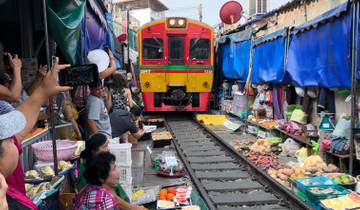
Instagram-popular Bangkok locations include Wat Arun’s steep staircase providing elevated river views, Grand Palace’s golden temple complex with ornate architectural details, colorful train market at Maeklong where trains pass through vendor stalls, and Talad Rot Fai vintage market with retro vehicles and decor. Rooftop bars particularly Lebua Sky Bar feature prominently in Bangkok Instagram photography despite tripod restrictions limiting technical quality. Street art areas including graffiti walls in Charoen Krung creative district offer vibrant backgrounds for portrait photography. However, consider that Instagram-popular locations attract massive crowds requiring early morning visits or considerable patience waiting for clear shots, while lesser-known temples, neighborhoods, and markets provide equally compelling photography without overtourism crowds and can showcase more authentic Bangkok beyond predictable Instagram cliches.
How do I photograph Bangkok’s famous floating markets?
Floating markets located outside central Bangkok at Damnoen Saduak (100 kilometers southwest) or Amphawa (80 kilometers southwest) require early morning departure (5:00-6:00 AM) arriving by 7:00-8:00 AM before tourist crowds and optimal morning light. Photograph from market bridges showing canal activity patterns, from hired longtail boats providing water-level perspectives creating intimate vendor-customer interactions, or from canal-side walkways capturing individual vendor boats. Wide lenses (16-35mm) capture market overview showing multiple vendor boats, while telephoto lenses (70-200mm) compress perspective creating density illusion and isolate vendor portraits from cluttered backgrounds. Negotiate boat tours carefully establishing photography-focused itinerary rather than tourist shopping trips, allowing time to photograph rather than rushing through market purchasing souvenirs.
What camera gear should I bring on a temple photography day?
A streamlined temple photography kit includes camera body, 16-35mm wide-angle lens for architecture and compound overviews, 24-70mm or 70-200mm for details and portraits, spare batteries (2-3), memory cards (32-64GB), lens cloth for removing humidity condensation, and rain cover for equipment protection. Minimize weight as Bangkok heat makes carrying heavy gear exhausting, eliminating non-essential equipment. Tripods add weight and attract attention in crowded temples though enable optimal image quality during dim interior photography when permitted. Small monopods provide compromise supporting slower shutter speeds while maintaining mobility and lower profile than tripods. Wear comfortable shoes for full-day temple walking, dress modestly meeting temple entry requirements, and carry water bottle maintaining hydration in tropical heat affecting photographer stamina and concentration necessary for quality photography.
Should I tip people I photograph on the streets?
Street photography doesn’t generally require tipping subjects photographed in public spaces engaged in ordinary activities, though specific situations warrant small payments. Monk portraits warrant temple donations (20-100 baht) rather than direct monk payment which violates religious prohibitions. Market vendor portraits benefit from purchasing goods (50-100 baht) before extended photography sessions, creating reciprocal relationship rather than extractive photography. Street performers obviously soliciting tips through entertainment warrant small payments (20-40 baht) proportional to entertainment value received. Tuk-tuk drivers, food vendors, and workers posed for formal portraits sometimes request payment (50-100 baht), representing reasonable compensation for time and cooperation though not universal expectation. Use judgment distinguishing genuine documentary photography requiring no payment from situations where subjects deserve compensation for cooperation enabling desired images.
Can I photograph the Thai royal family?
Photographing Thai royal family members requires understanding lese-majeste laws prohibiting insulting, defaming, or threatening monarchy, with severe penalties including years of imprisonment for violations. Public royal appearances including motorcades and official ceremonies allow respectful photography from designated areas, though some royal events prohibit cameras entirely. Never photograph royal family in informal, private, or potentially unflattering situations. Avoid editing, manipulating, or sharing royal photographs in disrespectful contexts online. Police monitor social media for lese-majeste violations affecting foreign tourists, though respectful documentary photography at public royal events remains safe. When uncertain about appropriateness, avoid royal photography altogether rather than risking legal complications, as Thai interpretation of disrespect differs significantly from Western standards making seemingly innocuous actions potentially illegal violations.
What post-processing software works best for Bangkok photography?
Adobe Lightroom provides industry-standard workflow for Bangkok photography through cataloging, RAW processing, and batch editing capabilities handling large image volumes from intensive shooting days. Preset creation streamlines repetitive adjustments applying consistent corrections to similar lighting situations common in location-based photography. Capture One offers alternative with superior color handling particularly for challenging mixed-lighting temple interiors, though steeper learning curve and higher cost limit adoption. Specialized plugins including Nik Collection for color grading and detail enhancement, DxO ViewPoint for perspective correction, and Topaz DeNoise for high-ISO noise reduction extend processing capabilities addressing specific Bangkok photography challenges including architectural distortion, low-light noise, and color-cast correction from mixed lighting sources.
How do I photograph Thai food attractively?
Food photography in Bangkok restaurants and street stalls requires window light when available providing soft directional illumination, or careful positioning minimizing harsh fluorescent or tungsten light creating unflattering color casts. Shoot from 45-degree angle showing dish depth and multiple elements rather than overhead flat perspective, use wide apertures (f/2.8-f/4) creating shallow depth of field emphasizing main subjects while softening busy backgrounds, and style shots showing context including vendor activities, surrounding diners, or cultural elements. Natural light from outdoor settings or restaurant windows provides most attractive food illumination, while flash creates harsh shadows and artificial appearance. Photograph immediately after dish arrival capturing fresh presentation before eating disrupts arrangement, though avoid excessive styling making food appear unapproachable or plastic. Capture authentic street food moments showing preparation processes, vendor-customer interactions, and eating environments telling cultural stories beyond isolated dish portraiture.
Are there photography workshops or tours in Bangkok?
Bangkok offers photography tours and workshops led by professional photographers familiar with optimal locations, lighting timing, and cultural protocols. Tours range from 3-4 hour morning temple photography excursions (2,000-3,500 baht) to full-day comprehensive Bangkok photography workshops (4,000-6,000 baht) combining instruction with guided shooting at multiple locations. Night photography tours focus on rooftop skyline photography and illuminated temple shooting, while street food photography tours combine culinary experience with food photography instruction. Private photography mentoring provides customized instruction addressing specific technique development, though costs (6,000-12,000 baht) exceed group tour rates. Evaluate tour credentials examining instructor portfolios, reading participant reviews, and confirming photographic rather than tourist orientation ensuring experiences meet serious photography objectives rather than casual snapshot taking with minimal instruction.