
Andalusia Travel Tips 2026: Essential Planning & Practical Advice
This comprehensive travel tips guide provides essential booking strategies with specific timelines for major attractions, transportation planning across intercity routes and urban networks, safety and health considerations for southern Spain, cultural etiquette preventing social missteps, practical packing advice addressing climate variations, insider knowledge maximizing value and experience quality, and troubleshooting common challenges from language barriers to schedule adjustments. The information reflects 2026 conditions while maintaining relevance to Andalusia’s enduring cultural patterns and operational realities that persist across seasons and years.
Key Takeaways
- Book Alhambra tickets 3-4 months ahead for peak season visits as daily limits of 6,000 create frequent sellouts from April through October
- Visit during shoulder seasons (April-May, September-October) for optimal weather (18-28°C), reduced crowds, and 15-25% lower accommodation costs
- Use menú del día lunches (€12-16) as your main meal and embrace tapas culture for economical, authentic dining experiences
- Learn basic Spanish phrases beyond tourist zones as English proficiency decreases outside major cities and international hotels
- Plan for afternoon siestas (2-5 PM) when many shops close, adjusting your schedule to Spanish dining hours of 2-4 PM lunch and 9-11 PM dinner
- Dress modestly for religious sites with covered shoulders and knees required at cathedrals, mezquitas, and churches throughout the region
Essential Andalusia Travel Planning for 2026
Andalusia rewards prepared travelers with seamless cultural experiences across its UNESCO World Heritage sites, Moorish palaces, whitewashed villages, and Mediterranean coastline while presenting specific planning requirements that differentiate southern Spain from other European destinations. The region’s distinct rhythm follows traditional Spanish schedules with afternoon siestas, late dining hours, and cultural customs that surprise unprepared visitors expecting northern European patterns. Strategic planning around Alhambra ticket availability, seasonal weather extremes, and regional transportation logistics transforms potential frustrations into smooth journeys through Andalusia’s eight provinces spanning from Atlantic Ocean to Mediterranean Sea.
Successful 2026 Andalusia trips require understanding advance booking requirements for premium attractions, navigating the region’s efficient but decentralized transportation networks connecting major cities, adapting to cultural norms around dining schedules and social interaction, and preparing for significant seasonal variations from winter mildness (12-18°C) to summer intensity (35-40°C inland). The UNESCO triangle of Granada’s Alhambra, Córdoba’s Mezquita-Cathedral, and Seville’s Real Alcázar and Cathedral represents concentrated world heritage requiring 5-7 days minimum for quality exploration, while comprehensive regional visits spanning coastal areas, natural parks, and pueblo blancos (white villages) demand 10-14 days for complete immersion.
People Also Ask About Andalusia Travel 2026
What should I know before visiting Andalusia in 2026?
Before visiting Andalusia in 2026, understand that advance Alhambra booking becomes essential 3-4 months ahead for peak season (April-October) as daily visitor limits create frequent sellouts. Spanish schedules differ dramatically from northern European or American patterns with lunch served 2-4 PM, dinner starting 9-11 PM, and afternoon siestas closing many shops 2-5 PM. Summer temperatures reach 35-40°C (95-104°F) in interior cities like Seville and Córdoba, requiring morning and evening activity planning with afternoon rest periods. English proficiency varies widely with major hotels and tourist attractions staffed by English speakers while neighborhood restaurants, small shops, and transportation personnel often communicate primarily in Spanish. Credit cards gain acceptance at most establishments though cash remains preferred for purchases under €10-15 at traditional bars and small vendors. Spain uses 220V electrical current requiring adapters for North American devices. Tap water stays safe throughout Andalusia despite different mineral taste from home supplies. Tipping expectations include rounding up bills or leaving 5-10% at restaurants versus mandatory 15-20% American standards. Most museums close Mondays while Sunday afternoons offer free admission at many state-run institutions. Regional trains and buses connect all major cities efficiently though advance booking secures best prices and guaranteed seats during busy periods.
How many days do I need in Andalusia in 2026?
Andalusia requires minimum 5-7 days for covering the essential UNESCO triangle of Granada (2 days), Seville (2 days), and Córdoba (1-2 days) with adequate time for major monuments, cultural exploration, and authentic dining experiences without constant rushing. This compressed itinerary allows Alhambra comprehensive visit, Albaicín wandering, and flamenco show in Granada; Real Alcázar, Cathedral, and Santa Cruz exploration in Seville; plus Mezquita-Cathedral and Jewish Quarter discovery in Córdoba. Ideal regional exploration spans 10-14 days adding coastal areas (Málaga, Nerja, or Ronda), natural parks (Sierra Nevada or Doñana), white villages circuits (Arcos de la Frontera, Grazalema, or Zahara), and deeper cultural immersion including cooking classes, wine tastings, or extended flamenco experiences. Two weeks allows relaxed pacing matching Spanish lifestyle rhythms, eliminates constant hotel changes, provides flexibility for spontaneous discoveries, and permits comprehensive coverage from Atlantic coast through Mediterranean shoreline while exploring interior mountain regions. Budget travelers visiting single cities extend stays to 4-5 days per location reducing intercity transportation costs while developing neighborhood familiarity and local routine participation. First-time visitors prioritizing world heritage sites focus on Granada-Córdoba-Seville triangle (5-7 days), while returning travelers explore secondary destinations including Cádiz, Jaén’s Renaissance heritage, or Almería’s desert landscapes and coastal fortresses.
Is Andalusia safe for tourists in 2026?
Andalusia ranks among Europe’s safest regions for tourists with violent crime extremely rare and personal safety concerns limited primarily to petty theft in crowded tourist areas. Pickpocketing concentrates around major attractions like Alhambra entrance areas, Seville Cathedral vicinity, and crowded tapas districts during evening hours, requiring standard precautions of securing valuables, using hotel safes for passports and excess cash, and maintaining awareness in dense crowds. Bag snatching from outdoor café tables or distraction techniques at ATMs represent primary theft methods, countered through vigilance and secure bag positioning. Violent crime against tourists stays exceptionally uncommon with Andalusian cities maintaining lower assault rates than most major American or northern European urban centers. Women traveling solo encounter minimal harassment beyond occasional verbal comments, particularly compared to other Mediterranean destinations, though standard precautions of avoiding isolated areas late at night and projecting confident awareness apply universally. Scam attempts focus on overcharging at tourist-zone restaurants (verify prices before ordering), unauthorized tour guides at monuments (use official channels), and taxi meter manipulation (ensure meter activation before departure). Health risks stay minimal with modern medical facilities available in all cities, tap water safe for drinking, and food safety standards high across restaurants and markets. Political demonstrations occasionally occur in major cities but stay peaceful with advance notice allowing easy avoidance. Emergency services respond quickly with 112 serving as universal emergency number connecting English-speaking operators to police, medical, or fire services throughout Spain.
What is the best way to get around Andalusia in 2026?
The best transportation strategy in Andalusia combines intercity buses or trains for major city connections with walking and public transit within urban areas, supplemented by rental cars for rural exploration or white village circuits. ALSA buses connect all major cities economically at €15-25 per journey with comfortable coaches, onboard WiFi, and frequent departures, while RENFE trains offer slightly more expensive alternatives (€25-45) with superior comfort and scenic routes. Advance online booking through company websites secures 20-30% discounts and guarantees seats during busy periods. Within cities, walking handles historic center exploration as compact layouts place major monuments within 1-2 kilometers, while metro systems in Seville (€1.40 per ride) and urban buses throughout all cities (€1.30-1.80) provide economical longer-distance movement. Taxis cost €6-10 for short trips within city centers, €15-25 for longer distances, with ride-sharing apps offering competitive pricing in major cities. Rental cars suit travelers exploring pueblos blancos (white villages), coastal areas beyond main cities, or natural parks where public transportation proves limited, costing €35-60 daily for economy vehicles with parking challenges and expenses (€15-25 daily in city centers) offsetting rural flexibility benefits. Organized day tours from major cities (€50-80 per person) eliminate driving concerns while providing guided experiences to Ronda, white villages, or coastal destinations. High-speed AVE trains from Madrid reach Seville (2.5 hours, €45-85), Málaga (2.75 hours, €50-90), or Córdoba (1.75 hours, €40-75), creating efficient gateway options for travelers combining capital city visits with Andalusian exploration.
Extended multi-day tours – 5+ days
Featured Andalucia Multi-Day Tour Packages
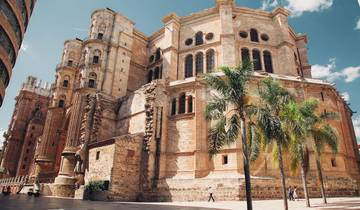
6 days
6 Day Malaga including visit to Gibraltar, Granada, Alhambra and Caminito del Rey
- ✓ Comprehensive Andalucia tour
- ✓ Expert local guides included
- ✓ All accommodation arranged
- ✓ Transportation provided
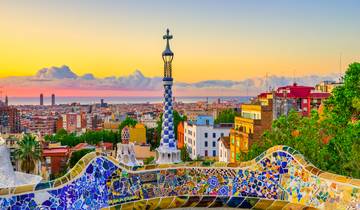
11 days
Flavors of Spain: A 11 Day Journey Through Madrid, Seville, Granada & Barcelona
- ✓ Comprehensive Andalucia tour
- ✓ Expert local guides included
- ✓ All accommodation arranged
- ✓ Transportation provided
11 days
A Taste of Spain: : 11 Days Across Madrid, Seville, Granada & Barcelona
- ✓ Comprehensive Andalucia tour
- ✓ Expert local guides included
- ✓ All accommodation arranged
- ✓ Transportation provided
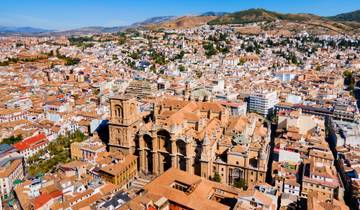
5 days
Granada: Crossroads of Arab and Christian Cultures
- ✓ Booking needs min. 2 travelers
Multi-day tour packages powered by TourRadar. Prices and availability subject to change.
Booking Strategies for 2026
Alhambra Advance Planning
Alhambra tickets represent Andalusia’s most critical advance booking requirement with daily visitor limits of 6,000 creating sellouts 3-4 months ahead during peak season (April-October). The official Patronato de la Alhambra website (alhambra-patronato.es) releases tickets three months in advance at midnight Central European Time, requiring immediate booking action for popular dates. General daytime admission costs €19.09 including Nasrid Palaces, Generalife gardens, and Alcazaba fortress with specific 30-minute entry windows for Nasrid Palaces (9 AM, 10 AM, 11 AM through 2 PM final slot). Booking confirmation includes entry time printed on ticket with strict enforcement requiring government-issued photo ID matching ticket name and punctual arrival within designated window.
Alternative Alhambra access options include night visits to Nasrid Palaces (€8, limited to palace interiors without gardens or fortress), gardens-only admission (€10, excludes Nasrid Palaces), and combined tickets (€23-28) allowing multiple visits across different time periods. Official authorized sellers like Ticketmaster Spain or physical tourism offices charge €1-2 additional fees over website direct purchase. Tour companies bundle Alhambra access with guided services at €45-65 per person including skip-the-line coordination and expert interpretation, valuable for first-time visitors seeking cultural context. Last-minute ticket availability sometimes appears 1-2 days before visit through cancellations or returned group allocations, requiring persistent website checking and flexible scheduling. Granada Card tourist passes include Alhambra admission plus other monuments and public transport (€47.50 for three-day pass) but sell out similarly early requiring advance online purchase.
Accommodation Booking Timeline 2026
Accommodation booking timelines vary dramatically by season and location with Semana Santa (Easter Week) and summer peak (July-August) requiring 2-4 months advance reservations while shoulder and low seasons allow 2-4 weeks notice for quality properties. Seville during Semana Santa demands earliest booking (3-4 months ahead) as hotels implement minimum three-night stays and premium pricing, with many properties completely reserved by January for March or April Easter dates. Summer coastal accommodations in Málaga, Marbella, or Nerja benefit from 6-8 weeks advance booking securing better rates and location choices before peak demand tightens availability.
Booking platforms including Booking.com, Hotels.com, or Expedia offer competitive pricing with free cancellation options allowing rate monitoring and rebooking if better deals appear. Direct hotel website booking sometimes provides 10-15% loyalty discounts or complimentary breakfast unavailable through third-party platforms. Boutique hotels and small guesthouses with limited room inventory (5-15 rooms) require earlier booking than large chain properties with hundreds of rooms. Historic center locations near major monuments command premium pricing but save transportation costs and time, while peripheral neighborhoods offer 20-30% savings with 10-15 minute public transport or walking distances to tourist zones. Non-refundable advance purchase rates deliver 20-30% discounts over flexible booking but eliminate cancellation flexibility for itinerary changes.
Transportation Pre-Booking Requirements 2026
Intercity bus and train tickets benefit from advance online booking through ALSA (buses) or RENFE (trains) websites with 20-30% discounts available for purchases 15-60 days before travel. Peak period routes between major cities (Seville-Granada, Málaga-Córdoba, Granada-Córdoba) sell out during summer weekends and holiday periods requiring 1-2 weeks advance purchase for guaranteed seats. RENFE operates dynamic pricing similar to airlines with lowest fares available earliest and prices increasing as departure approaches or capacity fills. Advance tickets lock travelers into specific departure times with limited change flexibility, while same-day walk-up purchases cost more but allow spontaneous scheduling.
High-speed AVE trains from Madrid require advance booking for optimal pricing with €45-85 Seville routes rising to €90-120 for last-minute weekend departures. Regional trains between Andalusian cities show less dramatic price variation though advance purchase still secures 15-25% savings. Car rental reservations benefit from 2-4 weeks advance booking with better vehicle selection and 20-30% lower rates than airport counter walk-ups. International flights to Málaga, Seville, or Granada airports show optimal pricing 2-4 months before travel with Tuesday and Wednesday departures typically 10-20% cheaper than Friday-Sunday options. Organized day tours from major cities rarely sell out but advance online booking through company websites or platforms like GetYourGuide or Viator secures guaranteed spots and occasional 10-15% early-bird discounts over on-the-day pricing.
Transportation Guide for 2026
Airport Access and City Transfers
Málaga Airport serves as Andalusia’s primary international gateway with direct flights from European cities and seasonal transatlantic connections, located 8 kilometers from city center with multiple transfer options. Airport Express Bus Line A charges €3 per person reaching city center in 20 minutes with departures every 20 minutes from 6:30 AM to midnight. Suburban trains (Cercanías) connect airport to Málaga center (€1.80, 12 minutes) operating every 20 minutes from 5:40 AM to 12:54 AM. Taxis cost €20-25 for 15-minute trips to city center with fixed rates eliminating meter concerns, while ride-sharing apps offer competitive €18-23 pricing.
Seville Airport sits 10 kilometers from historic center with dedicated EA Special Airport bus service (€4, 30 minutes) departing every 15-20 minutes from 5:20 AM to 1:15 AM, arriving at Plaza de Armas bus station or Santa Justa train station. Taxis charge €25-30 for 20-minute trips to city center with evening/weekend supplements adding €3-5. No train service connects Seville Airport requiring bus or taxi options. Granada Airport operates limited scheduled flights with Iberia connections through Madrid and Barcelona, located 17 kilometers from city center. Airport buses coordinate with flight arrivals (€3, 50 minutes) while taxis cost €35-40 for 30-minute transfers. Many Granada visitors fly into Málaga (125 kilometers away) using direct ALSA buses (€15-22, 2 hours) for economical airport-to-city connections avoiding Granada’s limited flight schedule.
Intercity Transportation Networks
ALSA buses operate comprehensive networks connecting all Andalusian cities with modern coaches, onboard WiFi, and competitive pricing. Major routes include Seville-Córdoba (€15-20, 2 hours, departures every 1-2 hours), Granada-Córdoba (€18-25, 2.5 hours, 6-8 daily departures), Málaga-Granada (€15-22, 2 hours, hourly departures), and Seville-Granada (€22-32, 3 hours, 6-8 daily). Advance online booking through alsa.es provides English language options, seat selection, and 10-15% promotional discounts for early purchase. Buses depart from central stations with good public transport connections in all cities.
RENFE regional trains offer comfortable alternatives on select routes with Seville-Córdoba (€25-35, 45 minutes, hourly departures) providing fastest connection on modern Avant trains. Málaga-Córdoba trains (€30-40, 1 hour) avoid highway traffic while offering scenic mountain views. Granada lacks direct train connections to Seville or Córdoba requiring bus travel for these routes. High-speed AVE trains connect Madrid to Andalusia efficiently with Seville (€45-85, 2.5 hours), Málaga (€50-90, 2.75 hours), and Córdoba (€40-75, 1.75 hours) creating seamless integration for travelers combining capital city visits with southern exploration. RENFE website and mobile app offer English interfaces, advance purchase discounts, and digital ticket delivery eliminating physical ticket collection requirements.
Urban Transportation Systems 2026
Seville operates Andalusia’s most extensive urban metro system with one line connecting neighborhoods and university areas to city center, charging €1.40 per ride or €4.50 for unlimited day passes. Tram service supplements metro with connections to specific districts. Comprehensive bus network covers all areas at €1.40 per ride with multi-trip cards (€7 for 10 rides) providing better value for extended stays. Walking handles most historic center exploration as major monuments cluster within 2-kilometer radius of Cathedral and Alcázar.
Granada buses charge €1.40 per ride with specific routes serving Alhambra (C3 line from city center every 8-12 minutes) and Albaicín neighborhood. Walking remains optimal for compact historic center with steep hills around Albaicín creating minor challenges. Taxis supplement public transport at €6-10 for short trips, €12-18 for longer distances including Alhambra to city center. Córdoba’s small size makes walking primary transportation with buses (€1.30 per ride) serving peripheral areas or providing rest from walking in summer heat. Málaga metro connects city center to university and residential districts (€1.35-2 depending on zones) while buses reach beaches and coastal neighborhoods. All cities offer bike-sharing programs with daily passes (€3-5) providing alternatives to walking, though summer heat and hill terrain limit practical cycling in Granada or summer Seville.
Safety and Health Considerations for 2026
Personal Security and Crime Prevention
Pickpocketing represents Andalusia’s primary tourist security concern concentrating around major monuments like Alhambra entrance areas, Seville Cathedral surroundings, and crowded tapas districts during evening hours. Thieves target distracted tourists photographing monuments or studying maps, using classic techniques including wallet removal from back pockets, bag slashing on outdoor café tables, or coordinated distraction while accomplices steal items. Standard prevention measures include using front pockets for wallets, securing bags across body with zippers facing inward, maintaining awareness in crowds, and avoiding valuable display through expensive jewelry or camera equipment.
ATM safety requires vigilance with card skimming devices occasionally installed at isolated machines and distraction techniques allowing PIN observation or card swapping. Using ATMs inside bank branches during business hours provides maximum security, while covering PIN entry and checking for unusual card slot attachments prevents skimming. Hotel room safes secure passports, excess cash, and backup credit cards with travelers carrying only daily-use amounts (€50-100) reducing theft impact. Bag snatching from outdoor restaurant tables or cafe chairs occurs occasionally, countered by wrapping bag straps around chair legs or keeping bags on laps versus hanging on chair backs or placing on adjacent seats.
Evening safety stays high throughout Andalusian cities with well-lit historic centers, active street life until midnight or later, and minimal violent crime against tourists. Women traveling solo encounter standard precautions of avoiding isolated areas late at night, using legitimate taxis from established stands, and projecting confident awareness without inviting approach through uncertain demeanor. Scam attempts include overcharging at tourist-zone restaurants (always verify menu prices before ordering), unauthorized tour guides approaching at monuments (decline politely and use official booking channels), fake flamenco shows in low-quality venues (research recommendations before paying), and taxi meter manipulation (ensure meter activation at €2.40-2.90 base rate before departure). Emergency number 112 connects to English-speaking operators providing police, medical, or fire services throughout Spain with rapid response in urban areas.
Health and Medical Preparation
Andalusia presents minimal health risks with modern medical facilities, high food safety standards, and safe tap water throughout the region. Travel insurance covering medical emergencies provides essential protection with policies costing €50-80 weekly including medical evacuation coverage (€20,000-50,000 typical limits), though European Union citizens access Spanish public healthcare through European Health Insurance Card (EHIC) with minimal co-pays. Non-EU travelers require comprehensive insurance as out-of-pocket medical costs reach €150-300 for emergency room visits or €5,000-15,000 for serious conditions requiring hospitalization.
Pharmacies (farmacias) identified by green crosses operate throughout cities with licensed pharmacists providing over-the-counter medications, basic medical consultation, and prescription filling during regular hours (9:30 AM-1:30 PM and 5-8:30 PM). Rotating 24-hour emergency pharmacies (farmacias de guardia) serve after-hours needs with posted schedules or information available through 112 emergency services. Common medications like ibuprofen, antihistamines, or digestive aids require no prescription with brand names differing from North American equivalents but pharmacists guiding appropriate selection. Sun protection proves essential during summer months with SPF 30-50 sunscreen, wide-brimmed hats, and afternoon shade-seeking preventing sunburn and heat exhaustion in 35-40°C temperatures.
Food and water safety stays high with tap water safe for drinking throughout Andalusia despite different mineral content creating unfamiliar taste. Bottled water costs €0.50-1.50 for 1.5-liter bottles at supermarkets providing alternatives for sensitive stomachs. Restaurant food safety follows EU hygiene standards with rare issues, though standard precautions of selecting busy establishments with high customer turnover and avoiding unrefrigerated dairy or seafood in extreme heat apply universally. Traveler’s diarrhea occurs occasionally from dietary changes rather than contamination, managed through over-the-counter remedies from pharmacies. Vaccinations remain unnecessary for Andalusia with standard routine immunizations sufficient, though checking tetanus currency proves prudent for adventure activities or rural exploration.
Cultural Etiquette and Local Customs 2026
Dining and Social Norms
Spanish dining schedules differ dramatically from northern European or American patterns with breakfast (desayuno) light at 8-10 AM consisting of café con leche and toast, lunch (almuerzo/comida) as the main meal served 2-4 PM with most restaurants offering menú del día only during these hours, and dinner (cena) starting 9-11 PM with locals rarely dining before 9:30 PM. Adjusting to these schedules prevents hunger frustration and enables participation in authentic Spanish meal culture versus tourist-focused establishments serving continuous hours at inflated prices.
Tapas culture represents social dining with small portions shared among groups while standing at bar counters or high tables, creating interactive experiences versus formal sit-down service. Ordering rounds of 2-3 tapas per person over 1-2 hours with drinks between courses follows local patterns, while requesting full-size portions (raciones) suits hungrier appetites or dinner needs. Free tapas accompaniments with drink orders occur traditionally in Granada where each beer or wine includes small plate of food, while Seville and Córdoba charge separately for each tapa. Tipping expectations include rounding up bills or leaving 5-10% at restaurants versus mandatory 15-20% American standards, with small change (€1-2) appropriate for bar service and 10% considered generous for excellent meal service.
Table service follows Spanish pacing with multiple course lunches taking 90-120 minutes reflecting cultural value on leisurely dining and conversation versus American efficiency focus. Requesting separate checks (cuentas separadas) at group meals proves acceptable but easier to pay together and sort later. Bread placed on tables comes complimentary at most restaurants though occasionally appears on bills at €1-2 per person. Water requests specify tap water (agua del grifo) for free versus bottled (agua con gas or sin gas) at €2-4. Coffee orders after meals require specific requests (café con leche for milk, café solo for espresso, cortado for espresso with milk dash) with American-style drip coffee unavailable at traditional establishments.
Religious Site Protocol and Dress Codes
Cathedrals, churches, and Mezquita-Cathedral enforce modest dress codes requiring covered shoulders and knees for entry with enforcement varying from strict cathedral security to informal mosque-cathedral requests. Tank tops, shorts above knee, short skirts, or strapless dresses risk entry denial, while lightweight scarves or shawls carried for shoulder coverage and below-knee skirts or pants ensure universal access. Alhambra and Alcázar lack religious function allowing any respectful attire, though excessive skin display (bikini tops, shirtless males) remains inappropriate at all cultural sites.
Religious services occur during visitor hours at functioning churches and cathedrals with quiet respect required during masses even when tourist visiting continues. Free admission during early morning prayer hours (8:30-9:30 AM typically) allows brief interior views but limits photography and requires silence. Photography restrictions vary by site with Mezquita-Cathedral prohibiting tripods and commercial photography while allowing personal photos, Seville Cathedral permitting photos in most areas except during religious services, and many smaller churches prohibiting all photography. Flash photography damages historic artwork and textiles creating universal prohibition despite inadequate signage at some sites.
Language and Communication Tips
English proficiency varies dramatically across Andalusia with international hotels, major monuments, and tourist-focused restaurants staffed by English speakers while neighborhood establishments, transportation personnel, and small shops often communicate primarily in Spanish. Learning basic Spanish phrases (buenos días/hello, gracias/thank you, la cuenta por favor/check please, cuánto cuesta/how much) demonstrates respect and facilitates smoother interactions beyond tourist zones. Translation apps like Google Translate provide backup communication with offline mode available after downloading Spanish language pack.
Spanish conversation style includes closer personal space than northern European or American norms with 30-45 centimeter conversation distances common versus 60-90 centimeter Anglo expectations. Direct eye contact shows respect and engagement versus avoidance suggesting dishonesty or disinterest. Greeting rituals include single kiss on right cheek between women or women-men in social contexts, while men shake hands in business or formal situations. Locals appreciate attempts at Spanish regardless of accuracy with most showing patience and encouragement for effort versus judgment of mistakes.
Restaurant service staff respond to eye contact and subtle hand raising rather than verbal shouting, with “perdón” or “por favor” polite attention-getters. Asking for “la cuenta” (the check) signals readiness to leave as Spanish service never rushes customers with checks, interpreting American-style check delivery before request as rude pressure to vacate table. Siesta closures (2-5 PM) affect many small shops and services in residential neighborhoods though tourist-area establishments stay open continuously. Banking hours (8:30 AM-2 PM Monday-Friday) require morning attention for currency exchange or financial services.
Practical Packing Advice for 2026
Seasonal Clothing Requirements
Summer visits (June-September) require lightweight, breathable clothing with cotton or linen fabrics managing 35-40°C (95-104°F) temperatures in interior cities. Sun protection including wide-brimmed hats, SPF 30-50 sunscreen, and UV-blocking sunglasses proves essential for outdoor monument exploration. Modest clothing respecting religious site dress codes includes lightweight long pants or below-knee skirts with shoulder-covering tops or carryable shawls for cathedral entry. Comfortable walking shoes with breathable uppers and supportive soles handle 8-12 kilometers daily walking across cobblestone streets and monument stairs. Evening dining allows smart casual attire versus formal dress codes, though upscale restaurants appreciate collared shirts for men and dresses or nice pants for women.
Spring and fall shoulder seasons (April-May, September-October) benefit from layering approaches with morning coolness (15-18°C) transitioning to warm afternoons (24-28°C). Lightweight jacket or cardigan handles temperature variations, while long pants and closed-toe shoes suit cultural exploration. Rain gear including compact umbrella or lightweight rain jacket addresses occasional spring and fall precipitation, though rainy days remain less frequent than northern Europe. Winter visits (November-February) require moderate layers with daytime temperatures of 12-18°C (54-64°F) suitable for jeans, long-sleeve shirts, and light sweaters. Winter rain increases particularly December-January with waterproof jacket or umbrella essential, while evenings cool to 5-10°C requiring jacket or coat for dinner outings.
Essential Items and Equipment
Electrical adapters suit European Type C or F outlets with two round pins at 220V requiring North American travelers to bring appropriate adapters for phone chargers, laptop power supplies, and other electronics. Portable battery packs (10,000-20,000 mAh) maintain phone charge during full-day sightseeing when photo-heavy Alhambra visits or Google Maps navigation depletes batteries. Universal travel adapter plugs combining multiple outlet types provide flexibility across accommodations. Camera equipment includes main camera with spare batteries and memory cards, though smartphone cameras suit most travelers with portable tripods or selfie sticks enabling couple or group photos.
Reusable water bottle (500ml-1 liter) stays hydrated through fountain refills or café water requests, reducing single-use plastic while controlling costs versus €2-4 bottled water purchases. Small daypack or crossbody bag carries daily essentials including water, sunscreen, guidebook, and purchases while maintaining security through front-facing wear and zippered closures. Money belt or neck wallet secures passport copies, backup credit cards, and emergency cash during travel days or crowded tourist areas. Basic first aid supplies include blister treatment for walking-heavy days, basic pain relievers (ibuprofen), antihistamines for allergies, and prescription medications in original containers with copies of prescriptions.
Technology and Connectivity
Mobile phone connectivity requires unlocked phones accepting international SIM cards or relying on home carrier international plans. European SIM cards from Vodafone Spain, Orange, or Movistar cost €15-30 for 15-30GB data packages with 30-day validity, purchased at airport kiosks or city phone shops with passport required for registration. Data packages enable Google Maps navigation, restaurant research, translation apps, and social media sharing without roaming charges. Alternative connectivity includes home carrier international plans at €10-15 daily (expensive for extended trips) or WiFi-only approach relying on accommodation and café hotspots.
Accommodation WiFi reaches acceptable speeds for email and messaging at most properties though upload bandwidth for large photo transfers stays limited at budget options. Cafés and restaurants provide WiFi passwords on request with major chains (Starbucks, McDonald’s) offering reliable connections. Downloaded offline maps through Google Maps or Maps.me applications enable navigation without data connectivity, while translation app offline language packs (Spanish) provide communication tools without internet requirements. Photo storage benefits from cloud backup through accommodation WiFi protecting against device loss or damage, with 50-100GB Google Photos or iCloud storage handling week-long trip volume.
Insider Knowledge and Value Tips for 2026
Free Attraction Opportunities
Sunday afternoons provide free admission at many museums with Seville’s Museum of Fine Arts, Archaeological Museum, Flamenco Museum, and other state-run institutions offering no-charge entry after 2 PM. Granada’s Archaeological Museum, Fine Arts Museum, and other public museums follow similar patterns. Spanish national holidays bring free admission to government-managed sites throughout the year. Cathedral free morning hours allow brief interior views during prayer times at Seville (Monday-Saturday 8:30-9:30 AM) and Córdoba’s Mezquita (Monday-Saturday 8:30-9:30 AM) without standard admission charges, though photography limits and crowd restrictions apply during active religious services.
Public gardens including Seville’s Parque de María Luisa, Jardines de Murillo, or Alameda de Hércules provide peaceful green spaces with free access for picnics, rest breaks, or evening strolls. Málaga’s historic center beaches offer free Mediterranean access with public showers, changing rooms, and promenade walking. Viewpoints including Granada’s Mirador de San Nicolás, Córdoba’s Puente Romano views, or Seville’s Metropol Parasol observation deck (€3) deliver spectacular panoramas without monument admission costs. Free walking tours operate daily in all major cities with knowledgeable guides working for tips (€10-15 suggested per person for 2-3 hour comprehensive routes) covering history, architecture, and local culture.
Money-Saving Insider Strategies
Menú del día lunches represent supreme dining value with three-course meals including wine, bread, and coffee at €12-16 at neighborhood restaurants across all cities. Strategic travelers make lunch the main daily meal maximizing value while experiencing authentic home-style cooking with generous portions. Supermarket shopping for breakfast supplies (coffee, juice, yogurt, pastries) and picnic components (bread, cheese, jamón, fruit) costs €15-25 daily for two people versus €25-40 for café and restaurant meals. Spanish supermarkets (Mercadona, Carrefour, Día) offer fresh produce and prepared foods at competitive prices with locations throughout cities.
Municipal pools provide summer relief at €4-6 admission versus expensive hotel pool access, with facilities including Seville’s Aquópolis or Granada’s municipal pools offering clean water, sunbathing areas, and local atmosphere. Free flamenco performances occur at bars and peñas (clubs) throughout Andalusia with spontaneous shows during evening hours, though quality varies versus paid tablao performances (€25-60). Walking extensive distances saves transportation costs while providing intimate neighborhood discovery unavailable from buses or taxis, with comfortable shoes and afternoon siesta rest breaks managing heat and distance. Avoiding tourist-zone restaurants saves 30-50% with establishments 2-3 blocks from major monuments offering identical cuisine at local pricing without English menus or inflated costs.
Optimal Timing Strategies
Early morning monument visits (opening hours) provide cooler temperatures, better light for photography, and smaller crowds before tour group arrivals. Alhambra first entry slots (9 AM) offer relatively empty Nasrid Palaces for 30-60 minutes before mass tourist flow begins. Seville Cathedral opens 11 AM Monday-Saturday (2:30 PM Sunday) with quietest exploration during first hour after opening. Late afternoon timing (4-6 PM) captures golden hour lighting for photography while avoiding midday heat, though coincides with rising crowd numbers as day-trippers arrive.
Midweek visits (Tuesday-Thursday) encounter fewer crowds than Friday-Sunday weekends at major attractions, with Monday closures at many museums requiring schedule awareness. Shoulder seasons (April-May, September-October) deliver optimal balance of pleasant weather (18-28°C), reduced crowds versus summer peaks, and 15-25% lower accommodation costs. Winter months (January-February) provide lowest prices and minimal crowds though cooler temperatures and occasional rain require weather flexibility. Avoiding peak periods including Semana Santa (Easter Week), Feria de Abril in Seville, or summer coastal high season saves 30-50% on accommodation while enhancing experiences through reduced crowding.
Troubleshooting Common Challenges in 2026
Language Barrier Solutions
Language challenges beyond major tourist areas require preparation through basic Spanish phrase learning, translation app installation, and communication strategy development. Google Translate app provides text translation, camera translation for menu reading or sign interpretation, and voice translation for conversations with offline mode available after downloading Spanish language pack. Restaurant ordering uses pointing at menu items or nearby table dishes, with “esto” (this) and “para mí” (for me) enabling simple requests. Numbers 1-20 in Spanish facilitate price understanding and basic transactions.
Accommodation staff at major hotels speak functional English while small guesthouses or rural properties may require Spanish or translation assistance. Advance email communication in English often succeeds where phone conversations prove difficult. Transportation ticket purchases benefit from online booking in English through company websites versus in-person counter transactions in Spanish. Medical situations requiring communication use 112 emergency number with English-speaking operators connecting to appropriate services, while pharmacies employ licensed professionals with basic English medical vocabulary. Patience, gestures, and good humor overcome most language barriers with locals appreciating effort and showing helpfulness despite communication limitations.
Schedule Adjustment Challenges
Adapting to Spanish schedules requires mental preparation and strategic planning around afternoon siestas (2-5 PM) when many shops close and late dining hours (9-11 PM dinner) foreign to most visitors. Morning activity planning (8 AM-2 PM) handles monument visits, shopping, and business before siesta closures, while evening scheduling (6 PM onwards) accommodates post-siesta reopenings and traditional dining times. Afternoon rest periods during siesta hours manage summer heat and recharge energy for extended evening activities common in Spanish culture.
Breakfast challenges arise from light Spanish morning meals (coffee and toast) versus hearty northern European or American expectations, addressed through supermarket supplies (yogurt, fruit, substantial pastries) or hotel breakfasts including buffet options. Lunch represents main meal opportunity through menú del día offerings (2-4 PM) with restaurants closing kitchen after 4 PM until dinner service begins 8-9 PM. Hunger management during 4-8 PM gap requires afternoon snacks from cafés offering pastries and sandwiches or planning early 8 PM dinners at tourist-focused restaurants versus waiting for 9-10 PM local dining rush. Sundays bring reduced hours or closures at many shops and some restaurants particularly outside major tourist zones, requiring advance planning or acceptance of limited options.
Weather Extreme Management
Summer heat in interior Andalusia (Seville, Córdoba, Granada reaching 35-40°C / 95-104°F) requires schedule adaptation with early morning monument visits (8-11 AM), afternoon indoor museum time or siesta rest, and evening exploration when temperatures moderate to 28-32°C. Hydration through constant water carrying and frequent café stops prevents heat exhaustion, while seeking shade during hottest hours (1-5 PM) maintains comfort. Lightweight breathable clothing, wide-brimmed hats, and frequent sunscreen reapplication (every 2 hours) protect against sunburn and heat stress.
Coastal areas maintain milder temperatures (28-33°C) with Mediterranean breezes but higher humidity creating different heat challenges. Winter rain particularly December-January requires waterproof jacket or umbrella with occasional multi-day rainy periods disrupting outdoor activity plans. Flexible scheduling allows shifting monument visits to dry periods while using rainy afternoons for museum exploration or café time. Spring and fall weather variability benefits from layered clothing approaches with morning cool transitioning to warm afternoons requiring jacket removal and evening cooling requiring layers again. Checking 5-7 day weather forecasts enables strategic activity planning around predicted conditions while maintaining flexibility for Andalusia’s occasional weather unpredictability.
First-Timer Essential Information for 2026
Top Priority Planning Steps
First-time Andalusia visitors prioritize Alhambra ticket booking 3-4 months ahead as the single most important planning task, selecting preferred visit date and purchasing general admission (€19.09) through official website (alhambra-patronato.es) immediately upon three-month advance availability. Accommodation booking follows with 6-8 weeks advance reservation for peak season (April-October) or 2-4 weeks for shoulder periods, selecting historic center locations in Seville, Granada, and Córdoba minimizing transportation needs while maximizing atmospheric immersion in UNESCO heritage areas. Transportation planning includes intercity bus or train tickets booked 2-4 weeks ahead capturing advance purchase discounts (20-30% savings) and guaranteed seats during busy periods.
Itinerary design for first visits focuses on UNESCO triangle of Granada (2 days minimum), Seville (2 days minimum), and Córdoba (1-2 days) totaling 5-7 days for quality exploration without constant rushing. Granada days cover Alhambra comprehensive visit (half day), Albaicín wandering and viewpoints (half day), Cathedral and Royal Chapel (2 hours), and evening flamenco show in Sacromonte caves. Seville requires Real Alcázar (2-3 hours), Cathedral and Giralda tower (2 hours), Santa Cruz neighborhood exploration (2-3 hours), Triana district and river walks (2 hours), plus evening tapas and flamenco experiences. Córdoba’s compact size suits single-day coverage of Mezquita-Cathedral (2-3 hours) and Jewish Quarter wandering (2-3 hours), though overnight stays allow relaxed evening atmosphere appreciation and morning Mezquita prayer-hour free entry.
Realistic Budget Expectations
First-time budget travelers allocate €70-90 daily covering hostel accommodation (€25-35 per night), three meals through menú del día lunches and tapas dinners (€35-45), public transportation (€5-8), and selective attraction admissions averaging €10-15 daily across trip duration. Total week costs reach €490-630 per person excluding international flights. Mid-range first visits budget €110-140 daily including boutique hotels (€70-100 per night divided by two for couples, €70-100 solo), diverse dining with restaurants and quality tapas bars (€60-80), comprehensive attraction access with audio guides (€15-25), and convenient taxis supplementing walking (€10-15), totaling €770-980 weekly per person. Luxury introductions to Andalusia spend €200-280+ daily with five-star historic hotels (€150-250+ per night per person double occupancy), fine dining including Michelin experiences (€100-140), private guides (€80-120 daily per person), and premium transportation, reaching €1,400-1,960+ weekly per person.
Additional costs include international flights (€150-400 from European cities, €400-800 from North America round-trip), travel insurance (€50-80 weekly), souvenirs and shopping (€50-150), optional experiences like cooking classes or wine tastings (€60-100 each), and emergency reserves (€100-200). Complete trip budgets total €900-1,500 budget, €1,500-2,500 mid-range, or €3,000-5,000+ luxury for comprehensive week-long first-time Andalusia visits including all expenses from departure to return.
Must-Do Experiences for First Visits
Essential first-time experiences include Alhambra’s Nasrid Palaces appreciating medieval Islamic architecture at its pinnacle, wandering Granada’s Albaicín neighborhood’s narrow streets with sunset views from Mirador de San Nicolás, experiencing authentic flamenco at intimate tablaos or Sacromonte cave venues (€25-45), and savoring traditional tapas at celebrated bars sampling regional specialties. Seville priorities encompass Real Alcázar’s Mudéjar palaces and gardens, Cathedral and Giralda tower climb for city panoramas, evening paseo (stroll) along Guadalquivir River through Triana district, and Semana Santa or Feria experiences if timing aligns. Córdoba essentials include Mezquita-Cathedral’s forest of columns and Moorish-Christian architecture fusion, getting lost in Jewish Quarter’s whitewashed alleys, and sampling salmorejo (cold tomato soup) at traditional taverns.
Cultural immersion experiences include menú del día lunch at neighborhood restaurant with local workers, attending evening mass or prayer services at functioning religious sites, purchasing fresh ingredients at historic markets (Seville’s Triana Market, Granada’s San Agustín Market), and participating in evening paseo social strolling observing Spanish lifestyle. Regional day trips extend experiences to Ronda’s dramatic gorge and bridge, pueblos blancos (white villages) like Arcos de la Frontera or Grazalema, or coastal towns including Nerja or Cádiz. First-time visitors balance structured monument visits with unscheduled wandering time allowing spontaneous discoveries, café rest breaks, and organic interaction with Andalusian daily rhythms creating memorable authentic experiences beyond checklist tourism.
Frequently Asked Questions About Andalusia Travel 2026
Do I need to speak Spanish to visit Andalusia in 2026?
Spanish fluency proves unnecessary for Andalusia visits though basic phrases enhance experiences and facilitate interactions beyond major tourist zones in 2026. Major hotels, key monuments like Alhambra or Mezquita, and tourist-focused restaurants employ English-speaking staff handling reservations, admissions, and service interactions. Translation apps including Google Translate with offline Spanish language pack provide backup communication for menu reading, direction asking, or transaction clarification. Learning essential Spanish phrases including greetings (buenos días/hello, gracias/thank you), requests (la cuenta por favor/check please, dónde está/where is), and numbers (uno through veinte/1-20) demonstrates respect while enabling basic restaurant ordering, shop purchases, and navigation assistance. Most Andalusians appreciate Spanish attempts regardless of accuracy, showing patience and encouragement for effort versus expecting perfection. Neighborhood establishments away from heavy tourist traffic show less English proficiency creating authentic challenges overcome through pointing, gestures, and smartphone translation tools. Transportation ticket purchases benefit from advance online booking in English through company websites versus in-person Spanish counter transactions. Medical situations use 112 emergency number with English operators connecting appropriate services. Overall, monolingual English speakers navigate Andalusia successfully with occasional communication frustrations while Spanish learners find abundant practice opportunities enhancing both practical function and cultural connection.
What is flamenco etiquette at shows in 2026?
Flamenco show etiquette requires silent attention during performances with talking, phone use, or movement prohibited once dancers or musicians begin, as flamenco represents serious artistic expression versus background entertainment. Photography and video recording policies vary by venue with many prohibiting all recording to protect performers’ artistic integrity and prevent commercial exploitation, while others allow non-flash photography during specific moments. Check venue policy before show begins and respect restrictions absolutely. Applause occurs during natural breaks between songs or dance sections, never interrupting active performance, with enthusiastic applause and shouts of “olé” appreciated during impressive sequences. Tipping performers proves unnecessary at paid ticketed shows as admission covers performance, though spontaneous appreciation at free bar shows follows with drink purchases or small tips (€5-10) for musicians.
Dress codes at flamenco venues range from smart casual at intimate tablaos (avoid shorts, flip-flops, athletic wear) to more relaxed standards at bar performances. Arriving 15-30 minutes before show start time ensures good seating as many venues use first-come seating versus reserved tables. Dinner-show packages include set menus served before or during performances with quality varying from touristy mediocre to excellent traditional cuisine depending on venue reputation. Shows last 60-90 minutes typically with 1-2 brief intermissions at longer performances. Premier tablao experiences in Seville (La Carbonería, Casa de la Memoria), Granada (Jardines de Zoraya, Cueva de la Rocío), or specialized peñas (flamenco clubs) deliver authentic performances by accomplished artists, while tourist-trap venues near major monuments show lower quality at inflated prices. Research recommendations through current reviews or local tourism office guidance ensuring quality experiences matching expectations and investment (€25-60 typical admission range).
Can I drink tap water in Andalusia in 2026?
Tap water throughout Andalusia meets EU safety standards with complete safety for drinking, cooking, and teeth brushing in 2026, though mineral content and taste differ from home water creating initial adjustment for sensitive stomachs. Major cities including Seville, Granada, Córdoba, and Málaga maintain modern water treatment facilities with regular testing ensuring quality standards. Coastal areas use partially desalinated water creating slightly different taste profiles from inland mountain-sourced supplies. Travelers with particularly sensitive digestive systems choose bottled water (€0.50-1.50 for 1.5 liters at supermarkets) during first days allowing gradual adaptation to new mineral balance and bacterial composition.
Restaurant water requests specify tap water (agua del grifo) receiving free service versus bottled water (agua mineral con gas or sin gas) appearing on bills at €2-4. Reusable water bottles filled from accommodation taps or public fountains (many historic fountains throughout cities) maintain hydration while controlling costs and reducing plastic waste. Water quality stays consistent across budget hostels through luxury hotels with modern plumbing systems. Ice in drinks uses treated tap water at reputable establishments with safety equivalent to water itself. Rural areas and small villages maintain similar water safety though occasional iron content creates rust coloration without health implications. Boiling water proves unnecessary unlike developing destinations, with standard tap water adequate for all uses. Travelers particularly concerned about water quality purchase bottled water widely available at supermarkets, convenience stores, and tourist shops throughout all cities and towns at minimal cost.
How do I avoid tourist traps in Andalusia in 2026?
Tourist trap avoidance requires walking 2-3 blocks away from major monuments before selecting restaurants, as establishments directly facing Alhambra, Cathedral, or Mezquita charge 30-50% premiums while often serving lower quality food to one-time visitors versus building local customer base. Research current recommendations through travel forums, food blogs, or local tourism websites identifying authentic establishments favored by residents versus tourist-focused venues with picture menus and aggressive hawkers. Menu prices displayed outside indicate legitimacy with clear pricing, while absence of visible menus or pressure tactics from door staff signal potential overcharging issues.
Flamenco shows near major tourist attractions often deliver mediocre performances at €40-60 versus quality tablaos in residential neighborhoods at €25-40 providing superior artistic experiences. Research specific venue reputations through recent reviews avoiding generic “flamenco show” establishments targeting undiscerning tourists. Taxi drivers occasionally recommend restaurants or shops receiving kickback commissions, politely declining suggestions while using independent research guides choices. Unauthorized tour guides approach visitors at monument entrances offering services at apparent bargains but delivering poor quality information or surprise fees, whereas official guides book through legitimate tourism offices or reputable companies with transparent pricing.
Shop purchases including ceramics, leather goods, or food products show better prices and quality at stores frequented by locals versus tourist-zone boutiques. Seville’s Triana neighborhood, Granada’s Realejo district, or Córdoba’s areas north of Mezquita host authentic artisan shops with fair pricing. Souvenir purchases including flamenco dresses, mass-produced ceramics, or generic gifts show inflated tourist-zone pricing with identical items available at regular shops or markets at 40-60% discounts. Hotel concierge recommendations generally prove reliable versus street vendor suggestions, though even concierge restaurant referrals sometimes include commission arrangements. Independent research through current travel resources, walking away from immediate monument surroundings, and observing local customer presence versus tourist saturation provides reliable authentic experience guidance.
What should I do if I get sick in Andalusia in 2026?
Medical care in Andalusia follows EU standards with emergency services accessed through universal 112 number connecting English-speaking operators to police, medical, or fire services with rapid ambulance dispatch to nearest hospital. Public hospitals (hospitales) provide emergency treatment to all visitors regardless of insurance status or ability to pay, with EU citizens using European Health Insurance Card (EHIC) receiving treatment with minimal co-pays while non-EU visitors receive emergency care with billing for services rendered. Private hospitals and clinics offer faster service for non-emergency situations with costs typically €80-150 for doctor consultations, €150-300 for emergency room visits, substantially lower than North American pricing.
Pharmacies (farmacias) identified by green crosses operate throughout cities with licensed pharmacists providing over-the-counter medications, basic medical consultation for common ailments (travelers’ diarrhea, headaches, allergies, colds), and prescription filling during regular hours (9:30 AM-1:30 PM and 5-8:30 PM weekdays, 9:30 AM-1:30 PM Saturdays). Rotating 24-hour emergency pharmacies (farmacias de guardia) serve after-hours needs with schedules posted at closed pharmacy doors or available through 112 information service. Common medications require no prescription with brand names differing from North American equivalents (pharmacists guide appropriate selection based on symptoms described). Travel insurance provides reimbursement for medical expenses with policies requiring payment at time of service followed by claims submission with receipts and documentation.
Serious medical emergencies requiring hospitalization or evacuation activate travel insurance emergency assistance numbers with 24-hour English-speaking coordinators managing care arrangements and payment guarantees. Most medical professionals in hospital settings speak functional English while translation services access through 112 operators for non-English medical staff. Prescription medications from home should carry sufficient supply for trip duration plus several days buffer, kept in original containers with prescription documentation facilitating customs clearance and refill authorization if needed. Medical tourism for scheduled procedures proves unnecessary for emergency situations as Spanish healthcare quality matches or exceeds most developed nations at fraction of North American costs for uninsured patients.
Is Andalusia family-friendly for traveling with children in 2026?
Andalusia welcomes families with children of all ages through child-friendly cultural attitudes, safe environments, family accommodations, and attractions suitable for young visitors in 2026. Spanish culture embraces children in public spaces with restaurants, hotels, and monuments accommodating families without judgment for normal child behavior creating welcoming atmosphere versus restrictive northern European formality. Children eat free or discounted at many restaurants with high chairs available and staff showing patience with messy eaters or active youngsters. Evening family dining out past 9-10 PM follows Spanish cultural norms with children participating in social life versus enforced early bedtimes.
Accommodation options include family rooms at most hotels (sleeping 3-4 in one room), apartment rentals through Airbnb or Booking.com providing kitchen facilities and more space than hotel rooms, and connecting rooms at larger properties for bigger families. Many hotels offer childcare services, kids’ clubs, or pool areas entertaining children while parents relax. Monument visits engage children through scavenger hunt approaches, audio guide kid versions at some sites, and palace/castle settings sparking imagination. Alhambra requires walking stamina and cultural interest challenging for very young children (under 6), while Alcázar gardens and Cathedral tower climbs provide more interactive experiences. Parks including Seville’s María Luisa Park or Granada’s Carmen de los Mártires gardens offer playground breaks between cultural visits.
Safety concerns stay minimal with Andalusian cities maintaining low crime rates, pedestrian-friendly historic centers, and public spaces welcoming families day and night. Beaches along Costa del Sol provide classic family appeal with shallow water, lifeguard supervision, and beach services. Heat management during summer requires afternoon indoor museum time or hotel pool relaxation matching Spanish siesta patterns while protecting children from excessive sun exposure. Stroller access presents challenges in historic centers with cobblestone streets and monument stairs, while baby-wearing carriers provide better mobility. Children under 12 receive free or reduced admission at most monuments and museums, while under 5s enter free universally. Family travel costs stay moderate with accommodation sharing, children’s menu pricing, and free attractions balancing specialized family needs.
What are the best day trips from Seville in 2026?
Córdoba represents the premier Seville day trip with direct trains (45 minutes, €25-35) or buses (2 hours, €15-20) providing easy access to Mezquita-Cathedral’s stunning Moorish-Christian architecture, Jewish Quarter wandering through whitewashed streets, and Alcázar de los Reyes Cristianos gardens creating comprehensive half-day or full-day excursions. Advance train booking secures lower fares with early morning departures (8-9 AM) allowing arrival by 9-10 AM, full day exploration including Mezquita, lunch, and afternoon Jewish Quarter discovery, before evening return (6-8 PM trains). Alternative full-day trips combine Córdoba morning visits with Medina Azahara ruins (10 kilometers outside Córdoba) exploring the vast 10th-century Moorish palace complex through guided tours (€28 including transport and guide) revealing Andalusia’s Islamic architectural heritage beyond preserved urban monuments.
Ronda’s dramatic clifftop position and iconic Puente Nuevo bridge attract day-trippers via direct buses (2.5 hours, €18-25 round-trip) or organized tours (€55-75 per person including transport and guide). The medieval town perched atop 120-meter gorge delivers spectacular views, historic bullring (Spain’s oldest, €8 admission), and atmospheric old town exploration. Organized tour benefits include English commentary, stress-free transportation, and optional wine region stops en route, while independent bus travel reduces costs though requires Spanish language navigation and schedule coordination. Cádiz offers coastal alternative with Europe’s oldest continuously inhabited city (founded 1100 BC) accessible via 2-hour train (€25-35) or 1.5-hour express bus (€22-30), combining beachfront promenades, historic center wandering, and fresh seafood dining creating Mediterranean escape from Seville’s interior intensity.
White villages (pueblos blancos) circuits explore Andalusia’s iconic hillside towns with whitewashed houses and traditional culture through organized tours (€60-80 per person) visiting multiple villages (Arcos de la Frontera, Grazalema, Zahara de la Sierra) in single day with guide providing historical context and photographic opportunities. Car rental (€35-60 daily) enables independent exploration at personal pace visiting less touristed villages while enjoying scenic mountain driving, though navigation challenges and parking limitations in narrow village streets require confidence. Doñana National Park day trips (€65-85 per person organized tours) introduce UNESCO-recognized wetland biodiversity through 4×4 safari-style exploration of dunes, marshes, and Mediterranean forest observing flamingos, imperial eagles, and Iberian lynx in protected wilderness contrasting dramatically with urban monument tourism.
How do I handle summer heat in Andalusia in 2026?
Summer heat management in Andalusia requires schedule adaptation with early morning monument visits (8-11 AM) before temperatures peak at 35-40°C (95-104°F) in interior cities, afternoon indoor time at museums with air conditioning or siesta rest at accommodations, and evening renewal of outdoor activities when temperatures moderate to 28-32°C. Hydration through constant water carrying (1-liter reusable bottle minimum) and frequent café stops prevents heat exhaustion, with 2-3 liters daily water consumption necessary for walking-heavy sightseeing. Lightweight breathable clothing in cotton or linen fabrics manages heat better than synthetic materials, while loose-fitting styles improve air circulation versus tight garments trapping heat.
Sun protection requires wide-brimmed hats blocking facial sun exposure, SPF 30-50 sunscreen reapplied every 2 hours, and UV-blocking sunglasses preventing eye damage from intense southern Spanish sunshine. Seeking shade during hottest hours (1-5 PM) proves essential with air-conditioned museums, indoor restaurant dining, or shaded park benches providing relief. Swimming options including hotel pools (if available), municipal pools (€4-6 admission), or coastal beaches offer cooling alternatives during peak afternoon heat. Evening activities extend later than other seasons with outdoor dining, walking, and cultural events continuing until midnight or 1 AM when temperatures finally moderate making summer Andalusia’s season for late-night social life.
Accommodation selection prioritizes air conditioning (aire acondicionado) availability over merely fans, particularly for mid-July through August peak heat period when nighttime temperatures stay above 25°C (77°F). Booking confirmations specify air conditioning presence versus ceiling fans alone which prove inadequate during heat waves. Siesta adoption follows Spanish patterns with 2-5 PM rest periods in cool accommodation environments recharging energy for evening activities. Heat exhaustion symptoms including dizziness, excessive fatigue, or reduced sweating require immediate action moving to air conditioning, drinking water with electrolytes, and resting until symptoms resolve. Serious heat stroke (confusion, loss of consciousness) needs emergency medical attention through 112 number. Coastal areas maintain 5-8°C cooler temperatures than interior cities making Málaga, Nerja, or Cádiz more comfortable summer alternatives to Seville or Córdoba’s extreme heat.
Do I need advance reservations for restaurants in Andalusia in 2026?
Restaurant reservations prove unnecessary at most establishments in Andalusia except for Michelin-starred fine dining, celebrated traditional restaurants during peak hours, or popular venues during high season weekends and holidays. Casual neighborhood restaurants, tapas bars, and typical tourist-service establishments accommodate walk-in diners throughout operating hours with minimal wait times outside absolute peak periods (2-3 PM lunch rush, 10-11 PM dinner peak). Spanish dining culture traditionally operates without reservations at standard restaurants, though increasing tourism and international influences introduce reservation systems at premium establishments.
Michelin-starred restaurants including Abantal or Az-Zait in Seville, Choco or Noor in Córdoba, and celebrated fine dining venues require 1-2 weeks advance reservations during high season, booked through restaurant websites, phone calls, or email with English typically accommodated. Popular traditional restaurants with significant tourist followings benefit from same-day advance reservations (calling morning for evening dinner) ensuring tables versus 30-60 minute waits during peak 10-11 PM Friday-Saturday dinner rushes. Most reservations request name and mobile number without deposit requirements, showing flexibility for late changes or cancellations with simple courtesy call.
Tapas bars operate almost exclusively walk-in without reservation systems, as Spanish tapas culture involves spontaneous bar hopping trying different establishments versus extended single-venue meals. Arriving early 8-9 PM finds tables or bar space easily, while 10-11 PM peak hours require patience for seating though standing at bar counters eating tapas follows authentic local custom. High season (July-August, Easter week) increases competition for prime dining spots making lunchtime or early evening reservations prudent for specific desired restaurants, while shoulder seasons (April-May, September-October) allow spontaneous dining without advance planning. Hotel concierges arrange restaurant reservations as standard service for guests preferring secured tables versus walk-in uncertainty.
What power adapters do I need for Andalusia in 2026?
Andalusia uses European Type C and Type F electrical outlets with two round pins at 220-240V / 50Hz, requiring North American travelers (using 110-120V / 60Hz with flat pins) to bring plug adapters enabling physical outlet compatibility plus ensuring electronic devices handle dual-voltage operation. Universal travel adapters combining multiple plug types provide flexibility across European destinations while serving Andalusian needs, costing €15-30 for quality models with built-in USB charging ports and surge protection. Type C adapters suit most devices though Type F (with additional grounding pin sides) provides better security for heavy appliances.
Most modern electronics including phone chargers, laptop power supplies, cameras, and tablets operate dual-voltage (110-240V) verified through power brick inspection showing “INPUT: 100-240V” indicating worldwide compatibility requiring only plug adapter for physical connection. Hair dryers, curling irons, and some grooming devices use single-voltage (110-120V only) requiring both plug adapter and voltage converter (€30-60, heavy and bulky) to prevent device damage from 220V European current. Alternative approach purchases dual-voltage grooming devices before travel (€25-40 for travel hair dryers) eliminating converter requirements. Many mid-range and upscale hotels provide hair dryers in rooms eliminating packing needs.
USB charging dominates modern traveler needs with USB wall adapters (purchased in Spain for €8-15 or brought from home with plug adapter) charging phones, cameras, and tablets directly from Spanish outlets. Portable battery packs (10,000-20,000 mAh, €25-50) charge via USB wall adapters at accommodations then provide 2-4 full phone charges during day eliminating low-battery concerns during extended sightseeing. Multiple device users benefit from compact power strips with surge protection (North American version with plug adapter attached) converting single Spanish outlet into multiple charging points for couples or families with numerous devices. Spanish electronics stores (MediaMarkt, Phone House) sell emergency replacement adapters or cables if needed during travel.