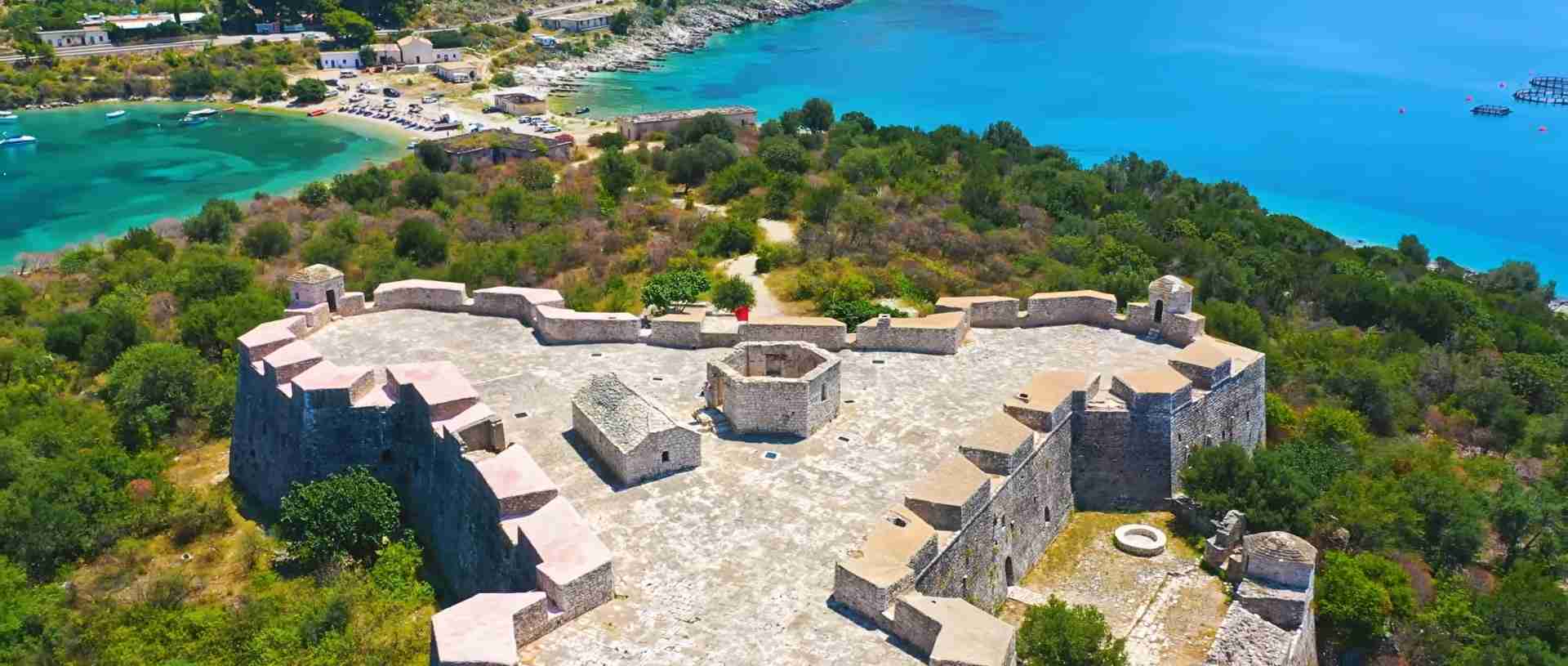
Albania Travel Guide 2026: Ultimate Planning Resource
Albania emerges as Europe’s most compelling value destination in 2026, delivering Greek island-quality beaches at half the cost, Ottoman-era UNESCO towns frozen in time, and dramatic mountain landscapes where ancient traditions endure unchanged. This Adriatic nation costs 30-50% less than neighboring Croatia or Greece while offering comparable experiences across accommodation, dining, and attractions, making it the optimal choice for travelers seeking Mediterranean authenticity without Western European price tags.
Key Takeaways About Visiting Albania in 2026
- Budget Range by Traveler Type: Budget travelers manage on €40-65 per person daily (two sharing basic accommodation), mid-range visitors spend €90-160 per person daily (two sharing comfortable hotels), and luxury seekers invest €215-410 per person daily (two sharing premium properties), with weekly costs ranging €280-455 budget, €630-1,120 mid-range, and €1,505-2,870 luxury for seven-day trips.
- UNESCO World Heritage Portfolio: Albania preserves four UNESCO World Heritage Sites including Butrint’s multi-layered archaeological park spanning Greek, Roman, Byzantine, and Venetian civilizations, the Ottoman stone city of Gjirokastër perched on mountainsides, Berat’s “City of a Thousand Windows” with Byzantine churches inside fortress walls, and the transnational Lake Ohrid shared with North Macedonia, one of Europe’s oldest and deepest lakes supporting endemic species.
- Peak Season Pricing and Crowds: July and August bring 40-60% accommodation price increases along the Albanian Riviera (Ksamil, Sarandë, Dhërmi) with hotels reaching €100-200 per night compared to €40-80 in shoulder seasons, while inland cities (Tirana, Berat, Gjirokastër) maintain steadier year-round rates with only 15-25% summer premiums, making May-June and September-October optimal for balancing weather and value.
- Transportation Economics: Furgons (minibuses) connect major cities for €4-12 per journey with routes like Tirana-Berat costing €5 and Gjirokastër-Sarandë running €4, while local city buses charge minimal 40 ALL (€0.40) fares, making public transport the most economical option compared to taxis averaging €20-30 for airport transfers and €35-60 daily for rental cars including fuel.
- Currency and Payment Infrastructure: The Albanian Lek (ALL) operates at approximately 100 ALL per euro with widespread cash preference outside major hotels, requiring ATM withdrawals in cities before rural excursions, while coastal tourist zones accept euros at unfavorable exchange rates and credit cards work in upscale establishments but fail in family restaurants, markets, and transportation.
- Regional Price Variations: The Albanian Riviera commands 30-50% premiums over inland destinations with Ksamil restaurant meals reaching €15-25 compared to €8-15 in Tirana and €6-12 in northern mountain villages, while accommodation follows similar patterns with coastal guesthouses matching inland boutique hotel prices, creating opportunities for budget optimization through geographic rotation in multi-destination itineraries.
People Also Ask About Albania Travel 2026
How much does Albania cost per day for mid-range travelers in 2026?
Mid-range travelers spend €90-160 per person daily in Albania when two people share hotel accommodation. This budget covers comfortable 3-star hotels at €40-70 per person (room rate divided by two), restaurant meals totaling €33-52 daily including breakfast, lunch, and dinner, mixed transportation using buses and occasional taxis for €8-18, and attraction entrance fees plus tours averaging €10-20. The range accounts for geographic variation with coastal areas requiring the high end and inland cities fitting the low end.
What are Albania’s UNESCO World Heritage Sites and do they charge entrance fees?
Albania maintains four UNESCO World Heritage Sites as of 2026. Butrint Archaeological Park near Sarandë charges 1,000 ALL (€10) for international visitors and showcases Greek, Roman, Byzantine, and Venetian ruins across a 29-square-kilometer coastal site. Berat’s castle and historic quarters charge €3-5 for fortress entry while the Ottoman town exploration remains free. Gjirokastër Castle costs €3-5 with the stone city’s streets open without charge. Lake Ohrid, shared with North Macedonia, has free shoreline access with optional boat tours and monastery visits carrying separate fees.
Is Albania expensive compared to Greece and Croatia in 2026?
Albania costs 30-50% less than Greece or Croatia for equivalent experiences across all budget categories in 2026. Albanian Riviera hotels averaging €40-80 per night match Greek island properties charging €100-200, while restaurant meals costing €10-18 in Tirana compare to €20-40 in Athens or Dubrovnik. Transportation shows similar gaps with Albanian intercity buses at €4-12 versus Croatian routes at €15-30. Attraction entrance fees rarely exceed €10 in Albania while Greek archaeological sites reach €20-25, making Albania Europe’s best-value Mediterranean destination.
When is the best time to visit Albania for weather and value in 2026?
May-June and September-October deliver optimal weather-value balance for Albania travel in 2026. Spring months offer 20-25°C temperatures, minimal rainfall, and accommodation prices 30-40% below July-August peaks, with coastal hotels at €50-80 versus €100-150 in summer. September provides warm 23-28°C beach weather with post-summer price drops creating the year’s best value window. November-March brings budget-friendly rates with Tirana hotels at €25-40, though coastal properties close and mountain roads become impassable, while April sees unpredictable weather despite low prices.
Extended multi-day tours – 5+ days
Featured Albania Multi-Day Tour Packages
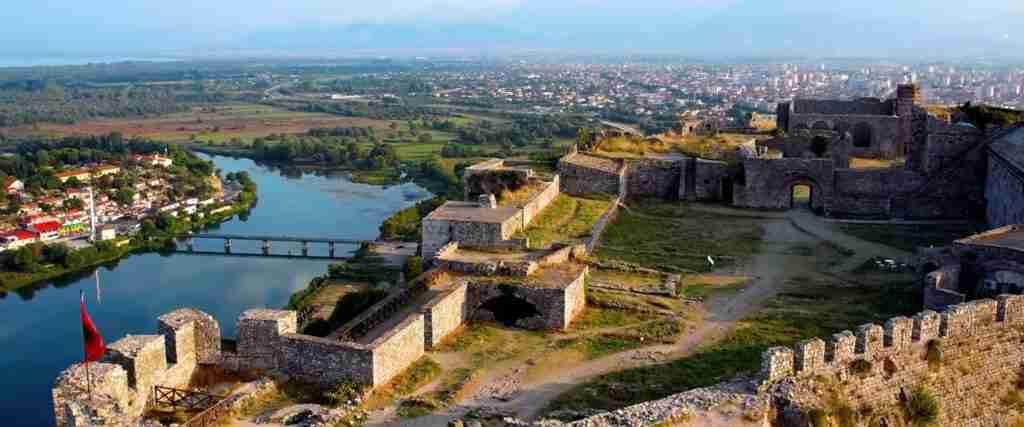
3 days
Albania 3-Day Discovery Tour
- ✓ Comprehensive Albania experience
- ✓ Expert local guides included
- ✓ All accommodation included
- ✓ Transportation provided
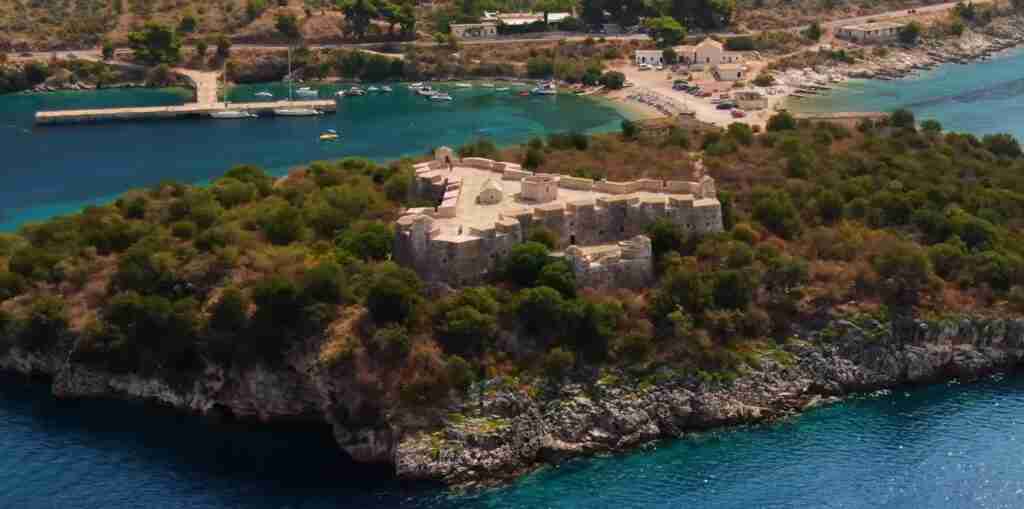
5 days
Albania 5-Day Highlights Experience
- ✓ Comprehensive Albania experience
- ✓ Expert local guides included
- ✓ All accommodation included
- ✓ Transportation provided
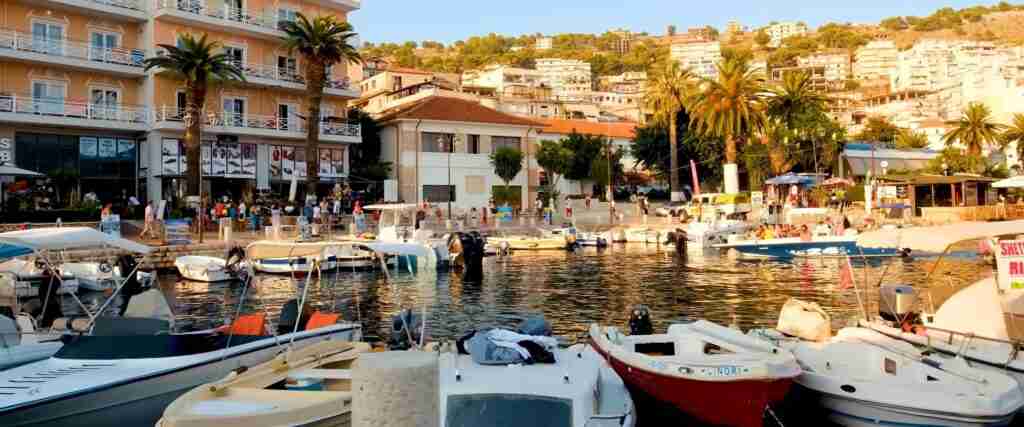
7 days
Albania 7-Day Cultural Journey
- ✓ Comprehensive Albania experience
- ✓ Expert local guides included
- ✓ All accommodation included
- ✓ Transportation provided

10 days
Albania 10-Day Complete Adventure
- ✓ Comprehensive Albania experience
- ✓ Expert local guides included
- ✓ All accommodation included
- ✓ Transportation provided
Multi-day tour packages powered by TourRadar. Prices and availability subject to change.
Introduction: Albania’s Transformation as Europe’s Value Destination 2026
Albania completes its remarkable evolution from Europe’s isolated backwater to the continent’s most compelling value destination in 2026, attracting travelers seeking authentic Mediterranean experiences without the crushing crowds and inflated prices plaguing Croatia, Greece, and Italy. This nation of 2.8 million delivers UNESCO-protected Ottoman architecture, Albanian Riviera beaches rivaling the Amalfi Coast, and mountain villages preserving medieval customs, all accessible at costs 30-50% below neighboring destinations while infrastructure improvements eliminate many challenges that frustrated earlier visitors.
The country’s dramatic price advantage stems from its late entry into mass tourism combined with a currency outside the eurozone, creating opportunities for budget-conscious travelers to secure comfortable accommodations for €40-80 per night where similar properties command €100-200 in Greece, dine at traditional restaurants for €10-18 per meal versus €20-40 across the Adriatic, and explore world-class archaeological sites for €3-10 compared to €20-25 entrance fees at comparable Greek or Italian monuments. Albania’s four UNESCO World Heritage Sites anchor a cultural heritage portfolio spanning Illyrian, Greek, Roman, Byzantine, Ottoman, and Communist eras, while the Albanian Riviera’s turquoise waters and white-sand beaches satisfy beach seekers without Santorini or Dubrovnik price tags.
Understanding Albania’s 2026 landscape requires recognizing both the opportunities and challenges facing first-time visitors. The opportunities include exceptional value across all budget tiers, relatively undiscovered destinations outside peak July-August crowds, genuine cultural experiences in villages where tourism remains minimal, and improving infrastructure with new highways connecting major cities. The challenges include limited English outside tourist zones, cash-dependent transactions requiring advance ATM planning, public transportation lacking formal schedules in rural areas, and accommodation quality varying widely despite online photos suggesting otherwise.
This guide addresses practical planning essentials for Albania travel in 2026, covering verified costs across budget categories, seasonal weather and pricing patterns, transportation logistics between major destinations, accommodation strategies for different traveler types, regional variations affecting daily spending, and realistic itineraries balancing beach, culture, and mountain experiences. The information reflects Albania’s rapid evolution as infrastructure improvements accelerate, tourist arrivals climb 30-40% annually, and local businesses adapt to international visitor expectations while maintaining the authentic character that distinguishes Albania from overdeveloped Mediterranean neighbors.
Albania’s geographic diversity concentrates experiences other countries spread across hundreds of kilometers. The Albanian Riviera’s beaches, Butrint’s archaeological treasures, and Lake Ohrid’s natural beauty cluster within 150 kilometers of Sarandë, while Tirana provides capital city energy just 100 kilometers from Berat’s UNESCO old town and 230 kilometers from Gjirokastër’s Ottoman fortress city. The northern Albanian Alps offer trekking experiences matching Switzerland’s scenery at Balkan prices, though reaching these mountains requires significantly more planning and time than coastal or central destinations.
Travelers planning Albania visits in 2026 benefit from understanding the country’s dual identity: a traditional Balkan nation preserving customs unchanged for centuries alongside a rapidly modernizing tourist economy racing to accommodate growing international arrivals. This duality creates the opportunities drawing visitors—authentic experiences at exceptional value—while generating the frustrations testing patience, including infrastructure gaps, language barriers, and service inconsistencies. Success requires realistic expectations, flexible planning, and appreciation for Albania’s works-in-progress status as it balances preservation with development.
Understanding Albania’s Geography and Regional Diversity 2026
Albania occupies 28,748 square kilometers of the western Balkan Peninsula, bordered by Montenegro to the northwest, Kosovo to the northeast, North Macedonia to the east, and Greece to the south, with 427 kilometers of Adriatic and Ionian coastline defining its western edge. The country’s compact size belies its dramatic topographic diversity, ranging from sea-level coastal plains through rugged mountain ranges exceeding 2,700 meters in the northern Albanian Alps, creating distinct regional identities that significantly affect travel planning, costs, and seasonal accessibility.
The Albanian Riviera stretches 150 kilometers along the Ionian coast from Palasë south to Sarandë near the Greek border, delivering Albania’s premier beach destinations including Dhërmi, Jale, Himarë, Qeparo, Borsh, and Ksamil. This region commands Albania’s highest accommodation and dining prices during July-August with beachfront hotels reaching €100-200 per night compared to €40-80 in shoulder seasons, while coastal village restaurants charge €15-25 per meal versus €8-15 in inland cities. The Riviera’s dramatic topography—beaches backed by mountains rising directly from the sea—creates spectacular scenery but limits development to narrow coastal corridors, concentrating crowds and maintaining premium pricing even as Albania’s overall costs remain low.
Central Albania anchors around capital city Tirana (population 500,000) with UNESCO World Heritage cities Berat and Gjirokastër forming the region’s cultural triangle. This area offers Albania’s most developed tourist infrastructure with consistent accommodation quality, reliable transportation connections, and English-speaking service. Hotels in Tirana range €40-120 per night across budget to mid-range categories, while Berat and Gjirokastër guesthouses within historic quarters charge €35-70 for Ottoman-era properties delivering atmosphere unavailable in modern hotels. Central Albania maintains steadier year-round pricing with only 15-25% summer premiums compared to the Riviera’s 40-60% seasonal swings.
Southern Albania encompasses the archaeological treasure of Butrint, Lake Ohrid’s Albanian shore, and the Riviera gateway city of Sarandë. This region combines cultural sites, beach access, and natural landscapes within compact distances, making it Albania’s most popular tourist zone. Sarandë accommodates beach-seeking budget travelers in €30-50 guesthouses while offering upscale seafront hotels at €80-150, with Ksamil’s village guesthouses and Butrint’s proximity creating base-camp potential for multi-day exploration. Transportation proves straightforward with frequent furgons connecting Sarandë to Gjirokastër (€4), Butrint (€2), and Ksamil (€1).
Northern Albania features the Albanian Alps (Accursed Mountains) offering trekking experiences matching Swiss or Austrian scenery at Balkan prices, with Valbona and Theth villages serving as trekking bases at 800-1,000 meters elevation. This region demands significantly more planning than coastal or central areas with limited public transportation, accommodation requiring advance booking, and seasonal access restricted to May-October when snow clears mountain passes. Budget accommodations in mountain guesthouses cost €20-35 per night including half-board, while the challenging access and remote locations deter all but adventurous travelers, creating Albania’s most authentic cultural experiences.
Eastern Albania remains Albania’s least-visited region despite Lake Ohrid’s UNESCO designation and Korçë city’s Ottoman and French-influenced architecture. Limited tourist infrastructure, minimal English, and transportation connections requiring multiple transfers keep this area firmly off most international itineraries. Travelers venturing here benefit from rock-bottom prices with Korçë hotels at €25-45 and traditional restaurants serving meals for €6-10, though the effort required for reaching these destinations exceeds the savings for short visits focused on major attractions.
Budget Breakdown 2026: Daily Costs by Traveler Type
Understanding Albania’s true travel costs in 2026 requires examining expenses across accommodation, meals, transportation, and attractions by budget tier, accounting for seasonal price fluctuations, regional variations, and the compound effects of daily choices over multi-day itineraries. Albanian prices reflect the country’s position outside the eurozone with currency approximately 100 Albanian Lek per euro, creating favorable exchange rates for European and North American travelers while domestic wages averaging €550 monthly maintain service costs well below Western European standards.
Budget Traveler Daily Costs 2026 (€40-65 Per Person)
Budget-conscious travelers manage Albania on €40-65 per person daily when two share hostel dormitories or basic guesthouses, prioritize street food and local eateries, use public buses exclusively, and focus on free attractions. Accommodation in hostel dormitories costs €20-25 per person in Tirana, Berat, and Gjirokastër hostels, while budget guesthouses away from prime locations charge €40-50 per room, divided by two for €20-25 per person. Coastal areas during July-August push even basic guesthouses to €60-80 per room, raising per-person costs to €30-40 and stretching budget limits.
Food expenses on budget itineraries total €16-25 daily through strategic choices. Breakfast from bakeries costs €3-5 for byrek (savory pie) and coffee, lunch at self-service eateries or street food runs €5-8 for substantial portions, and dinner at traditional restaurants in neighborhood locations charges €8-12 for mains plus salad. Travelers preparing occasional meals from supermarkets reduce costs further with bread, cheese, produce, and basics totaling €8-12 for DIY lunch and breakfast components.
Transportation on budget remains minimal at €3-8 daily using local buses at 40 ALL (€0.40) within cities and choosing walking over taxis. Intercity travel via furgons costs €4-12 per journey, so budget travelers limit movement or stay longer in each destination to minimize transport spending. The Tirana airport shuttle at 400 ALL (€4) saves €20-25 versus taxis.
Activities and attractions budget €3-8 daily, emphasizing free experiences like exploring Berat’s cobblestone quarters, hiking trails around cities, public beaches along the Riviera, and Gjirokastër’s lower town streets. Budget travelers selectively visit paid attractions, choosing perhaps Butrint at €10 or Berat Castle at €5 while skipping others, museums, and organized tours. This limitation shapes itineraries around free experiences while ensuring flagship sites receive adequate attention without breaking daily budgets.
Mid-Range Traveler Daily Costs 2026 (€90-160 Per Person)
Mid-range travelers spend €90-160 per person daily in Albania when two share comfortable 3-star hotels, dine at sit-down restaurants, mix public buses with occasional taxis, and visit paid attractions without constant budget calculations. Accommodation in 3-star or quality boutique hotels costs €80-140 per room, divided by two for €40-70 per person. Tirana hotels at this level deliver modern rooms with reliable Wi-Fi, breakfast, and English-speaking staff, while Berat and Gjirokastër boutique properties in restored Ottoman houses provide unique atmosphere at similar prices. Coastal mid-range hotels during summer reach €100-180 per room, raising per-person costs to €50-90.
Dining expenses reach €33-52 daily for three restaurant meals. Breakfast at hotels or cafés costs €8-12 for Western options beyond basic byrek, lunch at decent restaurants runs €10-15 for main courses with drinks, and dinner at quality establishments charges €15-25 for full meals including wine or beer. Mid-range travelers occasionally splurge on higher-end restaurants at €25-35 per person while balancing with simpler meals, maintaining the €33-52 daily average across weekly periods.
Transportation spending increases to €8-18 daily through mixed strategies. Mid-range travelers use furgons for intercity routes while taking taxis for airport transfers, late-night returns, or luggage-heavy trips. Within cities, they walk central areas while using taxis for distant restaurants or attractions, spending €5-12 daily on urban transport. The flexibility proves worth the cost for comfort and time savings.
Activities and attractions budget €10-20 daily, covering major site entrance fees without hesitation. This tier visits Butrint (€10), Berat Castle (€5), Gjirokastër Castle (€5), Bunk’Art museums (€9), and occasional organized tours. Mid-range travelers don’t restrict experiences based on entrance fees, though they skip premium private tours preferring independent exploration with selective guide services.
Luxury Traveler Daily Costs 2026 (€215-410 Per Person)
Luxury travelers invest €215-410 per person daily in Albania when two share premium properties, dine at upscale restaurants, use private transportation, and book curated experiences. Accommodation in 5-star hotels or luxury boutiques costs €200-400 per room, divided by two for €100-200 per person. Properties at this level include Tirana’s international chains, Berat’s high-end boutique restorations, and Albanian Riviera beachfront resorts with pools, spas, and elevated service. Summer coastal rates reach €300-500 per room, pushing per-person accommodation to €150-250.
Dining expenses total €60-100 daily for upscale restaurants and wine. Breakfast included at luxury hotels saves €15-20, while lunch at quality establishments runs €20-35 and dinner at top restaurants costs €40-65 including wine, cocktails, and appetizers. Luxury travelers prioritize dining experiences as attractions themselves, seeking Albania’s emerging farm-to-table movement and seafood restaurants along the Riviera.
Transportation costs €25-50 daily through rental cars, private transfers, and taxi usage without public transport. Rental cars at €35-60 daily plus €10-15 fuel provide flexibility, while private drivers for day trips charge €80-150 depending on distance. Airport transfers use pre-arranged services at €25-35 rather than shared shuttles.
Activities and experiences budget €30-60 daily for private guides, premium tours, and exclusive access. This tier books private archaeological site tours at €80-150 for half-days, wine tasting experiences at €60-100, boat trips along the Riviera at €100-200, and other curated experiences unavailable to budget or mid-range travelers.
Accommodation Costs and Strategies Across Albania 2026
Albania’s accommodation landscape in 2026 spans from €10 hostel dormitory beds through €400-per-night luxury resorts, with quality varying dramatically even within price categories and location determining value more than star ratings. Understanding regional pricing patterns, seasonal fluctuations, and booking strategies proves essential for optimizing accommodation spending while ensuring acceptable quality standards that online photos frequently misrepresent.
Budget Accommodation Options (€20-50 Per Room)
Hostel dormitories cost €18-25 per bed in Tirana, Berat, Sarandë, and Gjirokastër, offering the most economical option for solo travelers or those comfortable with shared bathrooms and common areas. Albanian hostels maintain acceptable cleanliness standards with reliable Wi-Fi and English-speaking staff, though hot water consistency and noise levels vary by property. Tirana’s hostels cluster in the Blloku neighborhood near restaurants and nightlife, while Berat and Gjirokastër hostels occupy restored buildings within historic quarters delivering atmosphere budget hotels can’t match.
Budget guesthouses charging €25-50 per room provide private accommodations for couples or those preferring privacy. These family-run properties offer basic rooms with private bathrooms, simple breakfasts, and personal interaction with hosts, though English proficiency varies and amenities remain minimal—expect aging furniture, thin mattresses, and sporadic hot water. Location determines value with guesthouses 1-2 kilometers from city centers or beaches delivering significantly lower prices than prime-location competitors charging €10-15 premium for walkable access.
Coastal budget accommodations during July-August see 50-70% price increases with Sarandë and Ksamil guesthouses reaching €60-80 that cost €30-45 in May-June or September-October. Budget travelers targeting the Riviera should absolutely avoid July-August or accept per-person costs jumping to €30-40 from the €20-25 shoulder season baseline. Alternatively, inland bases like Gjirokastër maintain year-round €30-45 guesthouse rates while positioning travelers 45 minutes from coastal day trips.
Mid-Range Hotels (€50-140 Per Room)
Three-star and quality boutique hotels charging €50-140 per room deliver reliable comfort for travelers prioritizing consistent standards over budget minimization. Tirana’s mid-range hotels at €60-100 provide modern rooms, included breakfast, air conditioning, and English-speaking reception, making them safe choices for first-time Balkans visitors. International chain representation remains limited with Best Western and Maritim operating Tirana properties at €80-120, while Albanian boutique hotels deliver comparable quality at €60-90.
Berat and Gjirokastër’s mid-range accommodations occupy restored Ottoman houses within UNESCO quarters at €50-90 per room, offering unique atmosphere with period architecture, traditional furnishings, and castle views. These boutique guesthouses provide Albania’s most characterful lodging at prices matching generic 3-star hotels in Tirana, making them compelling value for travelers prioritizing experience over modern amenities. Expect uneven floors, low doorways, and staircases reflecting centuries-old construction alongside renovated bathrooms and comfortable beds.
Albanian Riviera mid-range hotels at €80-140 per room during summer (€50-80 shoulder seasons) deliver sea views, pools, and beach access at prices Croatian or Greek equivalents charge for city-center rooms without water views. Properties in Dhërmi, Himarë, and Qeparo balance location with rates, while Sarandë’s hotels lean urban despite seafront positions. Mid-range travelers should book coastal accommodations 60-90 days advance for July-August, while May-June and September allow 7-14 day booking windows with availability.
Luxury and Boutique Properties (€150-400 Per Room)
Five-star hotels and premium boutiques charging €150-400 per room concentrate in Tirana and along the Albanian Riviera, delivering service and amenities matching international luxury standards while maintaining prices 30-40% below comparable Greek or Croatian properties. Tirana’s luxury tier includes the Marriott at €180-250 and boutique options like the Plaza at €150-200, providing business-class infrastructure with meeting facilities, upscale restaurants, and concierge services.
Albanian Riviera luxury resorts at €200-400 per room cluster around Dhërmi, Vuno, and Jale beaches, offering clifftop positions with infinity pools, spa facilities, private beach access, and restaurants emphasizing local ingredients and seafood. These properties cater to Albanian diaspora visitors and European travelers seeking premium beach experiences without Santorini or Amalfi pricing. Summer rates reach €300-500 for seafront rooms while shoulder seasons drop to €150-250 for identical accommodations.
Luxury travelers should recognize Albania’s five-star category doesn’t match Western European or American interpretations of luxury, with service standards, amenities, and attention to detail lagging despite impressive infrastructure and beautiful settings. Properties described as luxury frequently deliver four-star experiences at four-star prices, making them excellent value rather than true luxury by international standards. Expectations requiring adjustment include limited English beyond reception, inconsistent housekeeping attention, and breakfast buffets emphasizing quantity over quality.
Food and Dining Costs Throughout Albania 2026
Albanian cuisine blends Mediterranean, Ottoman, and Balkan influences creating distinctive dishes emphasizing grilled meats, fresh vegetables, feta cheese, olive oil, and simple preparations highlighting ingredient quality over complex techniques. Dining costs in 2026 range from €1 street food to €40 upscale restaurant meals, with traditional eateries delivering exceptional value at €8-15 per person while coastal tourist zones command 30-50% premiums that still undercut neighboring countries.
Street Food and Quick Meals (€1-5)
Byrek, Albania’s ubiquitous savory pie, costs €1-2 per piece from bakeries throughout cities and towns, providing substantial portions with spinach, cheese, meat, or tomato fillings enclosed in flaky phyllo dough. Paired with dhallë (salted yogurt drink) at €0.50, byrek constitutes a complete meal for under €3 that locals consume for breakfast or lunch. Quality varies by bakery with lines of waiting Albanians indicating superior products worth joining.
Qofte (grilled meatballs), tavë (baked meat and vegetable casseroles), and sufllaqe (Albanian-style gyros) from street vendors cost €2-4 per portion, feeding hungry travelers on minimal budgets. These quick meals appear throughout cities with vendors setting up near markets, bus stations, and central squares during lunch hours. Food safety standards meet EU requirements with Albania’s 2020 regulations bringing operations into compliance, though travelers with sensitive stomachs should observe vendor hygiene before purchasing.
Self-catering from supermarkets and markets costs €8-12 daily for bread, cheese, tomatoes, olives, and fruit, allowing budget travelers to minimize restaurant expenses while experiencing Albania’s excellent produce and dairy products. Tirana’s central markets offer better prices and quality than supermarkets, though language barriers complicate transactions without Albanian or pointing skills. Coastal towns lack comprehensive supermarkets making self-catering difficult in smaller villages.
Traditional Restaurants (€8-18 Per Meal)
Traditional eateries serving Albanian classics in neighborhood locations cost €8-18 per person for complete meals including appetizer or salad, main course, and non-alcoholic drink. Tirana’s traditional restaurants in areas like the Pazari i Ri (New Bazaar) deliver grilled lamb at €10-14, tavë kosi (lamb with yogurt sauce) at €8-12, and seafood at €12-18 depending on fish type. These establishments cater primarily to locals maintaining authentic preparations and generous portions that often exceed tourist restaurant quantities.
Berat and Gjirokastër’s traditional restaurants charge €10-15 for mains in atmospheric settings within Ottoman quarters, with castle-view terraces adding €2-3 premium over side-street competitors serving identical food. Slow-cooked lamb, stuffed peppers, qifqi (rice balls), and local wine at €3-5 per liter create memorable meals at costs Greek tavernas charge for appetizers alone. English menus remain uncommon requiring photo menus or Albanian language skills for ordering.
Albanian Riviera restaurants along the coast cost €15-25 per person for similar meals at tourist-oriented establishments, with Ksamil and Himarë beachfront locations commanding highest prices. Travelers dining one street back from waterfront save 20-30% for identical food quality, making short walks worthwhile for daily meal spending. Sarandë’s pedestrian street offers mid-range options at €12-18 balancing location with reasonable pricing for resort town context.
International and Upscale Dining (€20-40 Per Meal)
Upscale restaurants emphasizing farm-to-table cuisine, creative preparations, and wine programs cost €20-40 per person in Tirana and along the Riviera. Tirana’s emerging fine dining scene includes Mullixhiu at €25-35 per person showcasing Albanian ingredients through modern techniques, and Oda at €20-30 serving refined traditional dishes in historic settings. These establishments target affluent Albanians and international visitors seeking elevated experiences beyond standard traditional fare.
Albanian Riviera seafood restaurants at €25-40 per person specialize in grilled fish, octopus, and shellfish with sea views and romantic settings. Fish pricing varies by catch and season with sea bream at €18-24 per kilogram, sea bass at €22-28, and shellfish plates at €20-30. Ordering whole fish versus fillets affects final costs with presentations emphasizing visual impact through whole-fish service.
Italian restaurants throughout Albania charge €15-25 per person for pizza and pasta dishes rivaling Rome’s neighborhood trattorias at 40% lower costs. Albanian pizza ranks among the Balkans’ best with Tirana pizzerias delivering Neapolitan-style pies at €6-10 comparable to Naples originals. Italian immigrants established restaurants during the 1990s creating authentic options for travelers seeking Mediterranean flavors beyond Albanian cuisine.
Beverages and Coffee Culture
Albanian coffee culture centers on tiny espresso cups consumed slowly at sidewalk cafés where locals gather for hours-long social sessions. Espresso costs €0.80-1.30 depending on location with tourist-zone premiums adding €0.50-1 versus neighborhood cafés. Cappuccino at €1.50-2 and macchiato at €1-1.50 provide caffeinated fuel at costs that make Italian coffee seem expensive.
Local wine costs €3-5 per liter in traditional restaurants and €8-15 per bottle in upscale establishments, with Albanian vintages improving dramatically through EU-funded modernization of vineyards and cellars. Raki (grape or plum brandy) appears as complimentary digestif at many restaurants with commercial bottles costing €8-15. Beer prices range €1.50-3 for domestic Tirana, Korça, or Kaon brands with imported selections at €3-4.50.
Bottled water costs €0.50-1 in shops and €1-2 in restaurants, with Albania’s tap water unsafe for drinking outside major hotels requiring consistent bottled water purchases throughout trips. Budget travelers should factor €2-3 daily for bottled water especially during summer months when dehydration risks increase.
Transportation Guide 2026: Getting To and Around Albania
Albania’s transportation infrastructure continues improving in 2026 with new highways connecting major cities and expanded international flight connections, though public transport outside main routes remains chaotic and rental car logistics require patience with variable road conditions. Understanding transportation options, realistic costs, and booking strategies proves essential for efficient travel between Albania’s dispersed attractions while managing the 15-30% of daily budgets transportation typically consumes.
International Arrival: Flights to Tirana
Tirana International Airport serves as Albania’s primary gateway with direct flights from major European cities operated by Wizz Air, Austrian Airlines, Lufthansa, Turkish Airlines, and Aegean Airlines. Summer 2026 sees expanded service from UK airports through easyJet and Jet2, Italian cities via ITA Airways and Volotea, and Balkan connections through Air Serbia and Croatia Airlines. North American travelers connect through Vienna, Munich, Istanbul, or Athens with total journey times ranging 12-16 hours depending on layover duration.
Flight costs from Europe range €80-300 roundtrip depending on booking timing, season, and origin city, with Wizz Air offering lowest base fares at €60-120 roundtrip from Vienna, Milan, or Budapest when booked 60-90 days advance. Legacy carriers charge €150-300 with included baggage and seat selection versus Wizz Air’s €30-50 baggage fees and €8-15 seat charges pushing total costs comparable. Summer (June-September) sees 40-60% premium over shoulder season March-May and October-November periods.
The Tirana airport shuttle bus operates hourly from 6:00 AM to midnight charging 400 Albanian Lek (€4) for 30-minute transfers to city center Skanderbeg Square. This shared service represents Albania’s best transportation value connecting international arrivals to accommodations without taxi negotiations. Private taxis from official airport ranks cost €20-30 with pricing posted at arrivals—haggling attempts fail with legitimate airport taxis though unlicensed drivers may approach in arrivals hall offering €15 rides that sometimes reach €25 after invented surcharges.
Intercity Transportation: Furgons and Long-Distance Buses
Furgons (privately operated minibuses) dominate intercity transportation in Albania, departing when full rather than on fixed schedules from designated stations near each city’s center. These 10-15 passenger vehicles cost €4-12 for most routes with Tirana-Berat at €5 (2 hours), Berat-Gjirokastër at €10 (3 hours), Gjirokastër-Sarandë at €4 (1 hour), and Sarandë-Ksamil at €1 (15 minutes). Drivers announce destinations in Albanian requiring either language skills or clear communication of intended stops, while departure times remain approximate with morning hours seeing most frequent service.
Tirana’s intercity furgons depart from designated stations by destination: northern routes leave from the Northern Bus Station near the ring road, southern destinations including Berat, Gjirokastër, and the coast depart from the Southern Bus Terminal, while eastern routes to Lake Ohrid use stations near the train station. Arriving at stations 30-60 minutes before desired departure ensures seats on preferred furgons, while afternoon departures may see limited service or full vehicles during July-August peak season.
Larger air-conditioned buses operated by companies like Gjirafa Travel and Albanian Trip connect Tirana to major cities on fixed schedules bookable online, charging slightly higher fares at €6-15 with guaranteed seats and departure times. These services prove worth the €2-3 premium for travelers carrying luggage, seeking reliable schedules, or uncomfortable with furgon ambiguity. Routes operate Tirana-Sarandë (6 hours), Tirana-Vlorë (3 hours), and Tirana-Shkodër (2 hours) with 2-4 daily departures depending on season.
Urban Transportation Within Cities
Tirana operates local bus service charging 40 Albanian Lek (€0.40) per ride with route maps available at hotels and tourist information. Buses run 5:30 AM to 11:00 PM on major routes though service proves unreliable outside peak hours with waits exceeding 30 minutes common. The system serves local commuters rather than tourists with routes connecting residential neighborhoods to center rather than linking tourist attractions—walking proves more efficient than buses for central area exploration spanning Skanderbeg Square through Blloku to Grand Park.
Taxis within Tirana cost €3-8 for typical trips using official yellow cabs with meters that drivers reliably use without negotiation attempts. Ride-hailing apps including Bolt and FreeNow operate in Tirana with pricing matching or undercutting taxis while providing upfront fare quotes eliminating uncertainty. Airport runs from downtown hotels cost €15-20 via apps compared to €20-30 for street taxis.
Berat, Gjirokastër, Sarandë, and other secondary cities lack public transportation systems requiring walking or taxis for movement. These compact towns center on pedestrian-friendly old quarters where walking proves fastest while taxis serve luggage transport and distant accommodation. Short taxi rides cost €3-5 within towns, while trips to accommodation 2-3 kilometers outside centers run €5-8.
Rental Cars: Freedom Versus Complexity
Rental cars provide optimal flexibility for Albanian Riviera exploration and multi-destination itineraries, costing €35-60 daily for economy vehicles during summer 2026 with shoulder season rates dropping to €25-40. International companies including Hertz, Budget, and Europcar operate from Tirana airport with prices €5-10 higher than local agencies, while local rental offices in Tirana and Sarandë offer competitive rates with more flexible damage policies—critical given Albania’s road conditions and parking chaos challenging even experienced drivers.
Albanian driving conditions require mental preparation: mountainous two-lane roads with hairpin turns and minimal guardrails, erratic local driving including sudden stops and aggressive overtaking, livestock on roads in rural areas, and Tirana traffic rivaling Rome for chaos with unwritten rules superseding posted signs. The Albania-Kosovo highway opened in 2024 provides excellent conditions, while the Riviera coastal road remains narrow with challenging curves that reward cautious driving and test nerves on busy summer weekends.
Rental car costs include mandatory insurance at €15-25 daily, fuel at €1.60-1.80 per liter (Albania’s fuel costs exceed Germany’s), highway tolls averaging €5 daily when using major routes, and parking fees at €2-5 in coastal towns during summer. Total daily costs reach €50-75 combining base rental, insurance, and fuel for 150-200 daily kilometers, making rental worthwhile for groups of 3-4 splitting expenses or itineraries requiring regular movement between bases.
Major Destinations and Attractions in Albania 2026
Albania concentrates diverse attractions across compact geography with UNESCO heritage cities, archaeological treasures, beach resorts, and mountain wilderness accessible within 3-4 hour drives from capital city Tirana. Understanding each region’s signature attractions, optimal visit duration, and cost expectations enables efficient itinerary planning balancing cultural depth with budget realities while avoiding the trap of attempting too many destinations in limited timeframes.
Tirana: Capital City Energy and Starting Point
Tirana evolves into a dynamic Balkan capital combining Ottoman mosques, Italian-era architecture, Communist-era concrete painted in vibrant colors, and modern cafés creating visual chaos that somehow works. The city serves practical purposes as transportation hub and itinerary bookend rather than compelling destination in itself, with 1-2 days sufficient for seeing signature attractions including Skanderbeg Square’s collection of National History Museum, Et’hem Bey Mosque, Clock Tower, and Palace of Culture.
Bunk’Art 1 and Bunk’Art 2, massive Cold War bunkers converted to museums, cost €9 entrance and deliver Albania’s most fascinating modern history exhibitions through multimedia displays explaining Enver Hoxha’s paranoid dictatorship that built 750,000 bunkers for 3 million people. The museums occupy authentic bunkers—Bunk’Art 1 requires taxi access 4 kilometers from center while Bunk’Art 2 sits in central Tirana near Skanderbeg Square. Combined tickets cost €15 with half-day required for thorough exploration.
Mount Dajti accessed via €14 roundtrip cable car provides Tirana overview from 1,200 meters elevation with restaurants and hiking trails at the summit. The Dajti Ekspres cable car operates 9:00 AM to 7:00 PM in summer with last descent at 8:00 PM, carrying visitors above Tirana’s sprawl to forested mountainside in 15-minute journey. Budget travelers skip this tourist trap while mid-range visitors enjoy the experience as novelty rather than essential attraction.
Tirana’s value lies in its emerging restaurant scene, café culture, and evening energy in the Blloku neighborhood where Communist-era exclusivity zones transformed into nightlife districts. Budget €15-25 per person for Blloku dinner and drinks experiencing Tirana’s modern face before departing for UNESCO towns and beaches that define Albania’s tourism appeal.
Berat: The City of a Thousand Windows
Berat ranks among Albania’s most captivating destinations with UNESCO-protected Ottoman quarters cascading down hillsides below a Byzantine fortress, creating postcard vistas that justify 2-3 days despite the town’s modest size. White Ottoman houses with distinctive rows of windows (earning the “thousand windows” nickname) line steep cobblestone streets in the Mangalem and Gorica quarters separated by the Osum River, while Berat Castle crowns the ridge preserving Byzantine churches and residential neighborhoods within 13th-century fortifications.
Castle entrance costs €5 with the site remaining inhabited—families live within walls alongside the Onufri Museum (additional €5) displaying post-Byzantine icons in a preserved church. The castle rewards 2-3 hours of exploration through residential streets, church courtyards, and fortress ramparts providing Berat panoramas. Visitors wearing modest clothing (covered knees and shoulders) access churches freely while immodest dress restricts entry following Orthodox customs.
Mangalem and Gorica quarters require no entrance fees with optimal exploration following organic wandering through narrow lanes discovering hidden mosques, traditional craft shops, and family-run restaurants tucked into Ottoman houses. The Ethnographic Museum in Gorica charges €3 showcasing 19th-century domestic life through preserved house interiors and traditional costumes.
Accommodation in Berat’s historic quarters costs €50-90 in renovated Ottoman guesthouses delivering Albania’s most atmospheric lodging—sleeping within UNESCO heritage in buildings predating American independence creates unique appeal justifying 20-30% premiums over generic hotels. Budget travelers find simple guesthouses at €35-45 outside prime old town locations while luxury boutiques reach €120-150 for period properties with modern amenities.
Gjirokastër: The Stone City Frozen in Time
Gjirokastër preserves Ottoman fortress architecture more completely than any Balkan city with stone tower houses climbing hillsides below an imposing castle, creating atmospheric walks through centuries-old streets where tourism remains secondary to local life. The UNESCO-designated old town rewards 2 days exploring residential quarters, visiting museums, and absorbing the unique architecture of stone-roofed kulla (tower houses) built by wealthy merchants during the 18-19th centuries.
Gjirokastër Castle dominates the skyline with entrance at €5 providing access to castle grounds, weapons museum, captured US Air Force plane from 1957, and fortress ramparts overlooking the Drino Valley. The castle hosts summer festivals including the National Folklore Festival held every five years (next in 2024) attracting performers from across Albania. Budget 1.5-2 hours for castle exploration though views alone justify admission.
The Ethnographic Museum occupies dictator Enver Hoxha’s birthplace charging €3 entry for Ottoman-era house interiors and artifacts showcasing 19th-century life. The Skenduli House, a rare privately owned kulla open for tours, costs €3 with family members guiding visitors through the remarkable 1700s interior preserved essentially unchanged for three centuries. These house museums deliver intimate perspectives on Ottoman-era daily life unavailable in larger museums.
Gjirokastër’s old bazaar sells copper crafts, textiles, and souvenirs with prices noticeably lower than Berat’s tourist-oriented shops—traditional copper coffee sets cost €15-25, wool blankets €20-35, and carved wood items €5-15. Modest haggling proves acceptable with 10-15% reductions possible on multi-item purchases.
Butrint: Albania’s Premier Archaeological Site
Butrint Archaeological Park protects Albania’s most significant ancient ruins across a 29-square-kilometer site encompassing Greek theater, Roman baths, Byzantine baptistery, and Venetian fortifications spanning 2,500 years of continuous occupation. UNESCO inscription recognizes Butrint’s exceptional preservation and multi-layered history visible through structures representing Illyrian, Greek, Roman, Byzantine, Venetian, and Ottoman periods creating a archaeological textbook of Mediterranean civilizations.
Entrance fees cost 1,000 Albanian Lek (€10) for international visitors with youth ages 12-18 at 500 Lek and children under 12 free. The site opens 8:00 AM to sunset (7:00 PM summer, 5:00 PM winter) with the Acropolis museum maintaining 9:00 AM to 7:00 PM hours. Allow minimum 2-3 hours for site exploration though archaeology enthusiasts easily spend half-day examining details across the extensive grounds.
Butrint’s location 18 kilometers south of Sarandë requires transportation planning. Shared minibuses depart Sarandë throughout morning hours costing €2 each way with afternoon return service less reliable—coordinate return timing with drivers or budget €15-20 for private taxi from site. Rental car access provides flexibility with free parking at the entrance. Organized tours from Sarandë cost €25-40 per person including transport, guide, and entrance, delivering value for travelers seeking interpretation beyond site signage.
The site spreads across forested wetlands with walking paths connecting monuments through Mediterranean vegetation and Lake Butrint views creating exceptional atmosphere. The Roman theater, baptistery mosaics, and Lion Gate rank among Albania’s most photographed monuments while the overall setting—ruins emerging from forest beside blue water—rewards visitors seeking atmospheric archaeological experiences over Greece’s sun-baked stone fields.
Albanian Riviera: Beach Paradise at Balkan Prices
Albania’s Ionian coast delivers Greek island beach quality without Greek prices across 150 kilometers of dramatic shoreline from Palasë south to Sarandë. Turquoise water, white-stone beaches, and mountains rising directly from the sea create spectacular scenery rivaling Croatia’s Dalmatian Coast at costs 40-60% lower. The Riviera’s appeal centers on natural beauty and value rather than infrastructure or service, with development levels ensuring authentic experiences while limiting luxury expectations.
Ksamil village near Butrint serves as the Riviera’s most popular beach destination with three small islands 100 meters offshore creating postcard-perfect swimming and snorkeling. This tiny village explodes during July-August with Albanian families, regional tourists, and increasing international arrivals overwhelming the limited accommodation and restaurant infrastructure. Guesthouses cost €60-100 per room in peak season (€30-50 shoulder), restaurants charge €15-25 per person, and beaches require arriving by 9:00 AM for umbrella space. Ksamil works best as day trip from Sarandë or May-June/September visit avoiding peak madness.
Dhërmi, Jale, Himarë, Qeparo, and Borsh beaches spread along the mountainous coast 30-60 kilometers north of Sarandë, each offering distinct character from Dhërmi’s developed beach clubs through Qeparo’s traditional village atmosphere. These destinations attract younger travelers seeking beach bars and evening energy with prices at €80-140 for beachfront hotels, €10-18 for restaurant meals, and €15-25 for daily beach umbrella plus lounger rentals at organized beach sections. Free beach access exists but prime spots require arrival before 10:00 AM during summer weekends.
Sarandë functions as the Riviera’s tourist capital and transportation hub with ferry connections to Corfu, furgon services to regional destinations, and the highest concentration of hotels and restaurants. The city’s waterfront promenade, abundance of services, and central position make it practical base for Riviera exploration despite limited beach quality compared to surrounding villages. Sarandë hotels cost €40-90 for acceptable quality with restaurants at €12-20 per person and nightlife extending until 2:00-3:00 AM during summer months.
Lake Ohrid: Transnational Natural Wonder
Lake Ohrid straddles the Albania-North Macedonia border as one of Europe’s oldest and deepest lakes supporting endemic species found nowhere else on earth. The UNESCO-inscribed lake combines natural significance with cultural heritage through lakeside monasteries and medieval churches on the Macedonian shore, while Albania’s less-developed coast preserves wetlands and traditional fishing villages maintaining authenticity lost to mass tourism across the border.
Pogradec serves as Albania’s Lake Ohrid gateway with modest hotels at €35-60, lakeside restaurants specializing in korani (endemic trout) at €12-18 per plate, and ferry connections to Macedonia’s Ohrid town. The Albanian shore lacks developed tourism infrastructure compared to Macedonia’s side where Ohrid town concentrates archaeological sites, Byzantine churches, and medieval fortifications—day trips from Pogradec via bus or organized tour ($40-60) provide access to these attractions unavailable on Albanian shores.
Albania’s Lake Ohrid value emerges through natural beauty and peaceful atmosphere rather than cultural monuments. Travelers seeking crowded beaches and historical sites should prioritize Macedonia’s shore, while those wanting authentic villages and nature-focused experiences choose Albania’s undeveloped coast. Most international visitors base in North Macedonia’s Ohrid town accessing Albanian shores as day trips rather than staying in Pogradec’s limited accommodation.
Sample Itineraries for Albania 2026: Budget, Mid-Range, and Luxury
Effective Albania itineraries balance UNESCO heritage exploration, beach relaxation, and mountain scenery while accounting for transportation realities that make rushing between too many destinations exhausting and expensive. The following sample itineraries demonstrate realistic pacing, verified costs, and strategic choices by budget tier for 7-day trips covering Albania’s essential highlights.
7-Day Budget Itinerary (€280-455 Total Per Person)
Day 1-2 Tirana: Arrive via international flight, take airport shuttle at 400 Lek (€4), check into hostel dormitory at €20-25 per night. Explore Skanderbeg Square, visit Bunk’Art 2 at €9, walk Grand Park and Blloku neighborhood. Meals from street food and local eateries at €16-25 daily. Days 1-2 costs: accommodation €40-50, meals €32-50, transport €6-10, attractions €9-12. Subtotal: €87-122.
Day 3-4 Berat: Morning furgon from Tirana at €5, check into budget guesthouse at €35-45 per room (€17-22 per person sharing). Walk Mangalem and Gorica quarters freely, visit castle at €5, Onufri Museum at €5. Eat traditional restaurants at €10-15 per meal. Days 3-4 costs: accommodation €34-44, meals €32-40, transport €5-8, attractions €10-15. Subtotal: €81-107.
Day 5-7 Albanian Riviera: Furgon from Berat to Sarandë at €10, base in Sarandë budget guesthouse at €30-40 per room (€15-20 per person sharing). Day trip to Butrint via shared minibus at €4 roundtrip, entrance €10. Beach days at free sections in Sarandë and Ksamil. Meals at neighborhood restaurants at €12-18 daily. Days 5-7 costs: accommodation €45-60, meals €36-54, transport €14-20, attractions €10-15. Subtotal: €105-149.
Return to Tirana on Day 7: Furgon from Sarandë at €12, airport shuttle at 400 Lek (€4). Transport: €16-20.
Total 7-Day Budget: Accommodation €119-154, Meals €100-144, Transport €41-58, Attractions €29-42. Grand Total: €289-398 per person.
7-Day Mid-Range Itinerary (€630-1,120 Total Per Person)
Day 1-2 Tirana: Airport taxi at €25, check into 3-star hotel at €80-100 per room (€40-50 per person sharing). Visit National History Museum at €5, Bunk’Art 1 and 2 combined ticket at €15, Dajti Express cable car at €14. Dine at mid-range restaurants at €35-50 daily. Days 1-2 costs: accommodation €80-100, meals €70-100, transport €30-40, attractions €34-40. Subtotal: €214-280.
Day 3-4 Berat: Private transfer or rental car pickup at €40, check into boutique hotel in old town at €70-90 per room (€35-45 per person sharing). Visit all museums and castle at combined €15, wine tasting at local winery at €25. Restaurant meals at €15-20 per person. Days 3-4 costs: accommodation €70-90, meals €60-80, transport €40-50, attractions €40-55. Subtotal: €210-275.
Day 5-7 Albanian Riviera: Drive rental car to Dhërmi with scenic stops at €50 total including fuel, check into seafront hotel at €100-140 per room (€50-70 per person sharing). Beach umbrella rentals at €15 daily, boat trip along coast at €40, restaurant meals at €18-25 daily. Butrint day trip via car, entrance €10. Days 5-7 costs: accommodation €150-210, meals €108-150, transport €60-80, attractions €75-90. Subtotal: €393-530.
Return to Tirana on Day 7: Drive rental car, return at airport, total transport included above.
Total 7-Day Mid-Range: Accommodation €300-400, Meals €238-330, Transport €130-170, Attractions €149-185. Grand Total: €817-1,085 per person.
7-Day Luxury Itinerary (€1,505-2,870 Total Per Person)
Day 1-2 Tirana: Private transfer from airport at €35, check into Marriott or Plaza Hotel at €180-250 per room (€90-125 per person sharing). Private city tour with guide at €100 per couple, fine dining at Mullixhiu at €30-40 per person. Days 1-2 costs: accommodation €180-250, meals €120-160, transport €40-55, private experiences €100-130. Subtotal: €440-595.
Day 3-4 Berat: Private driver transfer at €80, check into luxury boutique at €140-200 per room (€70-100 per person sharing). Private walking tour at €80 per couple, wine estate visit with tasting at €80 per couple. Upscale restaurant meals at €25-35 per person. Days 3-4 costs: accommodation €140-200, meals €100-140, transport €80-100, private experiences €160-200. Subtotal: €480-640.
Day 5-7 Albanian Riviera: Private transfer to Dhërmi at €100, check into beachfront resort at €280-400 per room (€140-200 per person sharing). Private boat excursion at €200 per couple, beachfront fine dining at €40-60 per person daily. Private Butrint tour at €150 per couple. Days 5-7 costs: accommodation €420-600, meals €240-360, transport €120-160, private experiences €350-450. Subtotal: €1,130-1,570.
Return to Tirana on Day 7: Private driver to airport at €120.
Total 7-Day Luxury: Accommodation €740-1,050, Meals €460-660, Transport €360-435, Experiences €610-780. Grand Total: €2,170-2,925 per person.
Seasonal Guide: Best Time to Visit Albania in 2026
Albania’s Mediterranean climate creates distinct seasonal patterns affecting weather conditions, tourist crowds, and pricing across the country’s diverse regions from Adriatic beaches through mountain wilderness. Understanding seasonal tradeoffs enables strategic planning that balances ideal weather with budget constraints while avoiding the July-August peak that transforms coastal Albania into crowded resort zones with 40-60% price premiums.
Peak Season: July-August
Summer brings Albania’s highest temperatures at 28-35°C with minimal rainfall, creating optimal beach conditions while making inland city exploration uncomfortable during afternoon hours. The Albanian Riviera reaches capacity during July-August with accommodation prices jumping 40-60% to €80-140 for mid-range hotels that cost €50-80 in shoulder seasons, while restaurants add 15-25% premiums and beaches require 9:00 AM arrival for umbrella space. Albanian diaspora returns from Western Europe for August holidays joined by increasing regional tourists from Kosovo, North Macedonia, and beyond, creating traffic congestion on coastal roads and full buses requiring advance booking.
Peak season advantages include guaranteed sunshine for beach days, full restaurant and nightlife operations in coastal towns, reliable transportation with maximum service frequencies, and festival activity including beach concerts and cultural events. The disadvantages encompass crowded conditions at beaches and UNESCO sites, inflated prices across accommodation and dining, heat reaching uncomfortable levels in inland cities like Berat and Gjirokastër where shade proves scarce, and advance booking requirements 60-90 days out for coastal hotels.
Peak season travelers should prioritize the Albanian Riviera during this period while visiting Tirana, Berat, and Gjirokastër outside July-August when temperatures remain moderate and tourist pressure decreases. Budget travelers face difficult choices with peak season costs pushing daily spending to €55-85 from shoulder season €40-65, essentially eliminating budget tier from coastal areas during summer months.
Shoulder Season: May-June and September-October (Optimal)
Spring and early fall deliver Albania’s best balance of weather and value with May-June temperatures at 20-28°C, September at 23-30°C, and minimal rainfall creating comfortable conditions for beach and cultural exploration. Shoulder season accommodation costs drop 30-40% from peak with coastal hotels at €50-80 that reach €100-150 in summer, while inland properties maintain year-round rates. Crowds diminish significantly allowing relaxed beach experiences and uncrowded UNESCO site exploration, though some beach clubs and resort amenities operate reduced schedules or close entirely outside July-August.
May proves ideal for cultural touring with wildflowers in mountain regions, mild temperatures for walking cobblestone historic quarters, and minimal tourist competition at museums and restaurants. June begins warm enough for swimming (water temperatures 20-23°C) while maintaining pre-peak pricing through mid-month, making it Albania’s single best month for combined cultural and beach experiences. September delivers warmest water temperatures (23-26°C) with post-summer calm as diaspora returns to work, creating exceptional beach conditions with space and service.
October brings decreasing temperatures (15-23°C) with increasing rainfall making beach swimming marginal while creating perfect hiking weather in mountain regions. Cultural travelers find October outstanding for Tirana, Berat, and Gjirokastër exploration with clear skies, comfortable temperatures, and minimal crowds, though coastal restaurants begin closing and accommodation options narrow as properties enter winter shutdown.
Low Season: November-April
Winter transforms Albania into locals-only territory with coastal areas essentially closing November through March as hotels shut, restaurants reduce operations, and beach infrastructure disappears. Tirana and inland cities remain accessible year-round with hotel rates at lowest levels (€35-60 for quality properties), though cold temperatures (5-15°C), frequent rain, and limited daylight hours challenge tourism activities. Budget travelers seeking ultra-low costs find opportunities in winter Tirana at €30-45 daily including accommodation, meals, and museums, though coastal attractions remain inaccessible.
March-April brings spring awakening with wildflowers in mountain regions, increasing temperatures (12-20°C), and unpredictable weather mixing sunny days with rain periods. Coastal properties begin reopening in April though full operations don’t resume until May, creating transitional period where value opportunities exist for flexible travelers accepting partially operational infrastructure. Cultural travelers find March-April excellent for Tirana, Berat, and Gjirokastër with minimal crowds and emerging spring conditions, while beach enthusiasts should delay visits until May minimum.
Practical Planning Tips for Albania 2026
Albania’s infrastructure continues improving though gaps remain requiring advance preparation around currency access, language barriers, safety considerations, and cultural norms that differ from Western European standards. The following practical information addresses common traveler concerns and provides strategies for navigating Albania’s quirks while maximizing trip value and minimizing frustration.
Currency, Banking, and Payment Systems
The Albanian Lek (ALL) operates at approximately 100 Lek per euro in 2026 with exchange rates stable since Albania maintains monetary independence outside the eurozone. ATMs throughout cities and towns dispense Lek with standard international transaction fees at €3-5 per withdrawal plus home bank charges, making large withdrawals (20,000-40,000 Lek) economical to minimize fee frequency. Bank branches offer currency exchange at competitive rates with ID required, while exchange offices in tourist zones provide convenient service at 2-3% worse rates than banks.
Cash dominates Albanian transactions with credit cards accepted only at upscale hotels, major restaurants, and international retailers. Budget guesthouses, traditional eateries, furgons, taxis, and attraction entrances require cash requiring consistent ATM access throughout trips. Travelers should maintain 10,000-20,000 Lek cash reserves for rural areas and weekends when ATMs sometimes empty, particularly in smaller towns during busy summer periods when cash demand exceeds supply.
Euros circulate widely in tourist zones with restaurants and hotels accepting euro payment at unfavorable rates typically 5-10% worse than official exchange. Paying €20 for meals quoted as 2,000 Lek saves exchange hassle while costing €2 versus proper currency use—acceptable for convenience though systematic euro use compounds costs across extended trips. ATM withdrawal, spending in Lek, and retaining any remaining Lek until departure proves most economical.
Language and Communication
Albanian remains the primary language with English proficiency variable—excellent in Tirana hotels and tourist businesses, adequate in coastal resort zones, and minimal in rural areas and among older generations. Young Albanians increasingly speak English through school education and media exposure, while middle-aged and older populations more commonly speak Italian from Italian television consumption during Communist-era when Western programming came exclusively from Italian channels. Basic Italian phrases prove surprisingly useful in Albania’s less-touristed regions.
Translation apps including Google Translate provide essential backup for menu reading, direction requests, and basic communication in non-English contexts. Restaurant menus in tourist zones include English translations of varying quality—”traditional cow with vegetals” means beef stew—while neighborhood eateries maintain Albanian-only menus requiring pointing at other diners’ plates or photo menus for ordering. Markets and shops outside tourist zones operate with minimal English requiring patience, gestures, and calculator use for price negotiations.
Learning basic Albanian phrases beyond hello (përshëndetje) and thank you (faleminderit) impresses locals and eases interactions, though pronunciation challenges make Albanian among Europe’s more difficult languages for English speakers. Numbers, basic food terms, and direction words deliver maximum utility for minimal learning investment.
Safety and Security
Albania ranks among Europe’s safest countries for travelers with violent crime exceptionally rare and petty theft less common than major Western European cities. Tirana’s streets remain safe for evening walks through tourist areas, while smaller cities and towns see virtually no crime affecting visitors. Standard precautions including securing valuables, avoiding empty streets late at night, and maintaining awareness in crowded markets prove sufficient with additional concerns minimal.
Traffic represents Albania’s primary safety risk with aggressive driving standards, minimal pedestrian right-of-way respect, and road conditions varying from excellent new highways to potholed rural lanes. Pedestrians crossing streets require assertive walking combined with constant vigilance as drivers accelerate through crosswalks rather than yielding. Rental car drivers face challenging conditions requiring defensive driving and patience with local habits.
Tap water remains unsafe for drinking outside international chain hotels, requiring consistent bottled water purchases throughout trips. Restaurants and guesthouses understand this standard providing bottled water without question. Food safety meets EU requirements since Albania’s 2020 restaurant regulation reforms, though travelers with sensitive stomachs should avoid street food from vendors lacking visible hygiene standards while traditional restaurants maintain acceptable cleanliness.
Cultural Norms and Etiquette
Albanian culture balances Mediterranean warmth with traditional reserve, particularly in rural areas where tourism remains minimal. Hospitality toward guests runs deep with Albanians offering assistance to confused travelers, providing directions, and ensuring visitors feel welcome. This genuine friendliness creates positive interactions though language barriers sometimes complicate well-intentioned help.
Dress standards remain conservative outside Tirana with modest clothing appropriate for UNESCO town exploration and essential for church or mosque visits. Beaches accept standard swimwear though topless sunbathing remains uncommon and draws attention. Women traveling alone encounter curiosity rather than harassment with Albania safer than many Mediterranean countries for solo female travelers.
Tipping practices remain inconsistent with locals rarely tipping while tourists increasingly add 5-10% at restaurants. Service charges don’t appear on bills making tips genuinely voluntary—rounding up bills or leaving 500-1,000 Lek for good service at mid-range restaurants proves appropriate without obligation. Taxis don’t expect tips though rounding fares to nearest 500 Lek simplifies payment.
Internet and Communication
WiFi functions reliably at hotels and restaurants throughout Albania with connection speeds adequate for email, social media, and messaging though video streaming proves inconsistent. Budget guesthouses sometimes offer slower connections requiring patience for photo uploads and navigation app use. Mobile data provides better reliability than WiFi for travelers requiring consistent connectivity.
European mobile plans including roaming often exclude Albania requiring separate data purchases or expensive roaming charges. Tourist SIM cards from Vodafone Albania or ALBtelecom cost €10-20 for 10-20GB monthly data plus local calls, available at airport kiosks and mobile shops in cities. International eSIM services like Airalo provide convenient data-only plans at €5-15 for 1-5GB avoiding physical SIM purchase and installation.
Money-Saving Strategies for Albania Travel 2026
Albania’s baseline affordability creates excellent value though strategic choices multiply savings enabling budget travelers to access experiences mid-range visitors enjoy in expensive destinations. The following strategies deliver tangible cost reductions without sacrificing safety or comfort beyond reasonable backpacker expectations.
Timing and Seasonal Planning
Visiting Albania during May-June or September-October rather than July-August saves 30-40% on accommodation and 15-25% on dining while delivering superior weather compared to winter low season. A couple’s week-long coastal trip costs €1,200-1,800 in shoulder season versus €1,800-2,600 in peak summer for identical itinerary and comfort level. March-April and October-November extend savings to 40-50% though weather risks increase with spring rain and fall storms possible.
Mid-week travel within high season delivers modest savings with Thursday-Sunday commanding premium rates while Monday-Wednesday sees 15-20% lower coastal accommodation costs. Budget flexibility allowing Monday arrivals and Thursday departures optimizes summer beach trips for travelers unable to shift entirely to shoulder seasons.
Geographic Arbitrage and Base Selection
Basing in Sarandë or Gjirokastër for Albanian Riviera exploration costs 20-30% less than staying directly in Dhërmi, Himarë, or Ksamil while maintaining beach access via €4-8 daily furgons. Sarandë hotels at €40-70 compare to Ksamil €60-100 for equivalent quality, while restaurant meals in Sarandë at €12-18 versus Ksamil’s €15-25 compound savings across multi-day beach stays. The trade involves 30-45 minute beach commutes versus beachfront convenience.
Selecting accommodation 1-2 kilometers from city centers or beaches saves €10-20 per room nightly while requiring brief walks or occasional taxi use at €3-5. Budget travelers walking 15-20 minutes from Berat’s castle to guesthouses below save €15-20 nightly, paying for three hotel-to-castle taxis across a two-night stay while retaining €25-30 net savings.
Food and Dining Optimization
Eating lunch as the main meal exploits Albanian restaurant economics where lunch specials and business menus cost 20-30% less than identical dinner dishes. Traditional restaurants serve “menu of the day” at €6-8 including soup, main course, and soft drink during 12:00-3:00 PM, while evening main courses alone cost €10-14. Eating substantial lunches and lighter dinners from bakeries or simple eateries optimizes food spending to €12-18 daily versus €18-28 for three full restaurant meals.
Street food and self-catering reduce costs further with byrek breakfast at €2, lunch from markets and shops at €4-6 for bread, cheese, tomatoes, and fruit, and simple restaurant dinner at €8-12 totaling €14-20 daily. This strategy proves sustainable for 2-3 days before restaurant meals become desired rather than merely affordable.
Transportation Economics
Public buses and furgons cost €4-12 between major cities versus €35-60 daily rental cars when accounting for rental, fuel, and insurance. Solo travelers and couples visiting only Tirana-Berat-Gjirokastër-Sarandë circuit spend €25-35 on all intercity transport using furgons versus €175-280 for 5-day rental including fuel. Groups of 3-4 travelers reverse this equation with rental car costs split three or four ways.
Airport shuttles at 400 Lek (€4) versus €20-30 taxis save €16-26 per direction with 30-minute transfer times identical. Two travelers save €32-52 roundtrip using shuttles though luggage or late arrivals sometimes justify taxi premiums for convenience.
Frequently Asked Questions About Albania Travel 2026
Is Albania safe for tourists in 2026?
Albania ranks among Europe’s safest destinations for tourists with violent crime exceptionally rare and petty theft less common than major Western European cities. Solo travelers including women report feeling secure walking evening streets in Tirana and other cities, while smaller towns see virtually no crime affecting visitors. Standard precautions including securing valuables, maintaining awareness in crowded areas, and avoiding empty streets late at night prove sufficient. Traffic represents the primary safety concern with aggressive driving standards and minimal pedestrian right-of-way requiring caution when crossing streets or driving rental cars.
Do I need a visa to visit Albania?
United States, Canadian, United Kingdom, European Union, and Australian citizens enter Albania visa-free for stays up to 90 days within 180-day periods, requiring only passports valid for minimum three months beyond departure date. Other nationalities should verify requirements through Albanian embassy websites or official government sources as visa policies change periodically. Albania remains outside the Schengen Area making Albanian time separate from Schengen calculations for travelers combining Albania with EU destinations.
What’s the average cost for one week in Albania for two people?
A couple’s week-long Albania trip costs €900-1,600 for mid-range comfort including 3-star hotels, restaurant meals, mixed transportation, and attraction visits. Budget travelers manage €700-1,100 total for two sharing basic accommodation and using public transport, while luxury visitors invest €2,500-4,000 for premium properties, fine dining, and private experiences. These ranges exclude international flights but include all in-country expenses from accommodation and meals through transport and activities. Coastal focus during July-August pushes costs toward range high-ends while inland cultural itineraries and shoulder season visits favor lower figures.
Can I use euros in Albania?
Many Albanian tourist businesses accept euros though exchange rates typically run 5-10% worse than official rates, essentially charging premiums for payment convenience. Hotels and upscale restaurants usually honor euro payment at reasonable rates while small guesthouses, traditional eateries, and transportation accept euros at unfavorable conversions or refuse them entirely requiring Albanian Lek. Using ATMs to withdraw Lek and paying in local currency proves most economical, while selective euro use for large hotel bills or major purchases where exchange penalties remain minimal proves acceptable. Budget travelers should plan Albanian Lek as primary currency with euros as backup rather than depending on euro acceptance.
How many days do I need to visit Albania?
Seven to ten days proves ideal for first-time Albania visits combining cultural highlights (Tirana, Berat, Gjirokastër) with Albanian Riviera beaches and Butrint archaeological site. Shorter 4-5 day trips require choosing either cultural focus (UNESCO towns) or beach emphasis (Riviera), while two-week itineraries add northern Albanian Alps trekking or Lake Ohrid exploration without feeling rushed. Geographic concentration allows seeing major highlights in one week though rushed pacing sacrifices the relaxed atmosphere that defines Albania’s appeal—travelers forcing 12-14 destinations into brief periods miss the country’s essence through constant movement.
Is Albanian food good?
Albanian cuisine delivers satisfying Mediterranean and Balkan flavors emphasizing grilled meats, fresh vegetables, feta cheese, and olive oil through simple preparations highlighting ingredient quality. Standout dishes include tavë kosi (lamb with yogurt sauce), fergese (peppers and cheese), byrek (savory pies), grilled seafood along the coast, and excellent salads with local tomatoes and cucumbers. Food quality varies by restaurant with traditional neighborhood eateries often exceeding tourist-zone establishments, while portions reliably satisfy without elaborate presentations. Travelers expecting sophisticated culinary experiences find Albania adequate rather than exceptional, while those appreciating honest traditional cooking discover genuine value and flavor.
Do people speak English in Albania?
English proficiency varies significantly by location and generation with young Albanians in Tirana and coastal tourist zones speaking functional to good English, while older populations and rural areas maintain minimal English skills. Hotel and restaurant staff in tourist businesses communicate adequately in English though complex discussions require patience and sometimes translation apps. Italian proves surprisingly useful as middle-aged Albanians learned Italian from television during Communist era, while some German speakers exist from past emigration to Germany. Budget travelers should expect language barriers outside major tourist areas while mid-range and luxury hotels provide reliable English communication.
When is the cheapest time to visit Albania?
November through March delivers Albania’s lowest prices with Tirana hotels at €25-45, inland guesthouses at €20-35, and restaurant meals maintaining year-round costs without tourist premiums. However, coastal areas essentially close during winter with beaches inaccessible and Albanian Riviera accommodations shuttered November through April, limiting trip options to city touring in cold, rainy conditions. For travelers seeking beach experiences, May-June and September-October provide optimal value as shoulder seasons with accommodation 30-40% below July-August peaks while maintaining warm weather and operational coastal infrastructure. October proves cheapest month combining reasonable weather with post-summer price drops.
How much should I budget daily for mid-range travel in Albania?
Mid-range travelers should budget €90-160 per person daily when two share hotel accommodation in Albania during 2026. This covers comfortable 3-star hotels at €40-70 per person (room divided by two), three restaurant meals totaling €33-52, mixed transportation using buses and taxis at €8-18, and attraction entrances plus occasional tours at €10-20. Coastal areas during July-August require the high end while inland cities and shoulder seasons fit the low end. Weekly costs reach €630-1,120 per person for seven days, excluding international flights but including all in-country expenses from accommodation through activities.
Are Albanian beaches as good as Greek islands?
Albanian Riviera beaches rival Greek islands for water quality, scenery, and natural beauty with turquoise Ionian waters, white-stone beaches, and dramatic mountain backdrops matching Kefalonia or Lefkada at significantly lower costs. Infrastructure, service, and beach club amenities lag Greek standards with Albanian beaches maintaining developing-destination character versus Greece’s established resort operations. Travelers prioritizing natural beauty, uncrowded beaches, and value over sophisticated beach clubs and extensive services find Albanian Riviera compelling, while those expecting Greek island infrastructure and English-everywhere convenience should adjust expectations or pay comparable prices at Albania’s premium properties.