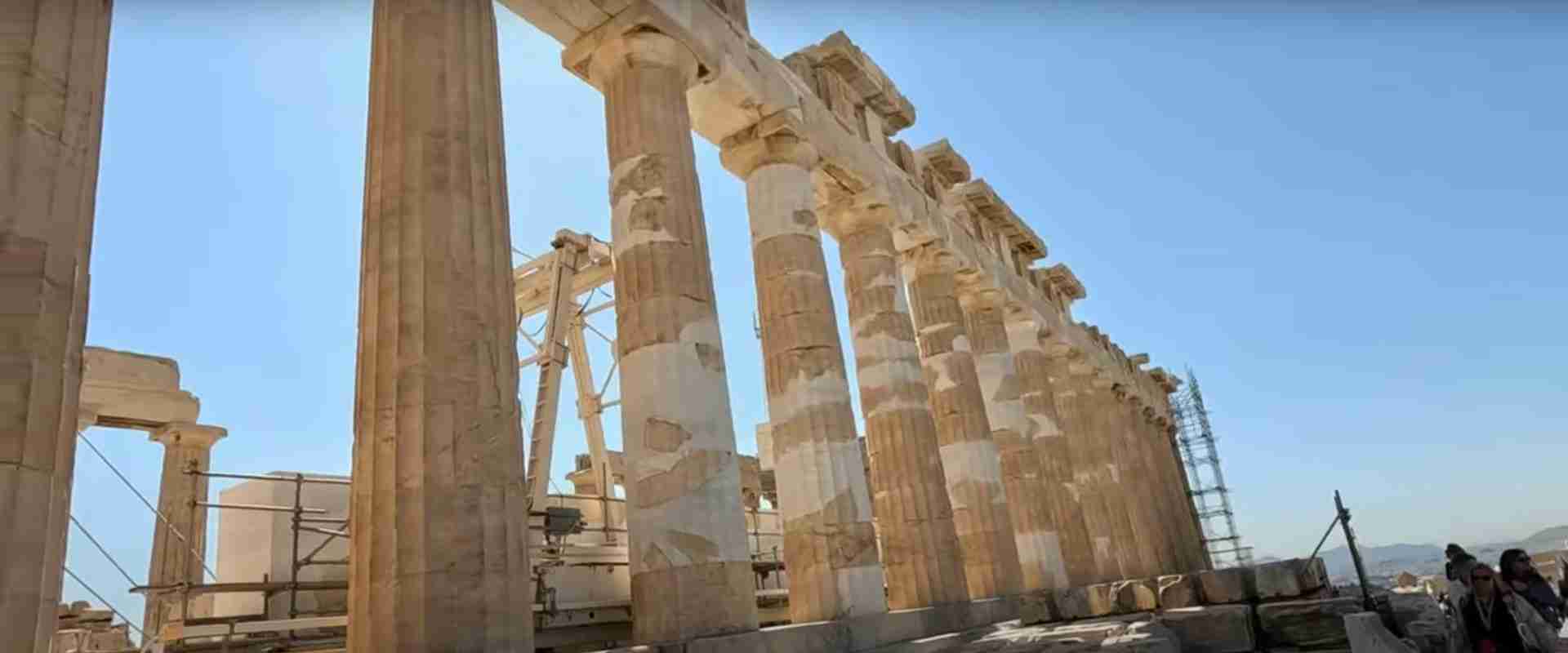
Acropolis Museum vs. Site Visit: Which Should You Choose First in Athens?
Key Takeaways
- Museum first strategy: Provides historical context that dramatically enhances outdoor site appreciation
- Site first approach: Creates emotional impact that museum artifacts then illuminate and explain
- Separate tickets required: €35 total cost (€20 Acropolis + €15 Museum) with no combination discounts
- Time requirement: Minimum 4-5 hours for both experiences with proper pacing and breaks
- Weather dependency: Museum provides perfect backup when outdoor conditions become challenging
- Different strengths: Site offers authentic atmosphere, museum provides detailed preservation and context
The decision between visiting the Acropolis site or Acropolis Museum first significantly impacts your overall Athens cultural experience. While both represent essential components of understanding ancient Greek civilization, the sequence affects emotional impact, educational value, and practical logistics in ways that can make or break your encounter with one of the world’s greatest archaeological treasures.
This comprehensive comparison analyzes both approaches through visitor experience data, expert recommendations, and practical considerations to help you make the optimal choice based on your travel style, available time, and cultural interests.
The Case for Museum First: Building Context
Many archaeology experts and seasoned cultural travelers advocate for starting with the Acropolis Museum to build essential historical and cultural context before encountering the outdoor monuments.
Educational Foundation Advantages
Historical Timeline Understanding: The museum’s chronological layout guides visitors through 4,000 years of Acropolis history, from Bronze Age settlements through Roman modifications to modern restoration. This comprehensive timeline helps visitors understand what they’re seeing at the outdoor site rather than just admiring pretty ruins.
Original Artifact Experience: The museum houses over 4,000 authentic artifacts excavated from the Acropolis, including original Caryatid sculptures, architectural fragments, and everyday objects from ancient Greek life. Seeing these preserved originals helps visitors appreciate the scale and sophistication of the original monuments.
Parthenon Frieze Context: The museum’s top floor displays the complete Parthenon frieze narrative, combining original sections with plaster casts of pieces now in the British Museum. Understanding this sculptural story program dramatically enhances appreciation when viewing the outdoor temple.
Practical Museum First Benefits
Weather Independence: Start with climate-controlled comfort regardless of outdoor conditions, providing flexibility for timing the outdoor portion when weather improves.
Energy Management: Begin with relaxed museum exploration while energy levels are high, saving physical outdoor climbing for when you’re mentally prepared and contextually informed.
Crowd Timing Strategy: Use museum visits during peak outdoor hours (10 AM-2 PM) when the Acropolis site experiences maximum congestion, then transition to the outdoor site during less crowded periods.
Museum First Success Stories
Visitors who start with the museum consistently report enhanced appreciation and understanding during their subsequent outdoor experience. The museum’s interactive elements and detailed explanations help decode architectural features and historical significance that would otherwise remain mysterious.
Families particularly benefit from this approach, as children develop excitement and context through the museum’s interactive Kids Corner before tackling the physical challenges of climbing ancient marble steps.
The Case for Site First: Authentic Impact
Traditional archaeological site visiting advocates argue for experiencing the authentic outdoor monuments first to create powerful emotional impact before analyzing details in museum comfort.
Emotional Connection Priorities
Atmospheric Authenticity: Standing among actual ancient stones where Pericles, Socrates, and Plato walked creates irreplaceable emotional connections impossible to replicate in modern museum settings.
Scale and Majesty: The Parthenon’s imposing presence and panoramic Athens views provide visceral impact that museum displays cannot match. This emotional foundation then makes museum artifacts more personally meaningful.
Sensory Experience: Feeling Mediterranean breezes, hearing city sounds from ancient viewpoints, and touching weathered marble creates multi-sensory memories that purely visual museum experiences cannot provide.
Photography and Documentation Benefits
Optimal Light Timing: Morning golden hour (8-9 AM) provides ideal photography conditions at the outdoor site, while museum visits work equally well at any time with controlled indoor lighting.
Weather Window Maximization: Use perfect weather windows for the outdoor site first, knowing the museum remains available regardless of conditions.
Energy for Climbing: Tackle the physical challenge of ascending the Acropolis while energy levels peak, leaving the more relaxed museum exploration for when you’re physically tired.
Site First Success Patterns
Visitors who begin outdoors often report that museum artifacts become more meaningful after experiencing the actual archaeological context. Seeing weathered column fragments in the museum gains significance after touching similar pieces still in place outdoors.
Photography enthusiasts particularly benefit from this approach, capturing optimal outdoor lighting conditions first, then using museum time for detailed artifact photography and educational reinforcement.
Comprehensive Comparison: Experience Factors
Direct comparison across key experience factors reveals the strengths and limitations of each approach.
Educational Value Analysis
Museum First Educational Advantages:
- Complete historical timeline before site confusion
- Original artifact examination with detailed labeling
- Interactive displays explaining construction techniques
- Audio guides providing comprehensive cultural context
- Climate-controlled comfort enabling focused learning
Site First Educational Benefits:
- Authentic ancient atmosphere inspiring curiosity
- Scale and proportion appreciation impossible indoors
- Geographical context within Athens urban development
- Physical connection to historical events and people
- Natural motivation to seek more information afterward
Practical Logistics Comparison
Museum First Logistics:
- Timing Flexibility: Museum hours accommodate various schedules
- Weather Insurance: Guaranteed activity regardless of outdoor conditions
- Facility Benefits: Excellent restrooms, cafes, and comfort amenities
- Energy Conservation: Rest while learning before physical outdoor challenges
Site First Logistics:
- Light Optimization: Capture best photography conditions early
- Crowd Avoidance: Use optimal timing windows for peaceful experiences
- Physical Strategy: Complete climbing while energy levels peak
- Weather Maximization: Use perfect outdoor conditions immediately
Visitor Type Recommendations
Different traveler profiles benefit from different approaches based on interests, physical capabilities, and cultural priorities.
First-Time Athens Visitors
Recommended Approach: Museum First
Reasoning: First-time visitors lack context for interpreting archaeological remains. The museum’s comprehensive introduction prevents the common experience of walking among ruins without understanding their significance.
Optimal Sequence:
- Acropolis Museum (2 hours including Kids Corner if traveling with family)
- Light lunch at museum cafe with Acropolis views
- Outdoor Acropolis visit (2 hours) with enhanced appreciation
- Evening reflection time in nearby Plaka neighborhood
Return Visitors and Greek Culture Enthusiasts
Recommended Approach: Site First
Reasoning: Experienced visitors can appreciate authentic atmosphere without requiring extensive preparation. Previous knowledge allows focus on details, new perspectives, and photographic opportunities.
Optimal Sequence:
- Early morning Acropolis site visit (8 AM) for optimal conditions
- Breakfast in Plaka with view of completed experience
- Museum visit focusing on previously missed details
- Extended exploration of temporary exhibitions
Photography-Focused Travelers
Recommended Approach: Site First (Weather Dependent)
Reasoning: Photography requires optimal lighting conditions that can’t be postponed. Museum photography works equally well at any time with controlled indoor lighting.
Weather-Dependent Strategy:
- Perfect Weather: Site first for golden hour lighting
- Poor Weather: Museum first, wait for outdoor improvement
- Mixed Conditions: Monitor forecasts and adjust sequence accordingly
Families with Children
Recommended Approach: Museum First (Age Dependent)
Reasoning: Children benefit from interactive museum preparation that builds excitement and understanding before tackling physical outdoor challenges.
Age-Specific Modifications:
- Ages 3-7: Short museum visit (Kids Corner focus) then immediate outdoor adventure
- Ages 8-12: Comprehensive museum education followed by outdoor application
- Teenagers: Either approach works; let them choose based on interest
Limited Time Visitors (Half-Day Only)
Recommended Approach: Site First with Museum Highlights
Time-Optimized Strategy:
- Acropolis site visit (1.5 hours) focusing on major monuments
- Museum highlights tour (45 minutes) emphasizing top floor Parthenon gallery
- Skip detailed educational elements in favor of visual impact
Practical Implementation: Making Your Decision
Real-world factors often determine optimal sequencing more than theoretical preferences. Weather, crowds, ticket availability, and personal energy levels all influence the best approach for your specific situation.
Decision-Making Framework
Choose Museum First If:
- You’re visiting during extreme weather (heat wave, storms)
- Peak outdoor crowd times are your only available slots
- Traveling with young children who need educational preparation
- You prefer comprehensive understanding before experience
- Physical limitations make outdoor climbing challenging
Choose Site First If:
- Weather conditions are perfect for outdoor exploration
- You have 8 AM or evening time slots for optimal experiences
- Photography is a primary goal requiring specific lighting
- You’re a return visitor focusing on new perspectives
- You prefer emotional impact before analytical study
Hybrid Approaches
Split Day Strategy:
- Morning: Museum visit during crowd buildup at outdoor site
- Midday: Lunch break and rest in air conditioning
- Late Afternoon: Outdoor site visit during crowd decrease
- Evening: Reflection time with illuminated monument views
Multi-Day Approach:
- Day 1: Museum focus with comprehensive exploration
- Day 2: Outdoor site visit with enhanced appreciation
- Day 3: Return to either location for photography or deeper study
Cost-Benefit Analysis
Understanding the financial investment helps determine optimal sequencing for maximum value from both experiences.
Ticket Pricing Structure
Combined Cost:
- Acropolis Site: €20 (peak) / €10 (low season)
- Acropolis Museum: €15 (peak) / €10 (low season)
- Total Investment: €35 (peak) / €20 (low season)
No Combination Discounts: Since April 2025, no official combination tickets exist, making each visit a separate financial commitment.
Value Optimization Strategies
Peak Season Value Maximization:
- Ensure minimum 2 hours at each location to justify €35 investment
- Use museum cafe and facilities to extend time value
- Take advantage of all included amenities (audio guides, Kids Corner, etc.)
- Combine with free surrounding attractions (Areopagus Hill, Plaka exploration)
Low Season Advantages:
- €20 total investment makes both visits easily affordable
- Winter’s minimal crowds allow extended exploration time
- Museum’s heating provides welcome relief during cold outdoor conditions
Time Management: Optimal Scheduling
Effective time management ensures both experiences receive adequate attention while maintaining energy and enthusiasm throughout your cultural day.
Full Day Cultural Immersion
Museum First Schedule:
- 9 AM: Museum opening, comprehensive exploration (2 hours)
- 11 AM: Museum cafe lunch with Acropolis views
- 12 PM: Rest and preparation for outdoor portion
- 1 PM: Acropolis site visit avoiding peak crowds (2 hours)
- 3 PM: Plaka neighborhood exploration and reflection
Site First Schedule:
- 8 AM: Acropolis site visit at opening (2 hours)
- 10 AM: Breakfast in Plaka while processing experience
- 11:30 AM: Museum visit for detailed context (2 hours)
- 1:30 PM: Museum restaurant lunch with newfound appreciation
- 3 PM: Optional return to outdoor site for photography
Half-Day Intensive Options
Site Priority (3 hours total):
- Acropolis site (2 hours) during optimal timing
- Museum highlights (1 hour) focusing on Parthenon gallery
Museum Priority (3 hours total):
- Museum comprehensive visit (2 hours) with all floors
- Acropolis site highlights (1 hour) focusing on Parthenon
Weather-Based Decision Making
Athens weather patterns often determine optimal sequencing more than theoretical preferences, requiring flexible planning and weather monitoring.
Perfect Weather Strategy
Conditions: Clear skies, comfortable temperatures (15-25°C), minimal wind
Recommendation: Site First
Reasoning: Maximize outdoor experience during ideal conditions, knowing museum remains available regardless of weather changes
Challenging Weather Adaptations
Hot Weather (30°C+):
- Start with 8 AM outdoor visit before heat builds
- Transition to air-conditioned museum during peak heat (10 AM-4 PM)
- Consider evening return to outdoor site for sunset
Rainy Conditions:
- Begin with museum during heaviest precipitation
- Monitor weather for clearing periods
- Outdoor site only during light rain with proper footwear
- Extended museum time if rain continues
Extreme Heat Waves:
- Museum only strategy may become necessary
- Outdoor site often closes during midday heat (12 PM-5 PM)
- Early morning or evening outdoor visits mandatory
Detailed Experience Comparison
Understanding what each experience uniquely offers helps determine which aligns better with your cultural travel priorities.
What the Outdoor Site Provides Exclusively
Authentic Archaeological Context:
- Original geographical setting where ancient events occurred
- Relationship between monuments and surrounding landscape
- Scale and proportion impossible to convey in museum settings
- Integration with modern Athens development patterns
Sensory and Atmospheric Elements:
- Mediterranean climate and natural lighting conditions
- Panoramic views extending to sea and mountains
- Physical connection to ancient stone pathways
- Integration of multiple monuments in original spatial relationships
Photography Opportunities:
- Golden hour lighting on ancient marble
- Architectural composition possibilities
- Athens cityscape integration
- Human scale demonstration
What the Museum Provides Exclusively
Preserved Original Artifacts:
- Original Caryatid sculptures protected from pollution
- Parthenon frieze sections with clear sculptural details
- Painted reconstruction showing original colorful appearance
- Everyday objects revealing ancient daily life
Educational and Interpretive Resources:
- Comprehensive historical timeline with artifacts
- Interactive displays explaining construction and restoration
- Professional audio guides in multiple languages
- Detailed labeling and cultural context
Comfort and Convenience:
- Climate-controlled environment year-round
- Excellent restroom and dining facilities
- Stroller and wheelchair accessibility
- Gift shop with authentic souvenirs
Special Interest Considerations
Specific interests or circumstances may strongly favor one approach over the other.
Art and Architecture Enthusiasts
Recommended: Museum First
Reasoning: Understanding original sculptural programs, architectural techniques, and artistic contexts enhances appreciation of surviving outdoor elements.
The museum’s reconstruction models and detailed architectural displays provide technical knowledge that transforms outdoor viewing from casual observation to informed architectural analysis.
History and Archaeology Buffs
Recommended: Museum First
Reasoning: Comprehensive historical timeline and artifact examination provide essential context for understanding the site’s 4,000-year development and cultural significance.
The museum’s archaeological methodology displays also explain how modern understanding of ancient Greek life develops through careful excavation and analysis.
Casual Cultural Tourists
Recommended: Site First
Reasoning: Emotional impact and visual spectacle provide immediate satisfaction, with museum details available for those wanting deeper understanding.
This approach prioritizes the “wow factor” that creates lasting travel memories while keeping educational elements optional rather than mandatory.
Photography and Social Media Focused
Recommended: Site First (Weather Dependent)
Reasoning: Outdoor photography requires specific lighting conditions that can’t be postponed, while museum photography works equally well at any time.
Logistics Integration: Practical Sequencing
Physical proximity between the museum and archaeological site enables flexible scheduling adjustments based on real-time conditions.
Location Advantages
The 300-meter distance between museum and site entrances allows easy transitions and spontaneous schedule modifications. The southeast Acropolis entrance sits directly adjacent to the museum, creating seamless integration possibilities.
Ticket Timing Coordination
Museum Timing Flexibility: No timed entry requirements allow visits at any time during operating hours
Site Timing Constraints: Mandatory timed entry slots require advance coordination
Strategic Coordination:
- Book Acropolis time slots first (more restrictive)
- Plan museum visits around site timing
- Use museum as flexible time buffer for delays
- Maintain backup timing for weather adjustments
Expert Recommendations from Local Guides
Professional Athens tour guides offer insights based on thousands of visitor experiences across different approaches and circumstances.
Local Guide Consensus
Most Successful Approach: Museum first for 70% of first-time visitors
Reasoning: Educational foundation prevents disappointment and confusion while enhancing appreciation during outdoor exploration.
Guide-Specific Insights
“Preparation Pays Off”: Guides consistently report that visitors who understand historical context before site visits ask better questions, notice more details, and express higher satisfaction levels.
“Weather Flexibility Crucial”: Successful Athens cultural visits require weather-responsive planning, with museum visits providing perfect backup options during challenging outdoor conditions.
“Photography Timing Critical”: Professional photography requires site-first approaches during optimal lighting, while casual photography works with either sequence.
Frequently Asked Questions
Can I visit both the Acropolis and museum in one day?
Yes, most visitors easily combine both experiences in 4-5 hours total. Plan minimum 2 hours each location plus travel time between sites. The 300-meter distance makes transitions very convenient.
Do I need separate tickets for the museum and archaeological site?
Yes, separate tickets are required since combination passes were discontinued in April 2025. Budget €35 total (€20 + €15) during peak season or €20 total (€10 + €10) during winter months.
Which experience is better for children?
Museum first works better for most families. The interactive Kids Corner and educational preparation enhance outdoor site appreciation while providing climate-controlled comfort for breaks and learning.
What if weather ruins my outdoor Acropolis plans?
The museum provides excellent weather backup with full cultural value. Many visitors discover they prefer the detailed artifact viewing and educational displays over fighting weather conditions outdoors.
Can I return to either location the same day?
Tickets are single-use only. Once you exit either location, re-entry requires purchasing new admission. Plan to complete your visit to each site in one session.
Which approach do most experts recommend?
Museum first for first-time visitors and families, site first for return visitors and photography enthusiasts. The optimal choice depends more on your specific circumstances than universal recommendations.
How much time should I allocate for each experience?
Minimum 2 hours each for comprehensive experiences. Museum visits can extend to 3+ hours with detailed exploration, while outdoor sites typically require 1.5-3 hours depending on weather and crowd conditions.
Is there an advantage to visiting multiple times?
Absolutely. Many visitors return to both locations, discovering new details and perspectives. Different weather, lighting, and crowd conditions create entirely different experiences even at familiar sites.
Can I get combined tickets or discounts for both?
No official combination discounts exist. However, some tour operators offer package deals that include both sites with transportation and guide services, sometimes providing marginal savings over individual purchases.
What’s the minimum time needed if I can only choose one?
If forced to choose only one experience, the outdoor Acropolis site provides more unique value that can’t be replicated elsewhere. However, serious cultural travelers should prioritize finding time for both experiences.