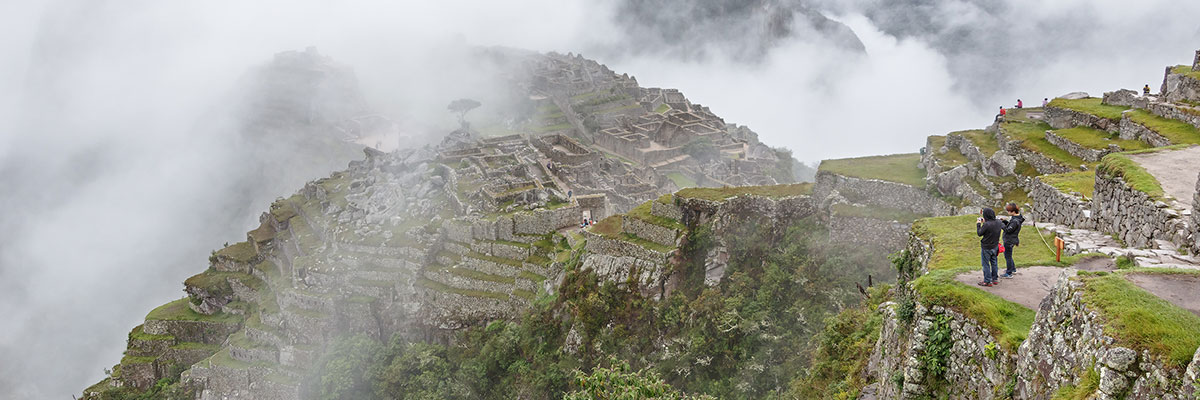
The Inca Trail is by far the MOST famous trek in South America and is rated by many to be in the top 5 treks in the world. In just 26 miles (43km) it Manages to combine beautiful mountain scenery, lush cloud-forest, subtropical jungle and and, of course, a stunning mix of Inca paving stones ruins and tunnels. The final destination of the trail just can not be beaten: Machu Picchu, the mysterious “Lost City of the Incas”.
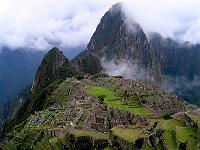
Machu Picchu
Although there are literally Thousands of kilometers of “Inca Trails” throughout Peru this website Concentrates on the Classic 4-day Inca Trail trek starts at km82 That (82 kilometers along the railway from Cusco to Aguas Calientes) and high treks up into the mountains passing the Inca ruins of Llactapata, Runkurakay, Sayacmarca, Phuyupatamarca and before finally arriving Wiñaywayna at Machu Picchu for sunrise on the 4th day of the trek.
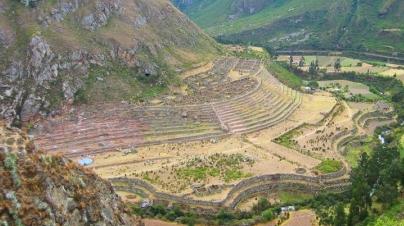
Ruins Llactapata
The Lost City of the Incas, Machu Picchu is without doubt the symbol of the Inca civilization. The road that carried pilgrims and authorized officers of the empire to the sacred city is the “Inca Trail” as we know it today.
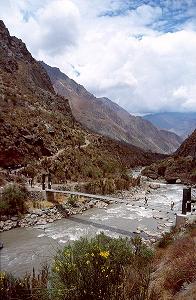
The tour of this Andean path is an unforgettable experience. The road is paved with boulders and has stairs, tunnels and wooden bridges that cross rivers, temperate valleys, the warm cloud forests and cold highlands. This set makes the visitor meditate about the intellectual and spiritual greatness of the Andean man whose greatest achievement was the Inca civilization.
The Inca Trail to Machu Picchu is part of a system of more than 30,000 kilometers that integrated the vast Tawantinsuyo, from southern Colombia to central Chile passing through Quito, Ecuador; Cajamarca, Huanuco, Jauja, Huamanga and Cusco in Peru, La Paz and Cochabamba in Bolivia to Salta and Tucuman in Argentina. These pathways running mostly along the coast and the mountains, and in some cases reached the Amazon such as the Inca Trail to Machu Picchu.
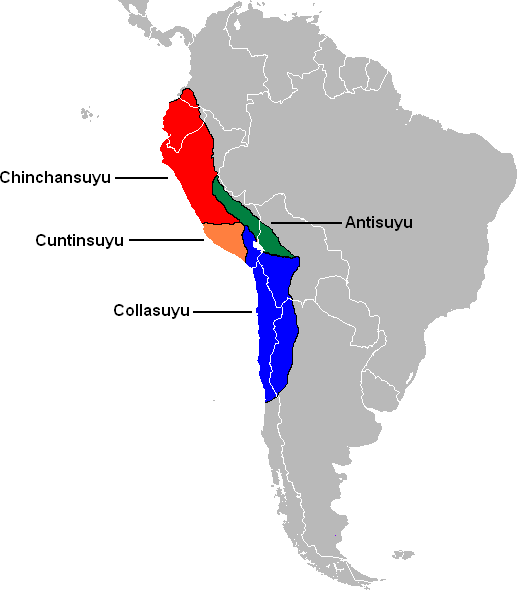
Tawantinsuyo
Inca Trail
One of the main attractions along the route is the ancient network of settlements built in granite rock by the Incas and Phuyupatamarca Wiñaywayna immersed in overpowering natural scenery. Hundreds of varieties of orchids, multicolored birds and dreamlike landscapes provide the ideal setting for a route that the walker should walk at least once.
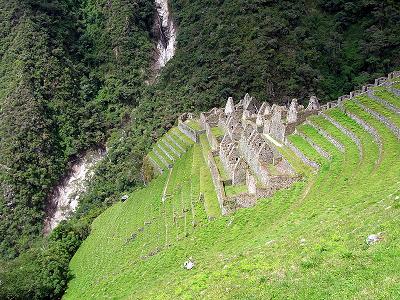
Wiñaywayna
Scenery: The scenery and landscapes also change along the walk. In the first two days the landscape is the presence of Andean type with rugged mountains, glaciers, forests and streams. However, on the third day the tropical vegetation is looking more like a tropical forest. Along the way you may see llamas, hummingbirds, hawks, lizards and sometimes deer.
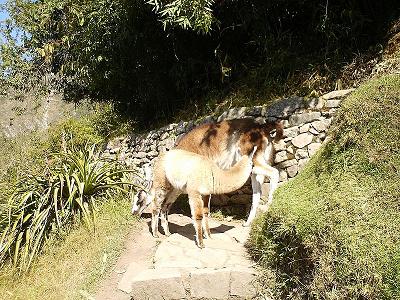
Lllamas in Inca Trail
What to bring to the Inca Trail
For starters, it is obligatory to use a tour or hire a professional guide for the Inca Trail. The guided tour include tents, mattresses or blankets, and food, all you need to bring is a backpack with clothes and personal items, as well as a sleeping bag and a flashlight. It is important to wear a plastic poncho or rain jacket for the months of November to March.
As for water, you can buy bottles of water during the first two days, but by the third day is necessary to purify water, so it is recommended to carry purification tablets or drops of iodine to the water.
As for clothing, we recommend hiking boots, long pants, and shirts, jackets for the cold, gloves and hat for the night. Finally, it is recommended to bring sunscreen and insect repellent, especially in the rainy season (November to March).
Two places, but so much diversity along the road, two places, but so much fun and joy, The Inca Trail and Machu Picchu provides you a life changing experience, when you returned to your country your friends cannot believe the luck that you have and the kind of quality that you’re experienced